
Before Selfies, The Duchess of Devonshire Wore Her Portrait in Diamonds
The original It-girl of the Georgian era, Georgiana, Duchess of Devonshire, helped turn portrait diamond jewelry into an 18th-century status symbol.
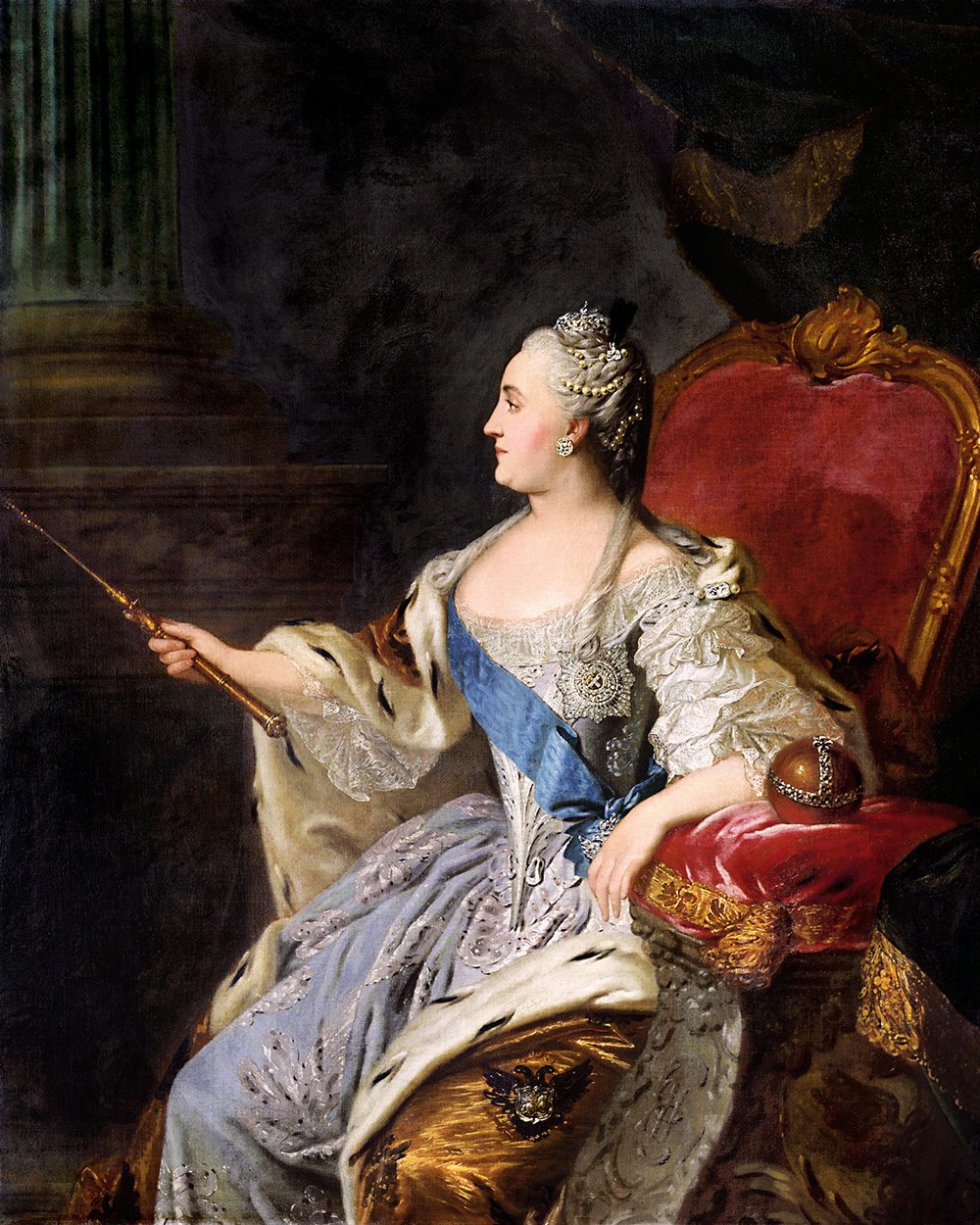
Much has been written about Georgiana, Duchess of Devonshire, who lived from 1757 to 1806, including an entire feature film starring Keira Knightley titled The Duchess. She is often reduced to the role of a frivolous aristocrat on par with Marie Antoinette. Yes, Georgiana was famous for her towering powdered hairstyles, lavish gambling habits, and debts so staggering they became the talk of London society. Her marriage was equally scandalous, involving a complicated love triangle involving her husband and his longtime mistress.
But reducing Georgiana to excess alone overlooks the far more fascinating reality: she was also a devoted mother, a bestselling author, and one of the most influential women in late 18th-century Britain, using her celebrity and charisma to campaign for the Whig party at a time when women were expected to remain silent in politics.
Meet the Experts

Justin Daughters is the Director of Berganza, a UK-based antique and vintage jewelry dealer renowned for sourcing and presenting rare, museum-quality pieces. With a deep expertise in historic jewels, Daughters oversees a collection distinguished by exceptional provenance and authenticity.
Elle Spurr is a researcher and writer at M.S. Rau, a legendary New Orleans antiques gallery. With a degree in Arts Administration from Simmons University, Elle honed her expertise through roles at institutions such as the Museum of Fine Arts, Boston, the Portland Museum of Art and the New Orleans Museum of Art.
That influence extended to jewelry, too. Alongside helping define the glamour of the Georgian era, the Duchess of Devonshire became associated with one of its most romantic and symbolic jewelry trends: portrait diamonds and portrait miniatures, sentimental jewels that fused art, identity, fashion, and devotion into a single wearable object.
Georgiana, the Duchess of Devonshire: It Girl of the Georgian Era
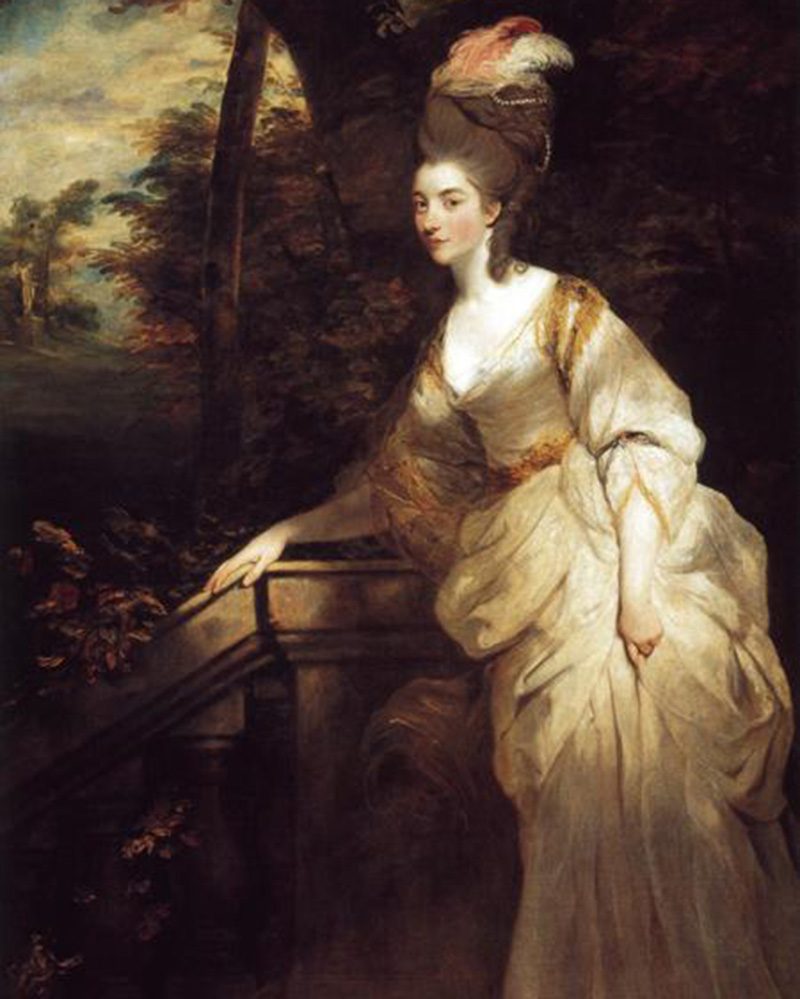
Lady Georgiana Spencer was born at Althorp in Northamptonshire on June 7, 1757, the eldest daughter of John Spencer, 1st Earl Spencer, one of the wealthiest men in England. Born into one of Britain’s most elite families, Georgiana was raised to understand exactly how aristocratic society worked — and exactly what was expected of her within it.
At just 17 years old, she married William Cavendish, 5th Duke of Devonshire, on her birthday in 1774, instantly becoming one of the most watched women in England. But behind the diamonds, big hair, and extravagant parties, the marriage was unhappy almost from the start. Georgiana was charismatic, emotional, wildly intelligent, and far too independent for the rigid expectations placed upon a Duchess.
The Duke carried on relationships outside the marriage throughout much of Georgiana’s life, most famously with Lady Elizabeth Foster, Georgiana’s close friend, who became part of one of the Georgian era’s most scandalous love triangles. He also fathered an illegitimate daughter, Charlotte Williams, with a former milliner named Charlotte Spencer, whom Georgiana later helped raise. Meanwhile, Georgiana faced immense pressure to produce a male heir. After giving birth to two daughters—nicknamed Little G and Harryo—she finally gave birth to a son, William, Marquess of Hartington, known as Hart, in 1790.

Though the Duchess of Devonshire embraced the glamour her position afforded her — dramatic ostrich feathers, lavish jewels, and all — Georgiana was far more than a fashionable society figure. Devonshire House became the unofficial headquarters of the Whig party, and Georgiana became deeply involved in politics, publicly campaigning for Charles James Fox at a time when women were expected to stay far away from political life. She was also a published writer, authoring the satirical novel The Sylph along with several poems.
Her personal life, however, remained as turbulent as any period drama. Georgiana fell deeply in love with politician Charles Grey, but when she became pregnant, the Duke forced her into an impossible choice: Grey and the baby, or the children she already had. She chose her children.
After giving birth in secret, she spent two years in exile and gave the baby to Grey’s family to raise before eventually being allowed to return to Devonshire House. Soon after, a severe eye condition and multiple surgeries left her physically and emotionally shaken, causing her to retreat from society for a time. But true to form, Georgiana eventually returned to public life, reclaiming her place as one of the great hostesses and cultural figures of her generation.
Duchess of Devonshire Portrait Diamond: The Jewel That Captured Georgiana’s Fame
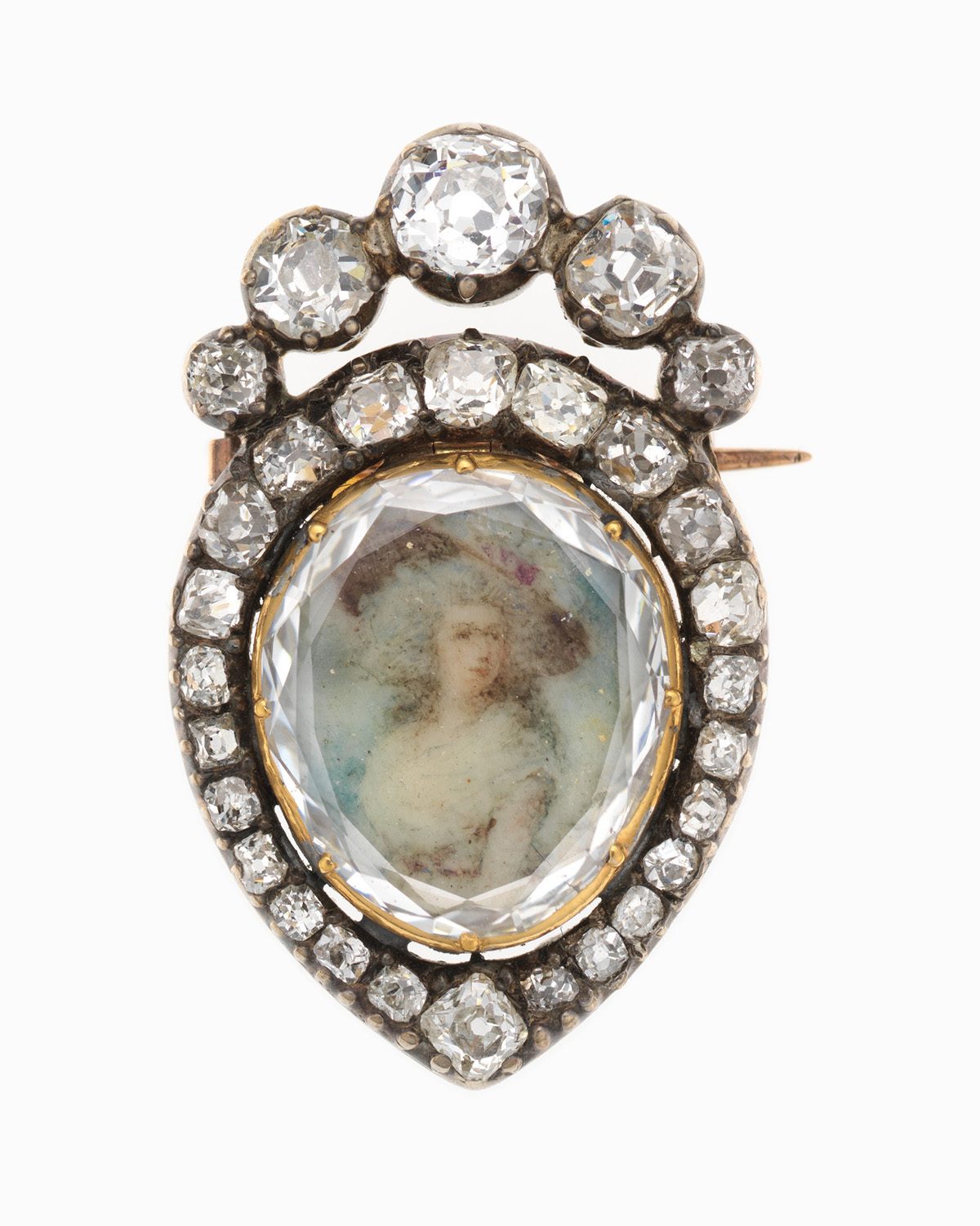
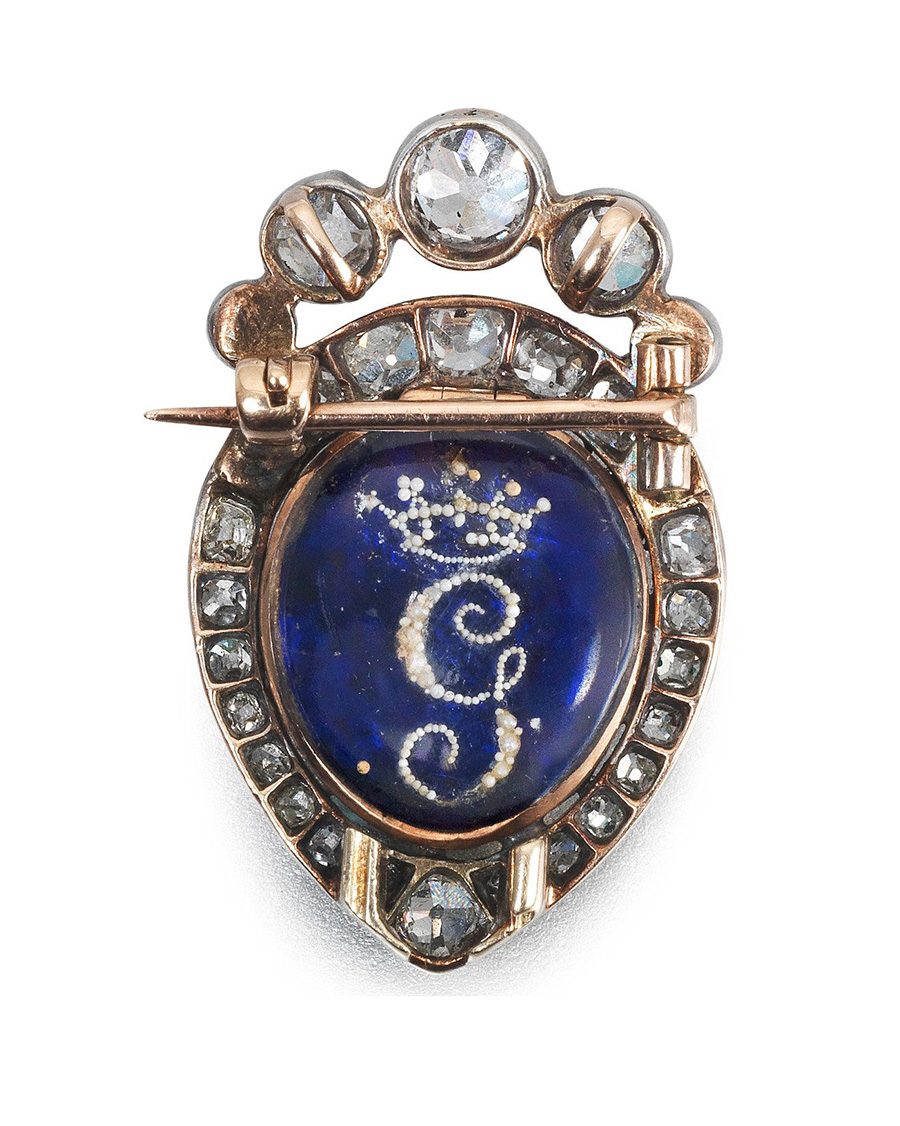
Of course Georgiana, Duchess of Devonshire, owned a diamond portrait jewel featuring her own face. She was a celebrity long before the concept fully existed. Known for her beauty, extravagant outfits, and magnetic presence, Georgiana became the ultimate Georgian style icon, and her jewelry reflected that status.
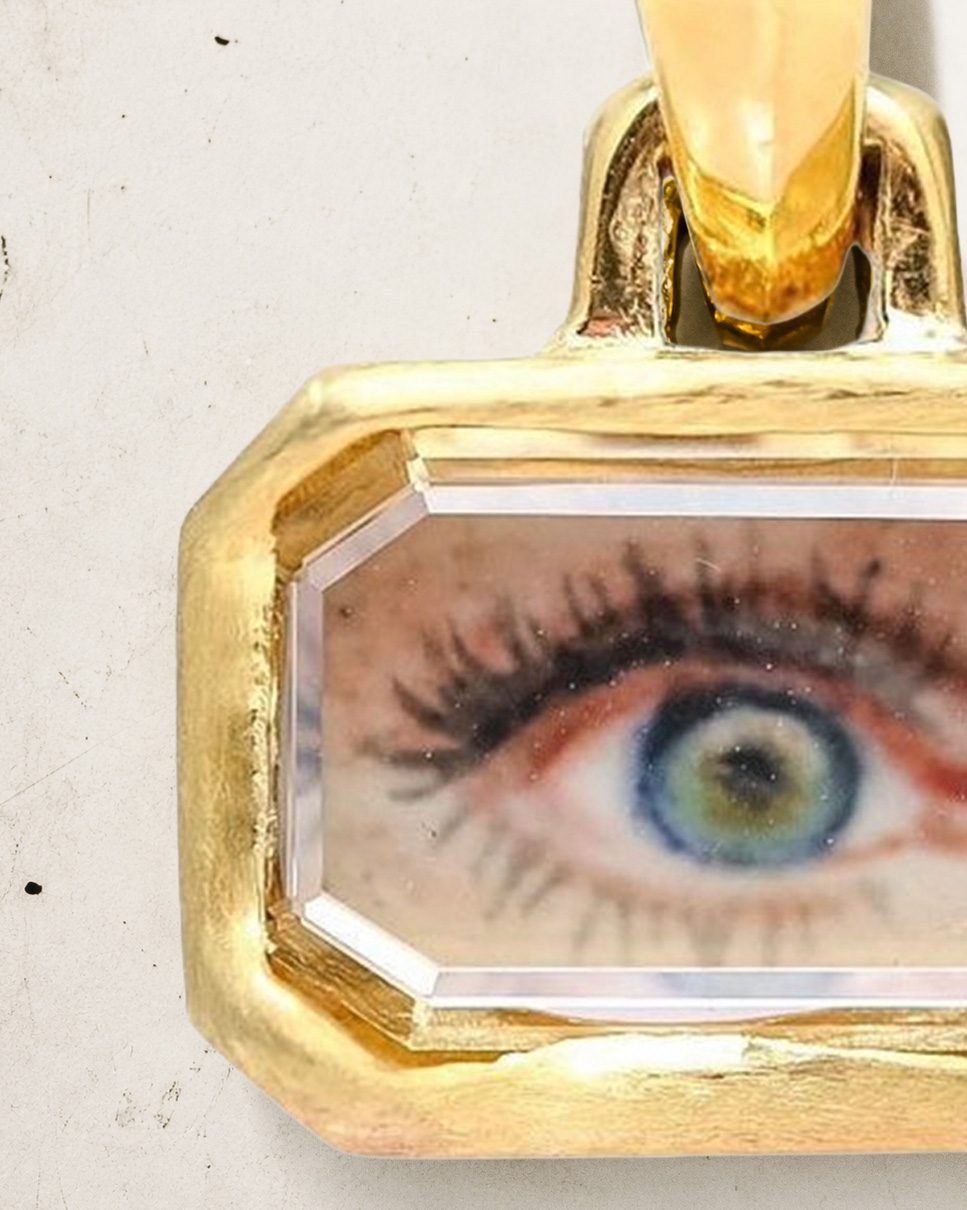
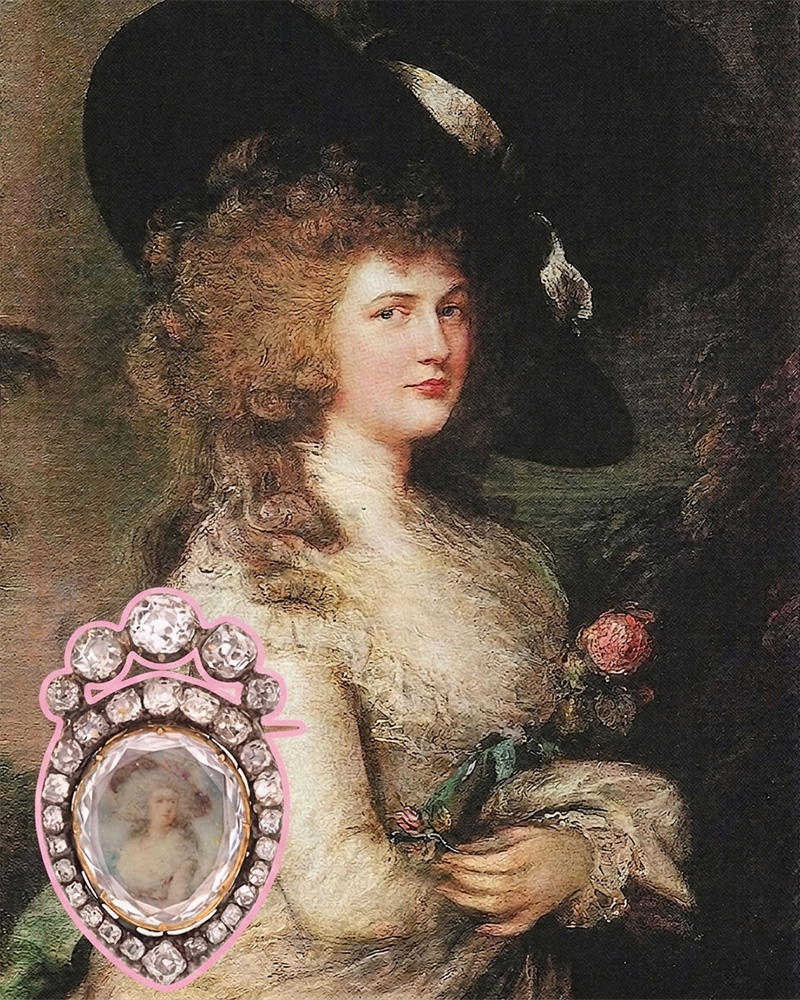
Her portrait jewel feels almost surprisingly modern in concept: a miniature portrait painted on ivory, covered with a thin slice of diamond and framed by brilliant-cut diamonds. Part sentimental object, part status symbol, part wearable art, it perfectly captured the romantic luxury of the Georgian era.
Justin Daughters, Managing Director of Berganza, explains that while diamonds symbolized wealth, cameos and intaglios communicated something more intellectual. By wearing carved gems inspired by the ancient world, aristocrats were signaling education, taste, and cultural sophistication. “It moved the conversation from ‘look at what I can afford’ to ‘look at what I understand,” he says.
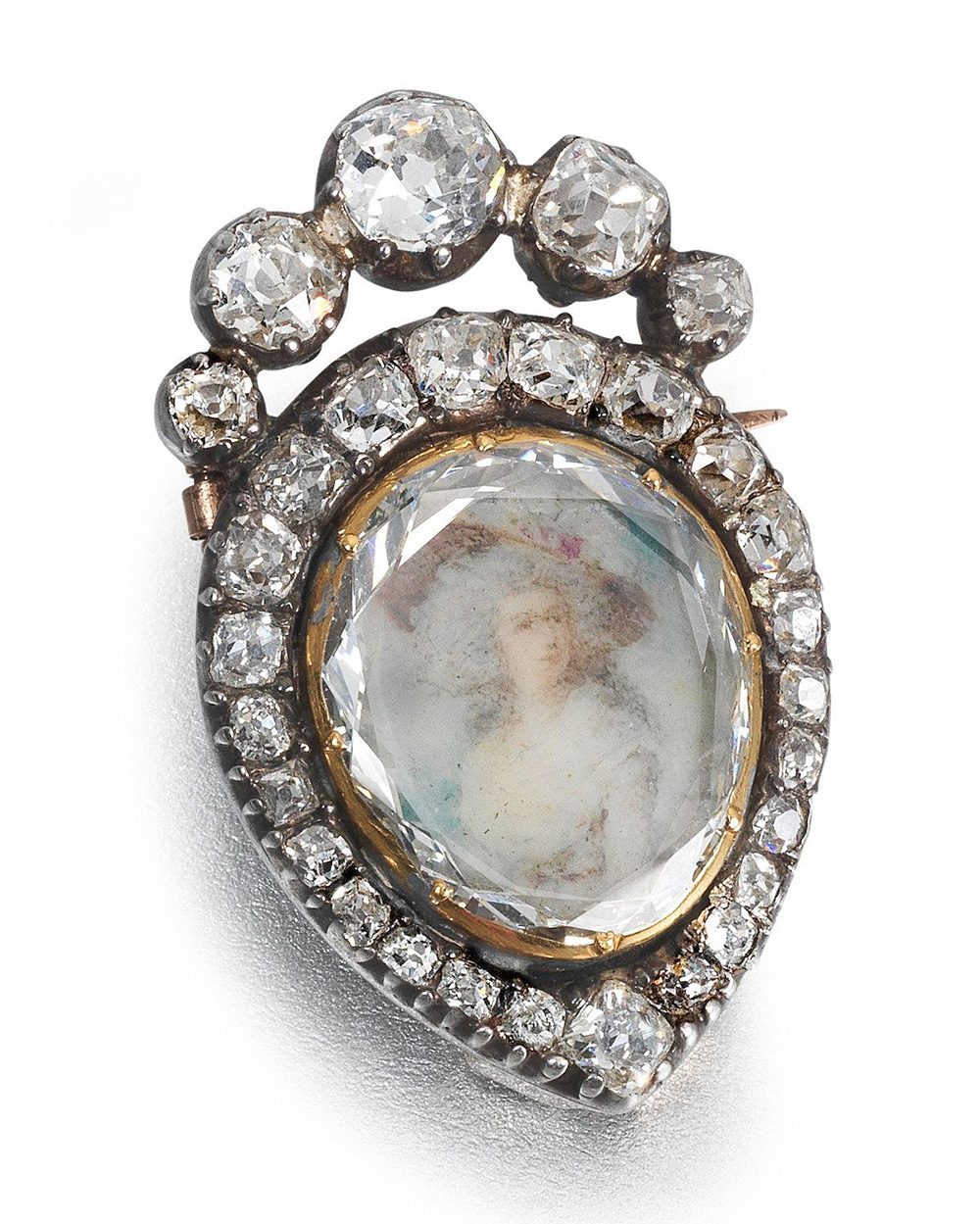
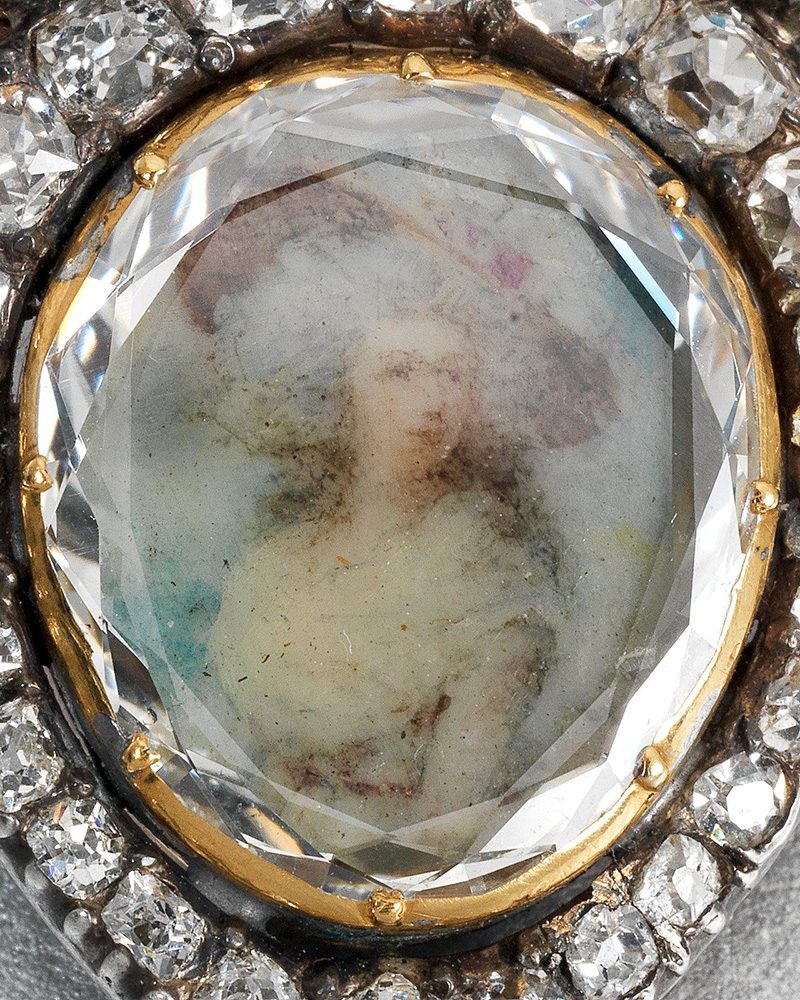
The miniature was commissioned in 1789 by the Duke of Devonshire for Georgiana at a cost of £36 — though in true Devonshire fashion, he apparently never paid the bill due to the family’s mounting debts. Georgiana herself did not officially acquire the jewel until 1820. The piece was created by Richard Cosway, one of the most sought-after portrait artists of the late 18th century and a favorite among aristocratic society. His wife, Maria Cosway, also famously painted Georgiana as Cynthia, the goddess of the moon, inspired by The Faerie Queene.
Elle Spur, Head Researcher at M.S. Rau, notes that the inclusion of cameos and intaglios reflected the era’s growing obsession with Neoclassicism and the ancient world. “These carved elements echoed Greco-Roman artistry and aligned with the era’s intellectual interest in archaeology and antiquity, reinforced by major discoveries such as the excavations of Pompeii in the mid-18th century, which continued to shape European taste well into the 19th century.”
The Fascinating Ancient History of Portrait-Cut Diamonds
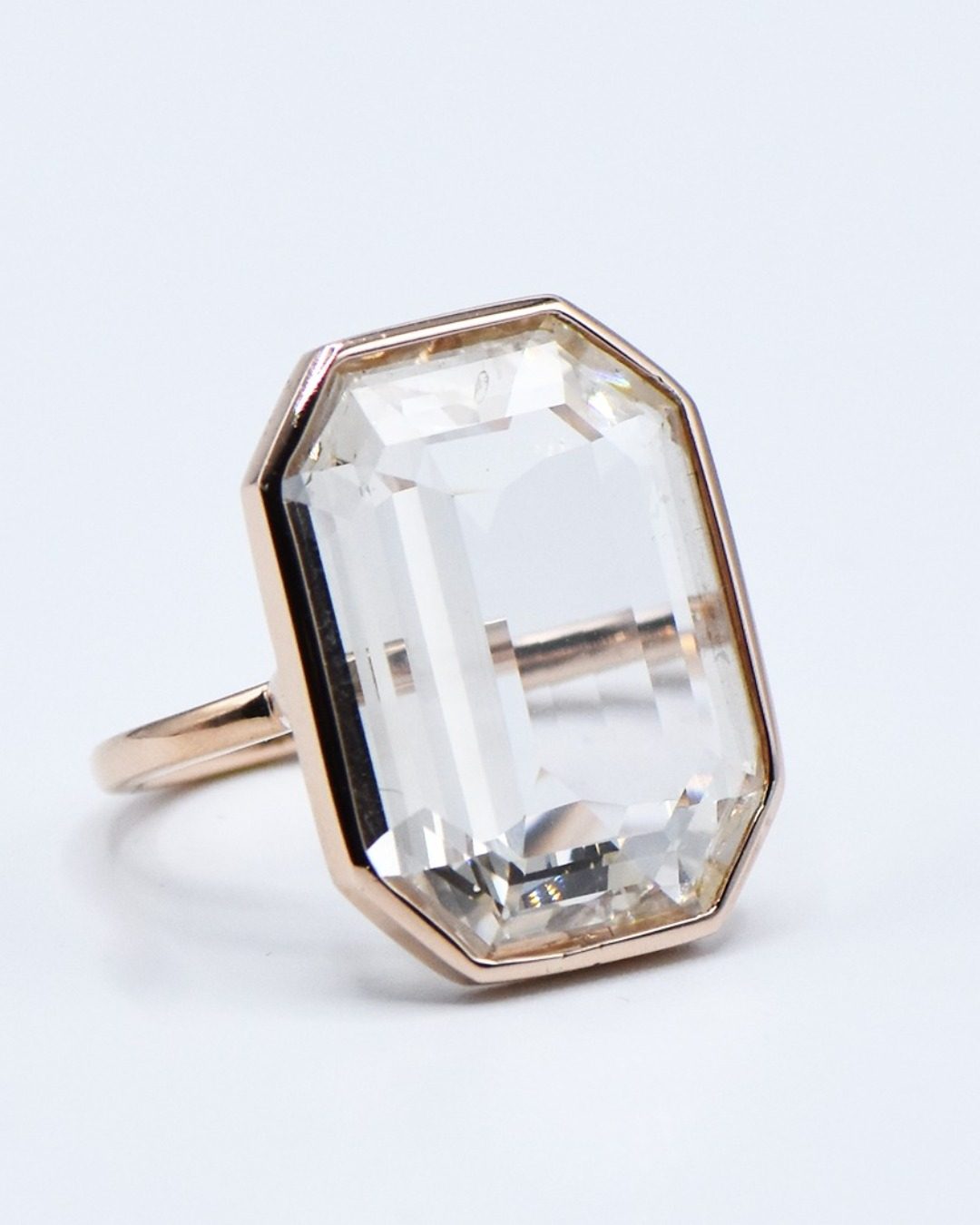
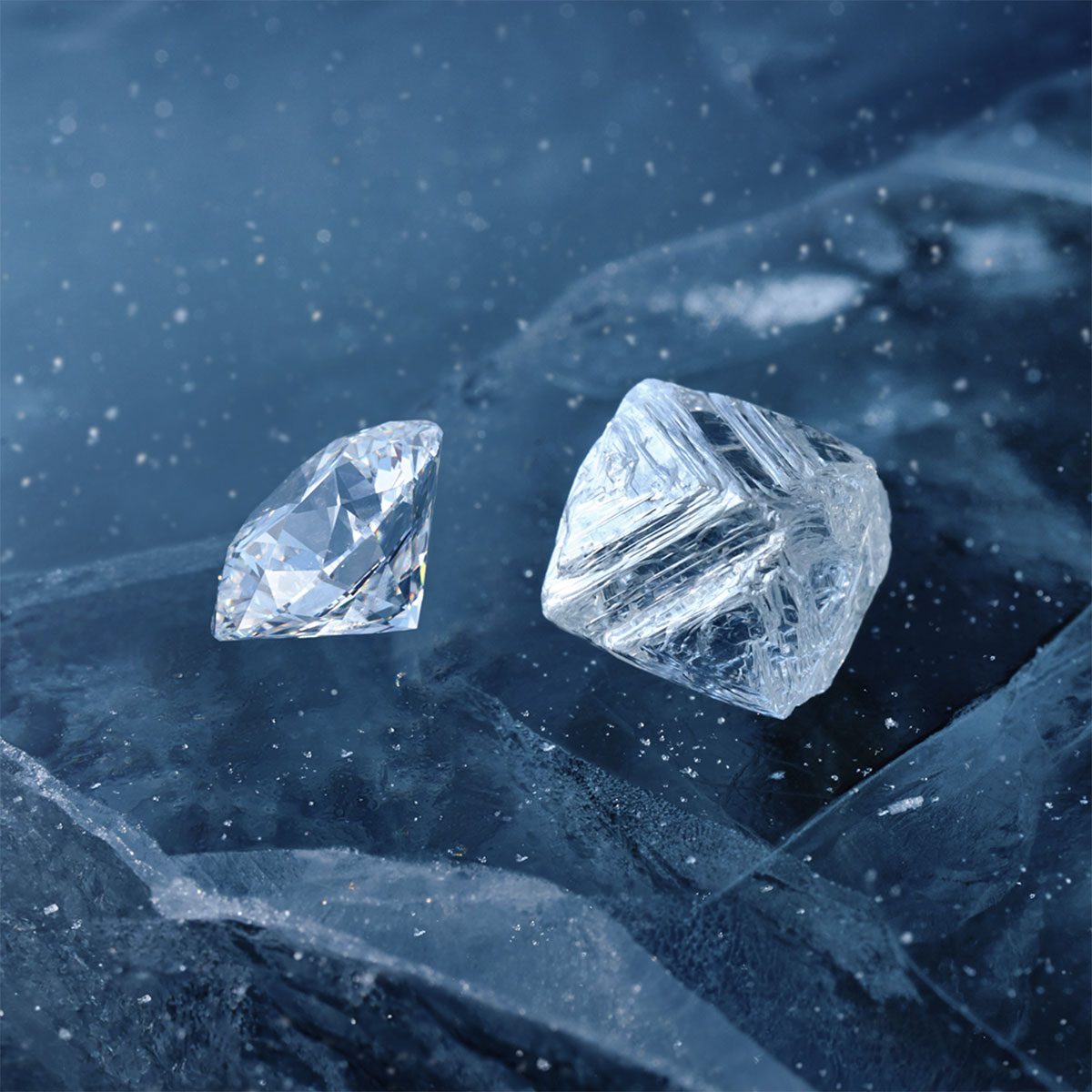
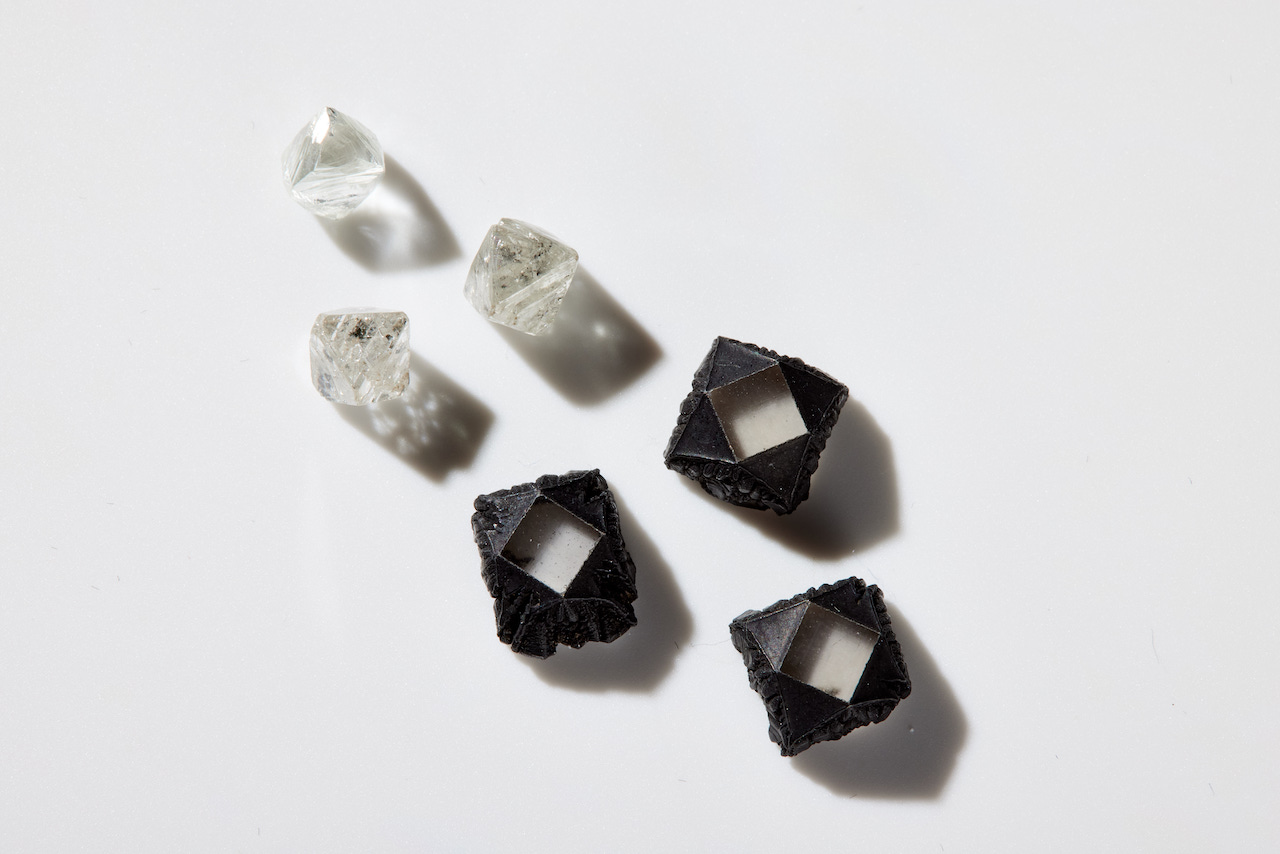
Portrait-cut diamonds are unlike the brilliant cuts most people associate with diamonds today. Instead of maximizing sparkle, these ultra-thin diamonds were designed for transparency. Rather than throwing flashes of rainbow light, they create a soft glow and allow whatever sits beneath them to remain fully visible, which is exactly what made them perfect for portrait miniatures.
Creating one is incredibly difficult. Because the stone is so thin and transparent, cutters need exceptional precision and extremely high-clarity rough diamonds — any flaw, cloudiness, or imperfection becomes immediately visible. The result is subtle, romantic, and surprisingly modern-looking despite being centuries old.
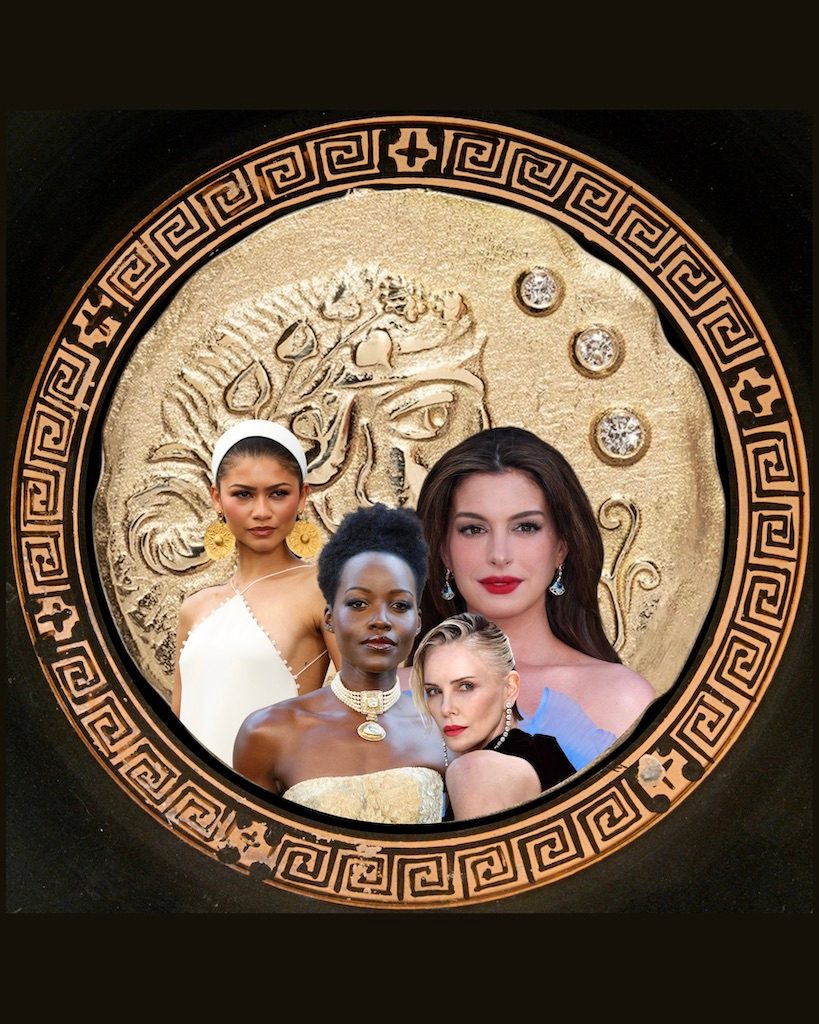
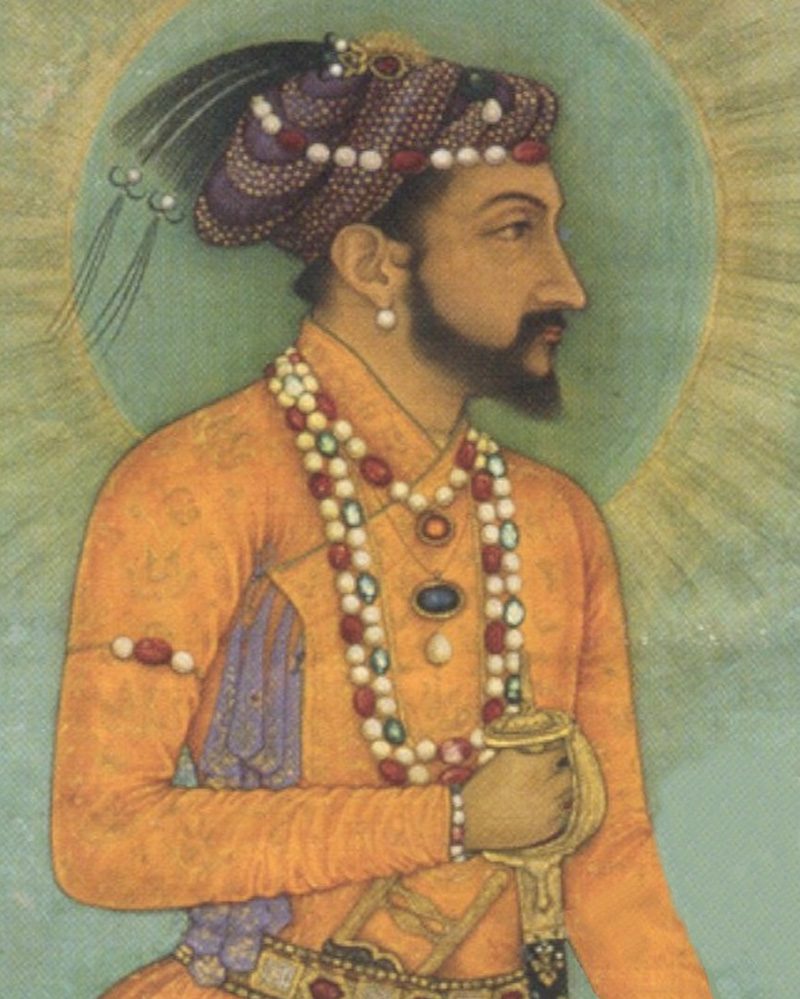
Though they are still popular today (Blake Lively and Kendall Jenner are both fans), they are one of the oldest diamond cuts. Variations of the cut appeared during the Mughal era in India and became associated with the lavish court culture of Emperor Shah Jahan, the ruler who commissioned the Taj Mahal in 1632 as a mausoleum for his wife, Mumtaz Mahal. Flat-cut diamonds and highly transparent stones were prized during this period for their mirror-like effect.
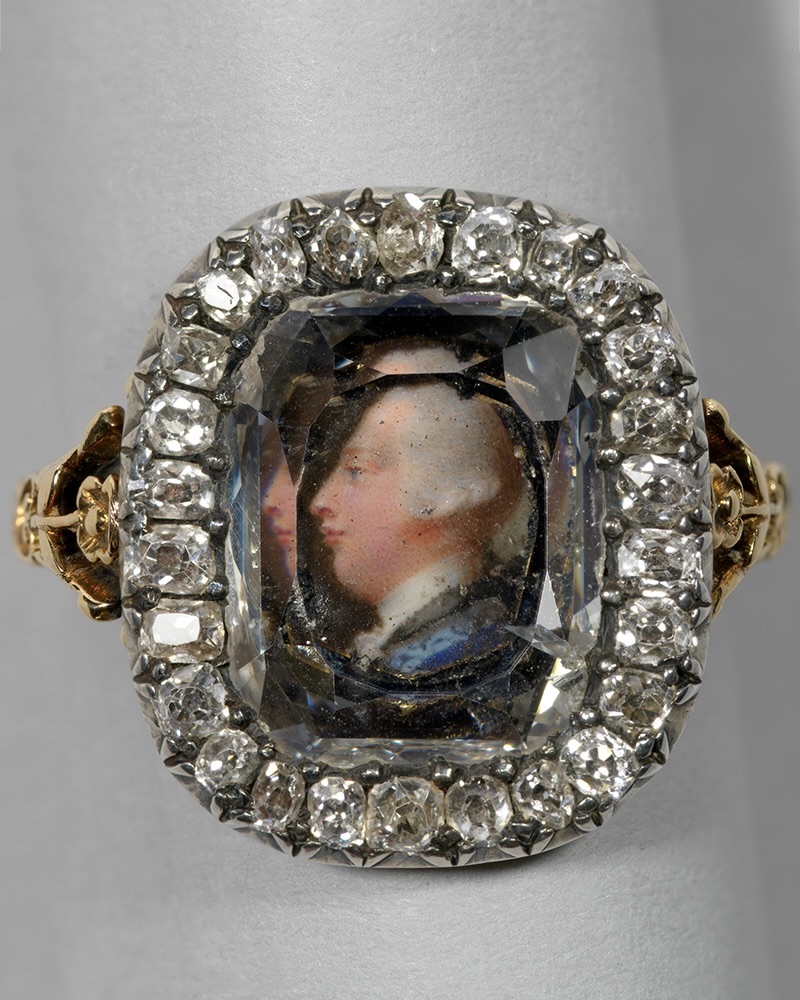
Portrait miniatures themselves date back to the Renaissance, first appearing as small-scale painted likenesses before evolving into wearable jewels set into pendants, rings, bracelets, lockets, and brooches. The idea still feels kind of incredible today: tiny hand-painted portraits, detailed down to individual facial features, preserved beneath a slice of diamond no thicker than glass. These sentimental pieces gained popularity during the reign of Elizabeth I in the late 16th century, before reaching peak obsession during the Georgian era in the 18th century.
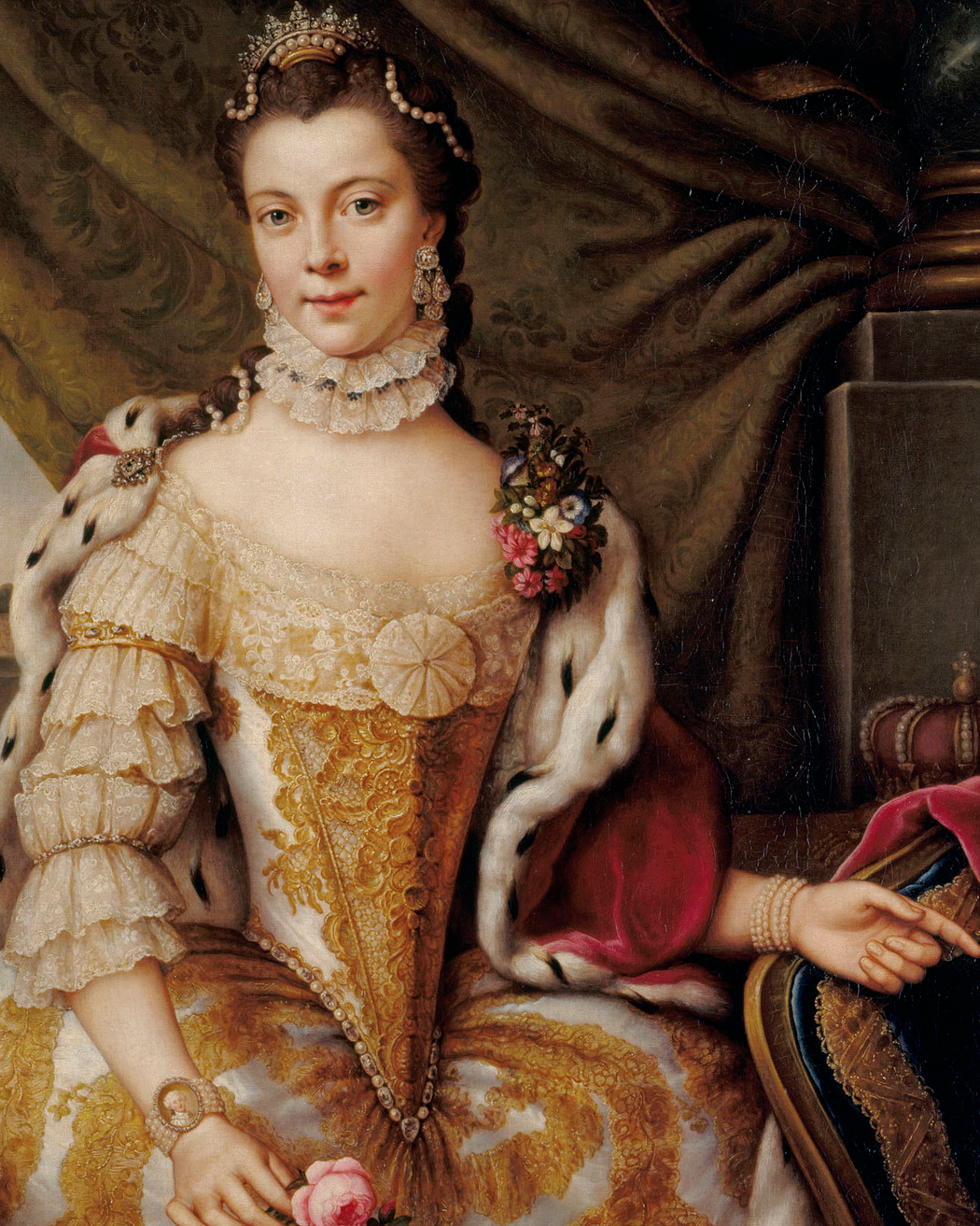
Among aristocrats and royals, diamond portrait miniatures became personal status symbols, often commissioned to commemorate marriages, births, political alliances, or romantic relationships. Queen Charlotte herself wore a myriad of diamond portrait jewelry depicting her husband, King George III. Georgiana’s own portrait jewel likely functioned as both a celebration of her immense social influence and a deeply personal token within aristocratic court culture.
How the Duchess of Devonshire Helped Define Georgian Jewelry Style
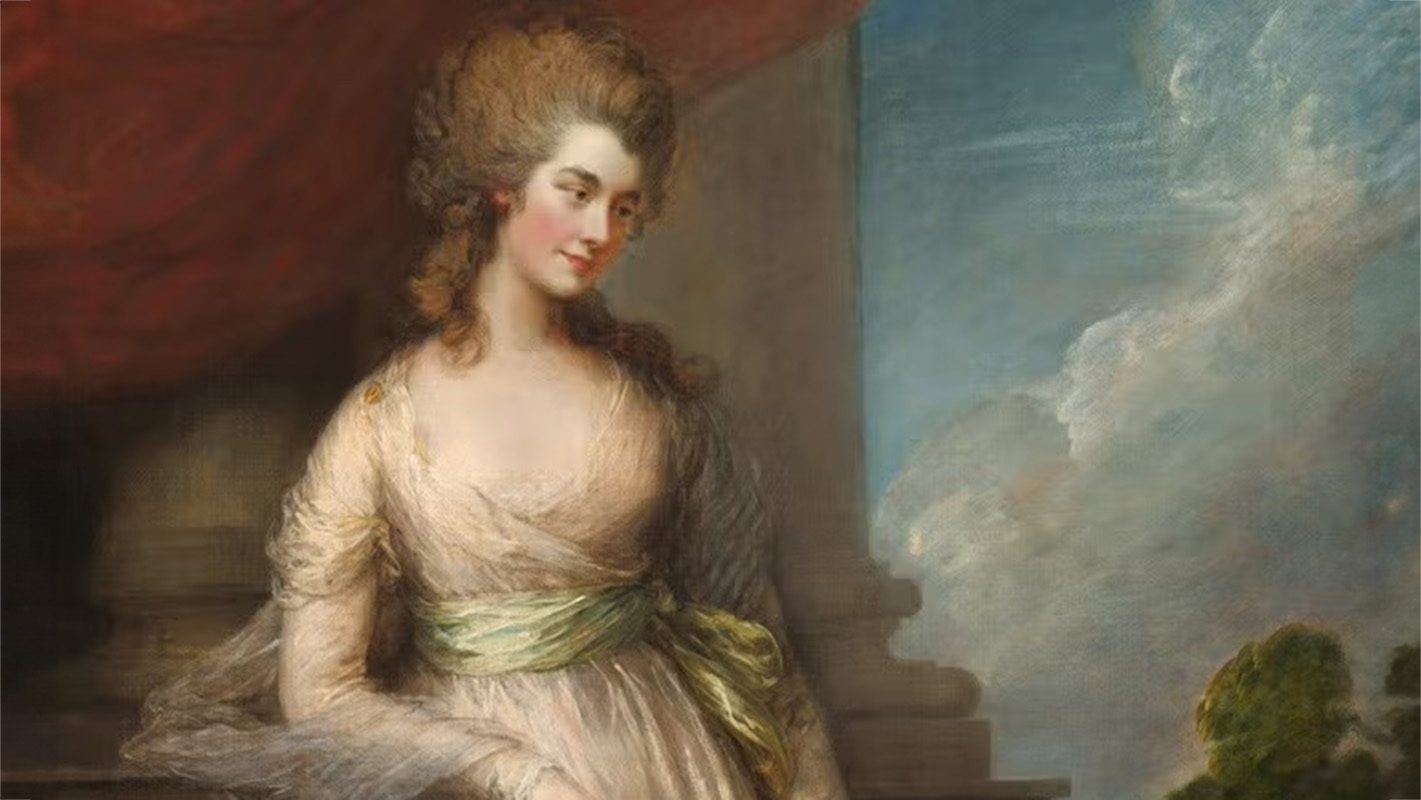
Though Georgiana, Duchess of Devonshire, is often remembered for her beauty, scandalous personal life, and extravagant fashion, her embrace of portrait diamond jewelry reveals a more sentimental side of Georgian culture. These jewels were not simply displays of wealth; they blended art, identity, and status into deeply personal keepsakes meant to preserve a person’s image long before photography existed.
For Georgiana, whose face and style captivated British society, owning a portrait diamond of herself felt almost inevitable. More than just a fashionable object, the jewel reflected her understanding of image, influence, and legacy — preserving one of the Georgian era’s most fascinating women beneath a slice of natural diamond.