
Read More
How to Marry a Mogul: How Diamond Jewelry Styles From The Mughal Empire Continue to Endure
Say ‘I Do’ to the dazzling natural diamonds of India’s Mughals. Discover how diamond cuts, jewelry styles, and techniques from the Mughal Empire continue to inspire traditional Indian wedding jewelry and modern diamond designs to this day.
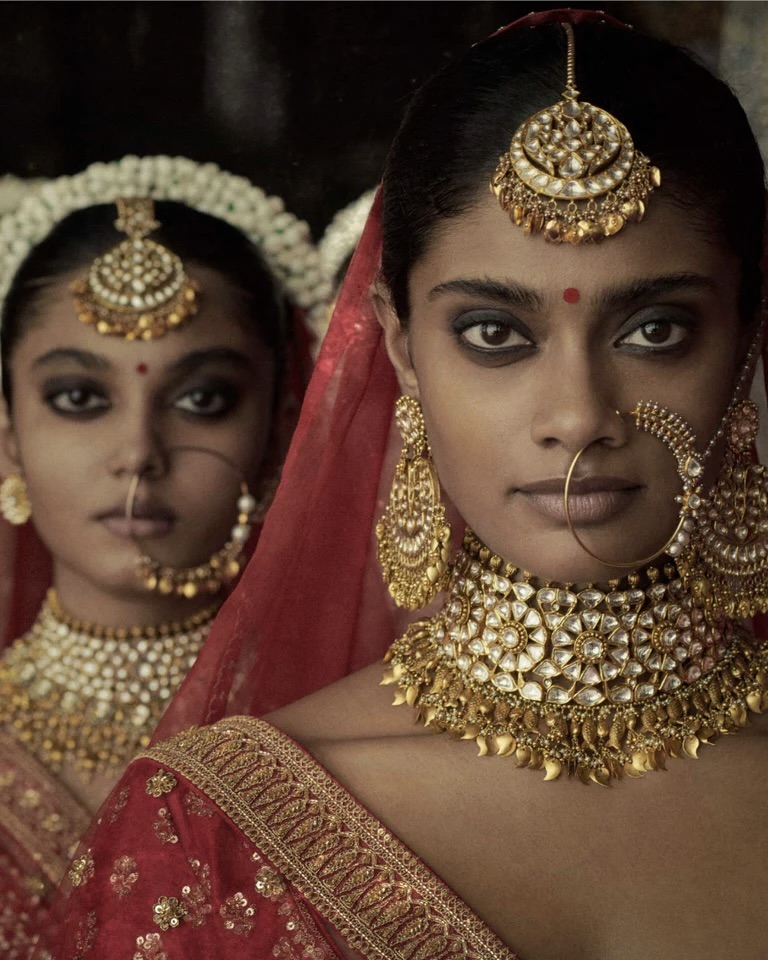
Sabyasachi Wedding Heritage High Jewelry (Courtesy of Sabyasachi)
History will hold the Mughal Empire (1526 -1857) as one of India’s most powerful and influential dynasties that spanned an incredible three centuries-long rule over the subcontinent in a fusion of culture, decadent ornamentation, and spectacular art and architecture like the Taj Mahal.
Of the many treasures from this era, it is perhaps the jewelry that piques this particular editor’s fascination the most. Steeped in symbolism and the awe-inspiring craftsmanship of Jaipur’s jewelers and some of the world’s most spectacular natural diamonds, gemstones, and pearls, Mughal jewelry is like a language all its own in the art of adornment.
Meet the Experts
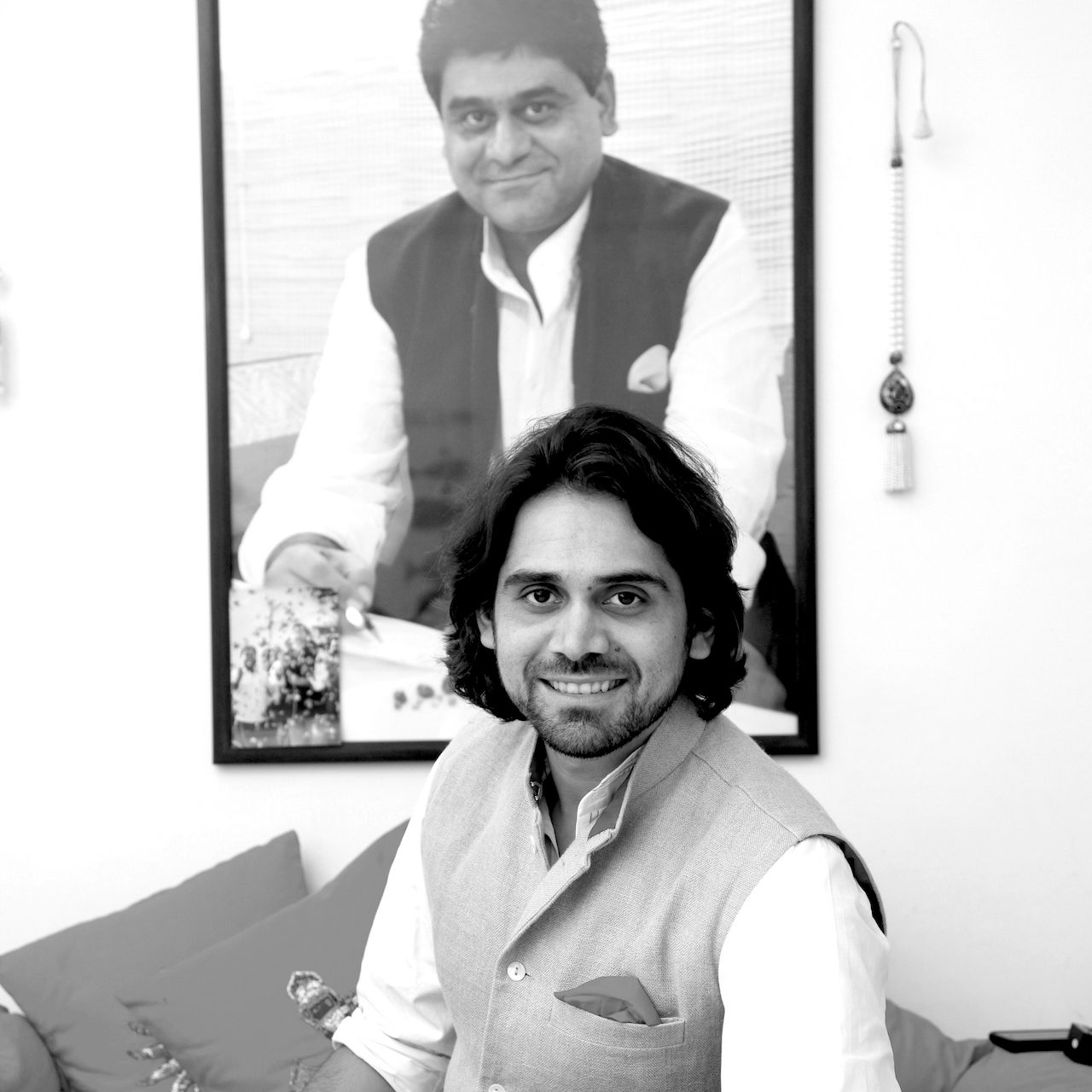
Nine generations of the Kasliwal family have helmed the Munnu The Gem Palace. Siddharth Kasliwal has accompanied his father, the legendary jeweler Munnu Kasliwal, on trips across the world. Running the store and helping exhibit the Gem Palace’s famed collection in museums around the world, and also gained experience at the Metropolitan Museum of Art in New York. He currently manages all aspects of the business’s operations with a sincere admiration for craftsmanship.
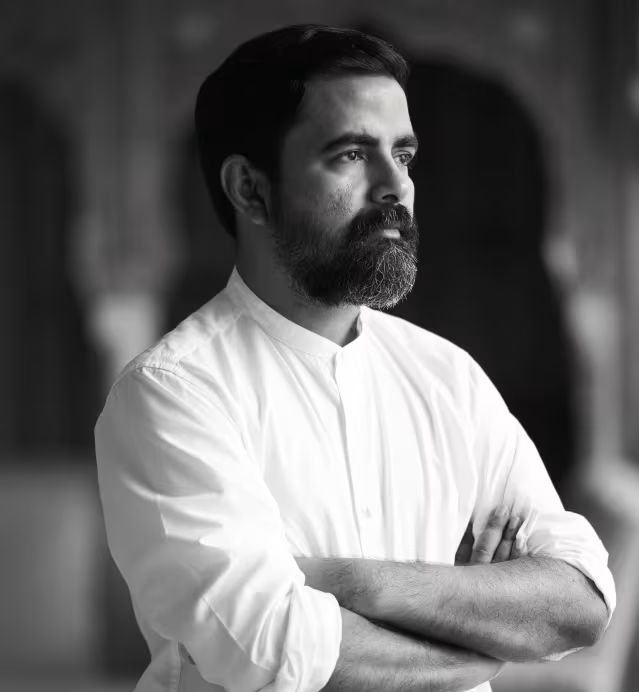
Sabyasachi Mukherjee is a renowned Indian fashion and high jewelry designer, known for reviving traditional Indian craftsmanship, textiles, and embroidery. His Kolkata-based eponymous luxury brand is celebrated for its intricate bridal wear, bohemian, and vintage aesthetic, blending heritage with modern, luxurious designs.

Designer and co-founder of Modern Moghul, Bibiana Dykema, began her career as a Texas-based architect when she fell in love with traditional Indian jewelry during a trip to Jaipur. She’s been creating one-of-a-kind, special treasures for any jewel box ever since.
How Mughal Empire Jewelry Shaped Indian Wedding Traditions
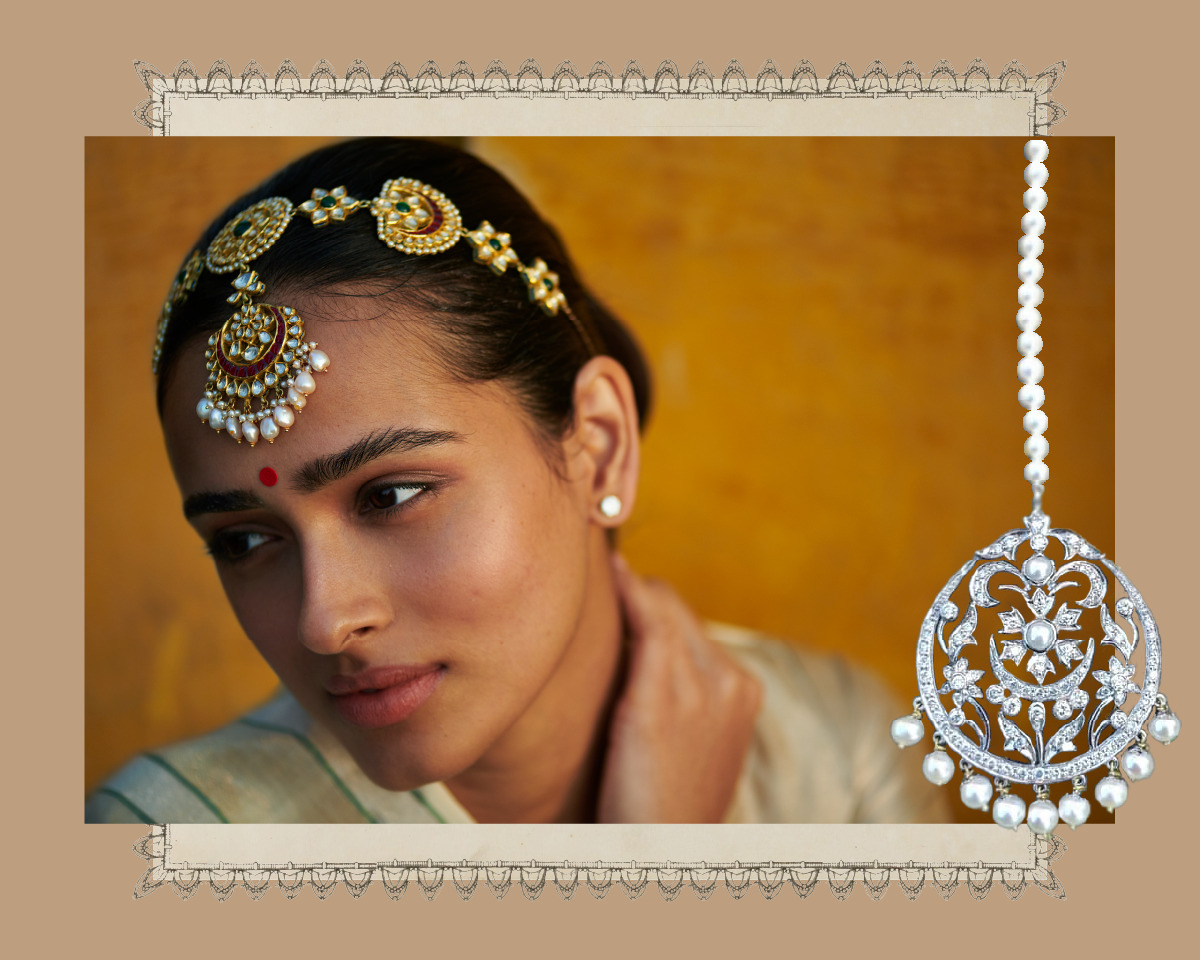
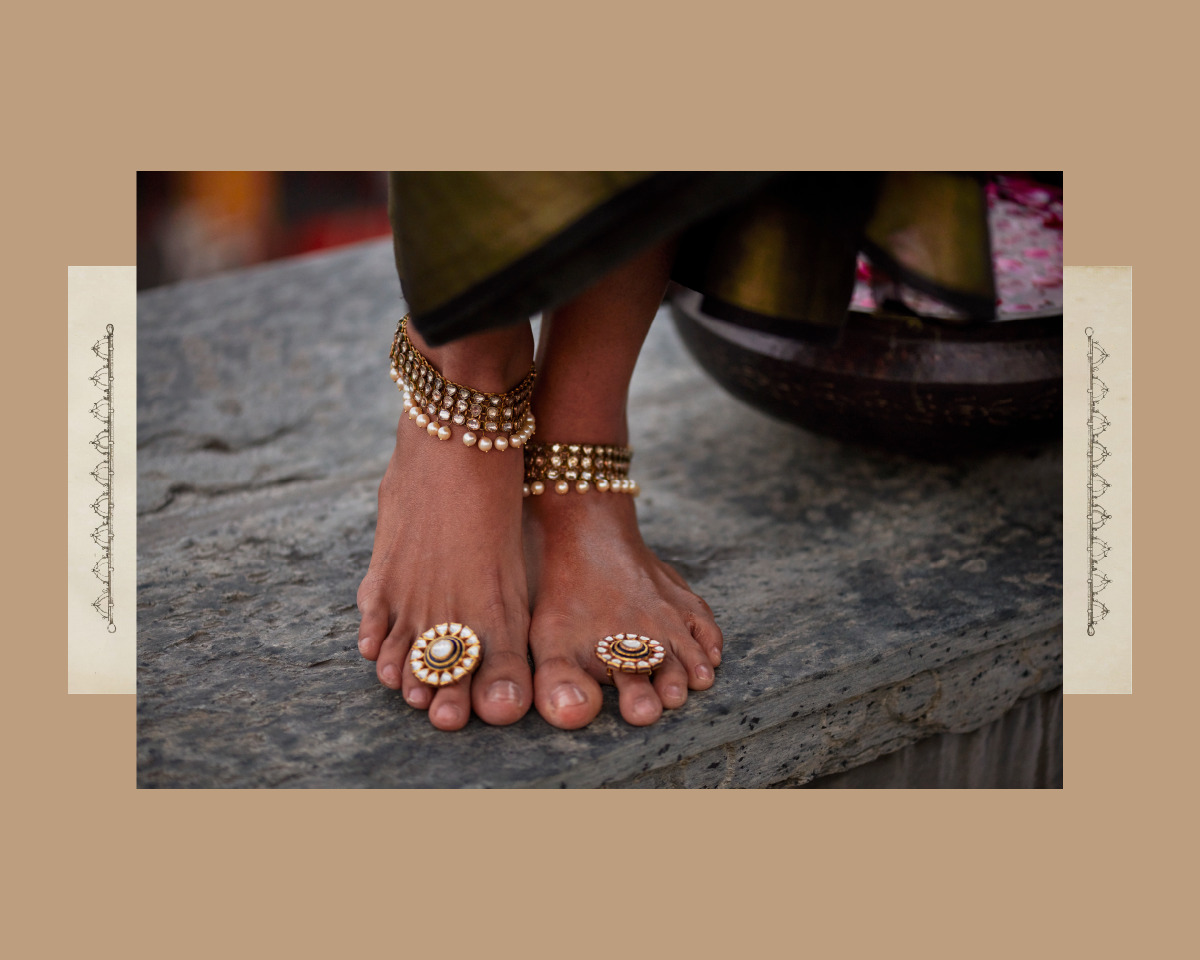
The tradition of Indian wedding jewelry is rich with suites of diamonds that generously grace the bride from head (how about a maang tikka that runs along your center hair part onto the forehead?) to toe (diamond anklets, anyone?), and everywhere in between. And while it may not exactly be subtle, it is uniquely suited to the bride wedded to the embrace of jewels that transcend time and trend.
When it comes to Mughal jewelry, there’s a lot to love. The exquisite warmth of 22 and 24 karat gold, the dramatic use of Polki diamonds captured in the artistically imperfect style of Jadau. A traditional Indian high jewelry technique, Jadau originated in the 16th century during the Mughal Empire, embedding the clear, smooth, raw diamonds and hand-carved cabochon gemstones in gold, framing each stone in place.
Jadau is done completely by hand, which gives each piece a uniquely organic look. And if that weren’t enough, the underside of these pieces displays an intricate design of multi-colored enamel work (Meenakari) or delicate diamond-encrusted filigree so that every millimeter is a feast for the eyes.
The Origins of Polki Diamonds in the Mughal Empire
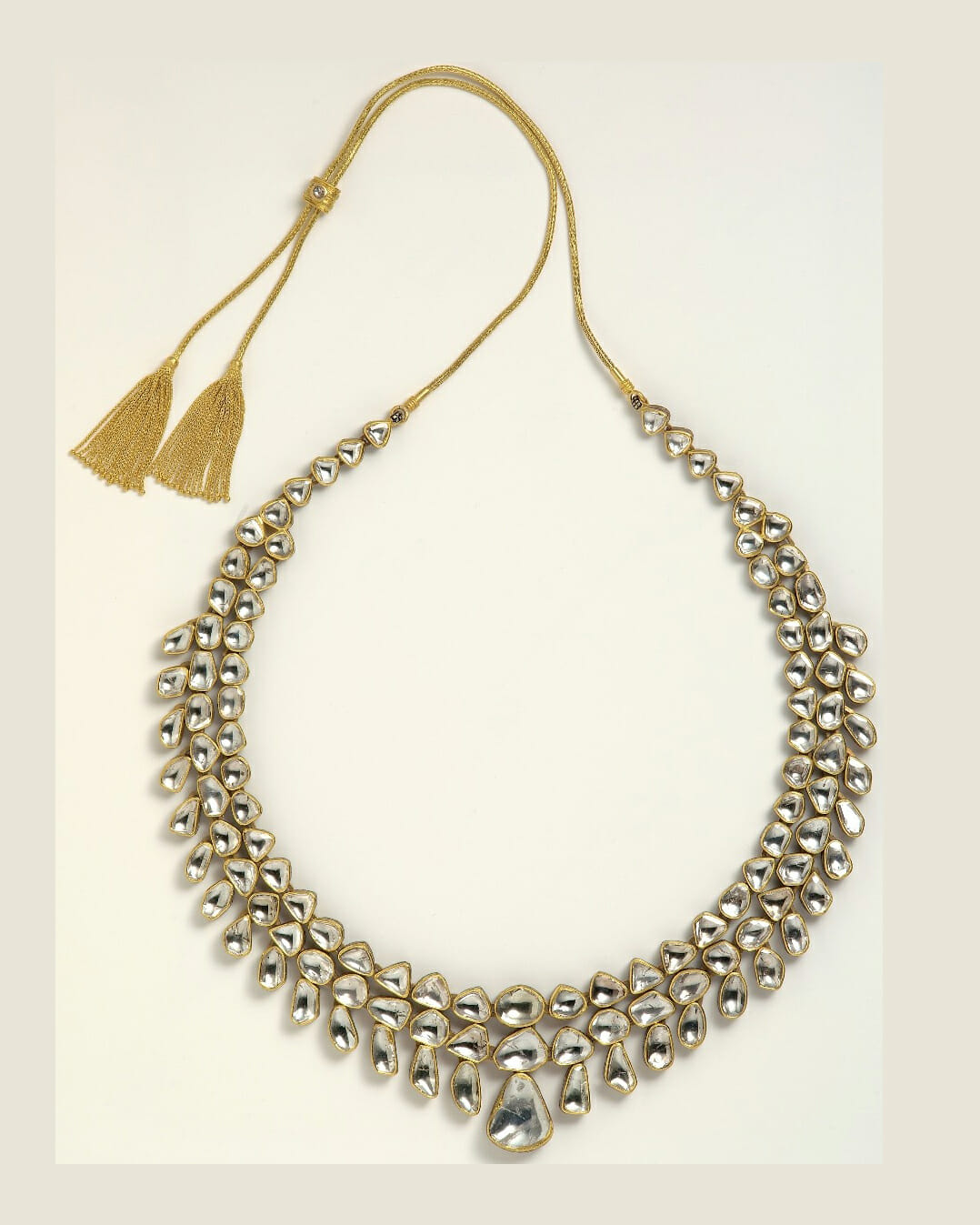
The Polki diamond originated with the Mughals. Unlike the traditional faceted, sparkling stones of Western jewelers, this diamond shines from within.
Its natural, graceful light, unimpeded by facets, reveals another way of admiring our favorite gemstone. But no one is impervious to the charms of sparkling rose-cut diamonds, briolettes, and Old Mine diamonds.
It’s easy to fall under the spell when they’re set in the deliciously ornamental Mughal style, surrounded by colorful enamel work, high-karat gold, and a dizzying array of gemstones. These faceted styles bridge the gap between antique and modern and fit effortlessly into the Mughal vocabulary while also leaning into classic wedding day jewels and engagement rings.
Mughal-Cut Diamonds: 400 Years of Craft and Style
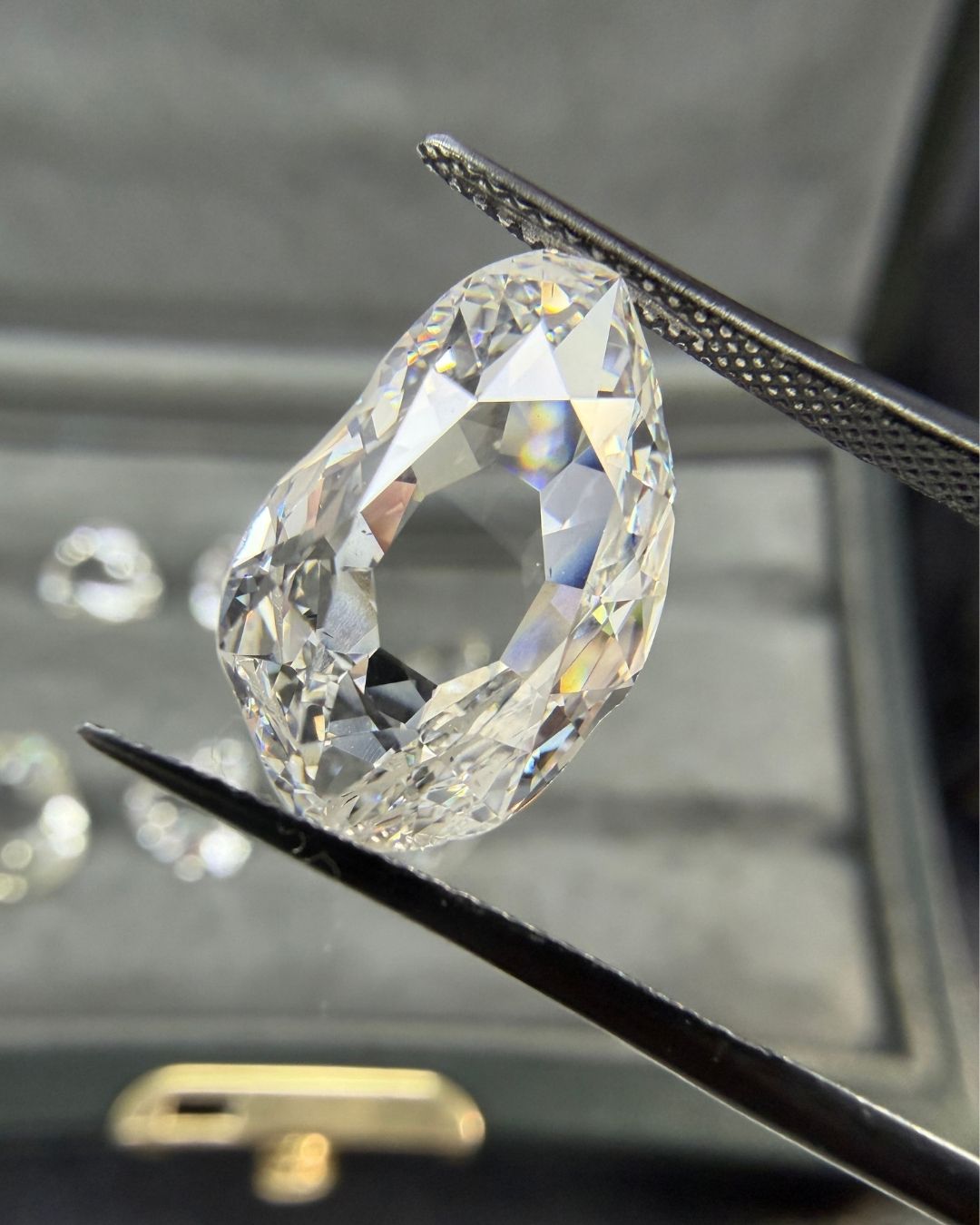
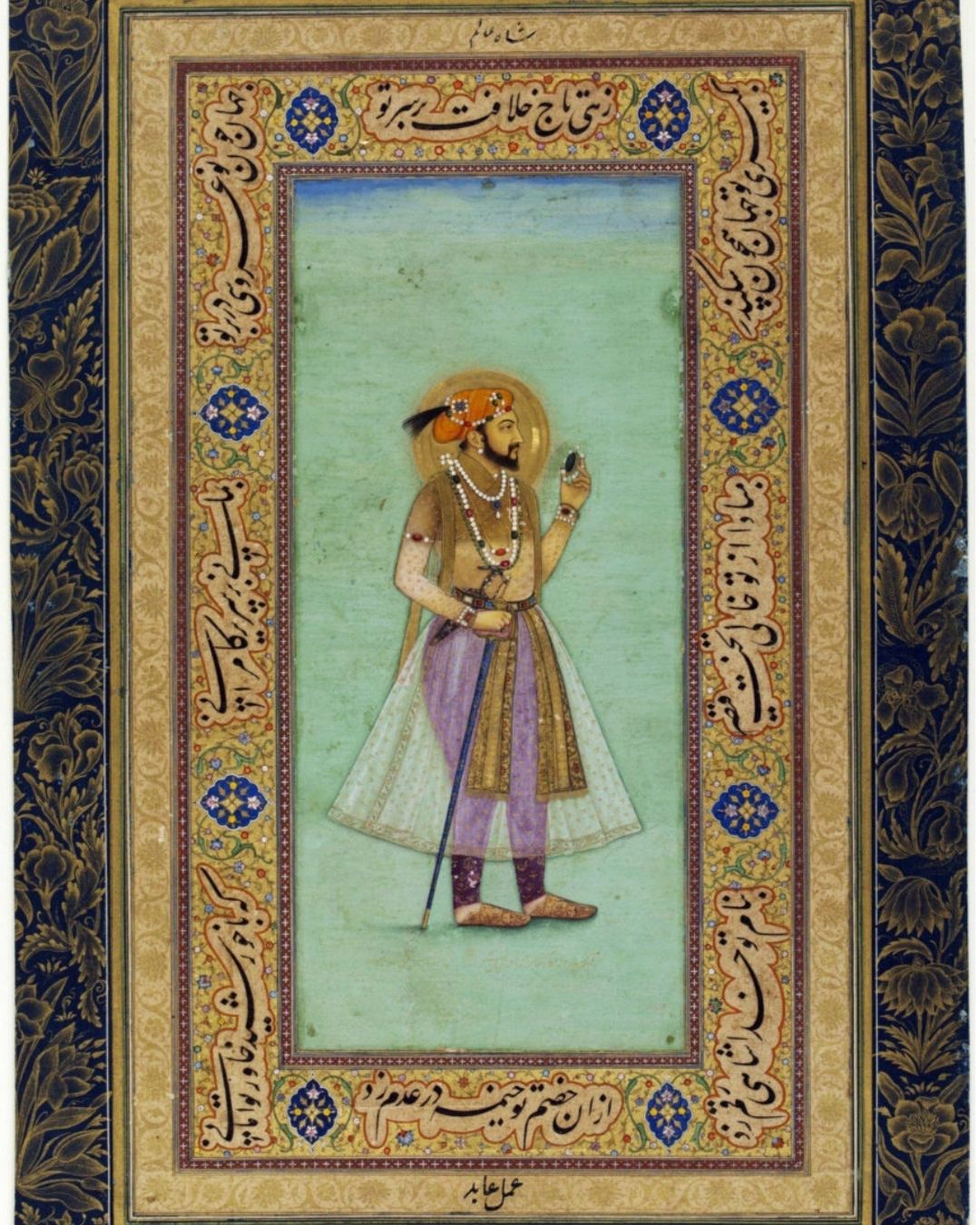
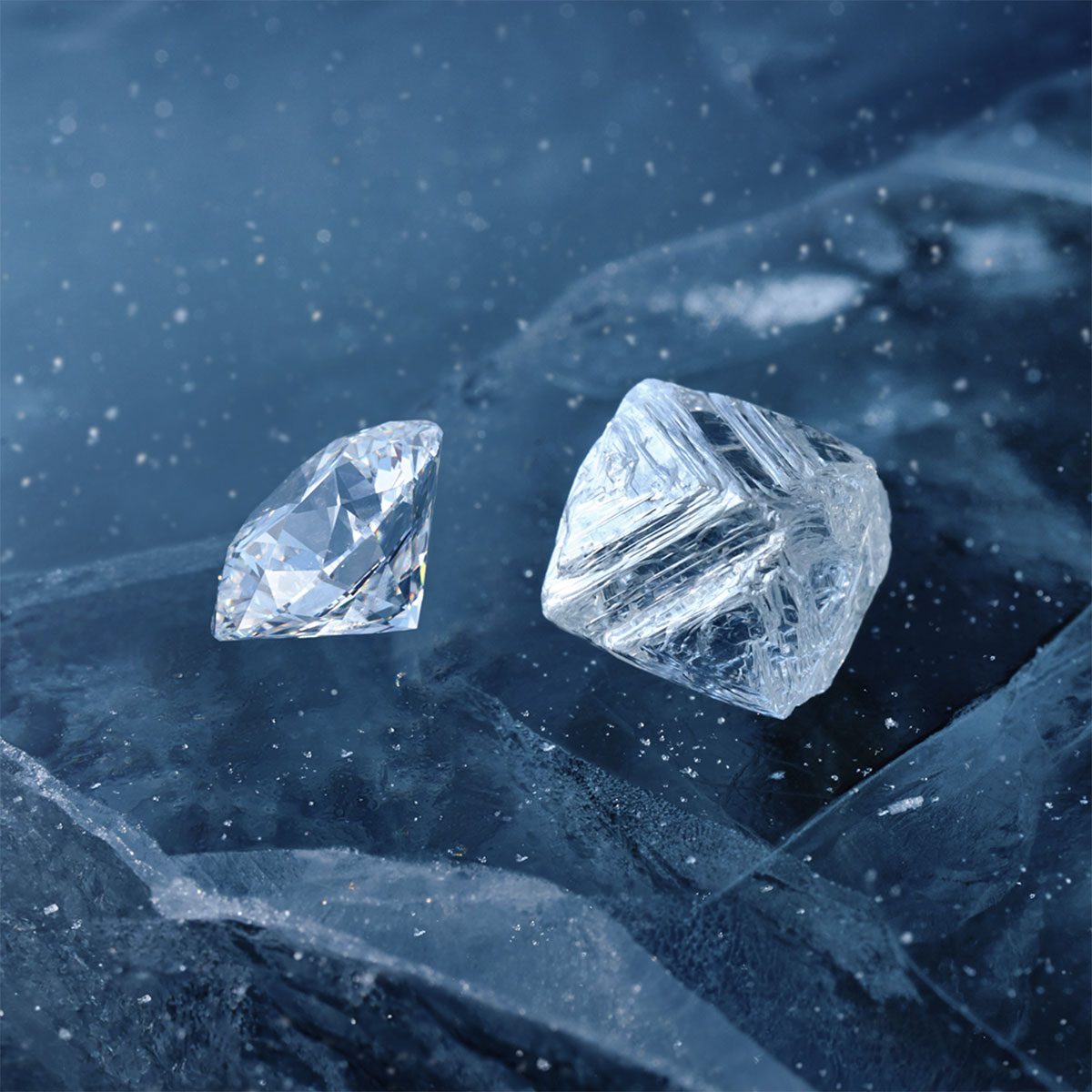
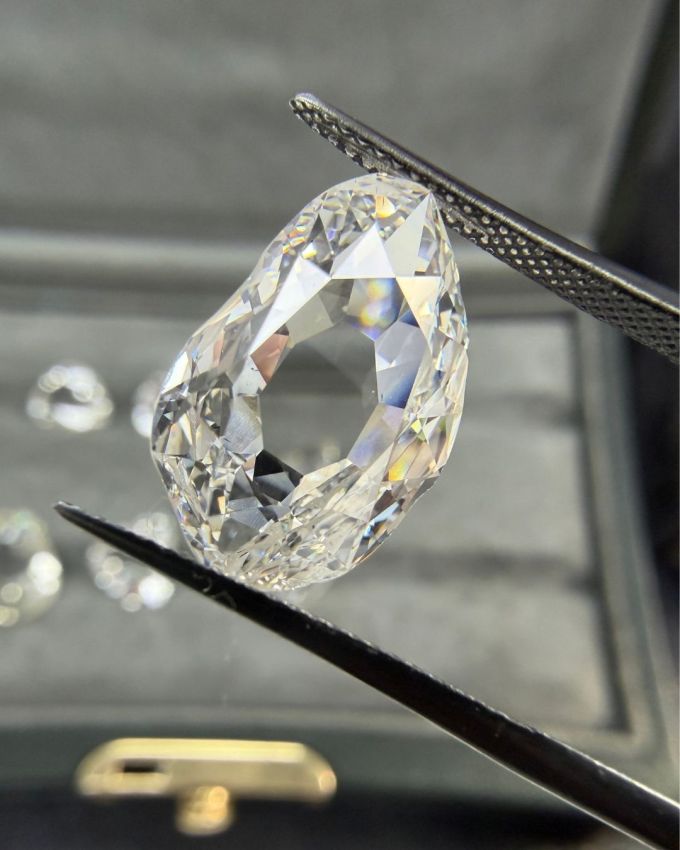
Alongside the brilliant cuts that have defined modern jewelry, the centuries-old Mughal-cut diamond follows the natural geometry of the rough crystal rather than imposing a rigid form upon it. Within that tradition, the table-cut is one of its oldest expressions: a stone with a large flat top facet and gentle depth. The portrait cut—also known as a lasque—is its most extreme and poetic descendant: a paper-thin diamond slice, almost completely flat, transparent as a pane of glass.
To look at a table-cut or a lasque—a flat, organic diamond slice—is to see a stone that hasn’t been forced into calculated symmetry. These shapes follow the natural form of the original crystal: a finite miracle that formed billions of years ago. Rather than engineering light to bounce off a surface, these cuts prioritize “internal water”—a cool, liquid glow that invites the eye into the stone. This is not a departure from the natural diamond tradition—it is one of its oldest and most profound expressions. The Mughal-cut works with the stone rather than imposing upon it.
In the 17th-century Mughal era, diamonds sourced from the legendary Golconda mines were considered so sacred that cleaving them to fit a rigid shape was seen as a loss of spirit. The lapidary’s craft was a collaboration: following the natural skin of the rough crystal to preserve as much of the Earth’s work as possible.
Munnu The Gem Palace and Mughal-Era Jewelry Traditions
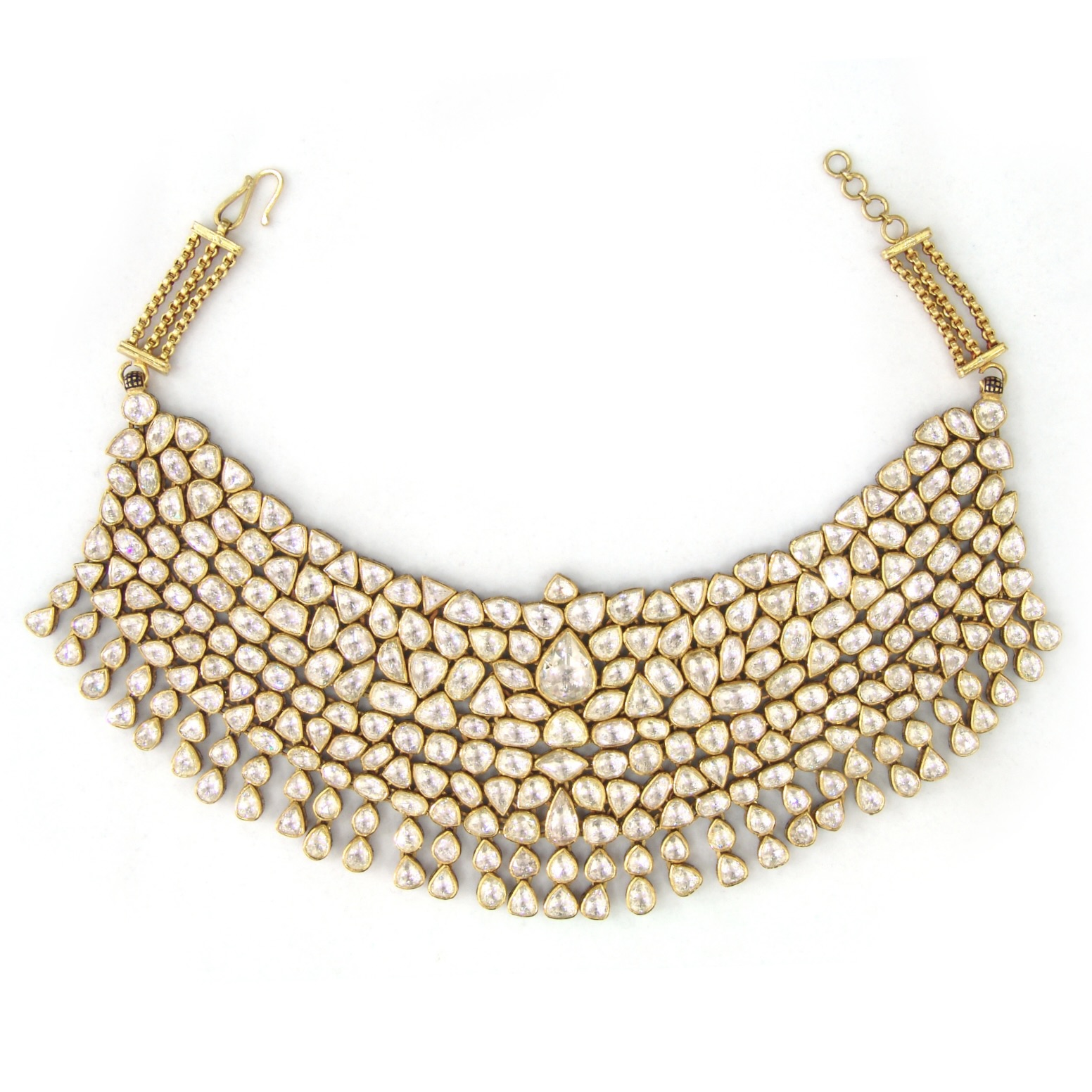
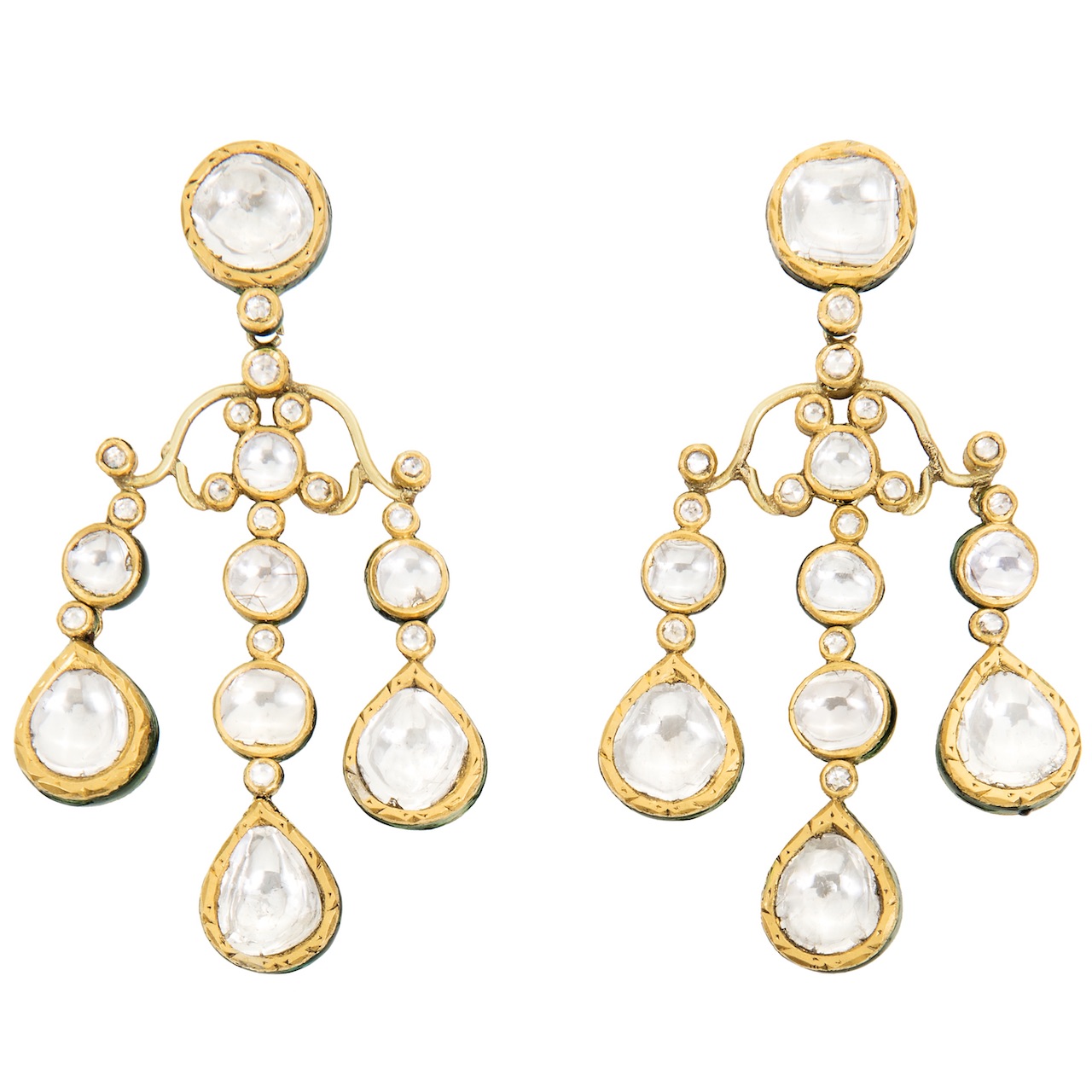
You can’t consider jewelry without thinking of Munnu The Gem Palace. Since its opening in 1852, the Jaipur jewelry emporium, the Gem Palace, has been known for its dazzling diamonds. Known as the Crown Jewelers of India, the Kasliwal family holds its pride of place firmly in the history and tradition of high jewelry craftsmanship from the onset of the Mughal Empire. An astounding nine generations of the Kasliwal family have helmed the Munnu The Gem Palace.
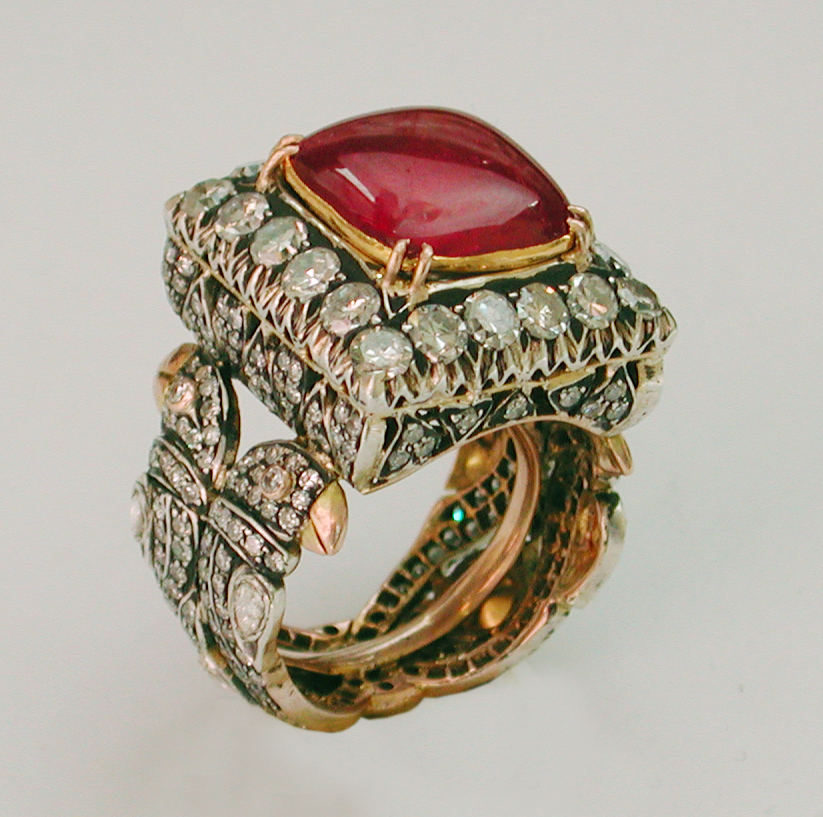
Today, Munnu The Gem Palace remains a true treasure trove of riches in the heart of Jaipur, the Pink City of India. Luckily for us, Munnu also occupies a ruby red suite in a classic townhouse on the Upper East Side of Manhattan. A visit to their NYC digs is a surprisingly relaxed affair as you are regaled with trays of jaw-dropping pieces dripping in diamonds and gemstones worthy of a modern Maharajah and Maharani power couple.
“Jewelry is not for one generation, but for many generations to come,” says Siddharth Kasliwal of Munnu The Gem Palace. “We come and go, but the jewelry remains forever.”
Sabyasachi and the Mughal Empire: Reviving Royal Aesthetics
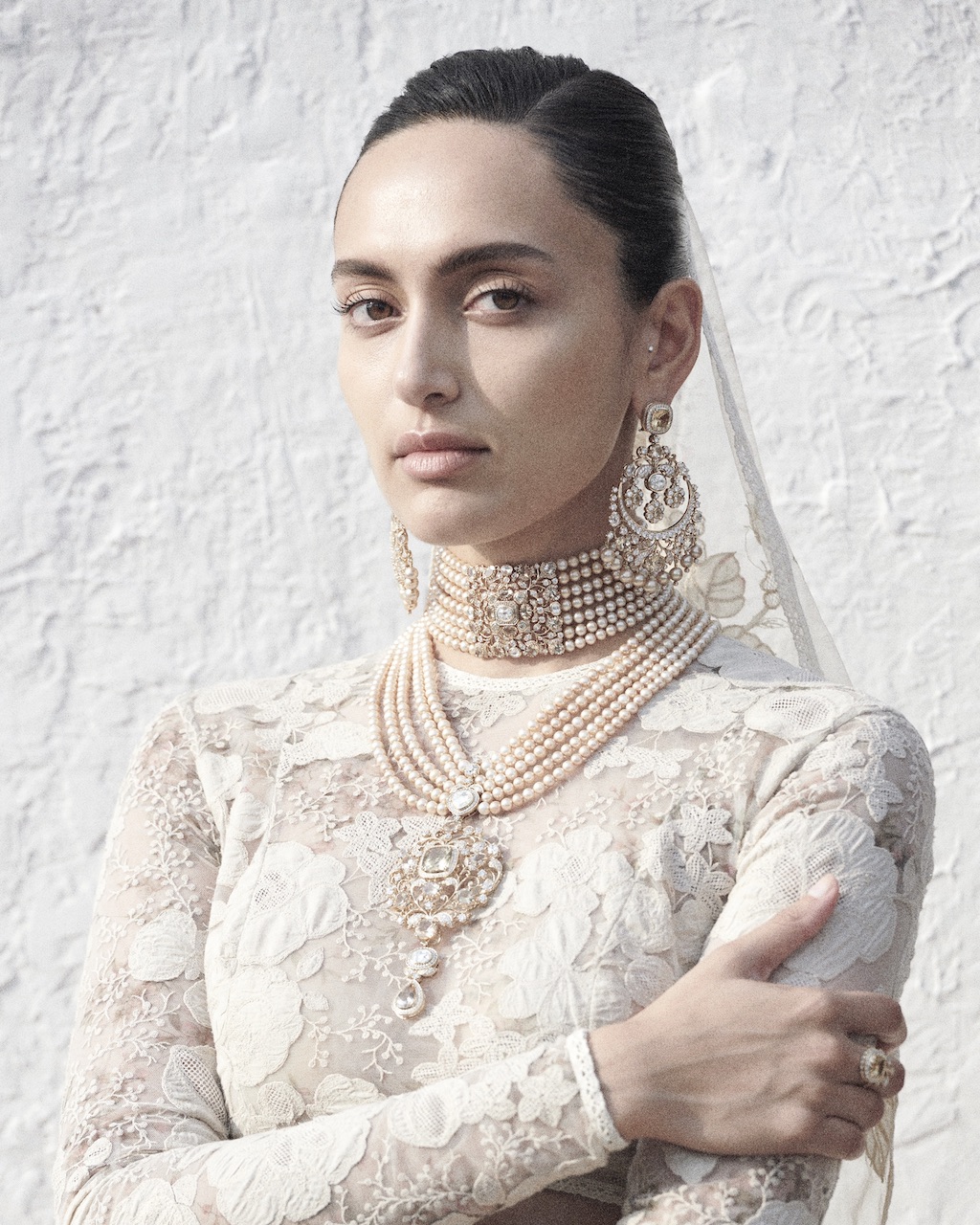
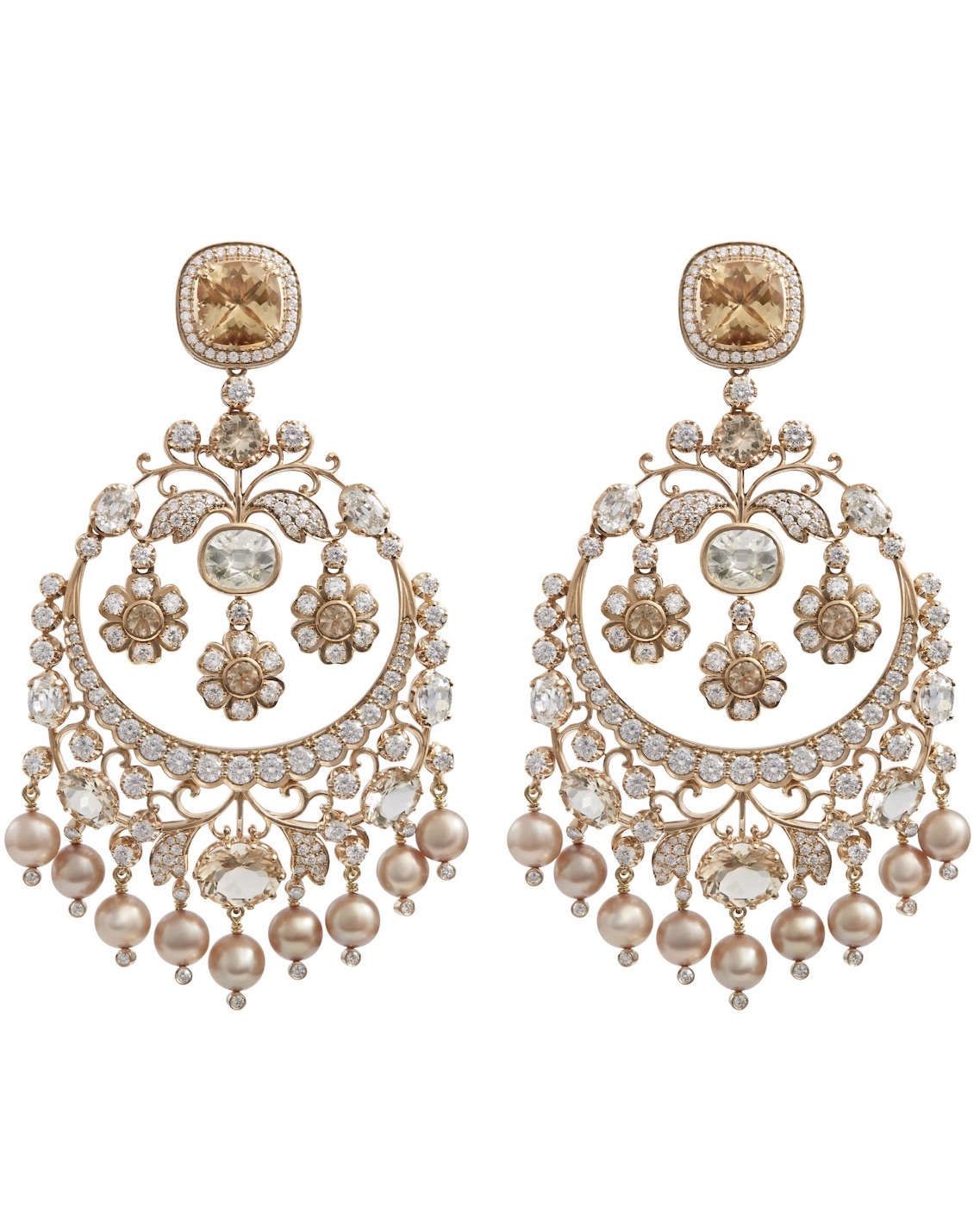
India’s most famous fashion and bridal designer, Sabyasachi Mukherjee, ushers in a unique bohemian sensibility to the tradition of Mughal jewelry design. Polki and rose-cut diamonds are splashed liberally across his painterly collages of gemstones, pearls, and precious beads that drip lusciously in a cascade of hues resembling the richly textured fabrics indicative of his signature women’s collections. Gentle ombres of cognac, jet, and gold, with flashes of soft pink with turquoise, and jade, can be worn in both his jewelry and clothing in equal measure.

Mughal influences run deep, be it in the zardozi embroideries or the Jadau craftsmanship seen across our jewelry.

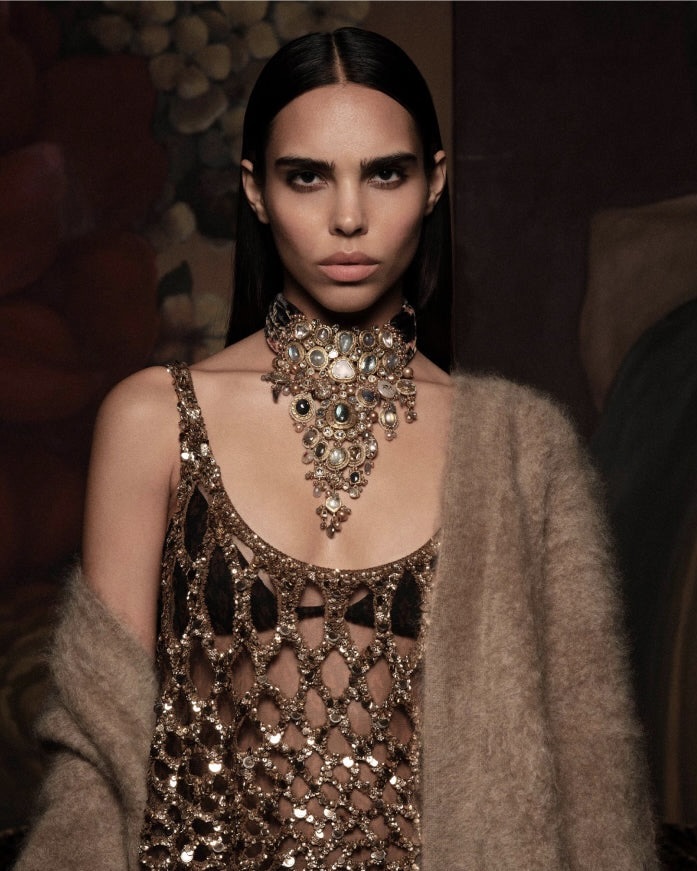
“Mughal influences run deep, be it in the zardozi embroideries or the Jadau craftsmanship seen across our jewelry,” Sabyasachi Mukherjee tells Only Natural Diamonds. “Its power lies in its refined craftsmanship, historical significance, and timeless grandeur. I think this is what pairs perfectly with modern weddings. For me, the Deconstructed Maharani necklace with the printed velvet sash reinterprets a heritage style, preserving age-old crafts, but with the modernity of design and perspective.”
Modern Moghul: Contemporary Jewelry Inspired by the Mughal Empire
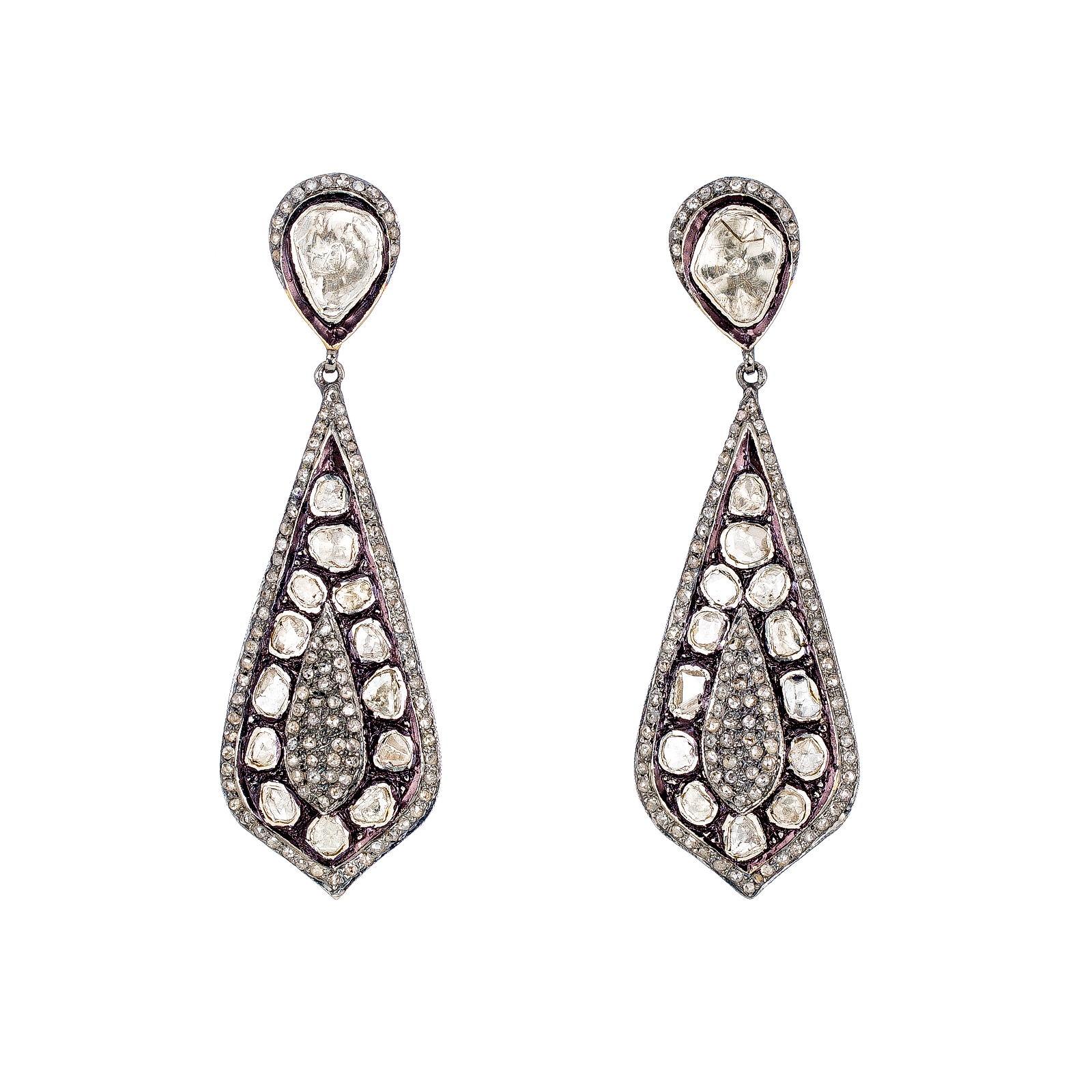
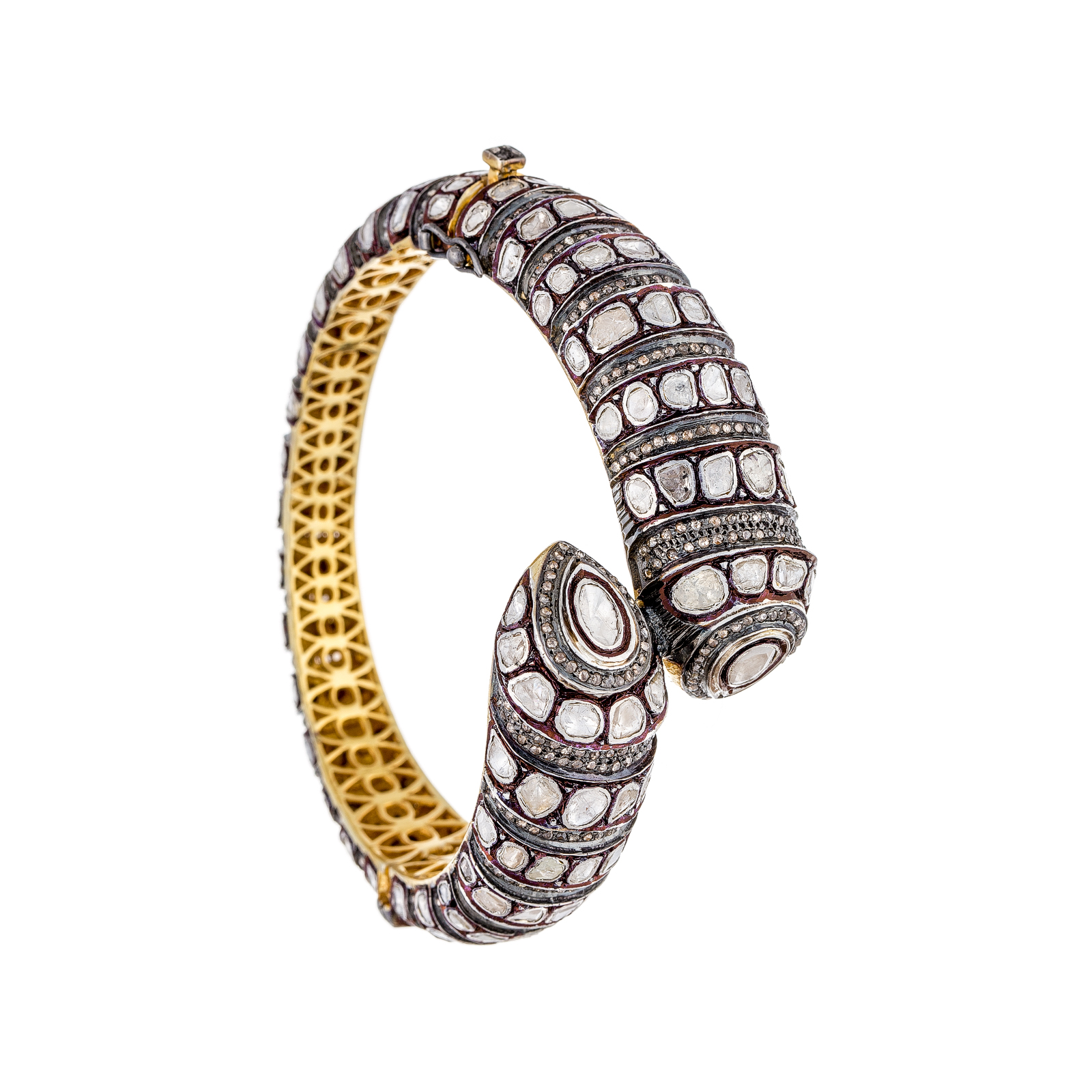
Fashion legend Diana Vreeland lived by her edict, “the eye has to travel.” For designer and co-founder Bibiana Dykema of Modern Moghul, there is no truer sentiment. A business trip to India transformed this architect into a jeweler, after she was fired up by her discovery of Mughal jewelry.
This newfound passion gave birth to her collection of accessible fine jewels inspired by this traditional style, crisscrossed with the practicality of wearing and collecting precious jewelry today. Dykema’s pieces tick all the right boxes with classic Indian hand craftsmanship, stunning polki diamonds, rose-cut diamonds, and rich, vibrant gemstones set in bold shapes with classic filigree backs. Her collection is filled with future heirloom pieces perfect for the daring bride who wants to wow at her wedding.
“The use of Mughal stones, particularly diamonds, has a long Indian wedding tradition,” Bibiana Dykema tells Only Natural Diamonds. “Today, our modern bridal jewelry is designed to hint at the traditional with a whimsical twist that is both current and playful.”
From the non-traditional engagement ring to a golden Jadau-style choker layered in polki diamonds, Mughal jewelry marries an unrivaled heritage that carries the weight of hundreds of years of tradition and dedication to the craft. It is a great love affair of beauty made real in the form of wearable art for the ages.
How the Mughal Empire Influenced Global Jewelers and Luxury Houses
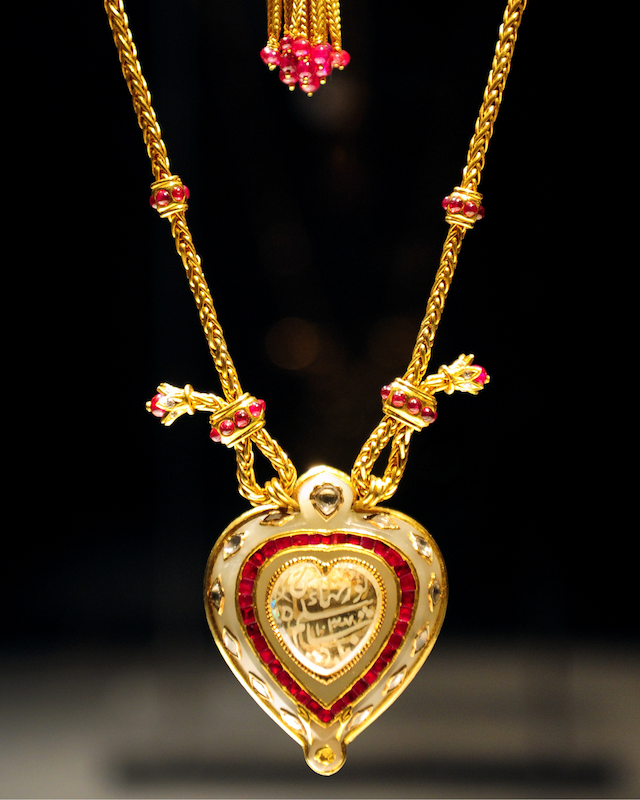
The world’s most famous jewelers, like Cartier, Boucheron, and Chopard, were not only inspired by the extraordinary jewelers of India’s Mughal Empire, but also collaborated on royal-bound pieces mixing the biggest and best diamonds and gemstones of South Asia with settings and classic designs of the West for a progressive hybrid of creativity and beauty. This multi-cultural exchange of ideas in the early 20th century resulted in an unparalleled fertile period of jewelry creation.

In Christie’s 2025 Magnificent Jewels Auction, a suite of Mughal jewels from a royal collection turned the sale into an exploration of imperial history. A carved emerald necklace dating back centuries fetched $6.2 million, while a multi-gem and emerald necklace reached $5.55 million, underscoring a growing trend: natural provenance matters as much as carat weight.
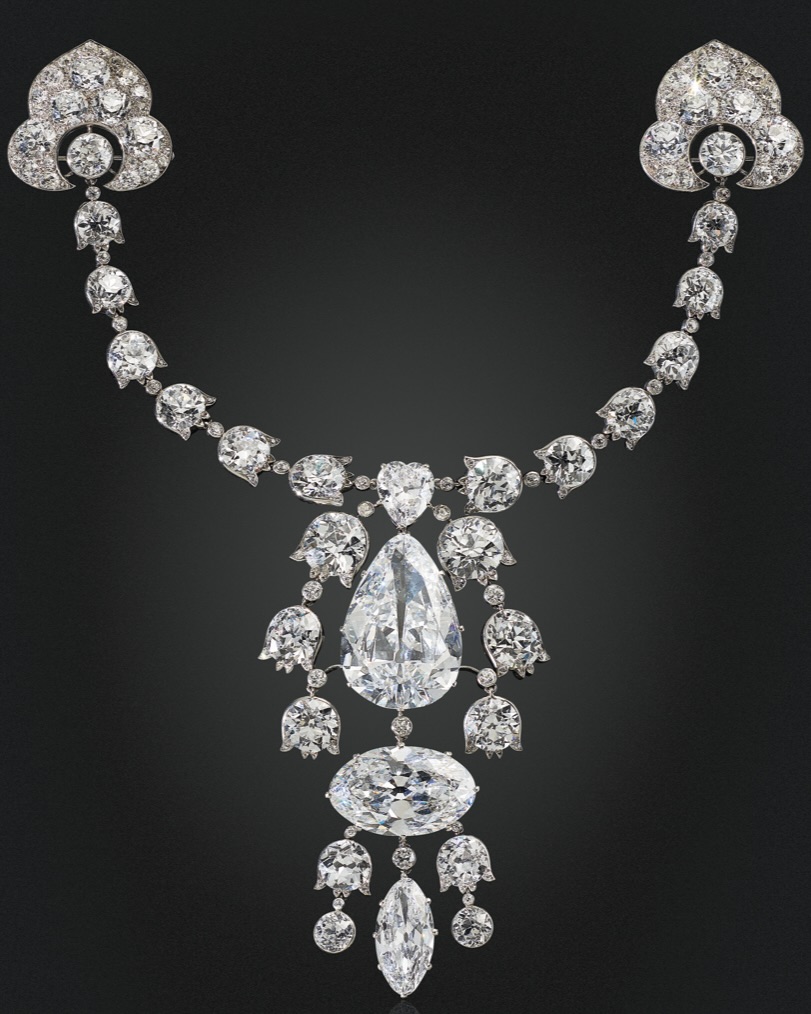
Back in 2019, the “Maharajas & Mughal Magnificence” sale netted $110 million, a sale featuring centuries of royal Indian jewels, including a Belle Époque Cartier diamond devant-de-corsage brooch that left the room gasping as it sold for over $10.5 million.
Lasting Mughal Empire-Inspired Jewelry Trends
Diamond-Encrusted Sunglasses in the Mughal Court
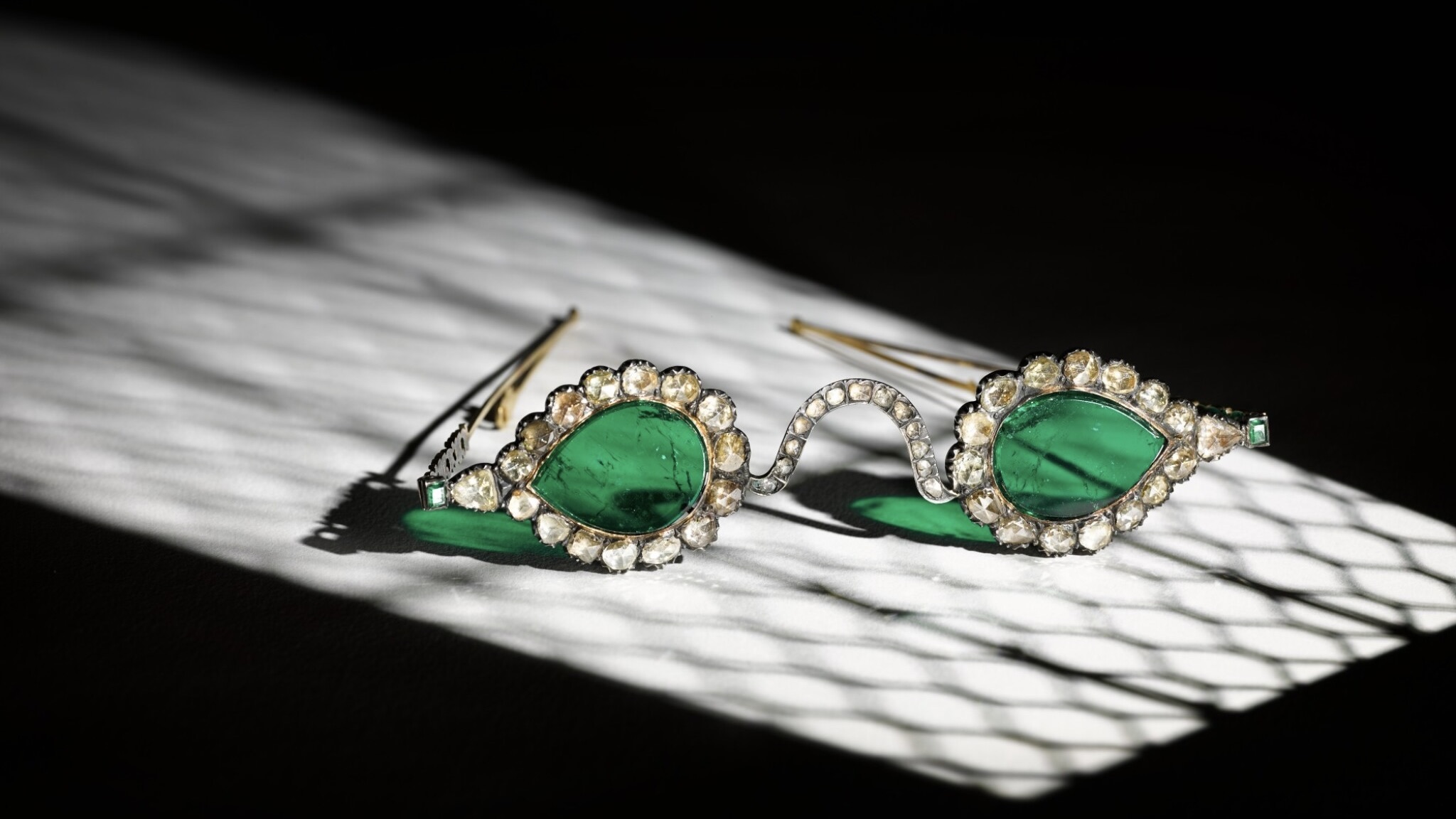
In 2021, two pairs of previously unseen, unique diamond sunglasses went up for auction at Sotheby’s, with roots stretching back to 17th-century Mughal India – crafted during a rich period when imperial wealth, scientific advancements, and artistic efforts were greatly valued.
The diamond pair is dubbed the “Halo of Light,” while its emerald-lensed counterpart is known as the “Gate of Paradise.” Believed to have been commissioned by an unknown prince, the enduring duo has remained in the same collection for nearly half a century.
A testament to unrivaled technical skill, there are no comparable examples of these two masterpieces. Only a true artist could have cleaved these jewels from a single 200-carat rough natural diamond from the Golconda region of India. Sotheby’s estimates that the original stone may be “possibly the largest ever found.” The teardrop-shaped emerald lenses of the “Gate of Paradise” glasses are believed to have been cut from a Colombian emerald weighing over 300 carats. Around 1890, the gemstone lenses were set into new frames adorned with rose-cut diamonds.
The precious spectacles were designed not simply to shield the eyes from the sun or improve vision, but to ward off evil and aid in spiritual enlightenment. While diamonds were believed to bring clarity and strength, emeralds were prized for their healing and protective powers. Now, stars like A$AP Rocky, Pharrell Williams, and Beyoncé are following suit and reigniting the age-old design with diamond-embellished sunglasses.

The Diamond Thumb Ring Evolved From Archer’s Rings of the Mughal Empire
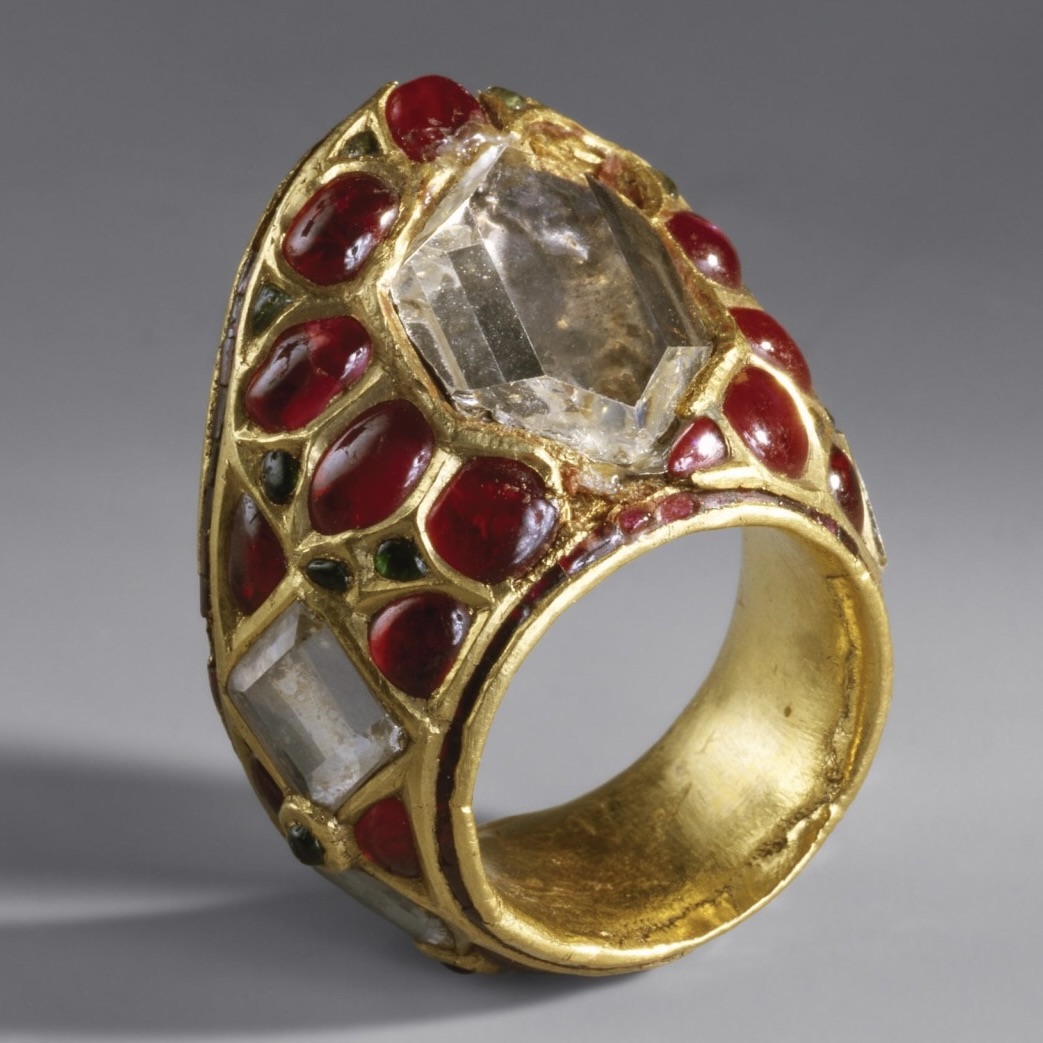
Archaeological remains found in India show the use of the thumb ring several millennia ago. In many cultures, thumb rings served as a practical tool—protecting the thumb for archers, helping them avoid injuries from their bowstrings, and providing a stronger grip.
According to the Metropolitan Museum of Art, some of the oldest findings date back to the 16th and 17th centuries. Because archery was considered a noble sporting exercise, the archer’s ring and thumb rings in general were seen as symbols of high social status.
In India, archers’ rings were typically used for ceremonial purposes and given as royal gifts. During the days of the Mughal Empire, they were decorated with gold filigree, set with natural diamonds and other precious gemstones.

Famous Mughal-Era Diamonds
The Koh-i-Noor Diamond
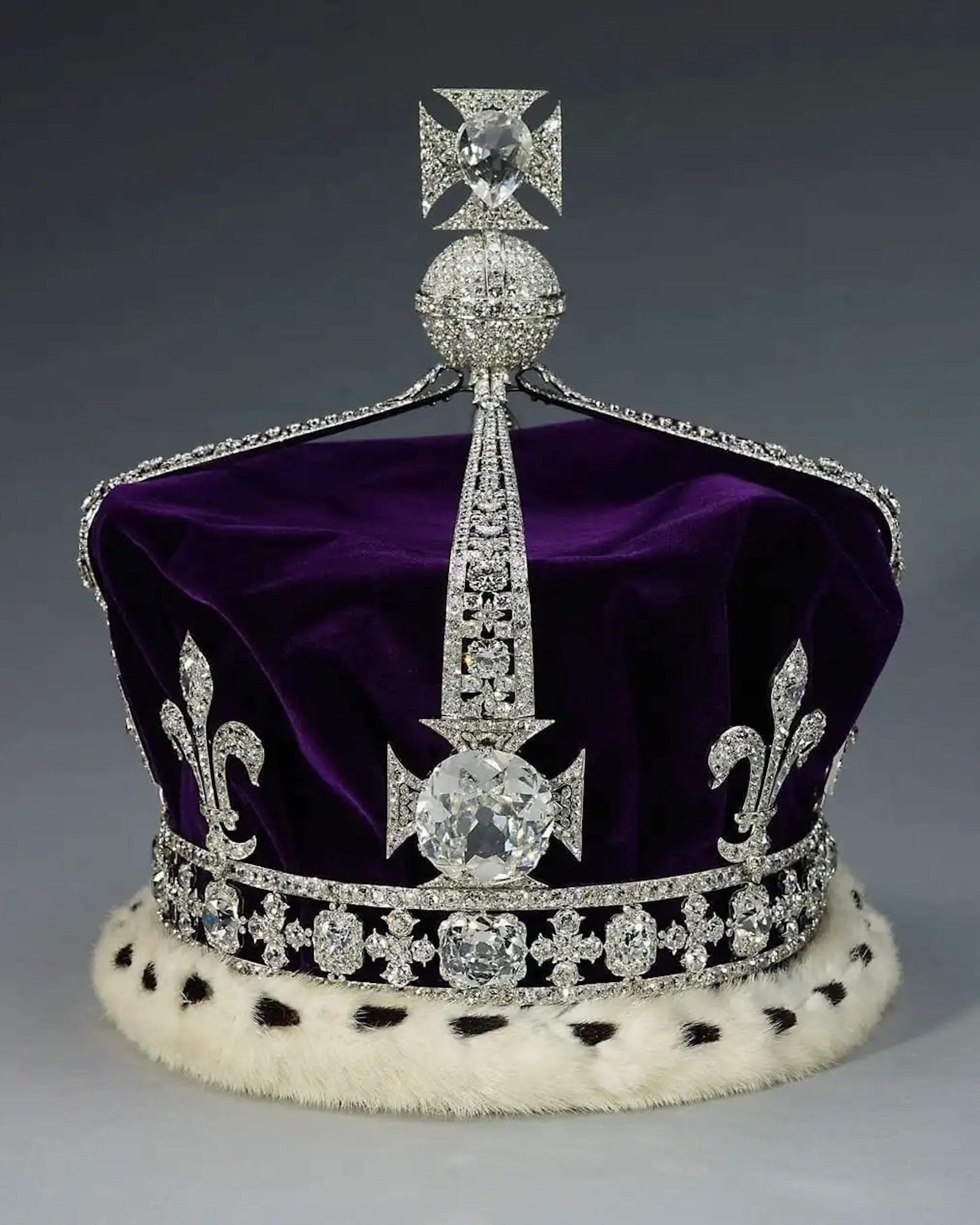
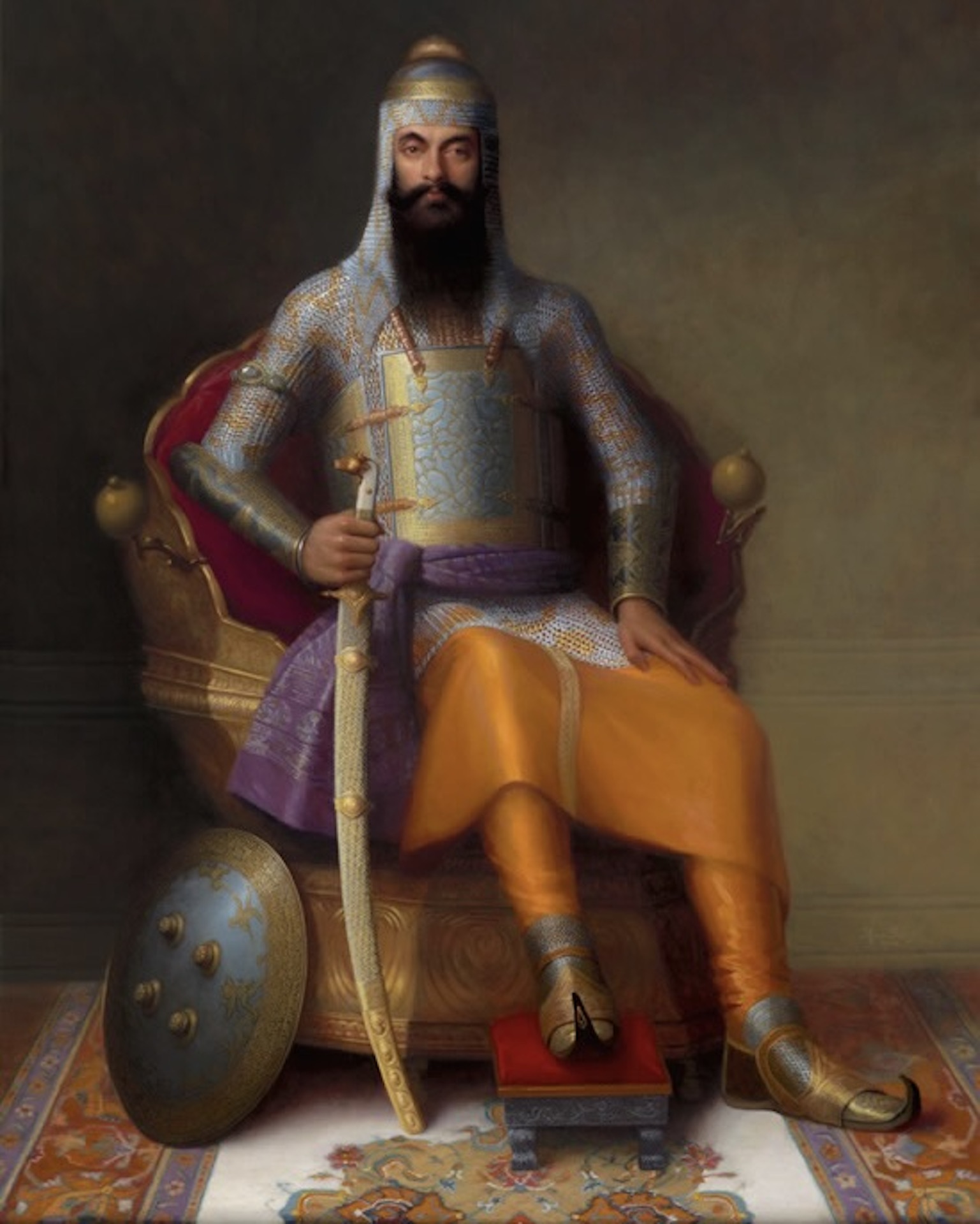
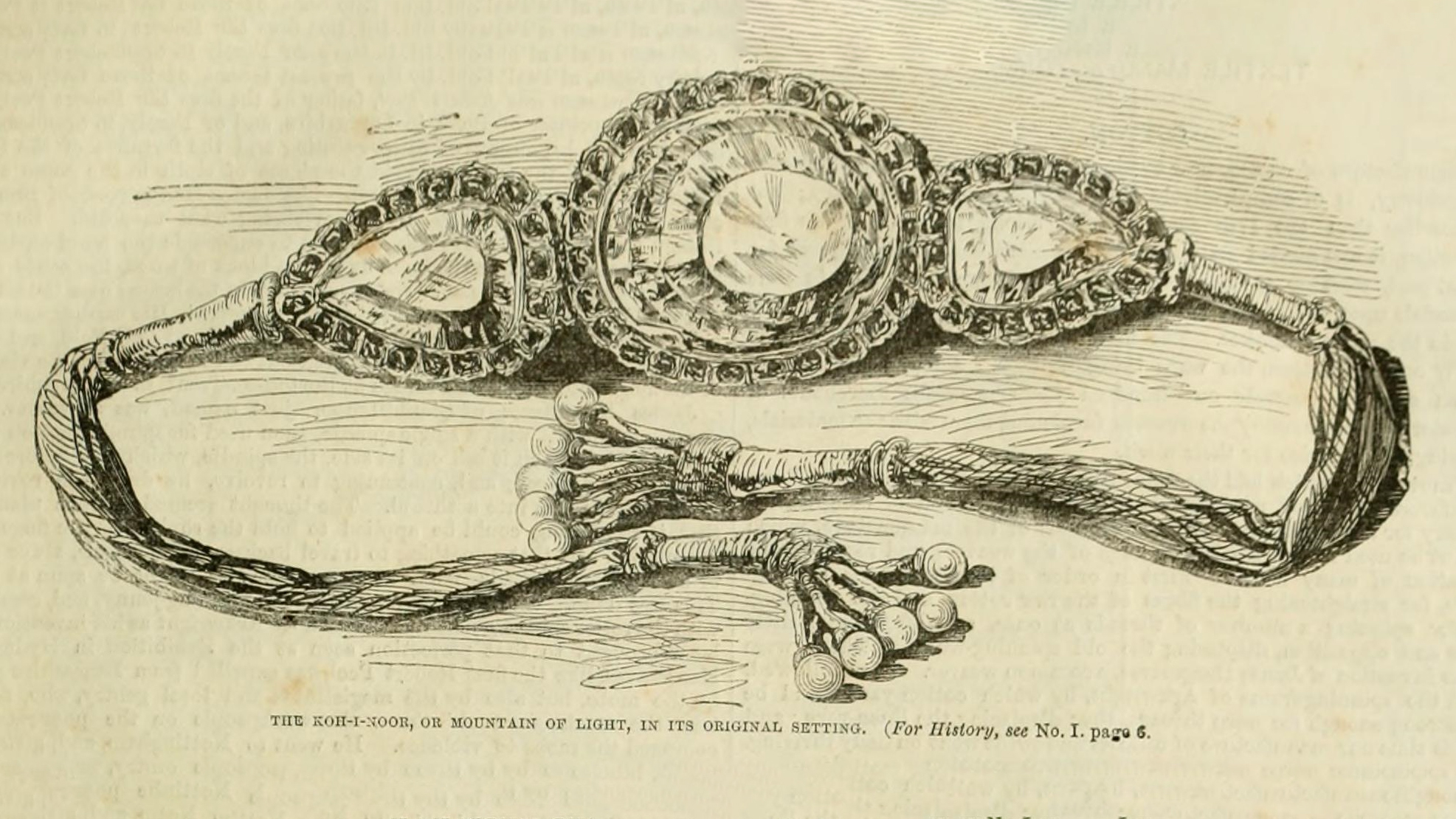
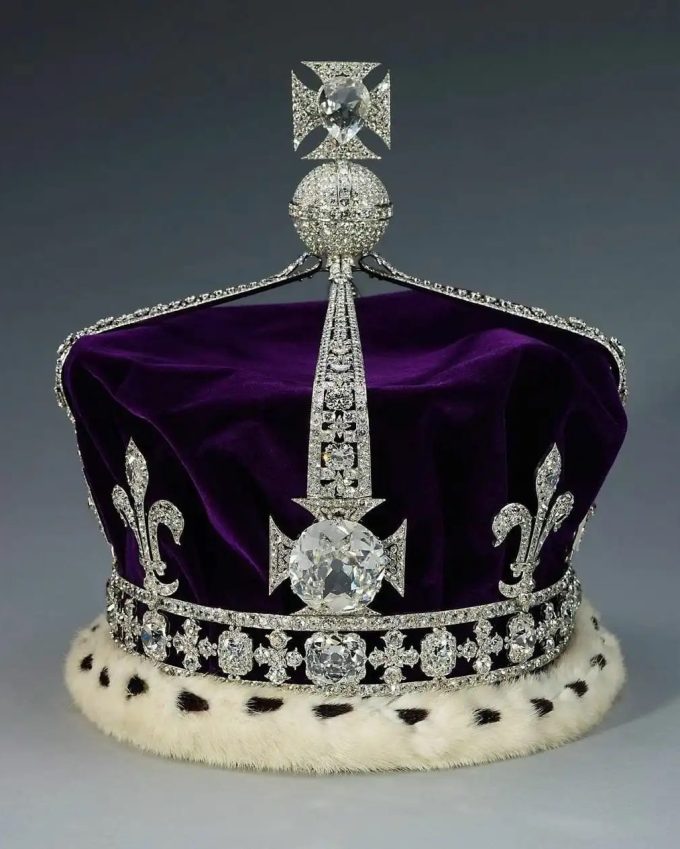
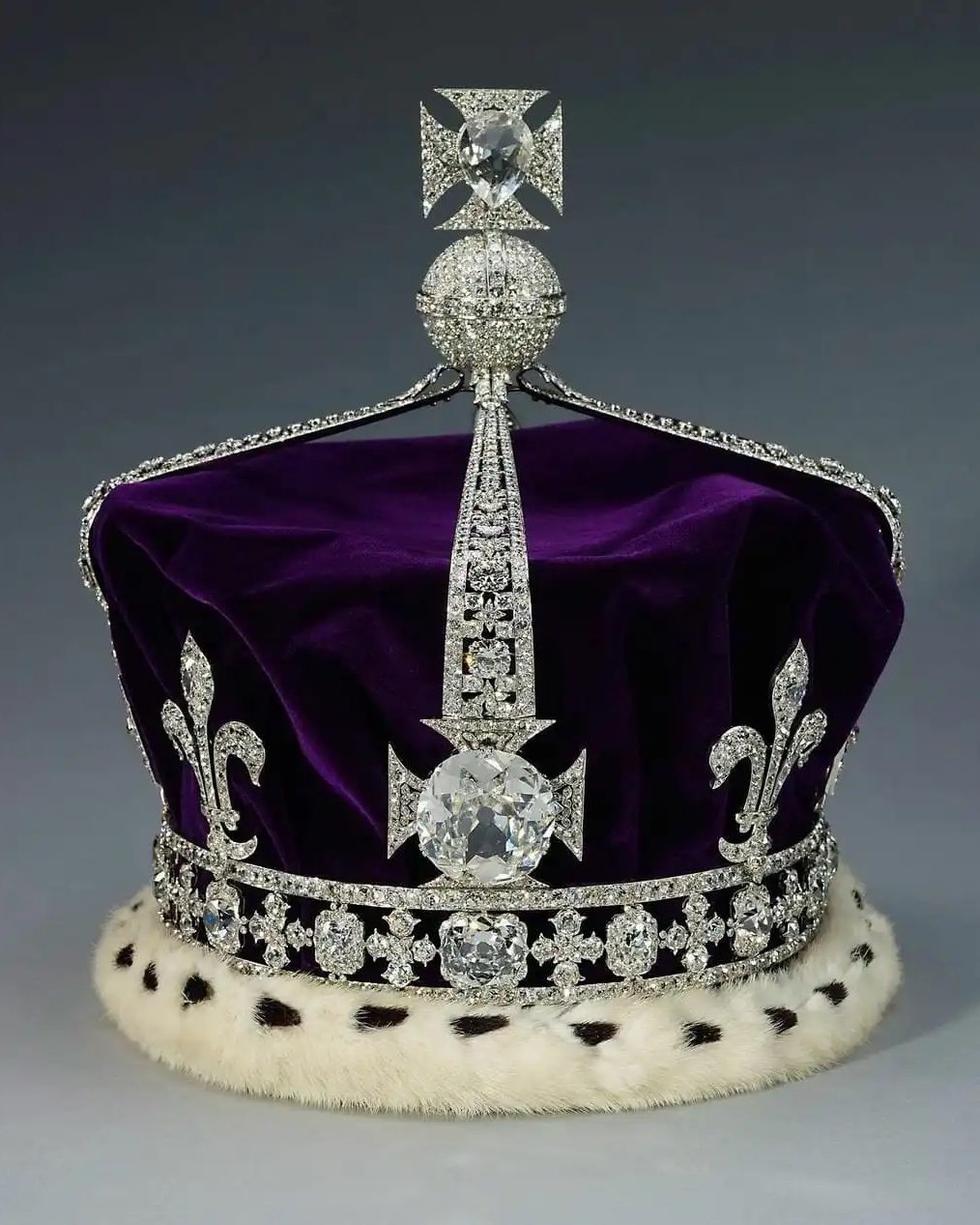
One of the rarest and most valuable diamonds in the world, the Koh-i-Noor diamond is a 105.6 carat diamond with a history spanning back 750 years. It is now the star of the British Crown Jewels and resides safely in the Tower of London.
Nobody knows exactly where in India the Koh-i-Noor stone was originally discovered, but at 186 carats (about the size of an egg), it must have been like uncovering a star that had fallen from the sky. Its first recorded history dates back to the 14th century, when it was owned by different ruling Maharajahs and Mughals as they gained and lost power. Apparently, every ruler declared the stone his own, but because no one held power for long, the diamond changed hands frequently.
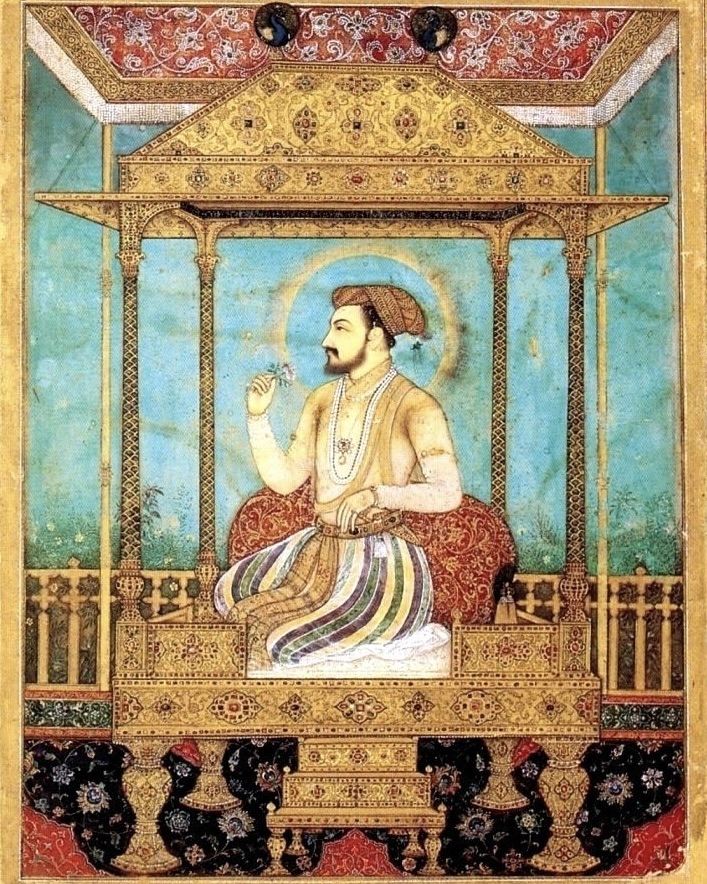
It wasn’t until 1628 that there were documented images of the stone; by then, it was in the hands of the big-spending Shah Jahan (the Mughal ruler who built the Taj Mahal). He commissioned a magnificent, jeweled throne and had the Koh-i-Noor diamond set atop the head of an elaborate gemstone peacock.
The Daria-i-Noor Diamond
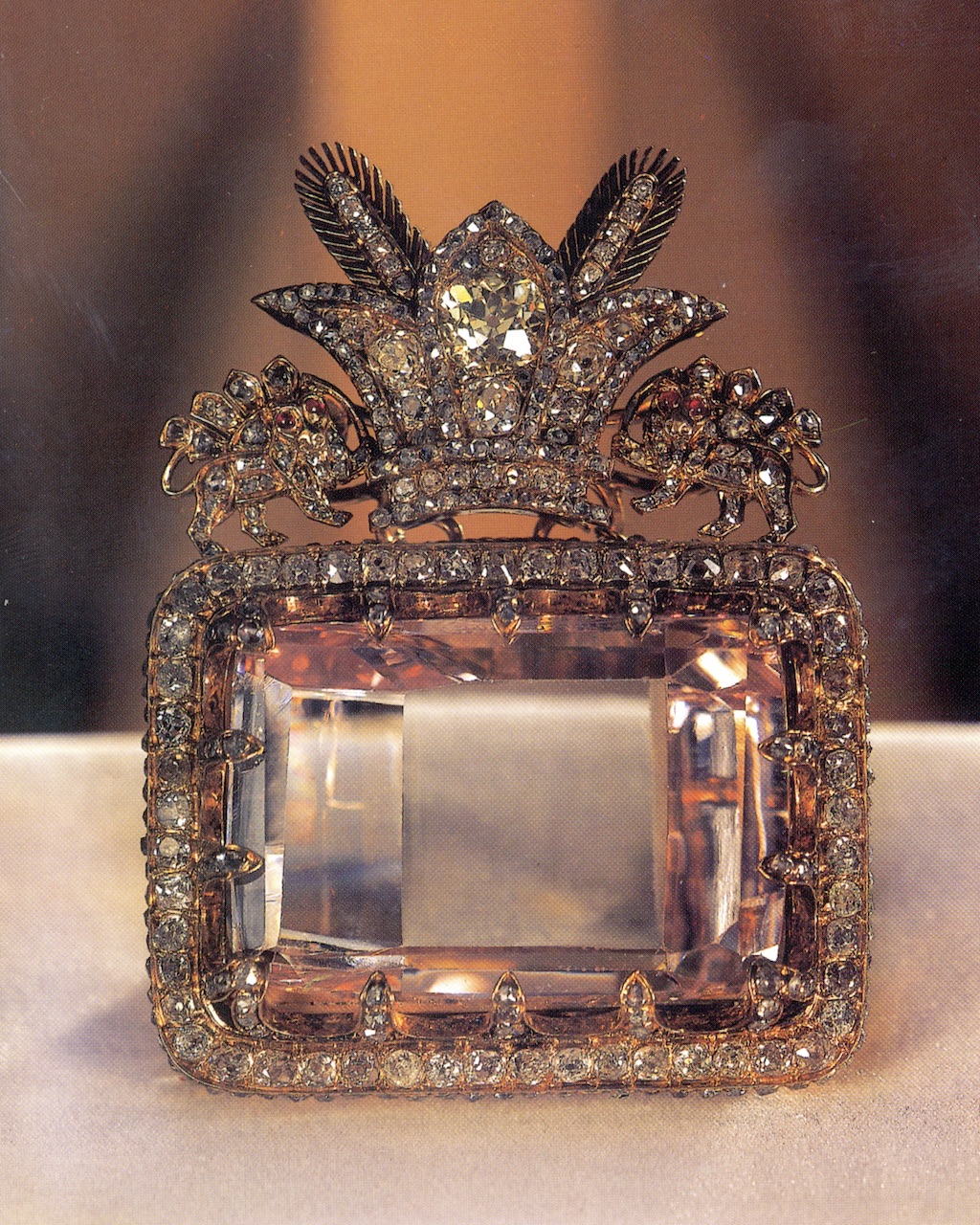
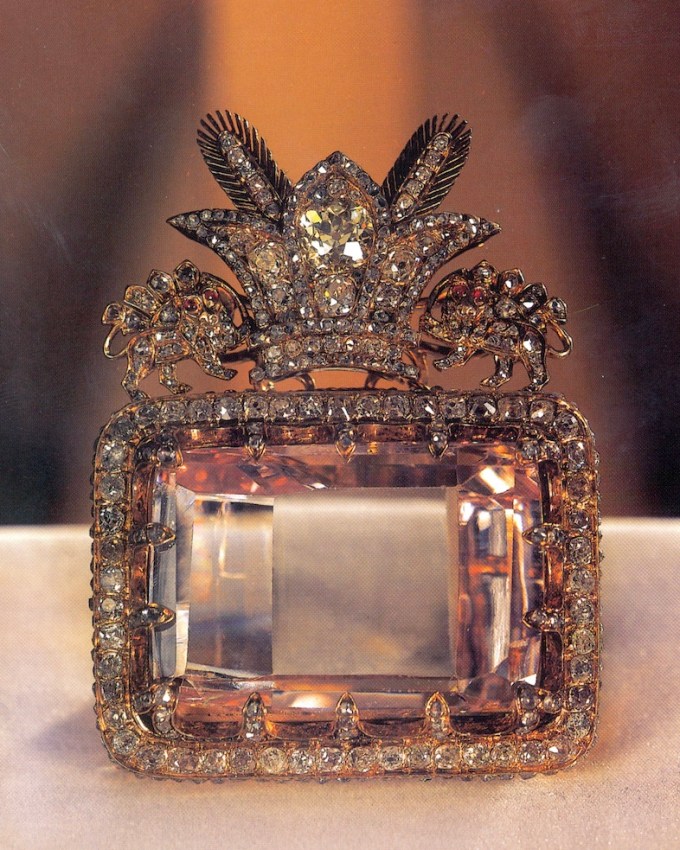
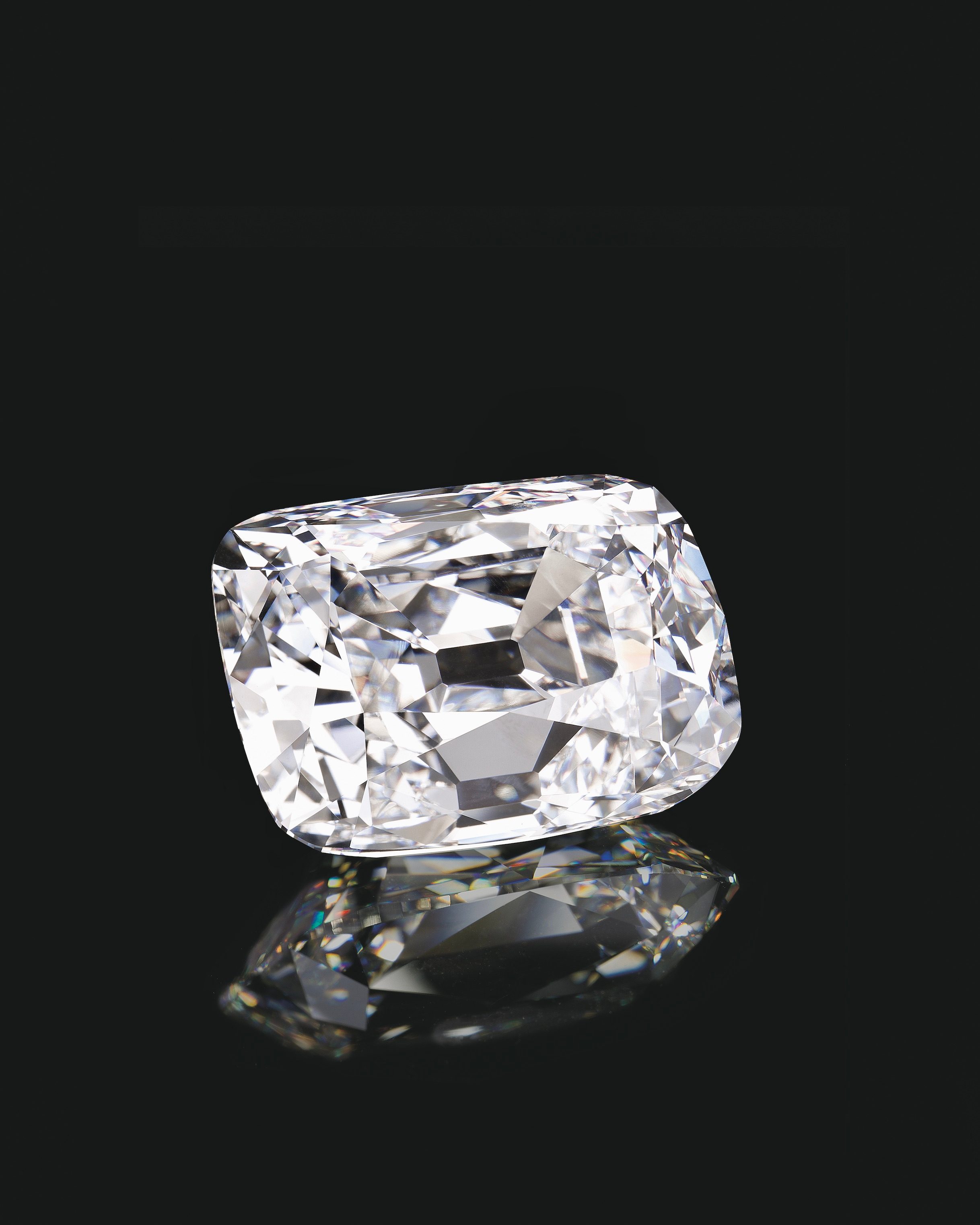
Possibly carved from the legendary 242-carat Great Table Diamond, the Daria-i-Noor, or “Sea of Light”, is an estimated 182-carat pale pink wonder from Golconda and the largest known pink diamond on Earth.
Its soft pink color, extraordinary size, and unusual rectangular table-cut give it an appearance that feels more like a window into history than a conventional jewel. Miners likely discovered the Daria-i-Noor in the early 1600s at the Kollur Mine in the famed Golconda region of India.
The early history of the Daria-i-Noor remains shrouded in mystery, but many historians believe the stone once formed part of the Mughal Empire‘s opulent treasury. Some suggest it may have been one of the gems mounted into the Mughal Peacock Throne, the extraordinary seat of power created for Emperor Shah Jahan.
Evidence supporting this theory comes from the writings of Jean-Baptiste Tavernier, the famed French gem merchant and traveler who visited India several times in the 17th century. During his journeys through the Mughal court and the diamond markets of Golconda, Tavernier documented some of the most extraordinary gems of the era. In 1642, Tavernier documented a massive pink diamond he called the Great Table Diamond, weighing approximately 242 carats. Many experts believe the Daria-i-Noor may be one part of that legendary stone that today exists only in texts.
The Great Mughal Diamond

Perhaps no diamond from the Golconda mines has a more cinematic origin story than the Orlov, also known as the Great Mughal Diamond. This 189.62-carat rose-cut gem, flat on one side, was described by Tavernier in 1665 as “like half of a pigeon’s egg” and began as the sacred eye of a Hindu idol of the god Vishnu. Around 1700, a French soldier disguised himself as a worshiper, stole the stone, and fled India with one of the great diamonds of the ancient world.
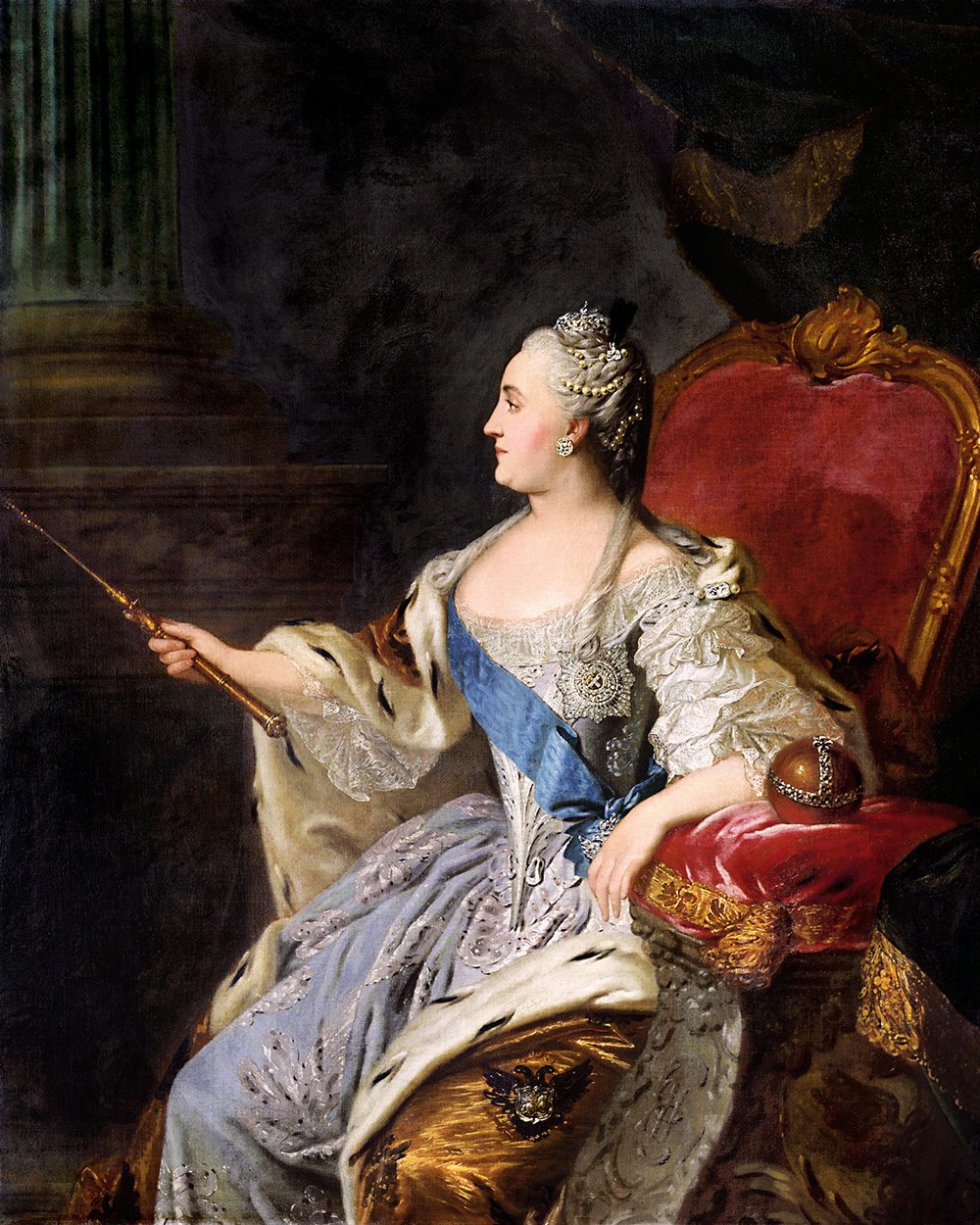
It eventually reached Count Gregory Orlov, who purchased it for Empress Catherine the Great of Russia, hoping the gift would win her hand in marriage. She accepted the diamond but not the proposal. She placed it atop her Imperial Scepter in 1774 and gave it his name. It resides today in Moscow’s Kremlin Armory.
Notably, despite the shared name, the white Orlov is unrelated to the 67.50-carat Black Orlov diamond. The former is an archival treasure of the Golconda mines of the 17th century; the latter is a much later discovery with an entirely separate legend.
Get the Newsletter
Sign up for the latest diamond news, delivered directly to your inbox.