
Renaissance Jewelry: When Diamonds Became High Art
The era that gave us early diamond cuts, symbolic jewels, and the first engagement rings is still shaping style today.
Renaissance jewelry still feels surprisingly familiar today. Think: layered gold chains, gemstone pendants with symbolic meaning, intricate enamel detailing, and even early versions of diamond cuts that laid the groundwork for how stones sparkle now. Techniques like the table cut—a precursor to modern faceting—allowed diamonds to catch light in new ways, while nature-inspired motifs, from floral designs to sculpted figures, echo in everything from contemporary fine jewelry to red carpet statement pieces.
Meet the Experts

Elle Spurr is a researcher and writer whose career at M.S. Rau began with her role as an art handler. With a degree in Arts Administration from Simmons University, Elle honed her expertise through roles at institutions such as the Museum of Fine Arts, Boston, the Portland Museum of Art and the New Orleans Museum of Art.

Jelena Kulic is a fashion, jewelry, and accessory designer who made her international debut at Paris Fashion Week in October 2025. Her work is inspired by Baroque and Renaissance art, as well as the romantic opulence of the 18th and 19th centuries.
Ahead, discover how the Renaissance jewelry reshaped trends forever, from groundbreaking diamond-cutting techniques to the early foundations of engagement ring traditions that still define how we celebrate love today.
The Renaissance Transformed Jewelry, Art, and Diamonds
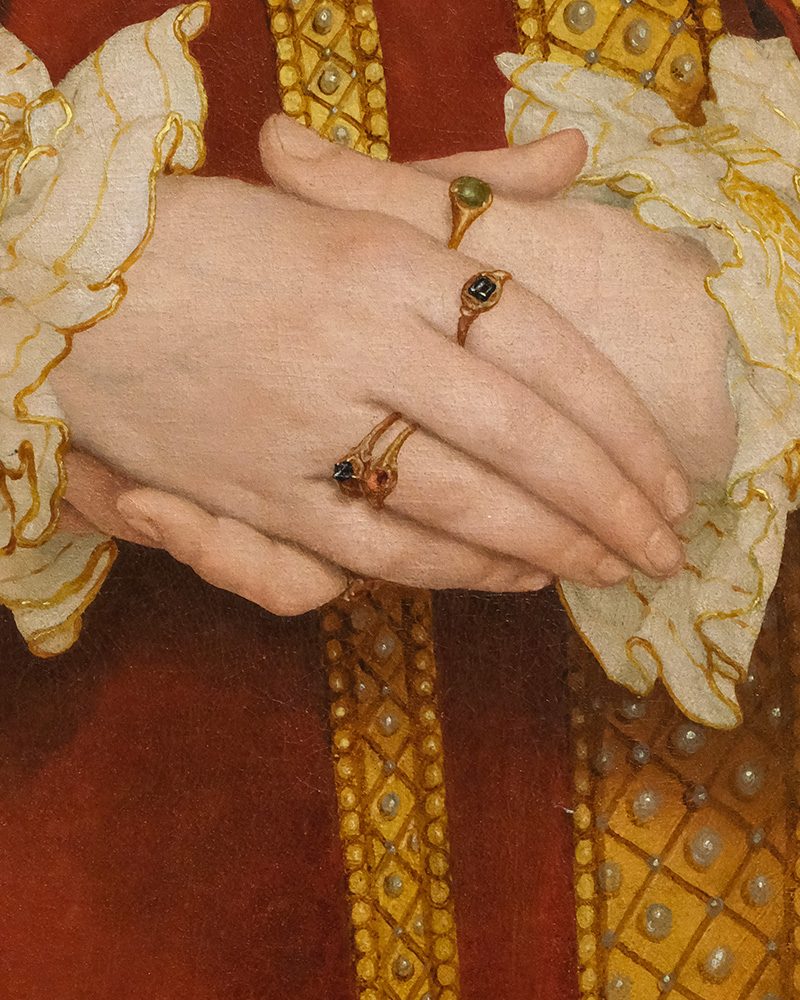
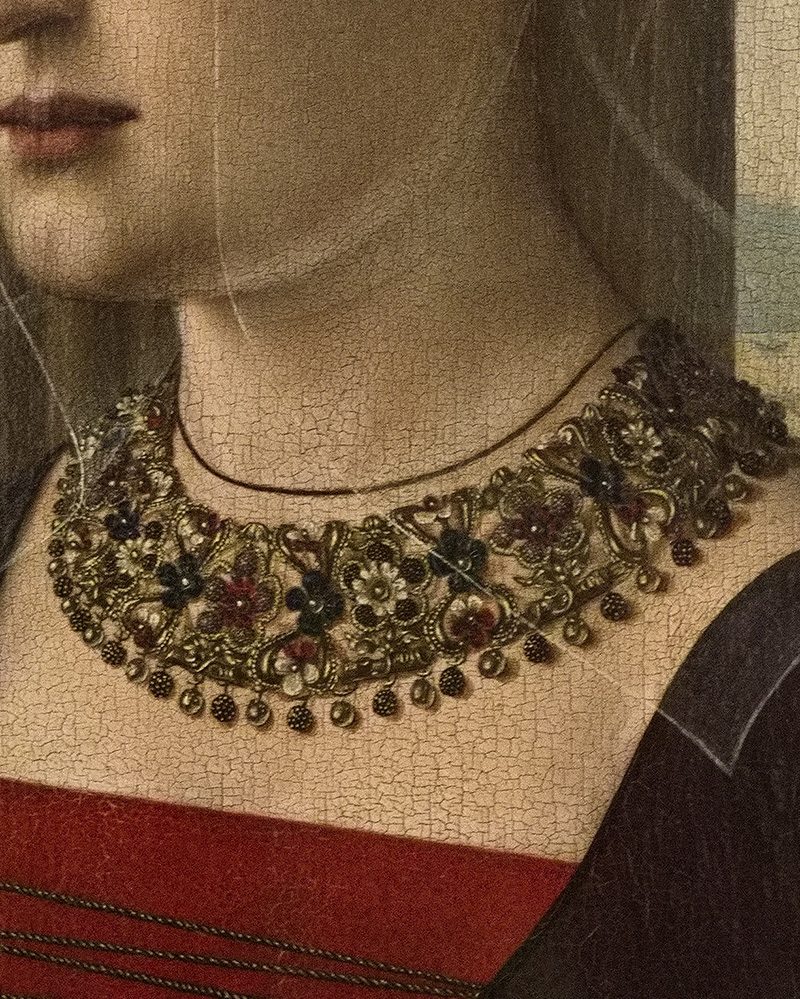
After the long and frankly exhausting Middle Ages, Europe was ready for something inspiring and new—and it arrived in abundance with the period known as the Renaissance, spanning the 14th to the 17th century. Meaning “rebirth,” it marked a turning point in the continent’s progression in art, science, and global trade with India, the Middle East, and South America.
As part of this dynamic era of artistic evolution and expanded trade, which provided access to a wide range of gemstones, including natural diamonds and precious metals, jewelry design became a form of high art. Greater wealth and increased availability of materials made jewelry more widespread. Featuring diamonds alongside emeralds, rubies, and lapis lazuli, jewelry evolved into a powerful form of personal expression, enhanced by advanced techniques such as enameling, engraving, and filigree. Goldsmiths were now regarded as acclaimed artists, not just craftsmen.
“As Europe rediscovered Classical ideals, jewelry began to show greater balance, naturalism, and intellectual symbolism. It was no longer only about wealth or devotion but also about artistry, learning, and the celebration of human creativity,” says costume and jewelry designer Jelena Kulic.
And the momentum didn’t stop there. By the time Emperor Napoleon Bonaparte came to power (1799 to 1815), diamonds had firmly established their place in the spotlight, becoming the ultimate symbol of status, especially among royalty.
Renaissance Goldsmiths Were the Original Jewelry Artists
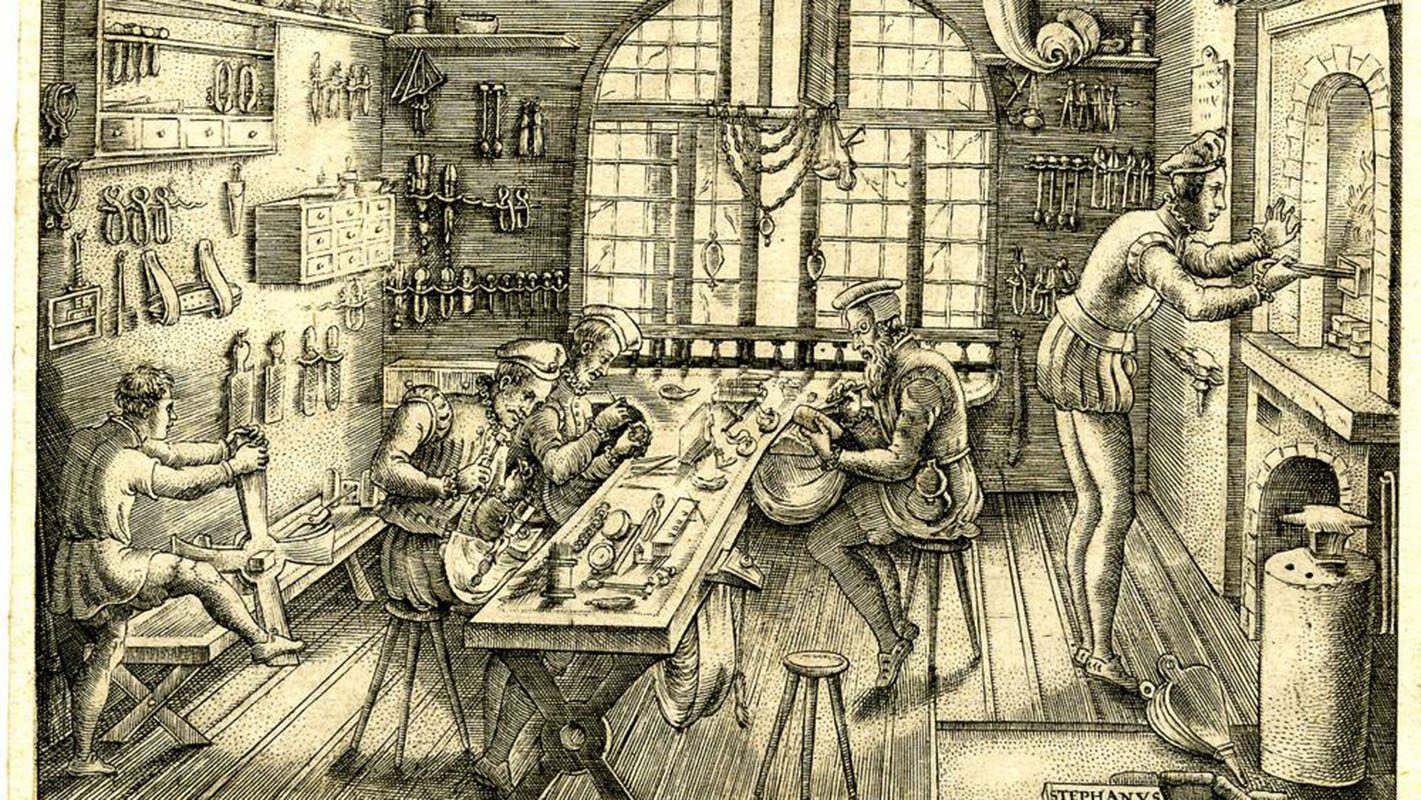
The Renaissance marked a period of expanded maritime trade and growing wealth, ushering in a new era of high jewelry expression. With access to a wider variety of materials, goldsmiths—often sponsored by wealthy patrons in cities such as Venice and Florence—were at the height of innovation. Elle Spurr, Senior Researcher at M.S. Rau, tells Only Natural Diamonds that powerful families such as the Medici, Borgia, and Sforza commissioned jewelry as status symbols that shaped design across Europe. She notes that it is also well documented that many Renaissance artists trained as goldsmiths, including Botticelli, Ghiberti, and Brunelleschi.
“This crossover meant jewelry adopted the same high-level sculptural precision, dramatic naturalism, and classical influence found in major artworks. Jewelry production became increasingly specialized and collaborative, involving goldsmiths, enamelers, and lapidaries. Advances in enameling introduced vivid color, while refined cutting and setting techniques, such as table cuts and intricate goldwork, enabled more complex designs,” Spurr says.
The Techniques That Changed Renaissance Jewelry Design
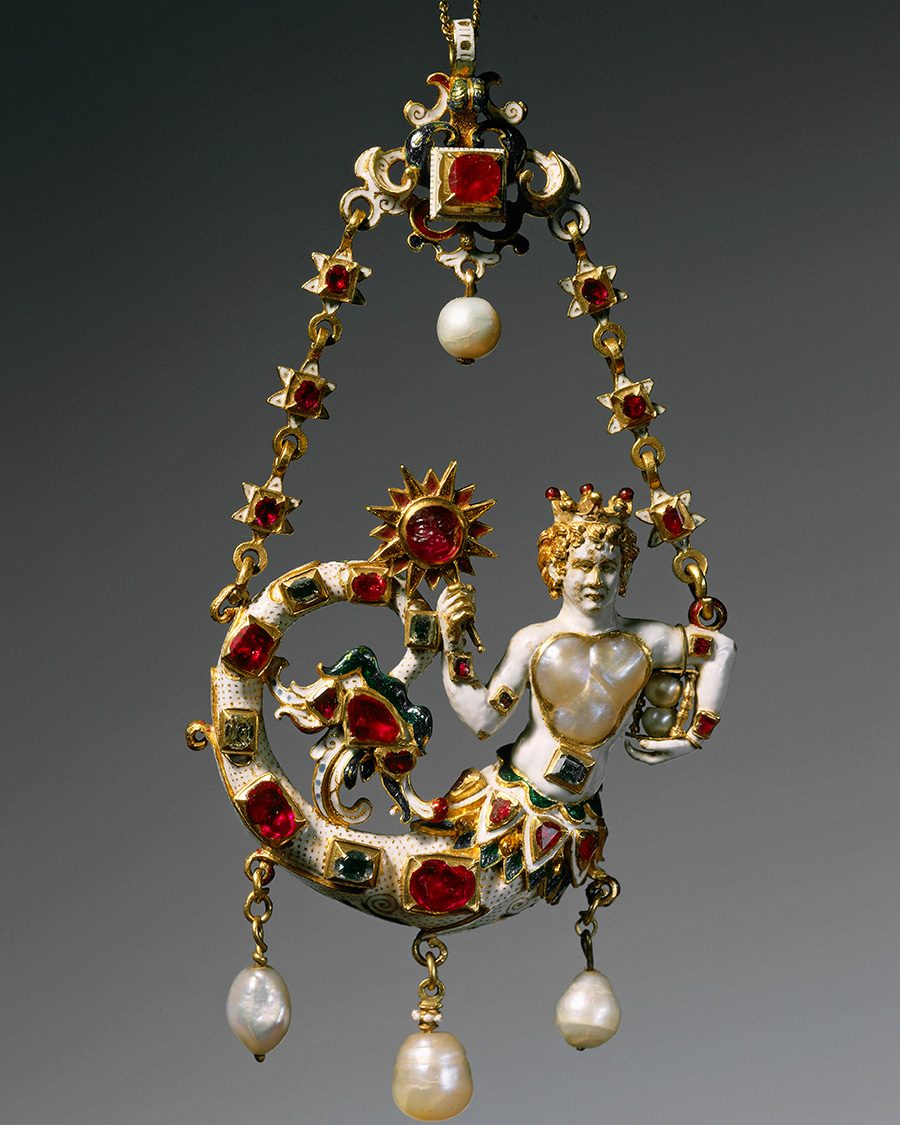
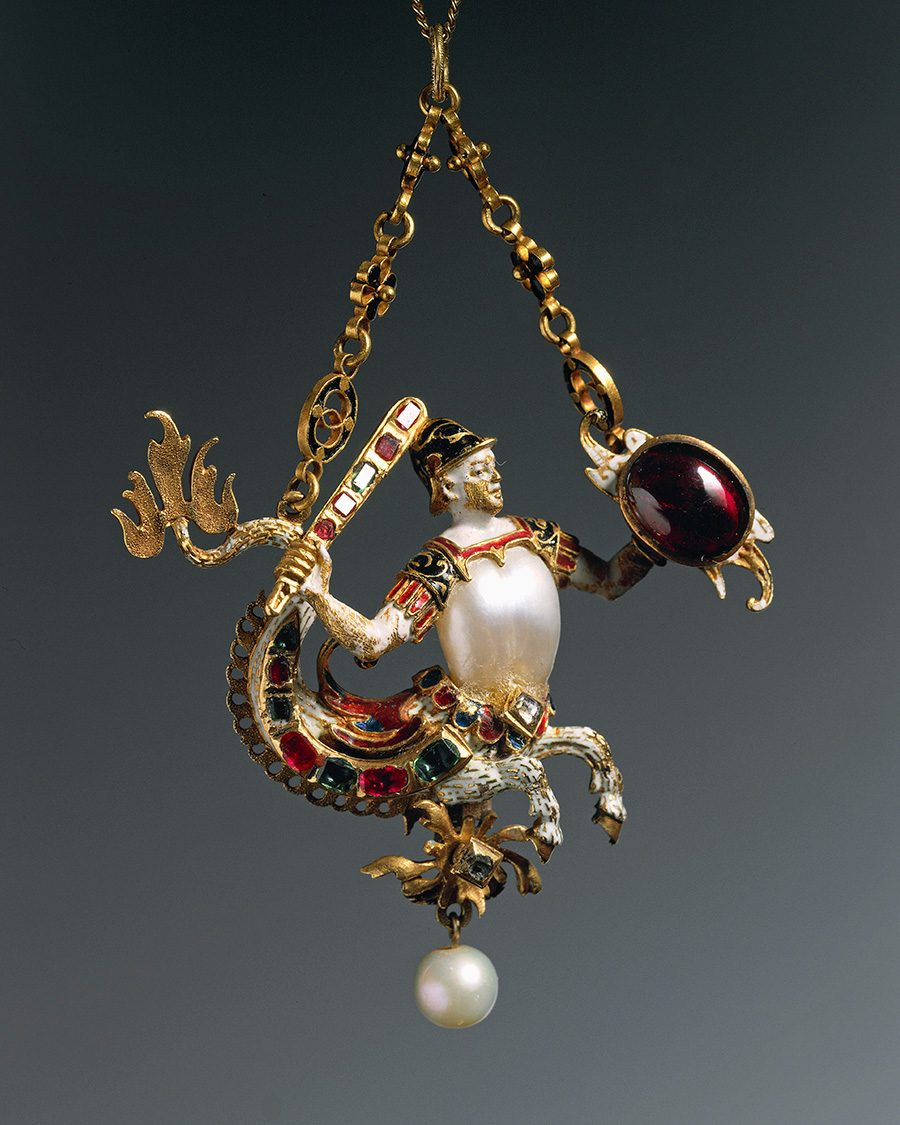
The influx of new materials enabled goldsmiths—primarily working with high-karat gold—to experiment with sculpture, three-dimensional forms, and enameling. These innovations introduced richer color and intricate miniature imagery into jewelry, and with the rise of the merchant class, the craft was able to truly flourish.
“The Renaissance marked a revival of Classical learning after the Middle Ages, with renewed study of ancient Greek and Roman art and philosophy. This intellectual shift directly influenced jewelry design, as goldsmiths drew on antiquity for subject matter and form,” Spurr says. “At the same time, advances in science and technical skill transformed the craft itself. Improved techniques allowed for greater complexity, while developments in enameling enabled vivid, painterly color. This made it possible to depict nature with unprecedented realism.”
Why Renaissance Jewelry Shifted From Religion to Nature
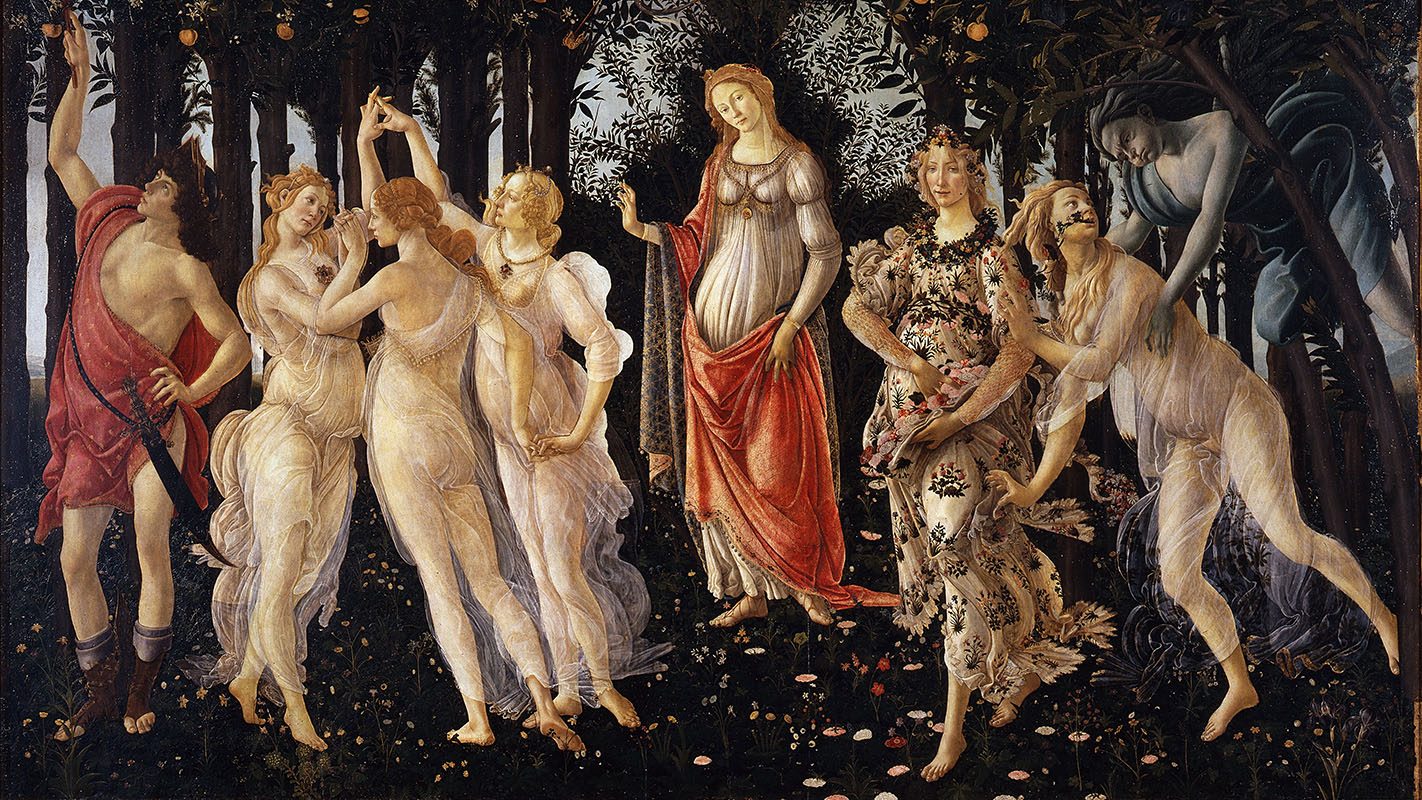
There was a prominent shift in jewelry during this time, moving from religious motifs to a focus on naturalistic subjects such as flora and fauna, especially as goldsmiths could do much more with these new, richly varied materials. Kulic says, “Where medieval jewelry was often devotional, Renaissance jewelry embraced humanist ideals. Dominant motifs included classical mythology, allegorical figures, and floral ornament. These designs reflected Renaissance ideals of beauty, learning, and humanist thought.”
“Jewels were personalized, often adorned with cameo portraits of the wearer or loved ones to emphasize individual expression. Many Renaissance jewels were conceived as miniature works of three-dimensional art. Through carving, casting, and detailed ornament, they function as sculptural objects designed to be worn,” Spurr notes.
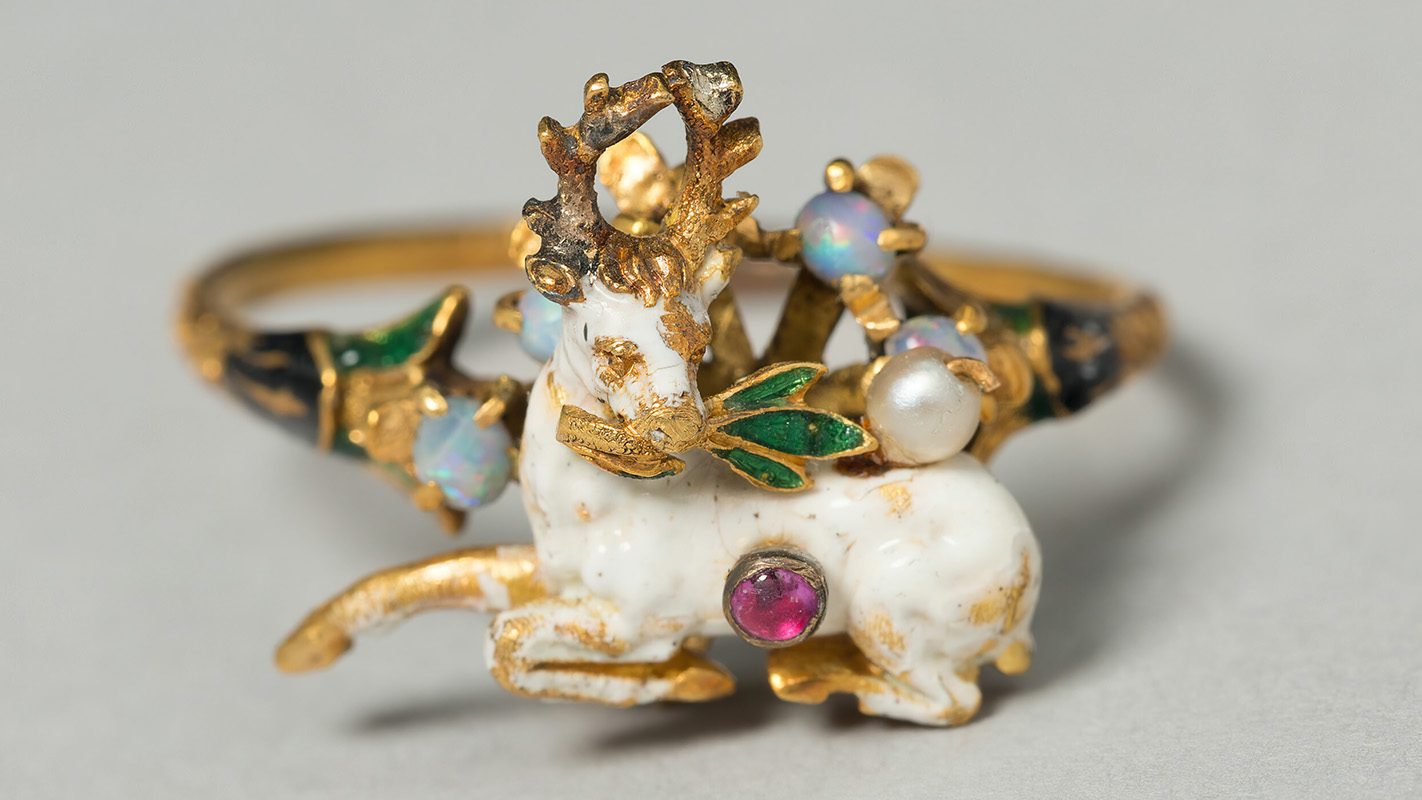
Spurr adds that nature is a central source of inspiration in Renaissance jewelry, reflecting a growing interest in the observation of the physical world. “Jewelers incorporated detailed representations of flowers, insects, birds, and other animals, rendered with increasing realism through advances in technique such as enameling.
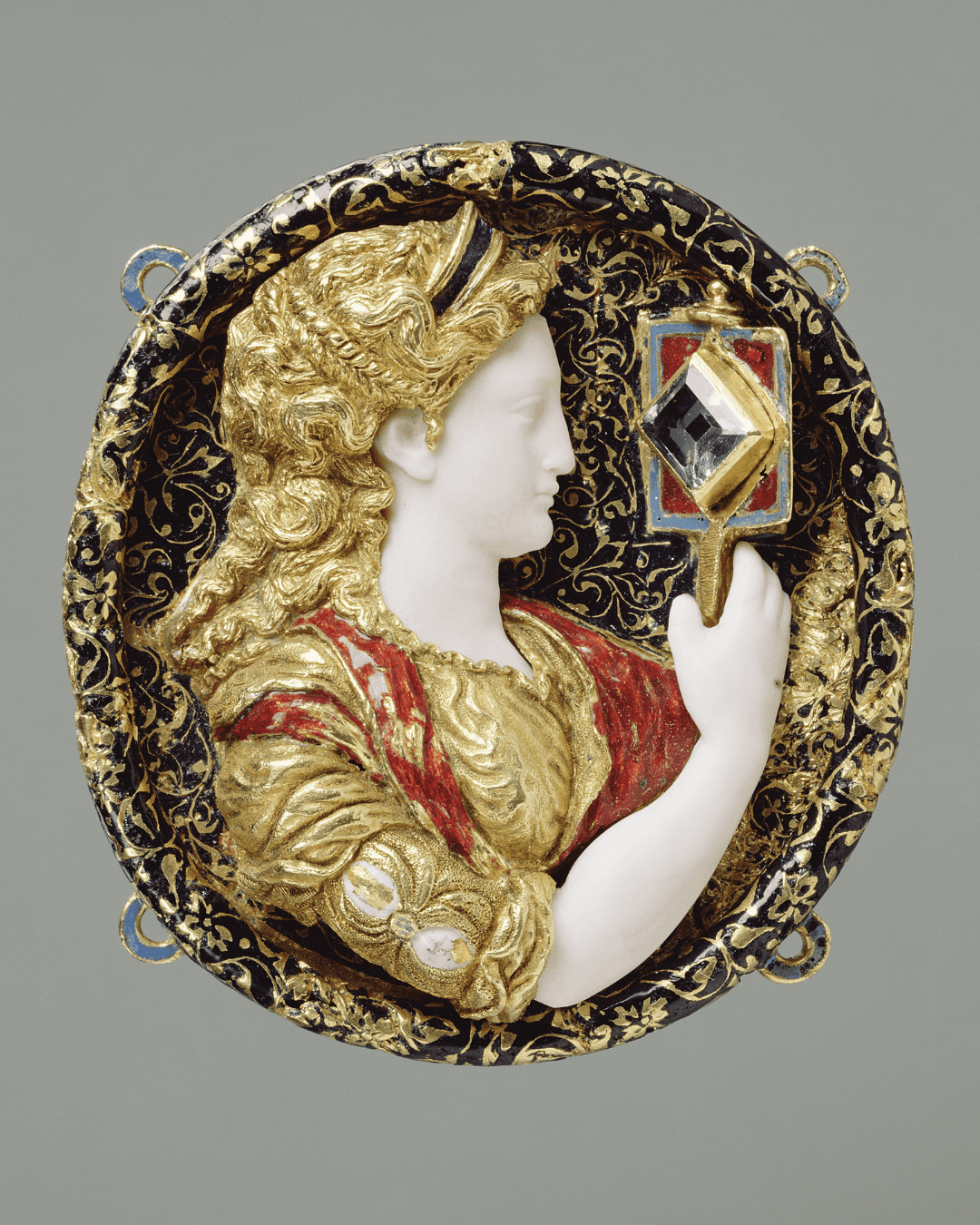
The human form also became important, particularly through cameos and portrait miniatures. Influenced by the rise of portraiture, Renaissance jewelry increasingly reflected individual identity and personal relationships, with depictions of the wearer, loved ones, or rulers.”
The Most Popular Renaissance Jewelry Styles and Designs
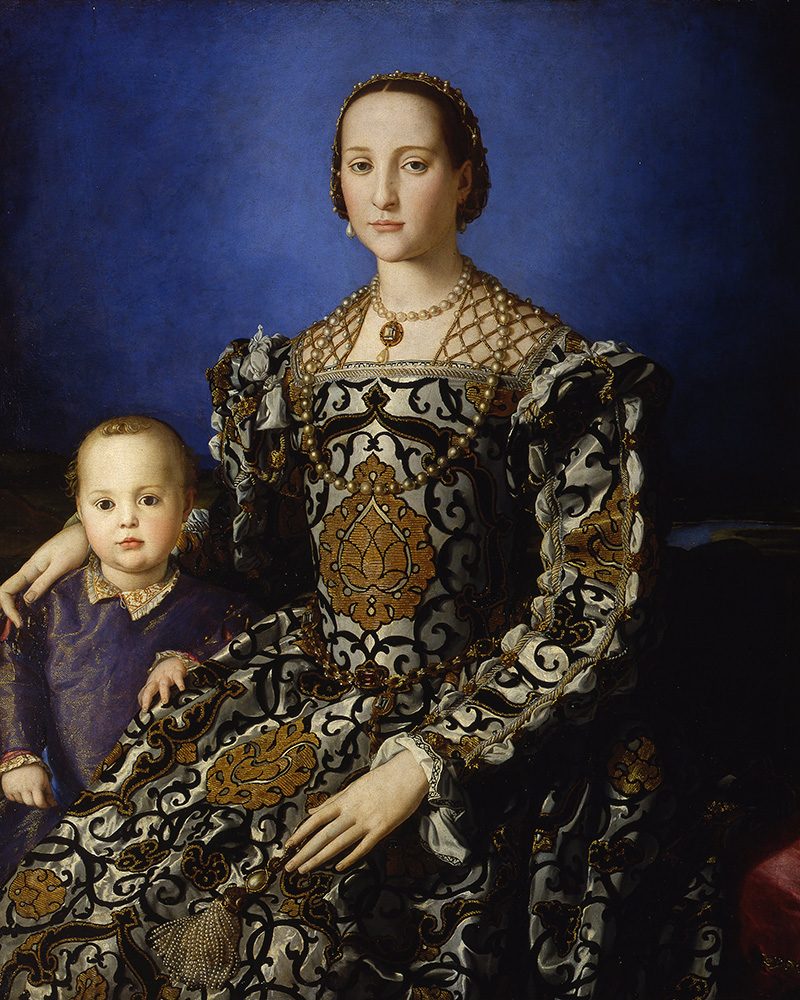
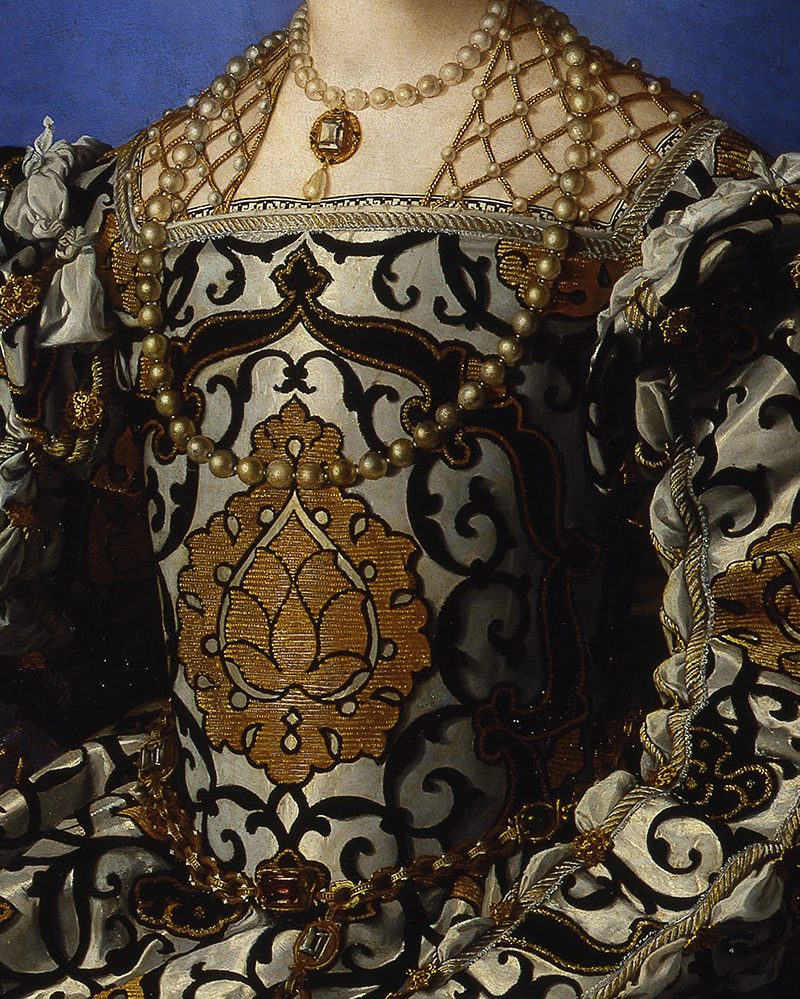
As for the most important and popular designs of the Renaissance, these included pendants depicting biblical scenes or symbolic motifs; layered necklaces featuring gemstones, pearls, and gold chains; stacked rings often designed with hidden compartments; as well as earrings (which had disappeared from fashion during the Middle Ages) and head ornaments.
In fact, the pendant emerged as the defining jewel of the Renaissance, replacing the medieval brooch and often worn on long gold chains, attached to clothing, or suspended from girdles. Many were designed to be viewed from both sides, with richly enameled backs as intricate as their gem-set fronts.
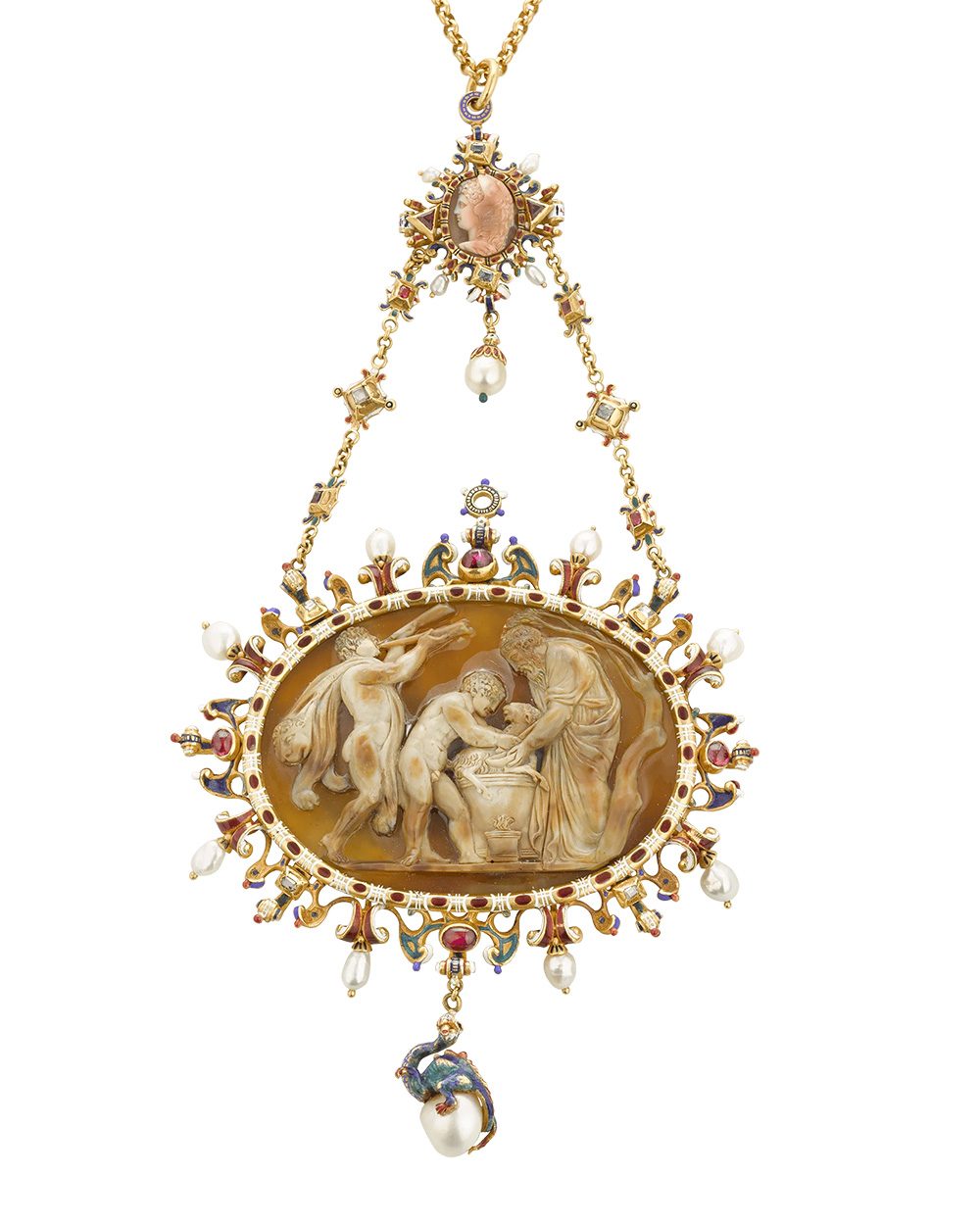
“Nature appeared in jewelry through flowers, leaves, vines, birds, animals, and sea creatures, often rendered with remarkable delicacy. These elements symbolized life, renewal, fertility, beauty, and the abundance of the natural world. The human form also became more prominent through cherubs, profile portraits, and mythological figures, reflecting the Renaissance fascination with anatomy, ideal beauty, and human-centered thinking,” Kulic says.
Some Renaissance jewels were not purely decorative but functional, including pendants that held toothpicks or ear picks, as well as pomanders filled with perfume to mask unpleasant odors, offering a fascinating glimpse into daily life at the time.
How the Renaissance Revolutionized Diamond Cutting


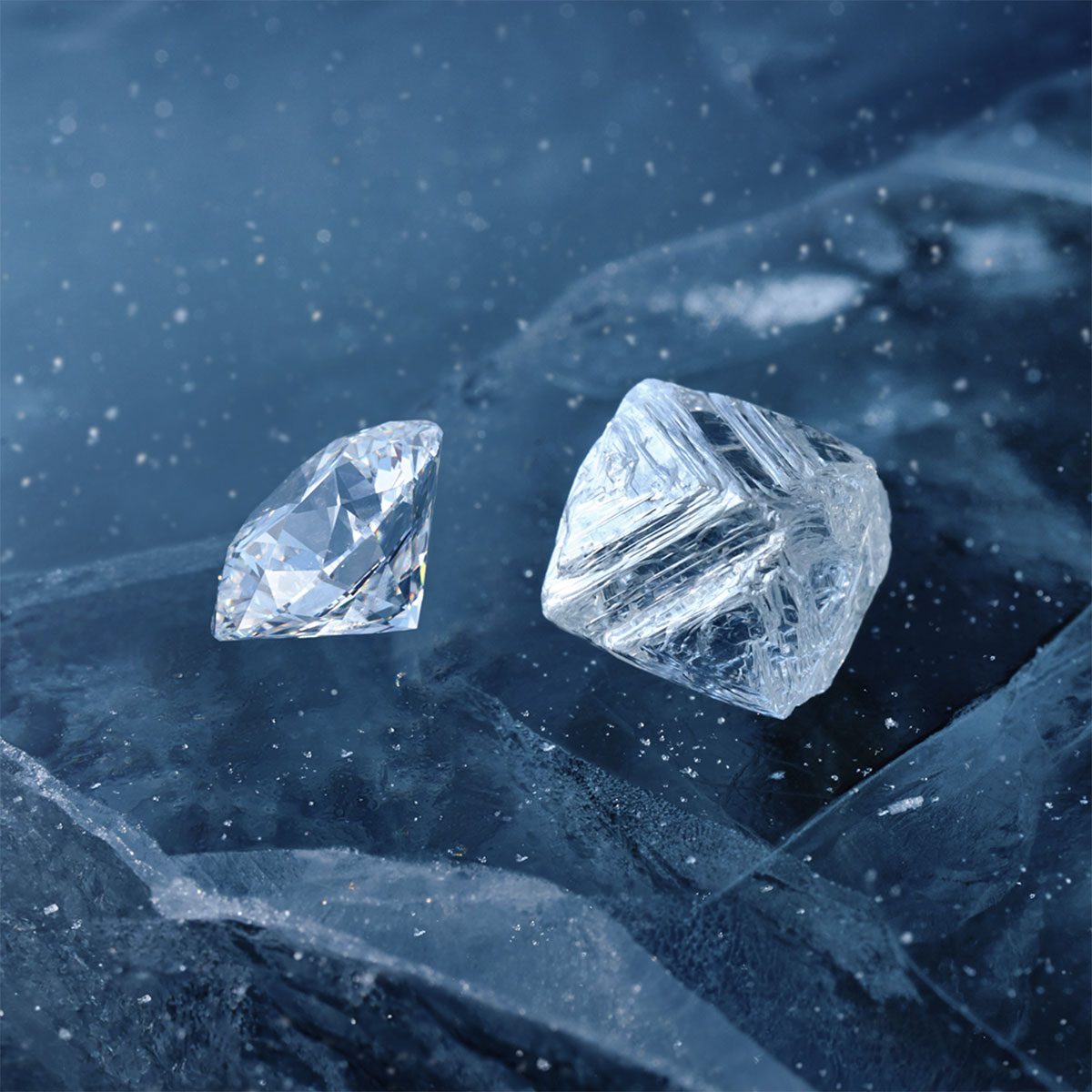
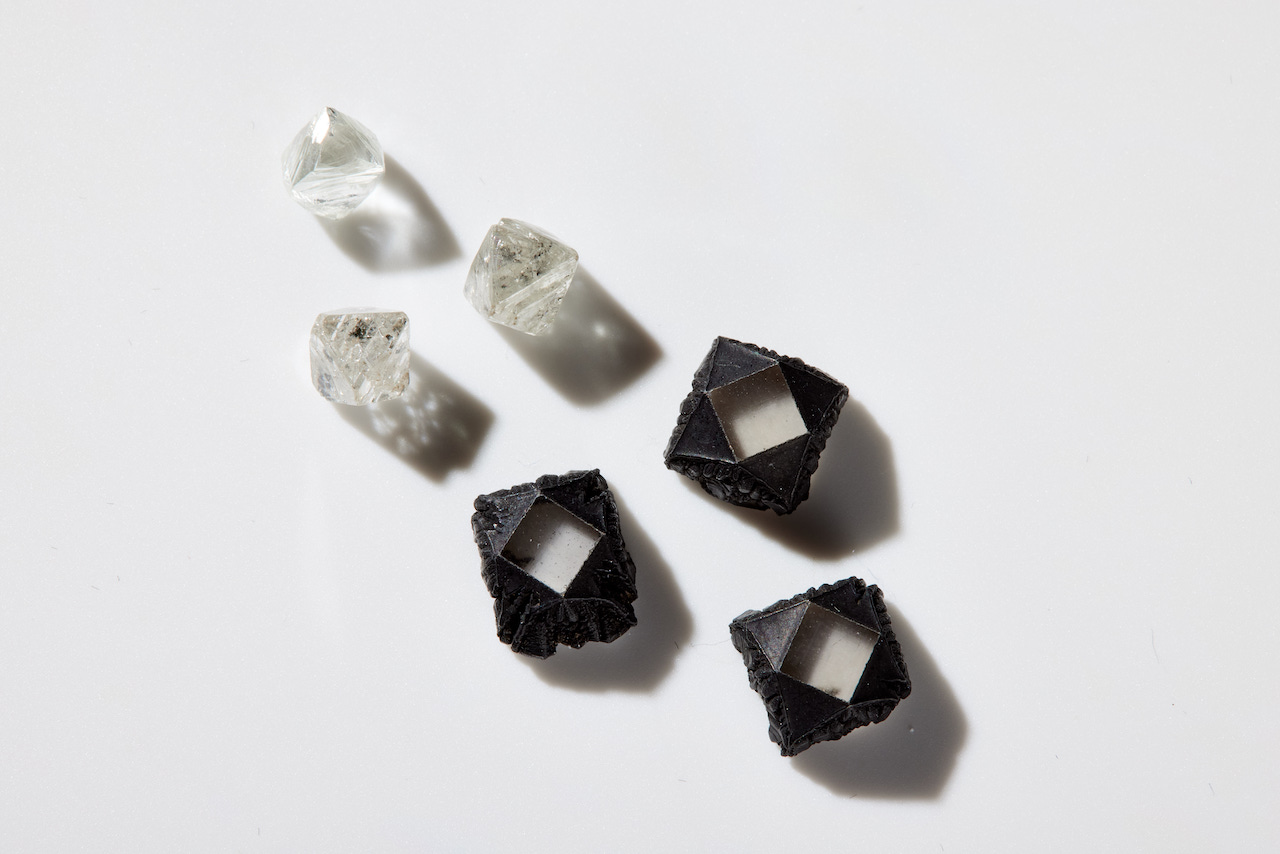
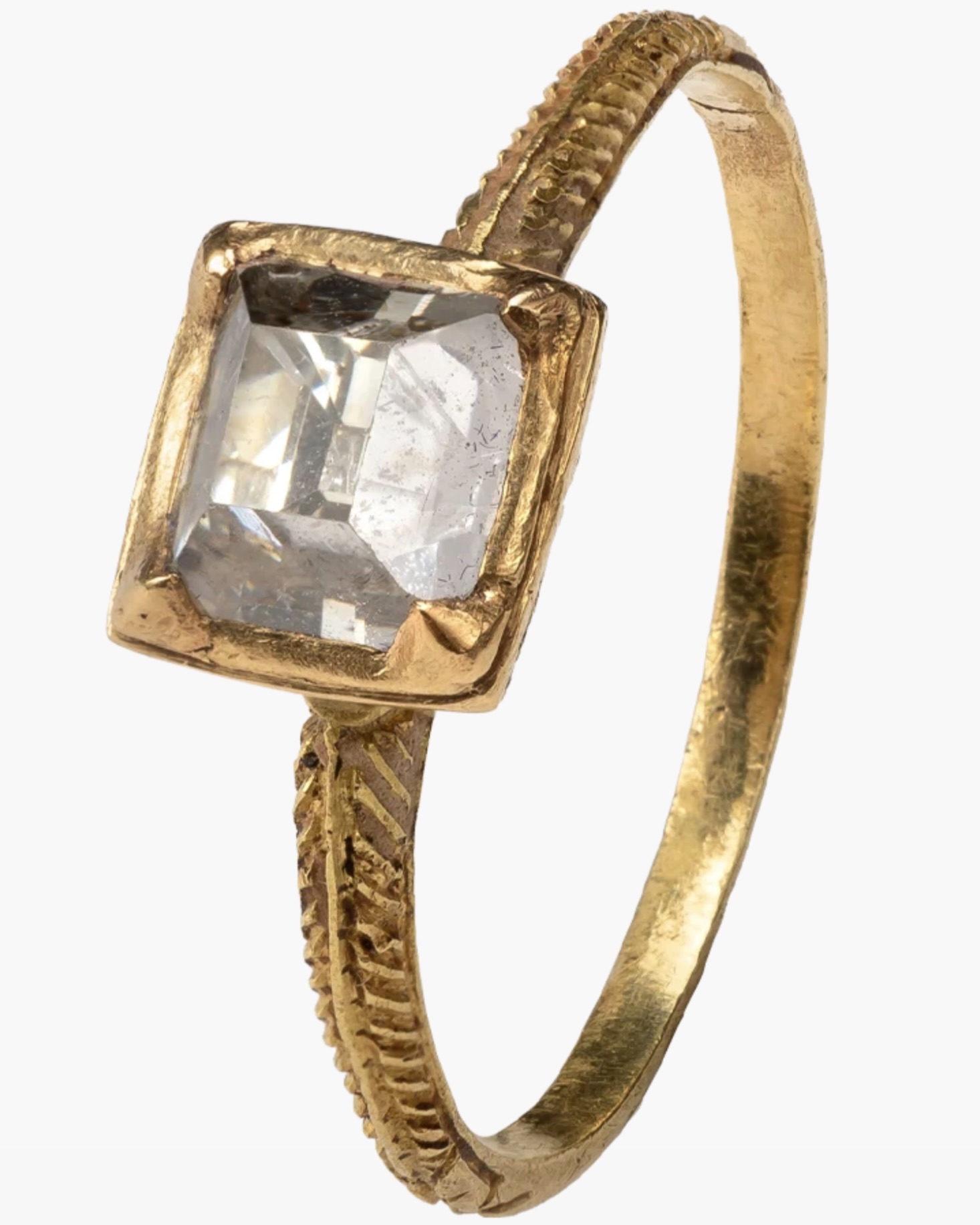
The Renaissance was a pivotal era for the emergence of diamonds in jewelry and the development of cuts that still influence design today. Renaissance cutters began working with rough diamonds supplied by the Golconda mines in India, one of the earliest known sources of diamonds. These stones often came in irregular or asymmetrical crystal forms, making them difficult to cut with precision. As a result, new techniques were needed to shape and enhance their appearance, leading to the development of the table cut.
Cutters removed the natural top point of the diamond, creating a flat surface that introduced a new geometry and allowed for more controlled light reflection. This flat top transformed the diamond’s structure into a more dynamic optical experience, making it possible to see into the stone. With candles as the primary source of light during the Renaissance, diamonds began to exhibit a softer, more subtle glow (known as candlelight diamonds today).
Goldsmiths and cutters achieved this by grinding diamonds against a flat surface coated with a paste made from diamond dust mixed with oil or water. Repeating this process created the first table facets. Flemish jeweler Lodewyk van Bercken is widely credited with inventing the scaife in the 15th century, a polishing wheel coated with diamond dust that enabled more precise cutting and faceting. In addition to the table cut, early forms of the point cut and rose cut were also developed and used.
As diamond cutting advanced, major centers of expertise began to emerge across Europe, particularly in cities like Amsterdam and Paris, where skilled cutters refined techniques that would shape the future of the craft.
How the Renaissance Changed Engagement Rings Forever

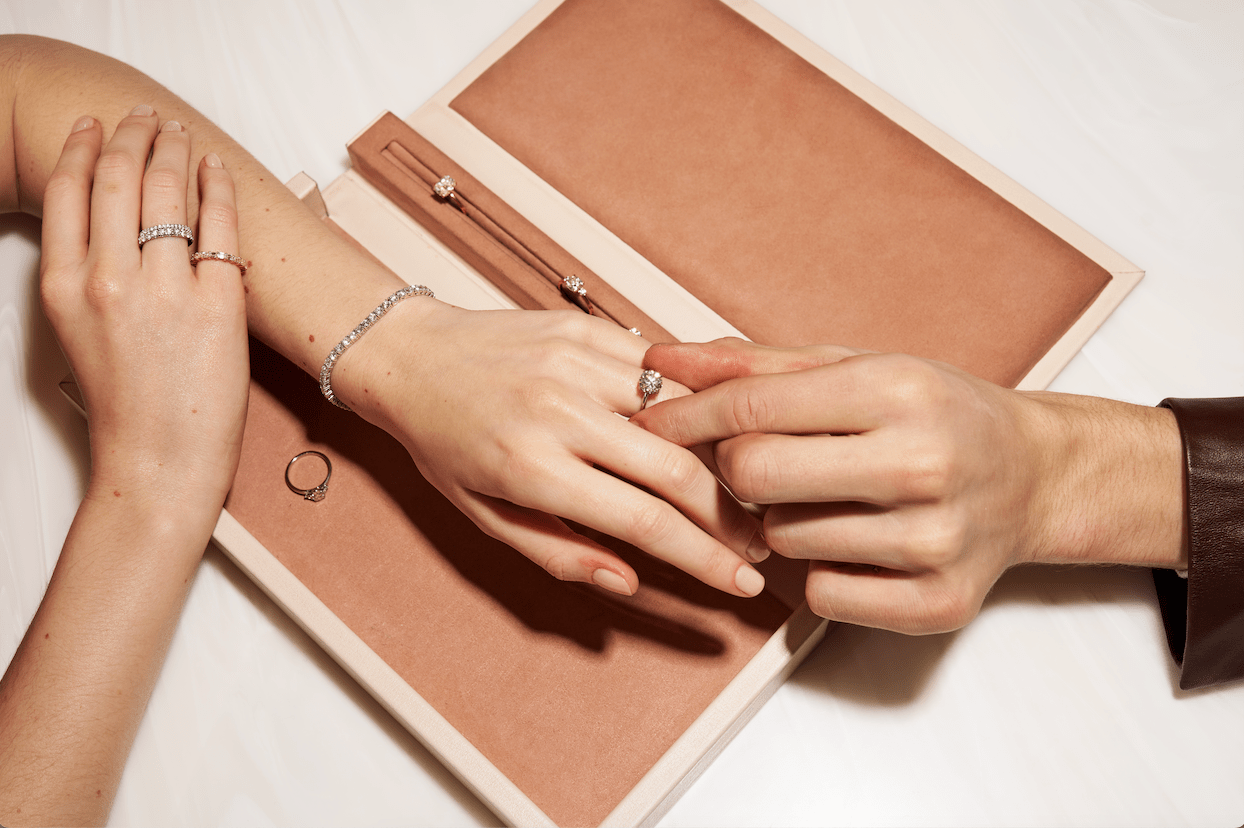
With advancements in cutting techniques, diamonds became increasingly popular in betrothal jewelry and began to take on associations with romance and commitment. While Archduke Maximilian of Austria’s 1477 diamond ring for Mary of Burgundy is often cited as the first of its kind, earlier examples suggest otherwise. In 1475, Costanzo Sforza presented Camilla D’Aragona with a diamond engagement ring, indicating that the tradition was already emerging among European nobility.
As noted in Marion Fasel’s The History of Diamond Engagement Rings: A True Romance, by the late 15th century, diamond rings had become a meaningful symbol of union, particularly within royal and aristocratic circles. Maximilian’s ring for Mary—set with flat-cut diamonds arranged in the shape of an “M”—remains one of the most iconic early examples, reflecting both personal symbolism and the Renaissance emphasis on individuality.
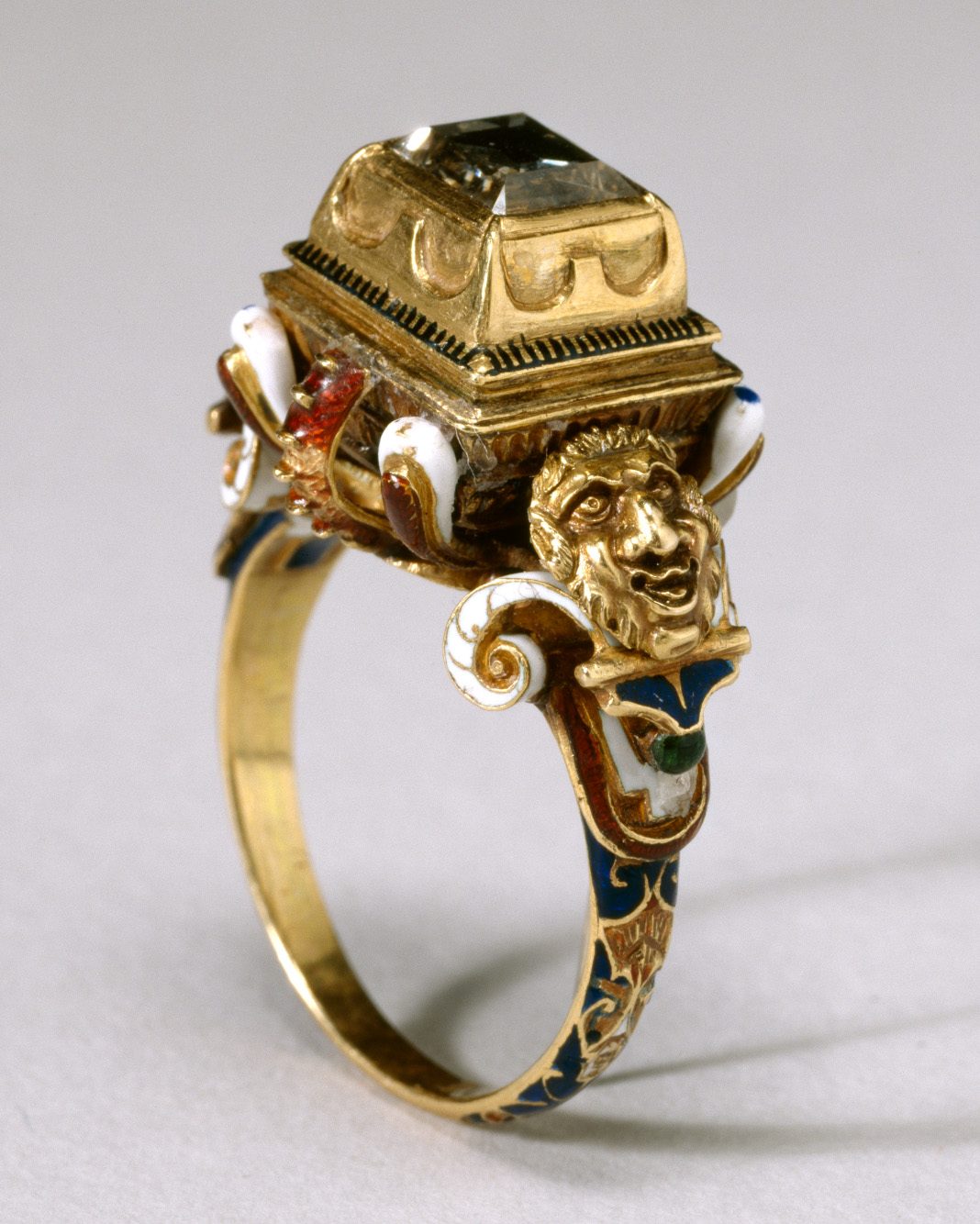
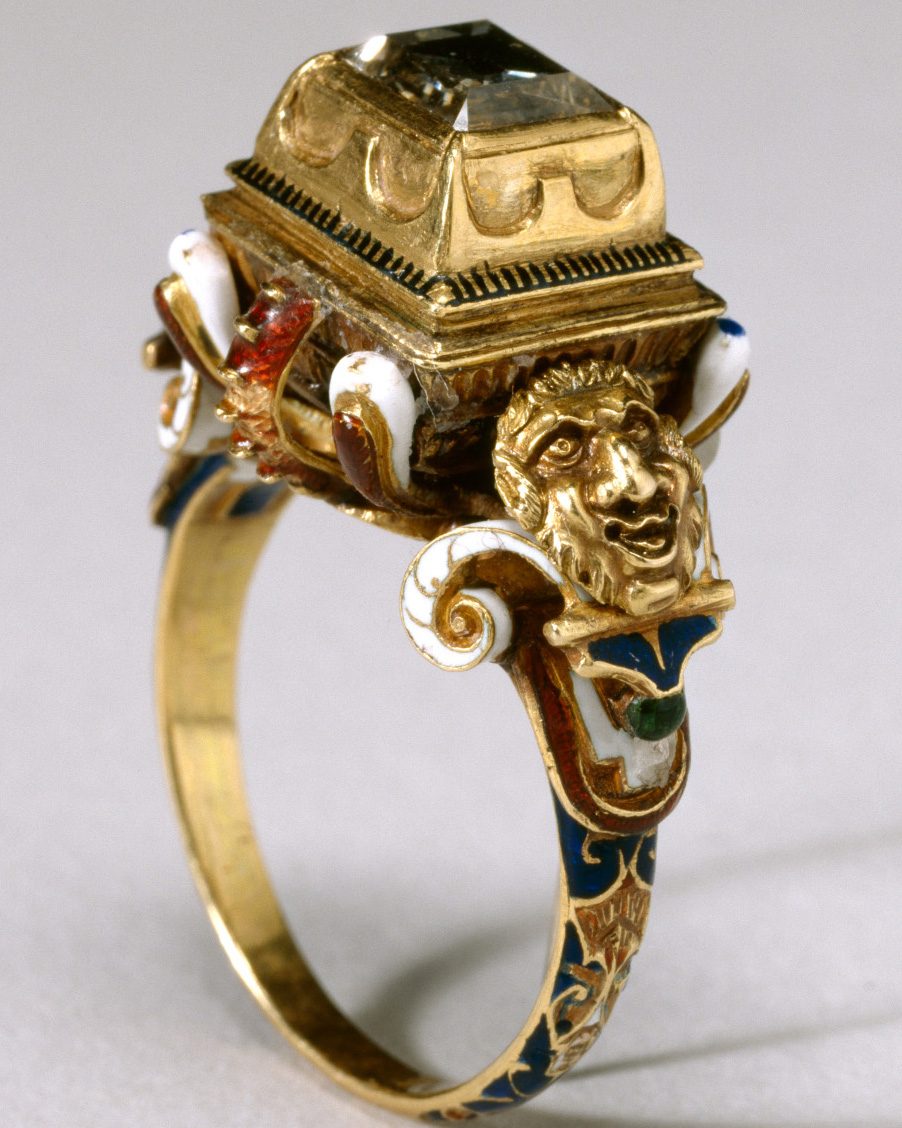
Diamond engagement rings in the Renaissance era often displayed decorative enamel, which was popular on jewelry of this time. Kulic notes that enamel was crucial because it allowed jewelers to introduce brilliant color directly onto metal surfaces.
“This gave Renaissance jewelry its rich, almost painterly appearance and helped highlight details that would otherwise be lost in gold alone. Enamel added contrast depth and decorative drama, making pieces feel more alive, more luxurious, and more expressive,” she says. “Jewelry has long served as a highly visible language of identity and romance, including during the Renaissance. Gold and gemstones allowed nobility and the rising merchant class to display their status, education, and faith, often integrated into portraiture and formal dress. This period also saw the growing use of engagement rings and poesy rings engraved with romantic verses exchanged as tokens of love.”
Renaissance Jewelry Still Shapes How We Wear Diamonds
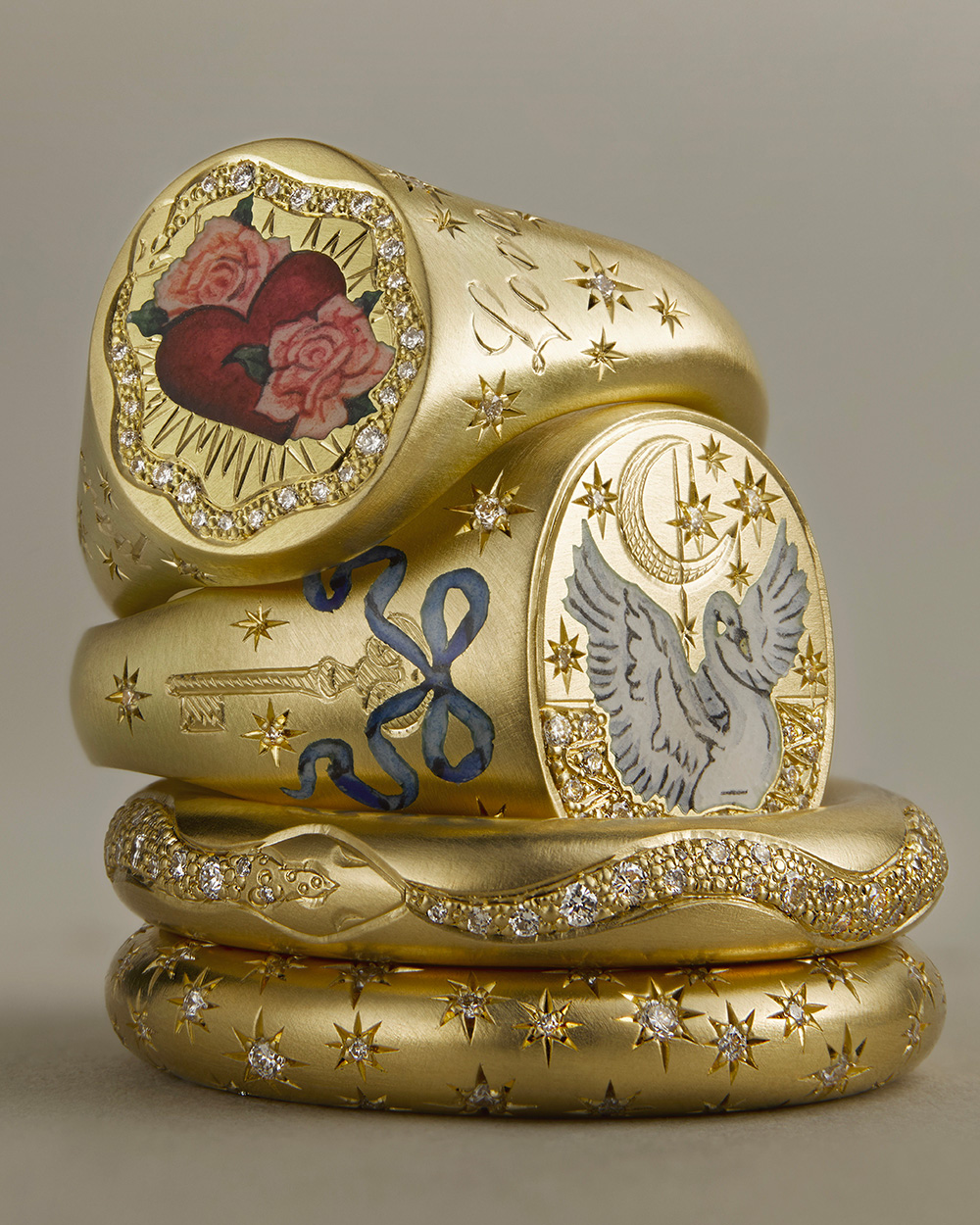
The Renaissance period changed how we value and perceive jewelry today. Renaissance jewelry evolved from religious to devotion to wearable expressionism. The ideas that emerged during this time included symbolism, craftsmanship, and the everlasting association of diamonds with love.
That influence is especially evident in today’s fine jewelry landscape, where designers continue to draw on Renaissance-era techniques and themes. Brands like Cece reinterpret historical enameling and storytelling through intricate, hand-painted designs set with natural diamonds. Foundrae builds entire collections around symbolic motifs, echoing the allegorical language of Renaissance jewelry. High jewelry houses such as Buccellati also carry forward the legacy of Italian goldsmithing, with textured gold surfaces and lace-like metalwork that recall the craftsmanship of the period.
“Renaissance jewelry is prized for its extraordinary craftsmanship, historical depth, and artistry… Its intricate enameling, symbolic storytelling, and bespoke construction represent a level of handmade detail rarely seen today, continuing to inspire both collectors and contemporary designers,” Spurr says.