
The Orlov Diamond is a 300-Year-Old Mystery Sitting Inside the Kremlin
It sits in the Russian Imperial scepter, shaped like half an egg and distinctly Indian in cut. The Orlov Diamond may also be the answer to one of the biggest mysteries in the diamond world.
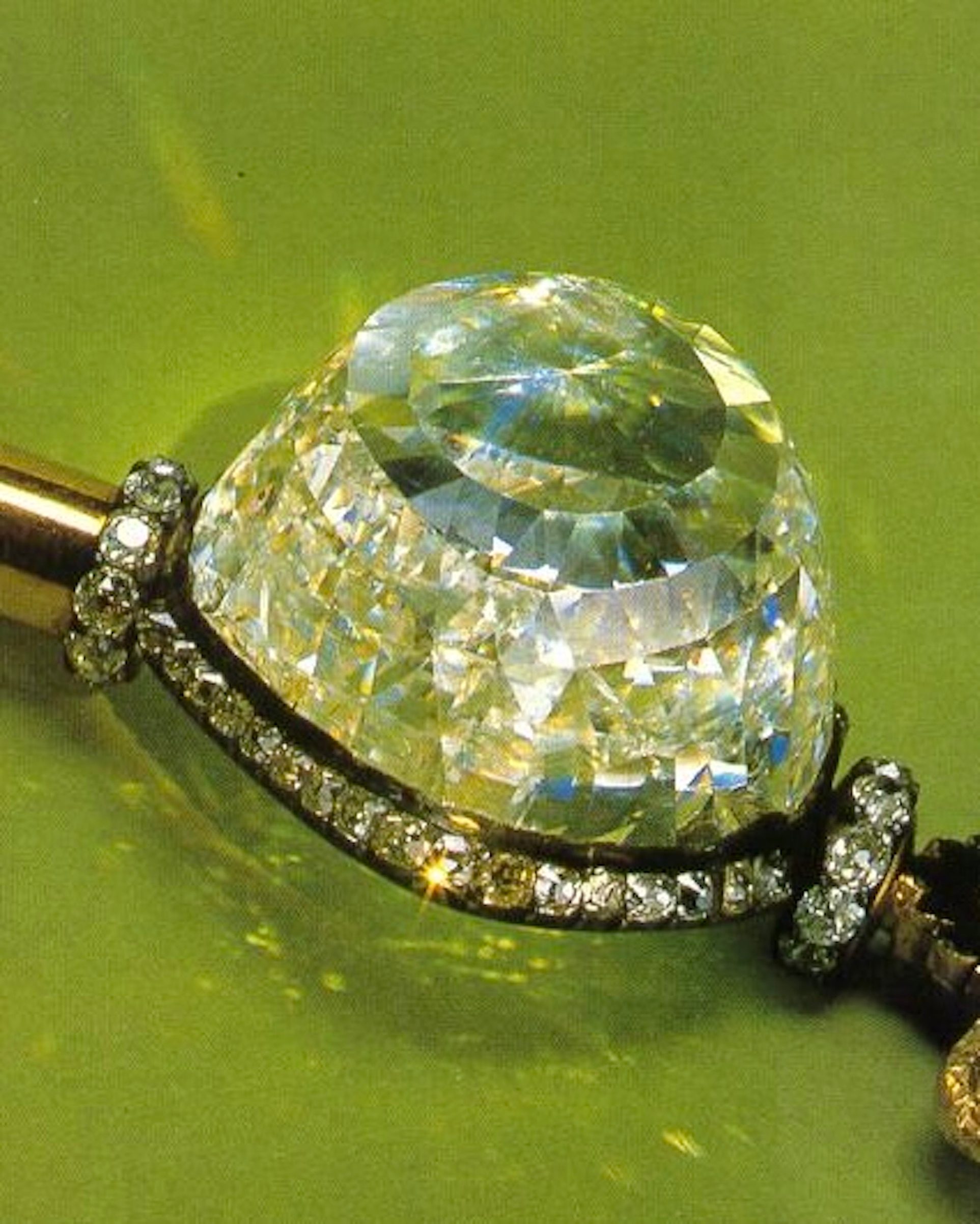
The Orlov Diamond in the Russian Imperial Sceptre. (Courtesy of Elkan Weinberg/ Wikimedia Commons/ Public Domain)
Few famous diamonds have accumulated as much legend, theft, romance, and mystery as the Orlov Diamond. This is a stone that reportedly served as the eye of a Hindu deity, crossed continents in the hands of a thief, got rejected by the most powerful woman in Europe over its price, and ended up mounted in the Russian Imperial Scepter as a failed romantic gesture. On top of all of that, most historians now believe it holds the answer to one of gemology’s oldest cold cases: the disappearance of the Great Mughal Diamond.
Meet the Expert

- Grant Mobley is the Jewelry & Watch Editor of Only Natural Diamonds.
- He is a GIA Diamonds Graduate.
- He has over 17 years of jewelry industry experience, starting with growing up in his family’s retail jewelry stores.
The Orlov Diamond Is Shaped Like Half an Egg
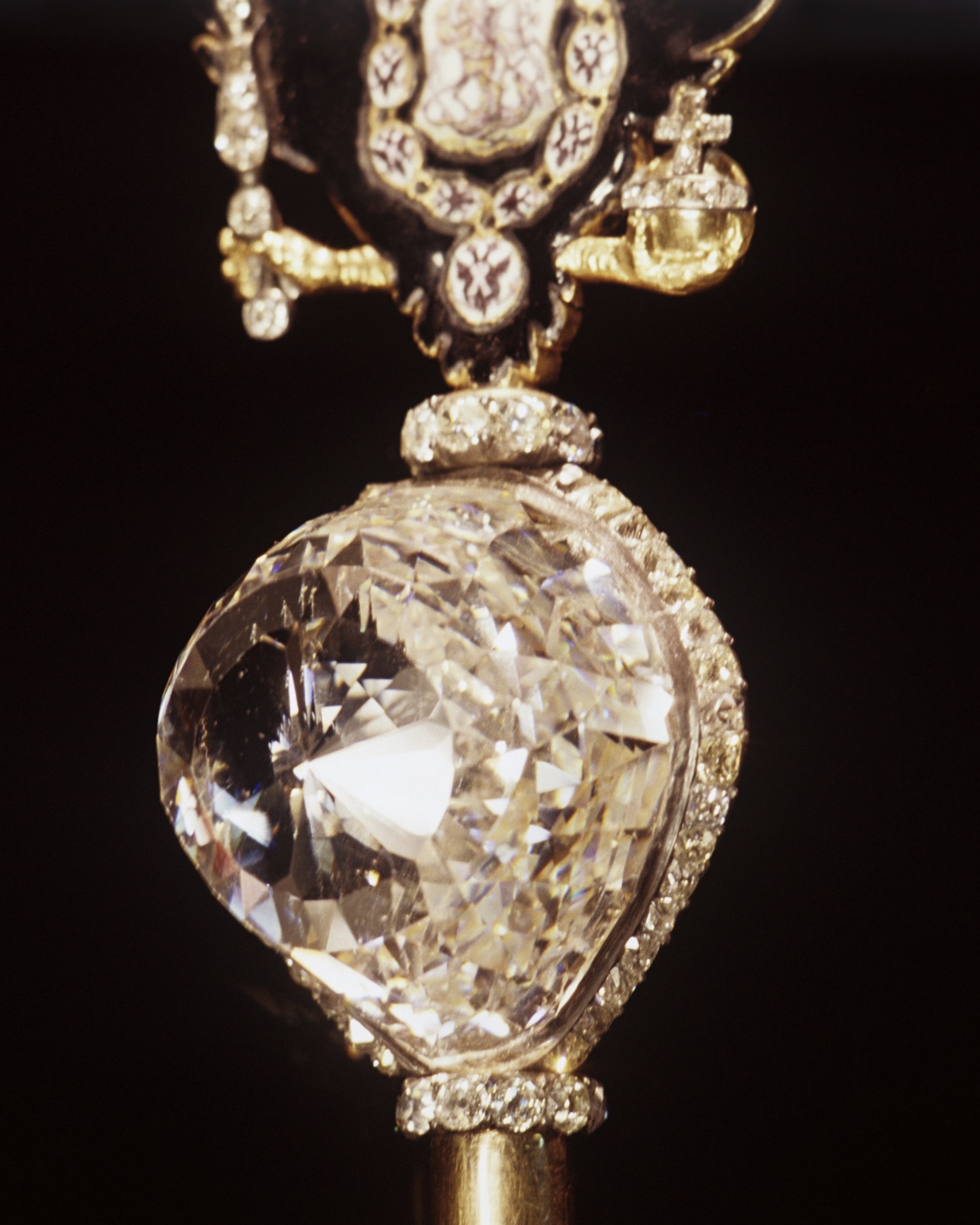
The Orlov sits today in the Diamond Fund collection at Moscow’s Kremlin Armory, and it looks like nothing else in the world of famous diamonds. Observers have long described it as having the shape and proportions of half a chicken’s egg. Its faceting is a classic Mughal cut, sometimes called an Indian rose cut, with rows of small facets covering its domed surface. That cutting style tells you immediately where this stone comes from.
The Orlov Diamond is an ancient diamond of Indian origin, discovered in the legendary Golconda region, and it was famous in India long before Europe ever laid eyes on it.
The Orlov Diamond Was Once the Eye of a God

Similar to the scandalous tale of the Nassak Diamond, the Orlov Diamond once served as the eye of a deity in the sacred Hindu temple at Srirangam. Its journey west began with one of the most audacious thefts in gem history. A French soldier deserted his post at Pondicherry and pretended to convert to Hinduism, playing a long game motivated entirely by greed. One night, finding himself alone with the deity, he pried the diamond eye from the statue and fled.
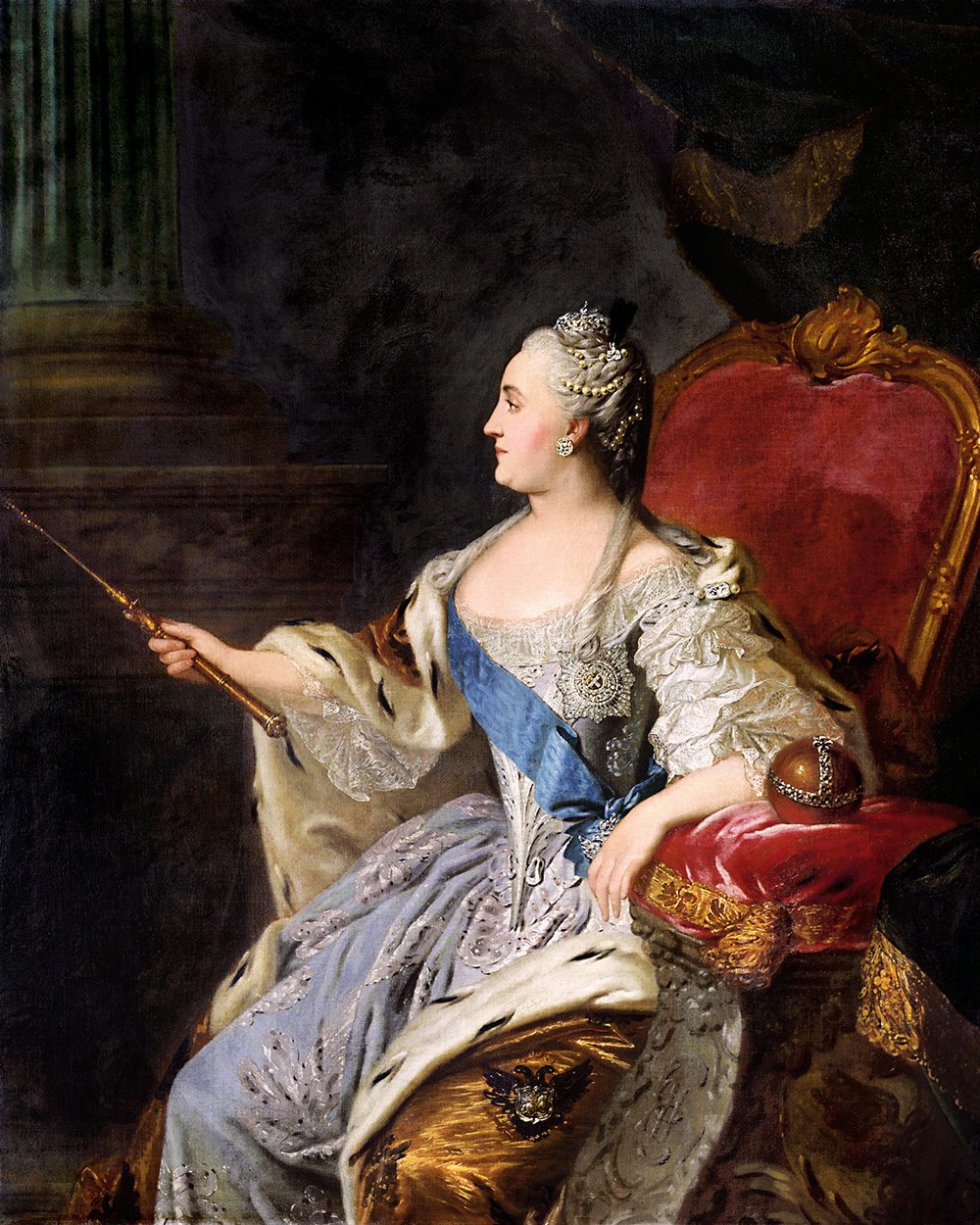
The thief made his way to Madras and sold the stone to an English sea captain for two thousand pounds, then completely vanished from history. The captain carried it to London, where a merchant named Khojeh Raphael paid twelve thousand pounds for it. The diamond changed hands several more times, and at one point, even Catherine the Great of Russia, a woman famous for her love of diamonds and her willingness to spend staggering sums on them, reportedly passed on the stone because the asking price ran too high.
Is the Orlov Diamond Actually the Long-Lost Great Mughal Diamond?
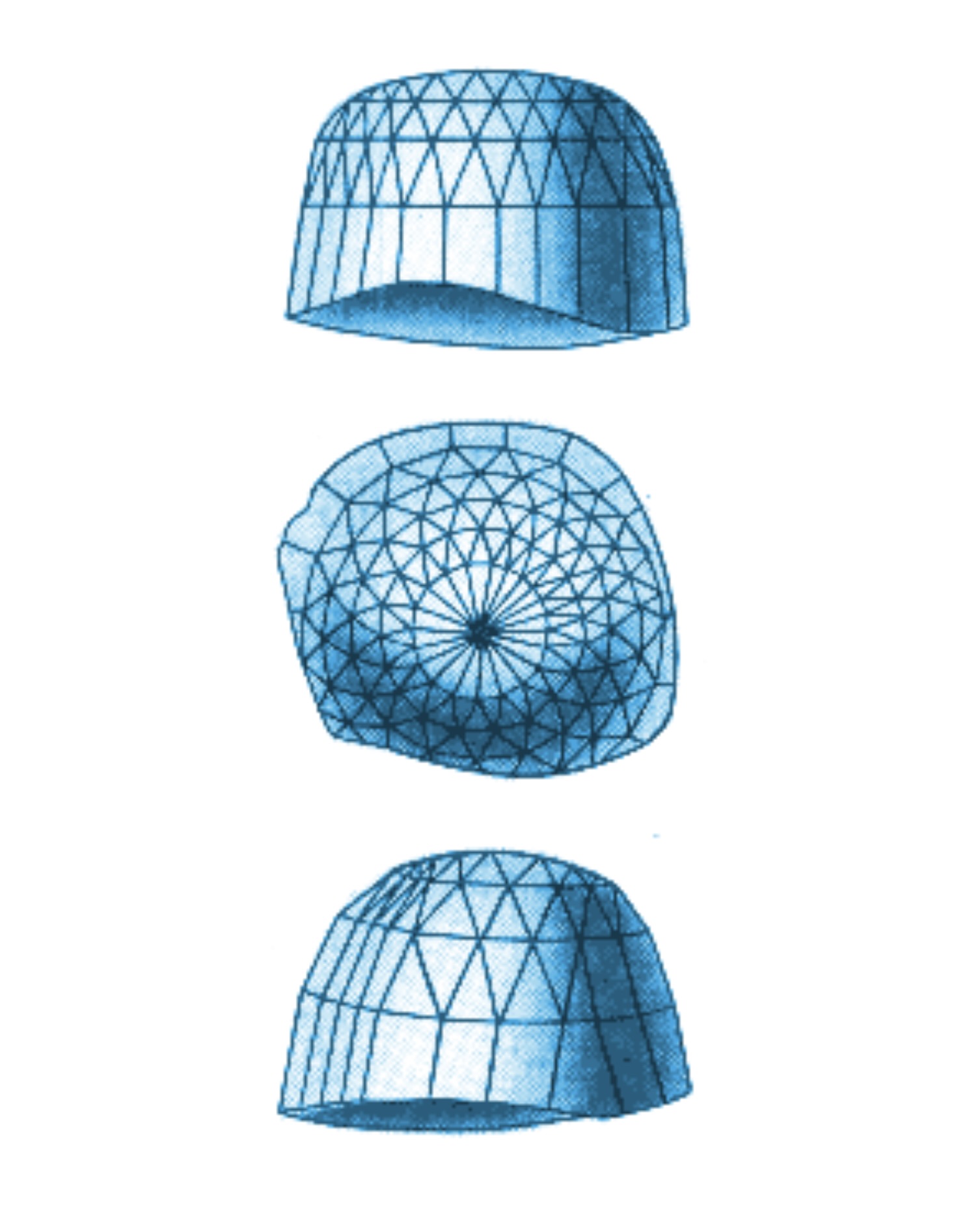
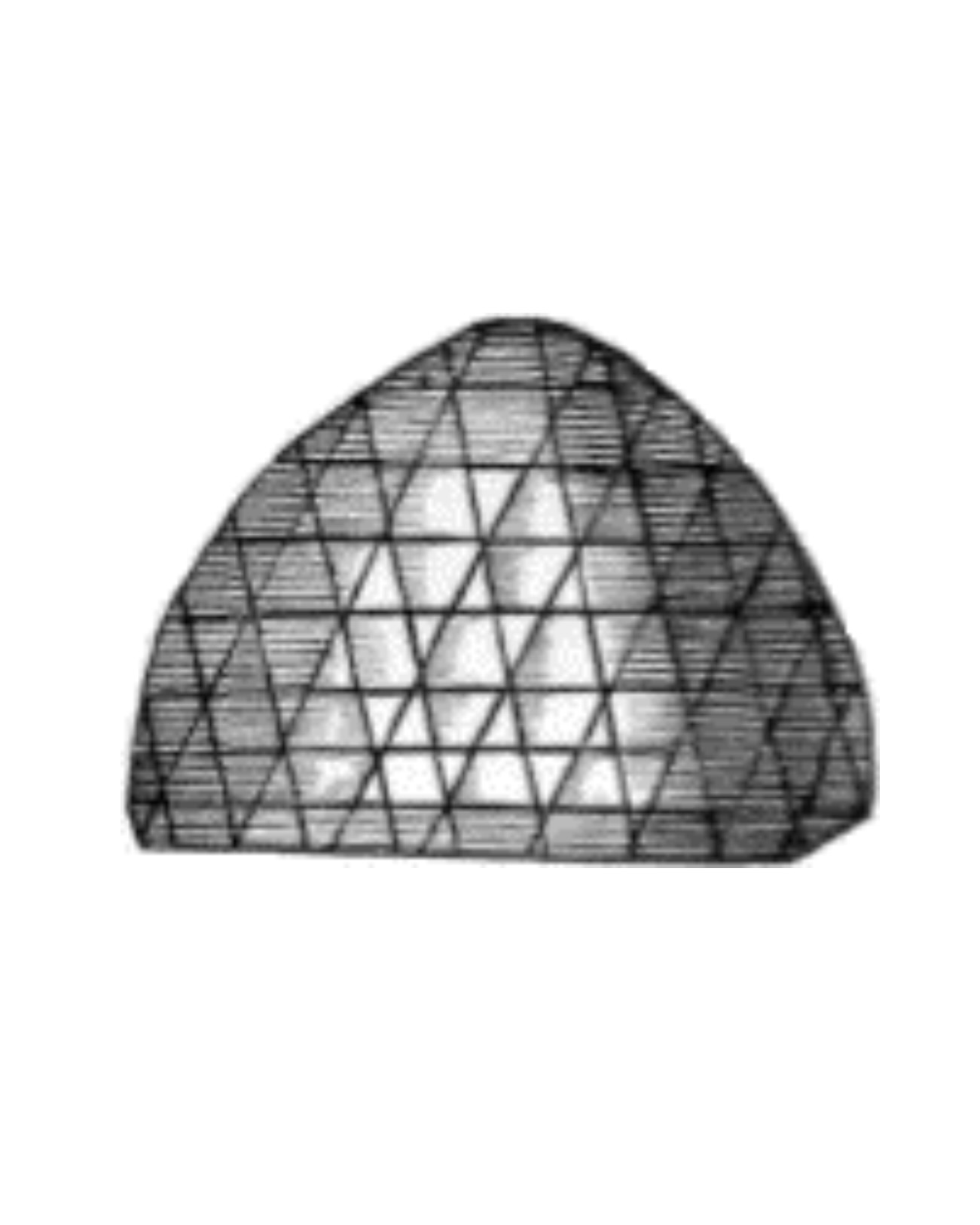
Here is where the story deepens. Most historians now believe the Orlov is actually the Great Mughal Diamond, a legendary stone long thought lost forever.
The Great Mughal began as a 787-carat rough diamond discovered in Golconda in the 1600s, presented by Emir Jemla to Shah Jahan, the fifth Mughal emperor and builder of the Taj Mahal, as an act of diplomacy. The emperor assigned a Venetian lapidary named Ortensio Borgio to cut it. Borgio faced a stone with several inclusions, and rather than cutting it into multiple fine gems, he chose to grind away at the flaws until they disappeared. The results horrified the emperor. Borgio lost an enormous amount of weight and produced a mediocre outcome. Shah Jahan spared the cutter’s head but fined him 10,000 rupees, every penny the man had.
Around 1665, Shah Jahan’s son Aurangzeb showed the stone to the famed French jeweler and traveler Jean-Baptiste Tavernier, who described a rose-cut diamond, round and very high on one side, with a small crack and flaw at its lower edge, weighing about 280 carats. That description, matching the Orlov’s distinctive dome and Mughal faceting so closely, stands as one of the last recorded mentions of the Great Mughal. Then the stone simply vanished from history. If the Orlov truly is the same diamond, one of the great lost treasures of the gem world was never lost at all. It has been sitting in the Kremlin the whole time.
How the Orlov Diamond Was Used to Win Back an Empress
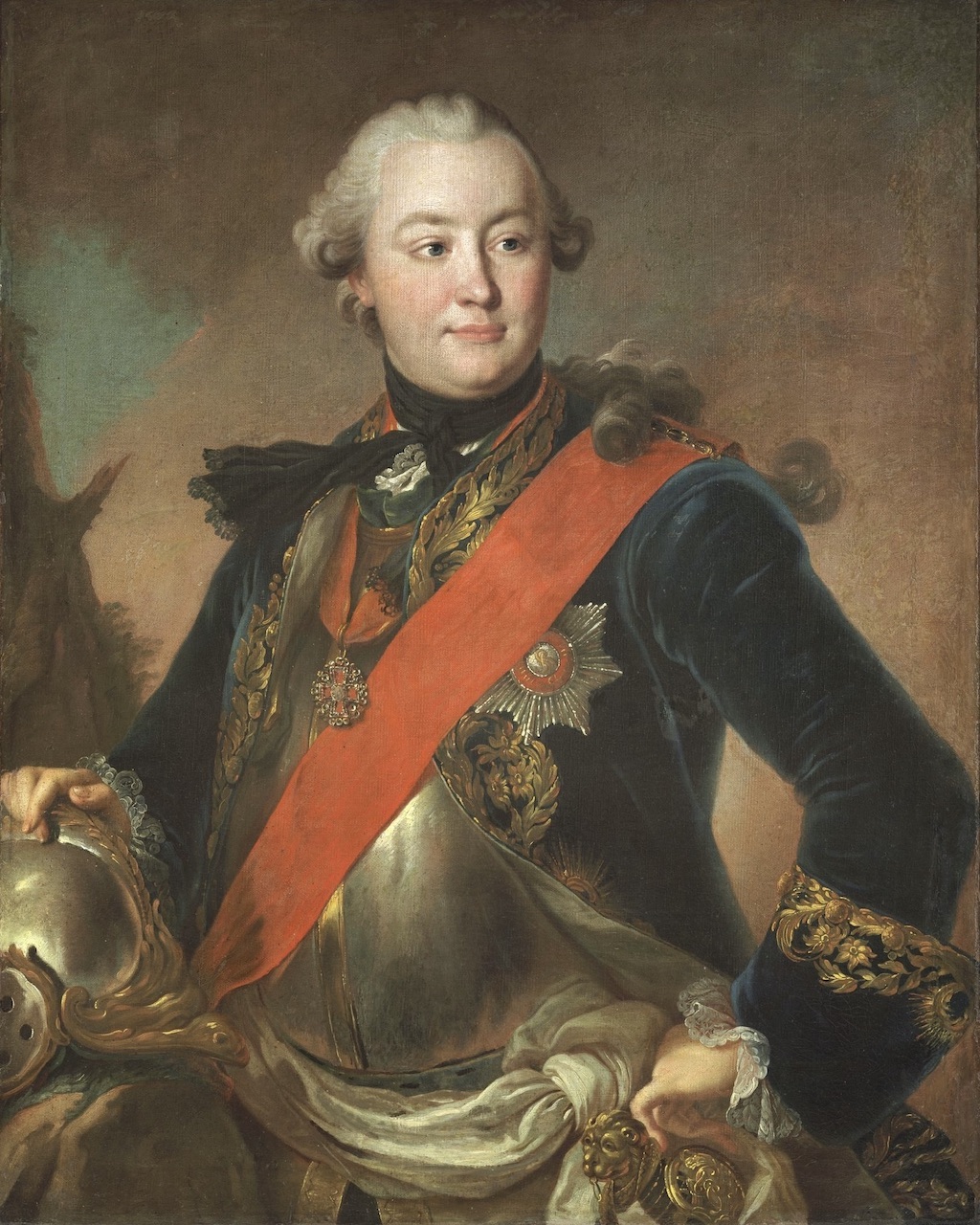
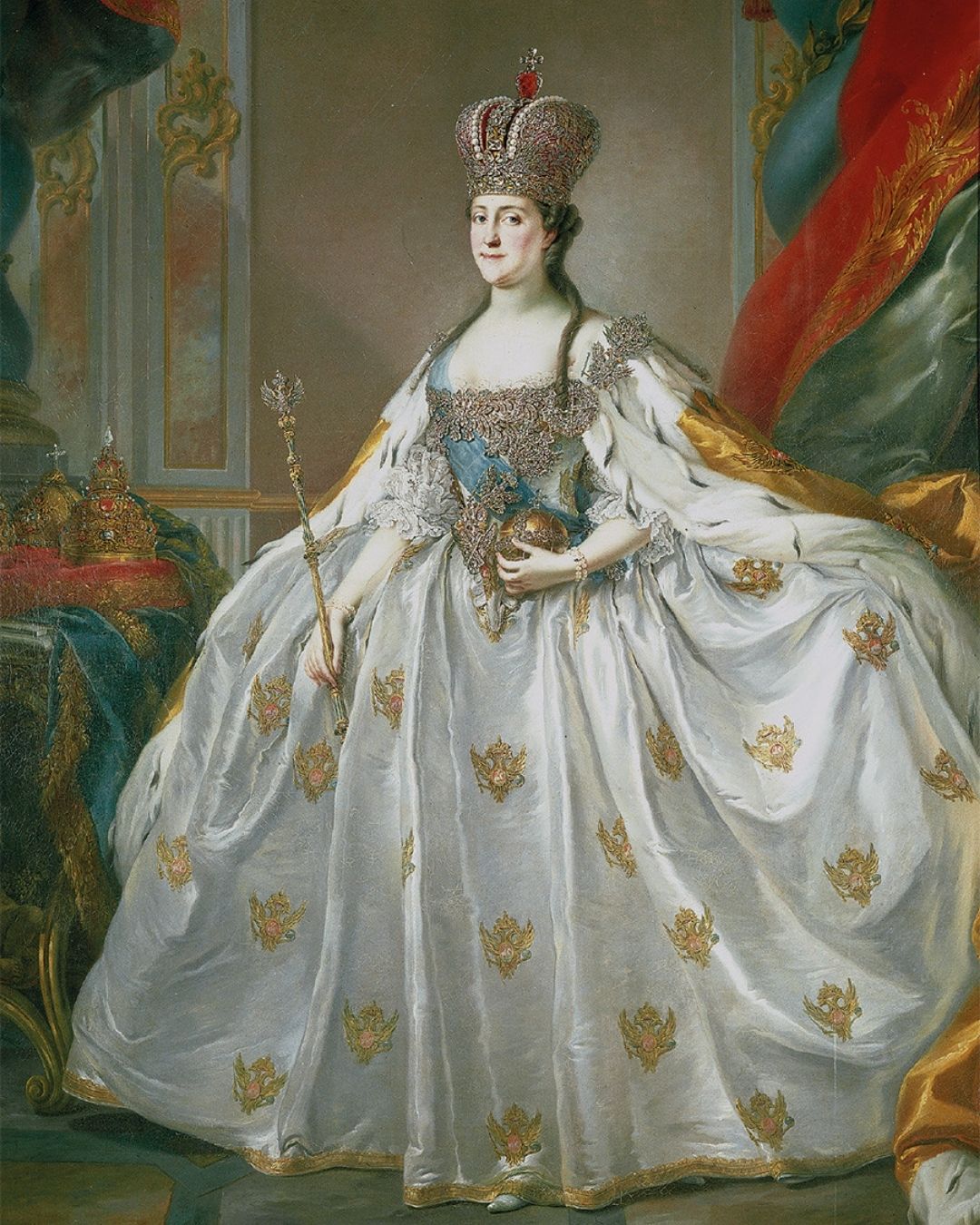
The Orlov takes its name from Prince Gregory Orlov, one of the most fascinating figures of 18th-century Russia. Born in 1734, tall, handsome, and famously fearless, Orlov became the favorite of the Grand Duchess Catherine before she took the throne. He and his brothers played crucial roles in the 1762 insurrection that overthrew Catherine’s husband, Peter III, and made her Empress of Russia. As her favorite, Orlov wielded enormous power, but he wanted more. He wanted recognition as her husband and co-ruler. While he was traveling on a diplomatic mission in 1772, his rival, Potemkin, destroyed his standing with the Empress.
Desperate to win Catherine back, Orlov learned that a seller had the magnificent Indian diamond for sale. A gossipy letter dated January 2, 1776, reported that Prince Orlov spent a single day in Amsterdam and paid 1,400,000 Dutch florins for a very large brilliant intended for his sovereign, roughly 100,000 pounds at the time. Knowing her passion for diamonds, he presented the stone to Catherine, hoping it would restore her affection for him.
It did not. Catherine accepted the diamond. She did not accept Orlov. Her heart already belonged to Potemkin, and no gemstone, however magnificent, was going to change that. It stands as perhaps the most expensive failed romantic gesture in history.
Where the Orlov Diamond Is Today
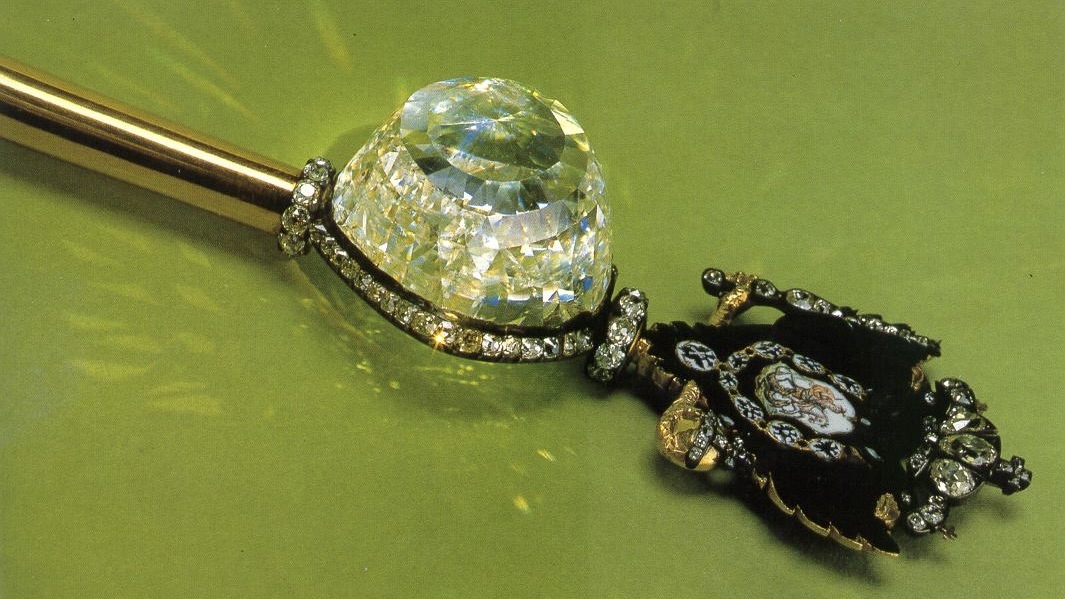
Catherine never wore the Orlov as a personal ornament. Instead, in 1774, she had it mounted atop the Imperial Scepter, where it has remained ever since. The scepter emerged only for coronations, and the Orlov has witnessed the crowning of every Russian ruler since Catherine the Great. When Napoleon invaded in 1812, the Russians evacuated the diamond and the rest of the imperial treasures deep into the interior, keeping them safe while Moscow burned.
Unlike so many famous diamonds that bounced violently between owners, wars, and auction houses, the Orlov has led a remarkably quiet life since arriving in Russia. Today it rests on velvet under glass in the Kremlin, no longer a symbol of monarchical power but an artifact that draws thousands of visitors. They come to see a stone that is likely two legendary diamonds in one.