
Antique and Chic: The Expert Guide to Rose Cut Diamonds
The romantic rose cut diamond—with its enchanting glow and timeless elegance—is here to stay.
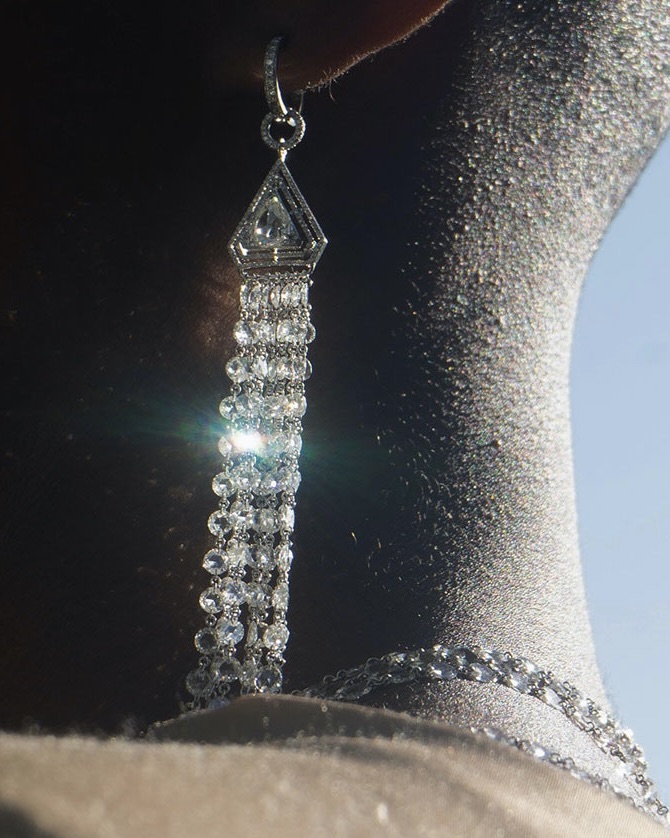
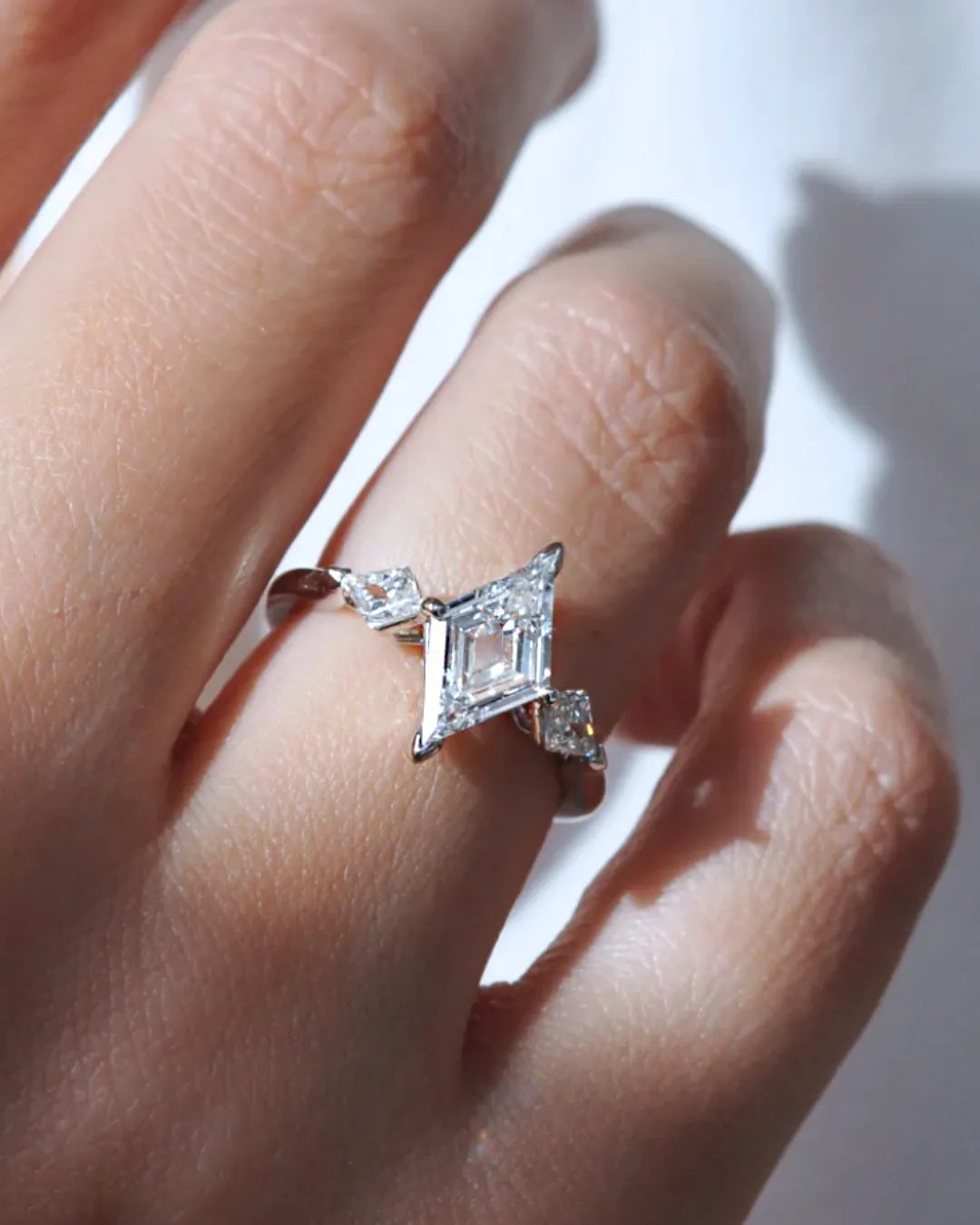
(Courtesy of 64Facets )
Rose cut diamonds are making a comeback due to the unique character of their antique cut. In recent years, technology has allowed much of diamond cutting to become more and more standardized, cutting technically ‘perfect’ diamonds that allow for the most scintillating play of light possible. While there is no question that these more standardized, mathematically and proportionally ‘perfect’ natural diamonds are drop-dead gorgeous, to some, they can lack the artistic touch that a skilled diamond cutter can bring to a natural diamond in the cutting process.
Meet the Expert

- Grant Mobley is the Jewelry & Watch Editor of Only Natural Diamonds.
- He is a GIA Diamonds Graduate.
- He has over 17 years of jewelry industry experience, starting with growing up in his family’s retail jewelry stores.
If you’ve never encountered antique diamond cuts prior to modern cutting technology, you are not alone. Old mine and Old European-cut diamonds fit in this category, but they are harder and harder to find as they haven’t been cut in over half a century. The rose cut, however, is full of that artistic originality and, luckily, has become more and more available as people discover what sets it apart.
What Is a Rose Cut Diamond?
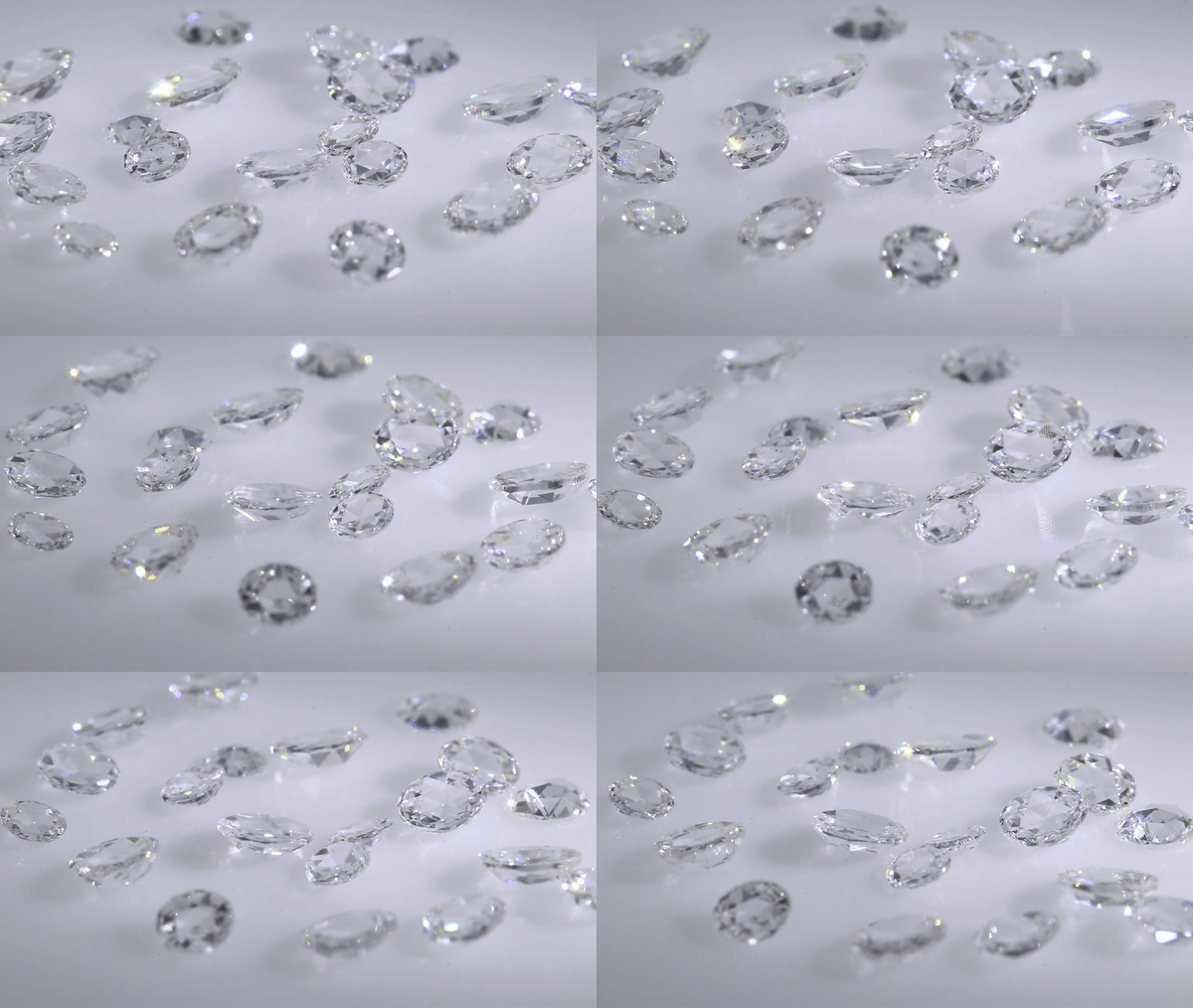
A rose cut diamond is an antique-style diamond cut with a flat base and a domed top made of triangular facets, designed to emit a soft, candlelit glow rather than modern brilliance.
The style and technique of cutting rose-cut diamonds is believed to have originated in India in the 15th century. By the 1520s, European gemstone cutters adopted the cut as the standard for fine diamond jewelry. As a result, many of the high-quality and famous antique diamonds available today—especially from the Pre-Edwardian era, when the cut reached peak popularity—feature rose cut diamonds. Rose cuts were especially popular during the Georgian and Victorian eras, when they were often backed with reflective foil to enhance their glow under candlelight.
Unlike brilliant-cut diamonds, rose-cut diamonds do not have a pavilion (the pointed bottom of a diamond) and instead feature a distinctively flat back. The crown (the top section visible from above) forms a faceted dome with anywhere from 3 to 24 facets (compared to the brilliant cut’s 57 or 58). These facets are typically arranged in two rows: star facets at the top and a proportional number below.
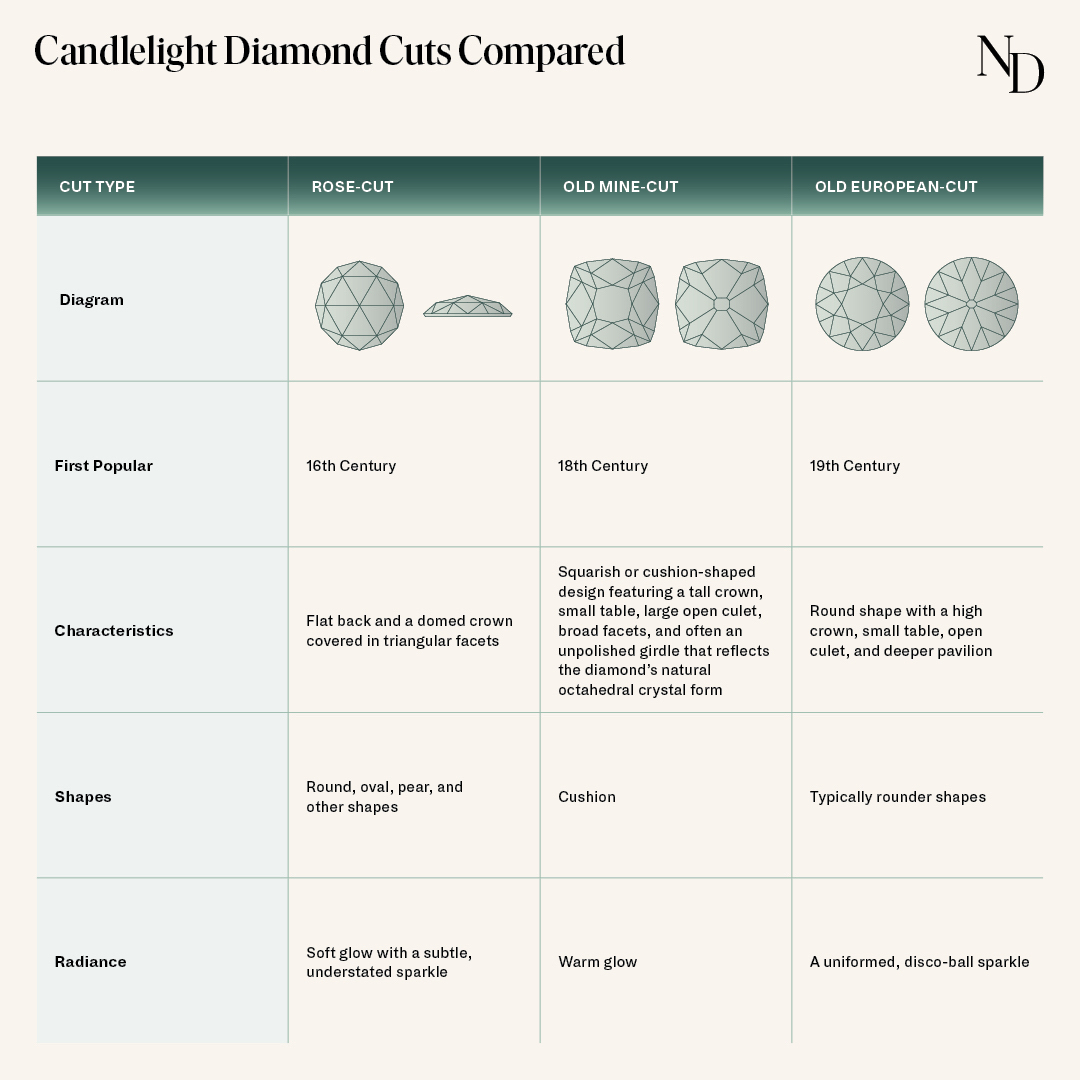
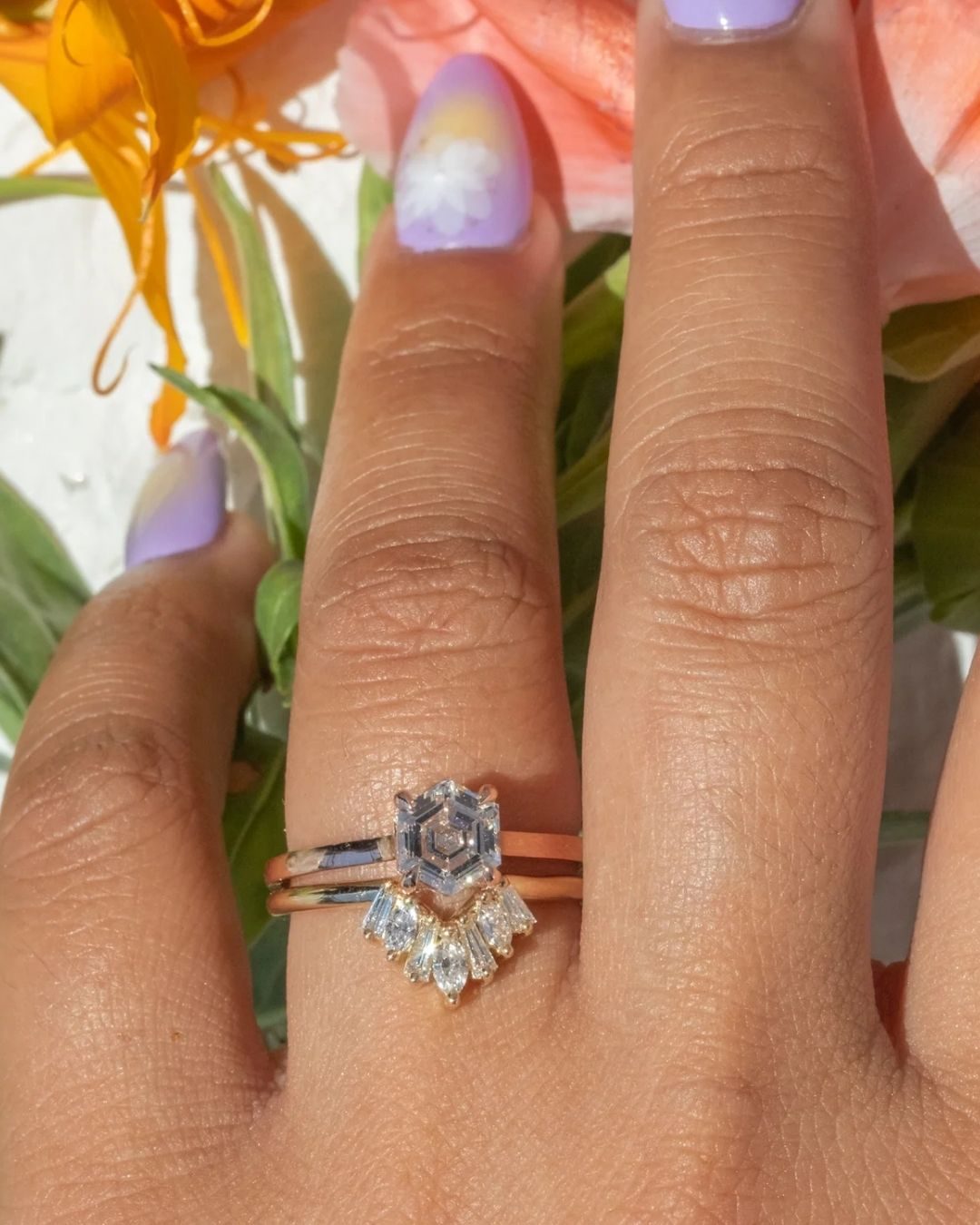
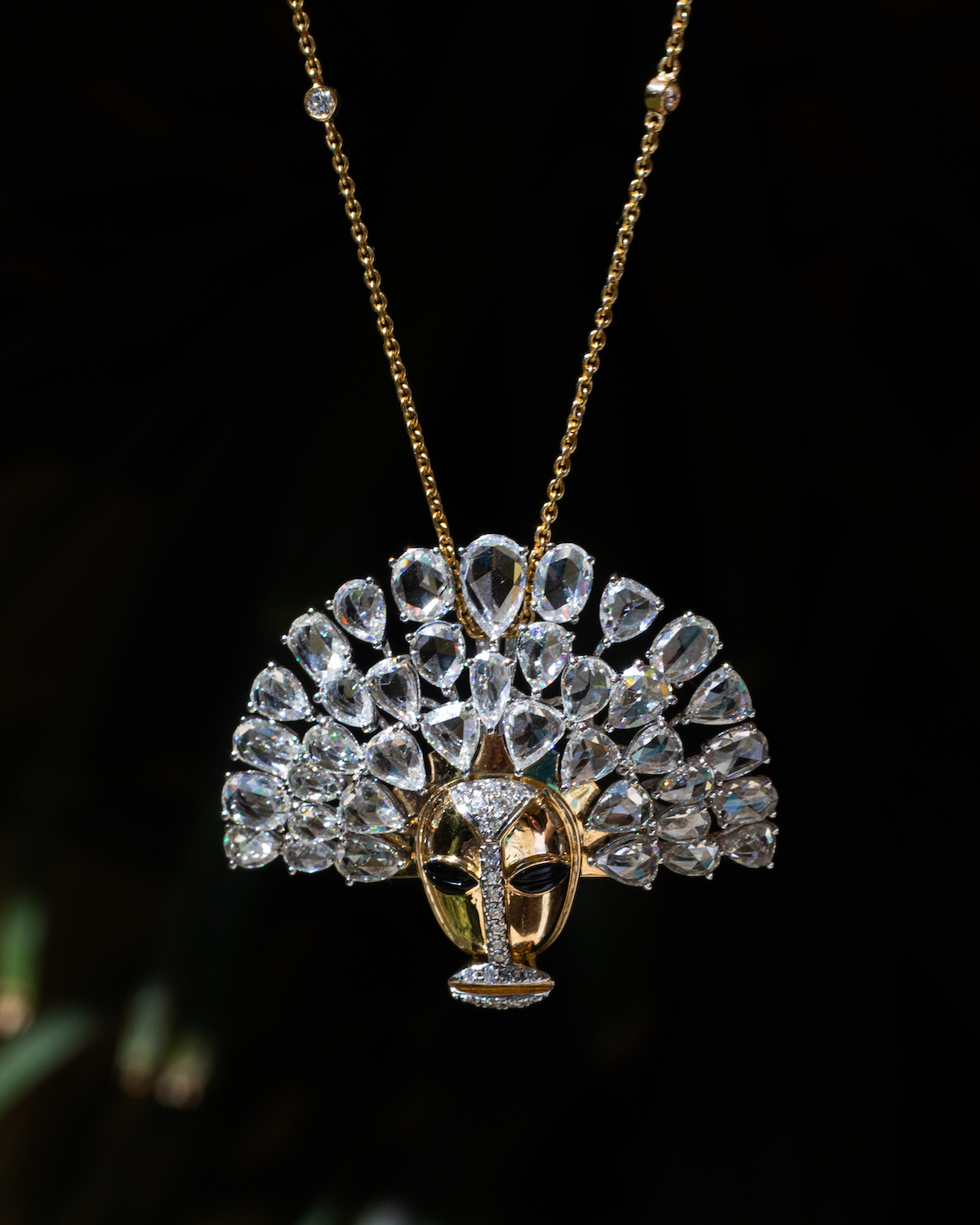
Rose cut diamonds come in a variety of shapes—round, oval, hexagon, trapezoid, and more—making them a versatile choice. With fewer facets, a rose cut diamond emits a soft, internal glow rather than a high-wattage sparkle, making it perfect for those who appreciate understated brilliance.
Rose Cut Diamonds vs Brilliant Cut Diamonds
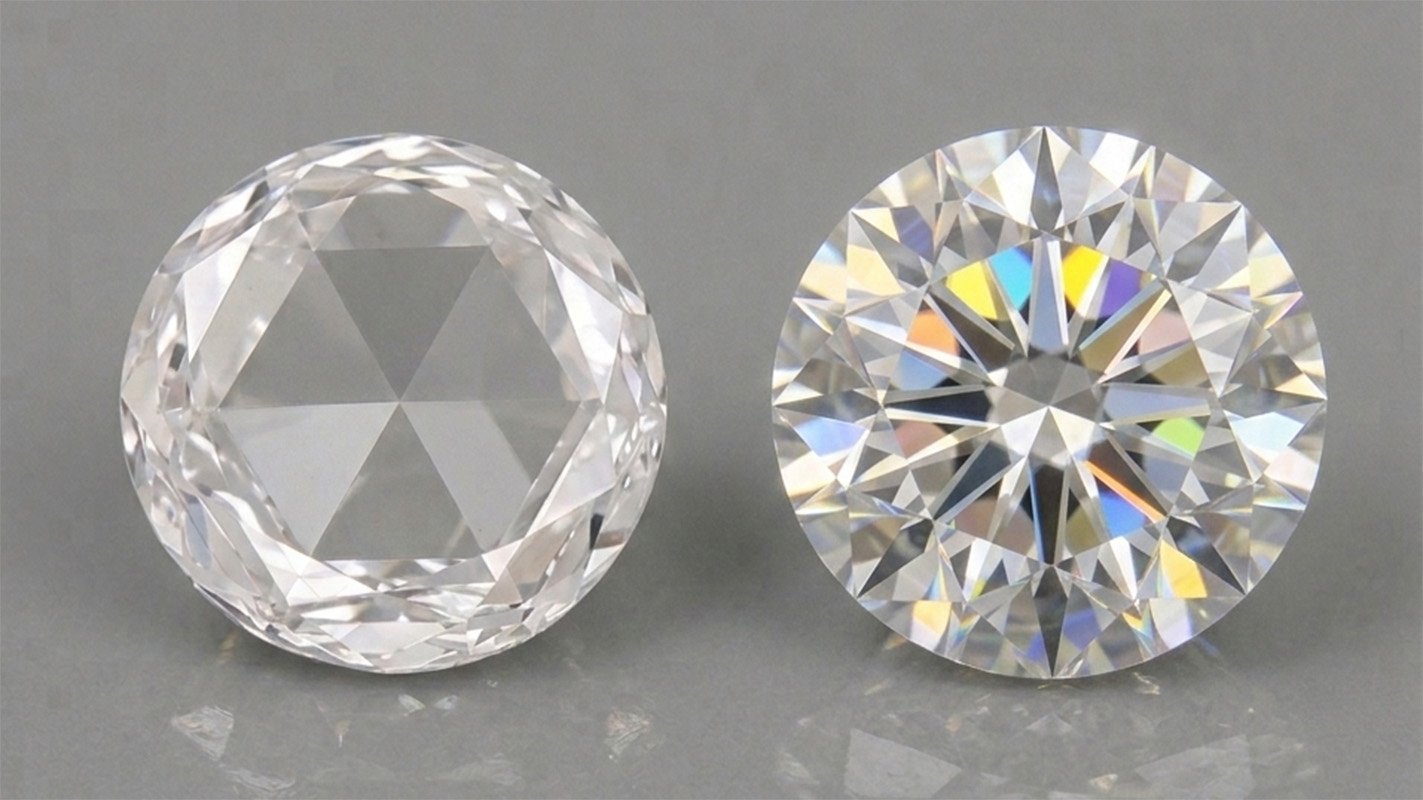
Rose cut diamonds differ significantly from modern brilliant cuts in both structure and visual effect. While brilliant cuts are engineered for maximum sparkle through precise facet symmetry—typically featuring 57 or 58 facets—rose cuts prioritize softness and glow, with a simplified structure of anywhere from 3 to 24 facets arranged across a domed surface.
Brilliant cut diamonds hide much of their carat weight below the surface and are designed for intense light return. In contrast, rose cut diamonds spread their weight across the top, often appearing larger than a brilliant cut of the same carat weight. Their flatter structure also allows them to sit closer to the skin, creating a more subtle, intimate look.
The crown of a rose cut diamond forms a faceted dome, usually arranged in two rows, with center star facets at the top and a proportional number beneath. Because there are significantly fewer facets than in a brilliant cut, rose cut diamonds emit a soft, internal glow rather than a high-wattage sparkle. The cut can be applied to a wide range of shapes—round, oval, hexagon, trapezoid, and more—making each stone feel inherently unique.
Rose Cut Diamonds and Clarity
According to the 4Cs established by GIA, diamond clarity refers to the visibility of inclusions inside the stone. The complex pavilion facets in brilliant cuts can often hide inclusions. In contrast, rose-cut diamonds, with their flatter, less faceted structure, reveal a diamond’s internal characteristics more transparently. This “open book” effect emphasizes the stone’s raw beauty and individuality.
If you’re seeking a crystal-clear rose-cut diamond, you’ll want to look for higher clarity grades than you would with brilliant cuts. Interestingly, salt and pepper diamonds or heavily included stones often look better as rose cuts, since their inclusions add character without being overly magnified by internal reflections. If you appreciate seeing a diamond’s story from within, rose-cut diamonds offer a uniquely honest beauty.
What Sets Rose Cut Diamonds Apart?

Brilliant cut diamonds hold much of their carat weight below the crown, where it’s not visible. Without a pavilion, rose-cut diamonds are more “spread,” with most of the carat weight on the face, allowing them to appear larger than brilliant cuts of the same carat weight. This can be a smart choice for those wanting a visually impactful diamond at a similar price point.
Their flat base also allows rose cut diamonds to sit closer to the skin, creating a low-profile and intimate look. Originally developed long before the invention of electricity, rose cut diamonds were designed to glow under candlelight, offering a soft and romantic radiance rather than high brilliance.
How Are Rose Cut Diamonds Cut?
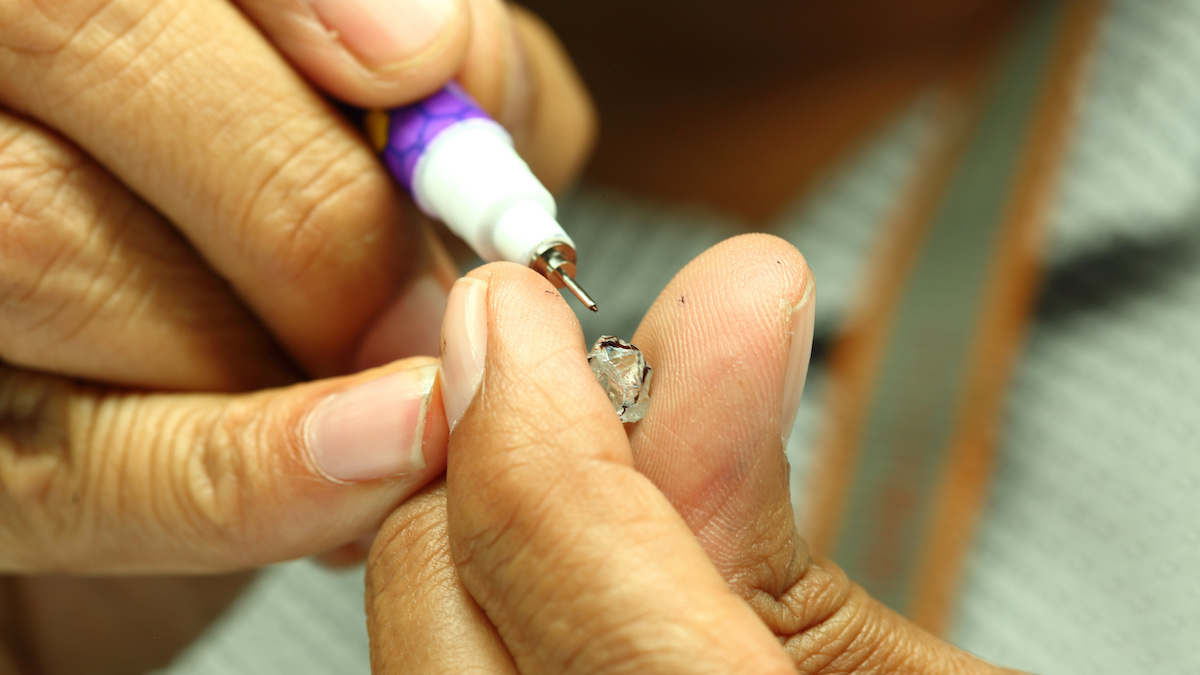
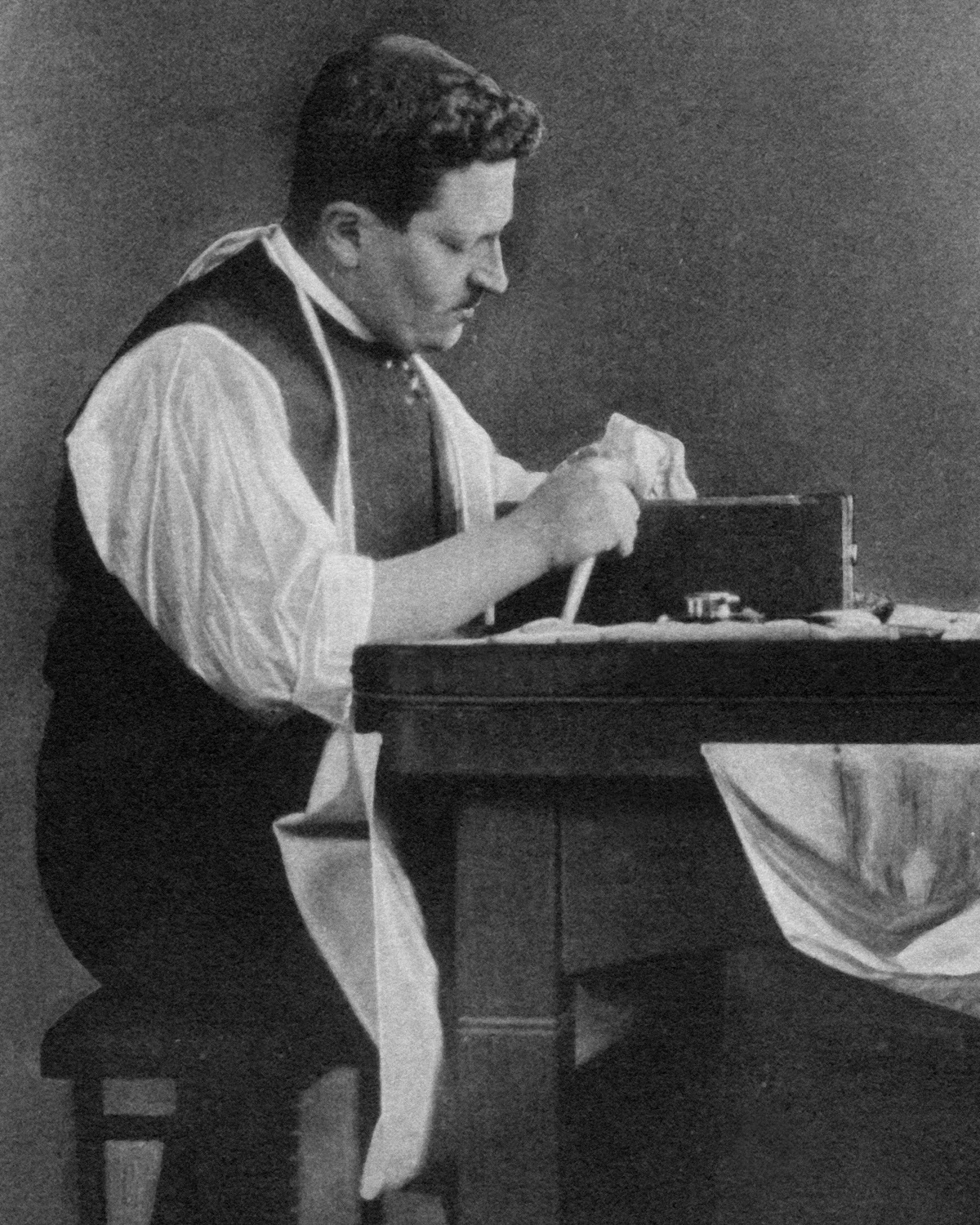
Contrary to the brilliant-cut diamonds’ standardized shape, facet arrangement differs in every rose-cut diamond. In turn, it requires an intricate cutting process that prioritizes the unique and natural beauty of the original rough diamond. Just one rose cut can take several days to complete.
The first step is to assess not only the quality of the rough diamond but also decide on its most optimal shape and facet arrangement. The diamond is then marked with a thin marker and put into a machine that creates a 3D scan before laser-cutting it into its initial shape (i.e., round, cushion, oval, etc.). Highly skilled diamantaires then examine the diamond and select the best way to facet it to maximize beauty, weight, clarity, and color.
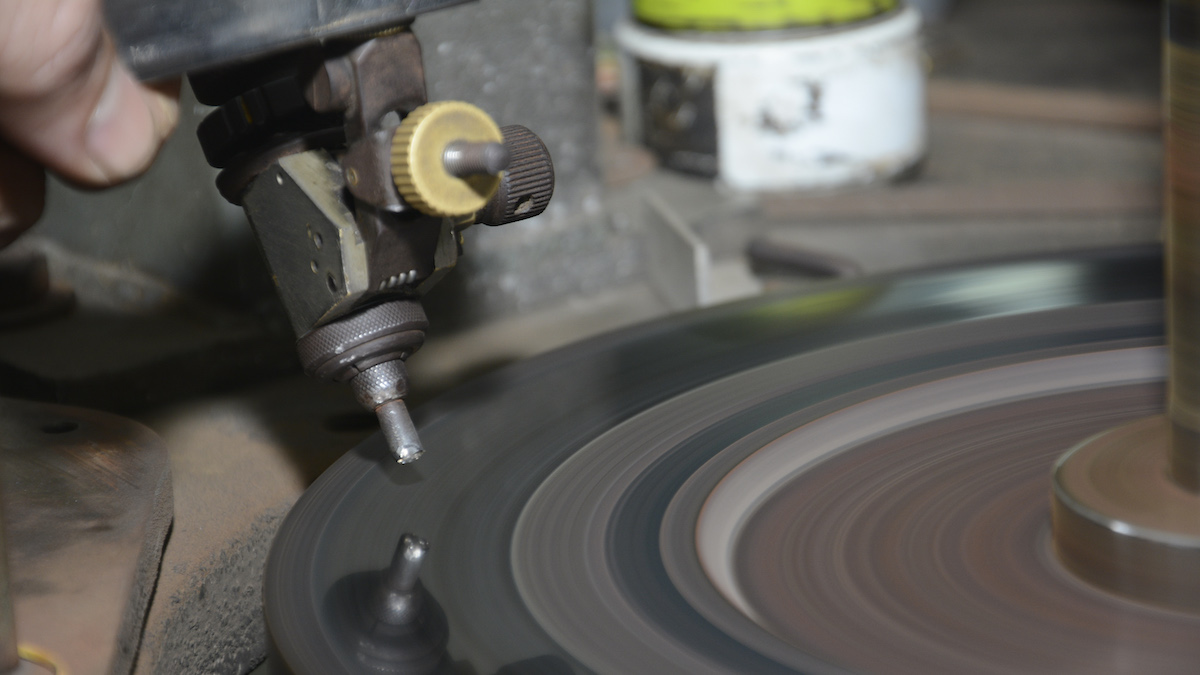
The faceting process requires a large machine with a metal and stone turntable layered with diamond dust (the only material strong enough to cut a diamond). The diamond is then placed into a claw-like tool that holds it in place as it is moved by hand onto the turning disk. Each position on the turning wheel can create a facet, so this is done and repositioned perfectly and placed back on the wheel over and over until the intended cut is achieved.
Because rose cut diamonds are hand-cut based on the original rough shape, diamantaires can optimize for minimal waste (meaning fewer pieces of the diamond get sliced off and “lost”), saving the consumer money compared to other cuts.
The Timeless Appeal of Rose Cut Diamonds
In an age where precision and uniformity have become the hallmarks of diamond cutting, the allure of rose cut diamonds stands as a testament to the artistry and individuality inherent in every natural diamond. While modern technology has paved the way for impeccably proportioned diamonds that dance with light, rose cut diamonds harken back to an era when craftsmanship and originality reigned supreme. Their understated elegance and delicate play of light evoke a sense of timeless beauty that captivates those who are anything but traditional.
Rose cut diamonds, true masterpieces of tradition and ingenuity, offer a window into the past while enchanting the present, a reminder that within every natural diamond lies an untold story waiting to be discovered.
Shop Rose Cut Diamonds
Get inspired by romantic rose cut diamond jewelry from our favorite brands, designers, and collectors.
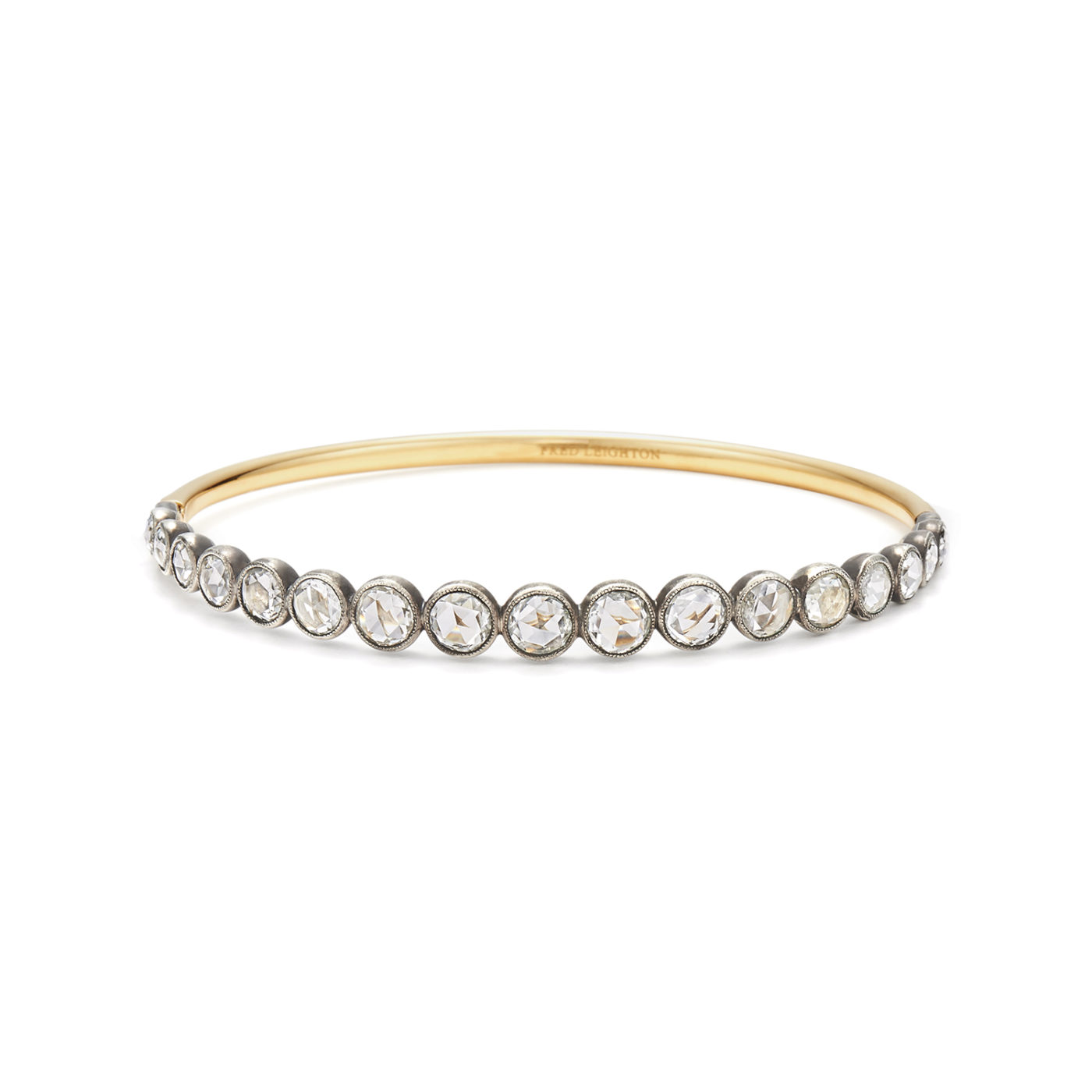
Fred Leighton Graduated Rose Cut Diamond Bangle, $23,600, fredleighton.com
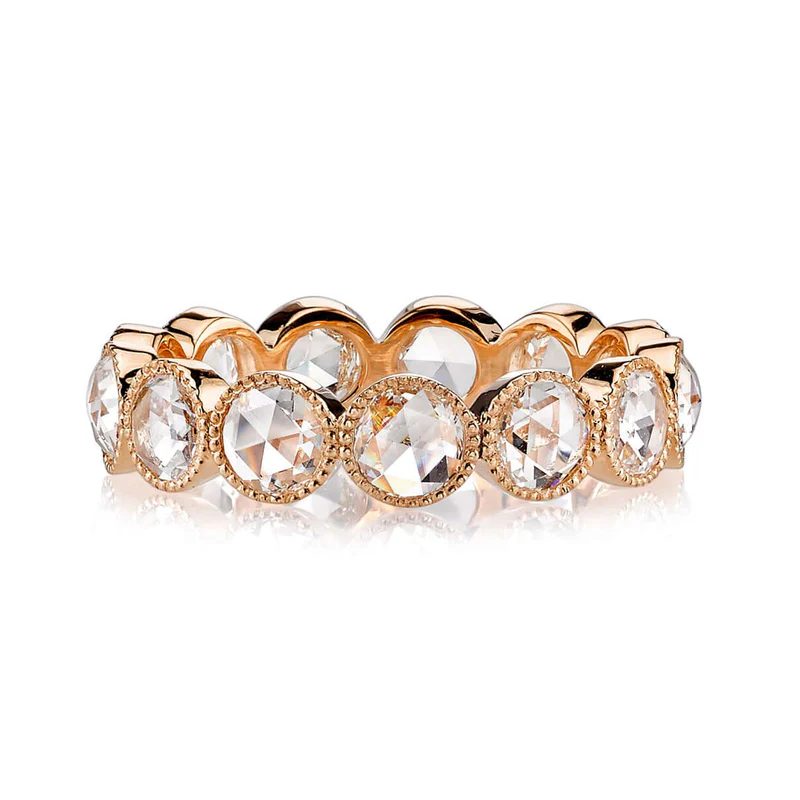
Single Stone Gabby Large Rose Cut Band, $9,500, singlestone.com
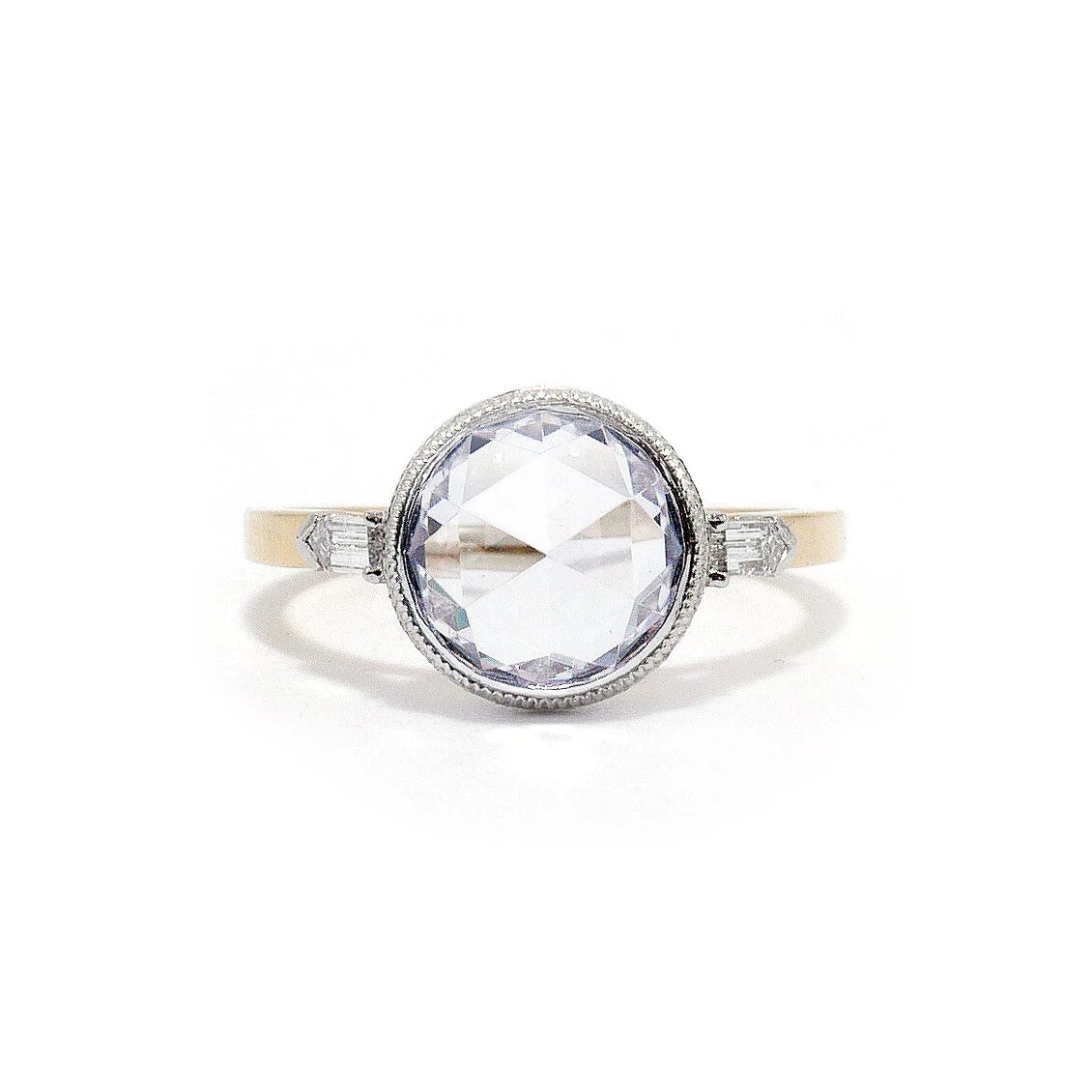
Josephine Rose Cut Diamond Engagement Ring, Price Upon Request, ashleyzhangjewelry.com
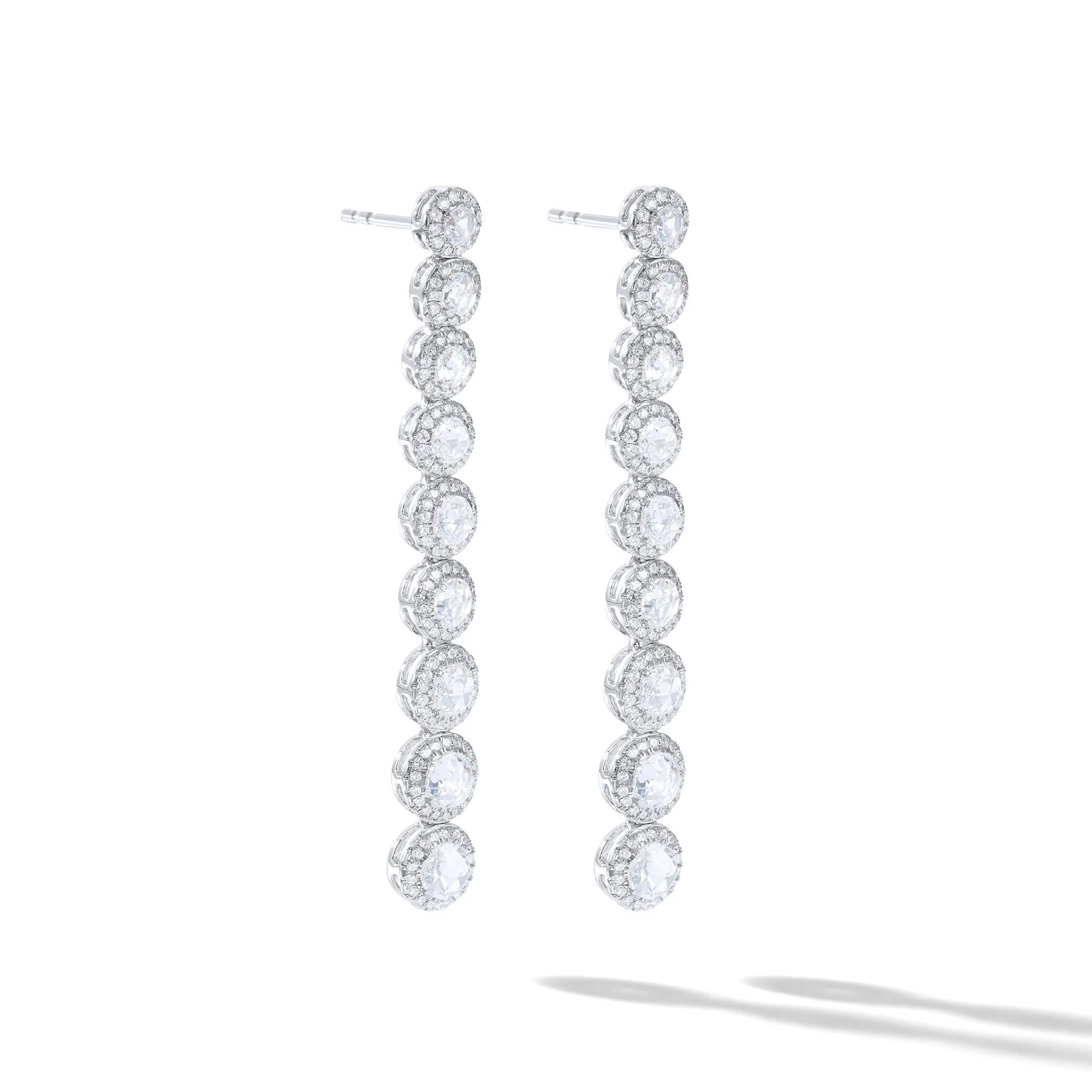
64Facets Scallop Diamond Drop Earrings, $16,000, 64facets.com
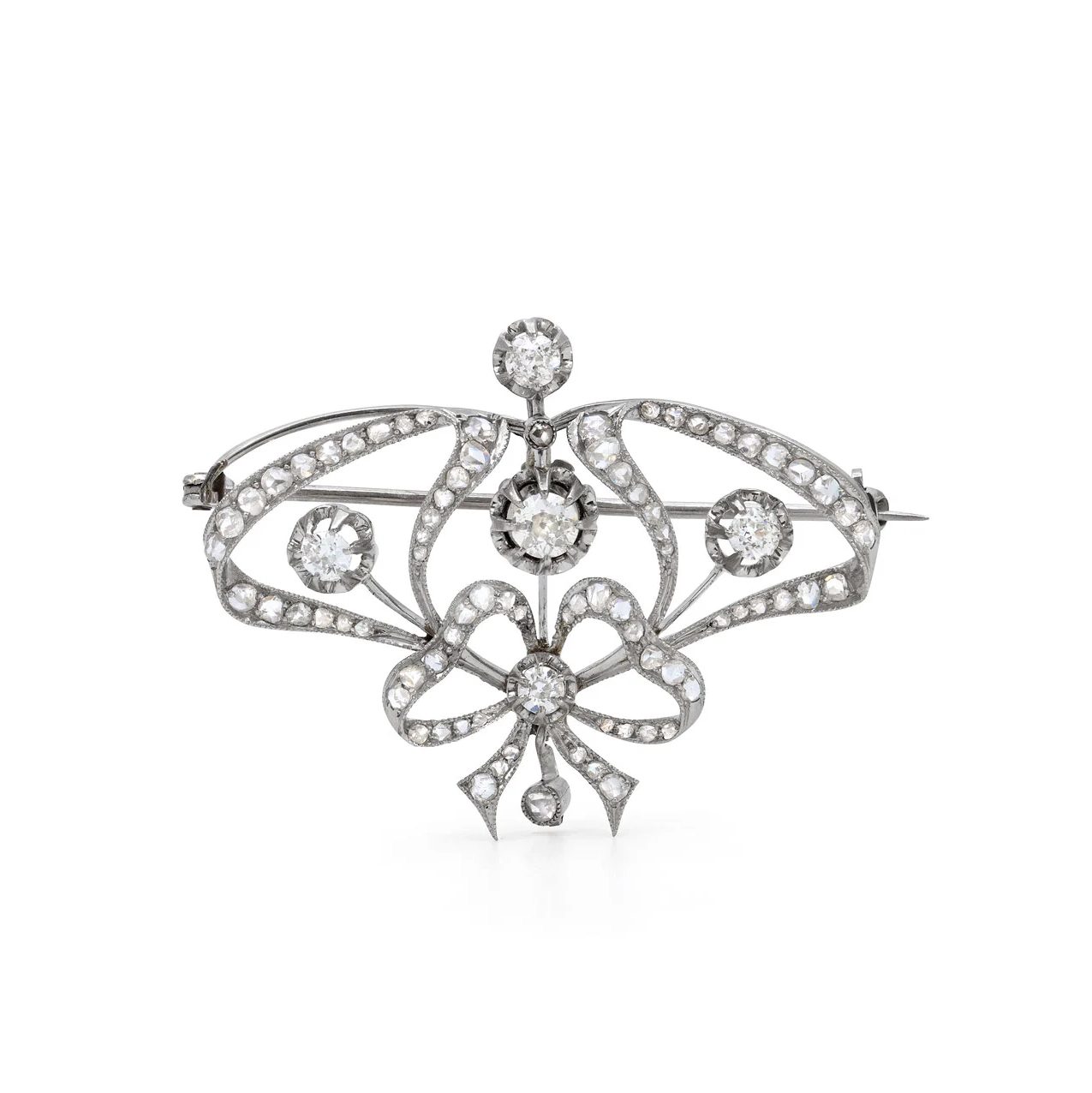
Antique Edwardian Diamond Brooch in Platinum, $2,250, beladora.com
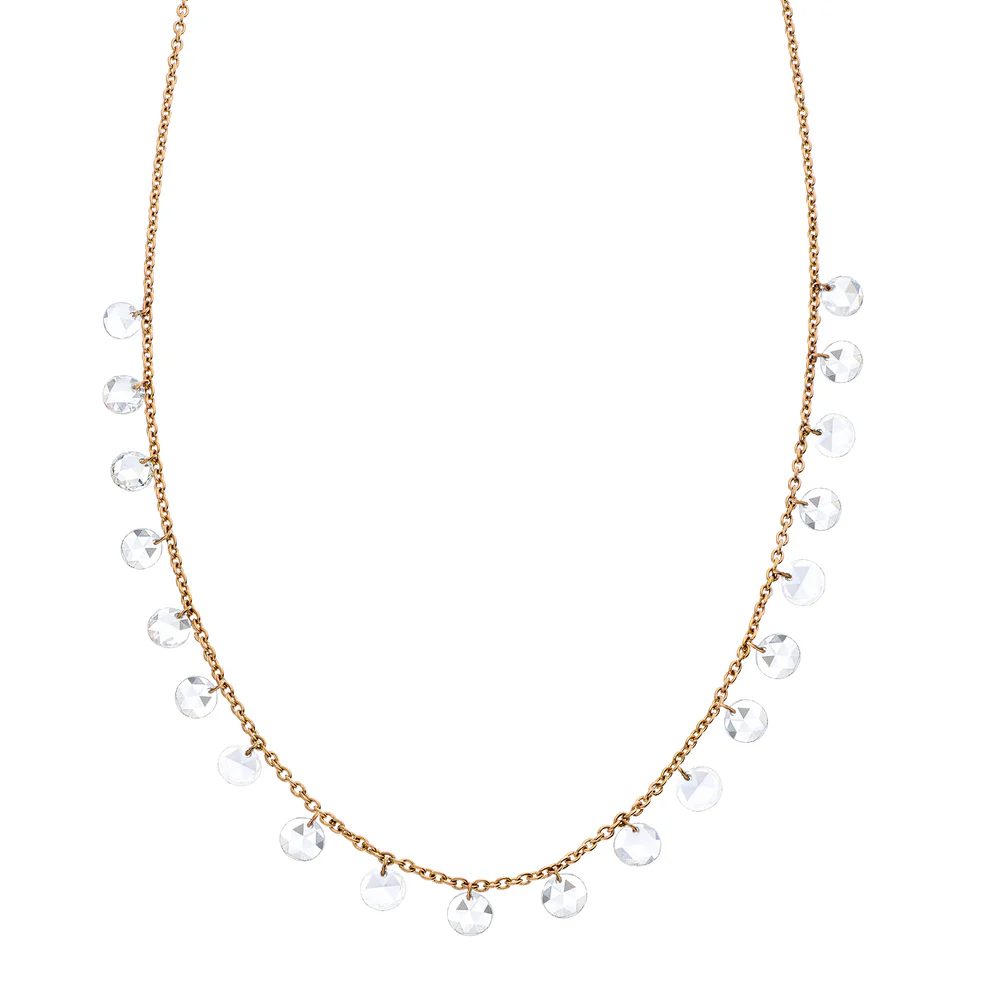
Sethi Couture Cien White Diamond Drop Necklace, $9,900, sethicouture.com
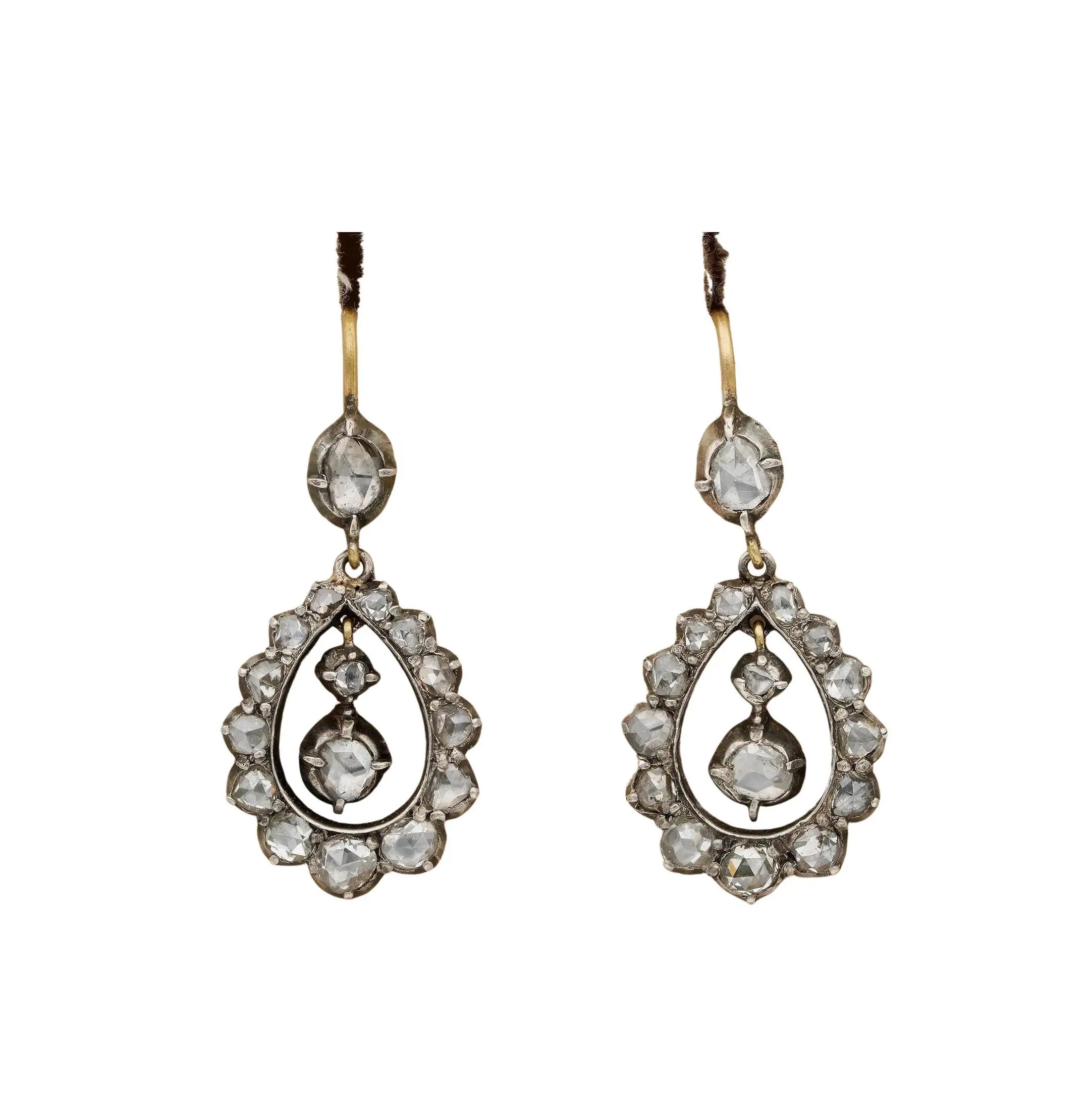
Georgian Rose Cut Diamond Drop Earrings, $4,650, 1stdibs.com