
Queen Elizabeth II’s Extraordinary Collection of Royal Brooches
Queen Elizabeth II pinned some of the most exquisite diamonds in the world on her shoulders, sashes, and lapels. Throughout her long reign, the Queen amassed one of the most historically significant collections of royal brooches in the world.
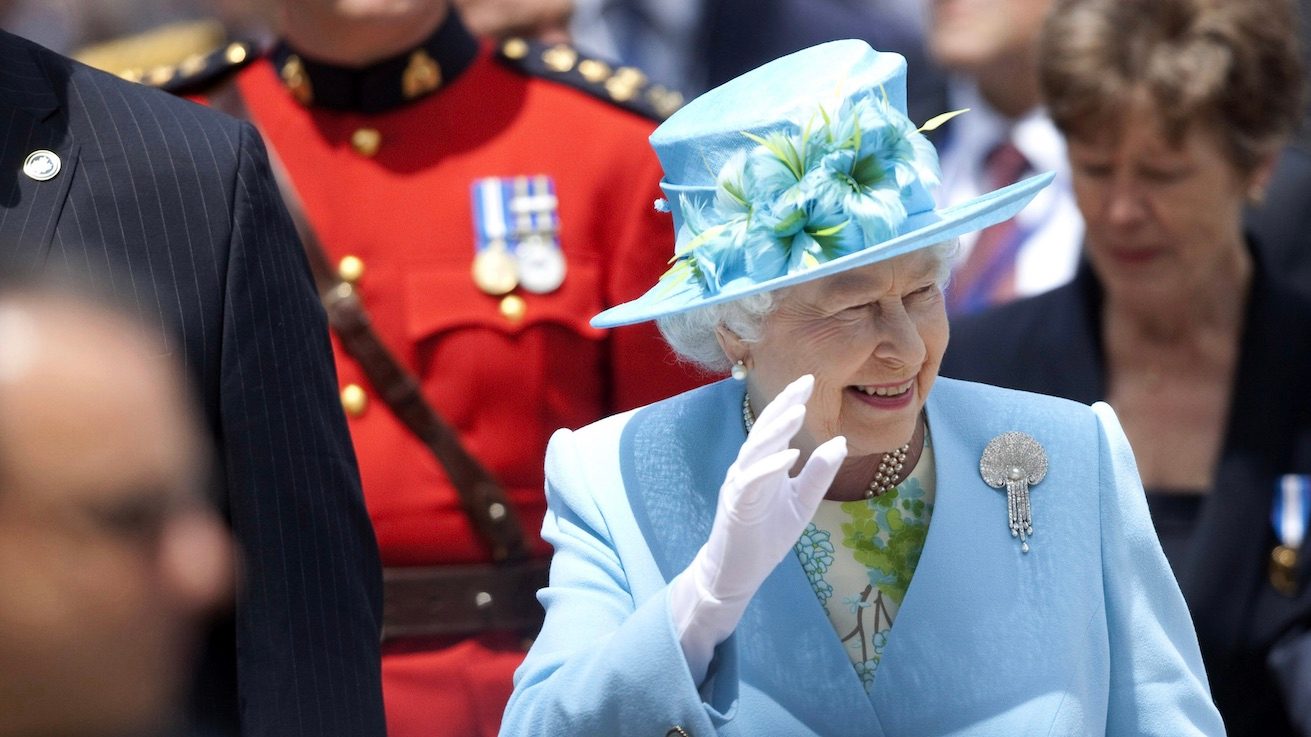
Queen Elizabeth II arrives at the Canadian Museum of Nature in Ottawa, Canada, June 30, 2010. (Getty Images)
As the longest-reigning British monarch in history, Queen Elizabeth II had one of the most impressive natural diamond jewelry collections in the world. Throughout her 70 years on the throne, Her Majesty wore countless historic and remarkable royal brooches, adorned with mind-blowing natural diamonds.
Filled to the brim with regal finery, the royal family’s vaults contain diamond brooches Queen Elizabeth II inherited from Queen Victoria, Queen Alexandra, her grandmother, Queen Mary, and the Queen Mother. On top of receiving diplomatic gifts and sentimental presents from her husband, Queen Elizabeth II commissioned many pieces of her own, adding to the family’s glittering legacy of heirlooms. Now, Queen Camilla and Catherine, Princess of Wales, have breathed new life into many of these stunning royal brooches.
Meet the Author
- Hannah Militano covers diamond jewelry trends, the fashion industry, pop culture, and celebrity news.
- She holds a Bachelor’s degree from the Fashion Institute of Technology.
- As a journalist, her work has been featured in publications such as Editorialist, Carine Roitfeld’s CR Fashion Book, L’Officiel USA, Grazia USA, Coveteur, and more.
Here, Only Natural Diamonds looks back at Queen Elizabeth II’s extraordinary collection of royal brooches, showcasing some of the most significant natural diamond brooches ever worn by the British royal family.
The Legendary Cullinan Diamond Makes Up Three of Queen Elizabeth’s Favorite Royal Brooches
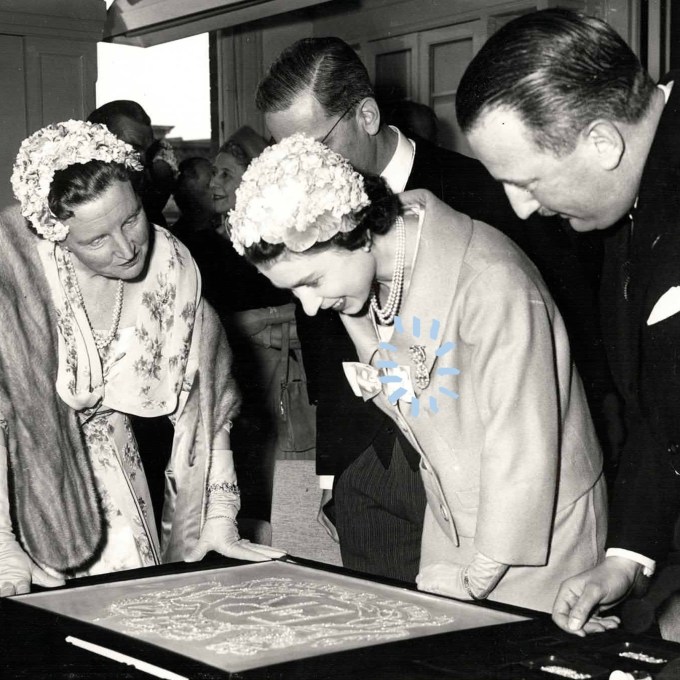
The Cullinan Diamond originated as the largest gem ever mined when the 3,106.75-carat rough stone was discovered in South Africa on January 26, 1905. So extraordinary, it was named after the mine’s owner, Sir Thomas Cullinan.
As with many of the great treasures uncovered on the African continent during colonial rule, the diamond was purchased by the Transvaal government and gifted to King Edward VII. Once the colossal stone arrived in England, King Edward VII appointed Joseph Asscher in Amsterdam to cleave it. From the singular Cullinan, Joseph Asscher cut nine large, flawless diamonds – all of which are part of the Crown Jewels of the United Kingdom. The largest (dubbed the Star of Africa Diamond) sits within the royal scepter, while the second, the Cullinan II, sits in the Imperial State Crown.
The Cullinan III and IV “Granny’s Chips” Brooch

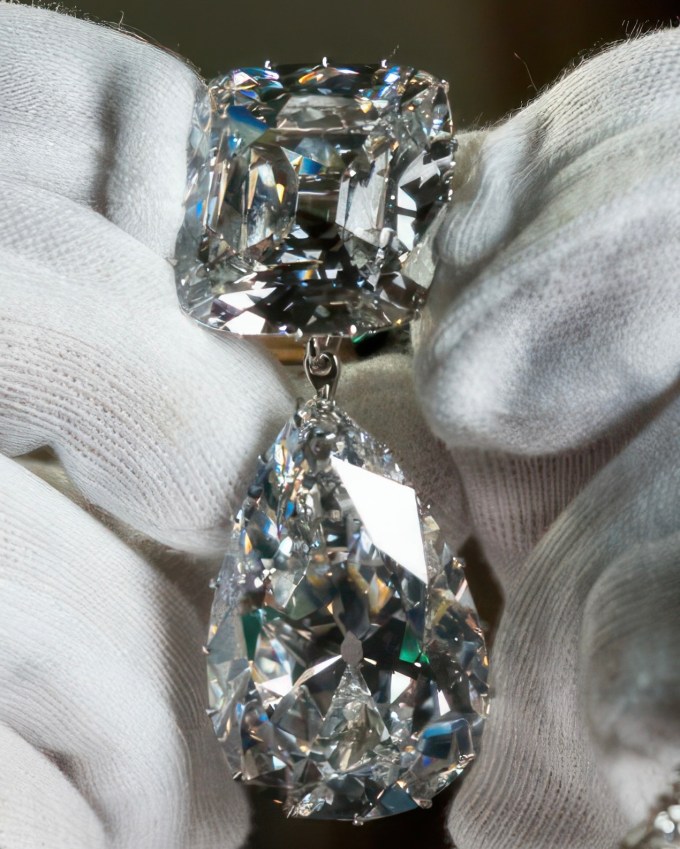
Made with two diamonds cut from the legendary Cullinan diamond, Granny’s Chips is one of the most recognizable diamond brooches in the world. Queen Mary handed down the spectacular diamond jewelry heirloom to her granddaughter, Queen Elizabeth II.
Deemed the “Lesser Stars of Africa,” the brooch features the pear-shaped Cullinan III and cushion-cut Cullinan IV diamonds. They weigh 94.4 and 63.6 carats, respectively, for a total of 158 carats. The diamonds were officially named the Lesser Stars of Africa, and made up one of Queen Elizabeth’s most beloved and sentimental brooches.
The Cullinan V Heart-Shaped Diamond Brooch
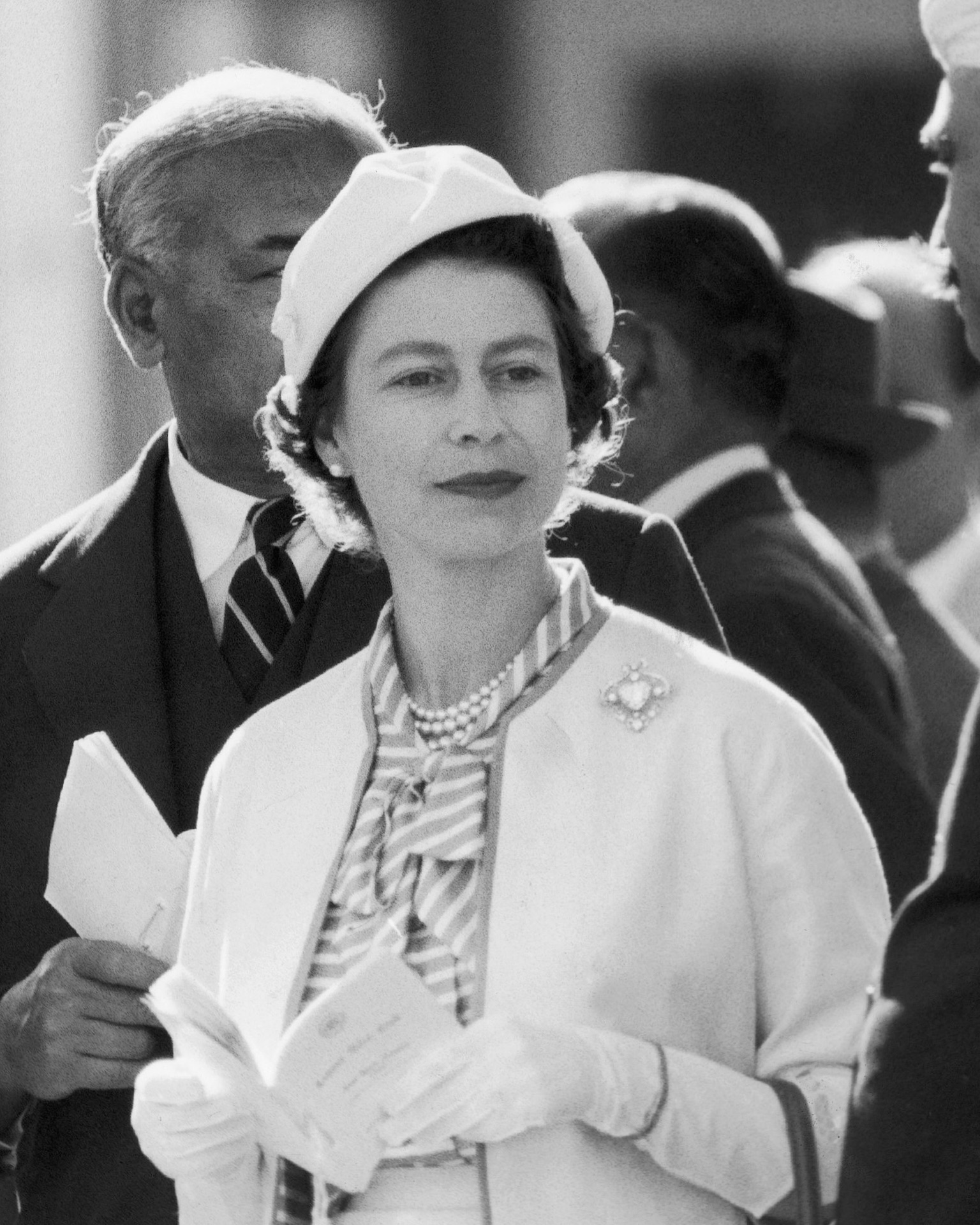
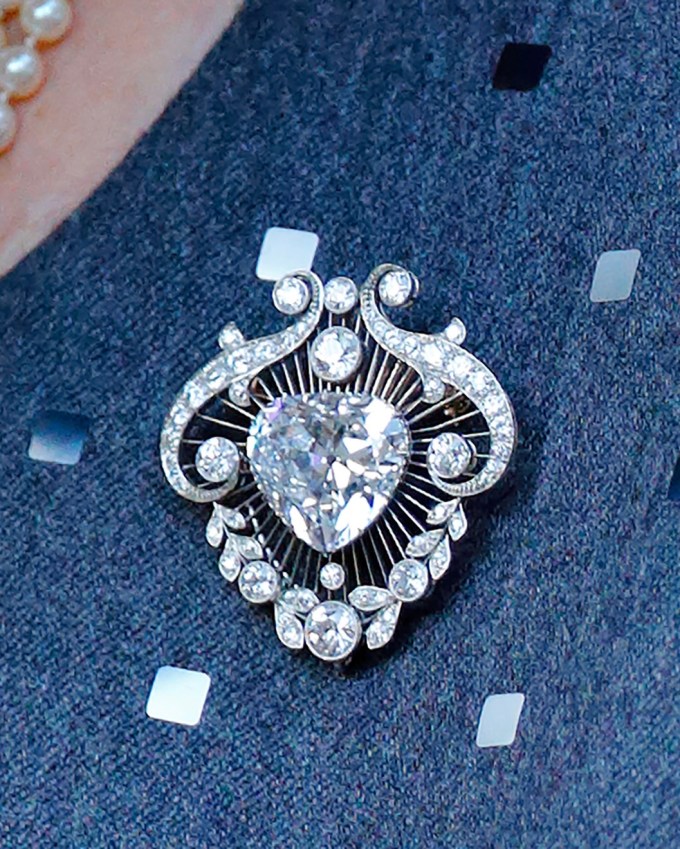
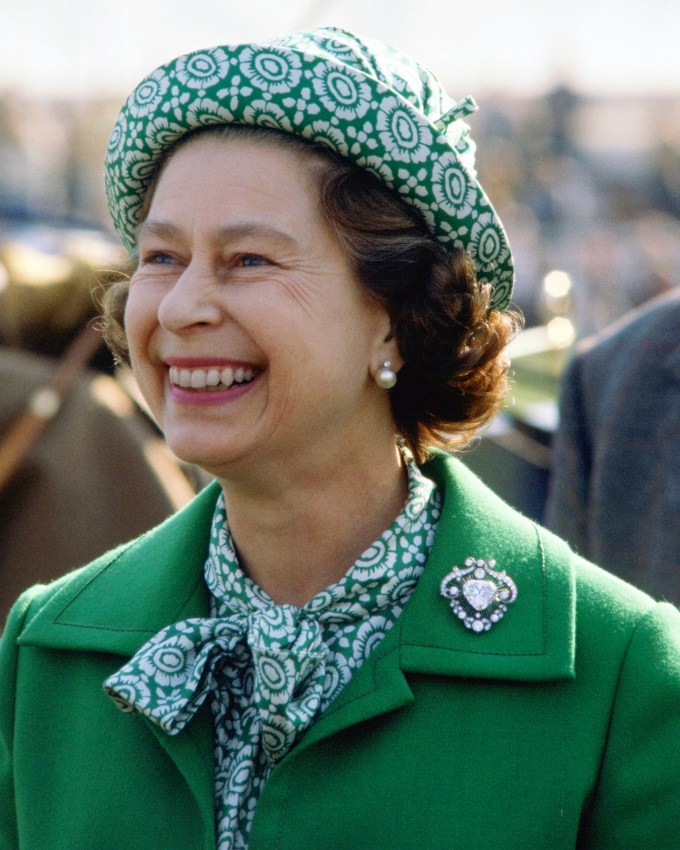
As one of Queen Elizabeth II’s favorite pieces of jewelry, the monarch wore her 18.8-carat Cullinan V heart-shaped diamond and platinum brooch on countless occasions, including Prince Philip’s 99th birthday portrait and Princess Eugenie’s wedding.
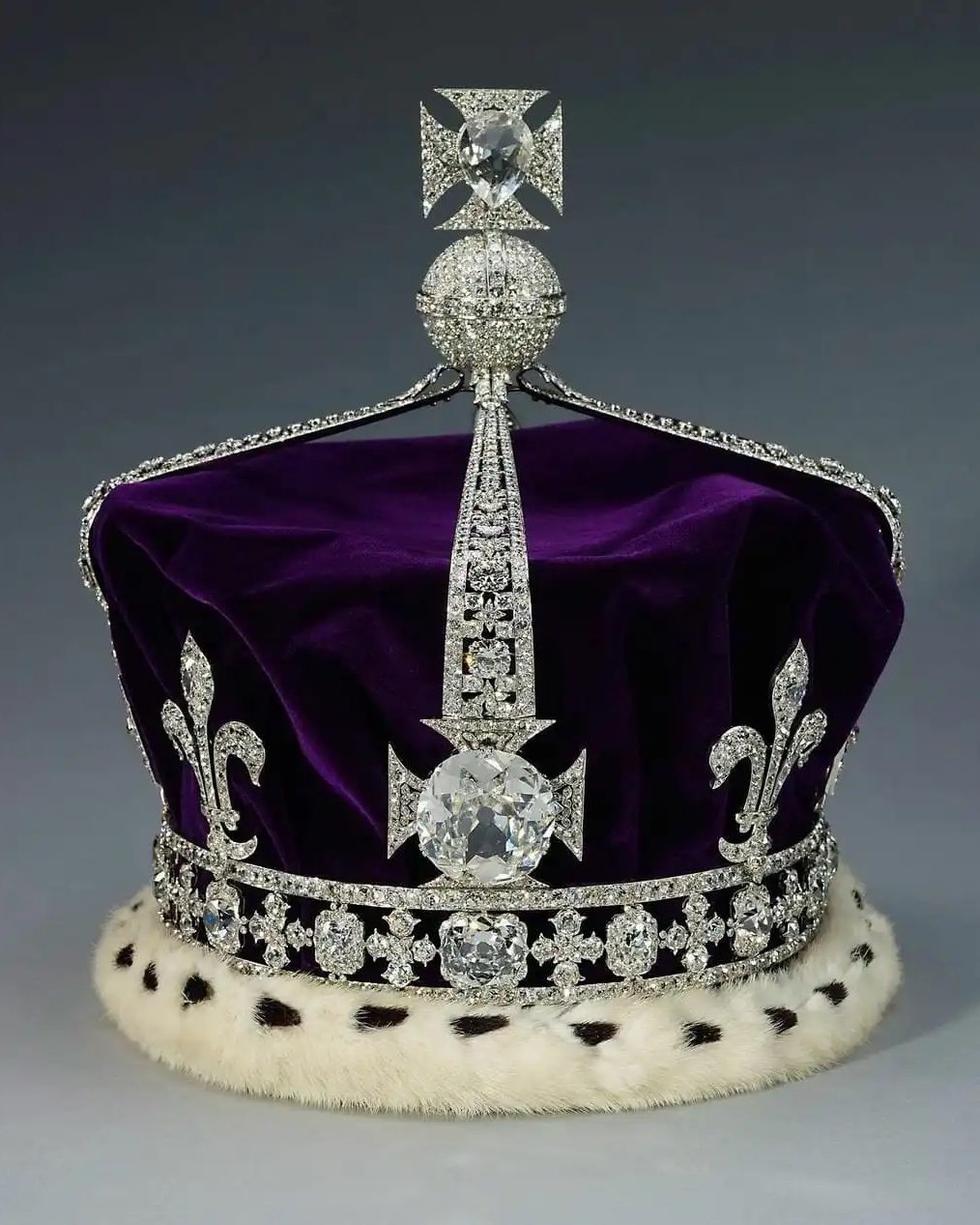
The Cullinan V was fashioned into the ornate stomacher of Queen Mary’s Delhi Durbar parure in 1911. Once stomachers fell out of fashion, Queen Mary had it redesigned as an Edwardian-style brooch and later gave it to Queen Elizabeth in 1953. For King Charles III’s coronation in 2023, Queen Camilla integrated the Cullinan V heart-shaped diamond brooch into Queen Mary’s Crown in place of the traditional and controversial Koh-i-Noor diamond.
The Cullinan VI and VIII Diamond Brooch
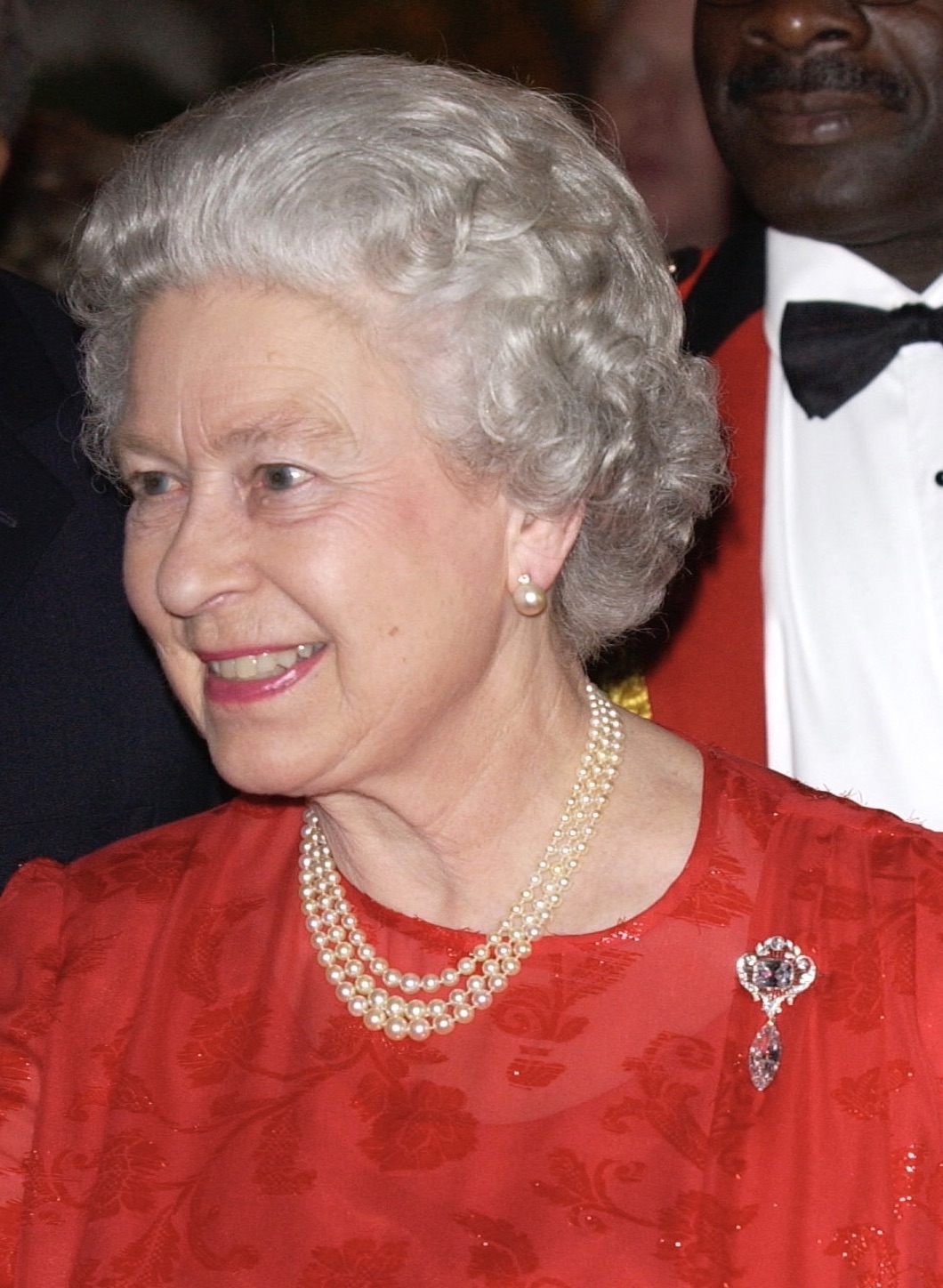
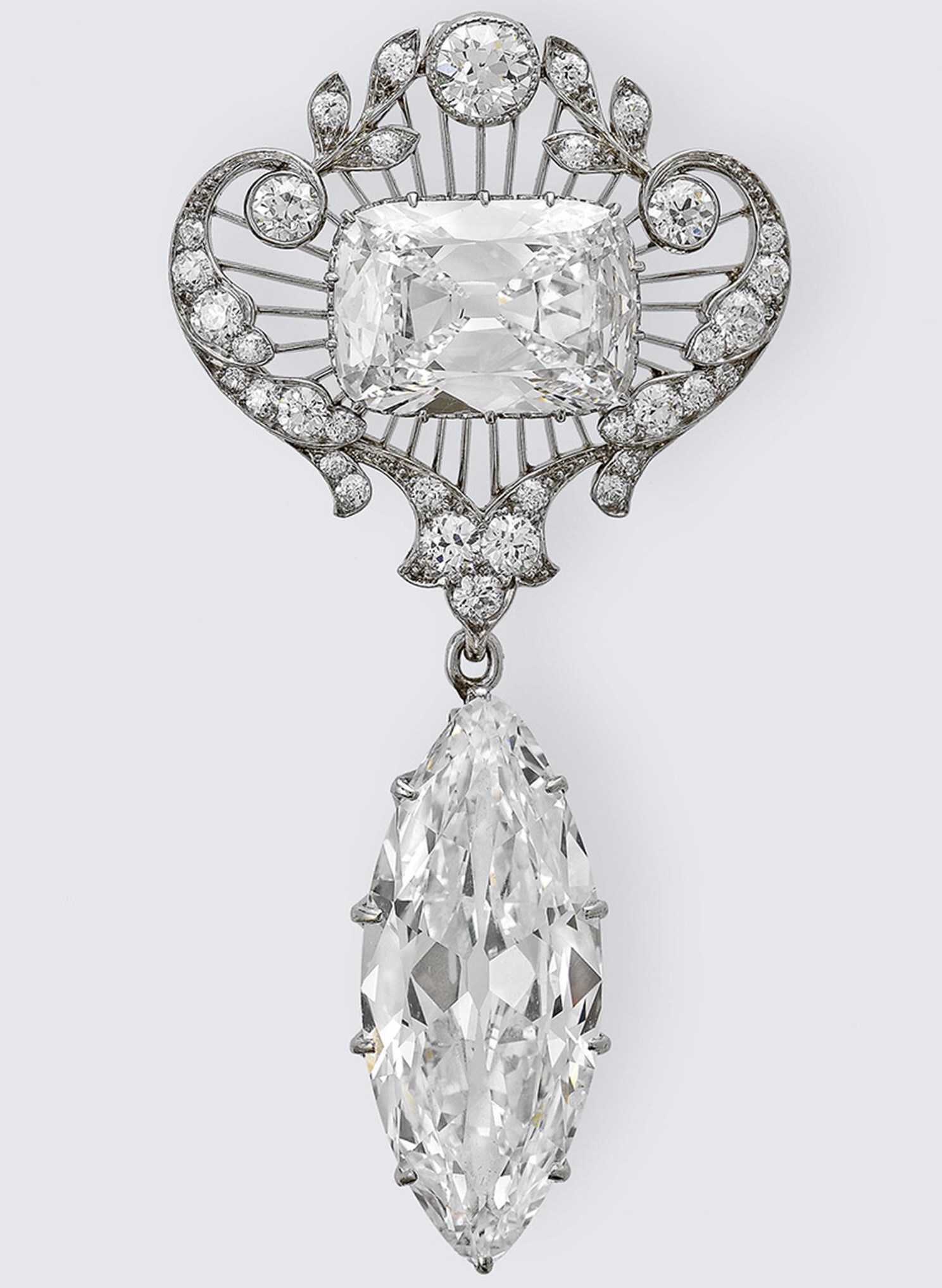
Queen Elizabeth wore the Cullinan VI and VIII as a dual diamond brooch. The cushion-cut Cullinan VI diamond sits in the center of the brooch that was formerly set within Queen Mary’s Delhi Durbar stomacher. The marquise-cut Cullinan VIII diamond elegantly hangs from the brooch. Made at the same time, it bears a resemblance to the Cullinan V brooch. Together, they form a detachable brooch bordered by 96 smaller diamonds.
The Greville Ivy Leaf Royal Brooches
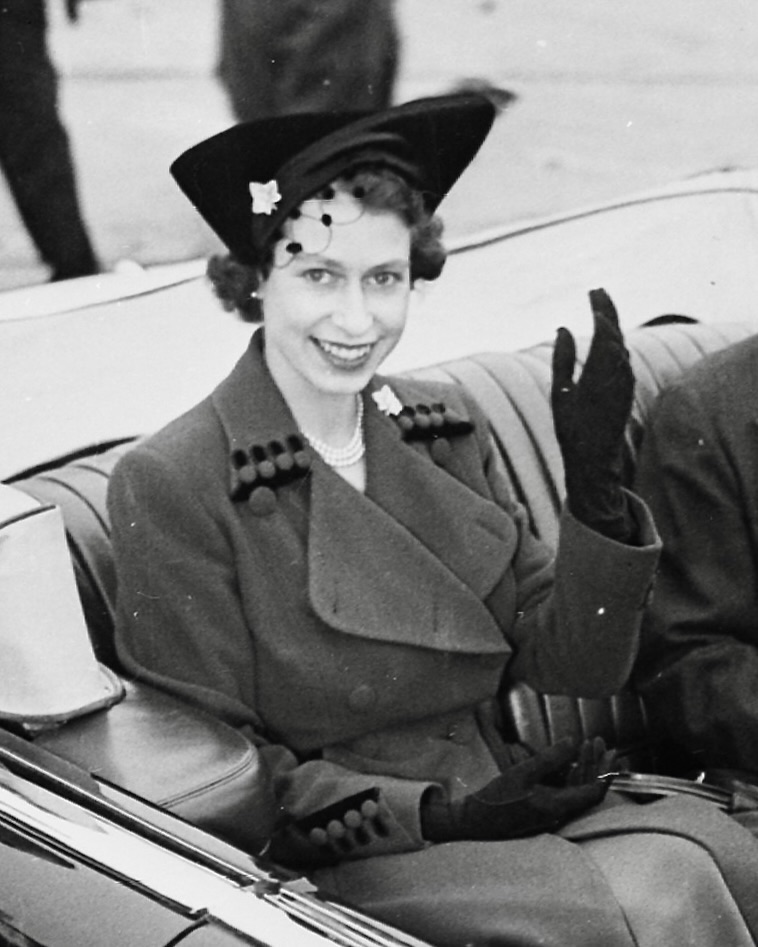
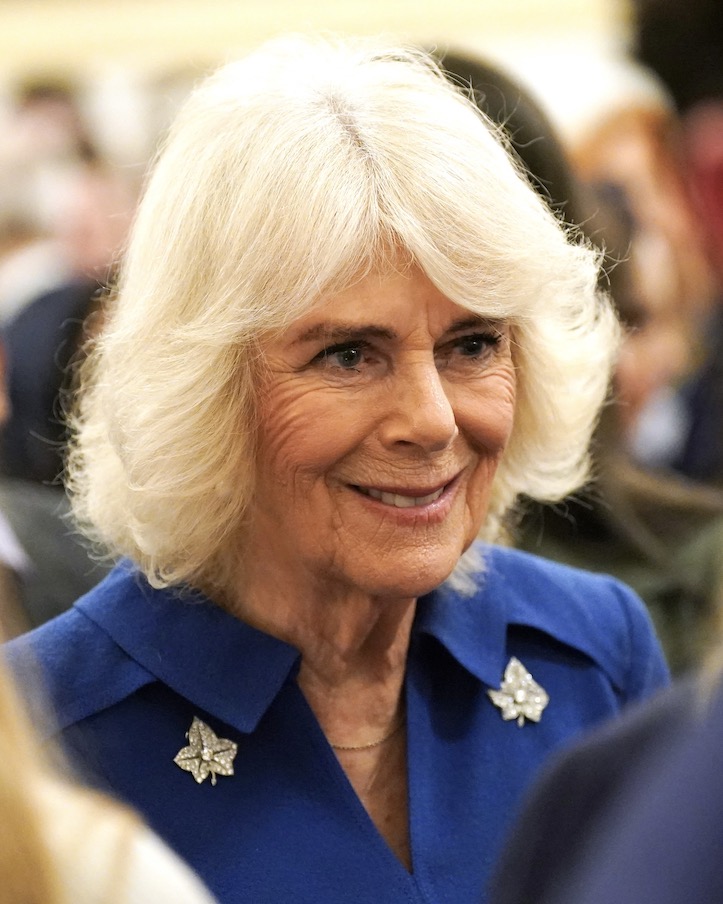
Last year, Queen Camilla pulled out the Greville Cartier Ivy Leaf royal brooches for a reception at Buckingham Palace – wearing one on each lapel. The duo of platinum-set diamond brooches was created by Cartier and purchased by Dame Margaret Greville, the socialite who left her jewels to her close friend, Queen Elizabeth the Queen Mother, upon her death in 1942. The first Greville Cartier Ivy Leaf diamond brooch was made in the 1920s, while the other was added to her collection in 1937.
When the Queen Mother passed away in 2002, her jewelry was inherited by Queen Elizabeth II. Known as the Greville bequest, this dazzling windfall includes sixty or more pieces, including Princess Eugenie’s wedding tiara, the Greville chandelier earrings, and the Boucheron Honeycomb tiara – but the exact number is not quite known. “We don’t really know the scope of [the collection],” says royal expert Amanda Matta, adding, “which is so tantalizing, especially for royal jewelry. Since that was a private bequest, there could be so much more in that collection that we’ve never gotten to see.”
Queen Mary’s Diamond Lover’s Knot Bow Brooch
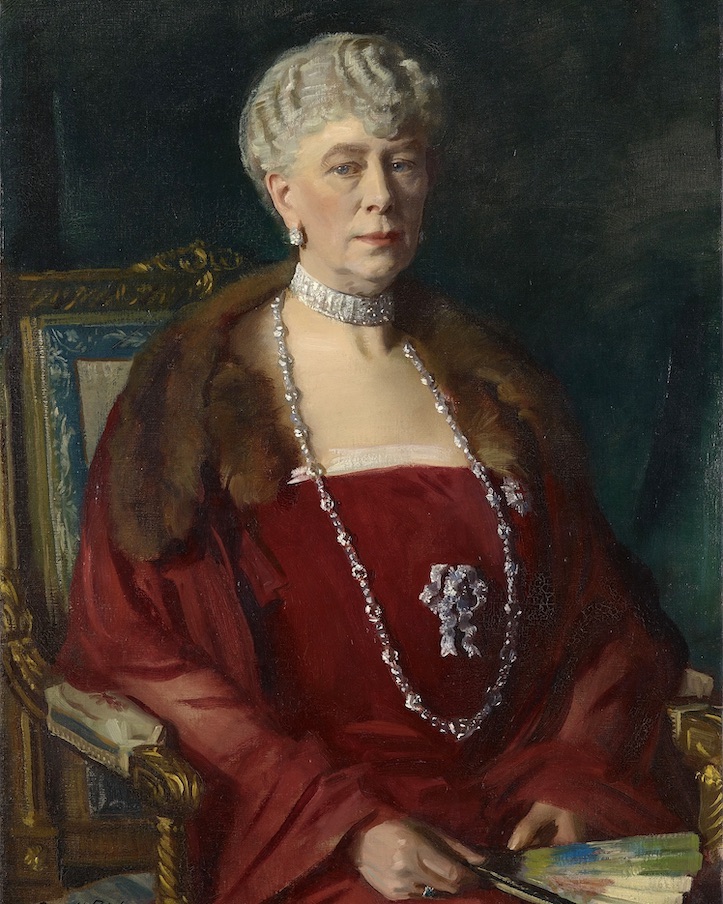
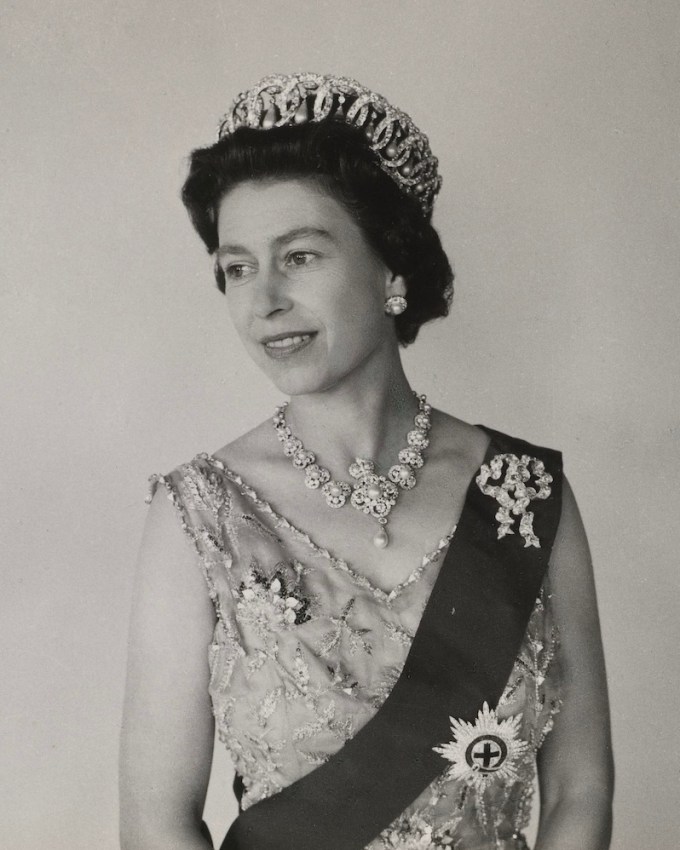
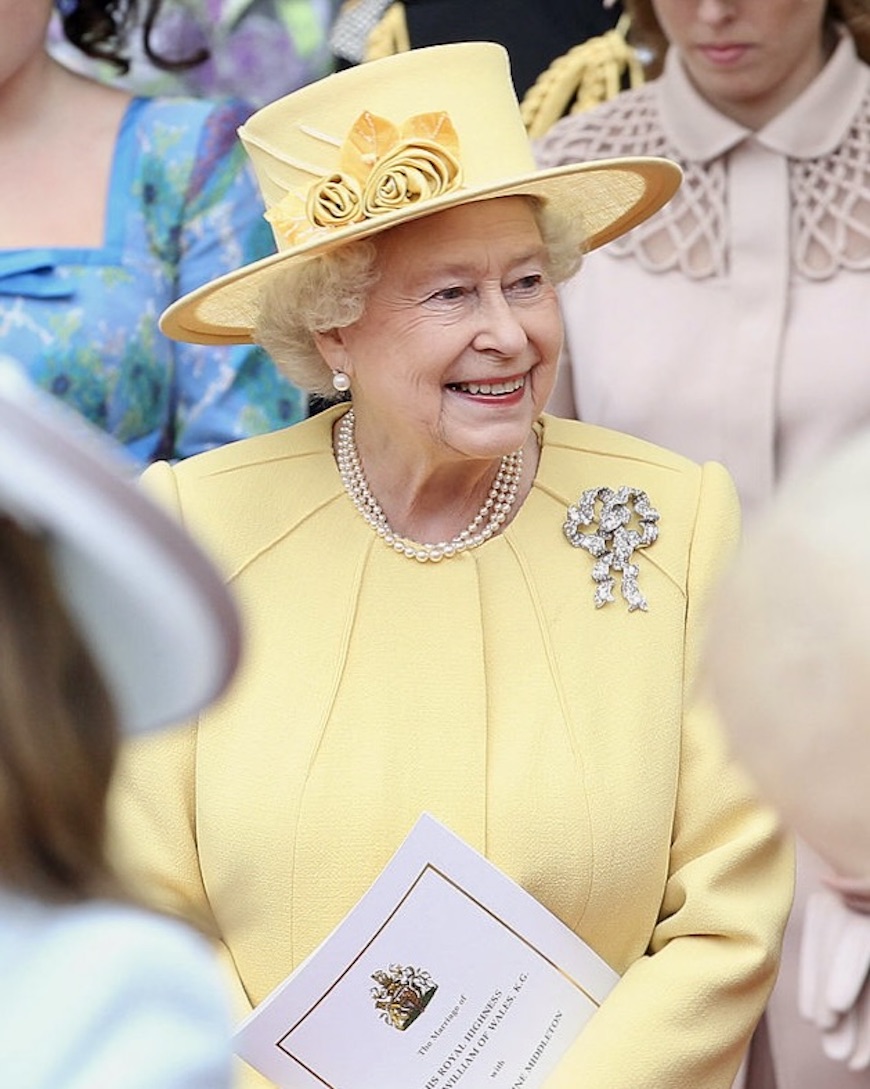
Queen Elizabeth II adored Queen Mary’s Lover’s Knot Brooch, which she wore to Kate Middleton and Prince William’s royal wedding on April 29, 2011, at Westminster Abbey. Queen Mary originally acquired the brooch from Garrard in 1932. The diamond bow brooch features brilliant-cut diamonds, set in silver and gold, tied in a scalloped ribbon.
Queen Elizabeth II’s Australian Wattle Brooch
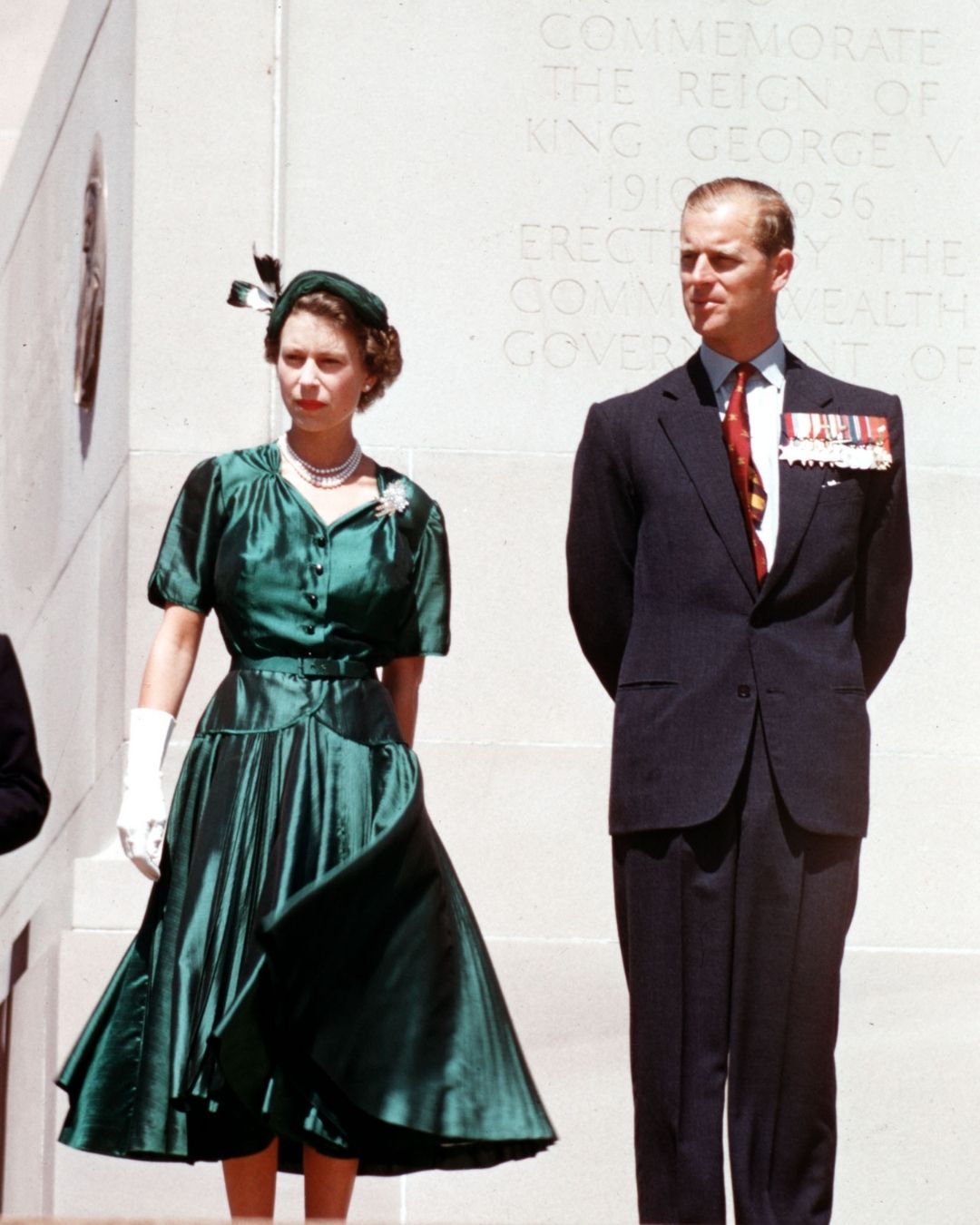
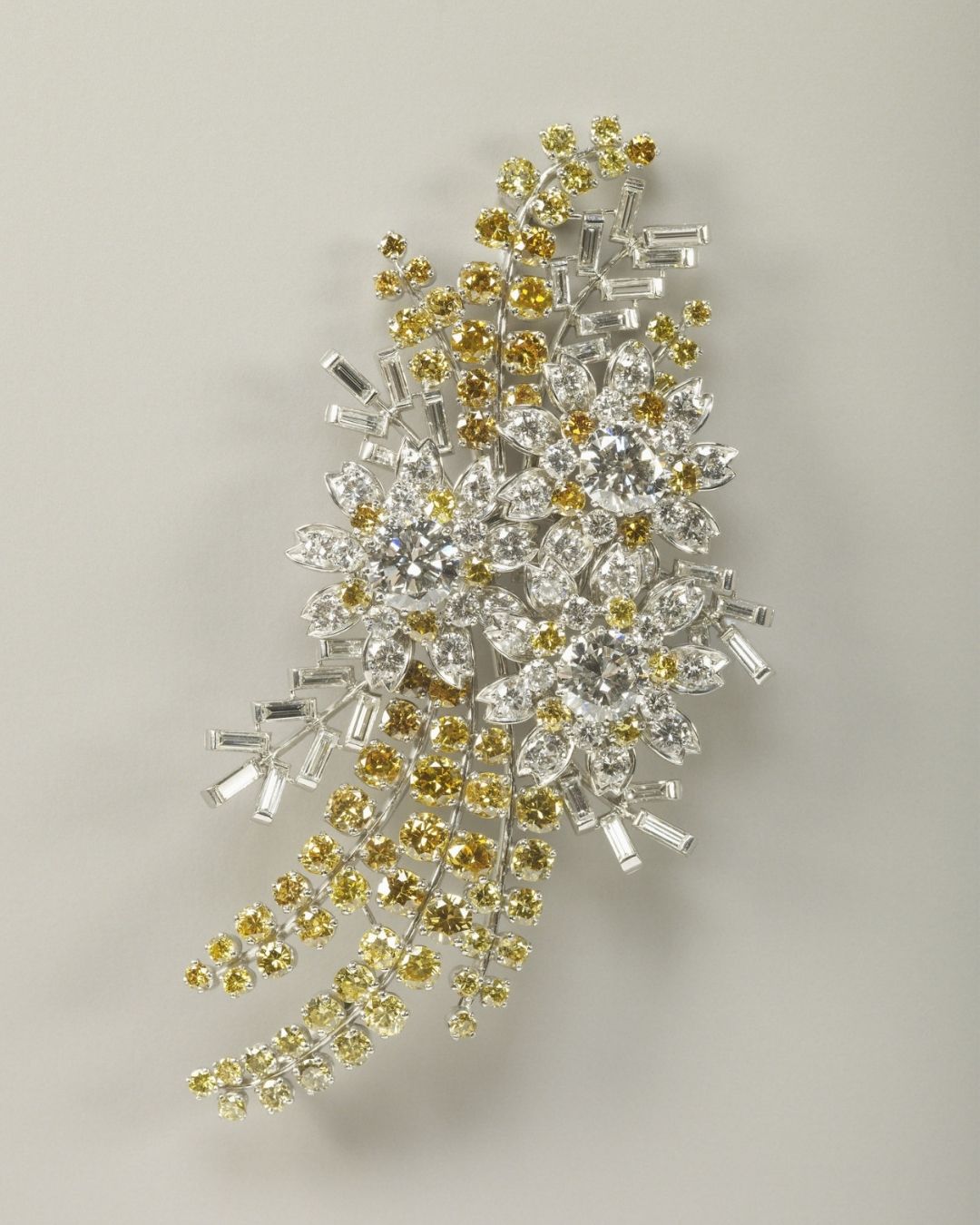
Designed to resemble the national flower of Australia, the Golden Wattle, Queen Elizabeth’s Australian Wattle brooch was designed by the local jewelers William Drummond & Co. of Melbourne. Meticulously set in platinum, yellow brilliant diamonds epitomize the wattle’s golden blooms, while white brilliant-cut diamonds represent the wattle’s leaves, with marquise- and round-brilliant white diamonds as the tea tree flowers.
Her late Majesty was gifted the natural diamond brooch during her 1954 Commonwealth tour by then-Prime Minister Robert Menzies during a state banquet in Canberra. The Queen wore the brooch on several visits to Australia and throughout her reign, displaying a deep understanding of diplomatic gestures.
The Williamson Pink Diamond Brooch
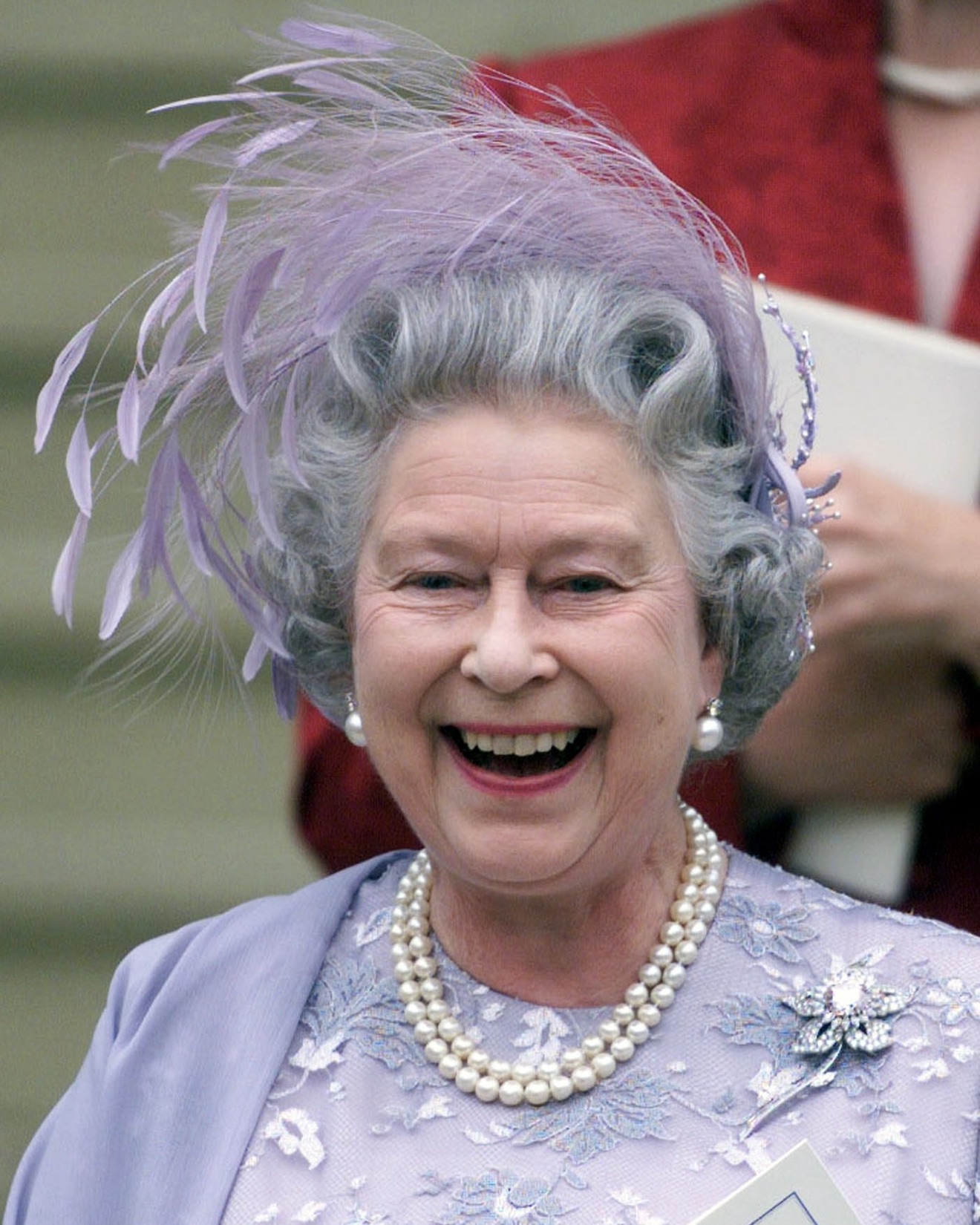
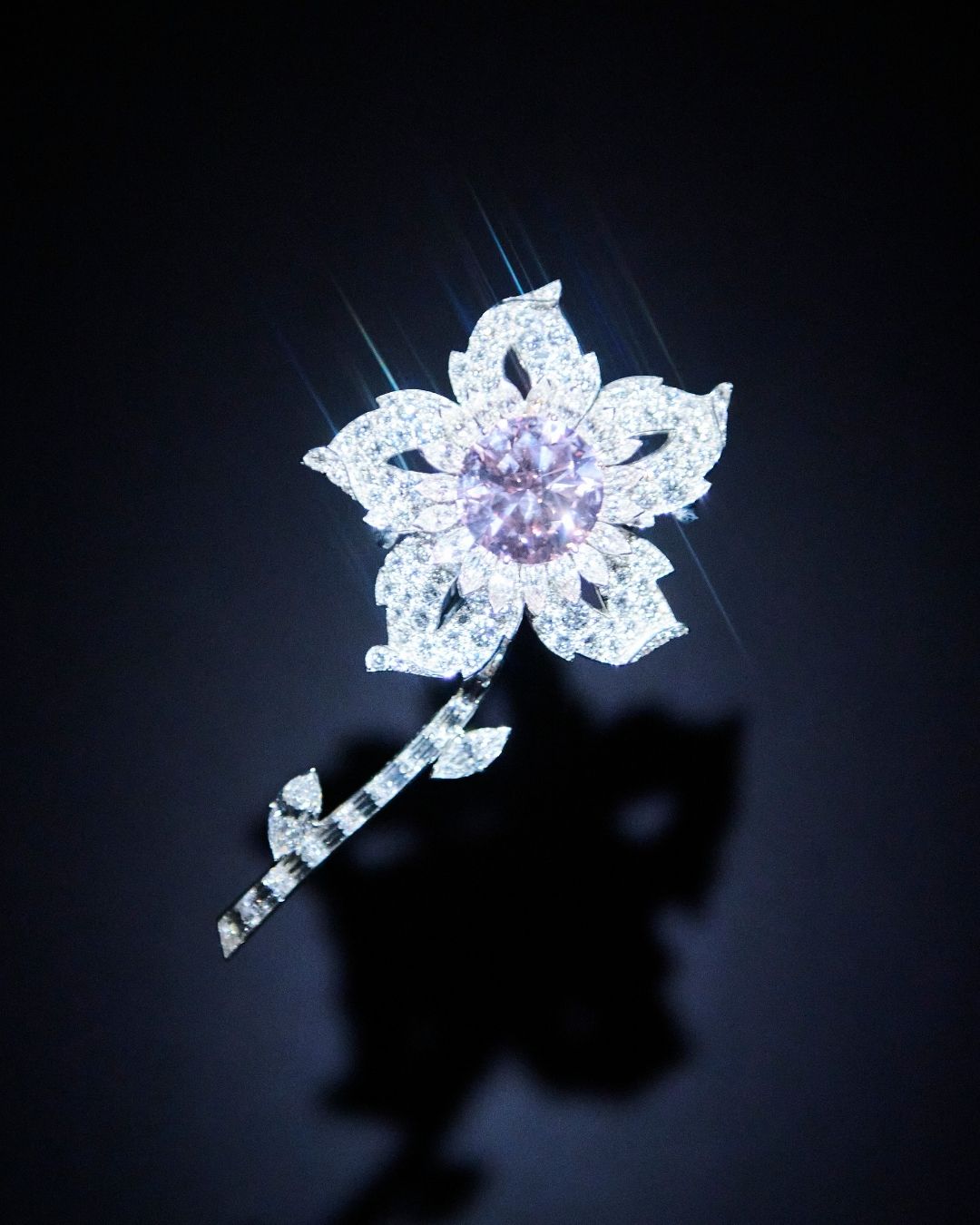
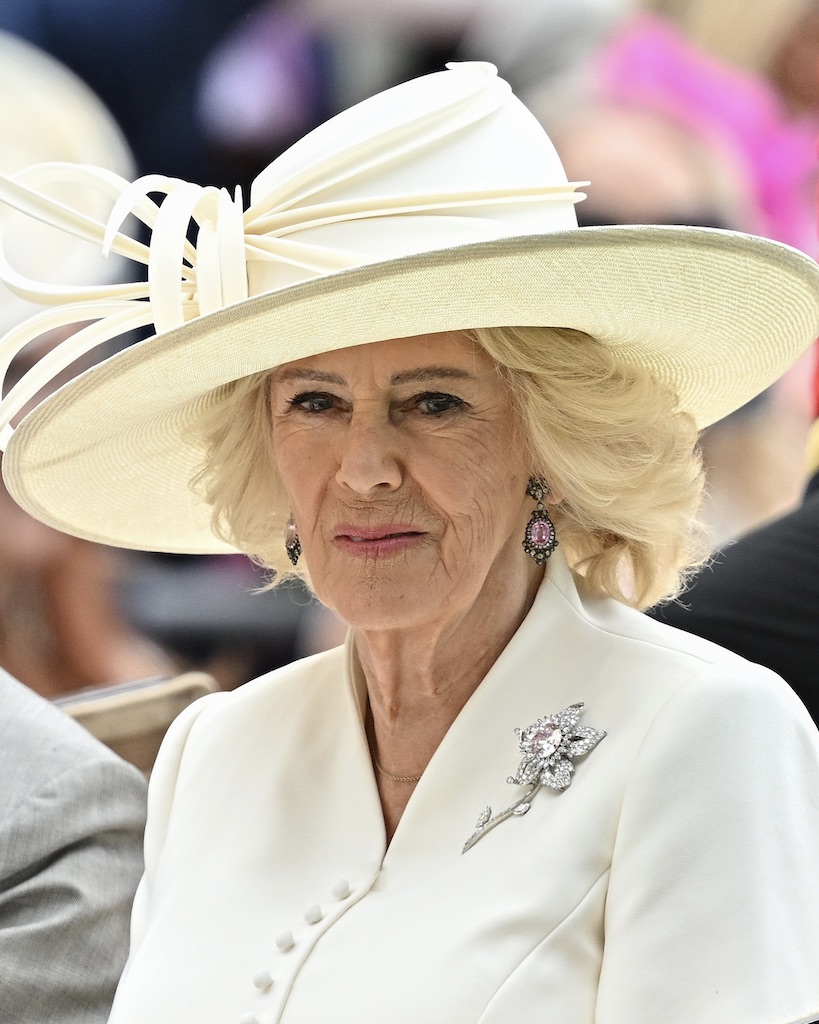
The Williamson Diamond Brooch features one of the world’s finest pink diamonds. Discovered in October 1947 at the Mwadui Mine in Tanganyika (present-day Tanzania), the 54.5-carat rough diamond was recovered by Canadian geologist Dr. John Thoburn Williamson, after whom it was named.
Sydney Briefel of Briefel and Lemer in Clerkenwell cut the diamond into a 23.6-carat round brilliant-cut stone to enhance its exceptional clarity and vibrant pink hue. An ardent monarchist, Dr. Williamson gifted the diamond to then-Princess Elizabeth as a wedding present in 1947 to celebrate her marriage to Lieutenant Philip Mountbatten, RN. Then, it was set in a jonquil-designed brooch by Cartier in 1953. The Queen chose a brooch in the shape of a jonquil, reflecting her fondness for flowers. The central 23.6-carat pink diamond is surrounded by 170 small brilliant-cut white diamonds, 12 baguette-cut diamonds, and 21 marquise-cut diamonds, including two set as buds on the stem.
The Williamson Brooch, about 4.5 inches in length, became one of her favorite pieces, worn on many important occasions including family weddings, and seen in several famous portraits, including a 1954 photograph with Prince Charles and Princess Anne as small children.
Queen Victoria’s Diamond Fringe Brooch
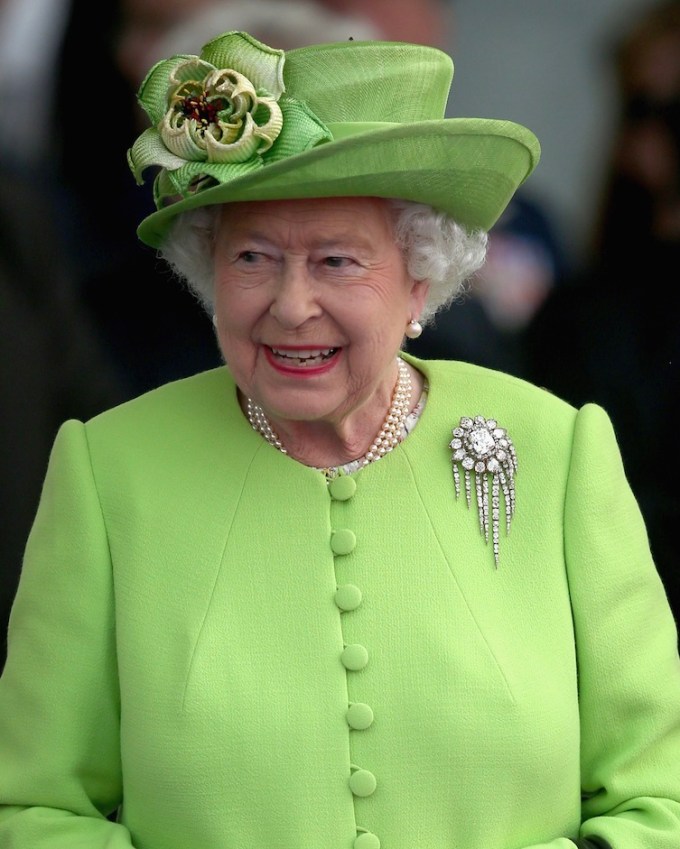
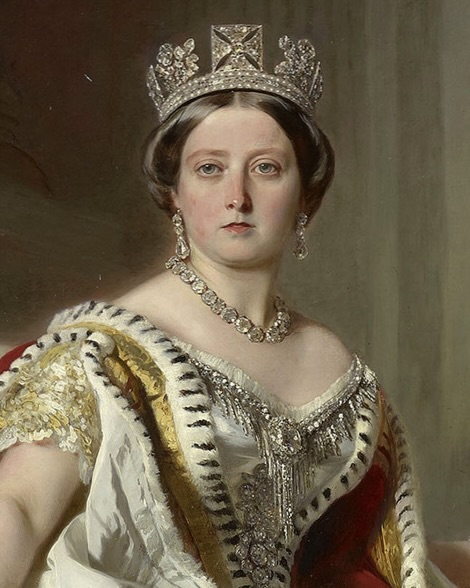
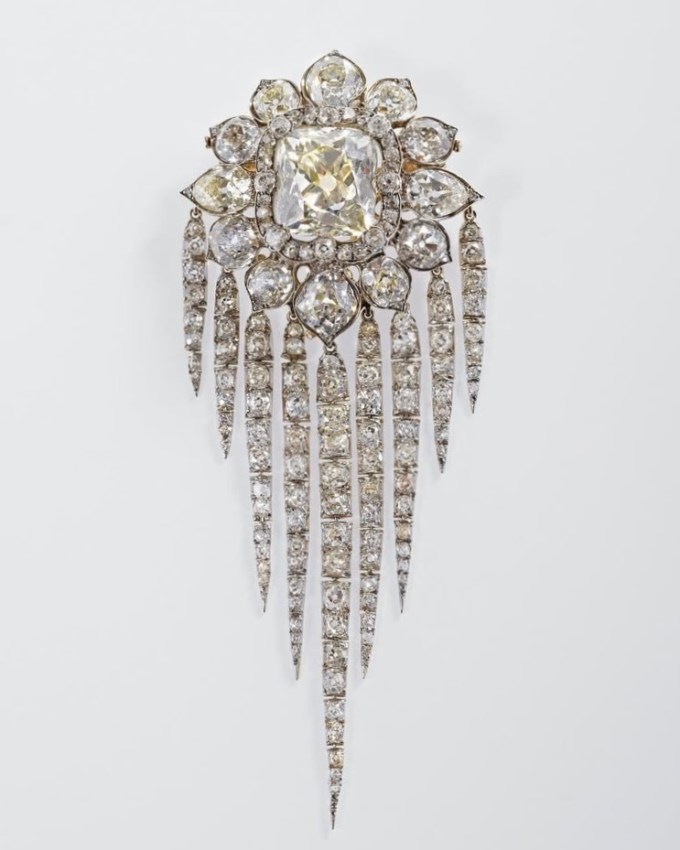
Garrard adapted from a chaîne de corsage made for Queen Victoria, the floral cluster style of the Diamond Fringe brooch is enhanced by nine dangling graduated pavé-set diamond chains, suspended beneath.
The larger diamonds in the brooch have been thought to have come from one of two impressive jewels presented to Queen Victoria by the Sultan of Turkey.
Queen Victoria’s journal, dated May 8, 1856, indicates that she felt she could not wear one of the jewels and wanted to have it reset. Circa mid-19th-century in style, the detachable brooch includes a large emerald-cut central stone surrounded by a halo of small brilliant-cut diamonds, inside an outer row of 12 large brilliant-cut diamonds.
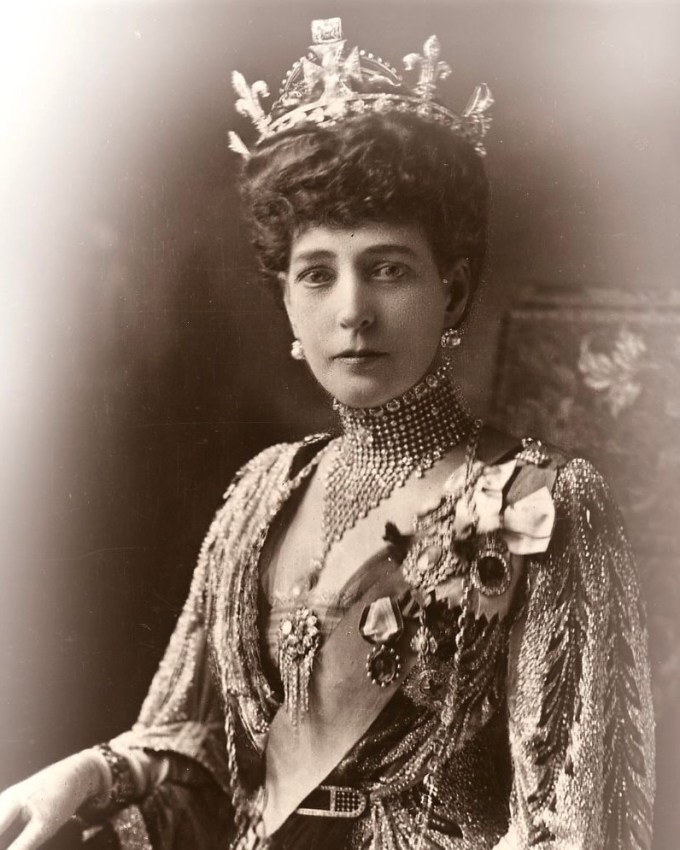
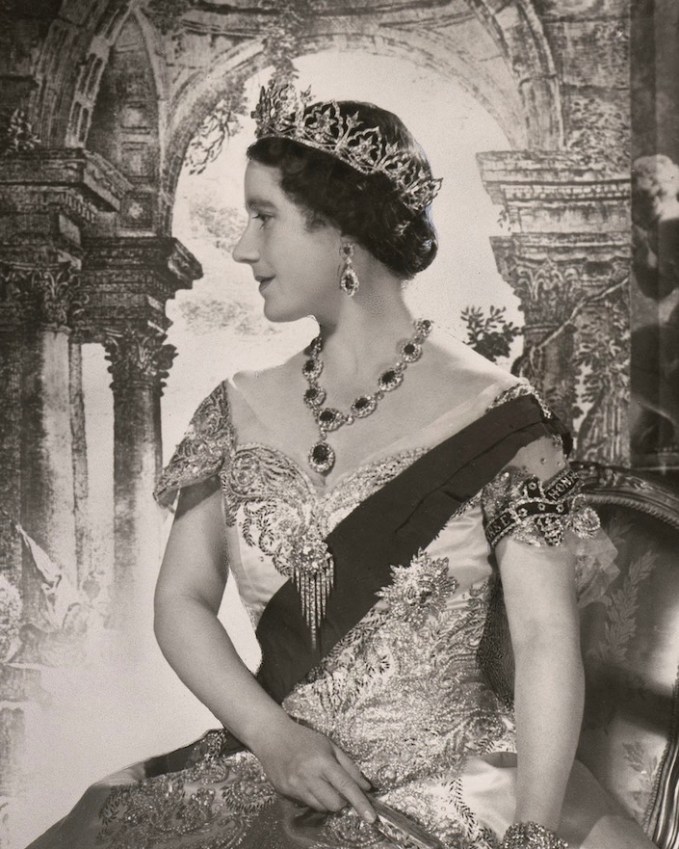
Queen Victoria left the brooch to King Edward VII. Queen Alexandra, Queen Mary, and Queen Elizabeth, The Queen Mother, all wore the prized piece regularly. Following the Queen Mother’s death in 2002, the brooch passed to Queen Elizabeth II, who wore the brooch at the State Banquet for the President of Turkey in 2011 and to the 70th anniversary of D-Day ceremony on Sword Beach in France in 2017.
The diamond brooch was later displayed as part of the exhibition Diamonds: A Jubilee Celebration at the Summer Opening of Buckingham Palace in 2012.
Queen Mary’s Women of Hampshire Brooch
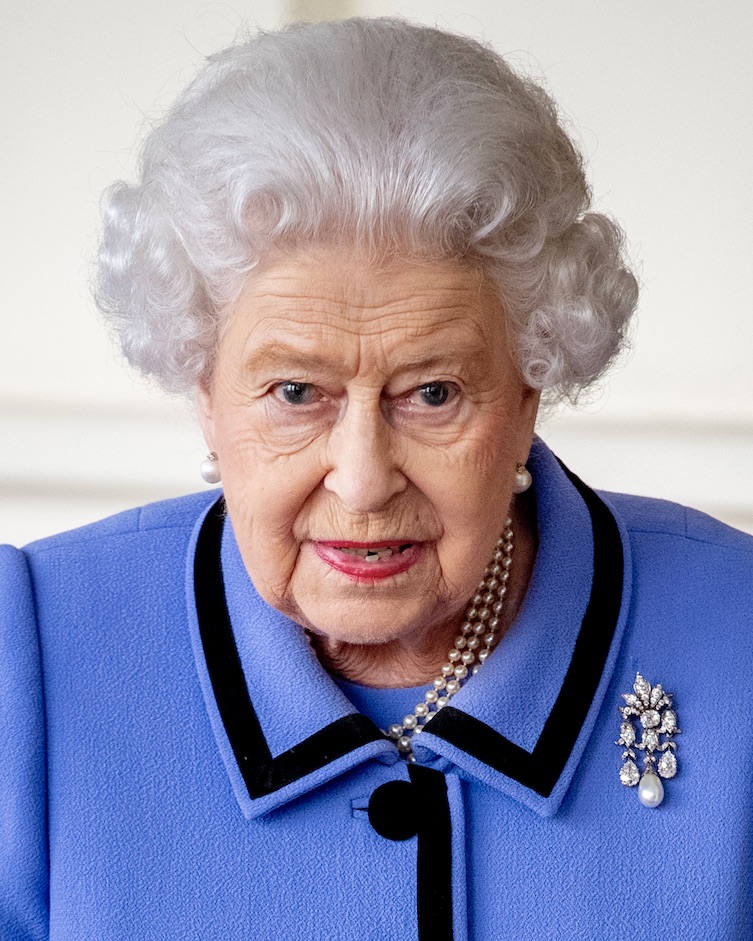
Queen Mary was gifted the Women of Hampshire brooch for her wedding to the future King George V, on behalf of the women of Hampshire. Originally designed as a pendant, the natural diamond and pearl piece was later converted into a brooch for Queen Mary, who then bequeathed it to Queen Elizabeth II in 1953.
The Prince Albert Brooch
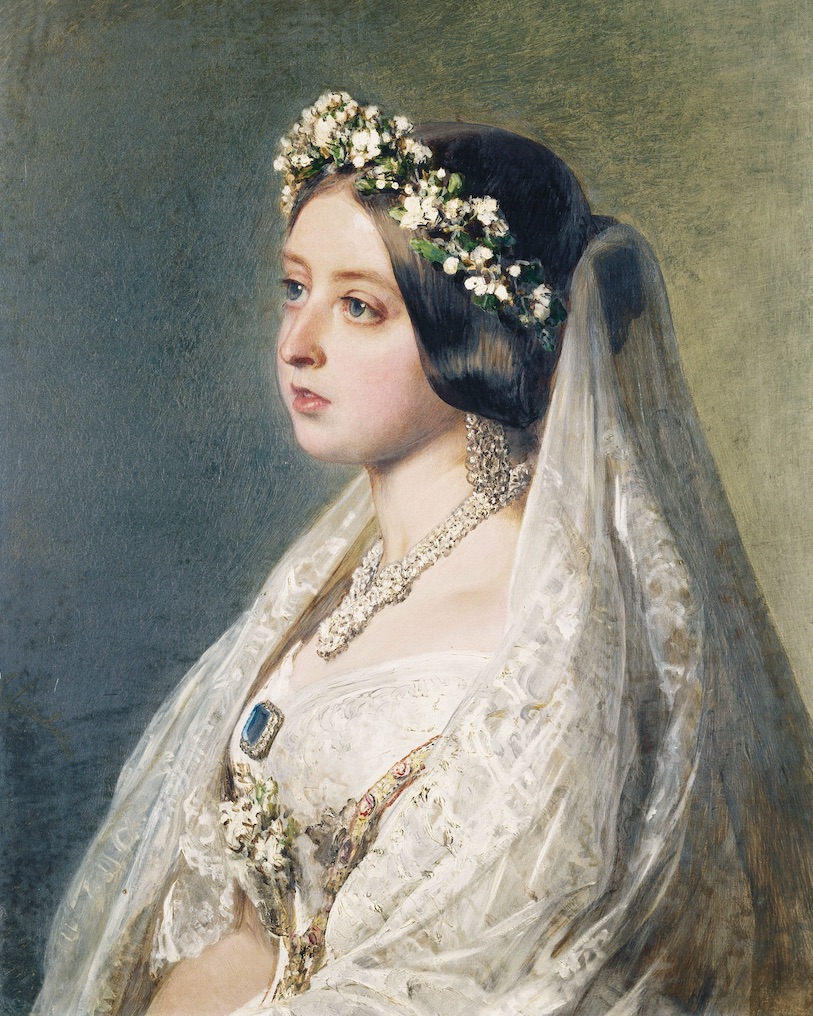

Garrard was named the first official Crown Jeweler in 1843 by Queen Victoria. One of Garrard’s earliest royal commissions, Prince Albert gifted Queen Victoria a token of love on the eve of their wedding. She decided to wear the exquisite gold-set natural diamond and sapphire “something blue” brooch on her bridal gown. The piece even inspired the sapphire and diamond cluster engagement ring worn by both Princess Diana and Kate Middleton.
Victoria assigned the brooch as an official heirloom of the crown in her will, meaning each reigning monarch after her would inherit it. All five queens and queen consorts since Victoria’s rule have worn the Prince Albert brooch.
From Queen Victoria onward, Garrard continued to adorn royals in regal natural diamonds, including Queen Alexandra, Queen Mary, the Queen Mother, and Queen Elizabeth II. From Queen Elizabeth II’s reign through today, Garrard has maintained its commitment to impeccable craftsmanship.