

The Origin Story of Natural Diamonds in Ancient India
Serpent-guarded valleys. Divine thunderbolts. Wearing rough diamonds for protection. The story of how ancient India discovered diamonds and traded them with the world is wilder and more fascinating than most people know.
Before South Africa. Before Canada. Before Brazil. Before any of the great diamond-producing regions that now define the industry, there was ancient India. For more than 2,000 years, India was the only place on Earth where humans could find natural diamonds.
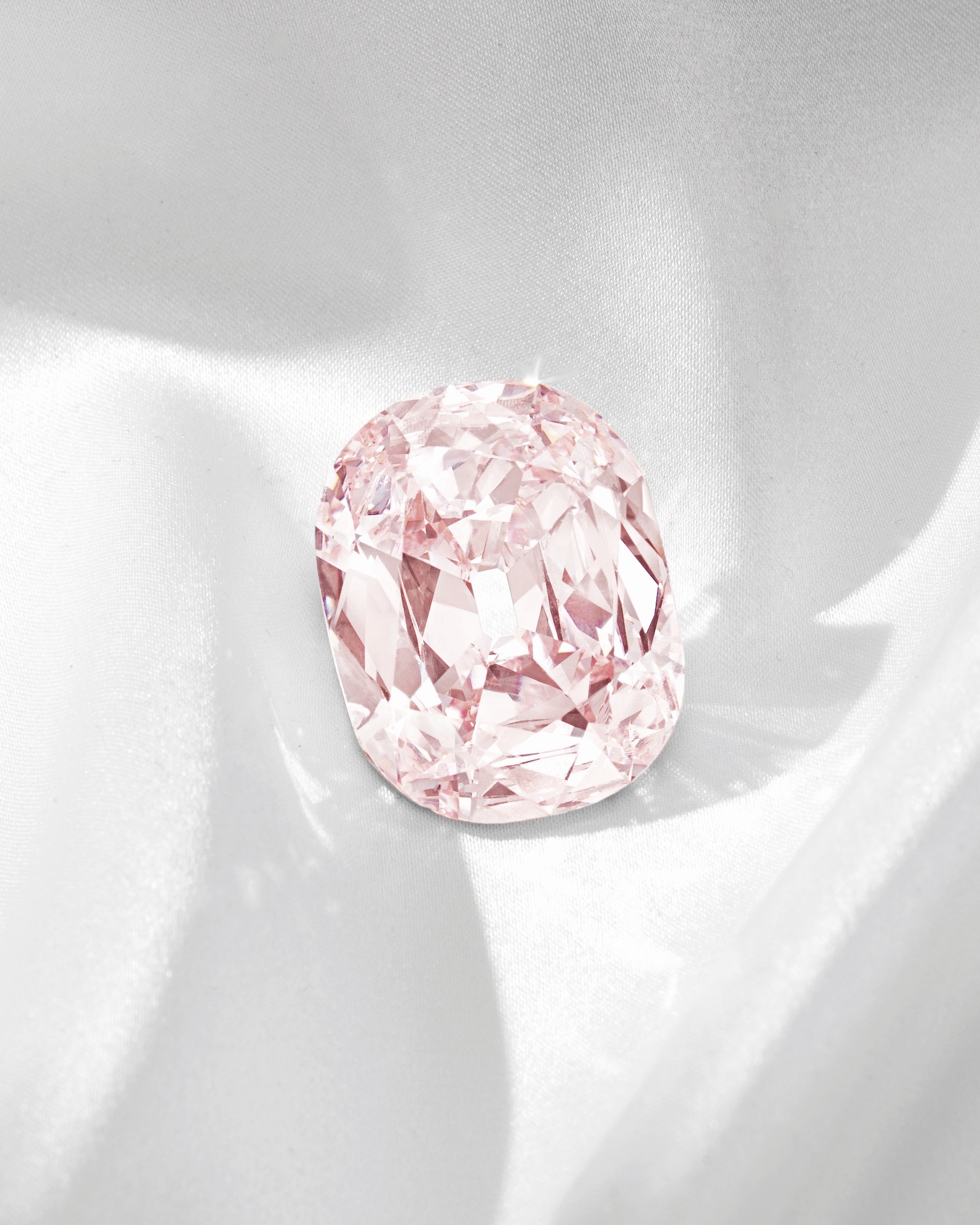
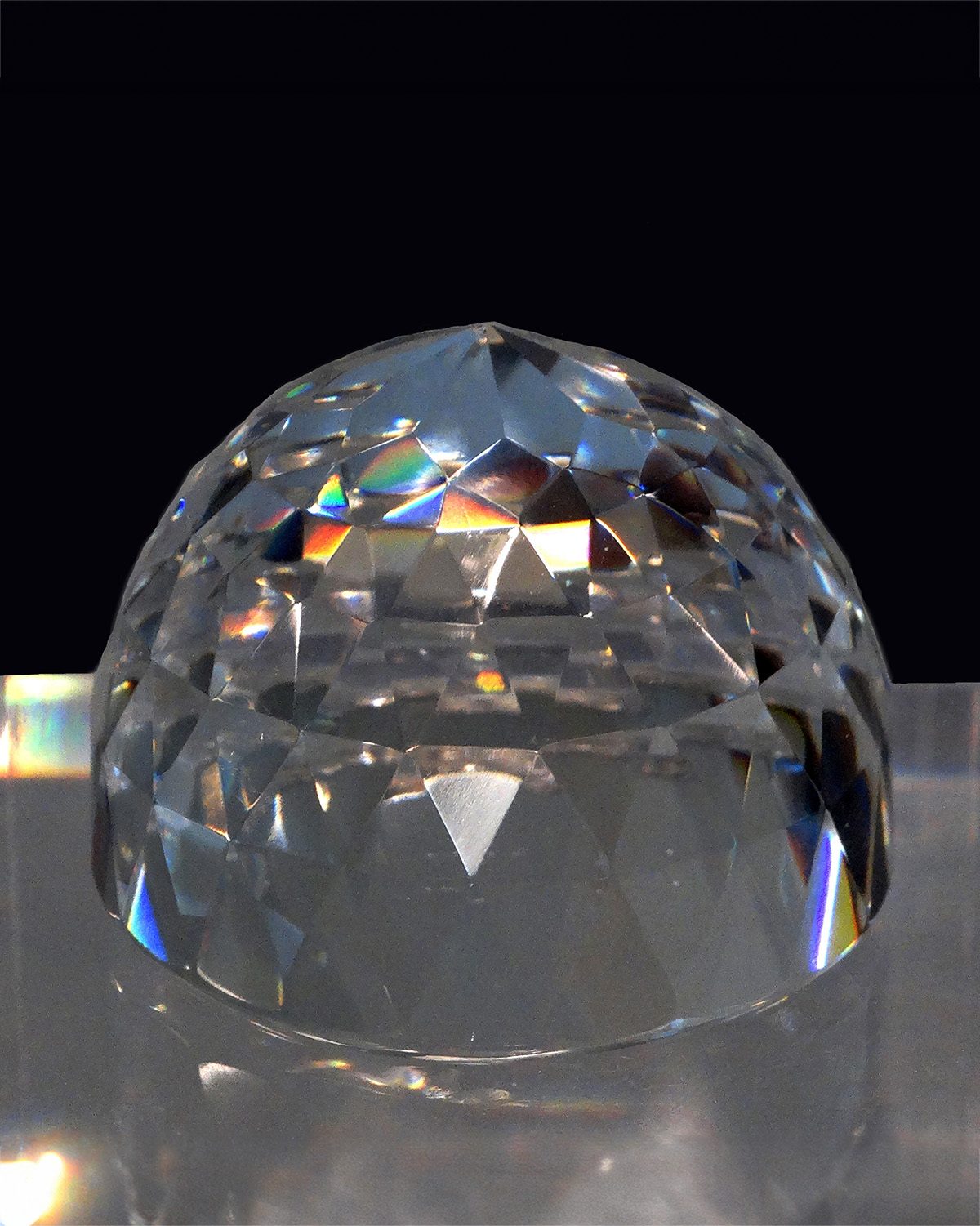
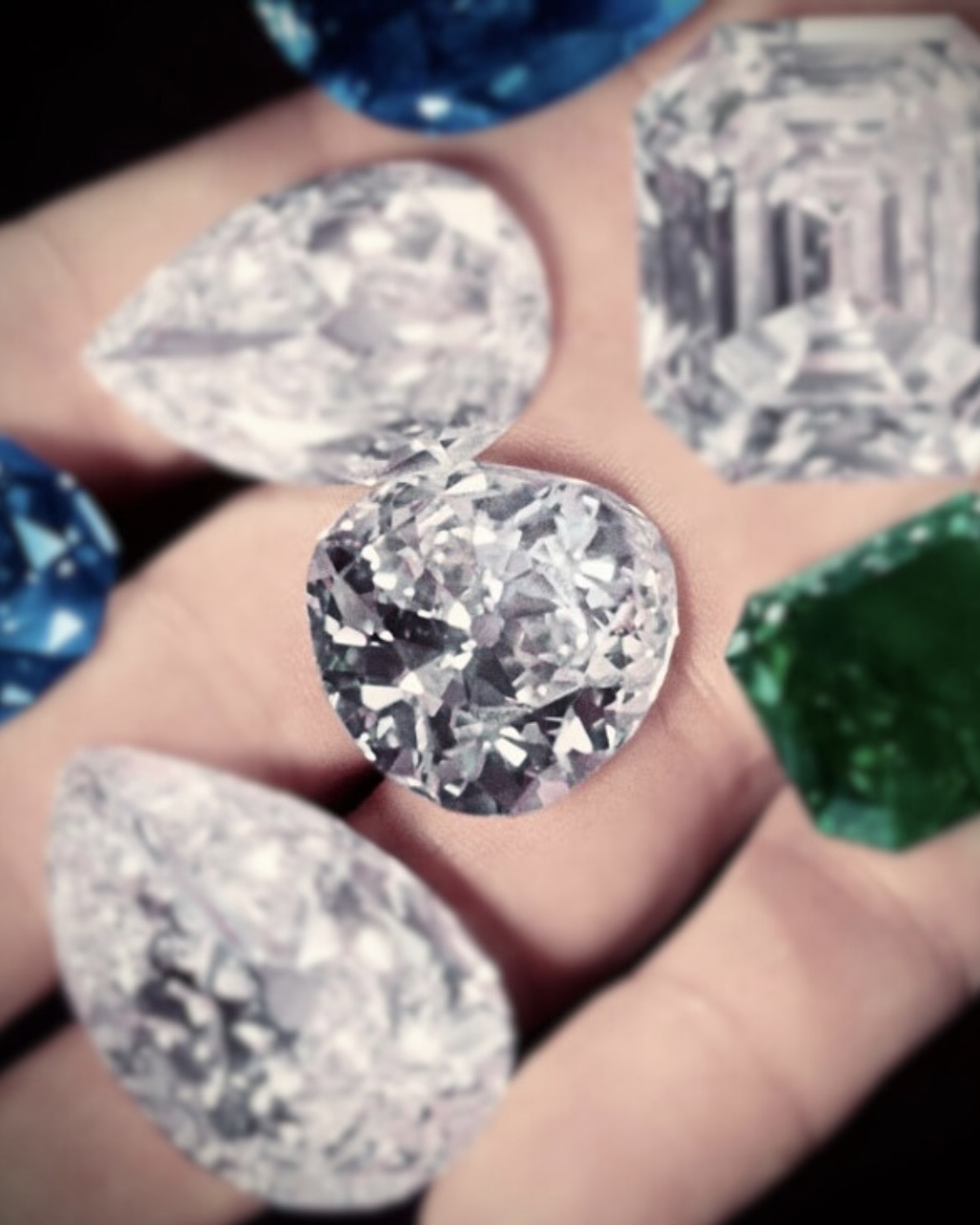
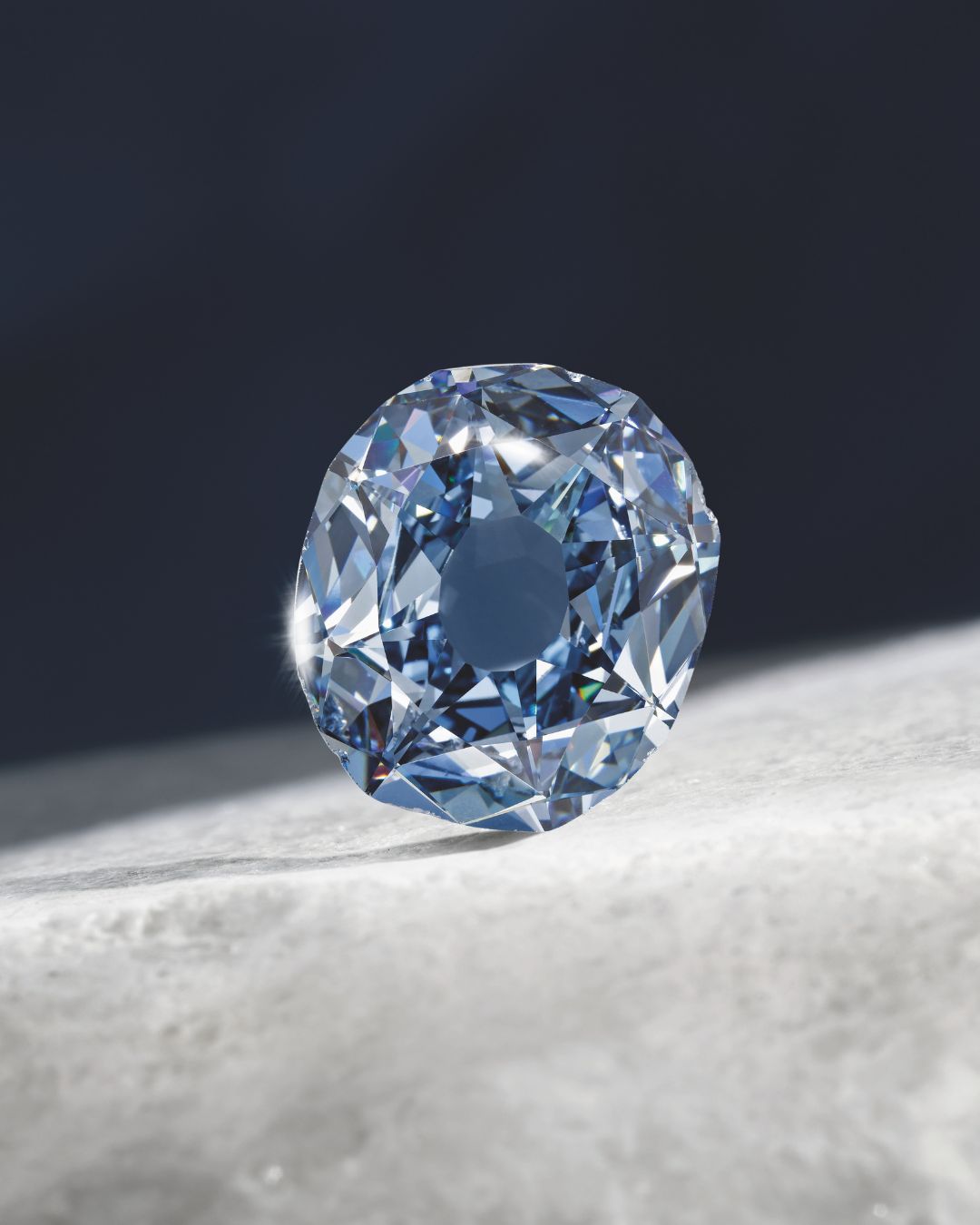
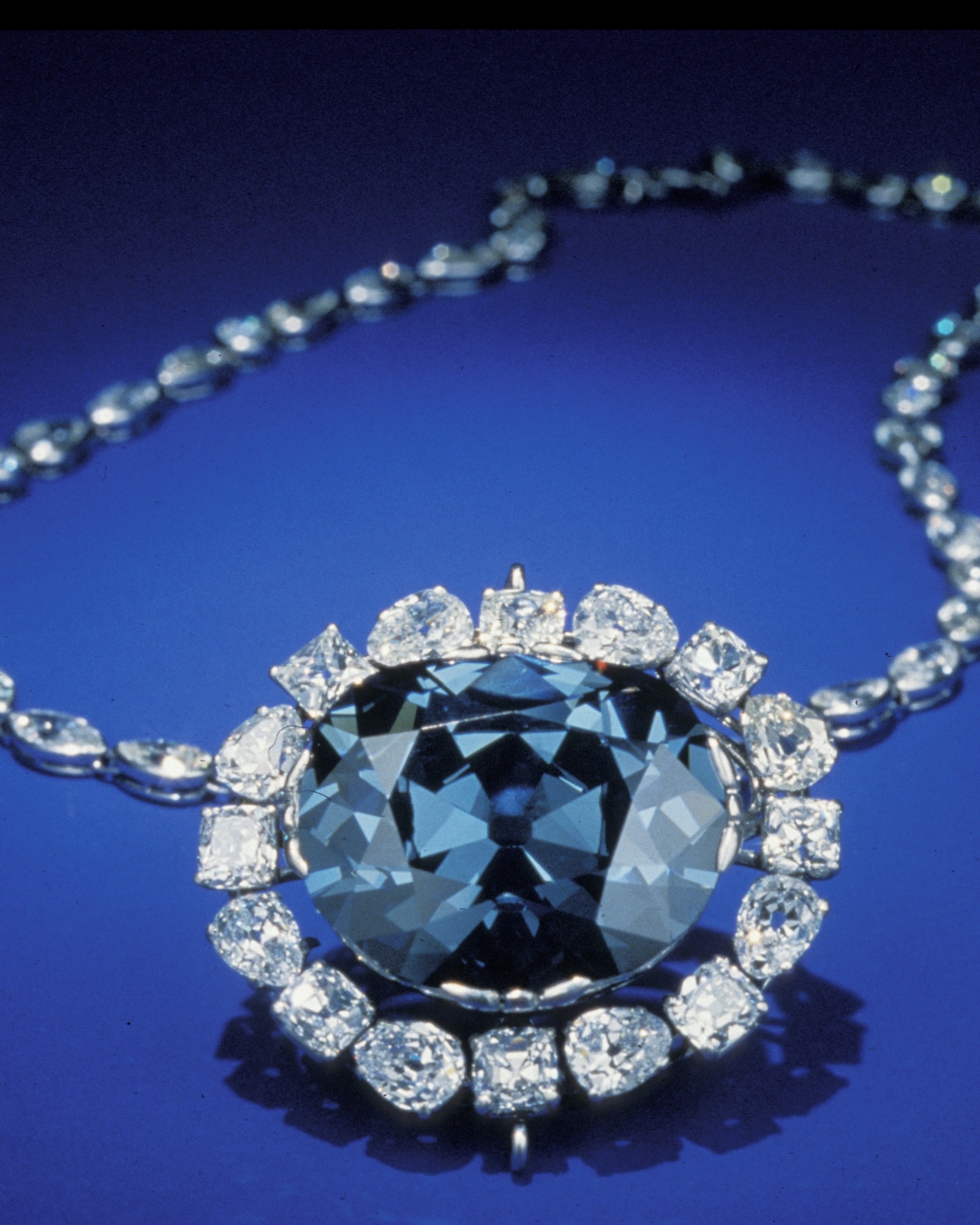
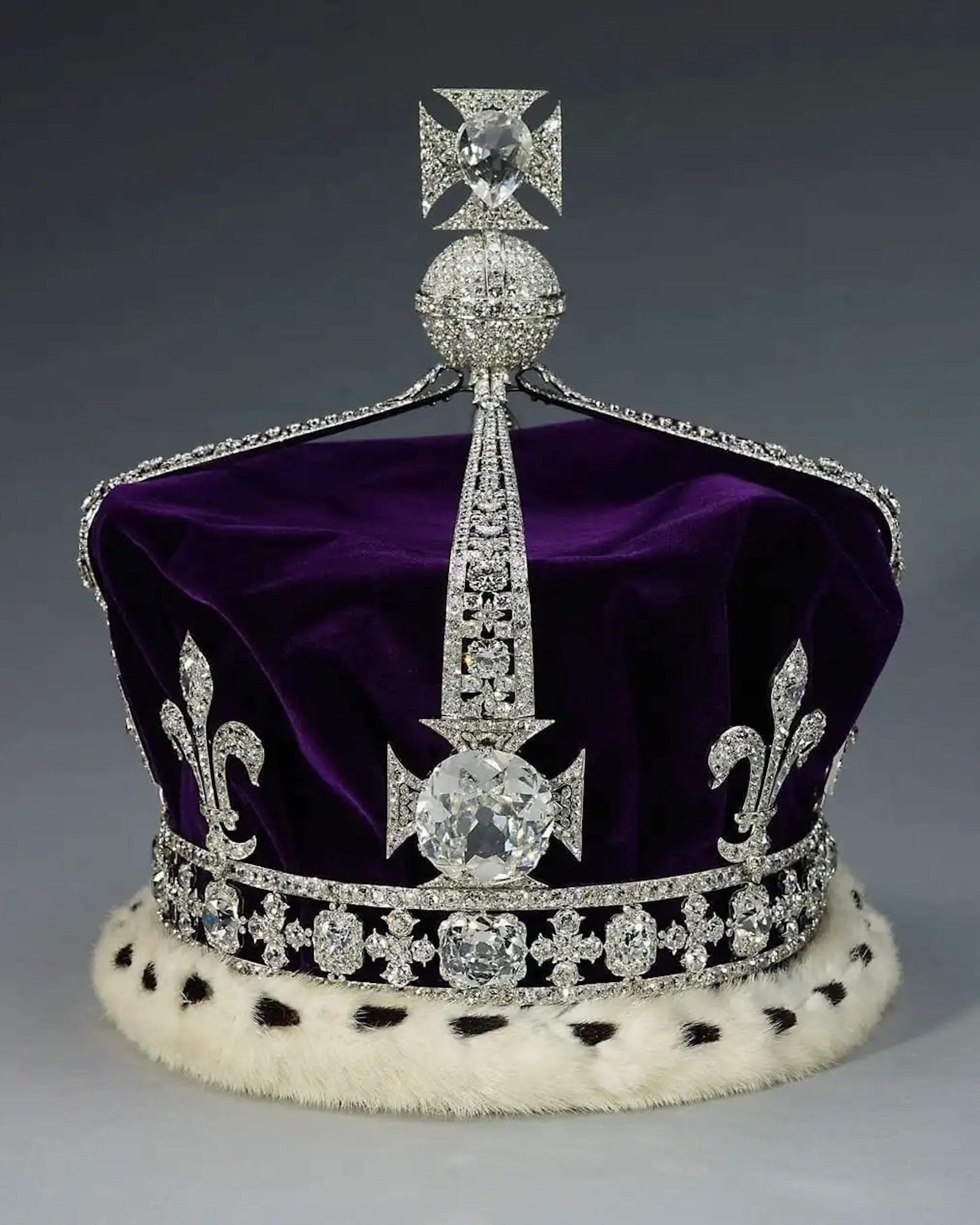
Their monopoly on the world’s most extraordinary gemstone changed history. It shaped empires, inspired myths, fueled trade routes, and produced some of the most famous diamonds in history. The Koh-i-Noor. The Hope Diamond. The Regent. The Orlov. Every one of them began as a rough stone pulled from the riverbeds and alluvial deposits of ancient India.
Meet the Expert

- Grant Mobley is the Jewelry & Watch Editor of Only Natural Diamonds.
- He is a GIA Diamonds Graduate.
- He has over 17 years of jewelry industry experience, starting with growing up in his family’s retail jewelry stores.
The First Discovery of Diamonds in Ancient India

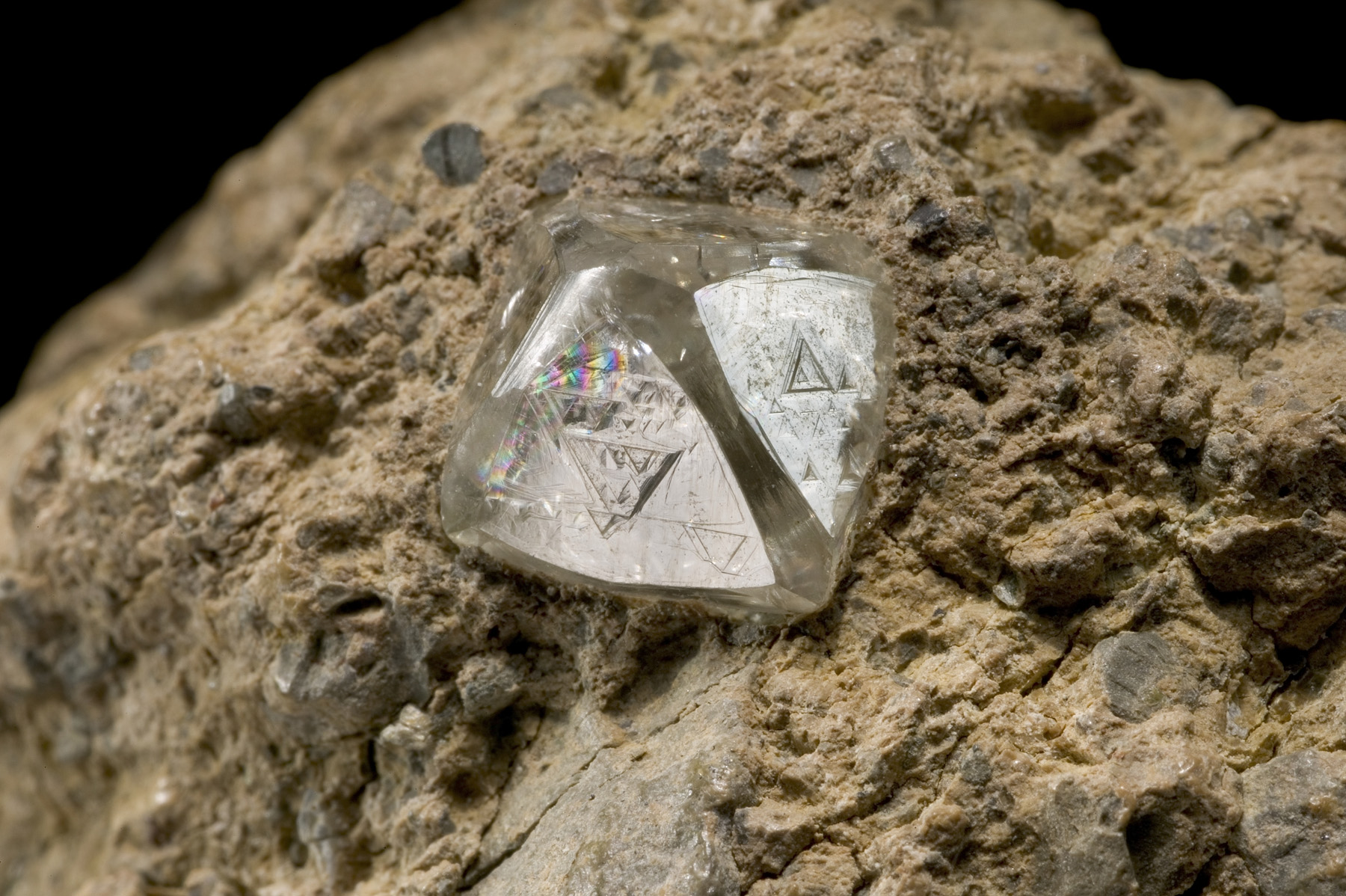
Diamond mining as an organized industry appears to have originated around 700 BCE in ancient India, but people likely discovered diamonds long before that. When the first humans encountered natural diamonds, they found themselves face-to-face with something genuinely unprecedented: the one substance on Earth they could not cut, shape, bend, or manipulate in any way.
Think about what that meant. People of that era could carve stone, smelt metal, shape minerals, and work with nearly every material the natural world offered. Diamonds defeated all of them. Nothing they possessed — no tool, no technique, no force — could scratch or alter a diamond’s surface. Here was something that operated by completely different rules, something that seemed to belong to a different order of existence entirely.
The reaction was entirely understandable. Diamonds became mythical. People believed they came straight from the gods. They carried them in their pockets and kept them at their bedsides for divine protection. Warriors decorated their armor breastplates with rough diamonds, convinced the stones offered supernatural defense. It would take more than a thousand years before anyone developed techniques capable of cutting them.
The Valley of Diamonds and the Mythology of Diamonds in Ancient India

India’s diamond history produced stories as extraordinary as the stones themselves. In some ancient beliefs, diamonds were celestial thunderbolts hurled to Earth by divine forces. In others, they filled deep, hidden ravines, fiercely guarded by serpents and accessible only to the most daring.
The most famous of these legends was the Valley of the Diamonds, first documented in the fourth century by the bishop Epiphanius. In this tale, a deep and inaccessible gorge teems with precious stones. To retrieve them, miners throw fresh meat into the valley, where the impact picks up the embedded diamonds. Eagles swoop down to claim the meat and carry it, diamonds and all, up to accessible terrain, where the miners collect their prize.
The legend traveled far and held up remarkably well in the retelling. Chinese historians of the Tang and Song dynasties recorded versions of it. So did Persian and Arabic scholars. Marco Polo heard it on his travels and wrote it down. Niccolò de’ Conti did the same. Each version shifted slightly — the valley moved, the serpents came and went, and in some tellings, Alexander the Great was the one who stumbled upon it — but the core idea never changed: diamonds lived somewhere dangerous, remote, and worth almost any risk to reach.
Not everyone was spinning mythology, though. Around 400 BCE, the Greek physician Ctesias gathered traveler accounts into a work called Indika, which described rich Indian diamond deposits — guarded, in his telling, by griffins. That detail aside, Ctesias was at least pointing at something real. By 79 CE, Pliny the Elder dispensed with the creatures entirely. In his Natural History, he described diamonds washing out of river gravel in ancient India — an accurate account — and declared the stone “the most valuable, not only of precious stones, but of all things in this world.”
The Arthashastra of Kautilya, one of ancient India’s foundational texts, mentions the diamond trade matter-of-factly, suggesting it was already well established. Buddhist writings from the fourth century BCE treat diamonds as familiar objects of great value.
Ancient India’s Mines and the World’s Most Famous Diamonds

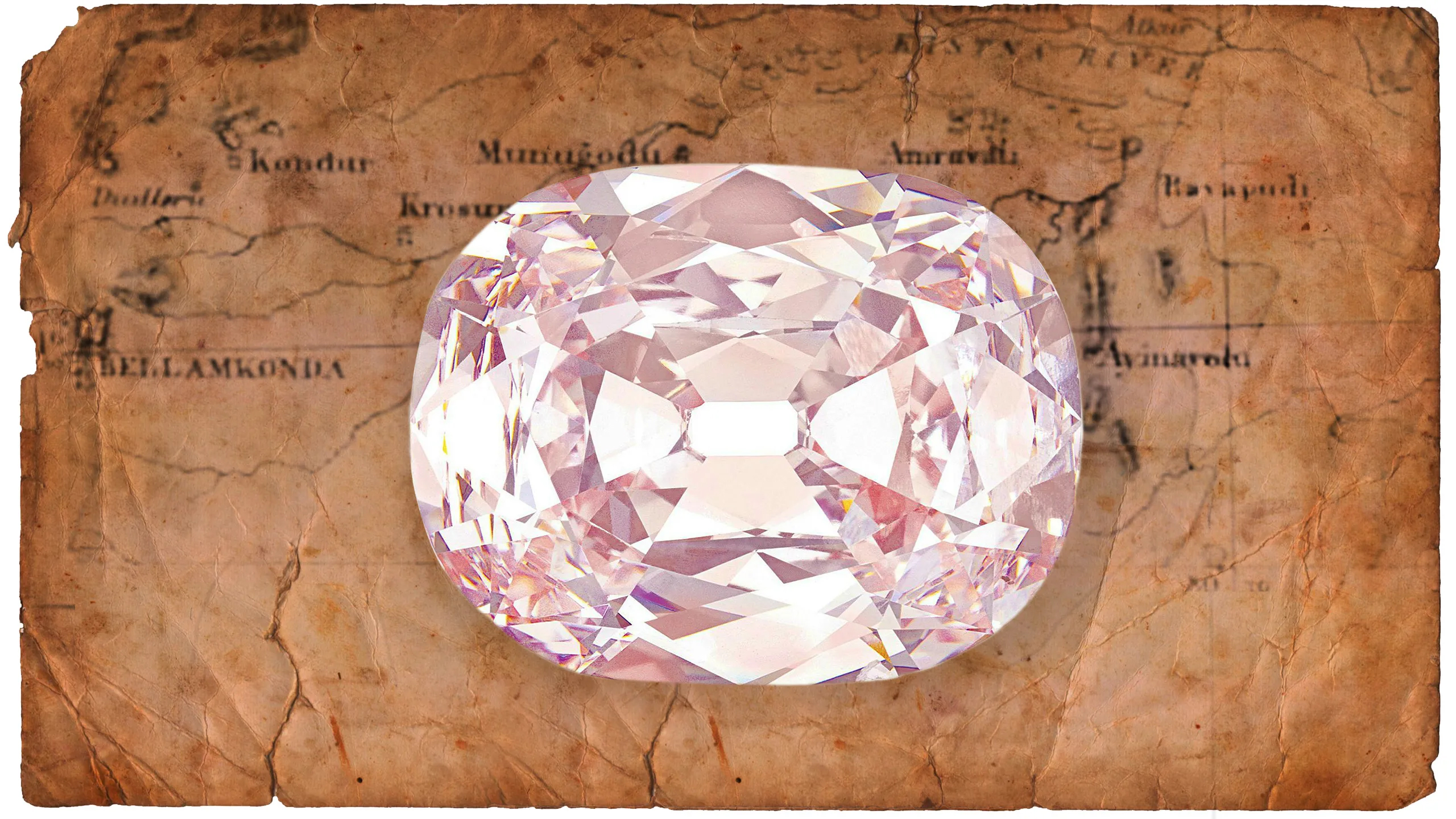
Most Indian diamond mining was conducted through placer mining, the same technique used in gold rushes throughout history. The technique uses water and gravity to separate heavy minerals from loose riverbed deposits. The most productive region centered on the drainages of the Penna and Krishna Rivers in what is now the state of Andhra Pradesh.
Along the Krishna River, the most intensive mining zone stretched 60 kilometers, from the Kollur Mine to Paritala. This relatively modest strip of ancient riverbed produced some of the most legendary diamonds the world has ever seen, including the Koh-i-Noor, the Hope Diamond, the Regent, the Orlov, and the Great Mughal Diamond. When the French traveler Jean Baptiste Tavernier visited the Krishna River diggings in 1665, he estimated that approximately 60,000 people were mining diamonds there.


Near the fortress city of Golconda, now a suburb of Hyderabad, it developed into the world’s largest diamond-cutting and trading center. Golconda sat not near any mine but at a crucial intersection on the trade routes connecting the mining regions to the south and east with buyers throughout the known world. The diamonds that passed through it became known globally as Golconda Diamonds, and in European consciousness, Golconda became synonymous with extraordinary wealth. The reputation was so powerful that the name entered the English language as a word for a place of inexhaustible riches.
How Diamonds Traveled from Ancient India to the World

For centuries, Indian diamonds made their way westward through a remarkably sophisticated trade network. From the eighth to the sixteenth century, rough stones traveled by land and sea through Venice, Lisbon, and the Netherlands. By the 1400s, diamonds had become fashionable accessories for Europe’s elite, arriving in medieval Venetian markets alongside other exotic merchandise from the East.
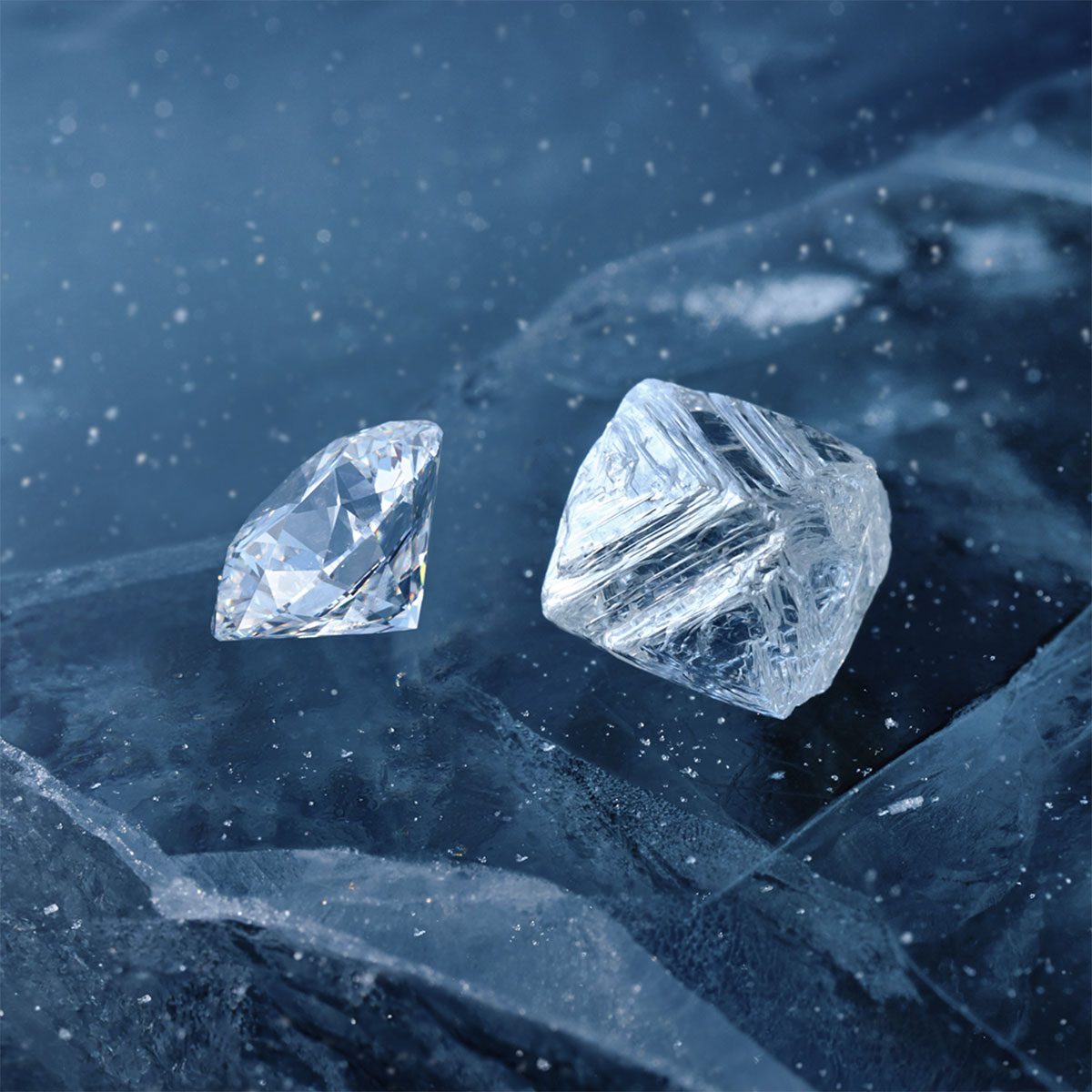
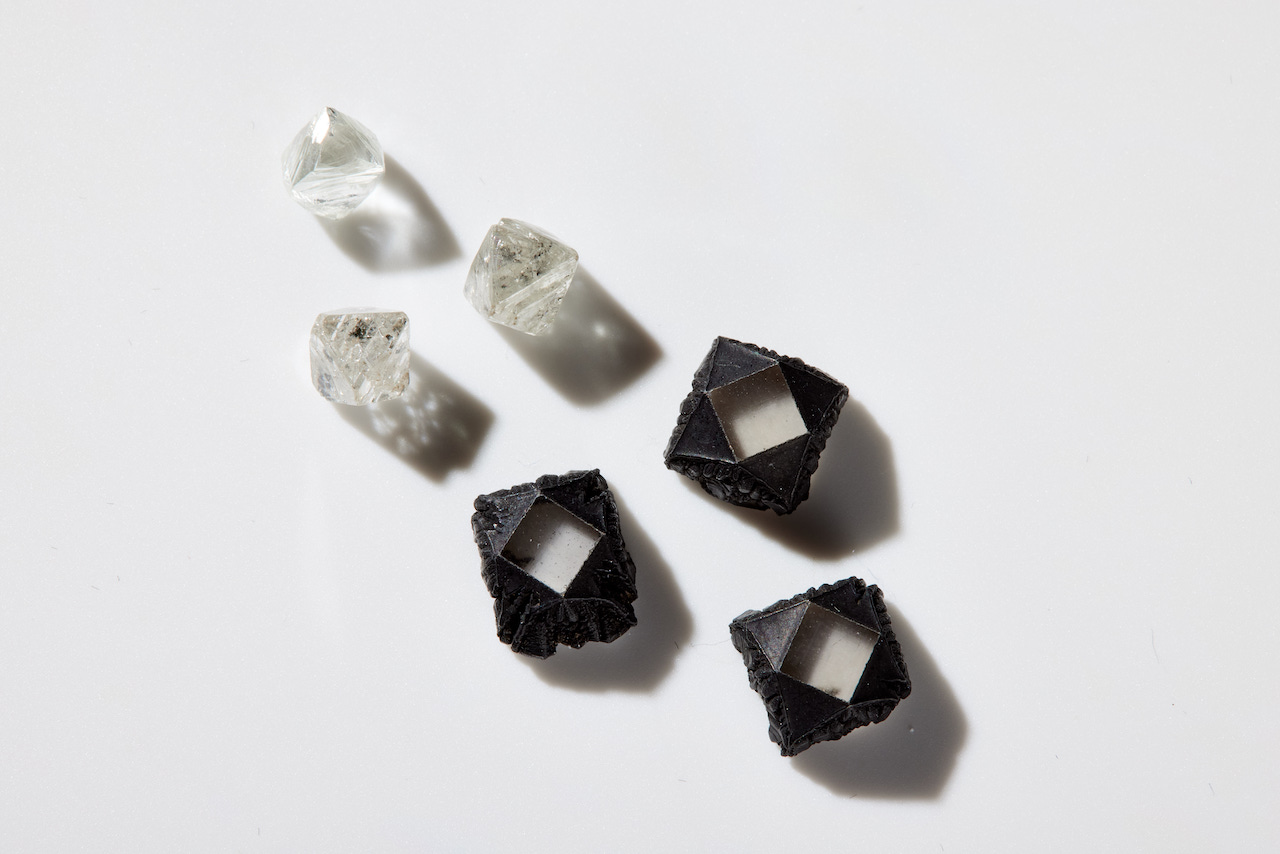
For centuries, early jewelers did not work with natural diamonds in the modern sense. The extreme hardness that made diamonds mythical also made them nearly impossible to cut with available tools. Ancient Sanskrit texts in the Arthashastra, dating to the fourth century BCE, actually emphasized the Indian preference for uncut stones, which craftspeople set directly into jewelry in their natural octahedral crystal form.
For centuries, stones traveled from India to Greece, France, and Italy, entering jewelry settings with little to no cutting. That changed gradually as cutting techniques improved. By the 17th century, as the British East India Company deepened its presence in India and began to dominate diamond exports, rough stones flowed through London to cutting centers in Amsterdam, Antwerp, and Paris, where skilled lapidaries added facets that unlocked the stones’ fire and brilliance.
The End of Ancient India’s Diamond Monopoly

India’s extraordinary monopoly on the world’s diamond supply finally ended in 1726, when prospectors discovered diamonds in Brazil. At first, the trade resisted the new source, saying Brazilian diamonds carried a reputation for inferior quality, and Portuguese traders actually shipped Brazilian stones through Goa to sell them as genuine Golconda diamonds at premium prices. The deception could not hold forever. As Brazilian production grew and India’s known deposits exhausted themselves, the balance shifted irreversibly.
India’s diamond mines faded through the 1700s and had largely stopped producing by the early 1800s. But the country never really left the diamond world — it just found a different place in it. Today, Surat in Gujarat is where most of the world’s rough diamonds go to become finished gems. Skilled cutters and polishers work stones that originated in Botswana, Siberia, Canada, and Australia, shaping them into the diamonds that eventually reach jewelry stores around the world.