

Read More
The Portuguese Diamond Is the Smithsonian’s Most Mysterious Giant
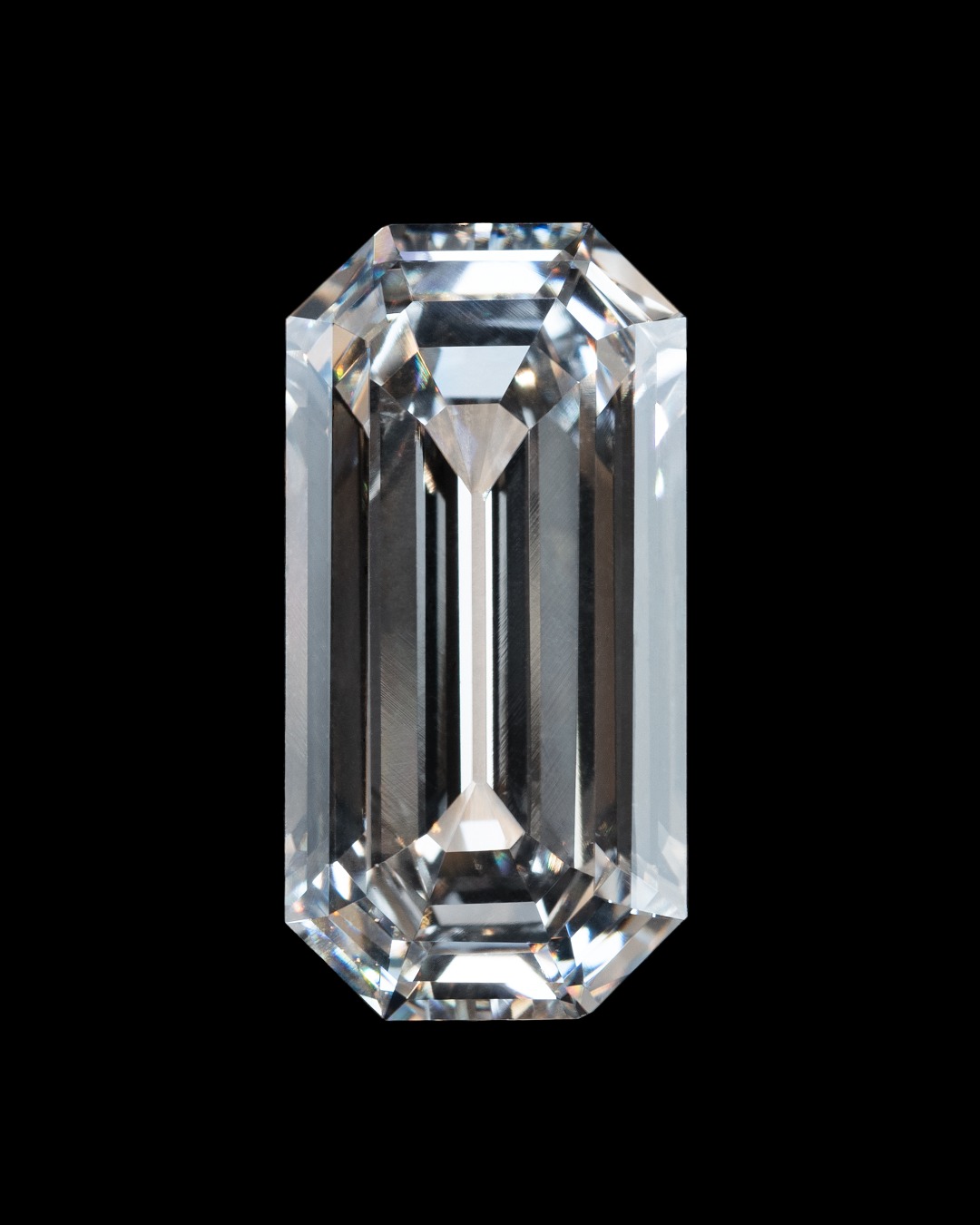
The 127.01-carat Asscher-cut Portuguese Diamond naturally glows blue in ultraviolet light, was once the inspiration for Gentlemen Prefer Blondes and belonged to Harry Winston.
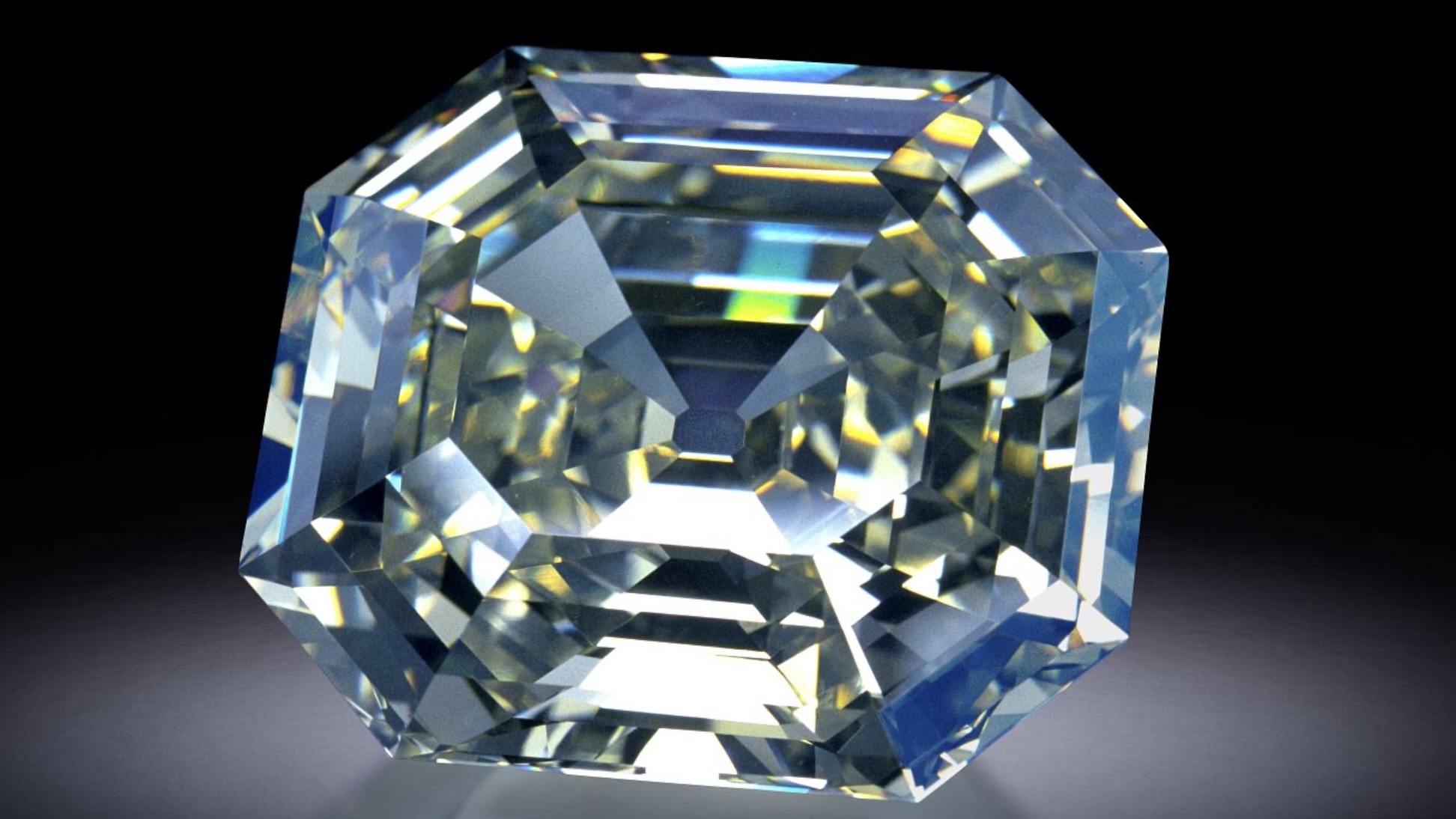
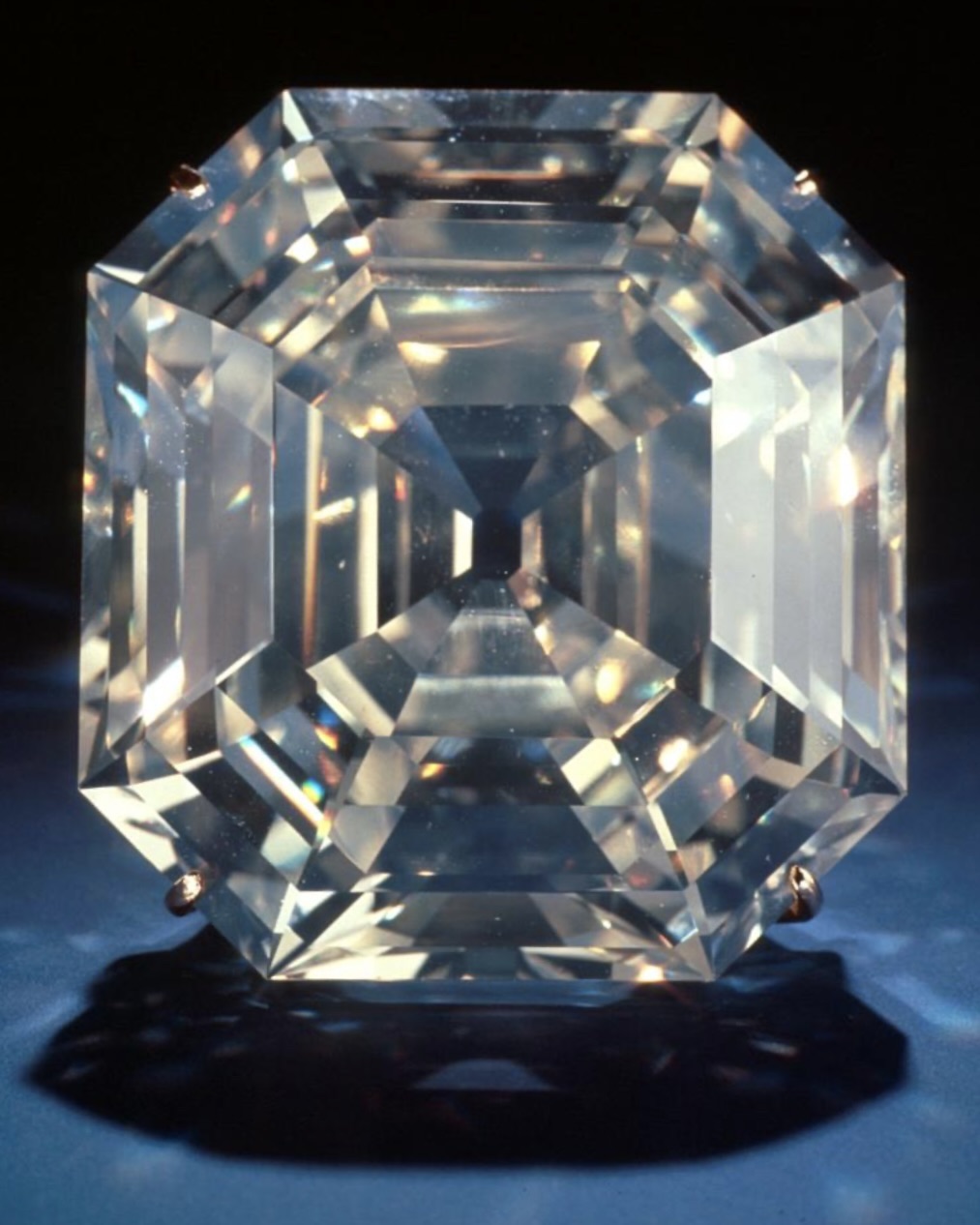
The Portuguese Diamond is among the largest cut diamonds on public display. A Type Ia 127.01 ct diamond with very strong bluish fluorescence. (Photo by Chip Clark © Smithsonian’s National Museum of Natural History)
The Portuguese Diamond earned its place among the world’s great gems through a combination of sheer size, a scientific quirk that makes it glow, and a colorful backstory that makes the false legend attached to its name almost feel unnecessary. This stone stops people in their tracks in the Smithsonian’s gem gallery, and most of them have no idea just how strange and wonderful it really is.
Meet the Expert

- Grant Mobley is the Jewelry & Watch Editor of Only Natural Diamonds.
- He is a GIA Diamonds Graduate.
- He has over 17 years of jewelry industry experience, starting with growing up in his family’s retail jewelry stores.
The Portuguese Diamond Is the Largest Faceted Diamond in the National Gem Collection
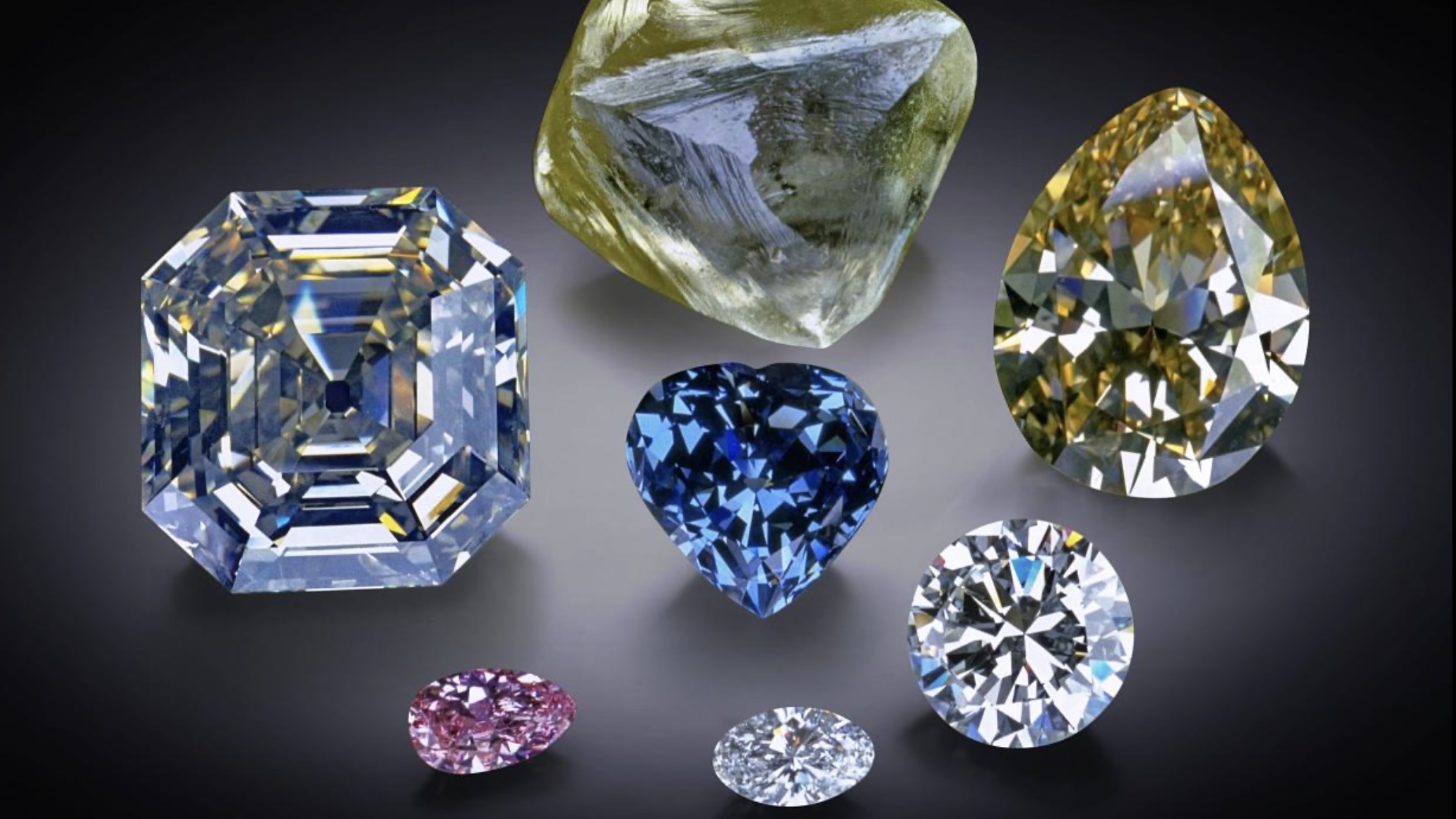
At 127.01 carats, the Portuguese Diamond stands as the largest faceted diamond in the Smithsonian’s National Gem Collection. That fact alone would justify its fame. The stone is an octagonal emerald cut known as an Asscher cut, with incredible clarity. In 1997, the GIA graded it M in color, a faint brownish yellow, with VS1 clarity.
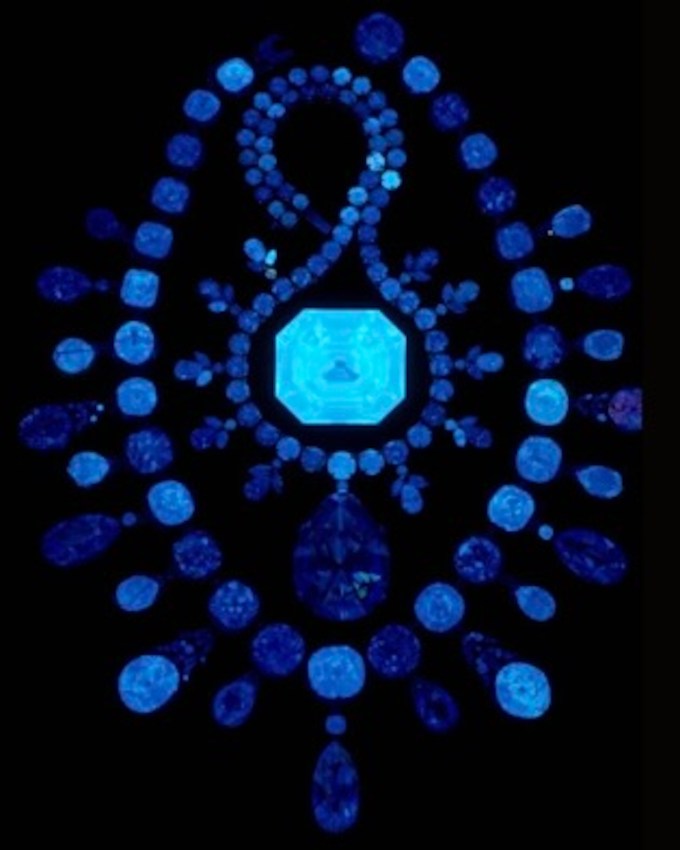
But here is the detail that makes this diamond even more fascinating. Under ultraviolet light, the Portuguese glows a bright blue, a phenomenon known as fluorescence. Plenty of diamonds fluoresce. What makes the Portuguese extraordinary is the intensity. Its fluorescence is so strong that it remains visible even in daylight and incandescent light, responding to the UV component of ordinary sunlight.
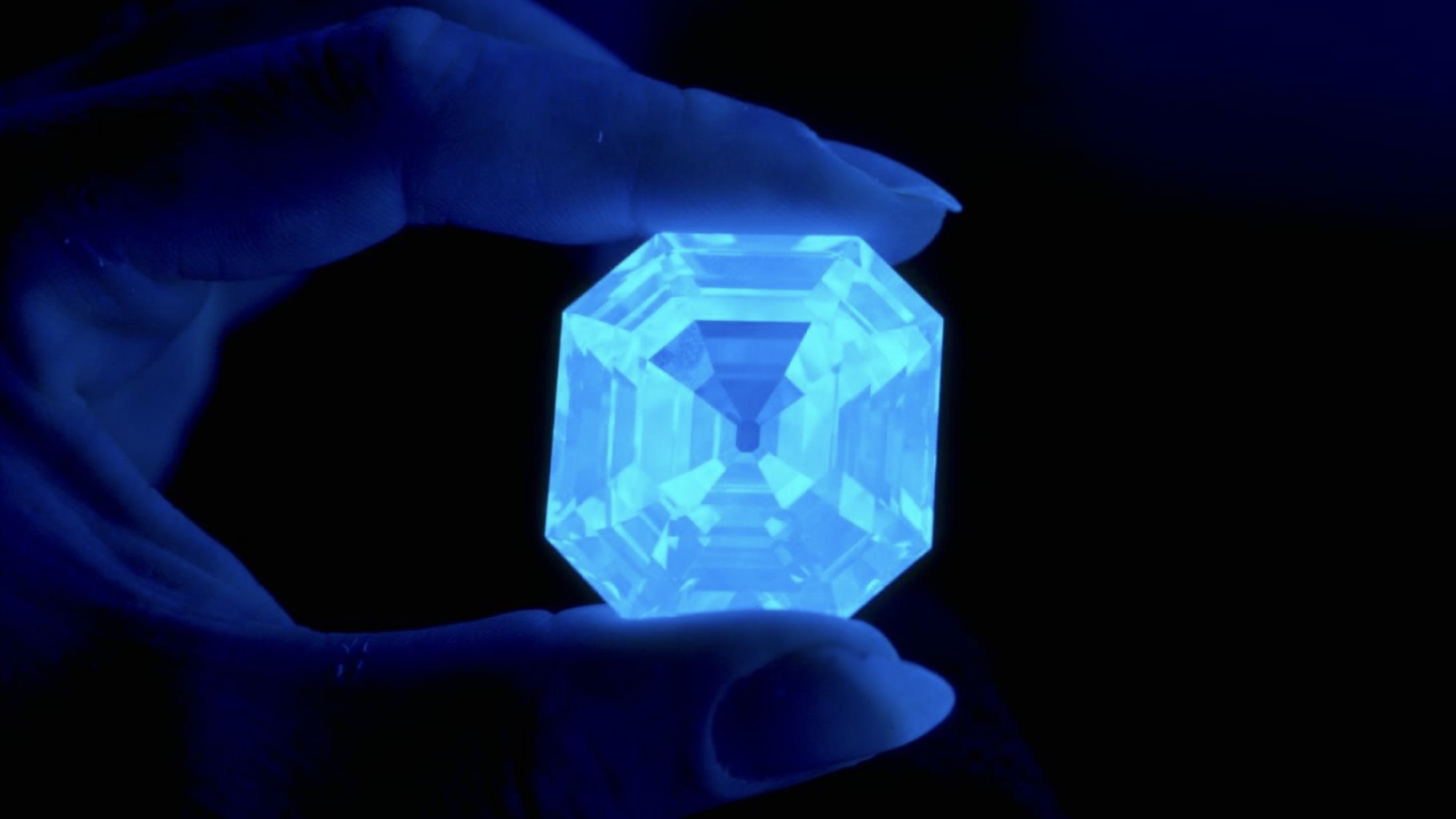
Gemologists call stones like this “overblues.” The apparent cloudiness or haziness you see in the stone is actually the fluorescence itself, glowing continuously. Strip away that effect, and the diamond would appear slightly yellowish. Instead, it carries a soft, almost otherworldly glow that no photograph fully captures.
The Portuguese Diamond Isn’t Actually Portuguese
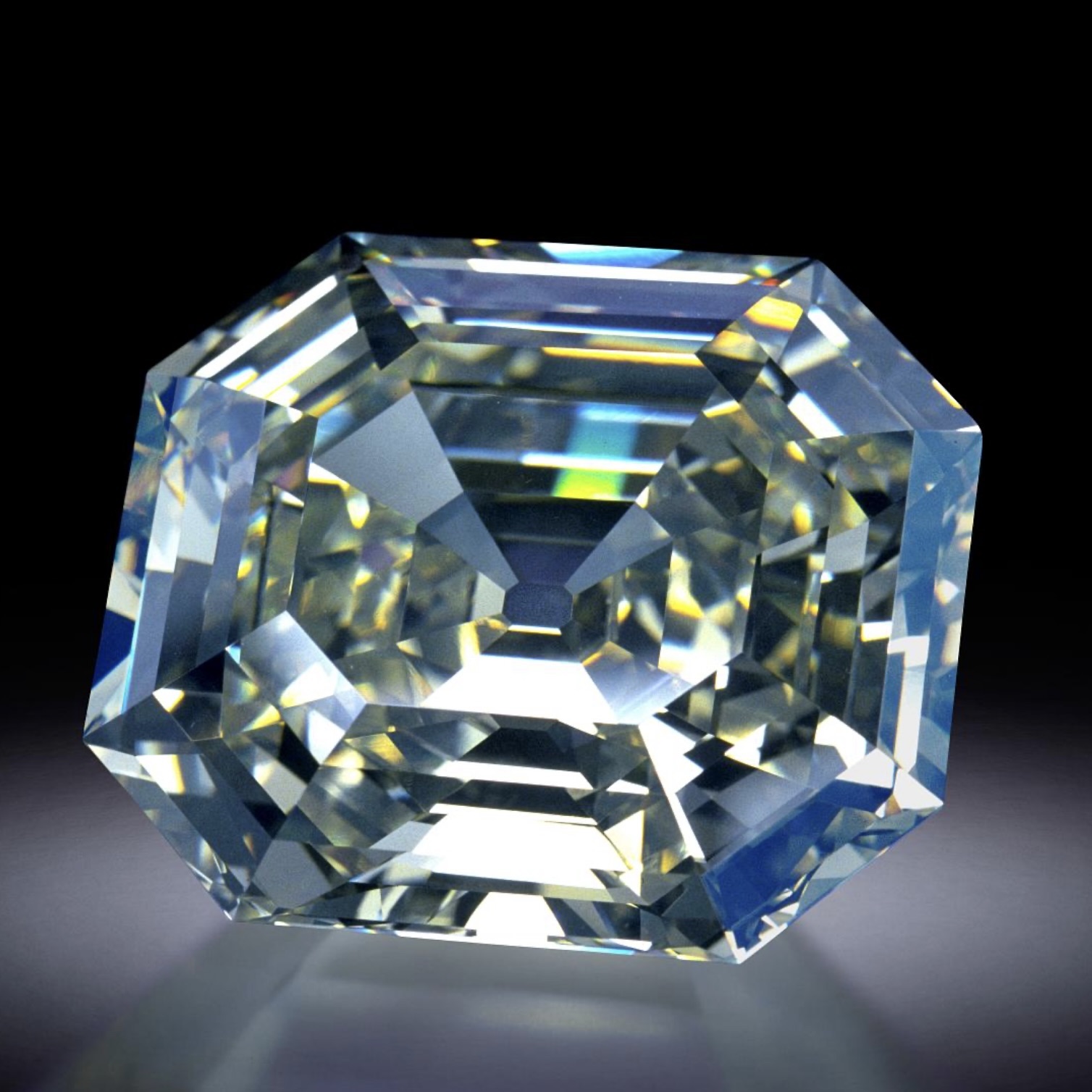
The diamond owes its name to a story claiming that miners discovered it in Brazil in the mid-18th century and that it became part of the Portuguese Crown Jewels. It is a romantic tale. It is also, as far as anyone can document, completely unsubstantiated. No records support a Brazilian origin or any connection to Portuguese royalty, and nobody even knows where the story originated. The name stuck anyway.
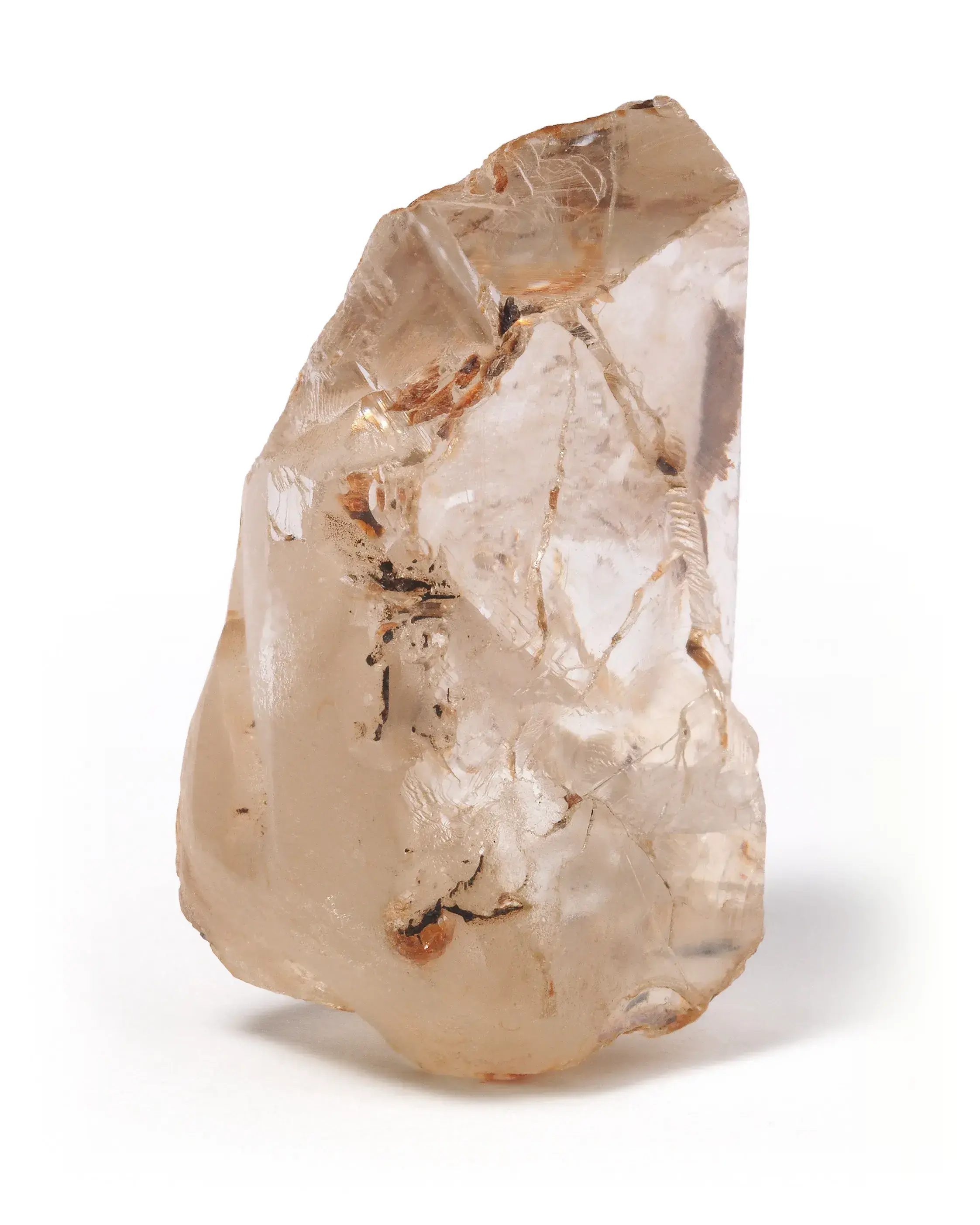
The documented history points somewhere else entirely. According to Black, Starr & Frost, the American jewelry firm that first sold the stone, miners discovered the diamond in the Premier Mine in South Africa in 1910. Cutters first fashioned the rough as a cushion-cut stone weighing nearly 150 carats, but after acquiring the cushion cut, the firm refashioned it into its present Asscher cut.
That mine, now called the Cullinan Mine, is arguably the most legendary diamond source on Earth. It produced the 3,106-carat Cullinan Diamond, the largest gem-quality rough ever found, which artists cut into the great stones of the British Crown Jewels. It later produced many of the finest blue diamonds in existence, including the rough that became the Blue Moon of Josephine and the De Beers Blue. The Portuguese diamond belongs to that same remarkable geological family.
Peggy Hopkins Joyce Traded a Fortune for the Portuguese Diamond
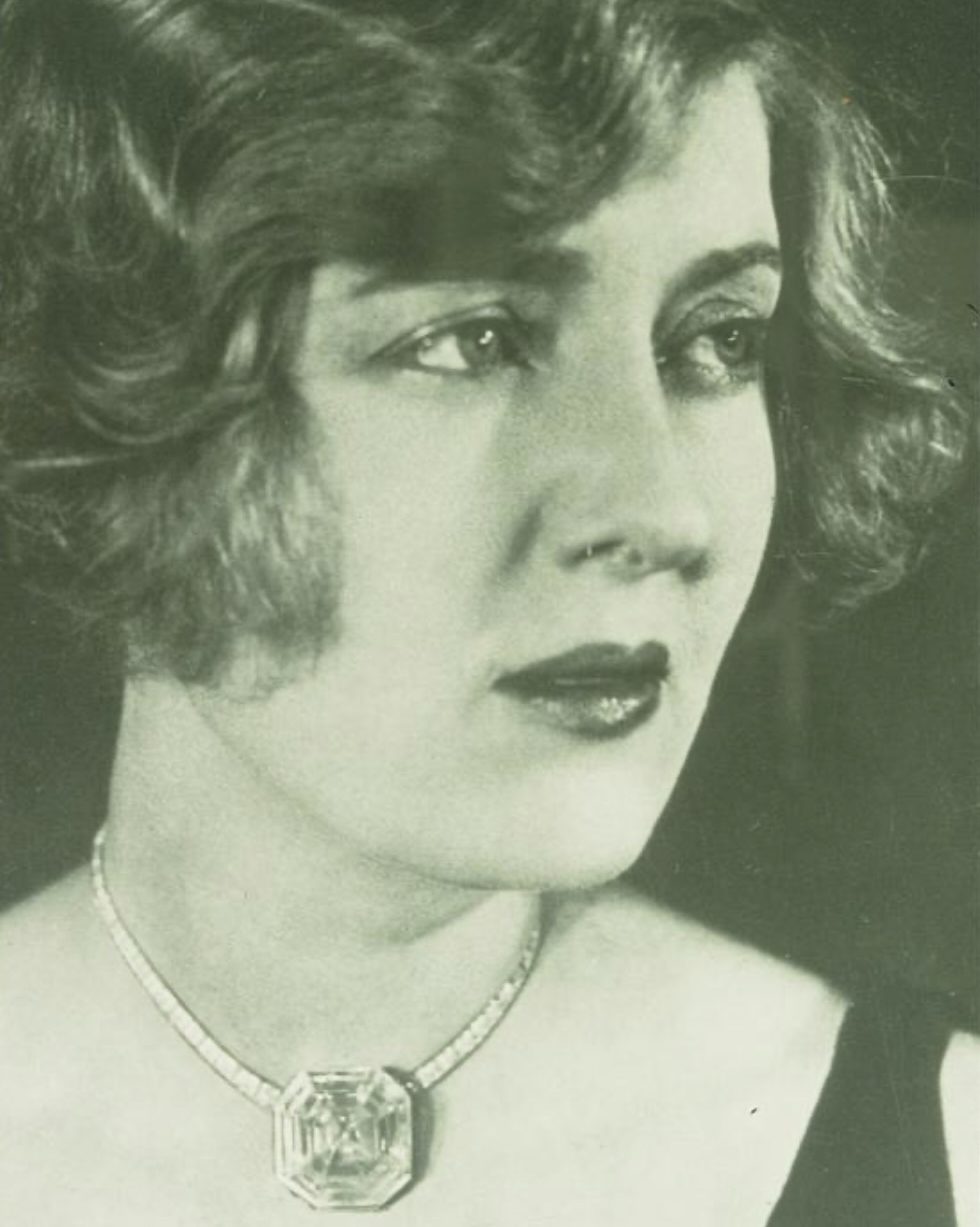
The Portuguese Diamond’s first famous owner was pure Jazz Age glamour. In February 1928, Peggy Hopkins Joyce, the Ziegfeld Follies starlet famous for her marriages and romances with wealthy men, purchased the diamond from Black, Starr & Frost, the oldest continuously operating jewelry firm in America, founded in 1810 as Marquand and Co.
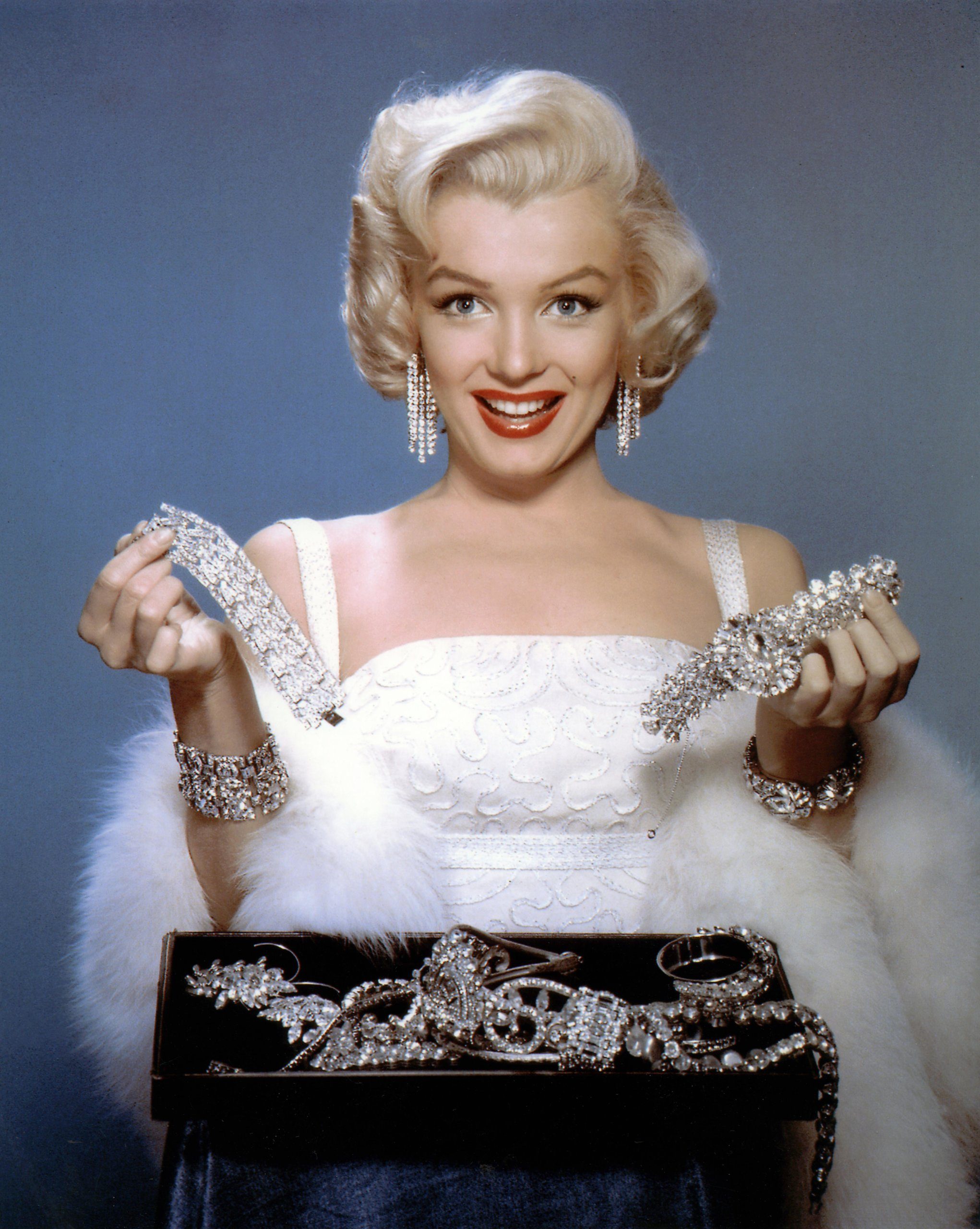
Joyce was such a cultural phenomenon that she inspired the character Lorelei Lee in the novel Gentlemen Prefer Blondes. She acquired the diamond mounted on a diamond-studded platinum choker, trading a $350,000 pearl necklace plus $23,000 in cash for it. Diamonds, apparently, really are the girl’s best friend.
How Harry Winston Turned the Portuguese Diamond Into a Star
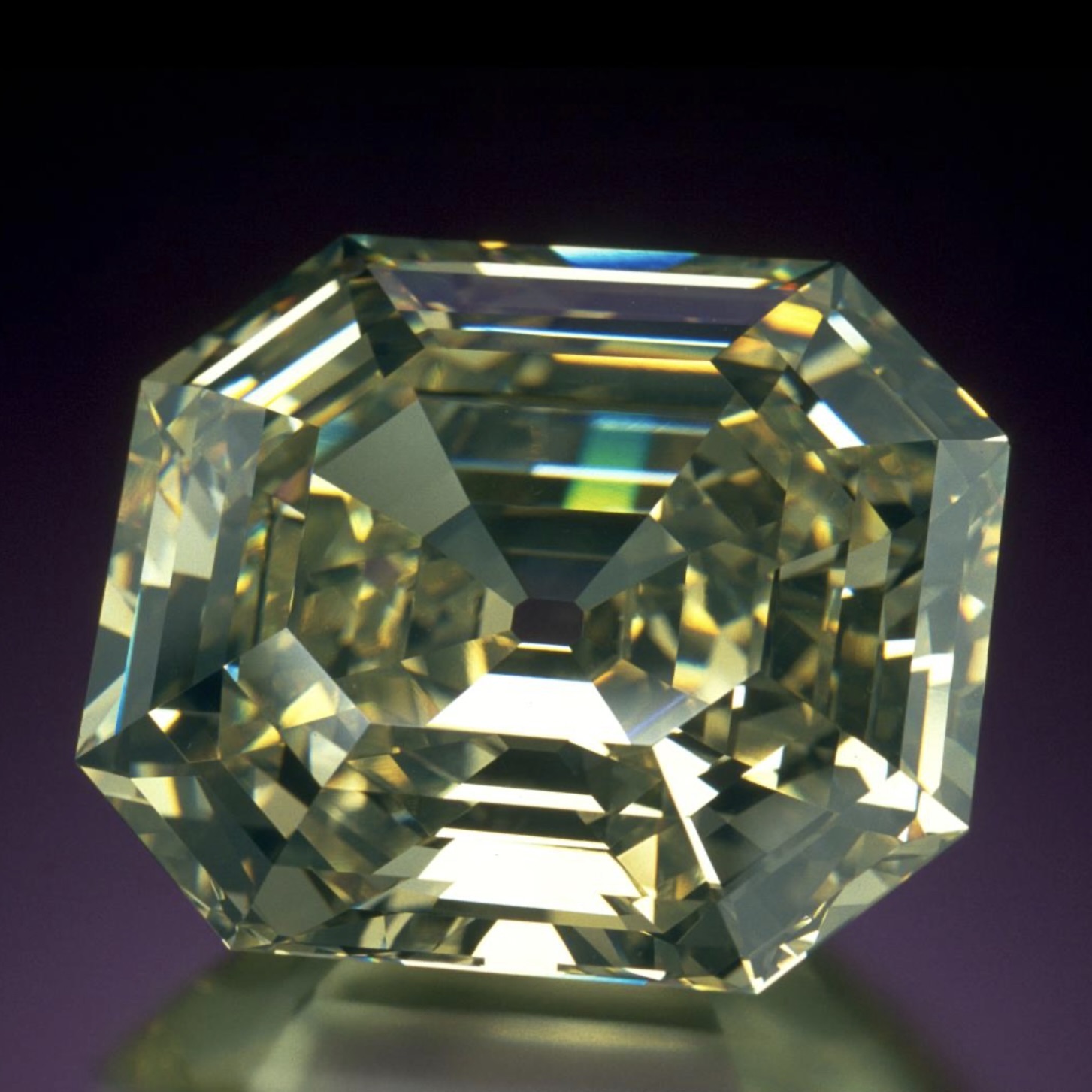
In the late 1940s, the diamond toured the United States, promoted as the “World’s Largest Emerald-Cut Diamond,” apparently in search of a buyer. That buyer arrived in 1951: Harry Winston, the King of Diamonds himself. Winston added the Portuguese to his famous “Court of Jewels,” a traveling exhibition that brought the world’s most extraordinary gems to the American public. The Court of Jewels featured legendary stones including the Hope Diamond, the Star of the East, the Jonker Diamond, and the Idol’s Eye. For a diamond lover like me, the idea of those stones traveling together in one exhibit is almost too much to imagine.
In 1963, the Smithsonian acquired the Portuguese from Winston in a wonderfully unusual transaction: the museum traded 3,800 carats of small diamonds for it. Five years earlier, Winston had donated the Hope Diamond outright, establishing the National Gem Collection as we know it.
Today, the Portuguese Diamond sits on display in the Gem Gallery at the Smithsonian National Museum of Natural History, glowing faintly blue under the lights, carrying a name from a story that never happened.

Get the Newsletter
Sign up for the latest diamond news, delivered directly to your inbox.