

Read More
How Brazil Became the Diamond Capital of the World
For 150 Years, this South American country supplied nearly every diamond on Earth. Its riverbeds still hold the mysteries of Brazilian diamonds that geologists cannot explain.
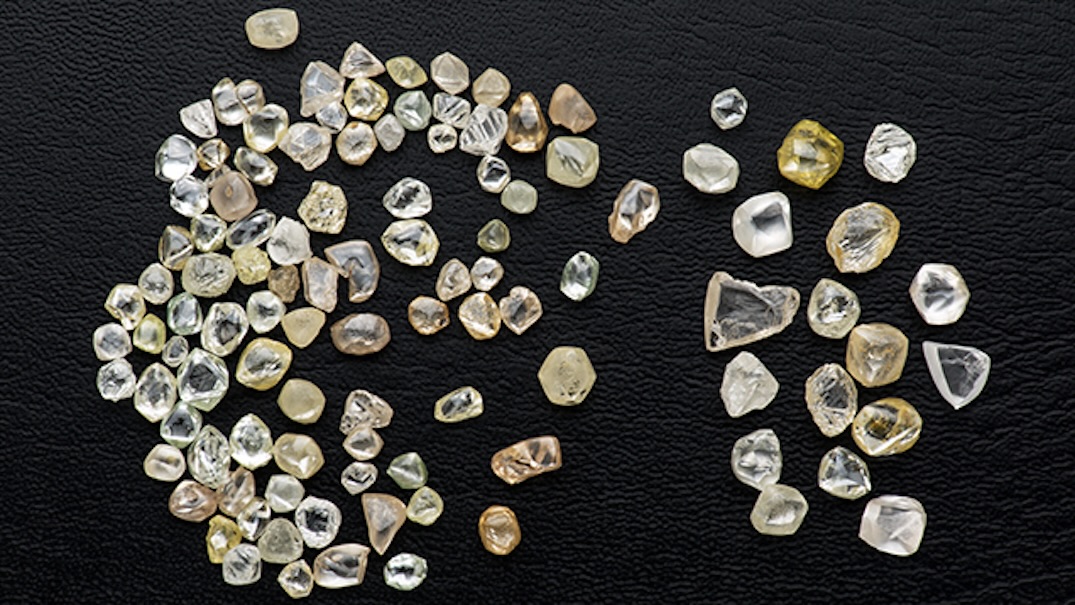
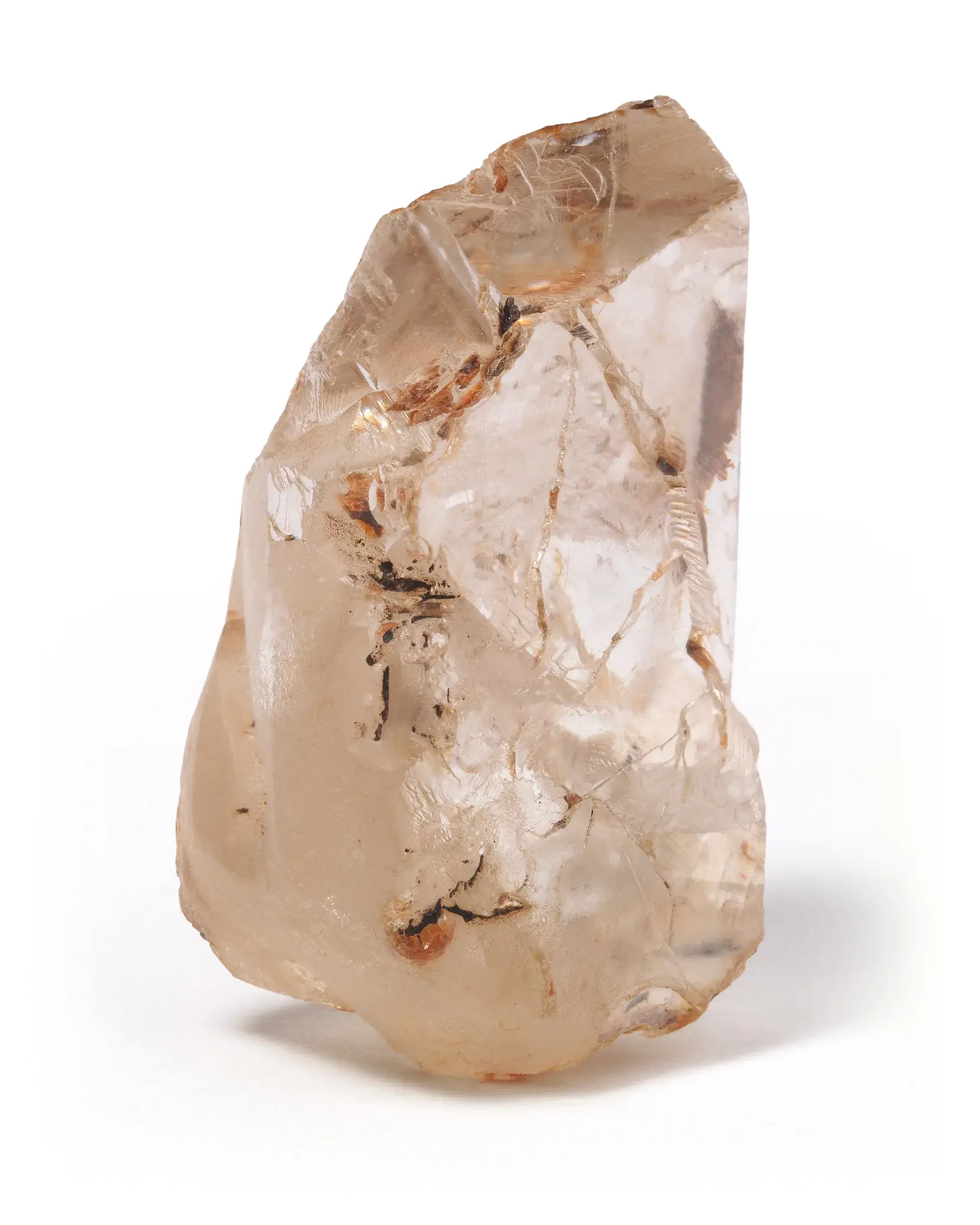
This selection of Brazilian diamonds, recovered from the Abaeté River in Minas Gerais, weighing a total of 77.82 carats, is typical of the material being found today in Brazil’s alluvial deposits. (Photo by Robert Weldon/GIA, courtesy of Giovani de Deus Borges.)
Ask most people where diamonds come from, and they will probably say Africa. Some might mention Australia or Canada. Almost nobody thinks of Brazilian diamonds. And yet, for roughly 150 years, this South American country was the diamond capital of the entire world, supplying nearly every diamond that reached the market.
It is one of the most overlooked chapters in gem history, and as someone who has spent years studying these stones, I find it endlessly fascinating. Brazil did not just discover diamonds. It fundamentally reshaped how the world understood them.
Meet the Expert

- Grant Mobley is the Jewelry & Watch Editor of Only Natural Diamonds.
- He is a GIA Diamonds Graduate.
- He has over 17 years of jewelry industry experience, starting with growing up in his family’s retail jewelry stores.
The Discovery That Changed Diamond History

For more than two thousand years, the world believed diamonds came from a single source: India. The ancient mines of Golconda, active since at least the 2nd century, produced the legendary stones that shaped royalty and myth, including the Koh-i-Noor and the Hope Diamond. Scholars genuinely believed diamonds were geologically unique to India, that something about that one corner of the world made them possible and nowhere else.
Brazilian diamonds shattered that assumption in the early 1700s. The discovery proved that diamonds could form wherever the right conditions existed, and it kicked off the modern diamond industry as we know it.
How Brazilian Diamonds Were Found by Accident
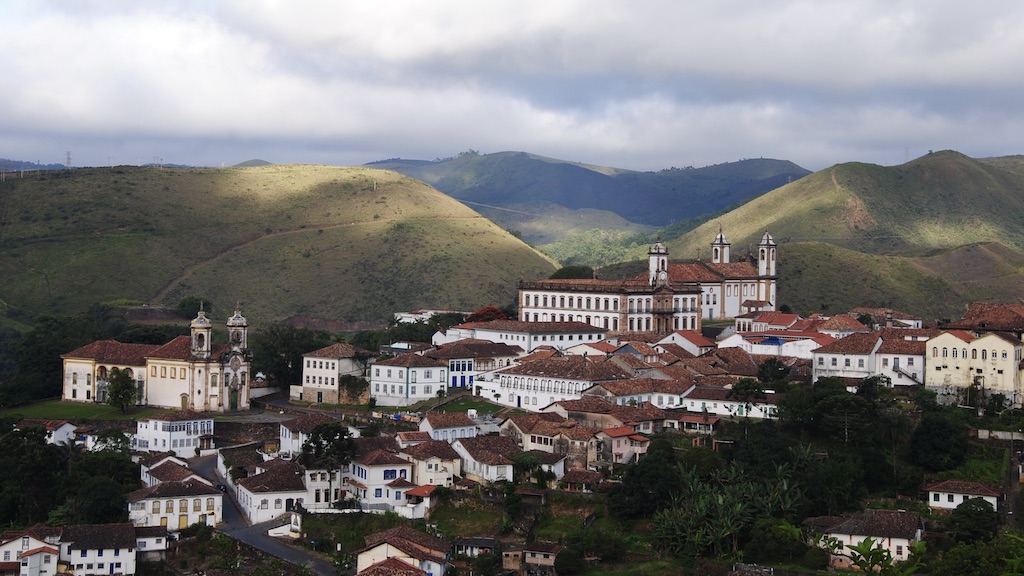
The story begins deep in the interior of Brazil’s Minas Gerais state. Portuguese miners had flooded the region in search of gold after a major strike near Ouro Preto in 1695. While panning the rivers around a village called Arraial do Tijuco, they kept turning up strange, bright, transparent crystals. At first, nobody recognized what they had. According to one account, miners actually used the stones as markers in card games.
That changed around 1721, when someone who had traveled through India’s Golconda region recognized the crystals for what they truly were. Word reached Portugal, and the discovery was officially recognized in 1729. A diamond rush erupted across the rivers around Arraial do Tijuco, which grew into the city of Diamantina, named for the gems that built it.
The timing could not have been better for Portugal. India’s Golconda mines were winding down, and Brazilian diamonds stepped in to fill the void. Between 1732 and 1771, miners exported at least 1,666,500 carats of diamonds to Europe, averaging about 42,000 carats per year. That output made Brazil the undisputed leader in global diamond production, a position it held for over a century until South Africa’s discoveries overtook it in the late 1800s.
Why Brazilian Diamonds Dominated the Global Market

Brazil’s dominance was not an accident. A few factors combined to make it uniquely productive. The geology was the biggest one. Brazil’s diamonds were largely alluvial, meaning they sat in riverbeds rather than locked deep underground, so miners could extract them with simple tools and no advanced technology.
Colonial infrastructure helped, too. Brazil was already a Portuguese colony deeply established in gold mining, so the administration adapted its existing systems to diamonds almost immediately. The Portuguese Crown declared diamonds its property and tightly controlled the supply, and Brazilian stones soon enhanced the royal jewelry collections of Europe.

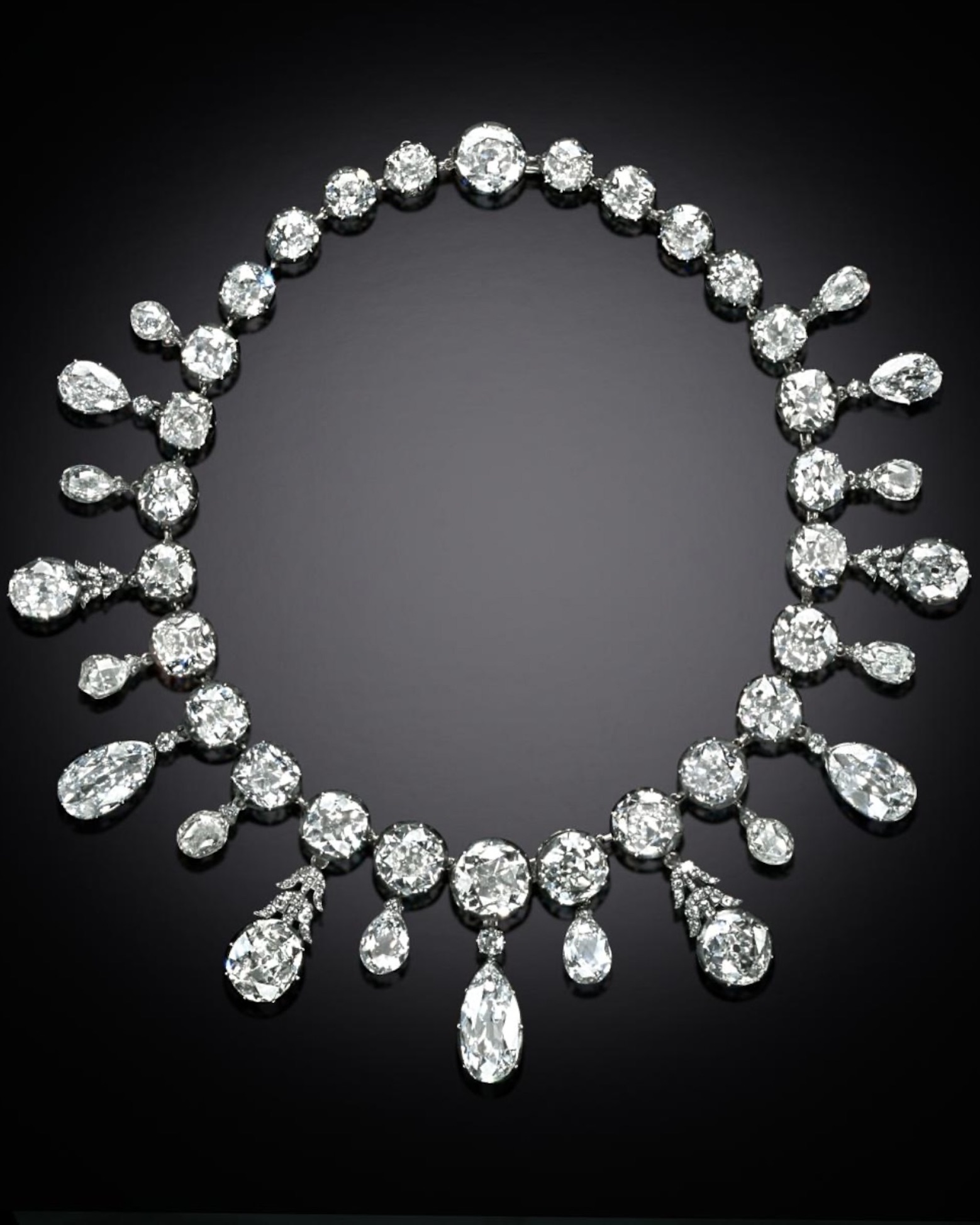
Perhaps most importantly, Brazil offered consistency. As India’s supply grew sporadic, Brazil delivered steady, high-volume output. For most of the 18th century, nearly every diamond entering Europe came from South America. That reliability expanded diamond ownership beyond royalty to wealthy merchants and nobility. In many ways, Brazil laid the groundwork for diamonds becoming a global luxury commodity rather than a near-mythical rarity reserved for Kings and Queens.
What Makes Brazilian Diamonds Different From Other Diamonds
Here is where the story gets geologically fascinating. In most diamond-producing countries today, miners extract diamonds from primary deposits called kimberlite pipes. These vertical volcanic structures carried diamonds up from deep within the Earth hundreds of millions of years ago. Companies dig directly into these pipes to reach the diamonds at their source using advanced technology and expensive infrastructure.
Brazil is different. Almost all of its diamonds come from secondary deposits, meaning that rivers, weathering, and time have eroded the stones from their original source rock and scattered them over enormous distances. These alluvial diamonds turn up as loose crystals in riverbeds, gravel banks, and ancient buried channels.
The strangest part is that, despite three centuries of mining and intensive modern exploration, no one has ever found the primary source of most Brazilian diamonds. Kimberlite pipes exist in Brazil, but none of the known ones account for the abundance of alluvial diamonds across the region. Some researchers believe ancient glaciers transported them across the supercontinent of Gondwana before South America and Africa drifted apart, which would explain why corresponding rock formations appear on both sides of the Atlantic today.
The Most Famous Brazilian Diamonds Ever Discovered
Though its overall output was relatively low-grade, Brazil became famous for producing an extraordinary number of large rough diamonds, and geologists still cannot fully explain why. The Coromandel and Abaeté regions of Minas Gerais have yielded megadiamonds weighing hundreds of carats. The 726.6-carat Presidente Vargas, found in 1938, and the 261-carat Star of the South, discovered in 1853, rank among the most famous.
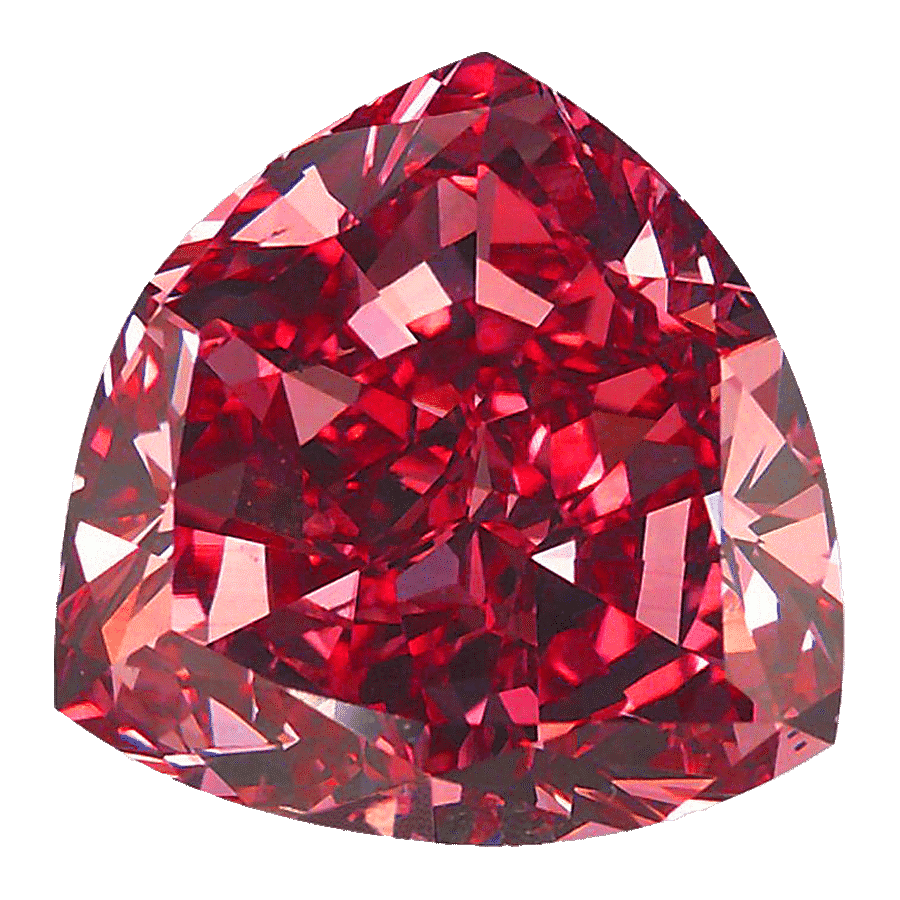
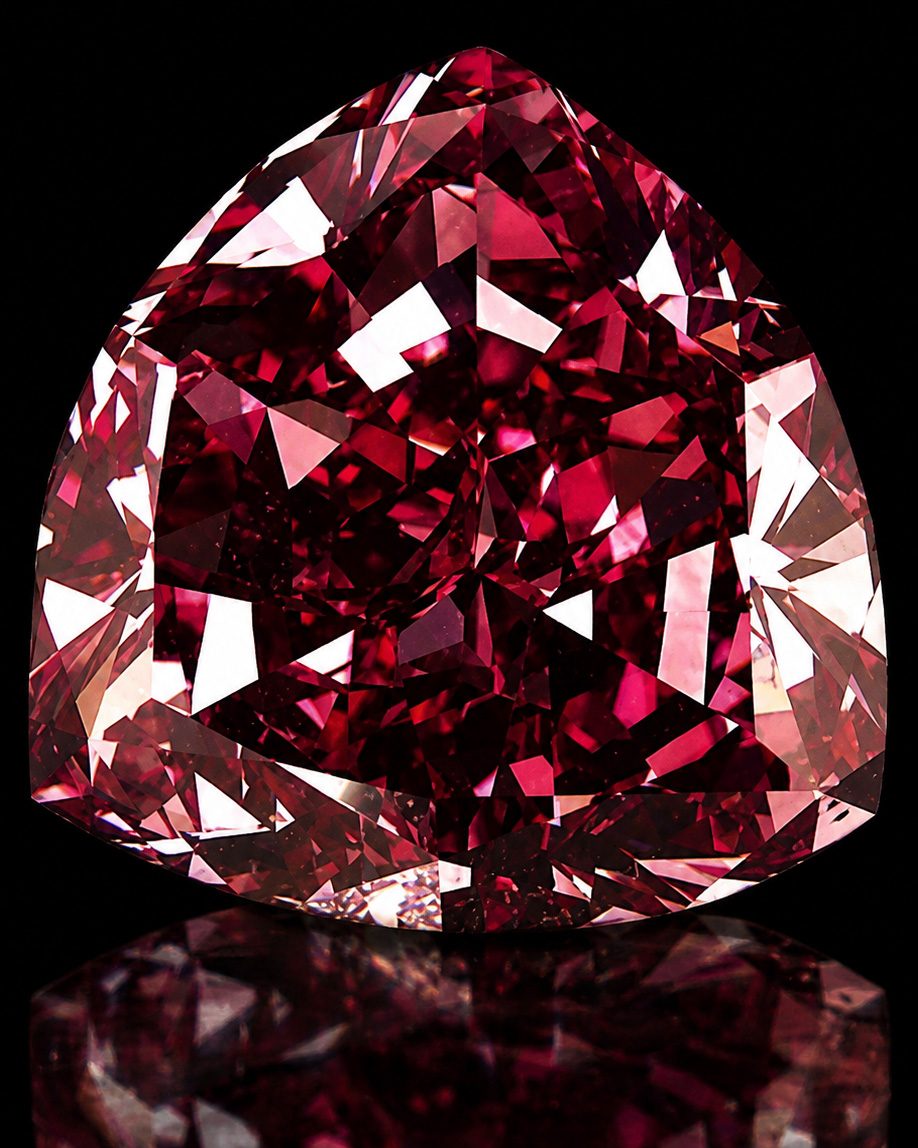
Brazil also produces highly prized colored diamonds, including yellows and the occasional rare green, pink, and red. The 13.90-carat Moussaieff Red, one of the most important red diamonds in the world, came from the Abaeté River.

Then there is carbonado, a bizarre black polycrystalline diamond discovered in Bahia around 1841. Incredibly tough and prized for industrial use, carbonado includes the largest diamond ever found in nature, the 3,167-carat Sérgio, unearthed in 1905. Its origin is so puzzling that some scientists propose it formed in outer space, possibly in a supernova explosion billions of years ago.
Brazil also gave science the discovery of sublithospheric, or superdeep, diamonds near Juína in the 1990s. These formed at depths of 400 to 800 kilometers, far deeper than typical diamonds, and their mineral inclusions have given researchers a rare window into the chemistry of Earth’s deep interior.
Brazilian Diamonds Today
Brazil’s reign ended in the 1870s when prospectors discovered diamonds in South Africa. Within a decade, Brazilian production dwindled, undercut by the lower grade of its alluvial deposits compared to the new African finds.
Today, Brazil accounts for less than 1% of global diamond production, with official figures of around 32,000 carats in 2015.
The biggest recent change came in 2016, when the Braúna kimberlite complex in Bahia became Brazil’s first large-scale diamond mine and the only one exploiting a primary kimberlite source. After three centuries of garimpeiros panning rivers by hand, Brazil finally entered the era of modern industrial diamond mining. The Braúna operation now produces approximately 80% of Brazil’s diamonds in a modern, responsible operation.
Brazil’s place in diamond history is secure. It was the world’s second-longest continuous commercial diamond source, the bridge between India’s ancient mines and Africa’s modern ones, and a country whose riverbeds still hold mysteries geologists are working to solve. Every time a great diamond surfaces from a Brazilian river, it adds another chapter to one of the most remarkable stories in the entire gem world.




Get the Newsletter
Sign up for the latest diamond news, delivered directly to your inbox.