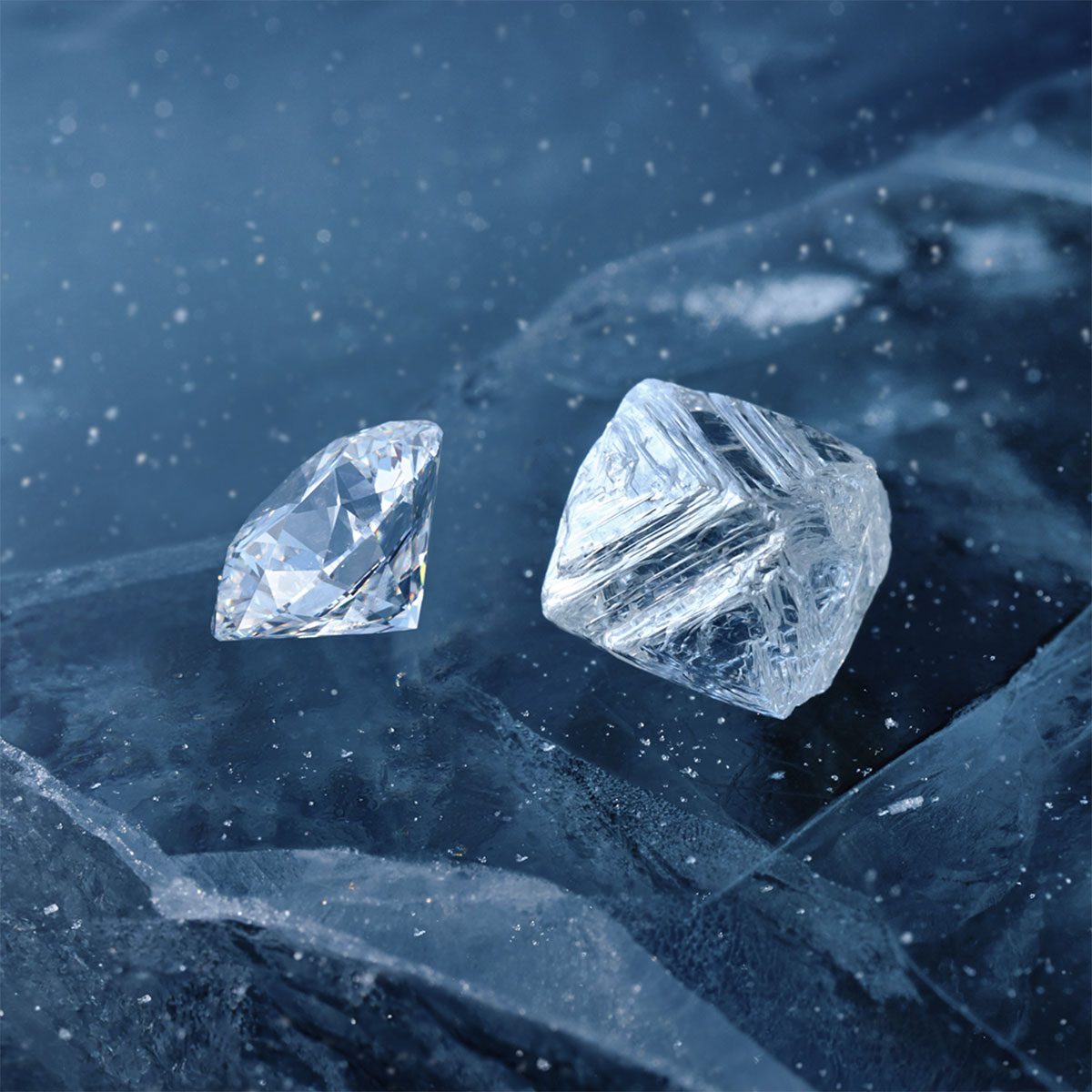


The Cullinan Mine Is Still Unearthing the World’s Rarest Blue Diamonds
At the Cullinan Diamond Mine, history runs as deep as the orebody— and the world’s rarest blue diamonds are still rising to the surface.
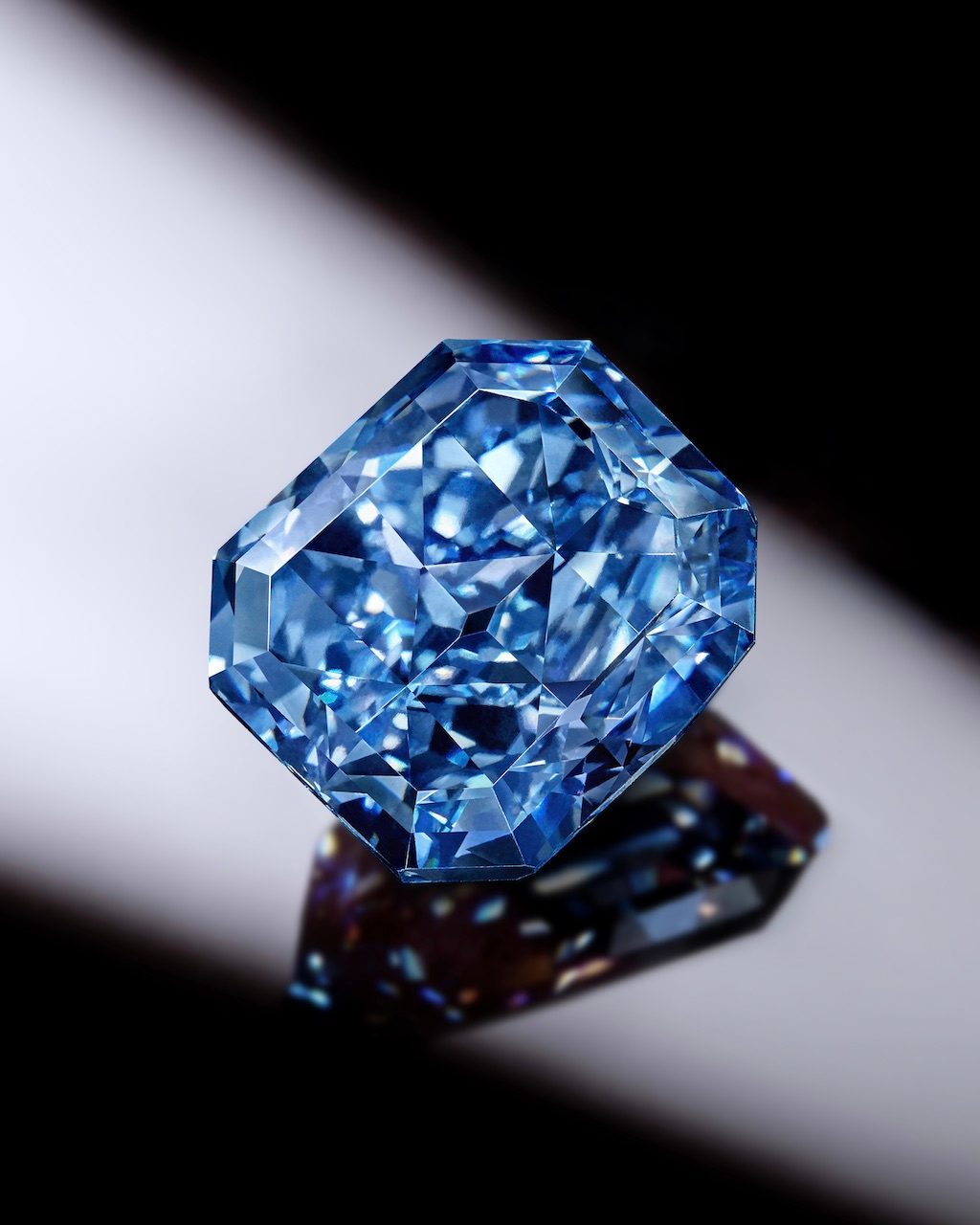
The Infinite Blue Diamond. (Courtesy of Sotheby’s)
Late one afternoon in 1905, Frederick Wells, a surface manager at what was then called the Premier Mine, noticed a glint of light embedded in the rock wall. It was too large to be a diamond, he assumed—more likely a piece of glass. Still, curiosity got the better of him. He pried it loose with a pocketknife.
What he held in his hand would prove to be anything but ordinary: a 3,106-carat rough diamond, the largest rough diamond ever discovered. That single moment set off a chain reaction of politics, diplomacy, and legend. The mega stone would be cut into historic diamonds celebrated as part of British royal regalia and immortalized simply as the Cullinan.
Meet the Experts

Vivek Gadodia is the co-CEO of Petra Diamonds Limited, which owns and operates the Cullinan Diamond Mine today. With nearly two decades of experience in the extractives industry and joined Petra in August 2021. In February 2025, Vivek became Joint-Interim CEO responsible for all corporate matters. This became a permanent role in November 2025.

Helen Molesworth is a renowned jewelry historian, gemologist, and best-selling author. She is the Senior Curator of Jewelry at the Victoria and Albert Museum in London, and the author of Precious: The History and Mystery of Gems Across Time.

As the joint Managing Director of the British jeweler Boodles, Jody Wainwright represents the sixth generation of the Wainwright family to lead the prestigious business. Founded in 1798 and still family-owned more than two centuries later, Boodles has become one of Britain’s most celebrated fine jewelers.
More than a century later, the renamed Cullinan Mine, northeast of Pretoria, still yields extraordinary stones. But today, its global importance isn’t defined by sheer size. Instead, it rests on something far rarer and more elusive: blue diamonds.
The Cullinan Diamond Mine is the world’s primary source of ultra-rare blue diamonds—stones so scarce that their prices rival that of an original Rembrandt painting. For collectors, investors, and historians alike, the mine represents both a geological marvel and a human story: generations of families, a community, and a legacy, rather than an anonymous hole in the ground.
The Riches of the Cullinan Diamond Mine Are a Billion Years in the Making

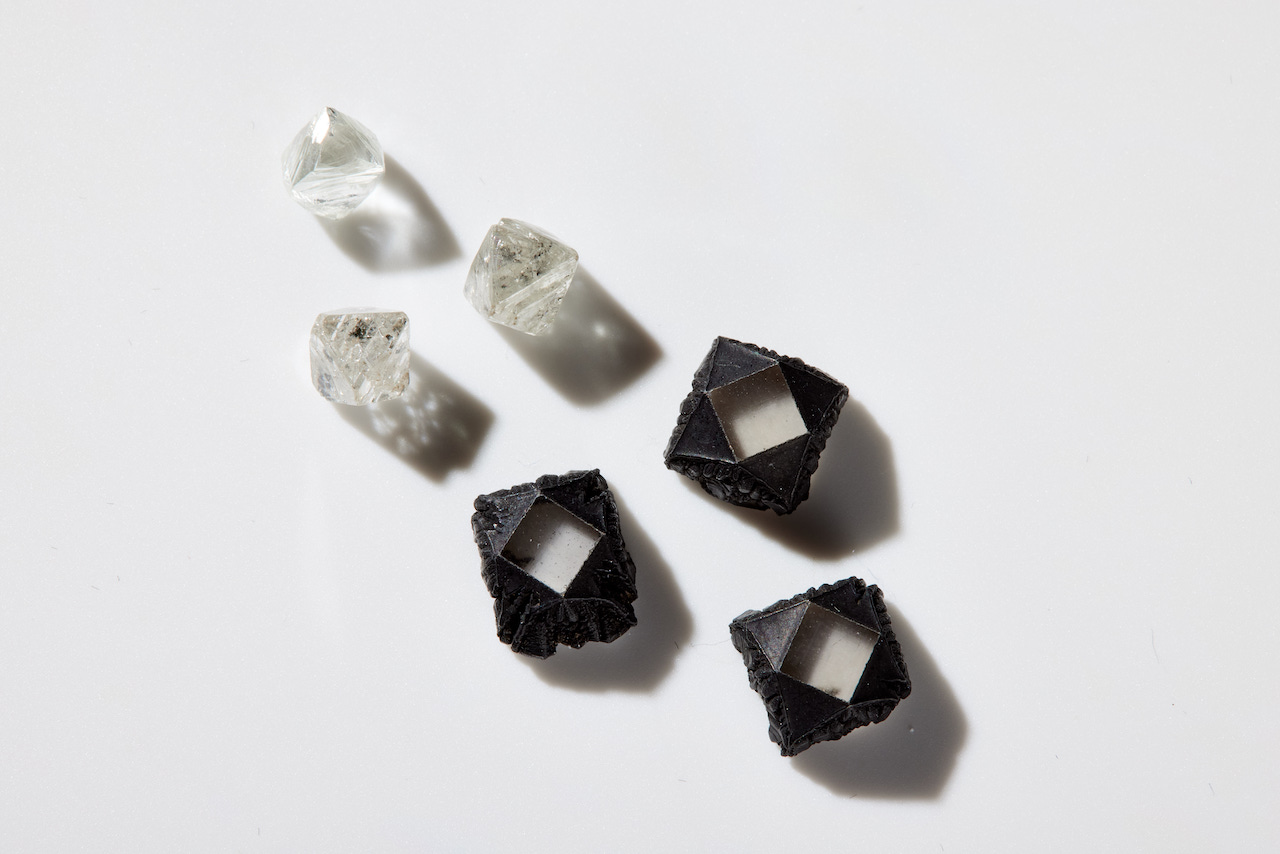
Cullinan Diamond Mine’s riches begin deep in prehistory. Roughly 1.2 billion years ago, a violent volcanic eruption blasted a kimberlite pipe upward from the Earth’s mantle, carrying diamonds formed under extreme pressure. That ancient conduit is unusually fruitful, known for producing large, chemically pure stones, many classified as Type II, the most coveted category for their exceptional transparency.
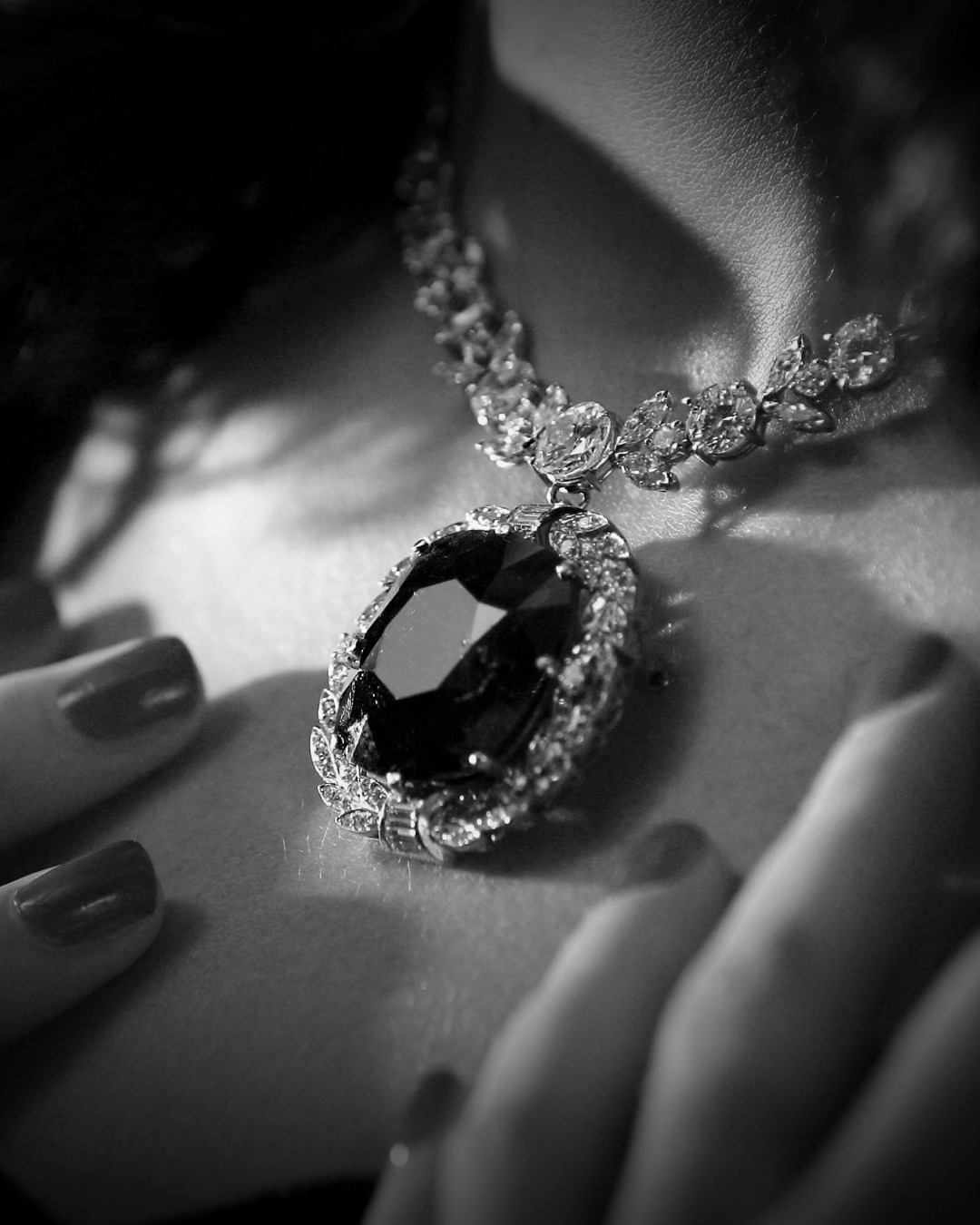
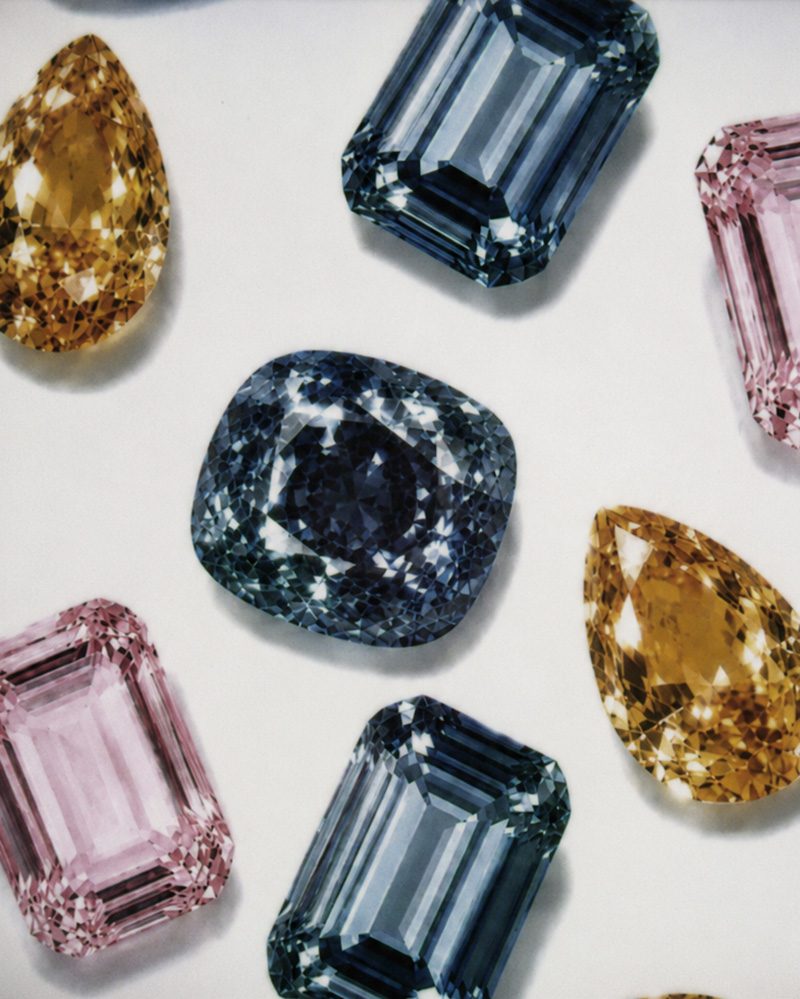
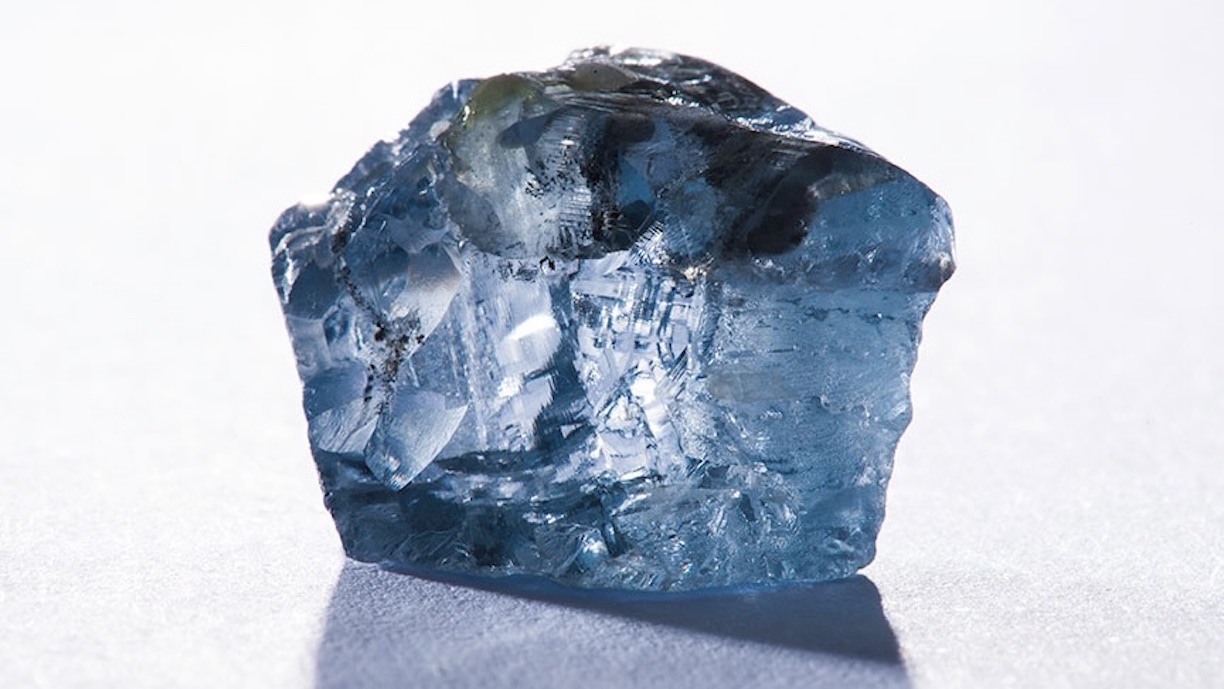
Occasionally, the pipe also delivers something even rarer. When trace amounts of boron replace carbon atoms in the crystal lattice, the diamond absorbs red and yellow light and appears blue, from shades of pale sky blue to deep, saturated ocean blue.
“A blue diamond of the right color and clarity is probably one of the densest forms of value that you can physically hold in your hand,” said Vivek Gadodia, co-CEO of Petra Diamonds, which owns and operates the mine today. “Blue diamonds are just 0.1% of all natural diamonds mined, so their scarcity and rarity are unparalleled.”
Statistics suggest something even more remarkable: an overwhelming majority of notable Type IIb blue diamonds (estimated between 90 and 95 percent) originate from the Cullinan Diamond Mine.
In other words, when the world thinks of truly exceptional blues, it is almost always thinking of this one source.
The Cullinan Diamond Mine’s Record-Breaking Blue Diamonds
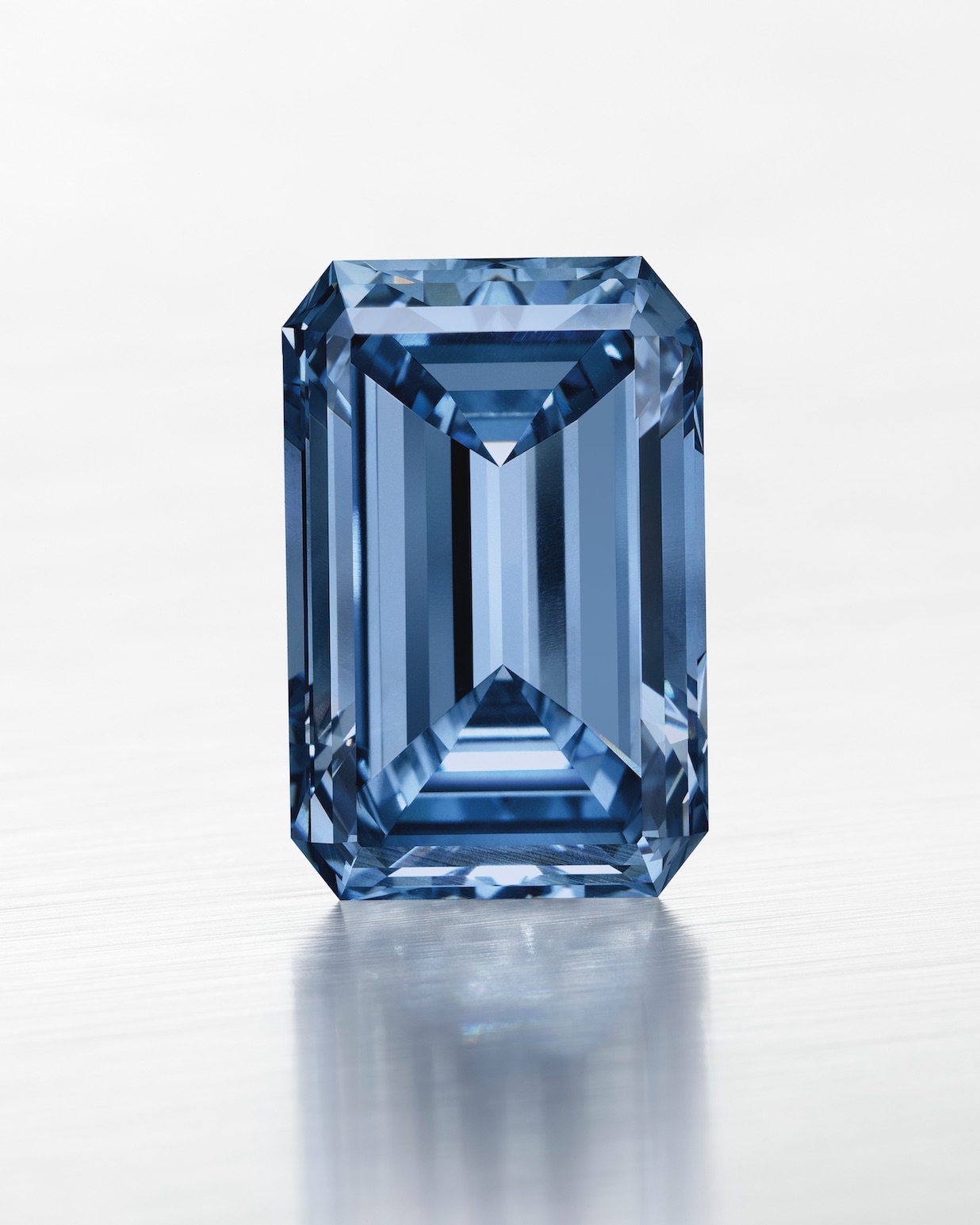
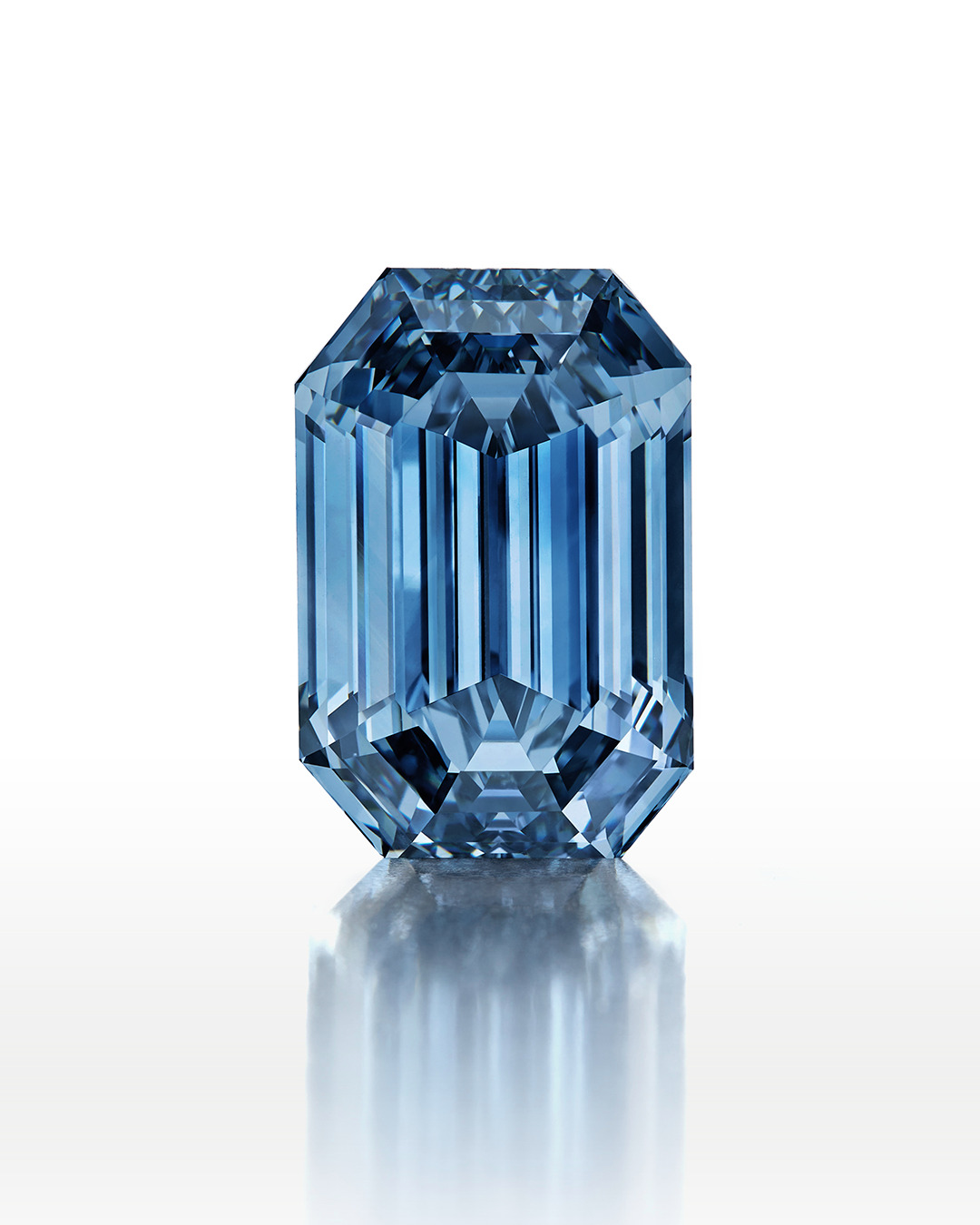
Over the past few decades, the price of blue diamonds has not merely appreciated; it has exploded. Take the market’s watershed moment: in 2014, the Oppenheimer Blue, a 14.62-carat fancy vivid blue diamond, sold at Christie’s for $57.5 million, then a record for any jewel at auction. That result sent shockwaves through the collector world, signaling that blue diamonds were no longer niche curiosities but global blue-chip assets.
Two years later, the Blue Moon of Josephine, a 12.03-carat vivid blue diamond, made $48.4 million at auction. In 2022, the De Beers Cullinan Blue, a 15.10-carat vivid blue stone, sold for $57.5 million, further confirming that the appetite for these stones is not a short-term investment but a long-term asset class.
At the same time, smaller blue diamonds have seen sharp gains. Gem dealer networks report that 1–2 carat vivid blues, which might have sold for $100,000 to $200,000 in the 1990s, now trade at $500,000 to $1.5 million or more depending on color saturation and clarity.
And there’s no end in sight. In uncertain times such as these, more investors consider rare diamonds a viable portable asset and currency. Unlike art or real estate, diamonds are global currency.

Even newly unearthed rough diamonds spark global attention. When a 41.82-carat blue diamond surfaced at the Cullinan Diamond Mine in late December 2025, shaped uncannily like the silhouette of the African continent, Gadodia had calls from collectors and dealers around the world immediately.
In 2021, a similar-sized Cullinan Diamond Mine Type IIb blue diamond sold for $40.2 million, which yielded the famous De Beers Cullinan Blue.
For decades, the mine was operated by De Beers until Petra acquired it in 2008 and began a new chapter focused on modernization, sustainability, and longevity. For Gadodia, the economics are straightforward. “We choose value over volume,” he said. “Our plant configuration was designed in such a way that we can maximize recovery of high-value stones.”
Instead of chasing sheer output, Petra redesigned its processing systems to protect larger diamonds and preserve fragile Type II rough. It’s a strategy aligned with today’s realities: fewer new tier-one mine discoveries worldwide and growing demand for singular, traceable stones.
The Cullinan Diamond Mine’s Legacy Reads Like Historical Fiction

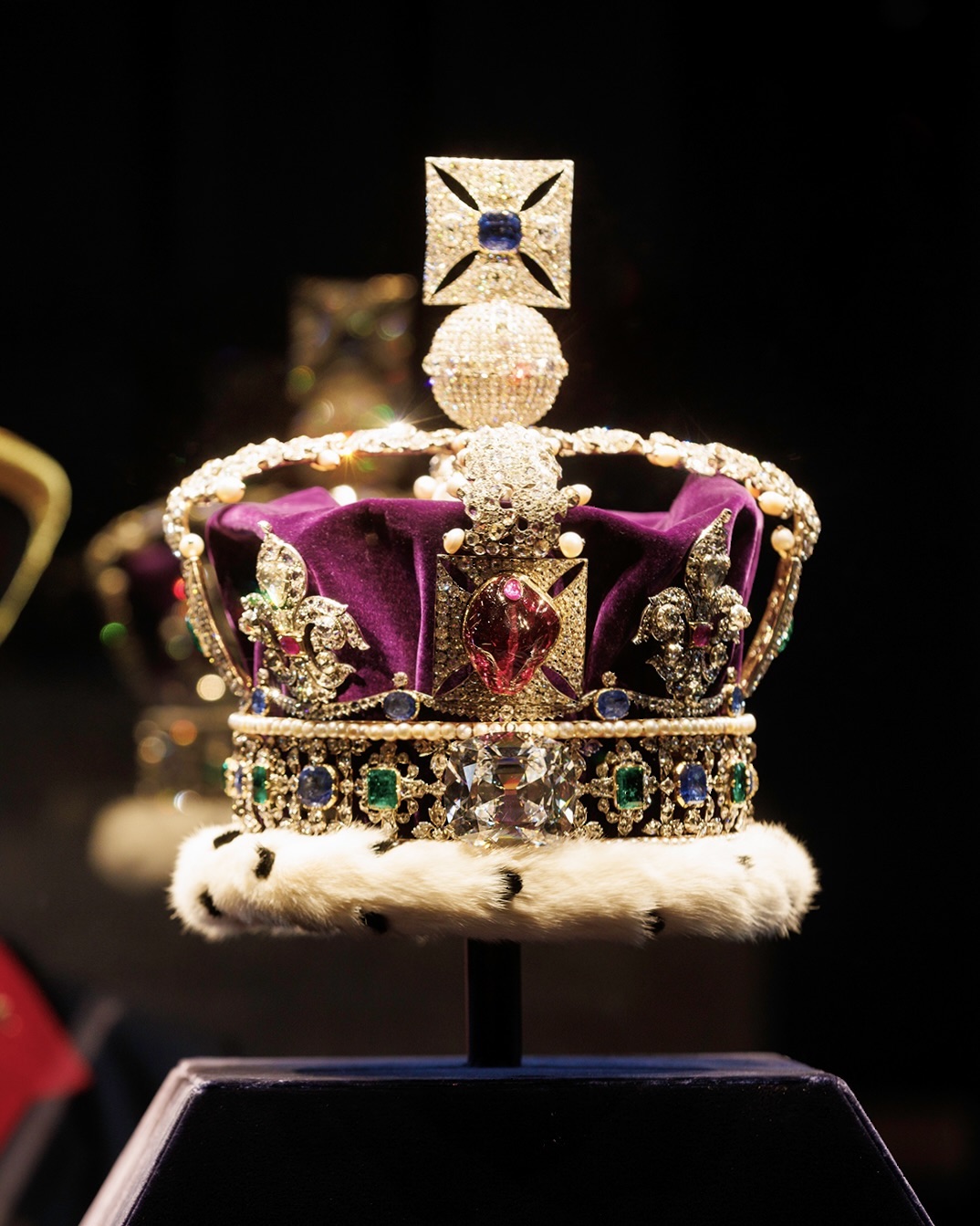
The original 3,106-carat Cullinan diamond was presented as a diplomatic gesture to Edward VII, an attempt to help heal tensions following the Boer War. The king reportedly hesitated to accept such an extravagant gift until persuaded by Winston Churchill, then a young colonial official, who believed it would help establish political allegiances.
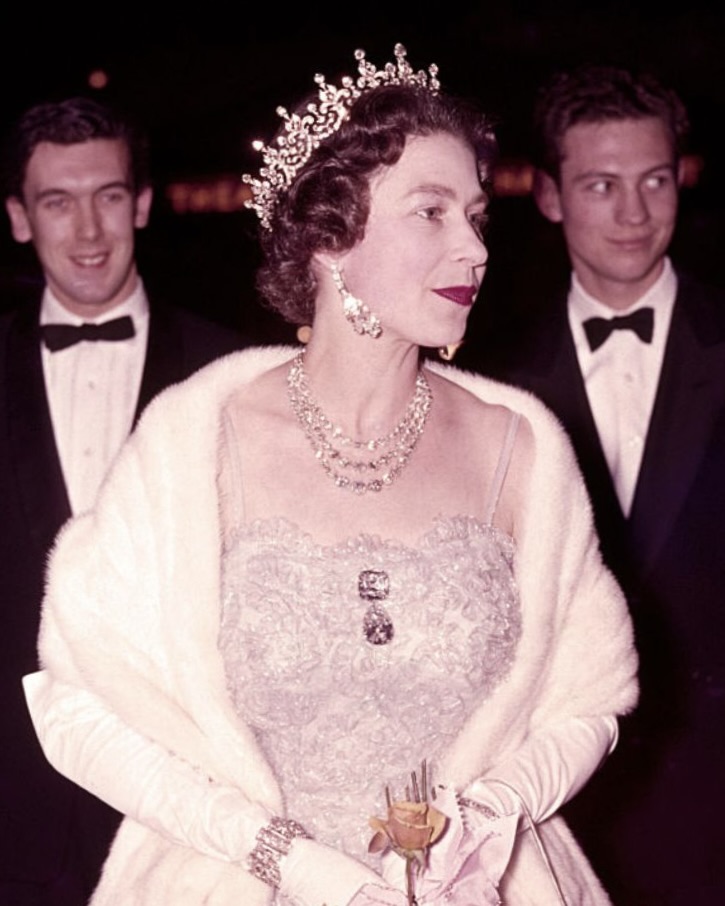
King Edward VII entrusted the cutting to the brothers Joseph and Abraham Asscher, who, over eight months, cut it into nine major stones. Not just any diamonds, the massive size and exceptional quality underscored the magnitude of the royal family’s riches. Today, the massive 530.2 carat Cullinan I, also known as the Great Star of Africa, anchors the Sovereign’s Scepter, while the 317.4 carat Cullinan II sits in the Imperial State Crown. The 94.4-carat pear-shaped Cullinan III and the 63.6-carat square-cut Cullinan IV were set into Queen Mary’s coronation crown. Later, Queen Elizabeth II wore them in a brooch famously known as “Granny’s Chips.” Millions of visitors see the Crown Jewels each year at the Tower of London.


The Cullinan name is magical when it comes to diamonds.
Yet for all its royal associations, the Cullinan Diamond Mine’s identity is deeply local.
“The Cullinan name is magical when it comes to diamonds,” said Helen Molesworth, senior jewelry curator at the Victoria and Albert Museum and author of a book on the history of gems. “There is no better name in the industry today with a provenance of quality and history than the name Cullinan.”
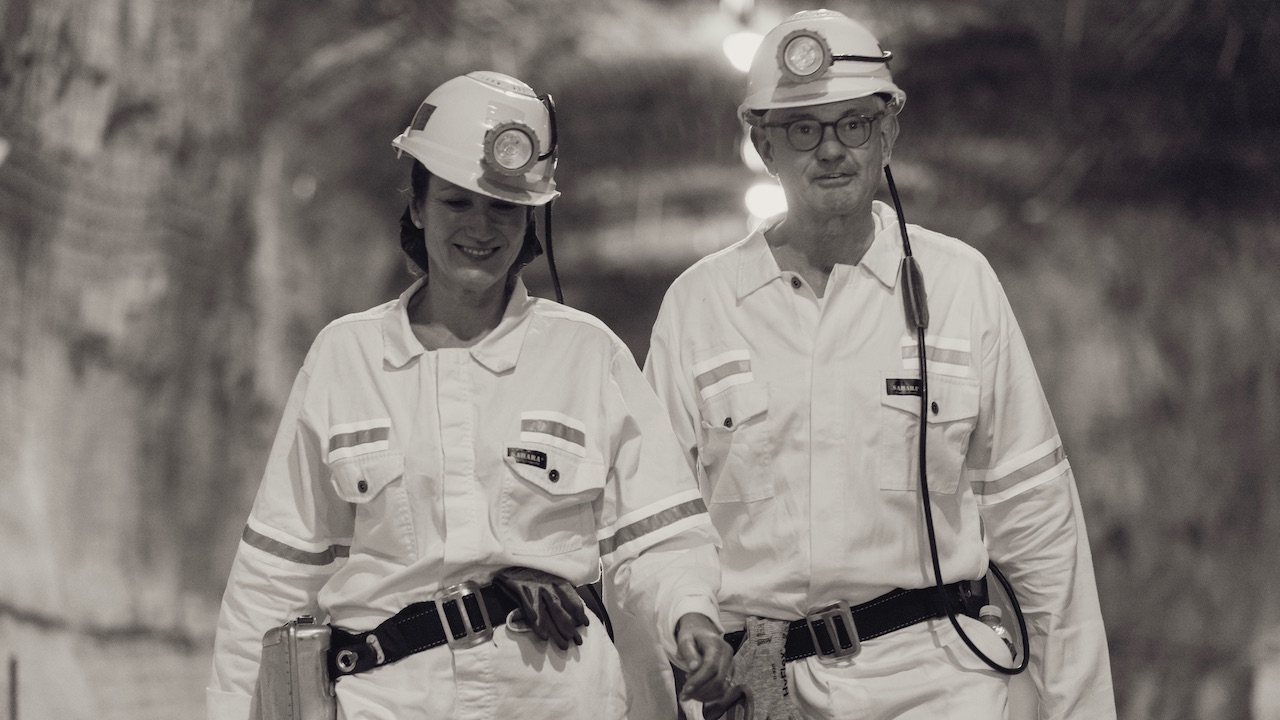
On a visit to the mine, she expected heavy industry. Instead, she found something more: jacaranda trees in bloom, a working village, and a surprisingly modern, mechanized operation humming beneath the surface.
“It isn’t a faceless mine,” she said. “We know the name of the person who discovered the original Cullinan Diamond, Frederick Wells, and it’s a community of people who produce the diamonds.”
That distinction matters in an era when consumers ask harder questions about where luxury goods come from. Provenance has become emotional currency. Buyers want to know the story behind a stone as much as its cut or clarity.
Why Transparency Is the New Luxury
“I believe in a combination of science and history,” Molesworth said. “The science identifies the stone, and the history of its origin is the emotional value. That is more and more important to us on a human scale.”
That sense of continuity—the idea that diamonds connect generations—helps explain the mine’s enduring mystique. The story of the Cullinan Diamond Mine increasingly resonates with younger buyers who demand transparency.
Jody Wainwright, joint managing director of the British jeweler Boodles, began emphasizing Cullinan Diamond Mine-sourced stones several years ago after recognizing the potential of connecting the diamonds to the mine’s story.
“If there were two diamonds with the same qualities but one was from the Cullinan Diamond Mine, even if the customer wasn’t aware of the mine, the story would perhaps help to sell that diamond,” he said.
When it comes to blues, the distinction is even sharper. “A Cullinan Mine blue today carries a premium over a non-Cullinan Mine blue,” he added. “Blue is more of an investment or collector’s item of a minimum one carat.” In a market saturated with anonymity, origin has become differentiation.
That demand for traceability mirrors a broader transformation across the diamond industry. Shoppers want provenance: natural origin, ethical sourcing, environmental responsibility.
The Cullinan Diamond Mine is leaning into that shift. Stones can be offered with digital traceability data through platforms that track origin and custody. Petra’s long-term goal is to follow each significant diamond from recovery to sale.
“At the moment, we’re not tracing every stone, but the intention is to get there,” Gadodia said. “There are more requests for traceability every year.”
Sustainability efforts extend underground as well. The mine recycles the vast majority of its water, as much as 97 percent, and is transitioning toward renewable energy. It sources procurement locally to support surrounding businesses. Training programs help young people develop practical trades, and it opened a community wellness and health clinic. Also, it hosts above-ground mine tours for the community and visitors to experience the mine firsthand.
It’s a deliberate attempt to replace the old image of mining as remote and extractive with something more accountable and community-driven.
The Future of the Cullinan Diamond Mine


Despite more than a century of production, the Cullinan Diamond Mine’s future may be as compelling as its past.
The orebody still holds significant quality diamonds, says Gadodia, including the same geology that produces Type IIb blues. Petra expects to mine the current areas for years to come, with further investment potentially extending its life for another 20 to 25 years.
Meanwhile, the global supply of high-quality natural diamonds is tightening. A few new discoveries are coming online. Many historic mines are nearing depletion. Wealth, however, continues to expand, particularly in emerging markets like India, where diamonds carry cultural meaning as well as financial value.
“Generally, the world is getting richer, and the aspirational class is getting larger,” said Gadodia. “High-quality diamonds should get more and more rare, and there’s not a lot of tier-one mines left in the world that have long lives.”
Which makes the Cullinan Diamond Mine something unusual: not just a relic of history, but an active source of the rarest stones on Earth.
More than a century after Frederick Wells spotted that improbable flash of light, the ground here still surprises, still producing diamonds older than continents and rarer than masterpieces. And now, more than ever, those diamonds come with a story of people, place, and legacy that buyers can make part of their story.