
Crowning Glory: The History Behind the Crown Jewels of the United Kingdom
The extraordinary collection contains three of the world’s largest and most famous natural diamonds.
Set with some of the rarest natural diamonds ever found, the Crown Jewels of the United Kingdom represent the ultimate intersection of geology, history, and human legacy. Each piece tells a story that spans continents and centuries, transforming these remarkable stones into symbols of enduring value, cultural significance, and timeless beauty.
Meet the Expert

- Harriet Mays Powell is a contributor to Only Natural Diamonds, where she brings her expert eye for fashion and luxury to the world of natural diamonds.
- She is also currently an editor at Palm Beach Cottages & Gardens and was formerly the Fashion Director at New York Magazine and ELLE.
- She has decades of experience covering couture, red carpet style, and luxury trends.
Below, discover the fascinating history of the Crown Jewels of the United Kingdom—and the priceless natural diamonds they contain.
What Are the Crown Jewels of the United Kingdom?
The Crown Jewels of the United Kingdom are among the world’s most extraordinary collections of royal treasures, with some pieces dating back over 1,000 years. This magnificent assembly includes glittering crowns, ornate sceptres, golden orbs, ceremonial swords, and priceless jewelry that have played central roles in coronations and grand state ceremonies for centuries.
The Crown Jewels of the United Kingdom: Key Pieces
- St. Edward’s Crown – Used at the moment of coronation
- Imperial State Crown – Worn after the ceremony and at State Opening of Parliament
- Sovereign’s Sceptre with Cross – Holds the Cullinan I (Great Star of Africa)
- Sovereign’s Orb – Symbolizes the monarch’s power under God
- Coronation Ring – Worn during the crowning ceremony
- Ampulla and Spoon – Used for the sacred anointing oil
- Sword of Offering – Represents royal authority and justice
- Armills (bracelets) – Symbolize sincerity and wisdom
- Various State Crowns & Consort Crowns – Including the Queen Mother’s Crown (set with the Koh-i-Noor)
Comprised of more than 23,000 gemstones and thousands of natural diamonds, the Crown Jewels of the United Kingdom are held in trust by the monarch for the nation and have been protected in the Tower of London since the 1660s. The extraordinary collection contains a kaleidoscopic array of huge sapphires, rubies, and emeralds, but it is the natural diamonds — including three of the world’s largest and most famous — that are the undisputed stars of the show.
The Cullinan Diamond’s Transformation Into the Crown Jewels’ Most Famous Stones
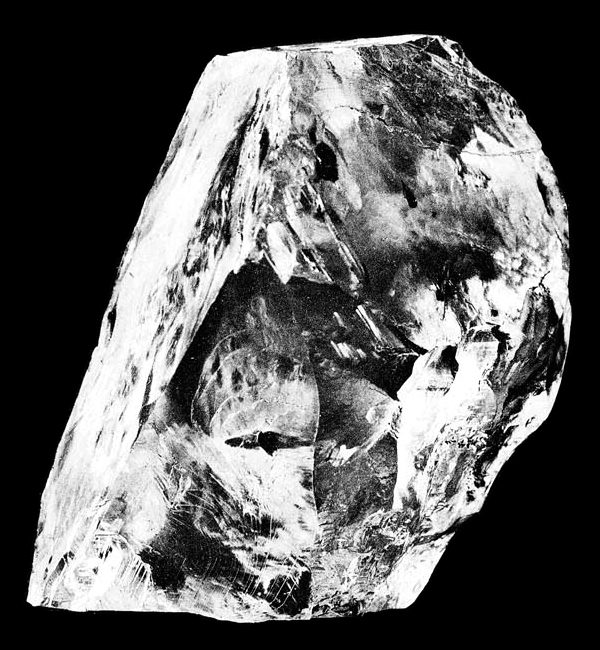
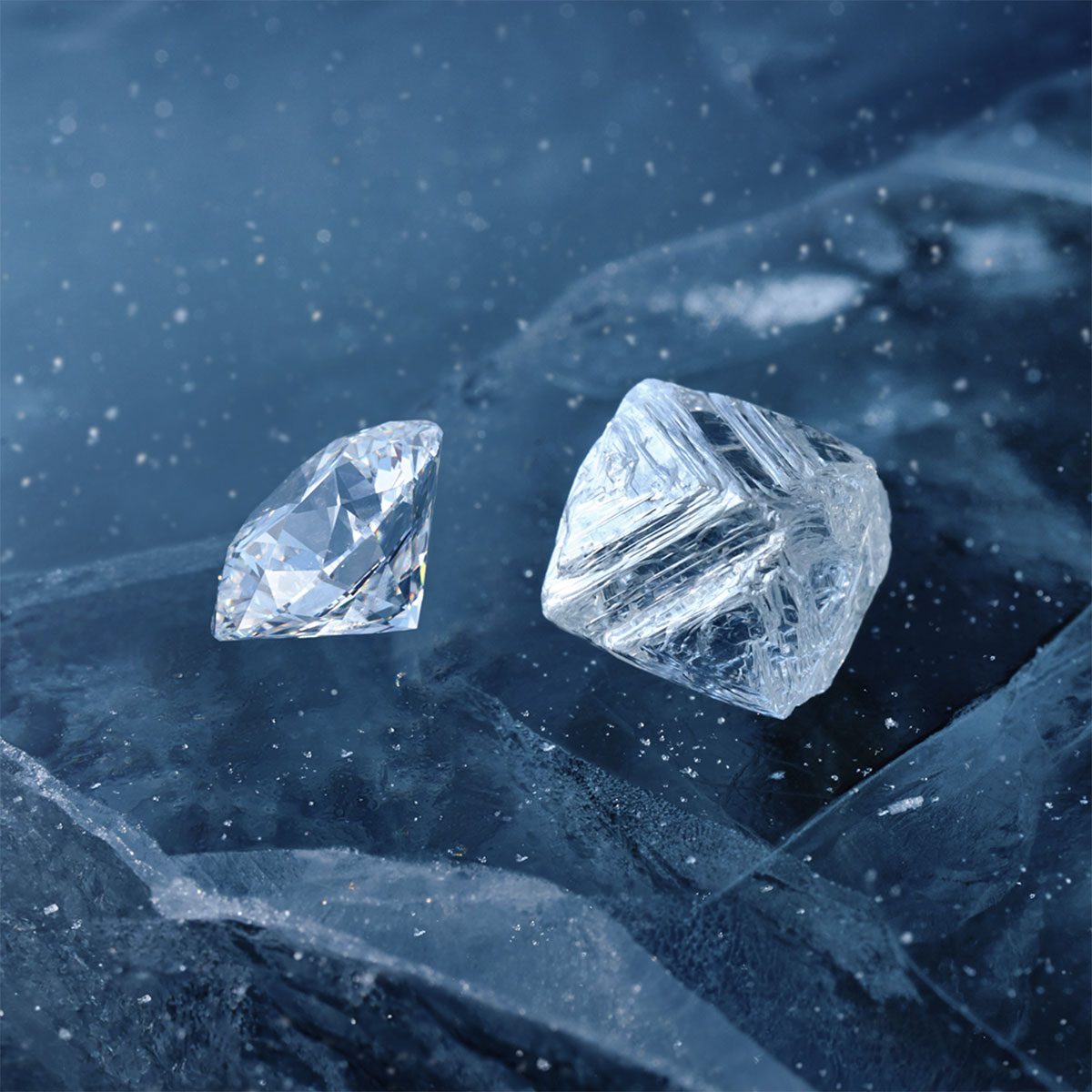
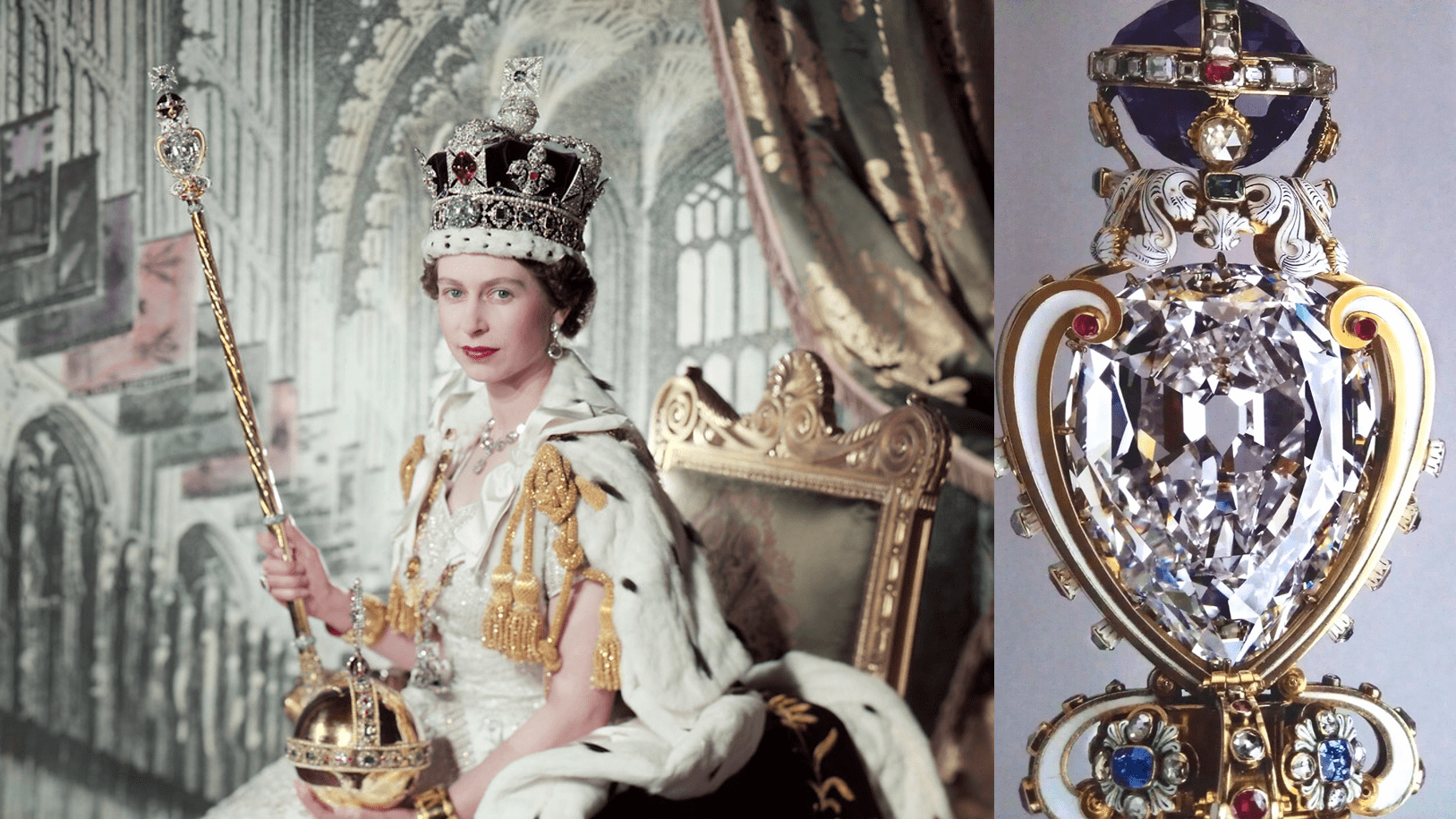
The legendary Cullinan Diamond is widely regarded as the most important stone in the Crown Jewels of the United Kingdom. It is the largest gem-quality rough diamond ever found, which was unearthed in South Africa on January 26, 1905, and was named for Thomas Cullinan, the owner of the mine. Measuring approximately four inches long and two-and-a-half inches wide, it weighed an unprecedented 3,106 carats and yielded nine major stones and 96 smaller brilliants. The Cullinan I, which became known as the Great Star of Africa, weighs 530 carats and is a pear-shaped diamond that now sits at the head of the Sovereign’s Scepter With Cross.
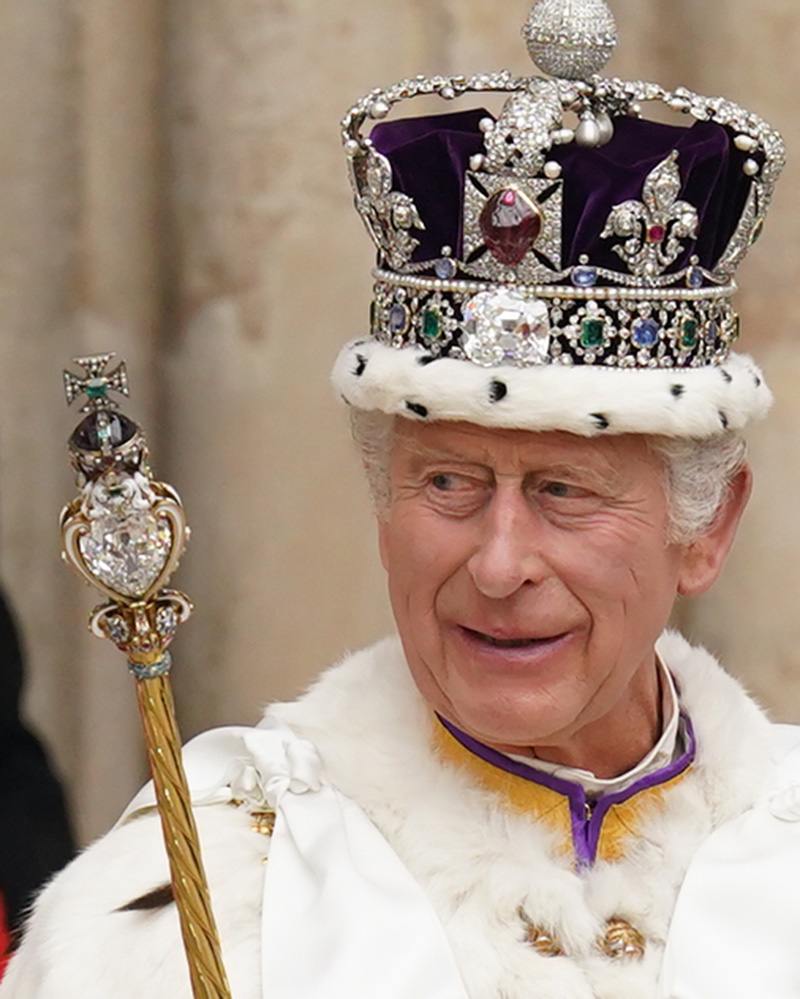
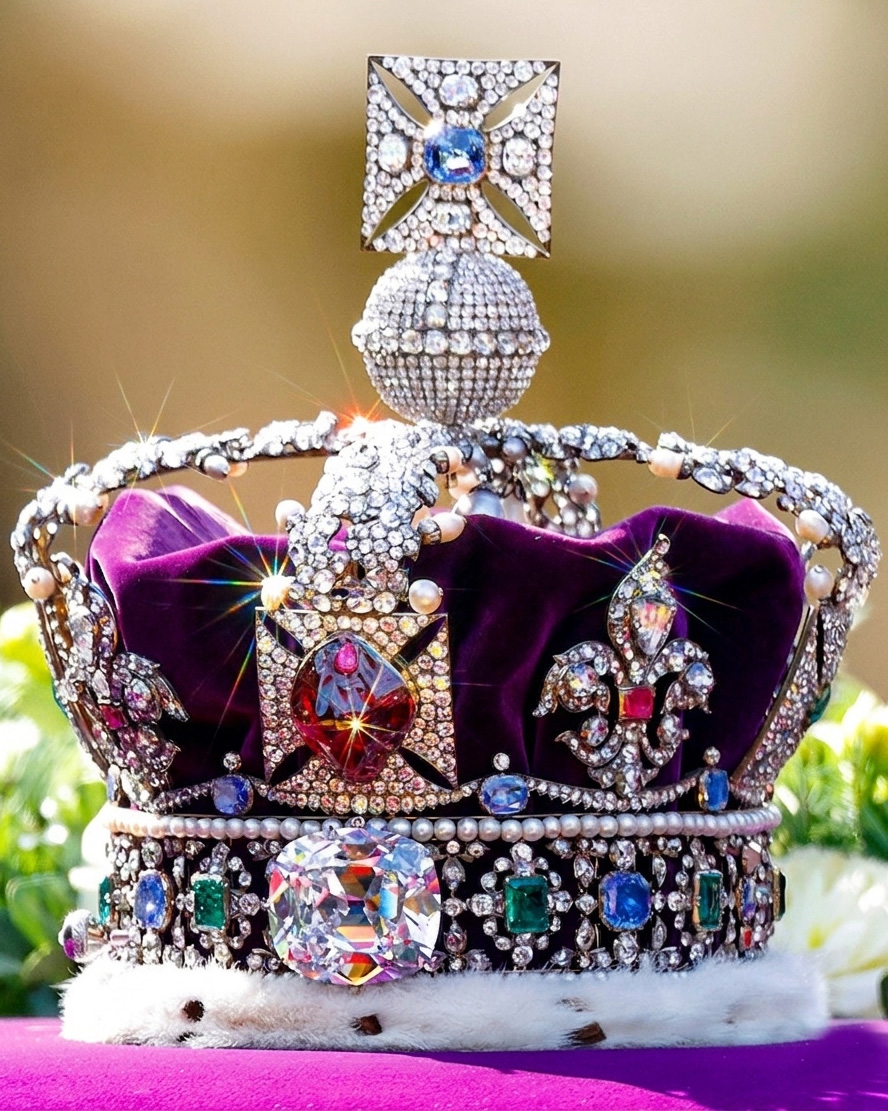
Its sibling, the Cullinan II, the Lesser Star of Africa, a cushion-cut diamond weighing over 317 carats, takes pride of place at the center of the Imperial State Crown. Both were last seen outside of the Tower at the coronation of King Charles III in Westminster Abbey on May 6, 2023.
The Crown Jewels Worn at Coronations: St. Edward’s Crown vs. Imperial State Crown
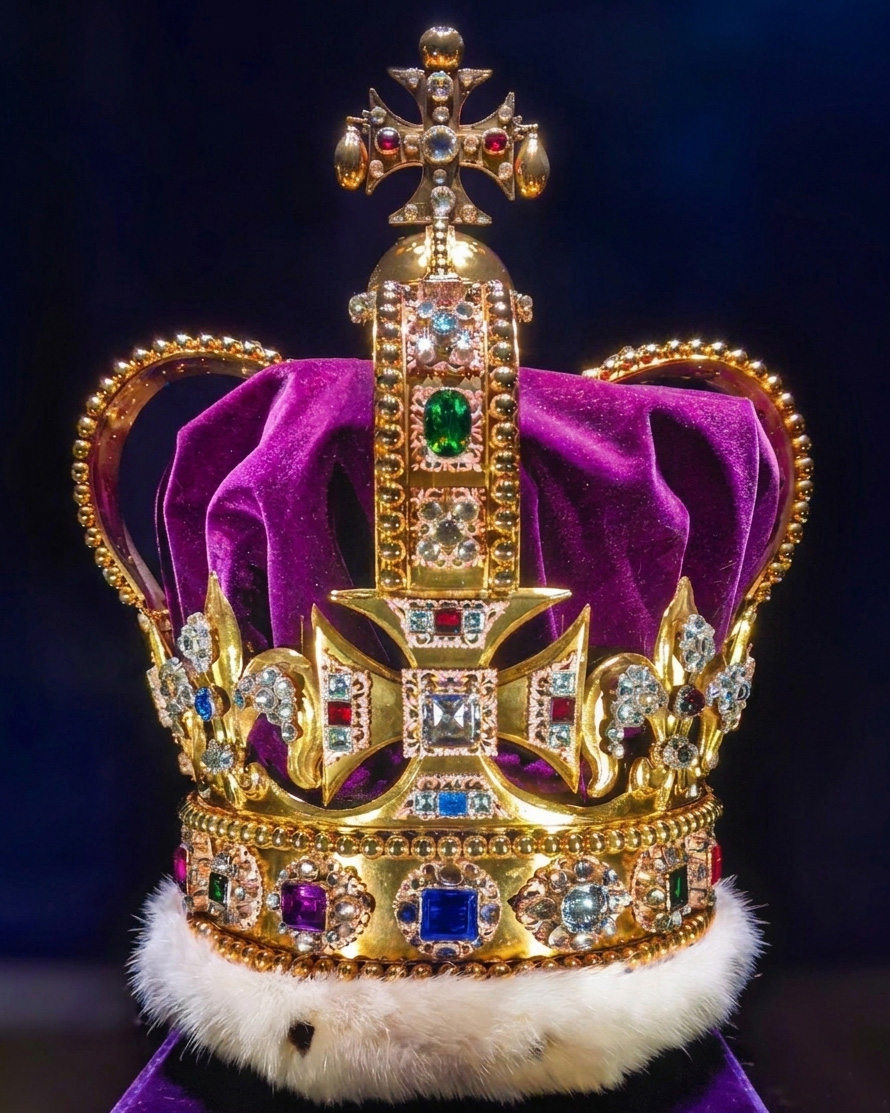
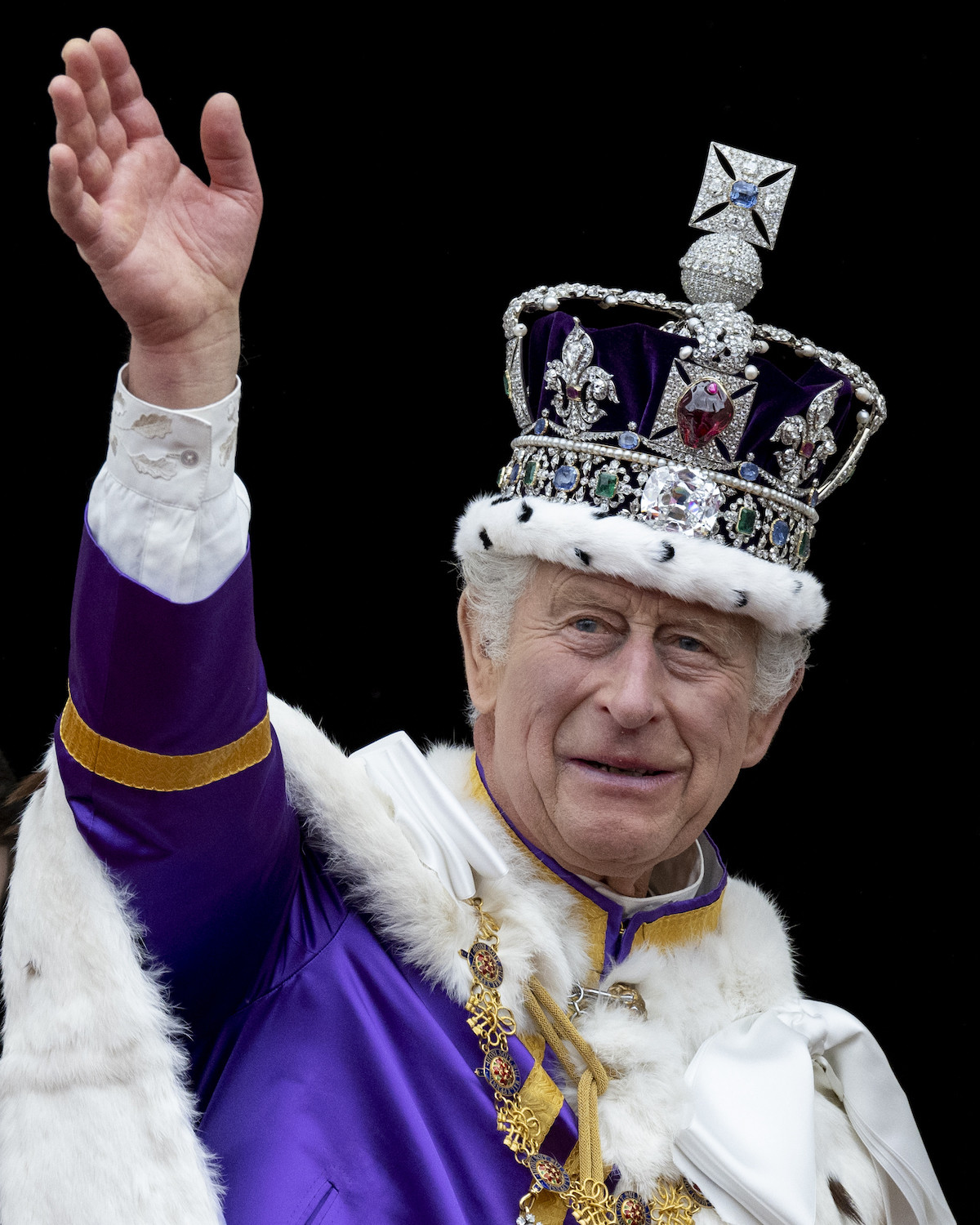
In keeping with tradition, the larger and heavier St. Edward’s Crown is worn by monarchs for their actual coronation. This is adorned with 444 gemstones, including 345 aquamarines, 37 white topazes, 27 tourmalines, 12 rubies, 7 amethysts, and 6 sapphires. However, at the end of the service, for their exit from the Abbey, newly anointed monarchs don the Imperial State Crown, which contains an astounding 2,783 natural diamonds, 277 pearls, 17 sapphires, 11 emeralds, and 5 rubies.
“Granny’s Chips”: The Royal Brooch with a Personal History
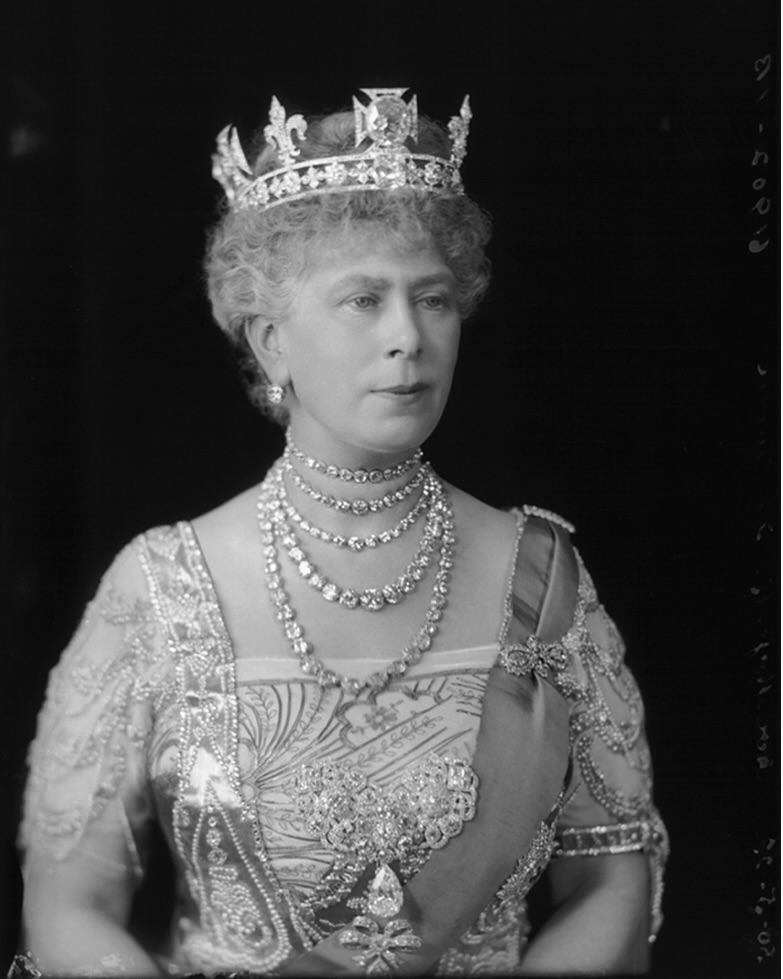
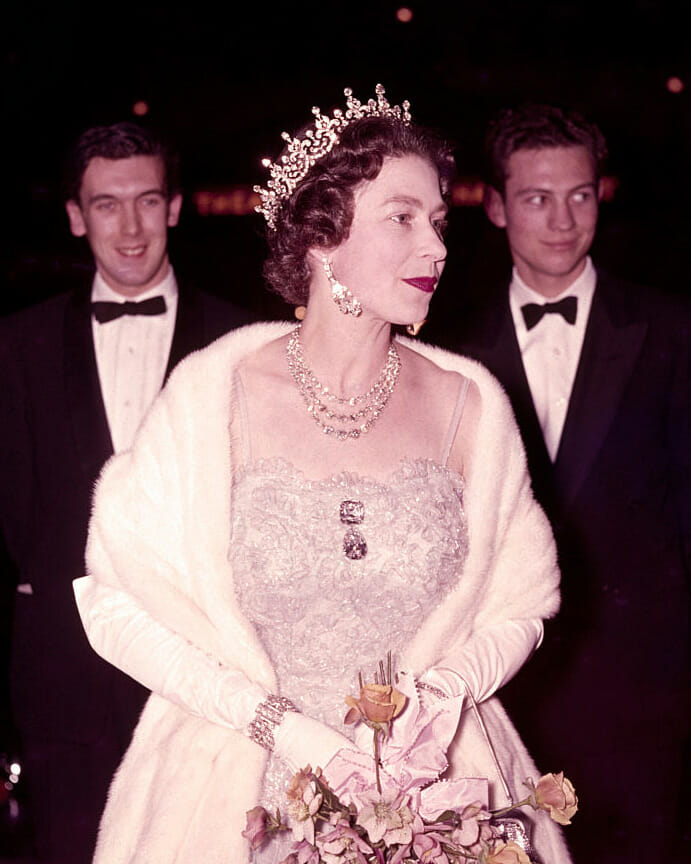
Unlike the Great and Lesser Star of Africa, the Cullinan gems III–IX are part of the private collection of the British monarch, and are distinct from the Crown Jewels of the United Kingdom. (But still spectacular!) The 94-carat, pear-cut Cullinan III and the 63-carat, square-cut Cullinan IV were often worn together by the late Queen Elizabeth II as a stunning brooch. The two gems are affectionately referred to as “Granny’s Chips,” as they were favorites of her grandmother, Queen Mary.
The Koh-i-Noor Diamond: A Legacy of Power and Controversy
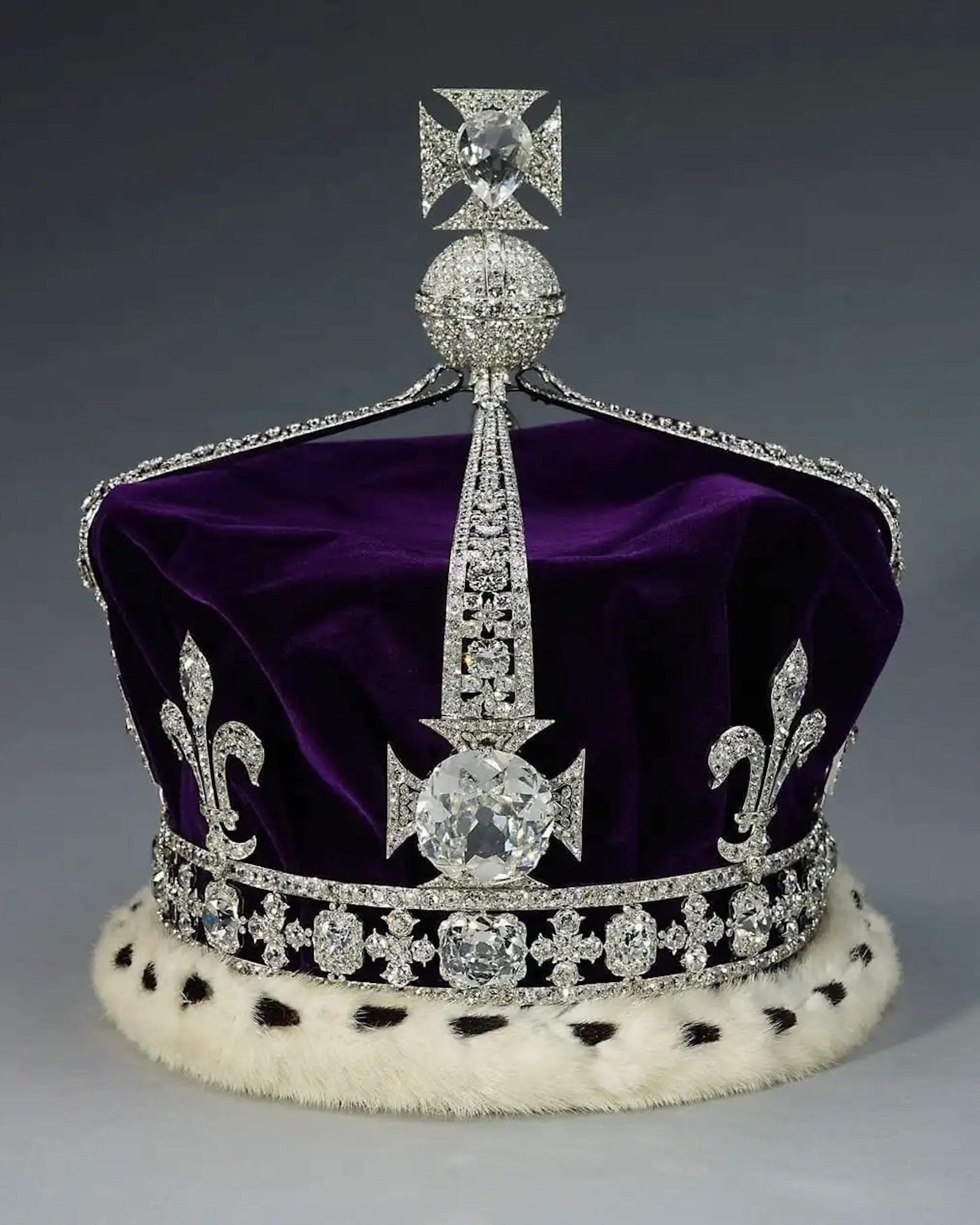
The third and arguably the most famous of the natural diamonds in the Crown Jewels of the United Kingdom is the storied 105-carat Koh-i-Noor, which is believed to be an ancient gem from South India. (Until the discovery of diamonds in Brazil in the early 1700s, virtually all of the world’s natural diamonds came from India.) There is little detailed information about the gem’s provenance before the early 18th century. Its name means “mountain of light” in Persian, which reflects its brief ownership by Nader Shah, the Shah of Persia from 1736 until 1747, who had removed the gem from the Peacock Throne of the Mughal emperors in Delhi during his invasion of northern India in the 1740s.
Following Nader Shah’s assassination, the Koh-i-Noor passed through the hands of various rulers and conquerors before being given to Queen Victoria by the Maharaja of the Sikh Empire in 1851, during the British colonial era. (It is deemed bad luck for a man to wear the diamond, given the abrupt demise of the many male rulers who have possessed it!). Today, it forms the centerpiece of the Queen Mother’s Crown—one of the most storied pieces within the Crown Jewels of the United Kingdom—which contains no fewer than 2,800 natural diamonds, having been created for the coronation of Queen Elizabeth and George VI in 1937.
Owing to current political sensitivities — the governments of Iran, India, Pakistan and Afghanistan all claim ownership of the Koh-i-Noor— it was deemed unwise for Queen Camilla to wear the crown at the coronation last spring, and the Koh-i-Noor was last seen in public atop the coffin of the Queen Mother at her state funeral in 2002.
How Queen Victoria Sparked the World’s Diamond Obsession
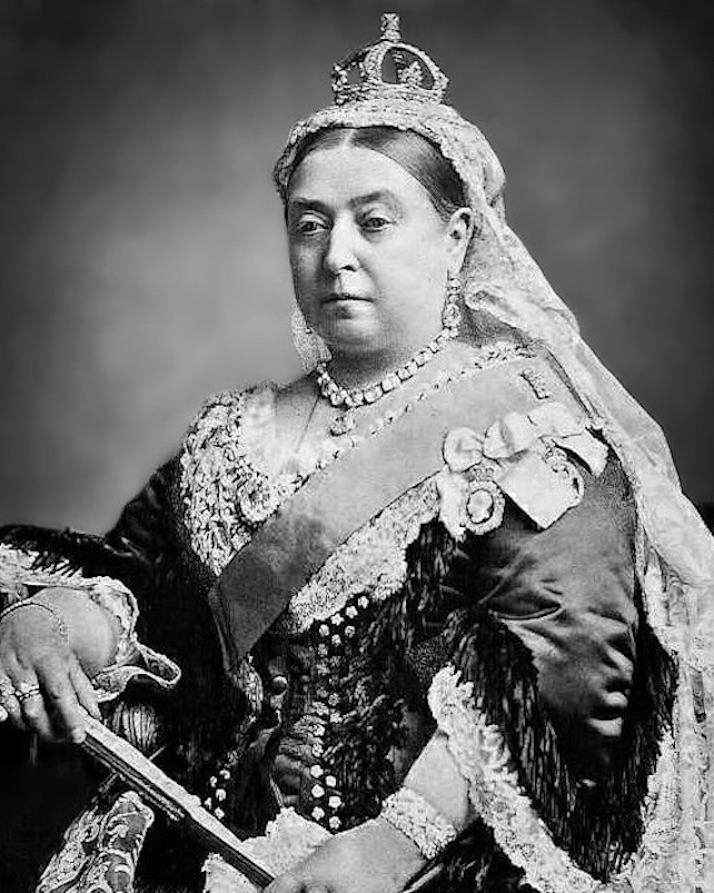
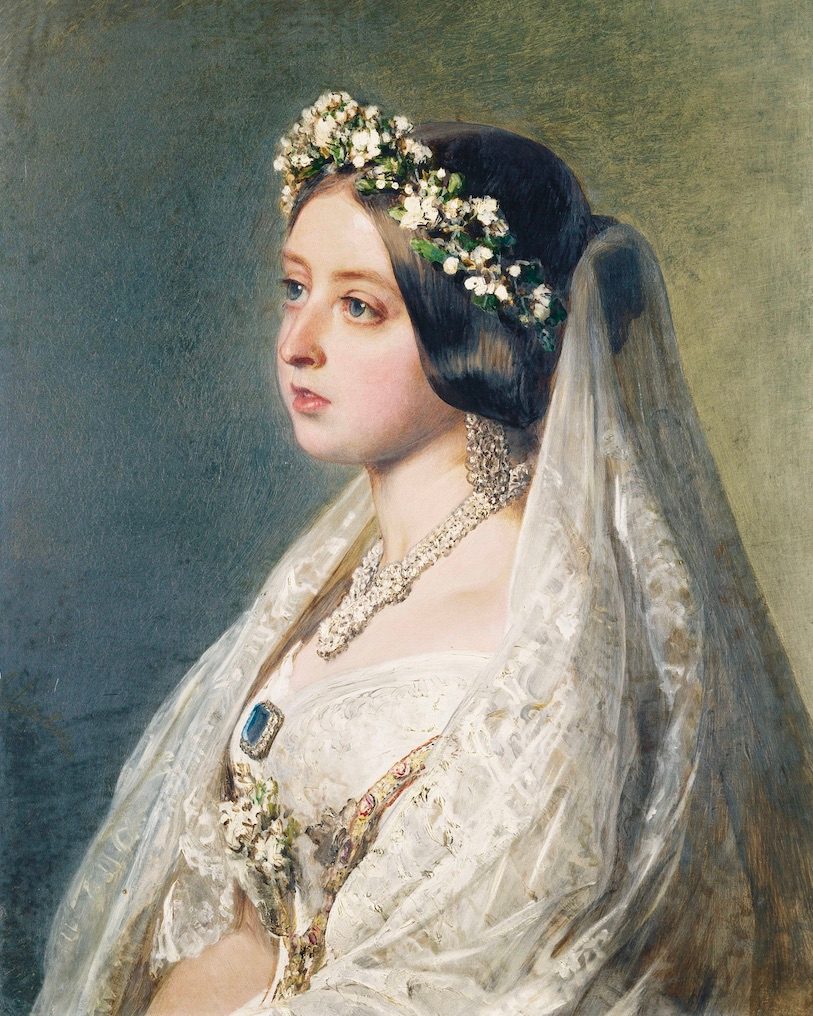
In a recent lecture at 92nd Street Y in New York, Dr. Thomas Paradise, Professor of Geosciences at the University of Arkansas, explained that the current passion for natural diamonds can, in many ways, be traced back to Queen Victoriawhose influence helped elevate the prominence of diamonds both within royal collections and across broader culture, including the enduring legacy of the Crown Jewels of the United Kingdom.
After the death of her husband, Prince Albert, she thought that “wearing diamonds was most suitable for mourning” and adorned her black widow’s weeds with an abundance of glittering gems. And with the innovation of incandescent lighting, which made the gems sparkle as never before, her enthusiasm for the stones only grew. On one famous occasion in 1881, she decided to show off her diamonds at the opening of the Savoy Theatre, which resulted in a frenzy of sales.
Of course, the history of natural diamonds is still a work in progress. Huge rough stones, which have the potential to create significant gems, are still being found. In August 2023, a 1,080-carat diamond was unearthed at the Karowe mine in Botswana. However, most scientific research has concluded that fewer large stones are likely to be discovered in the future. So, the preeminence of the Great Star of Africa may well remain unchallenged forever.
What the Crown Jewels of the United Kingdom Represent Now
The Crown Jewels of the United Kingdom are a dazzling archive of history, power, and some of the most extraordinary natural diamonds ever discovered. Beyond their ceremonial splendor, they represent something far more profound—they are living proof of natural diamonds’ unmatched rarity and timeless cultural impact. Each stone began its journey billions of years ago, forged deep within the Earth under unimaginable pressure and heat, only to emerge and become woven into the fabric of human civilization.
When the next sovereign is crowned, the diamonds of the Crown Jewels of the United Kingdom will once again take their place at the center of history, reaffirming their enduring relevance across generations.