
Europe’s Most Legendary Crown Jewels, Ranked
From billion-year-old diamonds to royal romances and revolutions, these legendary heirlooms prove that Europe’s greatest treasures are pieces of history you can actually wear.
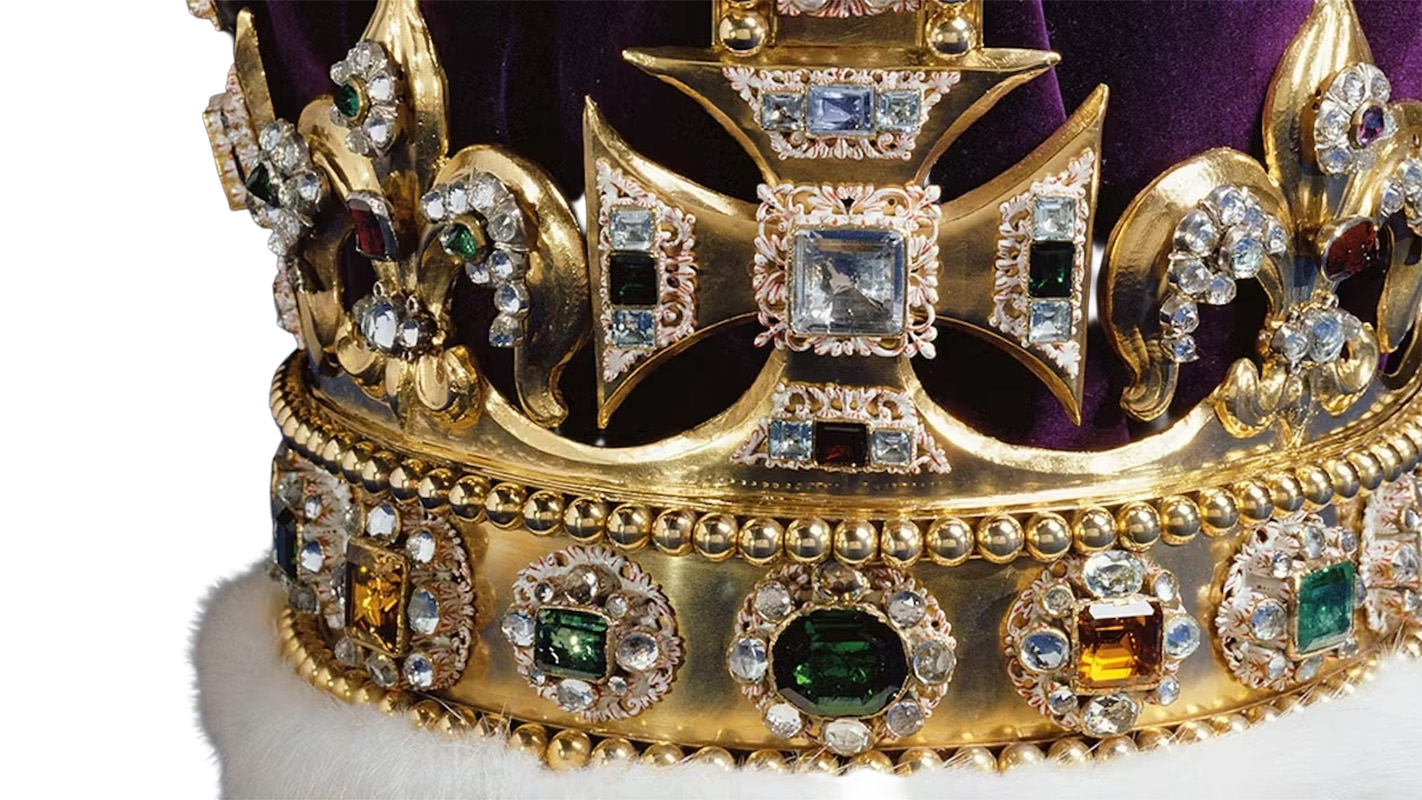
(Getty Images)
When most of us think of natural-diamond encrusted crowns, tiaras, and scepters, our minds go straight to fantasy and royal drama. But Europe’s crown jewels are far more than glittering symbols of wealth. They are some of the most recognizable and powerful objects in history.
“Crown jewels are far more than decorative objects; they are living records of monarchy, national identity, and political history. A natural diamond may be a remarkable geological miracle, but within crown regalia, it also becomes part of a nation’s story and collective memory,” Justin Daughters, director of Berganza, tells Only Natural Diamonds.
Meet the Expert

- Justin Daughters is Director of Berganza, one of London’s leading authorities on antique and period jewelry.
- His work spans decades of handling rare rings and heirloom-quality stones, giving him a nuanced understanding of craftsmanship, provenance, and historical context.
Ahead, Daughters ranks the royal jewels of Europe not simply by extravagance, but by symbolism, ceremonial importance, artistic achievement, and the legacy they continue to carry today.
What Makes a Royal Jewel Collection Legendary
When evaluating the significance of Europe’s crown jewels, it is never just one factor that matters. The most important royal collections are not simply the ones with the largest diamonds or the highest monetary value, but the ones that have remained woven into the identity of a nation for centuries. These jewels have survived wars, political upheavals, changing dynasties, and the rise and fall of empires, all while continuing to function as symbols of state power, continuity, and ceremony. Many are still actively used in coronations, royal weddings, diplomatic events, and parliamentary traditions today, giving them a relevance that extends far beyond museum objects.
“The greatest collections combine exceptional craftsmanship with historical continuity, symbolism, and rarity. At this level, extraordinary gemstones and artistic mastery are almost expected, but what truly elevates a collection is the historical and cultural weight it carries,” Daughters says.
The British Crown Jewels: The World’s Most Recognizable Royal Collection

According to Daughters, there are many reasons why the British Crown Jewels earned the top ranking. “Ranking ultimately depends on the criteria used, but generally, the UK would rank highest due to its continuity, global recognition, and ongoing ceremonial use,” he says.
The British Crown Jewels are arguably the most famous royal collection in the world, instantly recognizable through coronations, royal weddings, state openings of Parliament, and centuries of global fascination with the monarchy itself. Beyond their extraordinary gemstones and craftsmanship, the collection functions as a living archive of British history, charting the evolution of the monarchy from medieval rule to the modern constitutional era.

“The British Crown Jewels represent both continuity and reinvention, having been recreated following the destruction of the original regalia during the English Civil War and Interregnum, while maintaining an unbroken ceremonial role ever since,” Daughters says. “The British Crown Jewels also hold extraordinary continuity because they continue to play an active role in state ceremonies and public consciousness. That ongoing ceremonial function gives them a cultural relevance that extends far beyond age, rarity, or monetary value.”
The collection includes some of the most important ceremonial objects in royal history, including St. Edward’s Crown, the Imperial State Crown, the Sovereign’s Orb, the Sovereign’s Sceptre with Cross, ceremonial swords, rings, armillae, and various state and consort crowns still used in major royal ceremonies today.
The British Crown Jewels at a Glance
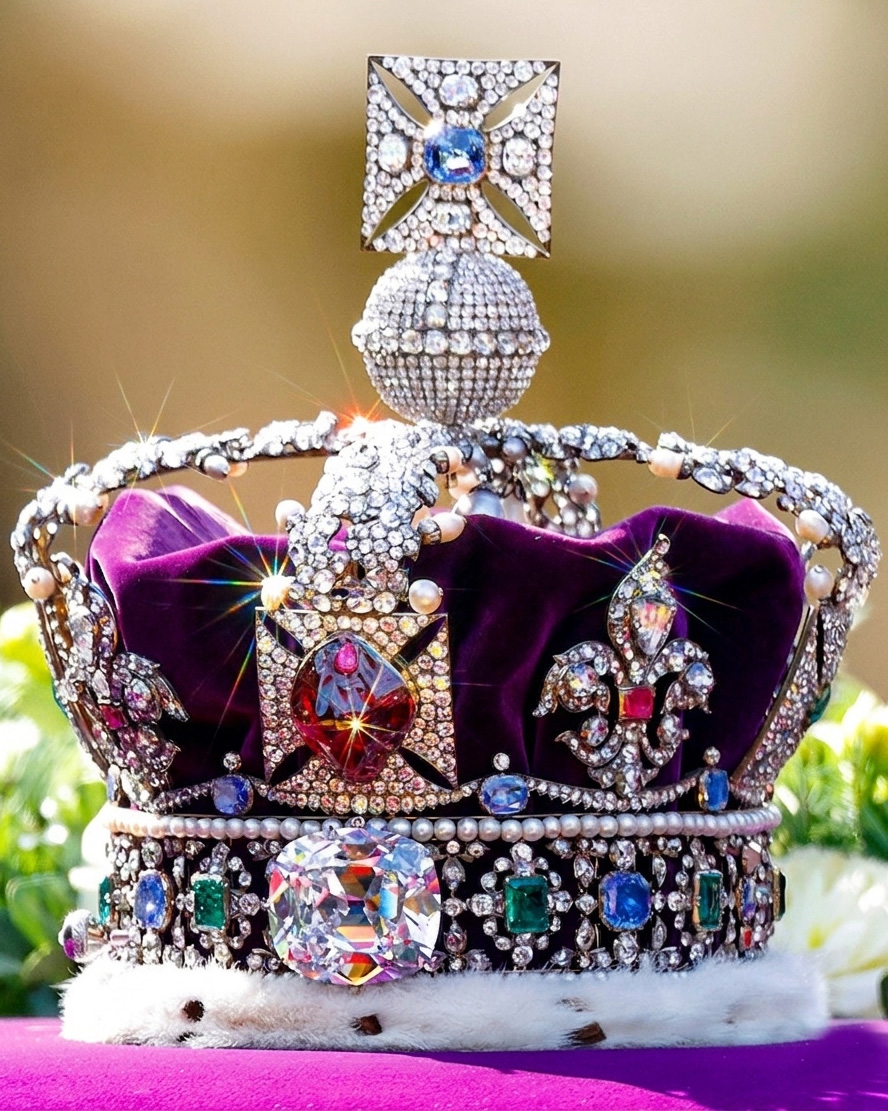
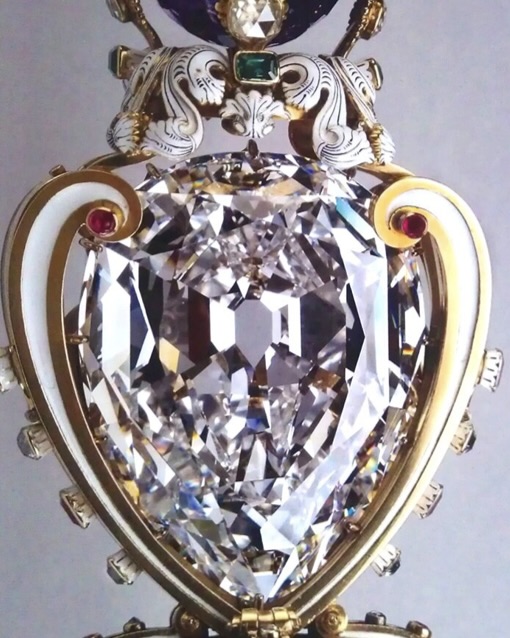
The Crown Jewels of the United Kingdom comprise more than 23,000 gemstones—including natural diamonds, sapphires, rubies, and emeralds—with some objects dating back over 1,000 years. Held in trust by the monarch for the nation, the collection has been safeguarded at the Tower of London since the 1660s. Among its most iconic pieces are regal crowns, ornate sceptres, ceremonial swords, golden orbs, rings, and armillae, including St. Edward’s Crown, the Imperial State Crown, and the Sovereign’s Sceptre with Cross, all used during coronations and major state occasions such as the State Opening of Parliament.
The Legendary Diamonds Behind the Collection
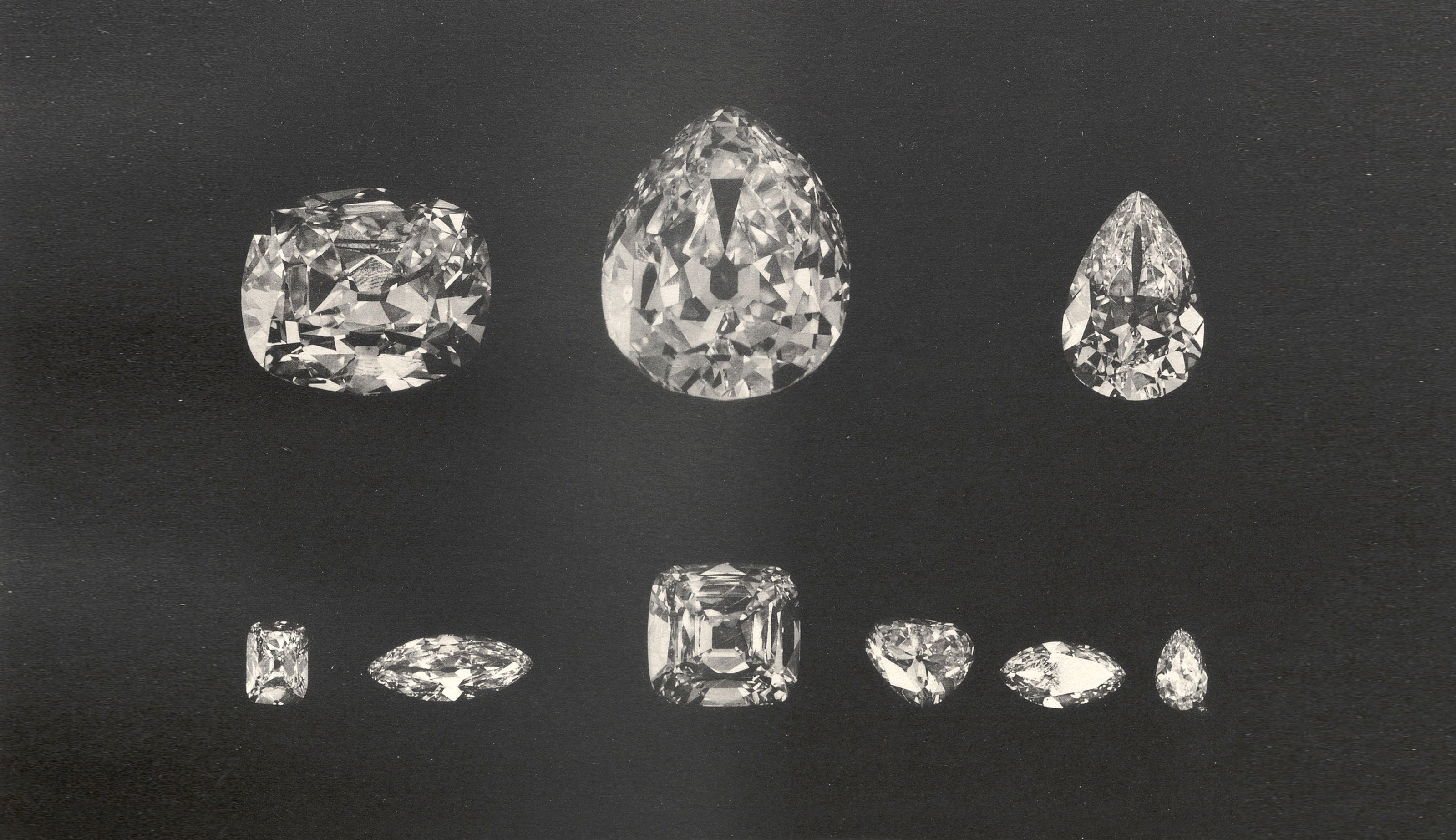
Cullinan I: The Cullinan I diamond, also known as the Great Star of Africa, weighs 530.2 carats and is set at the head of the Sovereign’s Sceptre with Cross. Cut from the original 3,106-carat Cullinan Diamond discovered in South Africa in 1905, it remains the largest clear-cut diamond in the world and one of the most important stones within the British Crown Jewels.
Koh-i-Noor: The Koh-i-Noor is a 105.6-carat diamond with a long and complex history tied to several South and Central Asian dynasties before eventually becoming part of the British royal collection. Today, it sits in the Queen Mother’s Crown, which contains more than 2,800 natural diamonds. The crown was created for the coronation of King George VI and Queen Elizabeth in 1937 and was last publicly displayed atop the Queen Mother’s coffin during her funeral in 2002. For the 2023 coronation of Queen Camilla, the controversial Koh-i-Noor diamond was notably not used. Instead, Buckingham Palace chose Queen Mary’s Crown, which was modified with the Cullinan III, IV, and V diamonds for the ceremony.
The Danish Crown Jewels: Europe’s Most Intact Royal Treasury
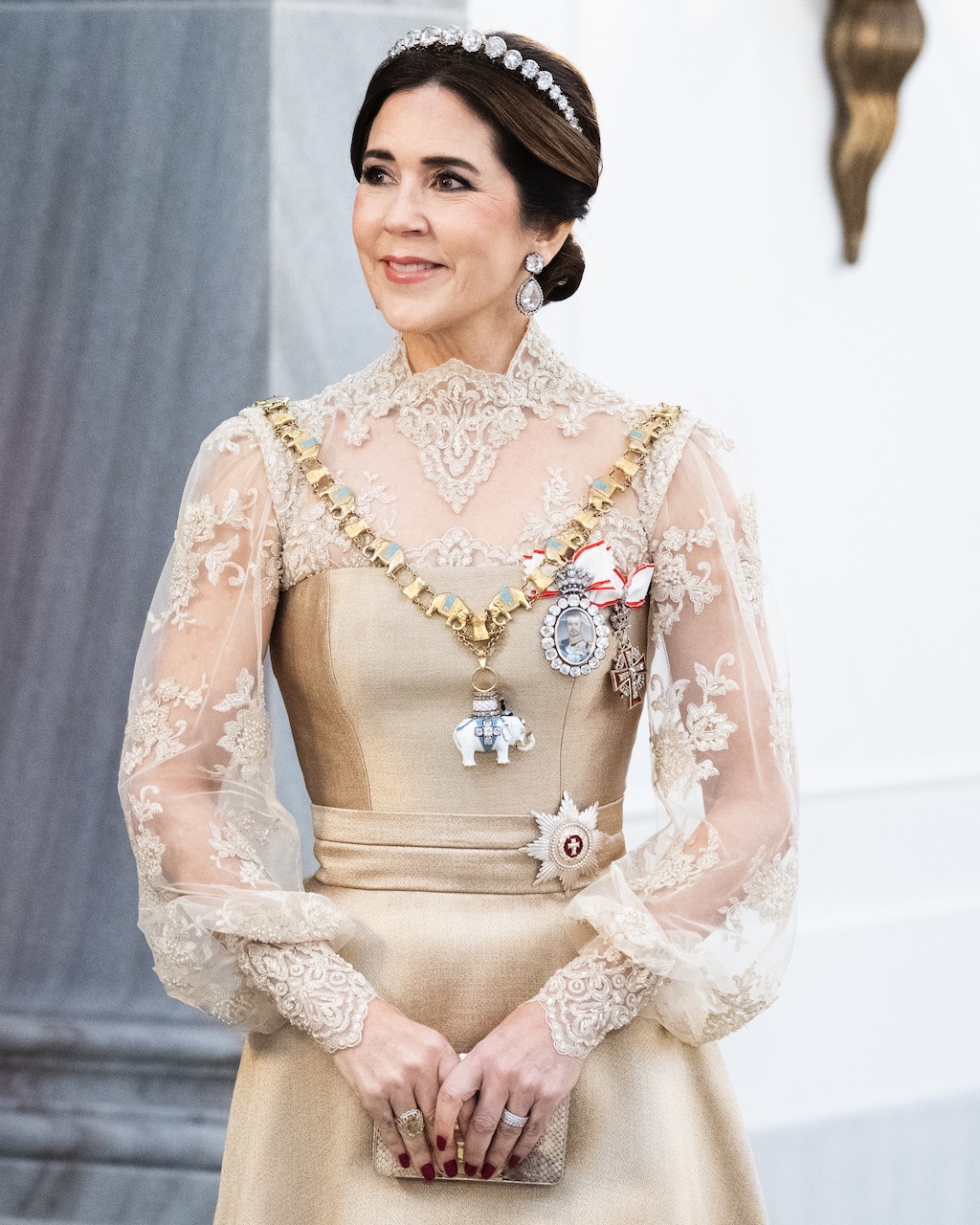
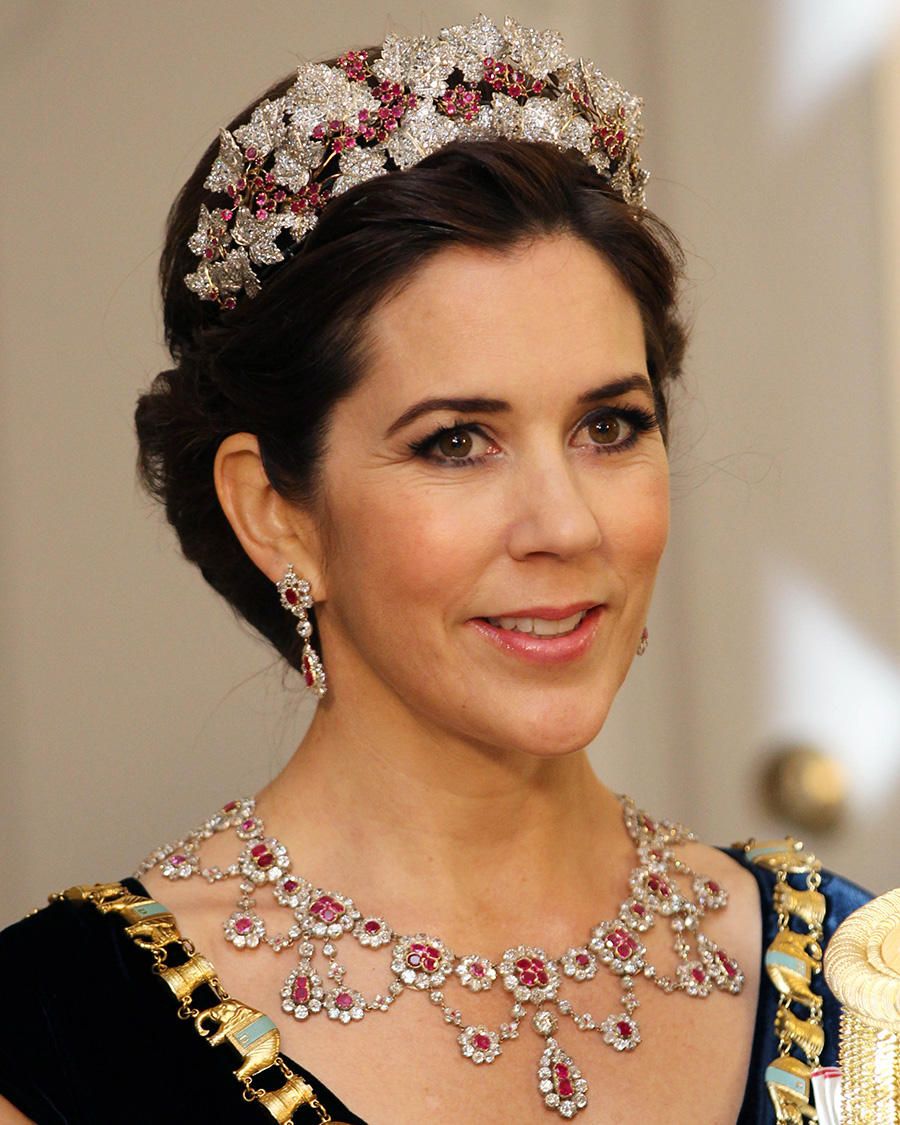
According to Daughters, the Danish Crown Jewels came very close to taking the top spot because they are among the clearest examples of uninterrupted monarchical continuity in Europe. The collection remains remarkably intact and exceptionally well preserved, offering a rare glimpse into how royal regalia can survive centuries of political and cultural change while remaining deeply tied to national identity.
Daughters notes that the Danish Crown Jewels are especially significant because of their extraordinary continuity and preservation. “The British and Danish crown jewels are perhaps the strongest examples of monarchical continuity in Europe,” he says. While Britain’s regalia reflects both continuity and reinvention following the destruction of the original Crown Jewels during the English Civil War, Denmark’s collection “has remained almost entirely intact,” creating what he describes as “a rare sense of unbroken cultural identity.”
He also explained that Denmark’s regalia functions differently than many other royal collections in Europe. “In Denmark, the regalia feels more closely tied to national heritage and cultural continuity, serving as an enduring public symbol of Danish history,” he says. That connection between the monarchy and national identity has helped transform the jewels from historical treasures into living cultural artefacts still woven into modern royal life.
The Danish Crown Jewels at a Glance
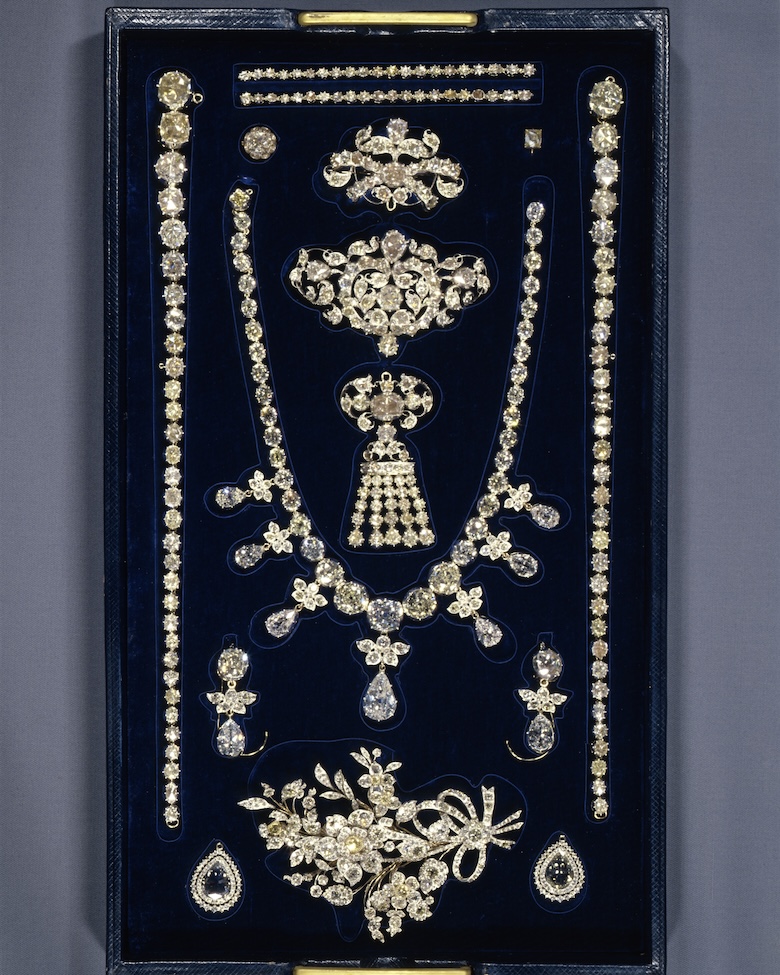
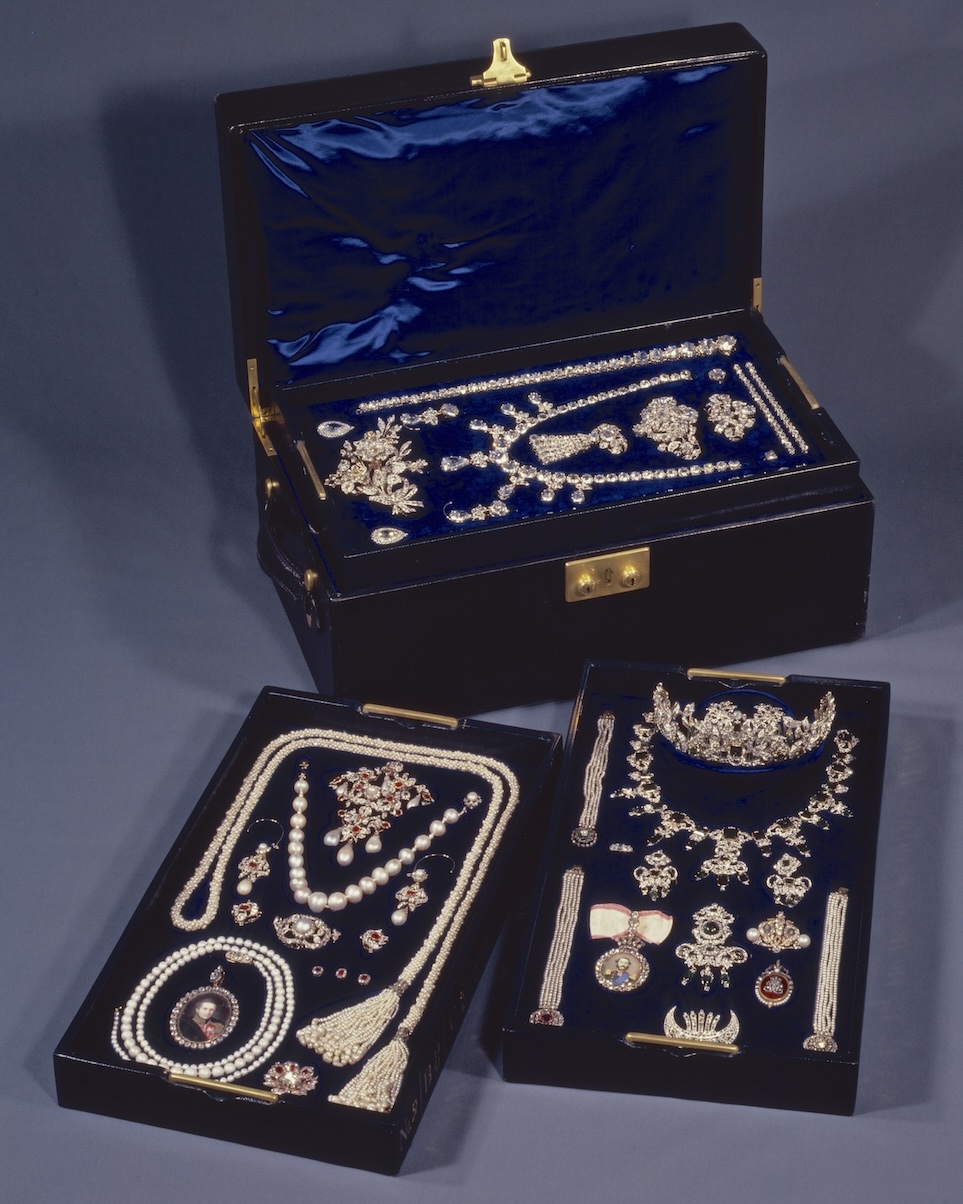
The Danish Crown Jewels are unique in that they are among the very few royal collections in the world that are both publicly displayed in a museum and still actively worn by reigning royals.
The collection is made up of four parures: the Diamond Parure, the Emerald Parure, the Ruby Parure, and the Rose-Cut Diamond Parure. Each suite was assembled in 1840 by Queen Caroline Amalie, consort of King Christian VIII, using heirloom gemstones passed down through generations of the Danish royal family.
Today, many of these historic jewels remain closely associated with state occasions and royal portraiture, helping preserve a visual continuity between Denmark’s past and present monarchy.
The Most Important Jewels in the Collection
The Pearl and Diamond Tiara (also known as the Danish Pearl Poiré Tiara): Commissioned in 1825 by King Friedrich Wilhelm III of Prussia as a wedding gift for his daughter, Princess Louise of Prussia, the tiara later became part of the Danish royal collection after Louise married the future King Christian IX of Denmark. The jewel is known for its dramatic pear-shaped pearls and remains one of the most recognizable tiaras in the Danish royal vault.
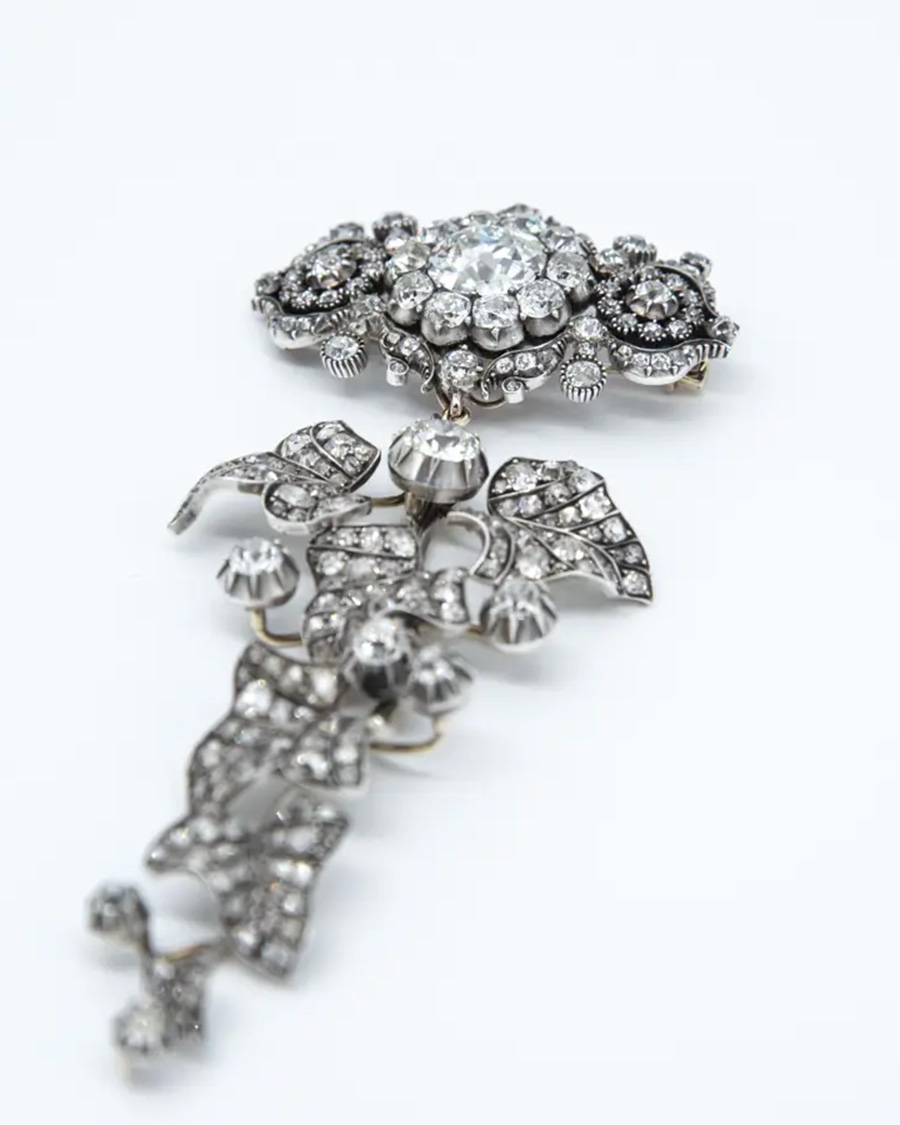
Diamond Ivy Brooch: Originally owned by Princess Caroline of Denmark, the brooch later passed to Queen Lovisa before entering the Danish Royal Property Trust. Today, it is frequently worn by Queen Mary and has become one of the more recognizable historic brooches in the modern Danish royal collection.
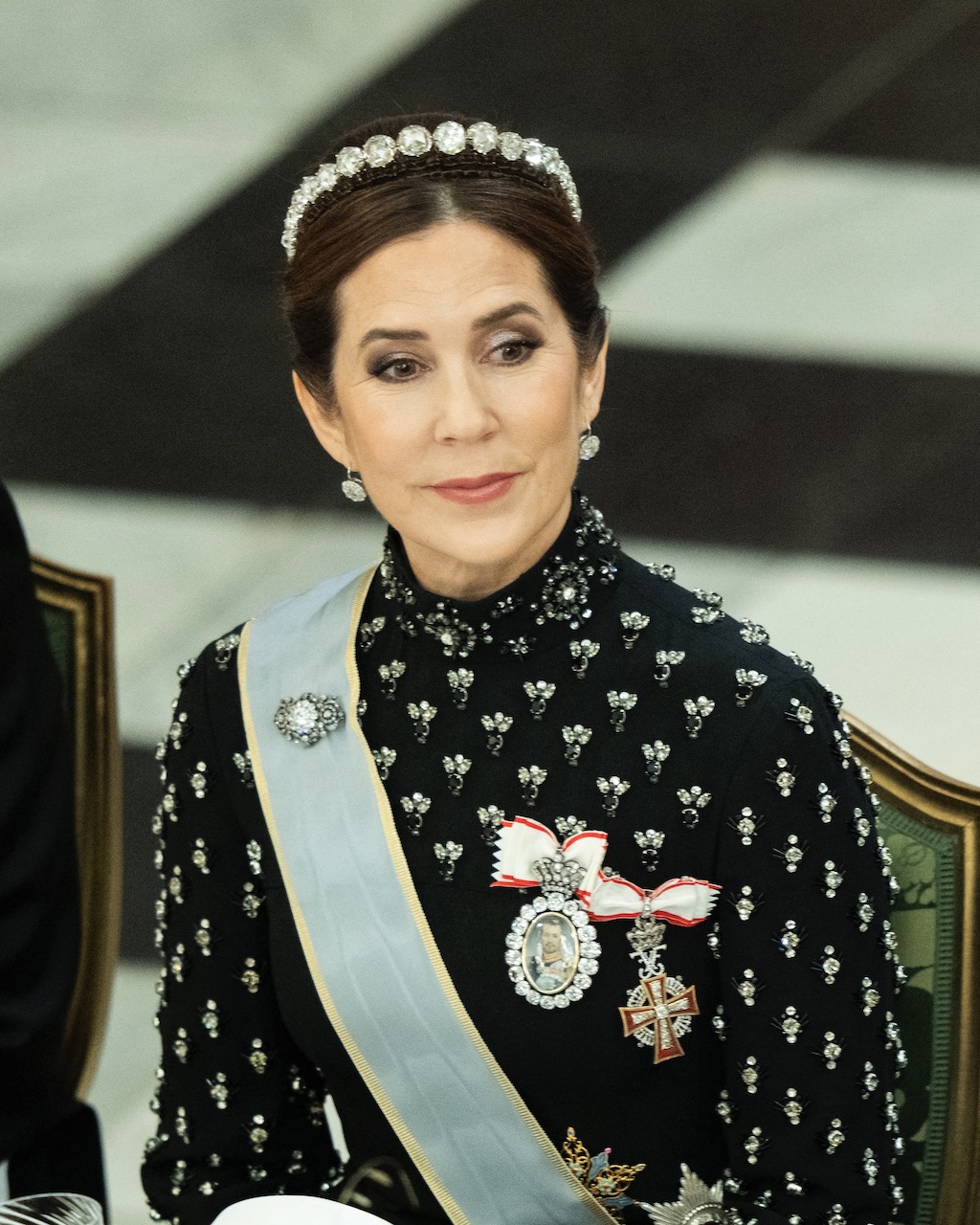
Danish Rose Diamond Bandeau Tiara: One of the newer additions to the collection, this bandeau-style tiara was created using heirloom rose-cut diamonds from the historic Rose-Cut Diamond Parure. Queen Mary worked with the royal jewelers to transform the stones into a modern tiara while preserving the historical significance of the original diamonds.
France’s Crown Jewels: The Most Mythologized Collection in Europe
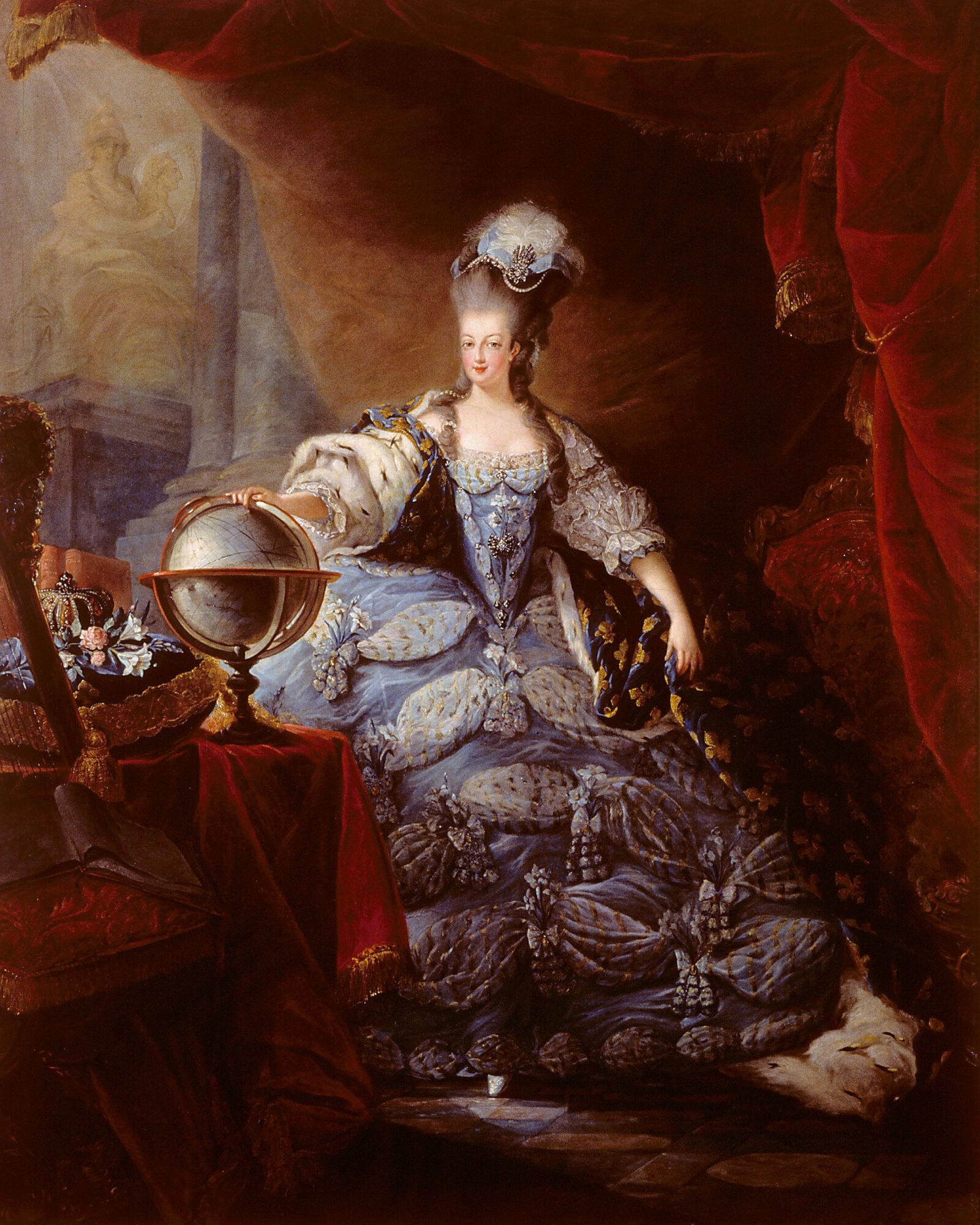

The Crown Jewels of France are perhaps the most mythologized royal collection in Europe. Unlike Britain or Denmark, whose regalia remain closely tied to living monarchies, France’s crown jewels are deeply shaped by revolution, disappearance, and the collapse of royal power itself. The origins of the collection trace back to the early French monarchy and the coronation traditions established under Pepin the Short in the eighth century. Over time, the treasury evolved into one of the most spectacular royal collections in Europe.
Daughters notes that the French Crown Jewels are inseparable from disruption and loss, explaining that the French Revolution fundamentally transformed the collection and permanently altered the meaning of royal regalia in France. “Since the monarchy no longer exists, the surviving jewels have shifted away from representing royal power and instead embody French artistic heritage and the legacy of a lost monarchy,” he says.
Unlike Denmark’s remarkably intact treasury or Britain’s still-active ceremonial regalia, France’s surviving jewels became emotionally charged precisely because so much of the original collection disappeared over time. According to Daughters, “the break-up of the collection following the revolution and later state sales created an almost mythical quality around the surviving stones.” The result is a royal collection defined as much by absence and fragmentation as by the jewels themselves.
He also notes that pieces like the Regent Diamond carry enormous cultural resonance today because they are “fragments of a once-unrivalled royal treasury.” In many ways, the disappearance of so many historic pieces only intensified global fascination with the jewels that remain.
The French Crown Jewels at a Glance
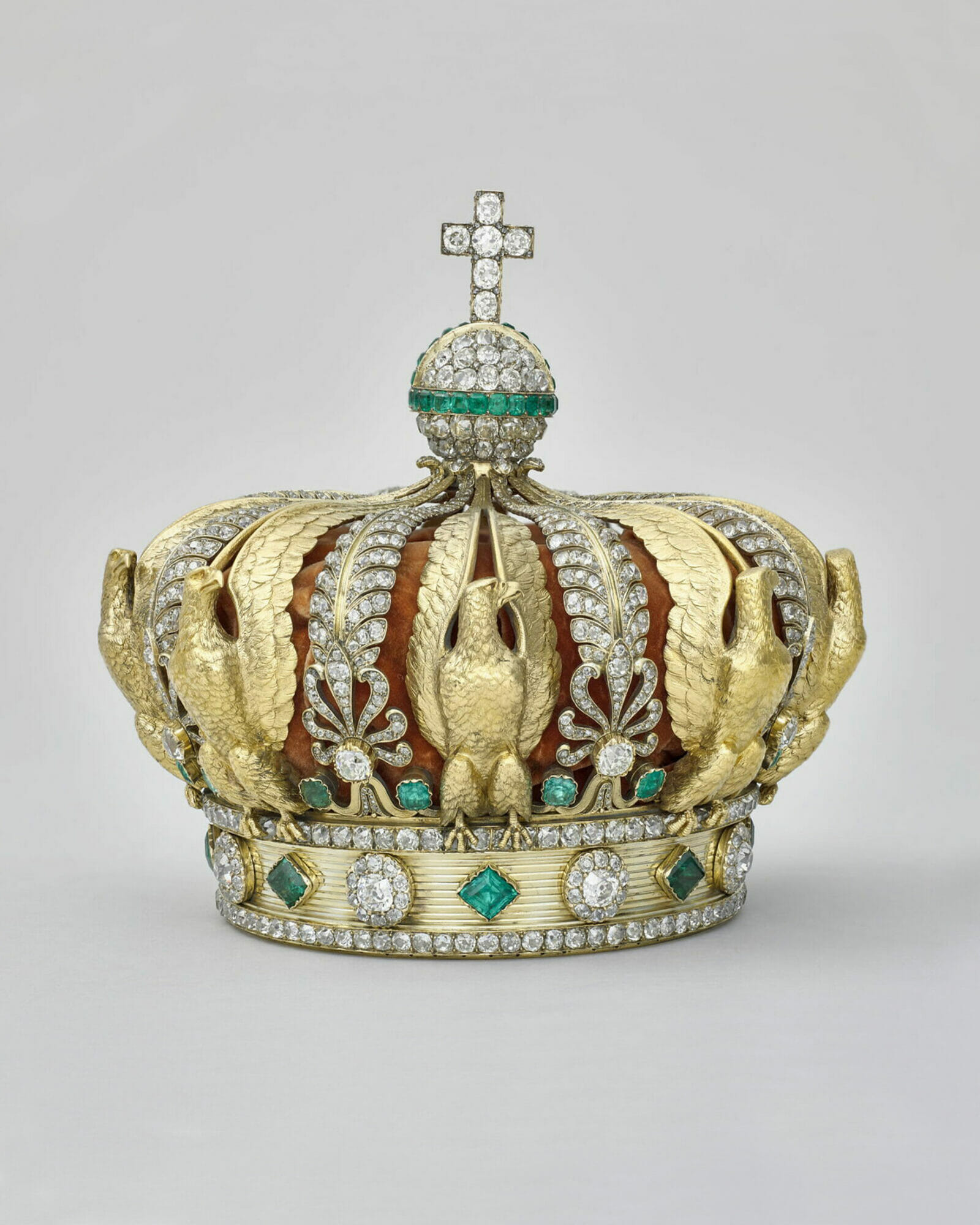
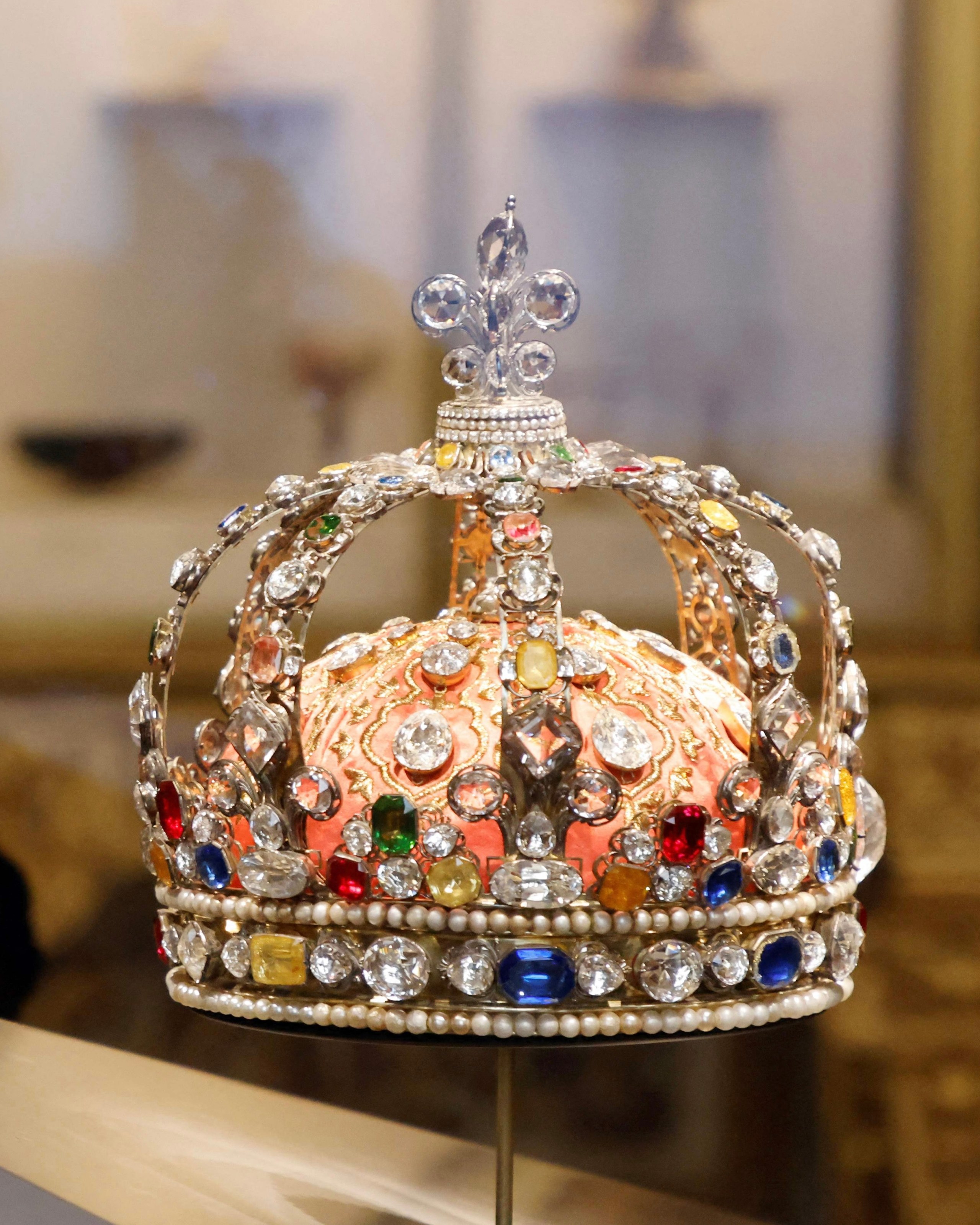
The French Crown Jewels have achieved an almost mythical status because of both their extraordinary beauty and dramatic history. The collection once included crowns, diamond sceptres, royal orbs, necklaces, earrings, ceremonial swords, and some of the most famous diamonds in the world.
In 1530, King Francis I formally declared that the jewels would no longer belong to an individual monarch, but instead remain permanently attached to the French Crown. That decision transformed the collection into a symbol of the French state itself rather than merely the private property of a ruling family.
During the French Revolution, many royal jewels were stolen in the infamous 1792 Garde-Meuble theft. While several legendary stones, including the Regent Diamond, were eventually recovered, countless pieces disappeared forever. Today, surviving treasures from the French Crown Jewels are dispersed across museums and institutions, with some of the most important examples displayed at the Louvre Museum’s Galerie d’Apollon in Paris.
Another much more recent event that contributed to the collection’s almost mythical status took place on October 19, 2025, when thieves disguised as construction workers stole several pieces of the French Crown Jewels from the Galerie d’Apollon at the Louvre Museum. In a brazen daytime heist that reportedly took less than eight minutes, the robbers escaped with imperial tiaras, brooches, necklaces, and earrings linked to Empress Eugénie, Marie-Louise, and other figures from French royal history. The theft shocked France and reignited global fascination with the surviving Crown Jewels collection.
The Legendary Diamonds Behind the Collection


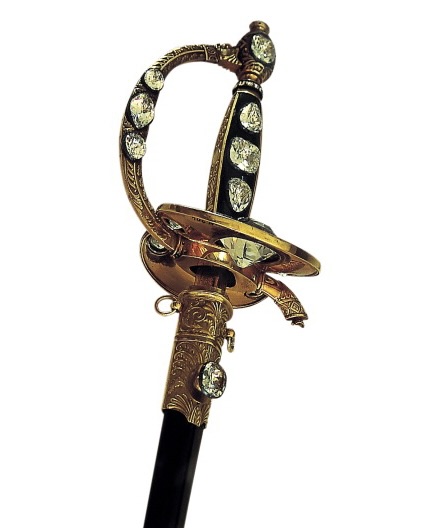
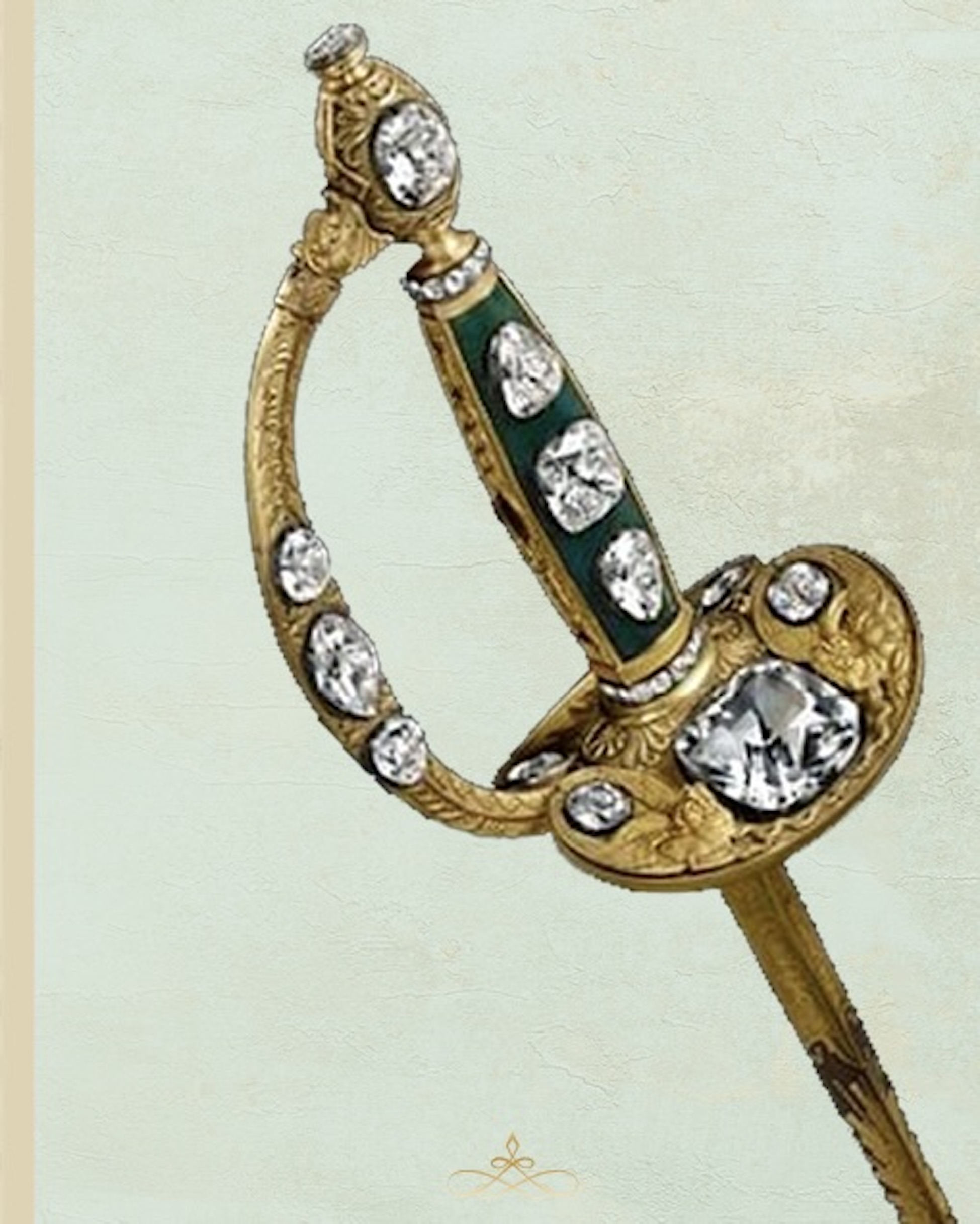
The Regent Diamond: Purchased by Philippe II, Duke of Orléans, for the French Crown Jewels in the early 18th century, the Regent Diamond remains one of the most important stones associated with the French monarchy. The 140.64-carat diamond was worn by both Louis XV and Louis XVI during their coronations, while Marie Antoinette famously incorporated it into her personal adornments. Napoleon Bonaparte later mounted the stone into the hilt of his ceremonial sword. Today, the Regent Diamond is displayed at the Louvre Museum.
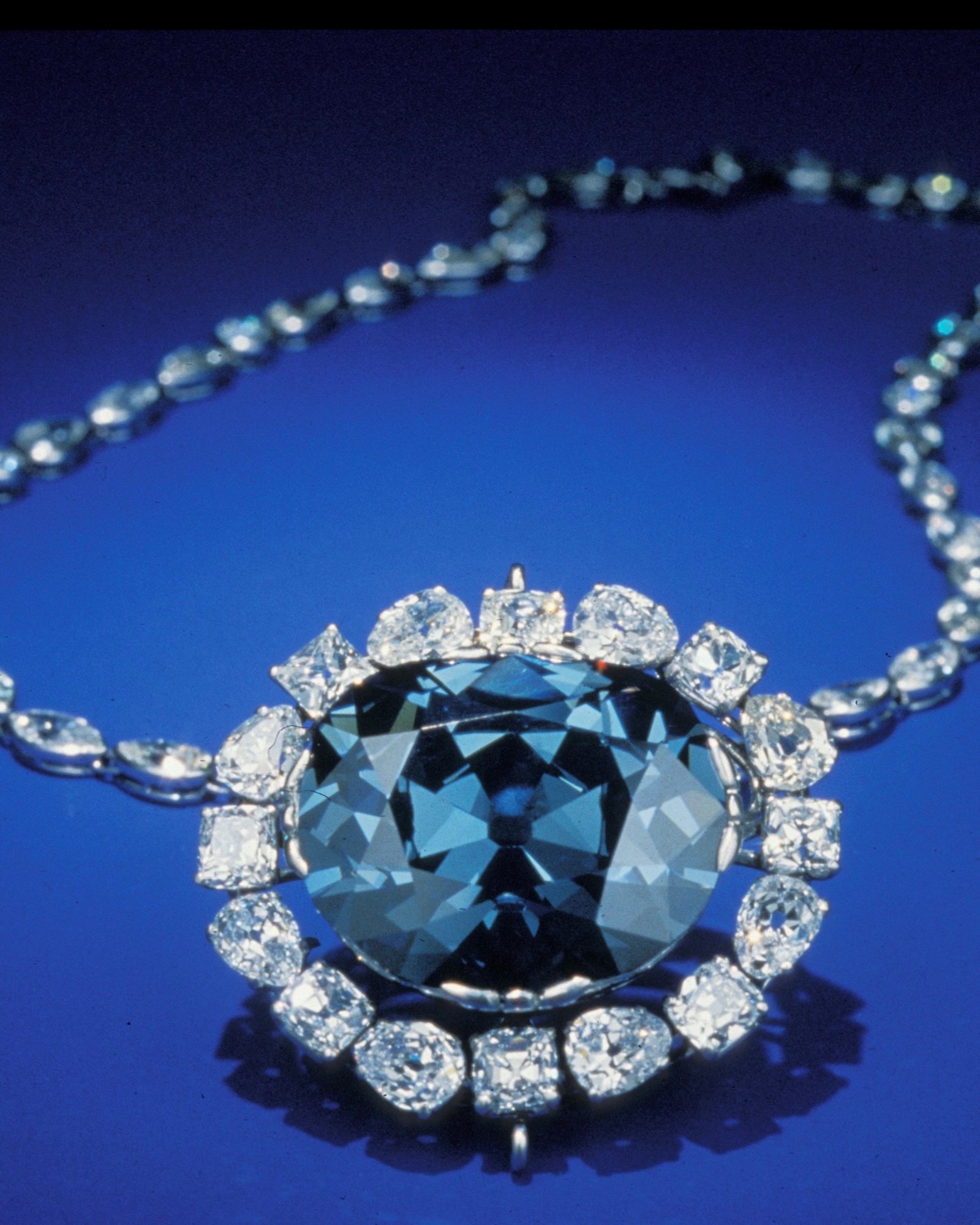
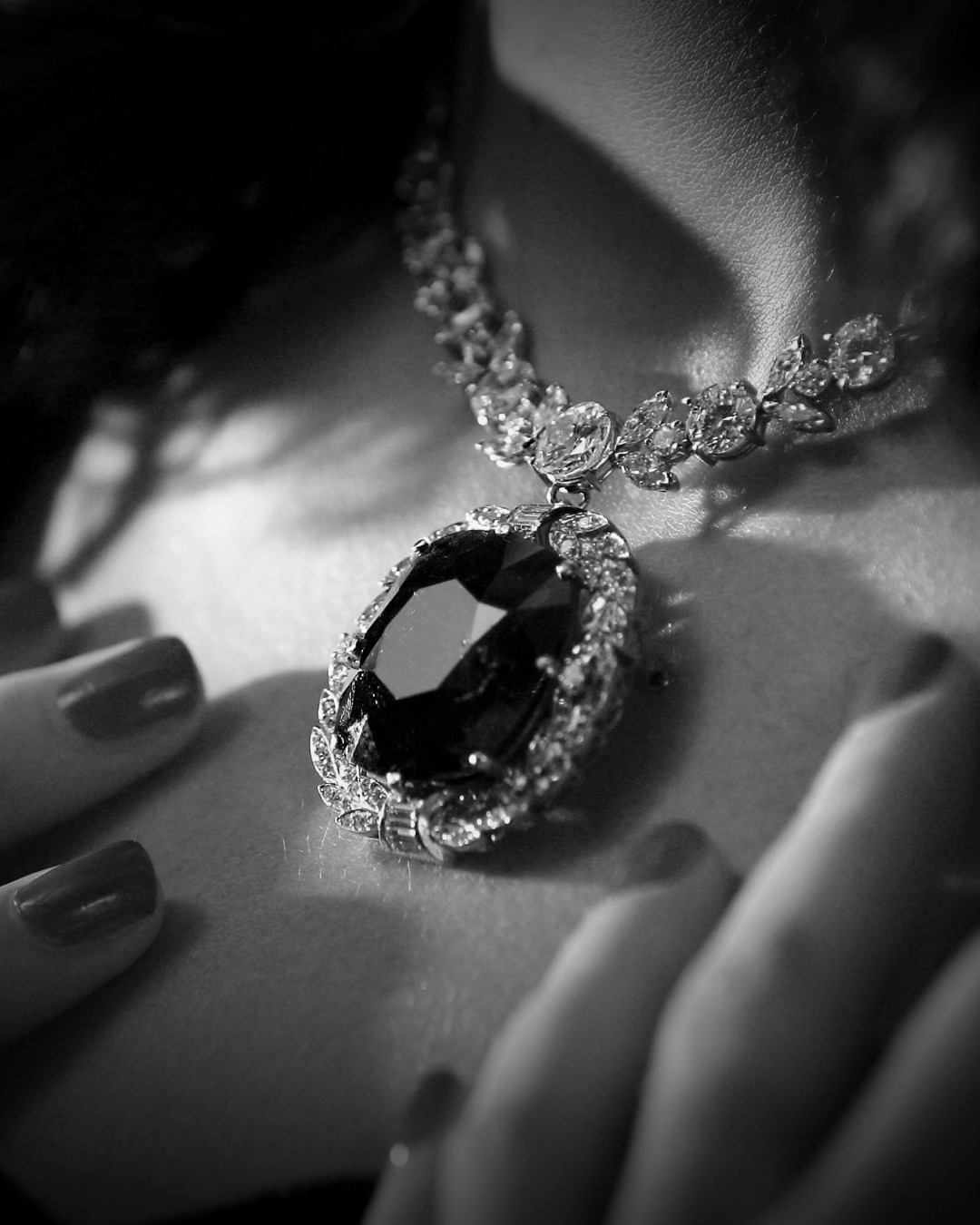
The Hope Diamond: The exceptionally rare 45.52-carat Fancy Deep Grayish Blue diamond originated in India before being acquired by French gem merchant Jean-Baptiste Tavernier and eventually sold to King Louis XIV. Over the centuries, the diamond became associated with one of the most famous “curses” in jewelry history, though many of the stories surrounding it—including Tavernier allegedly being killed by wild dogs—have long been dismissed as legend rather than fact.
The Hope Diamond later passed through the hands of Louis XVI and Marie Antoinette before eventually disappearing during the French Revolution. In the 20th century, American socialite Evalyn Walsh McLean famously owned the blue diamond before it was donated to the Smithsonian Institution, where it remains today.
Spain’s Royal Jewels: Symbols of Dynastic Resilience
Unlike many European royal collections, Spain’s jewels are not defined by one centralized state treasury, but instead by a combination of ceremonial regalia and privately inherited royal heirlooms passed down through generations of the monarchy.
The traditions surrounding Spain’s royal jewels trace back to the era of the Catholic Monarchs in the 15th century and include crowns, sceptres, swords, and some of Europe’s most important diamond-set royal jewels. More than almost any other royal collection, Spain’s jewels are shaped by survival, with many pieces enduring wars, exile, political instability, and the restoration of the monarchy itself.
Daughters notes that Spain occupies a unique position somewhere between Denmark and France, with its royal jewelry deeply shaped by political upheaval and dynastic endurance. “Political upheavals fundamentally alter the meaning of crown jewels,” he says, explaining that in Spain, periods of war, exile, and instability transformed royal jewels “into symbols of dynastic resilience and continuity.”
Rather than functioning solely as displays of royal authority, many of Spain’s surviving jewels became symbols of endurance through periods of national uncertainty. According to Daughters, these disruptions often deepen the cultural value of royal regalia because the surviving pieces become “witnesses to historical change,” with their significance tied not only to beauty or rarity but also to survival itself.
The Spanish Royal Jewels at a Glance
The Spanish Royal Jewels comprise both ceremonial regalia—such as the Corona Tumular de los Reyes de España, sceptres, and swords—as well as exceptional wearable treasures set with natural diamonds, including tiaras, necklaces, brooches, and earrings. Unlike Britain’s Crown Jewels, many of Spain’s most important wearable royal jewels are privately held by the royal family rather than owned directly by the state. This gives the collection a more personal and dynastic quality, closely tied to inheritance traditions within the Spanish monarchy.
One of the defining elements of Spain’s royal jewelry tradition is the Joyas de Pasar, which loosely translates to “jewels to pass on.” Queen Victoria Eugenie formally designated a group of royal jewels that would remain within the monarchy and pass from queen to queen rather than become personal property. The tradition reflects the unique position of Spain’s royal jewels as dynastic heirlooms rather than a unified state-owned treasury.
The Most Important Jewels in the Collection
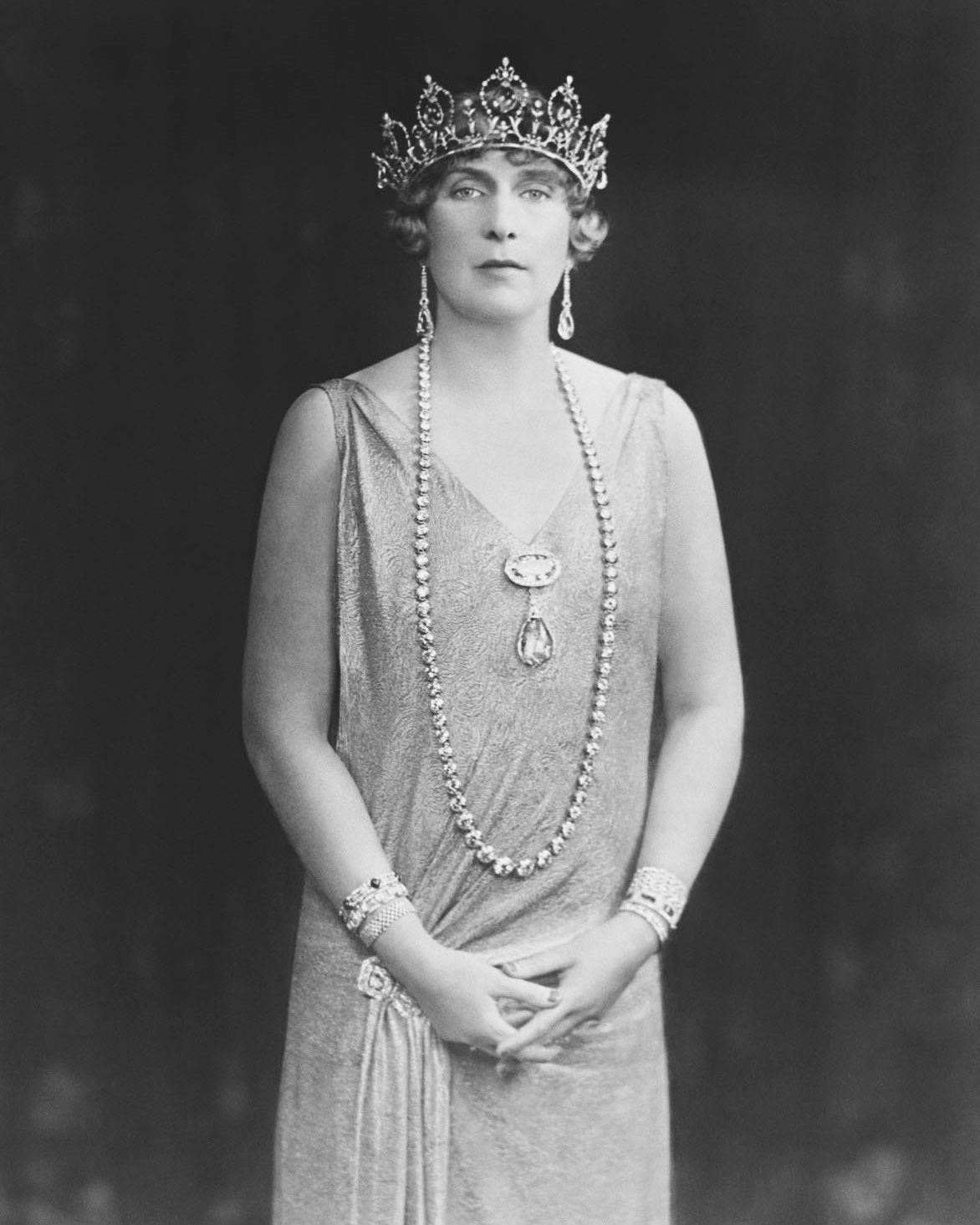
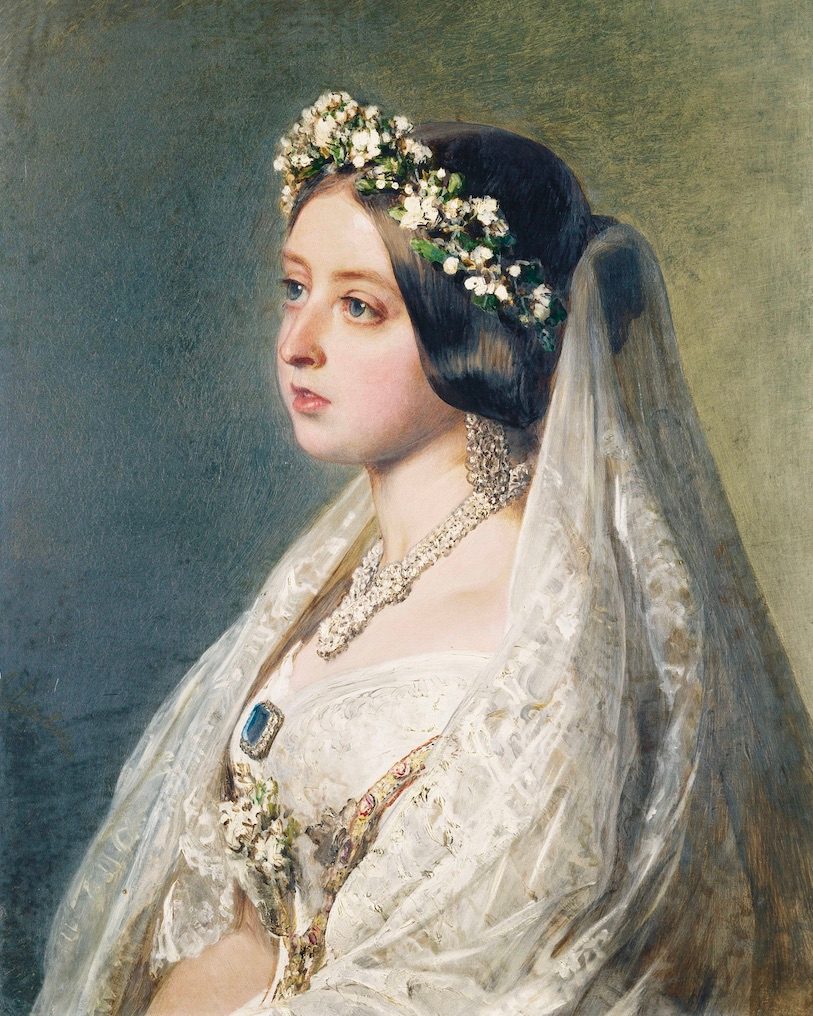
The Diamond Chaton Necklace (also known as the Collar de Chatones): A wedding gift from King Alfonso XIII to Queen Victoria Eugenie, the necklace was worn by the bride on her wedding day in 1906. It is composed of 30 large round-cut diamonds, each individually collet-set, and remains one of the most recognizable pieces in the Spanish royal collection.
The Cartier Loop Tiara: Created by Cartier in the late 19th or early 20th century and traditionally associated with Queen María Cristina of Austria, the tiara is defined by looping diamond garlands softly accented with pearls. The design reflects the refined Belle Époque elegance that shaped many royal jewels of the period.
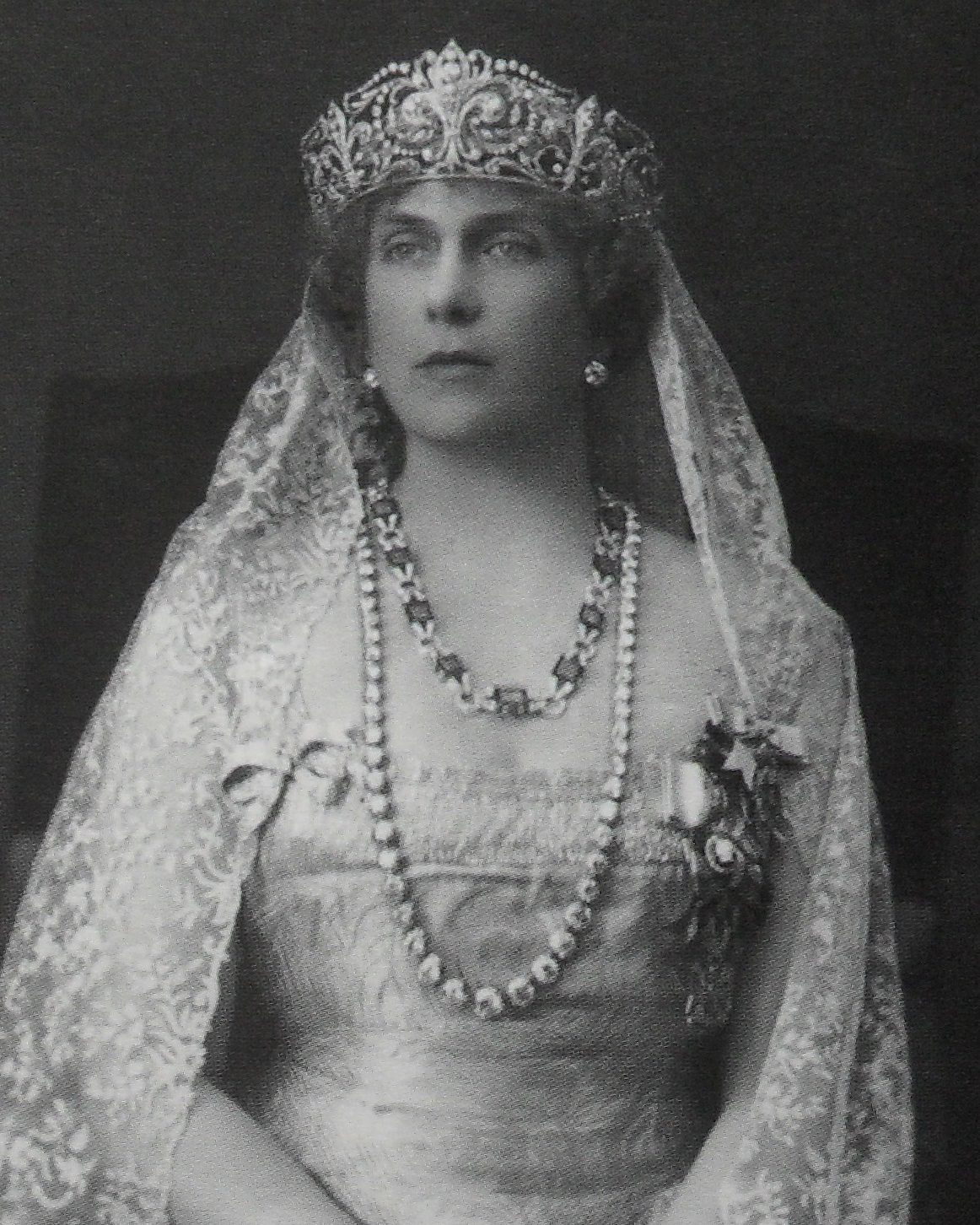
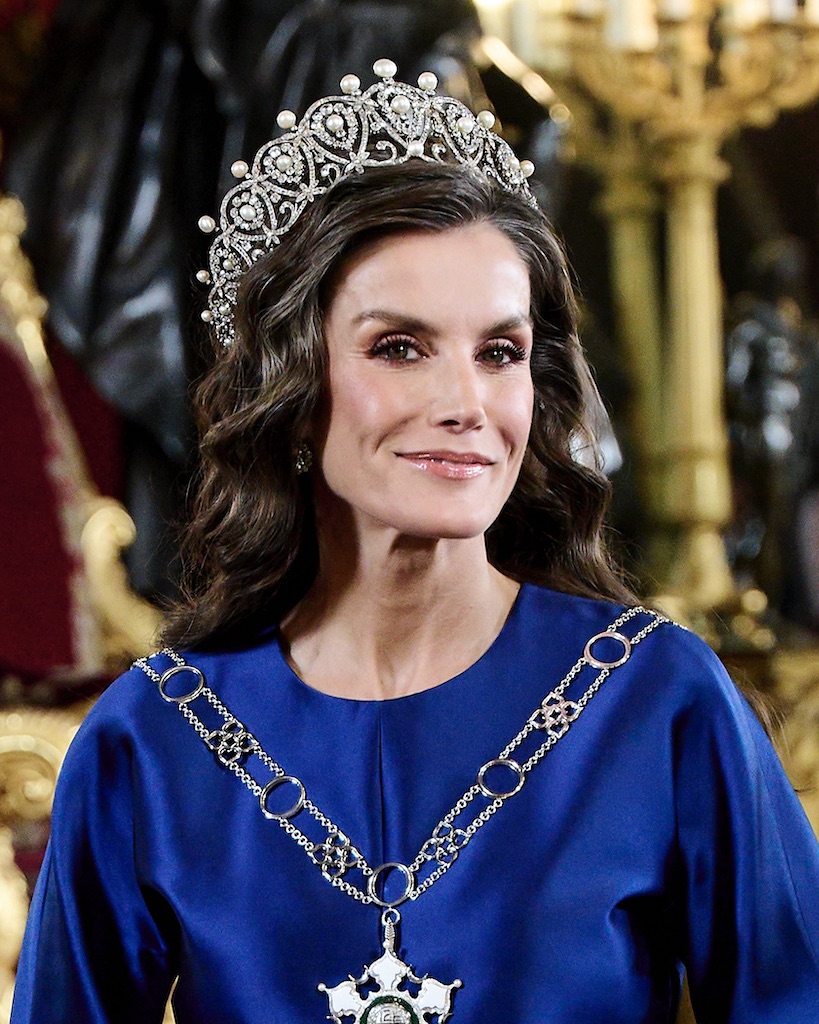
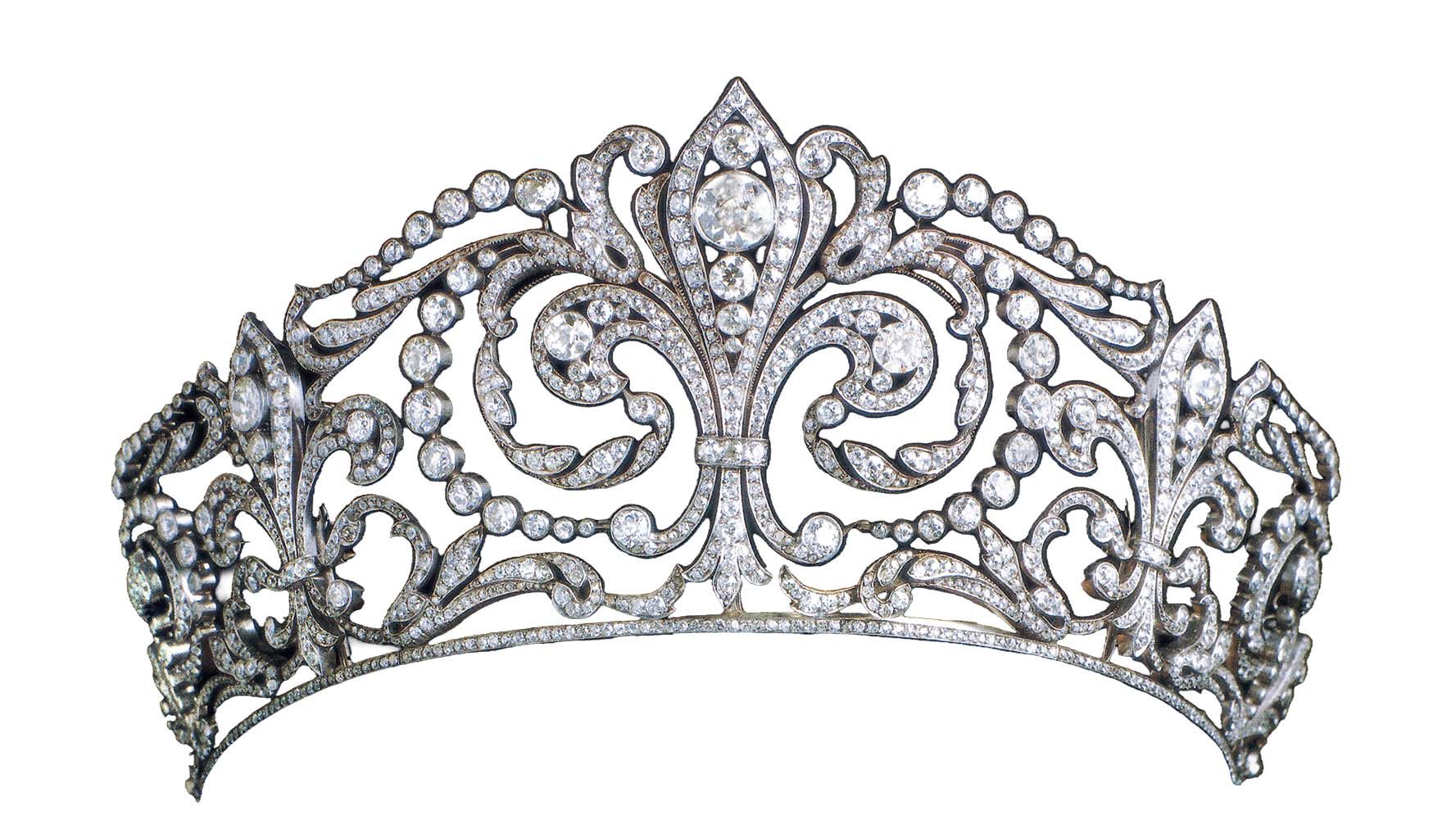
The Fleur-de-Lis Tiara: Queen Ena famously wore this tiara for her wedding in 1906 and in many official royal portraits. Also known as La Buena, the iconic piece features three large fleur-de-lis motifs set with substantial diamonds, a direct reference to the Bourbon dynasty’s heraldic symbol. Over time, it has become one of the defining jewels of the modern Spanish monarchy and is still regularly worn by Queen Letizia today.
Honorable Mentions: The Royal Jewels of Sweden, Austria, Norway and Belgium
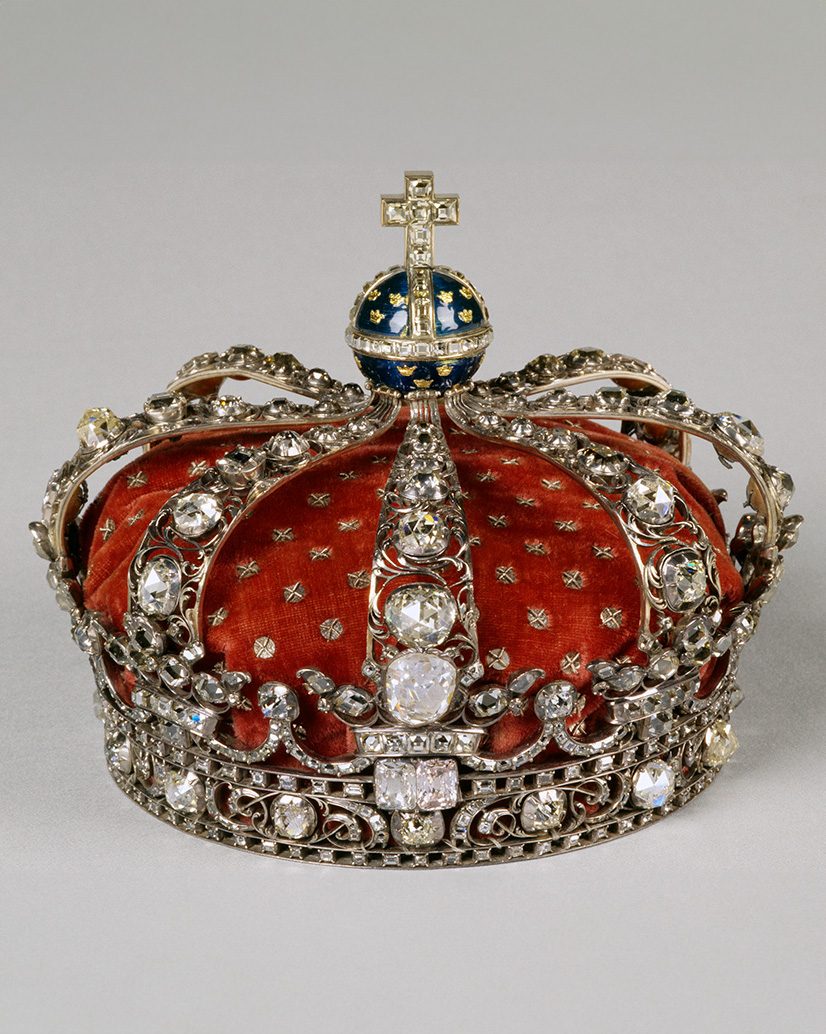
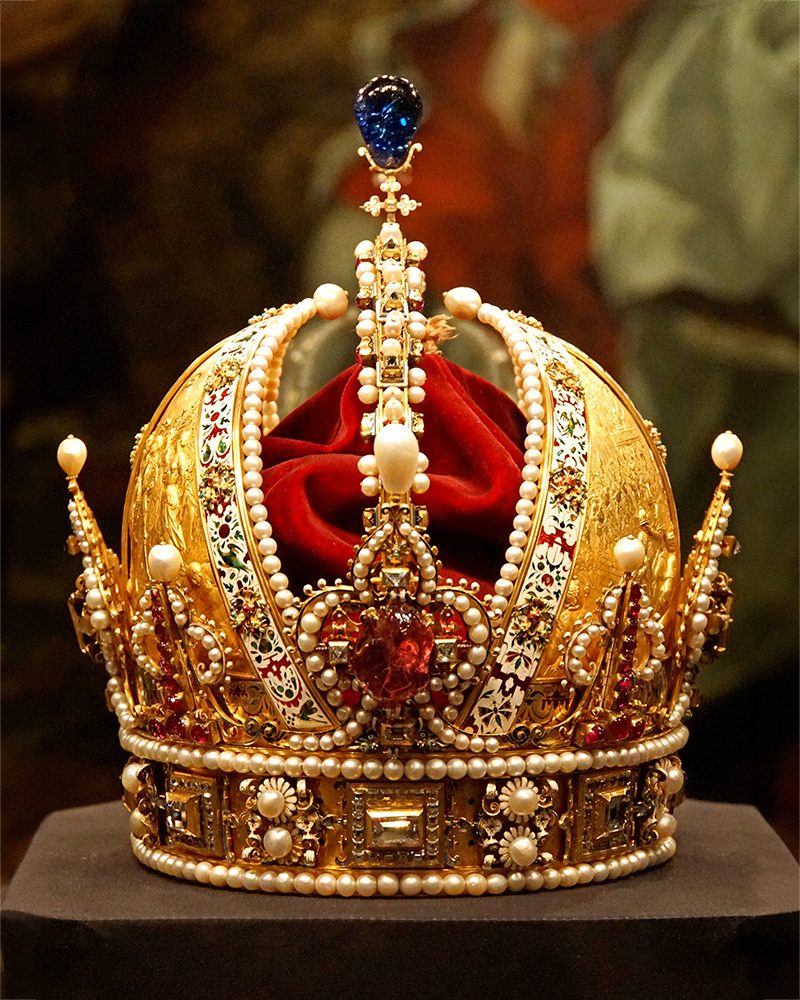
Daughters notes that the royal jewels of Sweden, Austria, Norway, and Belgium all deserve recognition for their historical and symbolic importance. Sweden’s collection includes iconic jewels such as the Cameo Tiara and the towering Braganza Tiara, both still associated with the modern royal family today. Austria’s imperial jewels reflect the grandeur of the Habsburg dynasty, particularly the famed diamond stars of Empress Elisabeth, or “Sisi,” which remain some of the most recognizable royal jewels in European history.
Norway’s royal collection is especially associated with the elegant pearl and diamond tiaras of Queen Maud, while Belgium’s royal vault includes the striking Nine Provinces Tiara, one of the defining jewels of the Belgian monarchy.
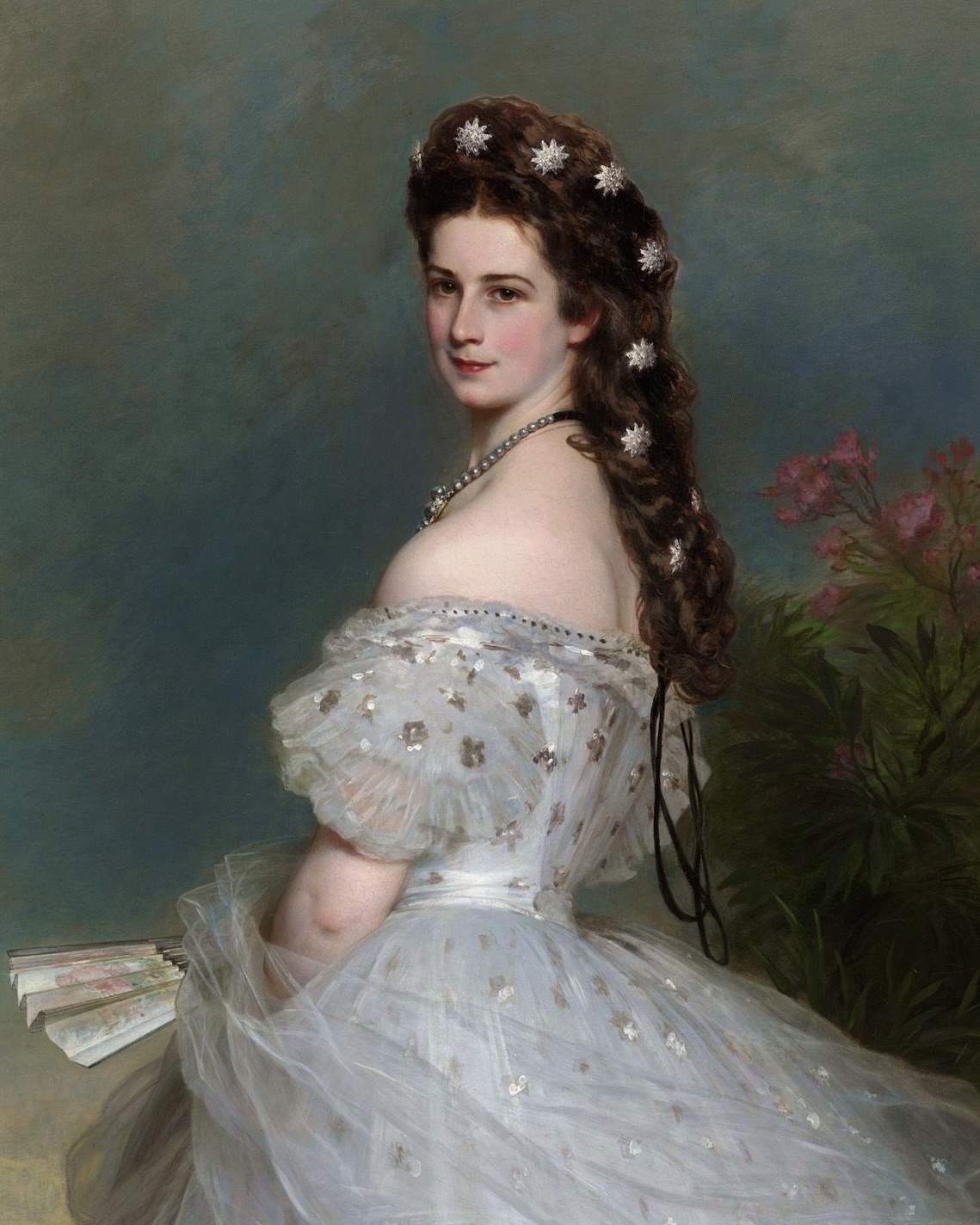
According to Daughters, royal jewels often become even more culturally significant after periods of upheaval or transformation because surviving pieces evolve into “symbols of survival, loss, or political transformation.” In many cases, he notes, their importance becomes tied not only to beauty or rarity, but also to the way they endure as “witnesses to historical change.”
Why Royal Jewels Still Captivate the World
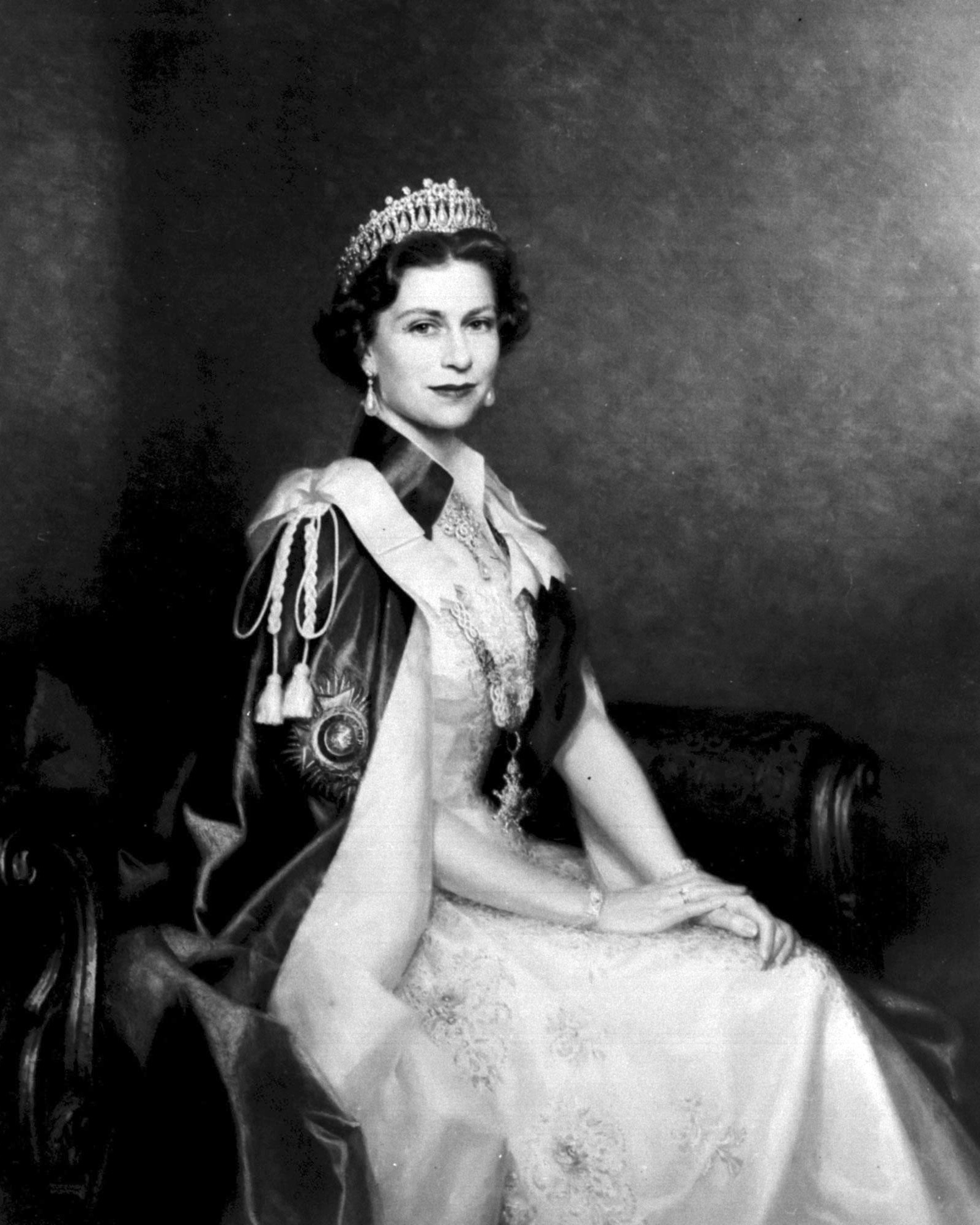
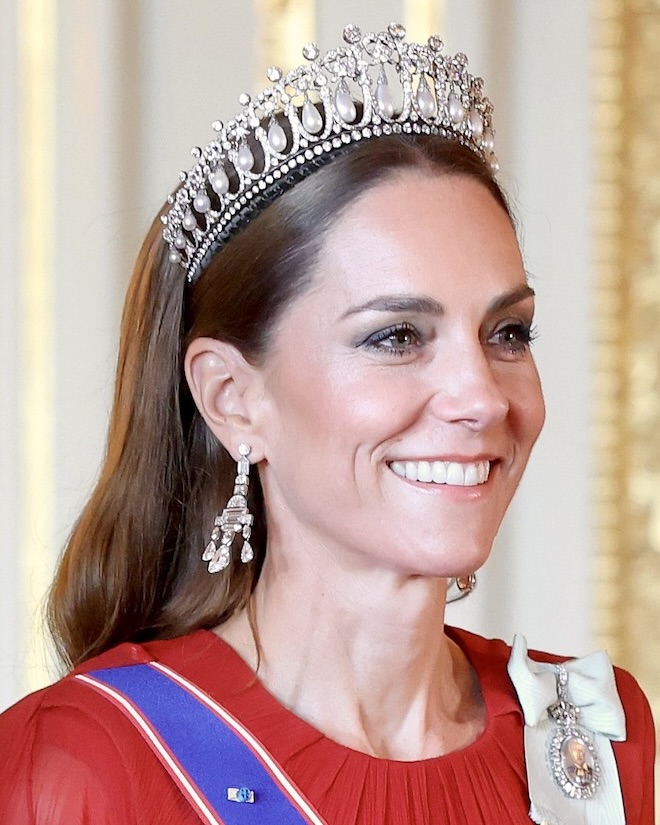
Across Europe, crown jewels have survived revolutions, exiles, wars, thefts, and the collapse of monarchies themselves. While royal dynasties rose and fell, the natural diamonds within these collections endured, passed from ruler to ruler and generation to generation.
That longevity continues to fascinate the world today. These jewels function as physical links to centuries of political history, cultural identity, craftsmanship, and royal mythology. From the Cullinan Diamond in Britain and the Regent Diamond in France to Spain’s Joyas de Pasar, Europe’s crown jewels demonstrate how natural diamonds are the ultimate heirlooms.