
Read More
Every Shade of Extraordinary: An Encyclopedia of Natural Fancy Color Diamonds
A complete guide to the science, the rarity, and the legendary stones behind every hue of natural fancy color diamonds.

This suite of fancy-color diamonds illustrates the range of colors seen today. (Courtesy of GIA)
Natural fancy color diamonds are among the rarest and most extraordinary things the Earth creates. While colorless, near-colorless, and brown diamonds are more common by comparison, fancy color diamonds in most other hues are exceptionally rare, making up only 0.01% of all diamonds discovered. Most people think of diamonds as colorless, but nature can produce them in nearly every color of the rainbow.
What makes fancy color diamonds so fascinating is not only their beauty but also the fact that each color forms in a different way, and some of the causes are yet to be fully understood and determined, primarily through visible spectroscopy. Some owe their color to trace elements like nitrogen or boron. Others owe it to natural radiation exposure or pressure-induced distortion in the crystal lattice. Together, they show just how varied nature’s processes can be, producing diamonds in colors that range from warm yellow and brown to electric blue, soft pink, vivid green, and the nearly mythic red.
Meet the Expert

- Grant Mobley is the Jewelry & Watch Editor of Only Natural Diamonds.
- He is a GIA Diamonds Graduate.
- He has over 17 years of jewelry industry experience, starting with growing up in his family’s retail jewelry stores.
This guide was created with the Gemological Institute of America (GIA), the world’s leading authority on gemology. The images for each color are intended to represent pure, unmodified examples of each hue using GIA color master stones. When GIA determines the color of a fancy color diamond, the stone is examined face-up under controlled lighting and viewing conditions and compared against appropriate master stones. While hue, tone, and saturation are fundamental to color description, the face-up appearance of a diamond is also greatly influenced by its cutting style and facet placement.
Red Diamonds Are the Rarest Fancy Color Diamonds
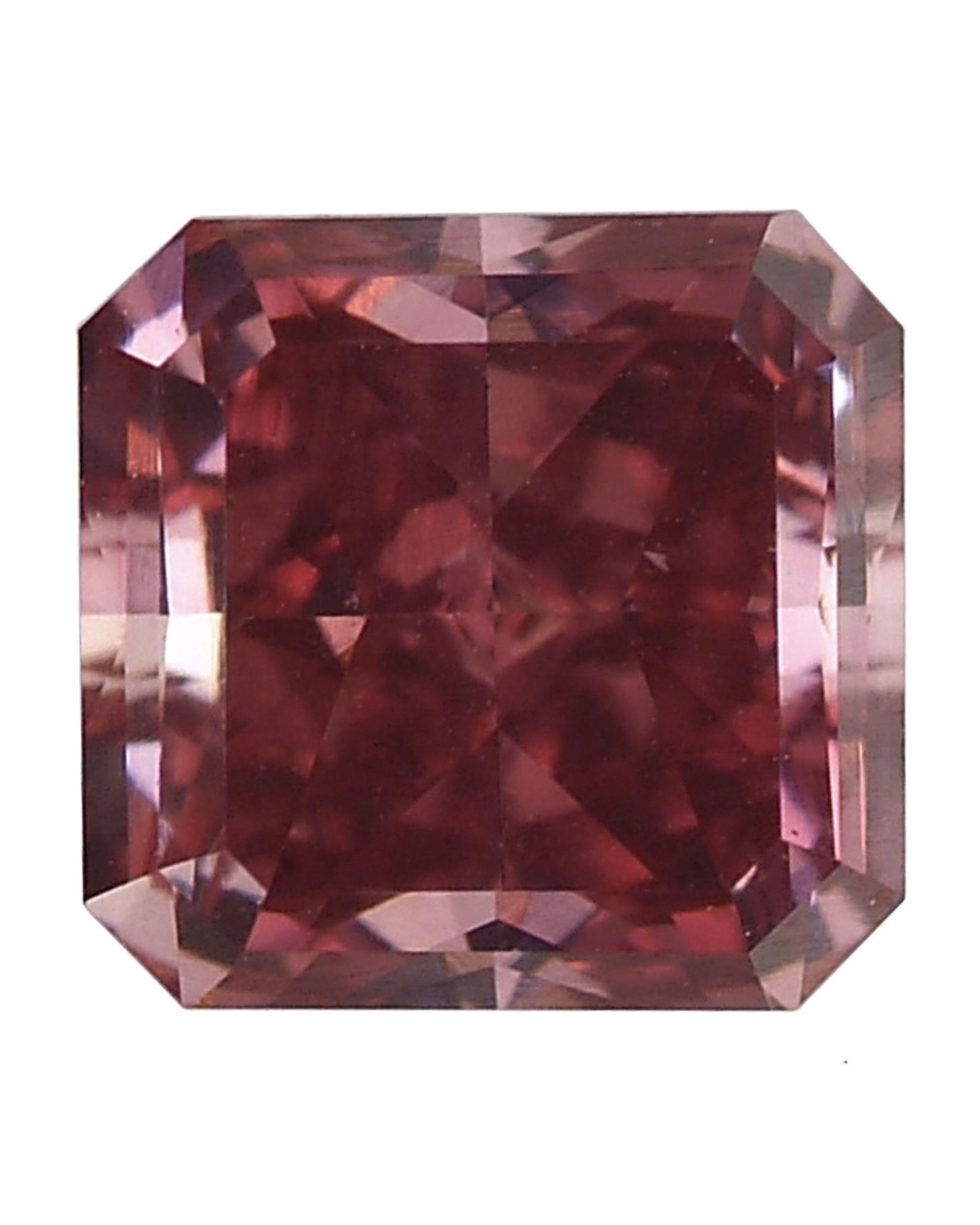
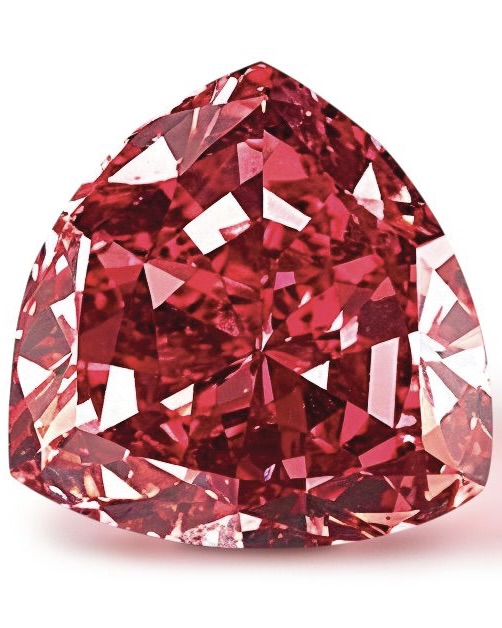
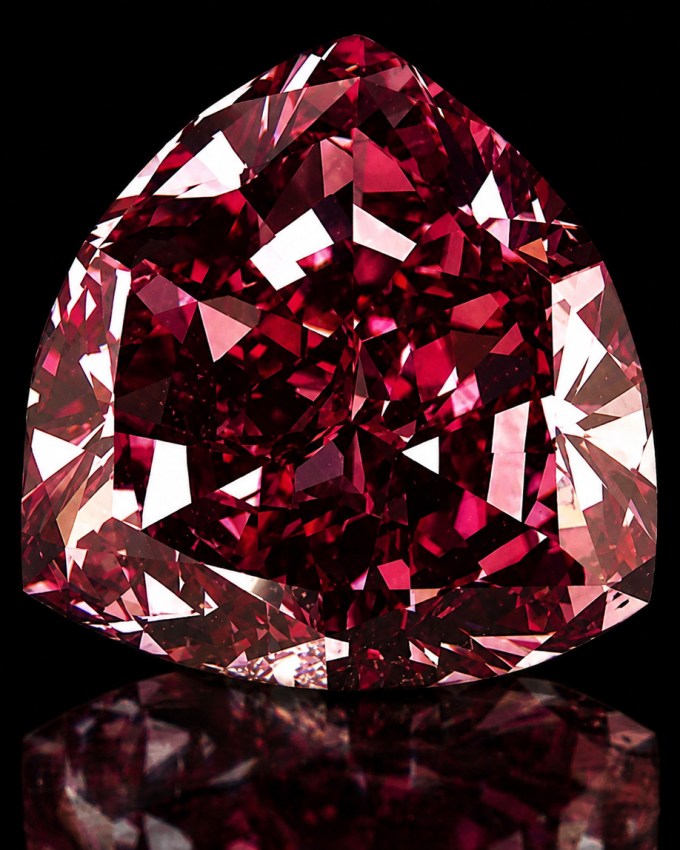
Among all fancy color diamonds, red stands above. The GIA has examined more than a million colored diamonds, and only a few dozen qualified as red, making red the rarest color category of all. Scientists believe natural red diamonds get their color from the same broad structural phenomenon that produces pink diamonds: an intense distortion of the crystal lattice, often described as plastic deformation. In red diamonds, that distortion appears in its most extreme form, producing a saturated red body color without the help of trace elements. That rarity explains why fewer than a few dozen true natural red diamonds are generally known to exist. Red diamonds are also unusual in grading.
Unlike most other fancy color diamonds, which can appear as Fancy Light, Fancy Intense, or Fancy Vivid, pure red diamonds are graded Fancy Red. They may appear with modifying hues, such as purplish red or brownish red, but red itself cannot sit in the secondary position.
The most famous example is the Moussaieff Red, a 5.11-carat Fancy Red that remains the largest known red diamond in the world.
Orange Diamonds Are The Spookiest Fancy Color Diamonds
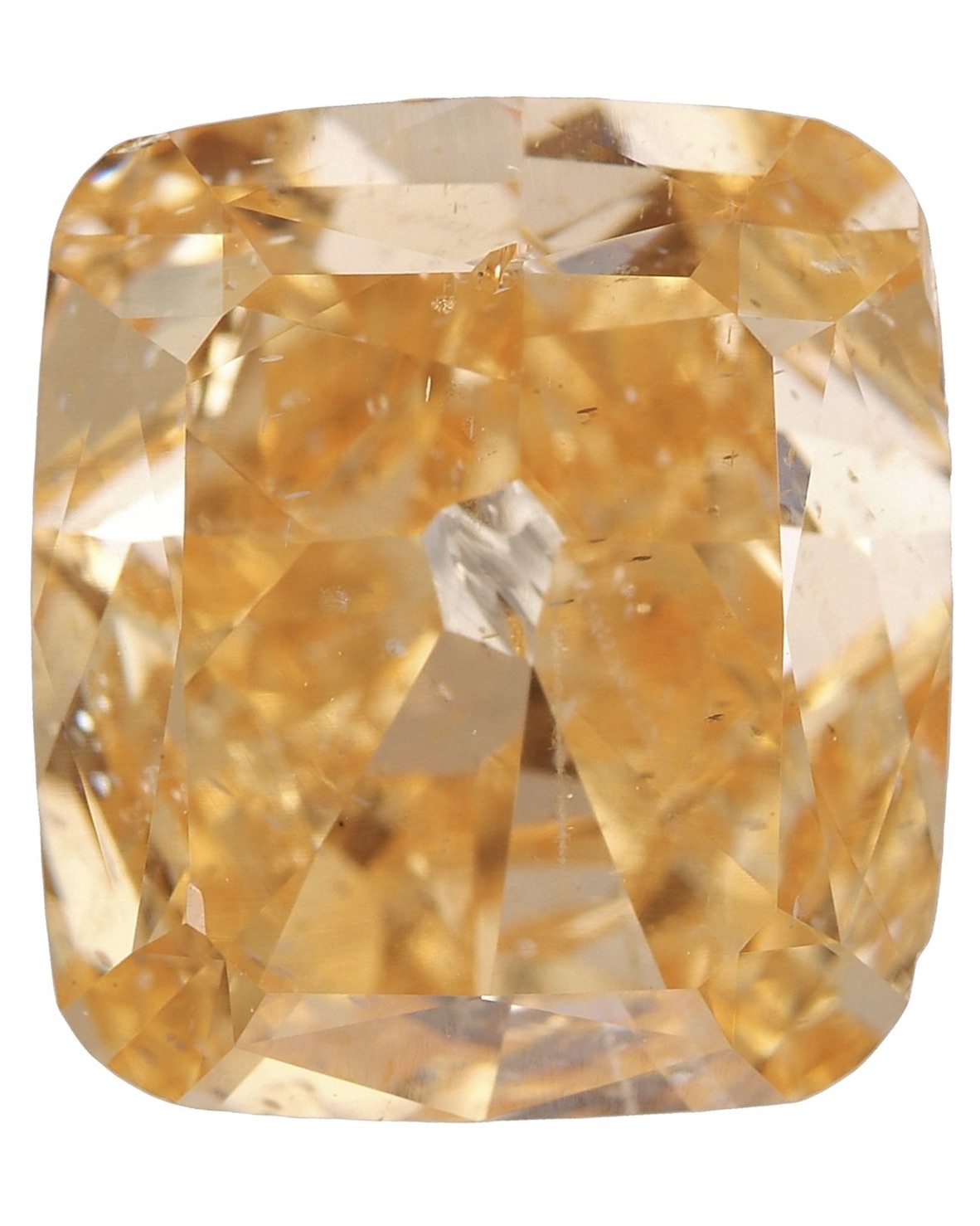

Pure orange diamonds are among the rarest diamonds on Earth, and they remain especially prized when they show no modifying hue. Most orange diamonds owe their color to nitrogen-related lattice defects, particularly features associated with isolated nitrogen or absorption centered near 480 nm in the visible spectrum.
However, GIA research has shown that orange can arise through more than one mechanism. Unlike yellow diamonds, which appear relatively often in the fancy color world, pure orange diamonds are very scarce. Many stones described in the trade as orange actually carry modifying colors such as yellowish-orange, brownish-orange, orangy-yellow, or pinkish-orange. That is one reason truly unmodified orange diamonds draw so much attention. In grading, orange diamonds can fall across the usual fancy color spectrum, from Fancy Light to Fancy Vivid and Fancy Deep, with saturation playing an enormous role in value.
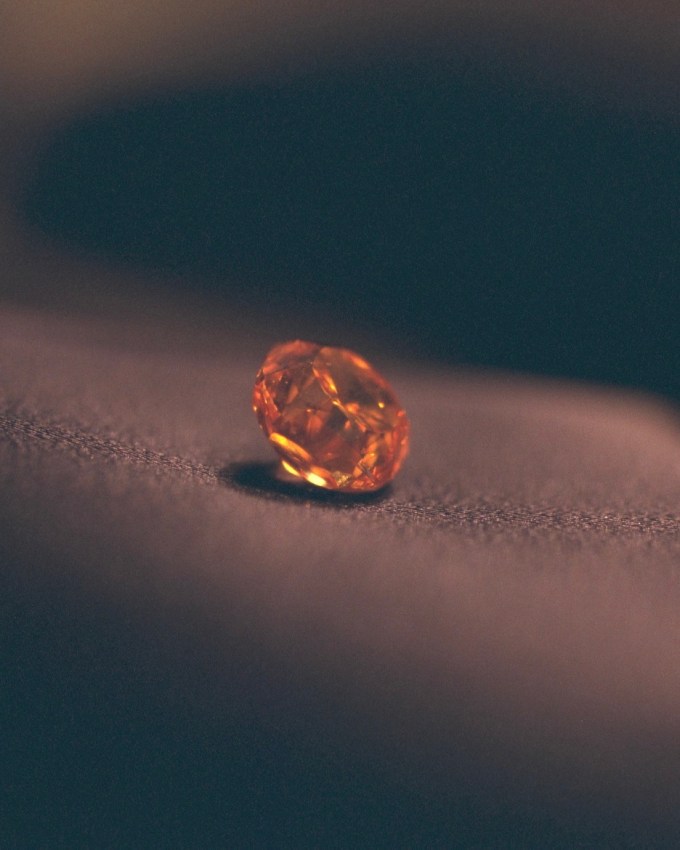
Collectors especially prize stones that show vivid, unmodified orange. A famous example is The Orange, the 14.82-carat Fancy Vivid Orange diamond that sold at Christie’s Geneva and still stands as one of the most important orange diamonds ever offered publicly. Orange diamonds feel almost improbable in nature, and that rarity gives them a special place among connoisseurs of fancy color.
Yellow Diamonds Are The Stars of Fancy Color Diamonds

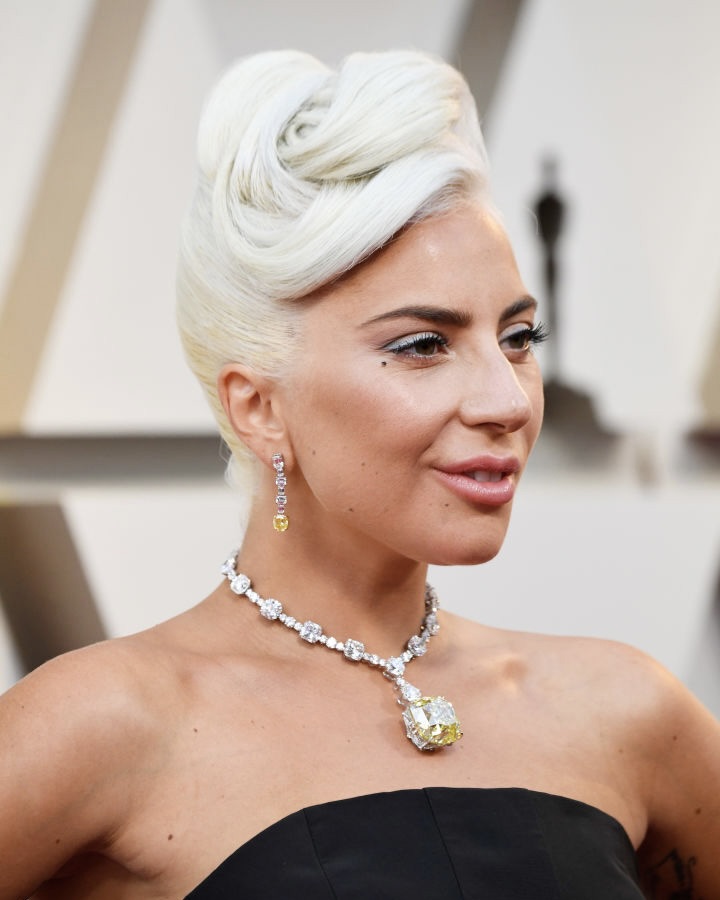
Yellow diamonds occupy a unique place in the world of fancy color because they are both familiar and extraordinary. Their color comes from nitrogen, but the relationship is more nuanced than it might seem. A nitrogen-related structural defect causes the diamond to selectively absorb light toward the blue end of the spectrum. At the same time, the remaining wavelengths pass through, and we see them as yellow.
However, the presence of nitrogen alone doesn’t tell the whole story. Type Ia diamonds, for example, can contain high concentrations of nitrogen and yet appear near-colorless to light yellow, while in other structural arrangements, stronger color can result. And because yellow diamonds span such a broad range of hues and color modifiers, the causes of their color are more varied than any single explanation can capture.
This makes yellow the most common of the major fancy diamond colors, but “common” is relative. Fancy yellows still represent a tiny fraction of all diamonds mined worldwide.
They appear across a broad range of grades, including Fancy Light Yellow, Fancy Yellow, Fancy Intense Yellow, Fancy Vivid Yellow, and Fancy Deep Yellow. Modifying hues also matter, so that stones may read as greenish yellow, orangy yellow, or brownish yellow.
Perhaps no stone has done more to put yellow diamonds on the public map than the Tiffany Yellow Diamond. This 128.54-carat gem remains one of the largest and most celebrated yellow diamonds in history. Yellow diamonds may be more plentiful than red or blue, but the finest examples are still miraculous.
Green Diamonds Are the Strangest Fancy Color Diamonds
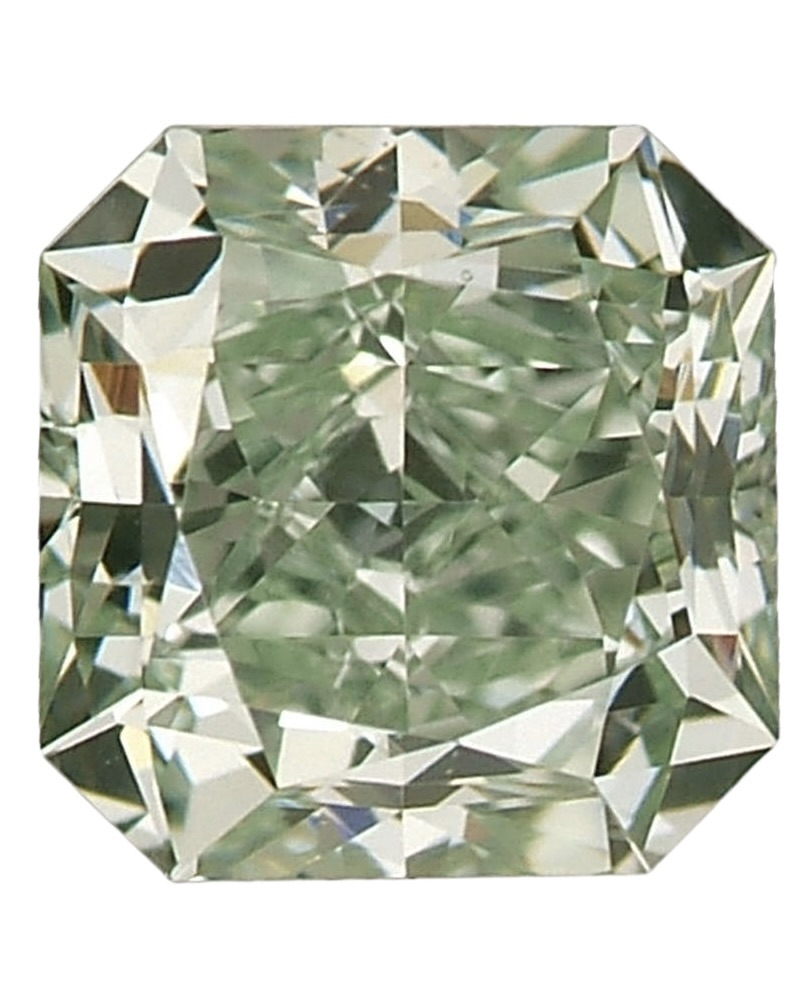
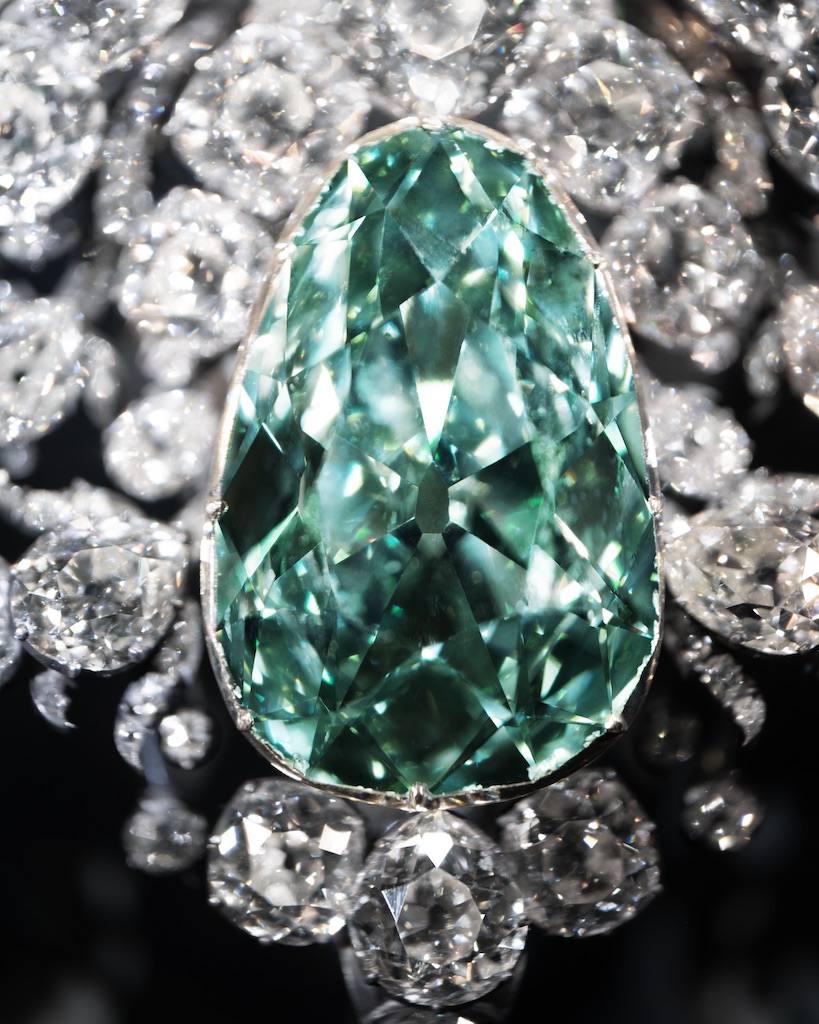
Green diamonds form in one of the most fascinating ways in all of gemology. Rather than taking their color from trace elements, they typically owe it to natural radiation exposure. This process likely occurs when the diamond rests in a radioactive environment near the Earth’s surface. As radioactive materials decay, they can displace carbon atoms in the diamond’s crystal structure, creating vacant carbon-atom positions known as the GR1 defect.
This causes the stone to selectively transmit light toward the green-to-blue part of the spectrum, which the eye perceives as green. In most cases, this type of radiation exposure affects only the outer layer of the rough crystal, meaning that polishing often strips away the color layer when the cutter facets the stone.
That is part of what makes fully green polished natural diamonds so exceptionally rare. In rare cases, however, diamonds are exposed to more penetrating types of radiation that produce green color throughout a greater portion of the stone, resulting in a finished gem that retains its color throughout.
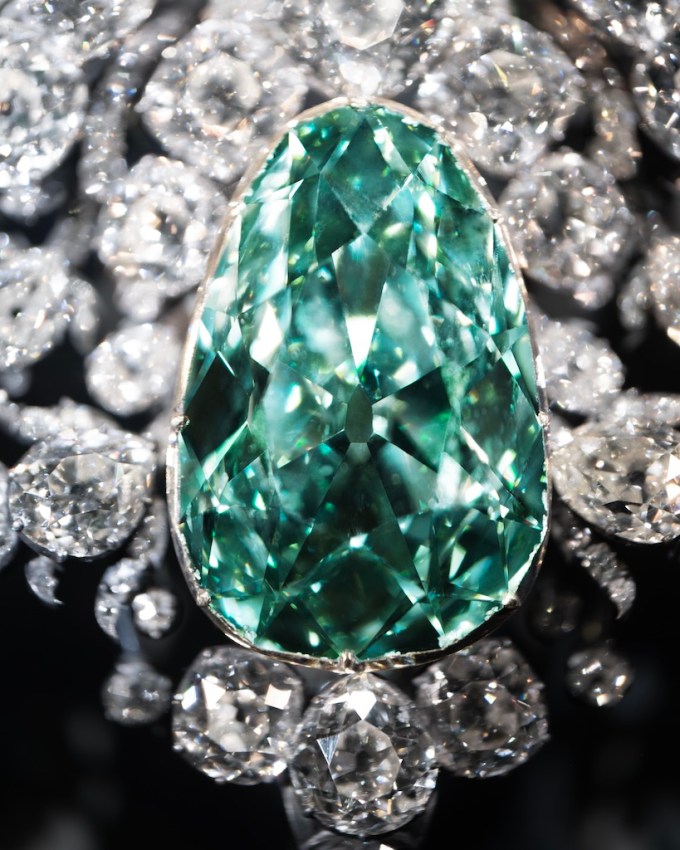
Green diamonds can appear with many modifiers, including grayish-green, yellowish-green, blue-green, and greenish-yellow, and the most desirable stones often show an even, pure face-up green. They can also fall across several grading levels, from Faint and Light to Fancy, Intense, Vivid, and Deep, depending on tone and saturation.
The most famous example remains the Dresden Green, a historic 40.70-carat natural green diamond whose apple-green color has made it one of the world’s most legendary gems.
Blue Diamonds Are the Auction Kings of Fancy Color Diamonds
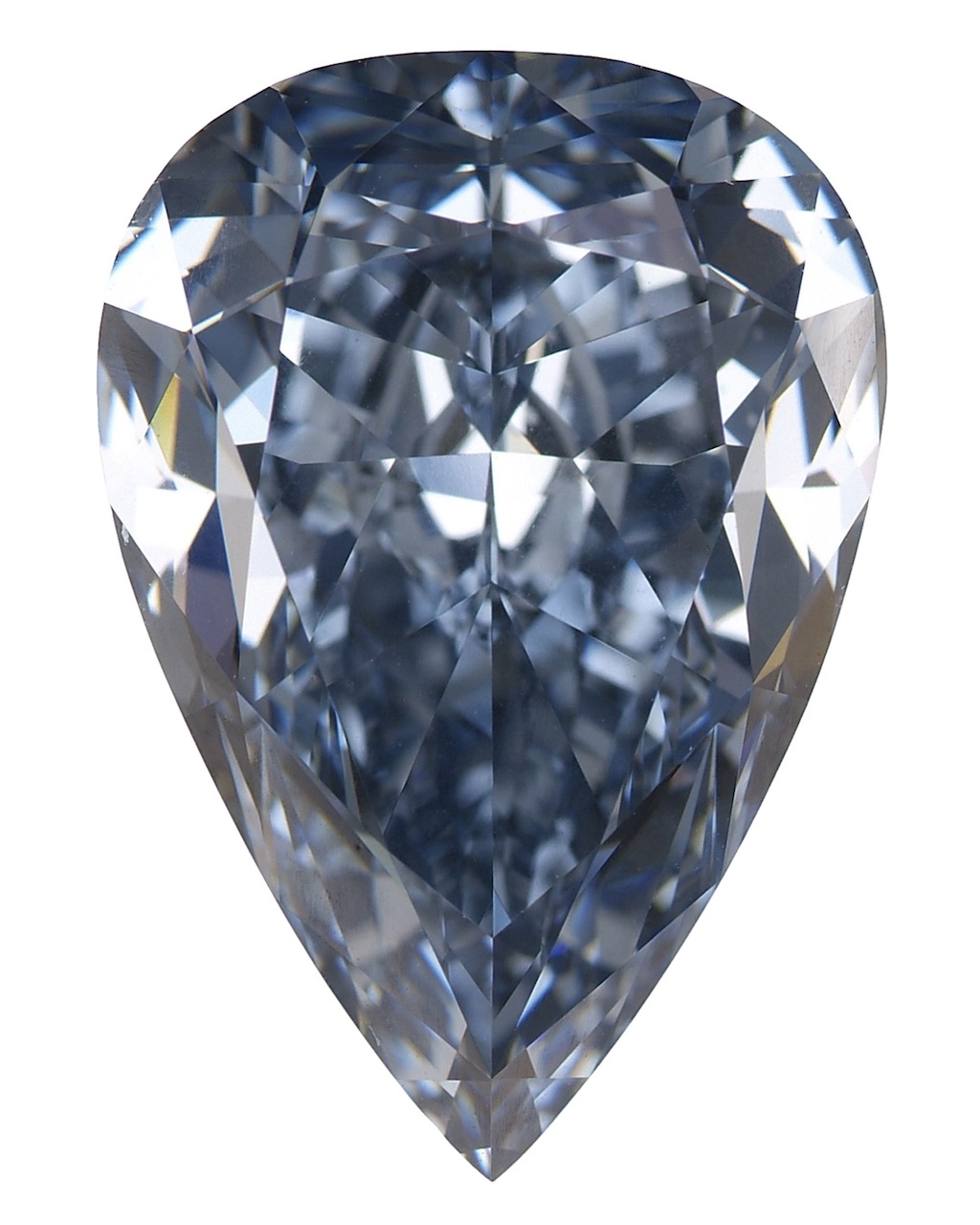
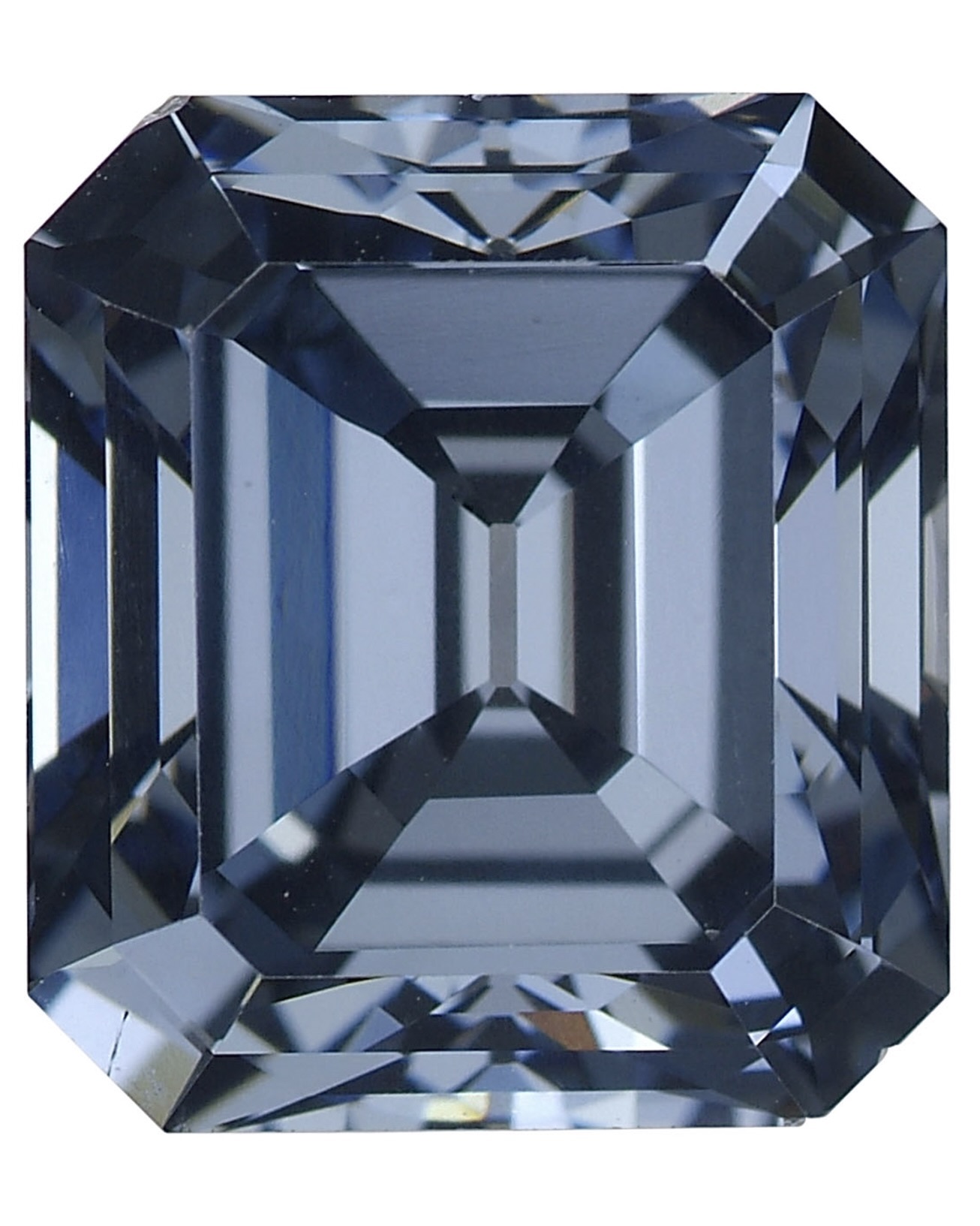
Blue diamonds rank among the most prized diamonds on Earth, and science explains why. Most blue diamonds owe their color to boron, a trace element that occasionally enters the crystal structure during formation.
Boron causes the diamond to selectively absorb light toward the red, orange, and yellow end of the spectrum, allowing blue wavelengths to dominate what the eye perceives. Many diamonds with enough boron to show blue belong to the rare Type IIb category, which accounts for less than 0.1% of natural diamonds. Because boron typically occurs near Earth’s surface, crustal subduction can carry it into the mantle, where a growing diamond crystal occasionally incorporates it.
Geologists believe this process accounts for some blue diamonds known as superdeep diamonds. The boron impurity is also responsible for another unusual property: electrical conductivity, which makes Type IIb diamonds behave unlike almost any other gem material. However, boron is not the only path to blue. Some low-nitrogen diamonds can take on a blue appearance through natural radiation exposure, like the process that colors green diamonds.


These stones show a distinctly different visible spectrum and do not conduct electricity. Greenish-blue diamonds are also likely the result of radiation exposure rather than boron, which means the modifier in a blue diamond’s grade can signal something meaningful about its underlying chemistry. Blue diamonds can range from pale and steely to deeply saturated, and grades include Fancy Light, Fancy, Fancy Intense, Fancy Vivid, Fancy Deep, and Fancy Dark.
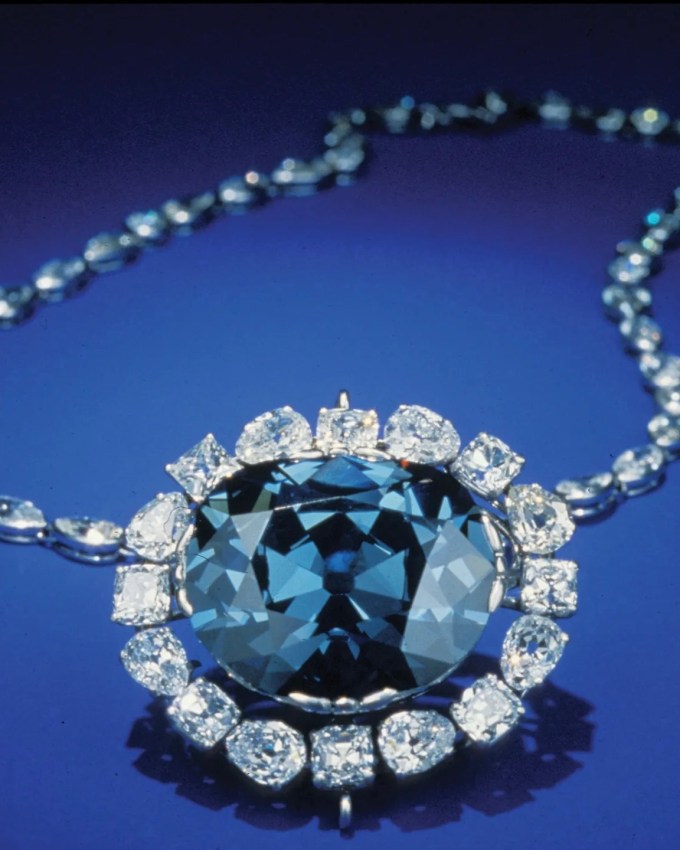
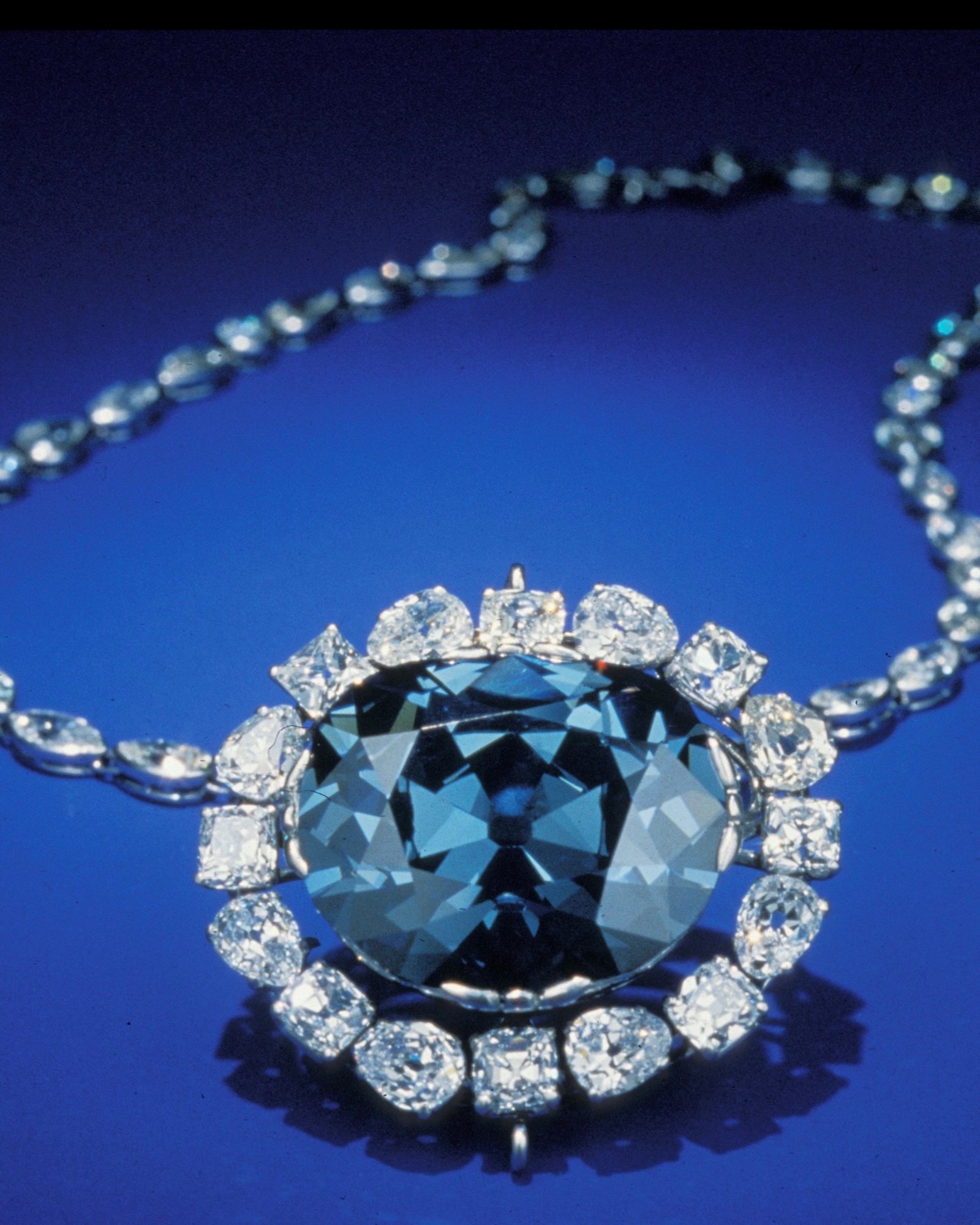
The Hope Diamond remains the most famous example. Still, headline auction results, such as the Blue Moon of Josephine and the De Beers Cullinan Blue, confirm that collector demand for exceptional blues has never been stronger.
Purple Diamonds Are the Most Mysterious Fancy Color Diamonds
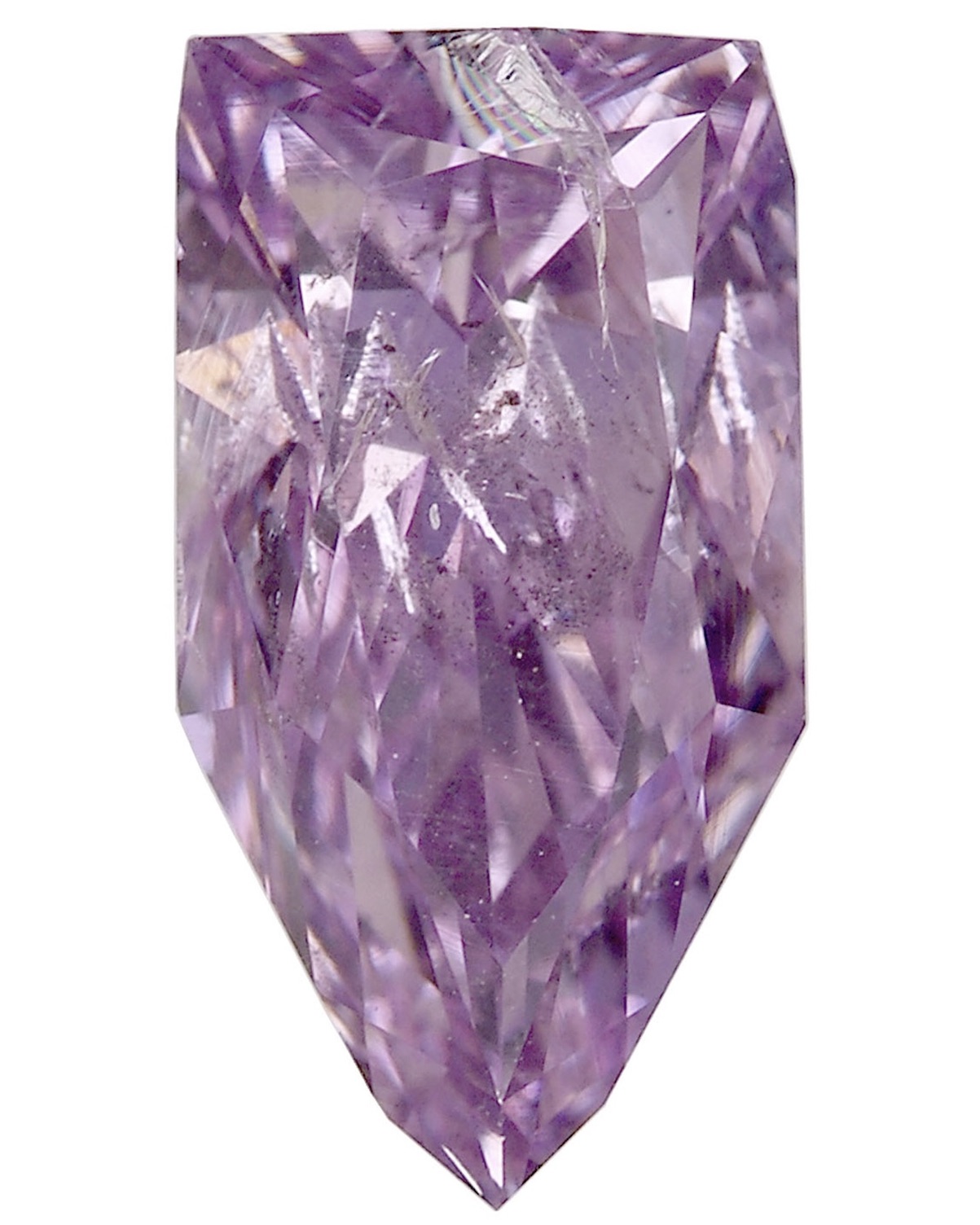
Purple diamonds are mysterious even by fancy color standards. They are incredibly rare, and scientists still debate some of the finer points of how the best examples develop their hue.
GIA research links many purple diamonds to the same 550 nm absorption band associated with pink and red diamonds, suggesting that structural distortion in the crystal likely plays a role. However, the cause of the absorption band is not fully understood. Some purple diamonds also show hydrogen-related defects or other complex interactions that shift the final hue. What makes purple especially fascinating is that truly purple diamonds often appear in nuanced tones rather than bold, straightforward color.
Many carry modifiers such as brown purple, pinkish purple, or grey purple, and the market differentiates sharply between a diamond that reads more purple and one that leans strongly into gray or pink. Like other fancy colors, purple diamonds can occur in lighter and deeper intensities, but highly saturated stones remain exceptionally uncommon.
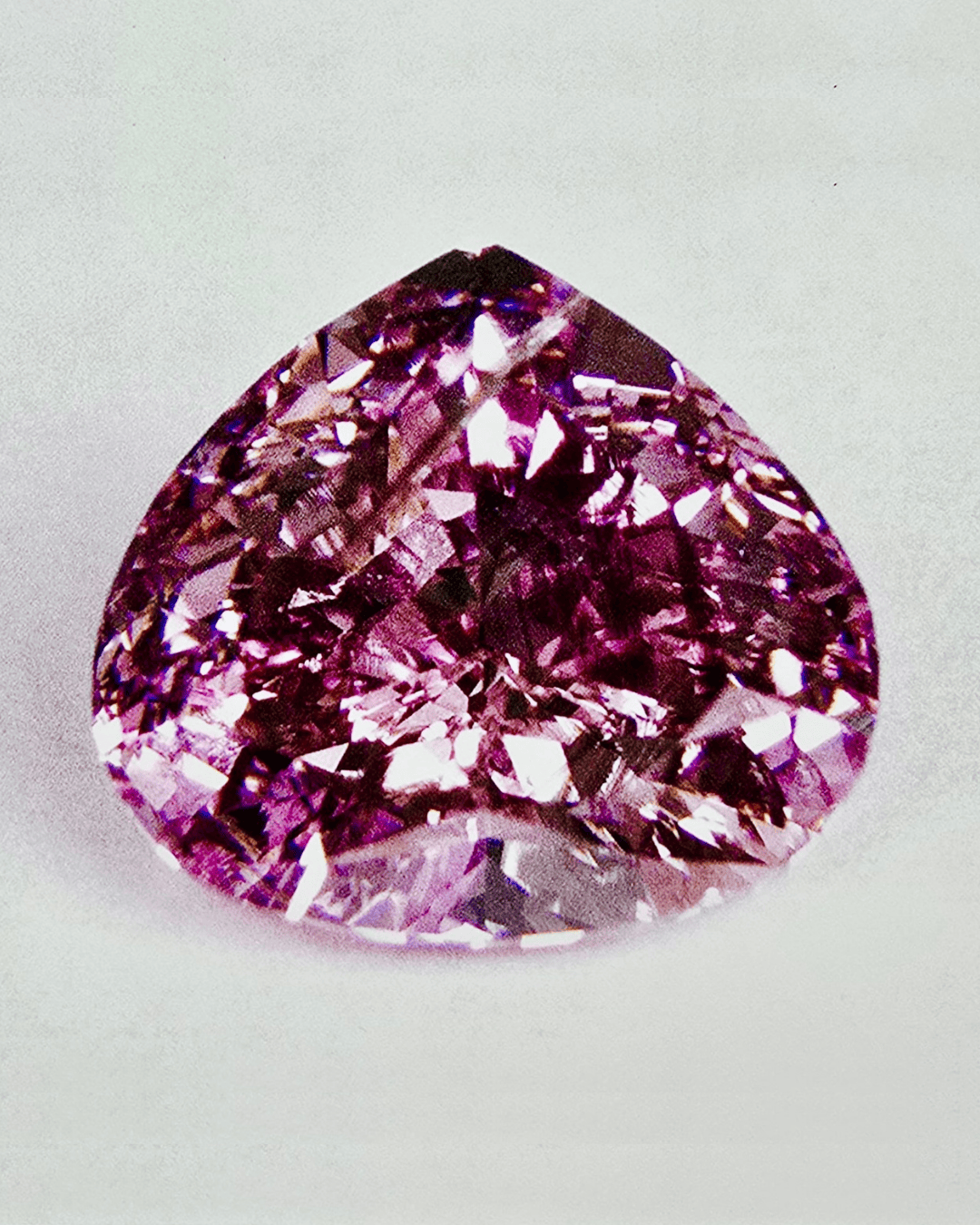
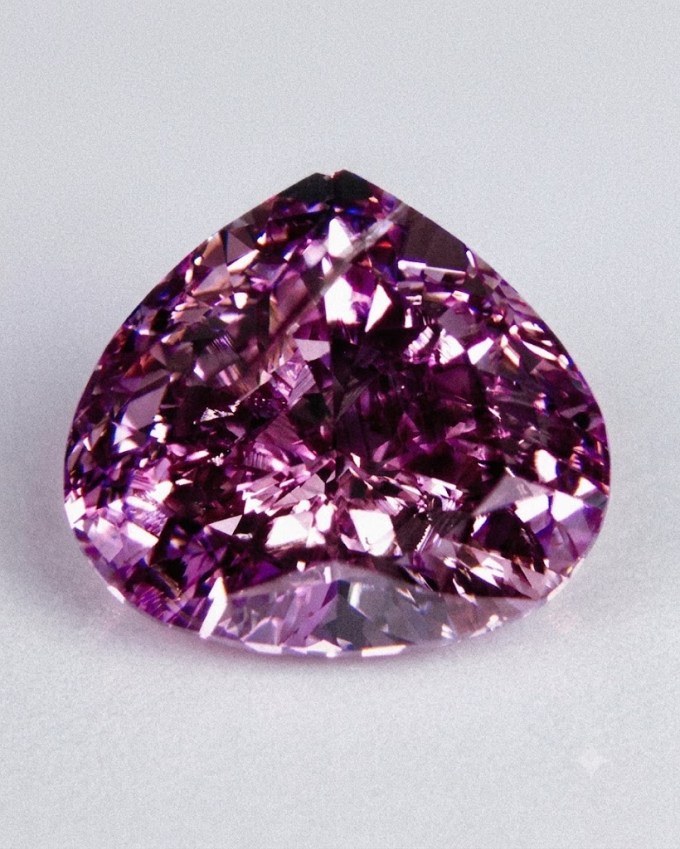
A famous example is the Royal Purple Heart, a magnificent 7.34-carat Fancy Vivid Purple diamond cut into a heart shape. Purple diamonds appeal to people who want one of the rarest and least conventional expressions of natural color.
Pink Diamonds Are the Most Beautiful Fancy Color Diamonds
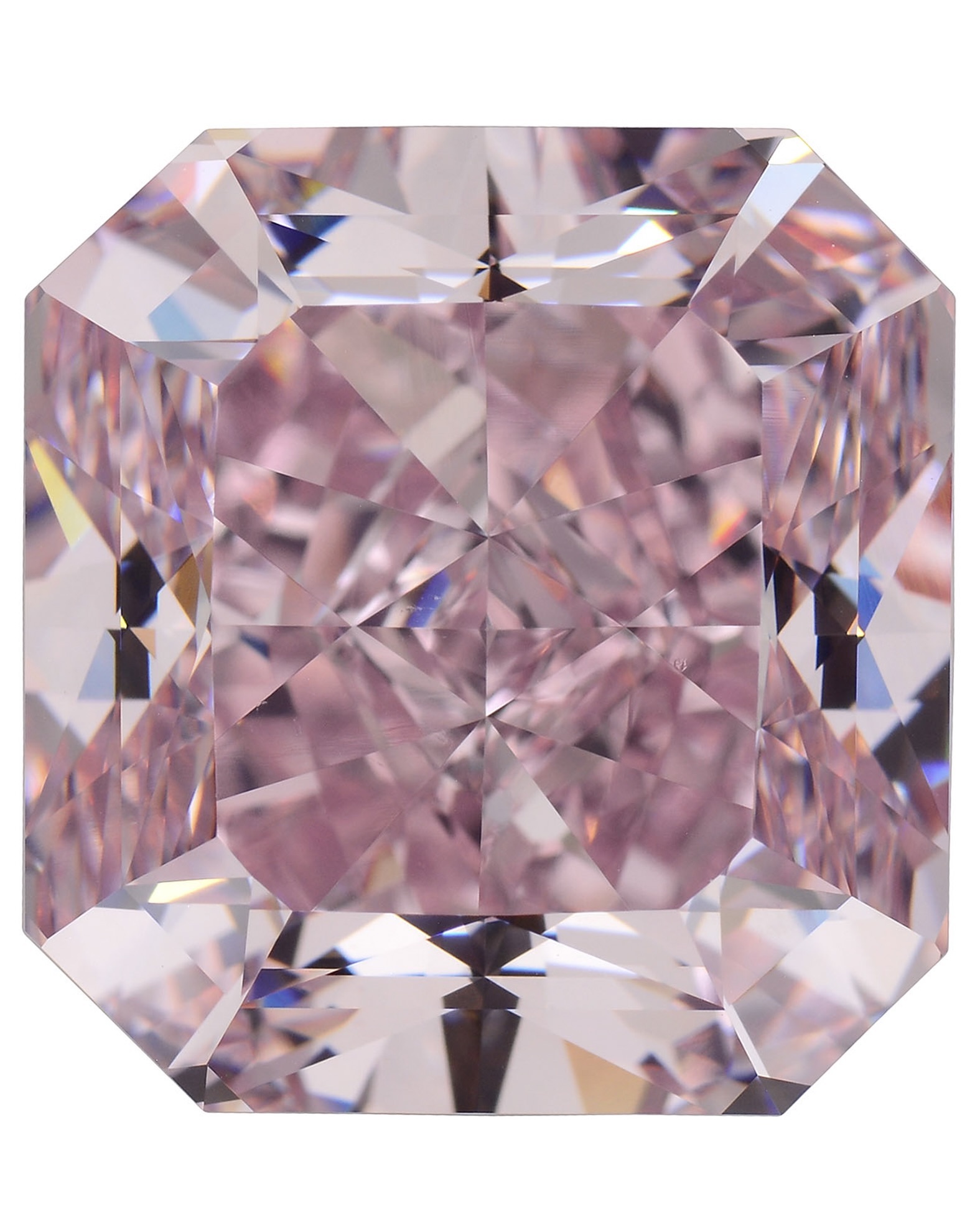
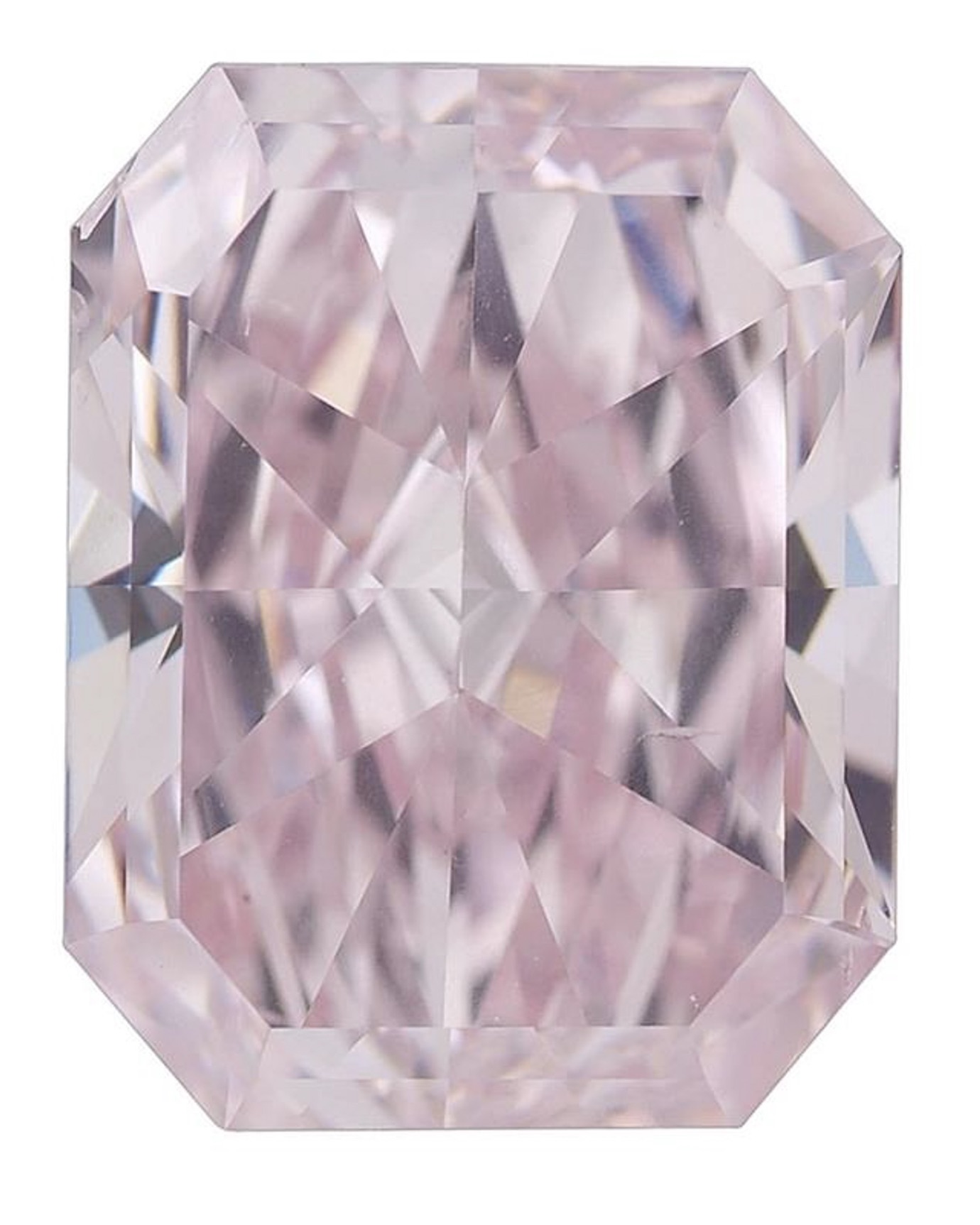
Pink diamonds occupy a special place in the imagination, and for good reason. Almost all natural pink diamonds get their color from distortion in the crystal structure, not from trace elements. The narrow parallel color bands that concentrate the pink hue make this evident. Only a small percentage shows a more uniform pink color distribution.
GIA research shows that most pink diamonds owe their hue to this internal deformation, often associated with the 550 nm absorption band. The majority of pink diamonds are type Ia; however, larger pink diamonds are often type IIa, meaning they contain nearly no impurities. Pink diamonds appear across a wide range of grades, from Faint Pink and Very Light Pink to Fancy Light Pink, Fancy Pink, Fancy Intense Pink, and Fancy Vivid Pink. Many also show modifying hues such as purplish pink, orangy pink, or brownish pink.
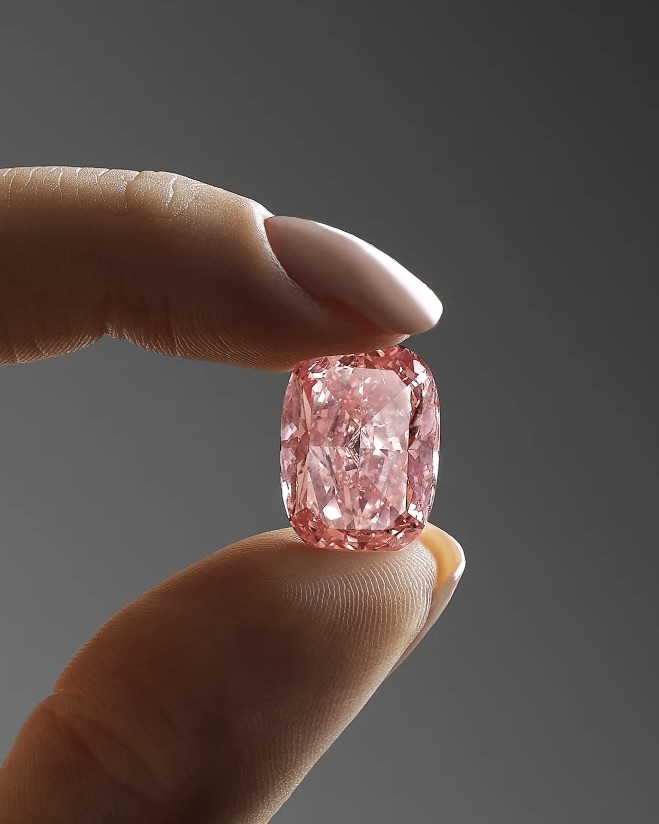

Historically, the Argyle mine in Western Australia supplied most of the world’s pink diamonds, which makes their scarcity even more acute after Argyle’s closure. Famous examples include the Williamson Pink Star and the CTF Pink Star, which remains the most valuable jewel ever sold at auction. Pink diamonds combine rarity, beauty, and intensity in a way almost nothing else in nature can match.
Brown Diamonds Are the Most Accesible Fancy Color Diamonds
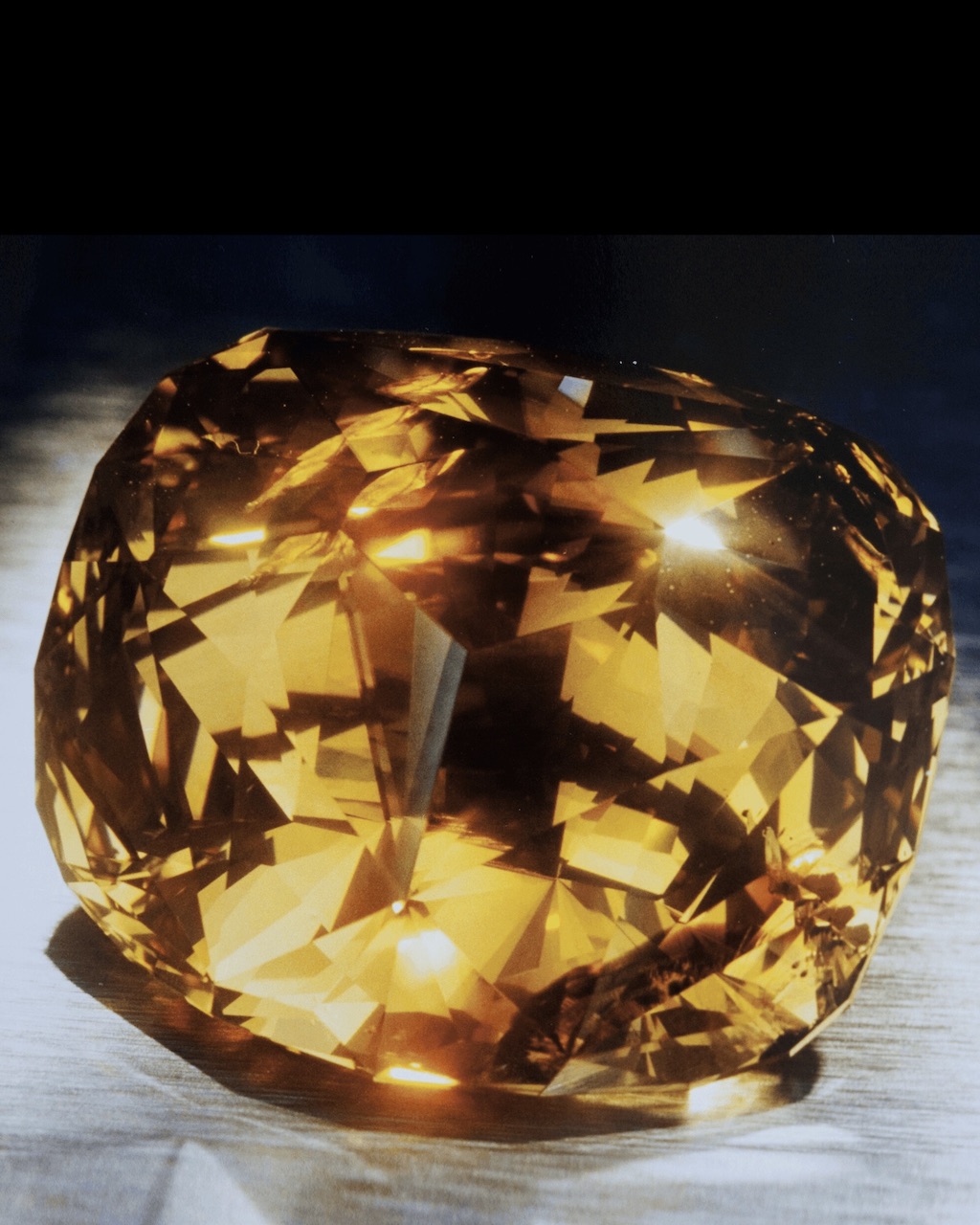
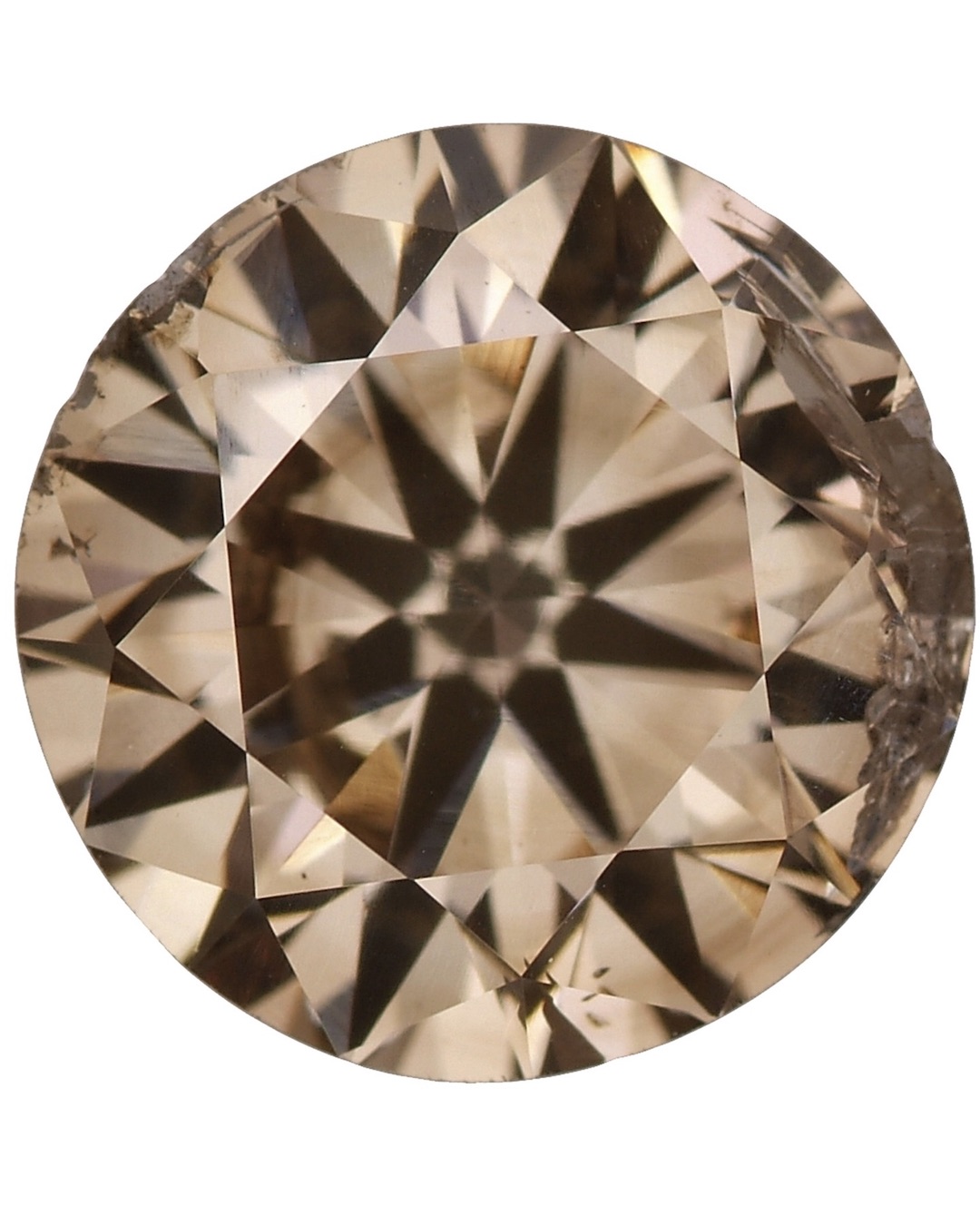
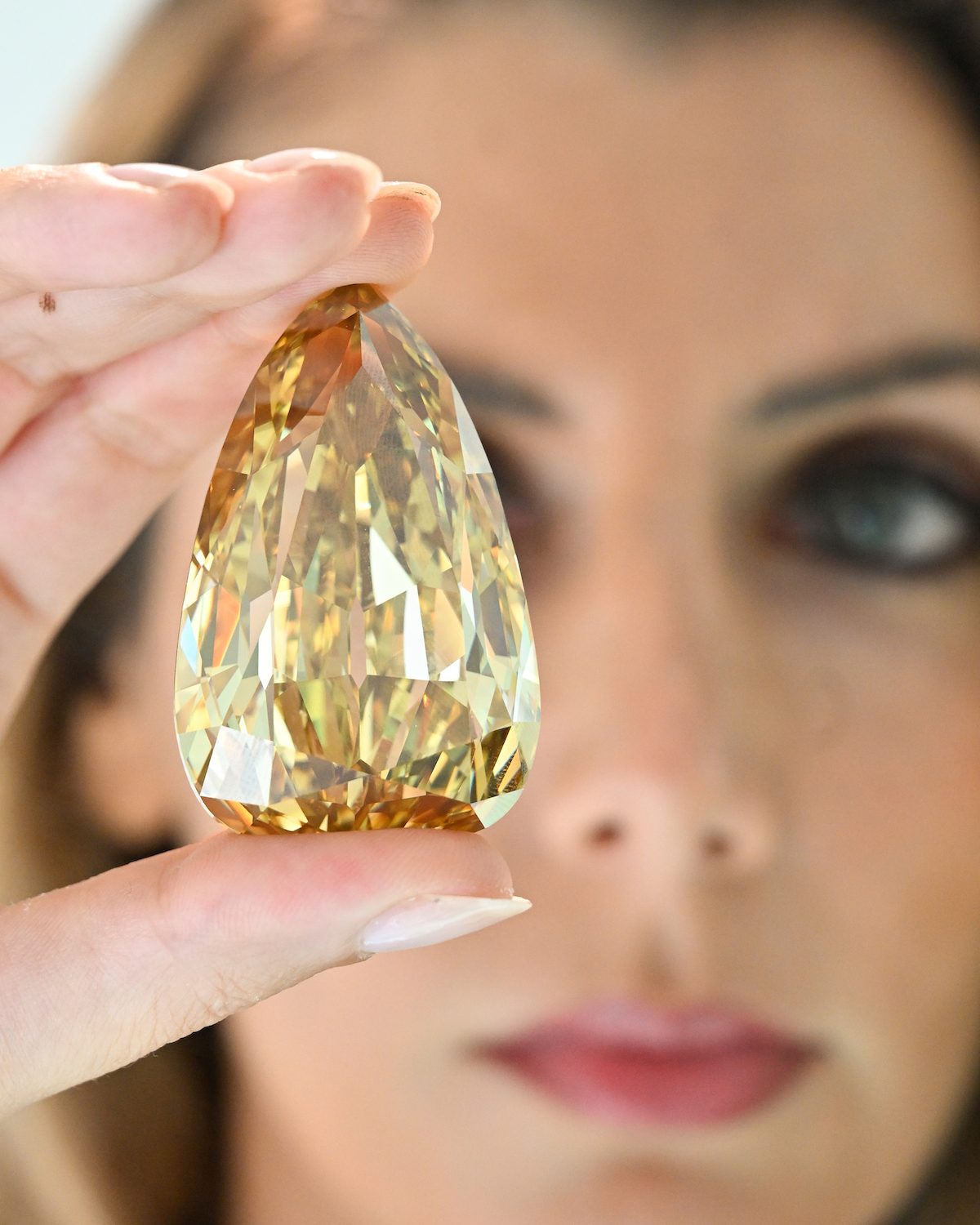
Brown diamonds prove that rarity does not always need to shout. Many natural brown diamonds get their color from distortion in the crystal lattice, much like pink and red diamonds, though the visual effect produces warm tones rather than rosy ones.
GIA has described the color in natural brown diamonds as arising from internal grain lines linked to this structural distortion. Brown diamonds occur in a wider range than most people realize. The category includes everything from soft champagne and honey tones to deeper cognac, whiskey, bronze, and chocolate hues.
None of those romantic names are official GIA grades, but the trade uses them constantly to help describe the color more precisely. Brown diamonds may also carry modifiers such as orangy-brown, pinkish-brown, or yellowish-brown. Compared with red, green, or blue diamonds, brown diamonds appear more often in nature, which has historically made them more affordable. But the finest examples still carry real gravitas.
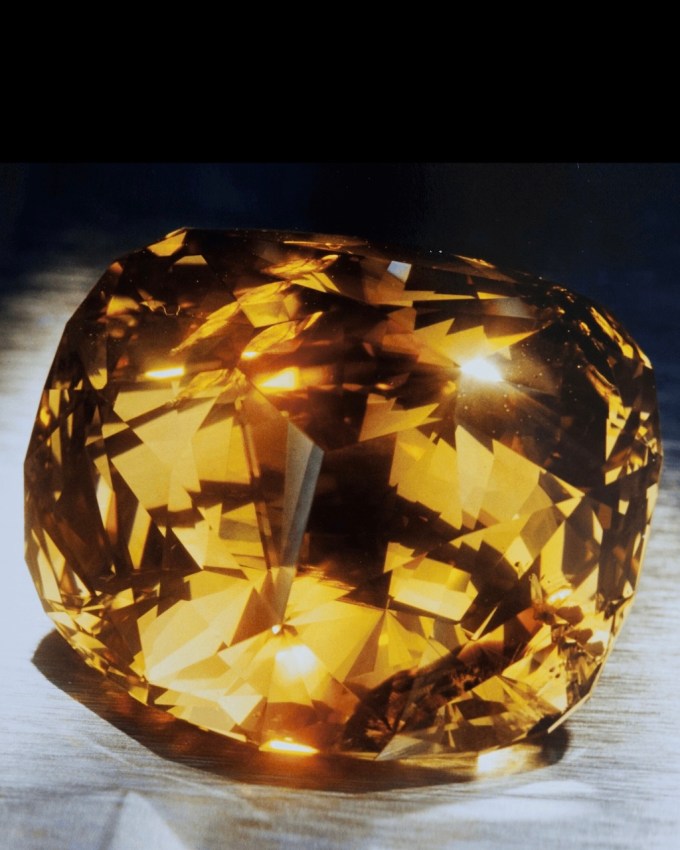
Two famous examples prove the point: the Golden Jubilee, the world’s largest faceted diamond, and the Incomparable, later recut as the Golden Canary. Brown diamonds offer warmth, individuality, and one of the broadest natural color palettes in the diamond world.

Get the Newsletter
Sign up for the latest diamond news, delivered directly to your inbox.