
Read More
Inside the Extraordinary Lives of 5 Legendary Jewelry Collectors
Discover the eccentric stories of history’s most flamboyant jewelry collectors and their stunning diamonds.
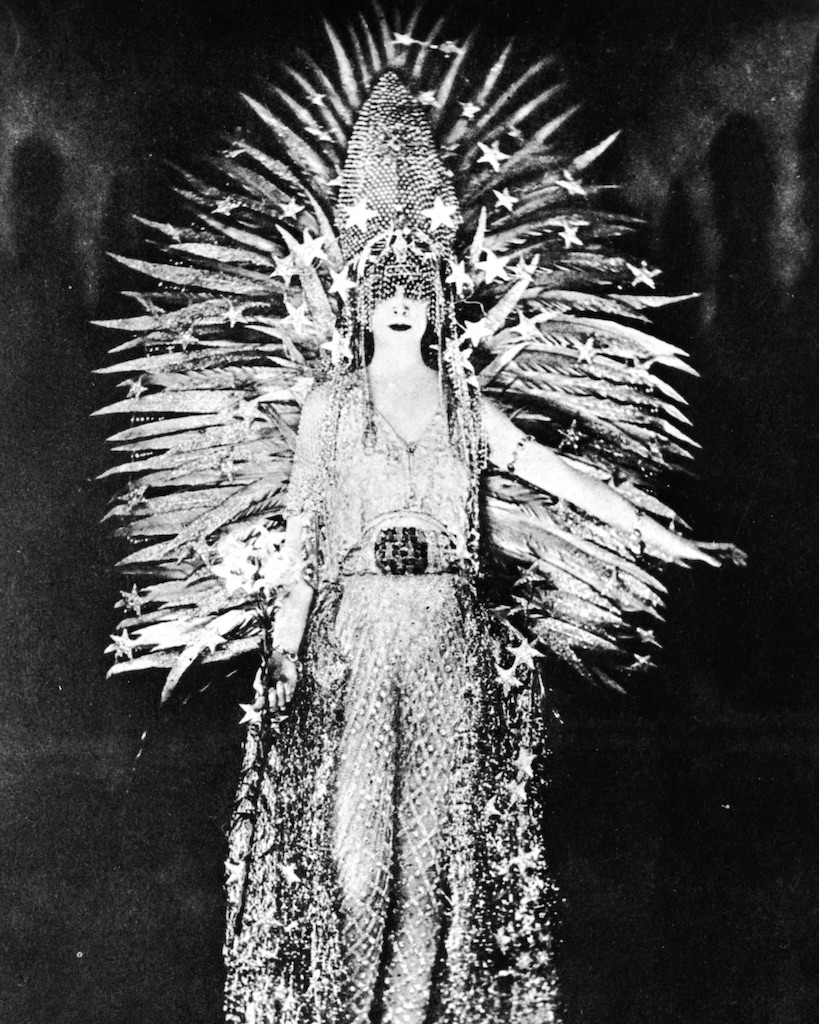
Marchesa Luisa Casati wearing a costume designed by Worth, made of a net of diamonds with a gold feather sun against a diamond tiara in Paris, 1922. (Photo by Hulton Archive/Getty Images)
It’s not surprising that some of the most renowned jewelry collectors are, well, what you might call just slightly out of the ordinary. A bit eccentric? Colorful characters. I know whereof I speak—though modesty forbids me from including myself in the roster we cite here. My diamonds, though wonderful and beloved by me, are hardly what you would call earth-shattering. I like to think that my unbridled enthusiasm makes me particularly suited to telling these stories of dedicated jewelry collectors and obsessed diamond lovers.
Meet the Expert
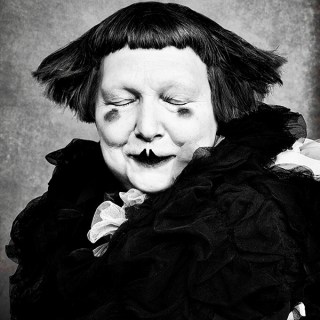
Lynn Yaeger has been writing about fashion, jewelry, and culture for over two decades. As a contributing editor at Vogue and Vogue.com, Yaeger began her career at the Village Voice as a senior editor. She has written for the New York Times, WSG magazine, Architectural Digest, Travel & Leisure, Town & Country, Departures, and more. In 2019, Yaeger won the coveted CFDA Media Award. In her off hours, she can be found haunting the flea markets of the world, searching for antique toys and vintage jewelry.
These five jewelry collectors—a pair of heiresses, a nutty British aristocrat, a wacky Italian bohemian, and an Indian Maharaja with 10 wives—could have had everything and anything they wanted, and they set their sights on the rarest, most spectacular jewels.
And maybe it’s not so mysterious. What other symbols of status can you show off on a night out on the town? You can’t bring your Maybach to your table at the Savoy in London, or your Rembrandt to the Ritz, but if you are a wildly madcap viscount, you can dance the night away in a priceless tiara! Who says you can’t retire to the American Southwest dripping in turquoise and diamonds? Or stroll around Venice with your pet cheetah, secured with a diamond-studded leash?
Millicent Rogers Was One of the 20th Century’s Great Jewelry Collectors
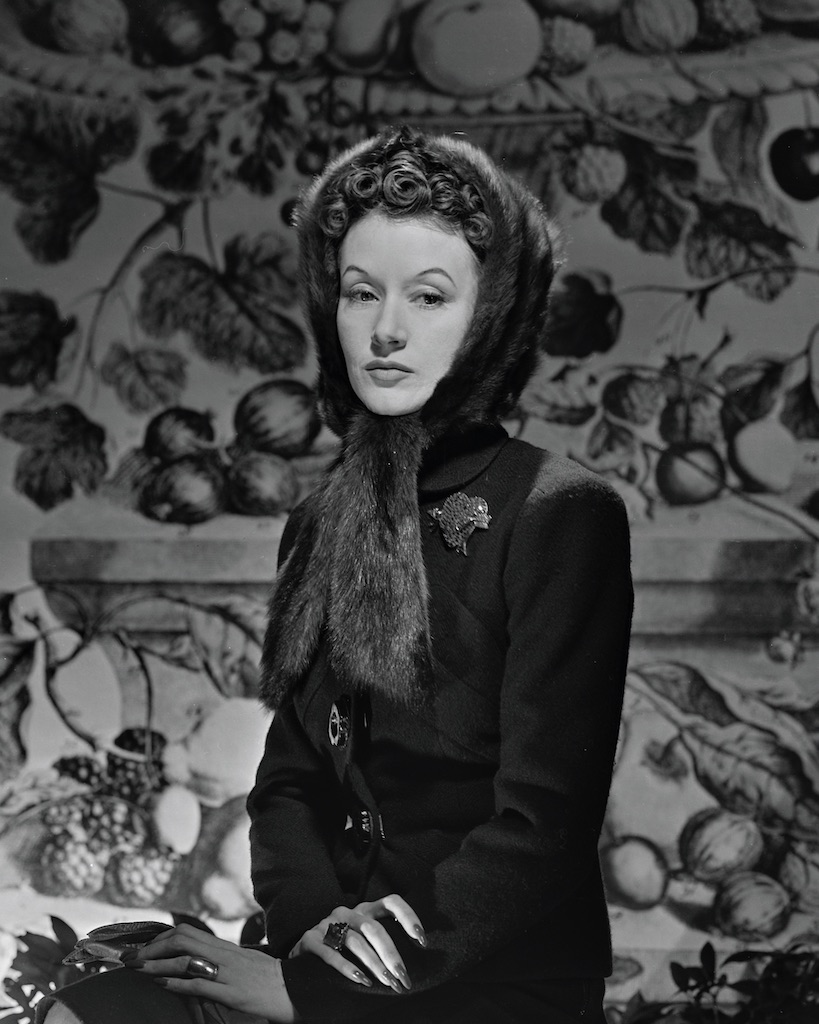
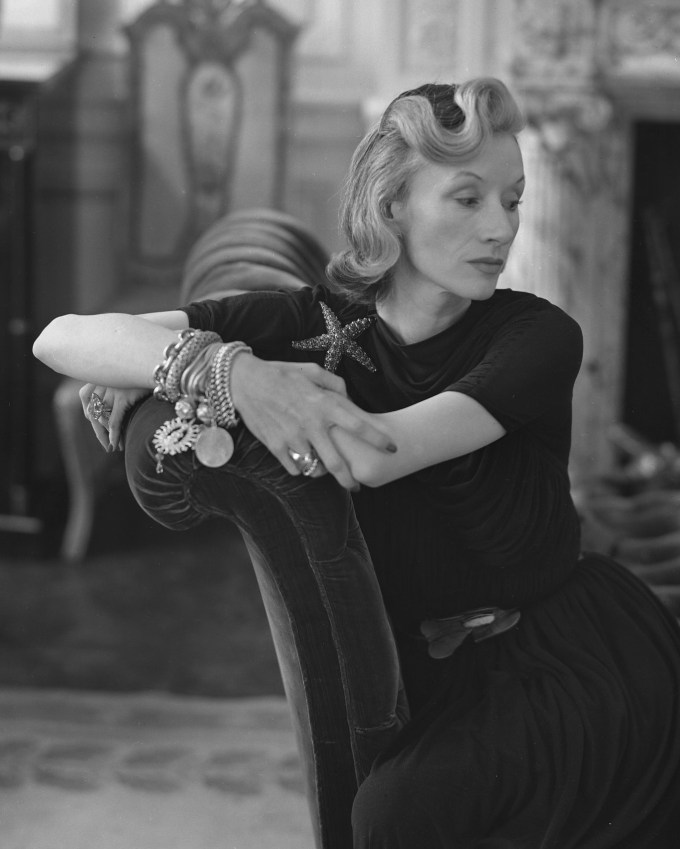
The quintessential dollar princess, Millicent Rogers, was born in 1901 to great wealth— she was the granddaughter of Standard Oil tycoon Henry Huttleston Rogers. Renowned for her beauty, she floated around Europe, having romances and a series of marriages with gold-digging Austrian counts and other sketchy aristocrats. (There was even a rumored affair with Clark Gable.)
Perhaps tiring of all this drama, Millicent retreated to the off-the-grid paradise that was Taos, New Mexico. She fell in love with Native American culture—and jewelry—and decades before anyone started arguing for mixing high and low, she brazenly sported her turquoise and silver pieces with the most rarefied 20th-century jewels. It is one of the reasons she remains among history’s most fascinating jewelry collectors.
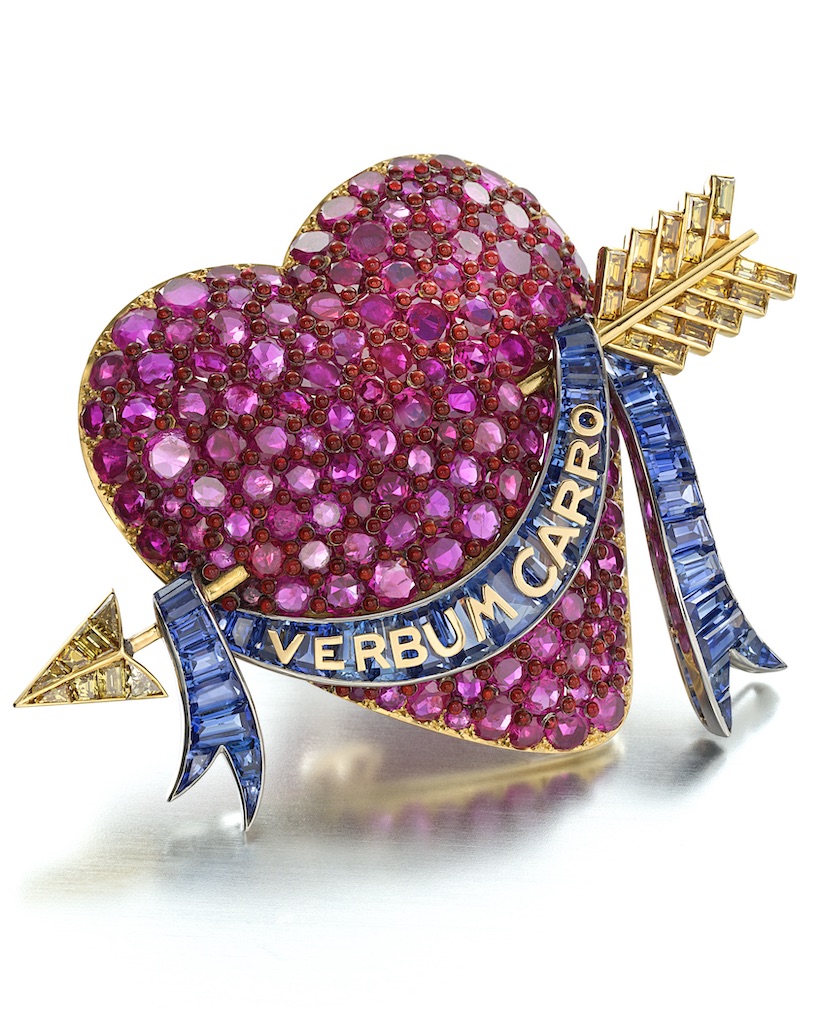
Consider, for example, her 1930s ruby, sapphire, and yellow diamond brooch, designed by Fulco di Verdura for the renowned jeweler Paul Flato, and bearing the Latin inscription, “Verbum Carro,” which translates as “a word to the wise is enough.” Or her René Boivin ruby and diamond floral pin, with rubies making up the petals and highlighting the diamonds. Their sparkle would rival the southwestern sunshine, and they would be totally at home on the range.
Henry Cyril Paget Was Britain’s Most Eccentric Jewelry Collector
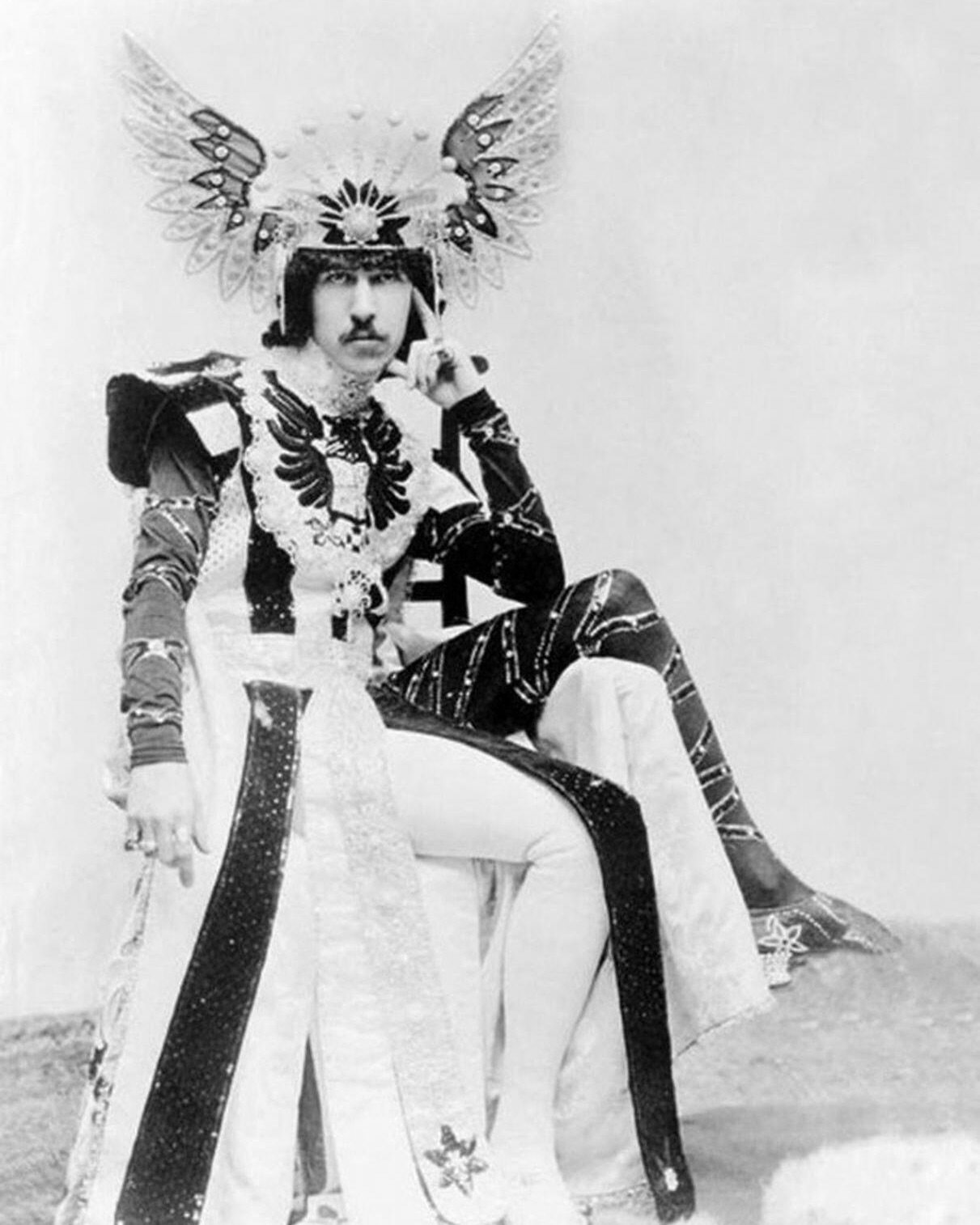
Ok, there are freaks out there, and militant nonconformists—and–I say this with love—then there are the likes of Henry Cyril Paget, the 5th Marquess of Anglesey. This one-in-a-million gentleman was born to great wealth in 1875. In his short life—he died at 29—he managed to squander most of his inherited fortune. He was hopelessly bankrupt when he passed away—and what did he spend the money on?
Well, he converted the chapel on the family’s country seat into a theater, where he starred himself in performances that included Oscar Wilde plays and song and dance numbers. His nickname, to give you some idea, was “the Dancing Marquess” –he did something called Butterfly Dancing, while accoutered in a robe of transparent white silk.
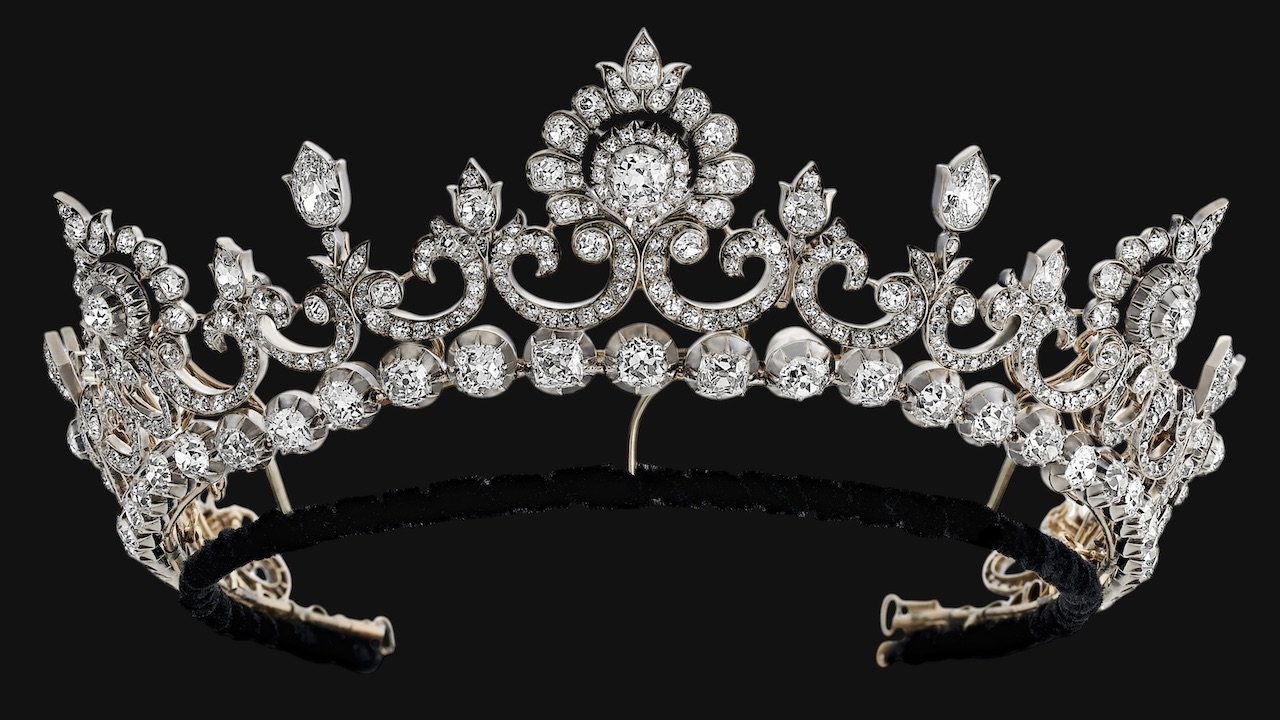
But beyond his theatrical pursuits, Paget was one of history’s most flamboyant jewelry collectors and a legendary consumer of diamonds. Most notably, he commissioned the famous Anglesey Tiara. When it came up for sale in 2024, Sotheby’s described this gossamer behemoth as featuring a graduated row of Old European– and old mine-cut diamonds that detached to form a rivière necklace, surmounted by scroll and cluster motifs, set in silver on gold and in its original fitted case. (Oh, good! Bid on this, and you get the box too!) Altogether, this symphony of Old European-cut, old mine-cut, pear-shaped, and rose-cut diamonds weighed in at a staggering 106.8 carats.
Believe it or not, in 1898, Henry married his first cousin, though according to the author Christopher Sykes, “The closest the marriage ever came to consummation was that he would make her pose naked, covered top to bottom in jewels, and she had to sleep wearing the jewels.” Night-night!
Luisa Casati Treated Jewelry as Performance Art
“I want to be a living work of art,” Luisa, Marchesa Casati Stampa di Soncino, once proclaimed, and she pretty much got her wish. Born in 1881 to aristocratic Milanese parents, orphaned as a teenager, she was famous for a sartorial style that was eccentric, to put it mildly. She was six feet tall in her stocking feet, and she favored gothic gowns that were made for her by the leading couturiers of the day—Jean Patou and Paul Poiret among them.
Her face was deathly pale, made even whiter by the doses of belladonna she self-administered to make her pupils dark and dilated. She added black kohl around her eyes and false eyelashes affixed with strips of black velvet.
Among history’s most theatrical jewelry collectors, Casati treated jewels not as accessories but as essential components of her carefully constructed persona. At one of her famous dinner parties, she allegedly drugged a snake, painted it gold, and wore it as a necklace. But her pets had far superior jewelry. Luisa was legendary for wandering around Venice in nothing but a fur coat, accompanied by the pet cheetahs that she walked on gem-studded diamond leashes. (So renowned was this behavior that it is said that Cartier was inspired to make the panther their symbol.)
Casati loved her jewelry so much and spent so lavishly that she racked up a debt of $25 million. (How much did the jewel-encrusted gown and headdress that Léon Bakst designed for her set her back?) No surprise that she faced bankruptcy–her villa and its contents were liquidated, and she spent her last days in London, in a bedsit close to Harrods. Her possessions were eventually auctioned off, and Madame Chanel was reportedly one of the bidders—did Coco end up with one of those diamond leashes?
Maharaja Sir Bhupinder Singh Owned One of History’s Greatest Jewelry Collections
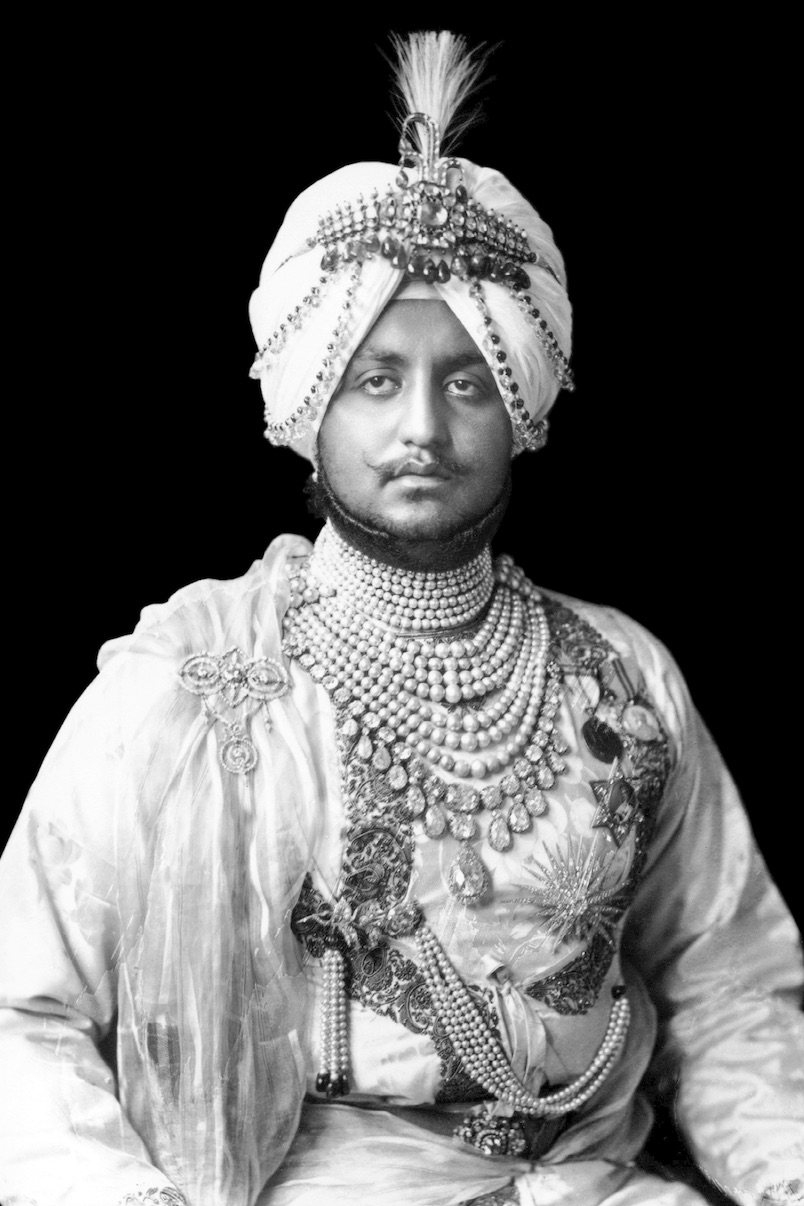
Born in 1891, Sir Bhupinder Singh, the Maharaja of Patiala, was a famous cricket player, a friend of the British Raj, and a voracious collector of everything from art to cars to wines to wives—he was married ten times and had 88 children, not to mention a harem of 350 concubines. And then there were his jewels.
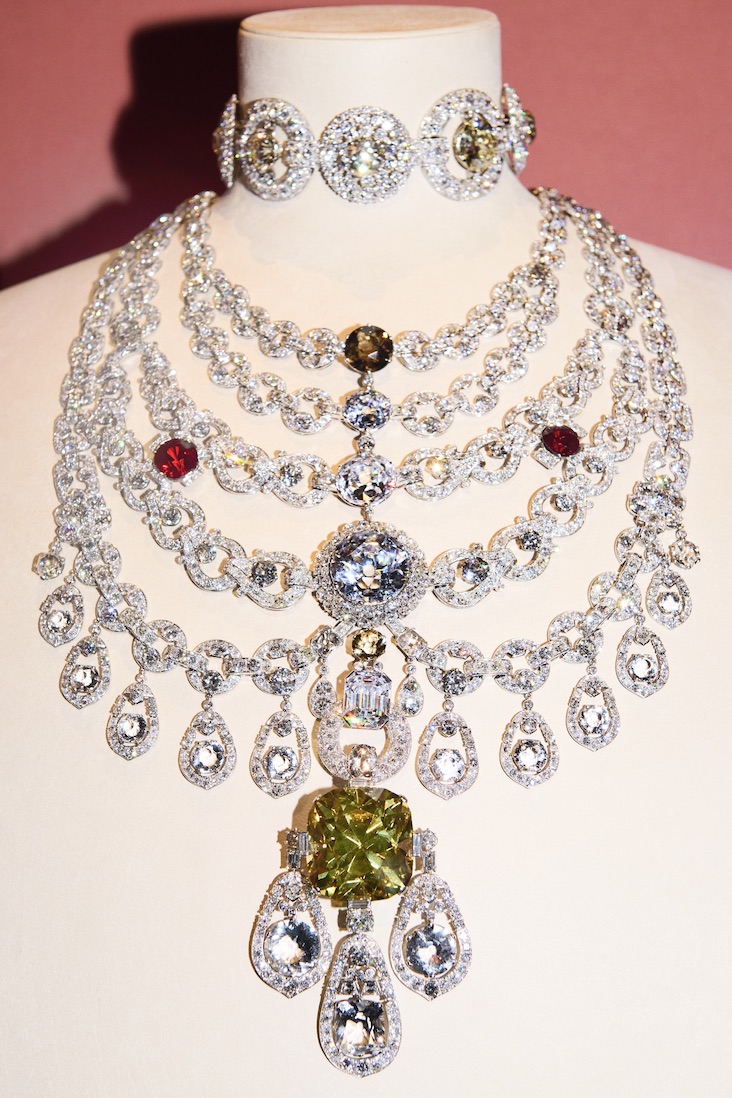
In 1925, the Maharaja packed his bags and headed to Paris, his trunks bursting with diamonds, emeralds, sapphires, pearls, and rubies of the highest quality, set in antique Indian settings that he wanted reset at Maison Cartier. The resulting Cartier commission came to be known as the Patiala Necklace—it featured 2,930 diamonds, including the 428-carat “De Beers” diamond, the largest cushion-cut yellow diamond, and the second-largest yellow faceted diamond in the world. (It was worth an estimated US$2.5 billion in 2023.)
The whole necklace disappeared from the Royal Treasury of Patiala around 1948, but some of its diamonds were later recovered in 1998 at a second-hand jewelry shop in London. So, the lesson here is—keep your eyes peeled at those vintage haunts, you never know what will turn up!
Evalyn Walsh McLean Made the Hope Diamond a Legend
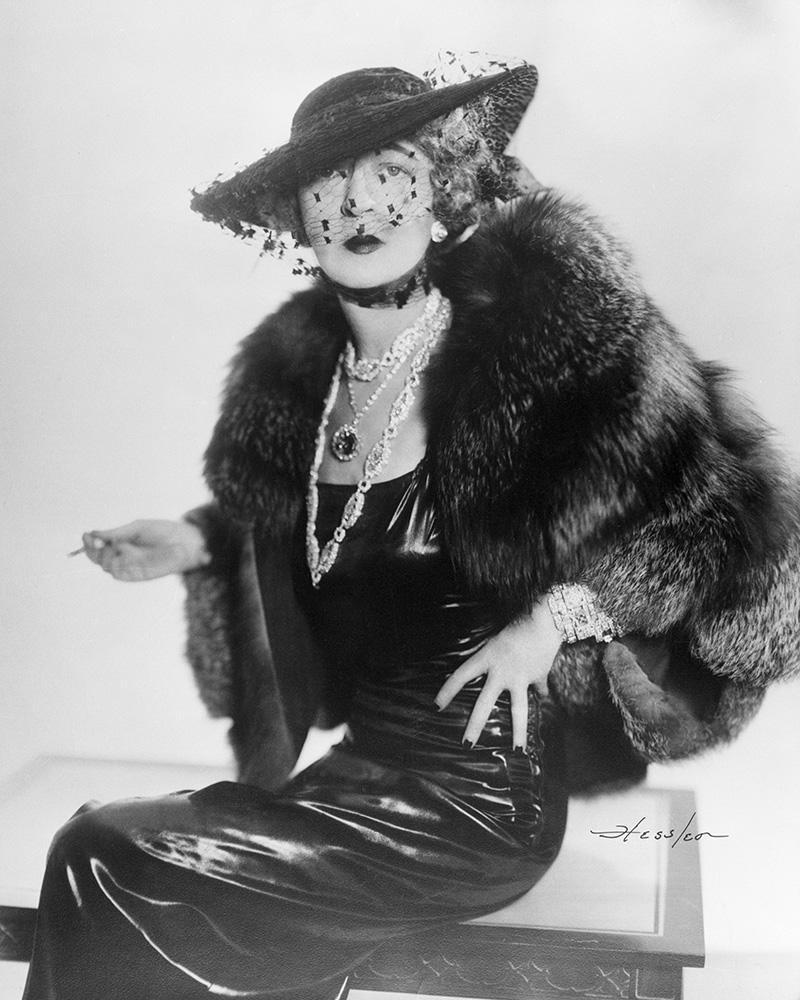

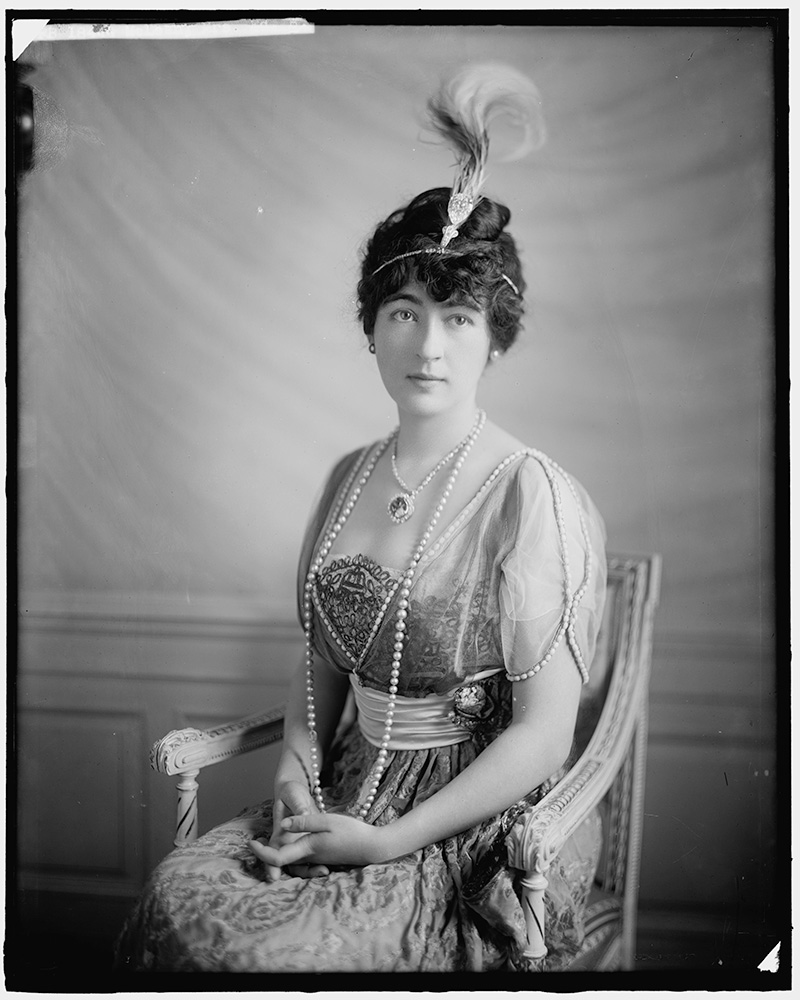
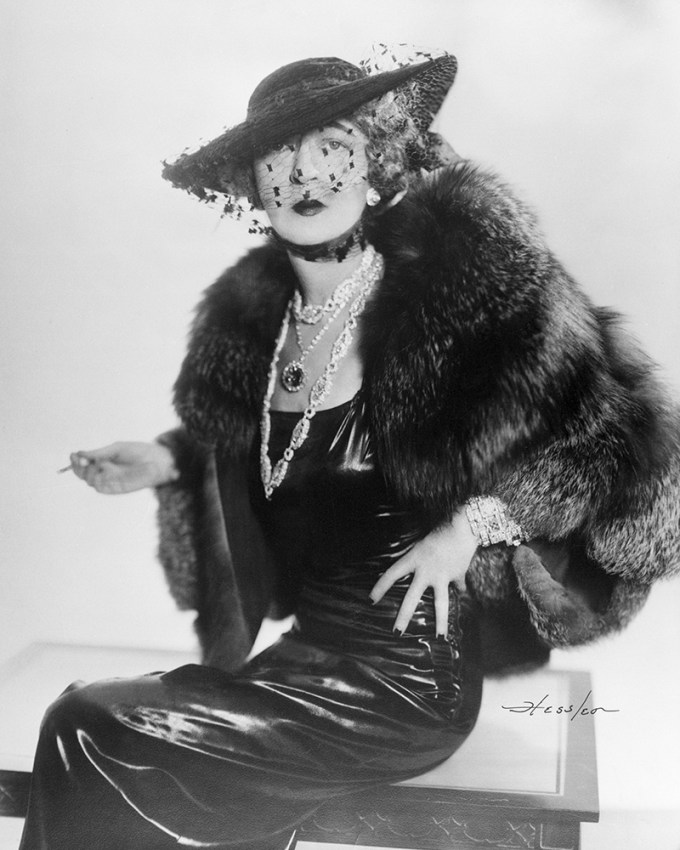
In 1898, when Evalyn Walsh McLean was 12 years old, her father uncovered gold in Colorado and struck it rich. The family moved to a mansion, and Evalyn was sent to Paris to study singing, but she preferred to busy herself by rouging her cheeks, dyeing her hair, and drinking. In 1908, she married Edward “Ned” Beale McLean, the heir to The Washington Post and The Cincinnati Enquirer publishing fortune.
They were certainly a power couple: when they took a trip to Russia, it was immortalized by Cole Porter in a verse from Anything Goes: “When Missus Ned McLean (God bless her) / Can get Russian reds to ‘yes’ her, / Then I suppose / Anything goes.”
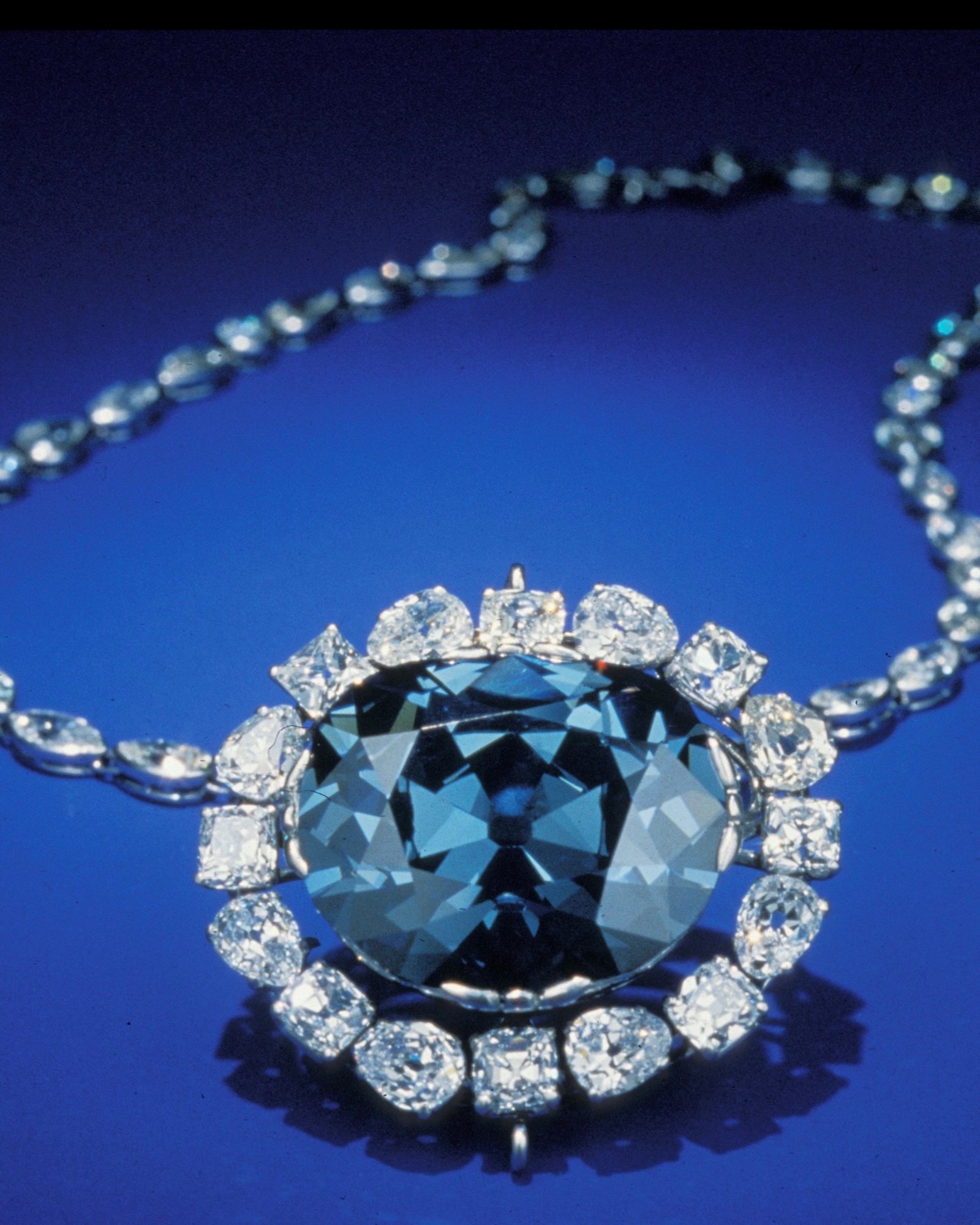
So perhaps it is not surprising that Ned wanted to buy his bride a spectacular present. But when Pierre Cartier showed the legendary Hope Diamond to Evalyn in 1910, she wasn’t thrilled with the setting. No problem. Cartier had it reset—the stone was now mounted as a headpiece on a three-tiered circlet of large white diamonds, and suddenly there was yes-yes in Evalyn’s eyes.
On January 28, 1911, in an office at The Washington Post, McLean’s husband bought her the Hope Diamond for $180,000 –the rough equivalent of $6,220,000 today. Evalyn passed away with her massive rock still twinkling on her finger. But unlike heiresses, diamonds never die. In 1949, Harry Winston purchased her entire jewelry collection, including the Hope Diamond. Ten years later, it was donated to the Smithsonian Institution in Washington, D.C., where it remains on dazzling display, the star of the show.
Get the Newsletter
Sign up for the latest diamond news, delivered directly to your inbox.