
Before Maximalism Was a Trend, There Was Millicent Rogers
More is more, and jewelry visionary Millicent Rogers proved it first.
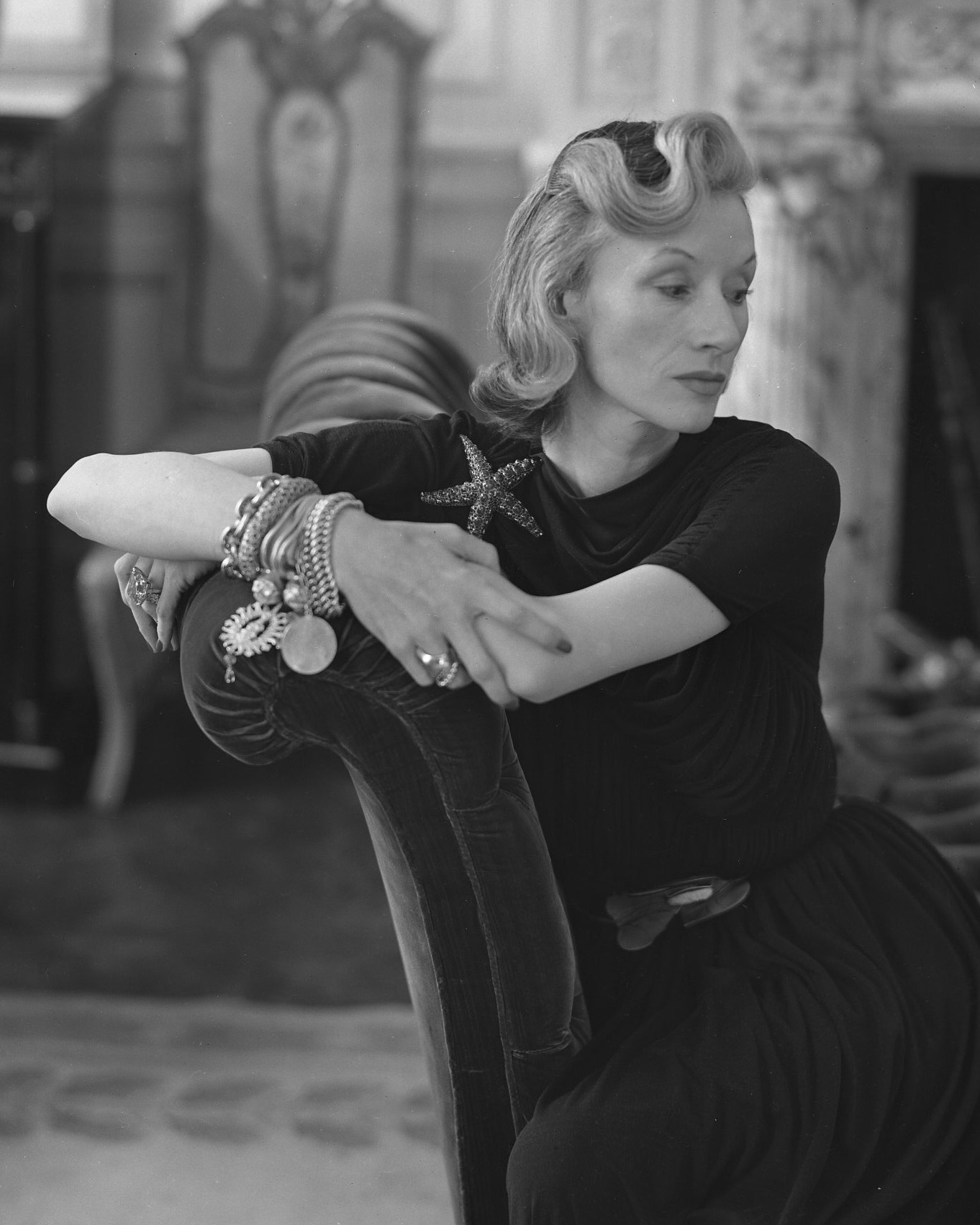
(Getty Images)
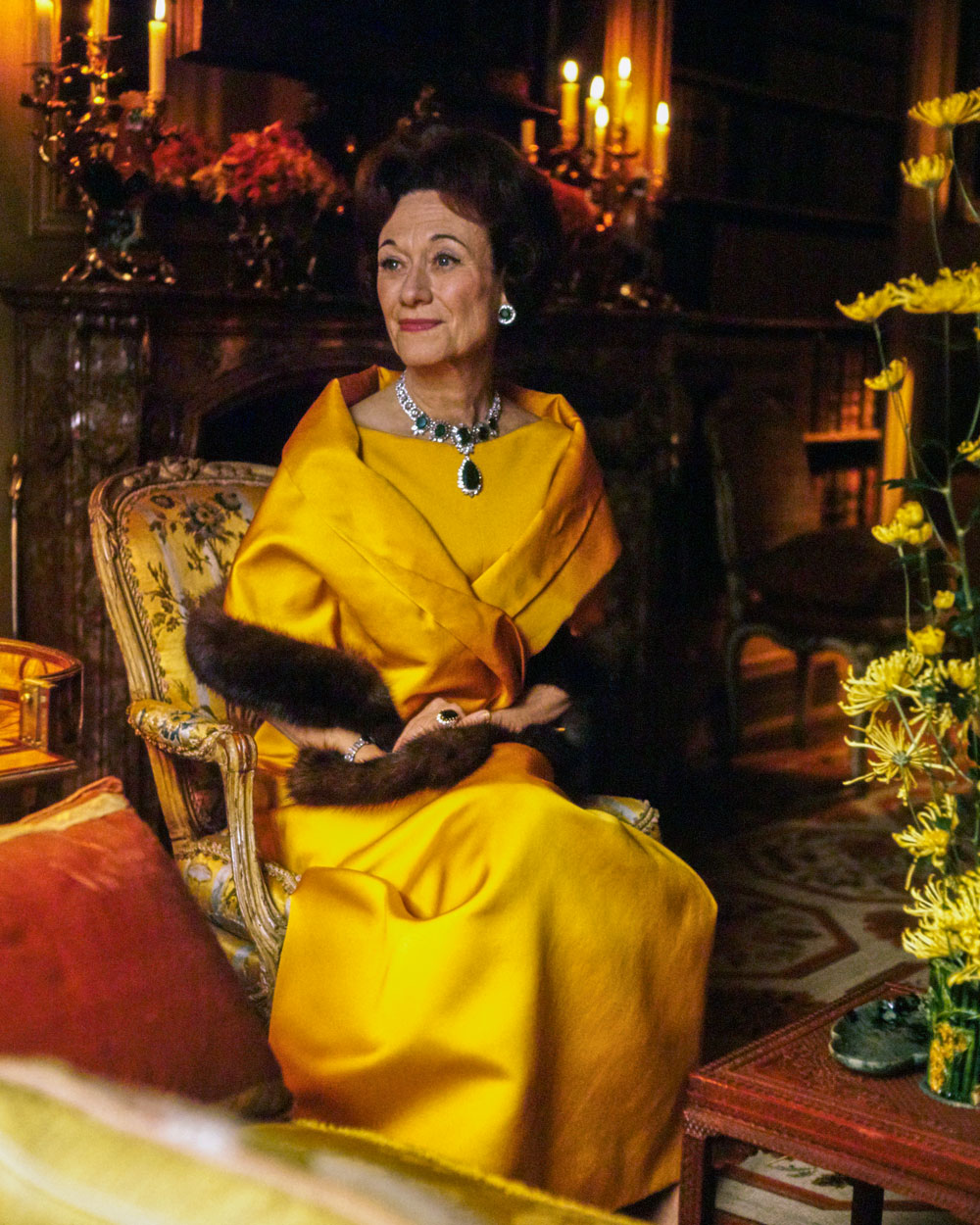
Millicent Rogers wasn’t just another society darling—she was truly one of a kind. Born in the early 20th century, she had a typical upper-crust childhood before coming of age as a debutante in Europe. A staple of Best Dressed lists, she graced the pages of Vogue, Harper’s Bazaar, and even the cover of LIFE magazine.
But when it came to her jewelry choices, she truly made her mark. Her natural diamond pieces were remarkable—bold selections from classic houses, including René Boivin, a favorite of hers. She wasn’t afraid of color or making a statement.
When the New York “it girl” made a daring relocation to Taos, New Mexico, her style transformed. She embraced the Native designs of the region, stacking silver and turquoise jewelry alongside her diamonds decades before layering became a trend, and even designing in collaboration with local artisans.
Meet the Experts

Patricia Curts is the Managing Director of The Mexican Collection, a UK-based jewelry brand with more than 20 years of experience specializing in silver and gemstone design inspired by Mexican craft traditions.
Elle Spurr is a researcher and writer whose career at M.S. Rau began with her role as an art handler. With a degree in Arts Administration from Simmons University, Elle honed her expertise through roles at institutions such as the Museum of Fine Arts, Boston, the Portland Museum of Art and the New Orleans Museum of Art.
Ahead, take a look at Rogers’ diverse and distinctive natural diamonds, and how she redefined what mattered in a jewelry collection.
Who Was Millicent Rogers? Inside the Life of a Jewelry Icon
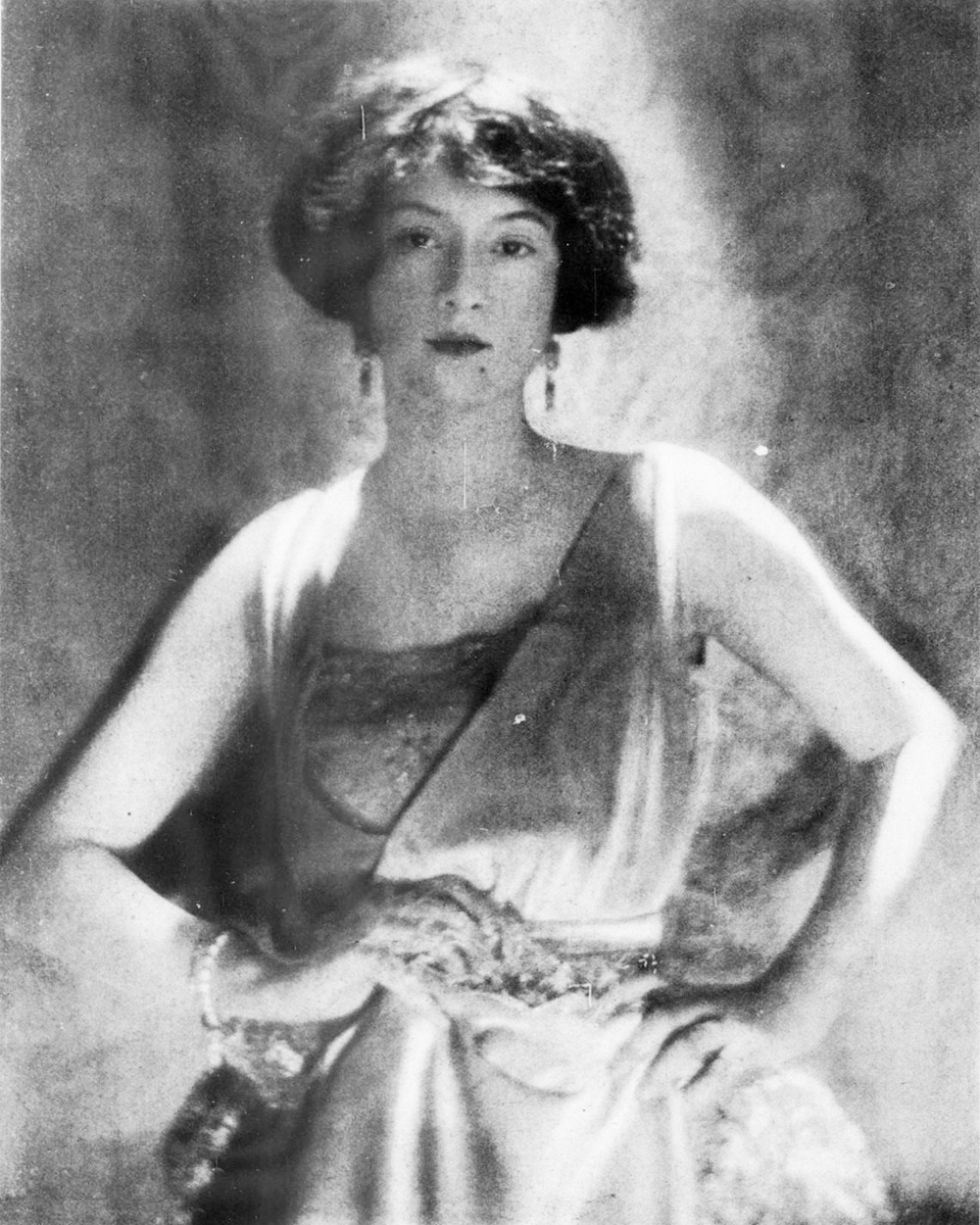
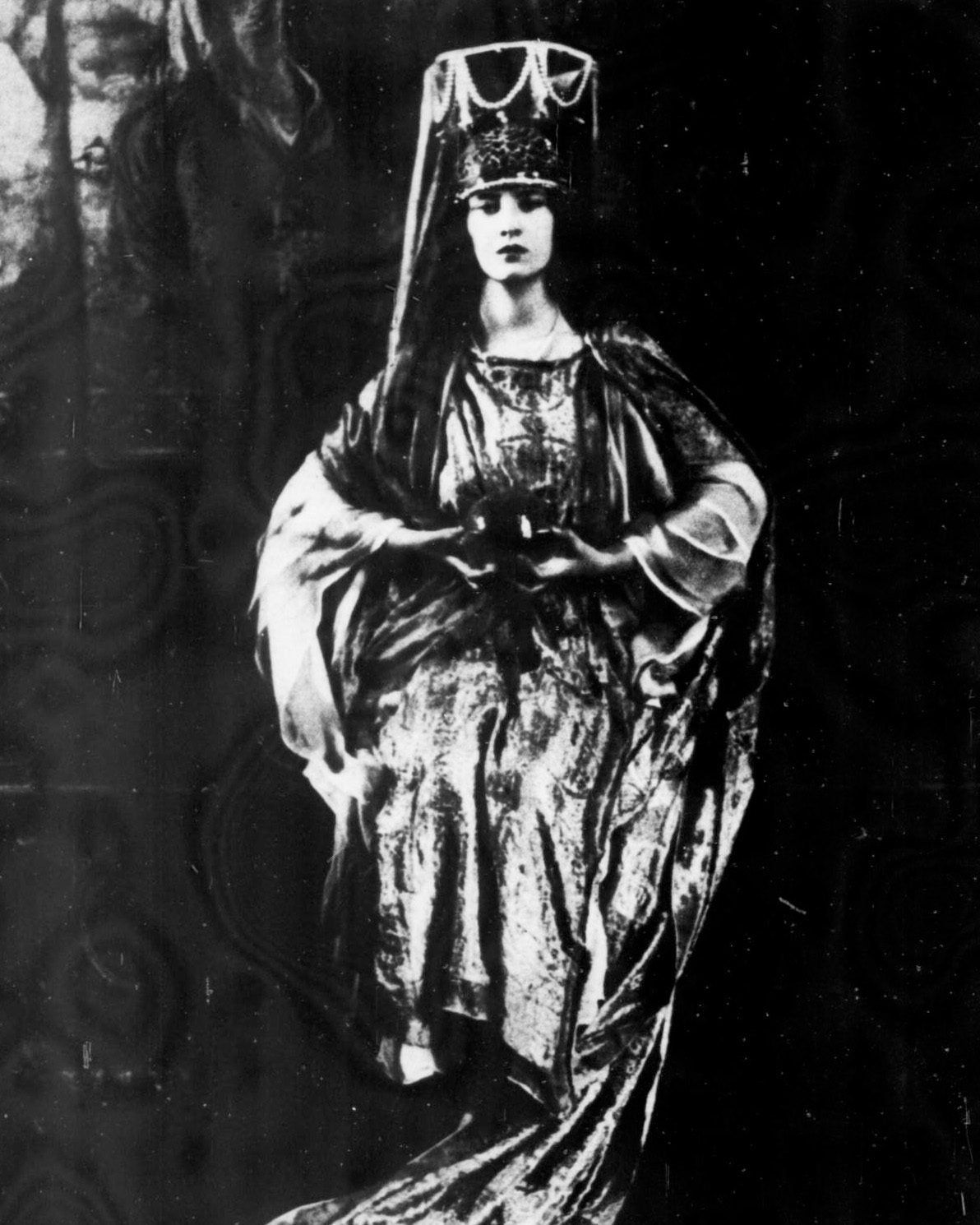
Born Mary Millicent Abigail Rogers in 1902, the so-called “Standard Oil heiress” was the granddaughter of H.H. Rogers, who co-founded the Standard Oil Trust with John D. Rockefeller. She lived a privileged life, splitting her time between ritzy Tuxedo Park, New York, and an 1,800-acre estate in Southampton, Long Island.
Coming of age in the 1920s, she was a sought-after debutante, introduced to society on a grand European tour where she mingled with royals, including Italy’s Duke d’Aosta, Prince Serge Obolensky, and the Prince of Wales. The trip also introduced her to jewelry houses like Boivin, Verdura, Belperron, and Flato—early influences that would shape her extraordinary collection.
Her personal life was equally eventful. Her first marriage to a penniless, twice-divorced count she met in Europe ended poorly, though they had a son, Peter. Back in the U.S., she resumed her high-society life, maintaining homes in New York City and Vermont before marrying Argentine Arturo Peralta-Ramos, with whom she had two more sons.
Millicent Rogers Hid Her Jewelry in Teddy Bears While Escaping Austria During WWII
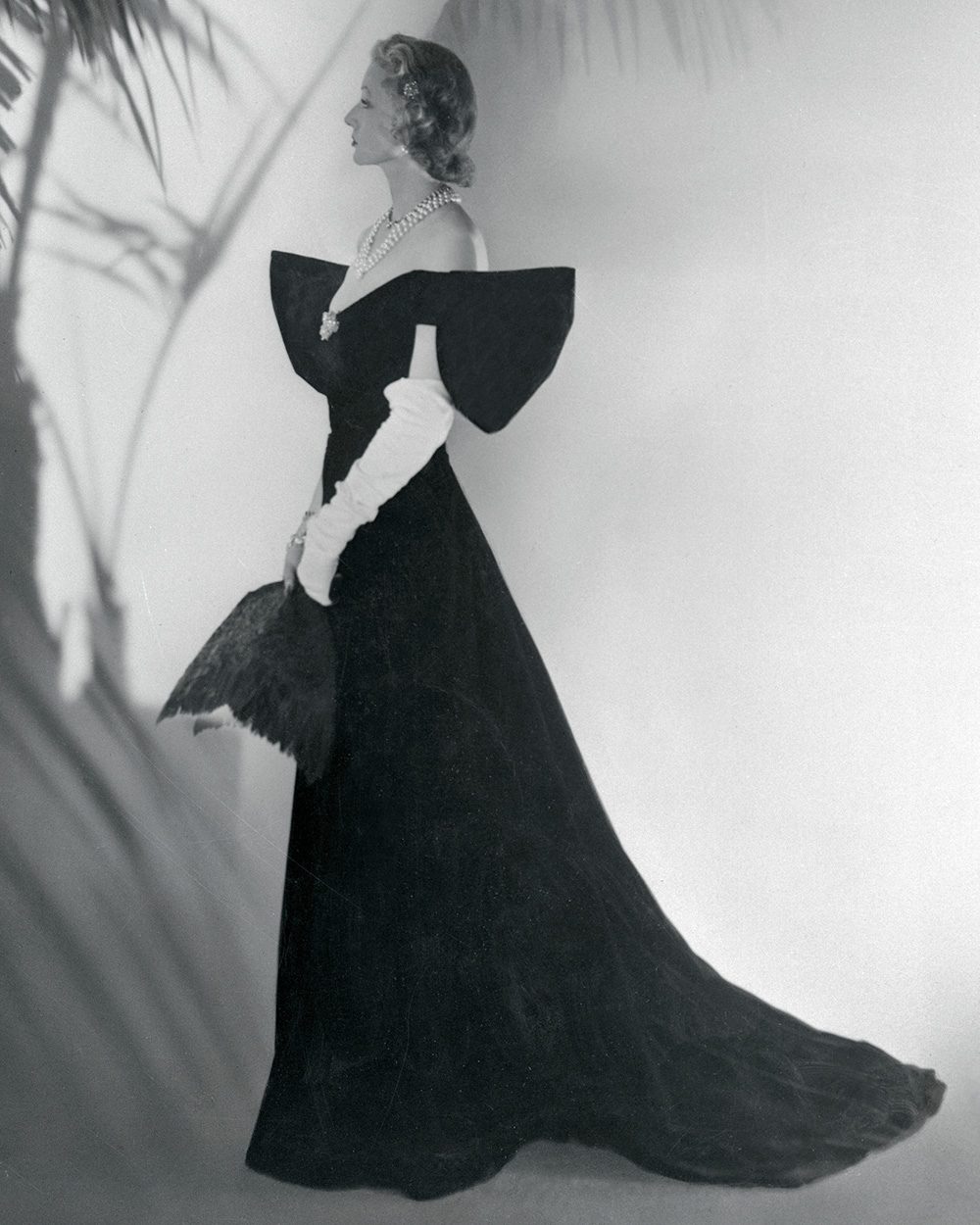
That marriage was also short-lived. A third marriage followed, taking her to Austria on the brink of World War II. When it became too dangerous, they returned to the U.S., with Rogers reportedly hiding her beloved jewels inside her son’s teddy bears for the journey.
During the war, Rogers lived and volunteered in Washington, D.C., while remaining firmly in glamorous circles. She appeared in Vogue and formed friendships with Elsa Schiaparelli and Coco Chanel, while also socializing with Hollywood figures like Claudette Colbert and Gary Cooper, who introduced her to Clark Gable. Their relationship led her west, relocating to Hollywood with her seven dachshunds and trunks of jewels, though it ultimately didn’t last. In Hollywood, weakened by childhood rheumatic fever, she turned to designing jewelry, which soon drew attention.
In the 1940s, following the breakup, Rogers traveled to Taos, New Mexico, and felt an immediate connection. The rugged landscape and thriving Native American jewelry tradition reshaped her perspective. She began collecting extensively—more than 1,000 pieces—and eventually purchased a home on 80 acres, settling there permanently until her death in 1953.
Millicent Rogers’ Most Iconic Jewels
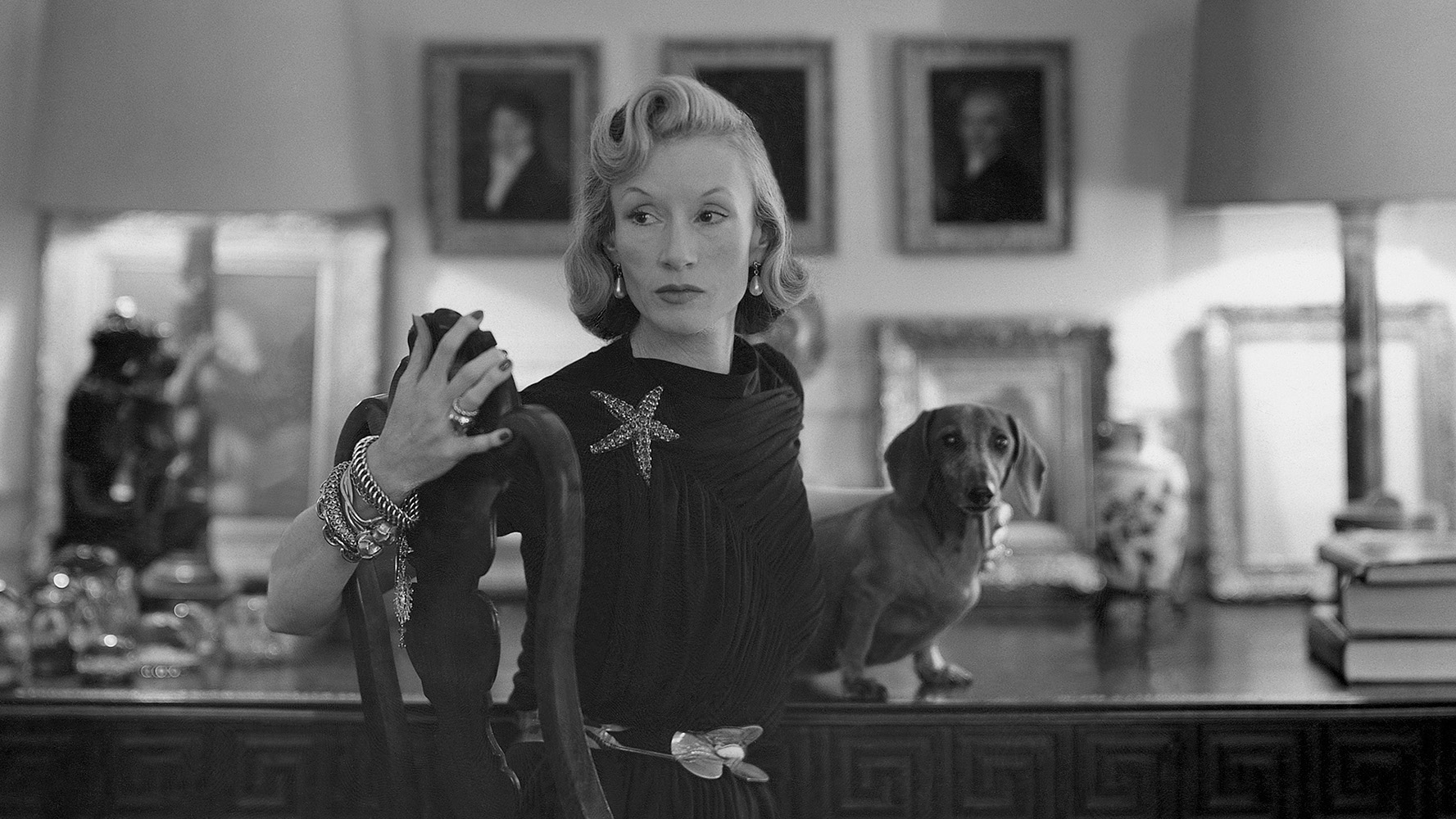
As a young woman moving through the high-society circles of Europe and New York in the early 20th century, the jewels Millicent Rogers collected reflected the era’s most influential design houses. She gravitated toward bold, sculptural pieces by designers such as Suzanne Belperron, Fulco di Verdura, Paul Flato, and René Boivin.
Below, take a closer look at some of her most significant jewels before her move to Taos.

Millicent Rogers’s jewelry embodies a highly original and unconventional elegance, defined by vivid gemstones, sculptural forms, and an avant-garde spirit.
René Boivin Ruby and Diamond Floral Brooch
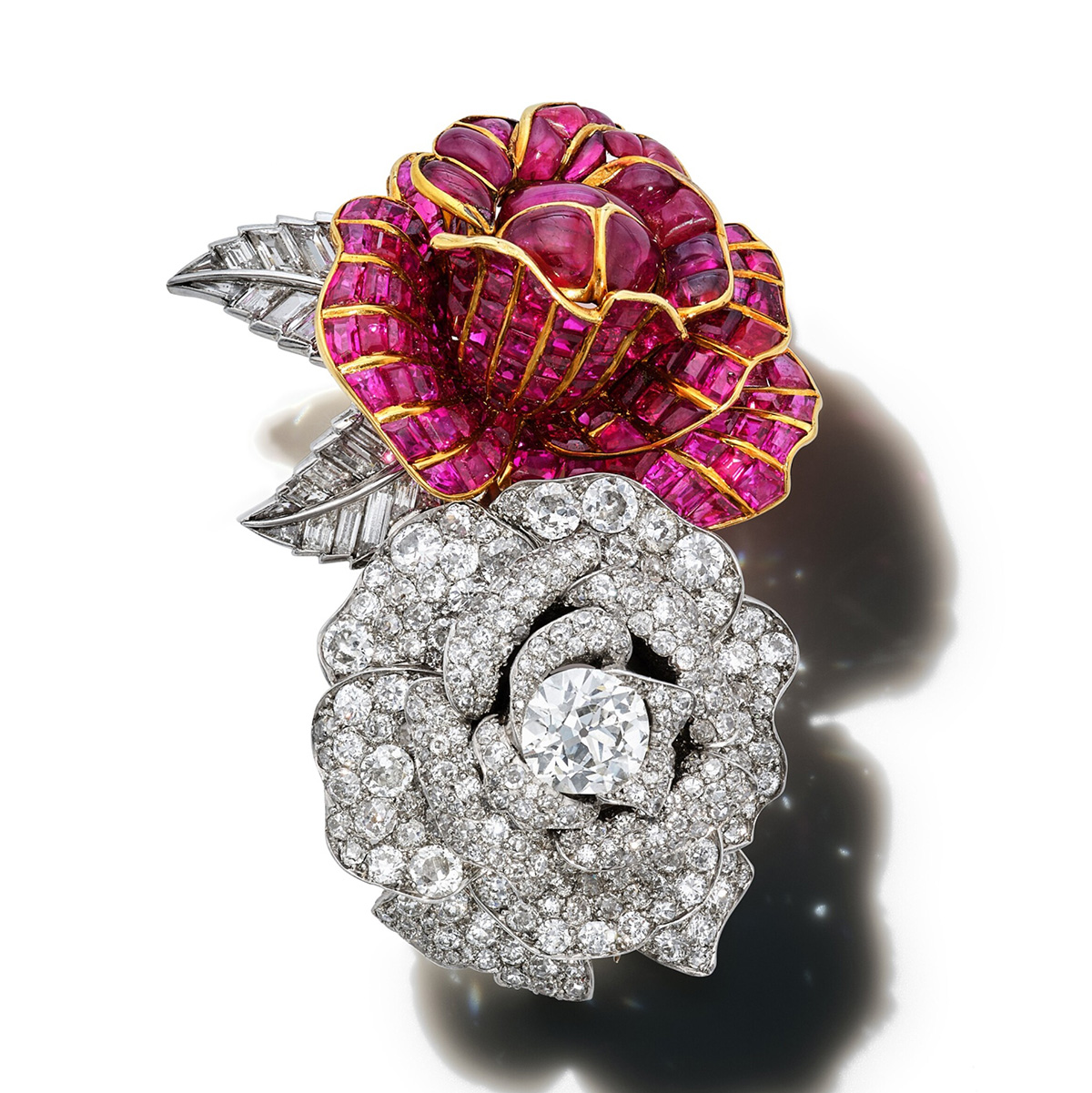
A quintessential Boivin design, this brooch features a vivid ruby center stone surrounded by round diamonds forming a stylized flower. It reflects the house’s fascination with natural forms, reimagined through sculptural volume and precise craftsmanship. Created during a period when the house was led by Jeanne Boivin following the death of René Boivin, the brooch also speaks to a distinctly modern, female-driven vision
Paul Flato “Verbum Caro” Brooch
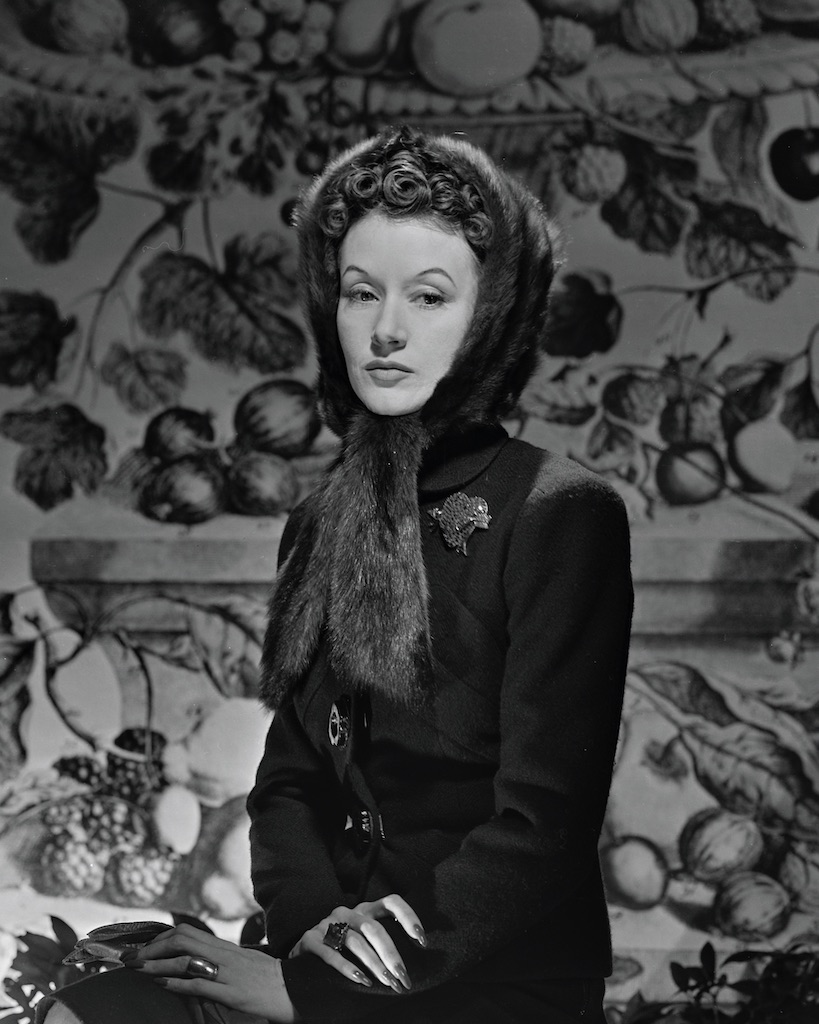
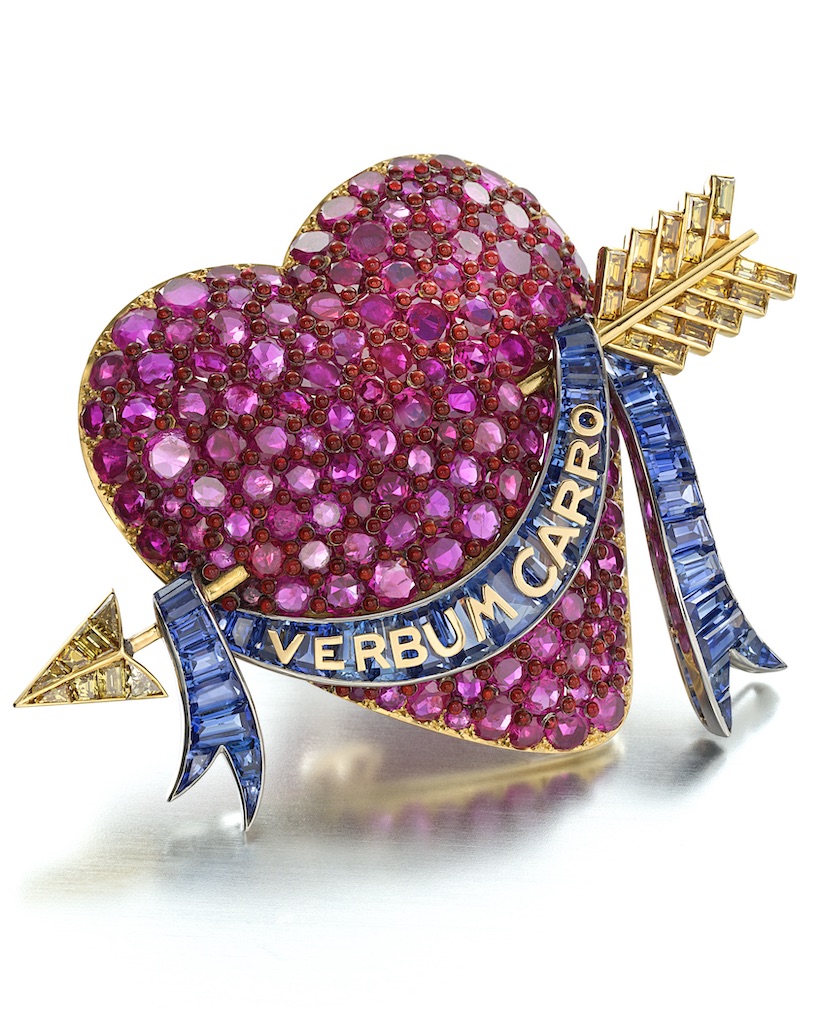
Also known as the Millicent Rogers Heart, this ruby, sapphire, and yellow diamond brooch, created by Paul Flato around 1938, is one of her most iconic pieces. The design features a puffy heart composed of 134 round and oval rubies, pierced by a calibré-cut yellow diamond arrow and draped with a calibré-cut sapphire banner inscribed “Verbum Caro,” Latin for “the Word became flesh,” from John 1:14, in yellow gold script. The piece is mounted in platinum and 18-karat yellow gold with French assay marks.
Beyond its visual impact, the brooch is often interpreted as deeply personal. Rogers, who suffered from chronic heart issues following rheumatic fever in childhood, may have been drawn to its symbolism as an emblem of both vulnerability and resilience.
René Boivin Starfish Brooch

Another standout Boivin creation, this pavé-set starfish brooch from 1938 features cabochon ruby collets and amethysts. It exemplifies the house’s playful yet highly sculptural approach, often drawing inspiration from marine life and organic forms.
Elle Spurr, Senior Researcher at M.S. Rau, tells Only Natural Diamonds, “Millicent Rogers’s jewelry embodies a highly original and unconventional elegance, defined by vivid gemstones, sculptural forms, and an avant-garde spirit. While daring in its time, her aesthetic continues to influence taste and inspire collectors today. Her passion for jewelry was legendary, and her affinity for visionary houses such as Maison Boivin reflects a discerning eye for designs that were bold, intellectually driven, and unlike anything else being worn. Known as the ‘jeweler of the intelligentsia,’ Boivin found a natural counterpart in Rogers herself, who understood that true style is not about following trends, but setting them.”
Suzanne Belperron Emerald and Ruby Ring
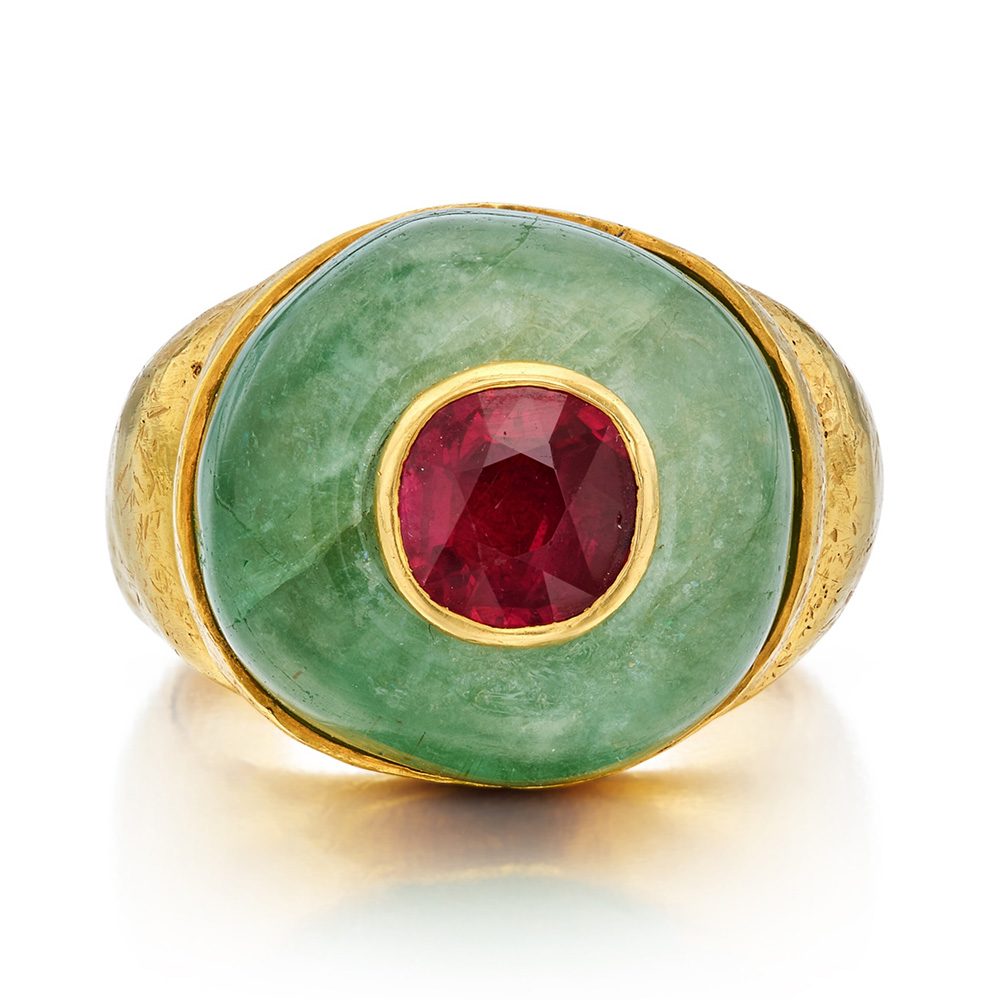
Though not a diamond piece, this ring by Suzanne Belperron is no less striking. Designed in 1939, it features an emerald bead set with a cushion-cut ruby in a richly textured gold mounting.
Belperron, one of the most important designers associated with Boivin early in her career, rose quickly within the house before leaving in 1932 to join Bernard Herz. She later took over the business, establishing her own legacy as one of the defining jewelry designers of the 20th century. Known for her sculptural forms and distinctive use of color, her clients included Rogers, Elsa Schiaparelli, the Duchess of Windsor, and Diana Vreeland.
How Taos Transformed Millicent Rogers’ Jewelry Style
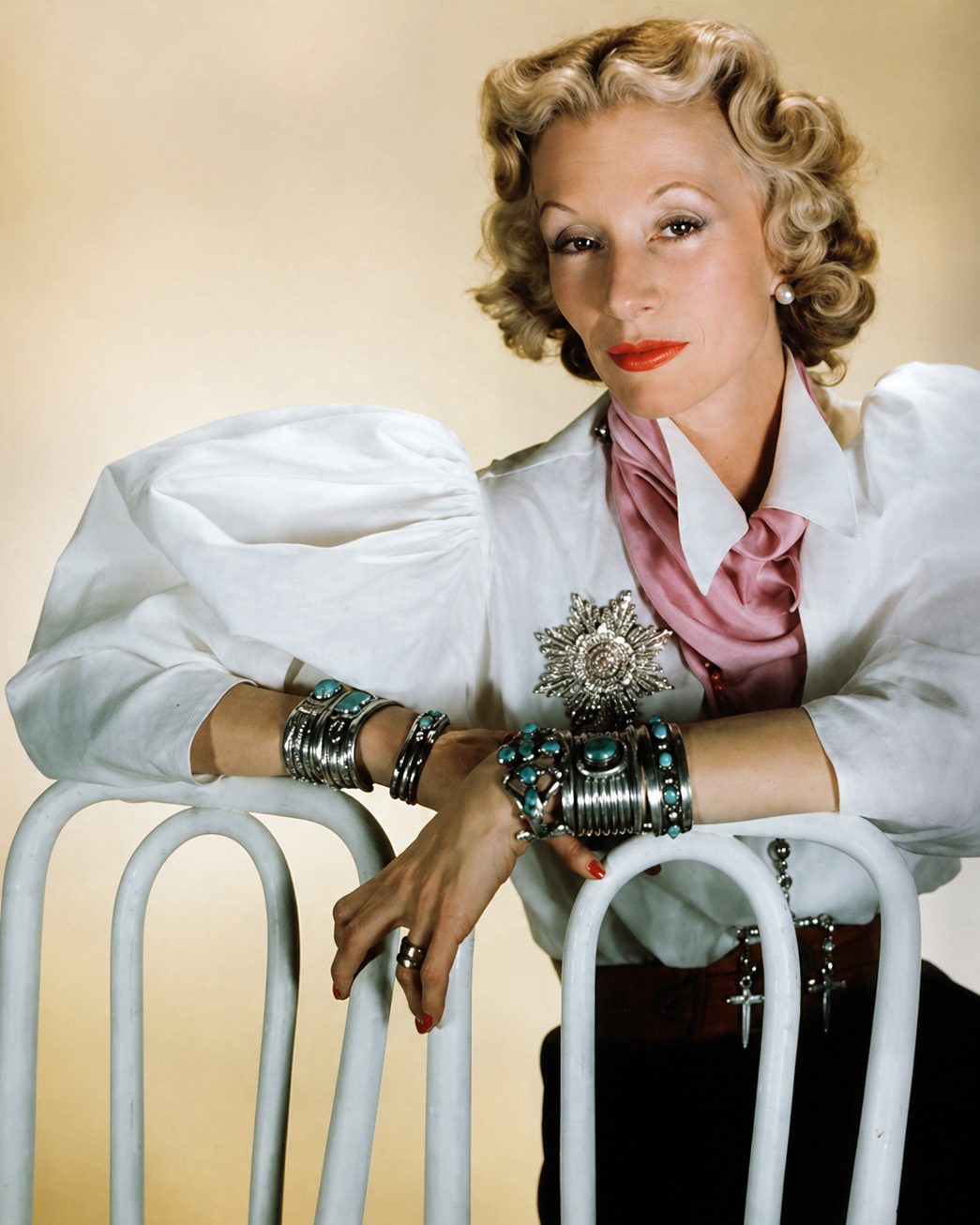
Rogers writes to her son Paul shortly after arriving in Taos, New Mexico: “Dear Paulie, did I ever tell you about the feeling I had a little while ago? Suddenly passing Taos Mountain, I felt that I was part of the earth, so that I felt the sun on my surface and the rain. I felt the stars and the growth of the Moon; under me, rivers ran…”
Rogers’ instinct to pair natural diamonds with turquoise and silver was quietly radical for its time.
Though she lived in Taos for only the final years of her short life, she embraced its culture wholeheartedly. She amassed an extraordinary collection of more than 1,000 pieces of jewelry from local New Mexican artisans, including necklaces, cuffs, squash blossom necklaces, rings, earrings, and ceremonial adornments—often crafted in hand-forged silver and set with vivid stones. She also collaborated with artisans on original designs and is believed to have worked alongside Taos Pueblo jewelers. Beyond jewelry, she collected pottery, tinwork, and santos (painted or carved depictions of saints) from across the region.
Rogers’ instinct to pair natural diamonds with turquoise and silver was quietly radical for its time. As Patricia Curts, Managing Director of The Mexican Collection, tells Only Natural Diamonds, mid-20th-century jewelry operated within “a structured hierarchy of materials,” with diamonds at the top and turquoise viewed as “regional” and secondary. To combine them in a single piece was “not only uncommon but counter to how the jewelry industry defined value.”
Drawing on her experience working with Mexican and Southwestern craft traditions, Curts notes that this kind of material mixing is more familiar in those contexts—but that resistance in other markets underscores just how forward-thinking Rogers was. Ultimately, she says, Rogers grasped something the industry is still catching up to.
Rogers’ prominence in American culture also helped bring visibility to Southwestern jewelry design and Indigenous artistry. She advocated for Native communities and supported causes connected to Taos Pueblo, though broader efforts to restore Blue Lake were realized years after her death.
Following her passing in 1953, her family established the Millicent Rogers Museum to preserve and share her remarkable collection, reflecting her deep connection to the region and its people.
Millicent Rogers Changed the Rules of Jewelry
Rogers ultimately redefined the rules of modern jewelry. Especially in the final chapter of her life, she moved beyond convention, embracing and elevating the craftsmanship of New Mexico. Her ability to shift seamlessly between classic European diamond pieces and Southwestern turquoise—and often combine them—was not just unusual, but visionary.
What made it work was simple: her jewelry was never about hierarchy or tradition. It was personal. Each piece told her story.