
How Coco Chanel Brought Her Fashion Revolution to Diamond Jewelry
It’s been 94 years since Gabrielle “Coco” Chanel launched the world’s first high jewelry collection, and its diamonds have been shining ever since.
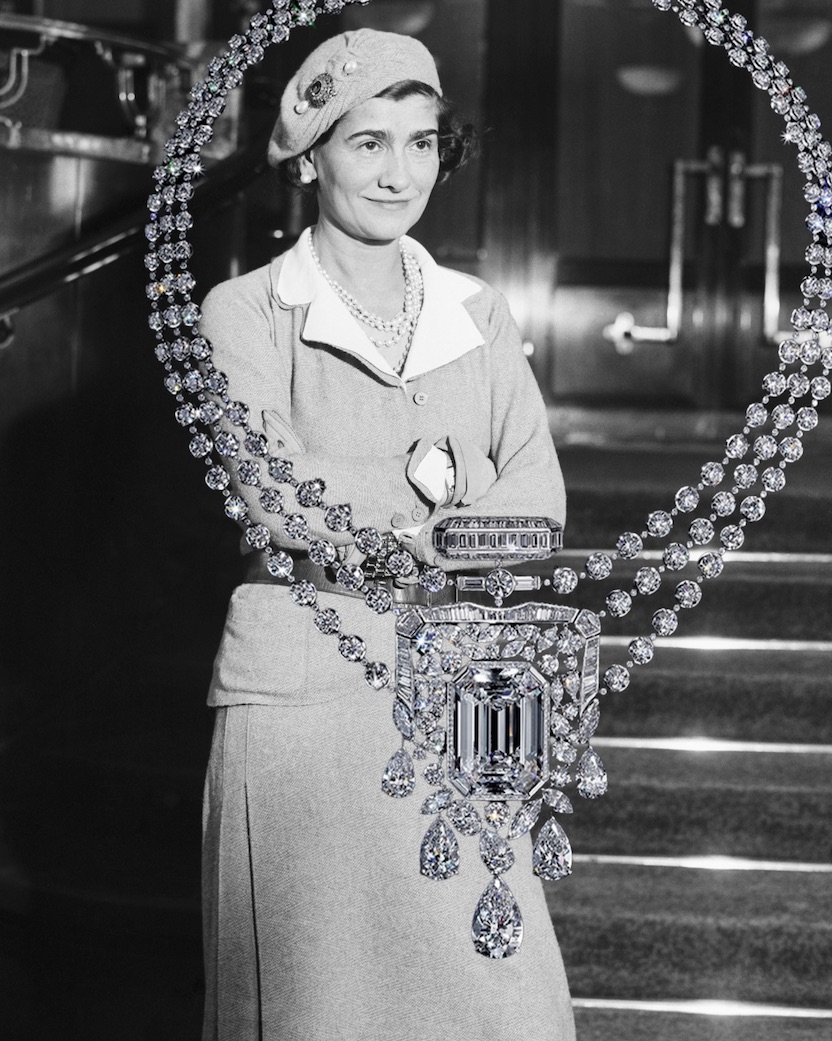
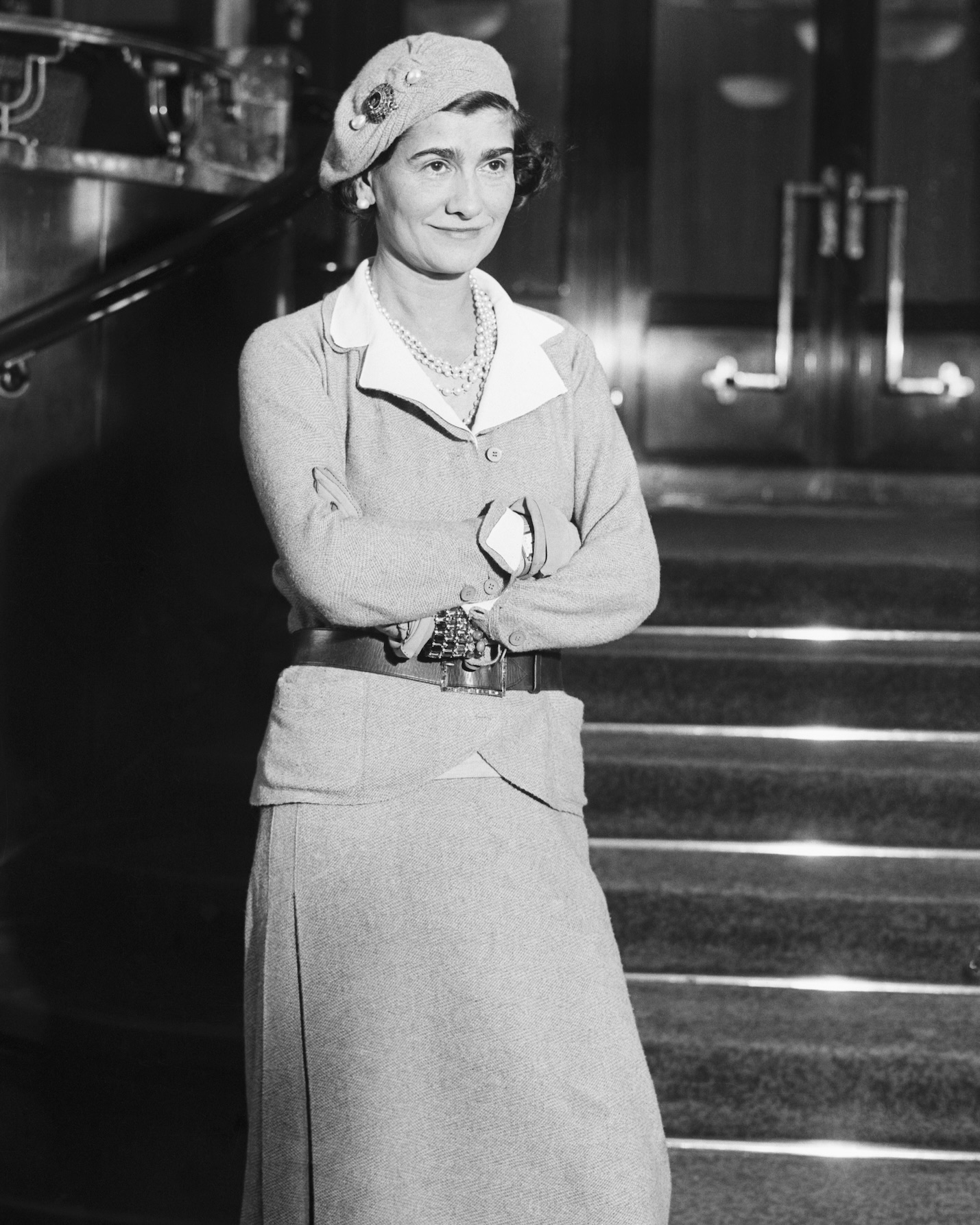
Gabrielle “CoCo” Chanel. Photograph, 1931. (Getty Images)
A fashion revolutionary, Gabrielle “Coco” Chanel’s enduring influence remains the stuff of magic. Born in 1883 in Saumur, France, Chanel reinvented how women dress, favoring less restrictive silhouettes and introducing a newfound practicality to clothing before bringing that same modern vision to natural diamond jewelry.
Credited with freeing women from corsets, the sartorial trailblazer brought a flowing, effortless sensibility to fashion, democratizing comfort and function. The goal was for women to move, breathe, and feel free in her designs, just as men did in theirs, signaling a new form of female emancipation. One of the 20th century’s most influential couturiers, Chanel later brought that same Midas touch to high jewelry, extending her impact to every corner of the style world.
Meet the Author
- Hannah Militano covers diamond jewelry trends, the fashion industry, pop culture, and celebrity news.
- She holds a Bachelor’s degree from the Fashion Institute of Technology.
- As a journalist, her work has been featured in publications such as Editorialist, Carine Roitfeld’s CR Fashion Book, L’Officiel USA, Grazia USA, Coveteur, and more.
In the 1920s, Chanel developed a distinctive eye for jewelry design. Her costume jewels garnered widespread praise from the international press. Layered necklaces featuring pearls, charms, and chains established the visual language of the French luxury fashion house as we know it today. Maintaining her defiant spirit, Chanel was known for blending fine and costume jewelry in her rotation, challenging traditional norms of luxury.
When she launched what is considered “the world’s first high jewelry collection,” Bijoux de Diamants, in 1932, Chanel brought her revolutionary approach to fashion into jewelry, designing diamonds meant to be lived in rather than locked away in a vault.
Inside Chanel’s 1932 Bijoux de Diamants High Jewelry Collection
Three years after the Wall Street Crash on Black Thursday in 1929 triggered the onset of the Great Depression, the economic downturn meant the only way to go was up. In November of 1932, the London Diamond Corporation, a De Beers company, saw an opportunity in the midst of turmoil. Breaking ground and making room for a renewed sense of hope, the company reached out to fashion designer extraordinaire, Gabrielle “Coco” Chanel, commissioning her to create a collection, set with their own loaned diamonds in an attempt to restore the diamond market to its former luster.
The designer said at the time, “Nothing could be better for forgetting the crisis than feasting one’s eyes on beautiful new things, which the skills of our craftsmen and women never cease to unveil.” With a multi-faceted empire at her back, Chanel’s modern design principles breathed new life into natural diamonds. She once said, “If I have chosen diamonds, it is because they represent the greatest value in the smallest volume.”
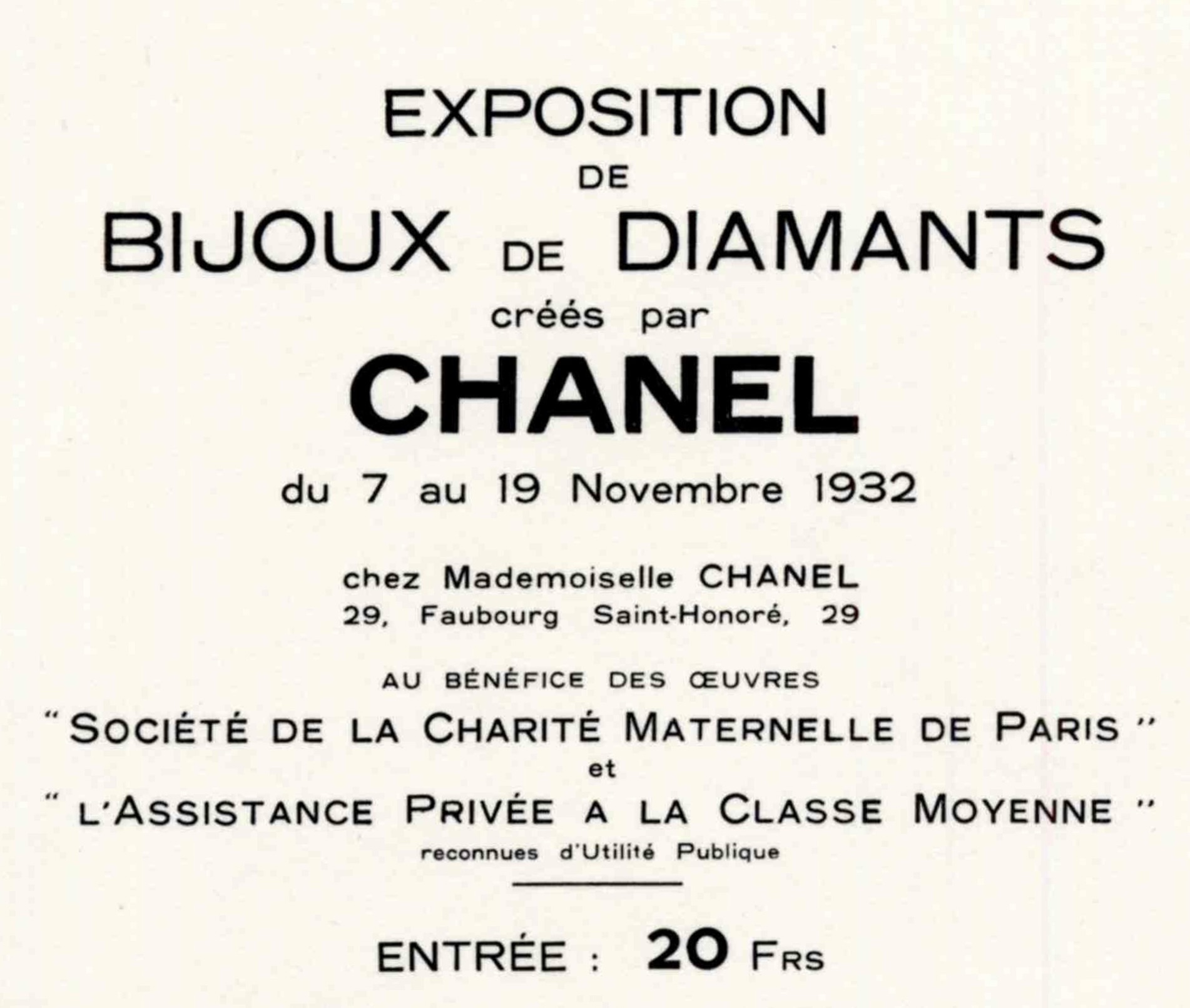
On November 1, 1932, notable figures like artist Pablo Picasso, poet and playwright Jean Cocteau, American actress Gloria Swanson, and Eileen, Duchess of Sutherland, Mistress of the Robes to Queen Mary, gathered at Gabrielle Chanel’s Parisian mansion at 29 rue du Faubourg Saint-Honoré to support the new collection.

If I have chosen diamonds, it is because they represent the greatest value in the smallest volume.
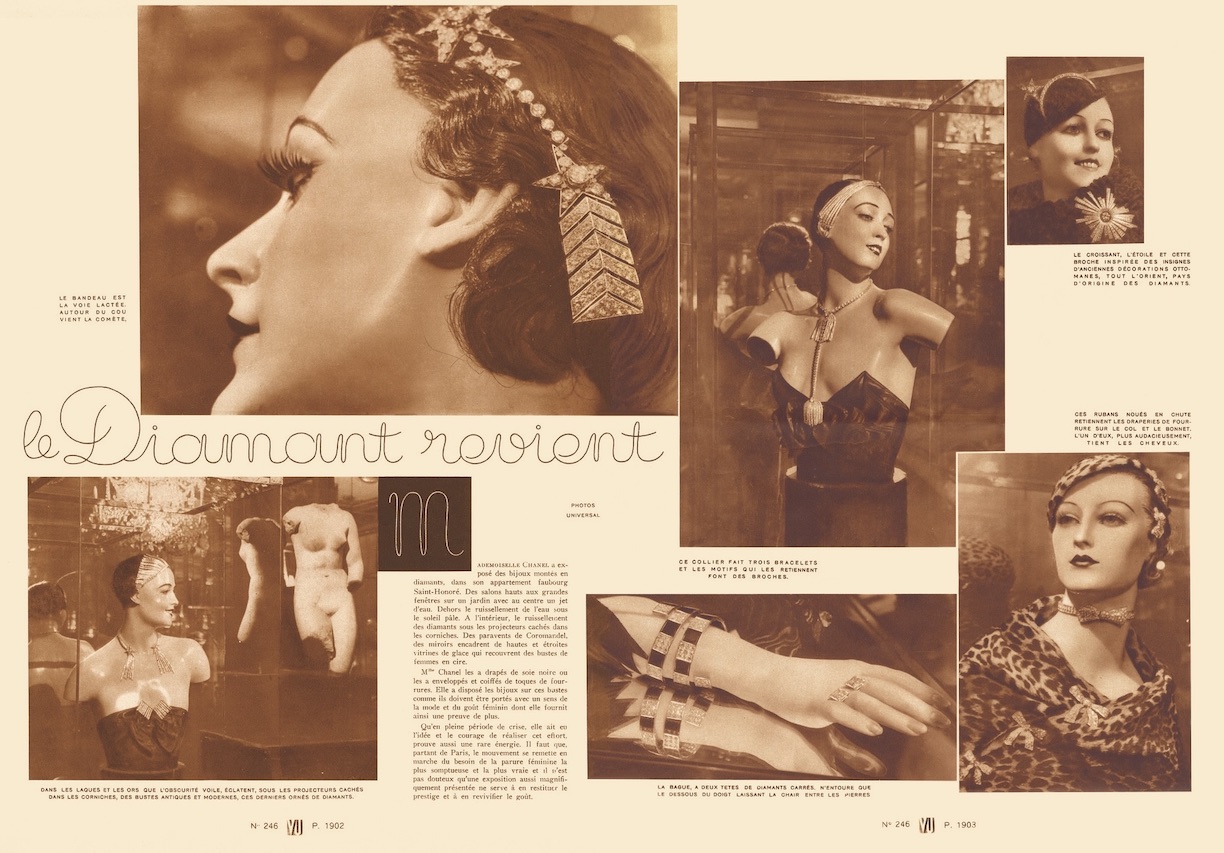
After a two-day private viewing attended by the press and Parisian high society, the jewelry went on display from November 7 to 19 in a first-of-its-kind exhibition. The first floor of Chanel’s home featured 55 pieces of diamond jewelry displayed on lifelike wax mannequins, complete with full makeup and glossy Marcel-wave hairstyles that were very much en vogue at the time.
The next 12 days saw nearly 30,000 visitors pay 20 francs each to set their sights on Chanel’s debut high jewelry collection. The proceeds were divided between the Société de la Charité Maternelle de Paris, established in 1784 under the patronage of Marie Antoinette, and the Assistance Privée à la Classe Moyenne (Private Assistance for the Middle Class).
Just days after releasing the collection, Chanel boosted the Diamond Corporation’s shares on the stock exchange, transforming and revitalizing the industry. A triumphant era for the jewelry disruptor, the Bijoux de Diamants High Jewelry collection was unlike anything else of the time.
Resentment within the jewelry industry soon began to simmer. An outsider—a dressmaker—was suddenly being praised for helping revive the diamond market. The Bijoux de Diamants collection quickly became known as the “Chanel Affair,” as members of the jewelry world called for Chanel to stop designing jewelry and demanded the collection be dismantled and the stones returned. But by then, several pieces had already sold on opening day, leaving only a small number of the original creations to survive today.
Chanel’s Starry-Eyed Inspiration Behind Bijoux de Diamants
About 55 pieces were sumptuously crafted with white and yellow natural diamonds, set in platinum and yellow gold. Designed for women by a woman, the jewels were meant to be worn every day, symbolically complementing her couture designs. As she did with her fashion empire, Chanel designed jewelry with wearability and versatility in mind. Without visible settings and faceted in classic simplicity, the jewels were unencumbered by heavy catches or clasps for convenience and freedom. “I detest clasps!” Chanel once announced, “I’ve done away with clasps! Yet my jewelry is transformable.”
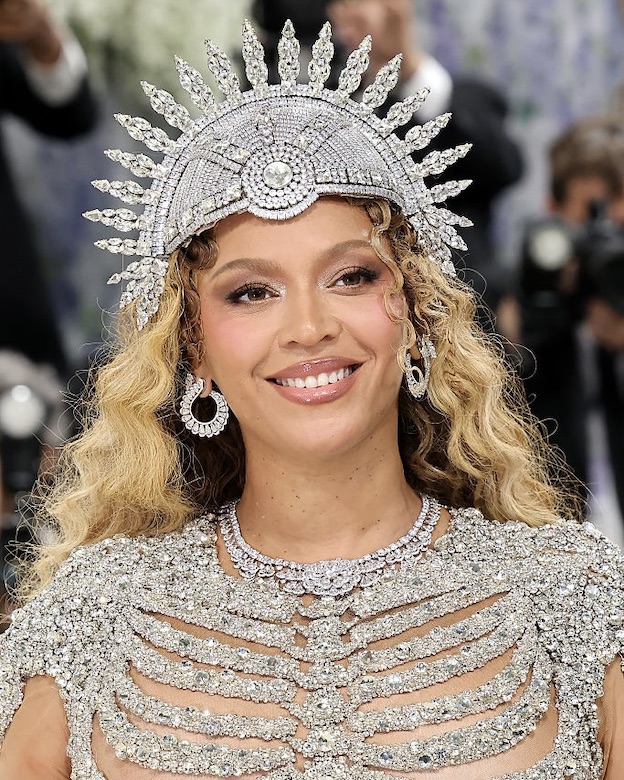
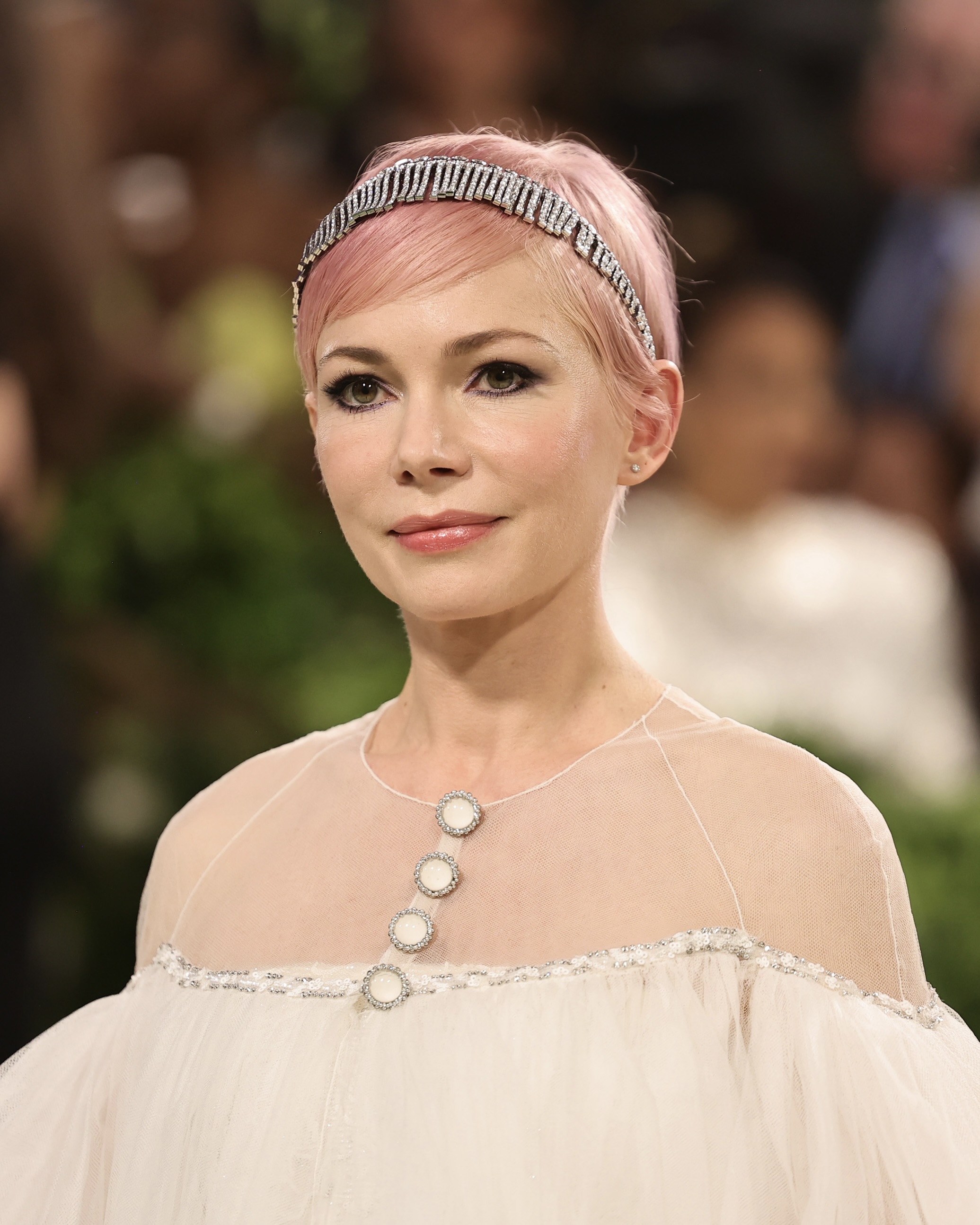
Transformable and transformational, Chanel ensured her jewels had range. A brooch could be clipped on a lapel as easily as it could be used as a hair ornament, while a necklace might effortlessly twist around your wrist as a bracelet. Enduring as the collection was innovative, actress Michelle Williams wore a recreation from the 1932 “Bijoux de Diamants” collection as recently as the 2024 Met Gala. Styled by Kate Young, Williams wore a recreation of a natural diamond fringe necklace in her hair as an ethereal headband.
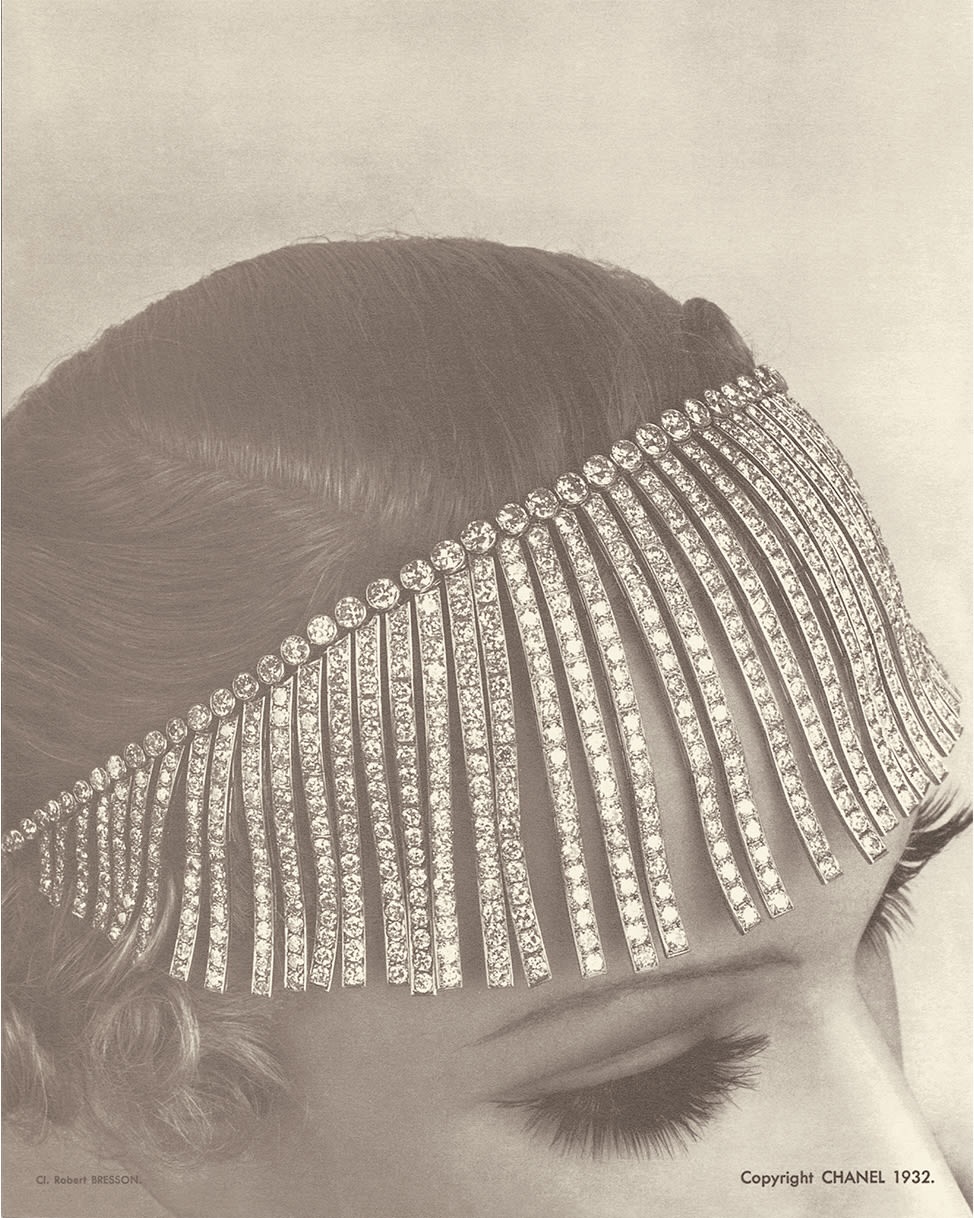
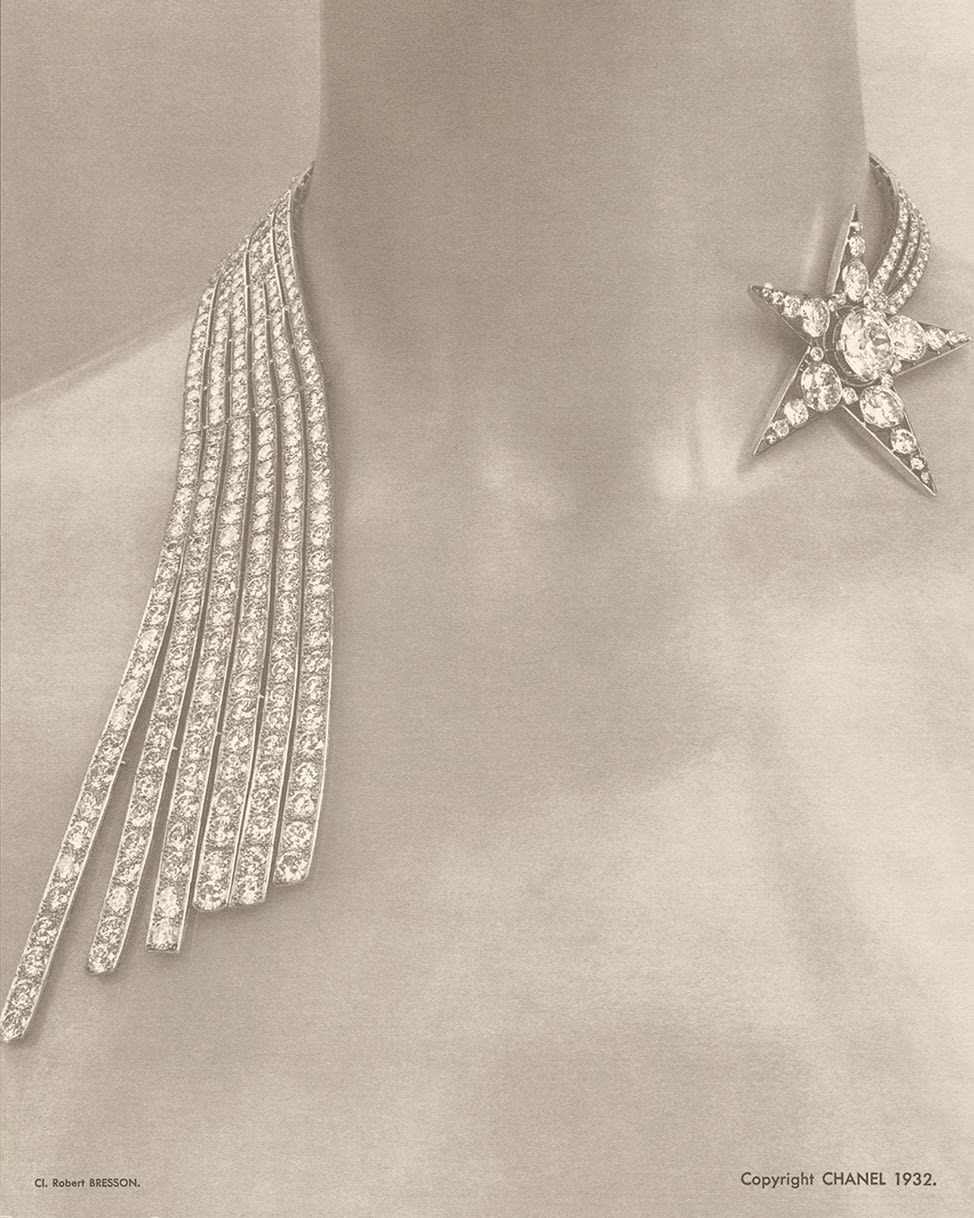
Among the pieces identified from the landmark collection are 17 brooches, 9 headpieces, 8 necklaces, 4 rings, 3 bracelets, 2 pairs of earrings, 2 watches, and 2 accessories, along with a cigarette case set with diamonds both inside and out. Chanel brought 17 optical illusions to life, depicting the winding flexibility of ribbon bows, the fluidity of fringe, and majestic feathers, which all remain staple motifs of the house’s jewelry line to this day. 22 of the jewels traced a map of the skies, adorned with sparkling diamond constellations, comets, moons, stars, and suns.
“I wanted to cover women with constellations. Stars! Stars of all sizes to sparkle in the hair, fringes, crescent moons,” Chanel told the French newspaper, L’Intransigeant, in 1932. During her childhood at Aubazine, the orphanage where she spent seven years of her life, Chanel would go to the Cistercian abbey to find inspiration, bathing in the light of the Corrèze sky. Constellations featured in mosaics, murals, and stained-glass windows of the convent began to permeate her imagination.
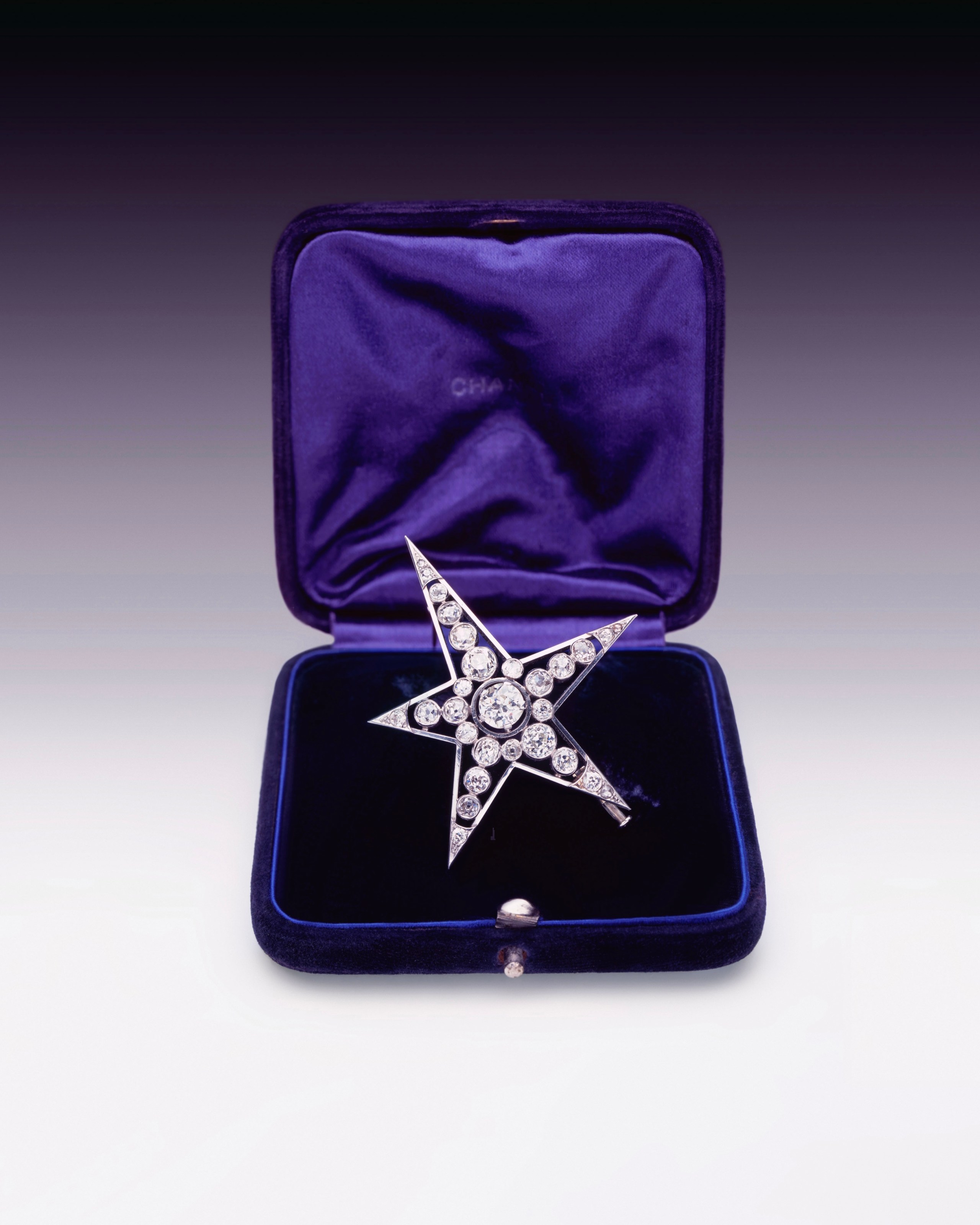
A dazzling diamond distillation of light, the Comète brooch was the only piece from the “Bijoux de Diamants” collection to be displayed at the 2023 Gabrielle Chanel. Fashion Manifesto exhibition at London’s Victoria & Albert Museum.
Elegantly sitting inside its midnight-blue silk and velvet case, the irregularly shaped five-pointed platinum star features a 1.5-carat center stone, encased with 19 bezel-set old cut diamonds and two small diamonds at the tip of each point, totaling 7.8 carats.
How Chanel’s Celestial Motifs Still Shine Today
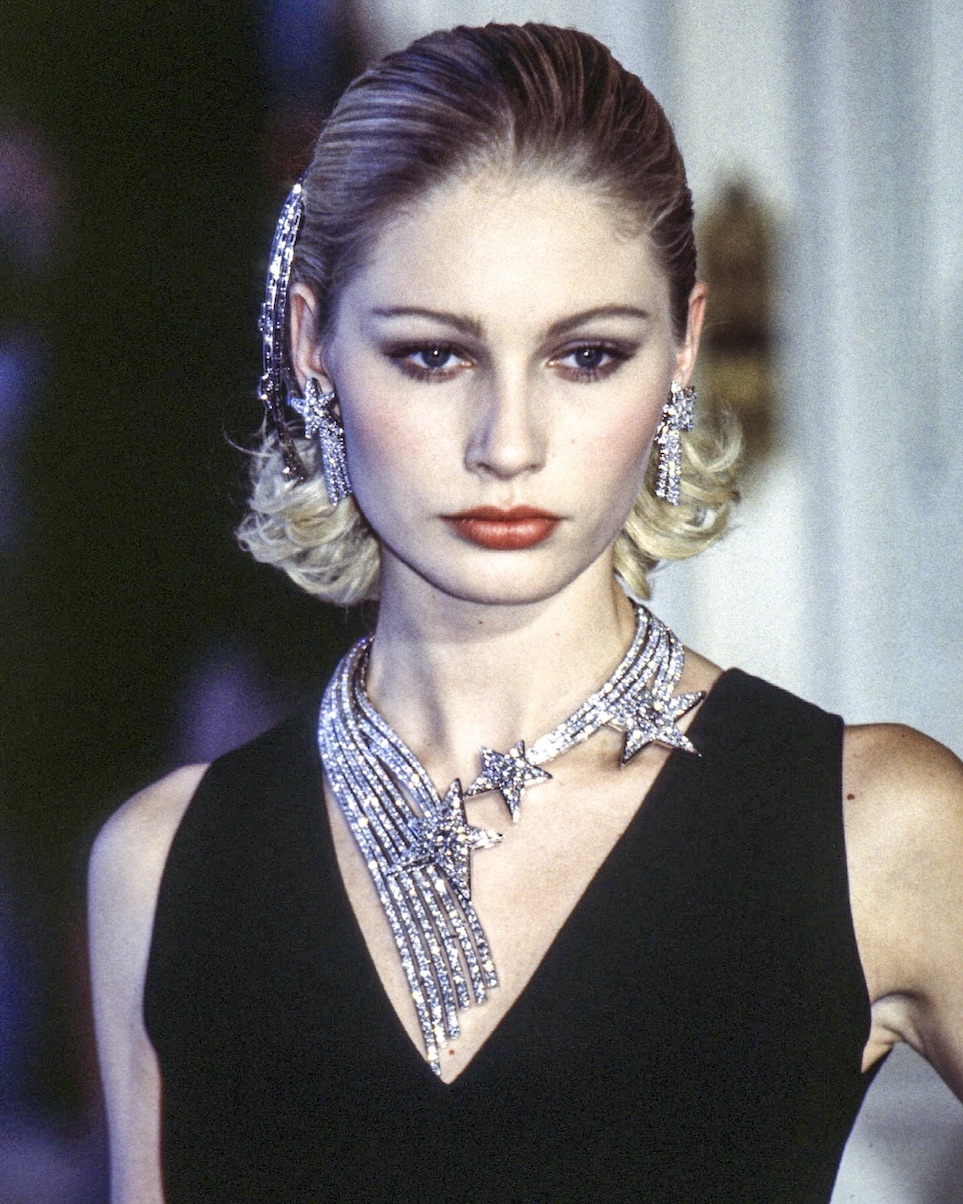
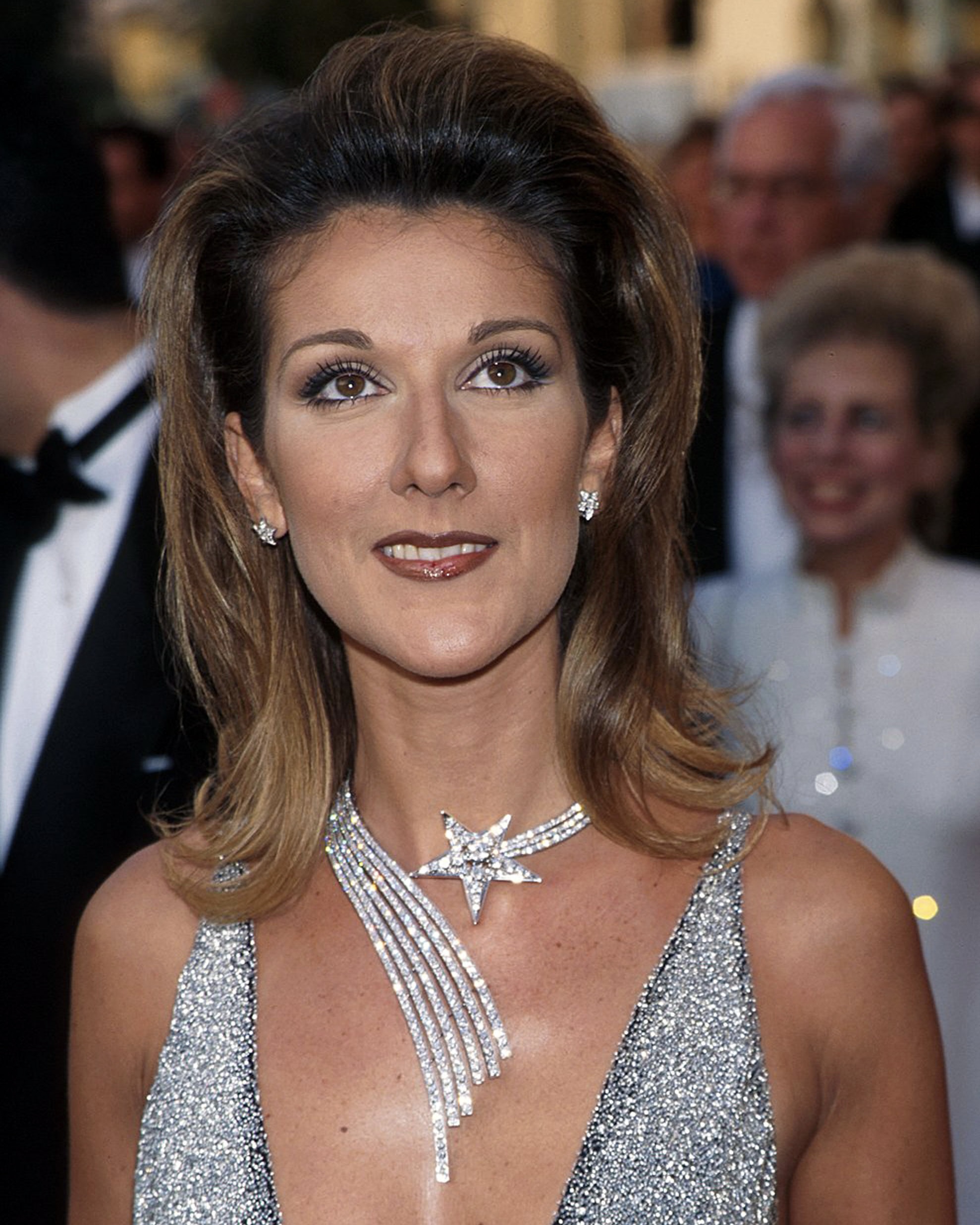
The fashion house didn’t release its second fine jewelry collection until 1993. In 1995, Chanel recreated its founder’s original 1932 jewelry designs and landed one of its pieces on the neck of Céline Dion for the 1997 Academy Awards.
The legendary songstress attended the 1997 Academy Awards to perform “I’ve Finally Found Someone” for the A-list crowd, donning a star-worthy look. Dion wore a glimmering ombré gown and debuted the house’s relaunched high jewelry collection.
The Comète shooting star diamond necklace was made in the exact size and scale as the original. The singer paired the masterpiece with new diamond star studs and was accompanied by four bodyguards. At the time, she joked, “Nobody looked me in the eye that day. That was the necklace. But I was the lucky one wearing it, and I had a great time. I went to bed very late. I just wanted to make sure I was wearing it for as long as I could.”
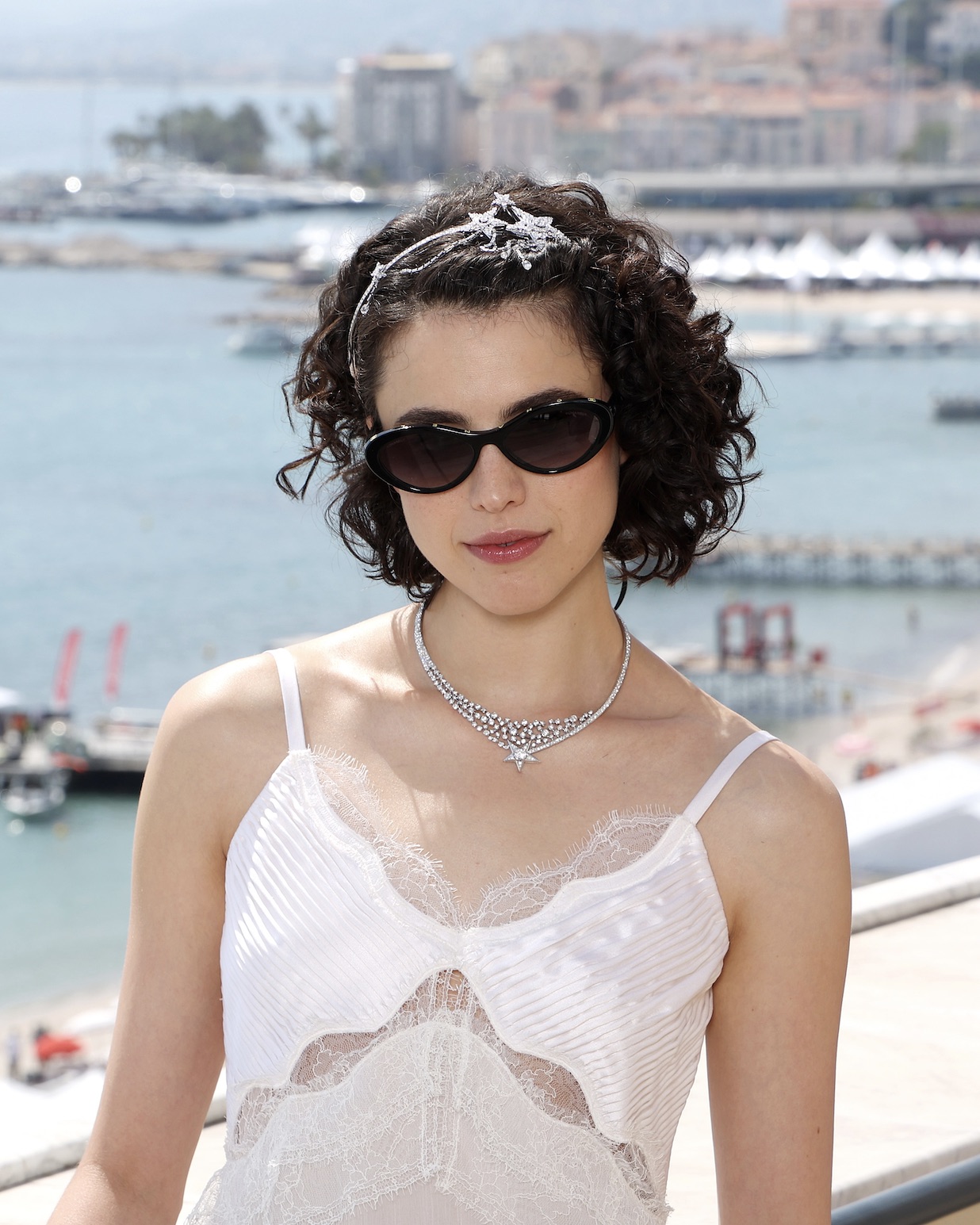
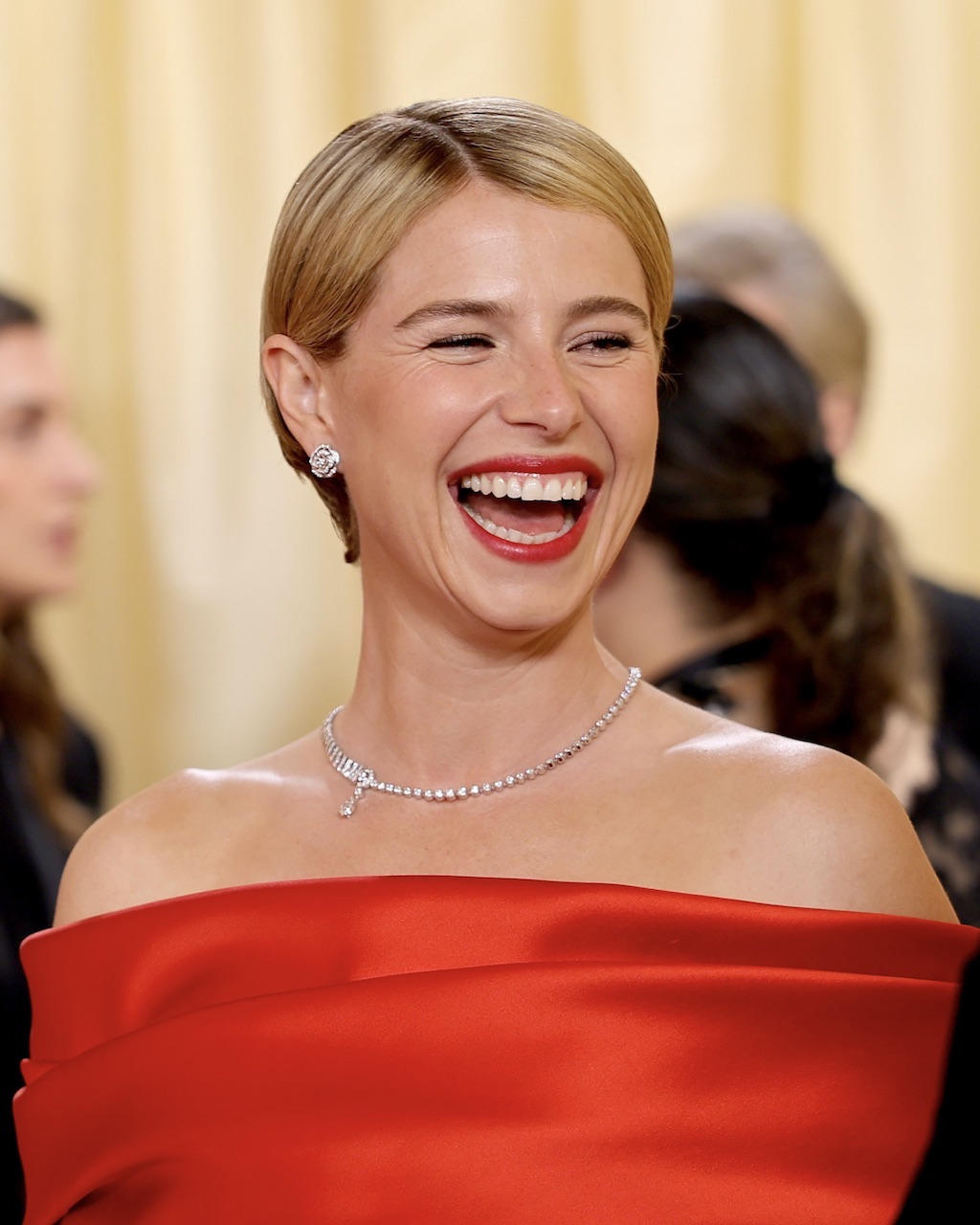
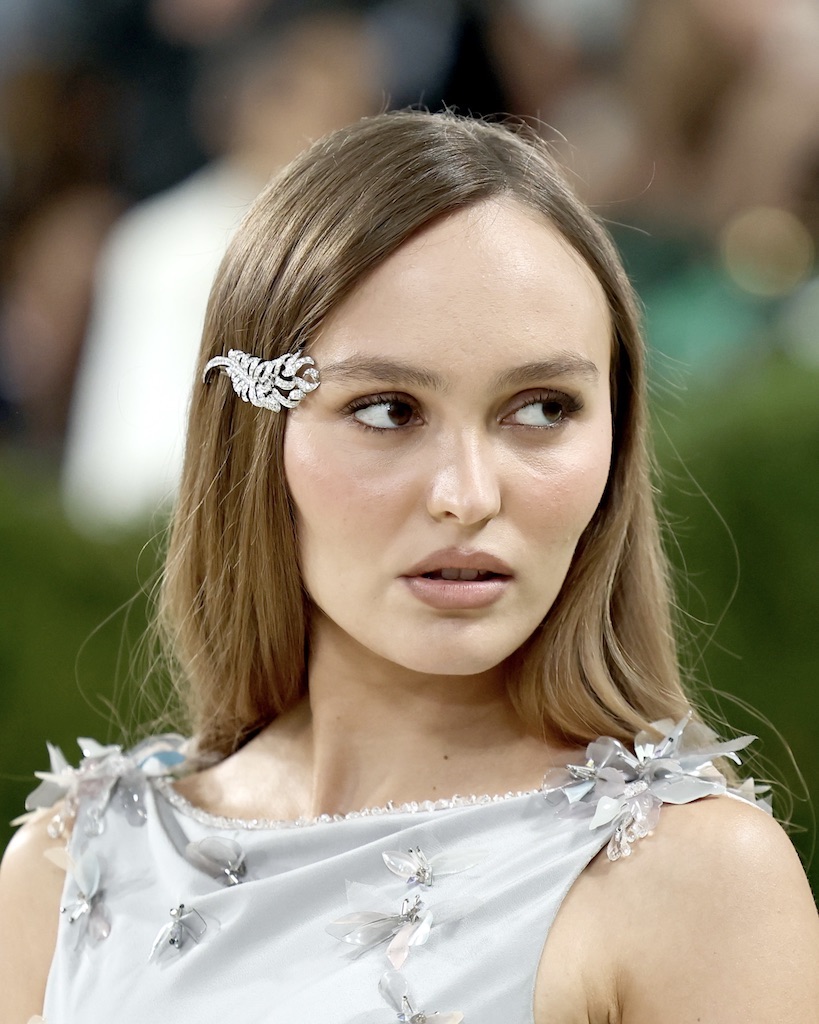
Diamond stars, feathers, ribbon bows, flowers, lions, and Chanel N°5 all remain recognizable motifs within the luxury house’s jewelry universe. While actress Margaret Qualley continues to champion the Comète designs, stars like Lily-Rose Depp wore a natural diamond Plum de Chanel feather in her hair at the 2026 Met Gala. Back in March, Jessie Buckley triumphantly collected her first Oscar for Best Lead Actress for her devastatingly beautiful role in Chloé Zhao’s Hamnet, wearing an off-the-shoulder red and pink custom Chanel gown, and natural diamonds from the house’s Fine Jewelry Collection, including a N°5 necklace and floral Camélia diamond earrings.
Paying homage to history while honoring its radically innovative founder, Chanel’s fine and high jewelry continues to break barriers and keep shining nearly a century later.