
Read More
Inside Jeanne Toussaint’s Defiant Diamond Menagerie at Cartier
A woman ahead of her time, Jeanne Toussaint is responsible for many of the most enduring Cartier creations. Breaking glass ceilings and the jewelry mold, the creative trailblazer is the ultimate and original panther woman.
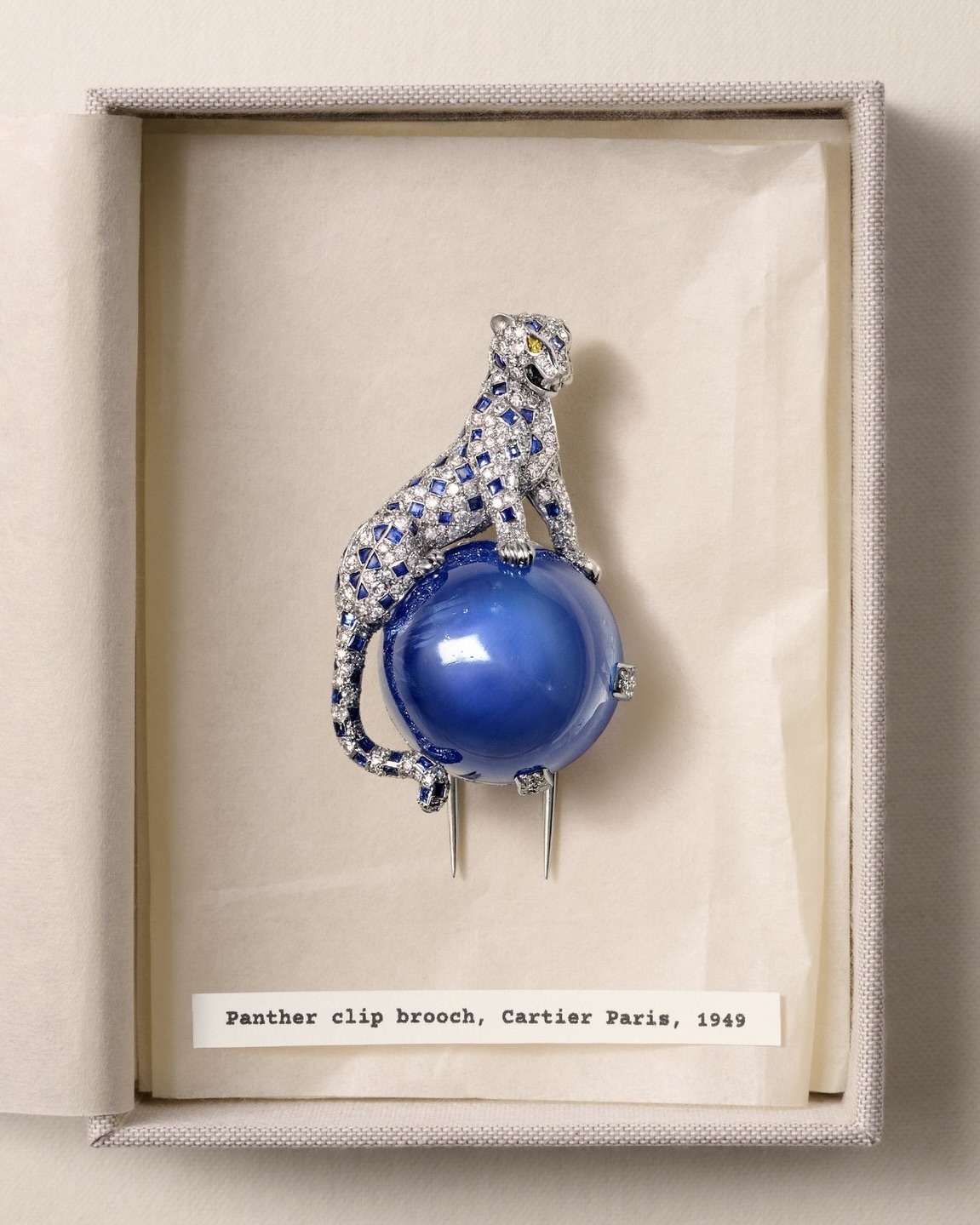
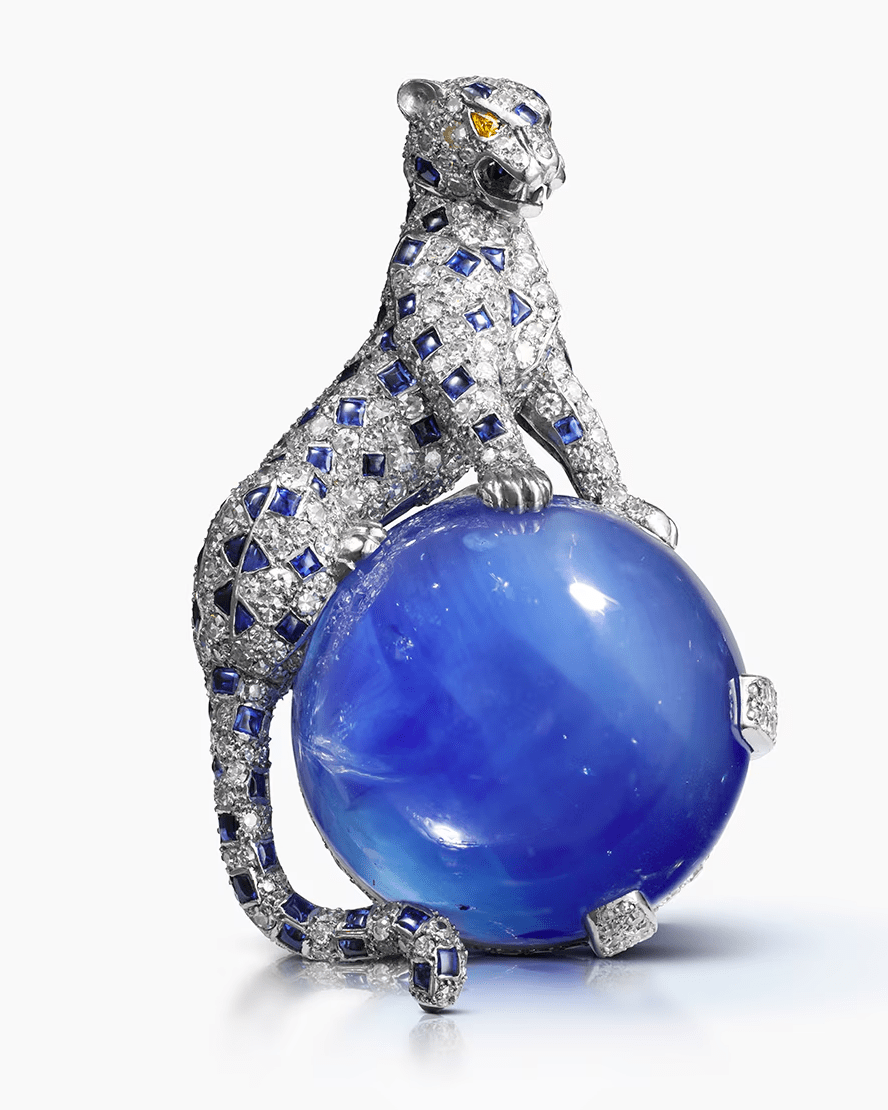
Diamond and Sapphire Cartier Panthère clip brooch, sold to the Duchess of Windsor, 1949. (Courtesy of Cartier)
Cartier’s director of haute joaillerie, Jeanne Toussaint led the Maison’s diamond-embellished designs with defiance and ferocity. After meeting Louis Cartier before the First World War, the two struck up a romantic entanglement before Toussaint broke the glass ceiling to thrive in a male-dominated industry.
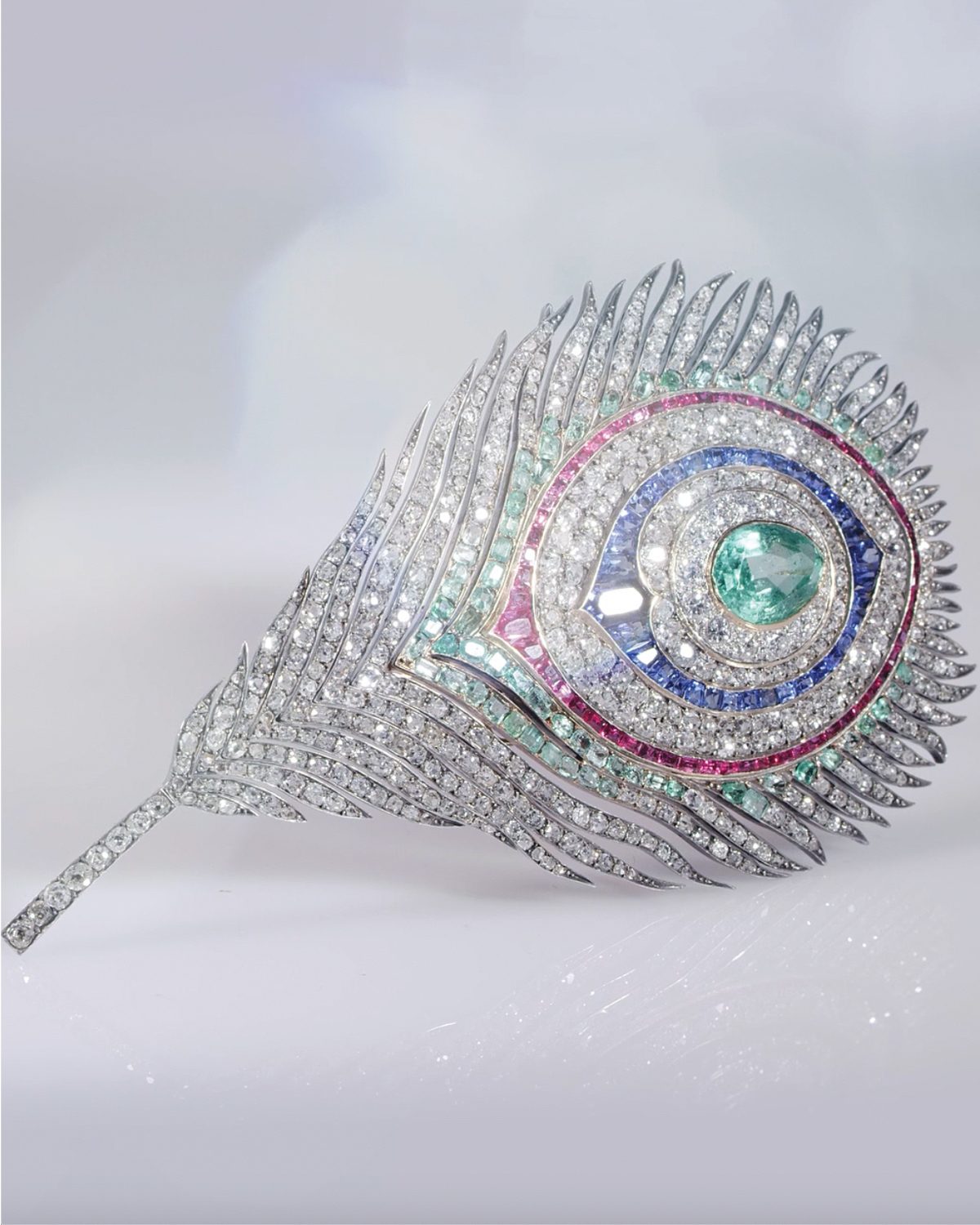
A style icon of the 20th century, Jeanne Toussaint worked closely with the jewelry house’s designers to imagine everything from feathers to fur, reimagined in diamonds for milestone bestiary jewels, from birds and tigers to, most notably, the Cartier Panthère motif. Responsible for some of the most exalted emblems of the House of Cartier, Toussaint’s works have been embraced by equally formidable figures like María Félix, Barbara Hutton, Daisy Fellowes, and the Duchess of Windsor.
Meet the Expert

Helen Molesworth is a renowned jewelry historian, gemologist, and best-selling author. Her 25-year career has spanned the global gem and jewelry industry from auction houses to academic posts. She acted as a jewelry specialist for Sotheby’s and Christie’s, where she researched and managed iconic jewelry collections. As the Senior Curator of Jewelry at the Victoria and Albert Museum in London, she acted as Lead Curator of the blockbuster exhibition, Cartier, and released a book on the subject, also titled Cartier, with V&A Publishing in 2025.
Here, learn all about how Jeanne Toussaint rose from a difficult childhood to the romantic interest of Louis Cartier, and how she steered Cartier’s haute joaillerie department for over three decades, leaving an indelible mark on jewelry forever.
Who Was Jeanne Toussaint? Inside the Beginnings of a Jewelry Icon
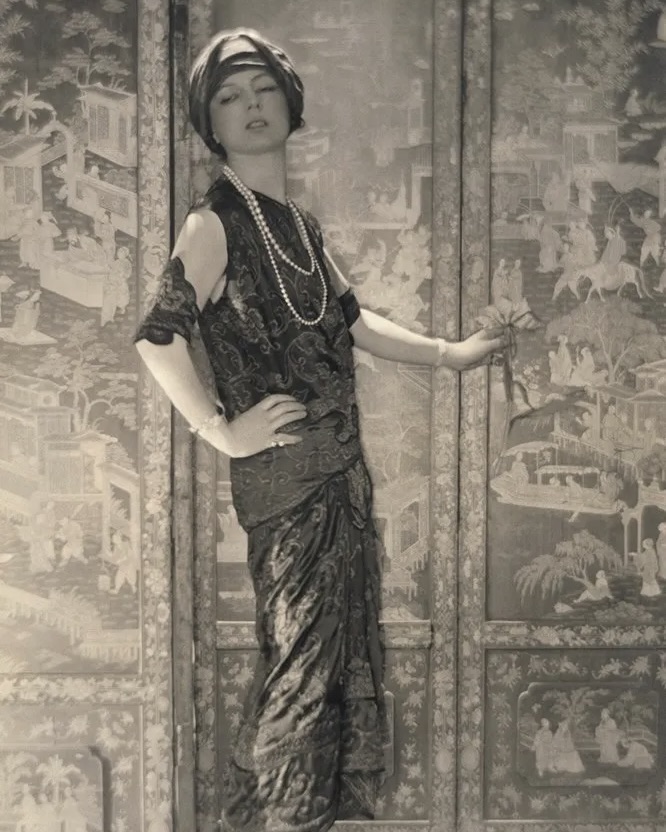
Born on January 13, 1887, in Charleroi, Belgium, Jeanne Rosine Toussaint was raised by a family of lacemakers. That early exposure to craft formed her sense of style and sharp eye for design from an early age. Following the death of her father, the introduction of her abusive stepfather made for a tumultuous household.
At just 15 years old, Toussaint found refuge in a love affair with a French aristocrat, Pierre Quinsonas, who ran to Brussels in an attempt to avoid military enrollment. During the entanglement, they visited Africa on safari in 1912. It was then that Quinsonas affectionately bestowed Toussaint with the enduring nickname “Panther,” or “Panpan.” He used the pet name again in his letters to her during the First World War.
After his family denied him permission to marry Toussaint, de Quinsonas set her up with an apartment in the center of Paris. It was then that she was introduced to the art scene of Parisian high society, becoming acquainted with luminaries like fashion icon Coco Chanel, illustrator George Barbier, and most fatefully, Louis Cartier.
The Cartier Connection

Her most momentous relationship was with one Louis Cartier, who, similar to Quinsonas, affectionately nicknamed Toussaint “Petite Panthère” thanks to her sharp wit, fierce character, sheer determination, and penchant for panther furs and leopard skin coats. The pair first met before the First World War. Jeanne Toussaint was a close collaborator, muse, and romantic interest of Louis Cartier.
Louis’ father and brother Pierre both believed the relationship with Toussaint to be “ill-advised,” so the pair broke things off in 1918. That same year, Toussaint joined the Cartier Paris team in the accessories department. By 1925, she had been promoted to head of the department, designing small luxury objects such as handbags, leather goods, vanity cases, cigarette cases, letter openers, lighters, fountain pens, and more. Then, she was appointed head of the new “S” (silver) department.
Louis Cartier controversially promoted Toussaint to director of haute joaillerie in 1933 at the Rue de la Paix studio, where she oversaw an all-male staff of designers, artisan jewelers, and gem-setters. Up until the appointment, Louis had directed the department himself.
She was one of the first women to occupy such a prominent position in the industry. Breaking barriers alongside contemporaries like Suzanne Belperron, jewelry historian and lead curator of the V&A Museum’s blockbuster Cartier exhibition, Helen Molesworth notes the importance of Toussaint’s revolutionary role as Creative Director. “She’s not a man. She’s not from high society. And she’s not a Cartier or even married to one,” she says. “It’s an extraordinary situation. It’s a testament to how brilliant he thought she was, and she was indeed, and his trust in her.”
Even after the passing of Louis in 1942, Toussaint excelled in her role until 1970. She saw jewelry as a symbol of independence. The Cartier Panthère blossomed, thanks in part to the love story and partnership between Louis Cartier and Jeanne Toussaint. Credited with establishing the panther as a Cartier icon, Toussaint cemented its place in jewelry history.
Jeanne Toussaint Was the Formative Force Behind the Cartier Panthère
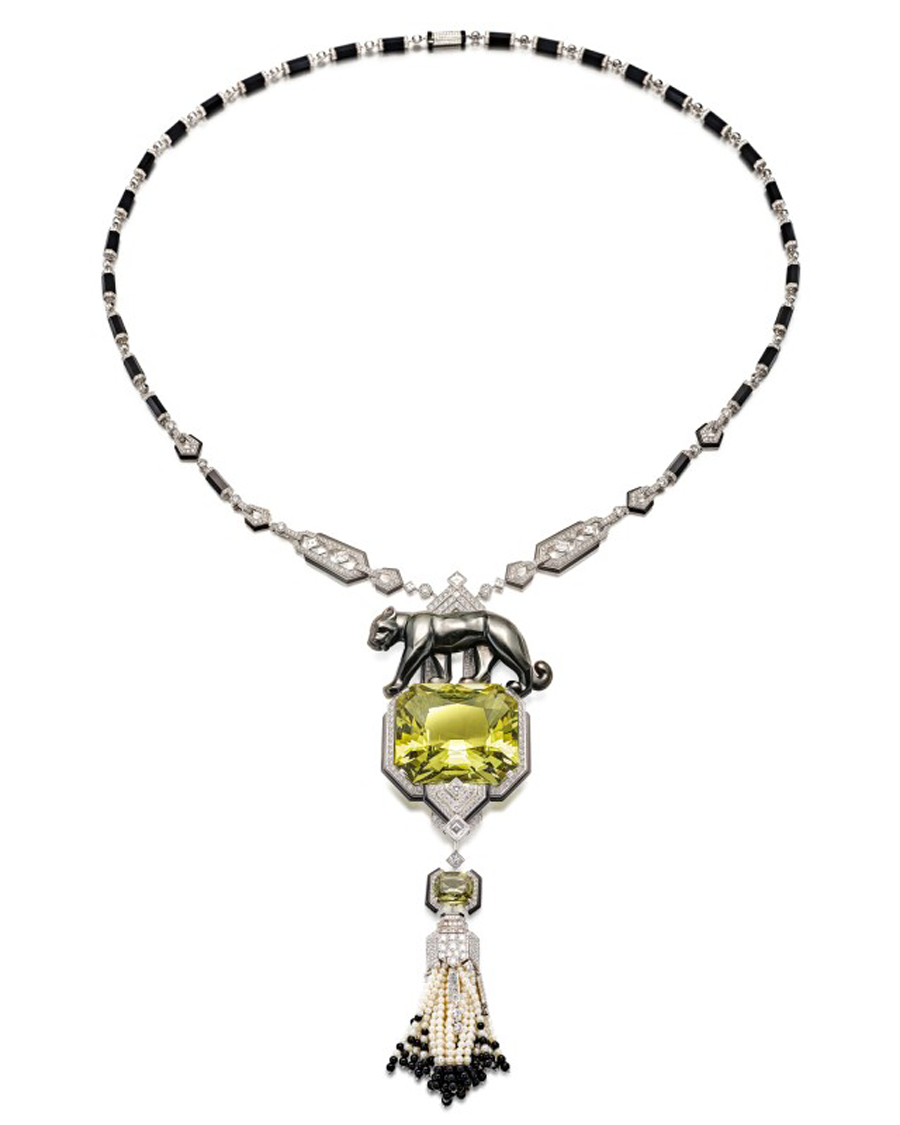
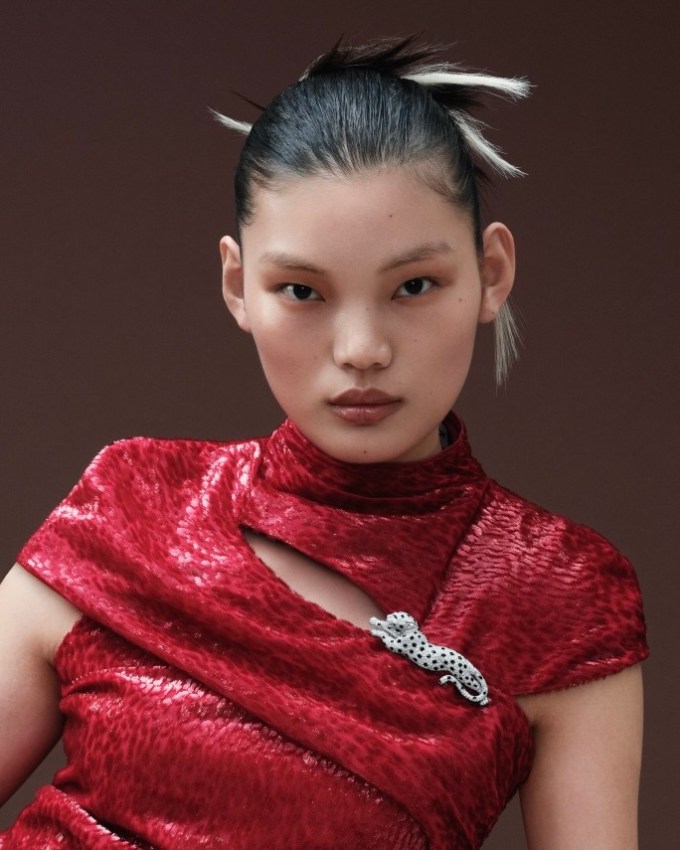
For over a century, the Cartier Panthère—a stylized panther rendered in natural diamonds and exquisite gemstones—has remained one of jewelry’s most enduring motifs, continually evolving while never losing its edge.
Molesworth says, “It’s such a wonderful creature. You don’t have to be a naturalist to love the panther. It’s got this combination of power and strength, yet elegance and delicacy to it. When you blend those elements, they’re very translatable into design.”
Few jewels are as widely recognizable as the Cartier Panthère. First introduced as a watch motif in 1914 by Louis Cartier, the feline later came to life in natural diamonds under the visionary leadership of Jeanne Toussaint, who transformed it into one of the Maison’s most defining symbols.
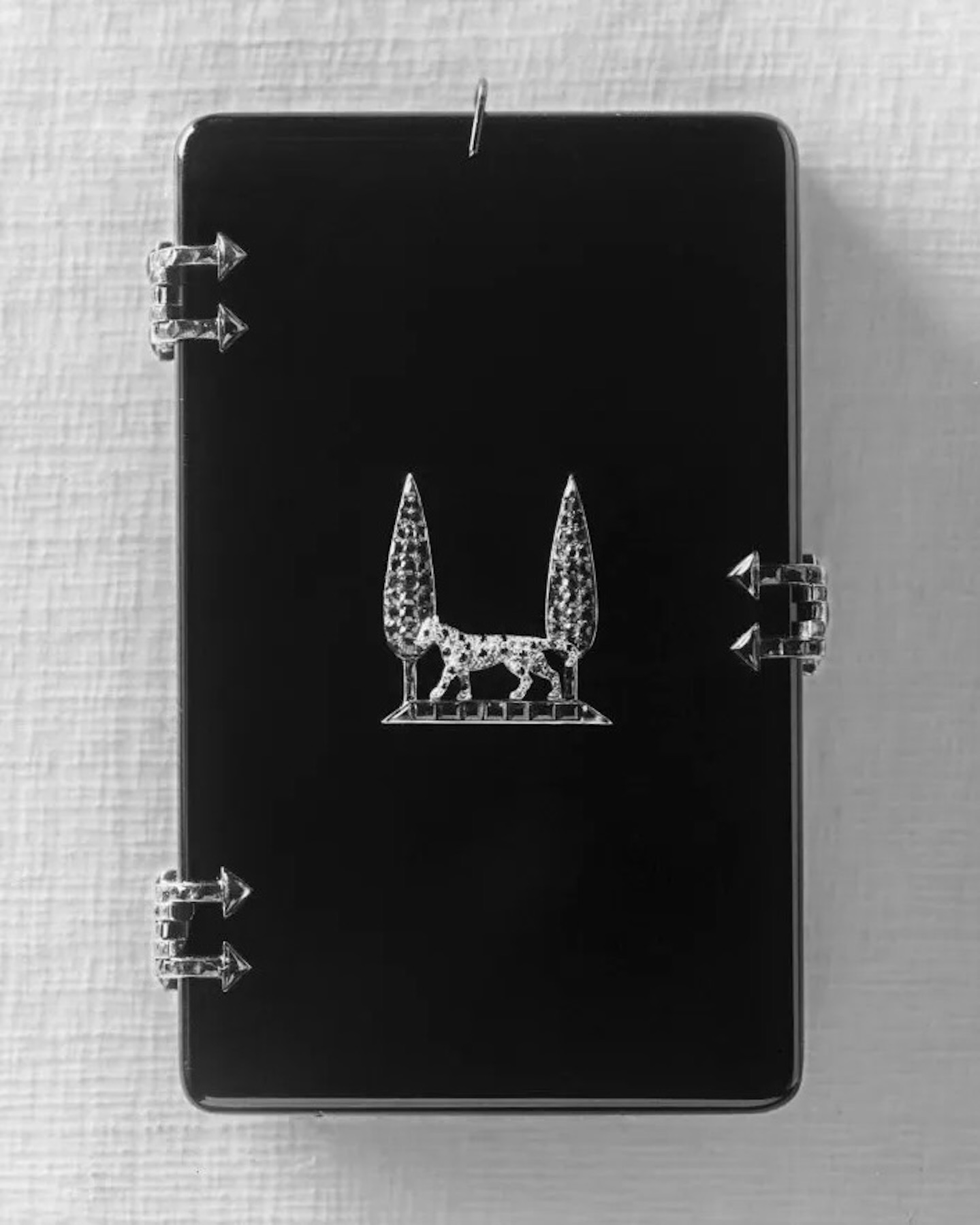
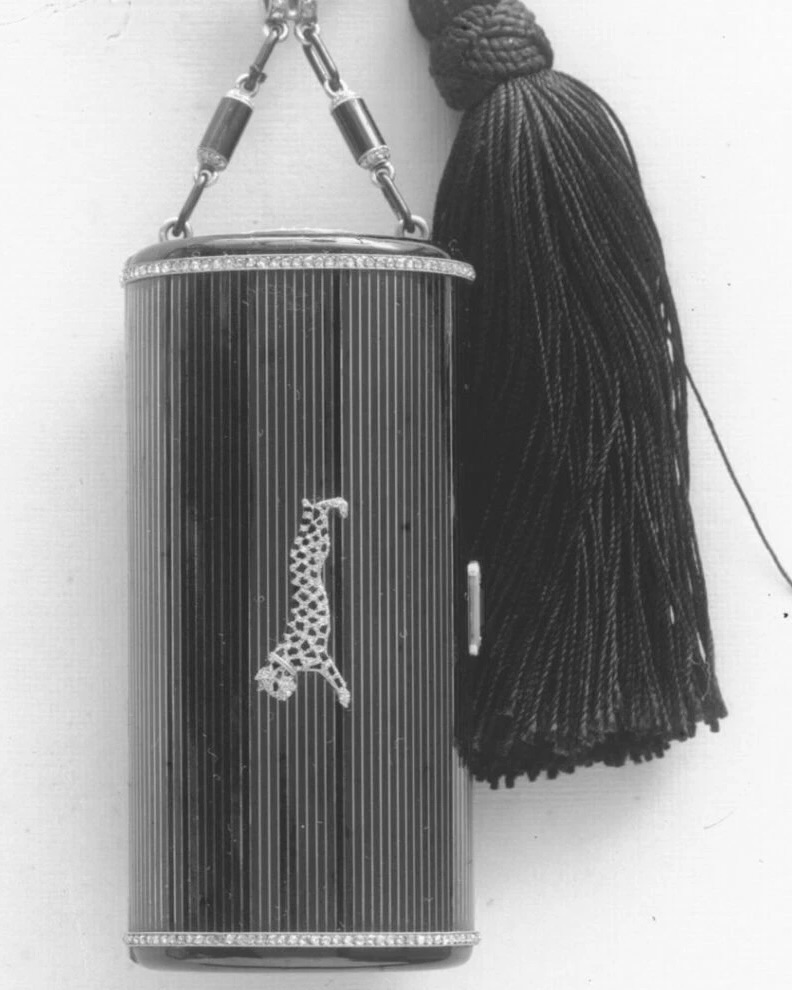
Before she officially joined the Cartier team, Louis Cartier gifted Toussaint an onyx cigarette case in 1917. That’s when we see the first full-figural Panthère motif appear in the Maison’s design repertoire. Paying homage to Toussaint’s pet name, the panther is seen between two cypress trees, rendered in platinum, and embellished with natural diamonds, onyx, emeralds, and rubies.
In 1919, Toussaint ordered a vanity case from Cartier, crafted in gold and black Canton enamel and again featuring the diamond panther, further establishing the creature as her personal signature.
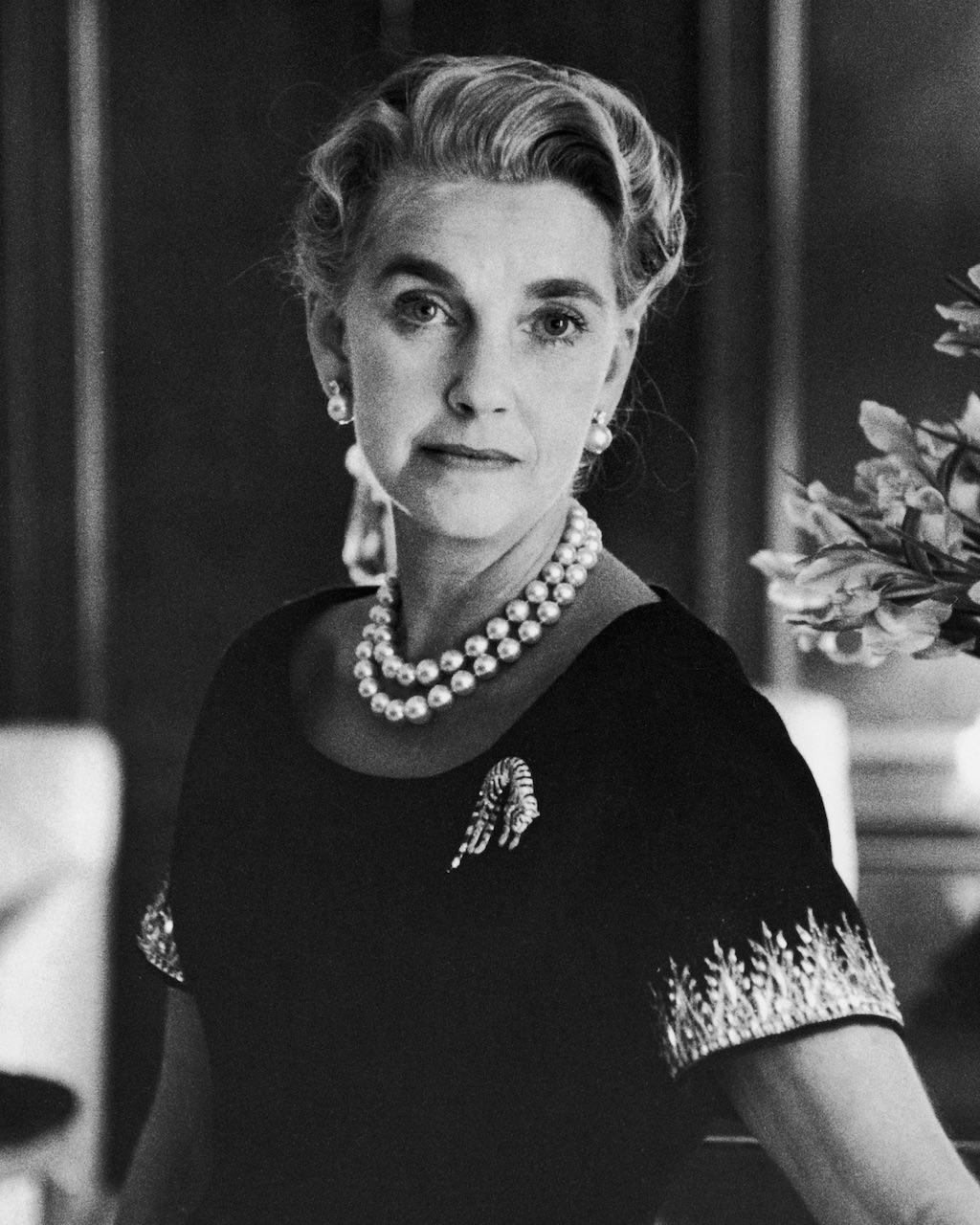
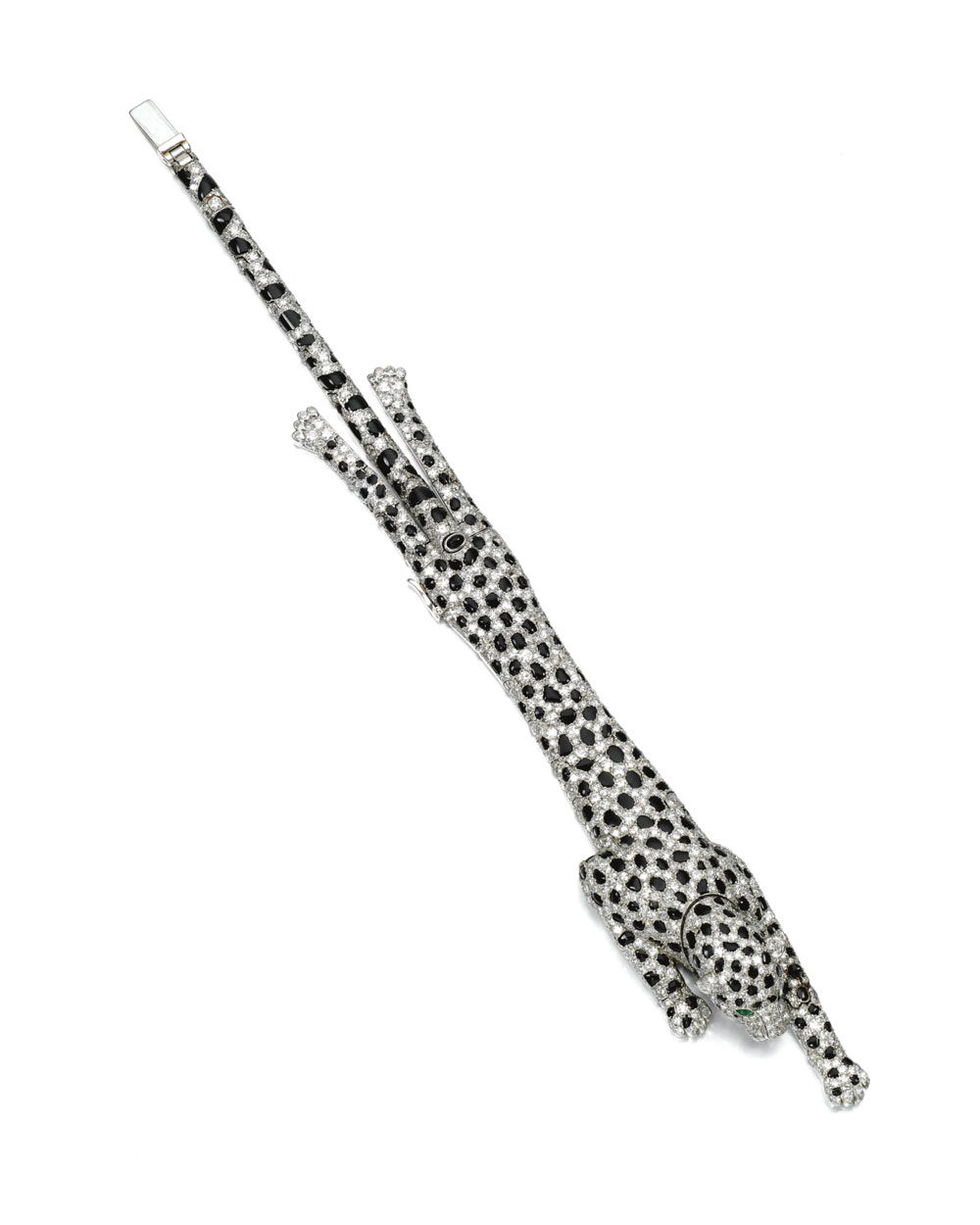
Committed to naturalistic accuracy in her designs, Toussaint worked with designer Pierre Lemarchand, a frequent visitor to the Vincennes Zoo. Together, they dreamt up a new sculptural silhouette to define the Cartier Panthère of the 1940s. The real whirlwind behind the inimitable Panthère came after Toussaint created two brooches for her friend, Wallis Simpson, the Duchess of Windsor. Notable jewelry aficionados such as Daisy Fellowes, Princess Nina Aga Khan, Barbara Hutton, and María Félix all had their very own Cartier Panthères and even diamond tiger designs in their impressive collections as well. “Barbara Hutton had one of the greatest tastes in jewelry in the mid-20th century,” says Molesworth. “She had an amazing eye.”
Wallis Simpson Was Jeanne Toussaint’s Biggest Fan

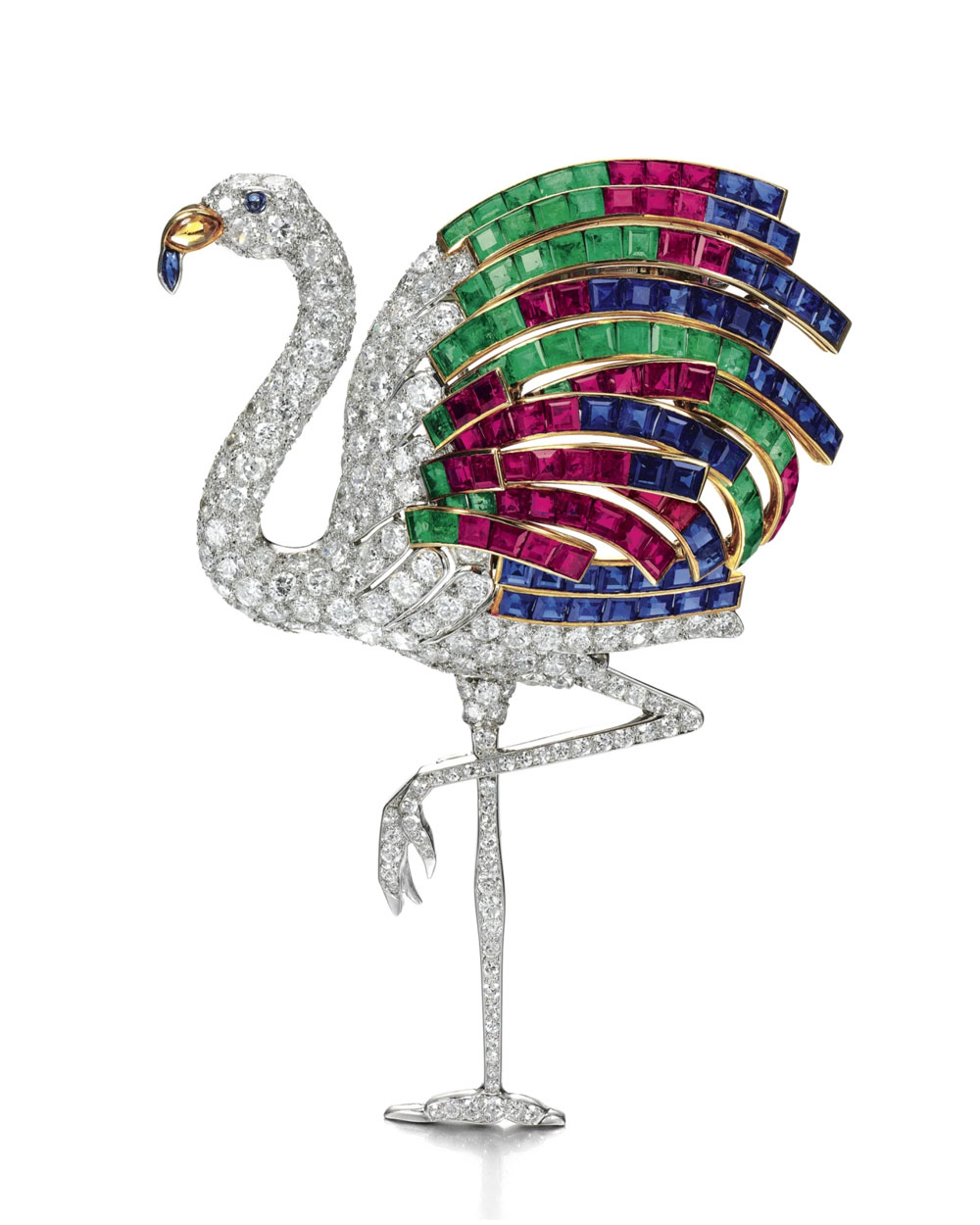
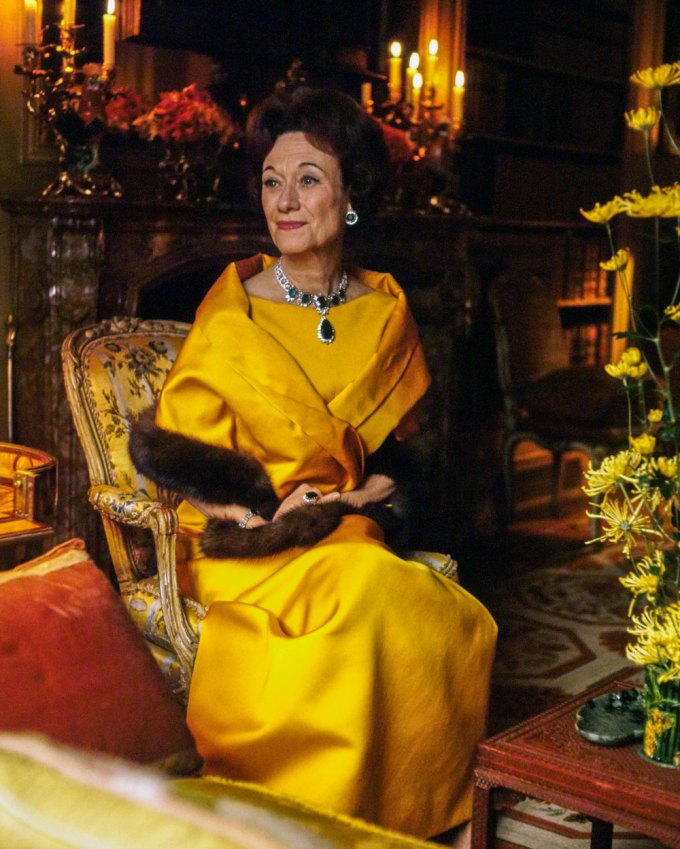
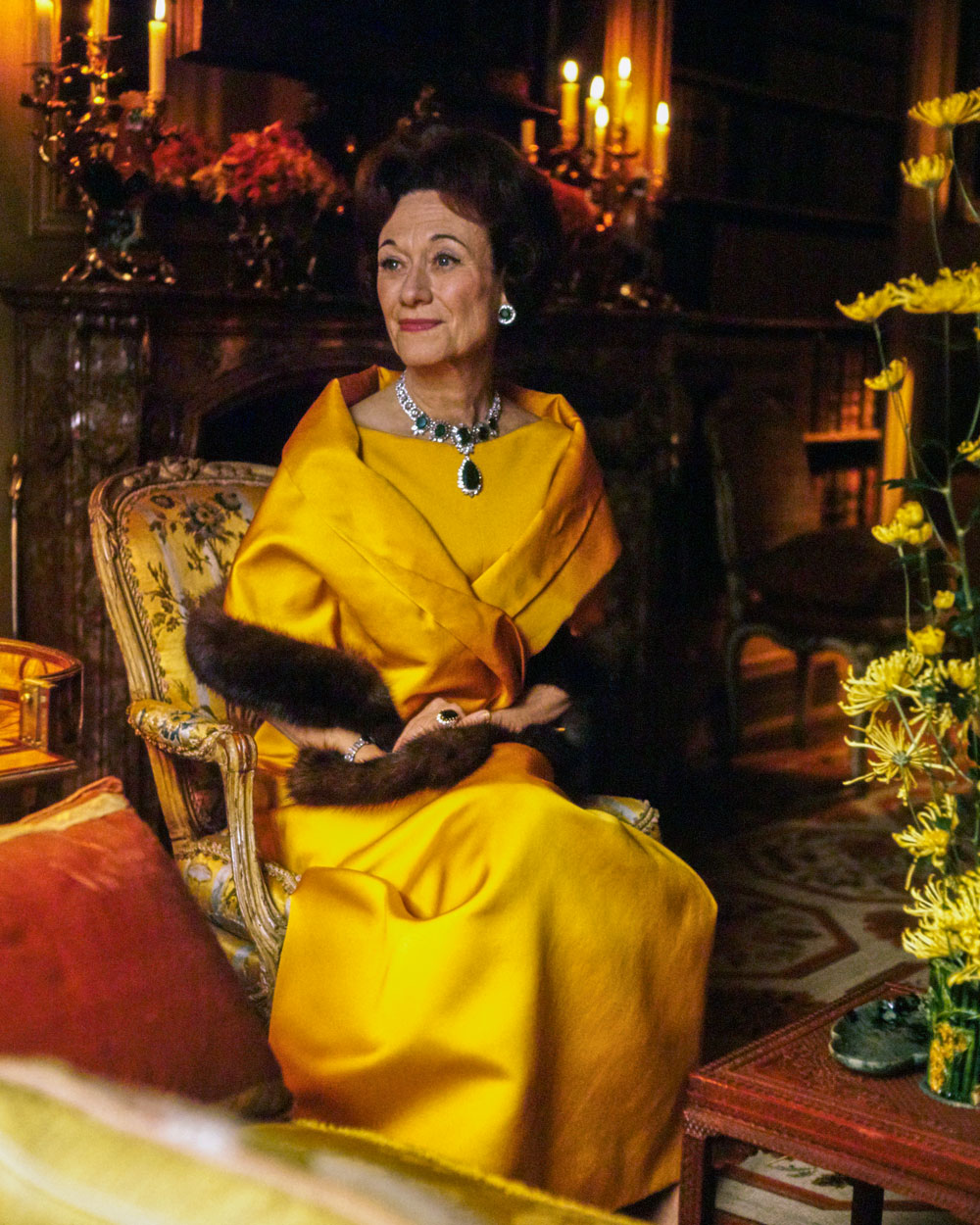
The Duchess of Windsor was an avid jewelry collector and formed a close relationship with Jeanne Toussaint, championing her designs like no other. In 1940, Edward VII, the Duke of Windsor, commissioned Cartier to create a flamboyant Flamingo brooch for his bride. Rendered in diamonds, rubies, and sapphires, the brooch swiftly became one of the Duchess’s most recognizable pieces of jewelry and a signature of her post-abdication style.
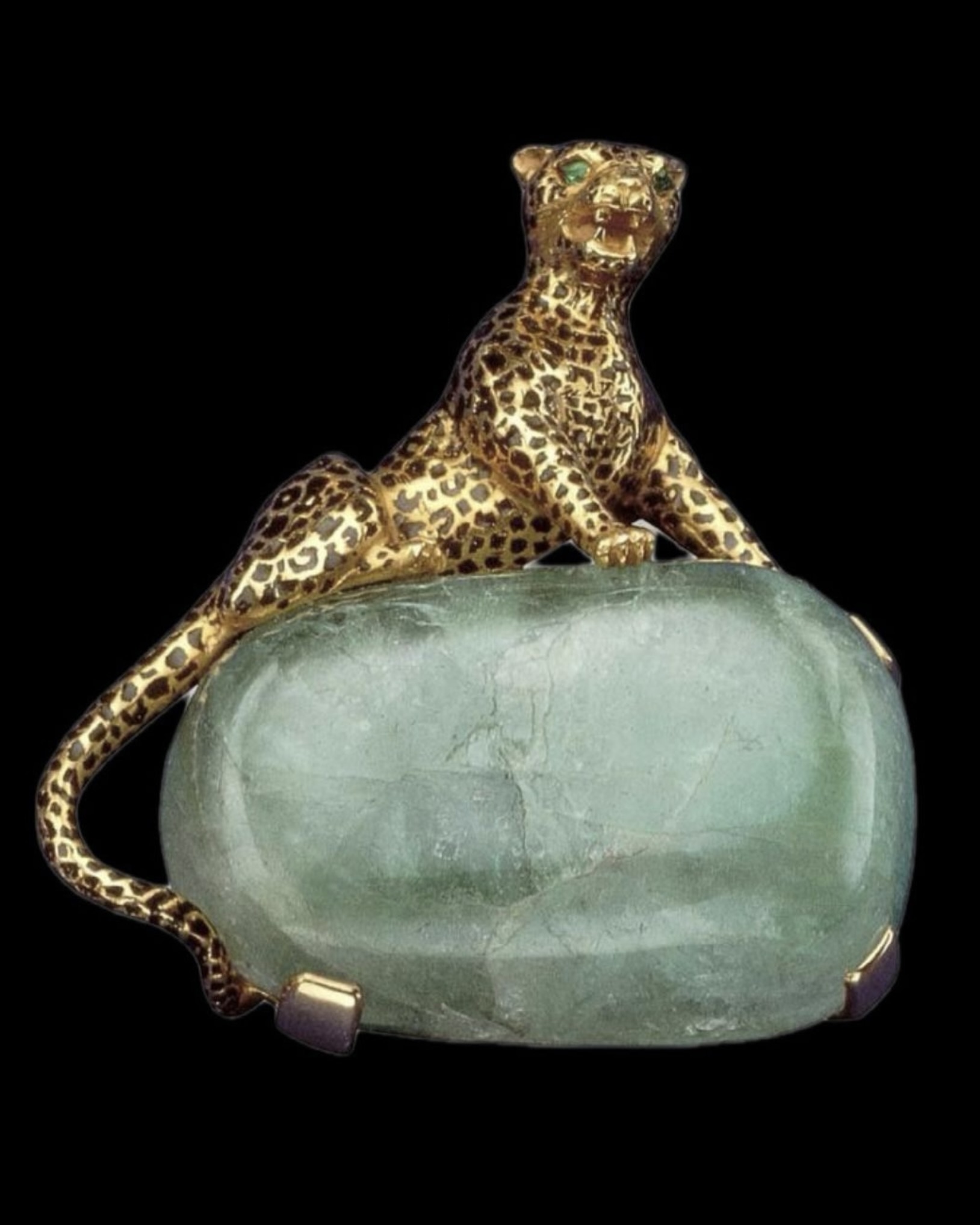
In 1948, Edward VIII commissioned Cartier’s first three-dimensional Panthère brooch as a gift for his wife. Prepared for battle in a predatory stance, the yellow gold and enamel panther is perched atop a Cabochon emerald of over 116 carats. Considered to be a daring jewelry statement, and even a smidge scandalous, the Duchess leaned into the drama – later acquiring six more Panthère jewels.
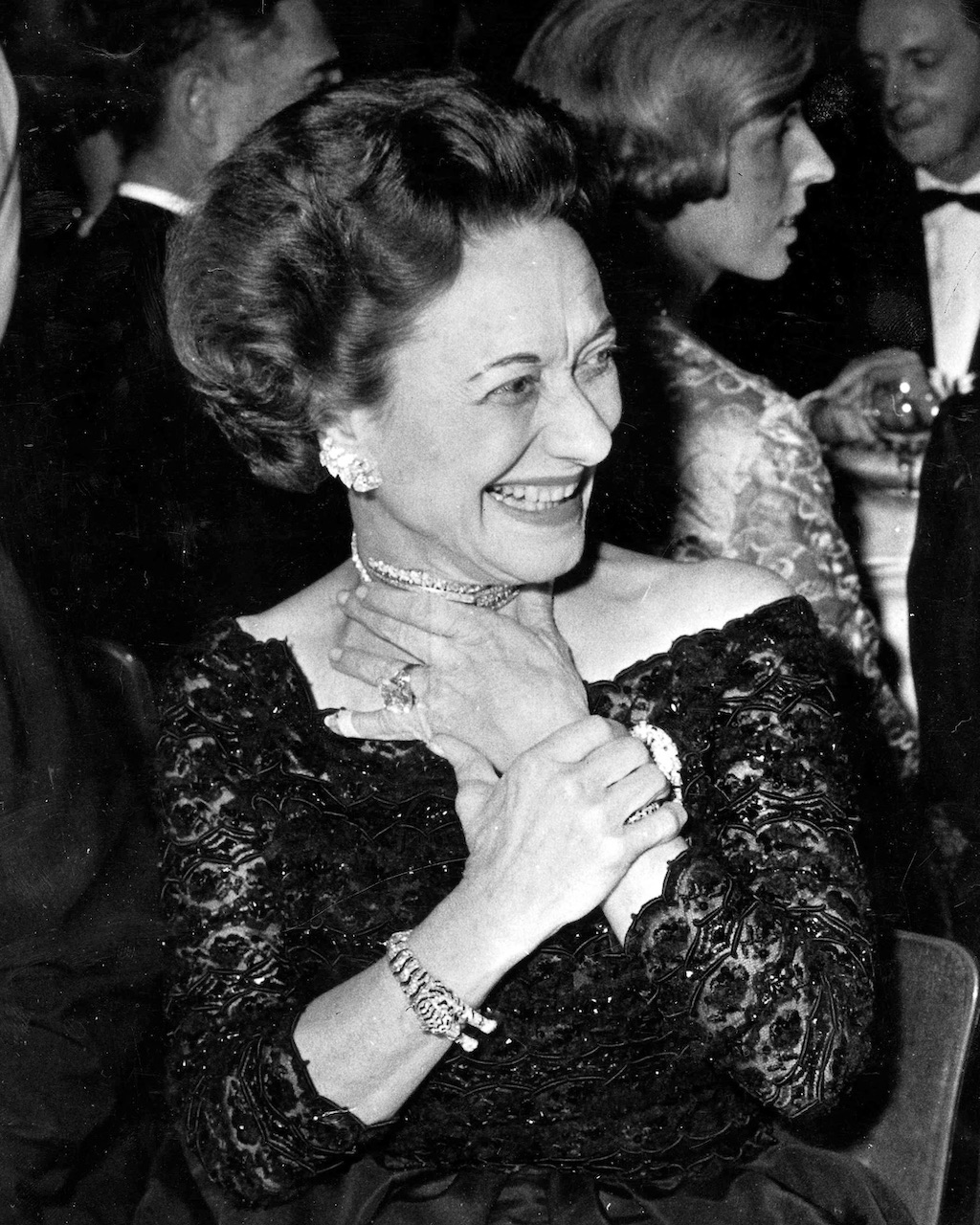
The following year, Jeanne Toussaint worked with the Windsors again – this time, on a platinum panther, pavé-set with brilliant-cut diamonds and sapphires for spots. The majestic cat regally sits on a cushion of one 152.35-carat sapphire from Kashmir. The Duchess was known to wear the brooch on her belt.

The Duchess of Windsor is probably the most iconic individual associated with the panther.
“The Duchess of Windsor is probably the most iconic individual associated with the panther,” says Molesworth. She points out that the Duchess’s love for the Cartier Panthère has been interpreted as a metaphor for how she wanted to be seen by the world. “She wanted to be seen as a strong, sleek, and powerful woman, overlooking the world on that big sapphire brooch.”
How Jeanne Toussaint Used Jewelry to Defy the Nazis

During the Nazi invasion of Paris in 1942, Cartier defiantly created a diamond caged bird motif as an emblem of resistance. The subversive brainchild of Cartier designer Pierre Lemarchand and Jeanne Toussaint, the bird represented France, trapped under German occupation.
Toussaint boldly displayed the pieces in Cartier shop windows. The daring act did not go unnoticed. It’s been said that, as a result, Toussaint was summoned and dragged in for questioning by the Gestapo.
A pendant iteration of the caged bird was made in 1944, shortly following the liberation. This version, crafted with natural diamonds, coral, sapphire, blue enamel, and lapis lazuli, is seen spreading its wings, flying free from its gilded cage. One of these models, dubbed the “Liberated Bird,” was even offered at the famed 2006 auction of Princess Margaret, Countess of Snowdon.
The Legacy of Jeanne Toussaint

After an artistic life well lived, Toussaint died in Paris in 1976. Leaving an enduring mark on Cartier’s legacy and the jewelry world at large, her personal archive was sold at Haynault Ventes Publiques in Woluwé-Saint-Pierre, Brussels, in June 2018.
The assortment included personal documents like her birth certificate, passport, and a group of early letters from Pierre de Quinsonas, with proof of the Pan-Pan nickname origin. Cecil Beaton photographs, greeting cards from the Duke and Duchess of Windsor, and even the monumental letter from Louis Cartier formally appointing her as the artistic director of the Maison.
Now, the National Gallery of Victoria in Melbourne is hosting its Winter Masterpieces series. The exhibition will feature over 350 Cartier jewels, outlining the grand evolution of the luxury house – and that story cannot be told without the everlasting imprint left by Jeanne Toussaint.
Get the Newsletter
Sign up for the latest diamond news, delivered directly to your inbox.