
Enamel Jewelry is the Colorful Trend Diamond Lovers Can’t Get Enough Of
Rainbow hues, glossy finishes, and natural diamonds make enamel jewelry one of the most expressive—and collectible—styles to wear now.
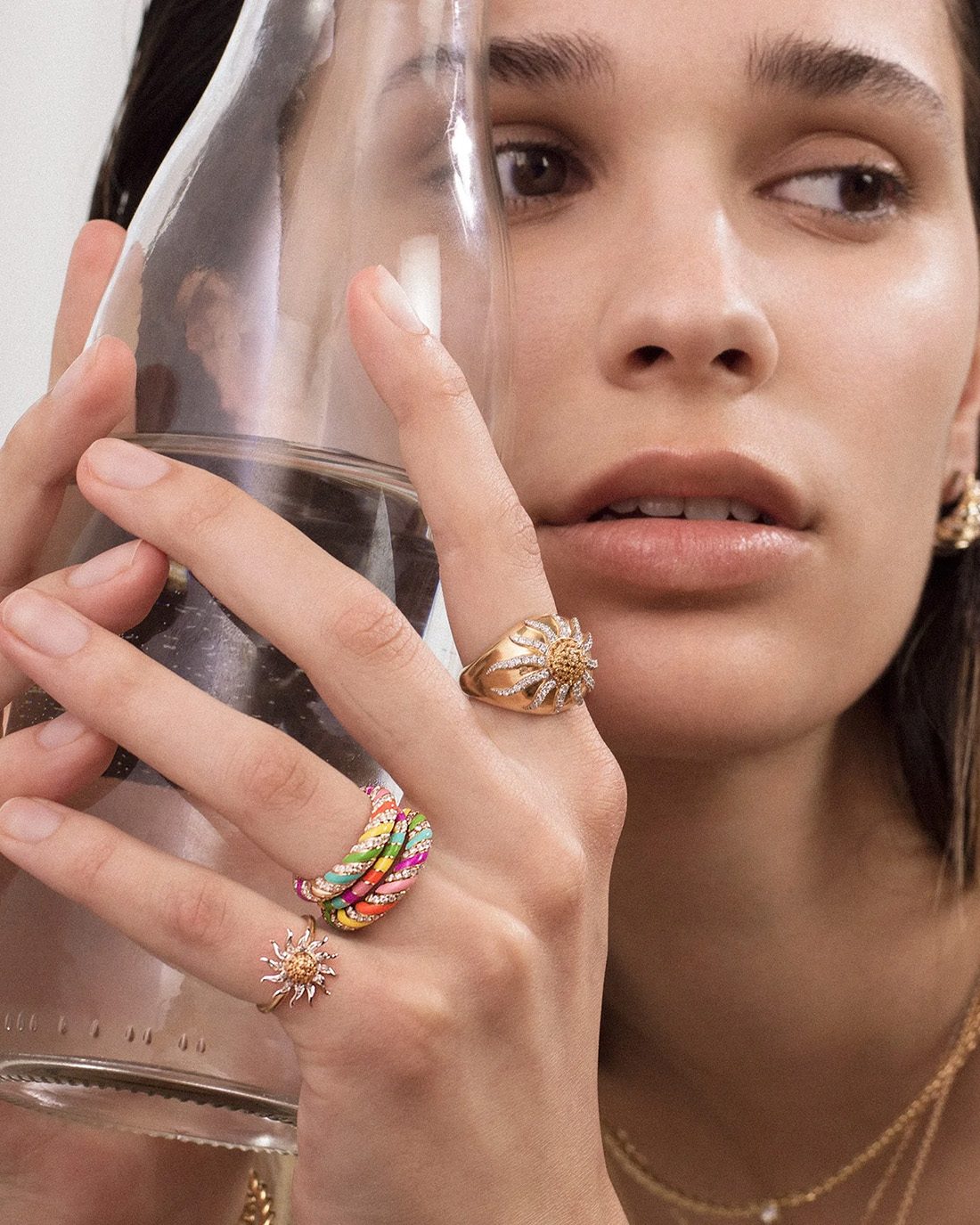
(Courtesy of Yvonne Leon)
It’s bold, highly stackable, and adds a pop of color to your look. It has been spotted on the likes of Jennifer Lawrence and Zendaya. Enamel jewelry, which has existed for over 3,000 years, is once again having a moment – with diamonds bringing a modern twist to a centuries-old style.
When an iconic fine jewelry house like Tiffany & Co. incorporates enamel and diamonds in its new designs, it’s a sign that the combination is worth paying attention to, after all. The brand’s Enamel Diamond watch revisits Jean Schlumberger’s celebrated 1962 paillonné enamel bangle in a dazzling timepiece, proving that the material can reach the pinnacle of luxury when combined with natural diamonds.
“We love the juxtaposition of enamel and diamonds. Diamonds bring light and, of course, brilliance, while enamel can provide intense, vibrant color and personality to a piece,” says Inés Capó, co-founder of İTÄ, who adds that diamonds give enamel more “gravitas and permanence.”
Meet the Experts
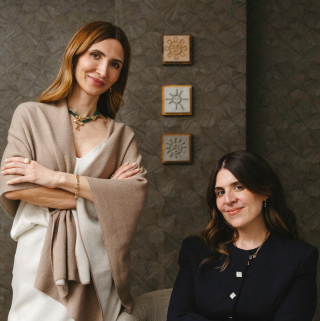
Inés Capó is the co-founder of İTÄ alongside Äfet Burcu Salargil. Drawing inspiration from their respective backgrounds, the longtime friends created the fine jewelry brand to celebrate the intersection of Caribbean heritage and Turkish craftsmanship with distinctive jewelry that honors tradition while embracing contemporary design.

Benjamin Khordipour, G.D., C.G.P., is a jewelry author, gemologist, and lecturer recognized as one of the leading voices in vintage and antique jewelry. As part of Estate Diamond Jewelry, he brings together GIA and Gübelin gemological training with deep expertise in antique diamonds, period jewelry, and collectible diamond rings.
Whether it’s rainbow-hued or black, takes the shape of a playful ring or a bracelet begging to be layered, enamel diamond jewelry can be as fun as it is sophisticated. Below, discover what you need to know about the style, from its history to its modern appeal.
What Defines Diamond Enamel Jewelry?
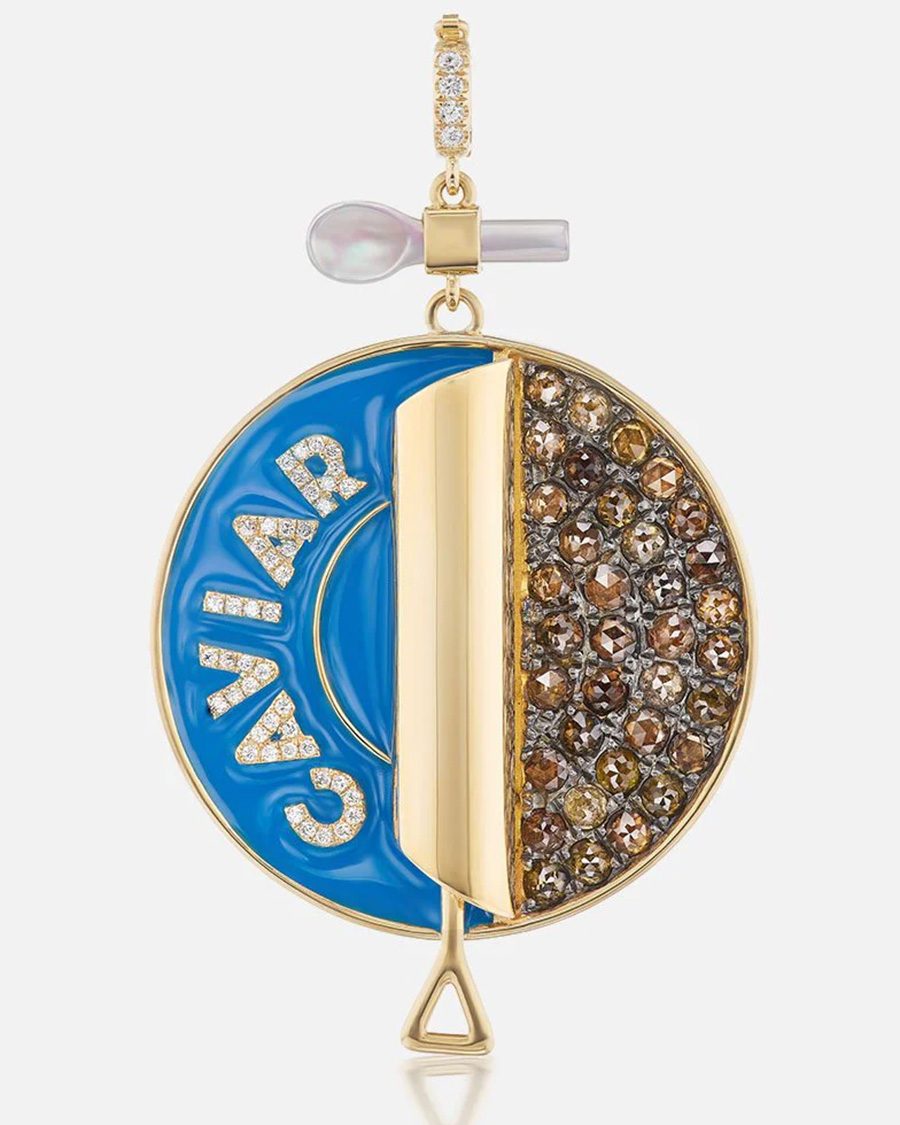
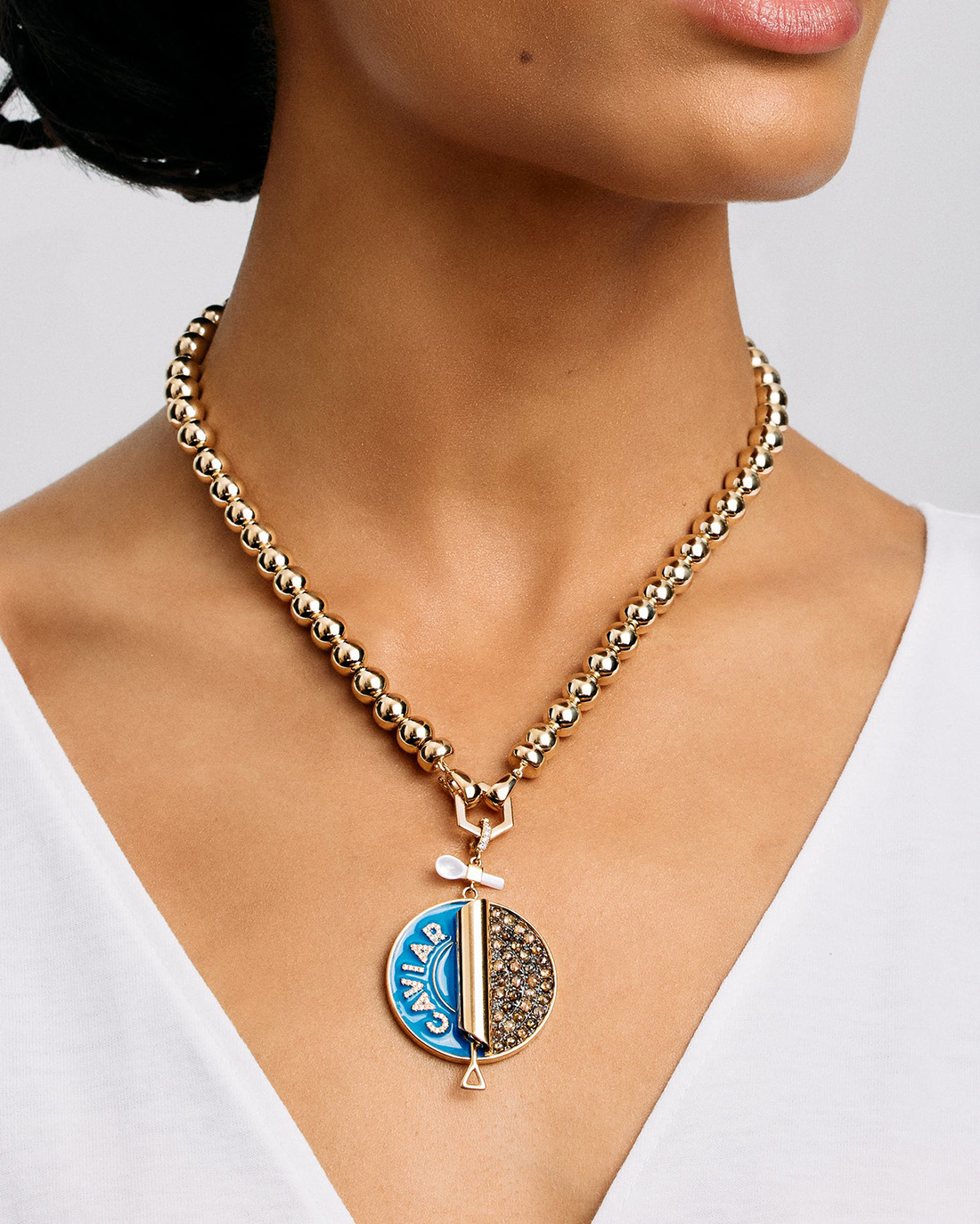
Diamond enamel jewelry combines enamel with diamonds to create high-end, artful designs. The craftsmanship behind it tends to be complex, as enamel is traditionally made by fusing powdered glass onto metal – usually gold in the case of fine jewelry – at very high temperatures.
It’s a lengthy, meticulous process, but it’s worth it: The result is highly durable and has that distinct glossy and sturdy feel you may associate with a classic enamel bangle. It’s also scratch-resistant and maintains its color well over time.
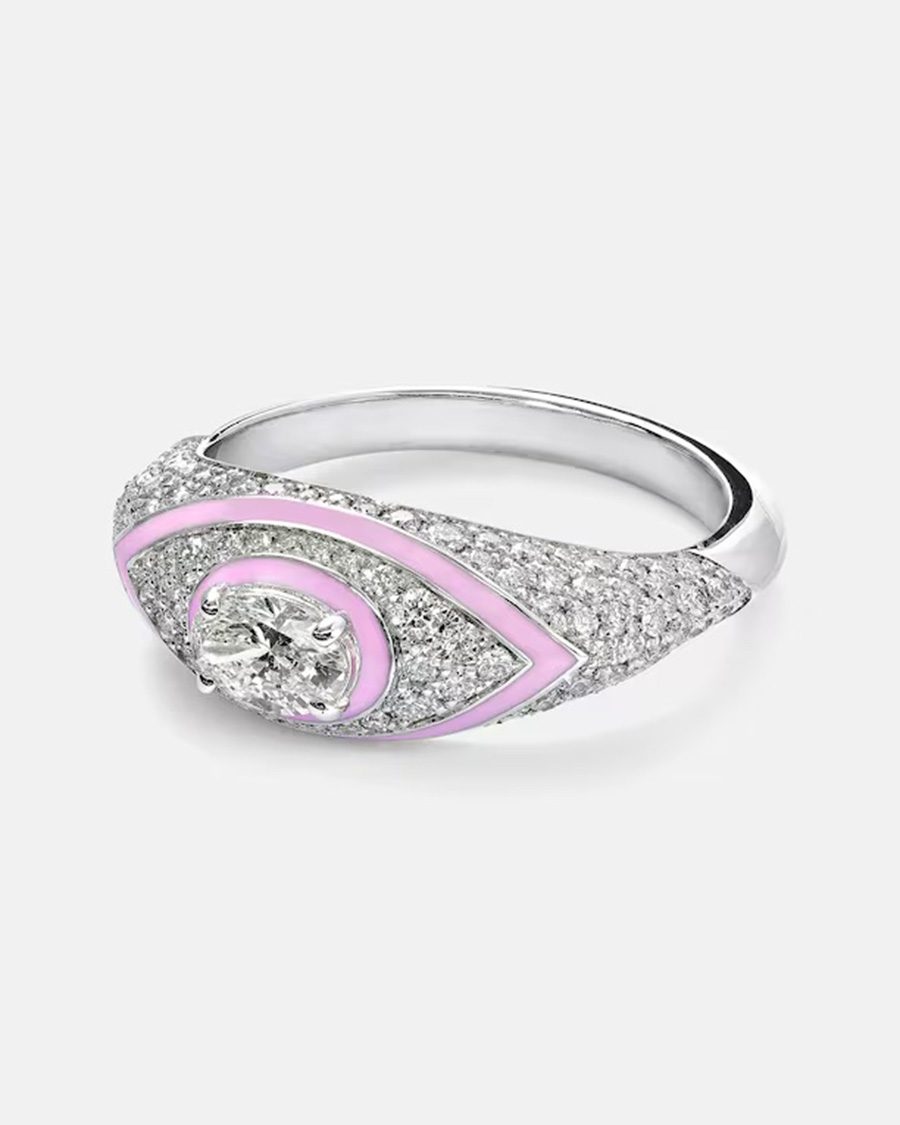
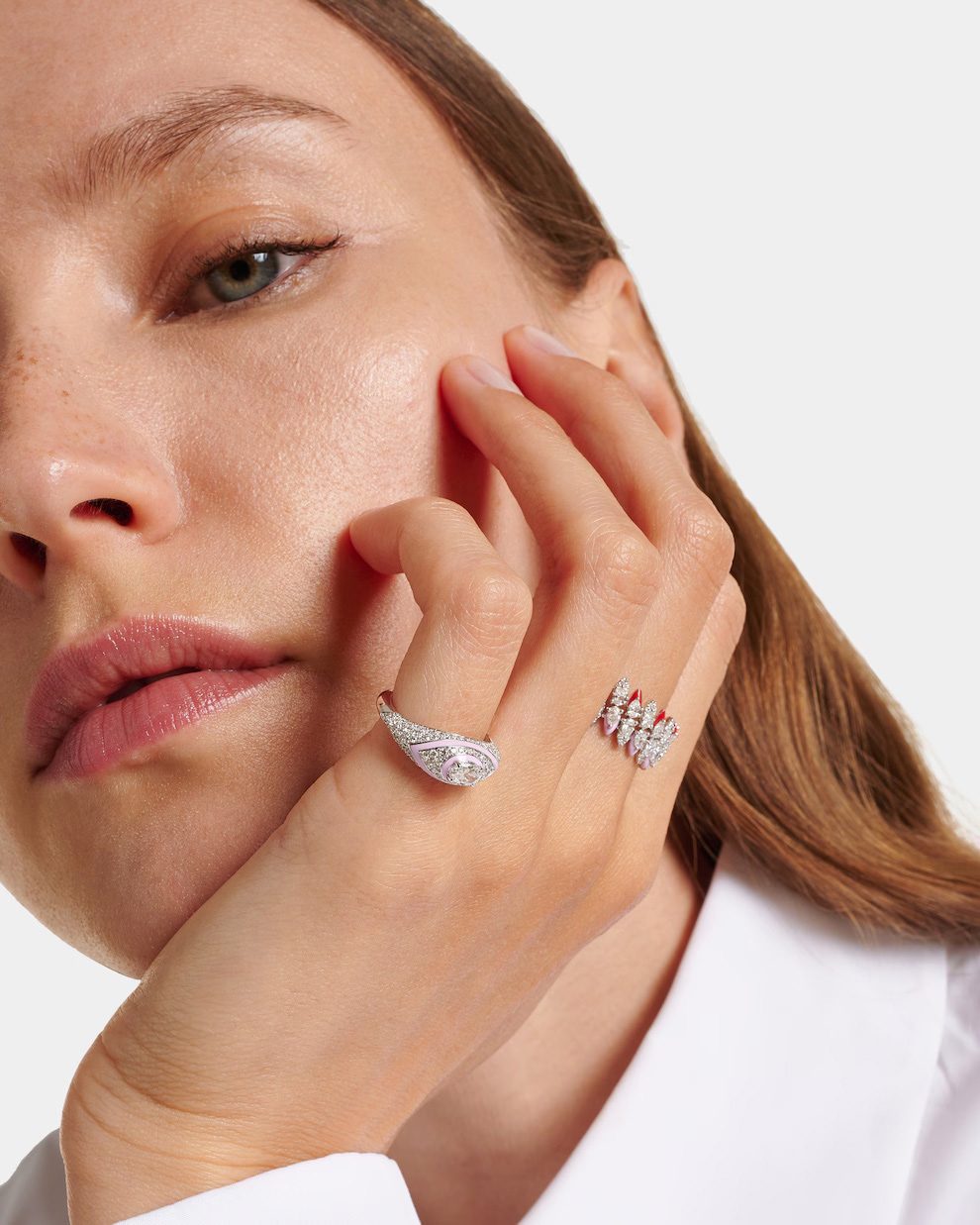
That said, a growing number of designers are embracing cold enameling, which relies on resin instead of glass. While collectors and luxury brands may gravitate toward hot enamel because of its exceptional durability and luminosity, cold enamel is softer and more flexible, which can offer more possibilities in terms of design.
There are also different techniques to apply enamel to jewelry and create completely different looks. For example, cloisonné uses thin wires of metal to outline patterns with different colors of enamel, while champlevé involves carving metal to create indents that are then filled with enamel.
A Brief History of Diamond Enamel Jewelry
The origins of enameling can be traced back to the 13th century B.C.E, after excavations in Cyprus led to the discovery of the earliest known examples of enameled jewels. Since then, enamel jewelry has experienced a few revivals.
The Byzantine Era
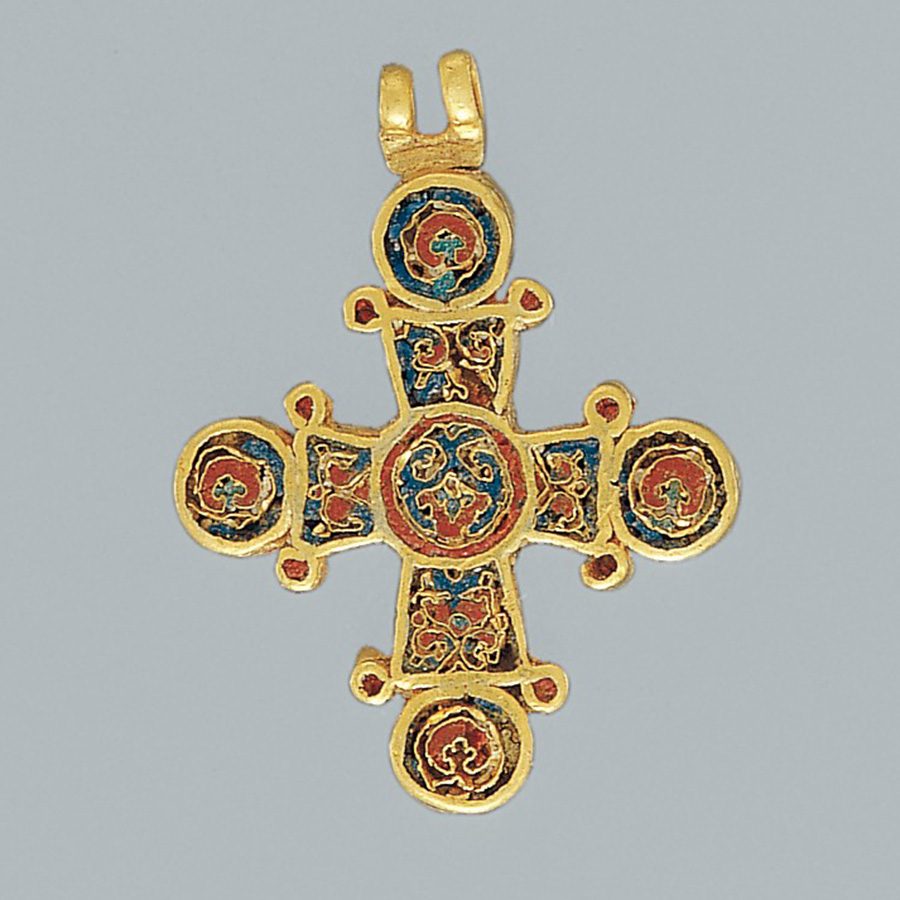
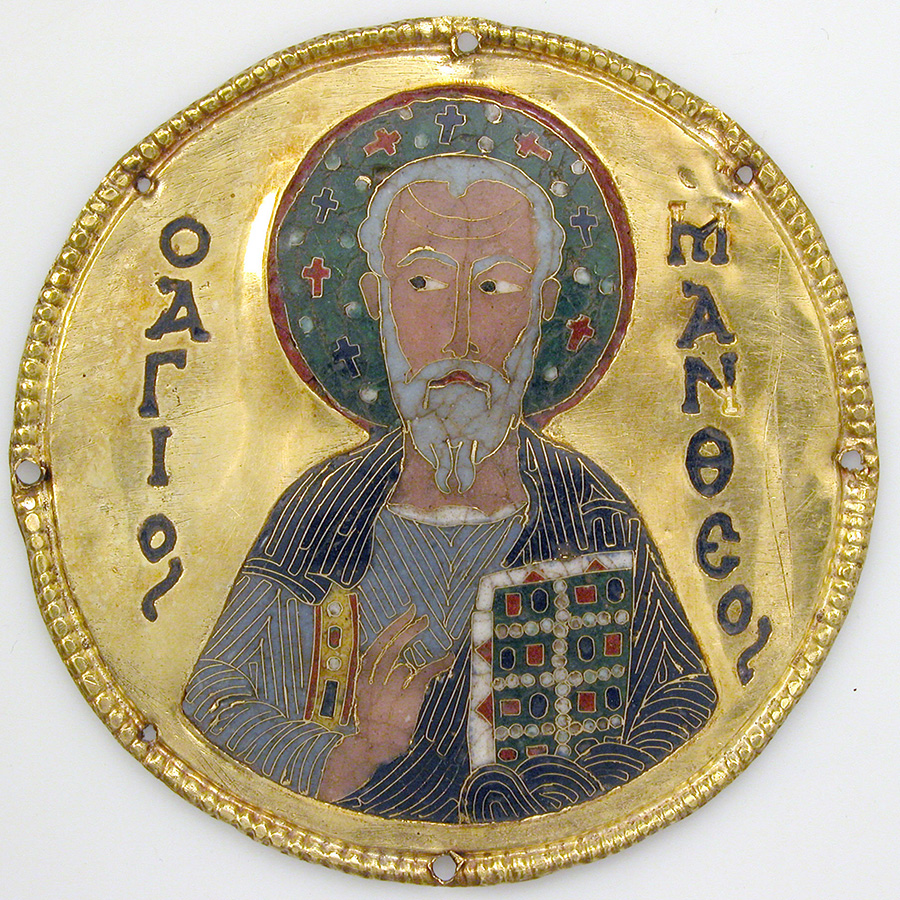
This Byzantine era is associated with cloisonné enamel, a technique in which thin gold wires create compartments that are filled with colored enamel. It was used alongside gold to decorate religious objects and luxurious jewels with hues of deep blue, green, red, and white. Highly prized for its vivid color and intricate craftsmanship, Byzantine cloisonné helped establish enameling as one of the most sophisticated decorative arts of the medieval world.
Limoges Enamel
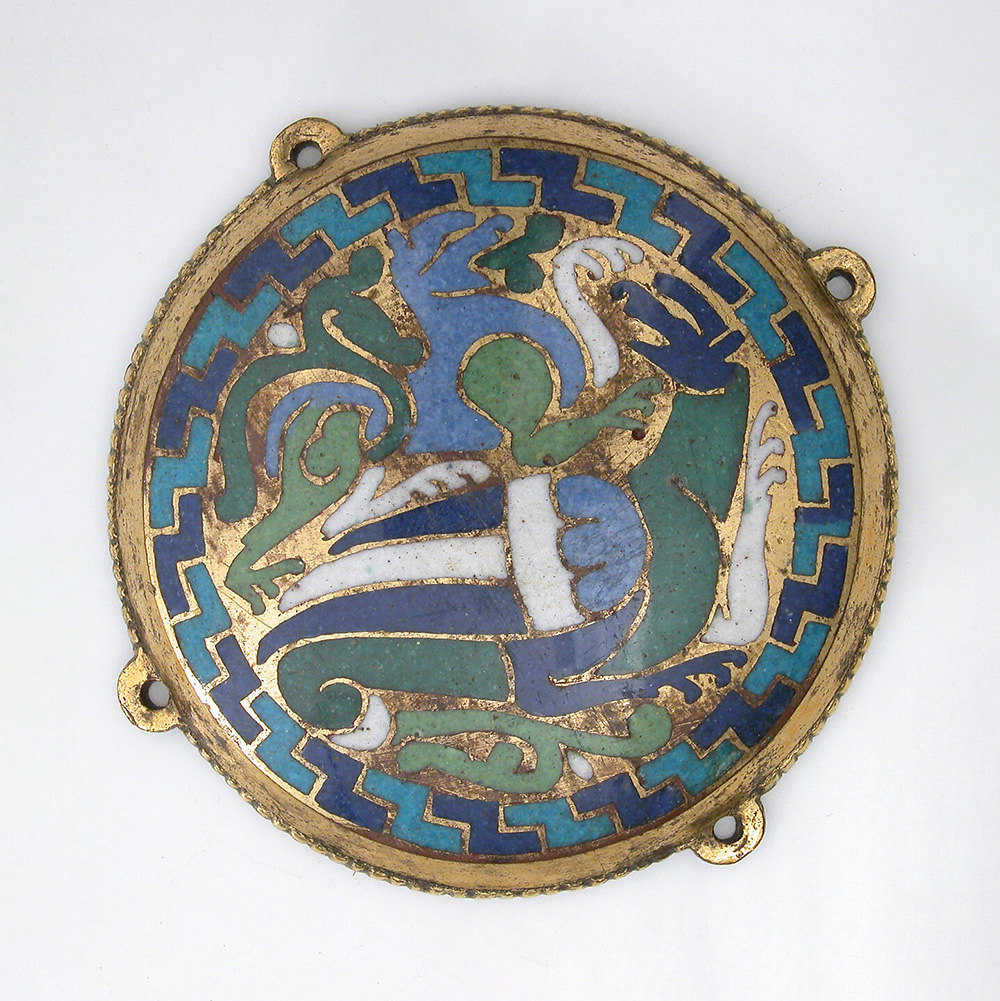
From the 12th century onward, this area of France became an epicenter for the design and production of champlevé enamel artifacts. Later, during the Renaissance, Limoges enamelers evolved the craft by painting enamel onto copper, treating metal like a canvas. From belt buckles to pendants and tableware, their pieces were considered luxury items.
The Mughal Empire and Pertabghar Enameling
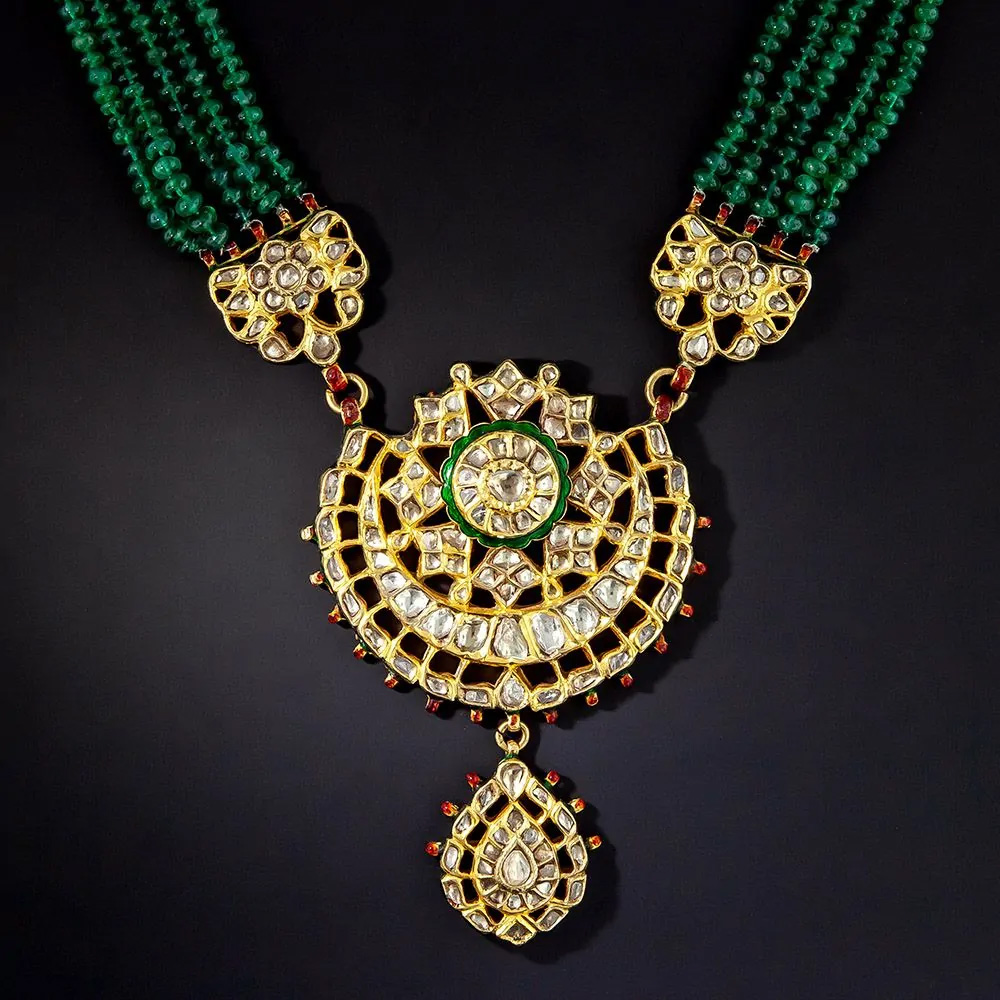
During the 16th and 17th centuries in what is known today as India and Pakistan, jewelers applied enamel to both the front and back of jewels – which was unusual in the jewelry world – along with precious gemstones like natural diamonds. Later, toward 1870, Pertabghar enameling, which involved gold openwork pressed onto a thick layer of green enamel to create motifs, rose to prominence in the region.
TheVictorian Era
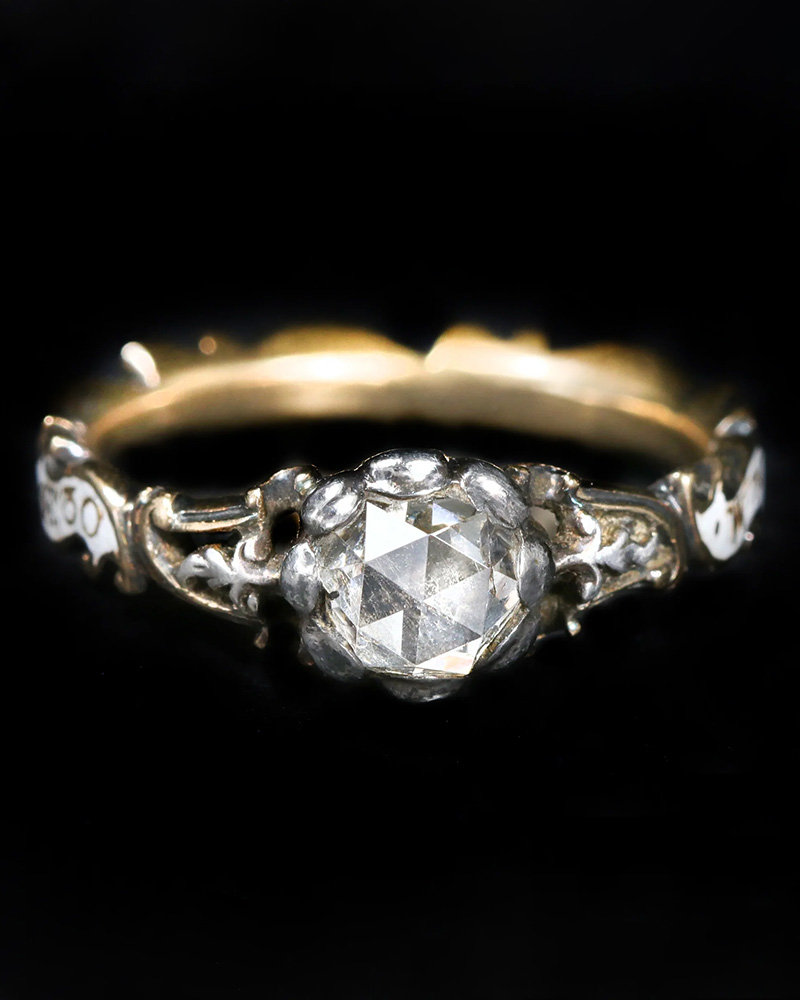
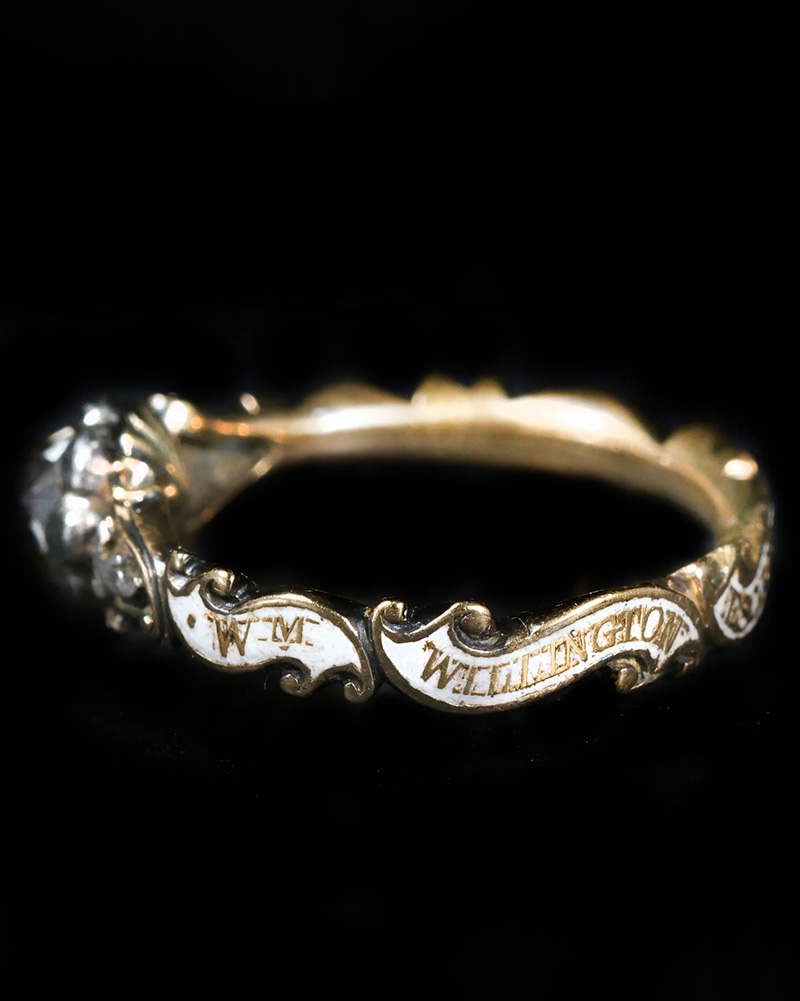
Tiffany & Co.’s Jean Schlumberger is known for his use of paillonné enamel, but the technique flourished in the 18th and 19th centuries in France and Switzerland, where artisans layered paper-thin foils of gold or silver under colored enamel to play with depth, texture, and color.
For the Victorians, jewelry was highly sentimental, and enamel was part of the storytelling language used in pieces like brooches, lockets, and rings. Black and white enamel adorned mourning jewelry, while blue enamel was often used in forget-me-not pieces exchanged between close friends or lovers.
The Art Nouveau Movement
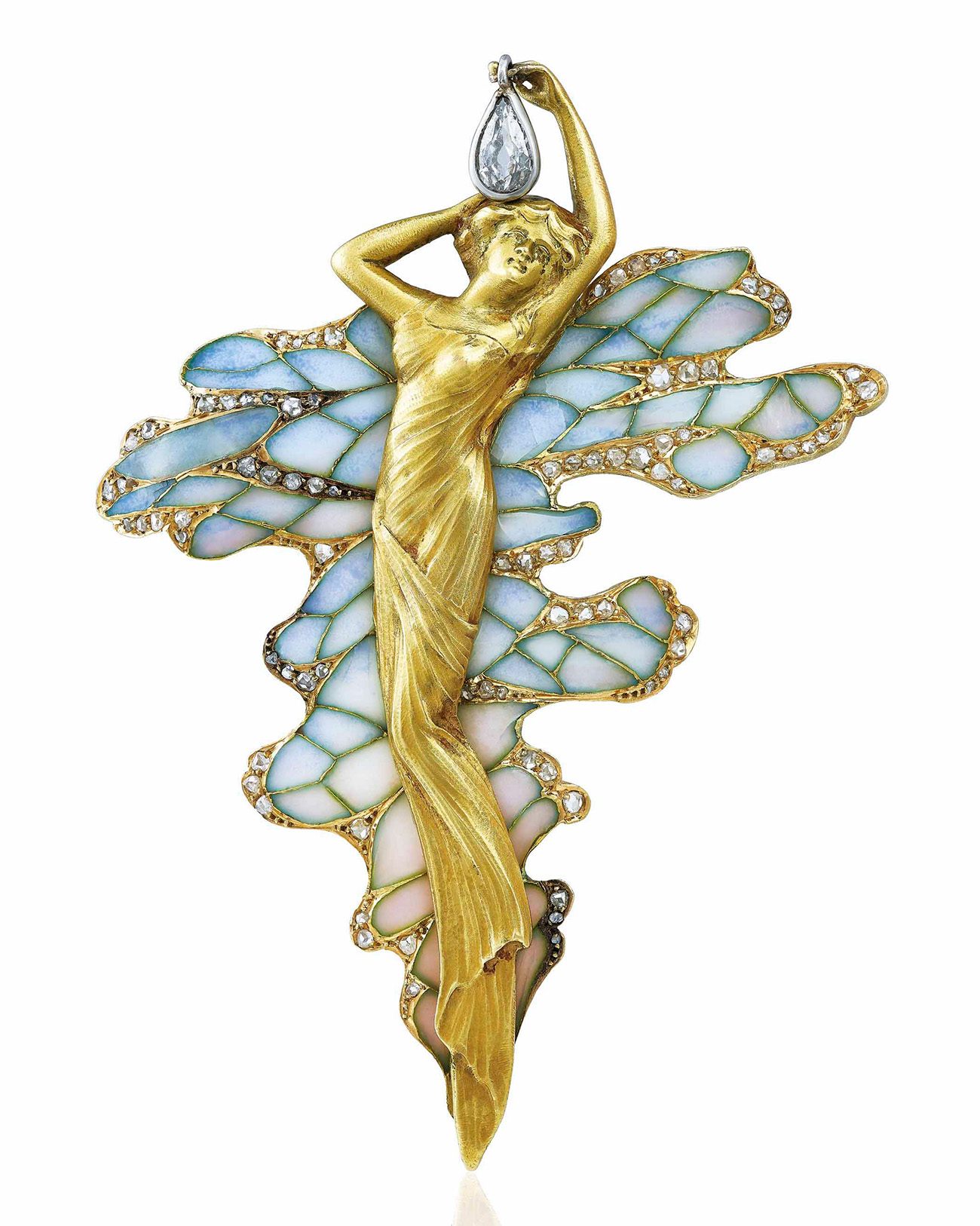

The Art Nouveau movement rejected mass production in favor of handcrafted pieces that looked like wearable art with flowy, organic shapes. Nature was a big inspiration for jewelers, and enameling let them capture the vibrant palette of the natural world into jewelry designs. Artisans frequently used techniques like plique-à-jour, a challenging method that creates a stained-glass effect by suspending translucent enamel without a metal backing, allowing light to pass through delicate motifs inspired by flowers, insects, and other natural forms.
The Art Deco Period
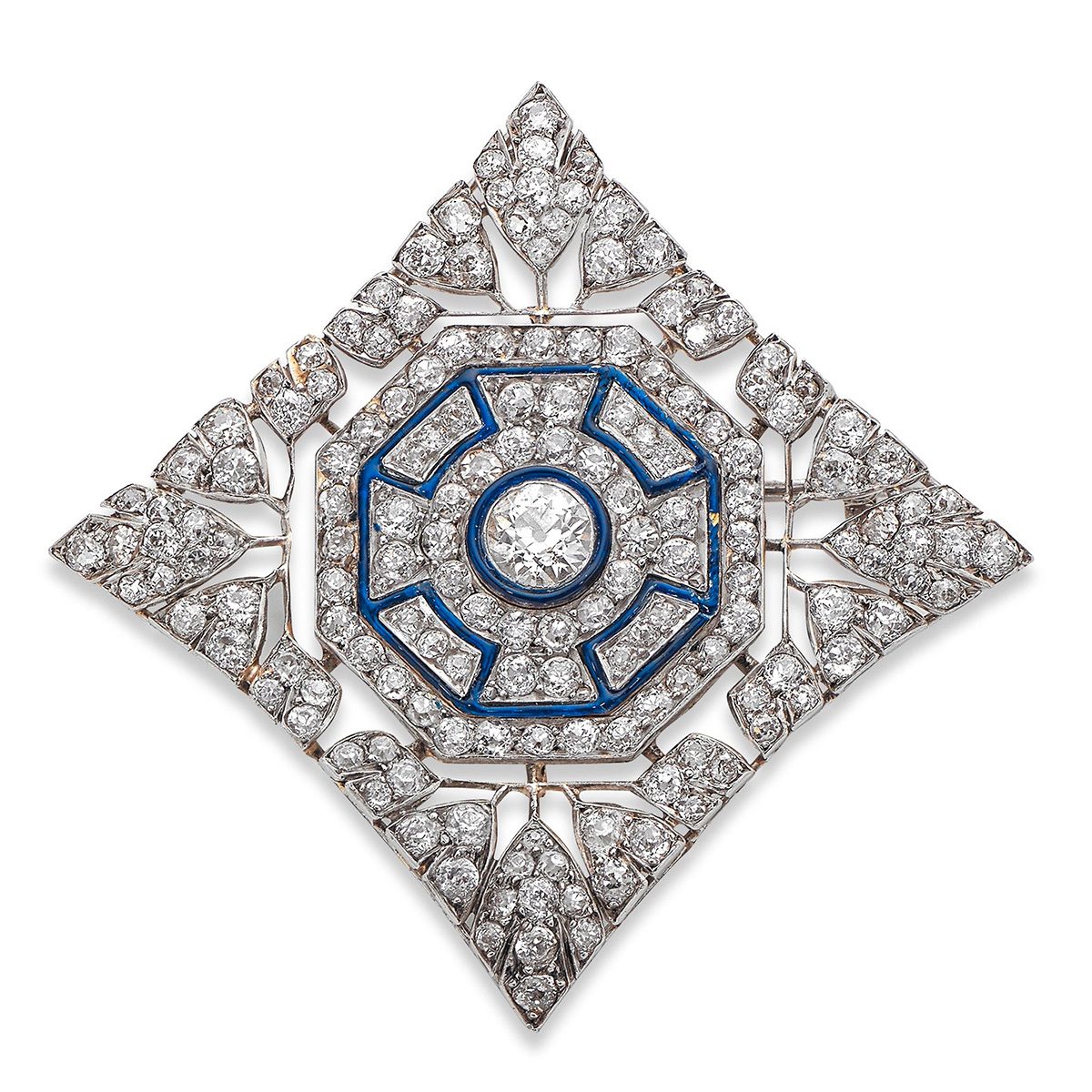
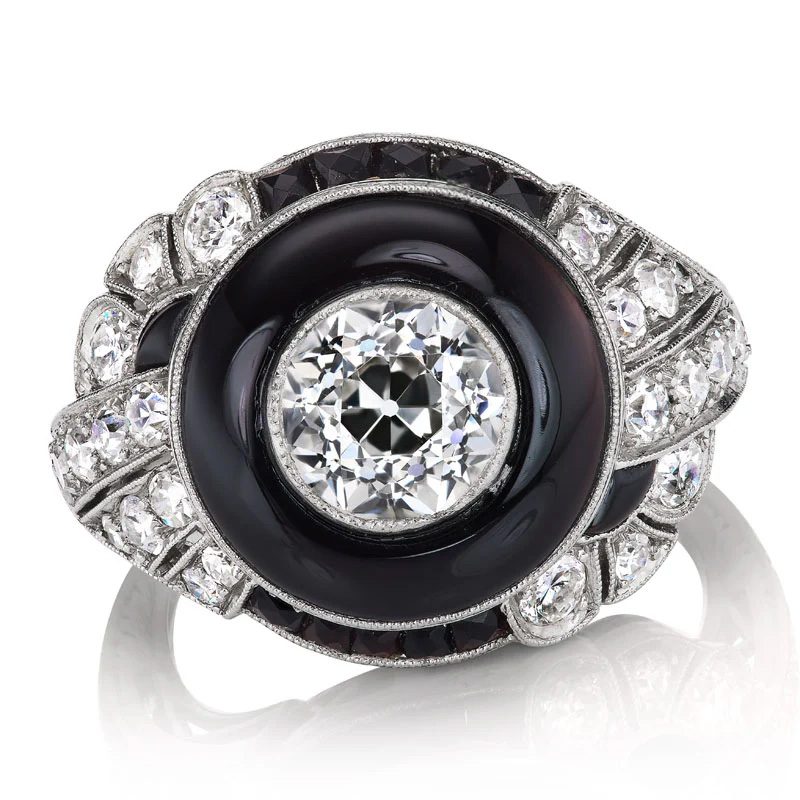
In the earlier Art Deco days, black and dark blue enamel acted a sleek counterpart to the brilliance of diamonds and emphasized the geometric, architectural lines of the designs. Guilloché enamel also became popular, a technique that created texture by topping a mechanically-engraved piece of metal with a layer of translucent glass enamel.
Modern Enamel Jewelry
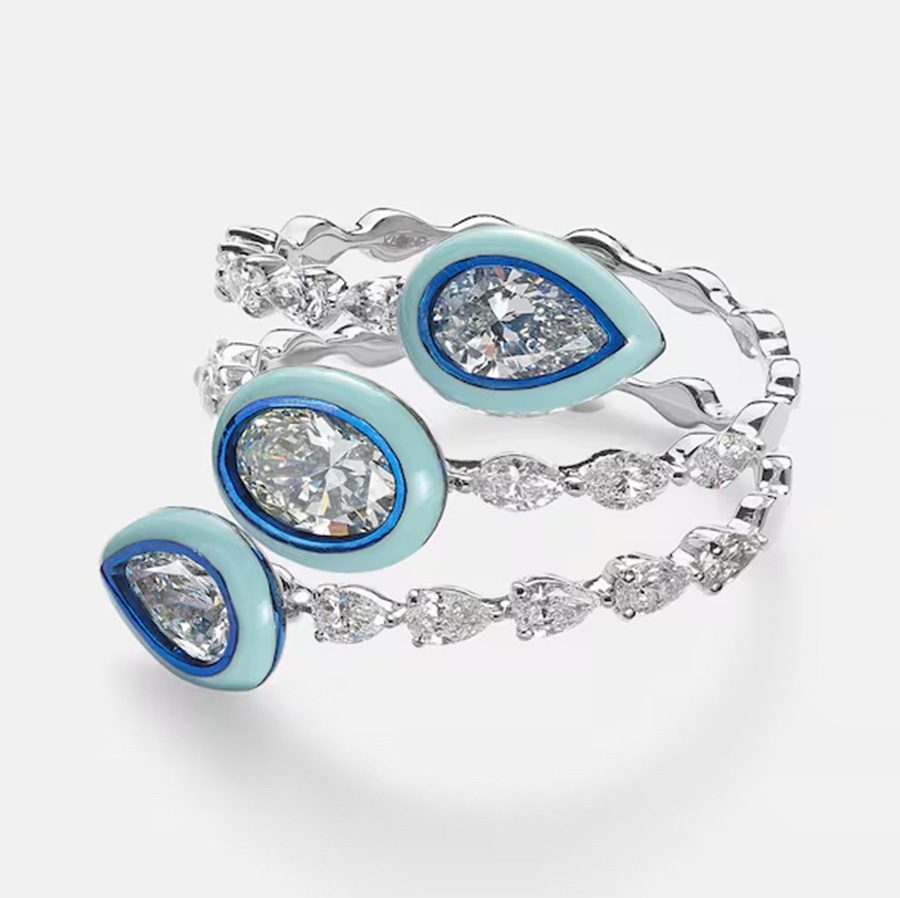
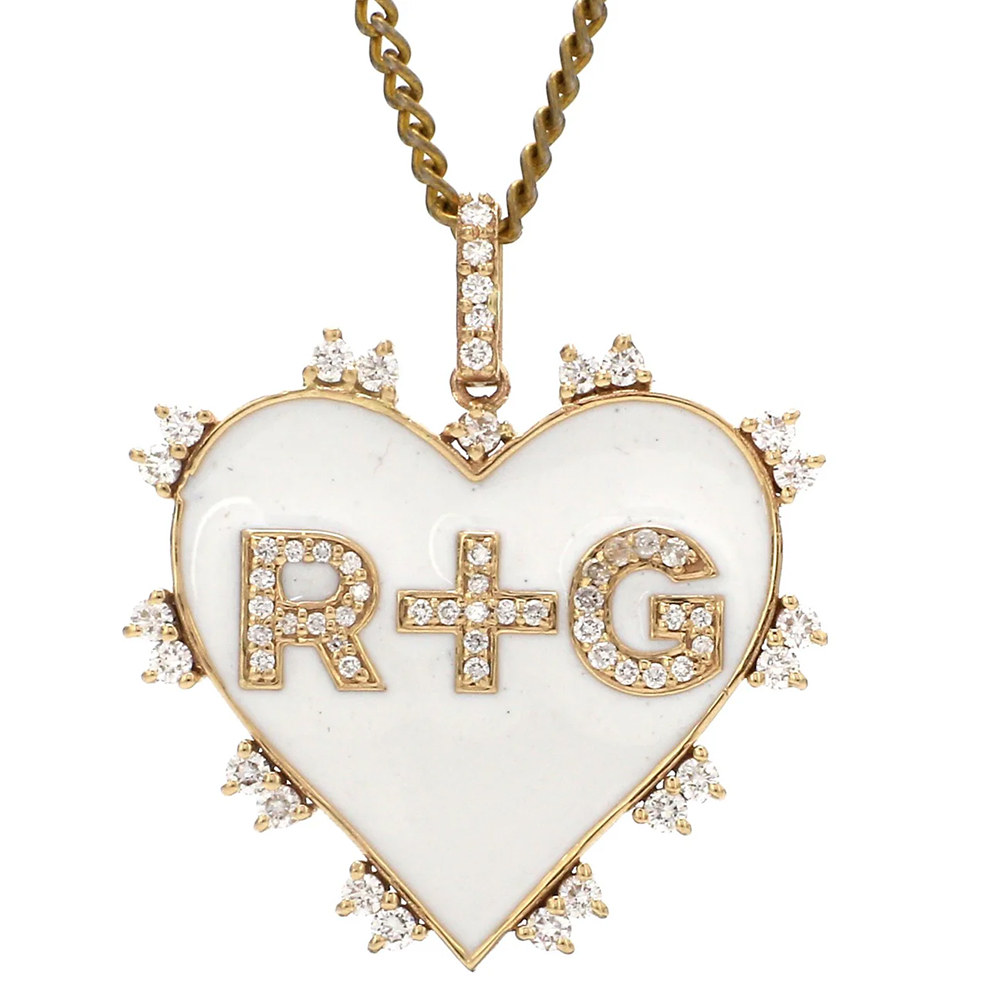
Today, diamond and enamel jewelry offers a fresh take on a traditional material and feels particularly current given the growing appetite for vintage-inspired designs and buyers’ desire to lean into fine jewelry as a means of self-expression.
“Enamel is closely associated with many historic jewelry periods. It gives modern pieces a sense of old-world craftsmanship, while still allowing designers to reinterpret those styles in a fresh way,” says Benjamin Khordipour, a GIA-certified gemologist and vintage and antique jewelry expert at Estate Diamond Jewelry.
Why Diamond and Enamel Jewelry Has Enduring Appeal
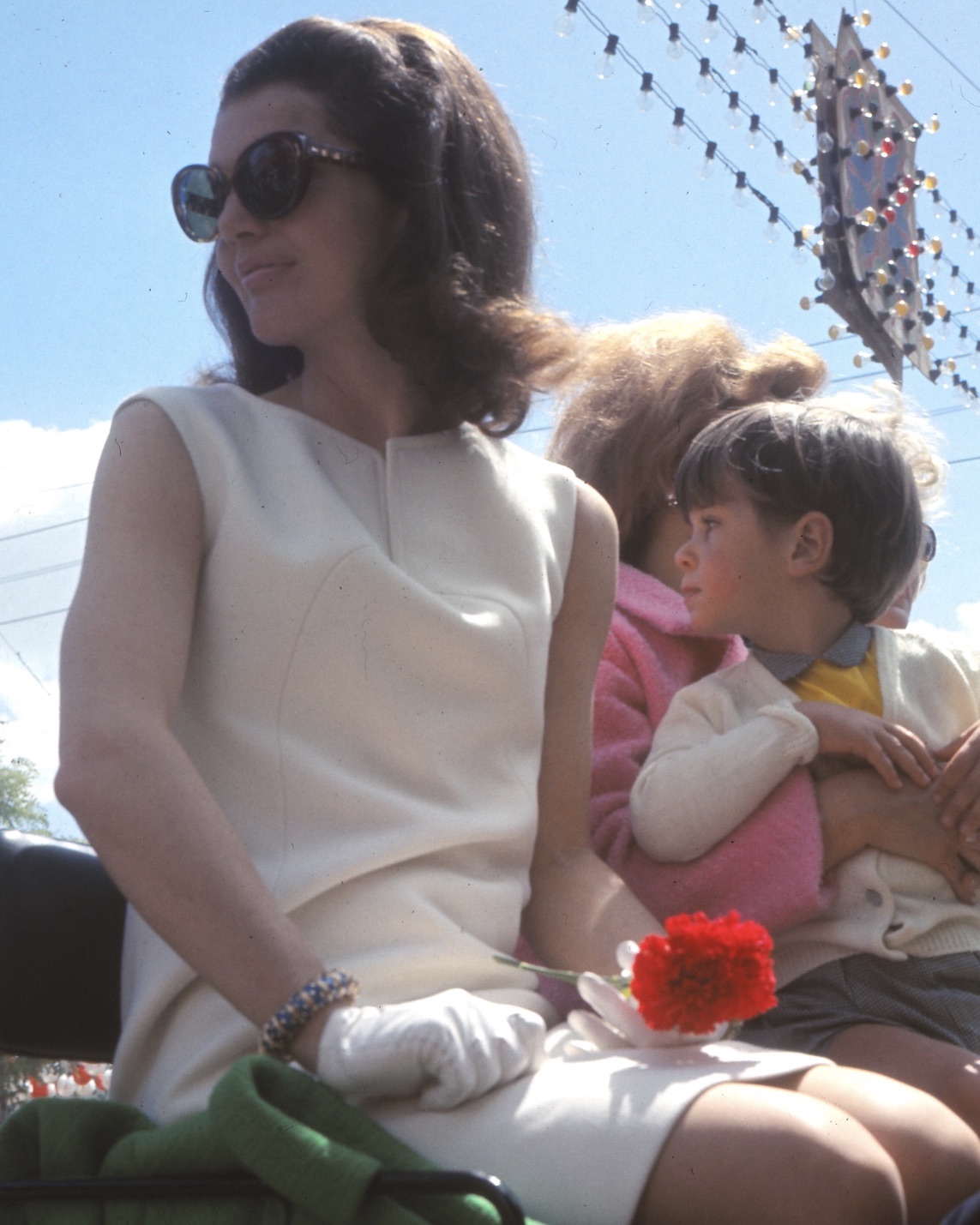
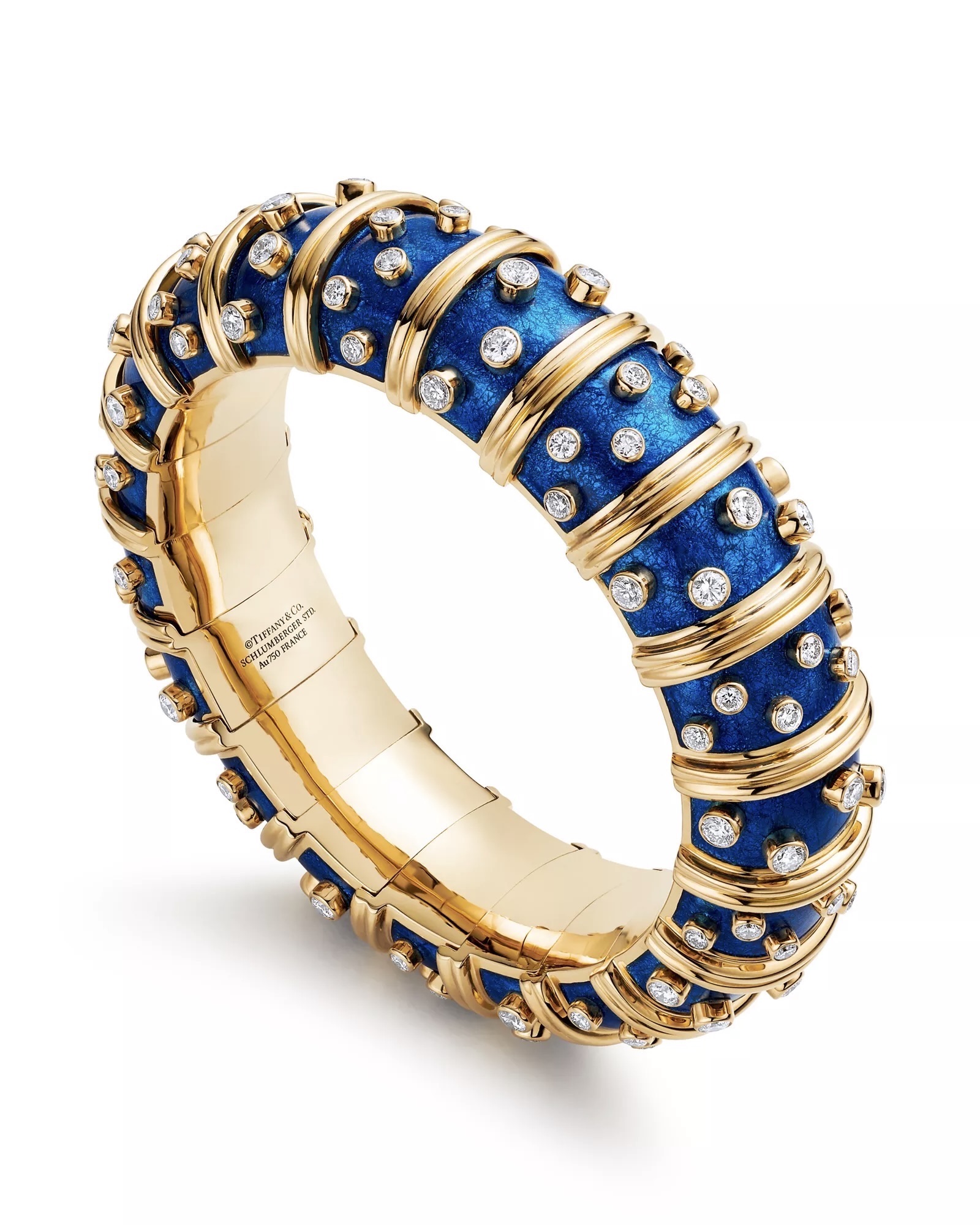
Diamond and enamel jewelry is more than a passing trend. If you love the idea of combining the timeless beauty and rich symbolism of natural diamonds with a material that brings depth and uniqueness to a design, it may be worth adding to your collection – here’s why it has enduring appeal.
Enamel Adds Depth and Character
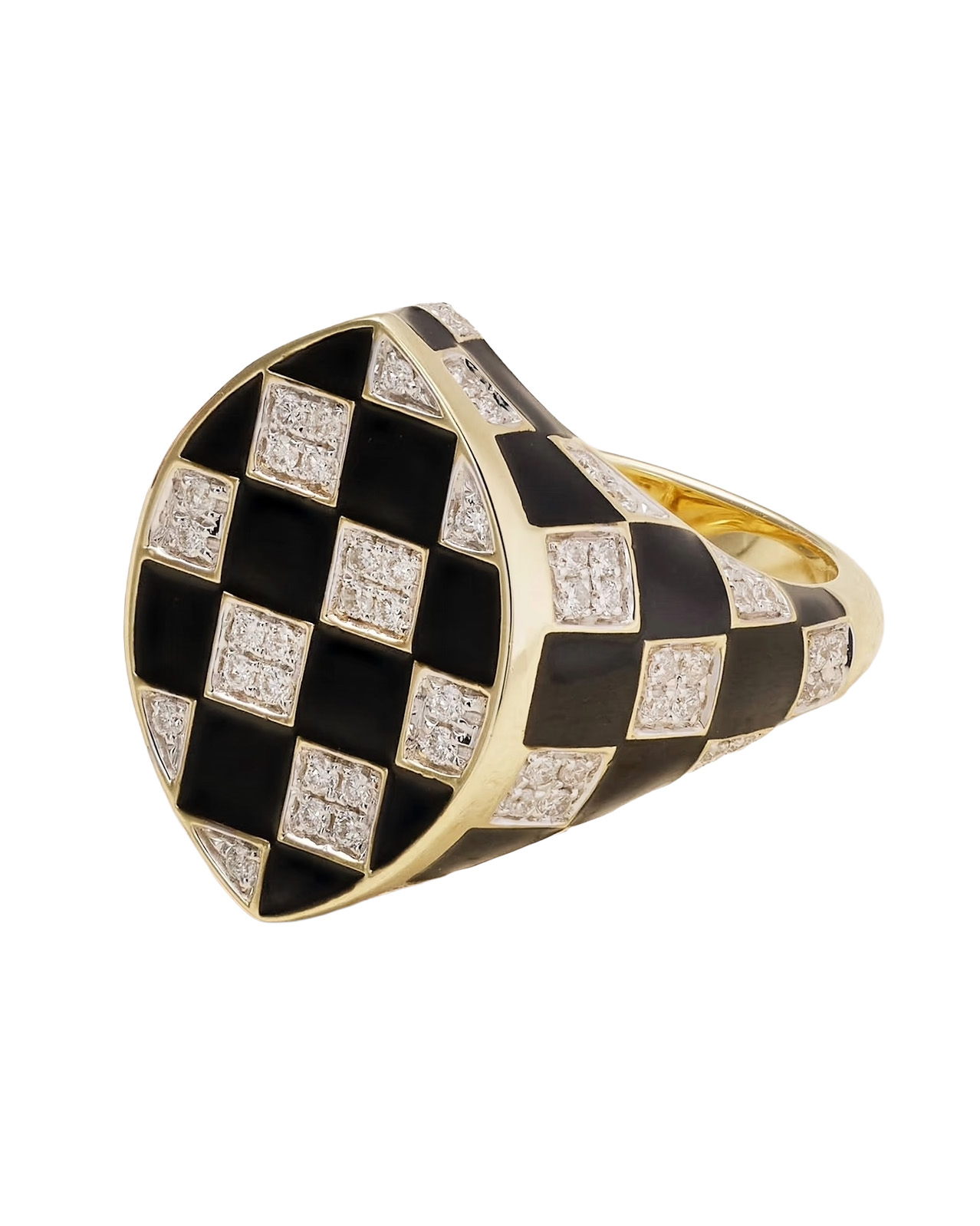
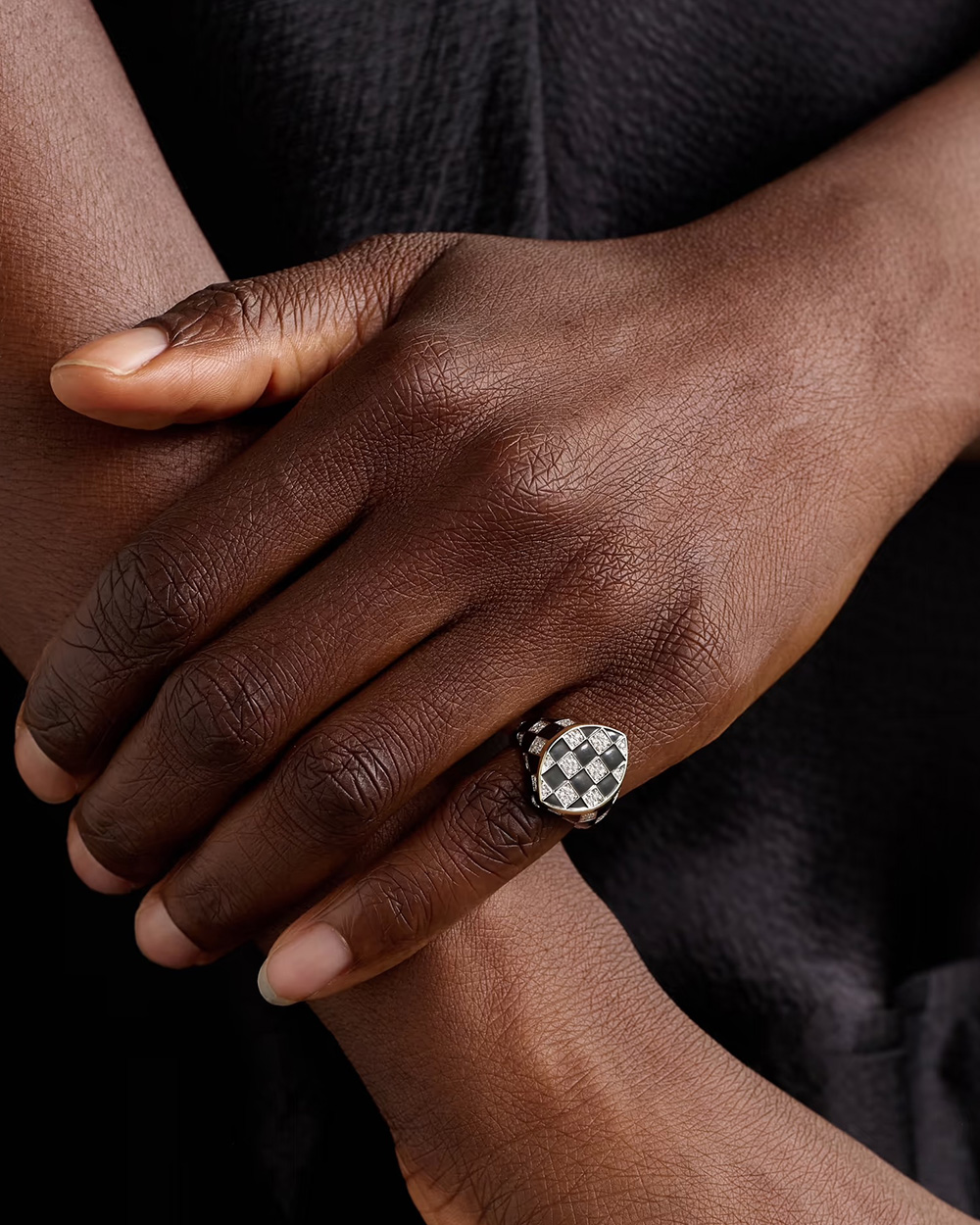
Yes, enamel is colorful. But, as Capó notes, its appeal is much deeper: “Enamel allows you to tell a richer story. Diamonds on their own are beautiful, but enamel brings a different kind of feeling. It can give a piece lots of character in an instant. It can introduce symbolism, references to art, architecture, nature, or cultural heritage in a way that gemstones alone often cannot.”
It Blends Luxury with Self-Expression
When combined with diamonds, enamel jewelry strikes the perfect balance between creative expression and luxury. According to Capó, jewelry lovers are looking for pieces that cater to a sense of individuality and feel unique.
“They want the beauty and permanence of fine jewelry, but they also want pieces that say something about who they are,” she says. Enamel and diamonds achieve that result seamlessly.
It’s Unexpected and Unique
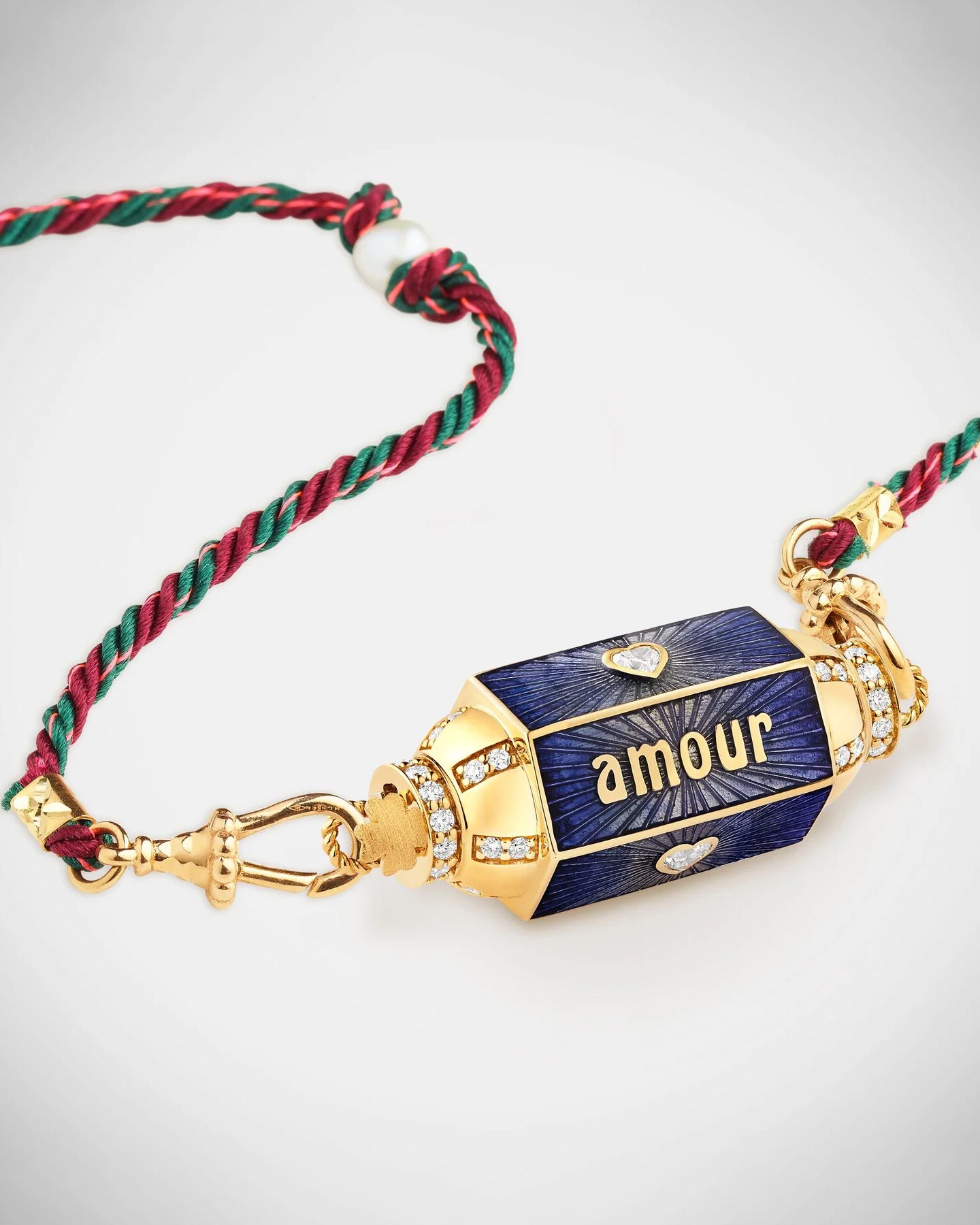
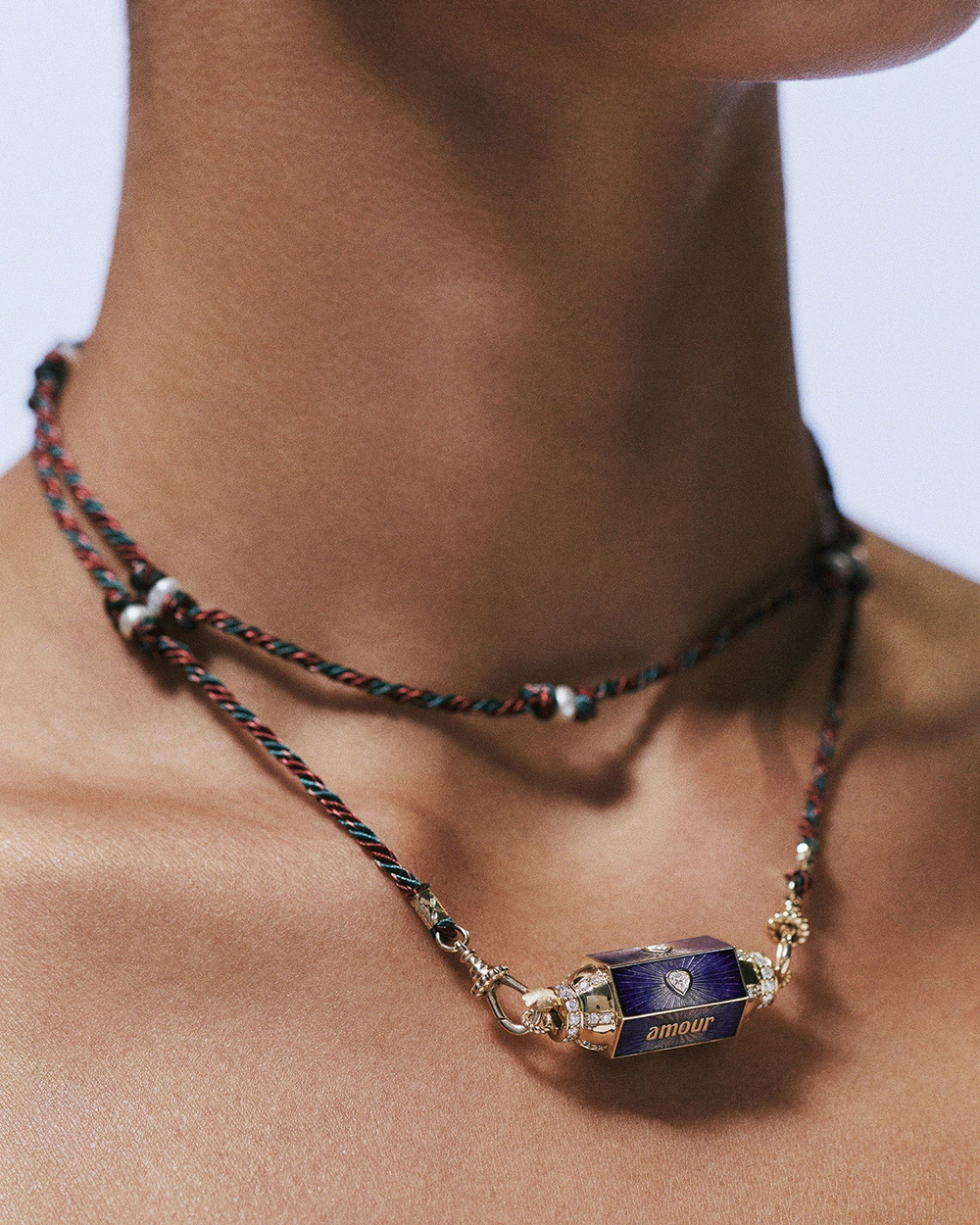
Want to wear diamonds in non-traditional ways? As Khordipour puts it, enamel gives diamond jewelry a “very distinct identity,” blending color, pattern and personality in a way that still feels refined and luxurious. If you want your diamond jewelry to match your bold personality and start conversations, it’s a choice to consider.
What to Look for When Buying Diamond Enamel Jewelry
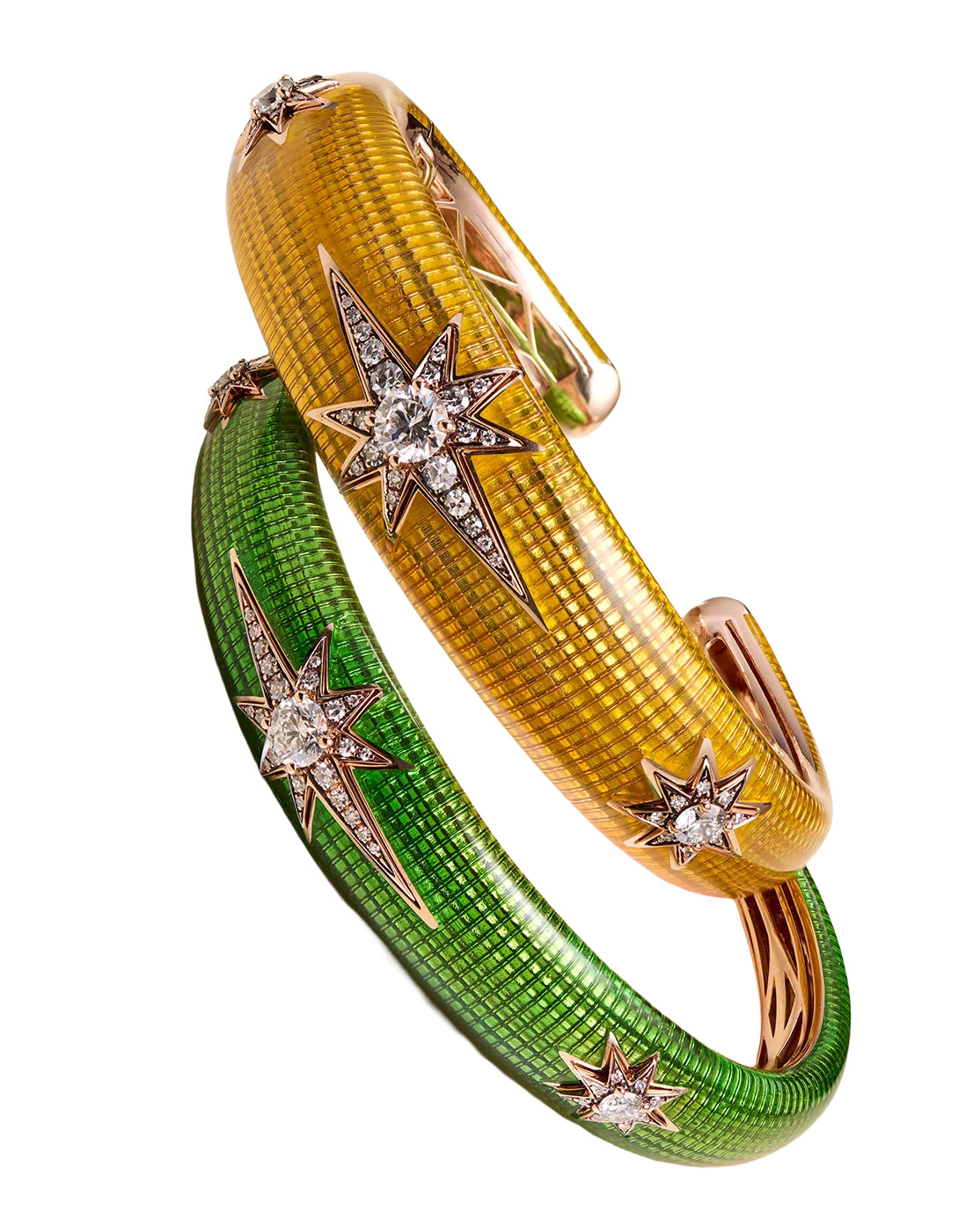
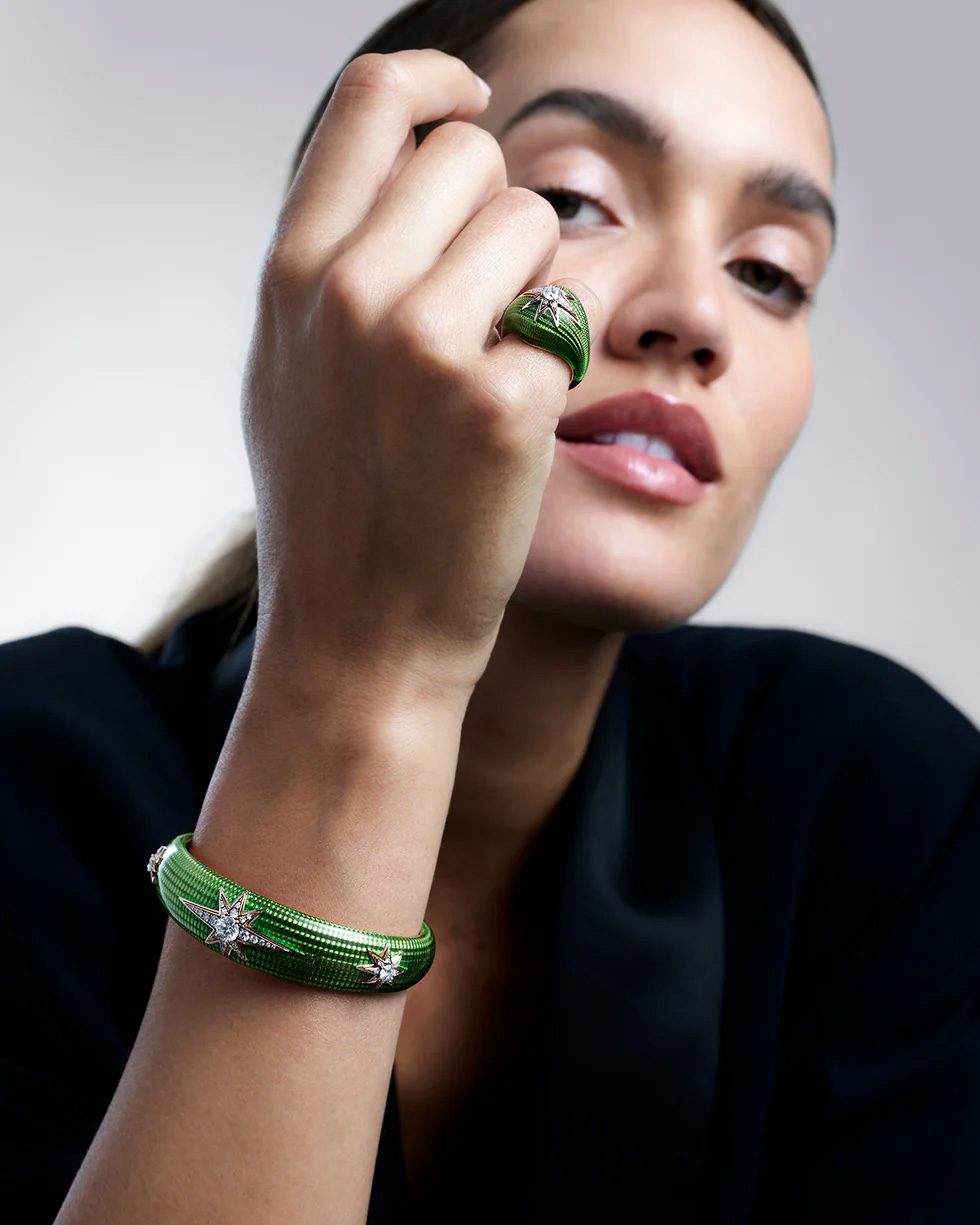
So, what should you be on the lookout for when shopping for the perfect diamond and enamel piece? Craftsmanship should be top of mind. ”Enamel is incredibly exacting and meticulous. You know immediately when it has been done beautifully. Flaws can show up very easily in the enamel process,” says Capó. A smooth, even surface with deep color is a good sign.
From a style perspective, consider how the enamel parts of a piece of jewelry interact with the diamonds. You want the overall effect to feel harmonious, not loud. “The diamonds should play a part in the overall story and not just be there for the ‘bling’ factor,” adds Capó. Besides that, it’s all about choosing a design that reflects your personal style.
How to Care for Diamond Enamel Jewelry
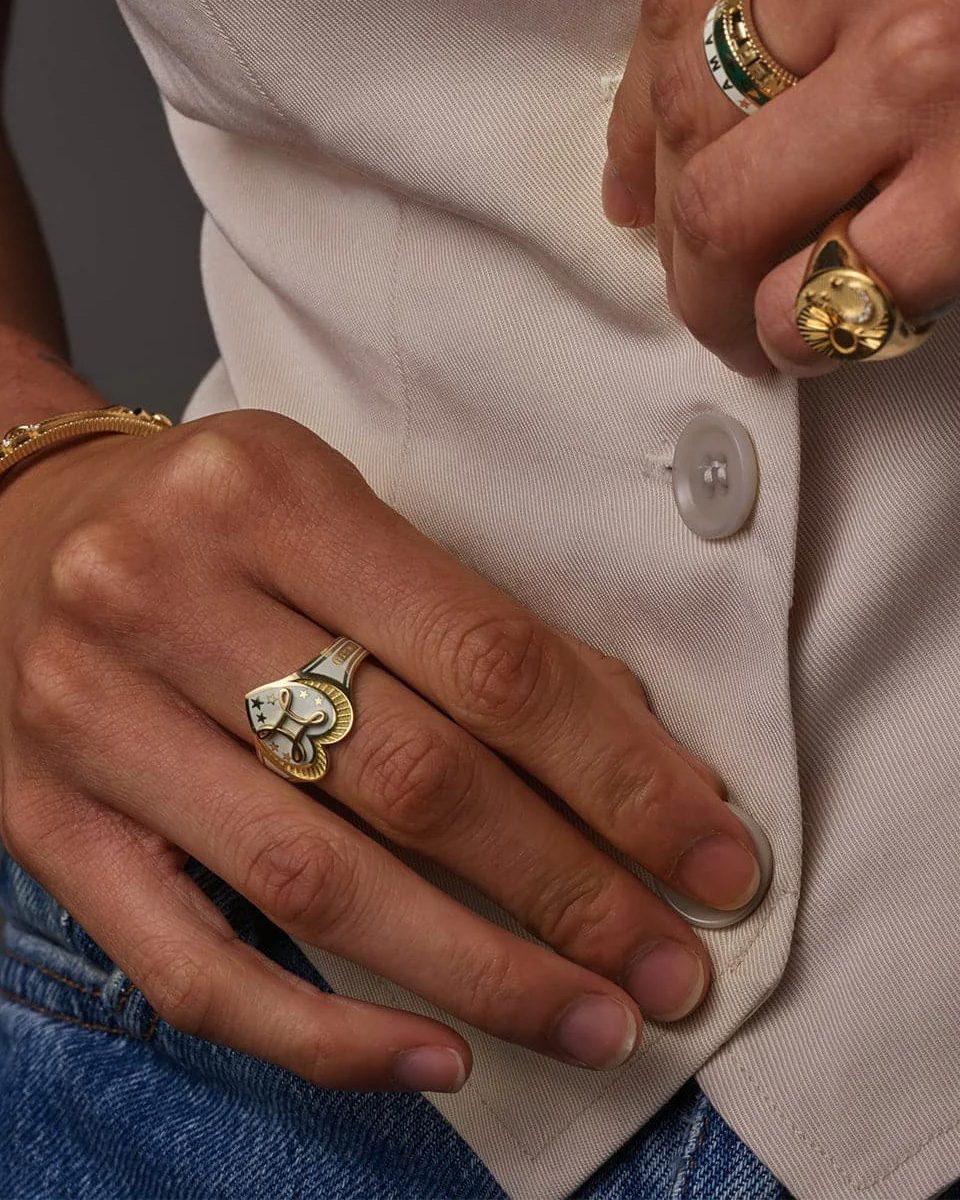
Whether you go for a colorful ring with diamond accents that pop or a cord bracelet with an enamel and diamond charm, enamel jewelry requires extra care. “Enamel should be treated more delicately than metal or diamonds,” warns Khordipour. “It can chip from impact, and it can be damaged by harsh chemicals, extreme heat, and rough handling.”
This means keeping your new treasures away from hot liquids like coffee or tea, lotions, perfumes, household cleaners, and ultrasonic cleaning machines. The best way to clean enamel ewelry? A soft cloth and a tiny bit of mild soap and lukewarm water every once in a while. Khordipour also recommends drying the enamel gently and storing the jewelry separately from harder pieces to avoid chips.
Shop Diamond Enamel Jewelry
Get inspired by natural diamond and enamel jewelry from some of our favorite designers.
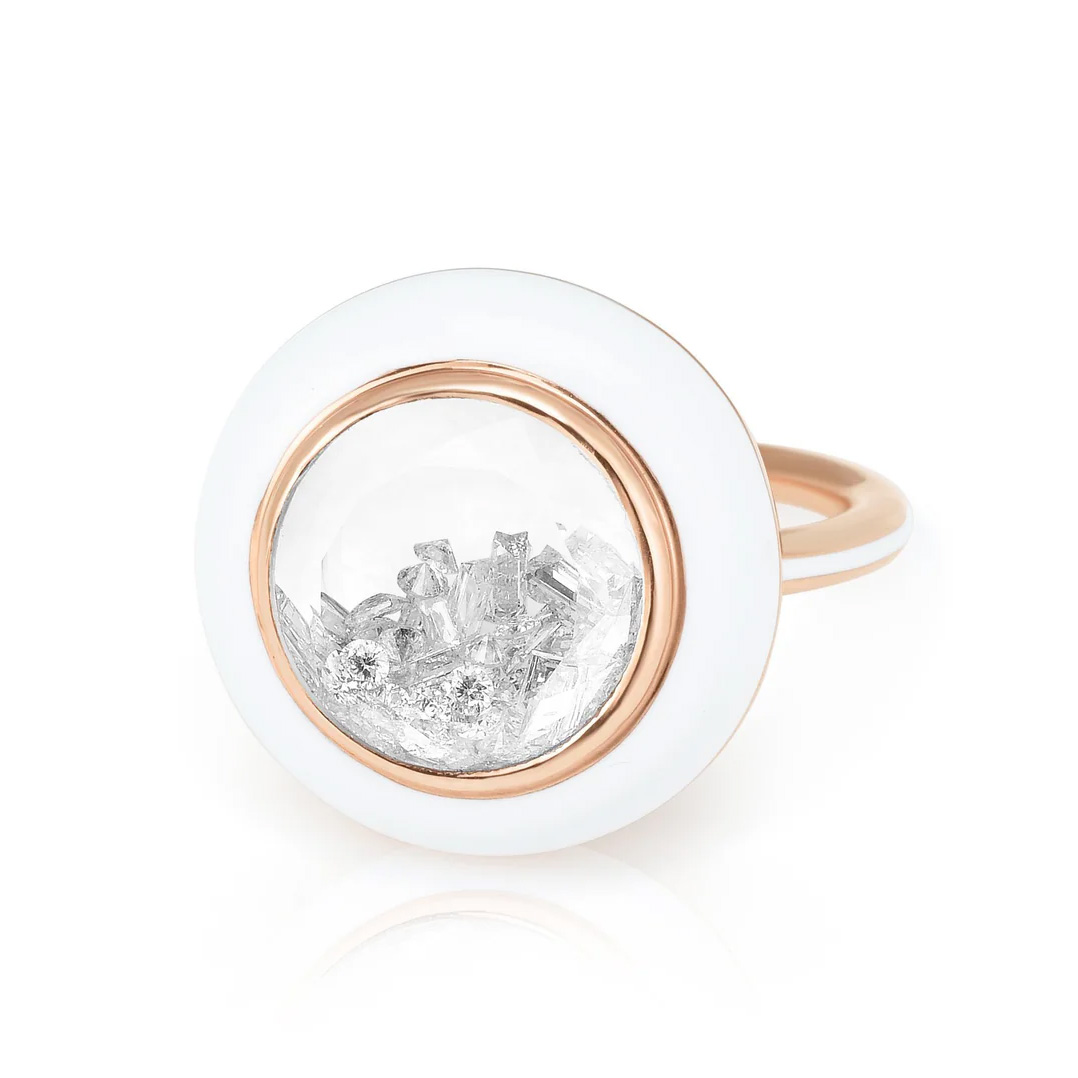
Moritz Glik Donut Enamel Ring, $12,500, moritzglik.com
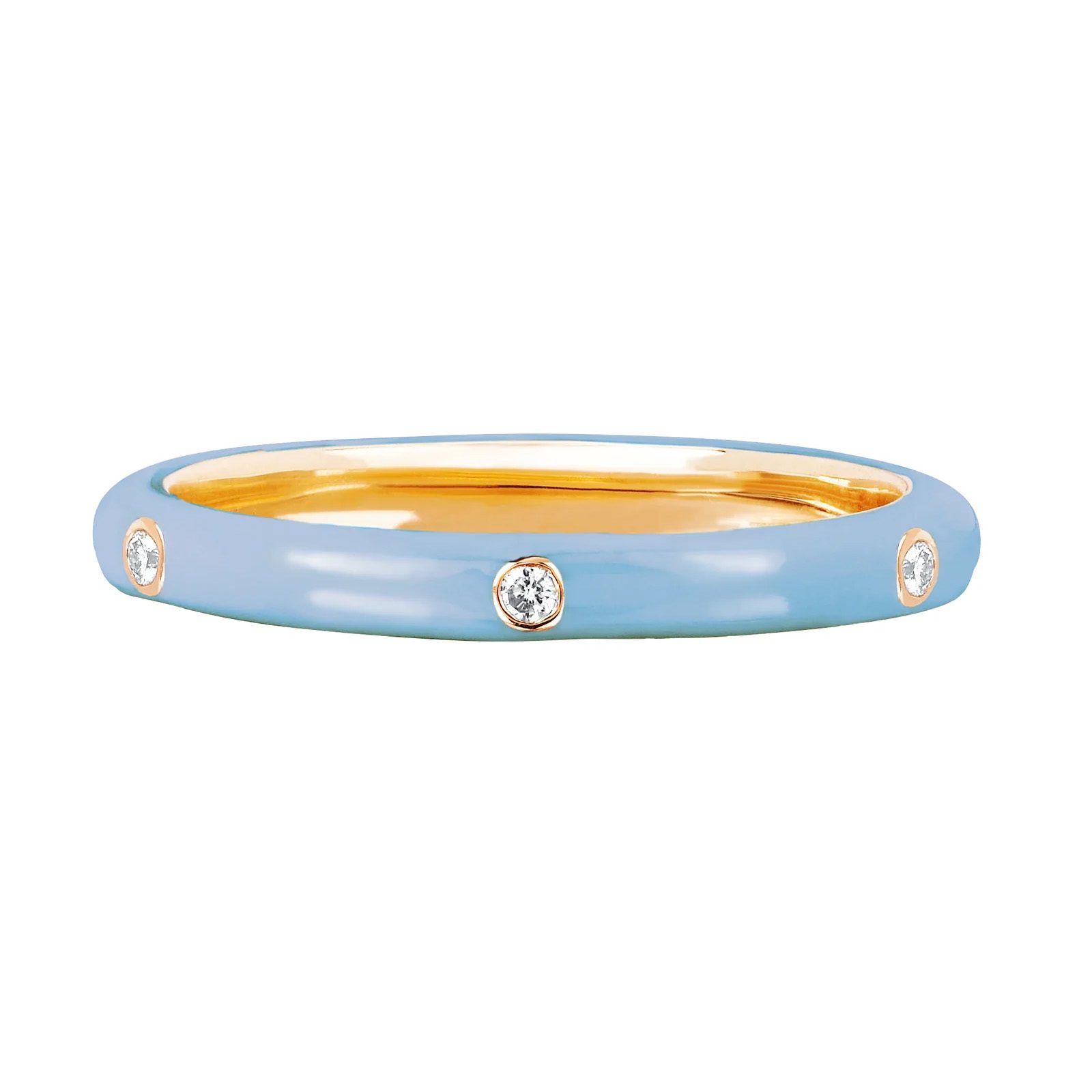
EF Collection Enamel Stacking Ring with Diamonds, $1,295, efcollection.com
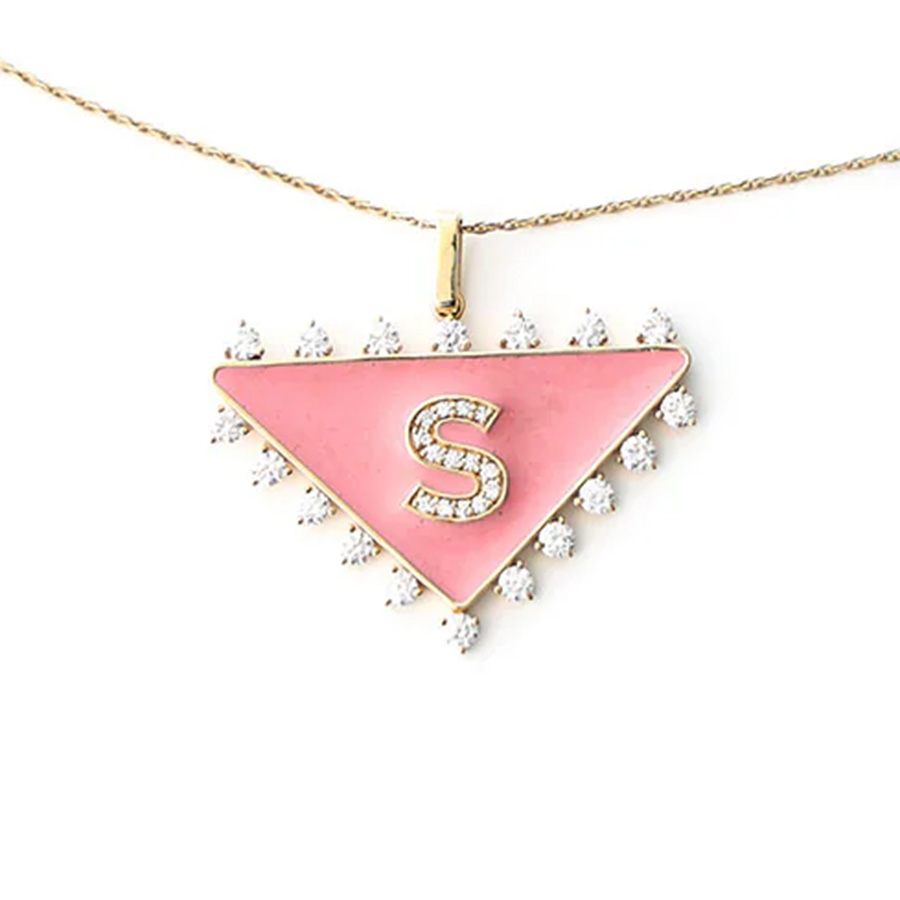
Type Jewelry Enamel and Diamond Initial Triangulo Pendant, $2,770, typejewelry.com
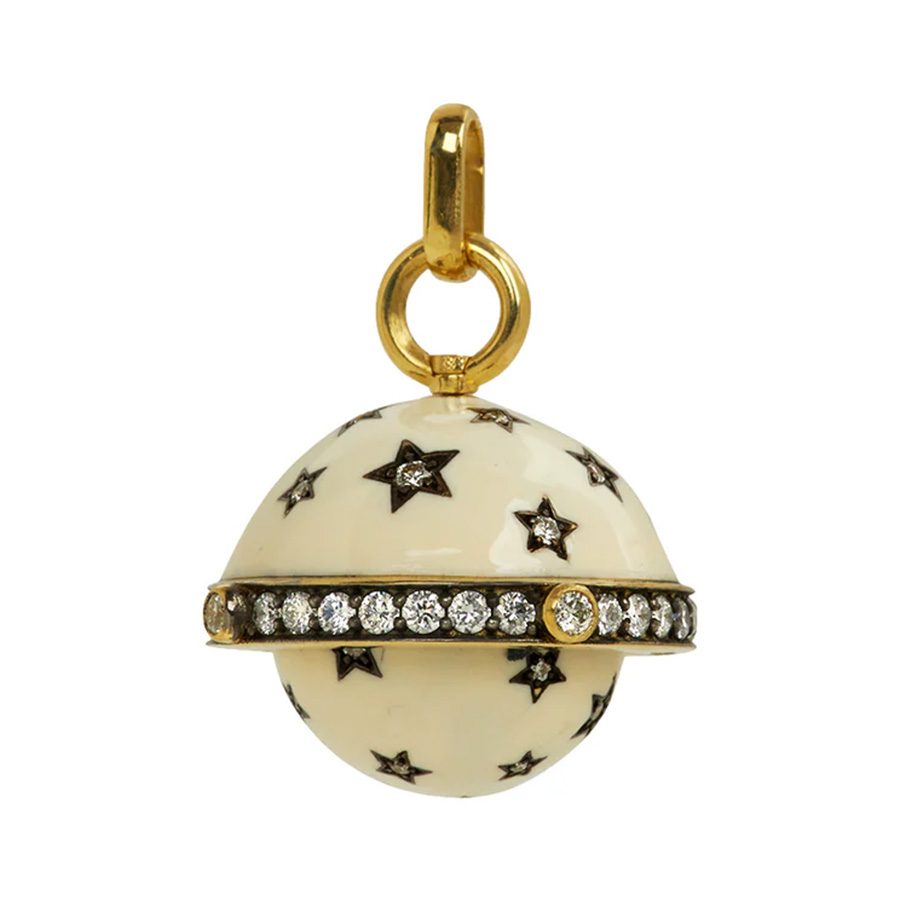
Circa 1700 Kismet Diamond & Enamel Secret Talisman Orb Pendant, $21,995, twistonline.com
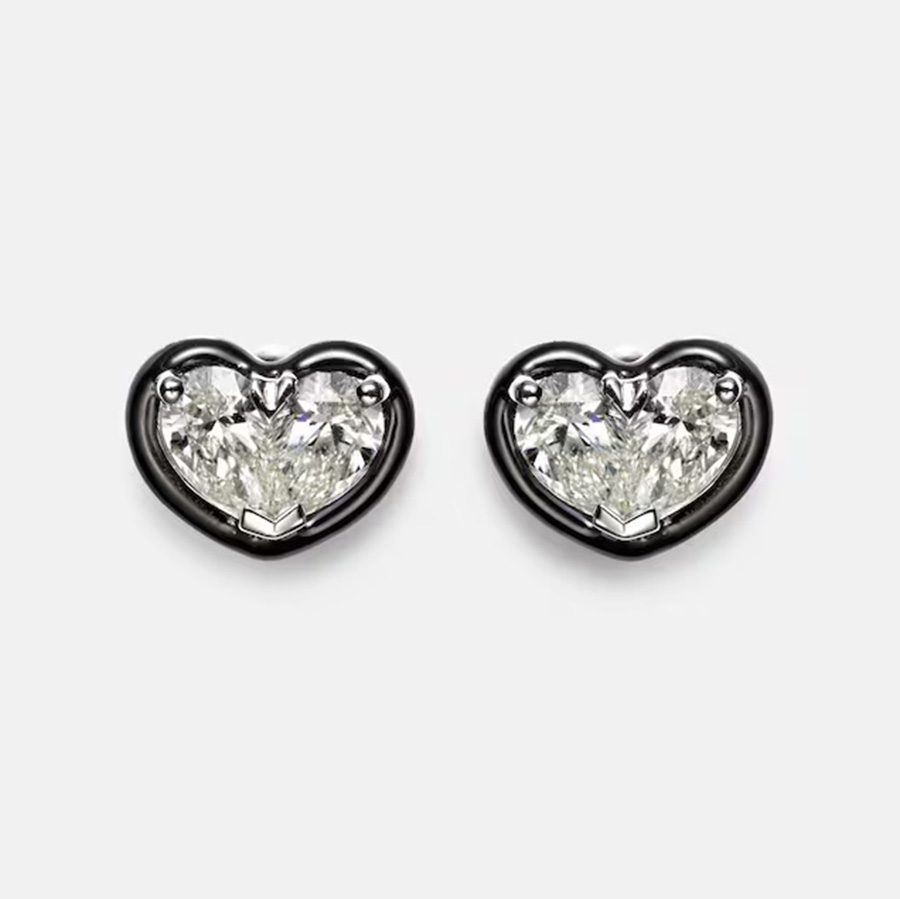
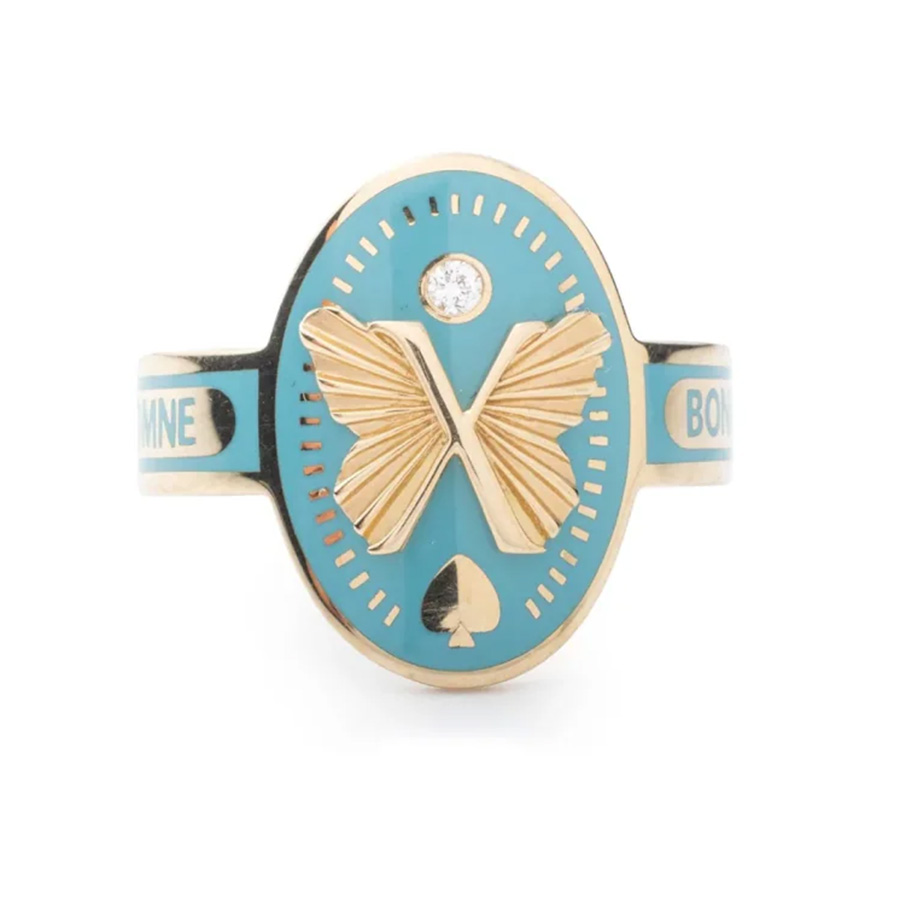
Foundrae Reverie Cigar Band, $3,300, foundrae.com
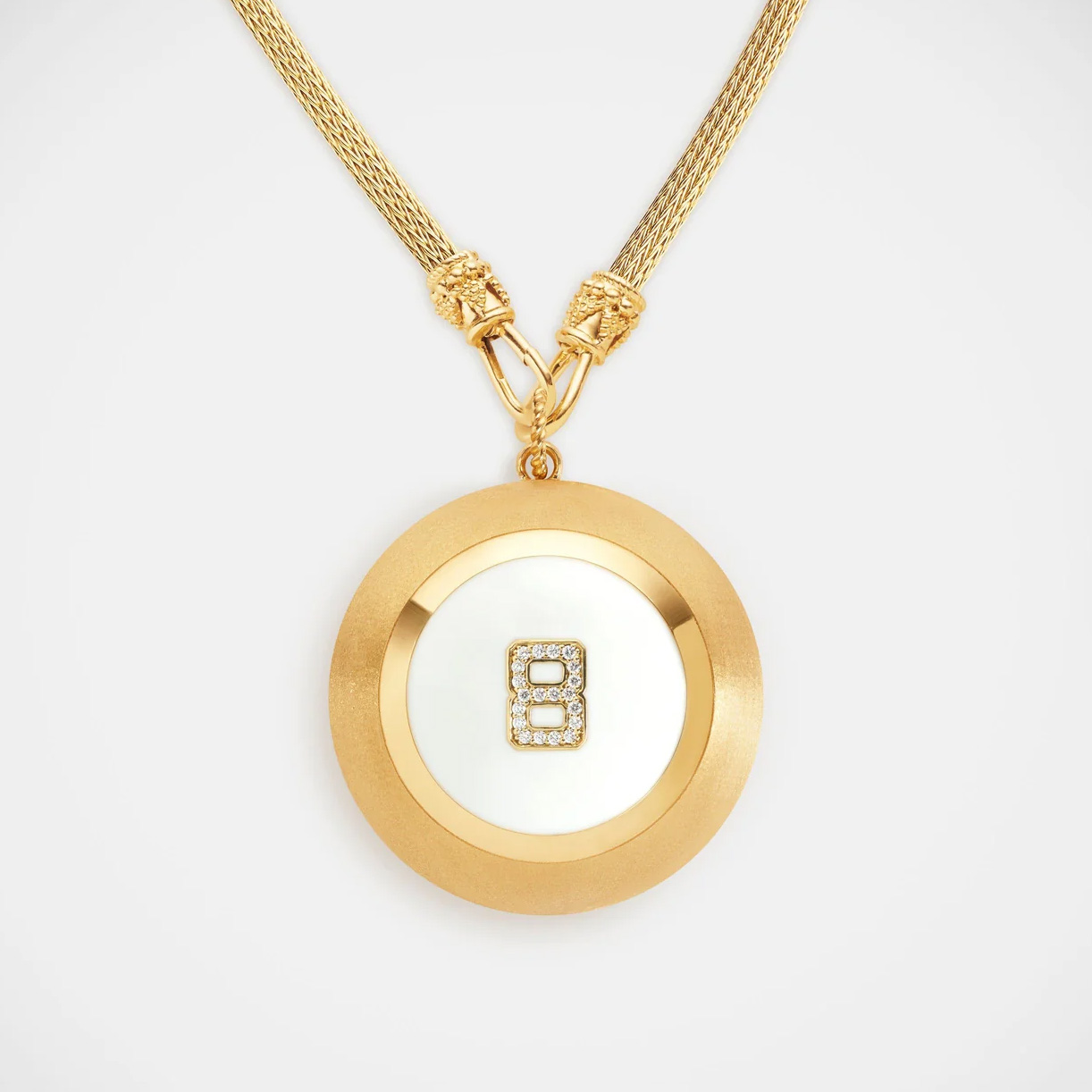
Marie Lichtenberg Magic 8 Ball with diamonds and white enamel, $36,000, marielichtenberg.com
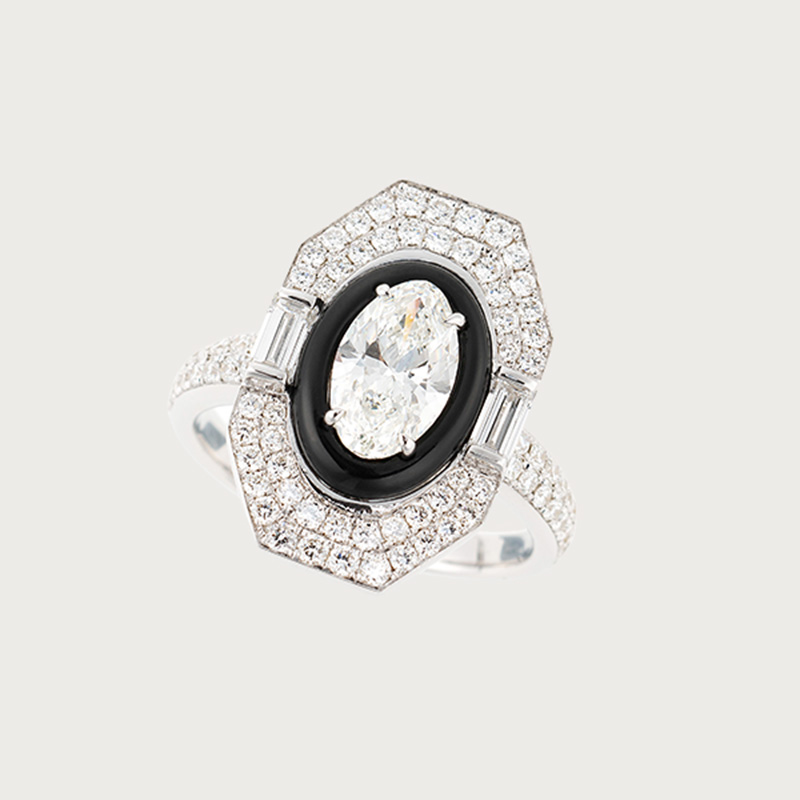
Nikos Koulis Oui ring with black enamel and diamonds, Price Upon Request, nikoskoulis.com
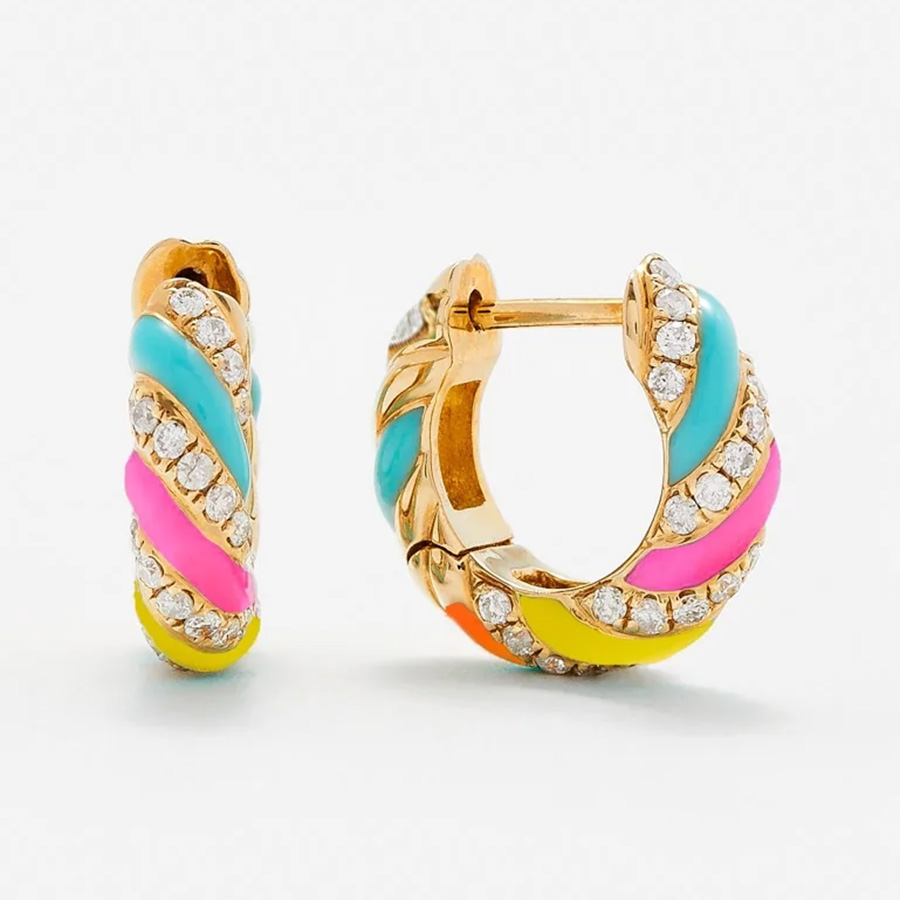
Yvonne Leon Rainbow Enamel and Diamond earrings, $3,111, yvonneleon.com
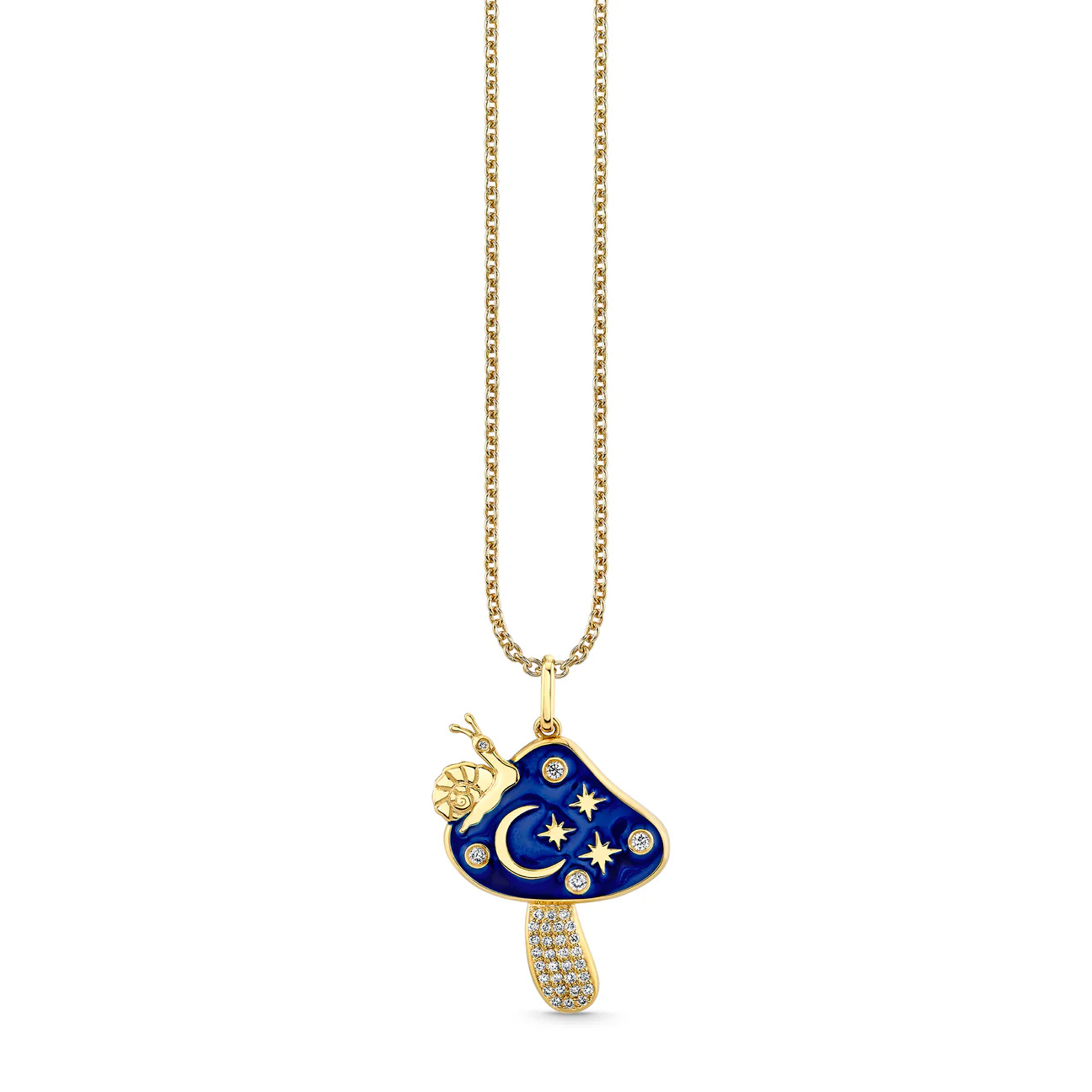
Sydney Evan Gold and Diamond Celestial Mushroom charm, $3,150, sydneyevan.com