

Read More
Panthers, Swans, and Crocodiles, Oh My! Inside Jewelry’s Wildest Icons
The animal kingdom has inspired some of the most extraordinary jewels ever made.

Dua Lipa attends the 2026 “Nespresso x Brut” Party at the 79th annual Cannes Film Festival at Nespresso Beach on May 14, 2026 in Cannes, France. (Photo by Jacopo Raule/FilmMagic)
Iconic jewelry designer David Webb once said, “Women are tired of jewelry-looking jewelry, and they want one-of-a-kind pieces… Animals are here to stay.” Animal jewelry has long occupied a revered place in the world of fine jewelry, inspiring some of the most imaginative creations ever made. From the celebrated menageries of Cartier and Tiffany & Co. to the visionary works of René Boivin and David Webb, jewelers have transformed creatures great and small into wearable works of art.
As wonders of the natural world, animals embody power, mystery, transformation, and fantasy—qualities that translate beautifully into jewelry design. Through the brilliance of natural diamonds and exceptional craftsmanship, these master jewelers have brought animal jewelry to life in ways few other motifs can rival.
“Animals serve as the ultimate bridge between humanity and the power of the natural world. Long before they were fashion statements, animals were talismans of protection, power, and divinity. High jewelry has sustained this tradition because the animal kingdom offers an infinite, universal vocabulary,” Justin Daughters, Managing Director of Berganza, told Only Natural Diamonds. “Whether it’s a Renaissance falcon or a 21st-century serpent, the motif instantly communicates a narrative without requiring a single word. It allows high jewelry houses to demonstrate their highest artistic capability, bringing an organic, living form to life using the earth’s most rigid, permanent materials: natural diamonds and gold.”
Meet the Experts

Justin Daughters is the Director of Berganza, a UK-based antique and vintage jewelry dealer renowned for sourcing and presenting rare, museum-quality pieces. With a deep expertise in historic jewels, Daughters oversees a collection distinguished by exceptional provenance and authenticity.

Zuleika Gerrish is an antique, vintage, and fine jewelry expert as well as a gemmologist and co-founder of Parkin and Gerrish with her husband, Oliver. She also lectures on historic jewelry, sharing her expertise with new audiences.

Jelena Kulic is a fashion, jewelry, and accessory designer who made her international debut at Paris Fashion Week in October 2025. Her work is inspired by Baroque and Renaissance art, as well as the romantic opulence of the 18th and 19th centuries.
Ahead, discover the most iconic animal jewelry ever created—from prowling panthers to slithering serpents—and explore how their visionary designers transformed the animal kingdom into some of jewelry history’s masterpieces.
Cartier Panthère
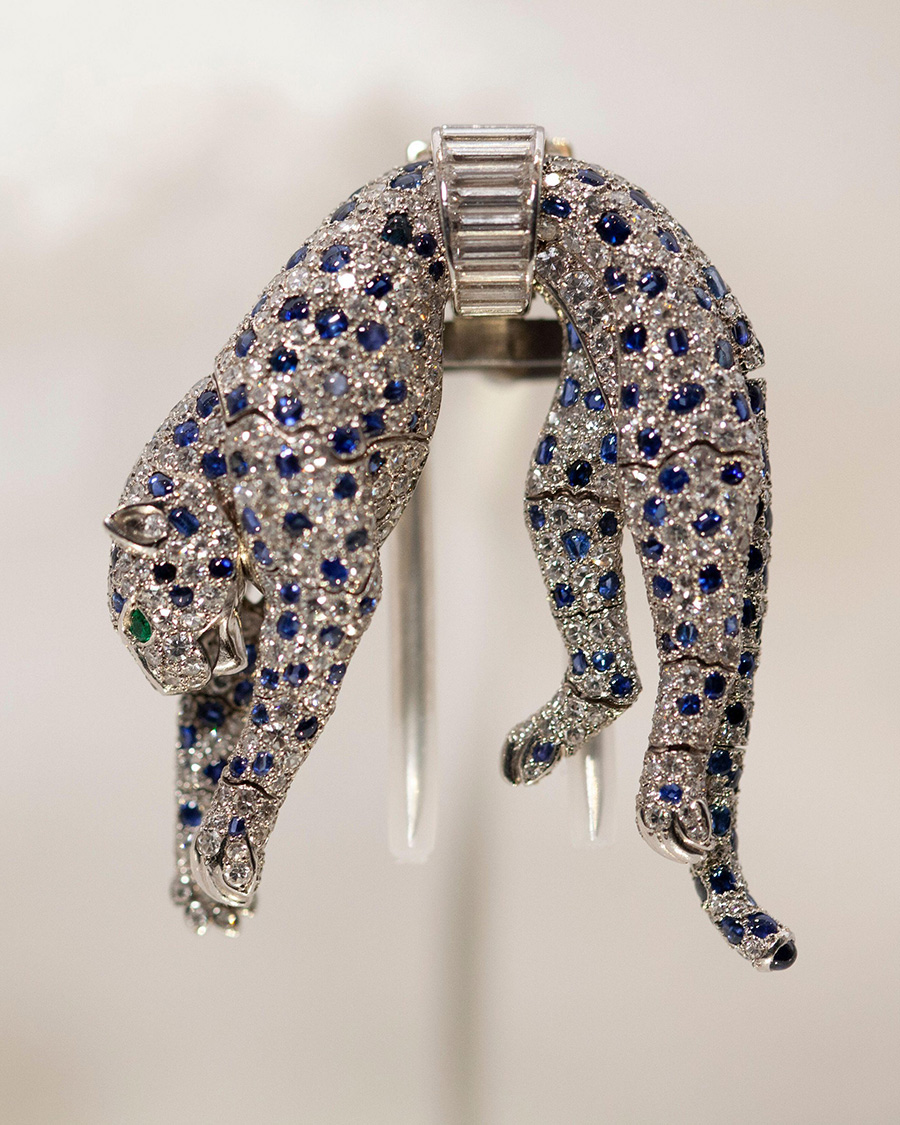
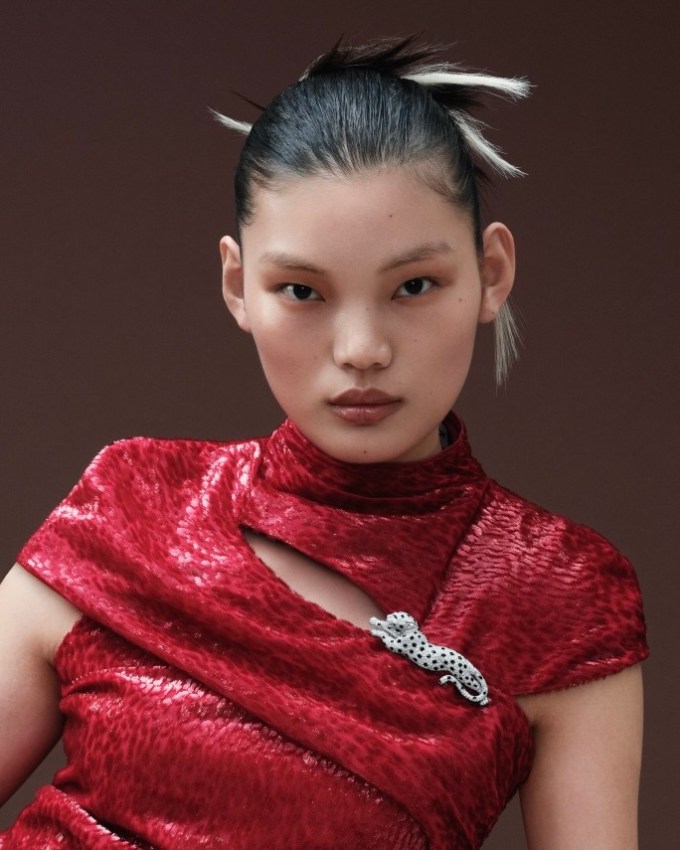
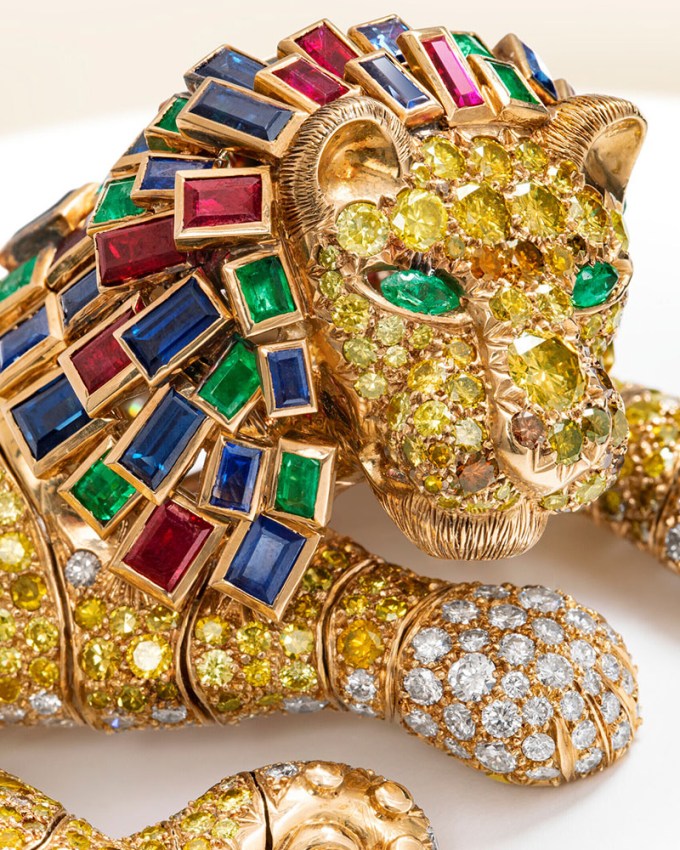
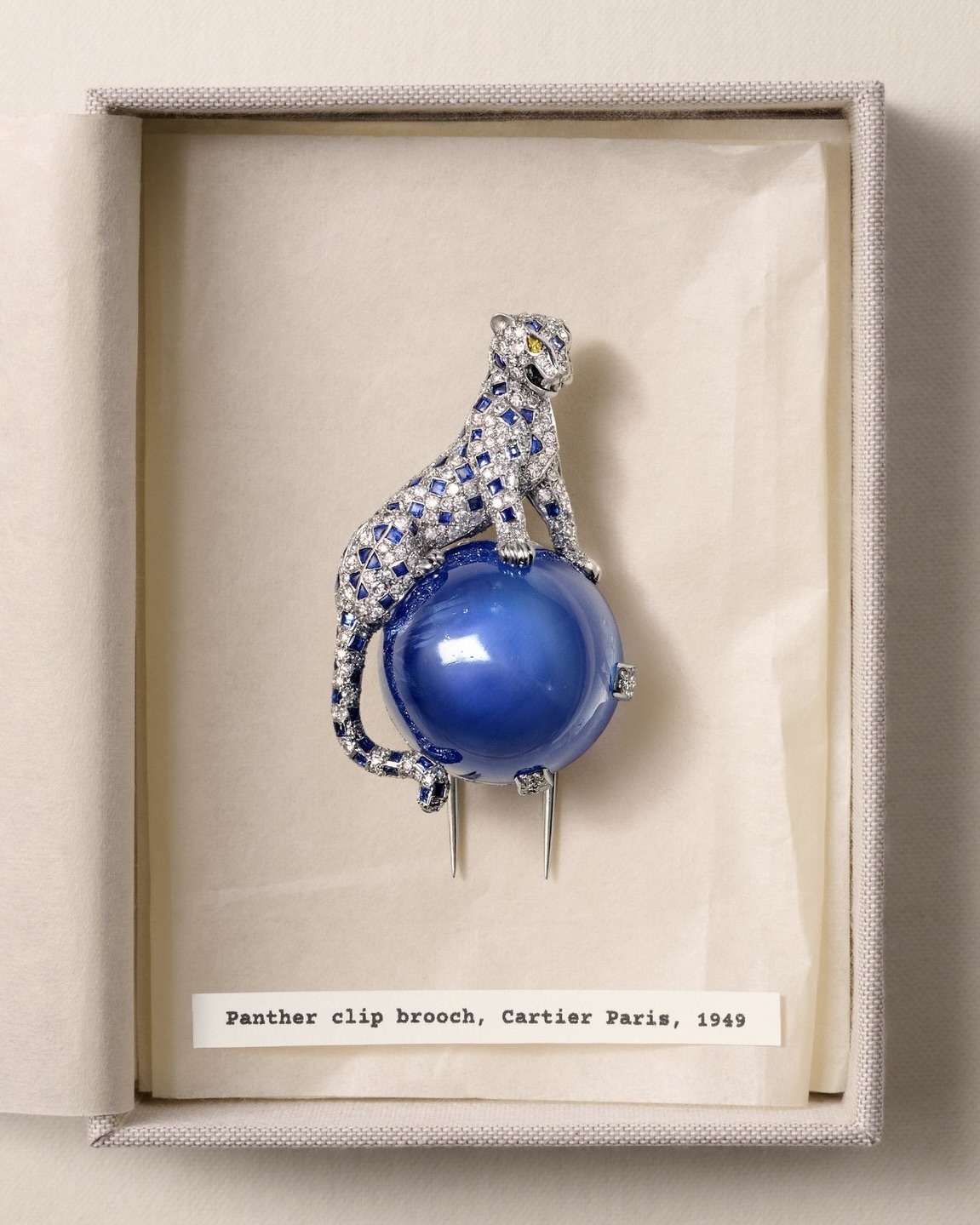
Few symbols in animal jewelry—or in general—are as instantly recognizable as the Cartier Panthère. First introduced in 1914 on a wristwatch featuring a stylized pattern of onyx and diamond spots, the sleek feline would go on to become Cartier’s most prolific emblem. But the Panthère’s lasting appeal extends far beyond its striking design. Thanks largely to Jeanne Toussaint, who transformed the motif into three-dimensional jewels in the 1940s, the Panthère became synonymous with a new kind of woman: confident, independent, glamorous, and impossible to tame. Over the decades, the Panthère has appeared on rings, necklaces, bracelets, earrings, brooches, and watches, evolving into one of the most iconic designs in jewelry history.
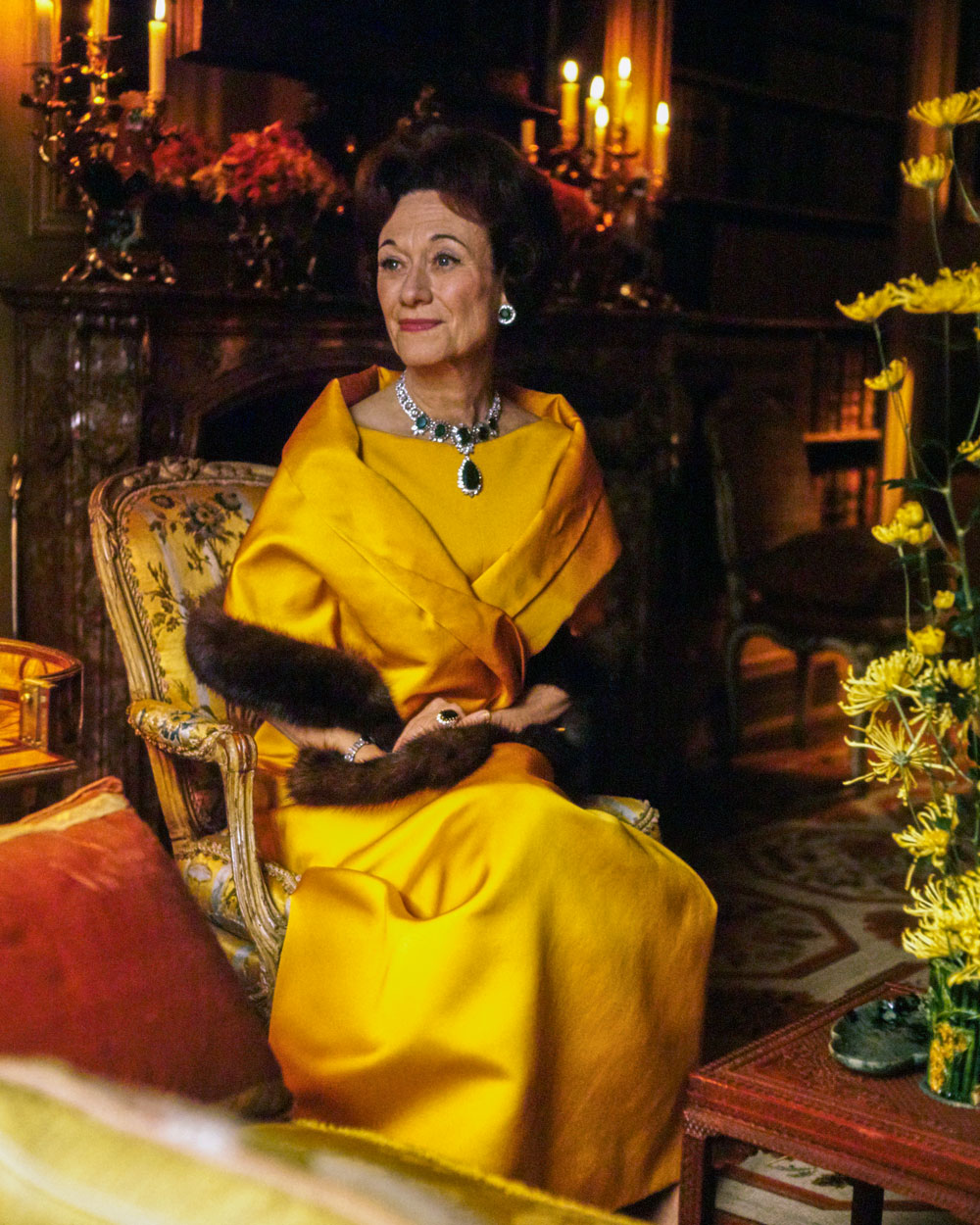
According to Daughters, “The Panthère is the ultimate chameleon of luxury. When Jeanne Toussaint first brought the creature to life in three dimensions for the Duchess of Windsor in the 1940s, it shook the industry. It became the definitive symbol of the modern, fiercely independent, and untamable woman.”
The Lasting Power of the Panthère

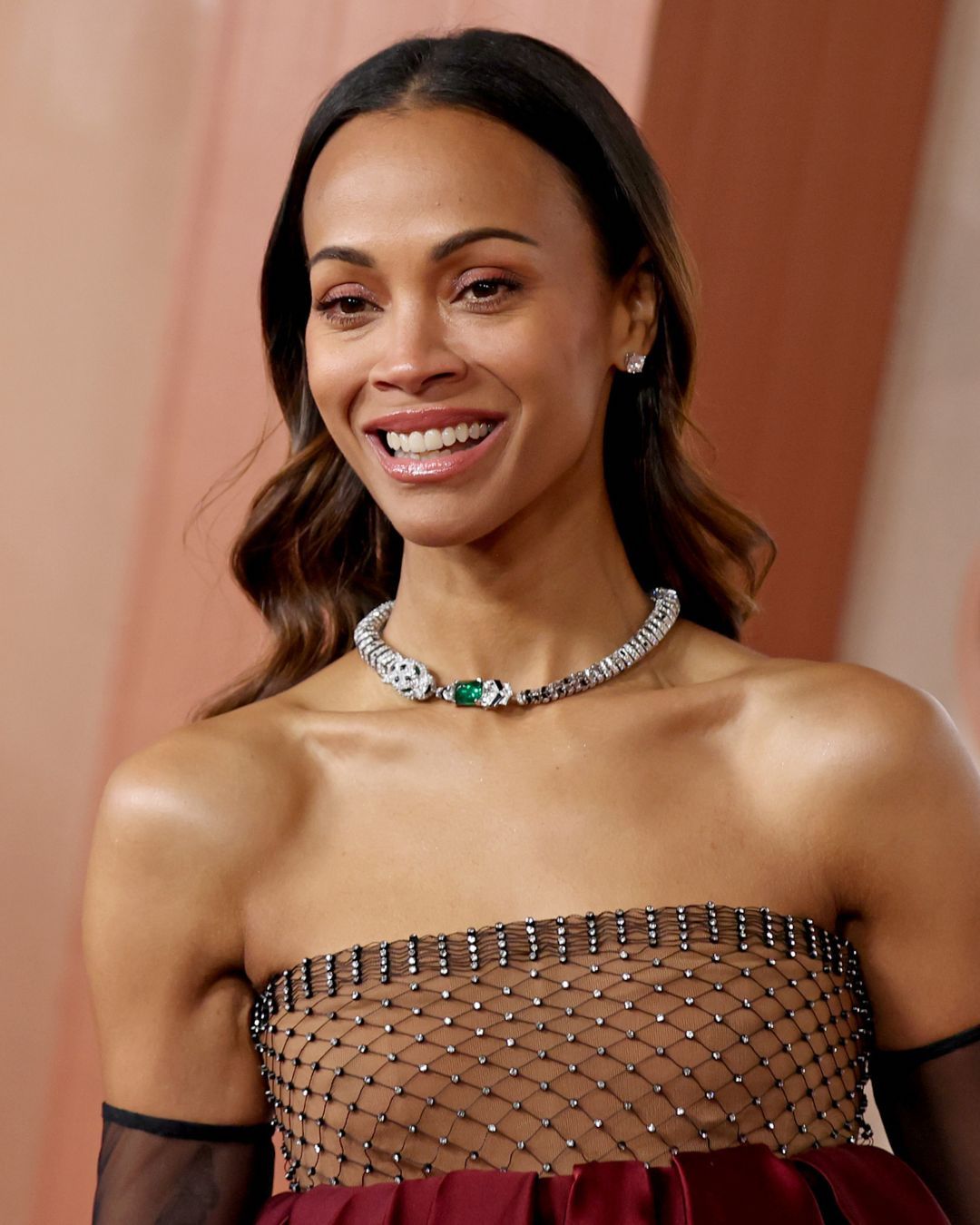
Daughters notes that Cartier has kept the Panthère relevant for more than a century by continually reinventing its form to reflect changing aesthetics, from Art Deco geometric interpretations to highly sculptural diamond-set creations. More than a beautiful design, he argues, the Panthère has endured because it embodies “an attitude of unapologetic power that never goes out of style.”
That symbolism is part of what makes certain creatures perennial favorites in animal jewelry. Designer Jelena Kulic explains that big cats, snakes, and birds have remained especially powerful because they already occupy a prominent place in fashion and culture, representing strength, seduction, mystery, and freedom.
According to Daughters, the history of high jewelry has its own royal hierarchy, with apex predators reigning supreme. “Panthers, lions, and tigers have always carried the heaviest mantle of power, sovereignty, and untamed sensuality,” he says.
The Cartier Panthère, he believes, transcends eras because it combines three essential qualities: a distinctive design signature, historical pedigree, and a touch of defiance. Rather than simply replicating nature, the design transforms it into something uniquely Cartier. “When a design achieves that perfect harmony of technical innovation and cultural relevance, it stops being a trend and becomes a permanent landmark in design history,” he says.
Bulgari Serpenti
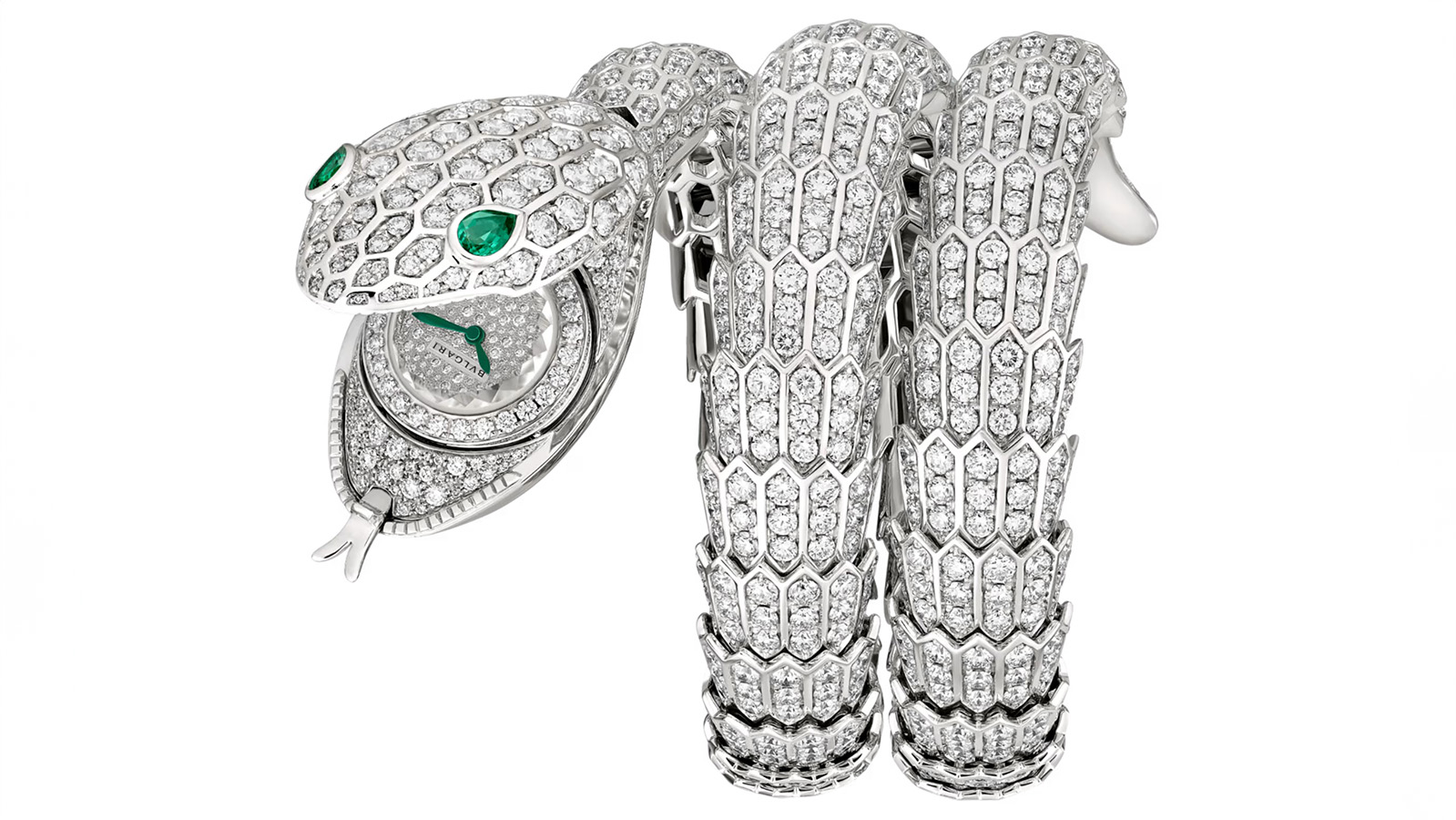
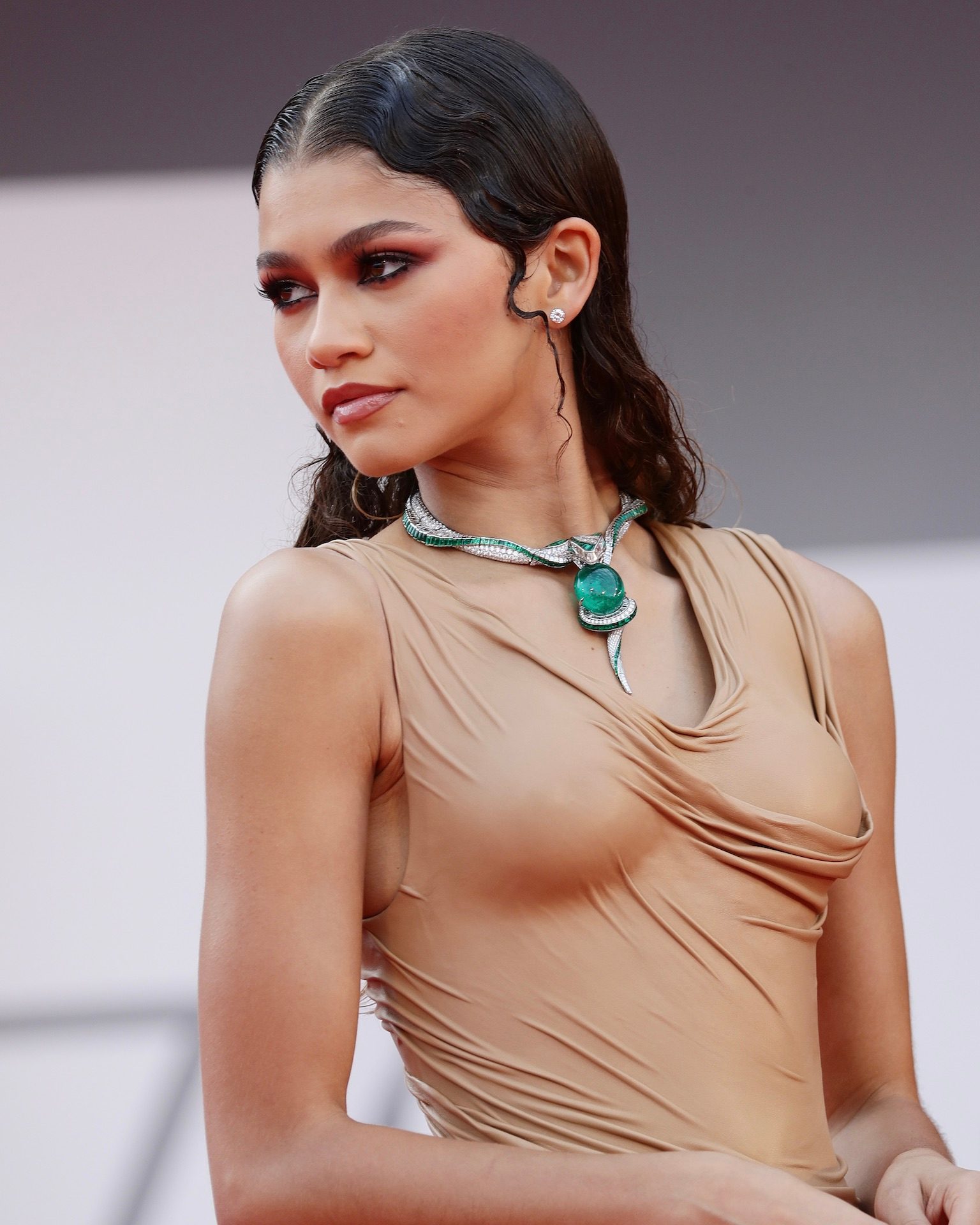
Among the most influential motifs in jewelry history, the cultural and commercial impact of Bulgari’s Serpenti cannot be underestimated. Introduced in 1948 as a coiled gold bracelet-watch, the serpent quickly became the Roman jeweler’s defining symbol, transforming one of history’s oldest emblems into a modern icon of glamour, power, and seduction. More than 75 years later, Serpenti remains one of the most recognizable designs in jewelry, appearing on watches, necklaces, bracelets, rings, and high jewelry masterpieces worn by everyone from Elizabeth Taylor to Zendaya.
The serpent’s charm stretches back thousands of years. In ancient Egypt, snakes symbolized protection and royal power. In Greece and Rome, they represented healing, wisdom, eternity, and rebirth, thanks to their ability to shed their skin and begin anew. Bulgari tapped into this rich symbolism while giving the snake a distinctly modern identity.
Why Serpenti Continues to Captivate

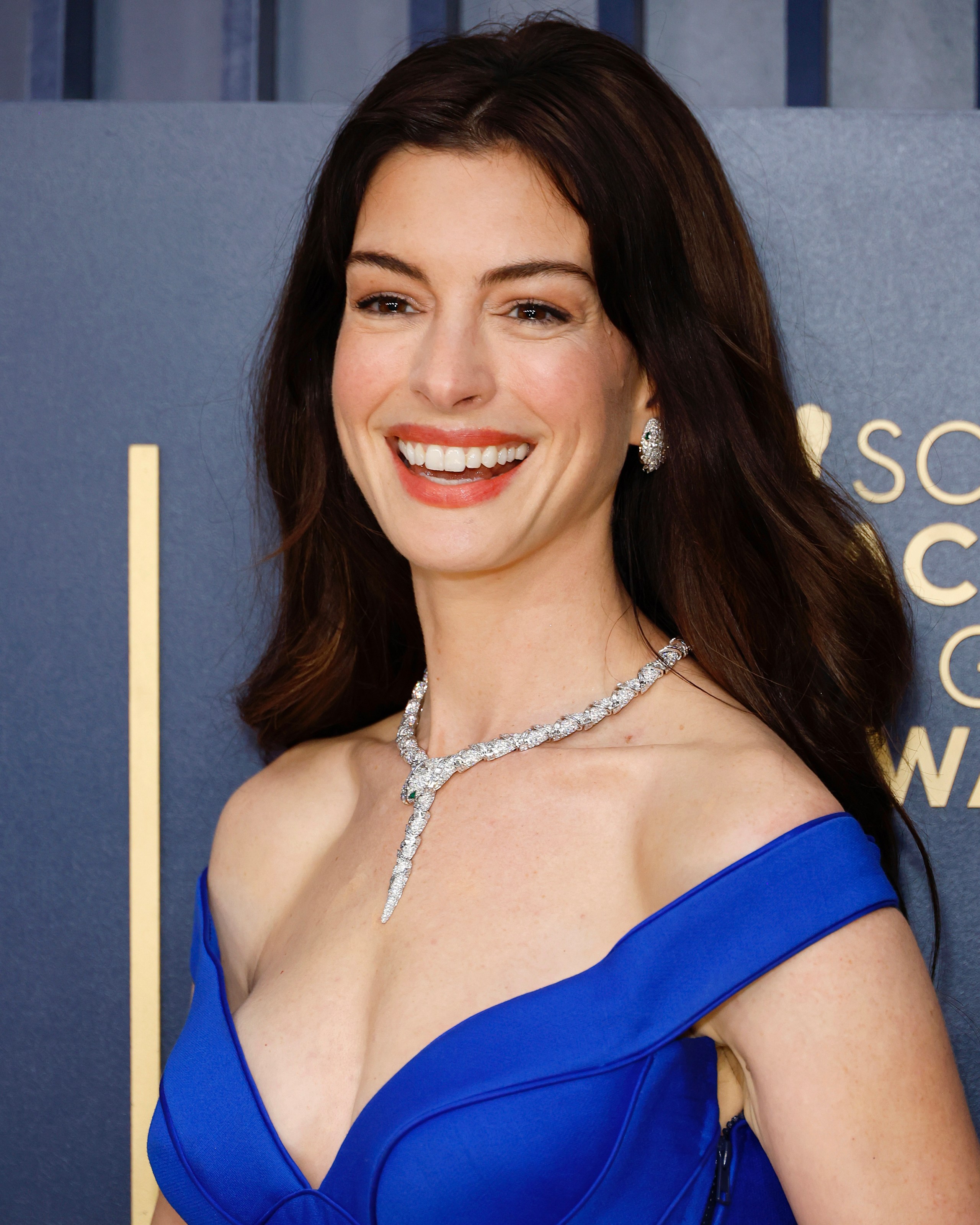

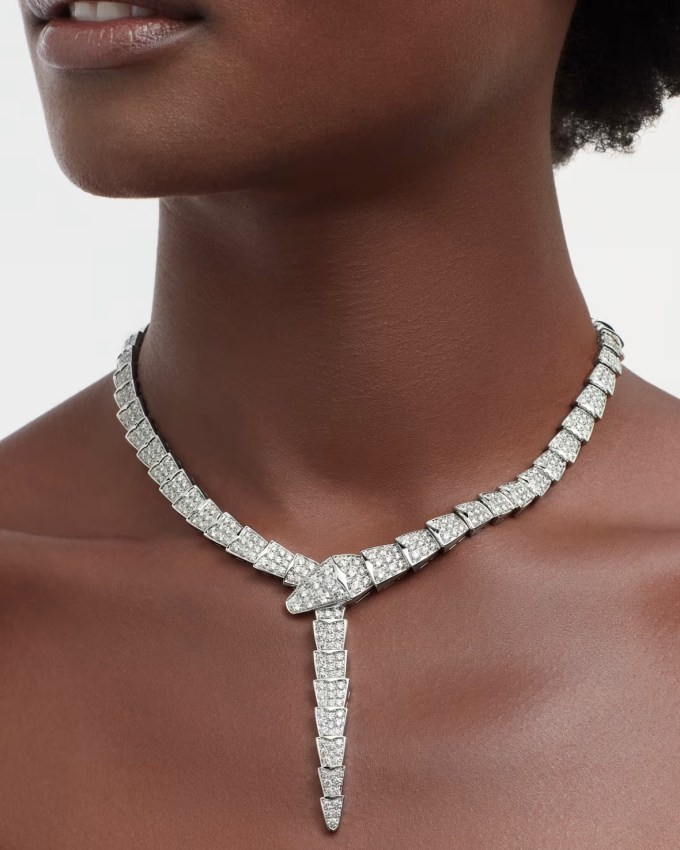
Like Cartier’s Panthère, Serpenti has endured because it balances symbolism with constant reinvention. One of its greatest innovations was Bulgari’s use of the Tubogas technique, a flexible system of interlocking metal bands inspired by industrial gas pipes that allowed the serpent to coil naturally around the wrist. The design blurred the lines between jewelry, sculpture, and watchmaking, creating pieces that felt both technically groundbreaking and effortlessly wearable.
Over the decades, Serpenti evolved from streamlined gold bracelet-watches into increasingly elaborate creations featuring pavé diamonds, emerald, sapphire, and ruby-set eyes, colorful enamel work, and sculpted serpent heads. Elizabeth Taylor famously wore and collected Serpenti pieces while filming Cleopatra in Rome, helping cement it as a symbol of cinematic glamour. Today, stars including Zendaya, Anne Hathaway, Bella Hadid, and Cara Delevingne continue to wear Serpenti on the red carpet, proving its remarkable ability to transcend generations.
Tiffany & Co. Bird on a Rock
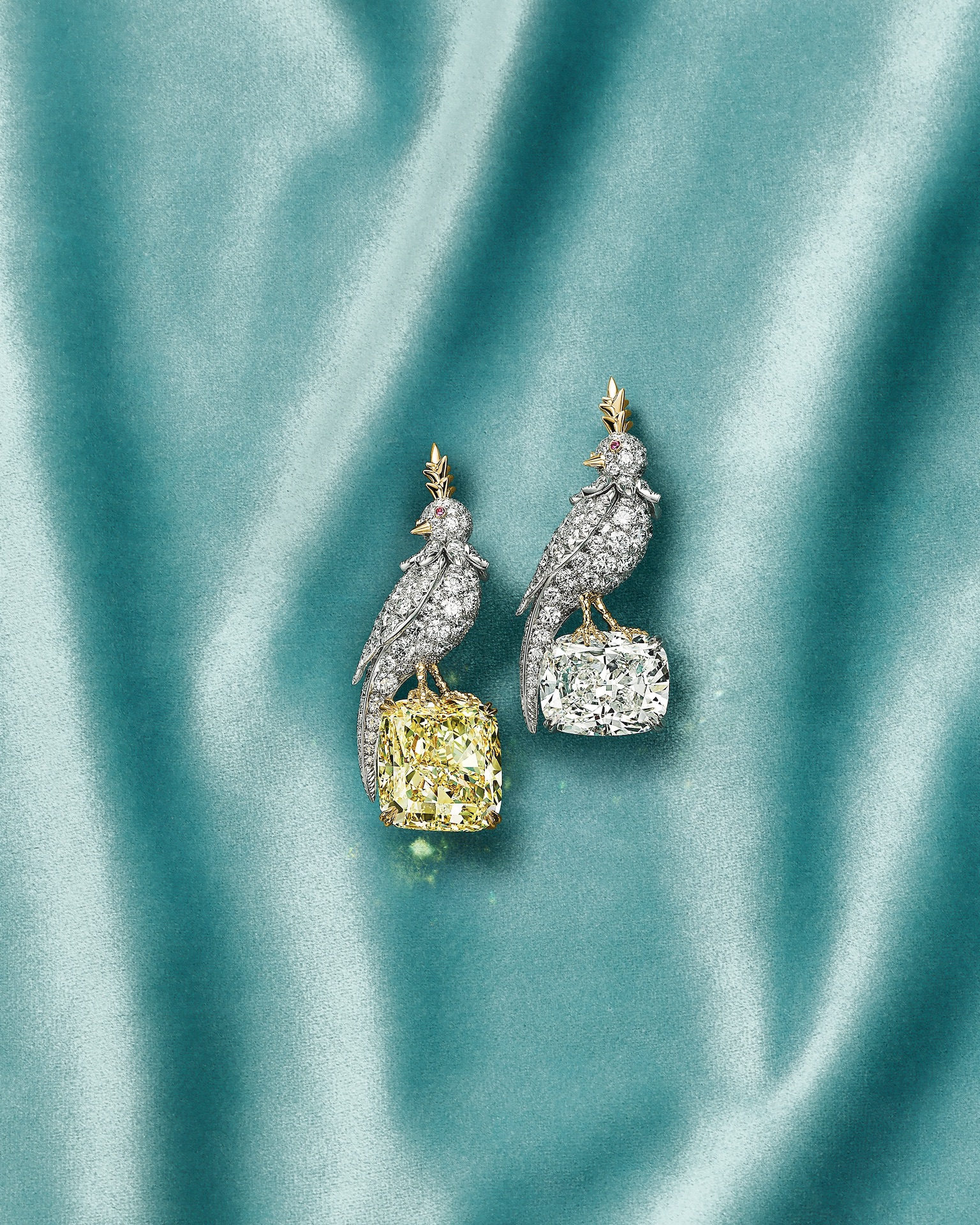

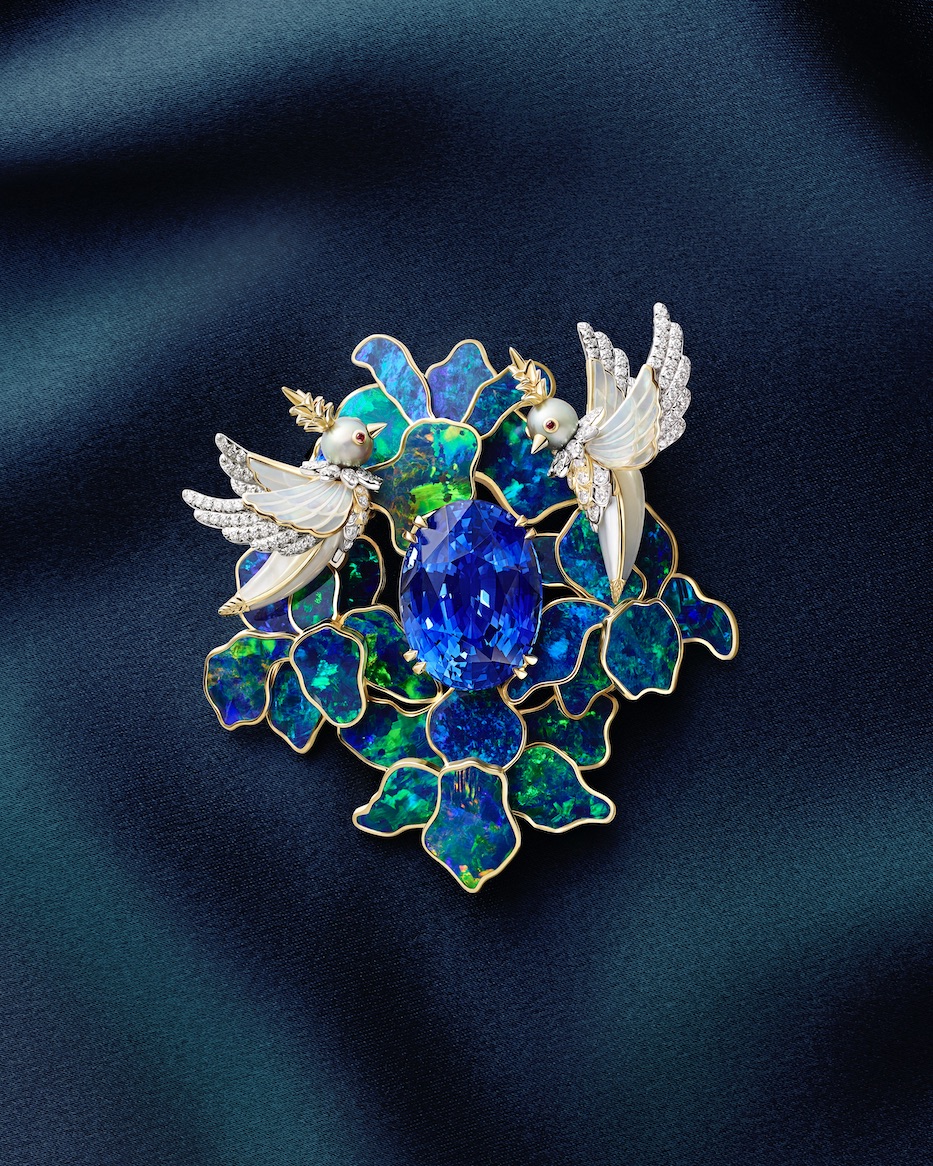
Perhaps no design is as closely associated with Tiffany & Co.’s identity as Bird on a Rock. Designed by Jean Schlumberger in 1965, nine years after he joined the American jeweler, the piece reflects his lifelong fascination with nature and the whimsical creatures that populated his imagination. Perched atop an extraordinary gemstone, the tiny diamond bird became one of the designer’s most celebrated creations, transforming a magnificent stone into something playful, animated, and full of personality.
Daughters describes Schlumberger’s Bird on a Rock as “an absolute masterclass in structural contrast and whimsical joy.” What makes the design so enduring, he explains, is its unexpected juxtaposition of scale and emotion. A monumental gemstone serves as the rock, while a tiny, exquisitely detailed bird appears to land effortlessly on top.
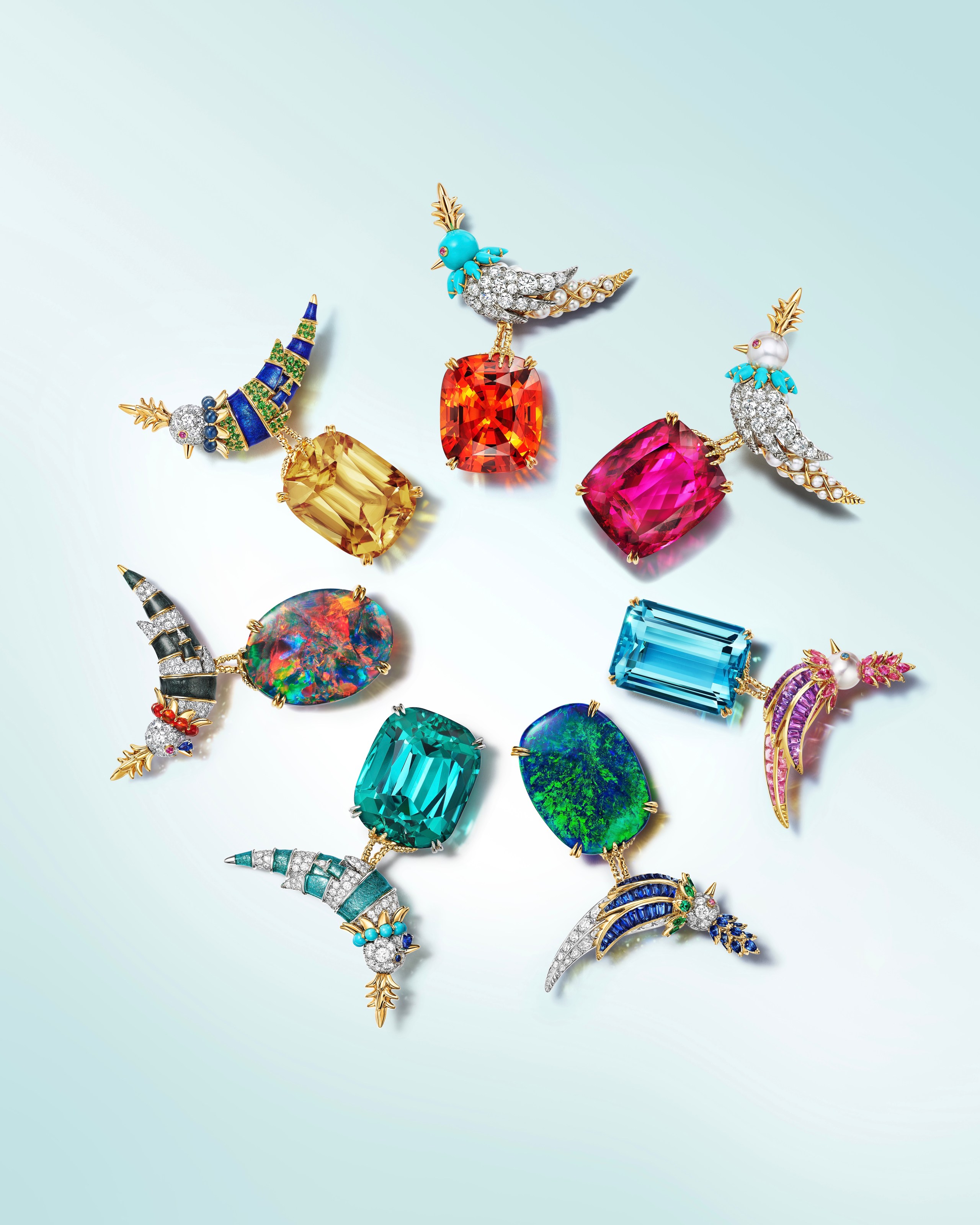
“It subverts the traditional hierarchy of high jewelry,” Daughters says. “The bird doesn’t feel weighed down by the immense value of the gem it sits on; it looks as though it could take flight at any moment.” By introducing a sense of movement, narrative, and lightheartedness, he notes, Schlumberger brought something entirely new to the world of high jewelry.
That balance between realism and artistry is no small feat. According to designer Jelena Kulic, one of the greatest challenges of animal jewelry is avoiding designs that feel stiff or overly literal. “Translating feathers, scales, fur, or anatomy into gemstones requires an incredible amount of balance,” she explains. “Designers have to create texture and movement using hard materials, which is far more complicated than many people realize.”
Kulic believes the most successful animal jewels capture personality rather than simply replicating an animal’s appearance, and Bird on a Rock exemplifies that philosophy. “The Bird on a Rock remains partly because it feels joyful,” she says.
“Jean Schlumberger created something playful without sacrificing sophistication. The contrast between the extraordinary diamonds and the small perched bird gives the piece warmth and personality. It never feels intimidating in the way some high jewelry can, which makes it timeless.”
Why Bird on a Rock Continues to Soar
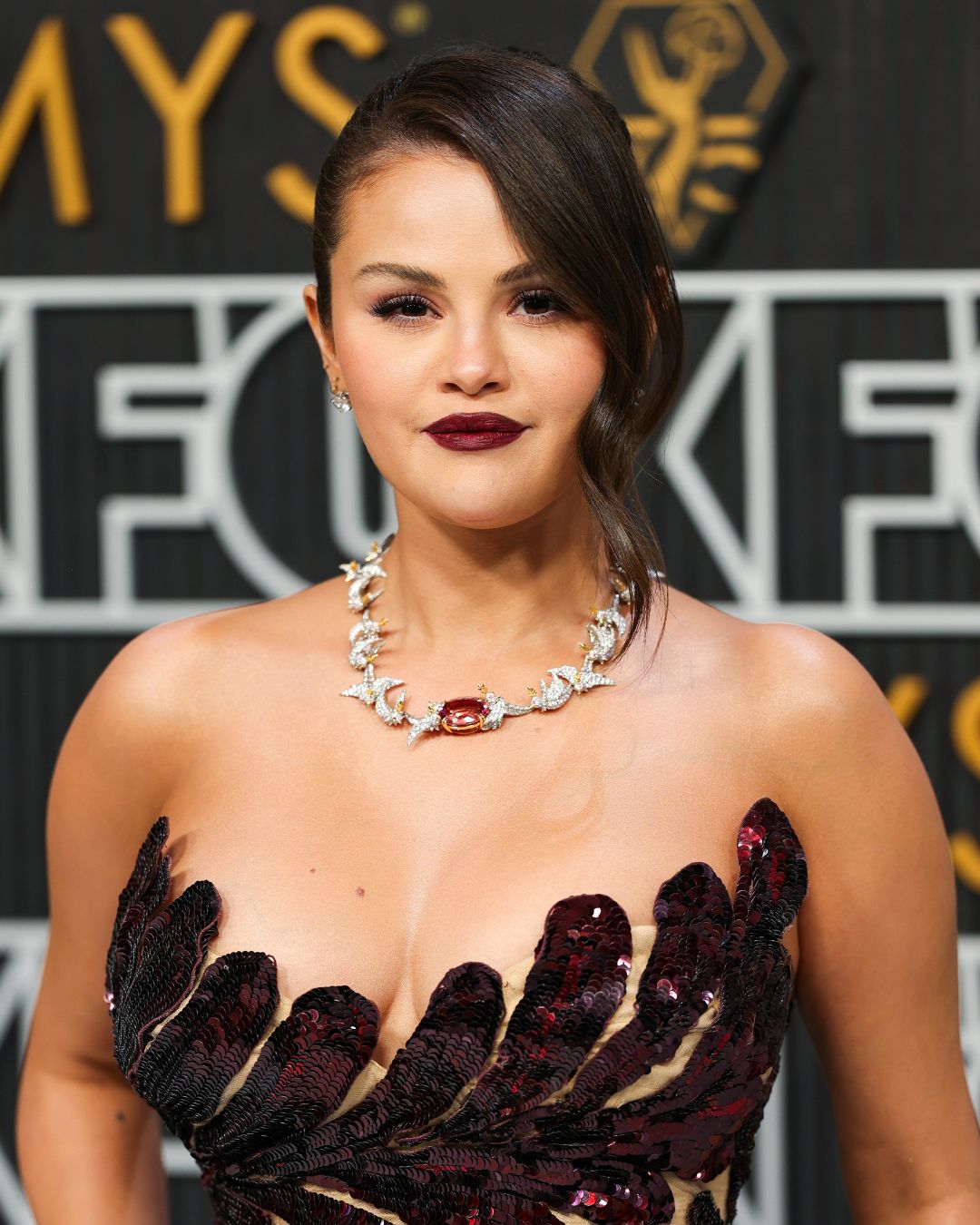
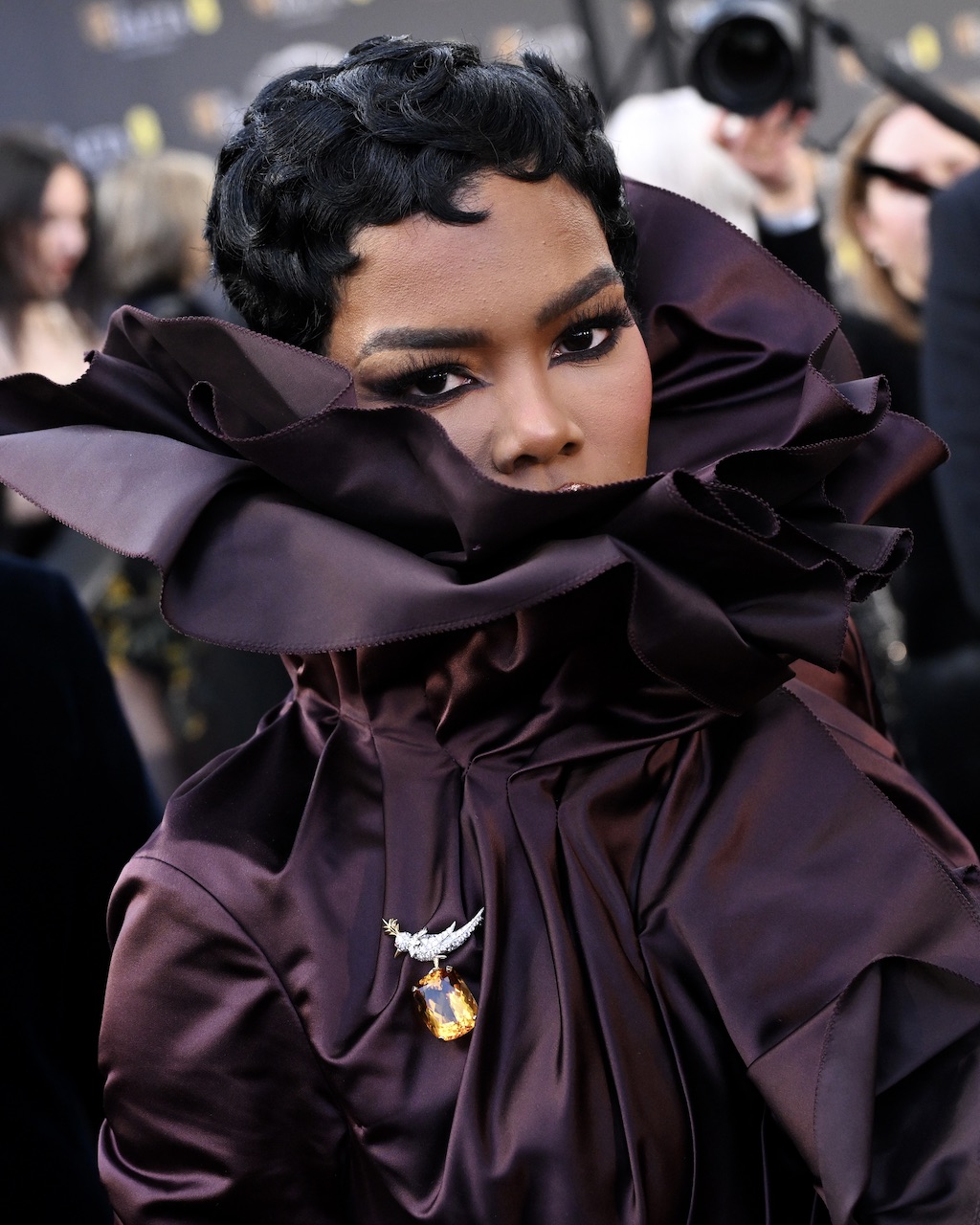

The Bird on a Rock remains one of Tiffany & Co.’s most beloved and collectible creations, continually reimagined by Schlumberger’s successors while staying true to the spirit of the original design. What began as a clip has evolved into pendants, rings, earrings, necklaces, and high jewelry masterpieces, while contemporary versions of the iconic bird continue to appear on red carpets around the world.
Kulic believes the design’s lasting power lies in the way it transcends traditional notions of high jewelry. Animal jewels, she notes, often feel more personal and expressive than purely formal pieces because they blur the lines between adornment, sculpture, and storytelling. “Many collectors are drawn to pieces that feel expressive rather than purely formal, and animals naturally create that emotional connection,” she says.
That emotional resonance is also what separates an iconic animal jewel from a passing trend. As jewelry historian Zuleika Gerrish explains, “For an animal jewel to become iconic, it has to go beyond trend cycles and become tied to the identity of a maison or a cultural moment.” Pieces such as the Panthère de Cartier and Bird on a Rock have achieved exactly that distinction. “They became symbols rather than accessories,” Gerrish says, “which is why they continue to feel relevant decades later.”
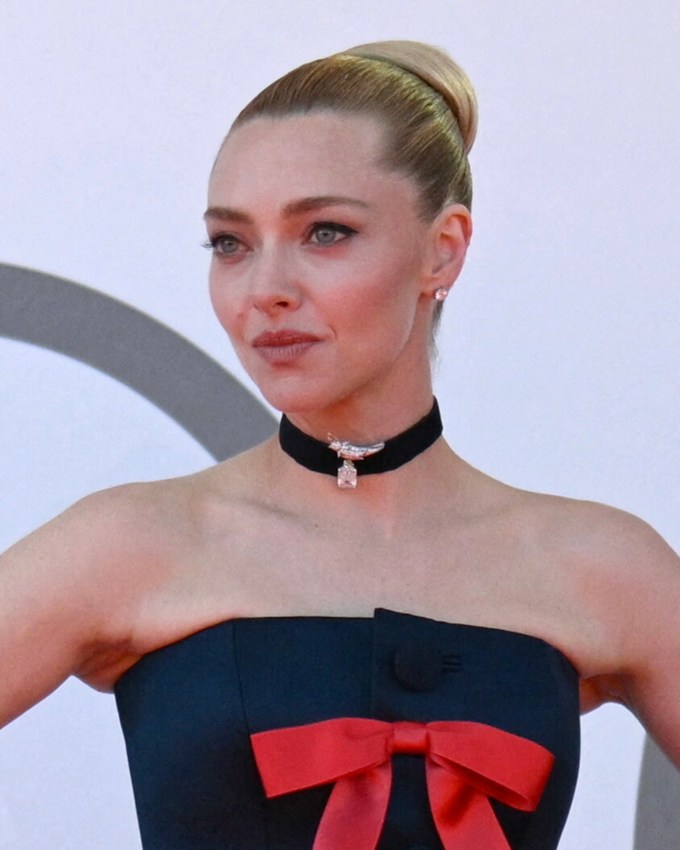
Verdura Swan Brooches
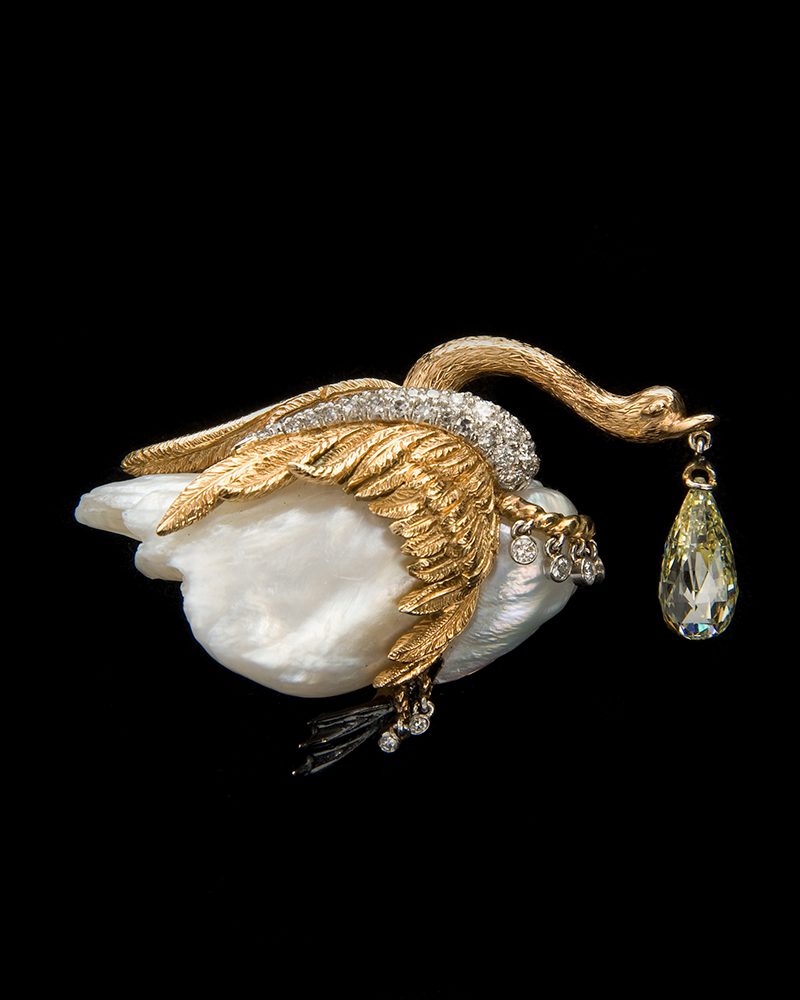
Birds were among Verdura’s favorite animal jewelry motifs, appearing throughout the designer’s oeuvre in both whimsical and elegant forms. While his diamond-encrusted goose brooch remains one of his most celebrated creations, it was a series of jeweled swan brooches designed by Duke Fulco di Verdura in the late 1940s that became symbols of high-society glamour.
Worn by some of the era’s most stylish women—including Marella Agnelli, Gloria Guinness, and legendary tastemaker Babe Paley—the swans helped cement Verdura’s reputation for transforming nature into wearable art. The brooches became closely associated with the sophisticated society set that would later inspire Truman Capote’s famed “Swans,” making them as much a symbol of mid-century social history as jewelry design.
Each swan is a masterful study in texture and movement. A luminous baroque pearl forms the body, while pavé-set diamond wings and a diamond collar evoke the softness of feathers. Suspended beneath, a faceted diamond briolette catches the light with every movement, adding a sense of animation to the piece. Onyx-clad legs accented with diamond bands complete the graceful silhouette, striking a balance between realism and fantasy. Like much of Verdura’s work, the brooches drew upon the designer’s fascination with classical history and symbolism, referencing both Renaissance iconography and Greek mythology.
Swans may seem like natural subjects for jewelers, but capturing their elegance in gemstones is no easy feat. According to Daughters, the greatest challenge in animal jewelry is creating a sense of life and movement rather than rigidity. “The supreme challenge is avoiding rigidity. Taxidermy is stiff; high jewelry must breathe.”
Achieving that effect requires extraordinary technical skill. Daughters explains that artisans must transform hard materials such as gold and diamonds into forms that appear fluid, soft, and alive. Dense pavé settings can recreate the texture of feathers, while hidden articulation, joints, and hinges allow a jewel to move naturally with the wearer. “A master craftsman’s job is to make hard gold and solid diamonds look fluid, soft, and alive,” he says.
The Enduring Elegance of Verdura’s Swans
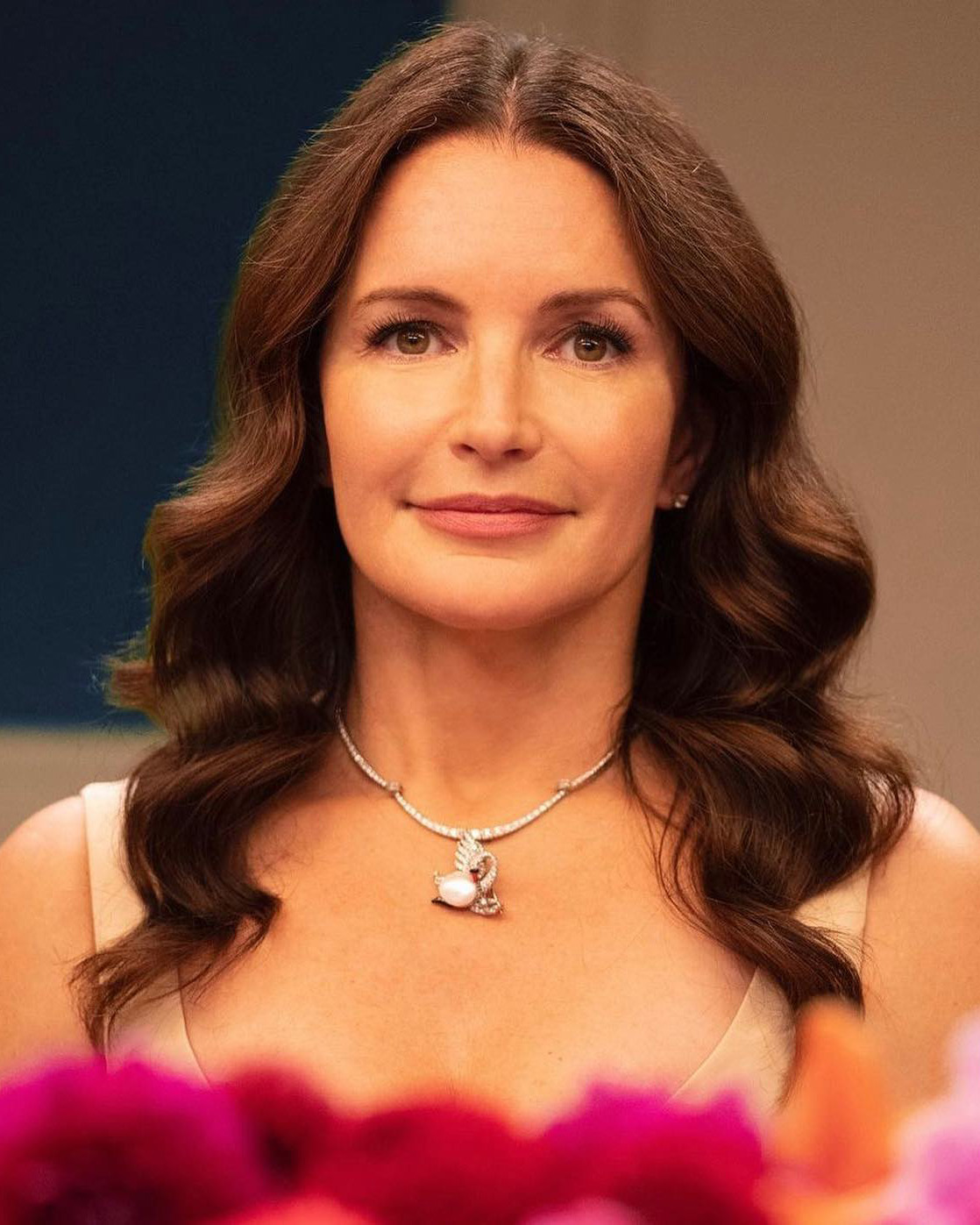
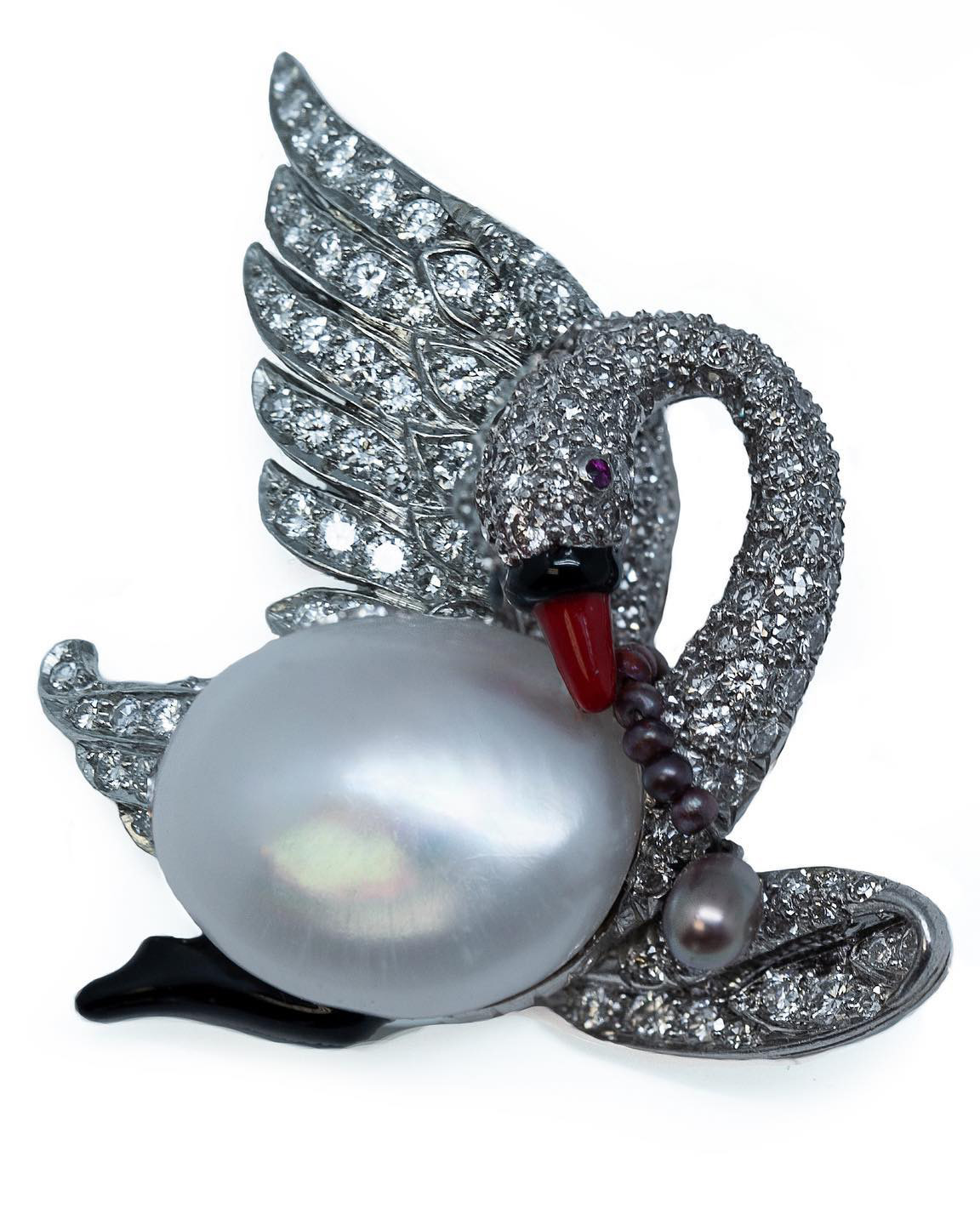
The Verdura swans exemplify that balance between technical virtuosity and artistic imagination. Their graceful silhouettes feel remarkably light and animated despite being crafted from precious materials.
Beyond their craftsmanship, swans have long occupied a special place in art, mythology, and culture, symbolizing beauty, femininity, grace, and transformation. Verdura tapped into that rich symbolism while infusing it with a sense of wit and glamour uniquely his own. Daughters notes that the brooches feel particularly relevant today as collectors increasingly gravitate toward jewelry that offers emotion and escapism alongside exceptional craftsmanship. “Whimsical creatures like starfish, swans, and birds capture a sense of poetic wonder and light-hearted luxury,” he says.
The Cartier Crocodile
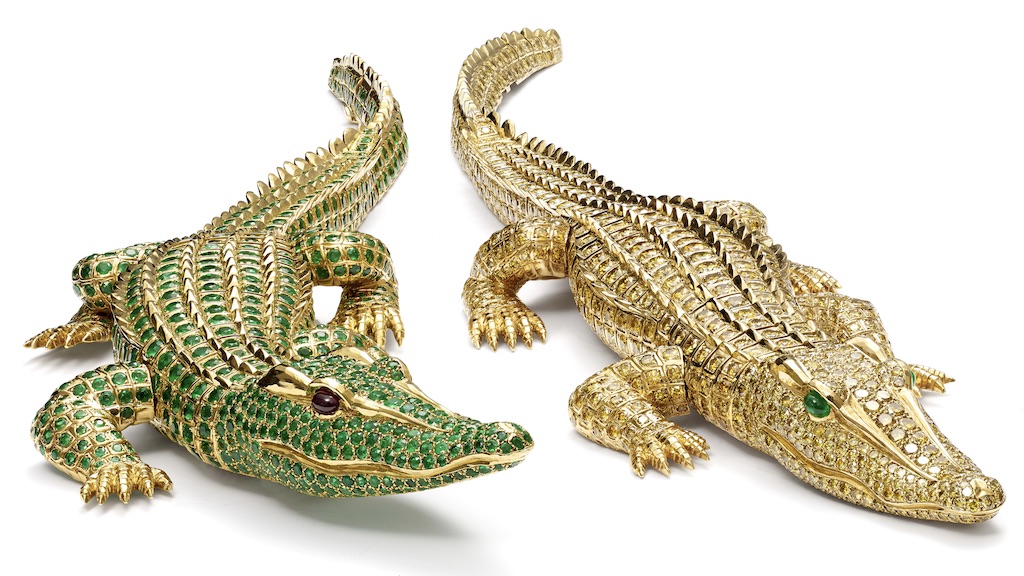
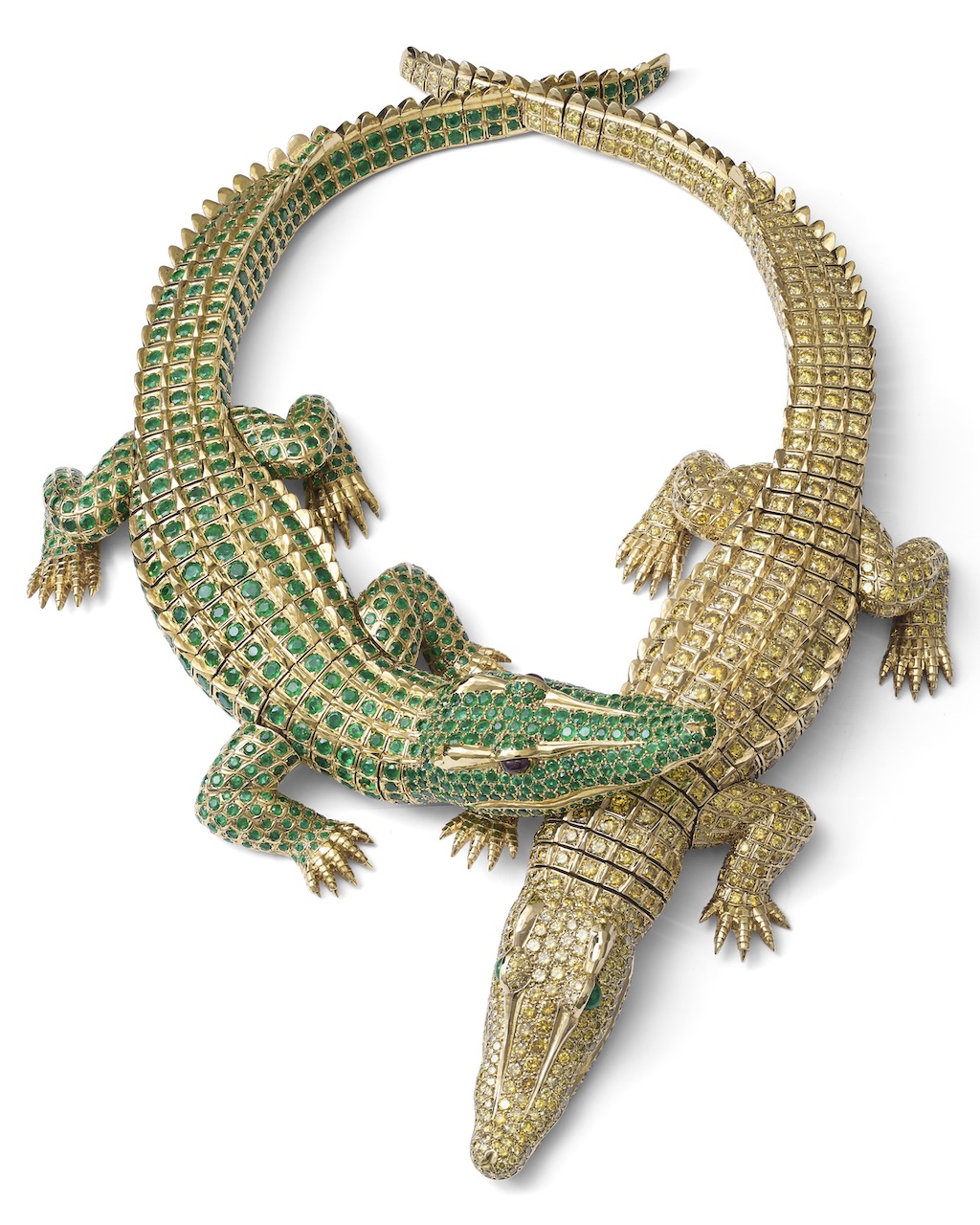
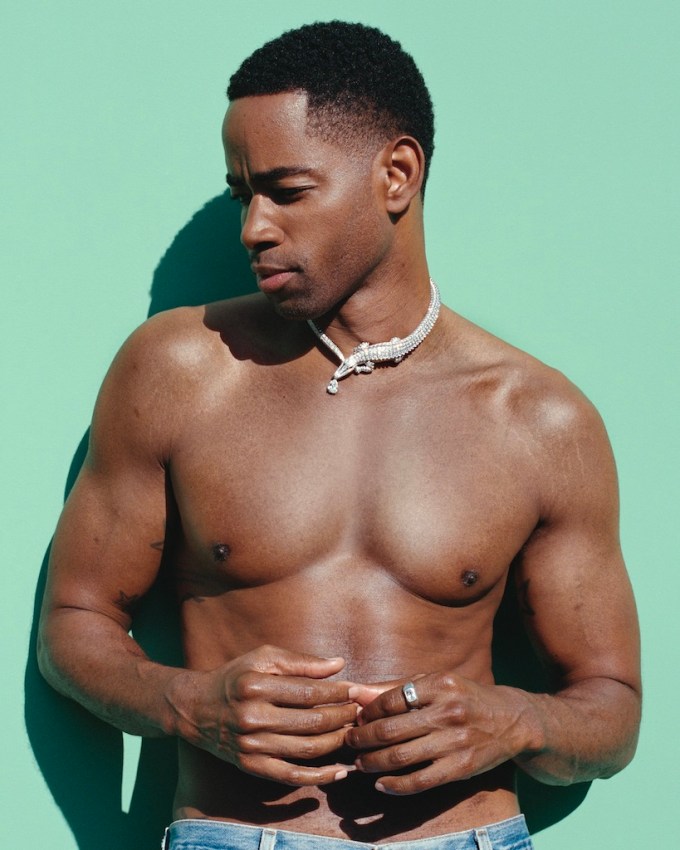
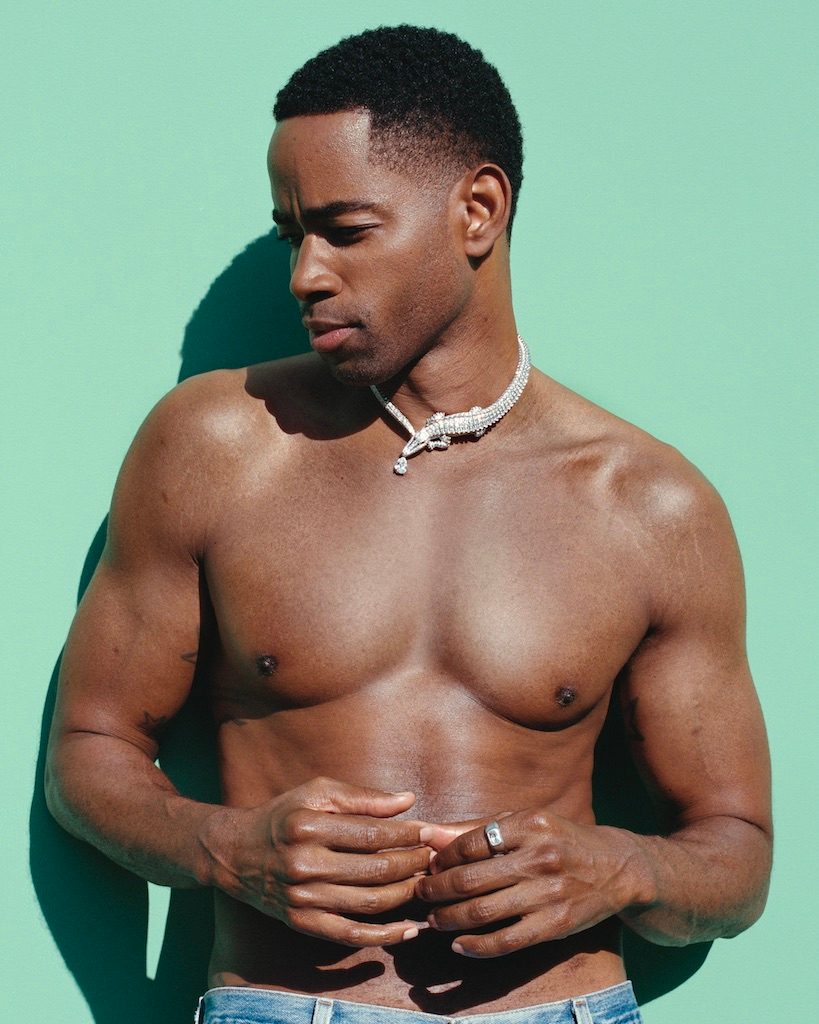
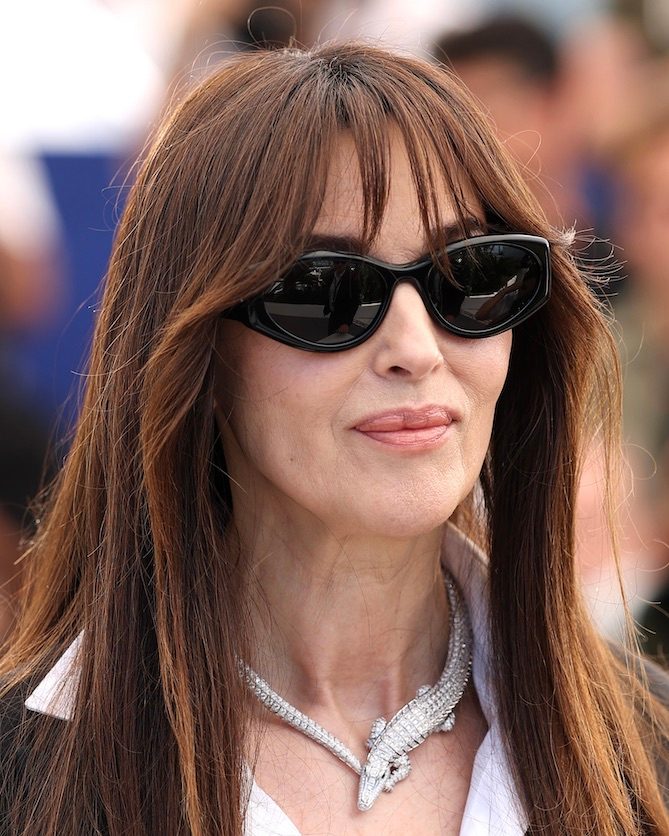
An extraordinary origin story deserves an extraordinary jewel. In 1975, Mexican screen icon María Félix visited Cartier’s legendary boutique at 13 Rue de la Paix in Paris to commission a custom creation. According to jewelry lore, she arrived carrying a live baby crocodile in a jar so the designers could study the reptile firsthand. The result was one of the most audacious pieces of animal jewelry ever made: two fully articulated crocodiles, one set with 1,023 yellow diamonds and the other with 1,060 emeralds.
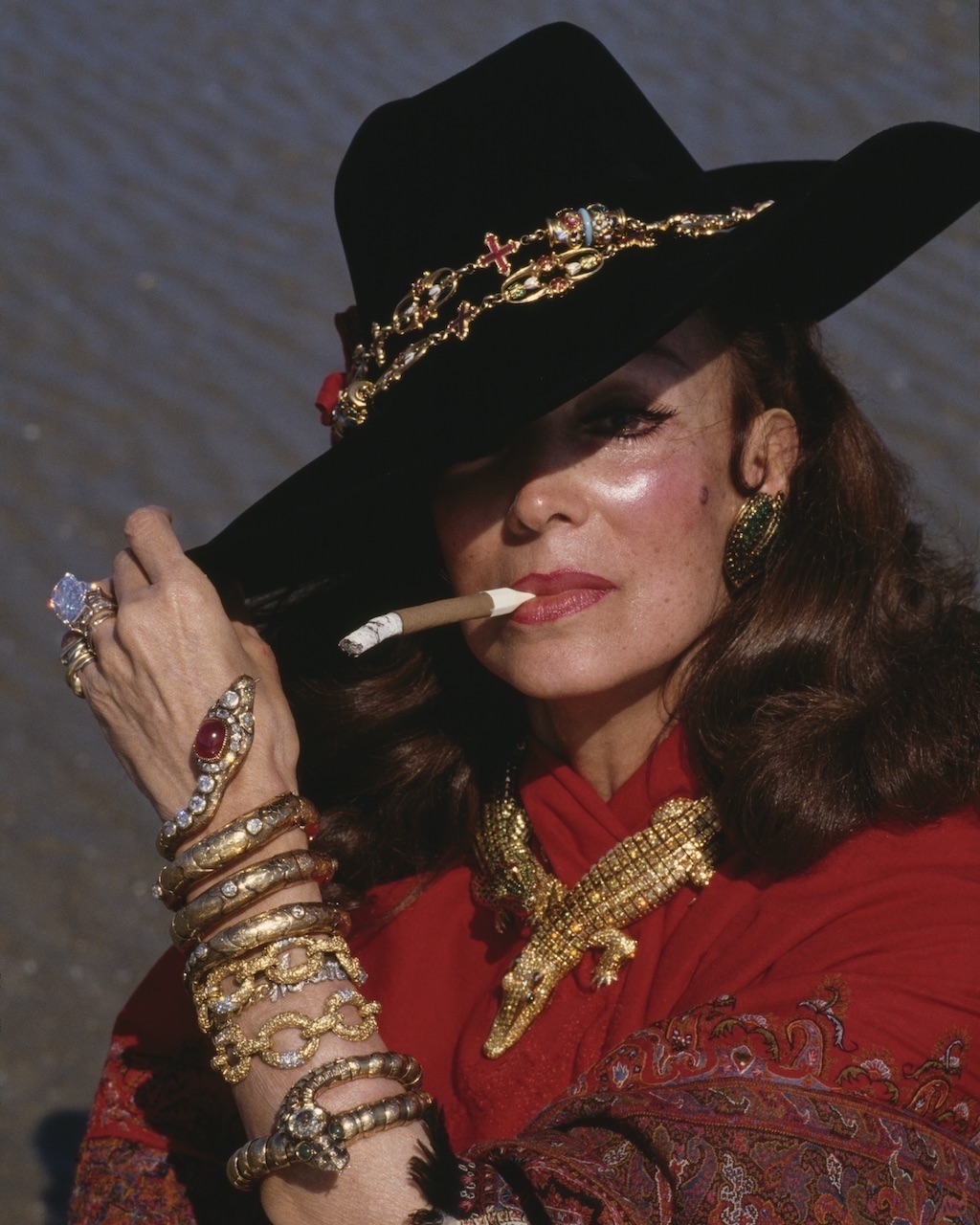
Designed to wrap around the neck as a dramatic collar or detach to be worn separately, the crocodiles perfectly captured Félix’s fearless personality. More than five decades later, they remain among Cartier’s most celebrated high-jewelry creations and a benchmark for animal-inspired design.
Why Cartier’s Crocodiles Still Captivate
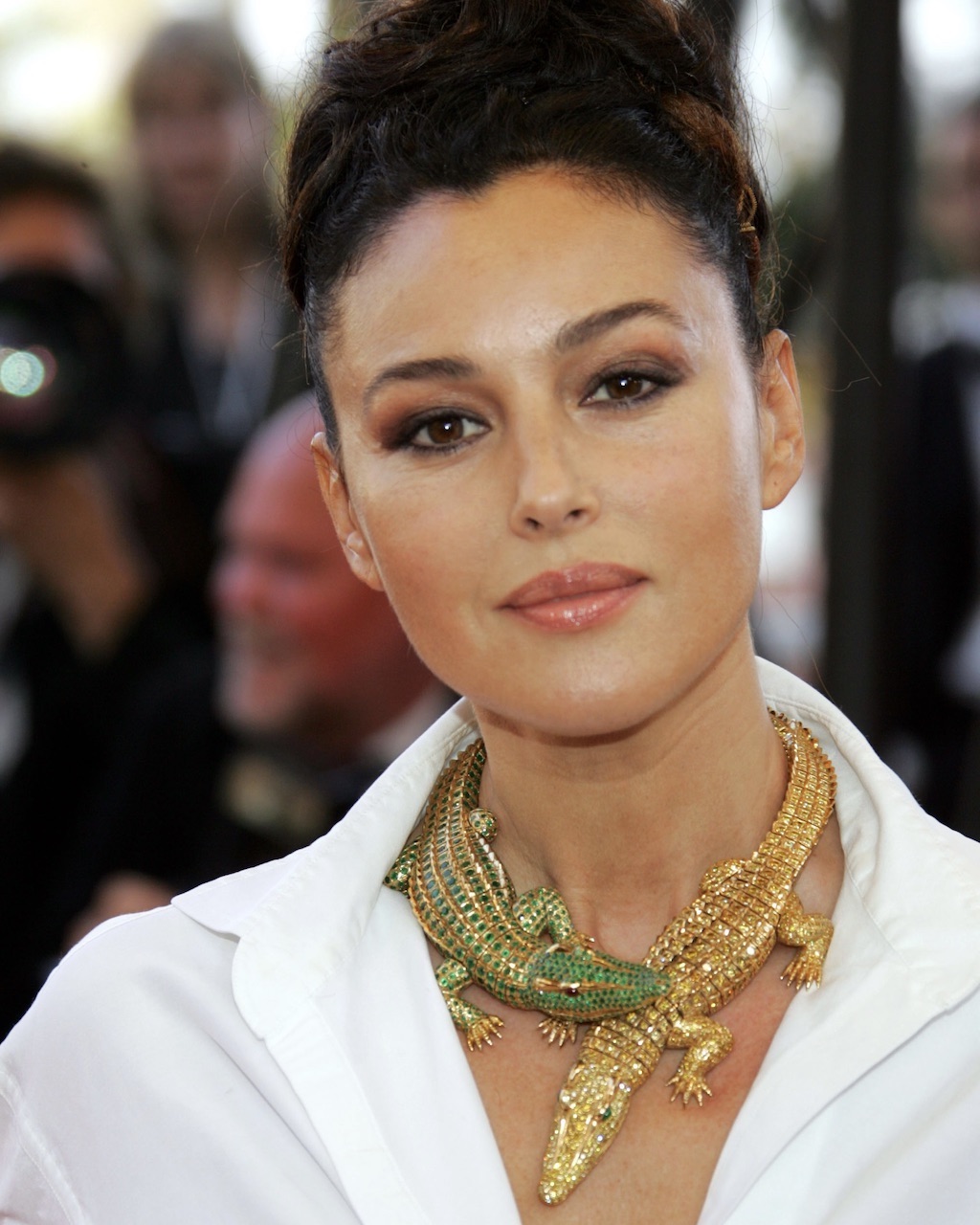
Gerrish explains that the María Félix crocodile necklace was groundbreaking because it treated jewelry almost like a wearable sculpture. “The piece was bold, theatrical and technically ambitious at a time when many high jewelry creations still leaned toward more traditional femininity,” she says. Just as importantly, the necklace became inseparable from Félix herself. “It reflected María Félix’s personality so strongly that the necklace became inseparable from her image, which helped cement its legendary status.”
Daughters notes that Cartier’s engineering achievement was extraordinary. The maison crafted two fully articulated crocodiles that could be worn together as an imposing collar necklace or detached as individual brooches, demonstrating a level of technical innovation rarely seen at the time.
For Daughters, the necklace’s significance lies in its ability to transform something unexpected into an object of beauty. “It was groundbreaking because it transformed an apex reptile into something profoundly beautiful, proving that high jewelry could be avant-garde, anatomically daring, and structurally transformative.”
That transformation helps explain why animal jewelry continues to resonate so deeply with collectors. As Daughters notes, animals possess a symbolic power that geometric and floral designs often cannot match. “When a person wears an animal jewel, they aren’t just accessorising; they are adopting an alter ego,” he says. Whether embodying strength, independence, mystery, or grace, animals allow the wearer to project a distinct personality. In the case of María Félix’s crocodiles, the jewels became an extension of the actress herself—bold, fearless, and utterly unforgettable.
Starfish Brooches by Salvador Dalí and René Boivin
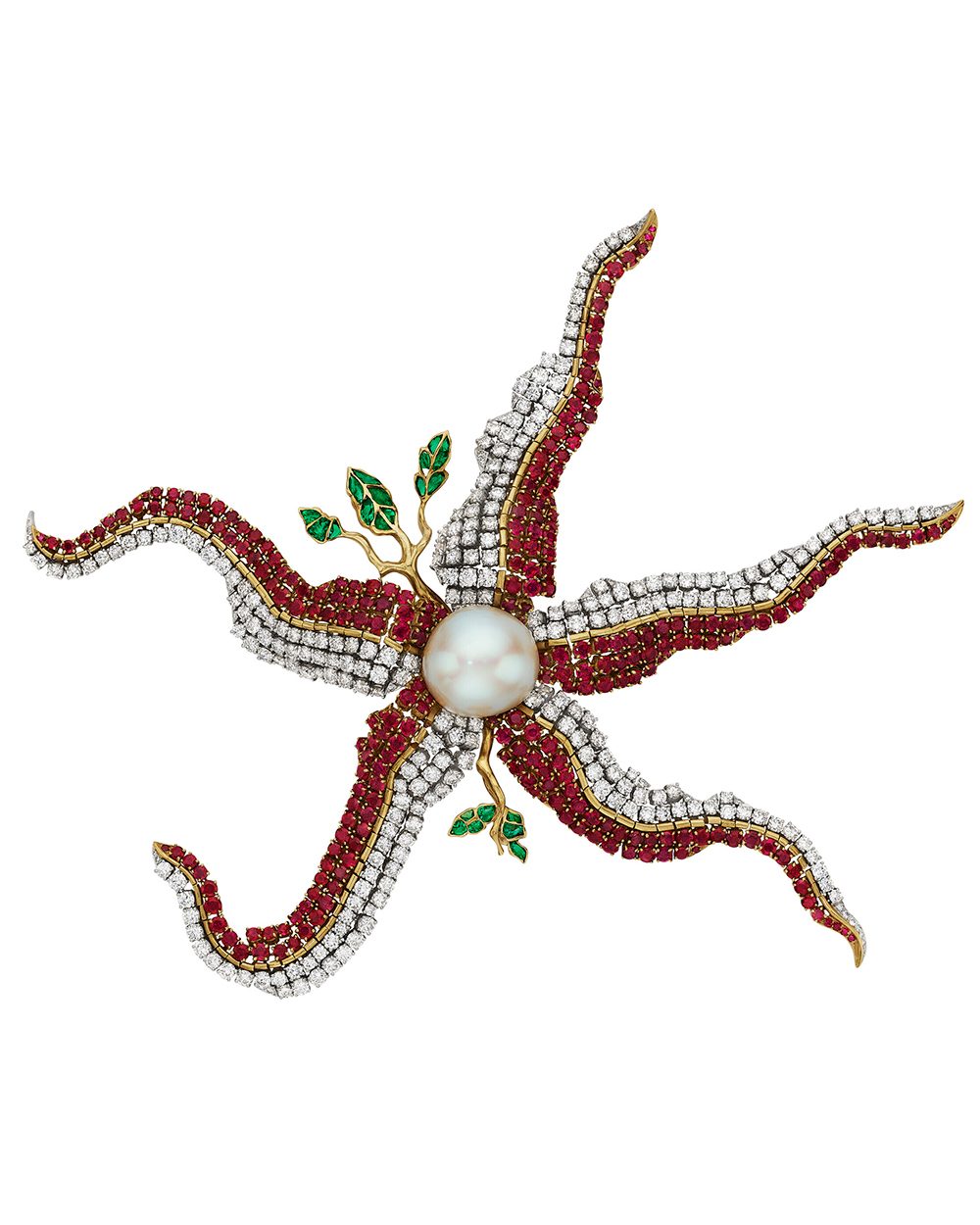
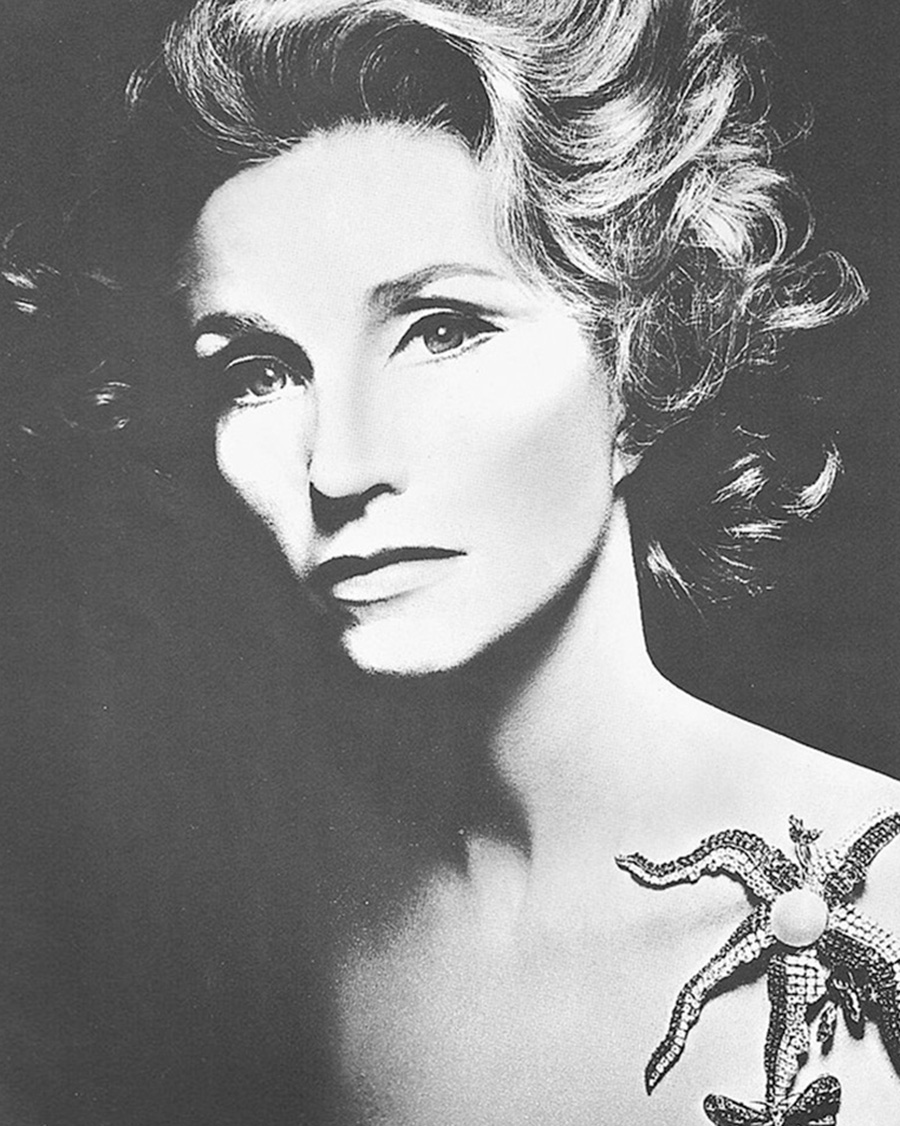
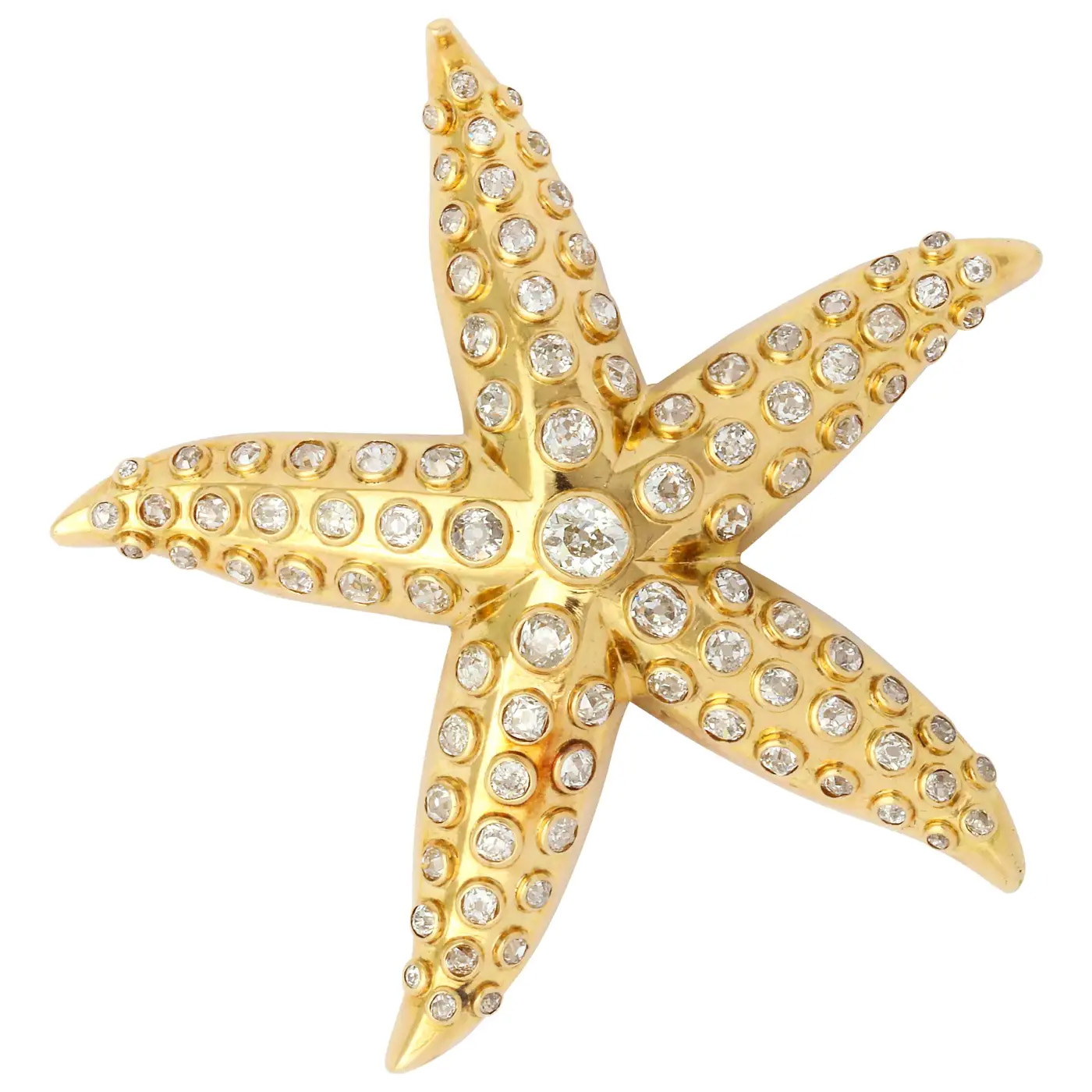
In the hands of two visionary creators—Salvador Dalí and the French house of Boivin—the starfish became a sculptural work of art, transformed through diamonds and colored gemstones into one of jewelry’s most creative motifs.
The celebrated surrealist artist Salvador Dalí created his Étoile de Mer brooch around 1950 for philanthropist and Standard Oil heiress Rebekah Harkness. Set with cultured pearls, diamonds, rubies, and emeralds, the fantastical design also features two detachable butterfly pins that can be worn separately. More than a jewel, it embodied Dalí’s dreamlike artistic universe, where nature and fantasy intertwined. Decades later, the design remains highly sought-after by collectors; when Étoile de Mer sold for $982,800 at Christie’s New York in 2023, it set the auction record for a piece of jewelry designed by Dalí.
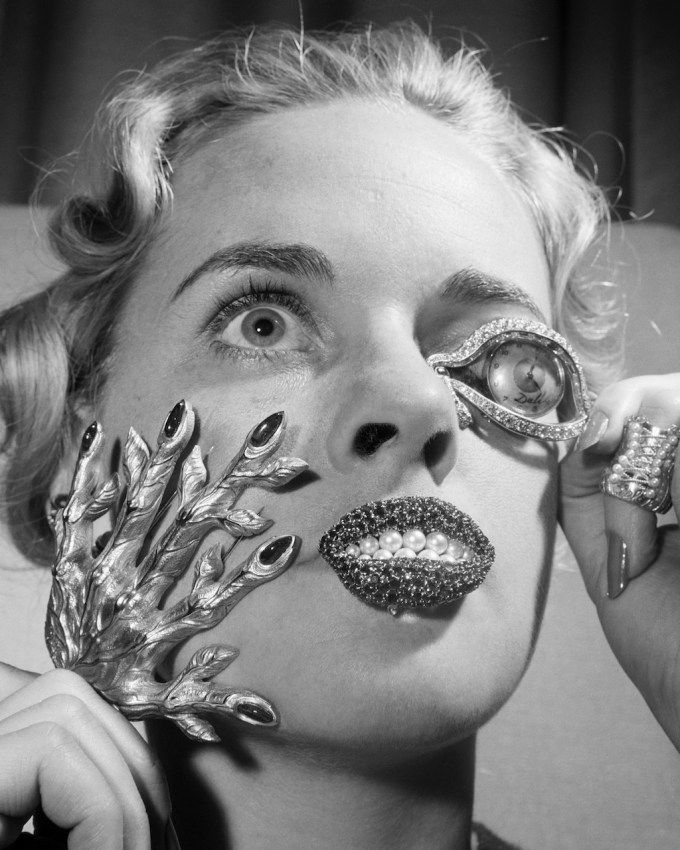
And the story carries an unexpected modern-day connection. In 2013, Taylor Swift purchased Harkness’s former Rhode Island seaside estate for $17 million and later immortalized the heiress in her song “The Last Great American Dynasty,” singing, “Blew through the money on the boys and the ballet / And losin’ on card game bets with Dalí.”
Another landmark interpretation came from the French Maison Boivin. Under designer Juliette Moutard, the house transformed the starfish into one of its most recognizable creations. After studying specimens at Paris’s Muséum national d’Histoire naturelle, Moutard developed her design around 1935. Introduced in 1938, the brooch quickly gained acclaim and was worn by actress Claudette Colbert that same year. Rendered in diamonds, rubies, emeralds, sapphires, and other gemstones across numerous variations, Boivin’s starfish balanced realism with artistry in a way that would become a hallmark of the maison.
Why Starfish Continue to Make Waves
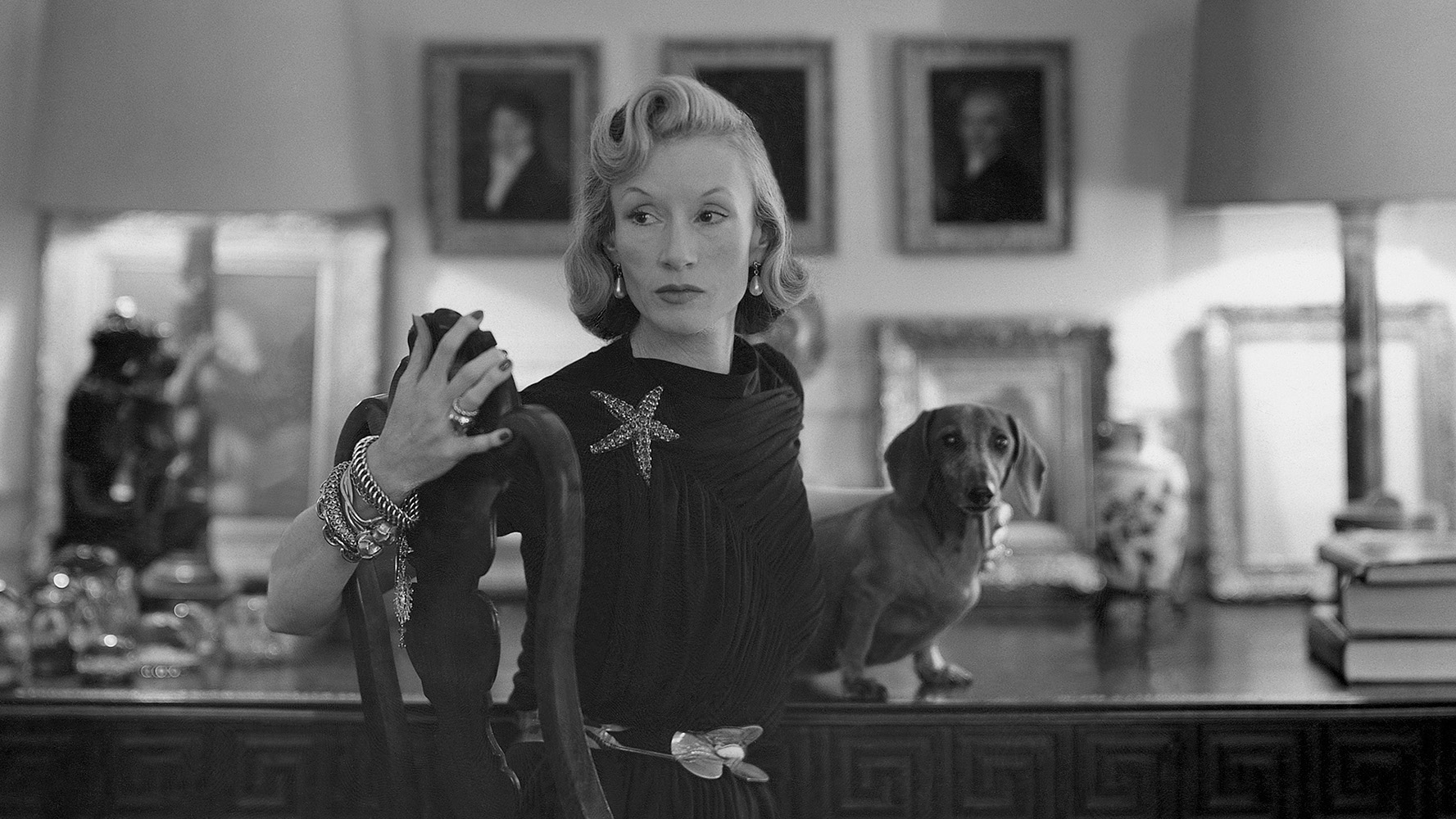
Starfish became increasingly popular during the mid-20th century as jewelers embraced marine life, from seahorses and fish to shells and coral. The trend reflected a growing fascination with travel, leisure, and seaside glamour in the postwar years. Even later designers such as Elsa Peretti returned to the starfish proving its appeal across generations.
Part of that appeal lies in the starfish’s naturally irregular form. Unlike more symmetrical animals, starfish celebrate the organic beauty of the natural world. Daughters notes that designs such as Boivin’s starfish and Peretti’s marine-inspired jewels feel especially relevant today because collectors are increasingly drawn to pieces with personality and emotion. “After years of predictable, minimalist aesthetics dominating the market, collectors are hungry for romance, narrative, and pieces that bring a genuine smile to the room. These whimsical creatures do exactly that,” he says.
Gerrish agrees, explaining that whimsical creatures such as starfish, birds, and swans resonate with modern collectors because they offer something beyond technical perfection. “Modern collectors are often drawn to pieces with personality rather than overly formal perfection,” she says. “They also work beautifully with contemporary styling because they bring softness, imagination, and individuality into high jewelry.”
Animal Jewelry Never Goes Out of Style
Why have animals remained a cornerstone of fine jewelry for centuries and a favorite among collectors? Whether it’s Cartier’s fearless Panthère, Tiffany & Co.’s joyful Bird on a Rock, Verdura’s graceful swans, or María Félix’s audacious crocodiles, these creations become symbols with a rich heritage. Kulic notes that animal jewelry has remained relevant for centuries because they create an immediate emotional connection, with distinct personalities and meanings that wearers instinctively understand.
That emotional resonance is what continues to attract collectors. As Daughters explains, animal jewelry invites conversation, sparks imagination, and allows the wearer to embody a particular spirit. “They possess a distinct character that stands out in a crowded vault, offering a bold sense of individuality that standard commercial jewelry design simply cannot match.”

Get the Newsletter
Sign up for the latest diamond news, delivered directly to your inbox.