
The History of the Cartier Panthère: How the Famous Fierce Feline Became a Feminine Icon
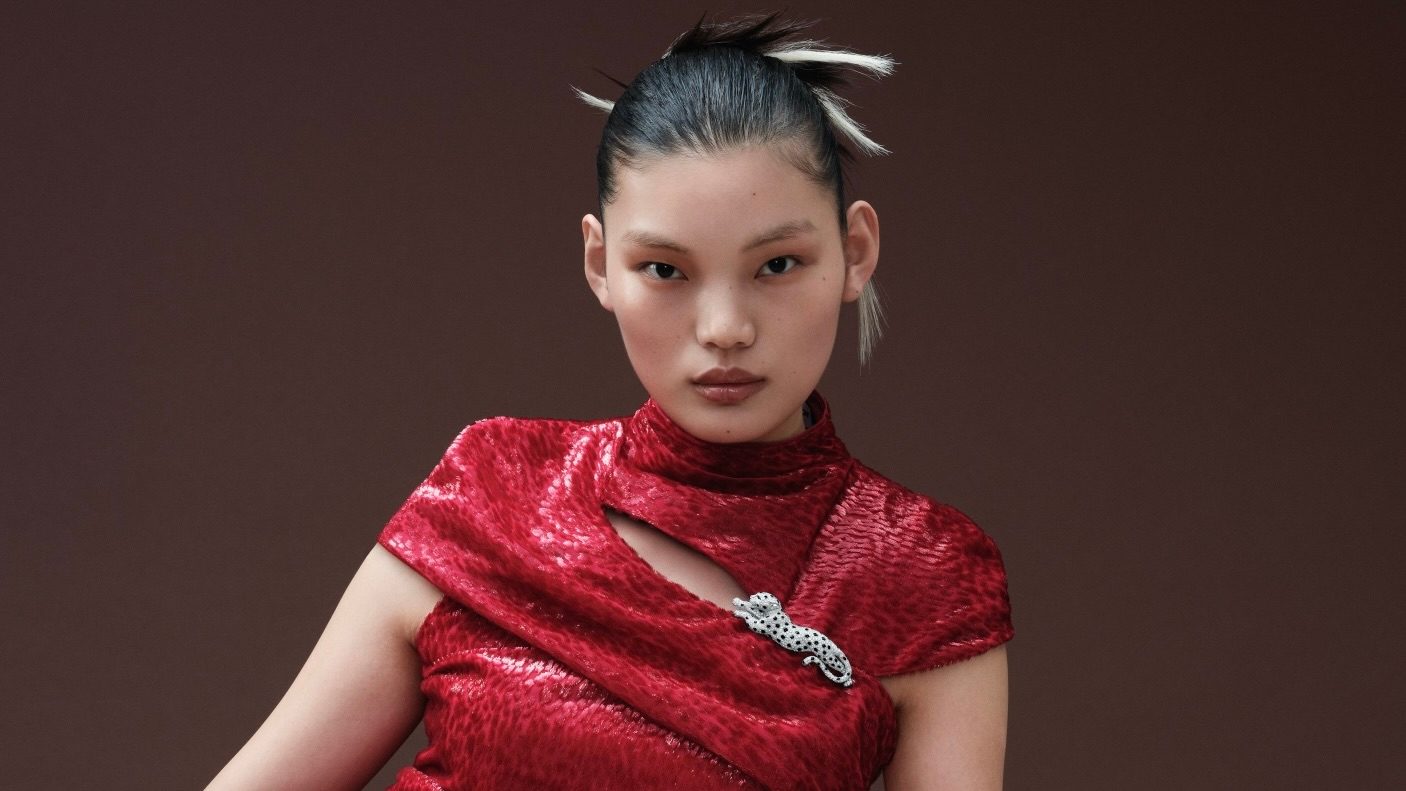
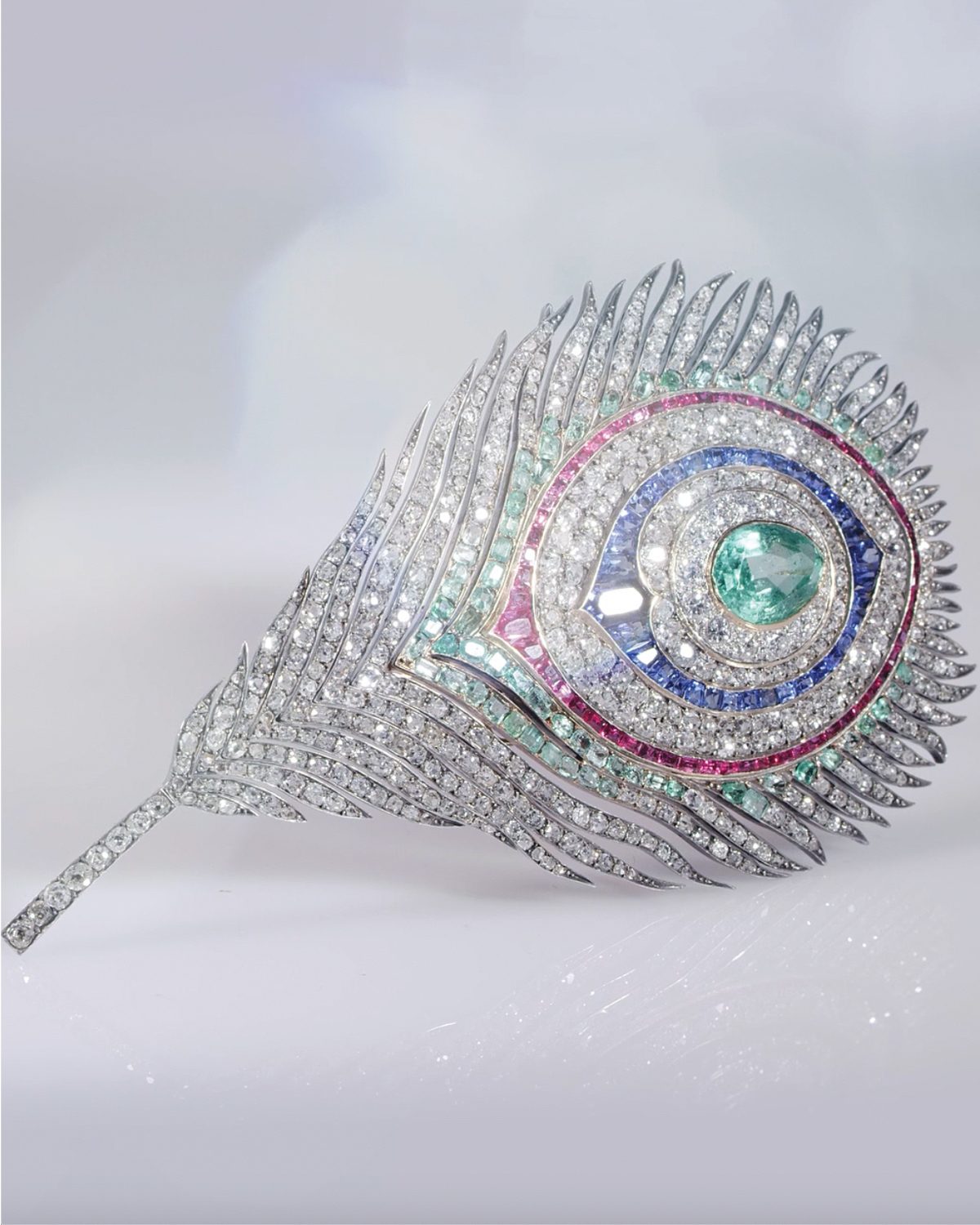
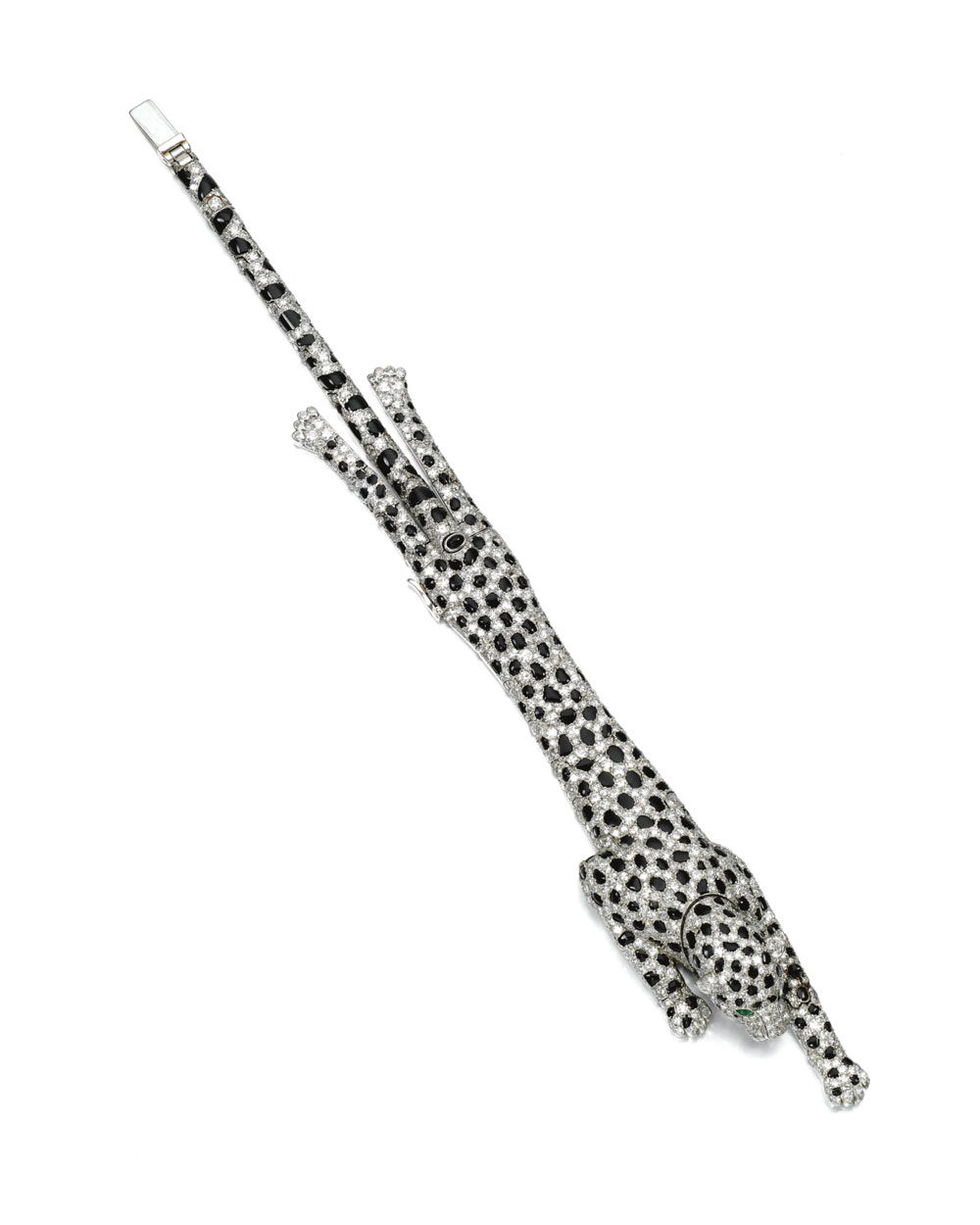
This Cartier Panthère Brooch is pavé-set with brilliant-cut diamonds and featured in the Hong Kong Jewels Auction on March 30, 2026. (Phillips Jewels)
For over a century, the Cartier Panthère motif—a stylized panther rendered in diamonds and gemstones—has remained one of jewelry’s most enduring icons, continually evolving while never losing its edge.
Jewelry historian and lead curator of the V&A Museum’s blockbuster Cartier exhibition, Helen Molesworth, says, “It’s such a wonderful creature. You don’t have to be a naturalist to love the panther. It’s got this combination of power and strength, yet elegance and delicacy to it. When you blend those elements, they’re very translatable into design.”
Few jewels are as widely recognizable as the Cartier Panthère. First introduced as a watch motif in 1914 by Louis Cartier, the feline later came to life in natural diamonds under the visionary leadership of Jeanne Toussaint, who transformed it into one of the Maison’s most defining symbols.
Meet the Expert

Helen Molesworth is a renowned jewelry historian, gemologist, and best-selling author. Her 25-year career has spanned the global gem and jewelry industry from auction houses to academic posts. She acted as a jewelry specialist for Sotheby’s and Christie’s, where she researched and managed iconic jewelry collections. As the Senior Curator of Jewelry at the Victoria and Albert Museum in London, she acted as Lead Curator of the blockbuster exhibition, Cartier, and released a book on the subject, also titled Cartier, with V&A Publishing in 2025.
Discover how the Cartier Panthère, realized in natural diamonds, continues to embody strength, independence, and enduring allure.
The Cartier Panthère Motif Was First Introduced in 1914
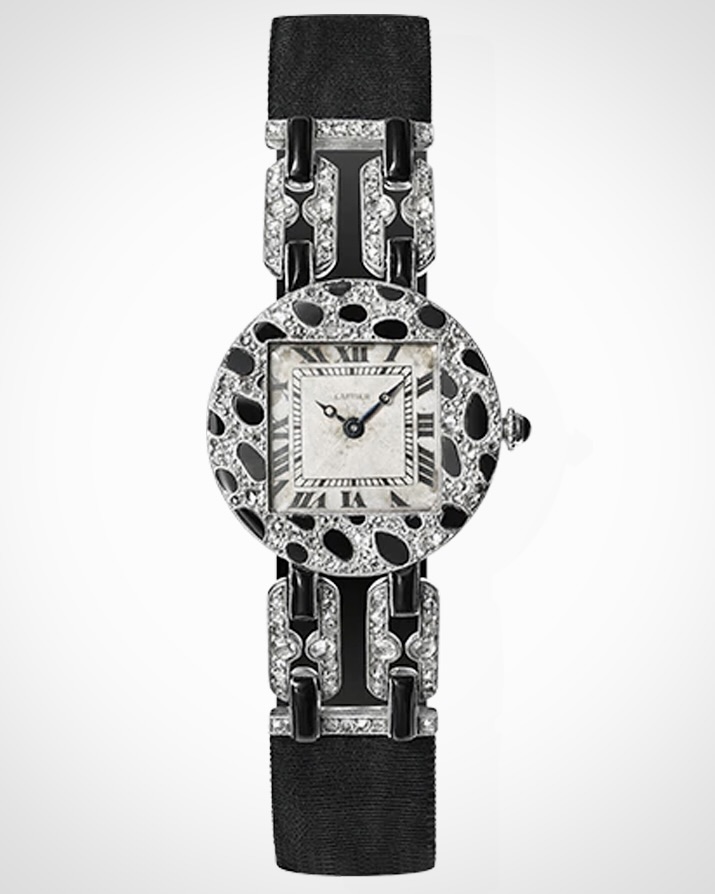
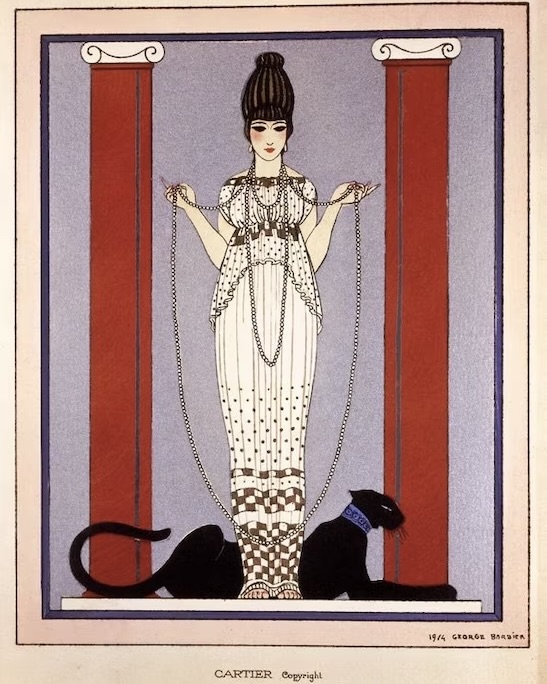
Over 100 years ago, Cartier’s long-exalted panther motif first appeared in the form of black-and-white spots on a wristwatch in 1914. Inspired by nature and the plush fur coat of the feline, the watch’s onyx and natural diamond paving kick-started the use of flecking in jewelry, helped anticipate the contrasting aesthetics of the Art Deco movement. The diamond animal print timepiece would lay the foundation for what would become the Panthère de Cartier collection..
That year, Louis Cartier commissioned the watercolor piece “Lady with Panther” from French illustrator and painter George Barbier. Initially used as an exhibition invitation, Cartier then decided to use the illustration for its advertising. Featuring a woman holding a lavish, long sautoir, she’s depicted wearing a very of-the-moment Poiret gown, with a panther at her feet.
Who would the panther woman become? Would she be a predator shrouded in mystery? Or an Amazon, straight out of a fantasy? One thing is certain: The quintessential Cartier panther woman was imagined to be a free, independent spirit with a “wild and beautiful femininity,” according to the brand. “A lot of people have associated [the jewel] with the power of women,” says Molesworth.
With the motif having been featured in prominent collections for over 100 years, Molesworth explains that throughout the century, “we’ve seen the way in which women’s equality has developed over the 20th and 21st centuries; the Panther has kind of been a part of that story.” She says, “It’s shown the strong side of women,” as it symbolically relates to our jewelry choices. “I think that’s why so many women love it.”
How Jeanne Toussaint Shaped the Cartier Panthère
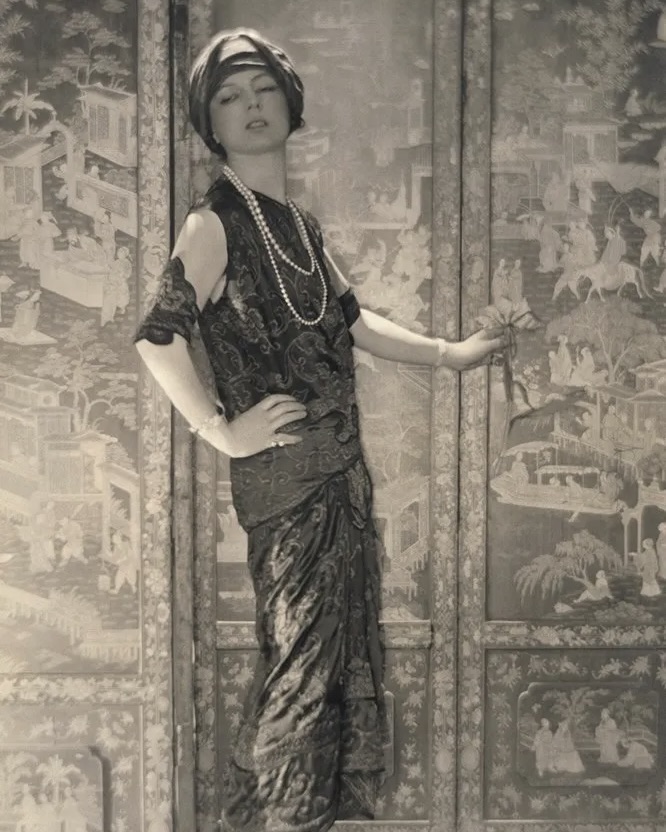
For Cartier, the first panther woman came in the form of creative trailblazer Jeanne Toussaint. The pair first met before the First World War. A style icon of the 20th century, Jeanne Toussaint was a close collaborator and muse to Louis Cartier. Her sharp wit, fierce character, and sheer determination earned her the nickname “La Panthère” or, affectionately shortened, “Pan-Pan.”
She saw jewelry as a symbol of independence. The Cartier Panthère blossomed, thanks in part to the love story and partnership between Louis Cartier and Jeanne Toussaint. She is credited with establishing the panther as a Cartier icon and cementing its place in jewelry history.
In 1917, Cartier gifted Toussaint an onyx cigarette case. That’s when we see the first full-figural motif of the big cat appear in the Maison’s design repertoire. Paying homage to Toussaint’s pet name, the panther is seen between two cypress trees, rendered in platinum, and embellished with natural diamonds, onyx, emeralds, and rubies. In 1919, Toussaint ordered a vanity case from Cartier, crafted in gold and black Canton enamel and again featuring the diamond panther, further establishing the creature as her personal signature.
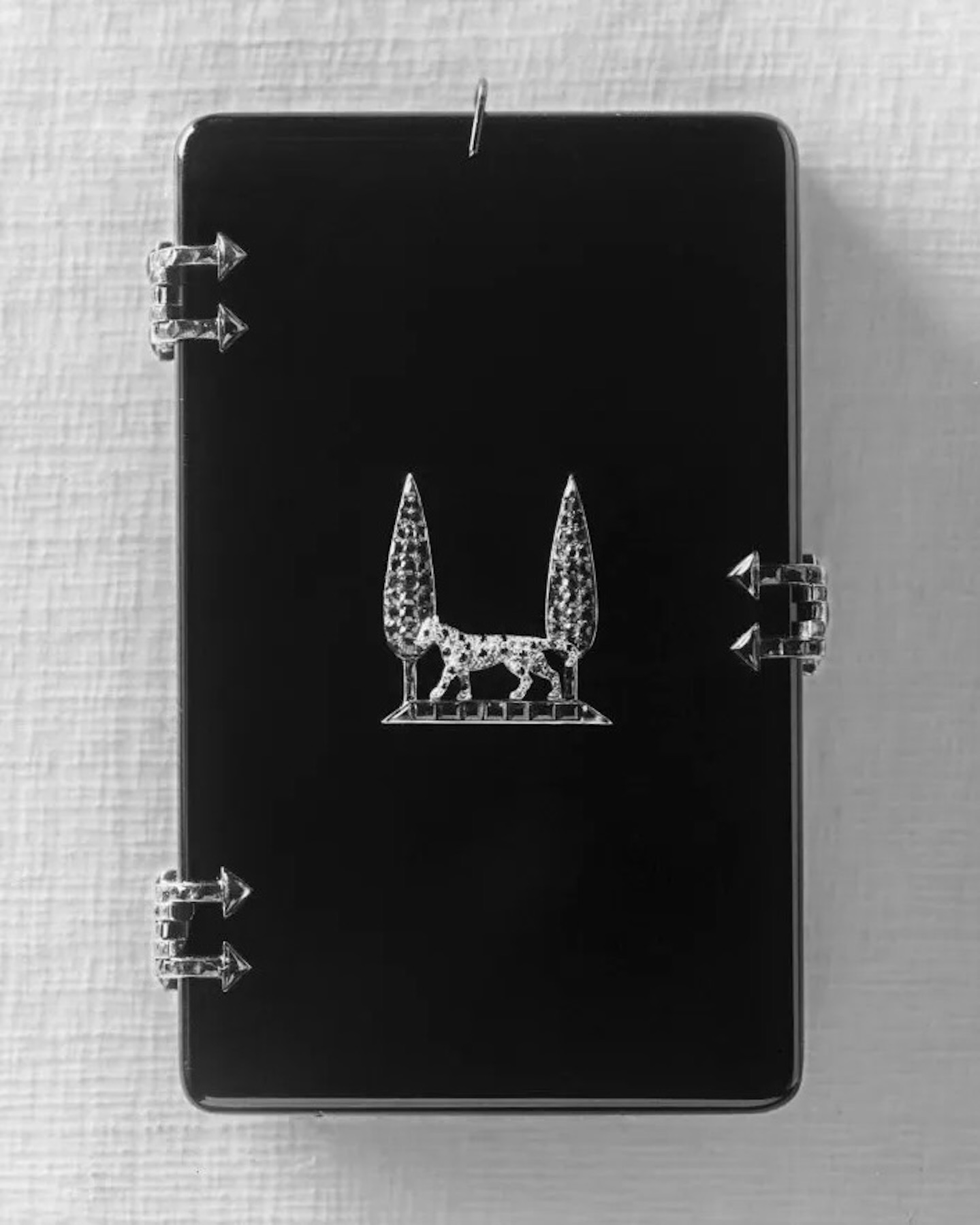
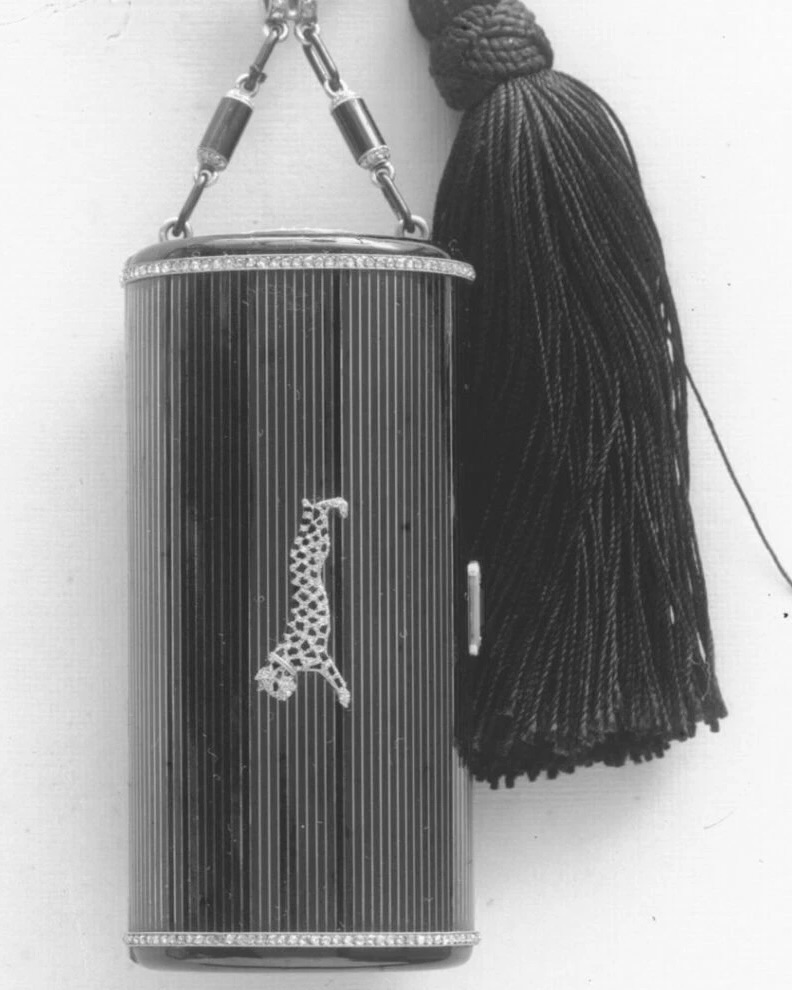
Louis Cartier quickly invited Toussaint to join the Maison. She began her tenure at Cartier designing handbags, then vanity cases, cigarette cases, and a wide array of accessories. In 1924, she was appointed head of the new “S” (silver) department. By 1933, Louis Cartier named her Creative Director of high jewelry at the Rue de la Paix studio, where she oversaw an all-male staff of designers, artisan jewelers, and gem-setters. She was one of the first women to occupy such a prominent position in the industry.
Breaking barriers alongside contemporaries like Suzanne Belperron, Molesworth notes the importance of Toussaint’s revolutionary role as Creative Director. “She’s not a man. She’s not from high society. And she’s not a Cartier or even married to one,” she says. “It’s an extraordinary situation. It’s a testament to how brilliant he thought she was, and she was indeed, and his trust in her.”
Committed to naturalistic accuracy in her designs, Toussaint worked with designer Pierre Lemarchand, a frequent visitor to the Vincennes Zoo. Together, they dreamt up a new sculptural silhouette to define the Cartier Panthère of the 1940s – one of the most evocative jewelry motifs of the 20th century.
The Cartier Panthère and the Duchess of Windsor
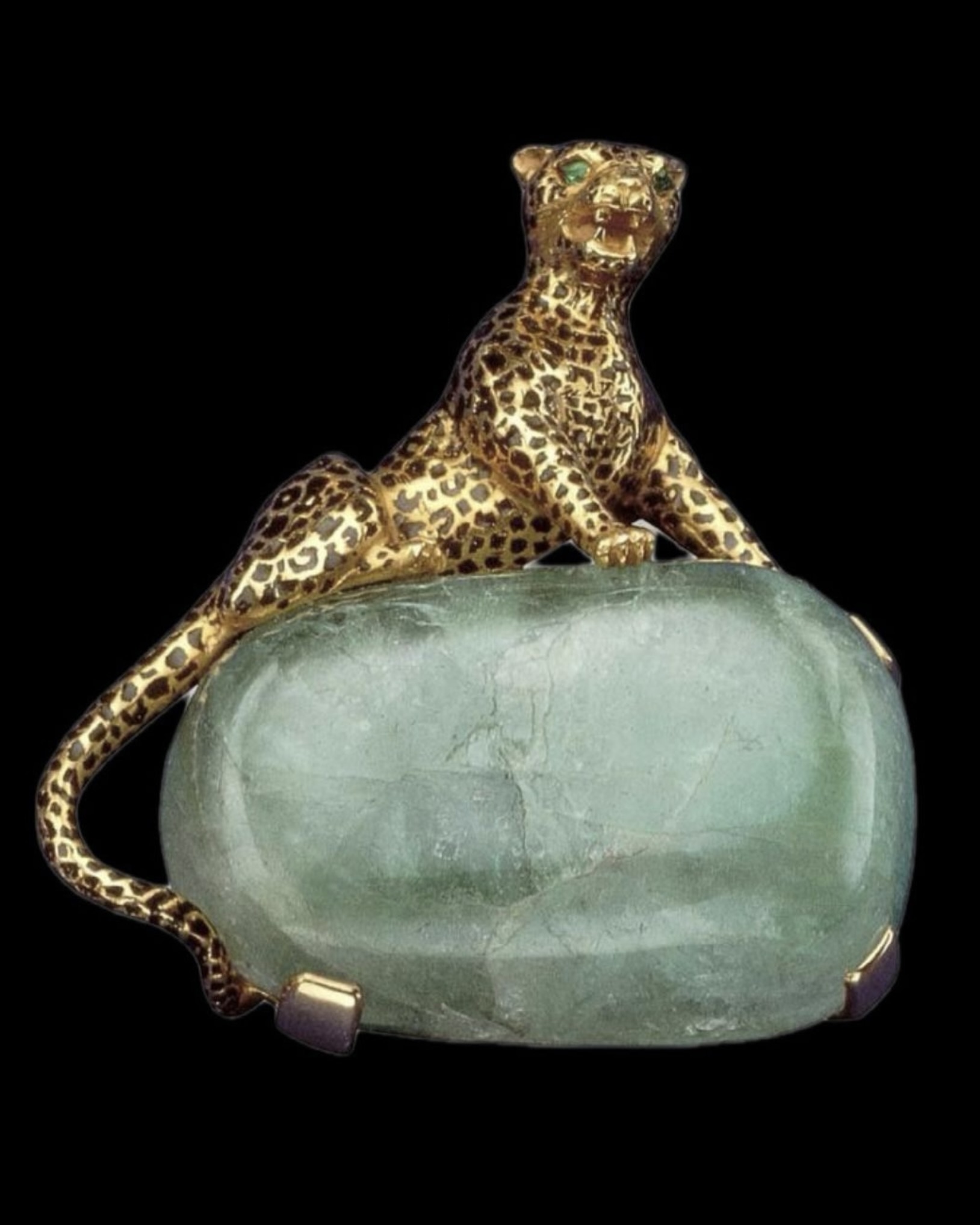
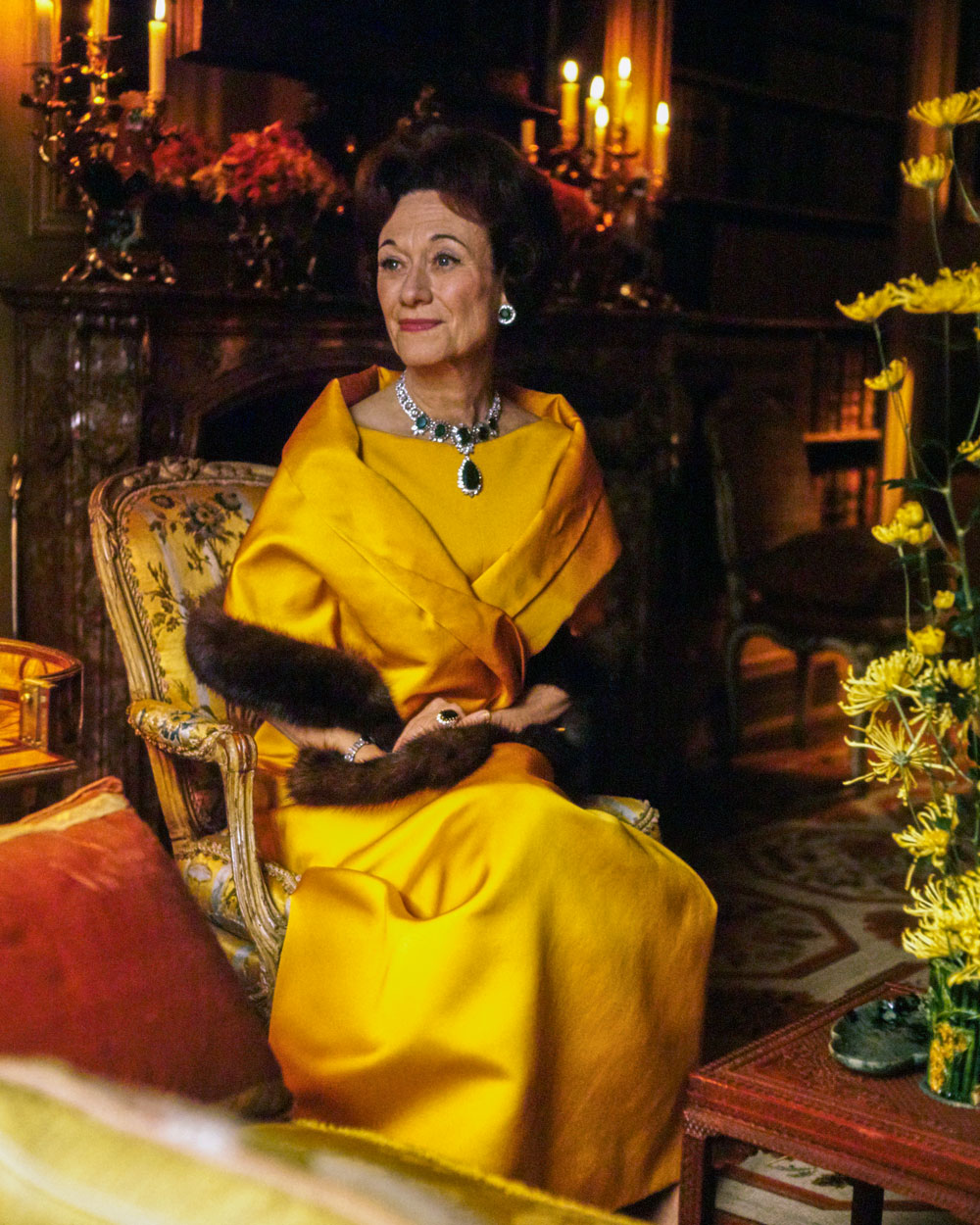
Wallis Simpson, the Duchess of Windsor, was an avid jewelry collector. In 1948, Edward VIII, the Duke of Windsor, commissioned Cartier’s first three-dimensional Panthère brooch as a gift for his wife. Prepared for battle in a predatory stance, the yellow gold panther is perched atop a Cabochon emerald of over 116 carats. Considered to be a daring jewelry statement, and even a smidge scandalous, the Duchess leaned into the drama – later acquiring six more Panthère jewels.
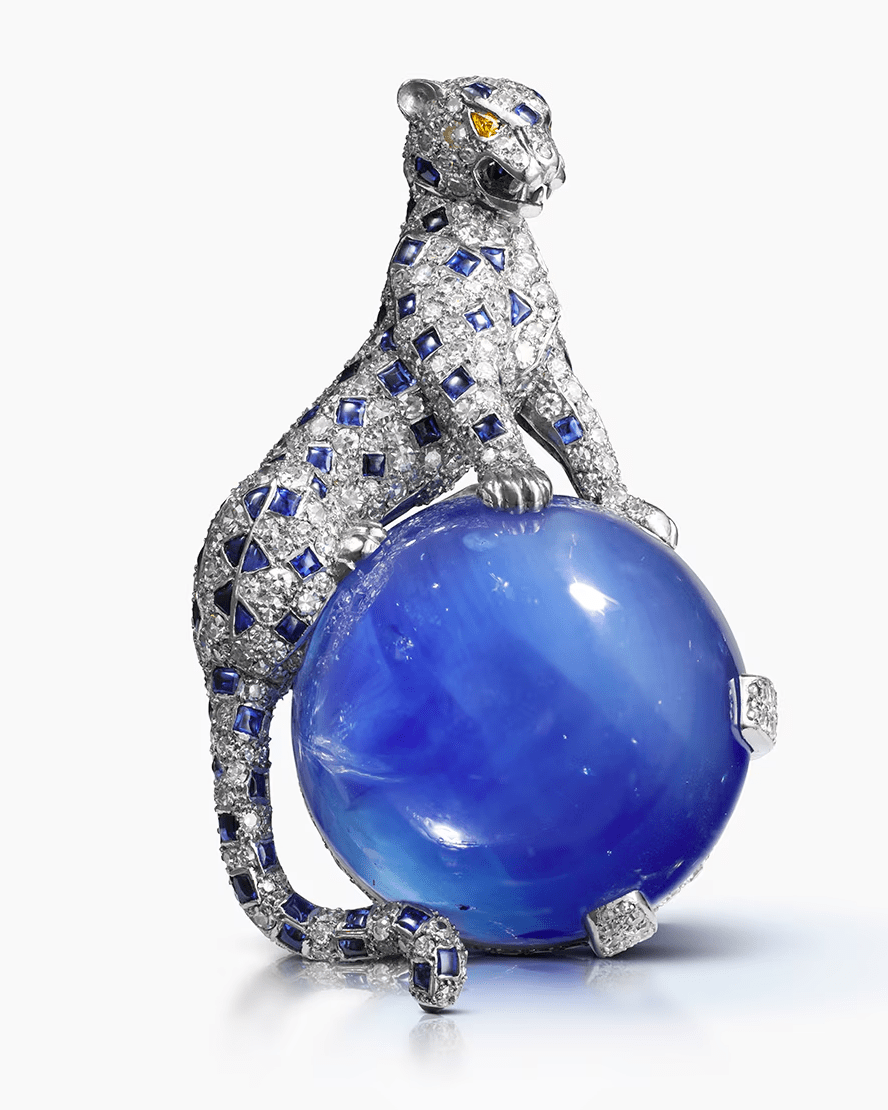
The following year, Jeanne Toussaint worked with the Windsors again – this time, on a platinum panther, pavé-set with brilliant-cut diamonds and sapphires for spots. The majestic cat regally sits on a cushion of one 152.35-carat sapphire from Kashmir. The Duchess was known to wear the brooch on her belt. “The Duchess of Windsor is probably the most iconic individual associated with the panther,” says Molesworth. She points out that the Duchess’s love for the Cartier Panthère has been interpreted as a metaphor for how she wanted to be seen by the world. “She wanted to be seen as a strong, sleek, and powerful woman, overlooking the world on that big sapphire brooch.”
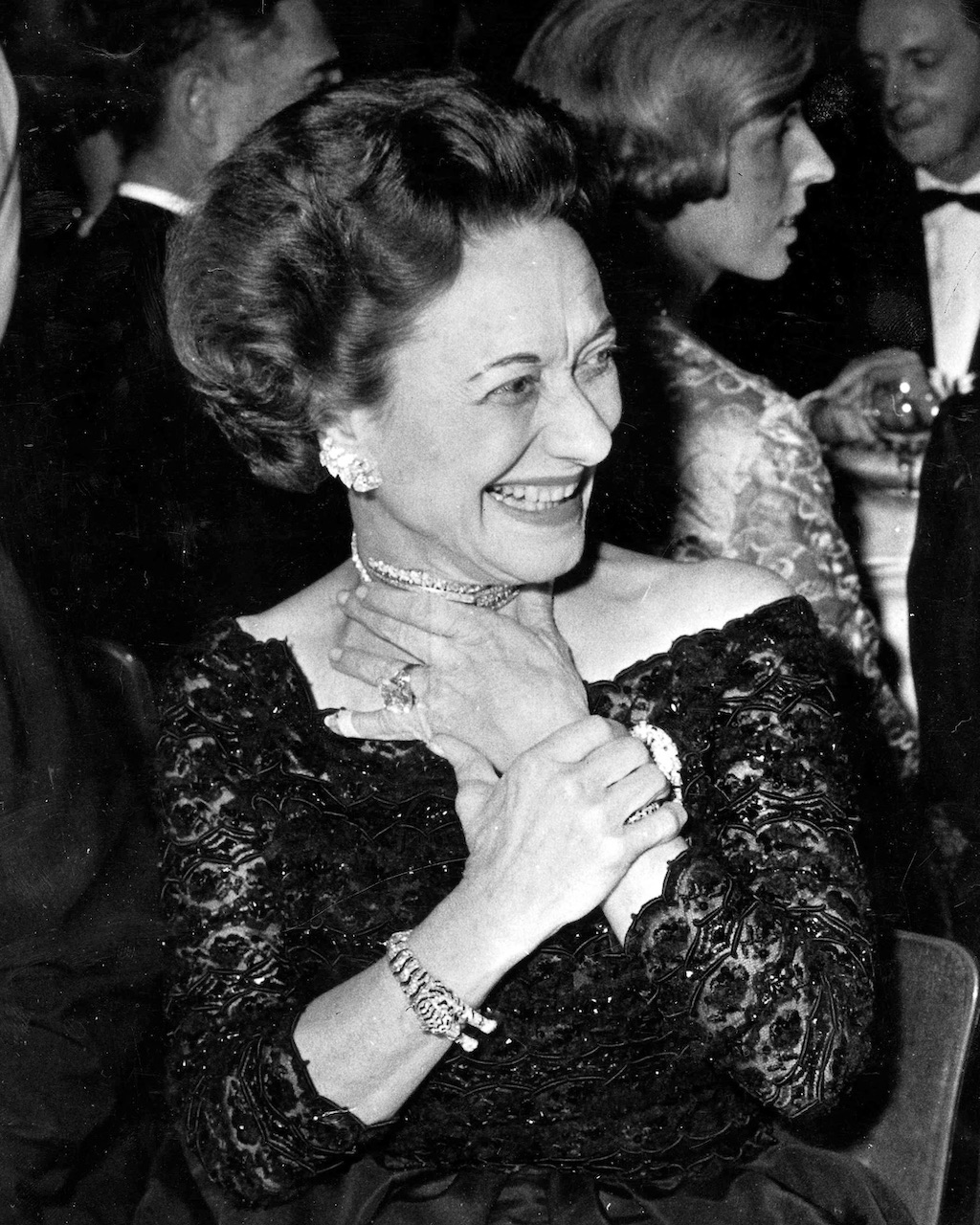
Notable jewelry aficionados such as Daisy Fellowes, Princess Nina Aga Khan, Barbara Hutton, and María Félix all had their very own Cartier Panthères in their impressive collections as well. “Barbara Hutton had one of the greatest tastes in jewelry in the mid-20th century,” says Molesworth. “She had an amazing eye.”
As for María Félix? “She loved big animal jewelry,” Molesworth explains. “She has the best, most spectacular, voluminous, and articulated animal jewels in the world.” The Mexican actress and singer was a bold and audacious woman who wore her ferocity on her sleeve – or should we say around her neck, on her wrist, fingers, and lapels.
Her incredible collection of custom jewelry often signified her independence. Before her obsession with diamond-embellished reptiles became apparent, María Félix had amassed a large collection of Cartier Panthères. Meant to represent a ferocious freedom, Félix was the purr-fect ambassador for the Panthère de Cartier motif. She acquired many of the iconoclastic pieces and even commissioned a platinum and diamond brooch, as well as a two-headed panther bangle.
How the Cartier Panthère Continues to Evolve
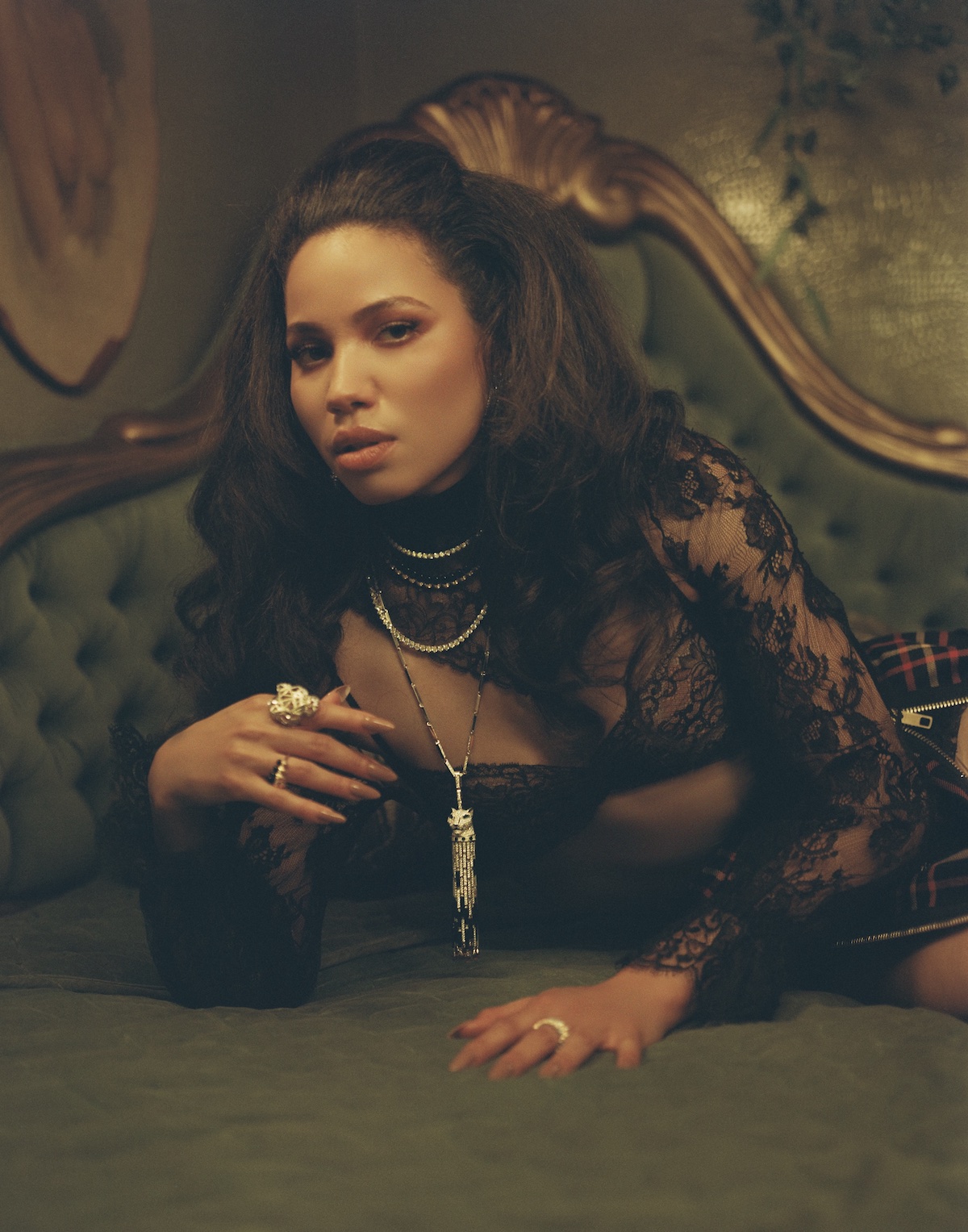

While the motif was long considered a feminine icon of the jewelry world, the men of Hollywood have been getting in on the action in recent years. Red carpet stars like Colman Domingo and Timothée Chalamet have embraced the feline motif at countless awards shows. Chalamet even attended the 2025 BAFTA Awards in matching Cartier panther jewels with his longtime girlfriend, Kylie Jenner.
When it comes to the Cartier Panthère’s timeless quality and the evolution of this jewelry legend, Molesworth says, “It’s not just the animal itself. Cartier has managed to expand its range across diverse concepts, from using the skin as inspiration to using the figural animal, to making it abstract. In the last 20 years, we’ve seen pixelated concepts based on the panther skin, and we’ve seen glyptic art carving.”

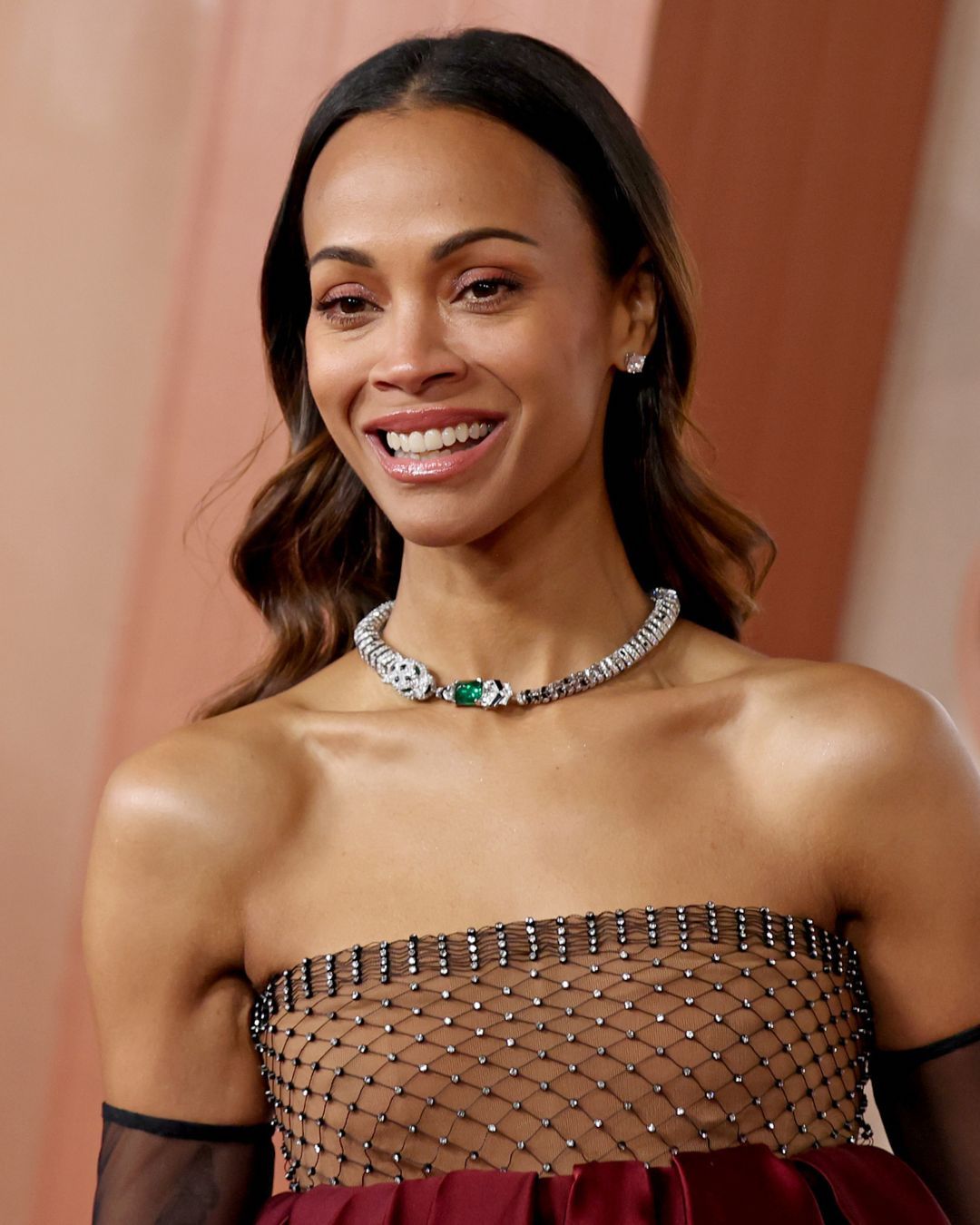
She continues, “Cartier has cleverly expanded the concept across generations, which is the sort of thing that Louis Cartier and Jeanne Toussaint were already doing 100 years ago.”