
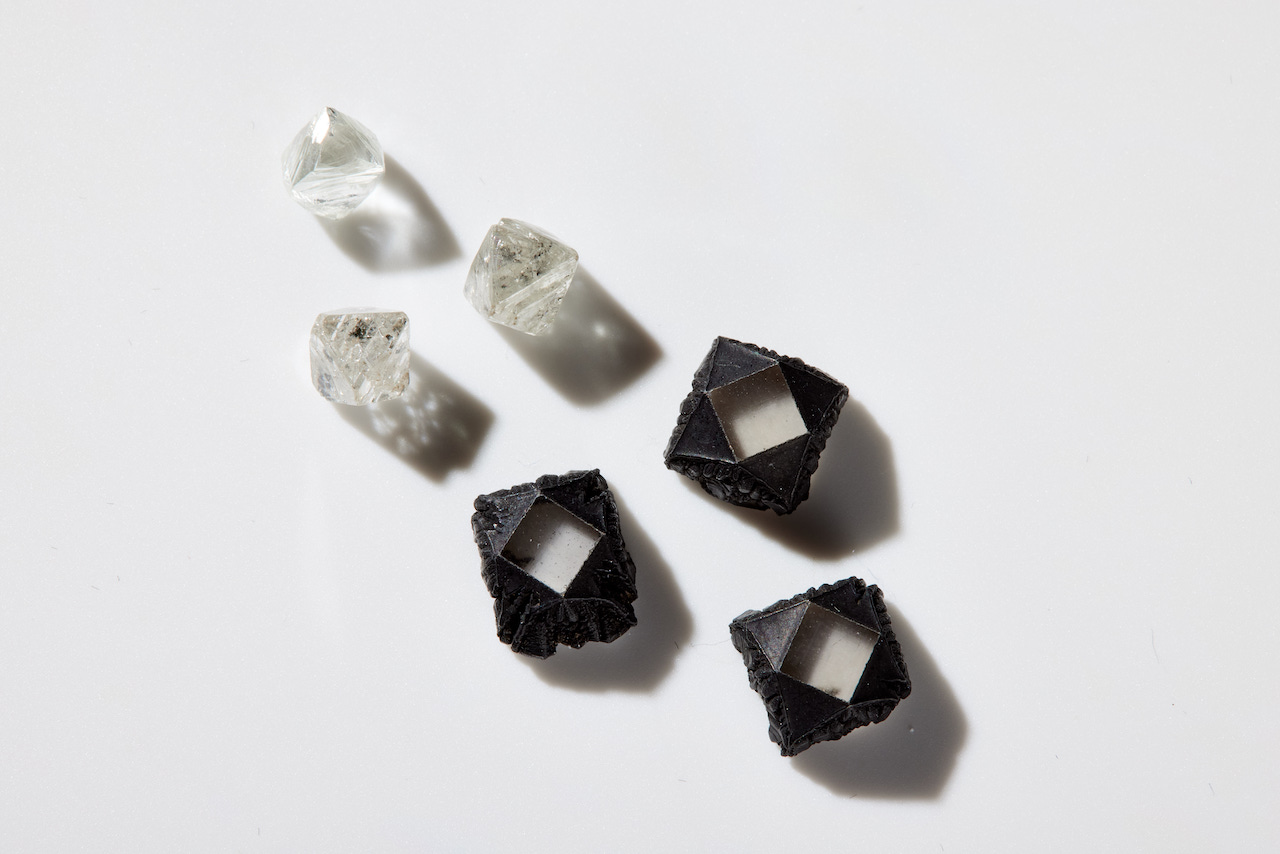

Why a Botswanamark Diamond Is Different from Others
The fully traceable, single-source diamond provenance program, Botswanamark, is placing diamond origins at the forefront of luxury.
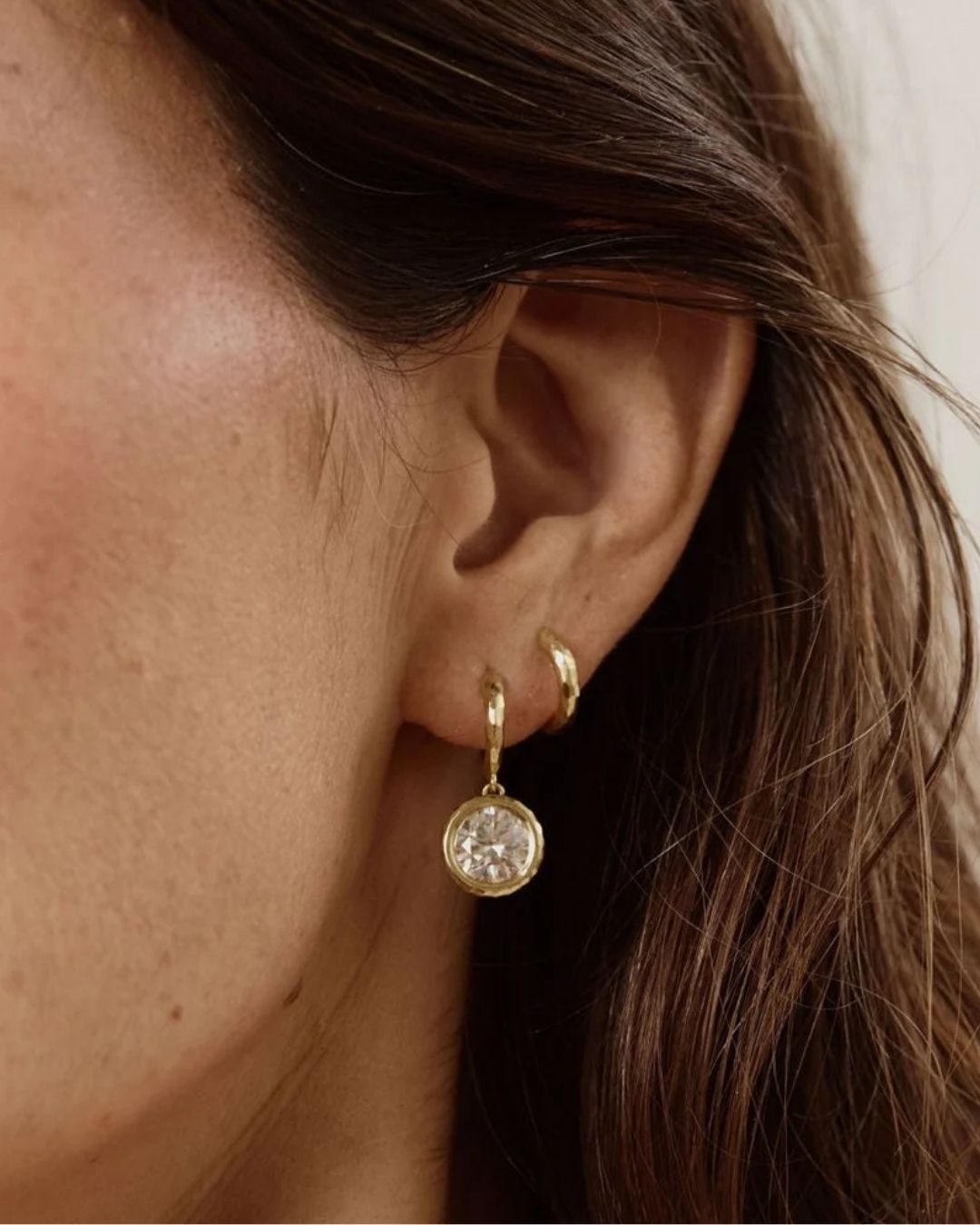
Octavia Elizabeth Hidden Gem Hoop with 4.21 Carat Botswanamark Round Diamond. (Courtesy of Octavia Elizabeth)
Last month, when a client asked Lauren Harwell Godfrey, the founder of her eponymous jewelry brand Harwell Godfrey, to design a natural diamond engagement ring, the search for the center stone didn’t begin with the 4Cs. Instead, it began with a phone call to Nicholas Moltke, the founder of Botswanamark diamonds. The company specializes in traceable, ethically sourced diamonds from Botswana. Each stone comes with a blockchain-backed record, which traces its journey from mine to finished gem.
For Godfrey, the provenance mattered as much as the diamond itself. “It was a no-brainer,” she tells Only Natural Diamonds. Once she shared the diamond’s story, her client chose a marquise-cut stone, weighing just over two carats, over other options. The ring is intentionally understated. “She wants the diamond to be the hero.”
Meet the Experts
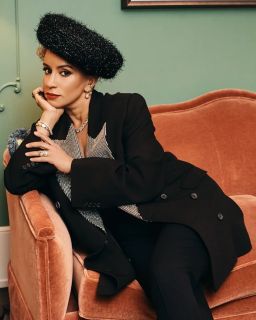
Lauren Harwell Godfrey is a designer driven by storytelling, symbolism, and soul. Known for her joyful use of geometry, color, and pattern. Each piece reflects her belief that jewelry can carry history, intention, and connection.
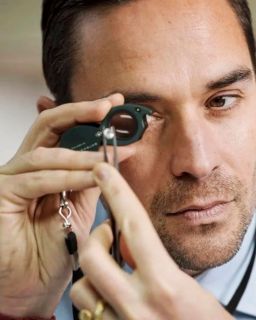
Nicholas Moltke is the founder and CEO of Botswanamark Diamonds. With close to three decades of experience in the diamond trade, Nicholas brings the same discerning eye and dedication to excellence that has defined his family for generations.

Nigora Tabayer is the founder, CEO, and creative director of Tabayer, a luxury fine jewelry brand launched in 2021. She bases her minimalist, sculptural talisman designs on ancient protective symbols, heritage, and modernist American sculpture.
That reaction is exactly what Moltke believes the natural diamond industry needs more of: consumers buying into a meaningful story, not simply a product.
Botswanamark Diamonds Tell A Meaningful Story
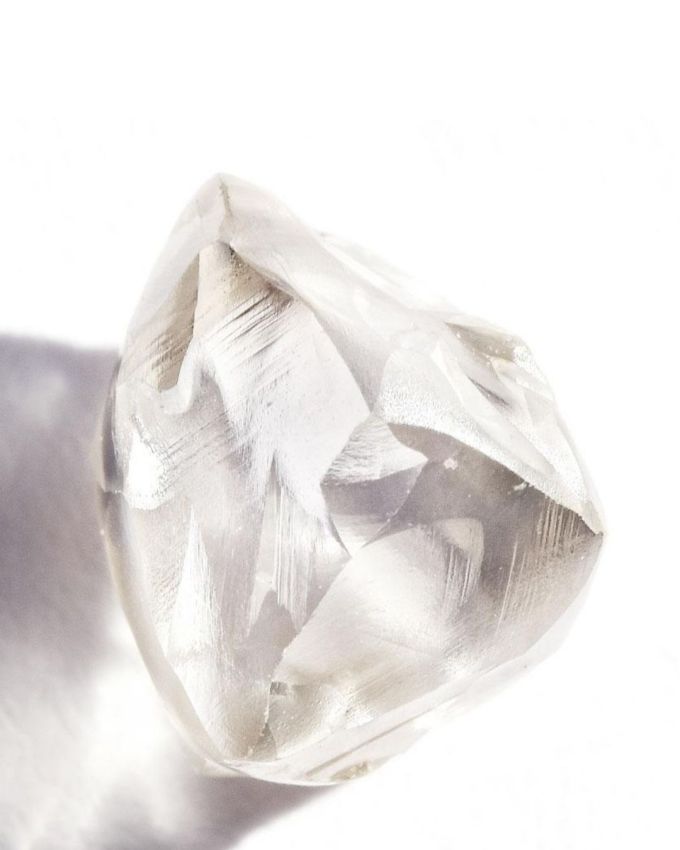
While some large jewelry companies, such as Tiffany & Co. and Jared, offer traceable diamonds, there were few options for independent jewelry designers who wanted responsibly sourced, traceable Botswana diamonds in small quantities to acquire stones. Botswana may be the world’s largest producer of natural diamonds by value, but access to origin-specific stones was mainly for large manufacturers.
“It was nearly impossible to access stones,” says Godfrey, a sentiment echoed by other independent jewelry designers. That gap inspired Moltke, a former De Beers executive, to establish Botswanamark in 2021.
Why Botswanamark Was Founded
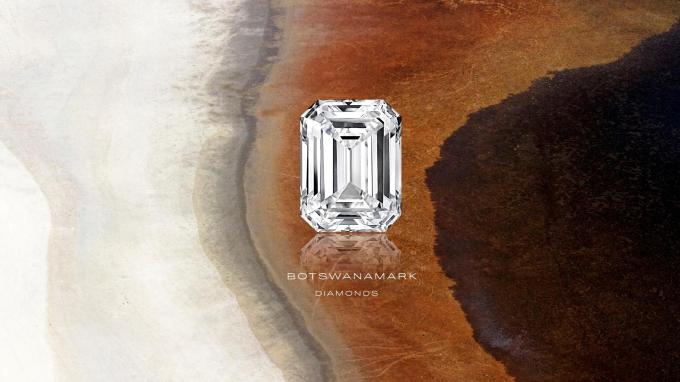
The idea also had personal roots. While working and living in Botswana, Moltke’s wife, Ferelith Moltke, designed the Beabond jewelry collection inspired by the country’s landscapes and traditional crafts. But when she needed diamonds, even her well-connected husband couldn’t easily purchase small amounts of Botswana diamonds.
After 16 years at De Beers, he left to build the solution himself. He modeled Botswanamark after Canadamark, which pioneered origin-branded Canadian diamonds, but expanded the concept beyond the country of origin. His vision was to connect every diamond to the broader story of Botswana—its conservation efforts, economic development, and communities supported by diamond revenues.

We have a responsibility to educate the clients and show them what’s best in class. In the end, you want to tell a story with your piece of jewelry.
“We have a responsibility to educate the clients and show them what’s best in class,” Moltke says. “In the end, you want to tell a story with your piece of jewelry.”
That storytelling is increasingly resonating with both designers and consumers. Godfrey visited Botswana with De Beers in 2023 and saw firsthand how the government has funded schools, infrastructure, conservation initiatives, and economic development. Returning home, however, she couldn’t source a traceable Botswana diamond in the quantities her business required.
How Botswanamark Solved a Major Industry Gap
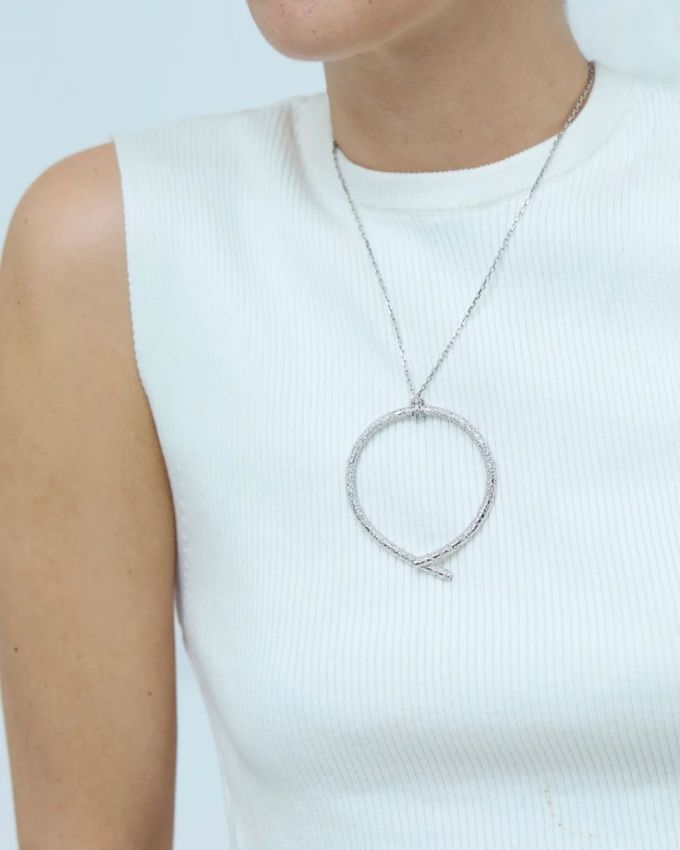
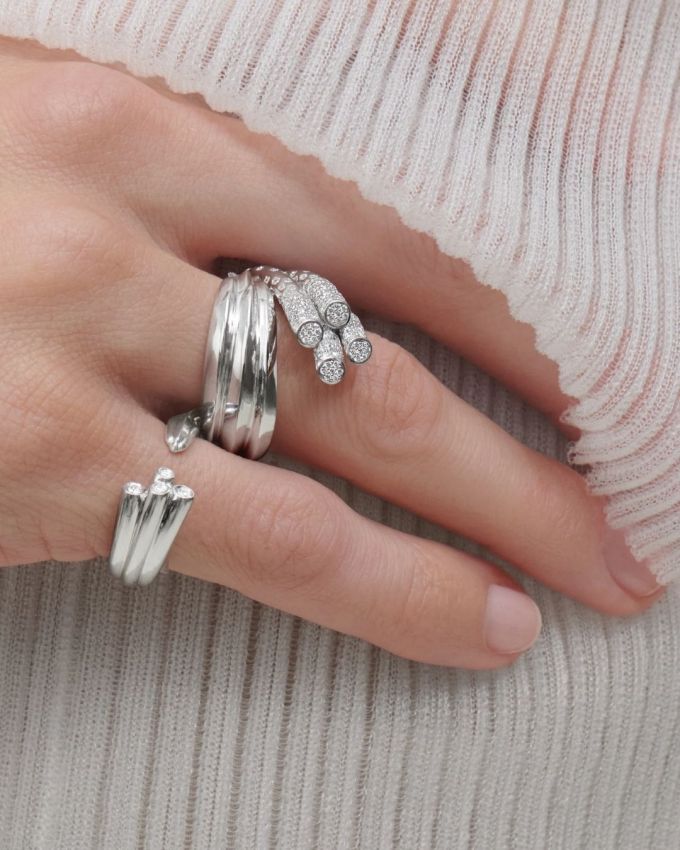
Botswanamark solved that problem. “This is an exciting way to share a diamond’s story,” says Godfrey. “There has to be a level of storytelling for people to understand why it makes sense to invest in natural diamonds.”
Jewelry brand Tabayer also started sourcing diamonds through Botswanamark. “Provenance enriches the emotional value of a jewel,” says founder and creative director Nigora Tabayer. “It gives clients confidence that what they are wearing is not only beautiful but created with intention and respect.”
Consumers may not yet be walking into jewelry stores asking specifically for Botswana diamonds, but Moltke believes that day is coming. “I see traceability as in its infancy today,” he says. “As consumers become more aware of the stories, they will ask for traceable stones.”
Eventually, he envisions shoppers comparing diamonds by origin in much the same way wine enthusiasts compare regions or buyers distinguish Colombian emeralds from Muzo emeralds. “I hope we reach a point where someone walks into a jewelry store and asks whether they should choose an Angola stone versus Namibian or Botswana,” he says. “That’s where storytelling comes in. Every country has its own story.”
The industry is a long way from that, but Botswanamark is an example of what’s possible and what’s achievable for businesses large and small.
The Power of Purchasing a Botswanamark Diamond
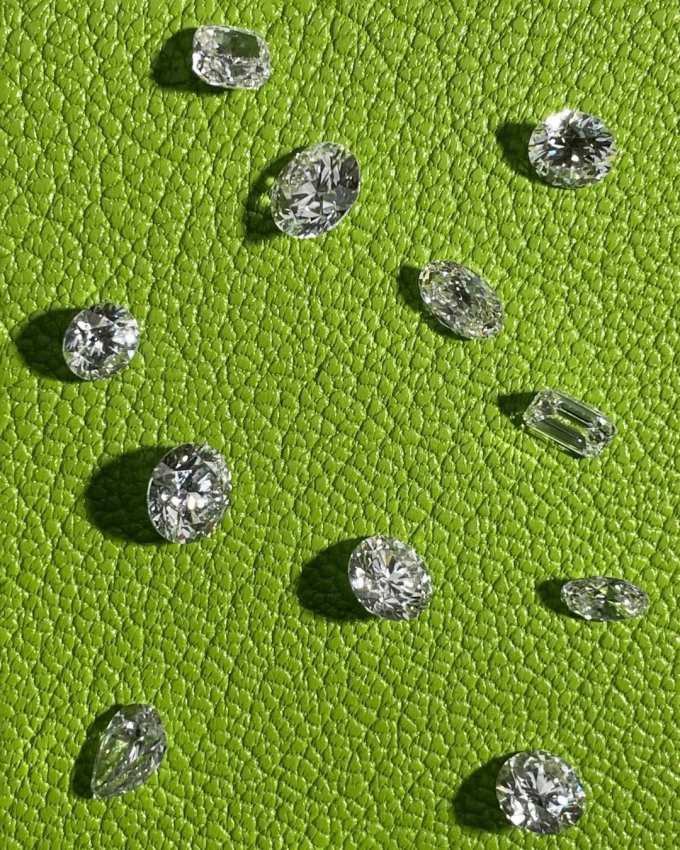
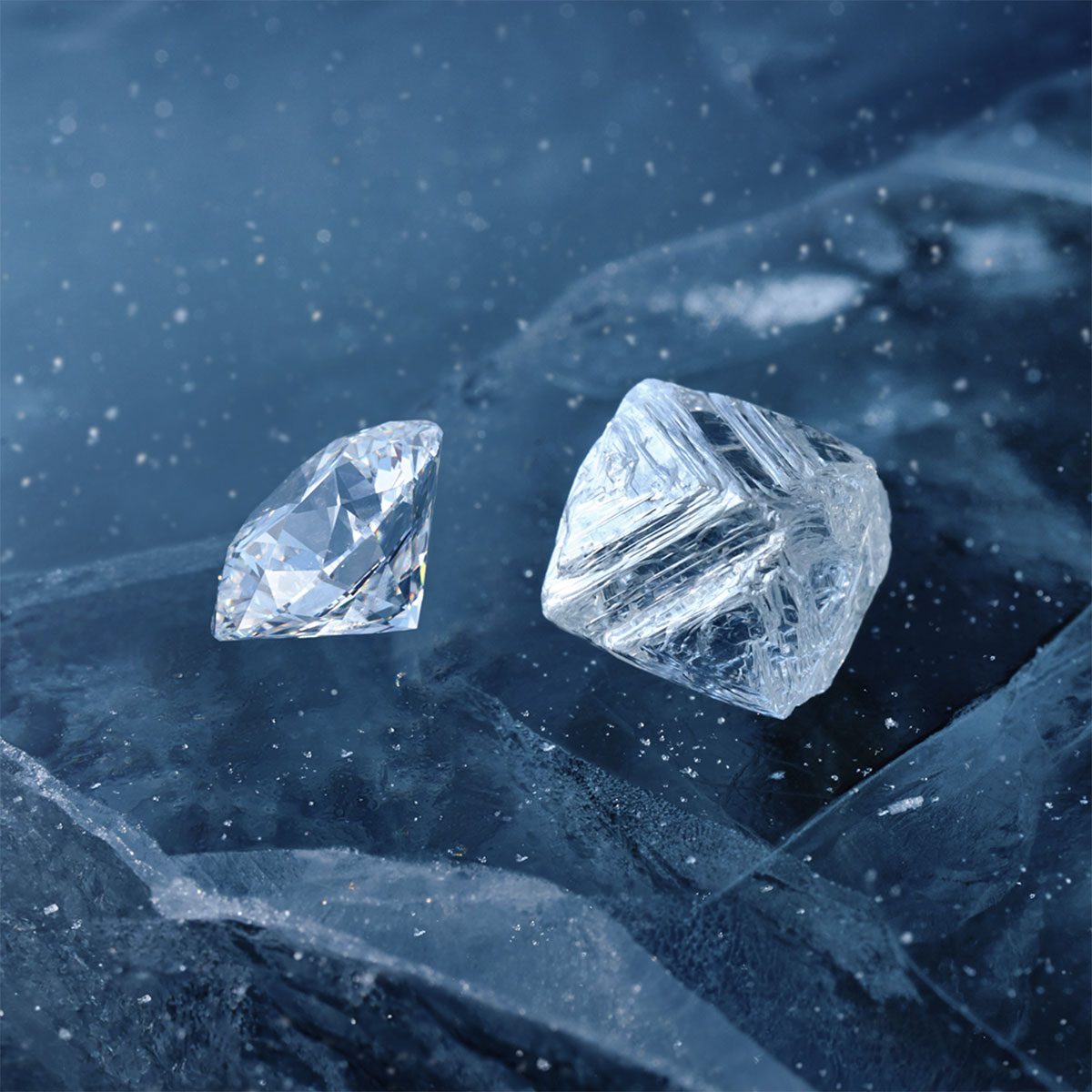
Moltke purchases rough diamonds from the Okavango Trading Company and Lucara, which are cut and polished by the company’s partners in Botswana, India, and Antwerp. Every stage in the supply chain is documented through blockchain technology.
Botswanamark offers diamonds ranging from melee to 10 carats across multiple shapes and colors, making traceable stones accessible to both large manufacturers and independent designers.
Another feel-good factor about the purchase: Botswanamark donates one percent of the profit from each stone to one of three Botswana charities selected by the buyer. The organizations support wildlife conservation, clean water initiatives, and early childhood development programs, reinforcing the connection between each purchase and its impact within the country.
Ultimately, Moltke envisions Botswanamark evolving into a marketplace for all traceable Botswana diamonds, creating a shared platform that benefits the country’s broader diamond industry.
The Booming Business of Botswanamark Diamonds
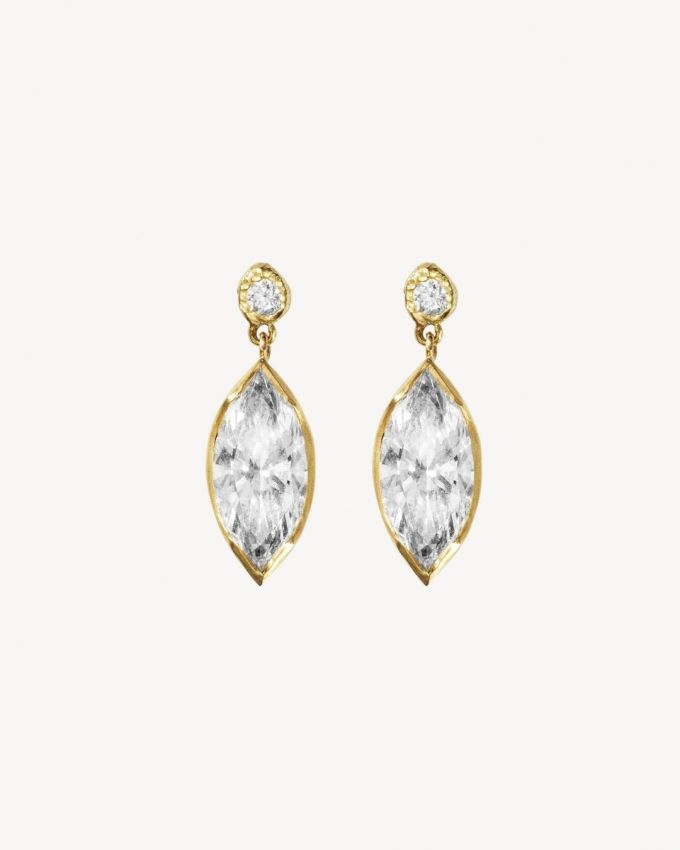
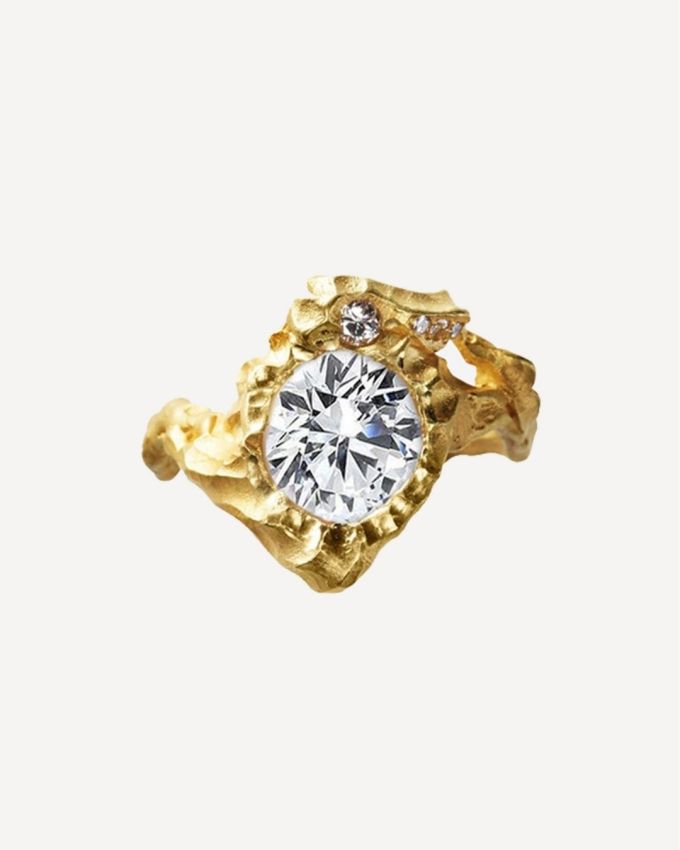
Botswana itself offers perhaps the most inspiring narrative around the natural diamond business. Diamond revenues have transformed the country’s economy, funding education, healthcare, and infrastructure while supporting conservation initiatives. Today, roughly 60% of the energy usage in Botswana’s diamond mines comes from renewable sources, with the industry targeting carbon neutrality by 2030.
For brands, that story has become integrated into the product and their story. “When we explain the journey of a Botswanamark diamond, it creates a deeper emotional connection to the piece,” says Christina Berthram Poulsen, commercial director at the Danish jeweler Elhanati. “It transforms the diamond from being simply beautiful into something with meaning, transparency, and purpose.”
She describes Botswana as a global benchmark for responsible natural diamonds, where mining revenues contribute directly to long-term social and economic development.
“It was important to find a diamond partner whose values align with our own,” says Berthram. “Botswanamark allows us to offer our clients natural diamonds with a transparent and meaningful origin, without compromising on quality or beauty.”
Building a Better Diamond Supply Chain
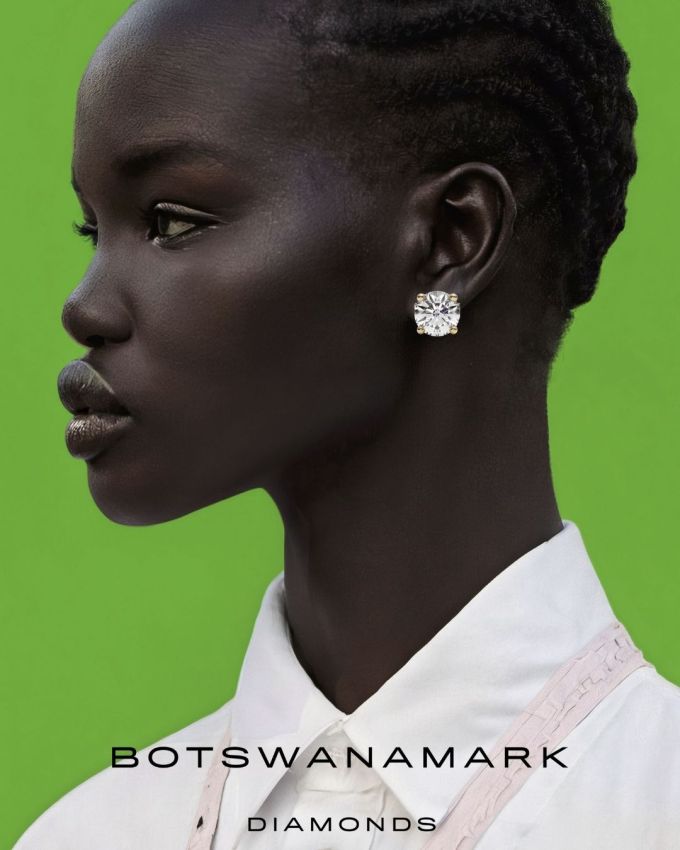
Moltke acknowledges that supplying a single stone to an independent designer isn’t always the most profitable business decision. “But if someone is passionate about storytelling and sourcing, I can’t say no,” he says. Moltke believes those relationships matter because they help reshape how consumers think about natural diamonds. “I always have this idea that many small streams will create a river.”
The Future of Traceable Natural Diamonds
Growing up in Denmark, Moltke says sustainability and transparency were part of everyday values. After studying gemology in London, he joined De Beers’ training program, spending 16 years buying rough across Russia, Canada, and Africa.
Those experiences convinced him that diamonds aren’t simply commodities, but products whose value is inseparable from the places they come from and the people whose lives they affect.
For designers and brands, Botswanamark’s digital certificate makes that story easier to share. Every diamond is listed alongside its GIA grading report, origin certificate, and a QR code linking it to its blockchain record, allowing retailers—and ultimately consumers—to follow each stone’s journey from mine to market.
For Moltke, that’s the future of natural diamonds: not simply proving where a stone came from but giving consumers a reason to care.