

The Remarkable Diamond Diaries of Beabond
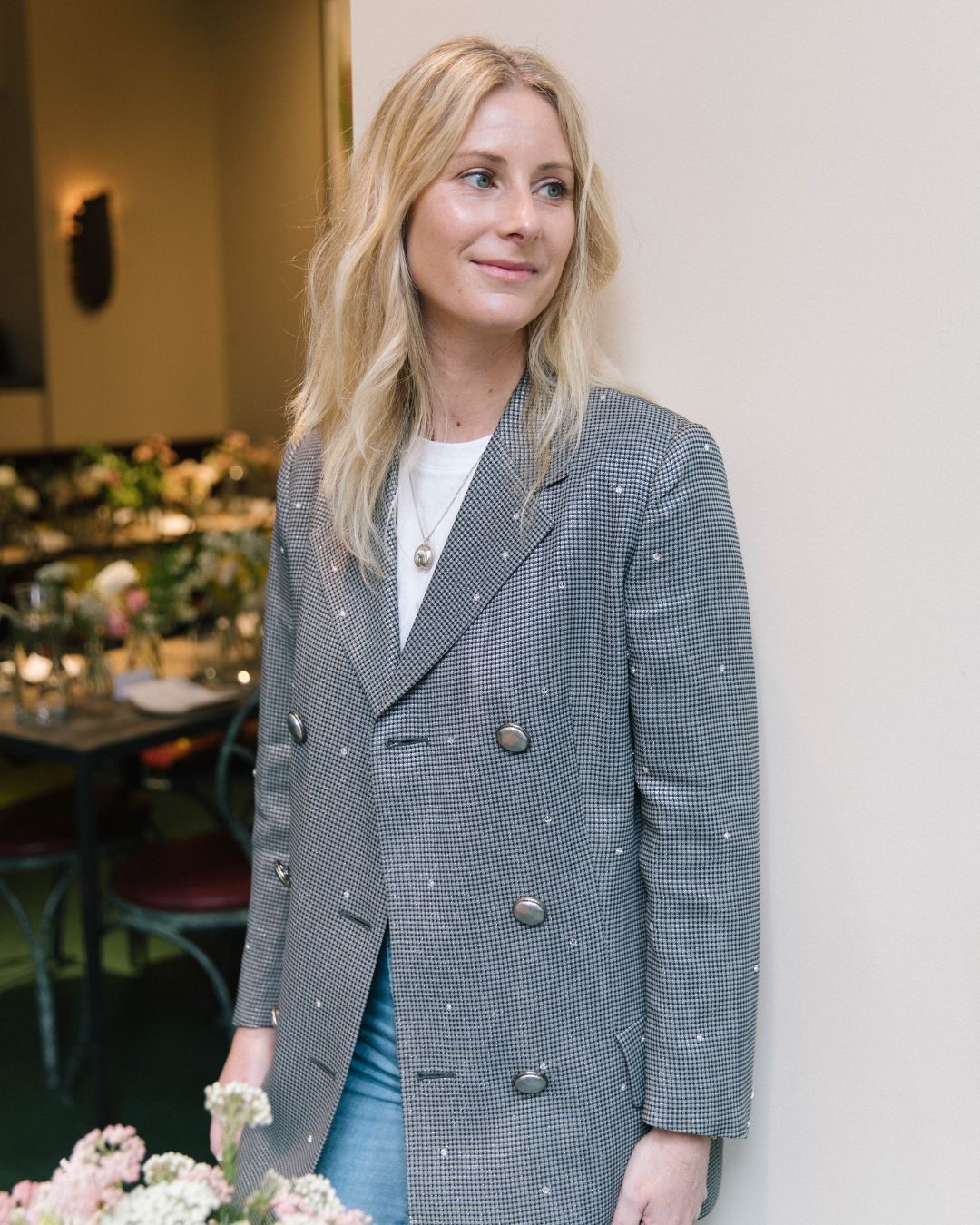
Ferelith Moltke Portrait (Photo by Iona Wolff)
Everyone knows that the most compelling jewels are never just about carats and clarity—they are about provenance, poetry, and the quiet power of a story well told. Few contemporary designers understand this as intuitively as Countess Ferelith Moltke, the force behind the Beabond collection, whose jewels shine not only with natural diamonds but with narrative.
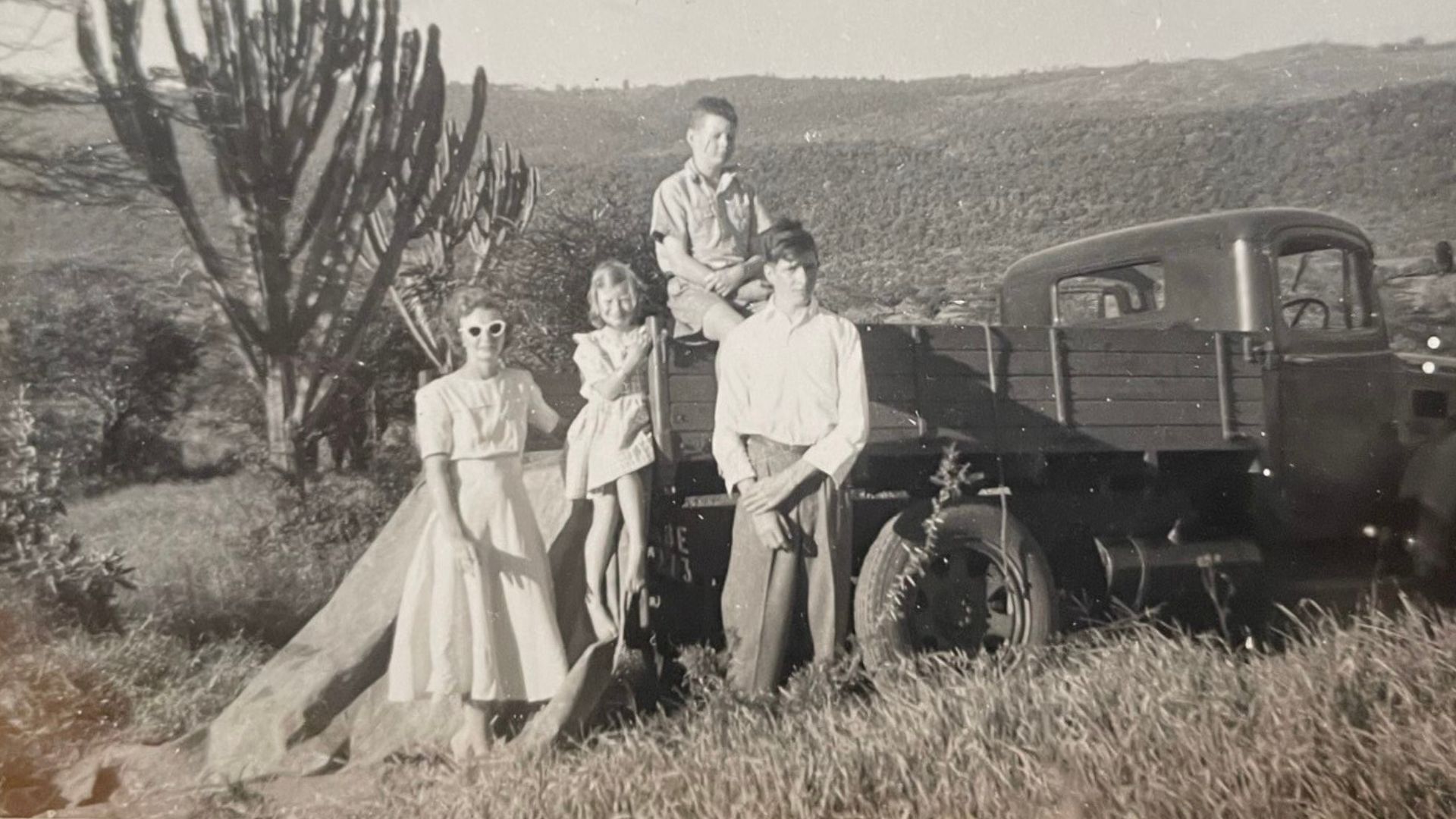
Moltke’s own story reads like something between a drawing-room epic and a spy novel. Her maternal grandmother, Beatrice Bond, was born in colonial Kenya in 1911 and descended from John Bond, the Elizabethan spy believed to have inspired Ian Fleming’s James Bond. By the time Moltke was a girl, she understood that the most fascinating objects are never merely beautiful—they carry secrets, memory, and a sense of place.
“I’ve always been fascinated with objects that tell stories,” she said, and that sensibility defines Beabond. But if her heritage provided the framework, it was an unexpected chapter in Botswana that gave the collection its soul.
Meet the Expert
- Ferelith Moltke grew up in England surrounded by tales of adventures from her family. Serendipitously, she moved from England to Africa, continuing the family’s connection to the continent.
- Living in Botswana for five years, Ferelith rediscovered a connection with nature, a deep learning of lived experiences, leading to the creation of Beabond.
After marrying Count Nicholas Moltke, whose family traces back to the historic Moltkes of Copenhagen, the couple moved from London to Botswana for his work as a sales executive with De Beers. During her time in Africa, she had what you could call a creative awakening.
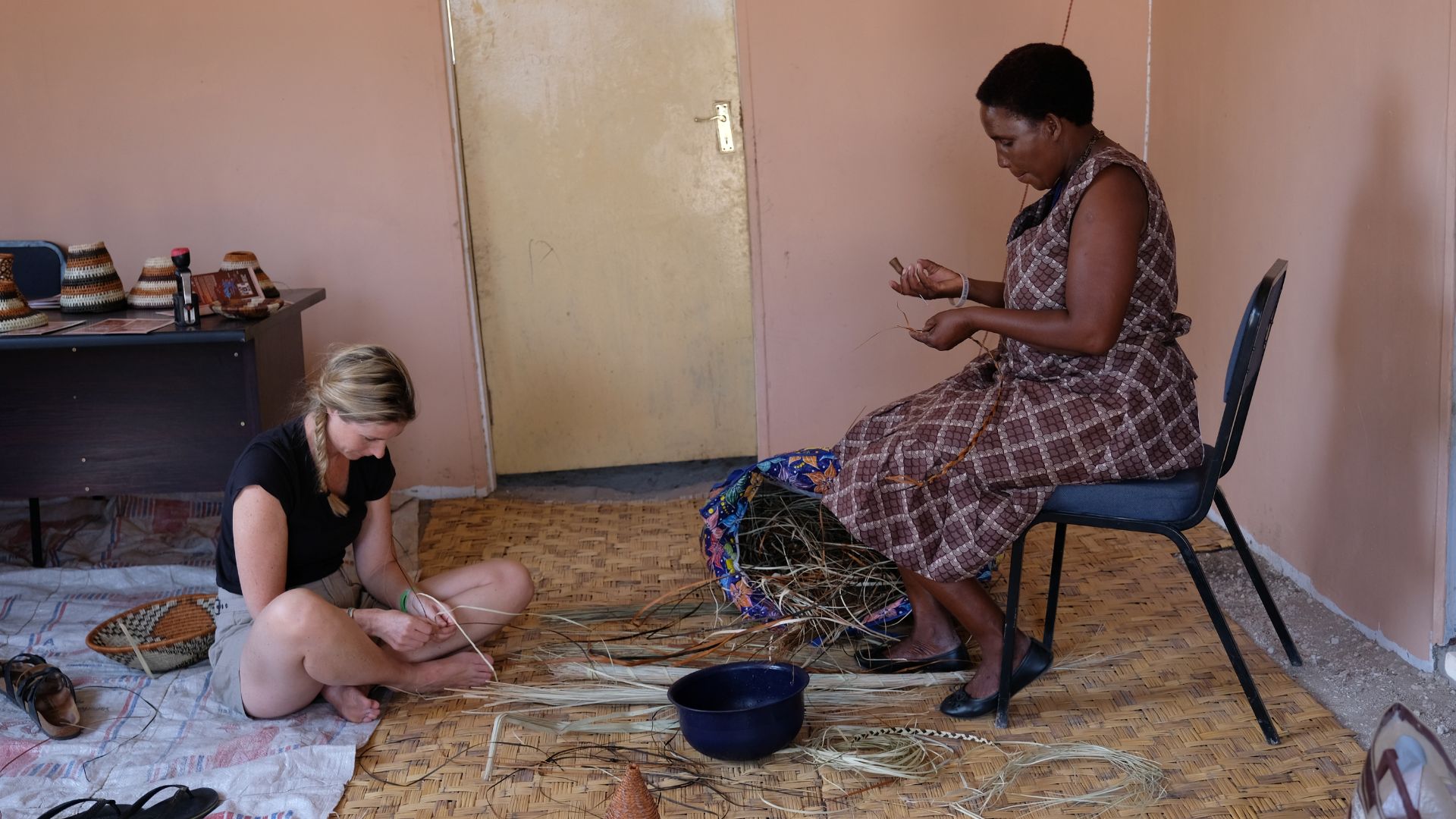
“Life was slower in Africa, and we had time,” she recalls of the five years spent immersed in the country’s rhythms. Time to travel across vast landscapes. Time to meet craftspeople whose techniques have been passed from one generation to the next. And time to understand the country’s people and cultural symbolism.
The Inspiration Behind Beabond
That realization became the cornerstone of Beabond.
Yet turning that vision into reality was far from easy. As Moltke quickly discovered, sourcing traceable diamonds directly from Botswana as an independent designer was nearly impossible.

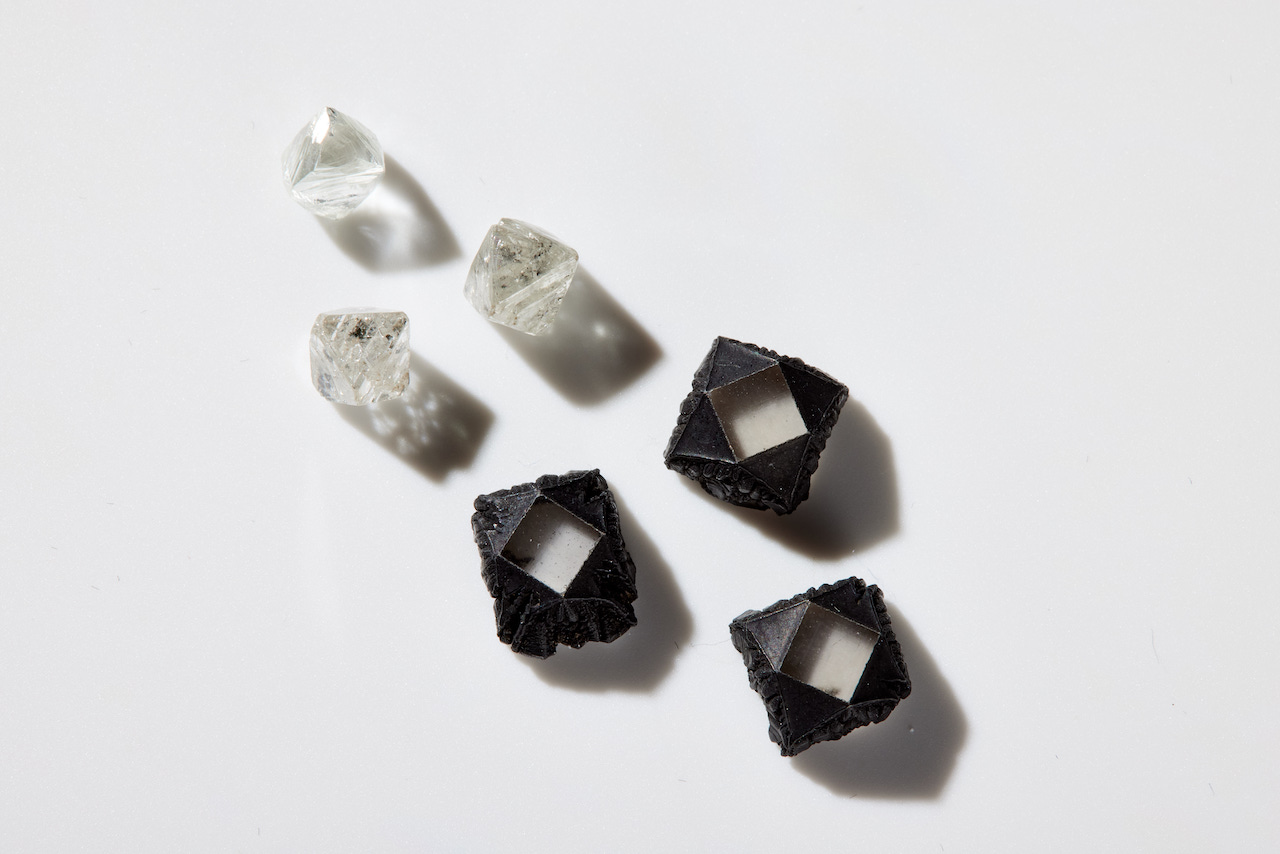
Enter an unexpected solution: her husband. He used his experience at De Beers to establish Botswanamark in 2021, creating a pathway for ethically sourced, fully traceable diamonds to reach independent brands, like Beabond. Using blockchain tracing technology, each stone is tracked from mine to market—an innovation that aligns seamlessly with Moltke’s commitment to transparency and storytelling.
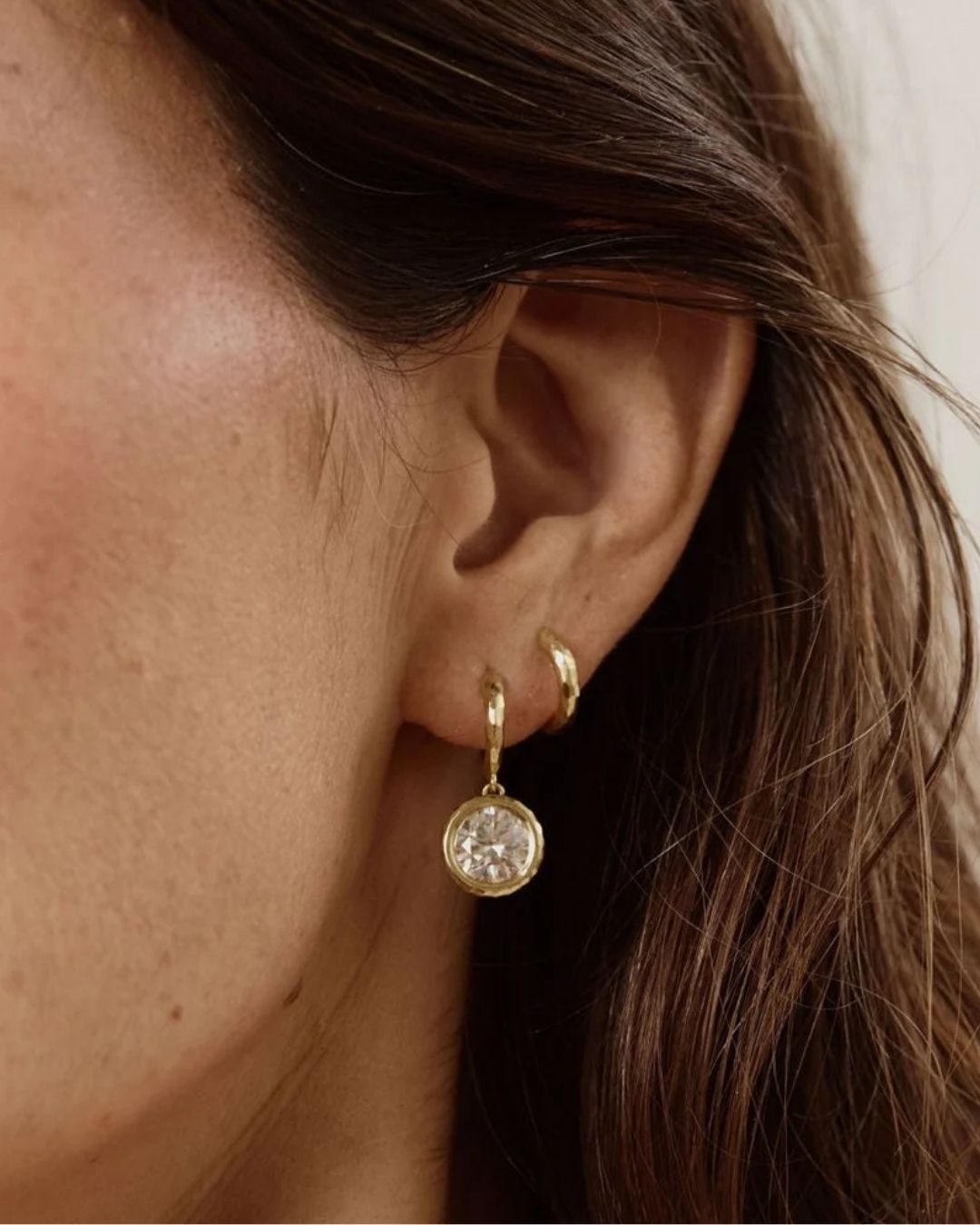
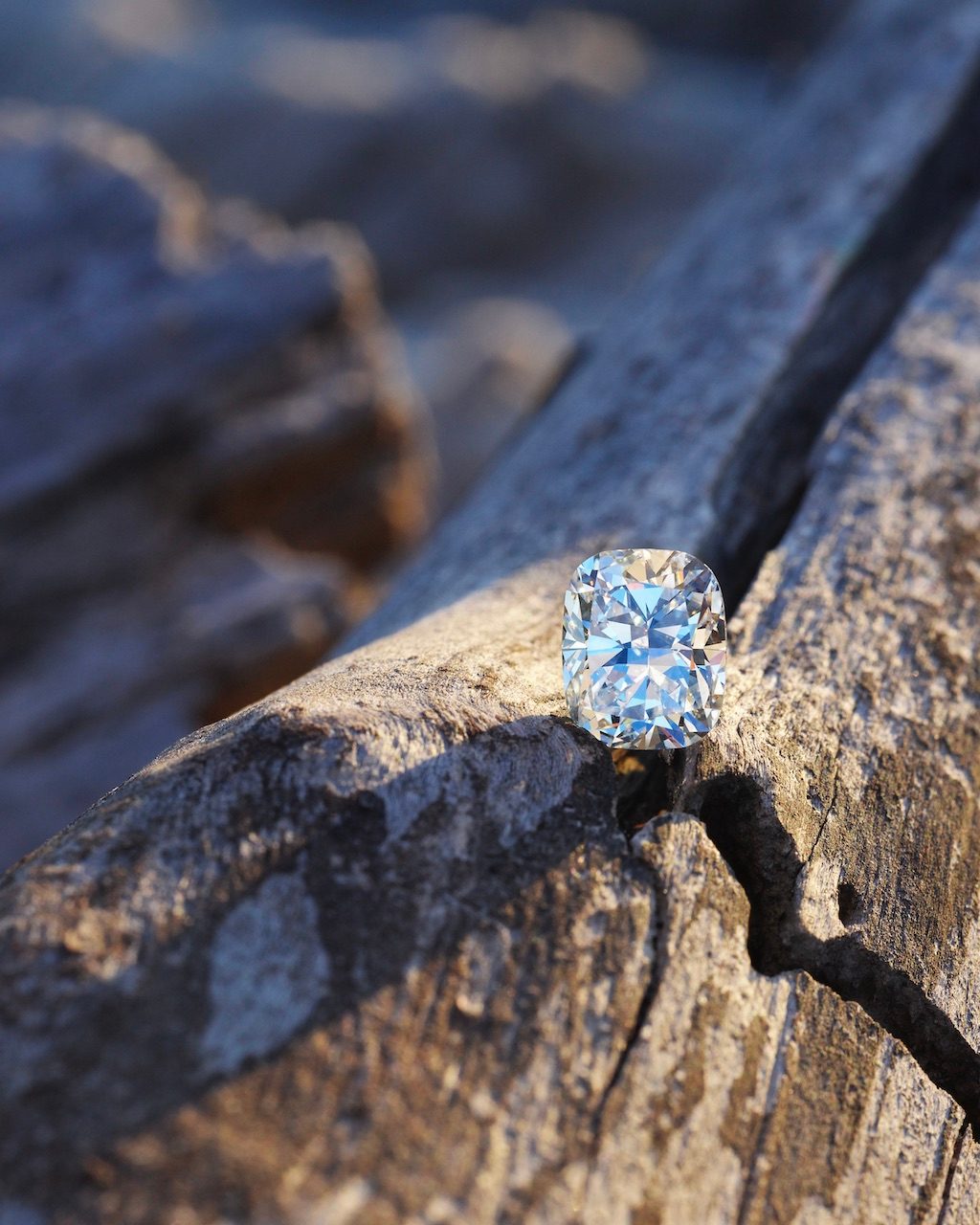
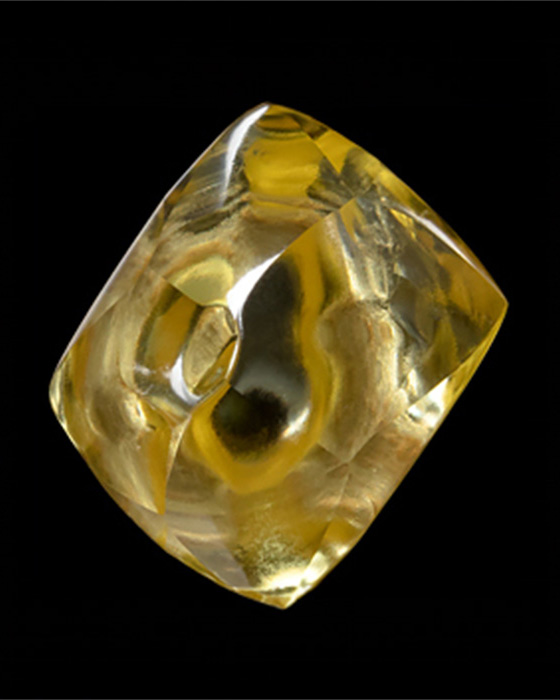
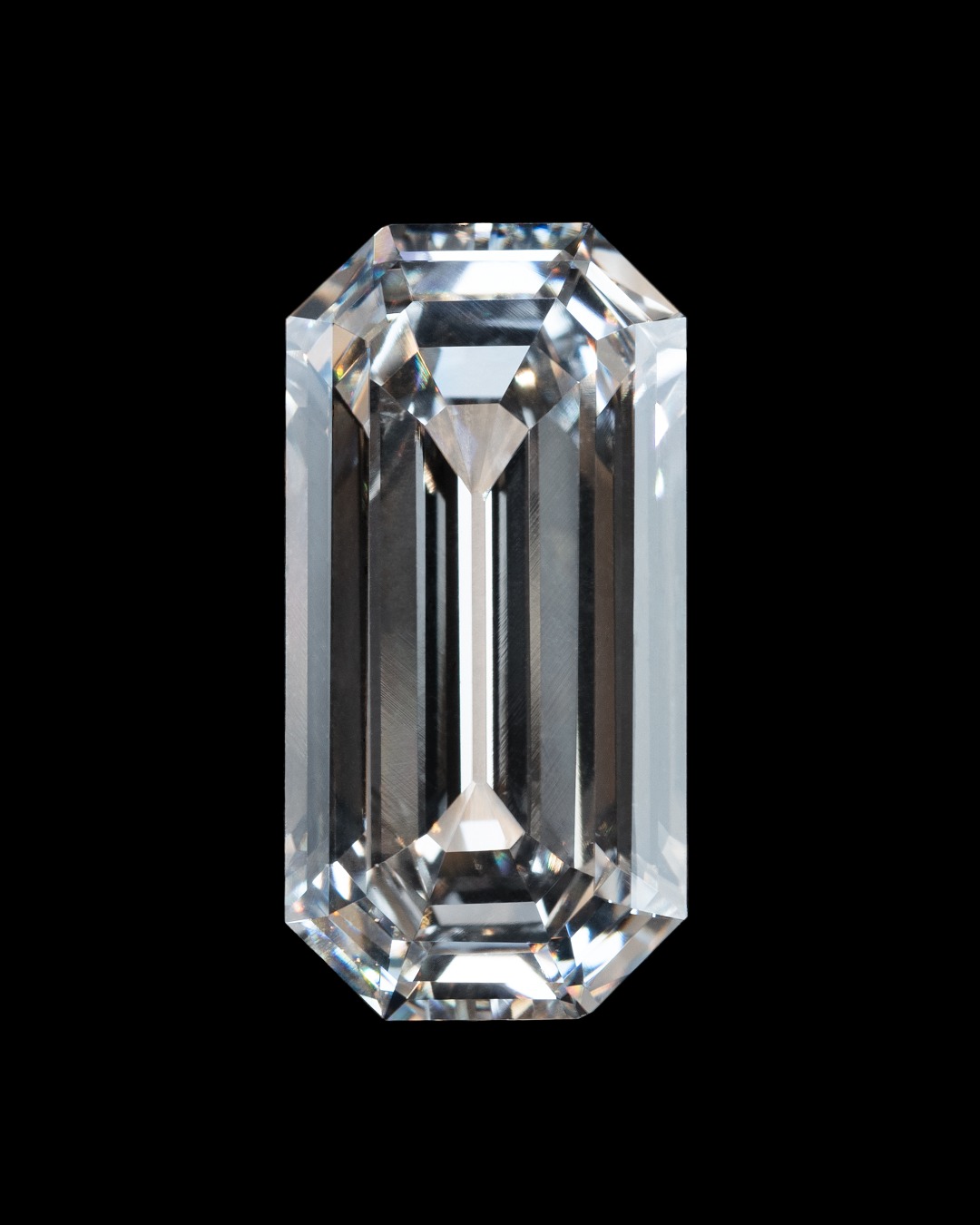
Today, Beabond diamonds originate from three mines in Botswana, are cut in Botswanamark’s certified workshops in India and Botswana, and set in Antwerp, the historic heart of the diamond trade. The journey of each stone is integral to the final piece.
And what pieces they are.
The Beabond Collections
Moltke’s designs are contemporary yet referential, each collection anchored in a specific cultural or natural inspiration inspired by her time in Botswana.
The Beabond Mokola Collection
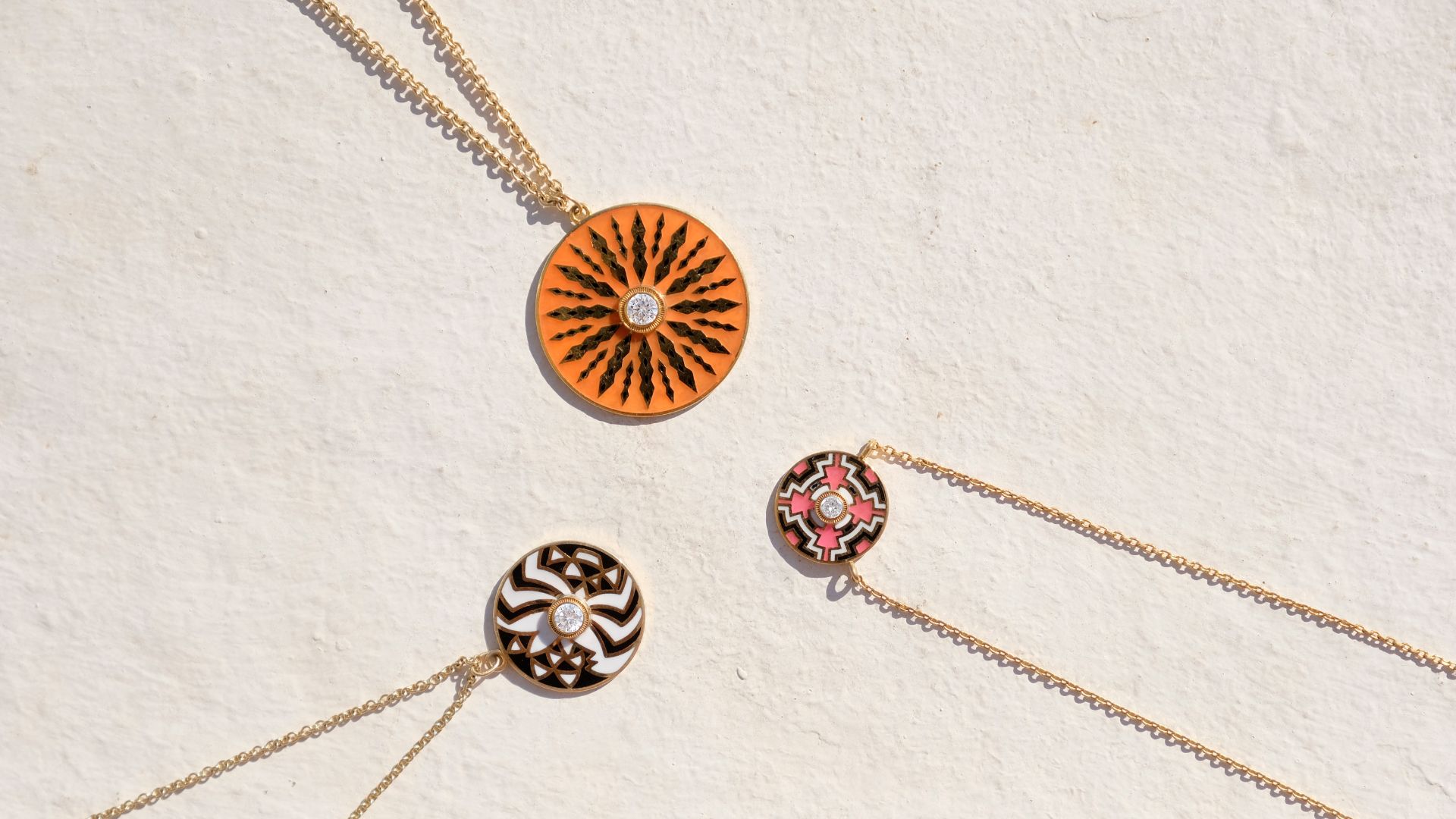
Take the Mokola collection, a vibrant interplay of enamel and gold inspired by the intricately woven baskets of the Okavango Delta. These baskets, crafted from mokola palm leaves, are not merely utilitarian—they feature patterns that reflect nature, community, and identity. Moltke translates these motifs into fine jewelry, placing a diamond or gemstone at the center of each piece. Importantly, 20 percent of profits support the Ngamiland Basket Weavers Trust, ensuring that this heritage craft continues to thrive.
The Beabond Banyan Collection
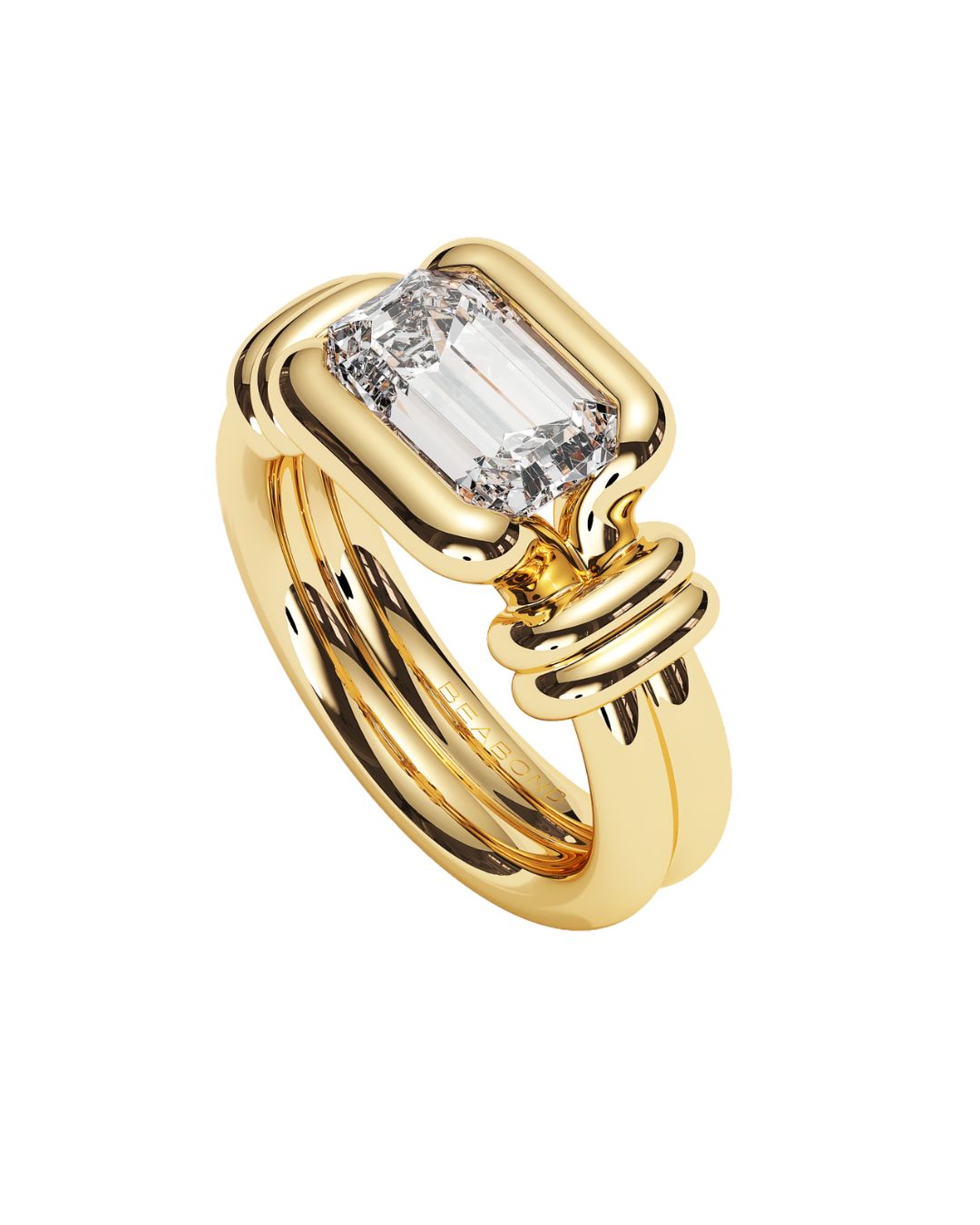
The Banyan collection explores themes of interconnectedness with sculpted 18-karat recycled gold pieces designed to echo the sinuous branches of the banyan tree—an ancient symbol of unity and resilience. Rings curve and overlap in graceful arcs, set with diamonds and colored gemstones. “We are all interconnected,” Moltke explains, and in these pieces, that philosophy becomes tactile.
The Beabond Lenaka Collection

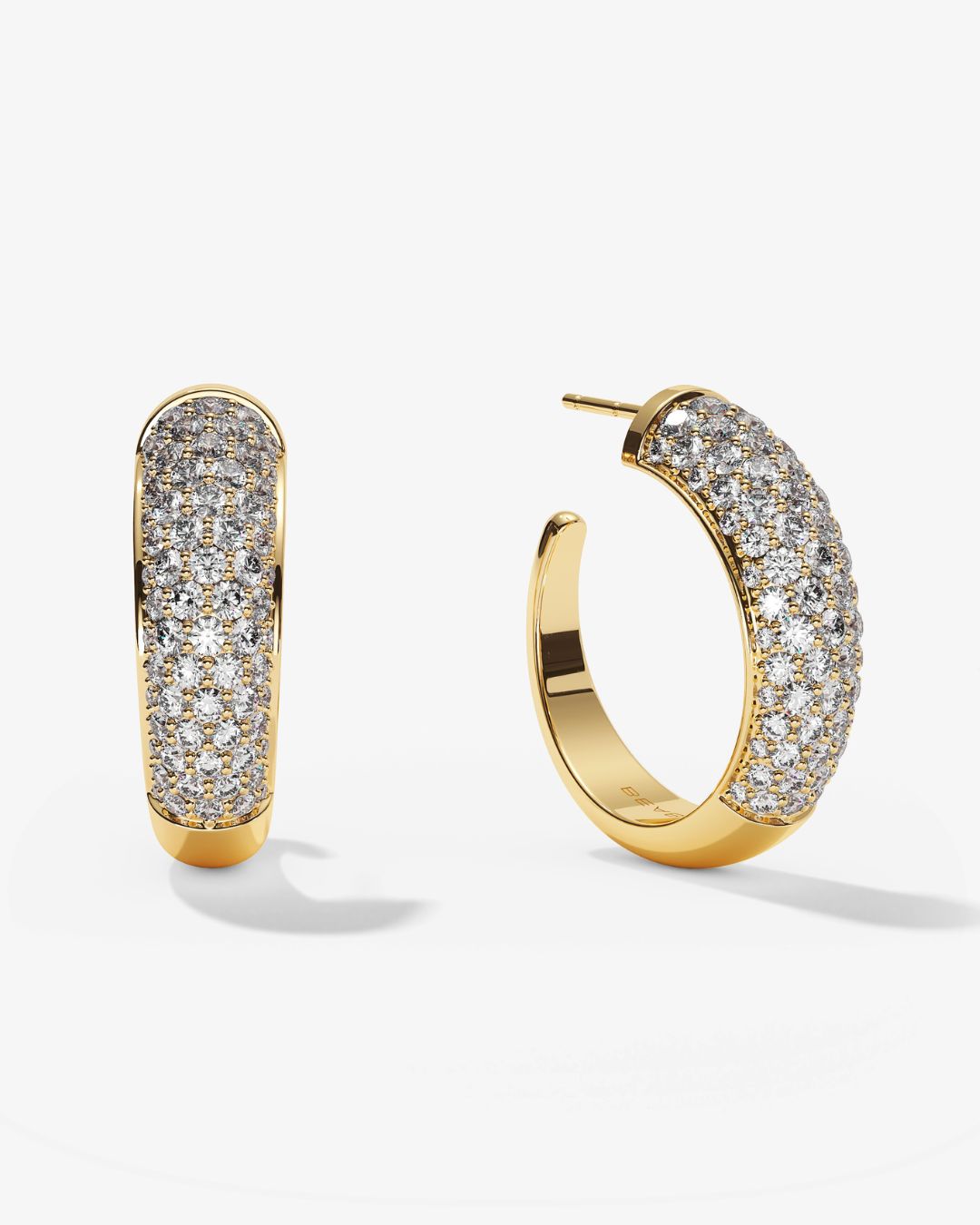
Then there is Lenaka, a collection inspired by Botswana’s most majestic inhabitant: the elephant. In the local language, “Lenaka la tlou” refers to an elephant’s tusk, and the sculptural gold shapes paved with diamonds evoke both the form and the symbolic weight—wisdom, protection, memory.
The Beabond Coco Collection
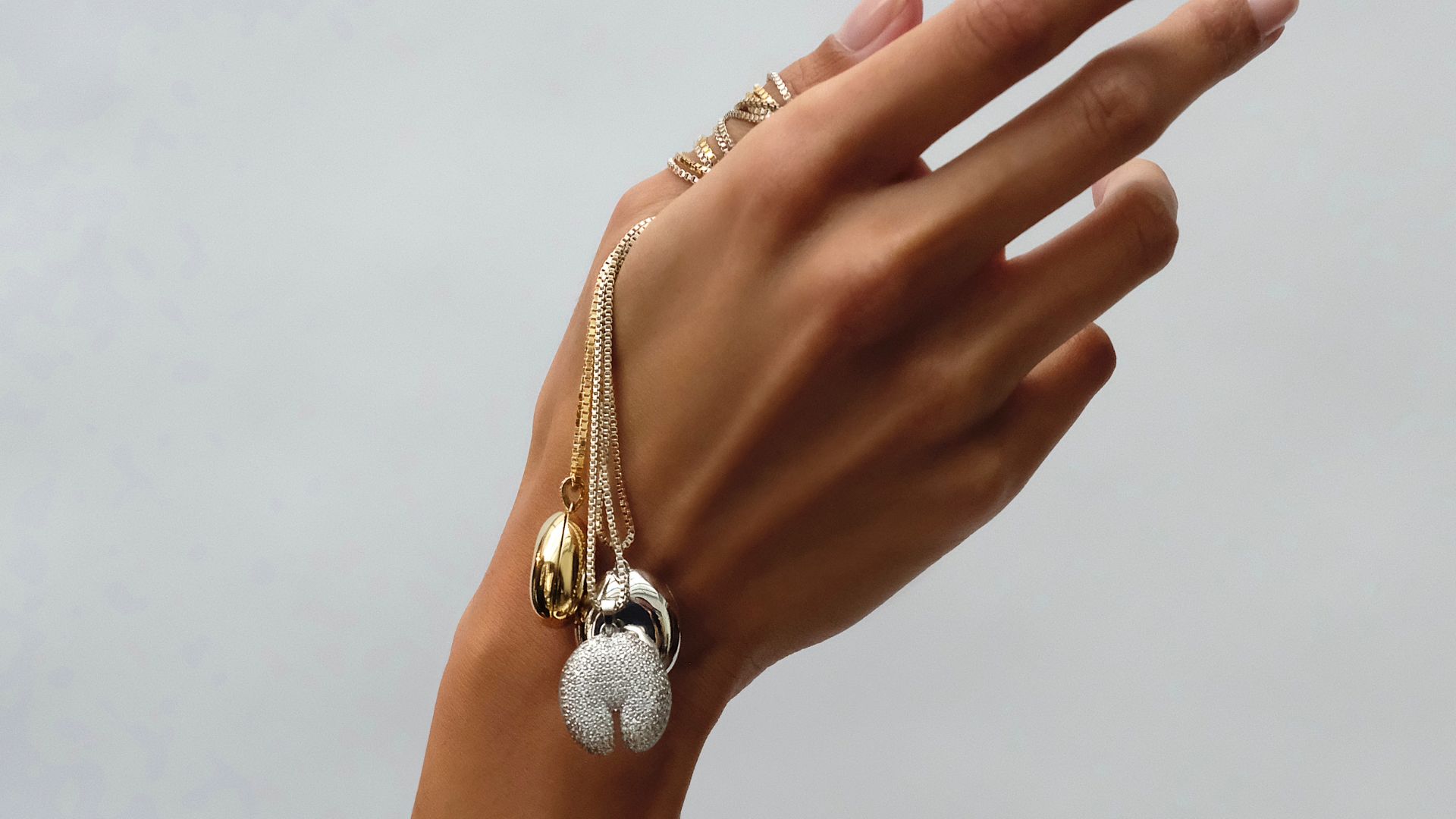
Beyond Botswana, Moltke’s storytelling extends globally while maintaining its ethical core. Her Coco collection, created in collaboration with model and philanthropist Arizona Muse, founder of DIRT Charity, draws inspiration from the rare Coco de Mer of the Seychelles—the largest seed in the world, often associated with divine femininity. Rendered in gold vermeil and diamonds, the sculptural forms are both sensual and symbolic. Thirty percent of profits support soil regeneration initiatives, linking luxury to environmental stewardship.
Beabond Arrives in London
In March, Beabond debuted at the Six Senses hotel in London, which, in many ways, felt like a homecoming. London is where her journey began before Botswana helped her realize her creative vision. The brand is also sold at Six Senses in Ibiza, where its ethos of sustainability and craftsmanship aligns seamlessly with the hospitality group’s philosophy.
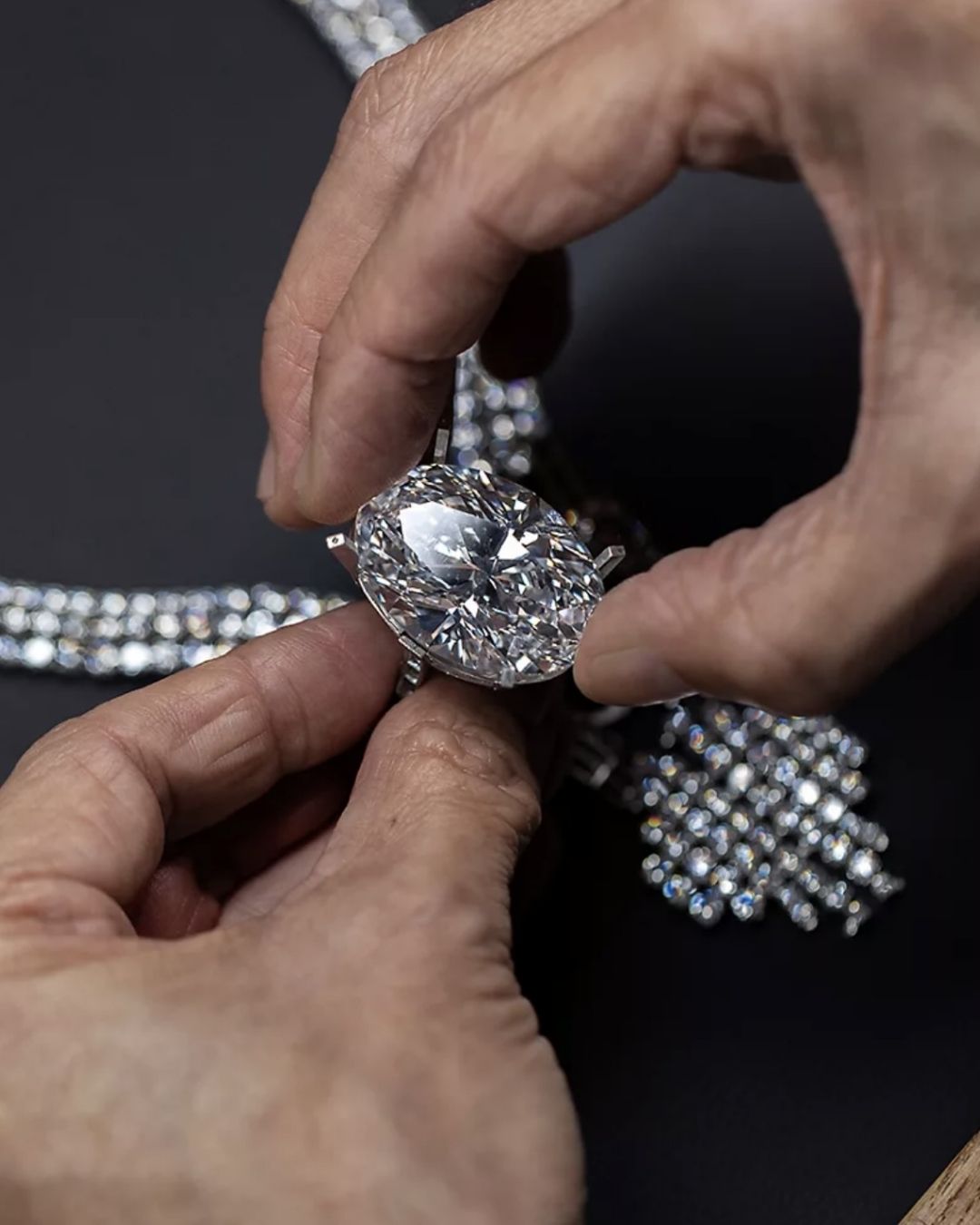
Looking ahead, Moltke is turning her attention to bespoke creations—particularly within the Banyan line—offering clients the opportunity to commission pieces featuring larger diamonds and unique cuts. It is a natural evolution for a designer who sees jewelry not as static adornment, but as an ongoing dialogue between maker, wearer, and origin. In the end, what Moltke has created with Beabond is more than a jewelry collection. It is a framework for thinking about luxury differently—where diamonds are not abstract commodities, but storytellers, and where design is inextricably linked to its origins.