

Diamond Traceability:
The Story Behind the Sparkle
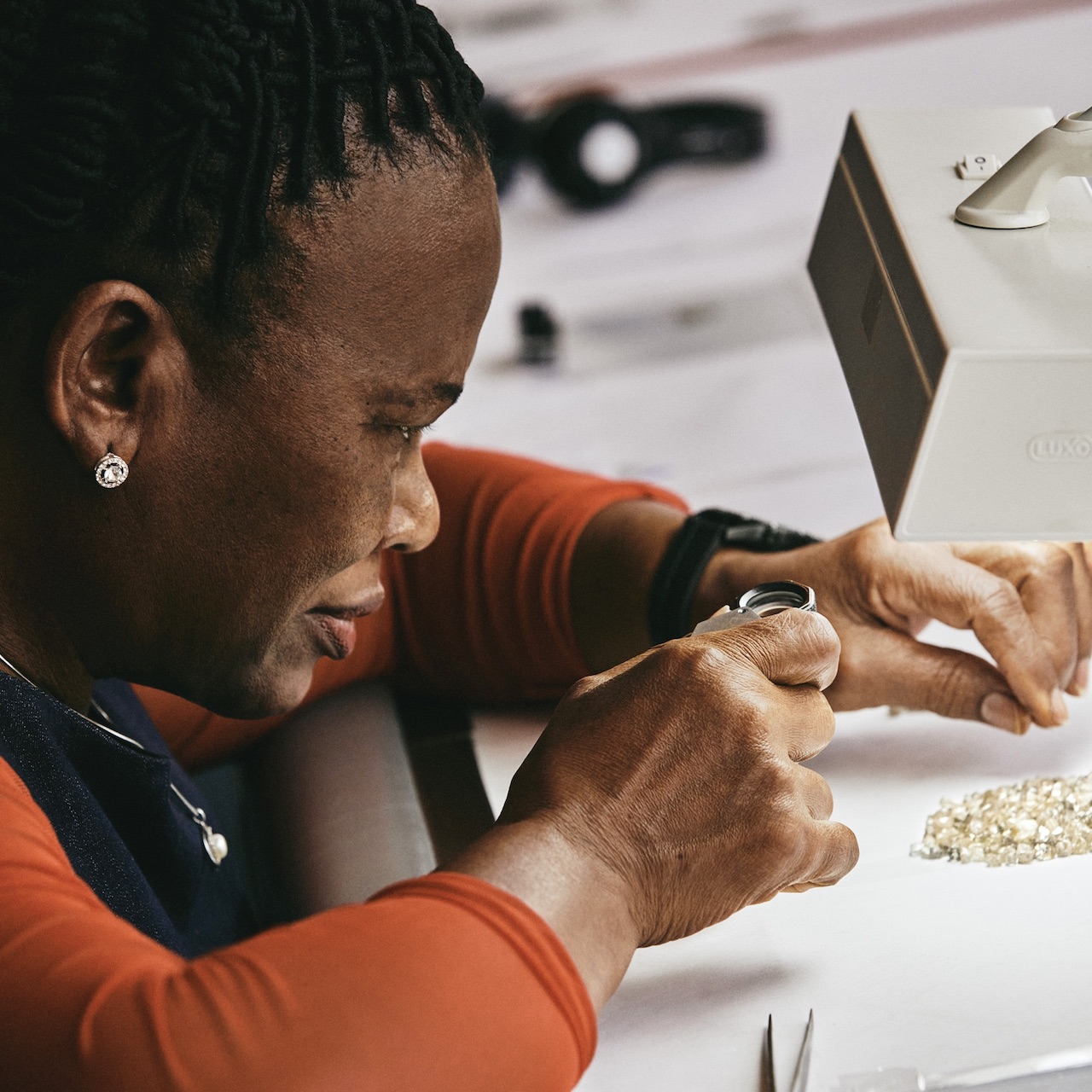
From Botswana to the red carpet; from Sierra Leone to Place Vendôme, a diamond’s traceability adds a layer of storytelling, following the stone’s origin, process, and impact. Thanks to traceability, today’s diamonds come with more than sparkle. They come with a backstory.
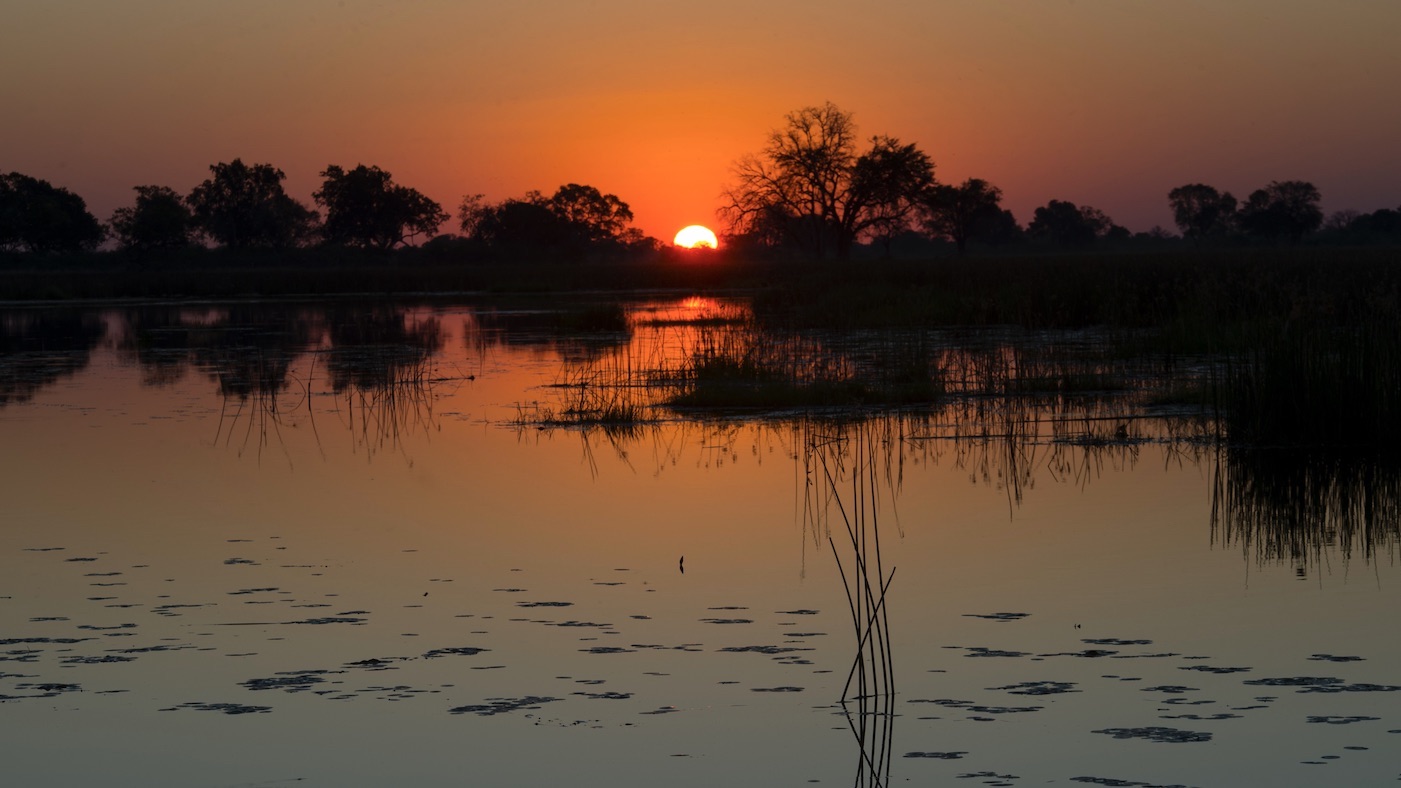
Sun setting over the Okavango Delta in the northern part of Botswana on June 08, 2014. (Getty Images)
The journey of a diamond—from a remote mine in Botswana to the red carpet—once unfolded largely out of sight. Increasingly, however, it is being brought into focus. Traceability has become something of a quiet luxury in itself: an added layer of storytelling and meaning for clients who want to know not just what they are wearing, but where it has been.
Now, thanks to innovations like Tracr, you can follow a diamond’s path from mine to market. Think of it as a digital passport, verifying that every step—from sourcing to cutting to setting—meets responsible standards and has a positive impact on the communities that touched it.
Meet the Experts

Mahiar Borhanjoo is the Chief Commercial Officer of De Beers Group. Responsible for positioning the world’s most prominent diamond producer for the fast-changing diamond market, Borhanjoo presented De Beers’ vision during a CIBJO Jewelry Industry Voices seminar at the VICENZAORO Show in Vicenza, Italy, in January 2025. Prior to his current role at De Beers Group, Borhanjoo held positions at the Diamond Trading Company (DTC), Venus Jewel International, and was the CEO of DFL Group.

Emmanuelle Nodale is the CEO of De Beers London. With over 20 years of expertise in shaping and developing global brands, Nodale is recognised for her strategic leadership and ability to translate insights into meaningful growth. Before joining De Beers London, Nodale held senior positions at Kering, where she played a key role in shaping strategy within the Watches & Jewelry Division. Most recently, she served as General Manager Europe at Milan-based luxury jewelry brand Pomellato.
The Journey of a Traceable Diamond From Botswana to Hollywood
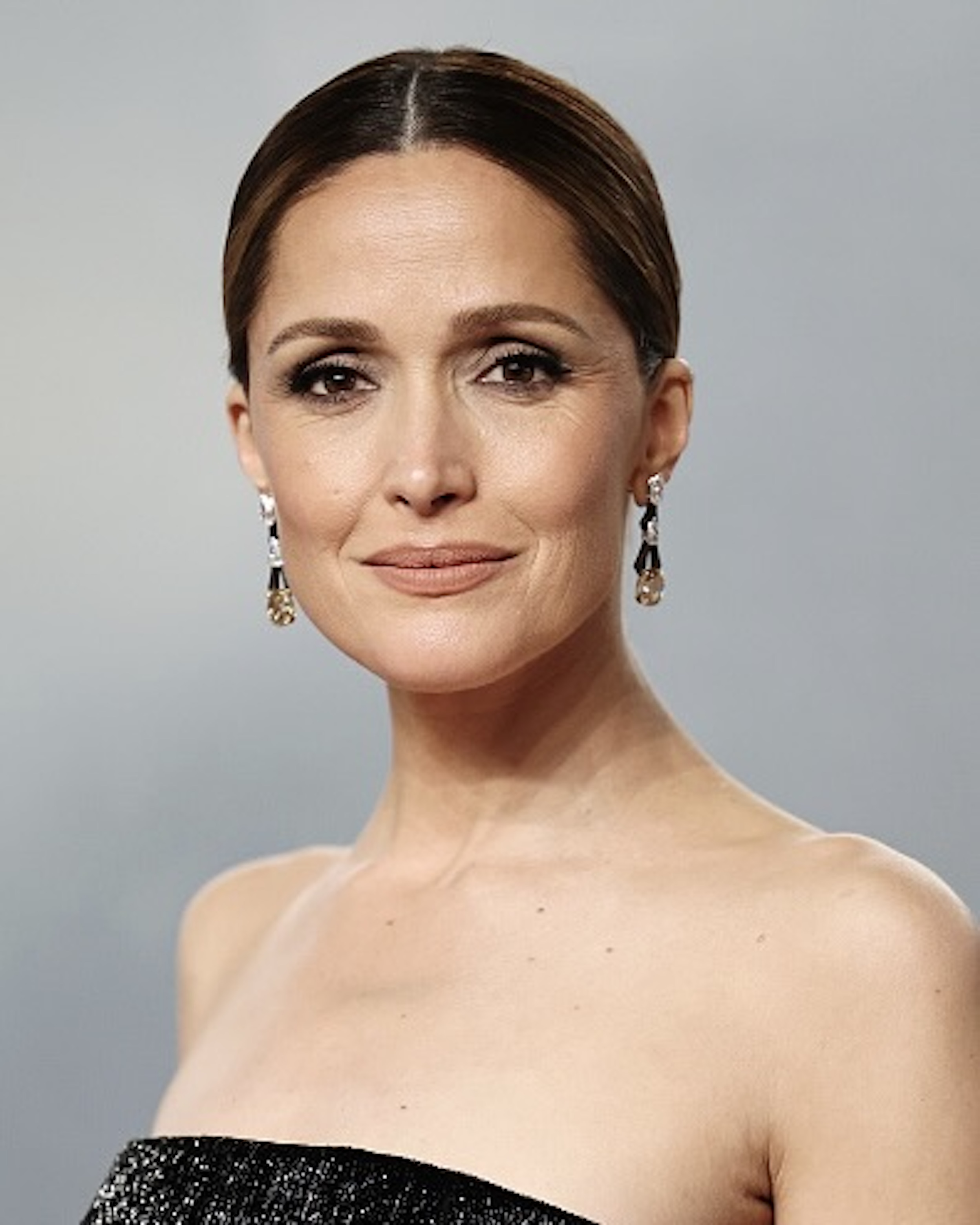
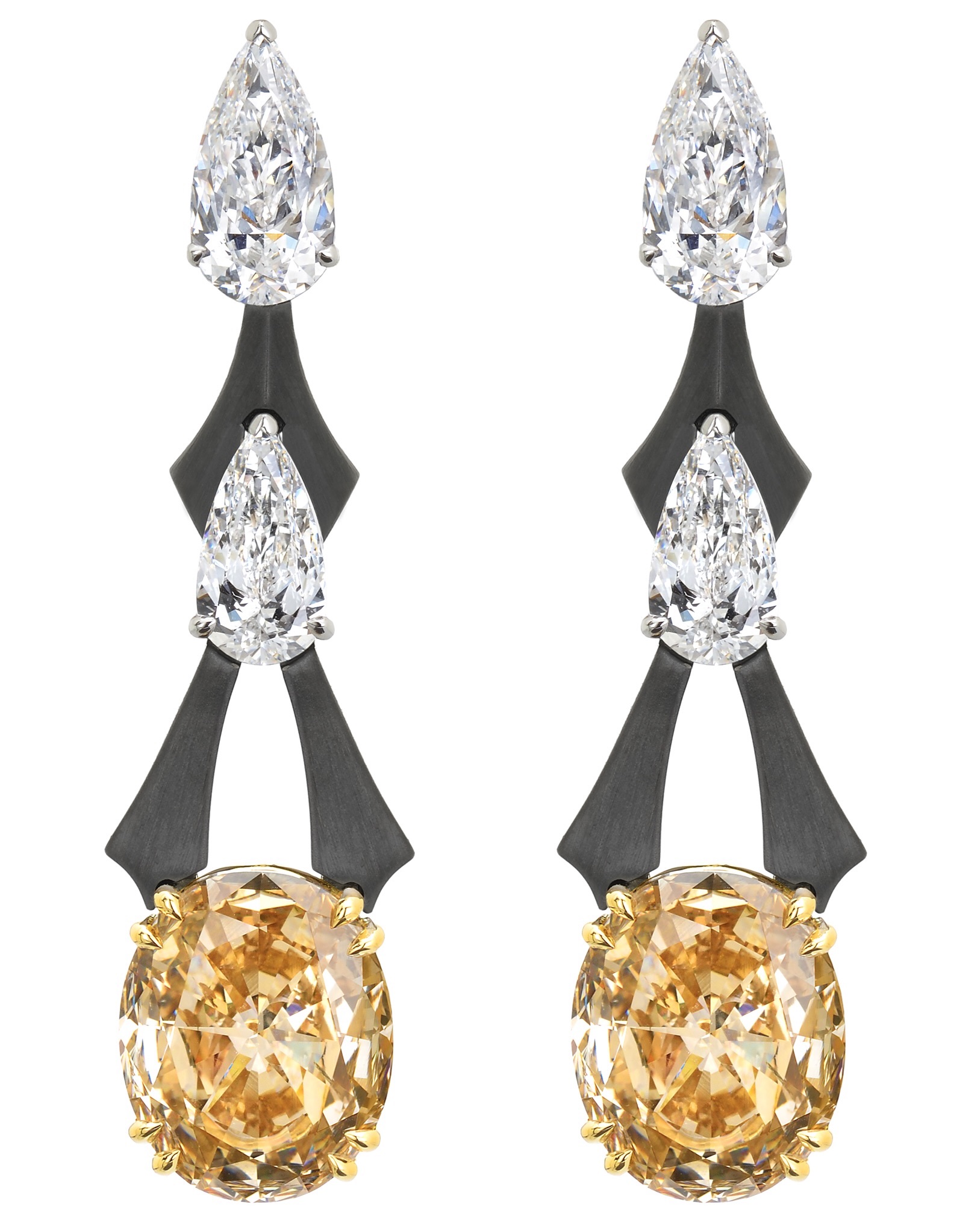
When Rose Byrne stepped onto the 2026 Vanity Fair Oscars party red carpet, she brought a bit of Botswana with her—literally. She wore stunning earrings by designer Nikos Koulis, featuring two honey-hued desert diamonds with a total of 16 carats sourced from the country.
Part of Koulis’s ME collection, the custom earrings include 16.18 carats of oval-shaped fancy brown-yellow diamonds and 5.07 carats of pear-shaped white diamonds in an angular rhodium-finished 18-karat white gold setting.
In a press release, Koulis explained, “Desert diamonds have a captivating allure and a heartwarming effect — I love the way they glow and carry incredible light. I’ve been working with yellow and brown diamonds for many years, especially in high jewelry pieces. I’m very particular about the exact tones I select; I want them to have an even, harmonious color, and I carefully choose the other stones I combine them with to capture their natural beauty.”
Koulis, known for working with a close-knit group of suppliers and, where possible, reclaimed stones, often speaks of craftsmanship and proportion. Yet there is also an acknowledgment that beauty alone is no longer enough. The modern client is attuned to origin, process, and impact, even if those details remain largely behind the scenes.
How De Beers and GemFair Are Expanding Diamond Traceability
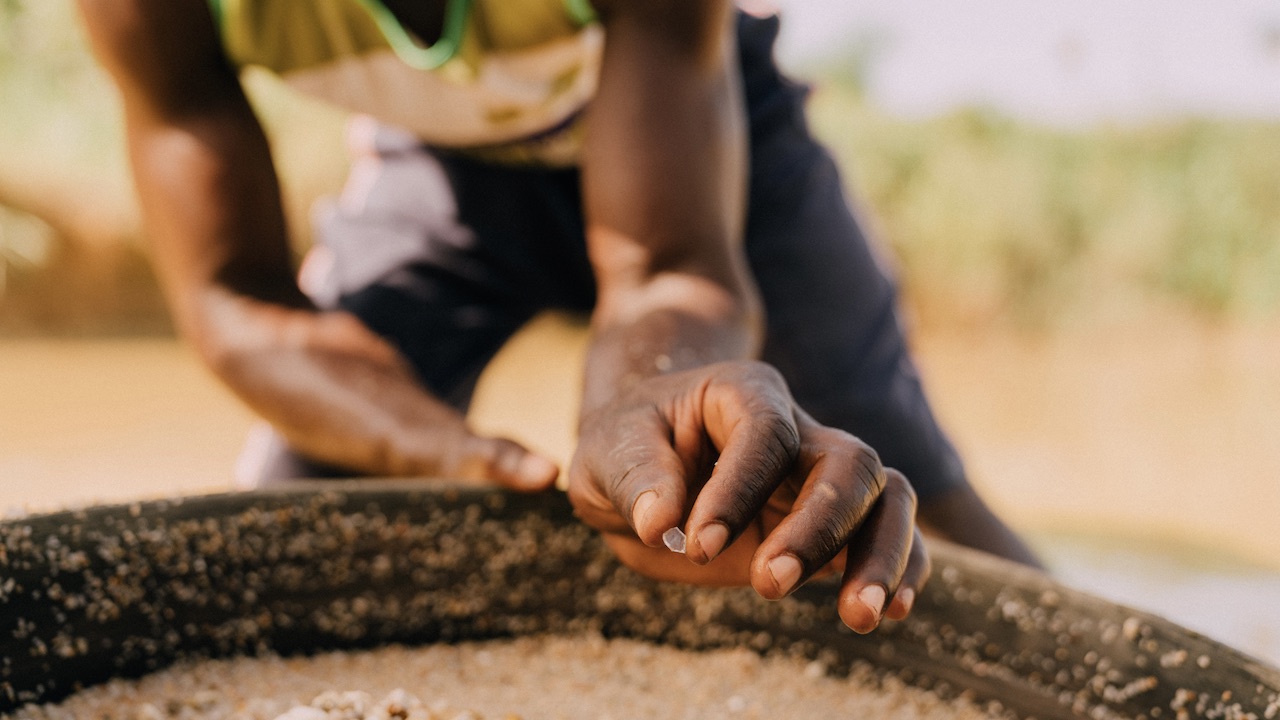
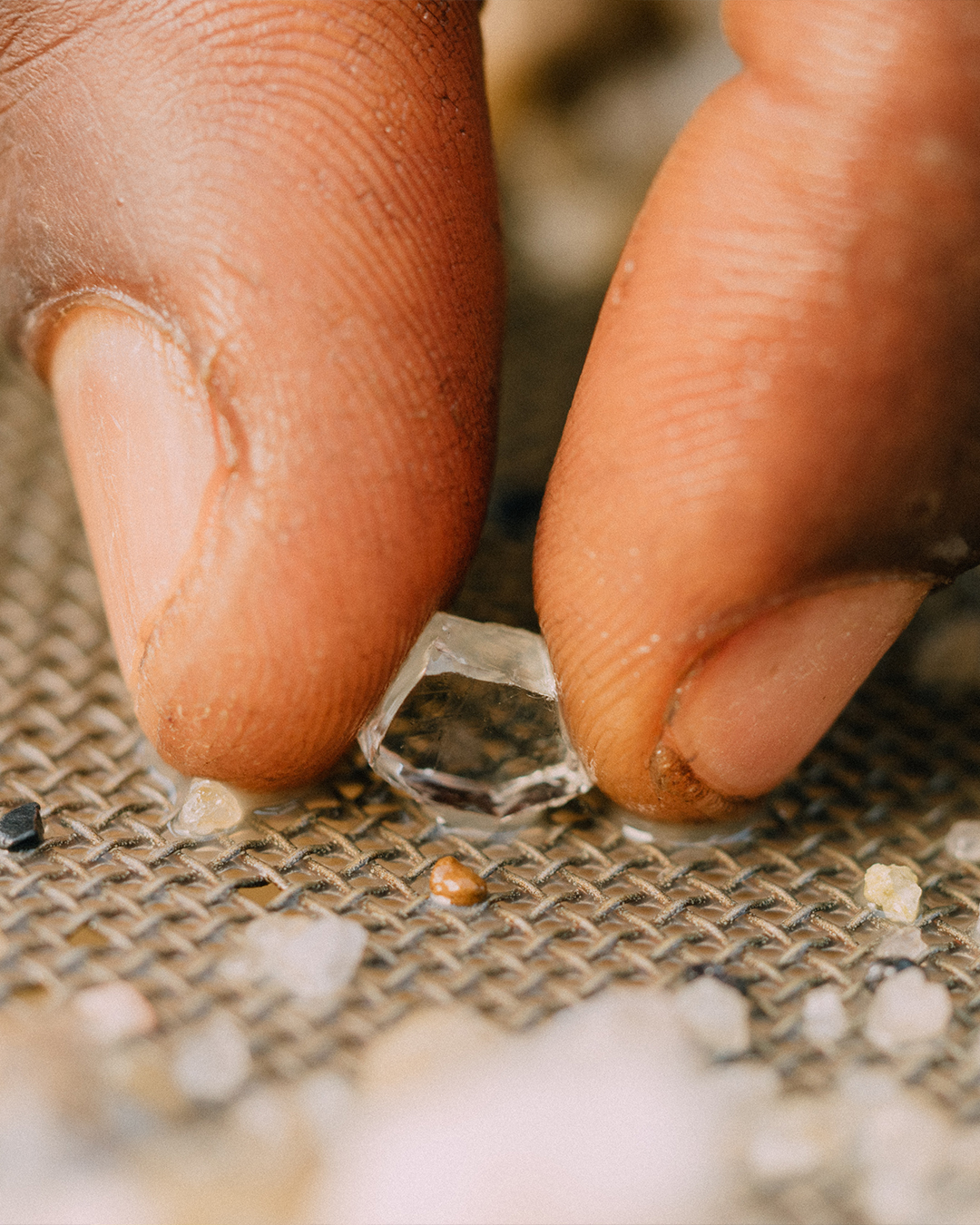
That was the case with a newly unveiled De Beers London ring, whose roots originate in the remote Kono district of Sierra Leone, where a miner working the land that his family has known for generations uncovered an exceptional 5.65-carat rough diamond.
At the time, it was just a beautiful discovery all in a day’s work. Fast forward, and that very stone ends up cut, polished, and mounted in a ring by De Beers London, and presented in the brand’s glamorous Paris flagship.
The Sierra Leone diamond is especially significant because it’s part of the GemFair program, powered by the De Beers Group, to support artisanal miners with training, equipment, and a fair and transparent pathway to bring the stones to the international market.
Unveiled in 2018 as a pilot program, GemFair has grown to include around 7,000 miners—and counting. The emphasis is not only on improving standards, but on ensuring that value flows more equitably back to the communities where these stones originate.
“Being able to see diamonds from Sierra Leone on a platform like ours and talk about the positive impact they have in the countries they come from, gives consumers a real appreciation for the value of natural diamonds,” said Mahiar Borhanjoo, Chief Commercial Officer, De Beers Group.
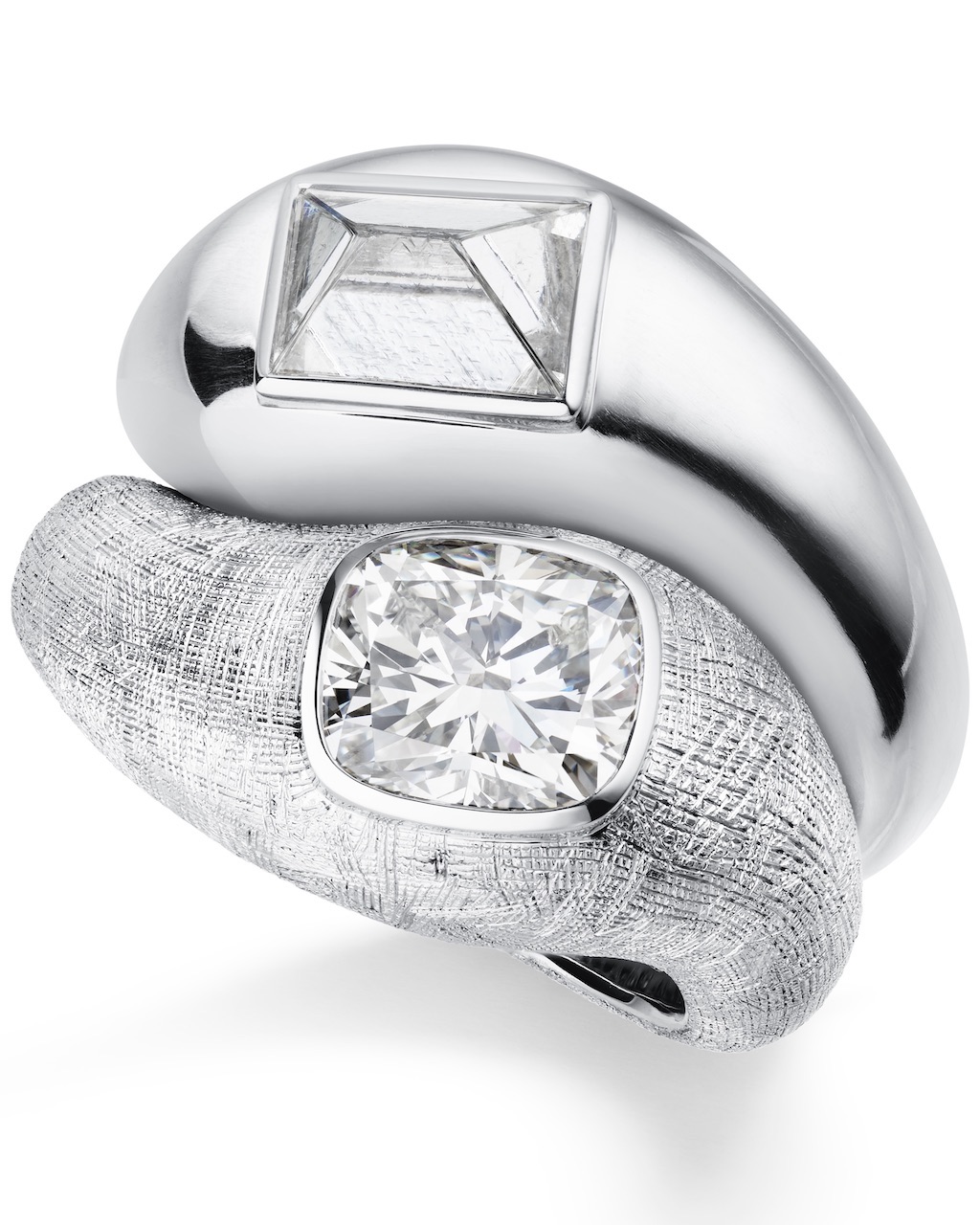
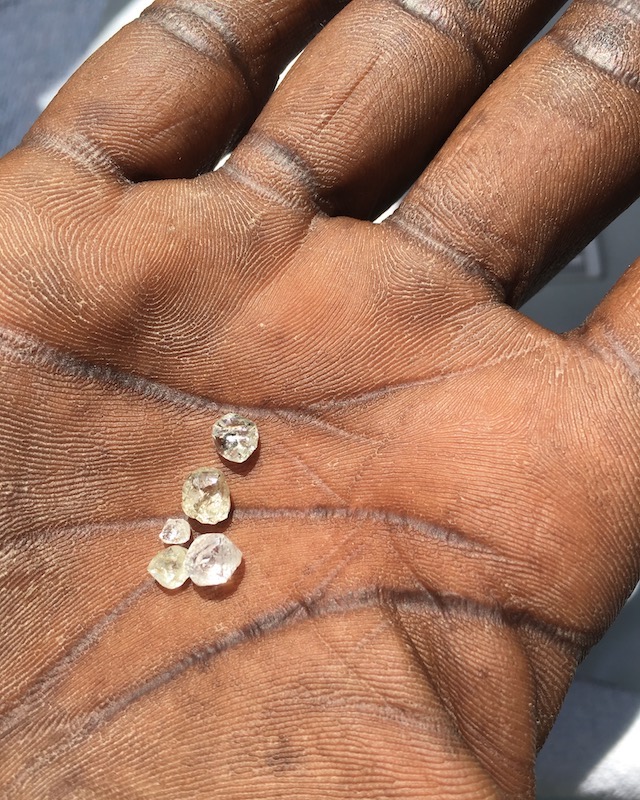
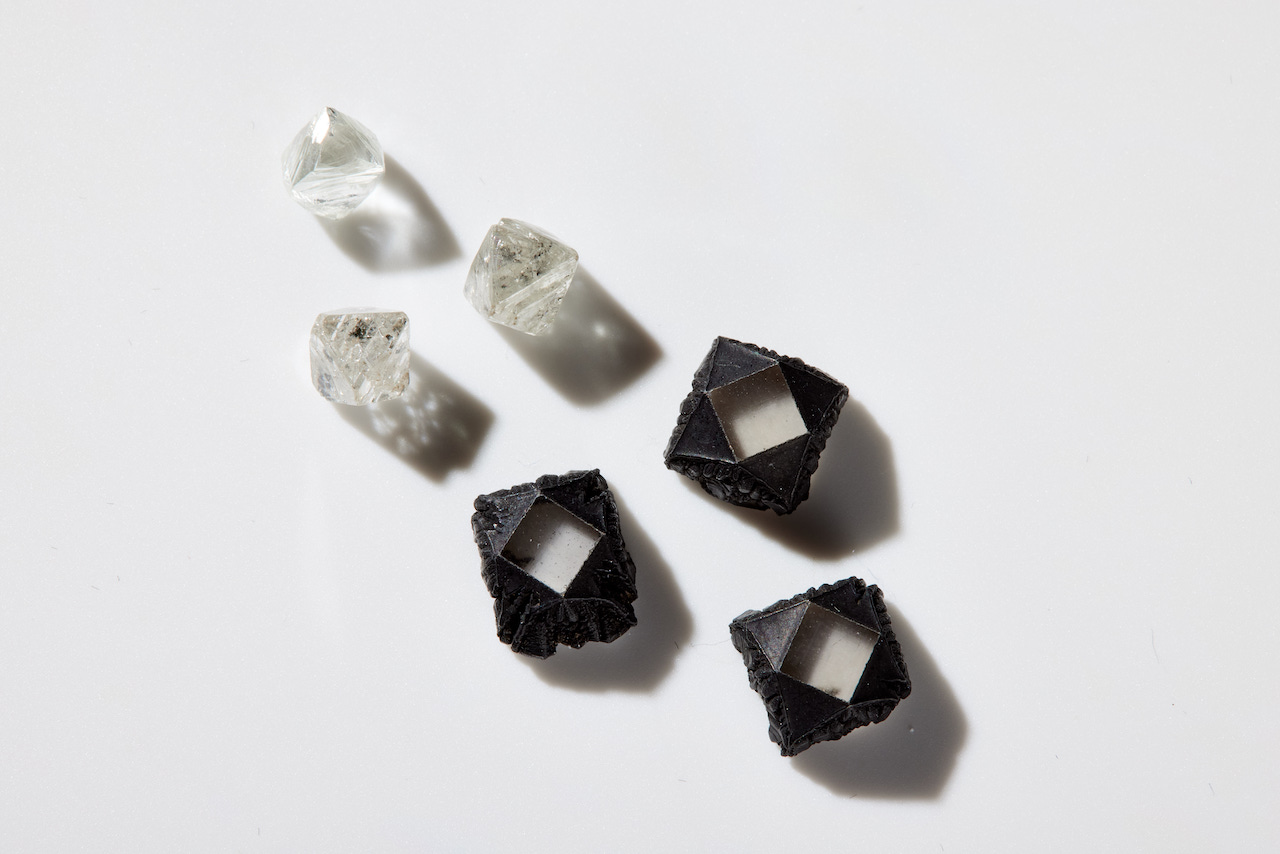
That stone traveled to Botswana, where it was cut into two stones—a 2.02-carat polished diamond and a 2.048-carat rough. They were later paired in a chic Toi et Moi ring for De Beers London’s Riverborn capsule collection. And its journey was traced through Tracr’s blockchain, ensuring it was responsibly managed.
“Beyond their beauty, these diamonds carry the human stories behind them,” said Emmanuelle Nodale, CEO, De Beers London, “connecting each piece to the journey and impact of artisanal mining communities.”
Because in today’s world, a diamond’s brilliance isn’t just about how it catches the light—it’s about everything it carries with it. The people, the places, the journey.
How Can I Verify the Origin or Traceability of a Natural Diamond?
In the broader diamond marketplace, shoppers are recommended to request documentation of the supply chain and any laser inscription tied to the diamond’s grading report. Working with a trusted jeweler who can provide transparent, mine-to-market details is crucial.
The Future of Diamond Traceability
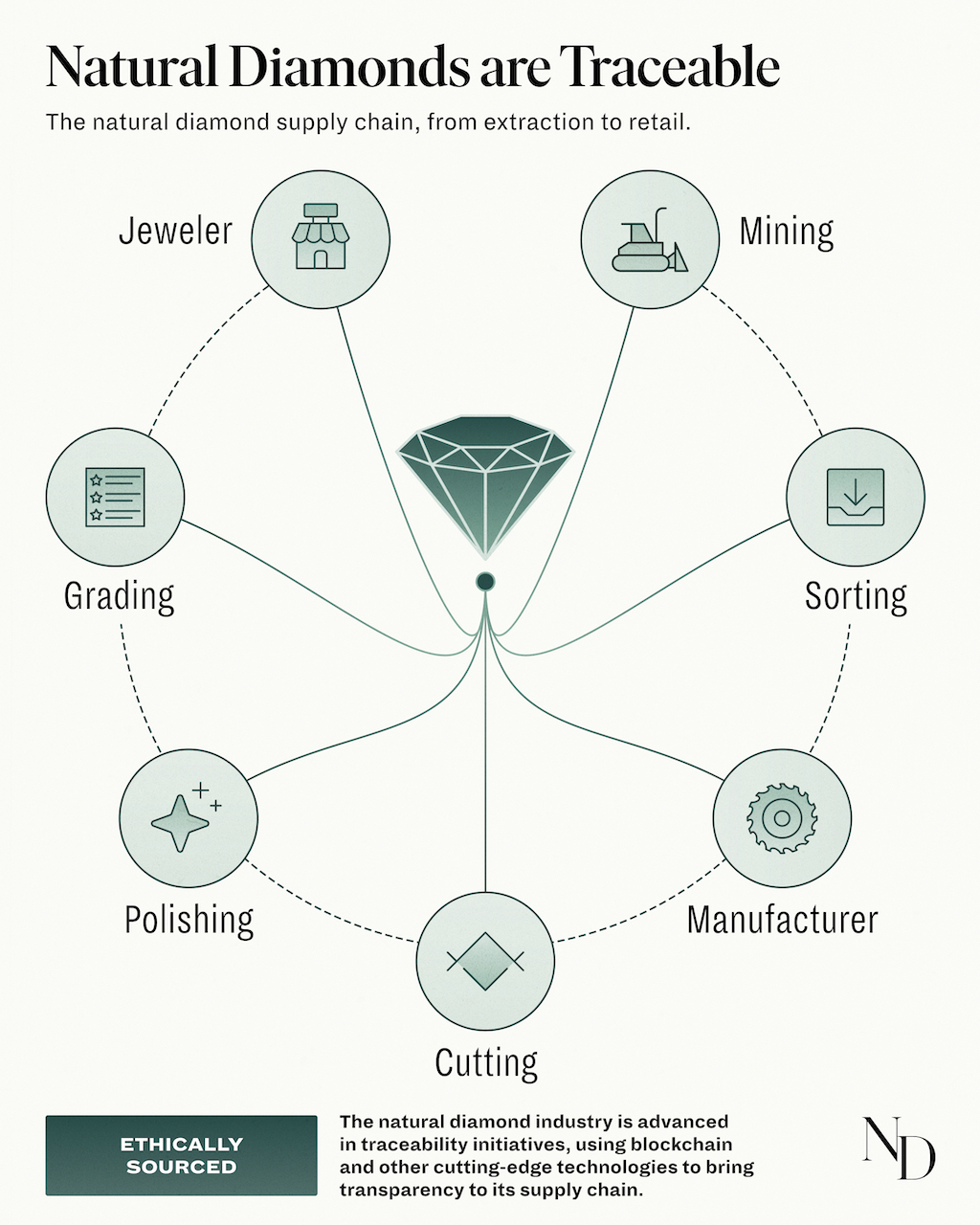
Recent innovations in natural diamond traceability are transforming the way diamonds are tracked from mine to market. Advances in blockchain technology, along with partnerships between the diamond industry and third-party certification bodies, ensure that every diamond can be traced back to its origin with complete transparency. These traceability systems provide consumers with detailed information about the diamond’s journey, from its recovery to the retailer, verifying that it has been sourced ethically and conflict-free. As demand for responsible sourcing grows, these innovations offer an exciting glimpse into the future of the diamond industry, providing both assurance and accountability.