
From Mine to Madison Avenue: How the Kwiat Family Is Rewriting the Diamond Story
In an industry long defined by carats and cost, fourth-generation jeweler, Kwiat, brings romance, provenance, and deeply personal storytelling back to the forefront—reshaping how luxury clients connect with their diamonds.
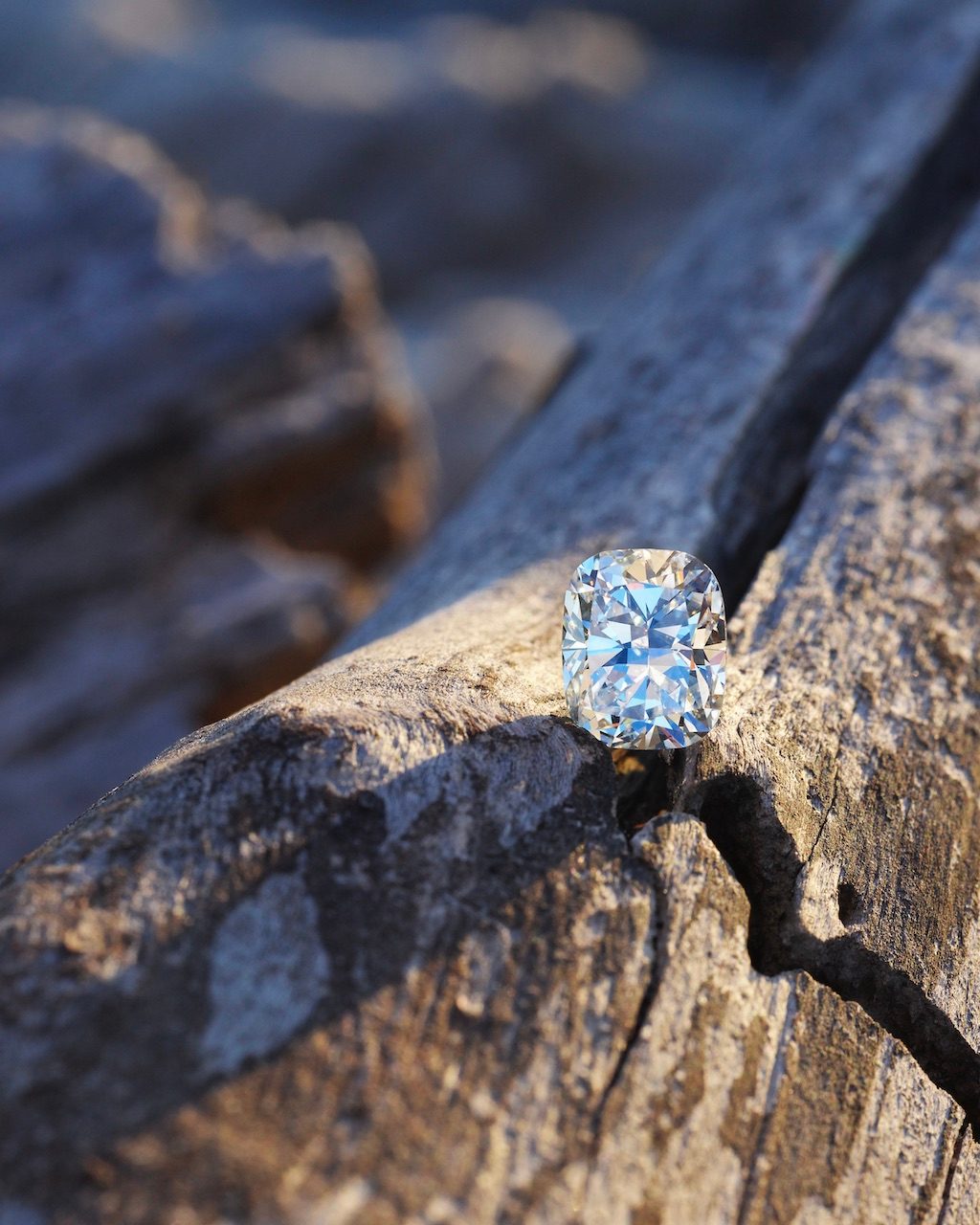
Cushion-cut diamond from Kwiat’s Mine to Shine program. (Courtesy of Kwiat)
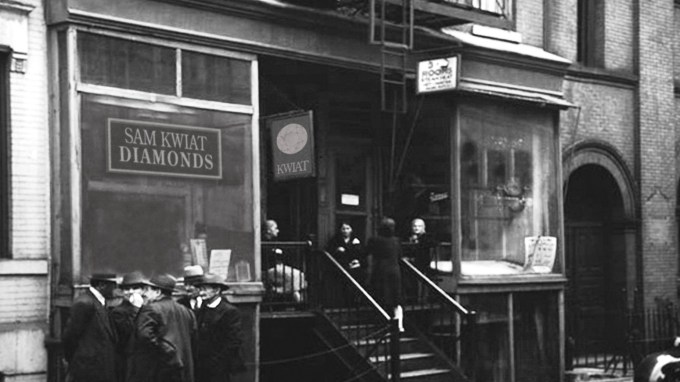
When Sam Kwiat arrived on Manhattan’s Lower East Side in 1907, diamonds changed hands with little more than a handshake and a discerning eye. There were no grading systems, no universal language of the four C’s, only instinct, reputation, and trust. It was a world of whispered deals and close-knit relationships, where beauty and sparkle were coveted, not quantified.
For much of the century that followed, the diamond trade evolved into something more transactional—defined by carat weight, clarity, and price calculations. Stones became comparable, sometimes interchangeable, and valued for their metrics on a certificate. Today, however, the luxury client is more discerning, informed, and emotionally driven, seeking not merely acquisition but connection. They want to be romanced not by rarity alone but by meaning, provenance, and story.
Meet the Experts
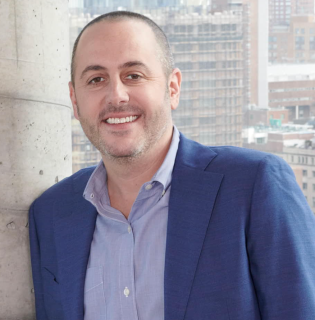
Russell Kwiat is the Chief Operating Officer of Kwiat, the fourth-generation family-owned diamond jewelry house founded in 1907. He oversees the brand’s strategic direction, including its innovative Mine to Shine traceability program and the new Kwiat | Fred Leighton flagship townhouse in New York City.

Rebecca Selva is the Chief Creative Officer of Fred Leighton, a legendary jeweler renowned for its exceptional collection of vintage and antique pieces. She has spent the last 30 years curating period jewelry across all eras.
A New Chapter for the Kwiat Family
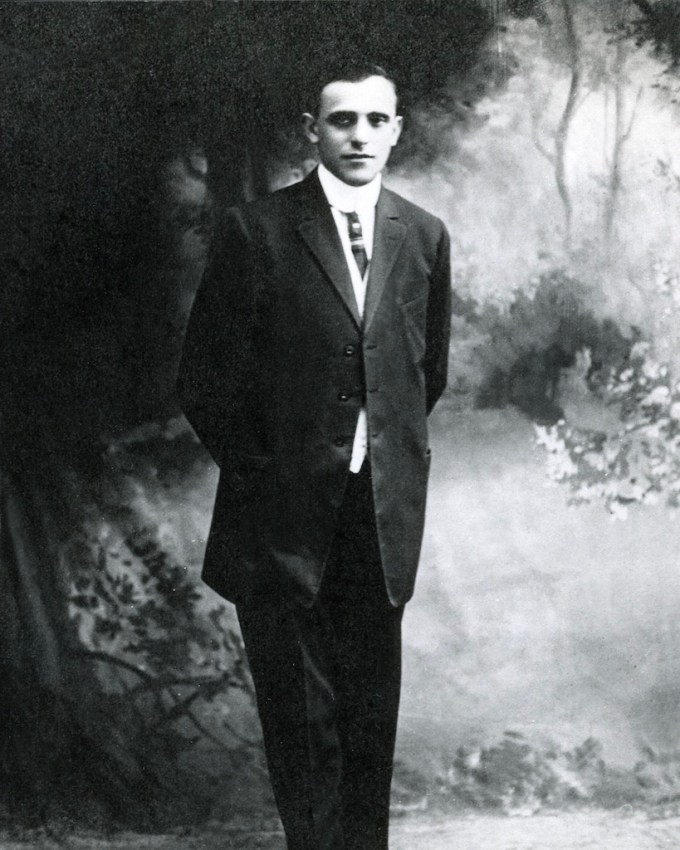
This shift underpins brand’s evolution. Now in its fourth generation, the Kwiat family has reimagined not just how diamonds are sold, but how they are understood. At their newly unveiled Kwiat | Fred Leighton townhouse on Madison Avenue, the diamond is no longer simply an object of brilliance—it is a narrative, unfolding across time, geography, and human touch.
Inside the seven-story townhouse, elegantly designed by architect Ana Maria Torres, luxury retail takes on the intimacy of a private residence. One moves through salons, sitting areas, terraces, and private rooms, as though a guest in a cultivated home. Above the retail space, workshops hum quietly, a chef’s kitchen awaits, and offices are occupied by the family whose name is on the door. It is, as Russell Kwiat, chief operating officer, puts it, “the dream to have everything under one roof.”
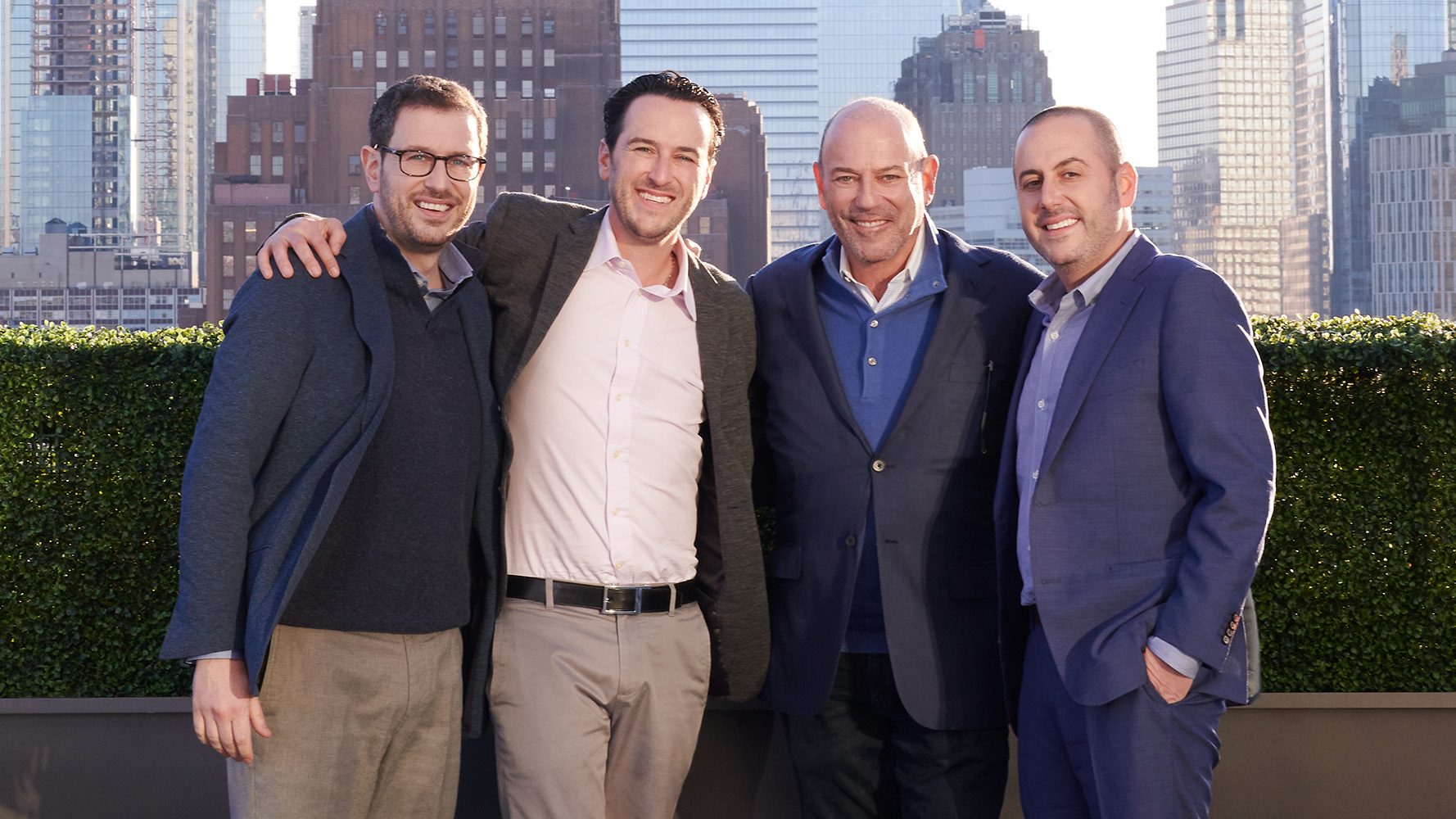
That dream is not merely architectural—it is philosophical. “It’s all about telling the story,” Russell explains, “from the natural diamond’s journey to our family brand, because today luxury consumers want to understand the DNA of a product.” For the Kwiats, that DNA is literal as much as metaphorical. Their father, patriarch Lowell, is chairman; brothers Greg and Corey serve as chief executive and chief digital officer, respectively.
How Mine to Shine Lets You Trace a Diamond’s Entire Journey
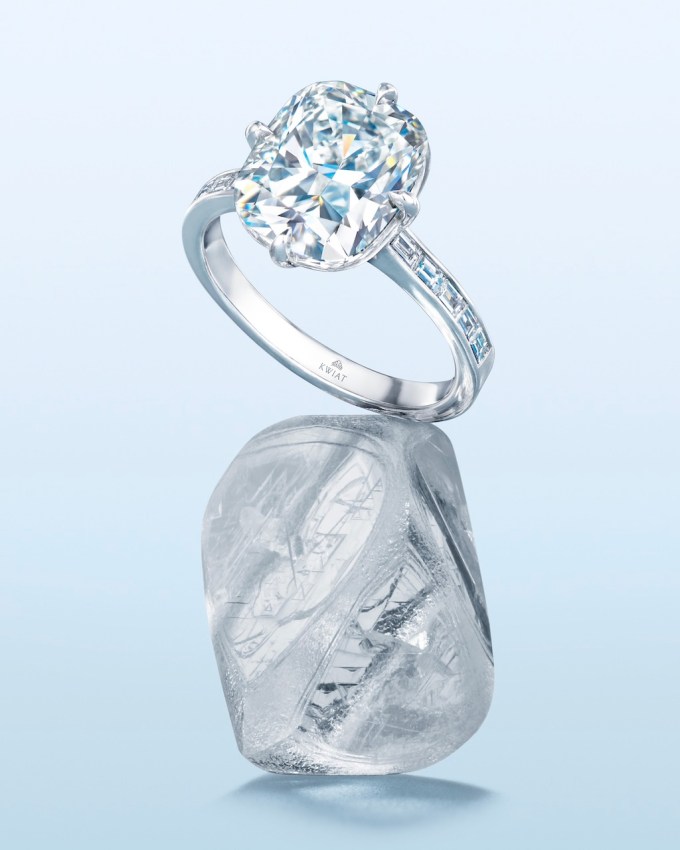
This philosophy finds its fullest expression in Mine to Shine, the company’s quietly revolutionary program introduced in 2023. Where the diamond industry has long been opaque, Mine to Shine offers transparency—tracking a stone’s journey from its geological origins to its final setting. It is provenance made personal.
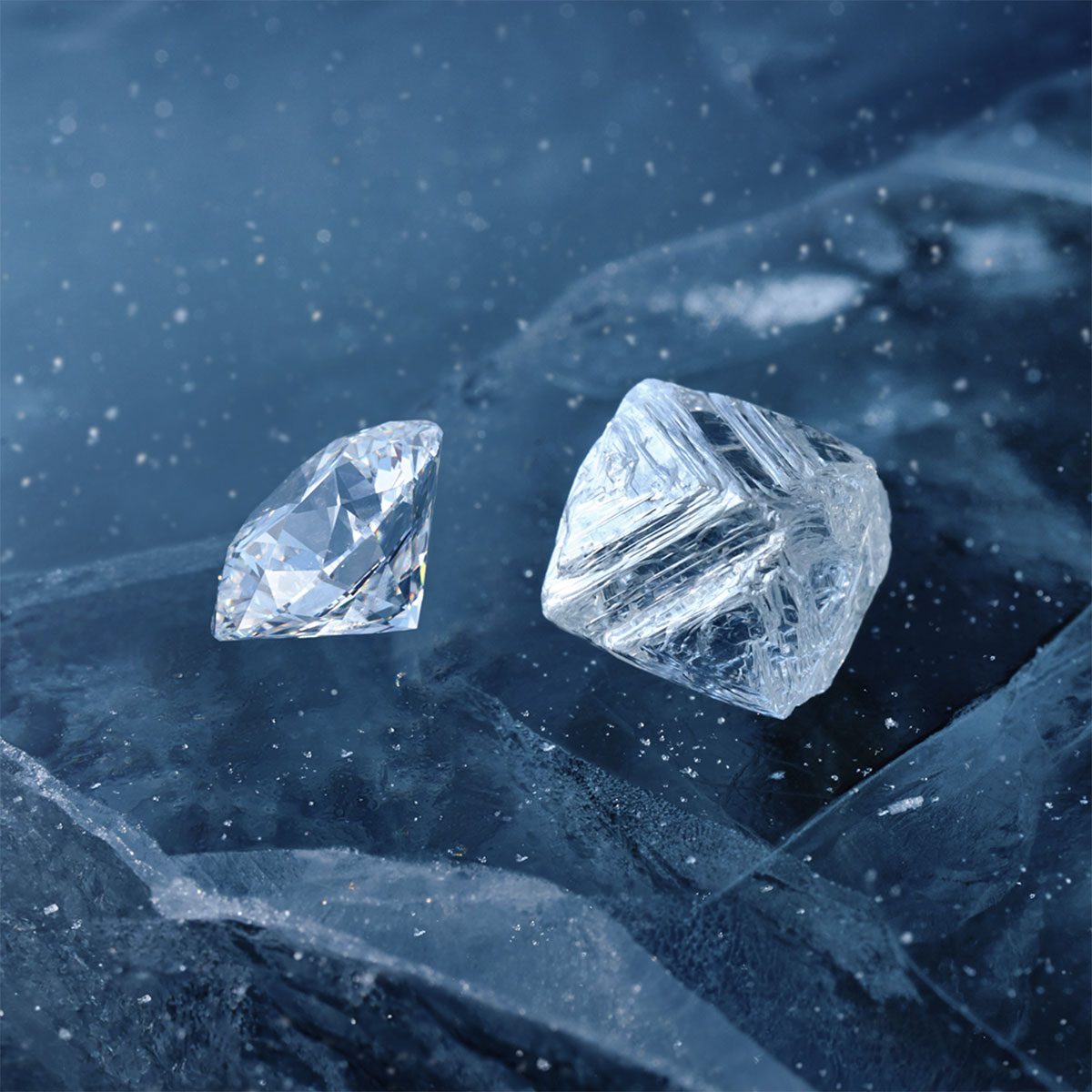
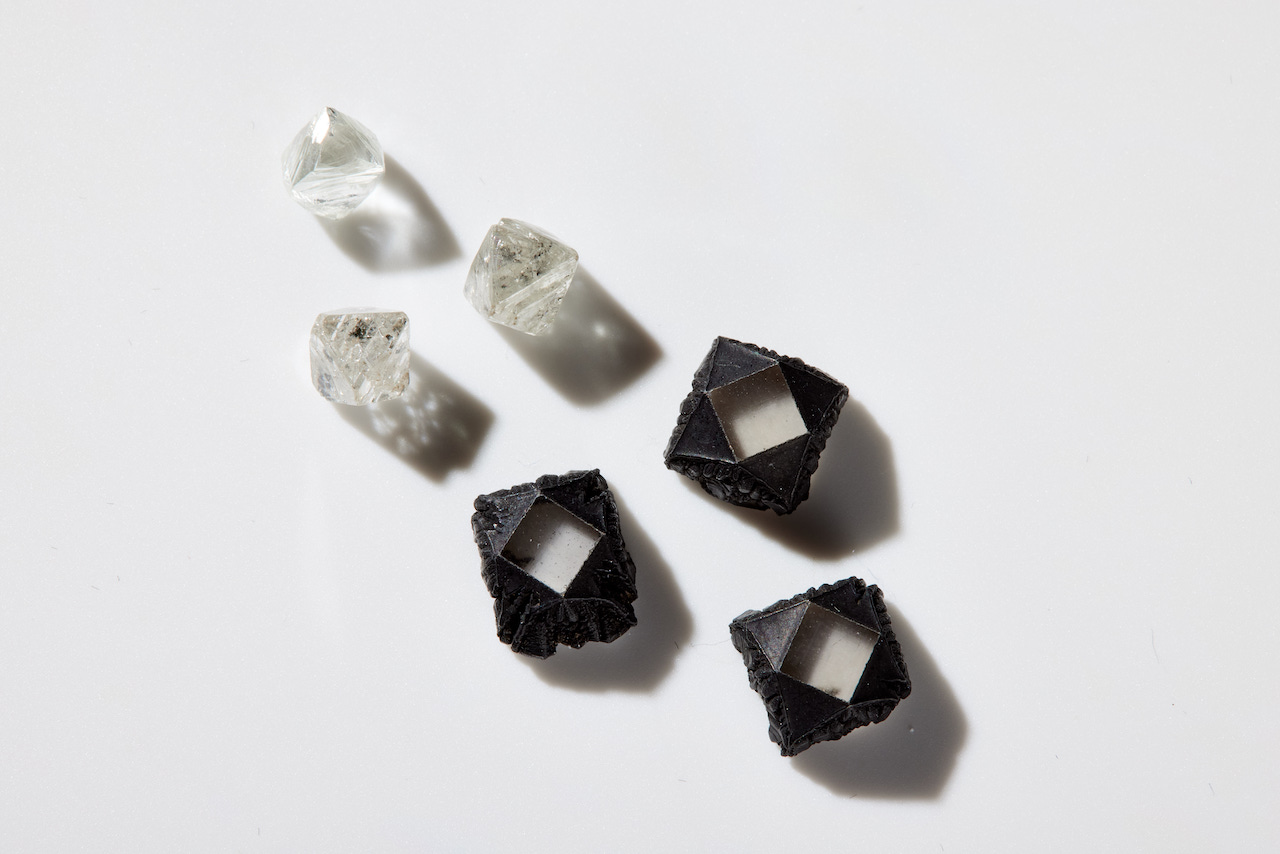
On the townhouse’s second floor, clients are invited to become part of that story. Through Mine to Market experience, they may begin with a rough stone sourced from Botswana, South Africa, or Canada, and follow its transformation through cutting, polishing, and setting. Each stage is documented with imagery and customized videos, revealing not only the mines but the hands behind the craft —the cutter, the setter, the designer—each adding a chapter to the diamond’s life. The process is securely traced through advanced platforms such as Tracr.
The Emotional Power of Knowing Your Diamond’s Story
For Paul Kazarian, what began as a straightforward search for an engagement ring became something far more resonant. Drawn initially to the quiet beauty of a six-carat oval diamond, he soon discovered it was part of the Mine to Shine program. The stone arrived not only in a velvet box, but with a 3D replica of its rough form and a digital portal revealing its journey from a mine in Botswana to the hands that shaped it and Kwiat’s own New York atelier.
“My wife is sentimental,” Kazarian reflects. “She feels a connection to the story—she sees this as an heirloom that will stay in our family. It was a super special experience.”
It is precisely this sense of continuity that the Kwiats are cultivating. “It’s for the couple,” Russell notes, “but imagine in 60 years, if someone inherits their grandmother’s ring and they can see where it originated, the craftsman who set it. That’s a story.”
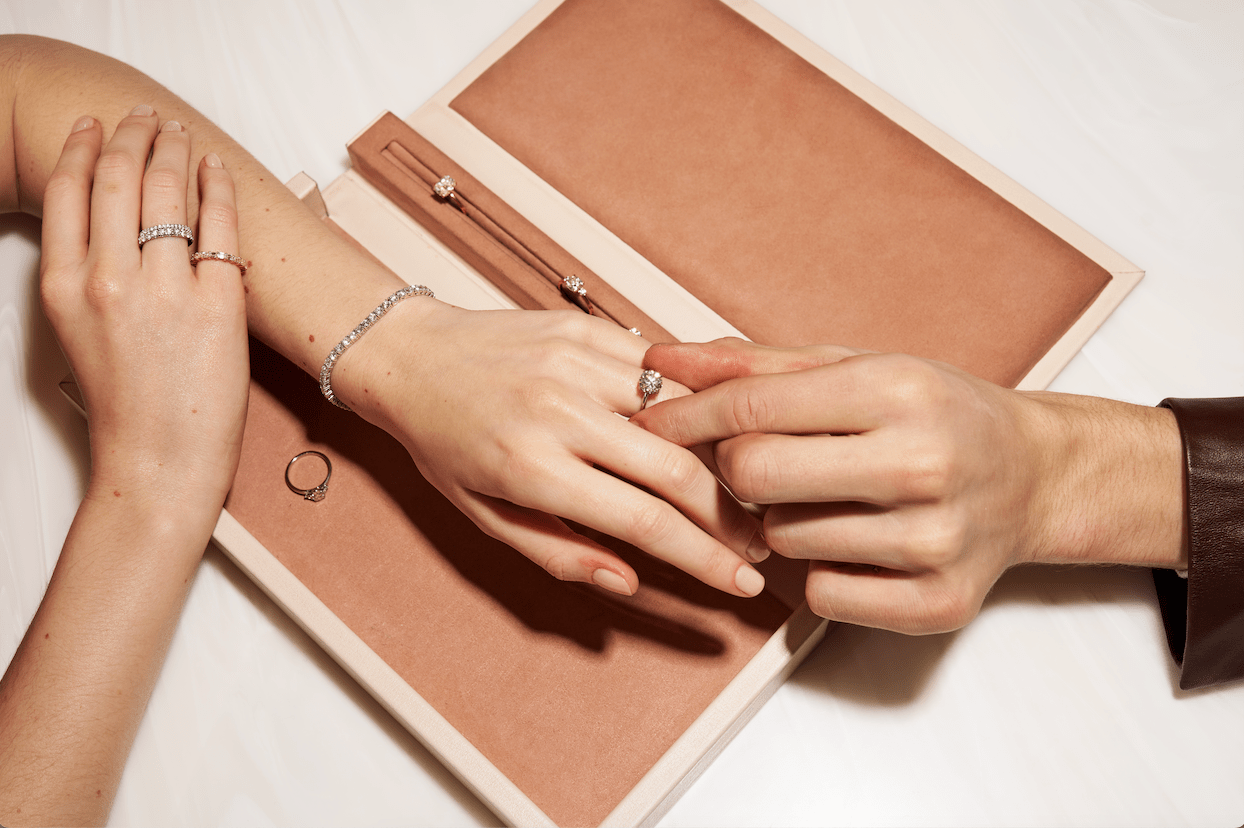
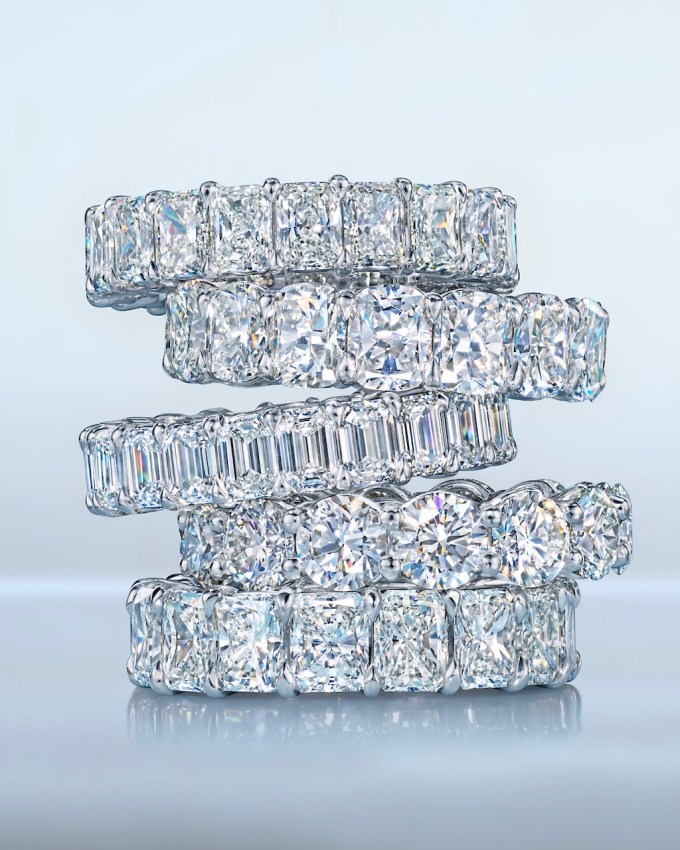
The program extends across the collection. Diamond studs, rivière necklaces, even multi-stone creations come with individual origin stories, offering a level of transparency—and intimacy—rare in fine jewelry. Each piece is accompanied not only by a GIA grading report but also by Kwiat’s own certificate, incorporating advanced light-performance metrics that underscore their commitment to precision.
The Art of Cutting a Better Diamond
That precision is evident in the stones themselves. Over recent years, the family has quietly refined its core diamond cuts—cushion, oval, pear, marquise, emerald—minimizing optical imperfections such as the bow-tie effect and achieving exacting proportions that have become something of a house signature.
The interest in proprietary cuts began with the Ashoka diamond, an exclusive William Goldberg cut offered at Kwiat. “The Ashoka is consistent, beautiful, and a differentiator,” says Russell. “It’s powerful when you have something that’s truly unique.” It also sparked the house’s broader commitment to refining diamond cutting to its own exacting standards.
The pursuit began with the Fred Leighton round about 15 years ago, a diamond that marries the romance of antique stones with modern symmetry. “They have more light performance but still have the charm of an old stone and are easily matched for earrings or a rivière necklace.”
Why Storytelling Is the New Luxury
“There’s a real desire for high-end independent luxury to differentiate itself,” Russell observes. “Otherwise, it’s a sea of sameness.” In a market often driven by certificates and commoditized pricing, Kwiat offers something distinctly human: a story that cannot be replicated online.
That distinction is perhaps most palpable in the townhouse itself. The Kwiat spaces are light-filled and contemporary, while the Fred Leighton salons are enveloped in burnished bronze and dark wood, evoking the patina of history. A double-height vaulted library anchors the experience, its shelves lined with archival books and the stories of collectors and icons who have worn these pieces across decades.
“We have a space now where clients can truly linger,” says Rebecca Selva, Fred Leighton’s longtime creative director. “Whether they are searching for an engagement ring or simply exploring jewelry, it is about taking time.” The townhouse is designed to deepen that engagement through lunches, talks, and private events.
At its core, the house is a living expression of vertical integration—every stage of the diamond’s journey, from ethically sourced rough to finished jewel, brought into view. What was once hidden behind industry doors is now deliberately, elegantly revealed.
And yet, for all its innovation, the spirit remains unchanged from Sam Kwiat’s earliest days: that trust, beauty, and human connection are true measures of value. Only now, they are illuminated—cut, polished, and set into a story designed to endure.