
An Ode to the Stunning Archives of Boucheron
The best path forward for Boucheron is in looking back at their innovative past. Boucheron CEO Hélène Poulit-Duquesne lays out the brand’s future through knowledge of its storied history.
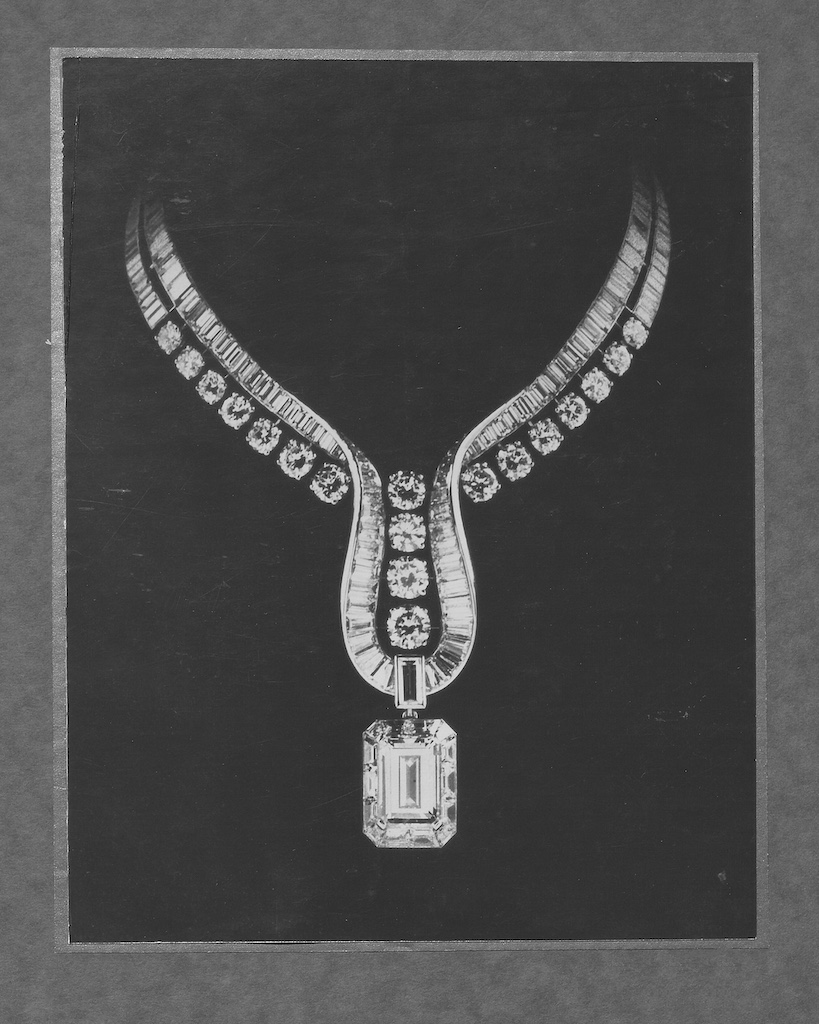
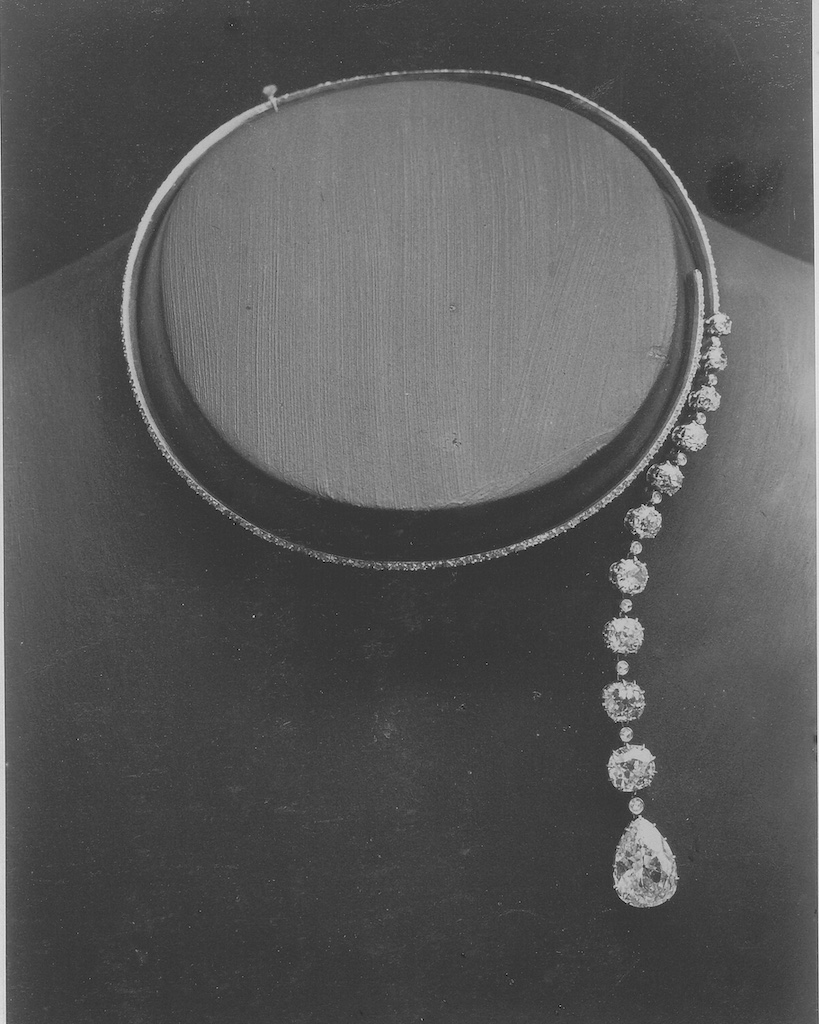
Inspiration for The Address in Boucheron’s Histoire de Style 2026 collection Nom: Boucheron Prénom: Frédéric, 1939. (© Archives Boucheron)
Jewelry has always occupied a curious space between adornment and autobiography. Unlike fashion, it rarely serves a practical purpose beyond expression itself: telegraphing taste, sentiment, memory, identity. It moves with us through time, collecting emotional resonance along the way. At Boucheron, that intimacy has historically mattered more than spectacle. A jewel is not considered complete when it leaves the atelier; the wearer brings it to life.
Boucheron CEO, Hélène Poulit-Duquesne, sat down with Only Natural Diamonds to discuss the Maison’s enduring relationship to adornment and how its latest High Jewelry collection draws from the past while remaining firmly rooted in the future.
Meet the Expert

Hélène Poulit-Duquesne is the CEO of Boucheron. She joined the French luxury jewelry house as CEO in October 2015, bringing her significant expertise to the role. After graduating from the French business school ESSEC, she began her career at LVMH in 1993.
The Beginnings of Boucheron
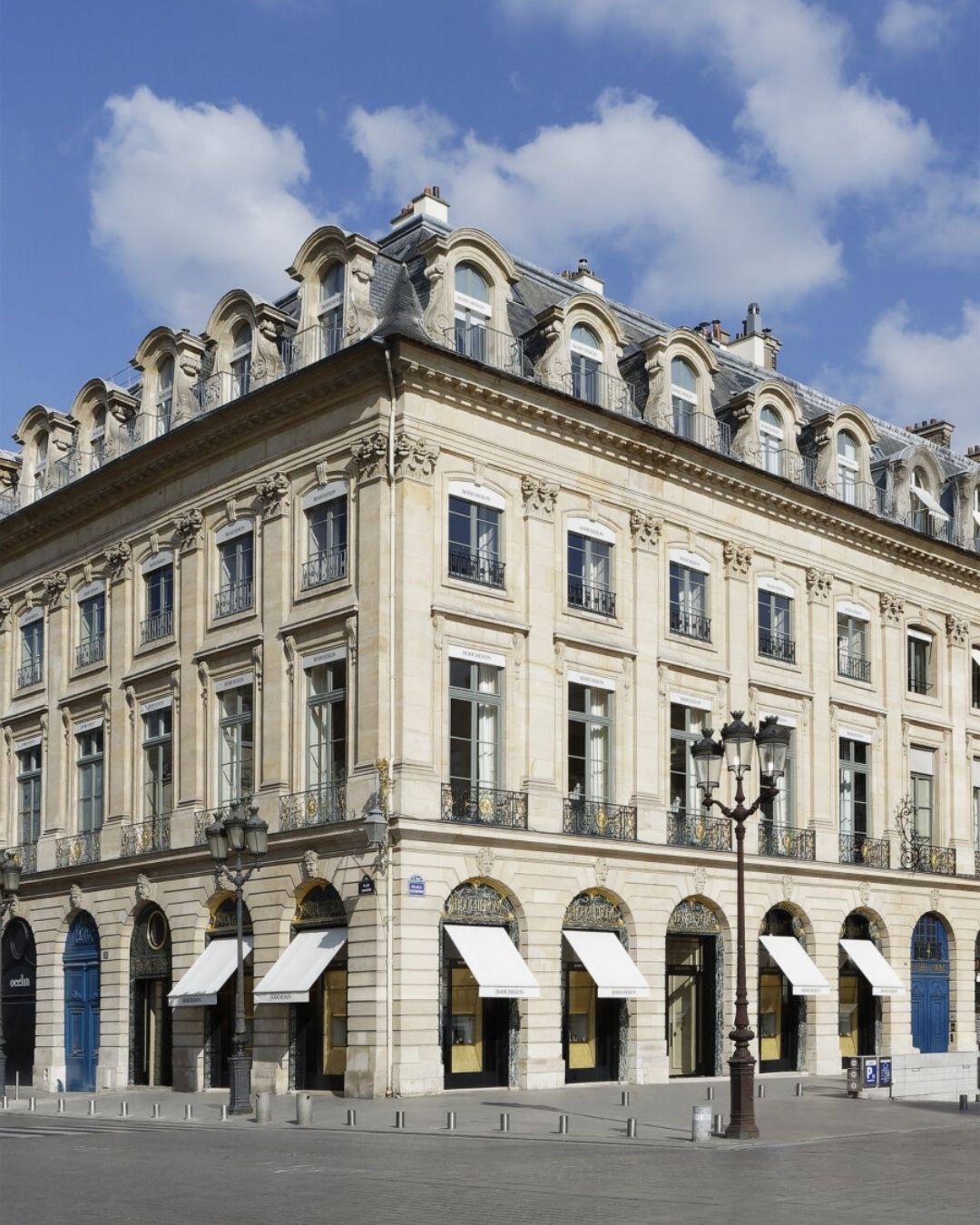
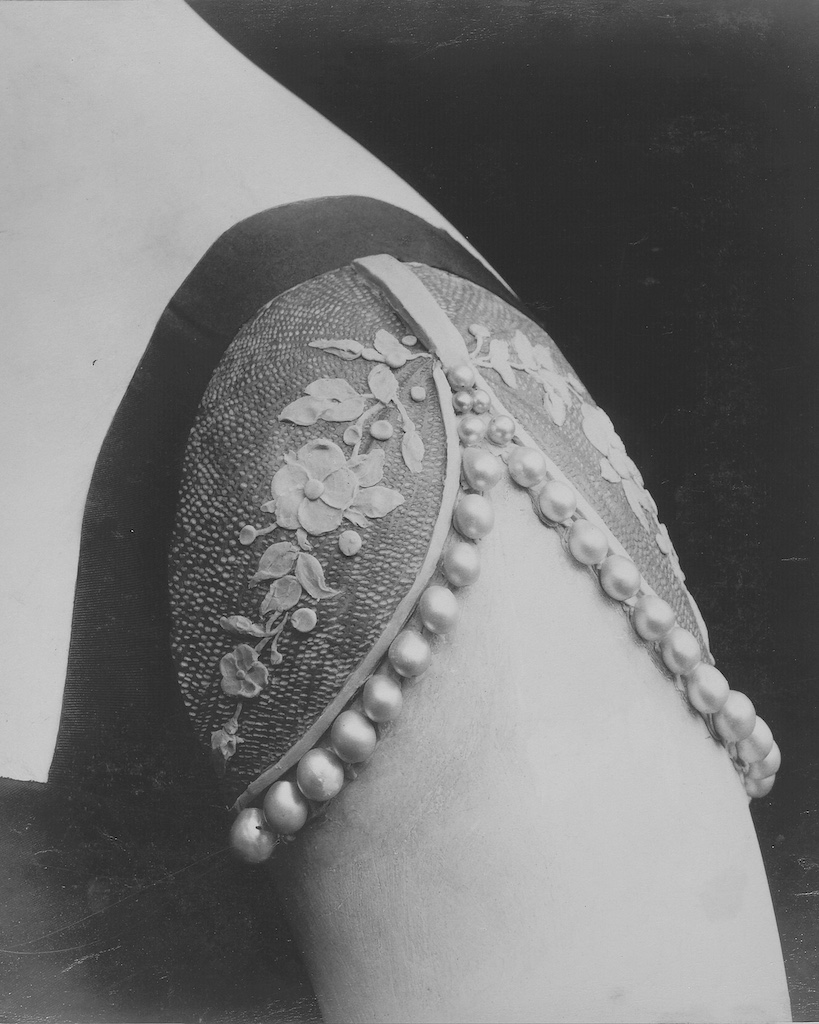
Frédéric Boucheron did not begin as a jeweler so much as a stylist. As Poulit-Duquesne explains, “he was always designing with the body in mind.” The son of a draper, he opened his Palais Royale boutique in 1858 not to manufacture jewelry, but to curate pieces for clients whose sense of dress extended beyond clothing alone. At a time when women were constricted by corsets and stiff garments, Boucheron believed jewelry should allow for greater freedom of movement.

Frédéric Boucheron was always designing with the body in mind.
Only after opening his first atelier in 1866 did he begin designing the kinds of pieces he could not find elsewhere: supple, expressive jewels intended to move with the body rather than sit rigidly upon it. His iconic Question Mark necklace, a claspless design that could be slipped around the neck without the help of a dresser, transformed not only how women wore jewelry but also how they dressed themselves. The piece later won the Grand Prix at the 1889 Paris World’s Fair. “Jewelry is part of your style,” Poulit-Duquesne says. “Part of what you’re telling of yourself that precise day. You change your jewels depending on your mood.”
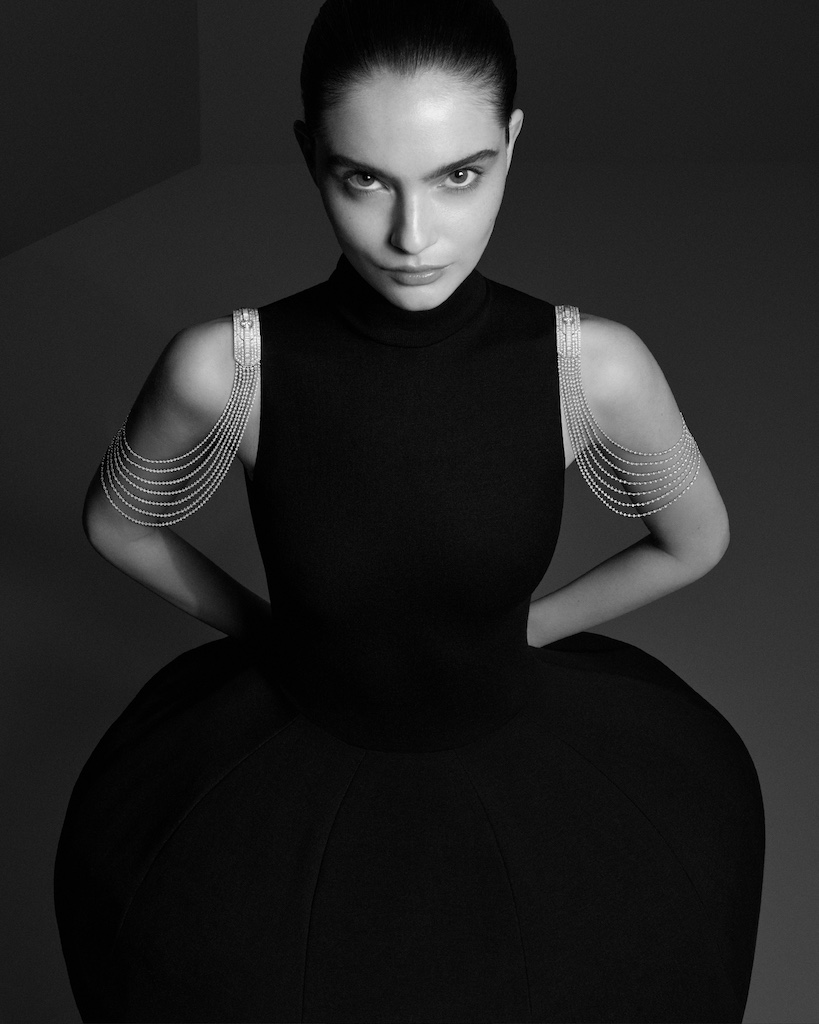
That philosophy, integrating jewelry with the body and self-expression, continues to shape the Maison today. Boucheron approaches jewelry almost like Haute Couture: Creative Director, Claire Choisne, designs directly on the body, treating movement as central to the creative process. Jewelry is draped over the body like fabric and conceived in volume and motion.
As Poulit-Duquesne puts it, displaying jewelry on a bust is akin to showing fashion on hangers. While the house still creates gouache sketches—a centuries-old painting technique traditionally used in high jewelry design—they come at the end rather than the beginning of the creative process.
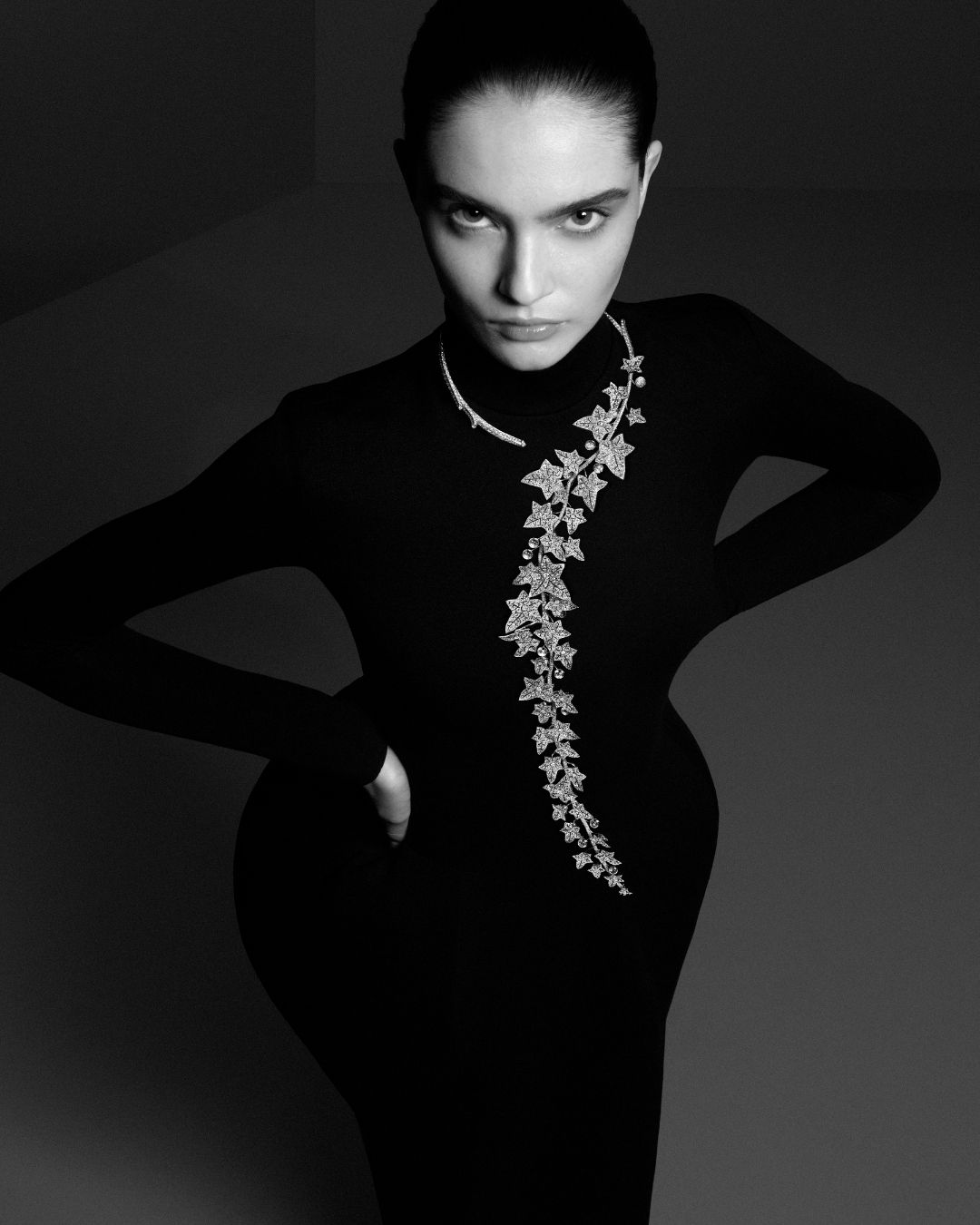
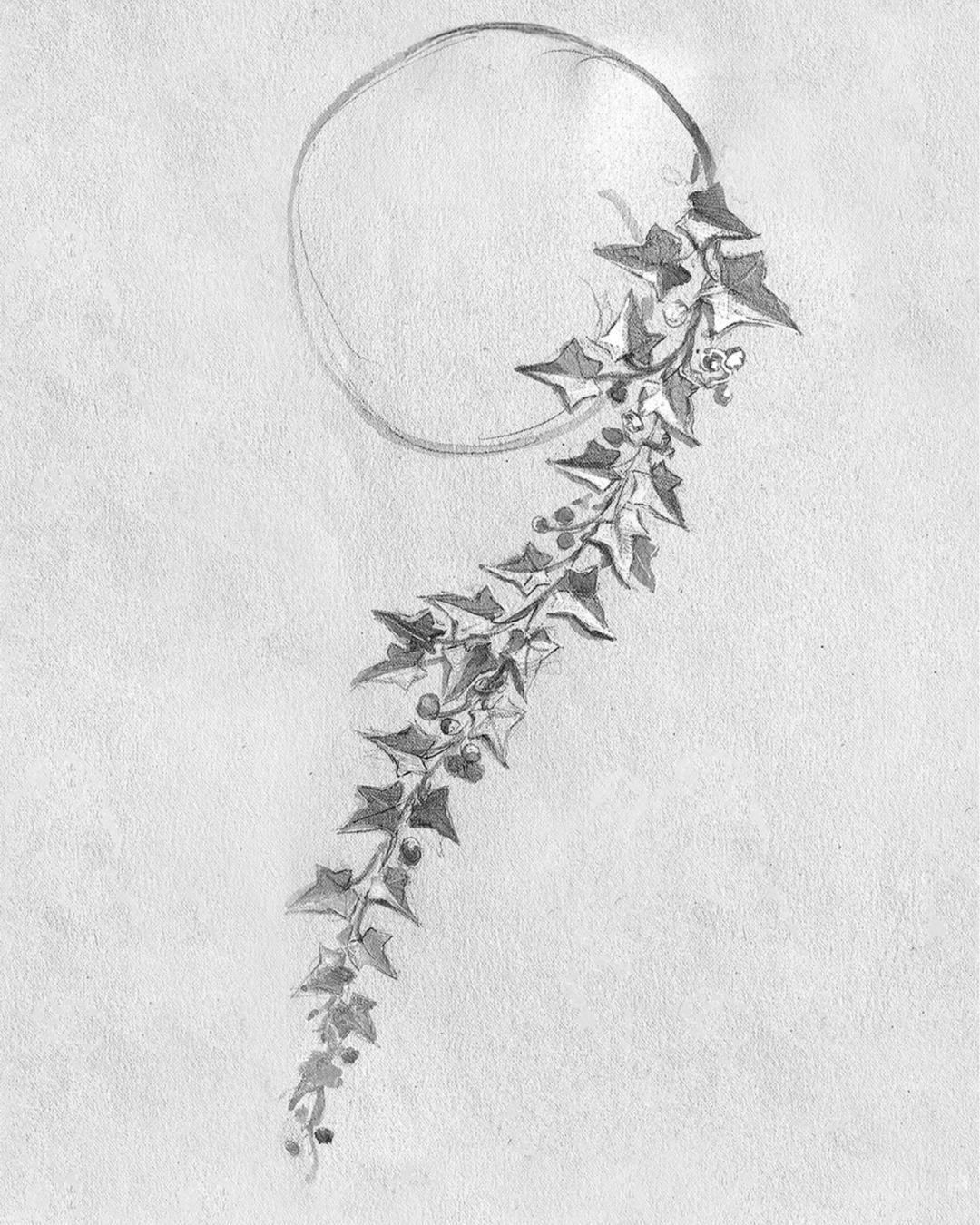
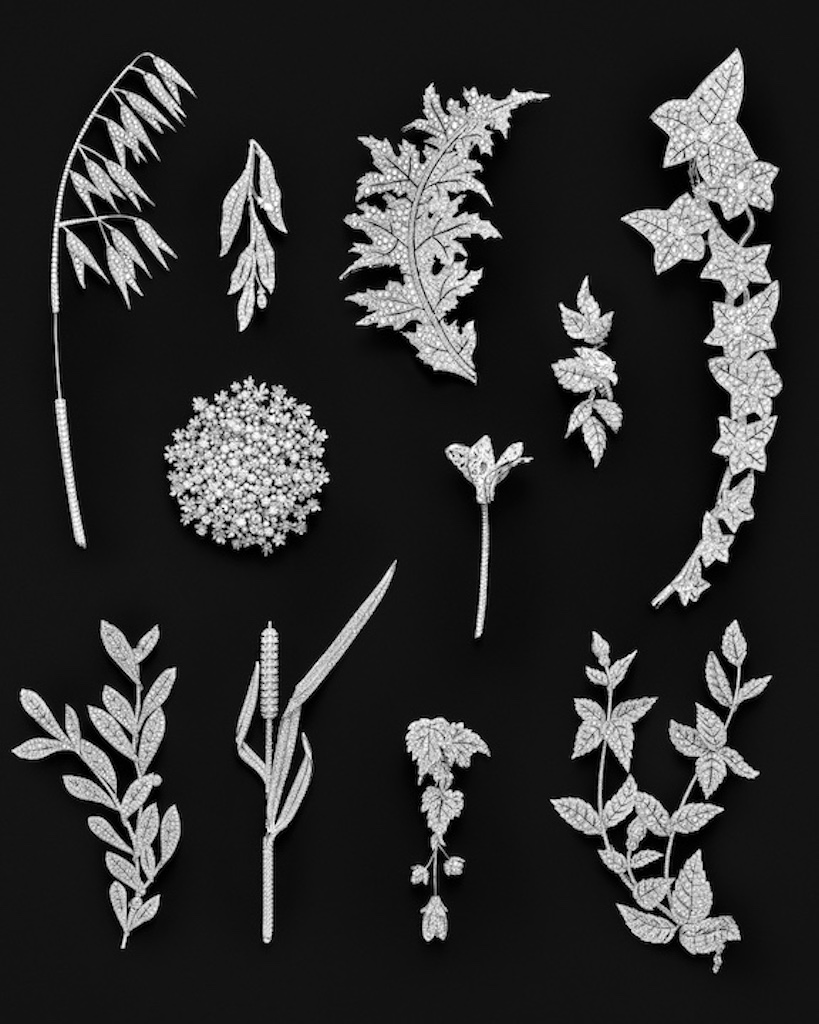
For the latest collection, Creative Director Claire Choisne returned to the original gouache drawing of the very first Question Mark necklace: an extra-long ivy motif design that had never been realized. Reimagined for today, the transformable piece can be worn multiple ways, with detachable ivy elements that convert into a long or short Question Mark necklace, a collar, a brooch, or even a hair ornament.
Individually sculpted leaves, rock crystal fruit, and delicate moving details reflect Frédéric Boucheron’s longstanding fascination with naturalism and jewelry designed to feel alive in motion.
From Place Vendôme to Hollywood
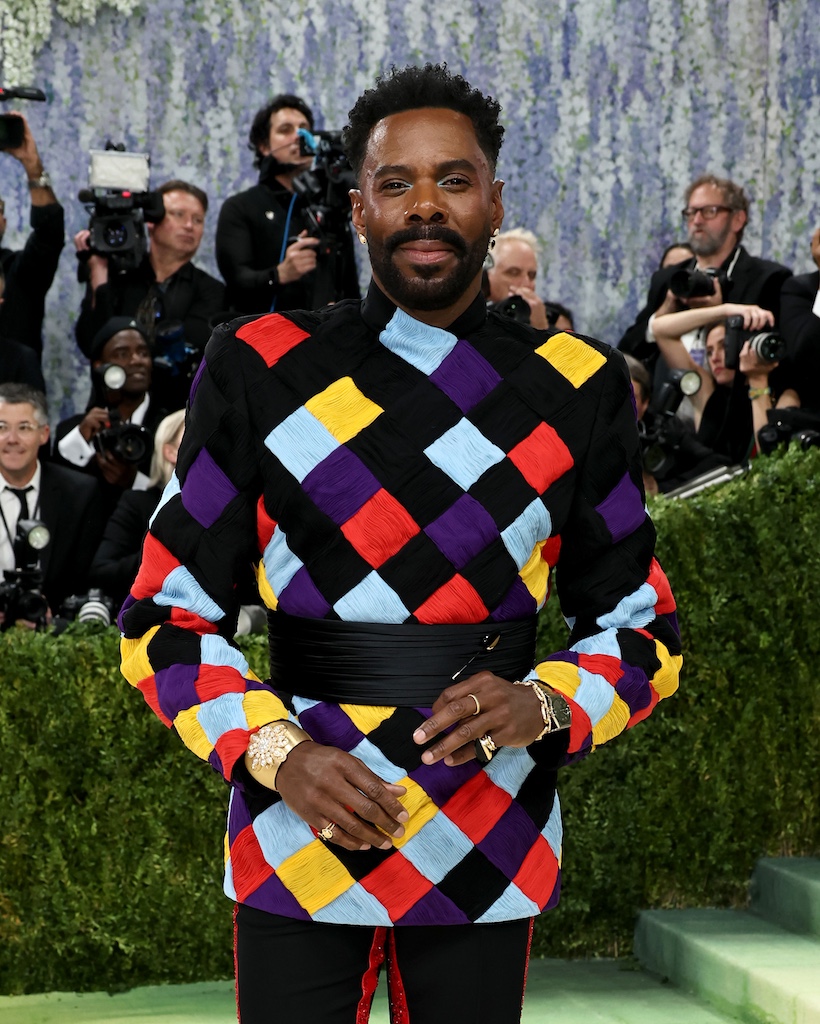
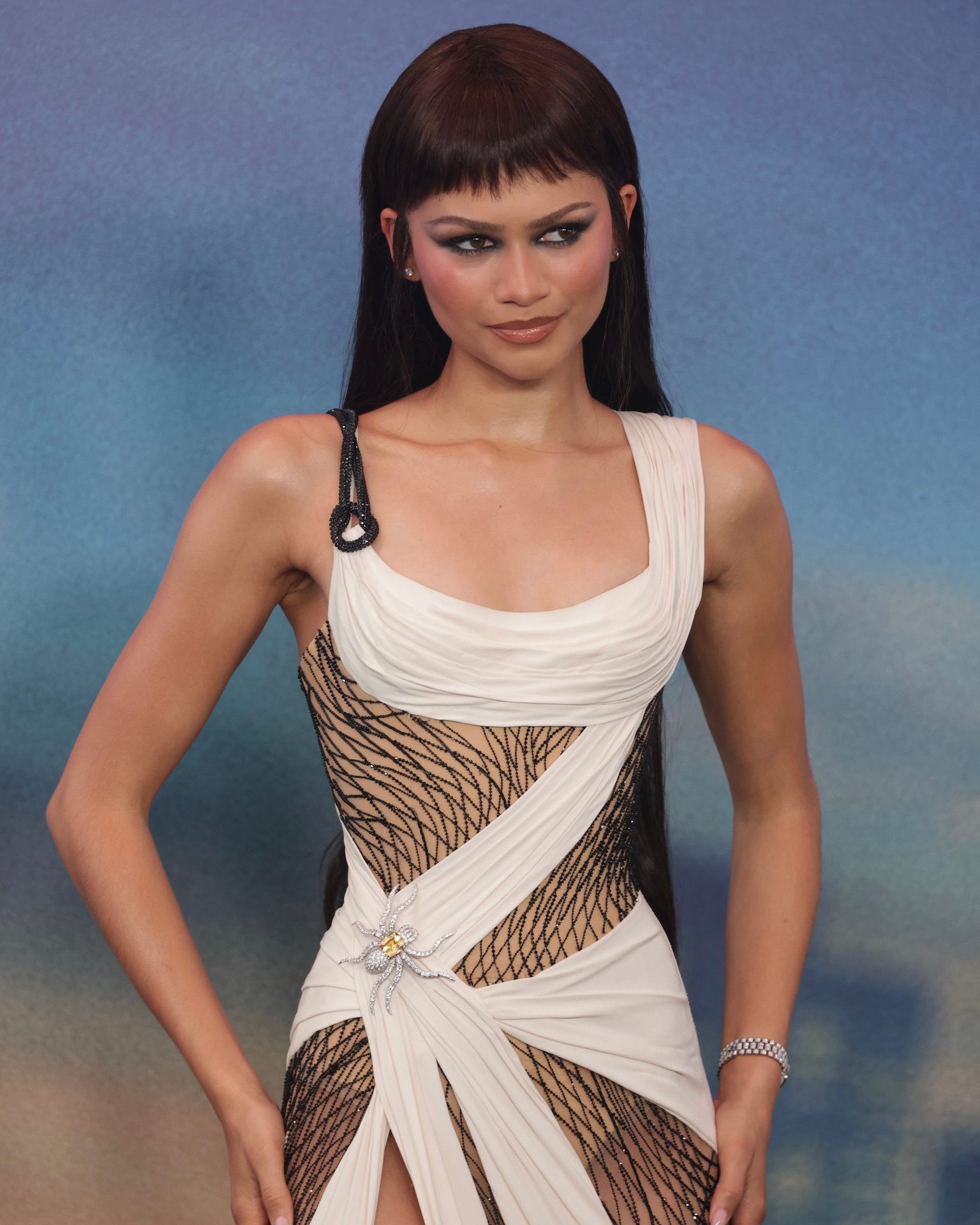
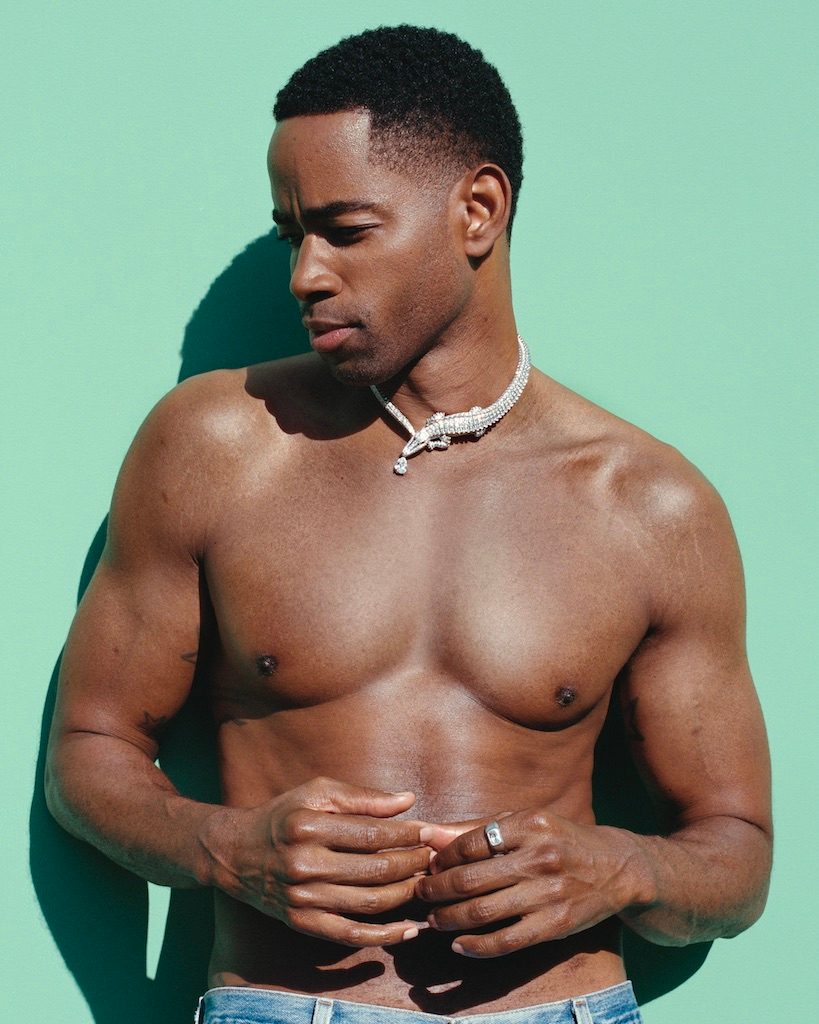
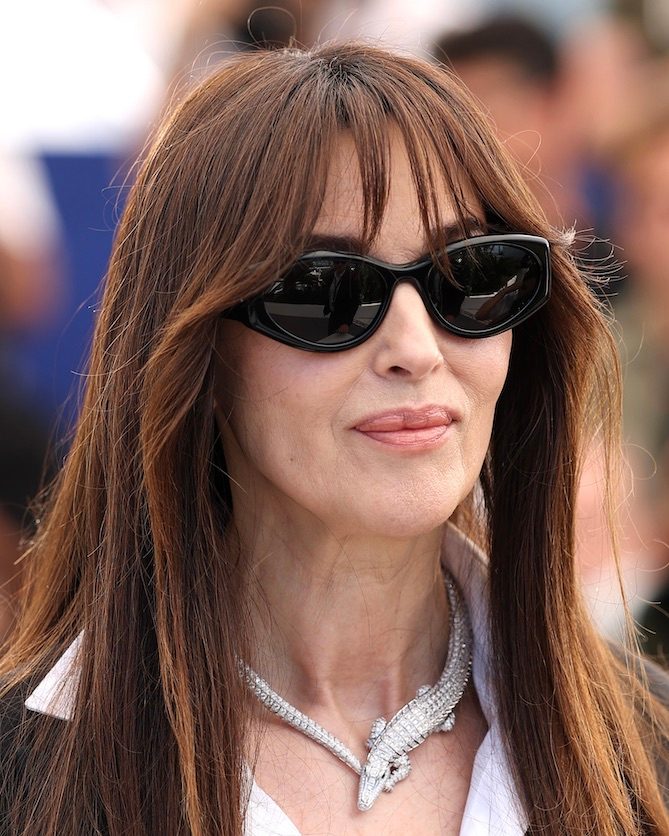
This focus on the body and motion explains why the house has long embraced the red carpet not simply as visibility, but as performance, a place where jewelry can fully inhabit the body it was designed for. This year’s Met Gala, whose theme centered on tailoring, performance, and the dressed body, became a natural stage for the Maison’s philosophy. Long before gender fluidity became a broader conversation within fashion, the jeweler was already creating oversized, expressive pieces that challenged rigid ideas about who jewelry was for and how it should be worn.
Colman Domingo embodied that ethos in layered yellow-gold Serpent Bohème pieces worn with the ease of a personal uniform rather than formal adornment. Stacked rings, cuffs, brooches, and studs reinforced the expressive theatricality that has become central to Domingo’s public image, while also reflecting the jeweler’s longstanding embrace of jewelry as a form of self-construction rather than convention. On Domingo, the jewelry felt less like a status display than an extension of his confident, emotionally articulate presence.
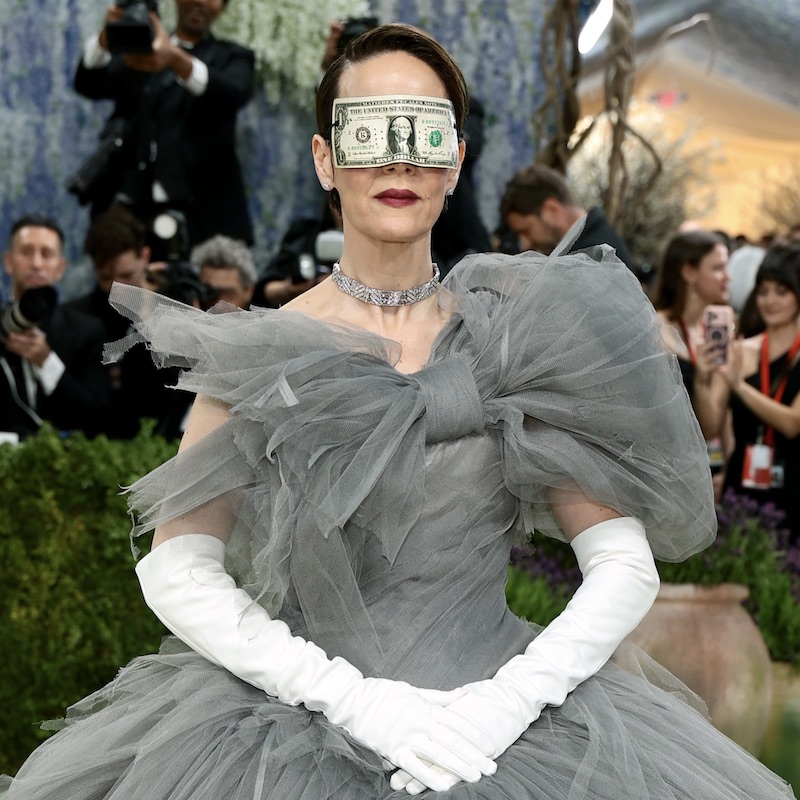
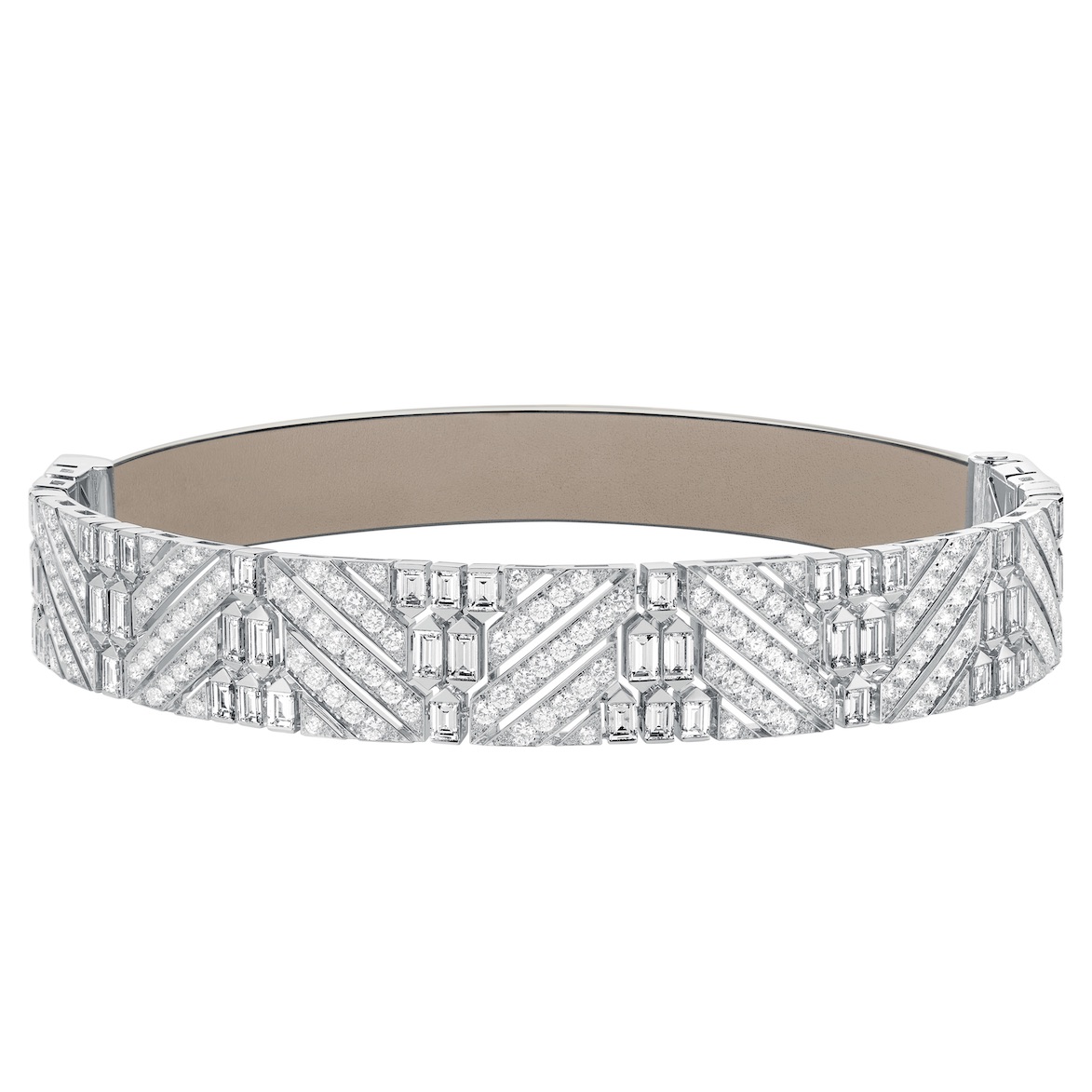
Sarah Paulson wore a transformable Ruban Diamants necklace whose architectural precision mirrored the cerebral elegance that defines much of her style. Its shifting structure echoed Paulson’s ability to move effortlessly between glamour, severity, and vulnerability, while reinforcing the Maison’s longstanding belief that jewelry should evolve alongside the wearer rather than remain fixed in a single form.
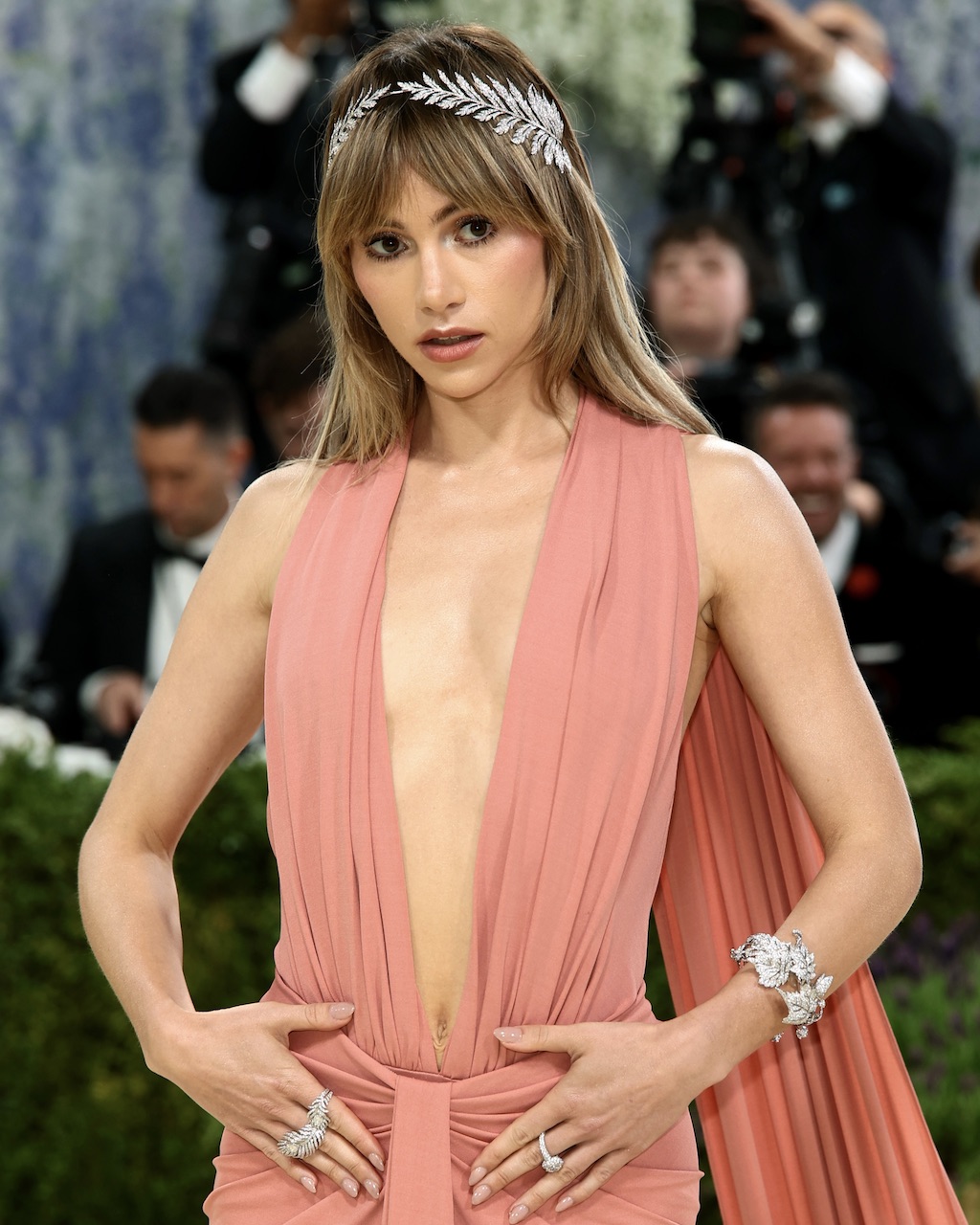
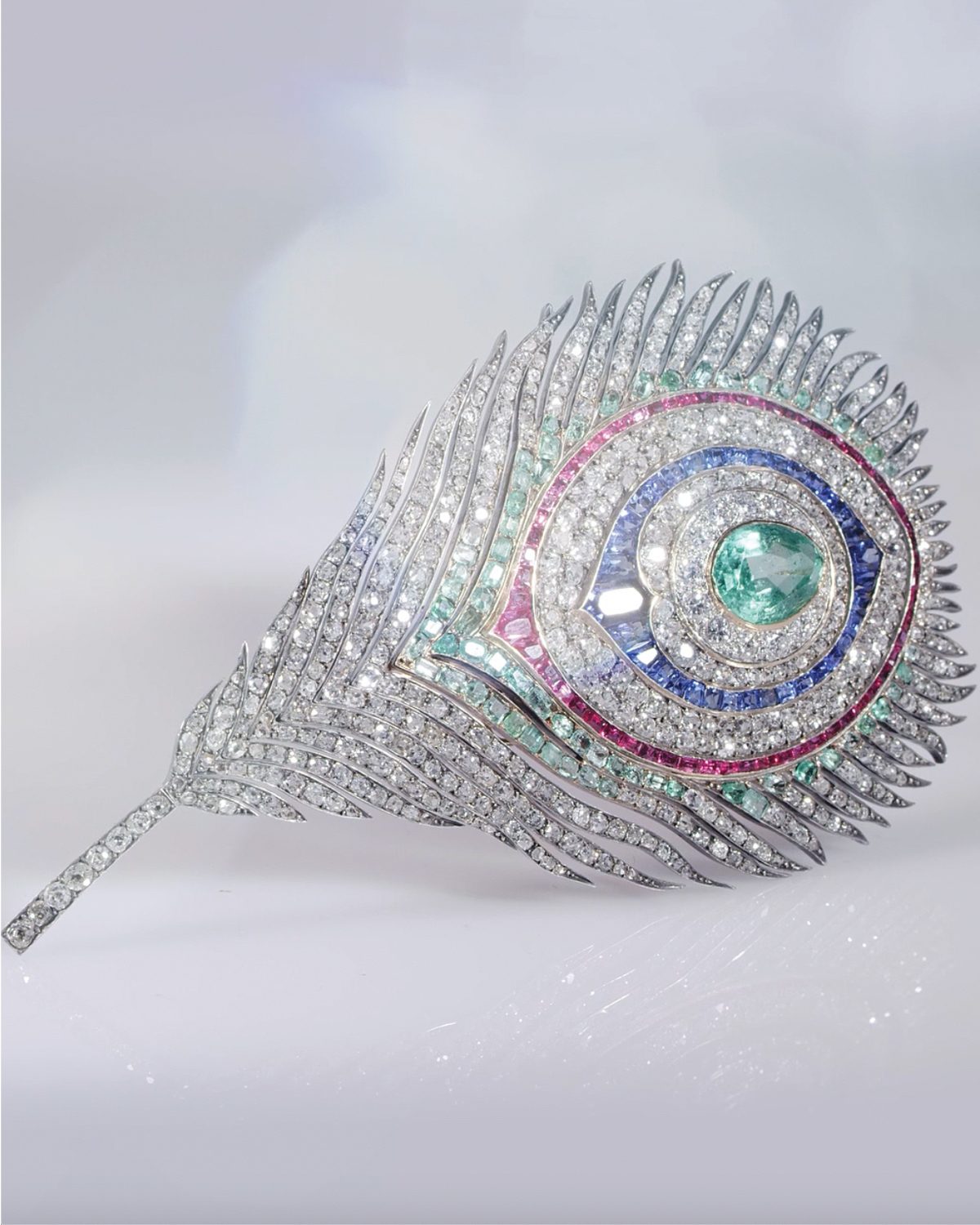
Suki Waterhouse approached the Maison’s archival references with a looseness that kept them from feeling ceremonial. Styled with Plume de Paon rings, Waterhouse’s Broderies tiara felt instinctive rather than aristocratic, exemplifying the jeweler’s belief that even historic high jewelry should remain alive on the body rather than preserved behind glass.
Boucheron Upholds An “Out of the Vault” Mentality
The House transcends traditional status signaling in this way. “You can show your power, you can show your money,” Poulit-Duquesne says. “You can show things that are not who you are, just status. At Boucheron, it’s the opposite.” The people most aligned with the Maison, she explains, are those “who have things to tell.”
That philosophy extends beyond the wearer to the jewelry itself. Poulit-Duquesne speaks emphatically about the house’s concept of “Out of the Vault.” “I always say a jewel in the safe is a dead jewel,” she says. “We tell our clients they have to wear their jewels.” Hoping not to curse herself, she admits she wears precious stones on the metro and while horseback riding. “Even if you lose it, even if you break it, it’s better to use it than never see it.”
I always say a jewel in the safe is a dead jewel. We tell our clients they have to wear their jewels.
The archive is not treated as a mausoleum of past triumphs but as a living, creative engine. Poulit-Duquesne speaks about the Maison’s history with the intensity of both a preservationist and a futurist, obsessively studying what came before while remaining equally committed to innovation. “You have to know where you’ve been to know where you’re going,” she says. “The true creative people, they don’t like freedom. They need a frame.”
Boucheron’s Ties to Royalty
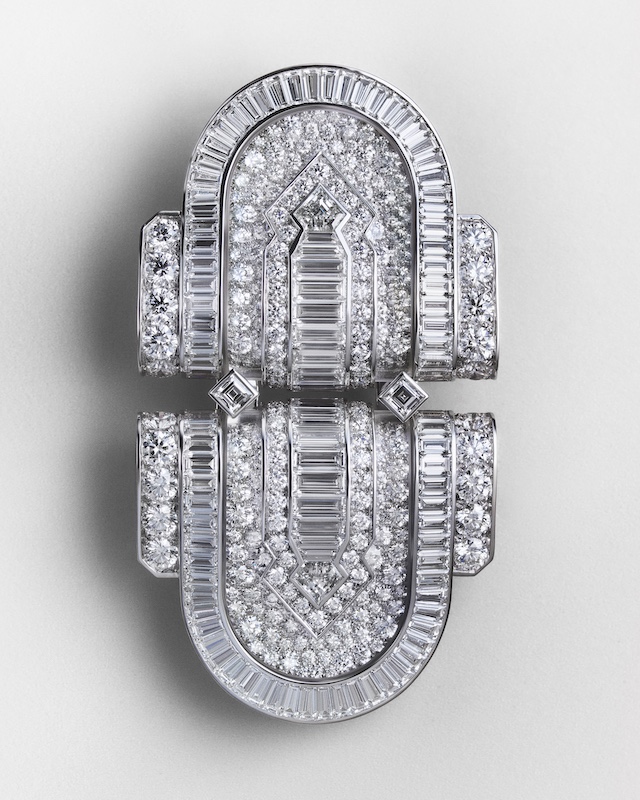
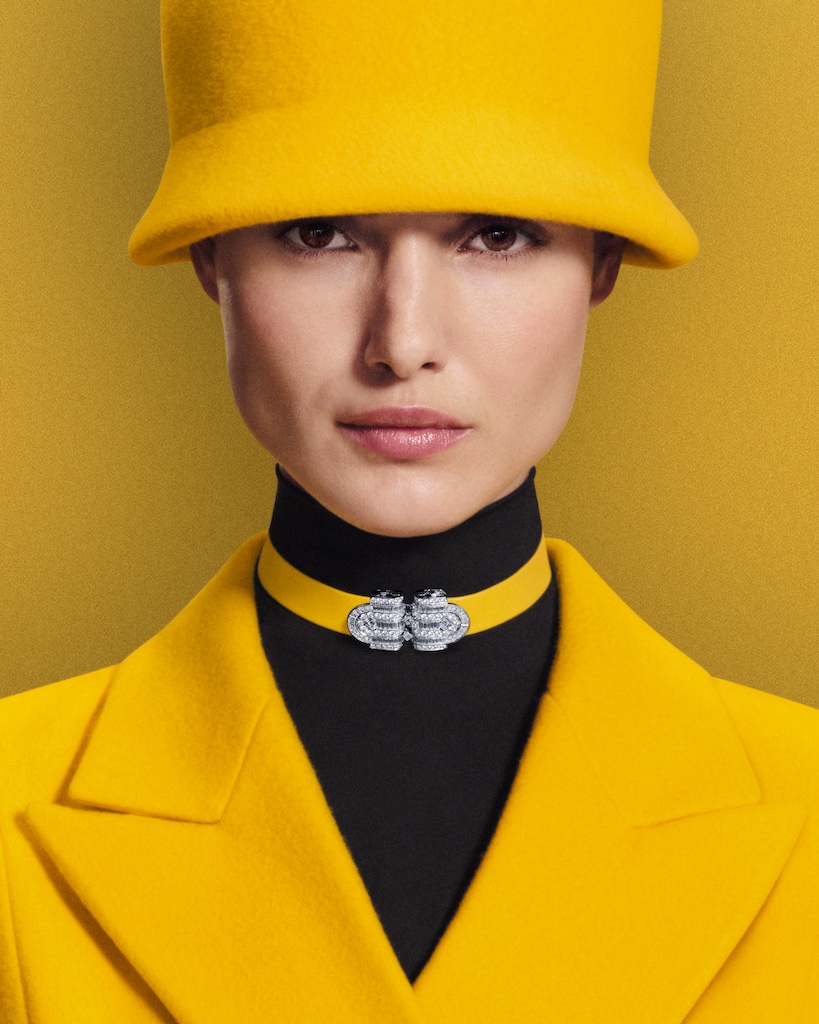
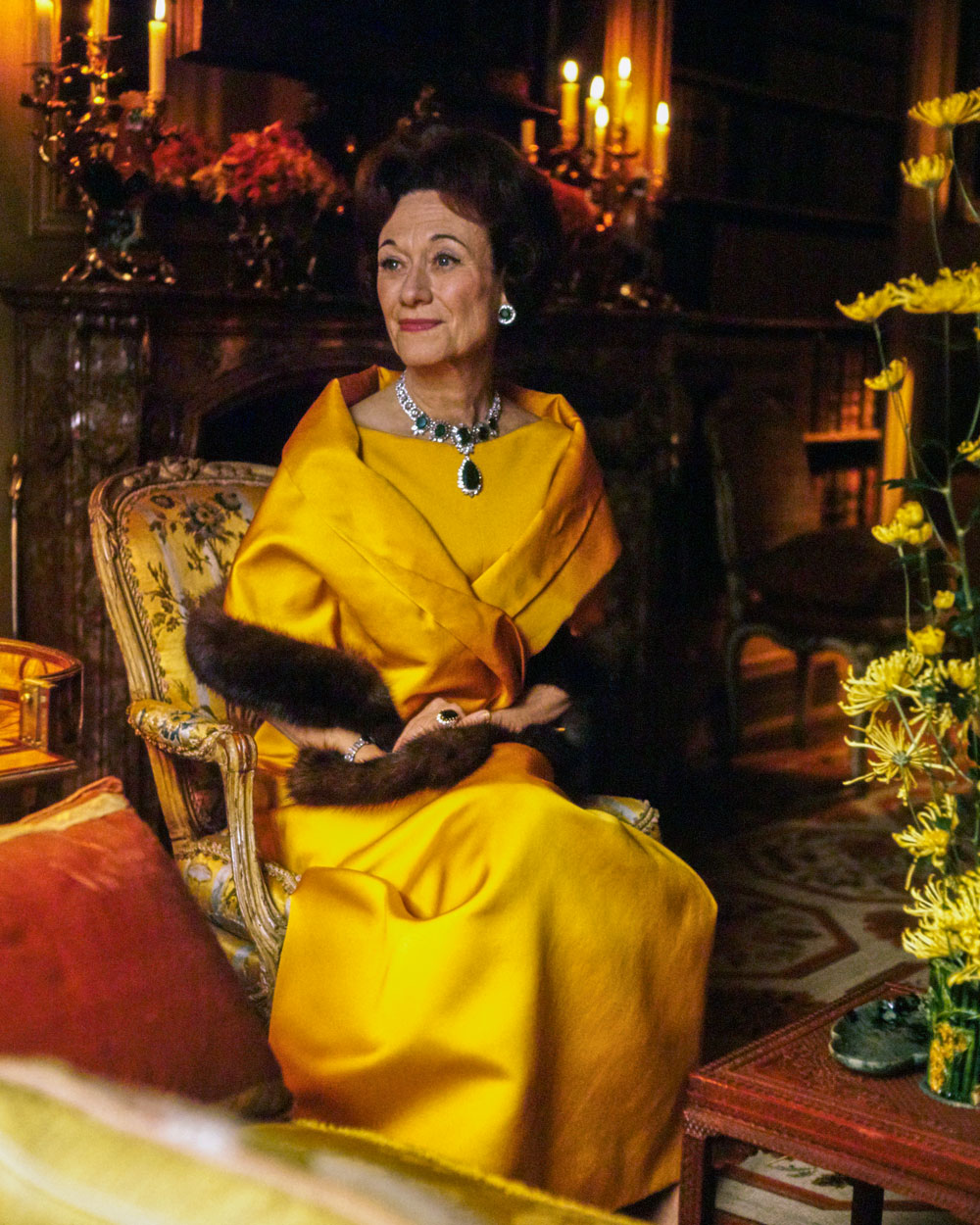
That creative frame is built from more than 165 years of adornment history. Generations of royal families have turned to the jeweler while assembling their crown jewels, and historic commissions continue to shape the Maison’s contemporary collections. One recent High Jewelry collection drew inspiration from an archival brooch long favored by Queen Elizabeth II in official portraits, transforming a familiar symbol of royal formality into something newly expressive.
At the same time, the Maison actively reacquires historic pieces at auction and works directly with families hoping to return significant jewels to their archives. Recently, Poulit-Duquesne was preparing to reacquire a tiara dating back to 1904. Elsewhere, descendants continue arriving with inherited stones and commissions once owned by grandmothers, mothers, and great-grandmothers who were longtime clients. In many cases, the jewels themselves have already lived several lives.
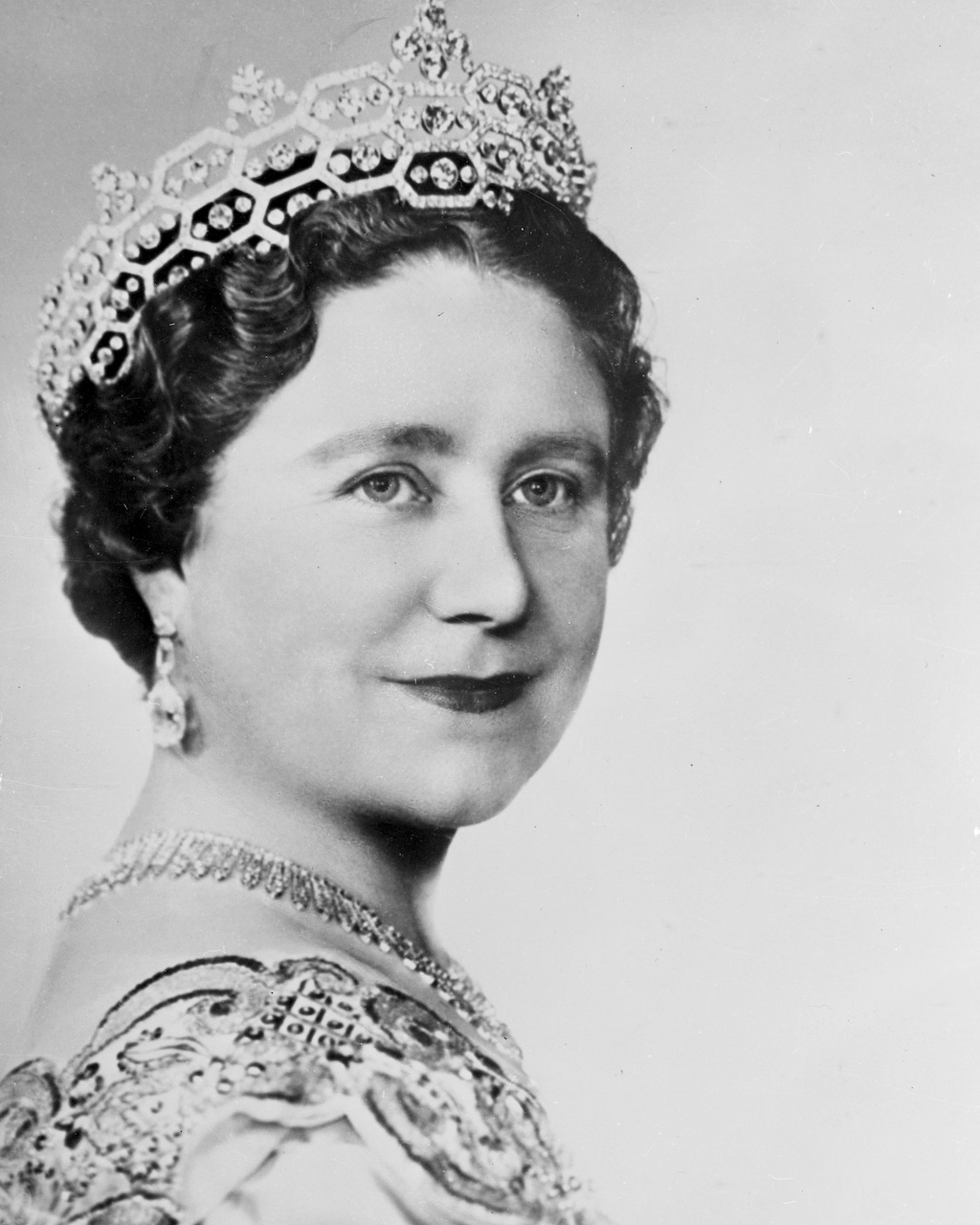
A sapphire belonging to the Mackay family, for example, has appeared in three distinct designs across generations, evolving from one setting to another as tastes and eras changed. This continual reinvention was once common among royal families, who routinely returned to maisons with inherited gemstones to be reset into contemporary forms. A tiara might become a necklace; a necklace might later become a brooch.
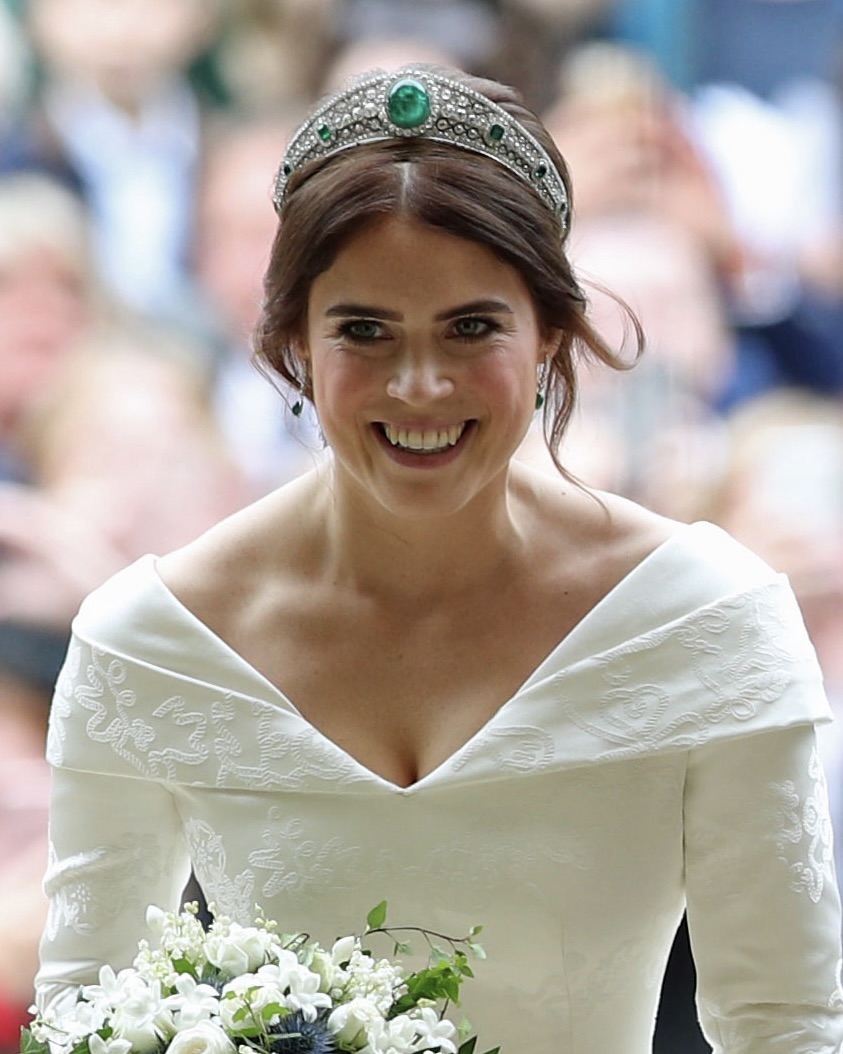
Even Princess Eugenie revived the Greville Emerald Kokoshnik Tiara for her wedding day. Unseen publicly for decades, the piece underscored the cyclical nature of adornment and the emotional resonance of bringing historic jewelry back into the light.
For Boucheron, heritage is not about freezing the past in place. The archive exists to generate momentum. History, in the Maison’s view, is not something to preserve behind locked glass; it is something to be worn.