
Crown Jewels With a Modern Vision: The Diamonds of Queen Mary of Denmark
The Australian who became Denmark’s queen is rewriting the rules of royal jewelry, one historic diamond at a time.
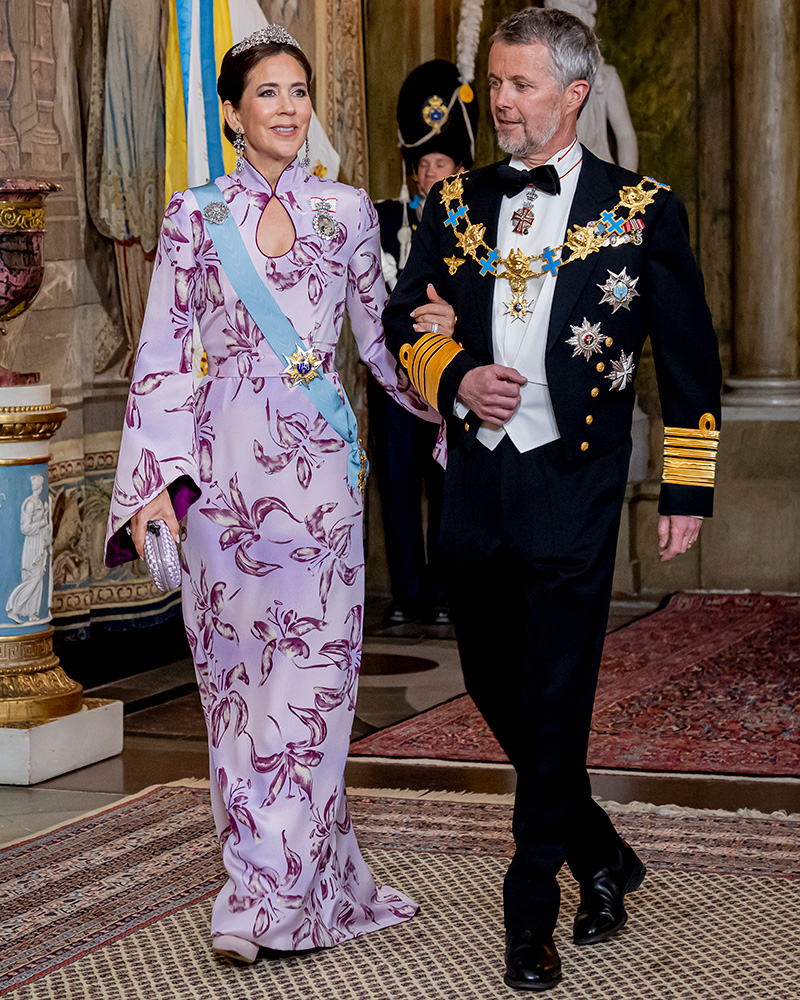
Queen Mary of Denmark attend the gala dinner during the 80th birthday celebrations of King Carl XVI Gustaf of Sweden at Royal Palace on April 30, 2026 in Stockholm, Sweden. (Getty Images)
Queen Mary of Denmark has changed the game for what modern royal style can look like, and her jewelry choices — especially her natural diamonds — are an essential component of this. She does not look at the Danish Royal jewels as relics that need to be kept in a glass box, but as wearable art and history. She also isn’t afraid to wear a piece of non-royal jewelry.
As Justin Daughters, Managing Director of Berganza, observes, “Queen Mary resonates because she balances authenticity with aspiration. She wears historic jewels with confidence and understanding, making them feel relevant rather than distant. Her style is polished but approachable, allowing her to connect with contemporary audiences while still embodying royal tradition.”
Meet the Experts

Justin Daughters is the Director of Berganza, a UK-based antique and vintage jewelry dealer renowned for sourcing and presenting rare, museum-quality pieces. With a deep expertise in historic jewels, Daughters oversees a collection distinguished by exceptional provenance and authenticity.
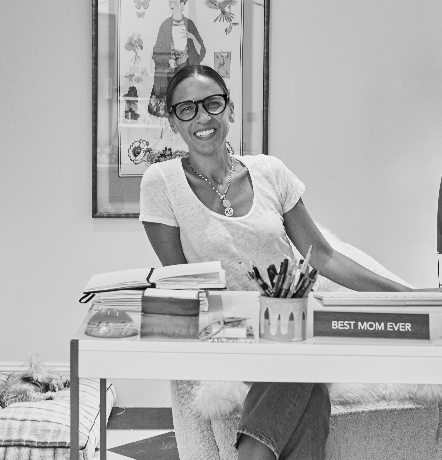
Kate Collins is a New York–based fine jewelry designer and founder of Kate Collins Jewelry, where she creates modern heirlooms rooted in symbolism and intentional design. With a background in medicine and public health, her work blends analytical perspective with artistry to create pieces that carry both personal and cultural meaning.
Ahead is a look at Queen Mary’s natural diamond choices and how they bring the past to life while also embracing the future.
Who is Queen Mary of Denmark?
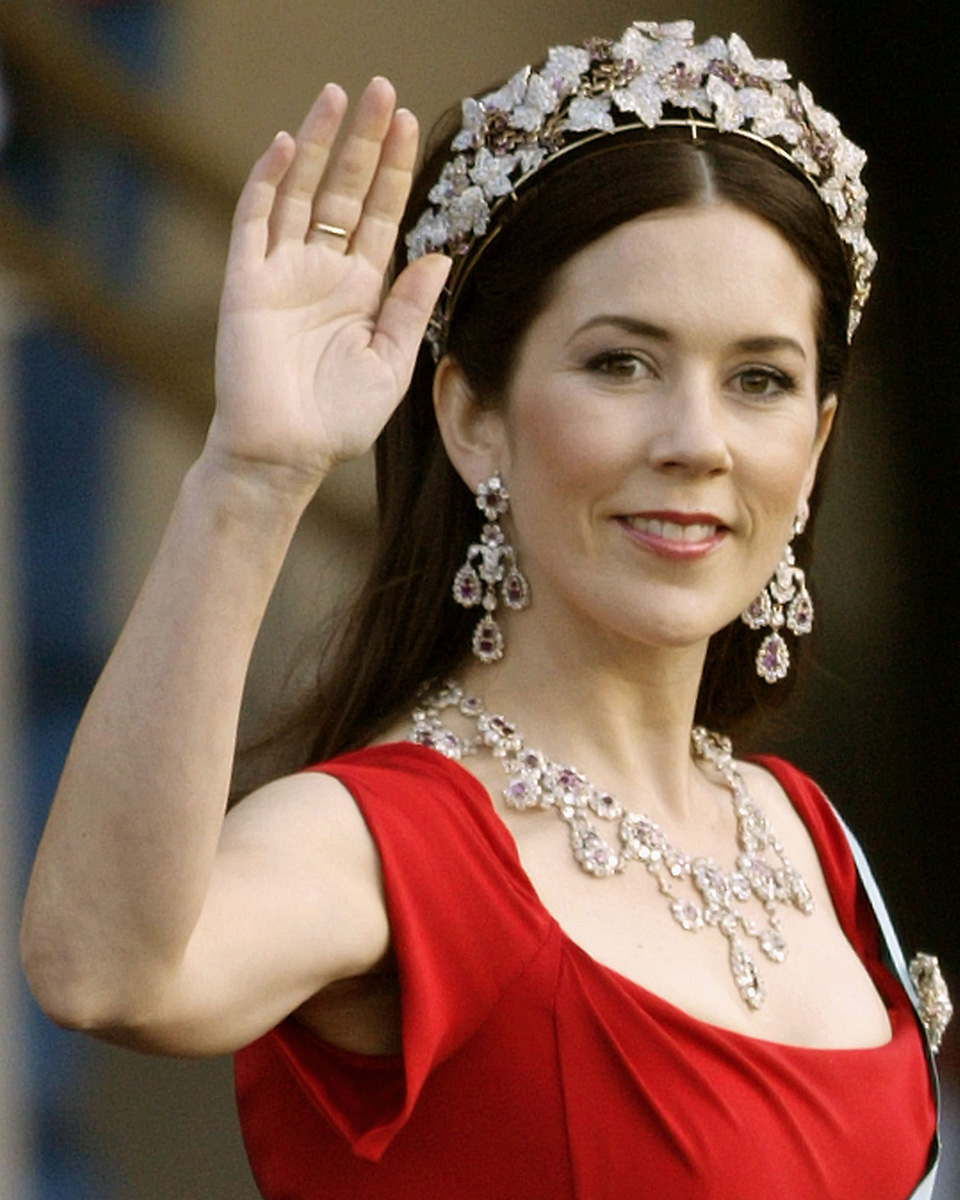
Born in Tasmania, Australia, in 1972, Mary Elizabeth Donaldson met Frederik André Henrik Christian, then the Crown Prince of Denmark, at a Sydney bar during the 2000 Olympics — unaware at first of his royal status. By May 2004, they were married in a ceremony widely described as a modern fairytale, and they went on to have four children together.
When her husband ascended the throne as King Frederik X in January 2024, she became the world’s first Australian-born queen — a title she was well prepared for. Five years earlier, Queen Margrethe II had appointed her as a regent, authorizing her to act as head of state whenever the queen or crown prince was out of the country, making her the first person outside the royal bloodline to hold that role since 1972.
How Queen Mary of Denmark Honors the Danish Royal Diamond Tradition
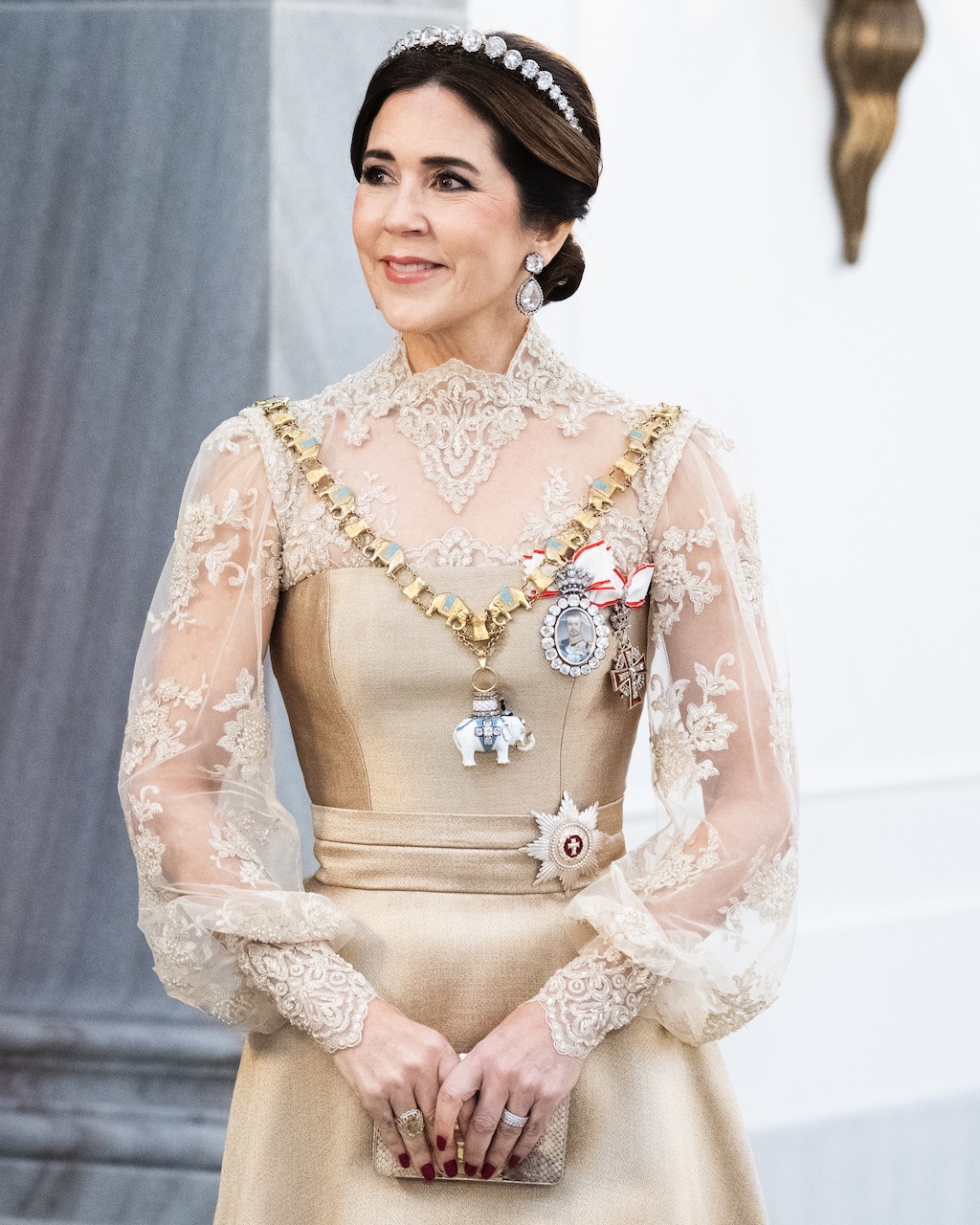
What sets the Danish Crown Jewels apart from many European counterparts is refreshingly simple: they are meant to be worn. Rather than locked away for ceremonial occasions, they are a living part of royal life — officially owned by the Crown, but freely available to the reigning queen. And if Queen Mary’s record is anything to go by, she chooses often.
This ethos dates back to 1746, when Queen Sophie Magdalene stipulated in her will that her personal jewelry remain “with the crown” rather than pass to heirs, noting that “…in this Royal House, there are so few jewels and not any crown jewels at all.”
“The Danish royal jewelry collection stands out for its exceptional continuity and ‘living’ nature. It is still worn regularly and often as complete parures, which is increasingly rare. This creates an unbroken visual timeline of the monarchy and gives the collection a remarkable sense of historical integrity,” Daughters says.
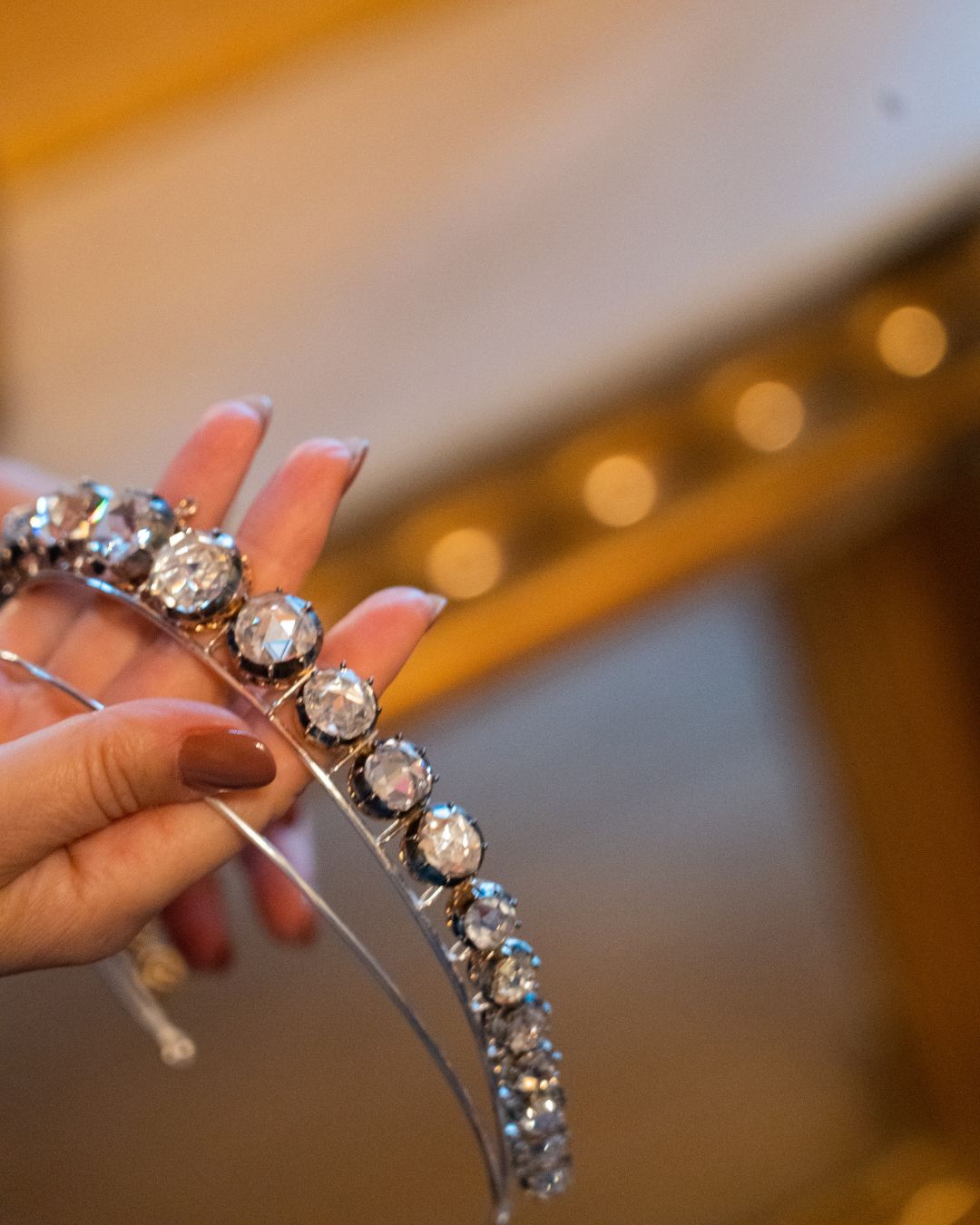
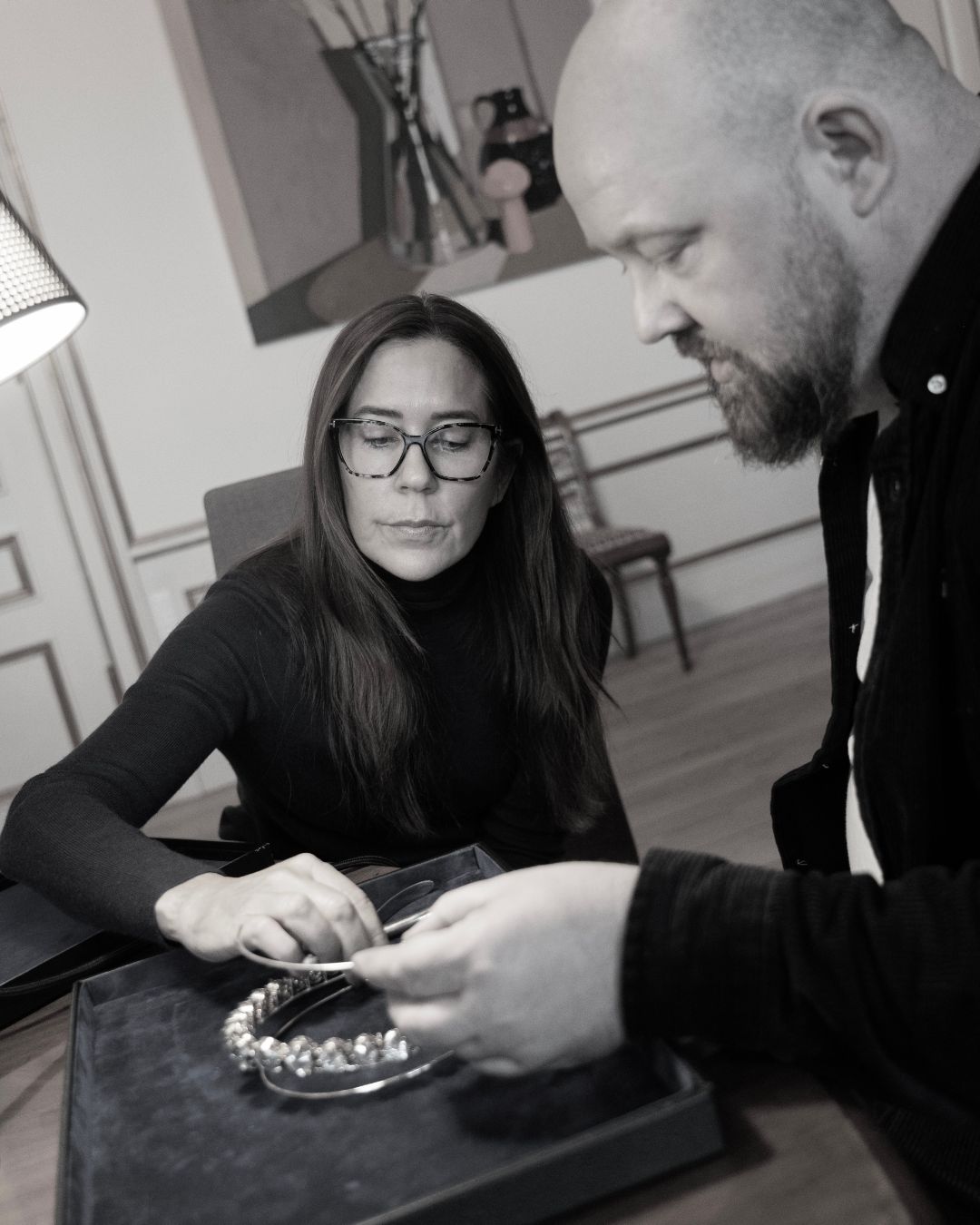
Though many pieces have been reset over the years, they endure as powerful symbols of the monarchy. Queen Mary took this tradition further by collaborating with the Danish Royal Collection to transform a centuries-old diamond girdle into a modern bandeau tiara — what Daughters calls a form of “heritage upcycling.” “By reimagining the form while maintaining the original materials, Queen Mary gives the diamonds new life. That balance, honoring the past while adapting for the present, is what ensures their legacy endures,” he says.
The Danish Royal Family even shared a behind-the-scenes video of the process on Instagram. As Collins puts it, “Queen Mary approaches historic diamonds with modern ease. She does not treat them as untouchable; she wears them naturally and adapts them to today. It shifts the focus from preservation to something more lived-in, where history is present but not frozen,” says Kate Collins, founder of Kate Collins Jewelry.
Queen Mary of Denmark’s Most Iconic Jewelry Pieces
Ahead, discover the natural diamond jewels that both define Queen Mary’s legacy and continue to shape the visual language of the modern monarchy. “What makes Queen Mary resonate now is her balance. She respects tradition but does not feel limited by it, and that keeps these pieces relevant. Royal jewelry still shapes how the monarchy is perceived because it communicates continuity so clearly. It creates a visible link between past and present that feels natural when worn this way,” says Collins.
Queen Mary of Denmark’s Diamond and Ruby Engagement Ring
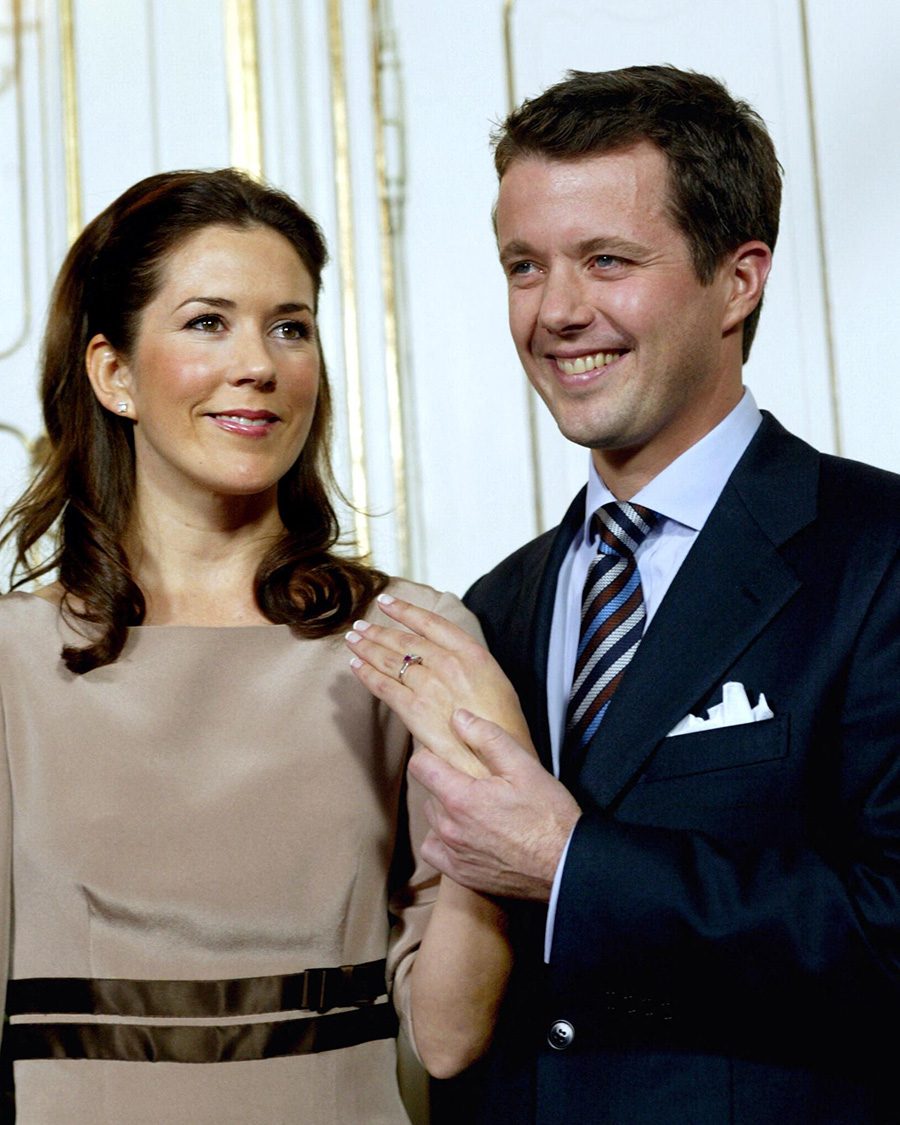
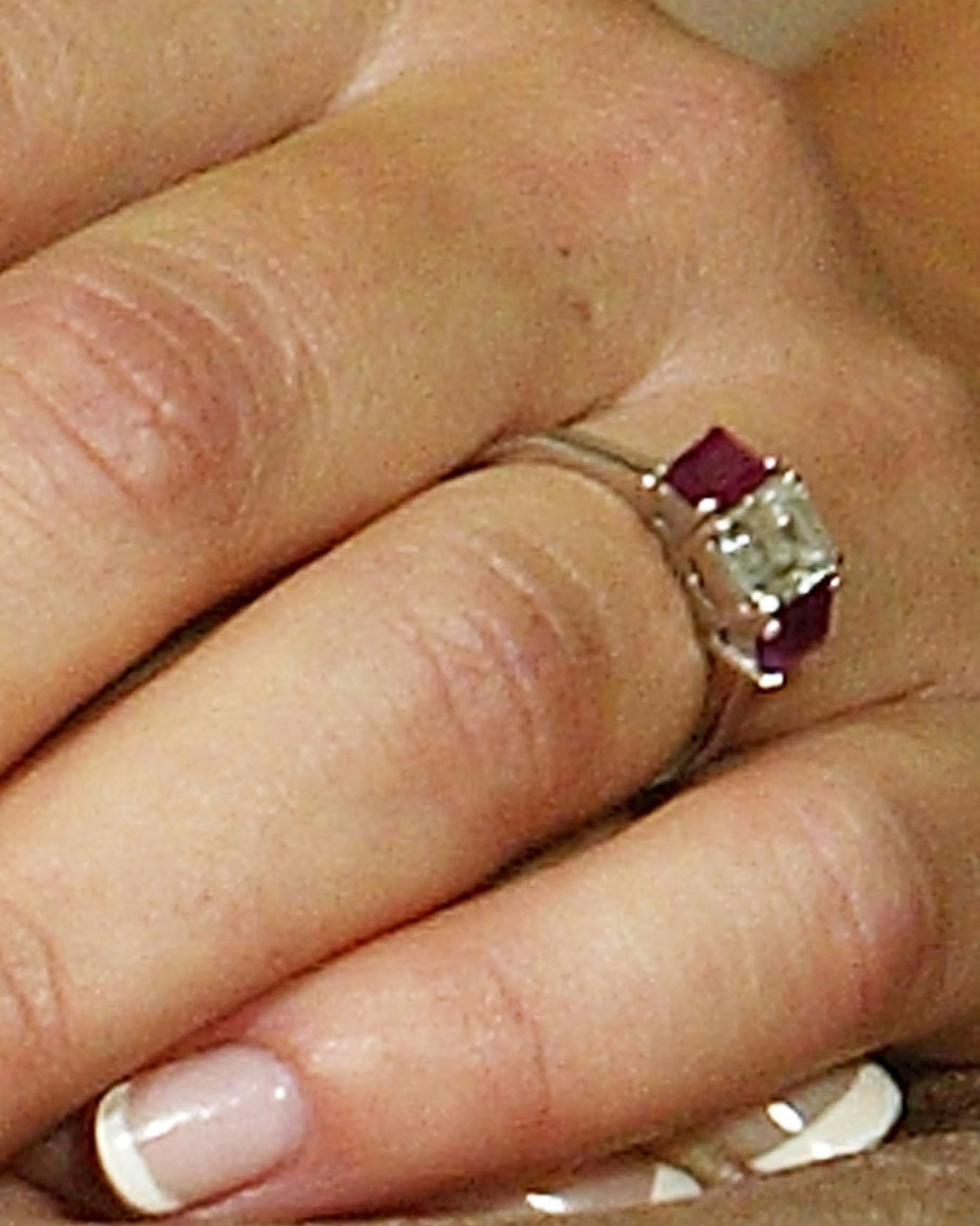
Princess Mary’s engagement ring from Prince Frederik was a white gold ring with a central emerald-cut diamond, flanked by two ruby baguettes. The red and white colors represented the colors of the Danish flag. Years later, Queen Mary added two diamond baguettes, which are said to represent the couple’s four children. With the additional stones, the ring’s estimated value increased significantly.
The Danish Rose Diamond Bandeau
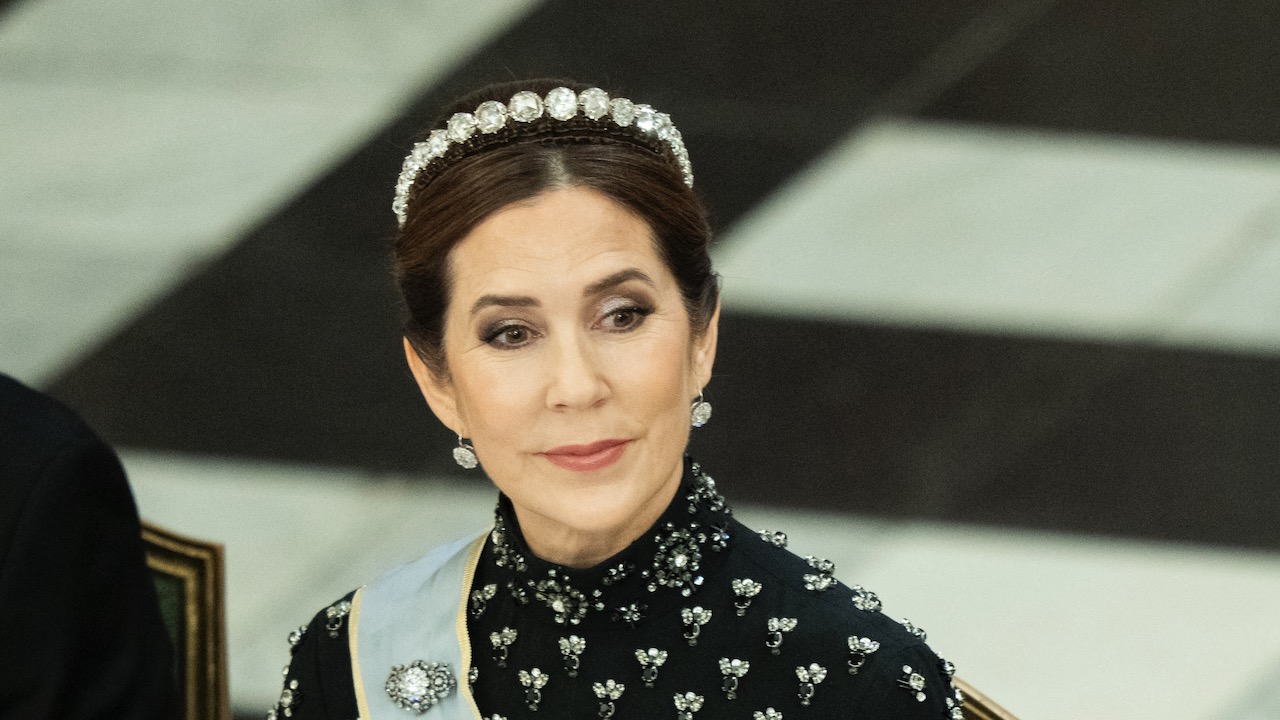
A standout from this collection is the Danish Rose Diamond Bandeau Tiara commissioned by Queen Mary. It features rose-cut natural diamonds that were once part of a diamond belt and pendant set owned by Princess Charlotte Amalie of Denmark in the 1700s.
The diamond belt (along with, gratefully, corsets) fell out of fashion around World War I, and so the Rose-Cut Diamond Set did not get much wear by Queen Alexandrine (1879–1952, Queen of Denmark from 1912 to 1947) or Queen Ingrid (1910–2000, Queen of Denmark from 1947 to 1972). There is no documentation that they ever wore it.
HM Queen Margrethe did wear the pendant during her reign as a brooch, but only twice. Queen Mary breathed new life into it when she made it an exquisite tiara that maintained the original design of the belt but with a new frame. The original mounts and settings have been preserved so they can still be worn in the belt form if corsets ever make a comeback (but let’s hope not). Queen Mary has worn the diamond and ruby tiara on many an occasion.
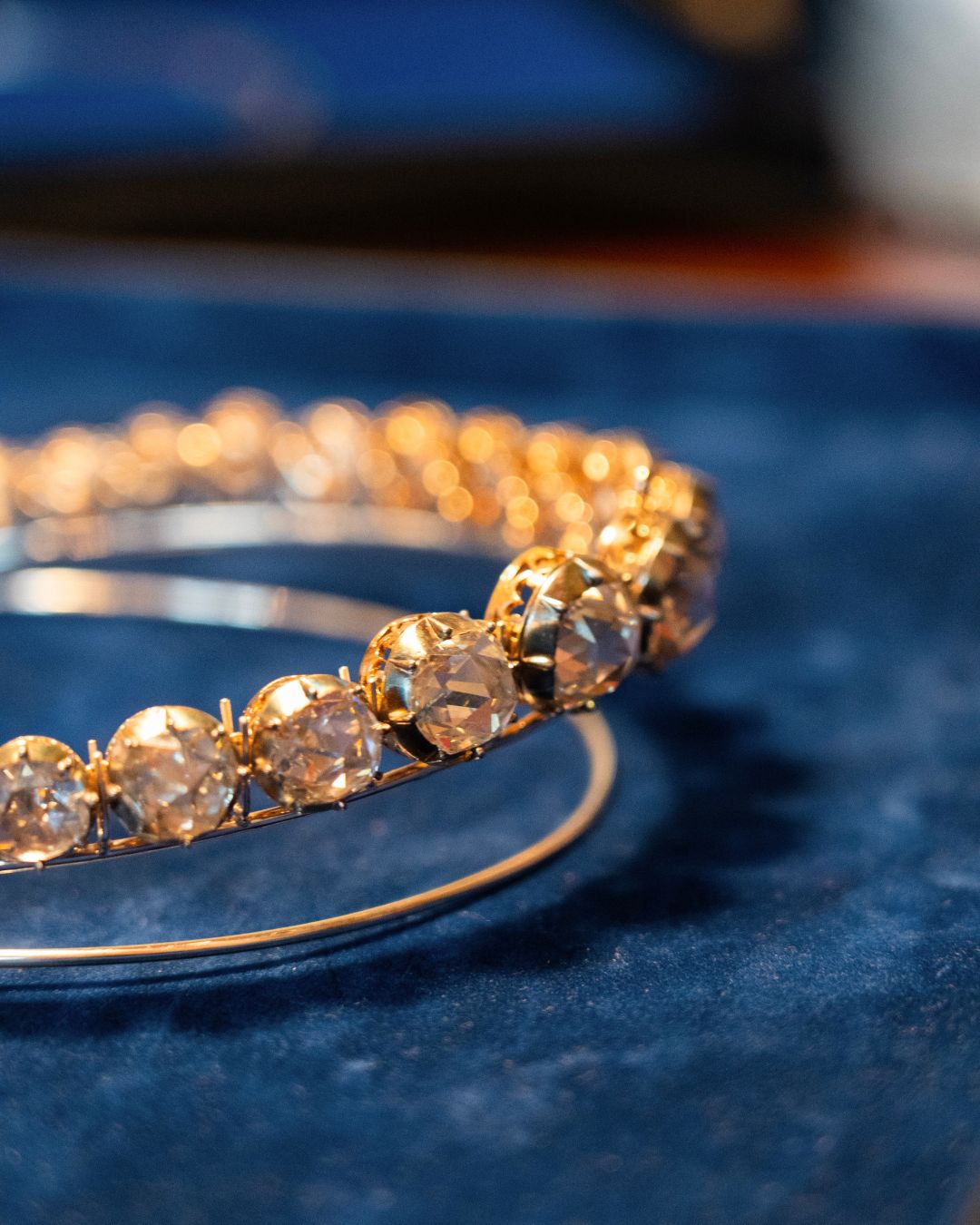
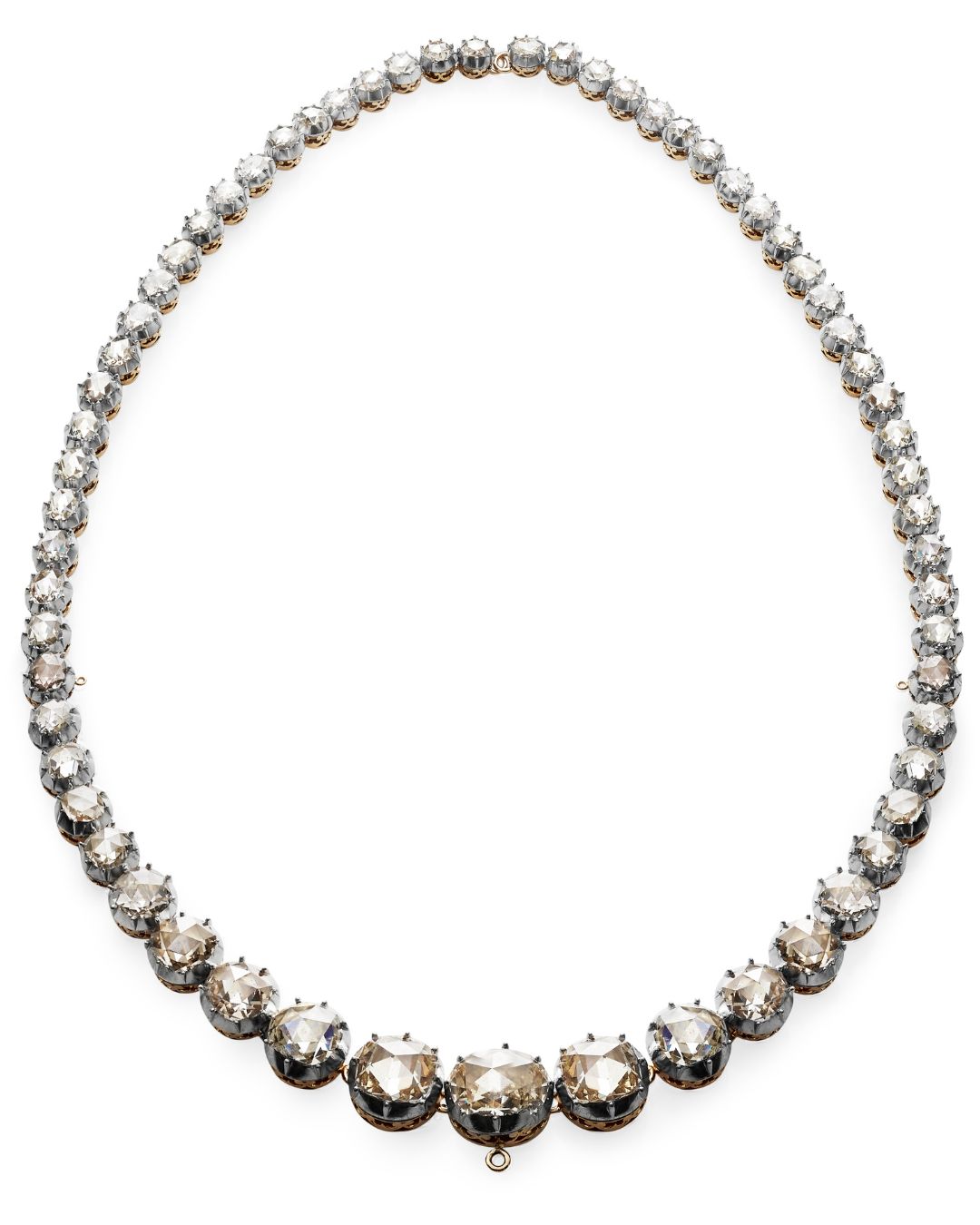
Daughters says, “Rose-cut diamonds date back to the 16th century and are defined by their flat base and domed top with triangular facets, resembling the petals of a rose. Unlike modern brilliant cuts, which are designed for maximum sparkle and fire, rose-cuts produce a softer, more diffused glow. They were originally designed for candlelight, giving them an ethereal, romantic quality that modern machine-cut stones cannot replicate.”
The Royal Court released a statement about the redesign of the Danish Rose Diamond Bandeau: “With the creation of the new frame, The Queen and the Royal Collection are resuming the old tradition of adapting the crown jewels to the demands and needs of the times. This, in many ways, marks a new path for the Danish crown jewels, uniting the different traditions that have surrounded these four iconic jewelry sets — a path between revitalization and continuity.”
“Wearing heirloom pieces is especially meaningful in a modern monarchy. They act as a visible link between past and present, something people can actually see and connect with. Jewelry becomes a subtle form of storytelling,” Collins says. “The transformation of a diamond girdle into a bandeau tiara is a strong example of that. Reinvention has always been part of jewelry history, but here it feels intentional. It shows that honoring tradition does not mean standing still. The rose-cut diamonds enhance that feeling, with a softer glow, creating depth and atmosphere rather than overt brilliance.”
The Danish Ruby and Diamond Parure
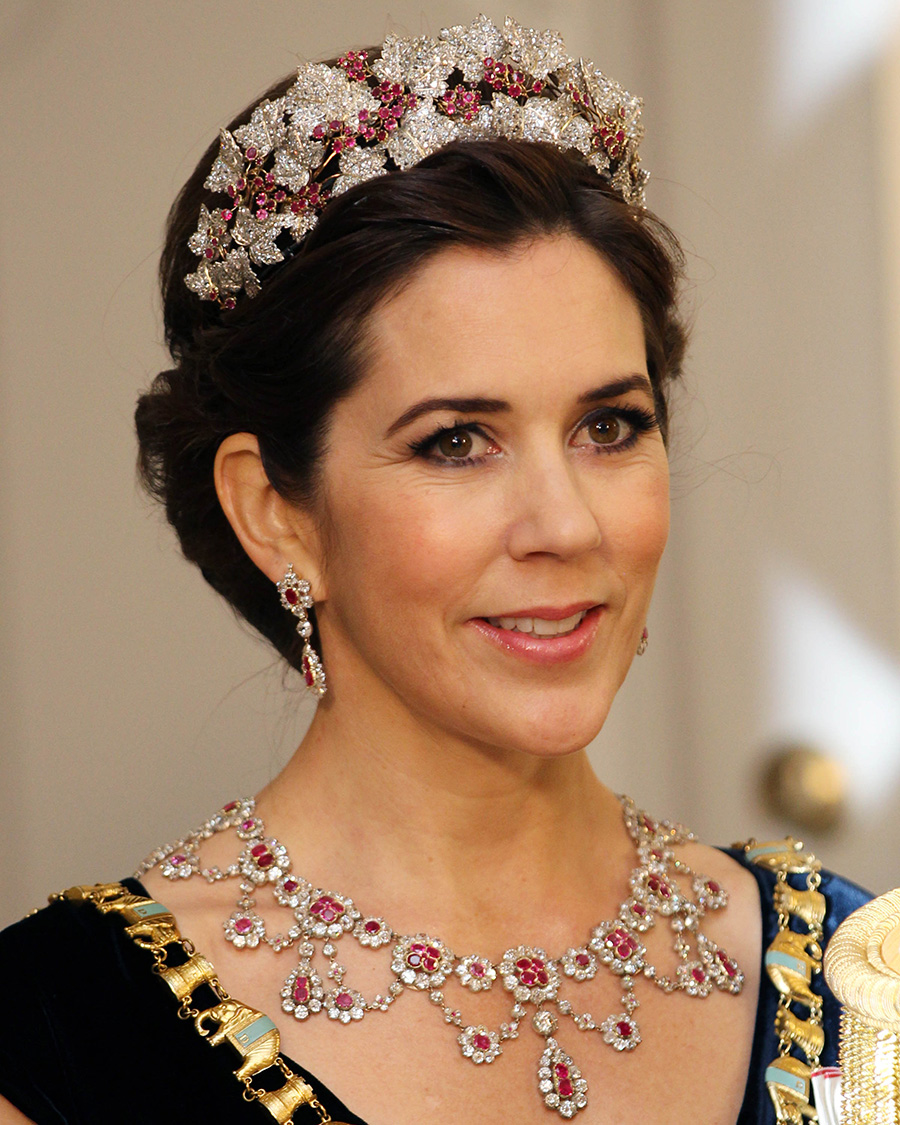
This remarkable set of diamond and ruby jewelry has its origins in Napoleon Bonaparte’s imperial coronation of 1804. Napoleon gave each of his marshals a substantial sum of money so their wives could be outfitted in splendid jewels for the ceremony. One of those marshals, Jean-Baptiste Bernadotte, purchased the parure for his wife, Désirée Clary. The set—one of the most important in the Danish Royal Collection—now consists of a diamond and ruby floral tiara, a pair of chandelier earrings, a necklace that can be worn in various configurations, a brooch, a bracelet, hairpins, and a ring composed of diamonds and small rubies.
Queen Ingrid (who reigned from 1947 to 1972) described the Ruby Parure as one of her favorites and was photographed many times in the tiara over the years. She once said of this access to extraordinary jewels, “It was a very great experience to be allowed to put those clothes and jewels on. I thought it was fantastic.”
Queen Mary was also a fan of this incredible collection and wore the Ruby Parure in 2004 for a Grand Banquet and then for a gala performance at the Royal Theatre in Copenhagen. She spoke about feeling very overwhelmed when she first started wearing the jewels, realizing the weight of their rich history, but over the years, she grew more accustomed to them and accepted that they felt like her own jewels.
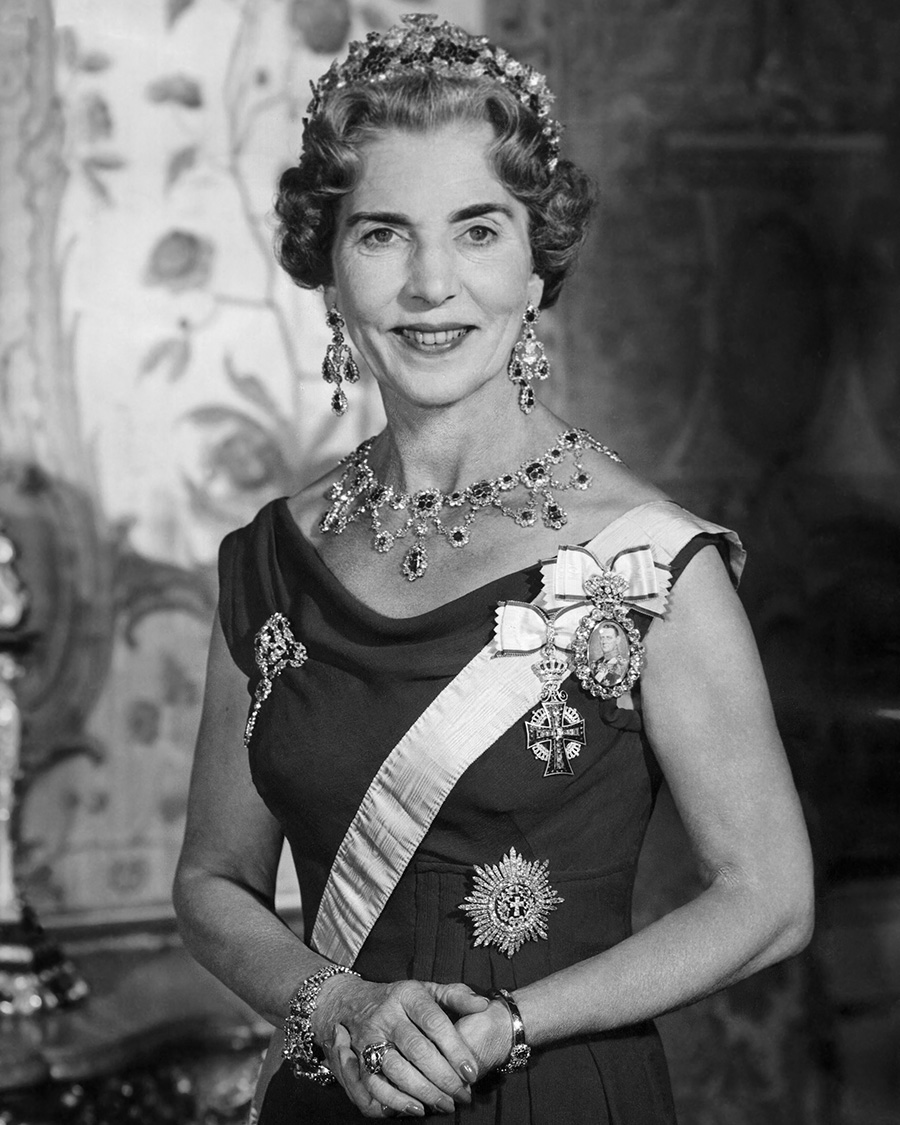
The tiara was even customized to fit Queen Mary’s head in 2010, and she had two hair clips created from the leftover materials. She has also been seen wearing the necklace in a shorter choker setting, as well as the chandelier earrings, stud earrings, and drop earrings from the set. In 2018, she debuted a new, more petite version of the Diamond and Ruby tiara that also incorporated her new hair clips at the annual Danish New Year’s Reception.
“The Danish Ruby Parure is one of the most historically significant sets in the collection and carries deep national symbolism. Its red and white tones echo the Danish flag, the Dannebrog, making it a powerful emblem of identity and continuity. When Queen Mary wore it during her transition to queen, it was a striking visual statement; she was quite literally wrapping herself in the colors and history of the nation,” says Daughters.
The Pearl and Diamond Tiara
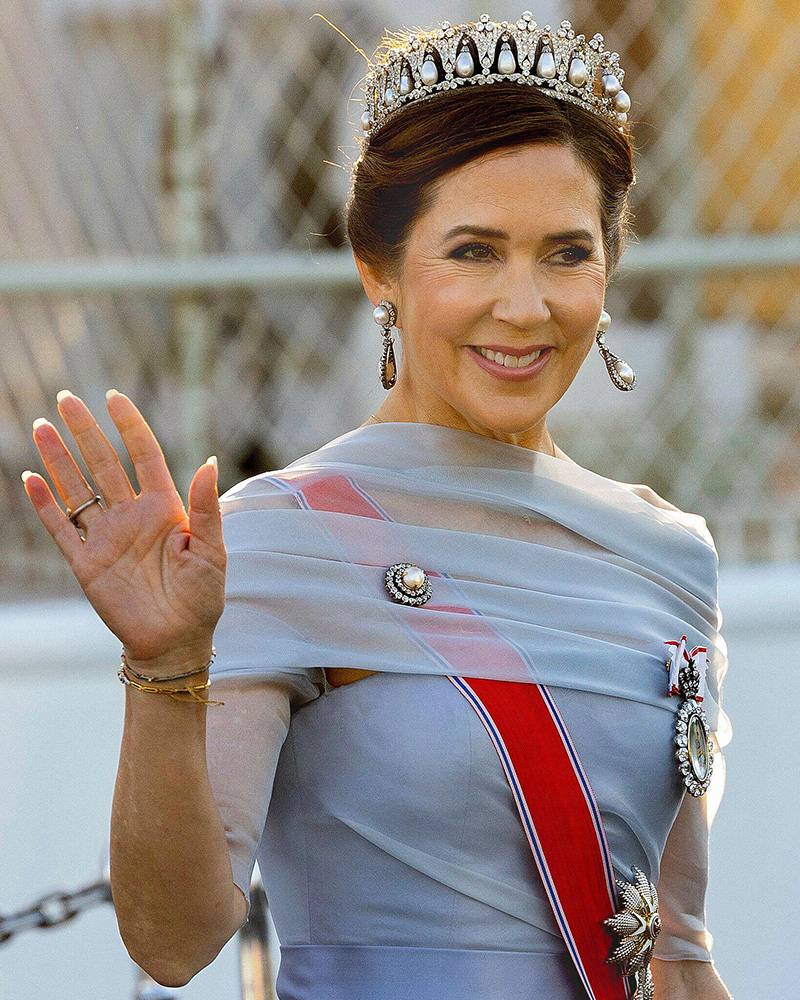
The Pearl and Diamond Tiara, also known as the Danish Pearl Poiré Tiara, has a history stretching back two centuries. It was commissioned in 1825 by King Friedrich Wilhelm III of Prussia as a wedding gift for his daughter, Princess Louise, who would go on to become Queen in 1906. In 1842, Queen Caroline Amalie reworked the piece with jewelry firm C.M. Weishaupt & Söhne, expanding it into a full parure of earrings, brooches, necklaces, and tiara pieces.
The redesign embraced the Rococo Revival style, characterized by asymmetry and floral details, while the red and white stones served as a subtle nod to the Danish flag. Queen Caroline Amalie contributed 17 rubies inherited from Princess Charlotte Amalie, and the finished pieces are set with a rich combination of rubies, pearls, and brilliant-cut diamonds.
Queen Alexandrine, Queen Ingrid, Queen Margrethe II, and now Queen Mary have all worn the exquisite Pearl and Diamond tiara. Mary was photographed in it most recently in 2024, welcoming dignitaries from Iceland.
The Diamond Ivy Brooch
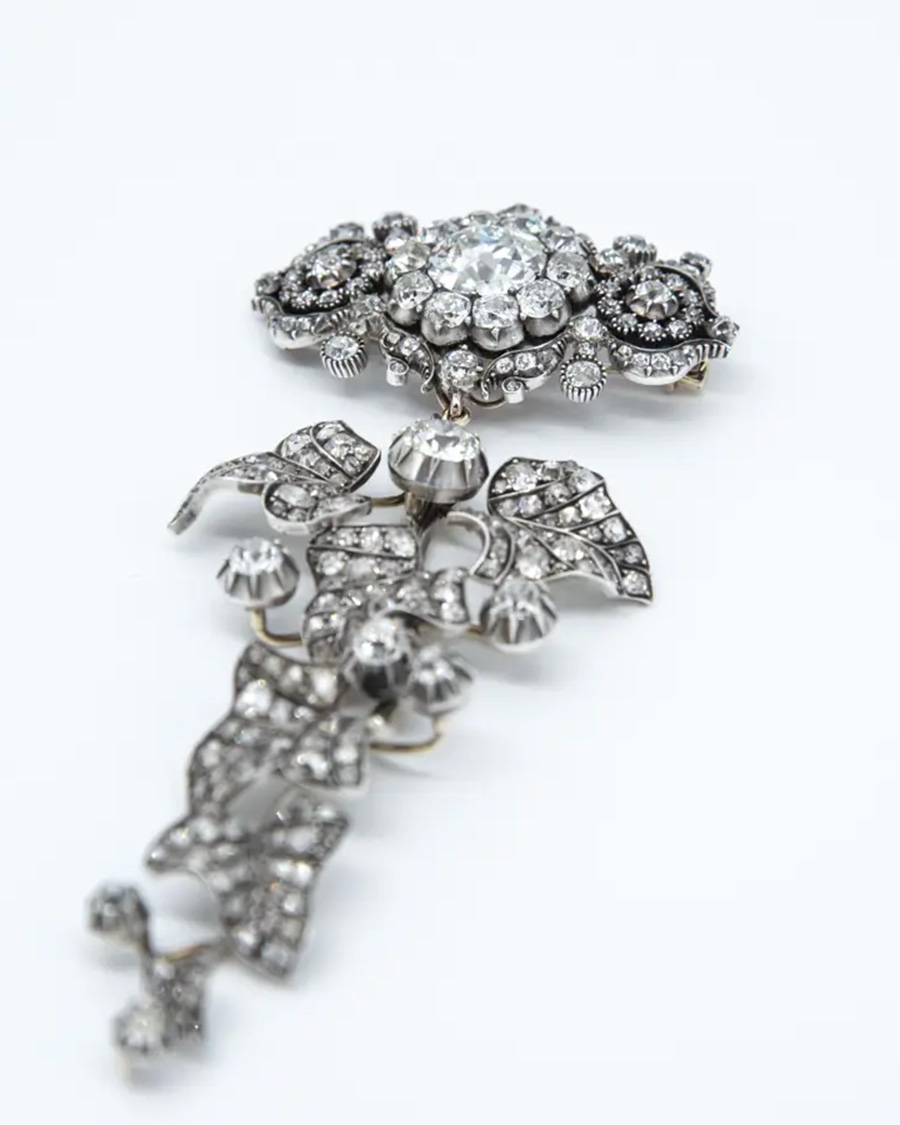
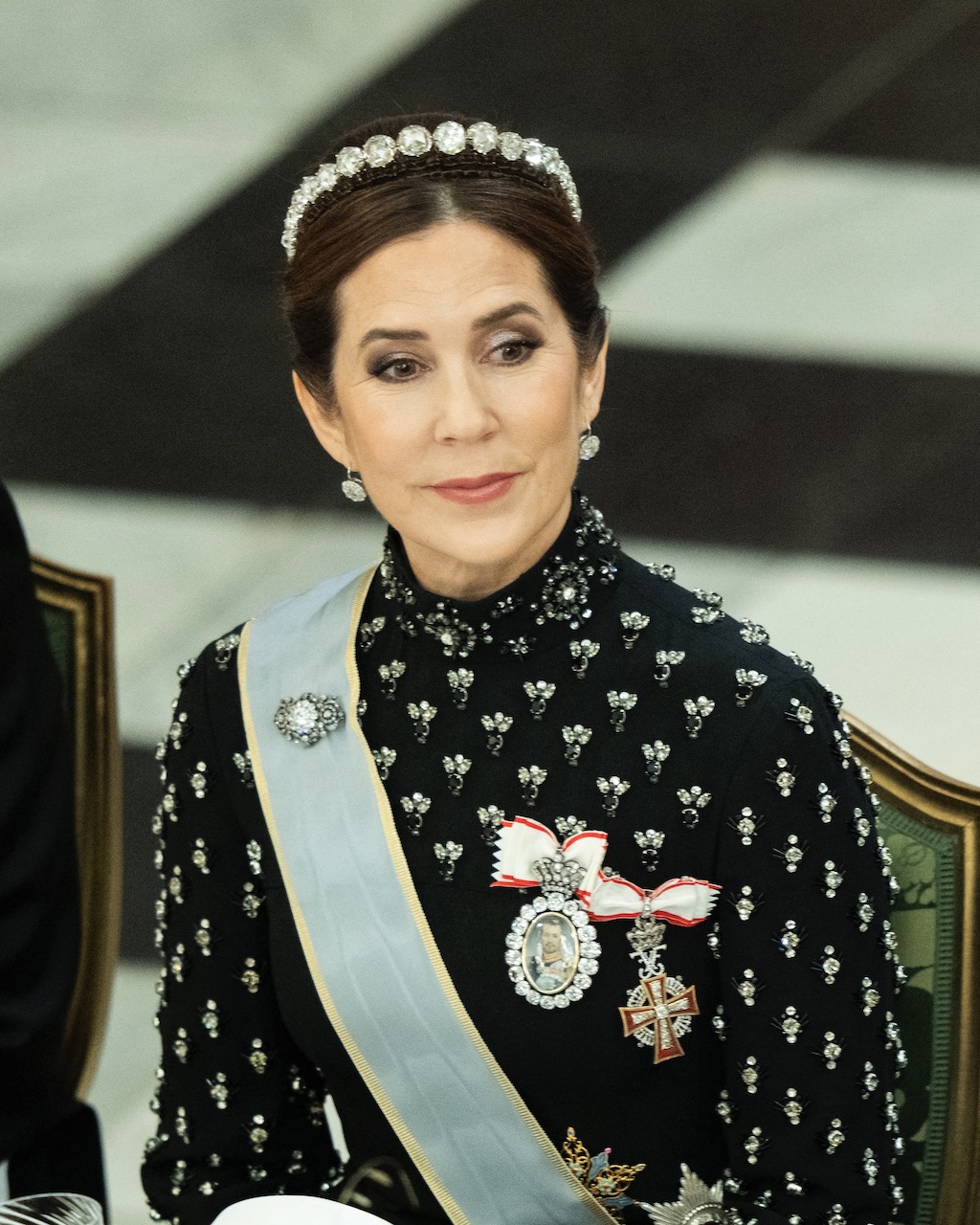
Few pieces in Queen Mary’s collection carry as much historical weight as the Diamond Ivy Brooch. It was originally owned by Princess Caroline of Denmark, who narrowly missed becoming Queen due to Salic law, before passing to Queen Lovisa and eventually entering the Danish Royal Property Trust.
The piece itself is exquisite in its detail. A diamond-centered oval top is encircled by 10 smaller diamonds and diamond-adorned swirls, beneath which six ivy leaves set with diamonds lead to a detachable ivy-shaped pendant of seven large diamonds. The pendant can be removed entirely, allowing the piece to be worn as a bracelet—a versatility that Queen Mary, never one to let a jewel sit idle, has made full use of on many occasions.
The Danish Edwardian Tiara
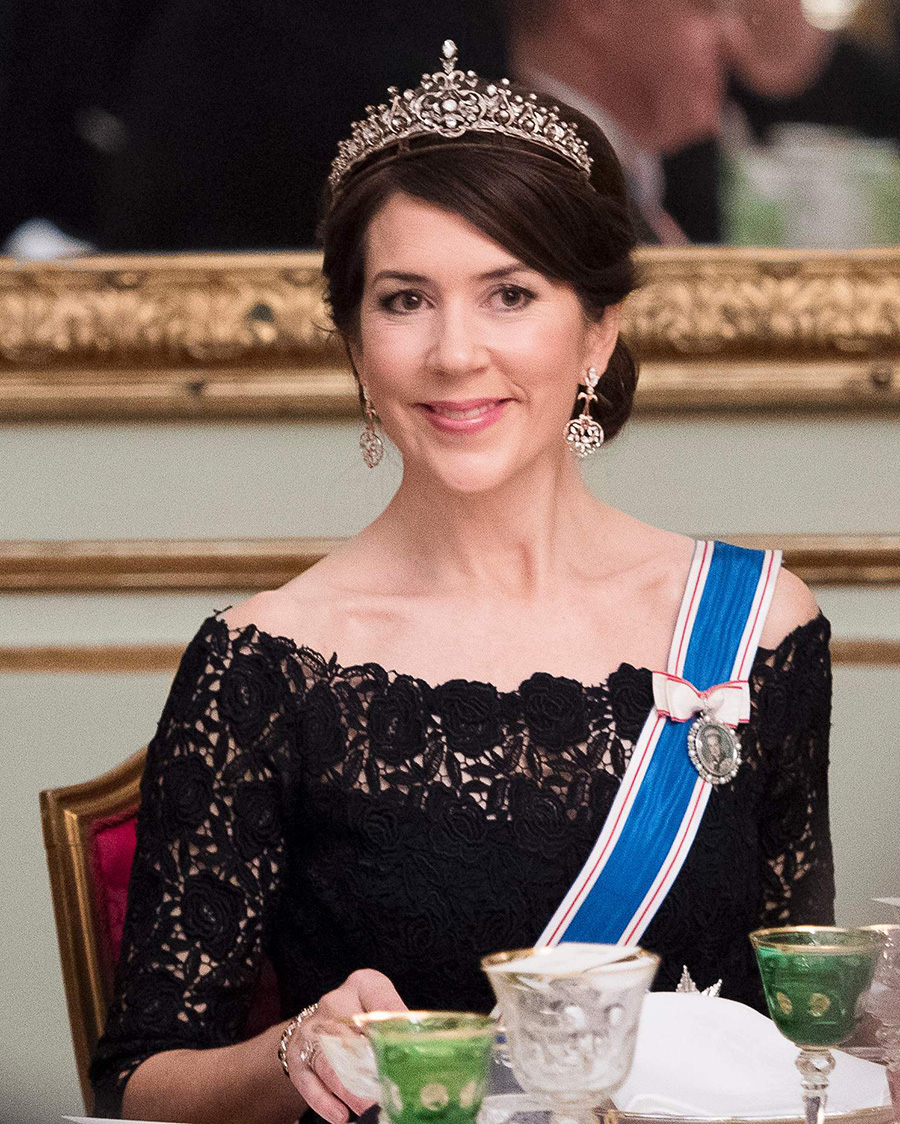
One of Queen Mary’s most personal acquisitions, this Edwardian tiara has a charmingly unconventional origin: in 2012, she quietly placed the winning bid at Bruun Rasmussen auction house in Copenhagen, purchasing the convertible piece — dated circa 1900–1910 — for €8,050. Set with old mine-cut and rose-cut diamonds, circular-cut rubies, and spinels in 14k gold and silver, its red gemstones serve as a subtle nod to the colors of the Danish flag.
After restoration work and having a tiara frame made, she debuted it publicly in 2015 and it quickly became a firm favorite, most memorably worn at the 2018 gala celebrating Crown Prince Frederik’s 50th birthday and again at Emperor Naruhito’s imperial enthronement banquet in Tokyo in 2019. True to Edwardian design’s hallmark versatility, the piece can be removed from its frame and worn as a necklace, making it one of the most adaptable jewels in her collection.
How Queen Mary of Denmark Wears Diamond Earrings
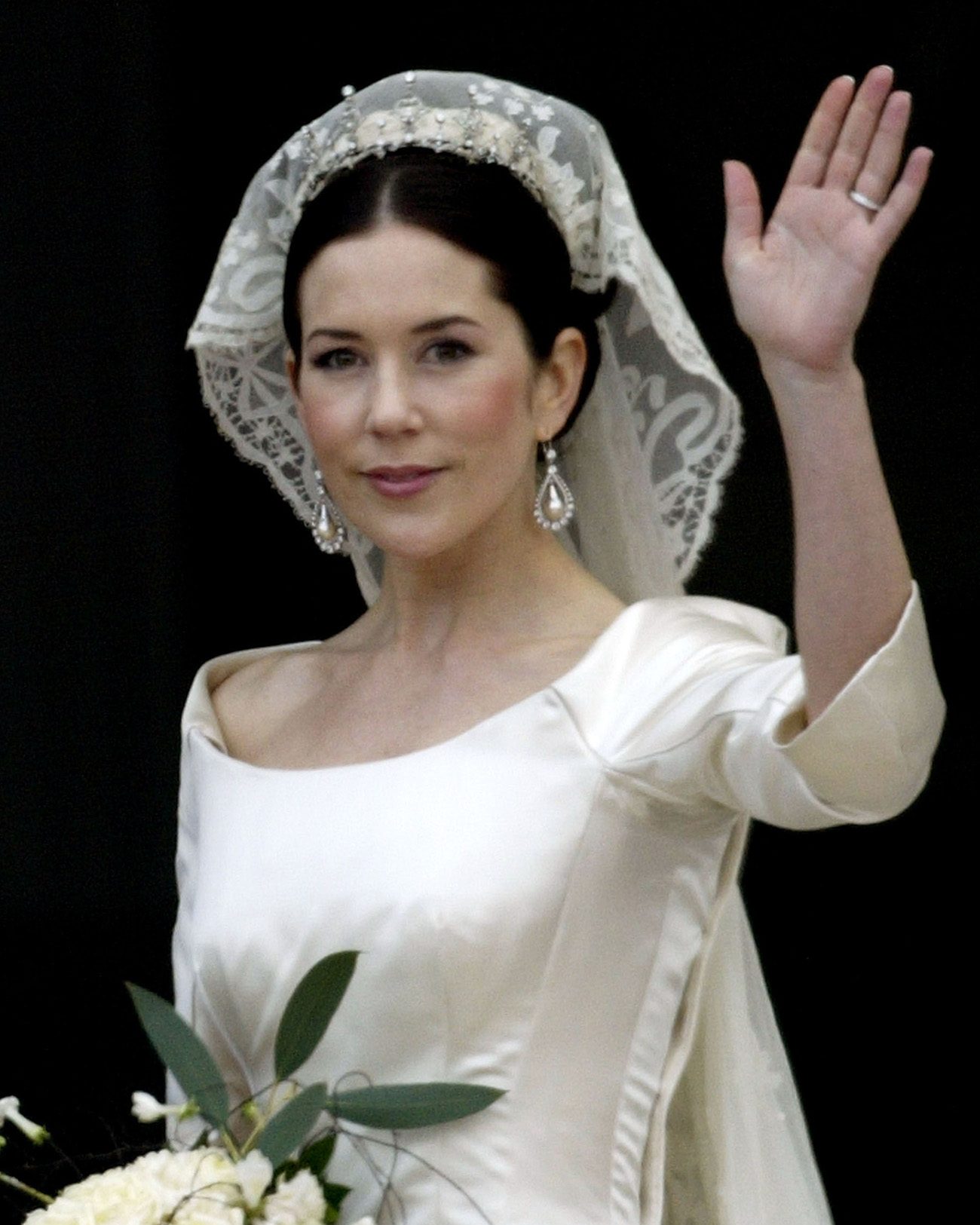
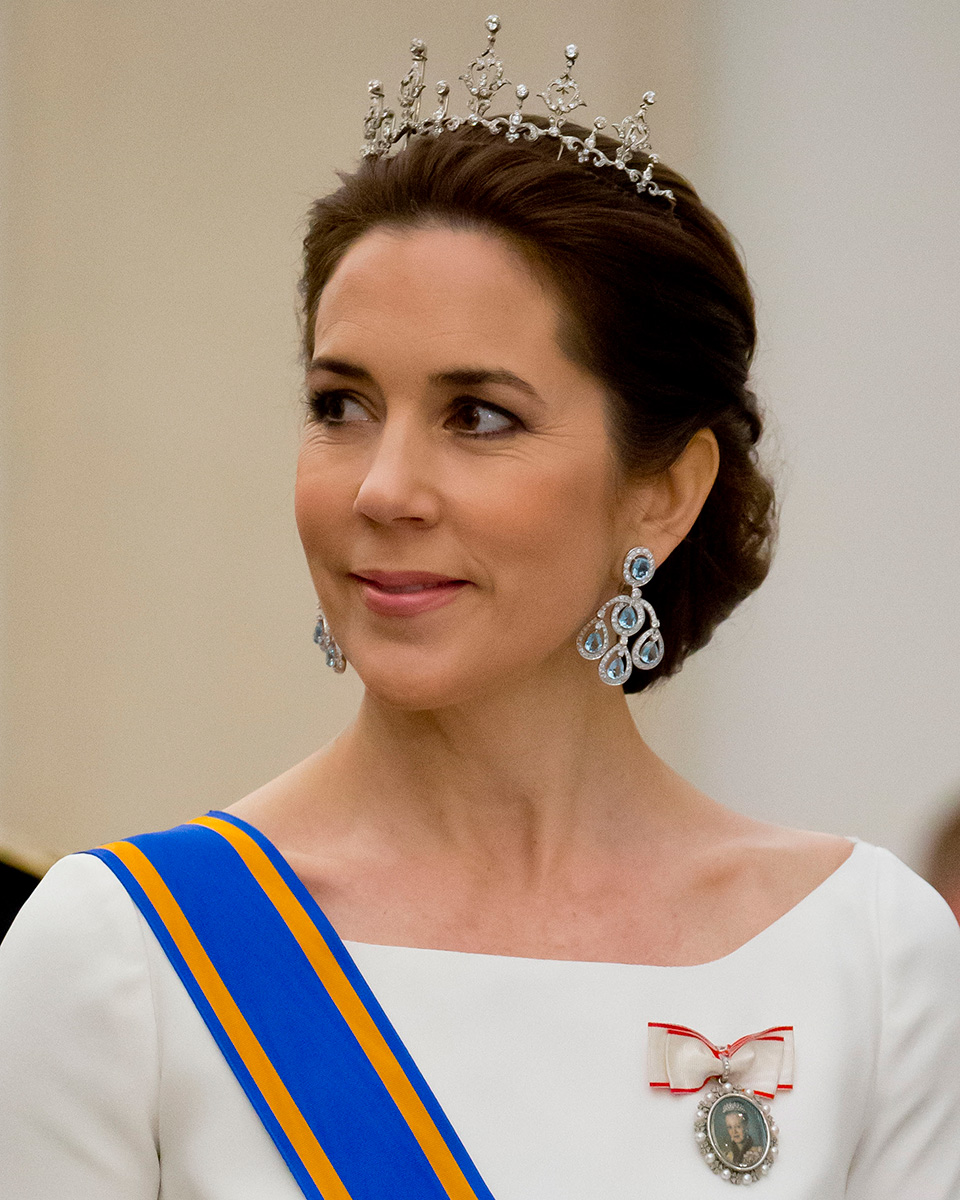
Earrings are perhaps where Queen Mary’s personal taste shines most freely. While many of her pieces are heirlooms, she has never shied away from seeking out her own. At a 2022 Bruun Rasmussen auction, she acquired two standout pairs: her Belle Epoque Diamond Ear Pendants, set with numerous old-cut diamonds, and her iconic 9.50-carat Diamond Fringe Earrings in 18k white gold.
Beyond these, she has been seen in diamond and turquoise, diamond and pearl, and amethyst and diamond combinations, and regularly reaches for the ruby and diamond earrings from the Danish Ruby Parure. It is a range that speaks to a woman who understands that the right earring can transform any look.
Daughters notes that earrings are among the most personal and frequently worn royal jewels. “When Queen Mary wears pieces linked to figures such as Queen Lovisa or Queen Margrethe, she creates a direct, visible connection between generations. Earrings frame the face, making them an intimate way of carrying history into everyday royal life. Diamonds traditionally represent purity, permanence, and authority, but colored gemstones introduce personality and symbolism,” he says.
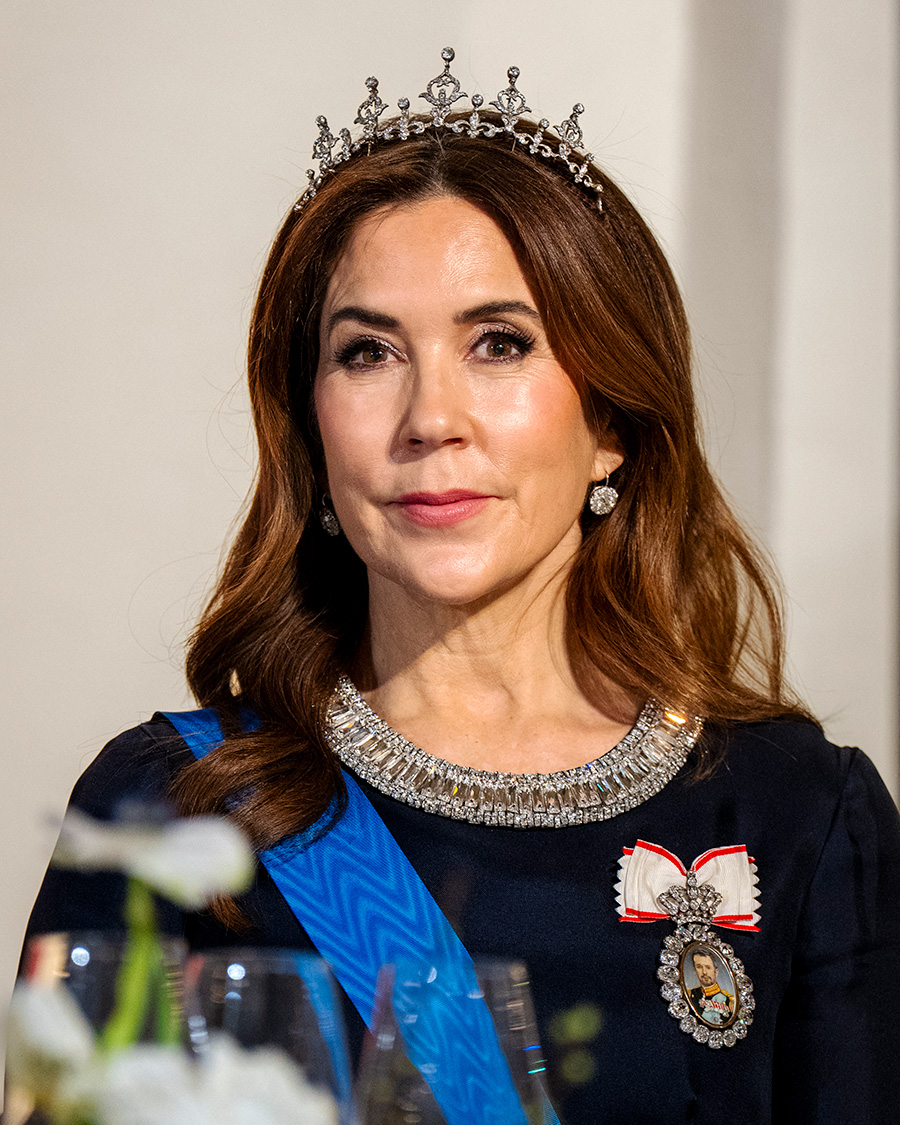
“Earrings feel more personal than tiaras, and wearing pieces tied to past queens brings that sense of continuity into something more everyday. It makes history feel closer,” Collins says.
Queen Mary of Denmark Is a Modern Royal Diamond Style Icon
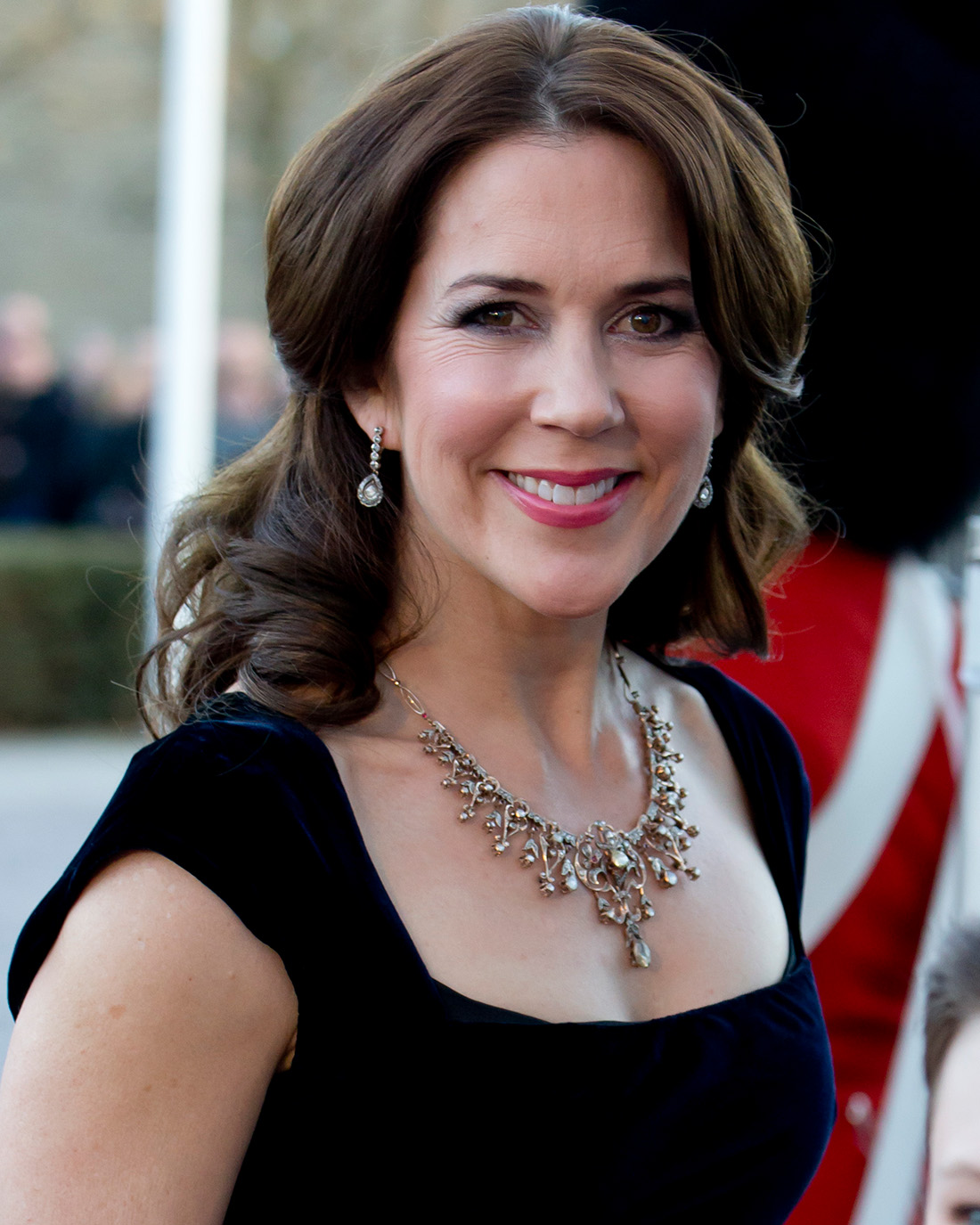
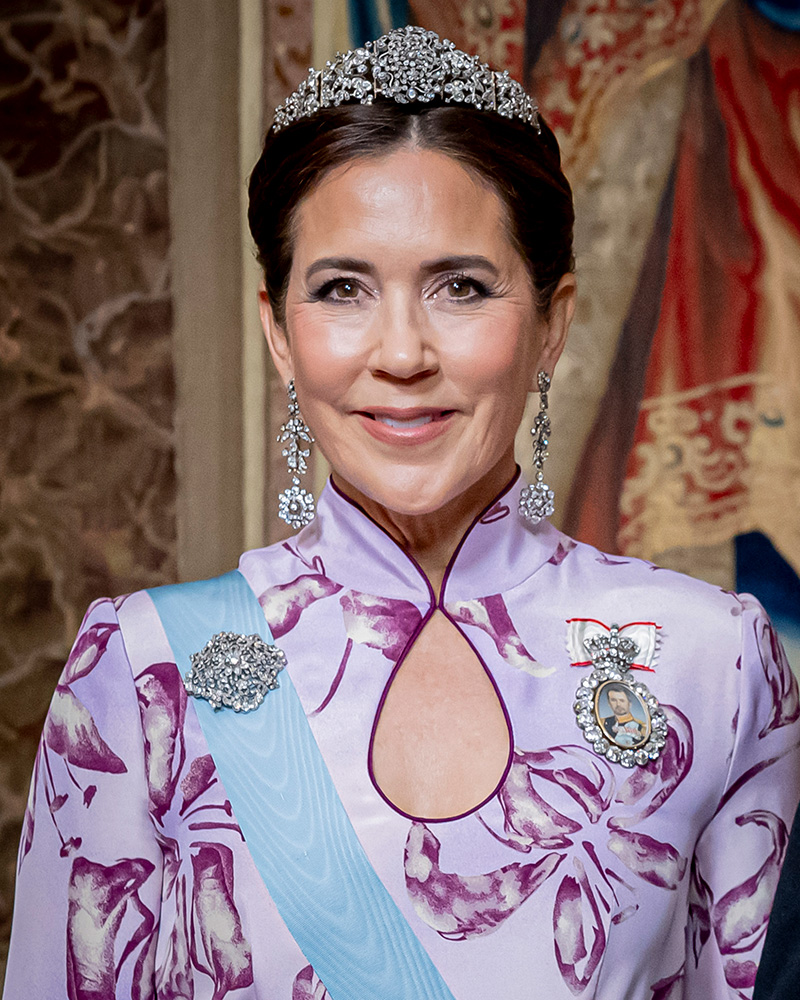
Queen Mary of Denmark’s style is defined by her ability to blend contemporary sensibility with the weight of royal history — and while she once admitted it was daunting to wear such storied pieces, she has grown fully into them, both literally and figuratively. “Queen Mary approaches historic diamonds with modern ease. She does not treat them as untouchable; she wears them naturally and adapts them to today. It shifts the focus from preservation to something more lived-in, where history is present but not frozen. Jewelry becomes a subtle form of storytelling,” Collins says.
That storytelling is evident in choices like the diamond girdle-turned-bandeau tiara. As Collins notes, “Reinvention has always been part of jewelry history, but here it feels intentional. It shows that honoring tradition does not mean standing still. The materials remain rooted in history, but the design allows them to exist comfortably in the present.”
It is an approach that has made Queen Mary of Denmark a modern royal style icon, influencing contemporaries such as Catherine, Princess of Wales. “Queen Mary resonates because she balances authenticity with aspiration. She wears historic jewels with confidence and understanding, making them feel relevant rather than distant. This signals that the monarchy is not static but a living institution capable of evolving,” Daughters says.
He adds that her selections are also part of a broader royal strategy: “Royal jewelry acts as a powerful form of visual storytelling. It conveys continuity, heritage, and national identity without words. At the same time, it humanises the monarchy, capturing public imagination and making the institution feel more tangible and accessible.”