
The “New” Engagement Ring Trend That’s 300 Years Old
Georgian jewelers perfected it. Antique collectors coveted it. And now, thanks to one very famous finger, the button back ring is back.
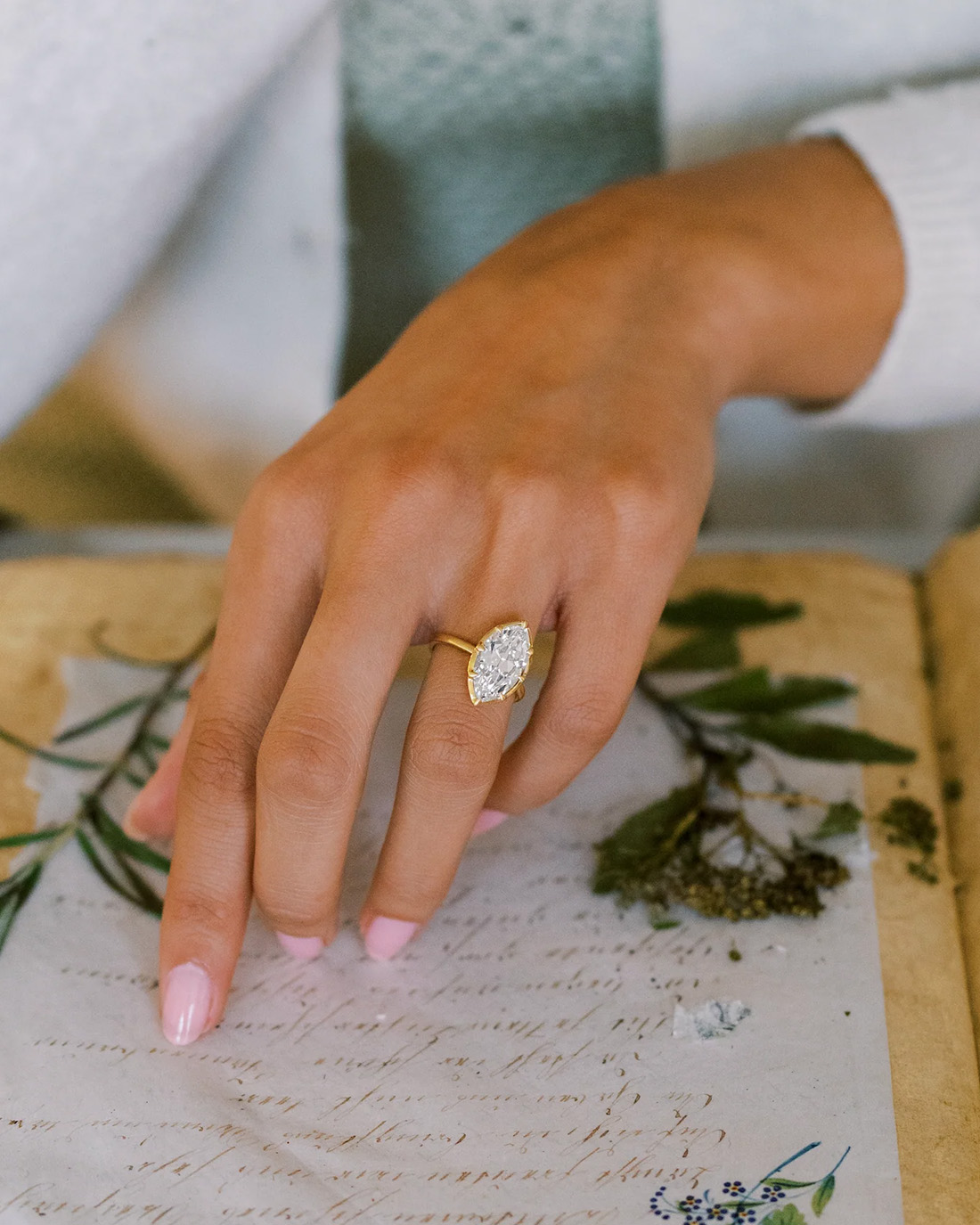
(Courtesy of Andria Barboné)
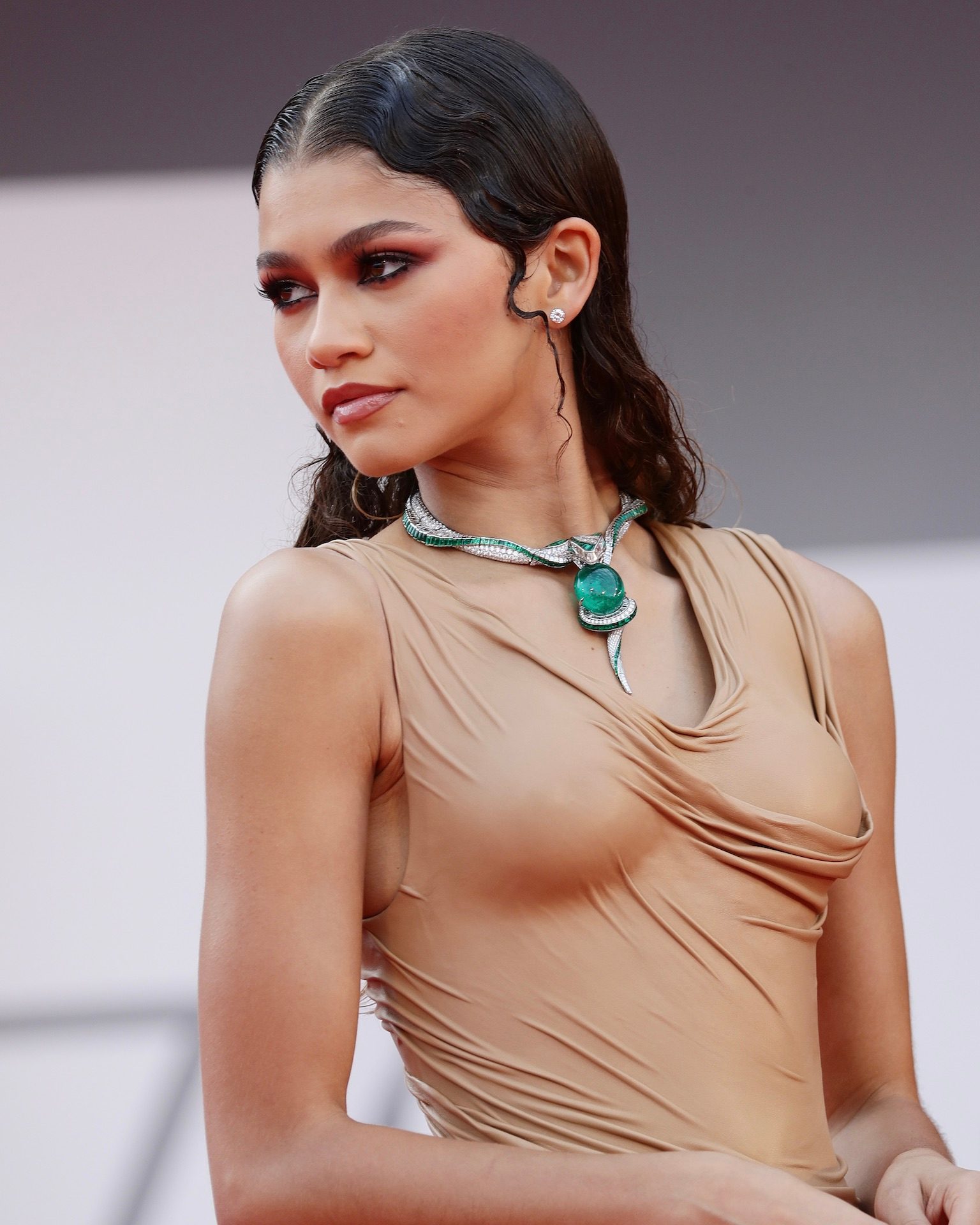
The button back ring, a setting that emerged during the Georgian era of candlelit ballrooms, hand-cut diamonds, and miniature portraits, is having a major moment again, thanks to one very modern A-lister. In case you missed it, Zendaya’s engagement ring has become one of the most obsessively analyzed — and instantly copied — celebrity rings of this generation.
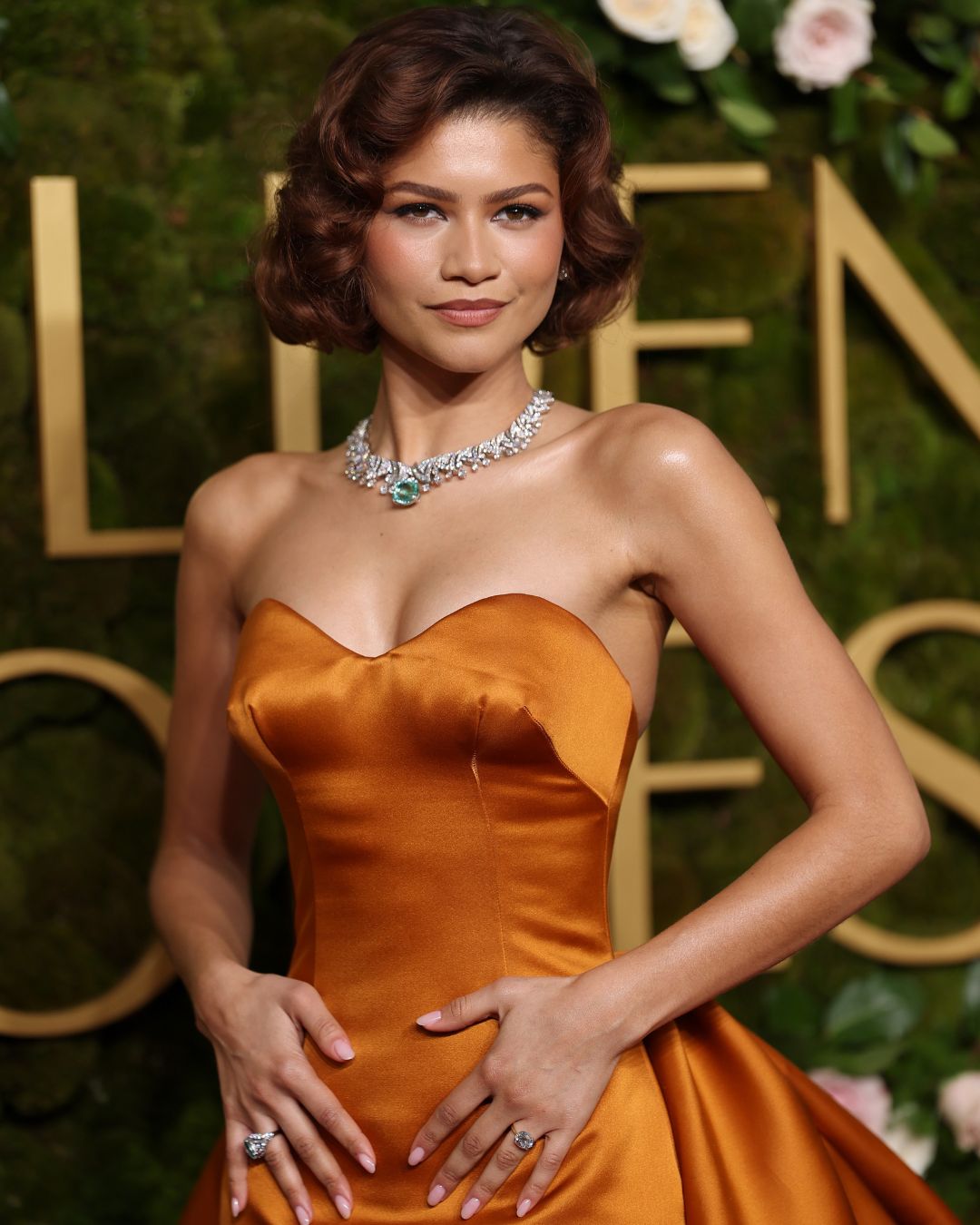
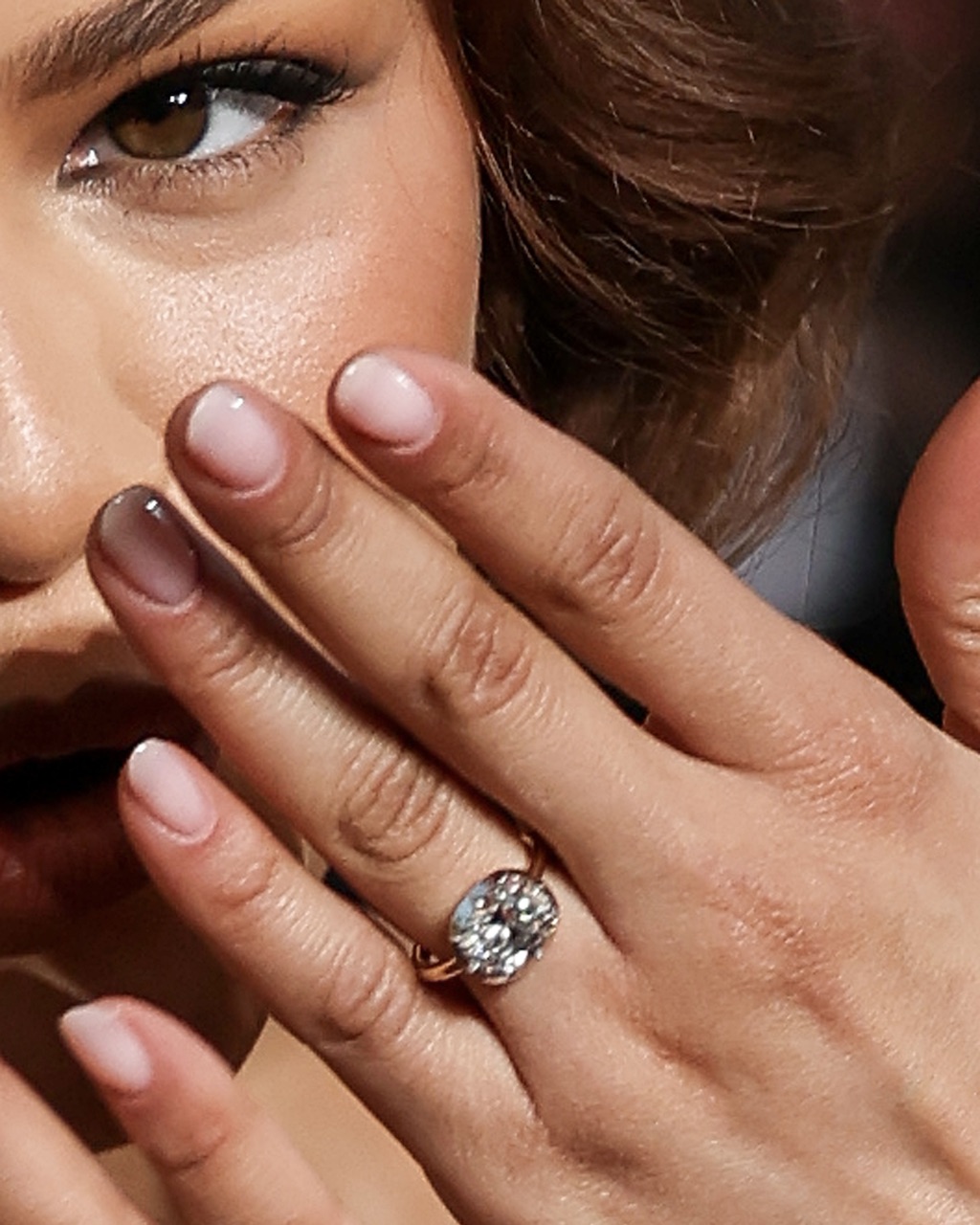
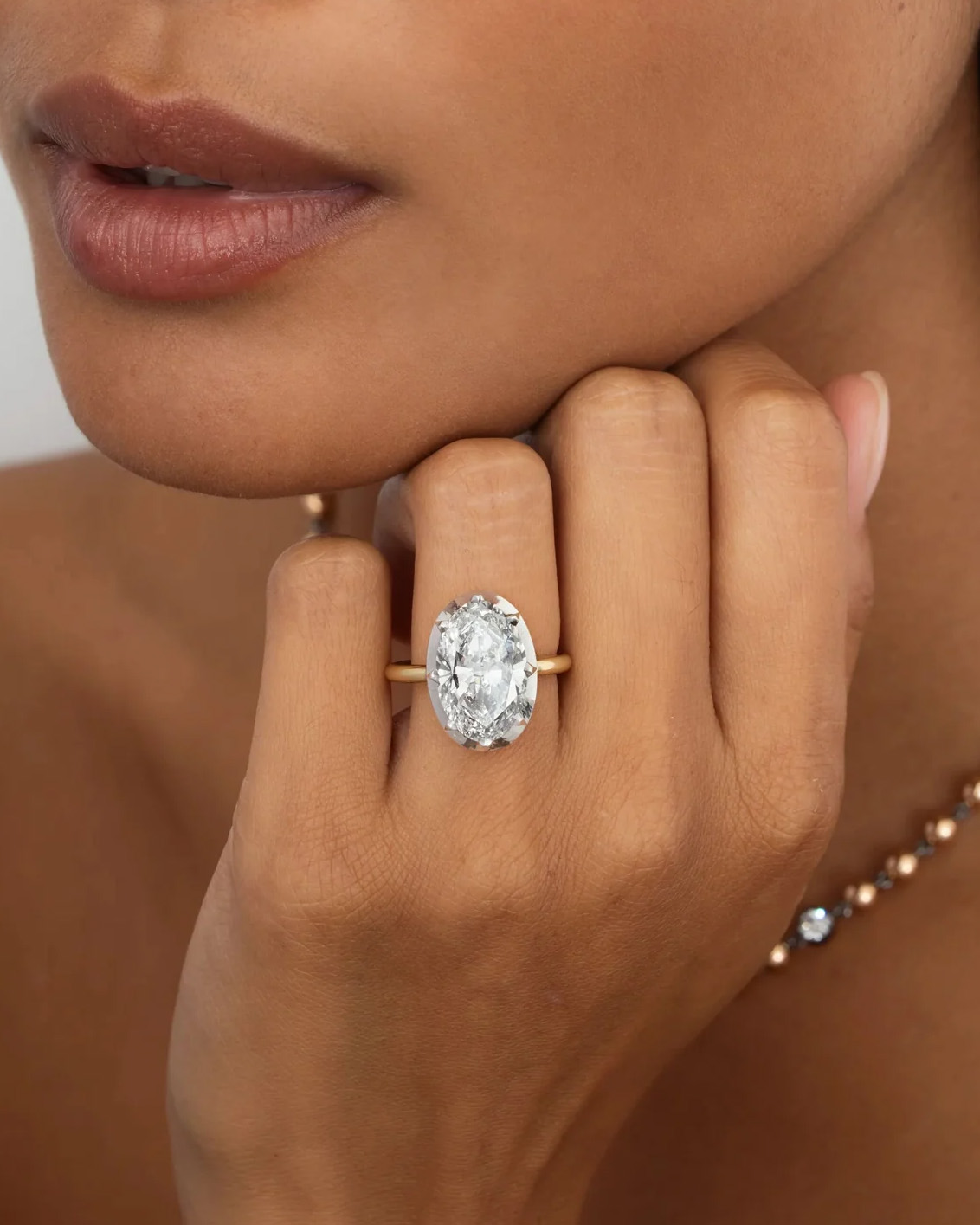
Zendaya’s ring, a closed-back style that perfectly frames an elongated cushion-cut diamond set east-west on a gold band, sent the internet into a frenzy when it was first spotted on the actress’s finger at the 2025 Golden Globe Awards. It managed to be both modern yet evocative of a distant past, classic yet different from a traditional solitaire, simple yet striking – and undeniably elegant.
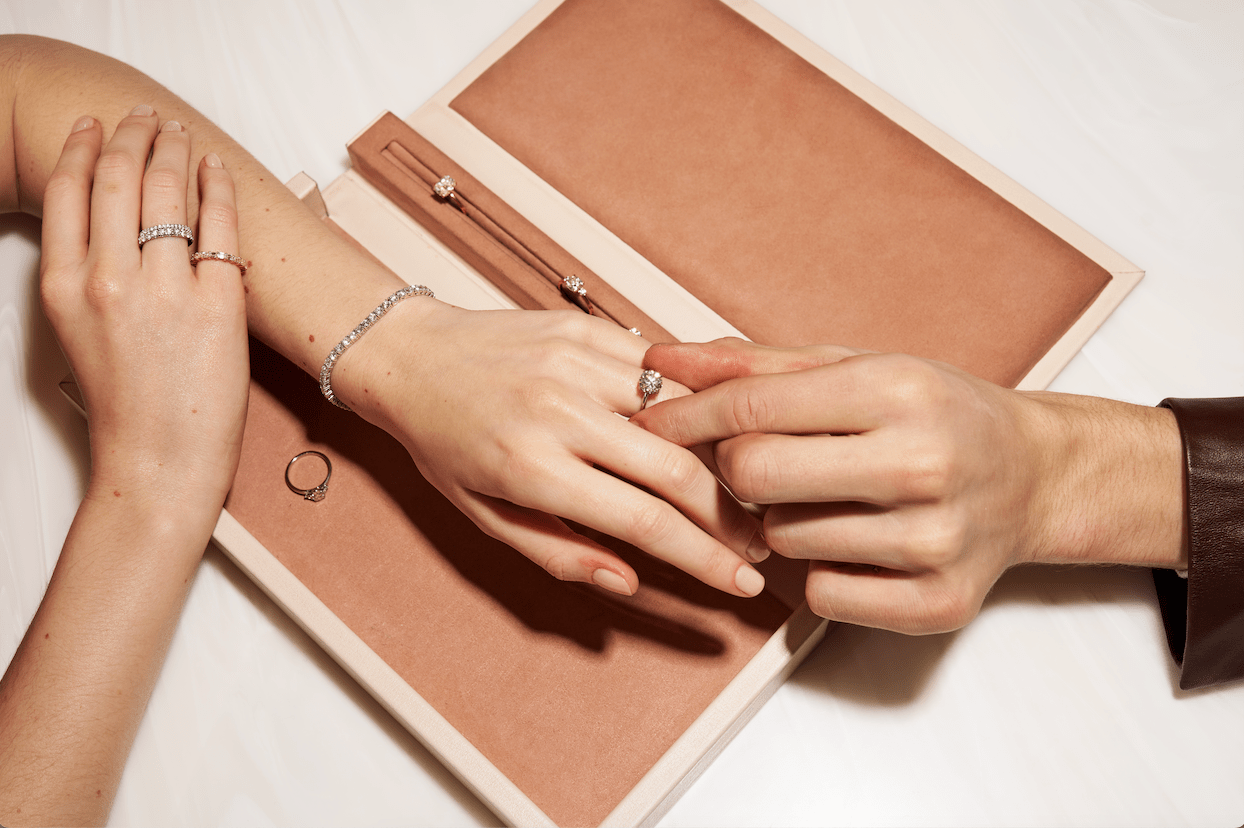
While the Euphoria star and her long-time partner Tom Holland have kept the details of their engagement (and alleged secret wedding) private, the now-iconic ring is believed to be a five-carat natural diamond piece designed by UK-based jeweler Jessica McCormack, who is known for her vintage-inspired button back rings.
Meet the Experts

Andria Rogers is a GIA Diamonds Graduate and the owner of Andria Barboné, a vintage jewelry company that specializes in one-of-a-kind vintage engagement rings.

Dr. Jack Ogden is a British specialist in the history of jewellery materials and techniques. He has extensive experience in teaching and writing on this subject and is recognized worldwide. Dr Ogden is the founder and past president of the Society of Jewellery Historians.
But what exactly is a button back ring, and what sets it apart from other engagement ring styles? If you’re one of the many who have been captivated by the vintage-inspired setting, here’s everything you need to know about it.
What Is a Button Back Ring?
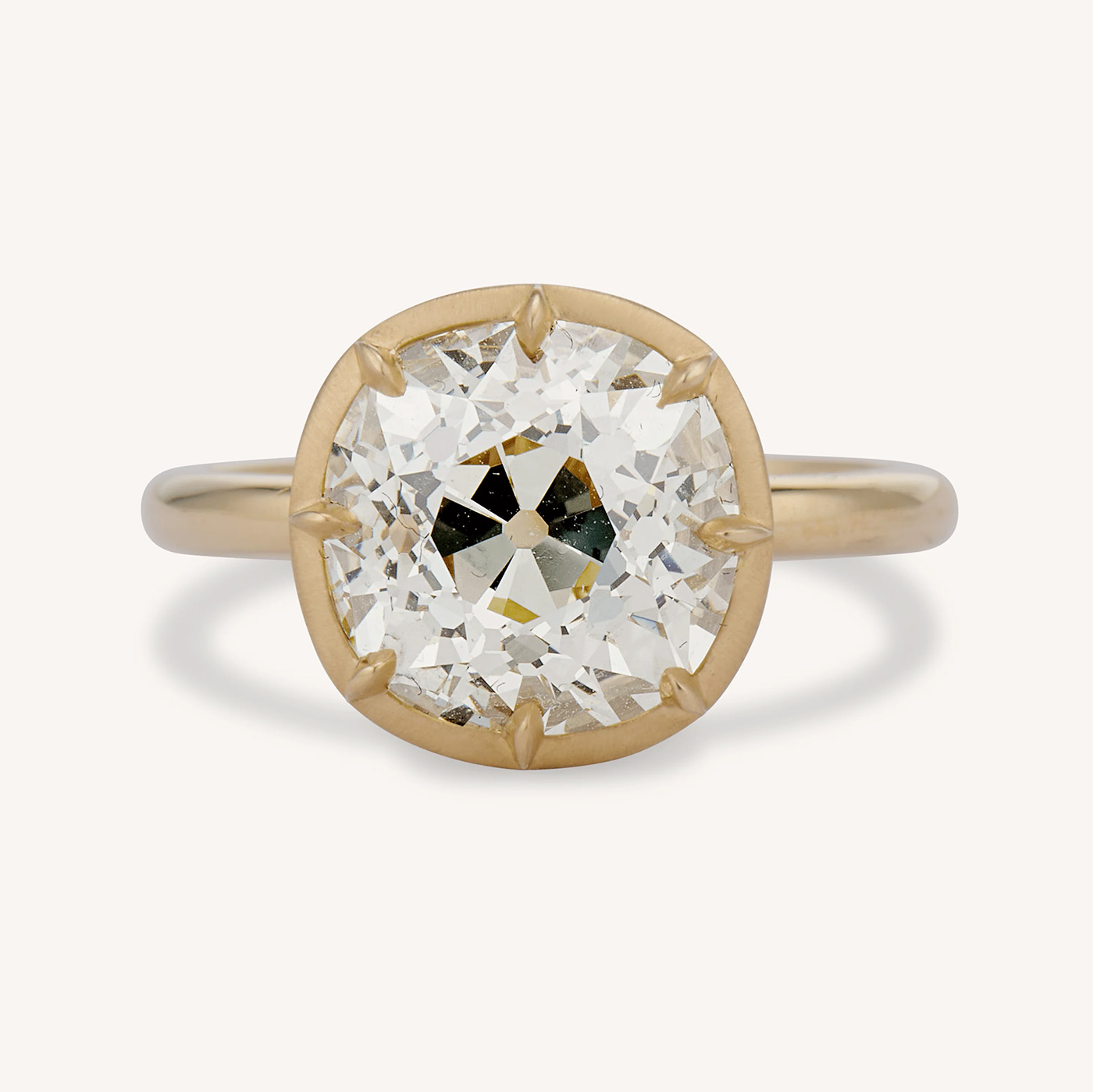
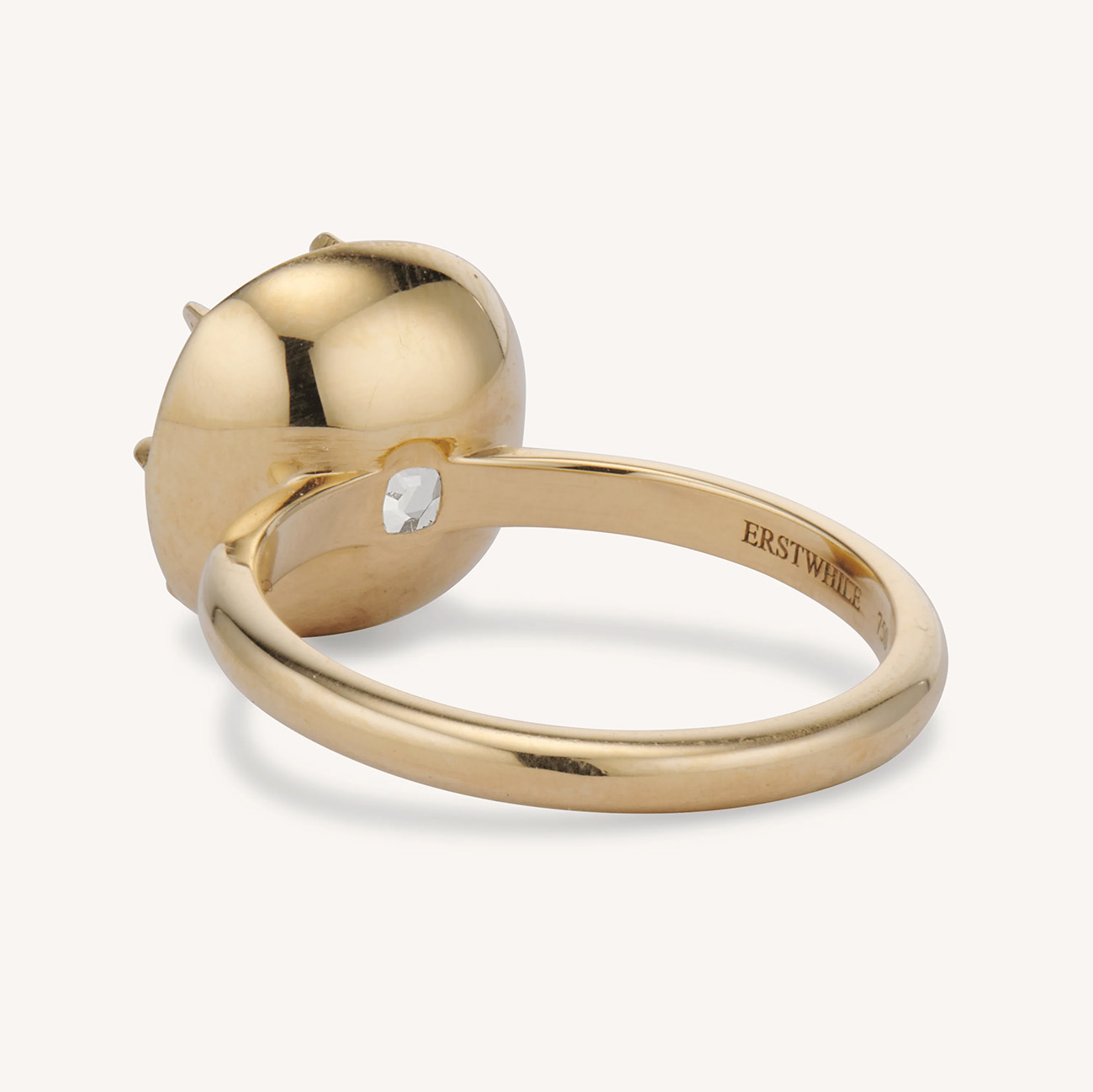
“Button back ring” is a modern term used to describe a collet (or cutdown) setting, a type of closed-back diamond setting technique that was popular during the Georgian era and involves mounting a diamond in a fitted metal cup, then pressing down the edge of the metal against the diamond’s crown to keep it protected.
A lot of engagement rings today are made with open prong settings, which hold a diamond in place by lifting it, allowing light to hit it from all angles and leaving the sides and bottom of the stone exposed.
You may also come across bezel settings, which secure a diamond by surrounding it with a metal frame – the bottom of the stone can be exposed or covered depending on the design, so there are both open- and closed-back bezel styles.

Unlike most modern settings, which tend to choose one or the other, this style does both.
The button back style sits somewhere between a prong and a bezel setting. “Unlike most modern settings, which tend to choose one or the other, this style does both. It has a defined metal rim that hugs the stone, with delicate prongs securing it in place,” says Andria Rogers, owner at Andria Barboné Jewelry.
With this technique, the bottom of the diamond is fully encapsulated in metal, which creates a rounded backing shaped like a button (hence the button back moniker). The result? A low-profile ring that’s incredibly comfortable to wear and a pared-back silhouette that effortlessly complements the natural beauty of diamonds.
The History of the Button Back Ring Setting
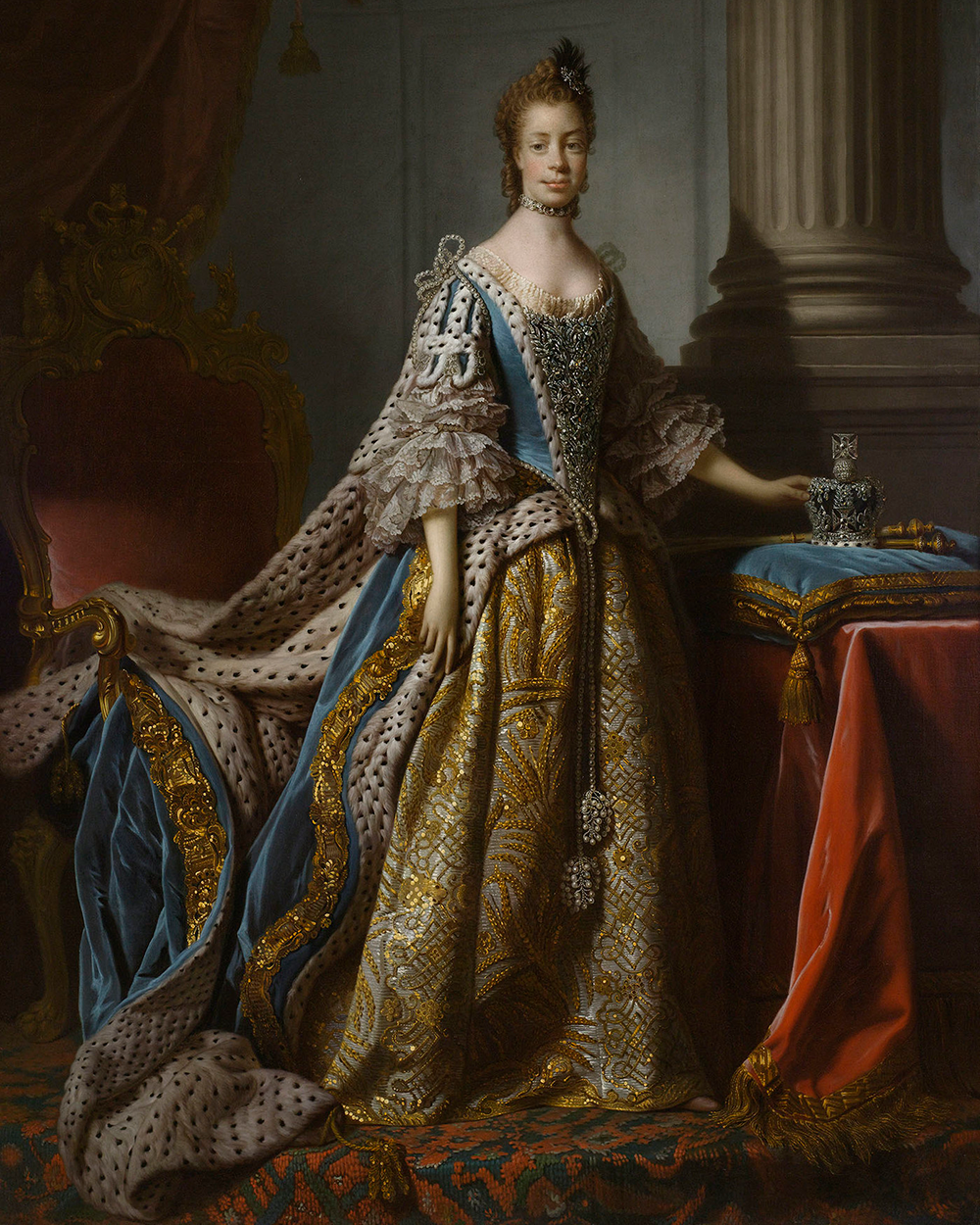
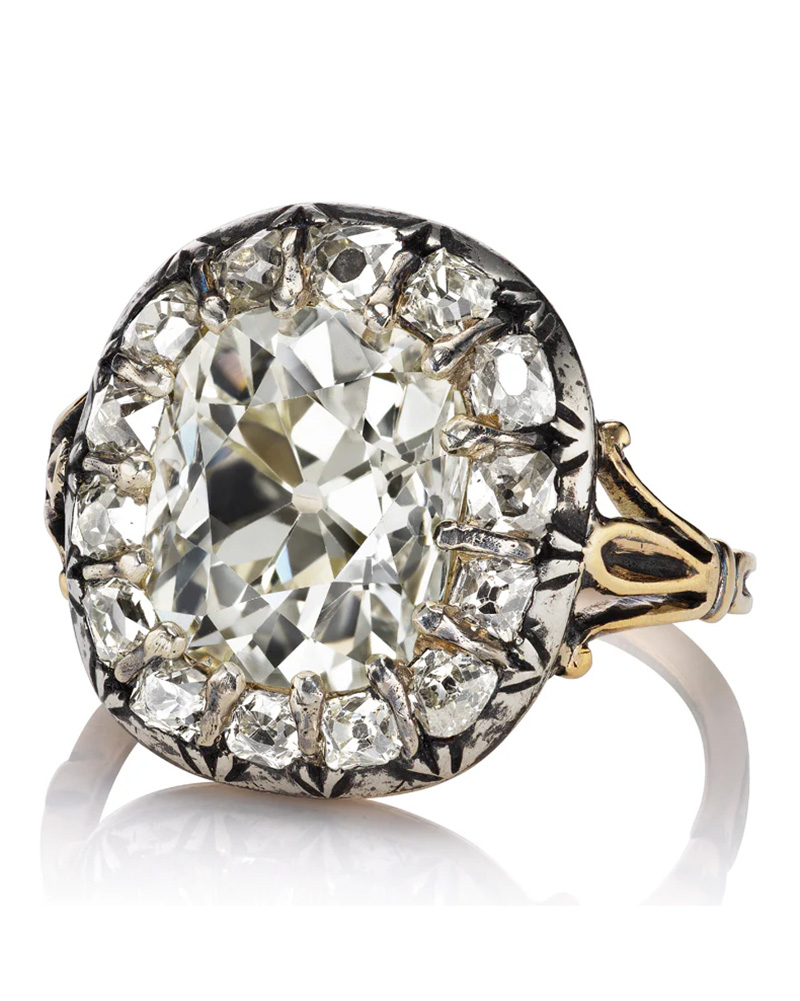
“Button back” may be a modern ring style, but it’s inspired by one of the oldest gemstone setting techniques, dating back to the Georgian era (1714-1830).
Back then, natural diamonds were incredibly rare – coming solely from India – and only royalty and the elite could get their hands on them. They were cut by hand and carefully mounted into jewels, where they could be admired in the glow of the candlelight.
The collet setting, the button back’s predecessor, offered maximum protection to diamonds while showcasing their beauty. “It’s a bit more labor-intensive, which is why you see it so often in antique pieces – it was made in a time when craftsmanship, not efficiency, led the design,” notes Rogers.
As the discovery of diamonds in Brazil around 1725 made natural diamonds slightly more accessible, diamond cutting techniques evolved, but jewelry remained predominantly handmade. It wasn’t until later, during the Victorian era, that open settings became more common.
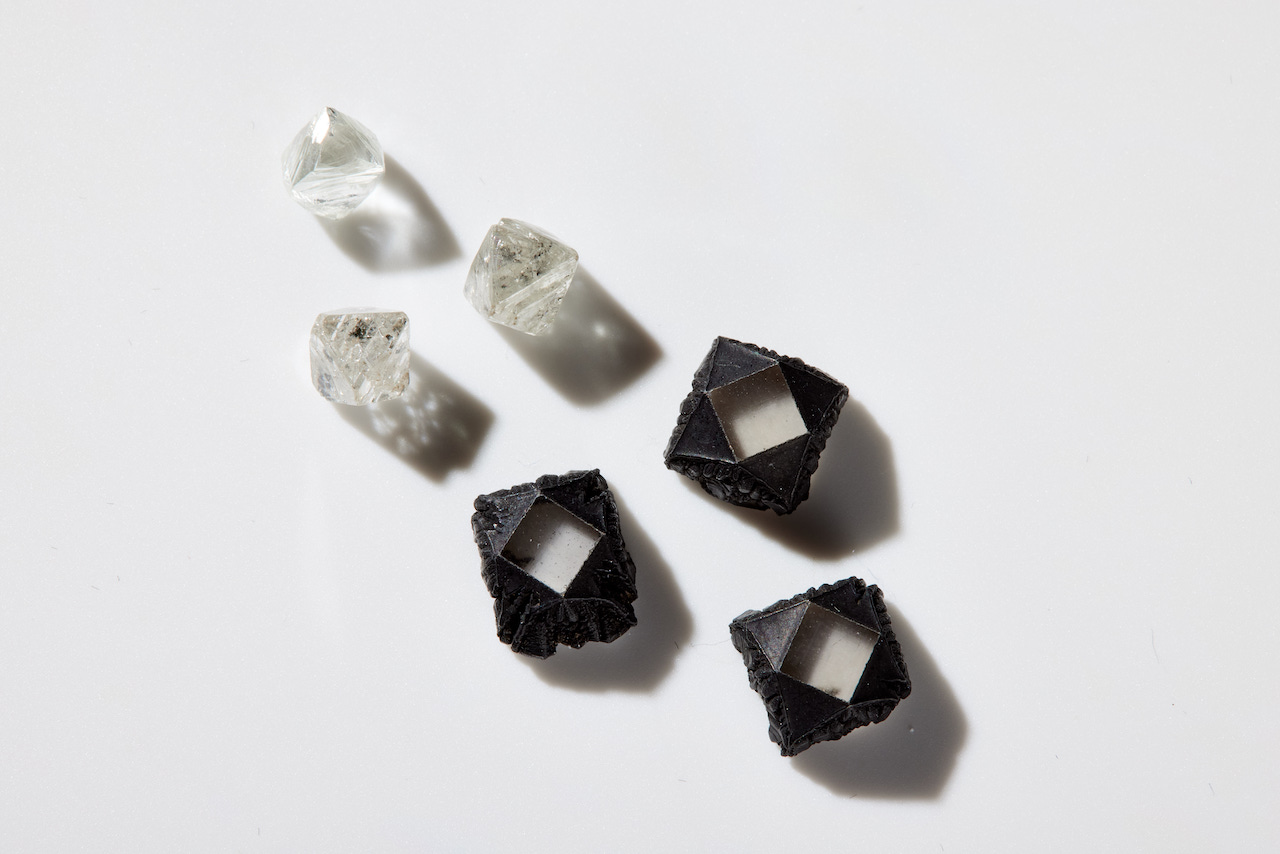
“[Closed-back settings] were popular before gem-cutting advanced sufficiently to allow gems to be cut so that the back facets reflected light. Before that, a gem was typically set with a thin foil underneath, which provided a reflective quality,” says jewelry historian Dr. Jack Ogden.
Jewelers placed a sheet of metal behind the gemstone as they mounted it in its little metal cup, a technique called foiling. Various colored foils were used, but under diamonds, black was a top choice to complement their sparkle, adds Ogden: “It might seem counterintuitive that a black backing would be so effective, but it was – hence the great sparkle of Georgian diamond jewelry set in this way.”
Today, as the appetite for vintage and antique jewelry continues to grow, some designers have revisited these centuries-old techniques. Jessica McCormack is widely credited with bringing back the collet setting and modernizing it into what we now know as the button back ring, a stylish nod to a historic setting style.
What Makes a Button Back Engagement Ring Special
Why choose a button back engagement ring? Few styles strike such a perfect balance between nostalgia, wearability, and durability.
Unique Yet Classic
Do you have a discerning eye? You may just fall in love with a button back ring. “It’s for someone with a collector’s eye – someone who appreciates antiques and history, proportion, and the nuance of how a piece is made,” says Rogers.
As Rogers puts it, it’s still a classic choice, but it reflects a deeper, more nuanced understanding of what ‘classic’ can be beyond a six-prong solitaire.
One of the Most Iconic Vintage Styles
If you can’t resist the draw of vintage romance and the nostalgia of pieces that carry a rich history, the button back ring is one of the most iconic vintage-inspired designs you can go with.
“It’s chic, practical, and genuinely timeless,” adds Rogers, who notes that Marie Antoinette’s jewels were collet-set in the late 1700s. Considering the fact that Marie Antoinette was one of the most fashion-forward monarchs in history and is often described as a style icon, it’s easy to see why the setting still feels relevant today.
Incredibly Comfortable and Wearable
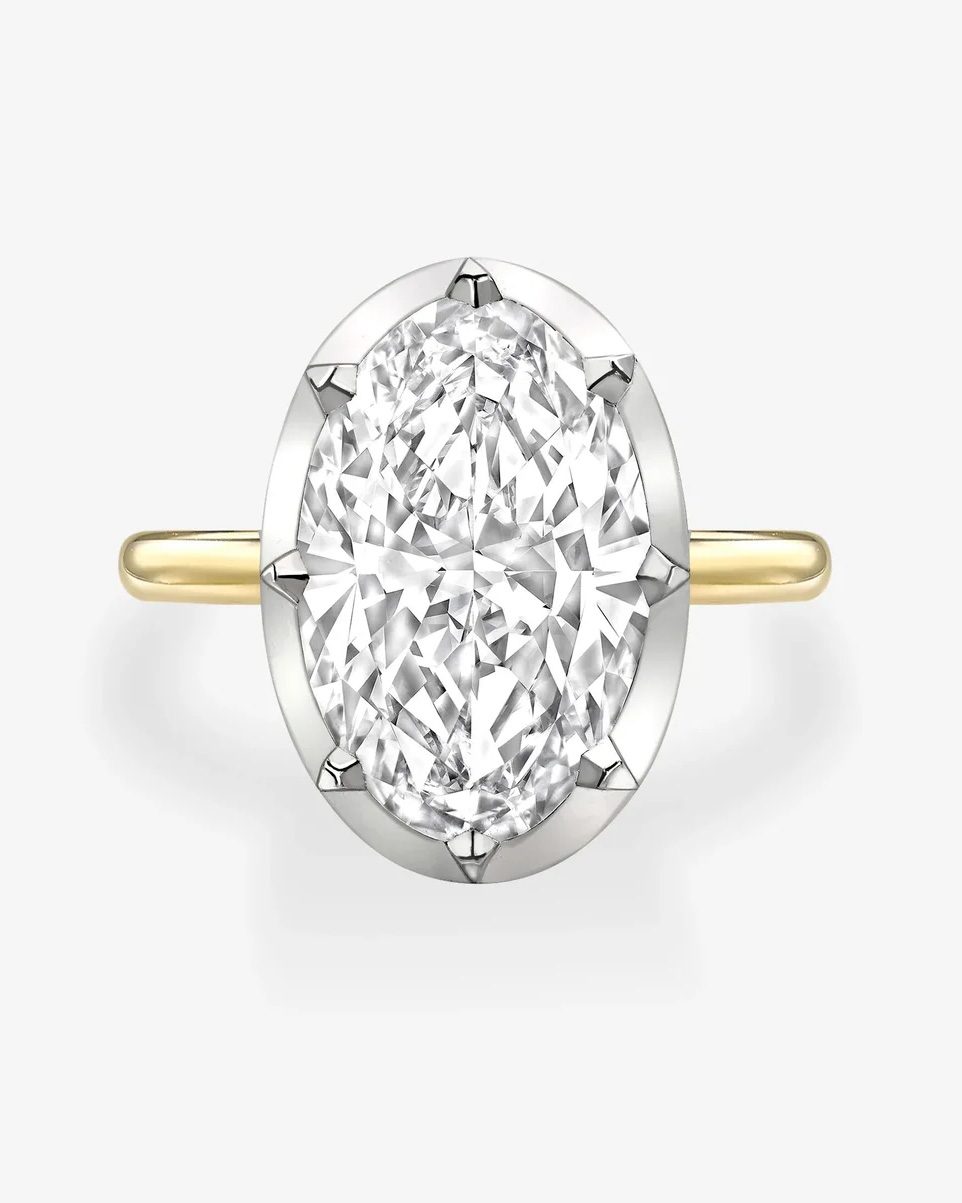
The beauty of a button back ring is how low it sits and how comfortable it feels against the finger – a complete departure from higher-set rings.
While a high-set ring with prongs can be beautiful, it can also get snagged on a regular basis or move around. With a button back ring, you won’t have to worry about any of those things. You get to show off the beauty of a natural diamond while forgetting it’s even there.
Versatile Appeal
A button back ring looks as elegant with jeans and a T-shirt as with a gown and heels. It’s also a particularly good choice for bigger natural diamonds, as the setting keeps a larger stone secure while making it look effortlessly cool with casual wear.
Can Handle Wear and Tear
The button back setting was created to protect precious gemstones, and it’s still one of the most sturdy choices. “It has a bit more metal to it, which means the stone is better protected than in most modern designs. It looks refined, but it’s built to handle the wear and tear of real life, which is exactly what you want from an engagement ring,” says Rogers.
What to Look for in Button Back Engagement Rings
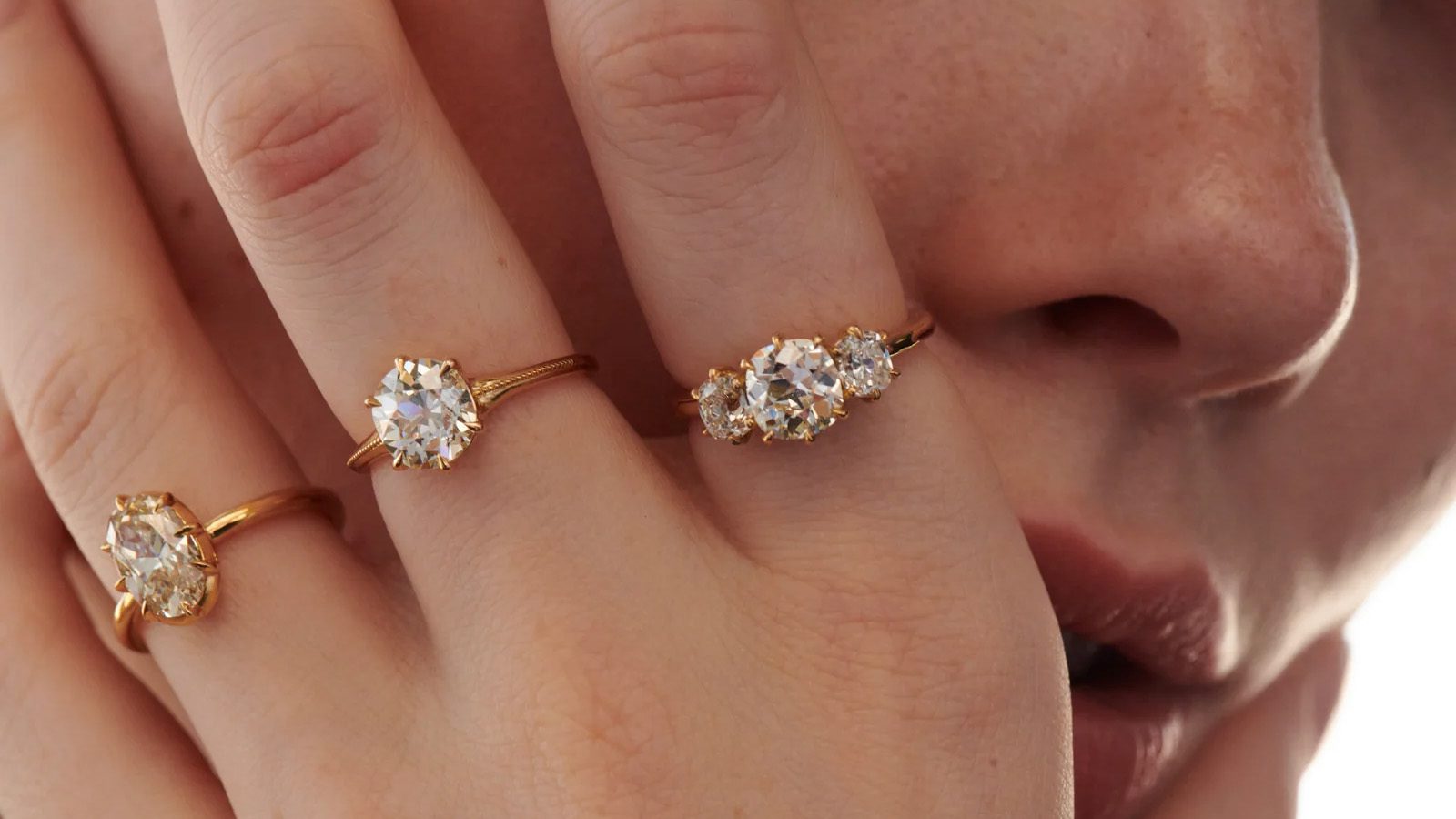
When looking for a button back ring, there are a few things to keep in mind to make the right choice for you. First, decide whether you want a vintage-inspired design or the real deal. True antiques from the Georgian era are harder to find, and they may be more fragile.
Work with a reputable jeweler or curator. Button back rings require a higher level of expertise and craftsmanship, and if you’re going with an antique ring, you’ll want to make sure it’s authentic.
Regardless of your choice, an antique diamond cut can add a more authentic feel to your ring. Pay attention to the metal rim around the diamond too, as it can change the aesthetic of the ring: a thicker border looks more vintage, while a slimmer one has a sleek, modern feel.
Always ask about ring resizing possibilities before making a decision, as the setting may be trickier to alter. It’s also a good idea to try the ring with a wedding band to see how both pieces sit.
How to Care for a Button Back Ring
Like any engagement ring, a button back ring should be inspected and professionally cleaned yearly to keep your natural diamond as sparkly – and secure – as possible.
One of the most important things you should do with a closed-back setting is avoid getting your ring anywhere near water. You don’t want any moisture seeping in behind your diamond, especially if you are lucky enough to wear a real Georgian engagement ring.
“Take your ring off before washing your hands or doing the dishes and never clean it with anything but a dry cloth,” recommends Ogden. “If you do not heed this, two seconds of carelessness can strip a wonderful piece, a family heirloom two centuries old, of its beauty and value.”
That said, if you properly take care of your button back ring, you’ll have a piece you can treasure for decades to come – and pass down.
Shop Button Back Engagement Rings
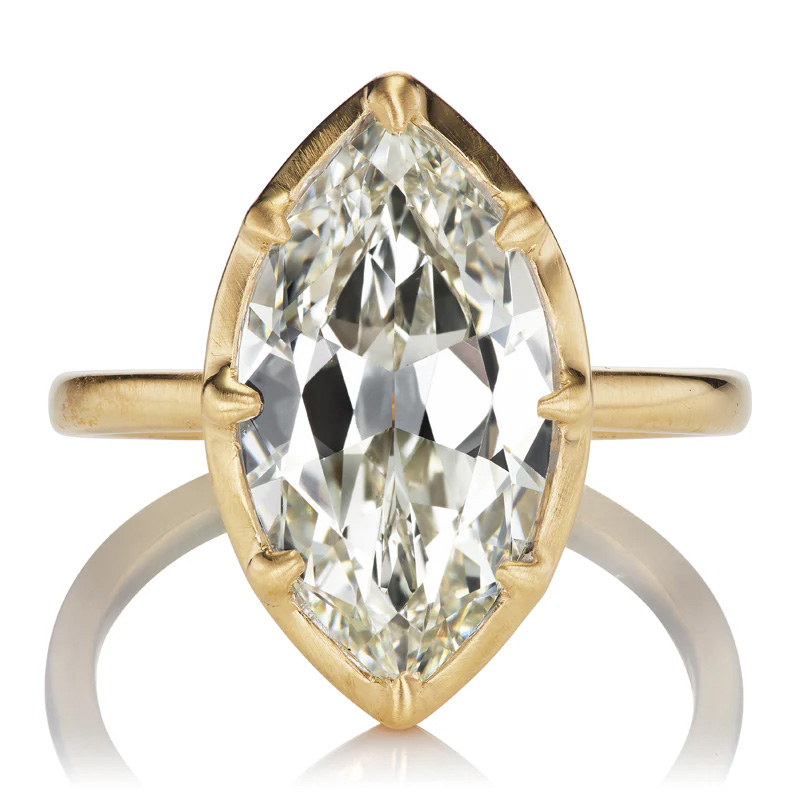
Andria Barbone Allie marquise diamond engagement ring, $75,000, andriabarbone.com

Jessica McCormack Tilted Pear Diamond Button Back Ring, Price Upon Request, jessicamccormack.com

Vale Jewelry Zoe Collet Set Diamond Ring, $13,500, shopvale.com
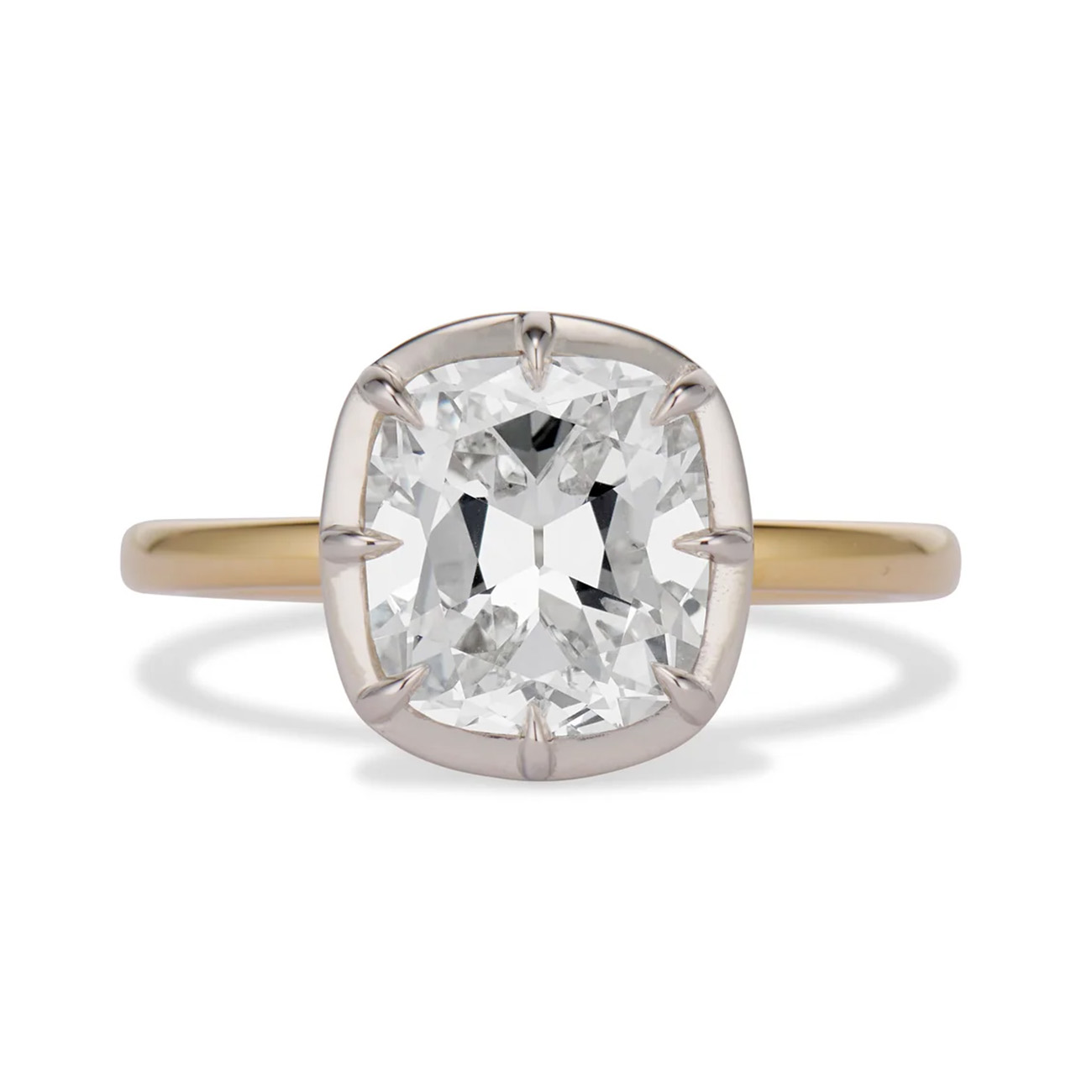
Ashley Zhang Collet Cushion Diamond Engagement Ring, $52,000, ashleyzhangjewelry.com
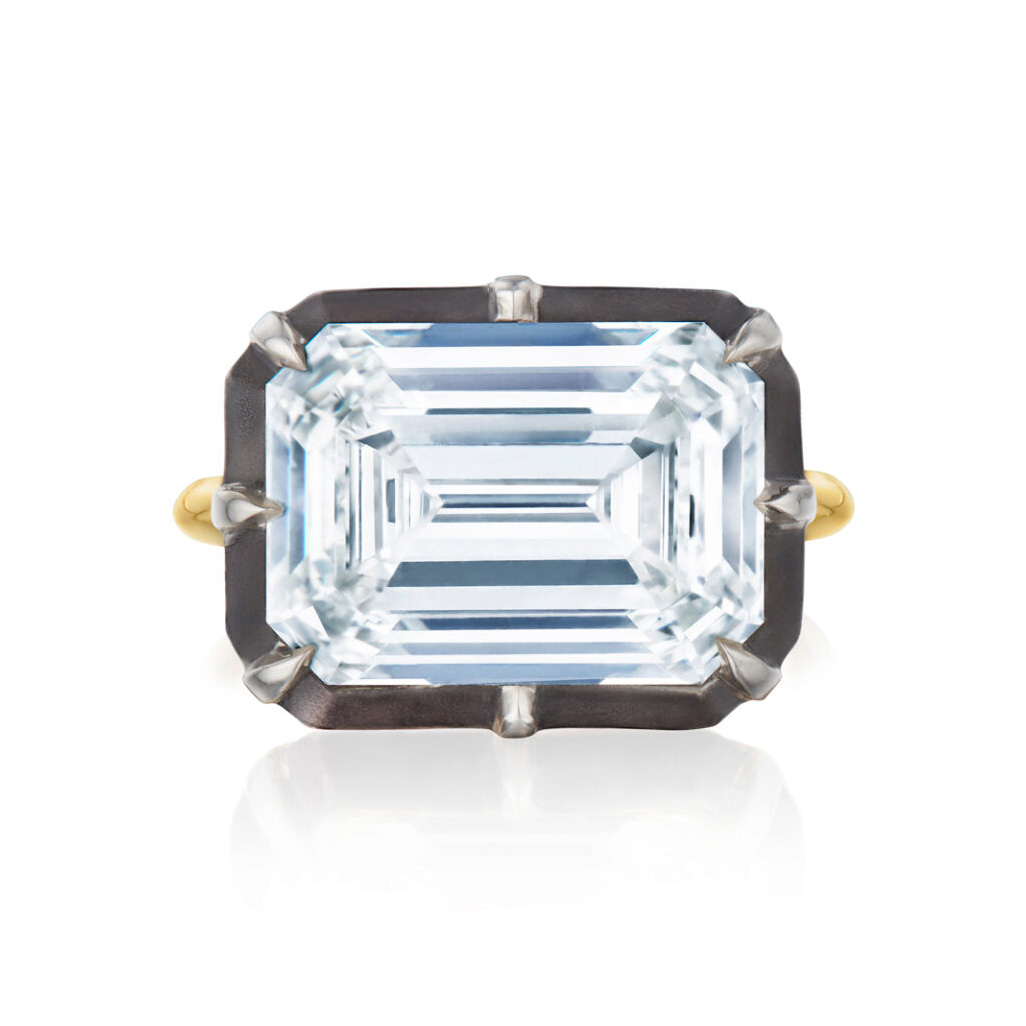
Fred Leighton Emerald Cut Diamond Ring Side-set Collet Ring, Price Upon Request, fredleighton.com