
Read More
The Jonker Diamond: A 726-Carat Giant That Continues to Make Headlines
Discovered in a South African rainstorm and once believed to be a missing piece of the Cullinan, the Jonker Diamond became one of the most famous diamonds in history. Here’s what happened to all 13 stones cut from it.

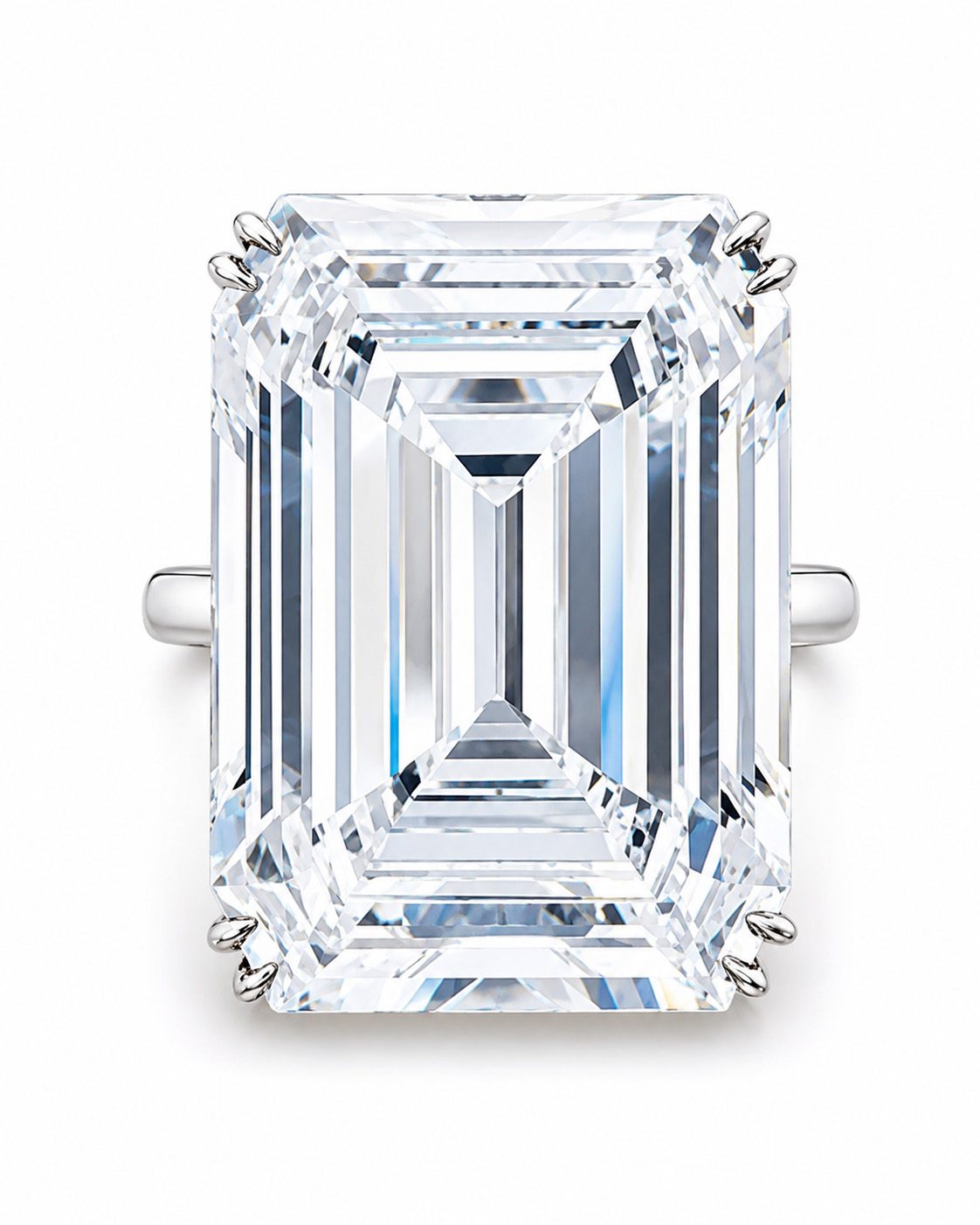
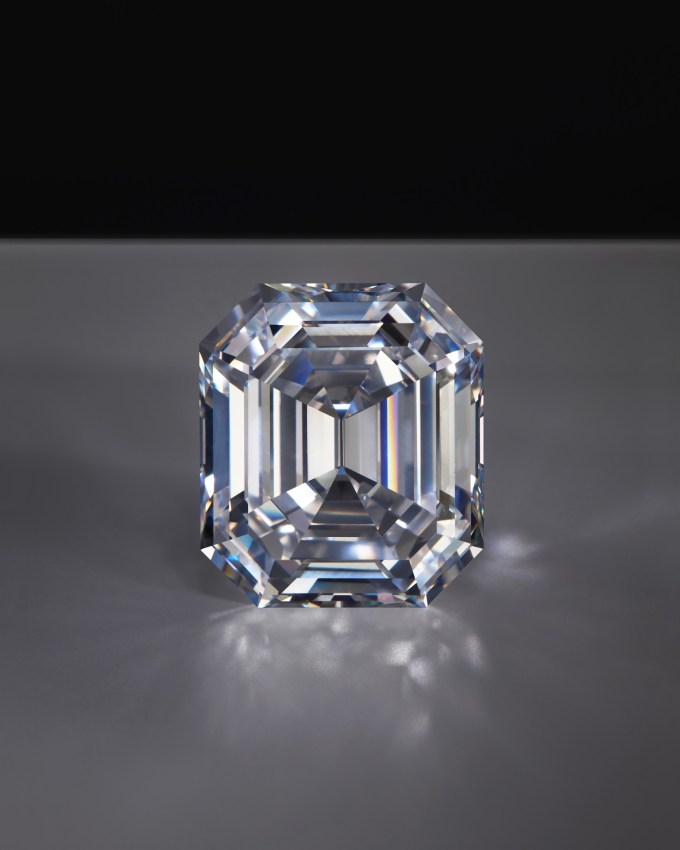
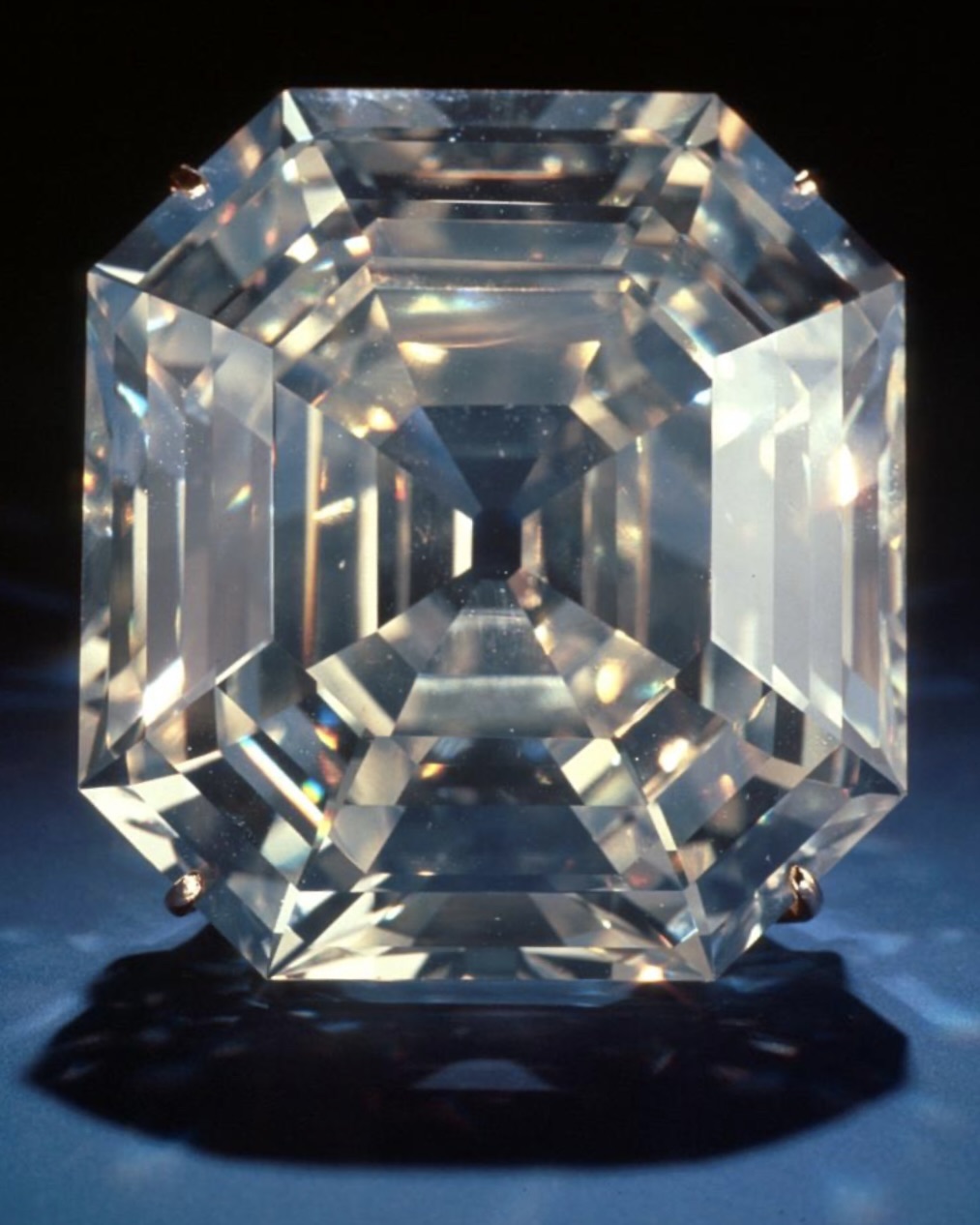
The Jonker I – 125.35 carat emerald cut white diamond. (Photographed By Leo Bieber for Only Natural Diamonds)
In January 1934, near the Elandsfontein mine in South Africa, a prospector named Johannes Jacobus Jonker finally caught the break he had spent 18 years chasing – the magnificent Jonker Diamond. After nearly two decades of mining with little to show for it, a rainstorm washed away enough earth that his youngest son spotted an enormous crystal in the mud. It weighed a colossal 726 carats.
At the time, the 726-carat Jonker Diamond was the fourth-largest gem-quality diamond ever discovered. A find like this would make headlines under any circumstances, but the Jonker Diamond had an extra layer of intrigue that sent the story into overdrive.
Meet the Expert

- Grant Mobley is the Jewelry & Watch Editor of Only Natural Diamonds.
- He is a GIA Diamonds Graduate.
- He has over 17 years of jewelry industry experience, starting with growing up in his family’s retail jewelry stores.
The Cullinan Connection to the Jonker Diamond
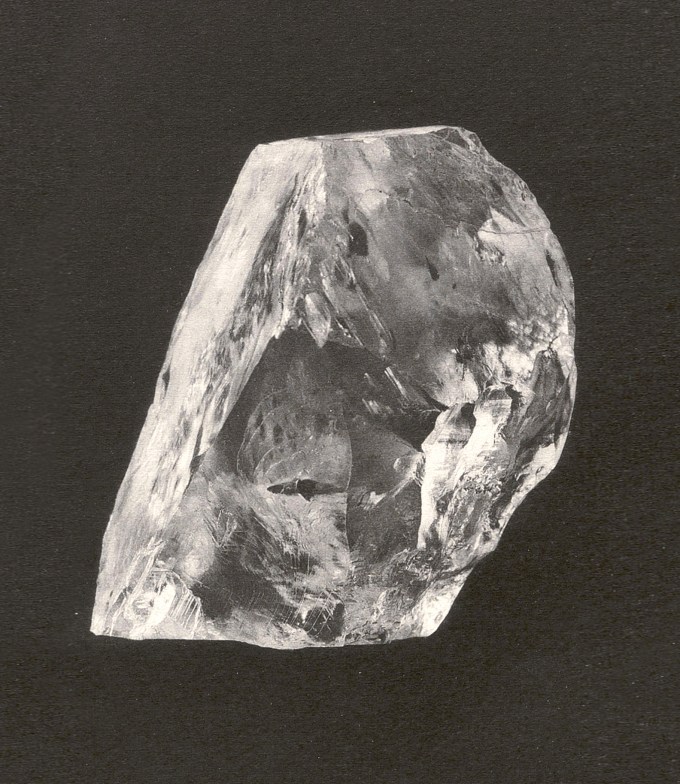
When prospectors first found the 3,106-carat Cullinan Diamond in 1905, its surface showed distinct flat planes, cleavage faces that looked as though the stone had broken away from something even larger. That detail launched a theory that the Cullinan was only a fragment of some greater diamond still buried in the South African earth, and it drew hordes of prospectors to the region, hoping to find the missing pieces. Johannes Jonker was one of them.
Remarkably, the Jonker Diamond also displayed a large, flat plane on its surface. To many observers, that suggested the two giants might once have been joined together. Whether or not that was ever true, the possibility electrified the public imagination. A massive diamond that might be part of the legendary Cullinan. That was a story the whole world wanted to follow.
Why the Jonker Diamond Is So Exceptionally Rare
Before I get to what happened next, it’s worth pausing on just how rare a stone like the Jonker Diamond really is. Large diamonds tend to form deeper and deeper in the Earth. Dr. Aaron Celestian, Curator of Mineralogy at the Los Angeles Natural History Museum, describes the depth involved as roughly the distance from Los Angeles to Phoenix, around 300 miles down.
Most of Earth’s diamonds formed over a billion years ago and were carried to the surface by kimberlite volcanoes that went extinct more than 70 million years ago. Here’s the astonishing part: the same violent eruptions that bring diamonds up can just as easily destroy them, and the journey has to happen fast. If the diamond doesn’t reach the surface in roughly 15 minutes, it can redissolve before it ever arrives. Any pause in the volcanic activity and the diamond is lost. That’s why enormous, intact stones like the Jonker Diamond are so extraordinarily rare. Nature builds them over billions of years and can unmake them in minutes.
Harry Winston and the 64-Cent Shipment of the Jonker Diamond
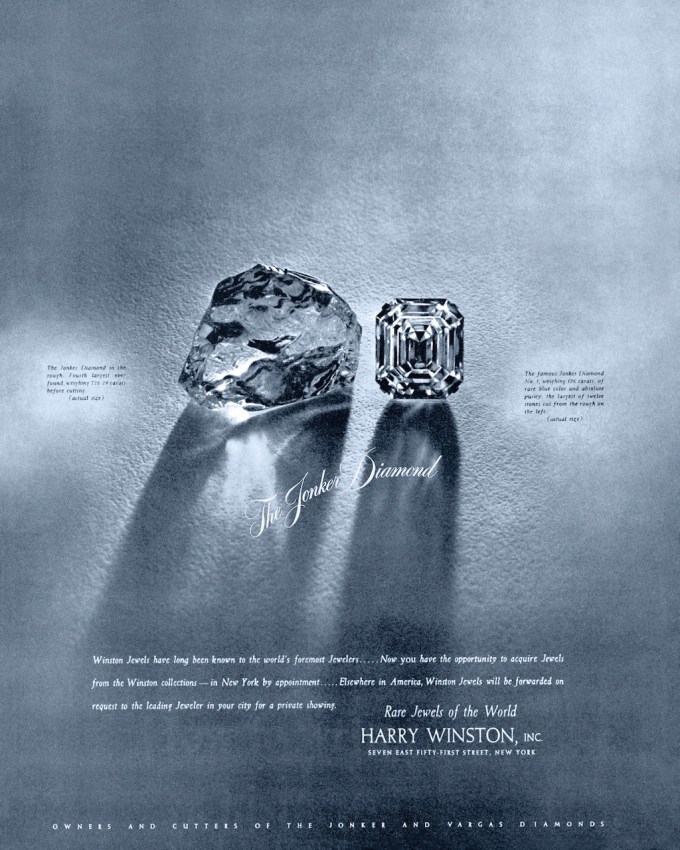
Johannes Jonker sold the diamond to Sir Ernest Oppenheimer, reportedly for £75,000, then in 1935, the legendary New York jeweler Harry Winston acquired the uncut stone for £150,000. What Winston did next became the stuff of industry legend, and something he would repeat with the Hope Diamond.
Rather than arranging some elaborate secure transport, Winston had the diamond shipped from London to New York City by ordinary registered mail. It was completely uninsured. When the unassuming package arrived, Winston opened it in front of a crowd of eager reporters, turning a simple parcel into a global media event. It was the first of many brilliant publicity moves. Winston understood, better than almost anyone in his era, that a diamond’s story was part of its value.

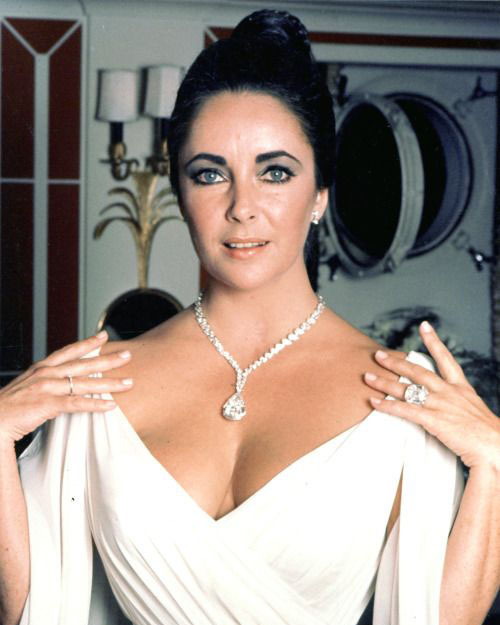
He toured the Jonker Diamond through major cities in the United States and commissioned photographs of the stone alongside celebrities like Shirley Temple. By the time he was done, the Jonker Diamond was basically a household name.
The High-Stakes Cut That Created the Jonker Diamonds
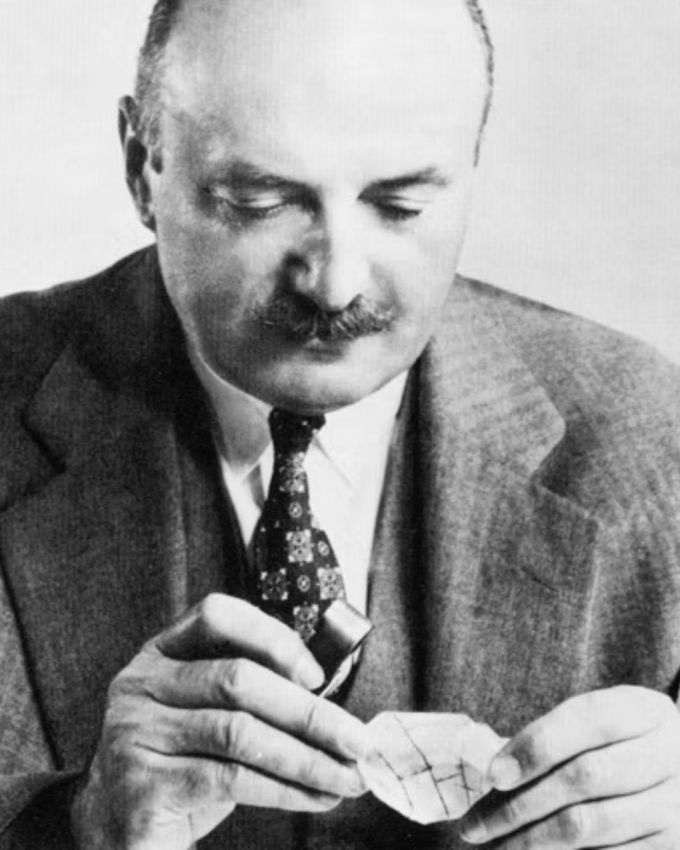
For the actual cutting, Winston chose Lazare Kaplan, a master cutter descended from three generations of Antwerp jewelers who had relocated after the First World War disrupted the Belgian diamond trade. Winston first tested Kaplan on the smaller Pohl Diamond, a stone from the same mine that had been sold together with the Jonker Diamond. Kaplan passed with flying colors, and Winston handed him the biggest diamond-cutting challenge the United States had ever seen.
Kaplan spent somewhere between six months and a year simply planning. That patience was essential because, despite being the hardest natural substance on Earth, diamonds have inherent planes of weakness running through them like the grain in a log of wood. Cut along the right plane, and the stone splits cleanly. Miss by a fraction, and the diamond can fracture in the wrong direction and shatter into far less valuable pieces. As Celestian puts it, hand-cutting can actually produce stronger stones by eliminating those weak planes, but the risk of a catastrophic mistake is very real.
Kaplan marked his angles, worked a groove into the surface, coated his tools in olive oil and diamond dust, aligned his blade, and struck. On April 27, 1936, his calculations proved flawless. The Jonker Diamond split exactly as planned.
The 13 Stones of the Jonker Diamond and Where They Went
Kaplan’s work produced 13 separate gems. The largest, the Jonker I, emerged as a stunning D-color emerald-cut originally weighing 142.90 carats. Winston later had it recut to 125.35 carats to perfect its clarity, keeping the 58-facet emerald cut that experts still regard as a masterpiece. The smallest of the 13 was a 5.7-carat baguette.
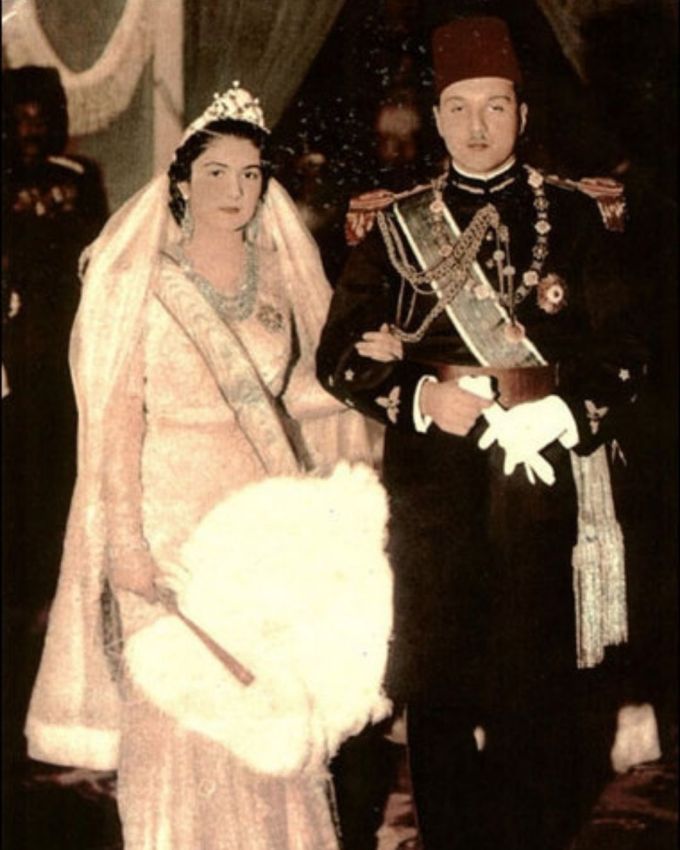
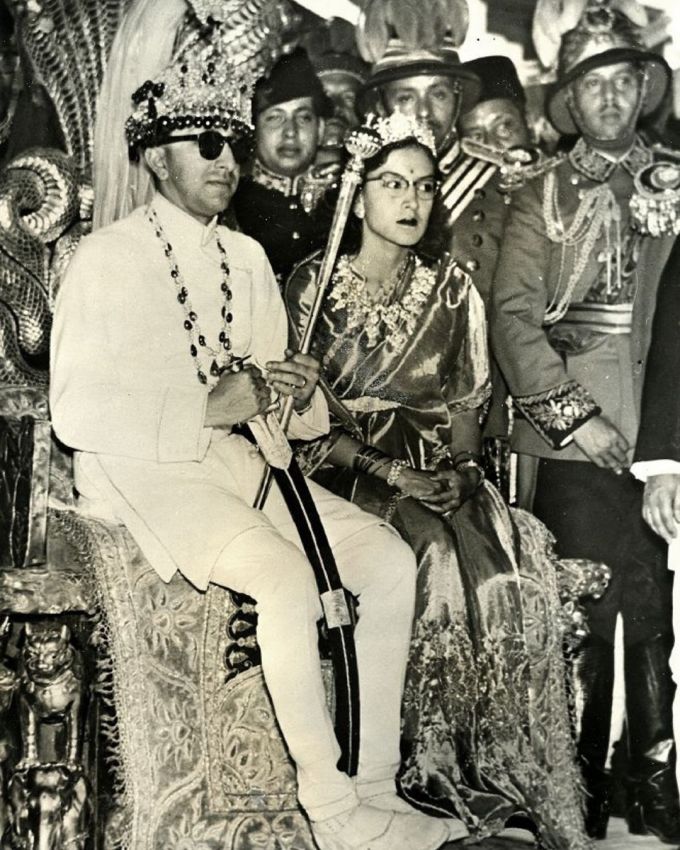
The Jonker I lived the most storied life of them all. It was sold to King Farouk of Egypt in 1949, then vanished when Farouk was exiled in 1952. It later resurfaced in the possession of Queen Ratna of Nepal, who kept it until 1977, when it was sold to an anonymous Hong Kong buyer for a reported $2,259,400. After decades out of public view, it reappeared at a 2023 exhibition at the Los Angeles Natural History Museum, giving a new generation the chance to see it.
The current owner, who loaned it, Ibrahim Al-Rashid, said, “My father purchased the stone in the early 80s, and it has been in our family ever since. It’s one of several notable pieces we have invested in over the years. I am keenly aware that owning and touching something valuable and unique is a privilege. Besides the sparkle and beauty, I feel a spiritual connection with Earth when I hold the Jonker I. I get lost looking at the stone every time I hold it.”
The smaller stones were scattered widely. The Jonker II, at 40.26 carats, sold at Sotheby’s Geneva in May 1994 for $1,975,000. The Jonker IV, set in a platinum ring, was sold to a private collector and then again in New York in 1987 for $1,705,000. Reports place the Jonkers V, VII, XI, and XII in the collection of the Maharaja of Indore, while the Jonker X is rumored to have gone to John D.
Rockefeller Jr. In 2017, the Jonker V sold in Hong Kong for $5.3 million after a bidding war pushed it more than 50 percent past its estimate. Most recently, in 2025, the Jonker VI, a 22.85-carat emerald cut set into a Harry Winston ring, sold at Sotheby’s New York for over $2 million.
Nearly a century after a boy spotted it in the rain-washed mud, the Jonker Diamonds’ 13 children are still out there, still changing hands, still commanding fortunes. Few diamonds have ever spread their story so widely, and even fewer have kept it alive for this long. That, to me, is the mark of a truly legendary stone.
Get the Newsletter
Sign up for the latest diamond news, delivered directly to your inbox.