
Unpolished and Unapologetic: How Rough Diamond Engagement Rings Are Redefining Luxury
Once considered unconventional, rough diamond engagement rings are captivating a new generation with their raw beauty.
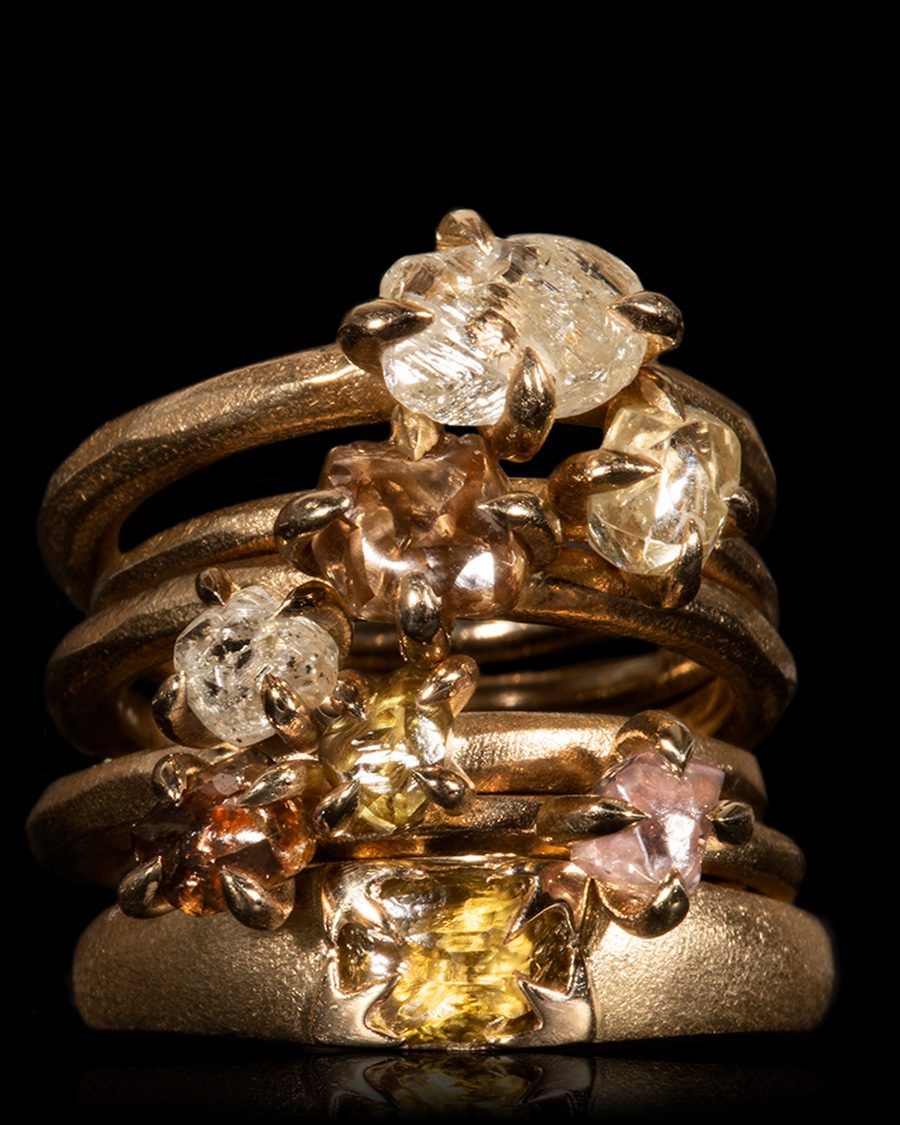
Rough diamond rings. (Courtesy of Roughdiamonds.dk)
Though diamonds are often associated with perfection, there is something extraordinary about a natural diamond in the rough. After all, it represents a diamond in its most unaltered state. Its organic shape, texture, and crystal structure make it immediately recognizable as a product of nature. At a time when algorithms continuously serve up uniform, mass-produced products, consumers are increasingly seeking something more distinctive. Not everything needs to be replicated.
According to Danish jewelry brand Roughdiamonds.dk, demand for its natural rough diamond jewelry in the UK and the US has more than tripled since 2022. Founder Maya Bjørnsten says, “Consumers are craving authenticity in a world that feels increasingly manufactured. A rough diamond represents a raw, unfiltered connection to nature and history. Wearing one feels grounding; it’s an emotional anchor to something real, ancient, and unique. It is a piece of storytelling from eternity.”
Meet the Expert
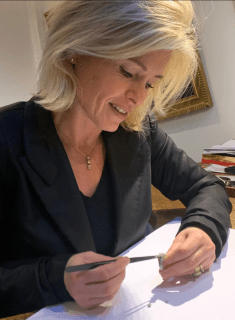
- Maya Bjørnsten is a self-taught Danish jewelry designer and the founder of the Copenhagen-based fine jewelry brand Roughdiamonds.dk.
- Her work is uniquely defined by her niche of using raw, uncut, and unpolished diamonds, which she treats as individualized, natural art rather than conforming to traditional, faceted diamond standards.
- Since 2014, she has operated an in-house workshop and exclusive boutique in Copenhagen.
Bjørnsten spoke with Only Natural Diamonds about why rough diamonds are resonating with consumers right now, how these stones are redefining luxury and beauty standards, and why their imperfections may make them the future of engagement rings.
What Is a Rough Diamond?
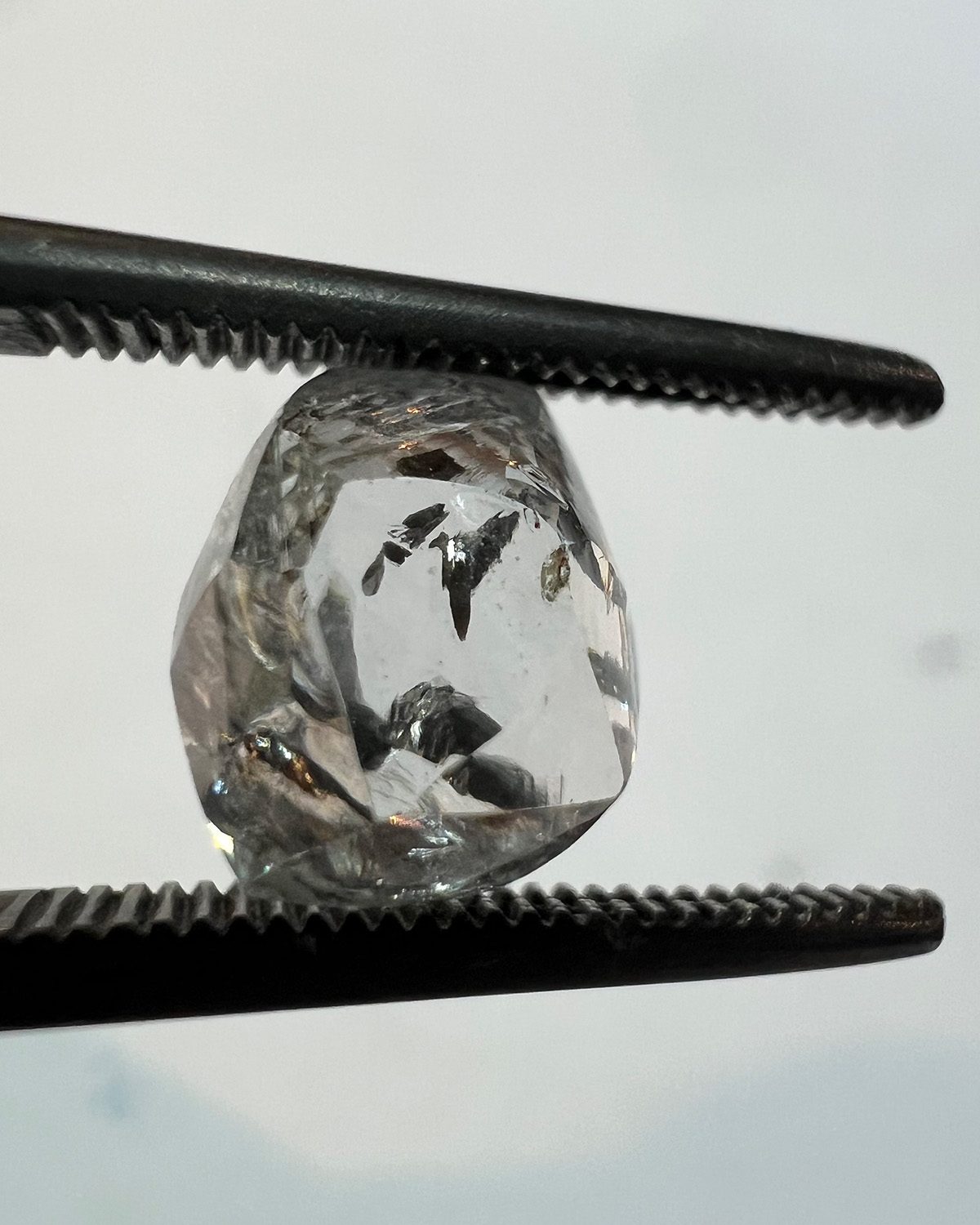
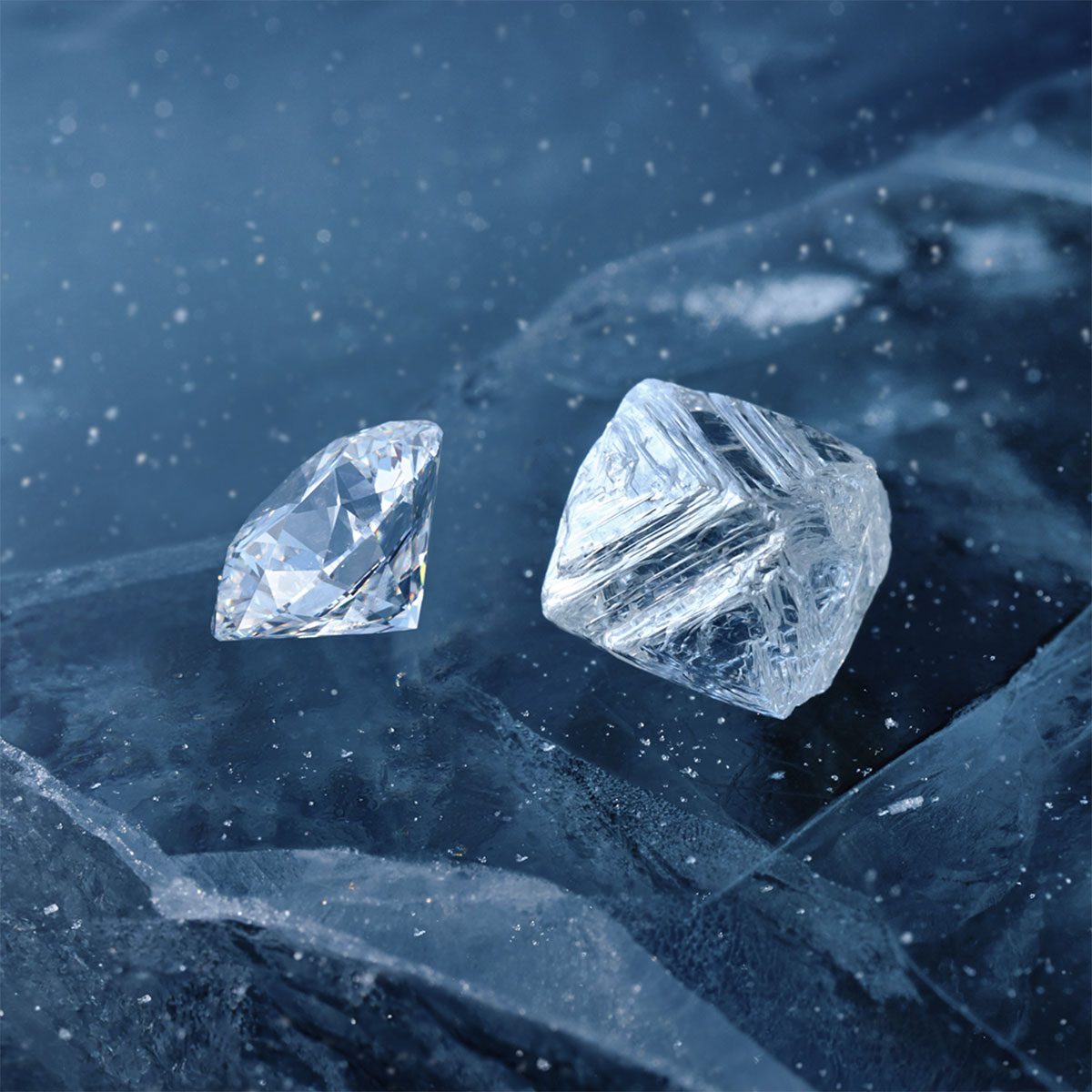
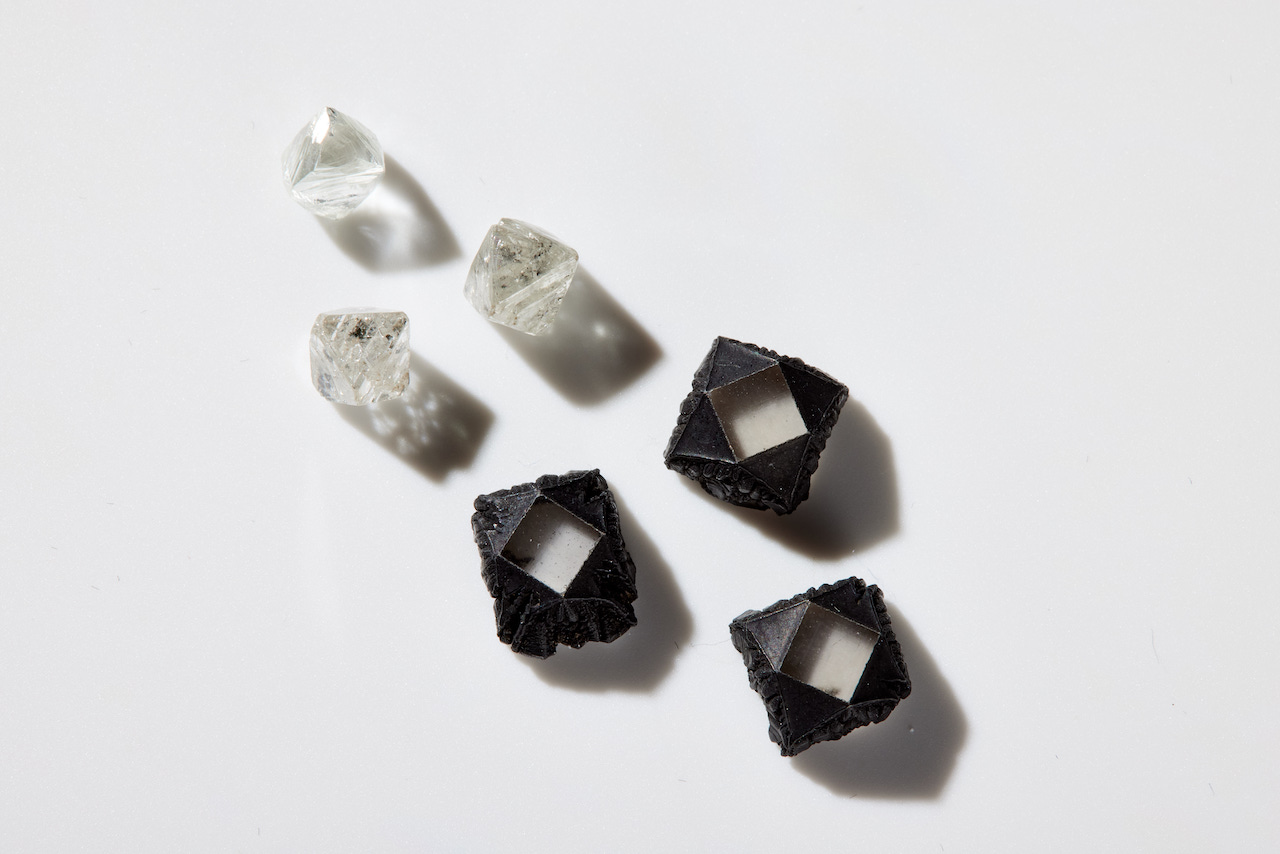
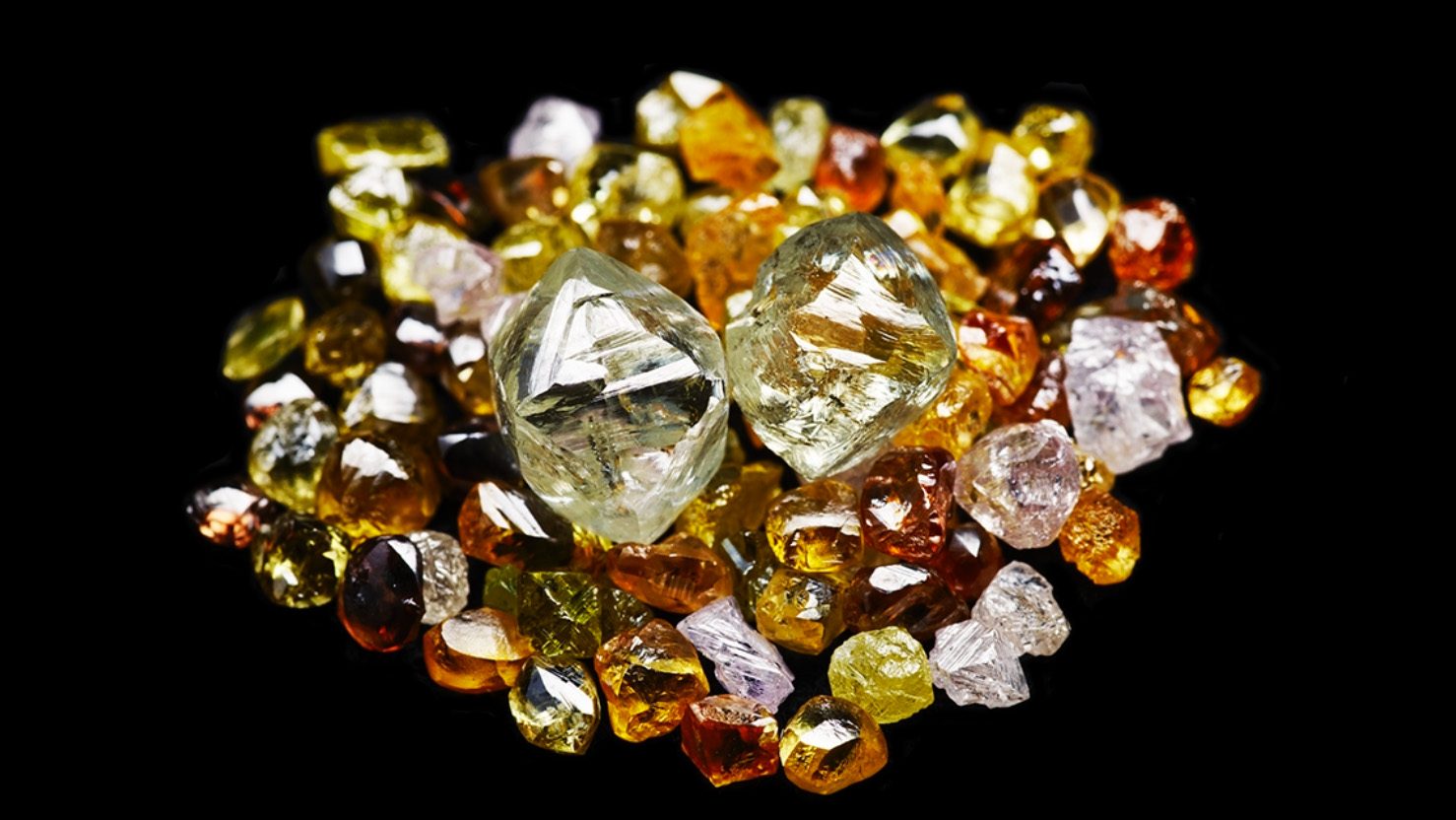
A rough diamond is a natural diamond in its raw, uncut state, just as it was found when recovered from the Earth. While the diamonds seen in rings, necklaces, and other jewelry have been cut and polished to maximize their brilliance, rough diamonds remain unrefined. These crystals formed deep within the Earth’s mantle under extreme heat and pressure, often billions of years ago, before being carried to the surface by rare volcanic eruptions known as kimberlite eruptions. What makes rough diamonds especially remarkable is that no two are exactly alike, with each crystal displaying its own unique shape, texture, and growth patterns.
According to Bjørnsten, the origin story of a rough diamond is part of its appeal. “In times of chaos, we look for enduring truths. A rough diamond survived billions of years of intense heat and pressure underground to arrive exactly as it is. That resilience resonates deeply right now. It reminds people of their own strength and survival,” she says.
Why Couples Want Rough Diamond Engagement Rings Now
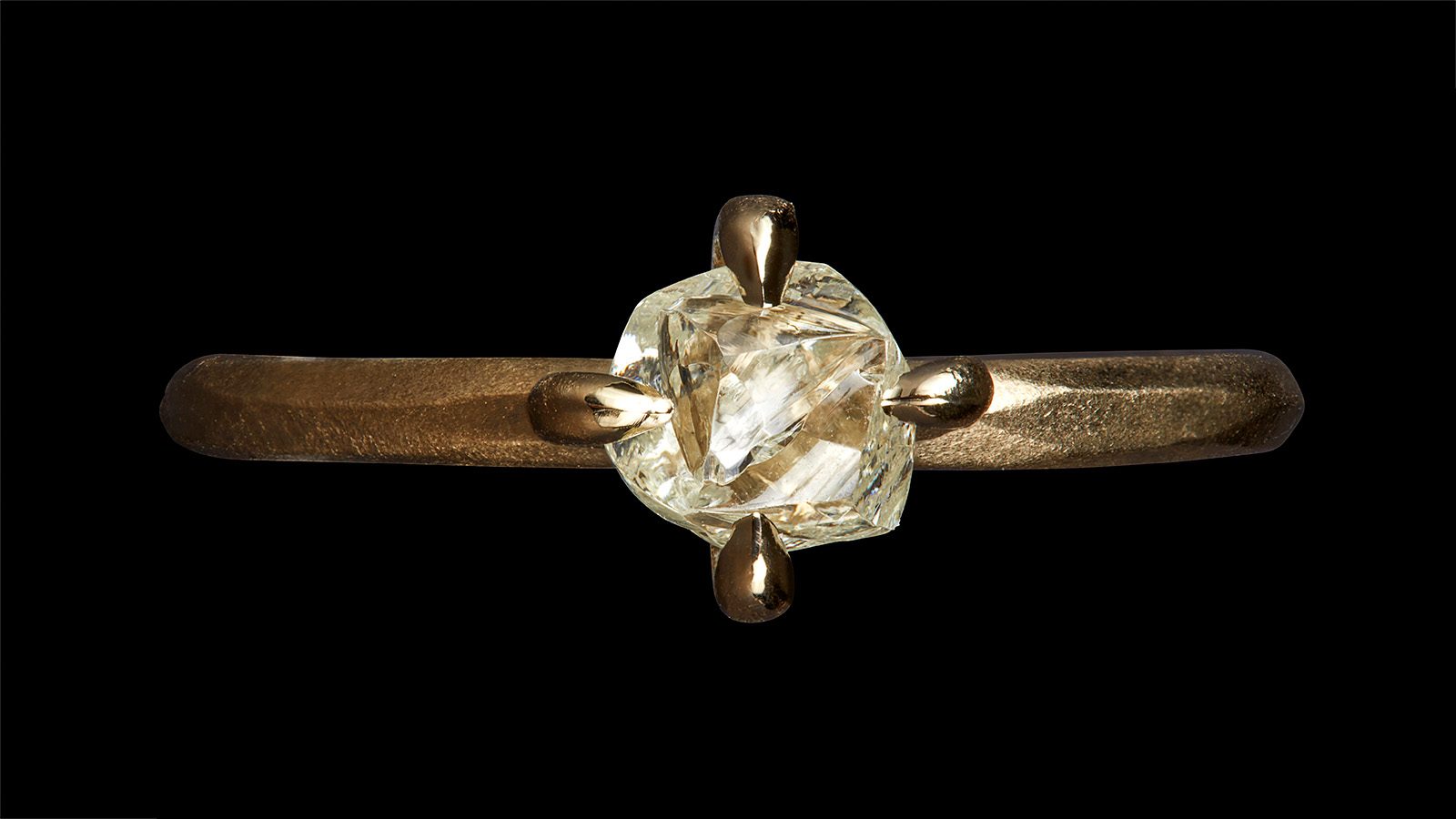
The growing interest in rough diamond engagement rings reflects a broader shift in consumer values. According to Bjørnsten, this is not a passing trend but a lasting evolution. “We are moving away from homogenized, status-driven luxury toward personal, storytelling luxury. Once a consumer connects with the idea that true beauty lies in individuality rather than a standardized ideal, they don’t go back,” she says. “We also hear this from older generations; when they add to their collection, they think about who will inherit it and want pieces the next generation will actually love to wear. The younger generation is moving heavily toward natural uniqueness with a real story and away from the mainstream.”
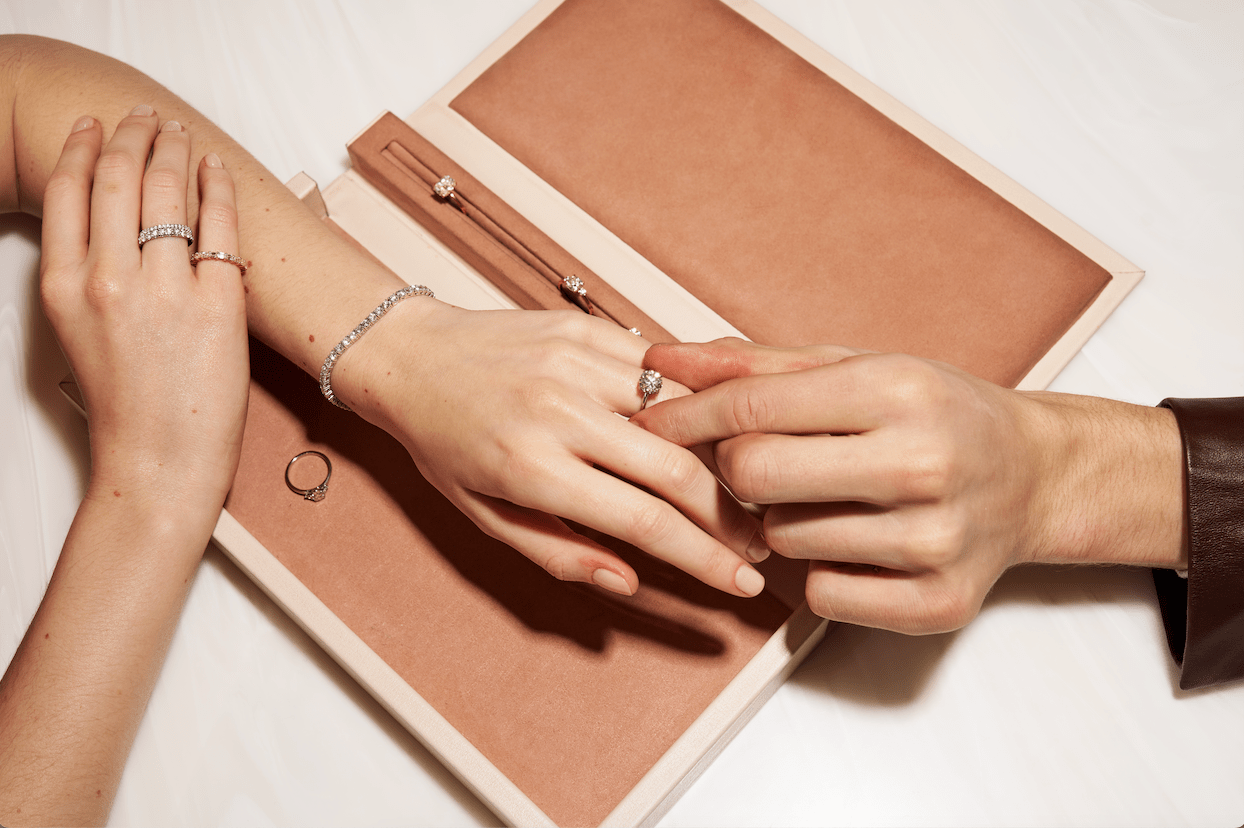
This demand is increasingly reflected in the engagement ring market. Bjørnsten notes that a significant shift is happening with engagement rings. An uncut diamond ring appeals to a less traditional bride who doesn’t crave the typical sparkle, polish, symmetry, and precision of a conventional diamond.
Gen Z is also helping drive this shift in the luxury market. They value inclusivity, sustainability—73% are willing to pay more for sustainable products—and, above all, authenticity. This generation approaches luxury as a form of self-expression, emotional connection, and meaningful experiences. The irregularity and organic character of a rough diamond engagement ring align naturally with those values.
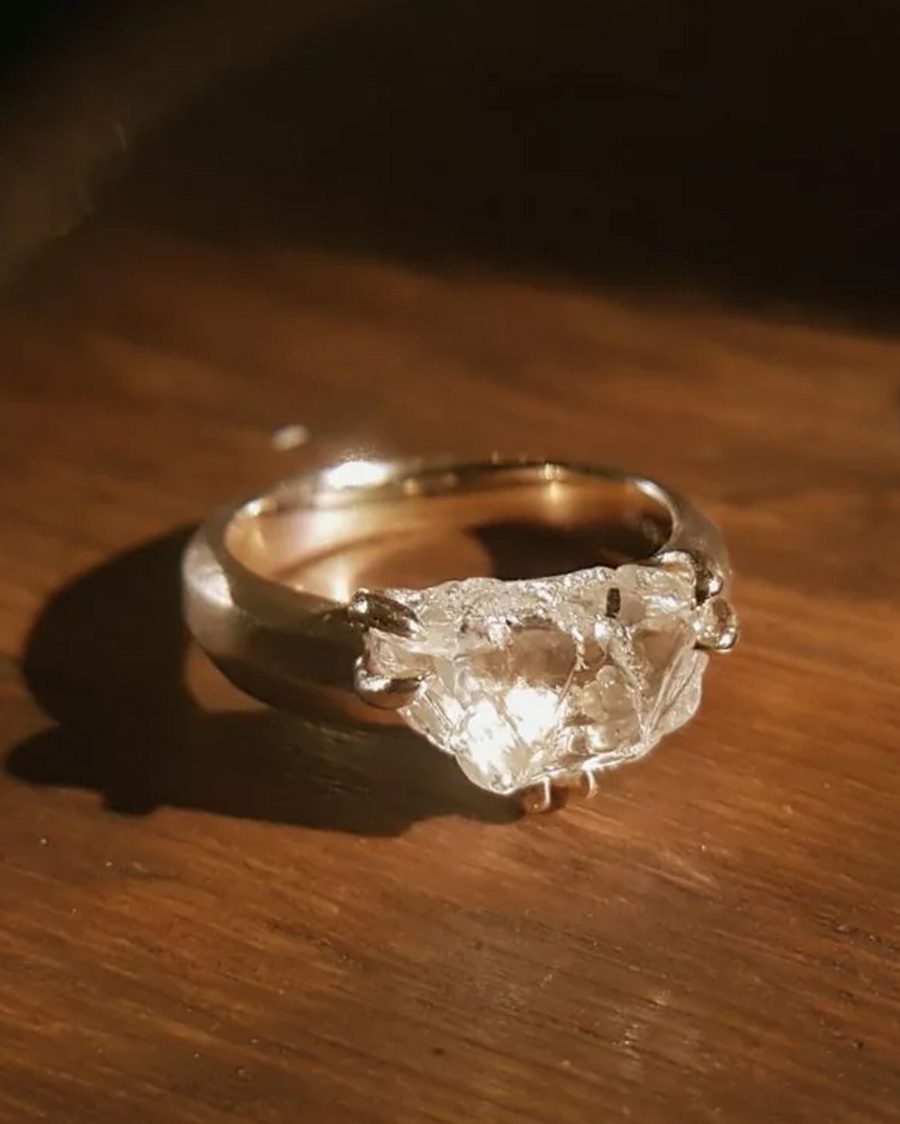
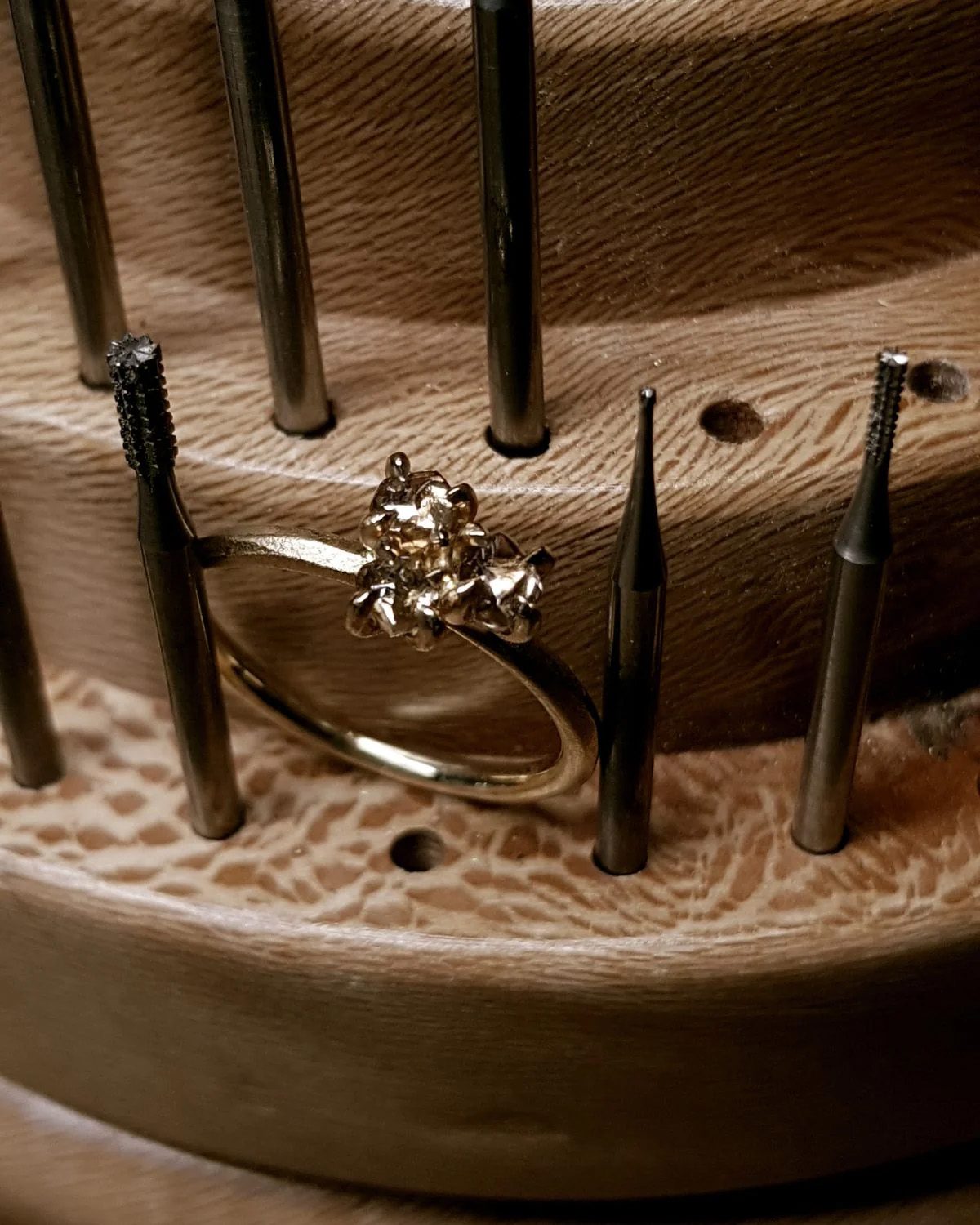
“Clients want a one-of-a-kind piece that absolutely no one else has. They are moving away from the mass-produced, sterile look. They want a ring with a soul and a story. They appreciate the diamond in its organic, natural state. To them, the ‘imperfections’ aren’t flaws—they are the very proof of nature’s art, holding the full, real value of a gemstone that hasn’t been altered to fit a standard mold. Safe to say, ‘imperfect’ is the new perfect,” she says.
The emotional psychology behind a desire for rough, unique diamonds is that consumers are getting burnt out by hyper-manufactured luxury. In an era marked by economic uncertainty, rapid technological change, and endless replication, a rough diamond offers something rare: permanence. For many, these stones serve as tangible reminders and emotional anchors.
How Rough Diamonds Are Challenging Traditional Beauty Standards
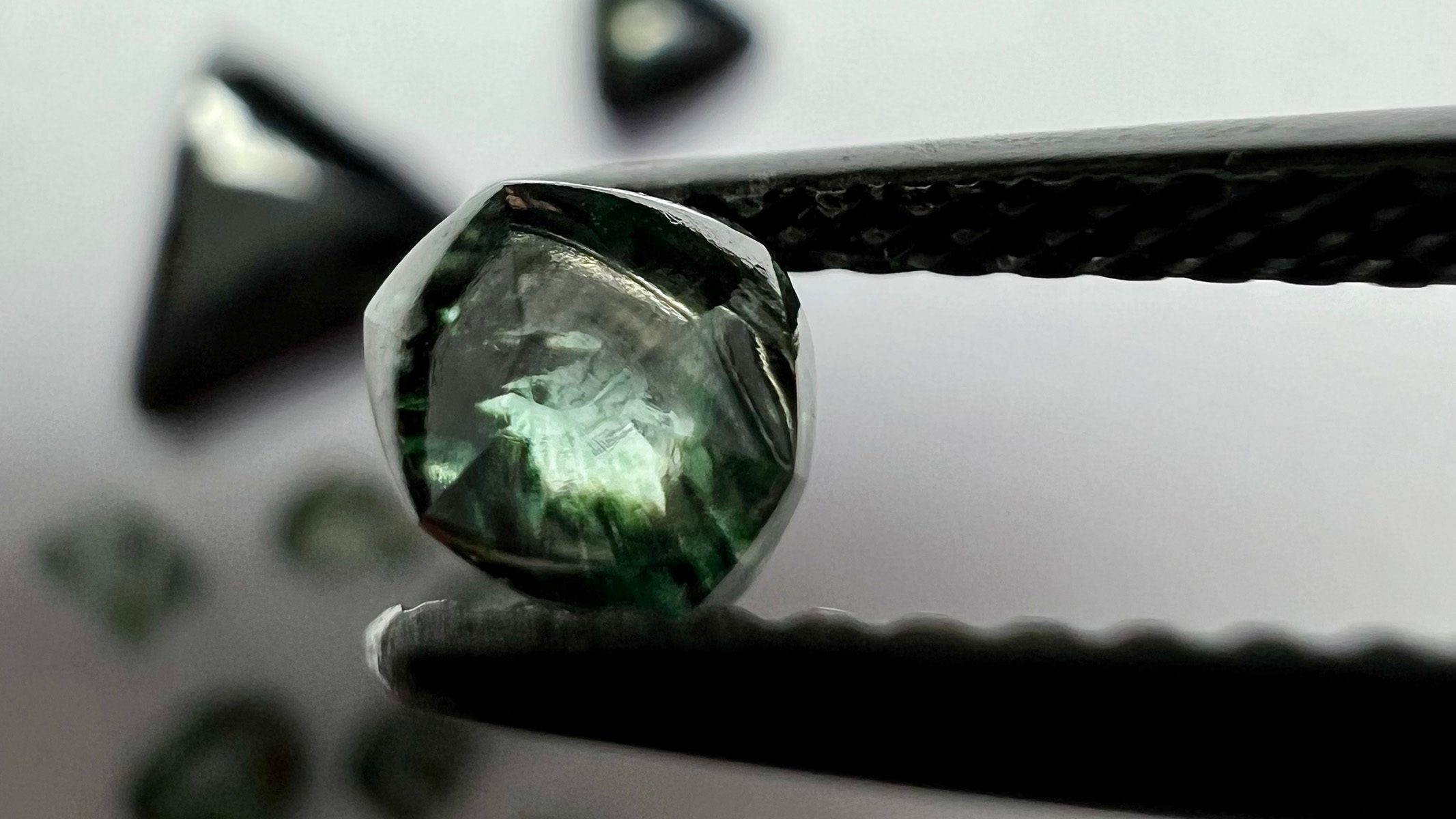
The standards of jewelry are changing, and rough diamonds are being embraced as the conversation around imperfection in jewelry changes. Bjørnsten noted that a decade ago, “imperfection” was something to cut away or hide. “Today, we look at those exact same characteristics—the inclusions, the unique growth lines—and we call them character. Flawlessness has become boring; asymmetry and uniqueness are the new standard of high, understated luxury.”
There is also something consumers seek in rough diamonds that they may not find in a traditionally cut stone. Bjørnsten has a word for what they are seeking: soul. “A rough stone is a 1-of-1 creation of the Earth. Clients want that sense of personal discovery and the knowledge that no one else in the world possesses the same piece of history.”
Though we live in a world dominated by AI-driven algorithms and dupes, there is a very strong desire for individuality over status symbols.
“Because humans naturally seek out the uncopiable. As lab-grown stones flood the market with perfect symmetry, they inadvertently make the organic irregularities of rough, natural stones the ultimate luxury. It’s a rebellion against mass production. A rough diamond is the ultimate proof of nature’s handiwork,” Bjørnsten says.
Yet the appeal of rough diamond engagement rings extends beyond symbolism alone. Their beauty lies not just in their natural form, but in how designers work with those irregular shapes to create something refined and wearable. For Bjørnsten, the most compelling pieces embrace the contrast between raw nature and expert craftsmanship. “The magic is in the contrast. We pair the wild, organic chaos of the rough stone with incredibly clean, sophisticated, and fluid goldsmithing. That tension between the raw and the refined elegance is what makes the final piece feel like modern high luxury,” she says.
The Art of Designing With Raw Diamonds
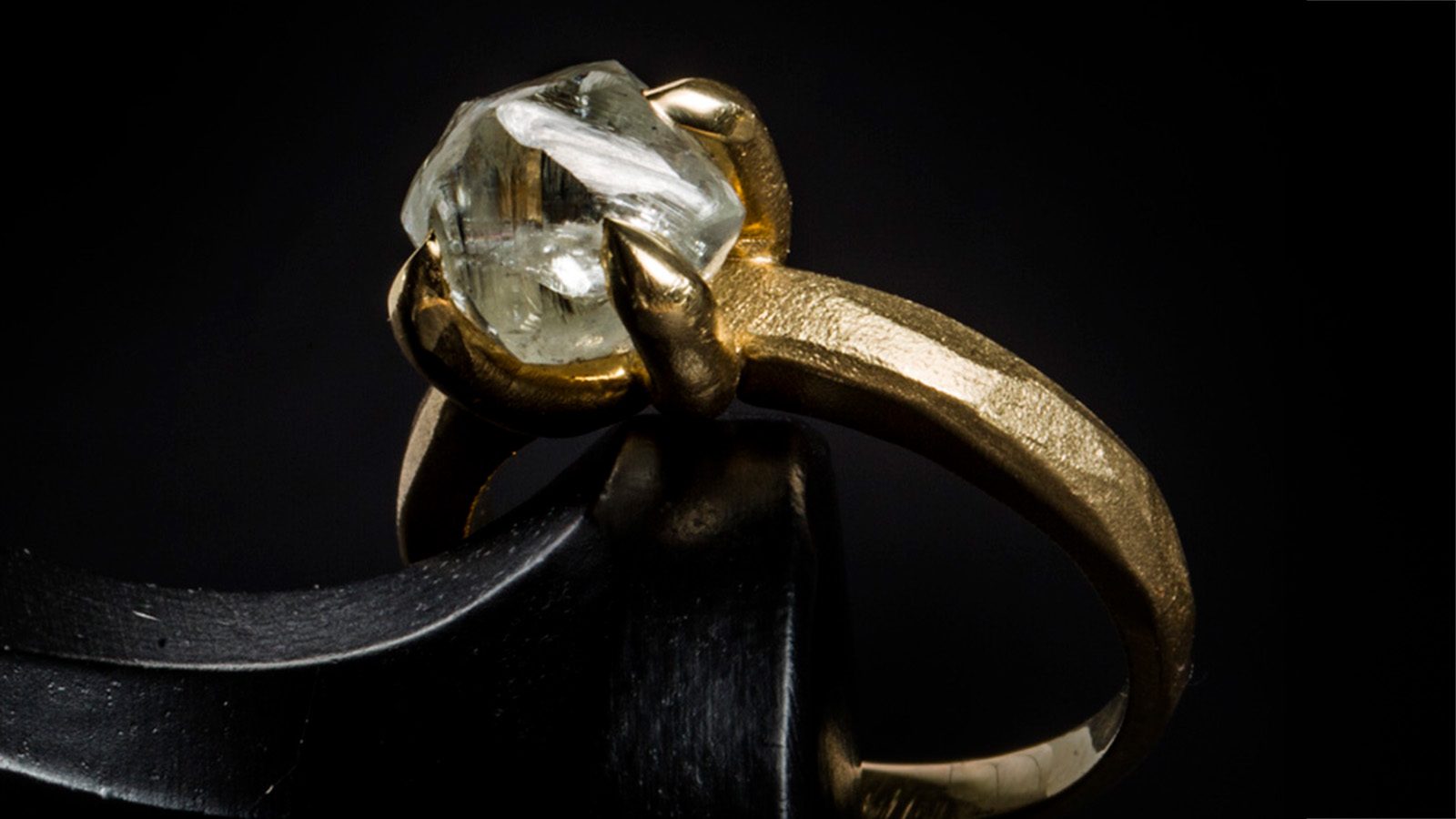
Designing with raw diamonds requires a whole new set of skills and artistry. Rough diamonds refuse uniformity, which means there are no standardized molds, prong settings, or blueprints to follow. “Every single piece of jewelry must be hand-sculpted around the specific, irregular anatomy of that exact stone. It requires deep dialogue among me as the designer, the diamond setter, the goldsmith, and the rough crystal to ensure the metal protects and elevates the stone without altering its spirit. It takes time, patience, and learning by doing. We have built this experience over 18 years, which is vital because there is no formal education worldwide for this kind of work,” she says.
It sounds a bit like walking the trapeze without a net beneath you, but Bjørnsten says it is that unpredictability that makes her more passionate about the process. “The first time I held a rough diamond, I was struck by its quiet power. It didn’t need human intervention to be magnificent. It had a tactile, ancient energy that felt much more alive to me than a stone ground down to fit a standardized grid. Traditional jewelry has never been my thing; it never spoke to my heart or suited my personality,” she says.
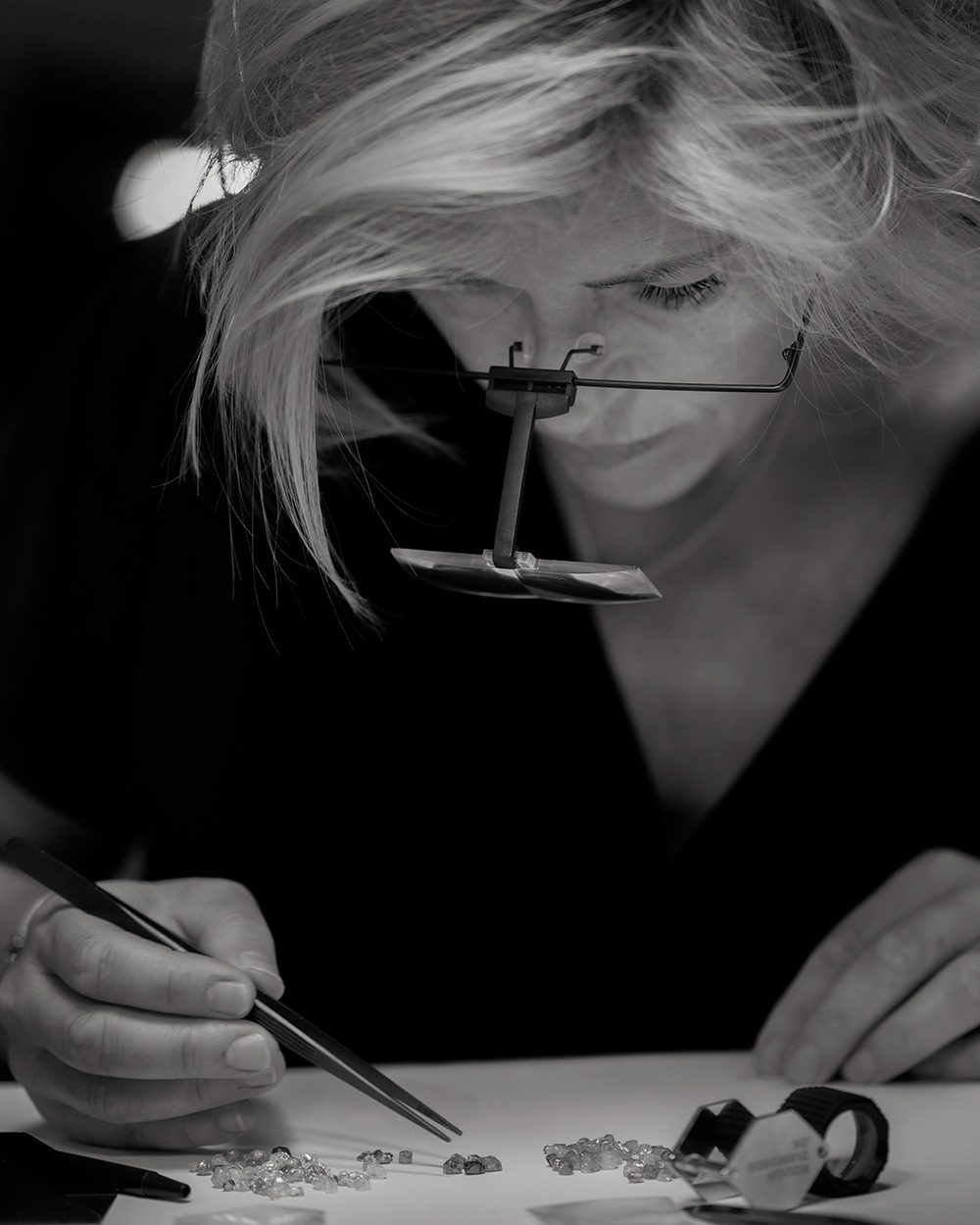
As for selecting the rough diamonds in Antwerp, she says it is incredibly intuitive. “While others look at a rough stone to see what it could become after cutting, I look for stones that are already beautiful in their raw state, ready to be mounted directly into jewelry,” she says. “I am captured by unique crystal habits, interesting surface textures, how the stone holds the light—and wow, the colors.”
Are Rough Diamonds the Future of Luxury?
As more consumers embrace individuality over convention, it raises an intriguing question: could rough diamond engagement rings represent the future of luxury? Bjørnsten believes they already embody the values modern consumers care about most: individuality, meaning, and a connection to something real. “The modern consumer doesn’t want to wear a badge of wealth; they want to wear an extension of their identity. Jewelry has returned to its ancient roots—acting as an amulet, a talisman, a deeply personal symbol, or a marker of an important life milestone.”
In a world of endless replication and increasingly standardized luxury, rough diamonds offer something genuinely rare. “Plus, natural rough diamonds will keep their value!” she says. “You can see the organic geometry, the skins, and the textures that simply cannot be replicated in a laboratory. It is visual authenticity at first glance. Each stone speaks to a person in a completely different way, and you just fall in love with that specific one.”
For Bjørnsten, that is precisely why rough diamonds have evolved from a niche preference into a new expression of discerning taste. “That is exactly why I have poured my entire life’s passion into building this global niche. Love it like it is!”