Meet Zoe Diamonds, Where Every Natural Diamond Has a Human Story
How one young entrepreneur is changing Botswana’s diamond story through Zoe Diamonds.
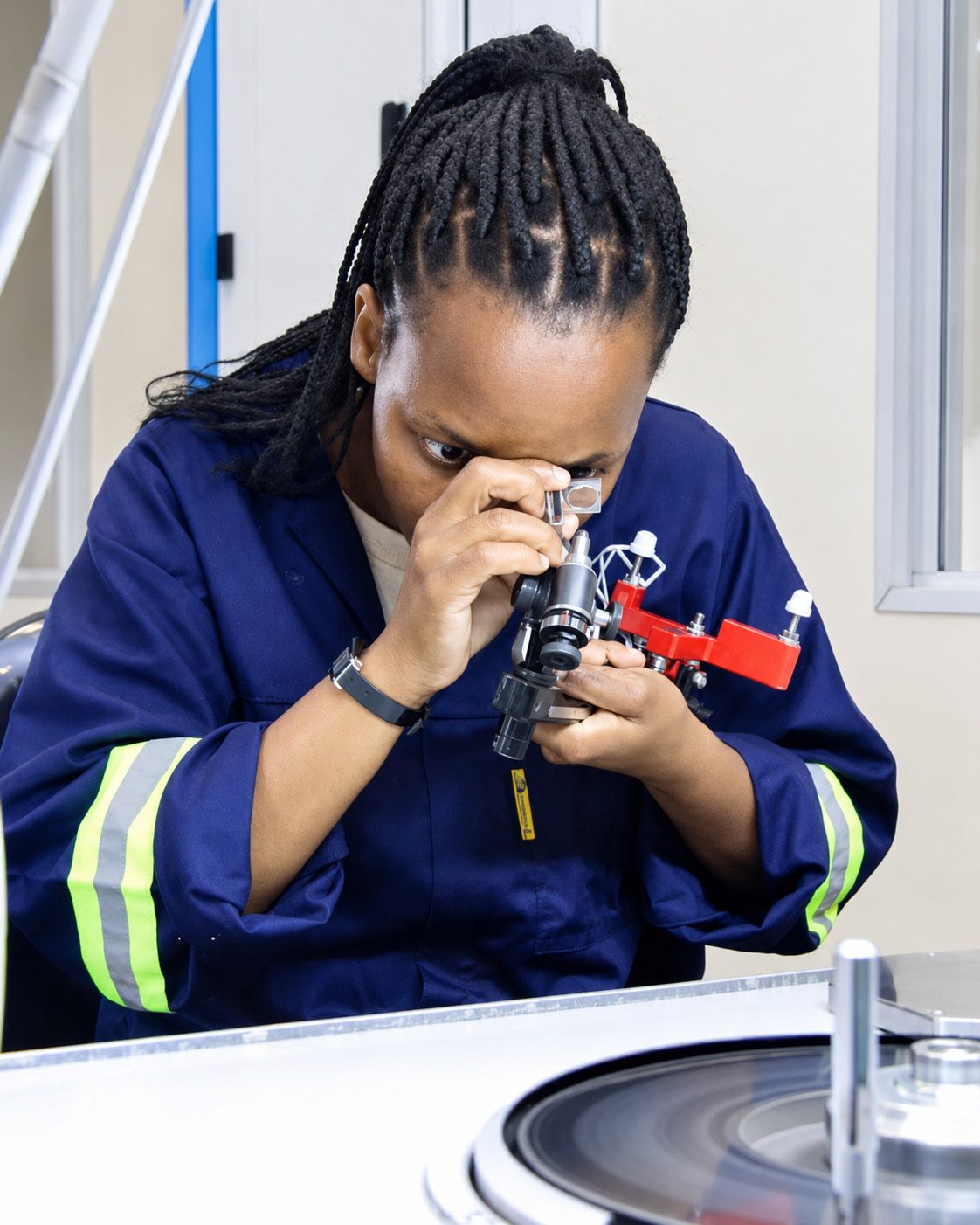
(Courtesy of Zoe Diamonds)
A diamond ring rarely comes with a biography. Buyers ask about the cut, color, carat weight, and, of course, the price. But what if a diamond could also tell the story of the young woman who cut it, the country where it was unearthed, and the jobs it helped create?
That’s the vision driving Ada Thela.
Through her company, Zoe Diamonds, Thela cuts and sells traceable Botswana diamonds with an ambitious goal: keep more of the industry’s value at home by training and employing young Batswana.
When she recently sold her largest diamond to date to Florida retailer J.R. Dunn Jewelers, it wasn’t just another stone crossing the ocean. It was proof that her business model and her story could resonate with consumers.
Meet the Experts
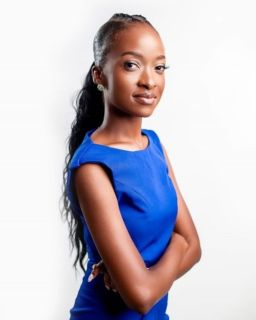
Ada Thela is the Founder and Managing Director of Zoe Diamonds, where she cuts and sells traceable Botswana diamonds. She attended the University of Cape Town and Stellenbosch Business School.
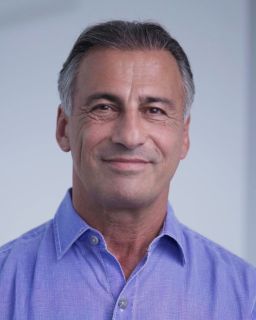
Meir Boukris is the executive chairman of the Constell Group. He works to attract, develop and retain a diverse and talented workforce.
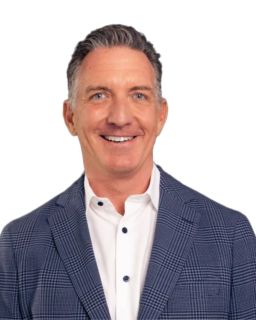
Sean Dunn is the President of family-owned J.R. Dunn Jewelers. He leads J.R. Dunn with the same values his parents instilled: work hard, care deeply, and uphold the tradition of giving back.
The Vision Behind Zoe Diamonds
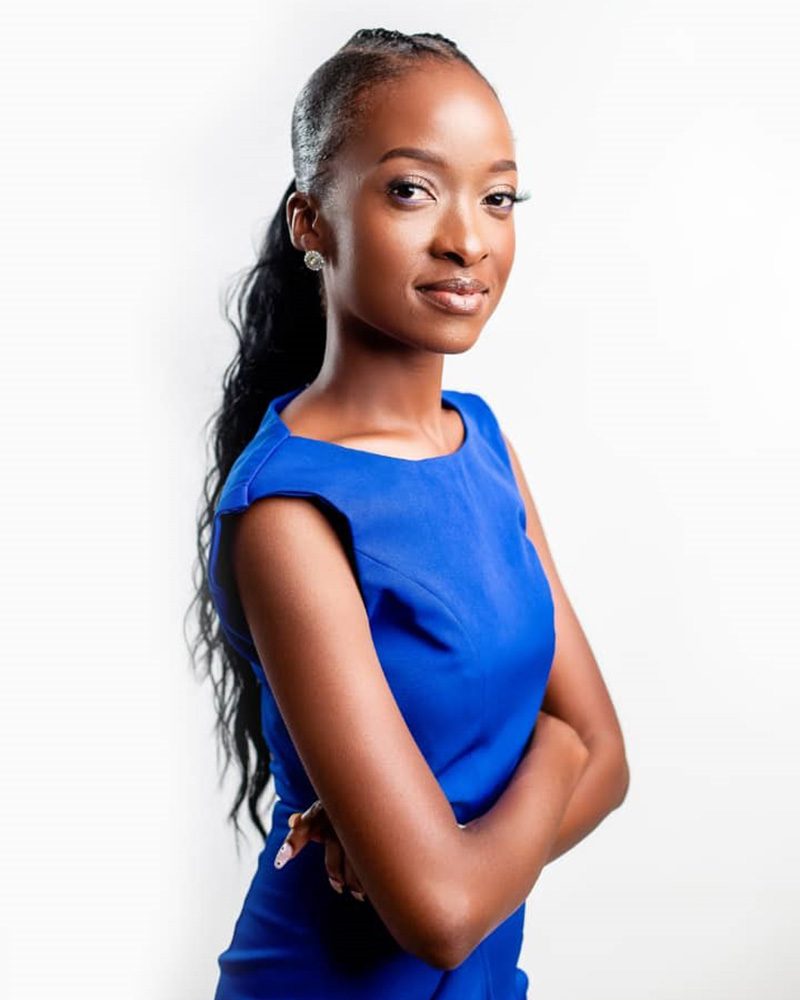
“This diamond is a human story, my story,” said Thela, who grew up in Gaborone. “The diamond was unearthed in my country and cut and polished in my workshop. There’s an emotional connection to the diamond because there’s a face behind it.”
Traceable diamonds are nothing new. Many stones today come with documentation showing where they were mined and, increasingly, where they were cut and set. What’s different here is scale and the human touch. Thela isn’t a big diamond company or established manufacturer. She’s one determined entrepreneur trying to build a business that reflects Botswana’s place at the heart of the global diamond industry.
The 32-year-old described herself as a “diamond baby”—someone whose life was shaped by the country’s diamond industry.
Diamond revenues paid for her education, university degree, professional training, and even provided a grant to help get the business running. Now she’s determined to complete the circle by creating opportunities for the next generation.
How “Diamond Baby” Ada Thela Founded Zoe Diamonds
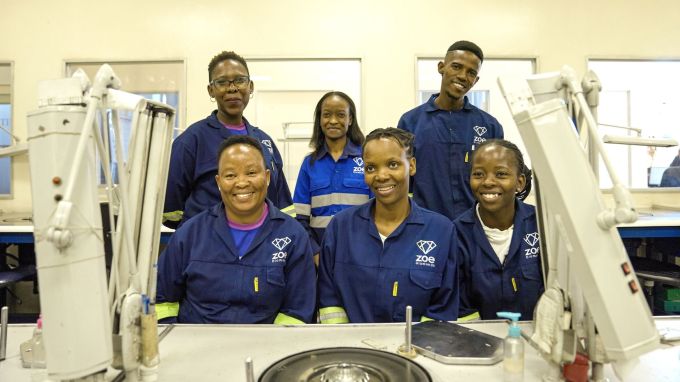
After graduating from university, Thela entered a youth development program run by the Okavango Diamond Company. Over seven months, participants learned every stage of the diamond pipeline, from mining to marketing.
For Thela, one part stood out immediately.
“I was captivated watching a rough diamond transform into a beautiful, polished stone,” she says. “I was blown away by the level of intelligence and thoughtfulness that goes into transforming the stone, and by the people behind that process.”
Her enthusiasm caught the attention of Constell Group, one of the program’s sponsors. The diamond manufacturer offered her an apprenticeship.
“She didn’t have the skills yet,” recalls Meir Boukris, Constell’s executive chairman. “But her determination and willpower stood out.”
Following Thela’s five-year apprenticeship, Boukris helped her launch Zoe Diamonds in 2023, providing workspace, equipment, and contract polishing work while she built the business. A Botswana government grant helped her get started, and today she employs as many as eight polishers, depending on the needs.
The Sale That Put Zoe Diamonds on the Map
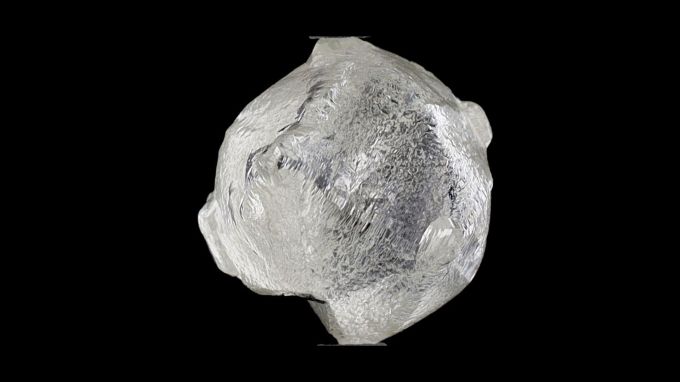
Building the business wasn’t easy. In Thela’s first two years, she struggled to secure rough diamonds. Botswana’s rough diamond supply is sold through competitive tenders, where small manufacturers often lose out to larger buyers with deeper pockets.
Then an unexpected connection changed everything. Sean Dunn, president of family-owned J.R. Dunn Jewelers in Lighthouse Point, Florida, came across Thela on LinkedIn while looking for new ways to tell the story behind natural diamonds.
“I’m passionate about where diamonds are sourced and telling that story,” Dunn says. “I liked the idea of working directly with someone like Ada who’s sourcing the stones and cutting them. I wanted to bridge the gap between the people, their stories, and the stones.”
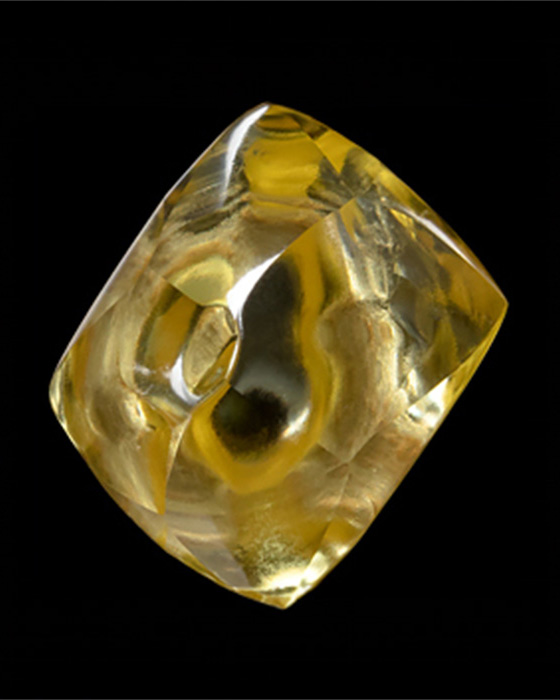
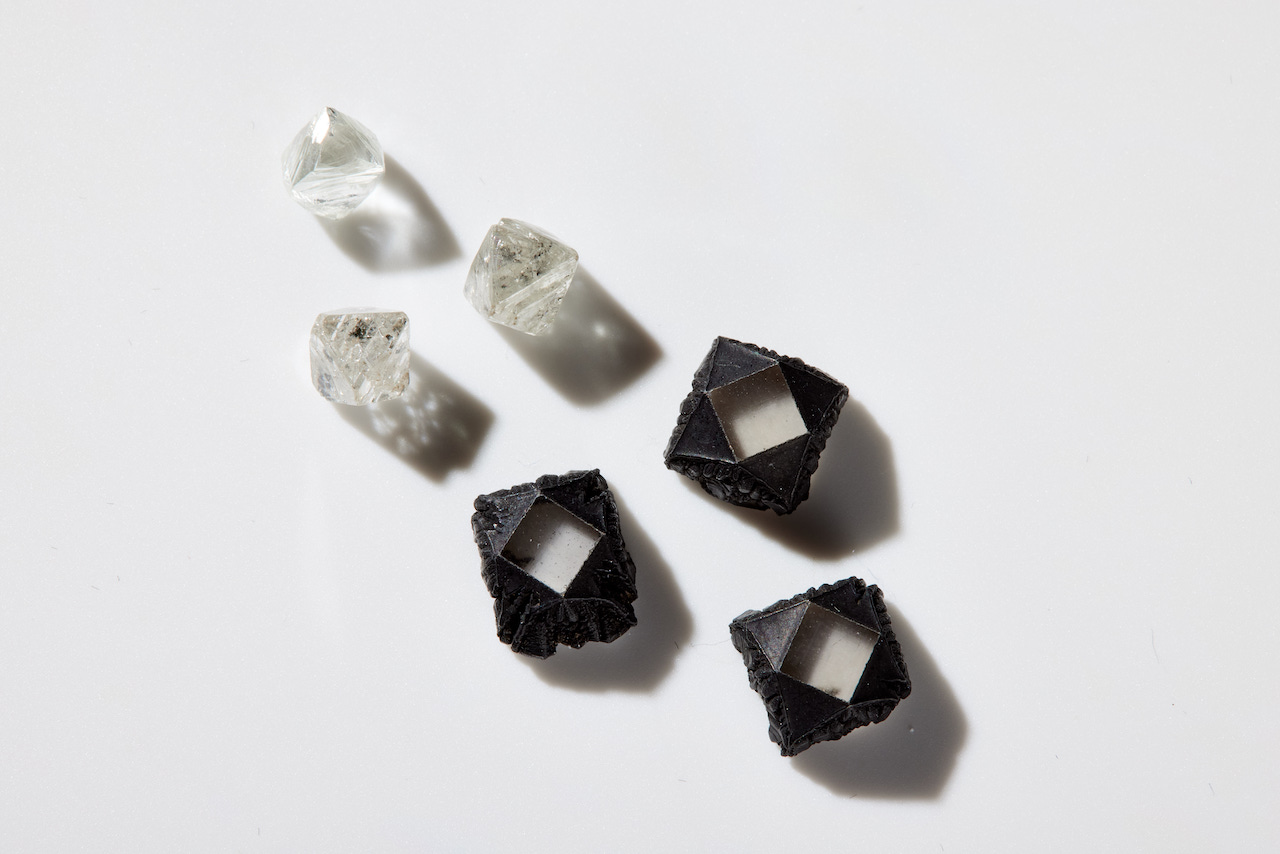
Once they agreed to collaborate, Dunn registered to bid at Botswana’s rough diamond auction. He was outbid twice before finally securing a 5.79-carat rough on the third attempt.
The First Zoe Diamonds Ring Sold in the United States
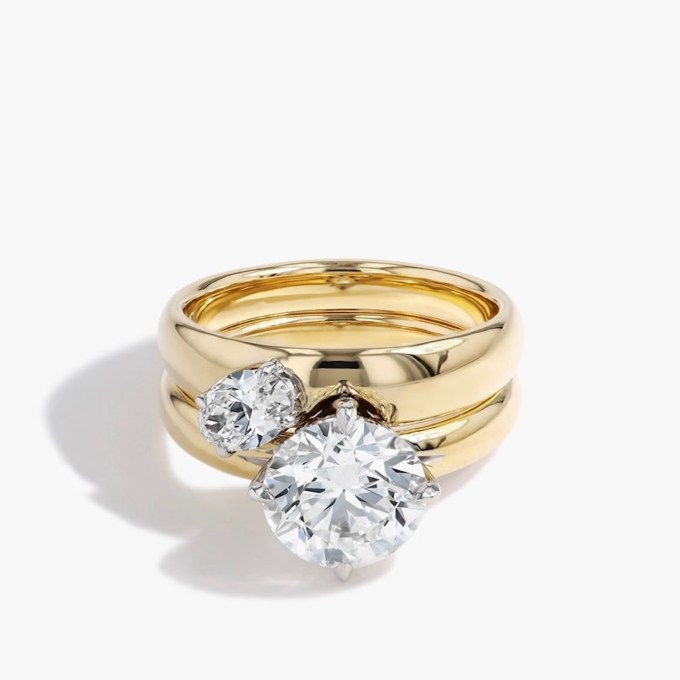
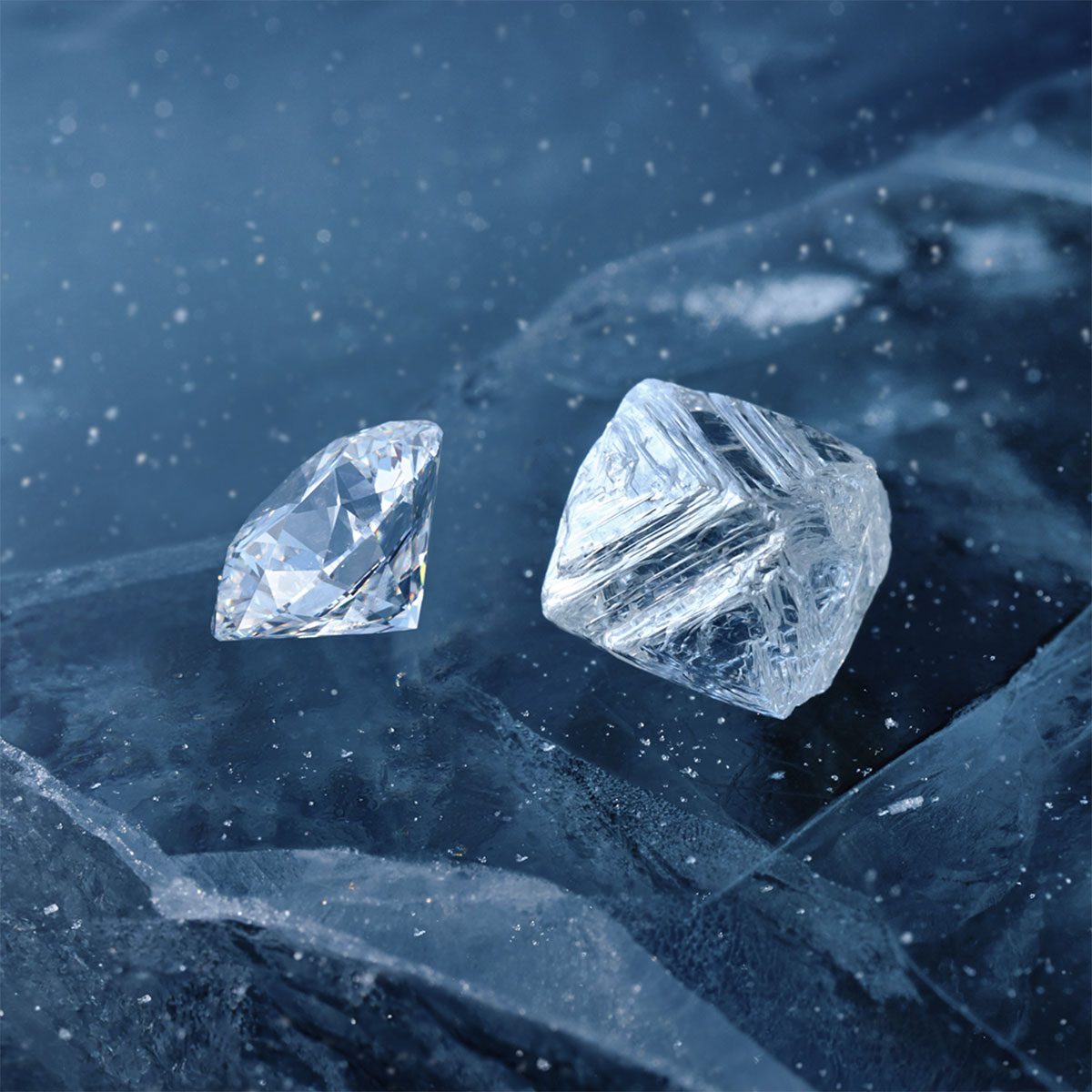
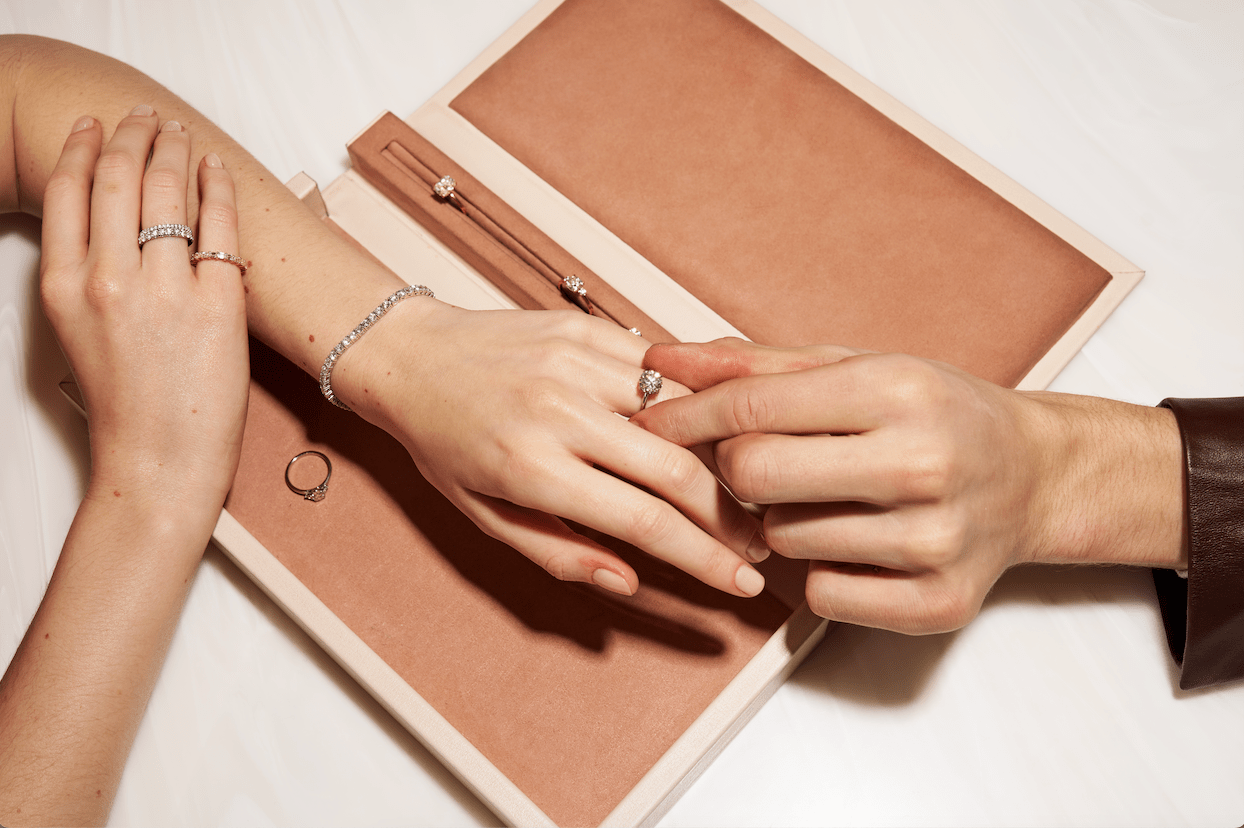
Back in her Gaborone workshop, Thela’s team cut the stone into a 2.51-carat round brilliant diamond and a small .04 oval. Dunn’s design team incorporated both into a “Two From One” ring that highlights that both stones originated from the same rough stone. Their journey is documented through iTraceiT, a blockchain-powered traceability platform.
For Dunn, the provenance adds depth to the story he shares with customers, but it doesn’t replace the emotional significance of the ring itself.
“The first story is always the couple’s love story,” he says. “The ring symbolizes that relationship. This is another layer that makes it even more meaningful.”
He plans to continue buying Thela’s diamonds and eventually package each diamond ring with a small stone saved from the original rough crystal as a future family heirloom.
“I want to inspire people to talk about diamonds differently,” he says. “It’s a struggle to tell these stories in a way that really connects with the customers. When the design and the story work together, it opens completely different conversations.”
The Future of Zoe Diamonds
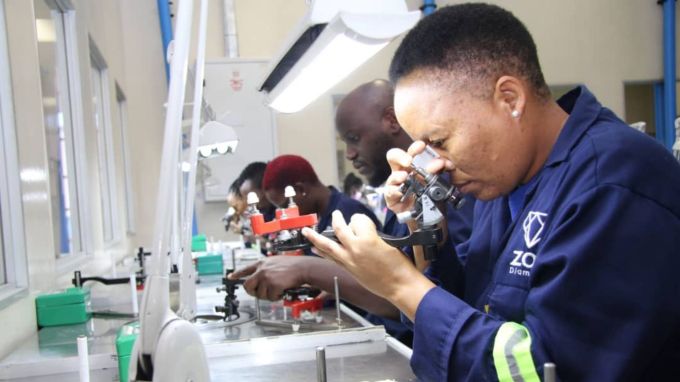
For Thela, however, the story has always been about more than jewelry.
“Diamonds have transformed Botswana,” she says. “People here understand what they mean because the revenue has trickled down to everything, from education and medical care to infrastructure and jobs. It’s a great source of national pride and joy.”
Her success, though, also highlights the barriers local entrepreneurs still face. “It’s not easy for locals to access stones,” Thela says. “Botswana has gotten the governance right. Now we need systems that make it easier for local businesses to participate. And partnerships like the one with Sean help give us visibility.”
Boukris agrees. “The biggest challenge is for Ada to find more people like Sean, who are willing to establish a real partnership that will sustain for a long time,” he says. “Thela should be the manufacturing and rough sourcing arm, while they will sell the finished product.”
The more Thela’s story is shared, the more it will change how consumers think about natural diamonds. Future buyers may still ask about cut, color and carat weight, but hopefully they will also want to know where it was found, who transformed it, and why it matters.