
Diamond Prong Settings, Explained: Why This Tiny Detail Matters
Think prongs don’t matter? Think again. These tiny metal claws define how your diamond looks—and how long it lasts.
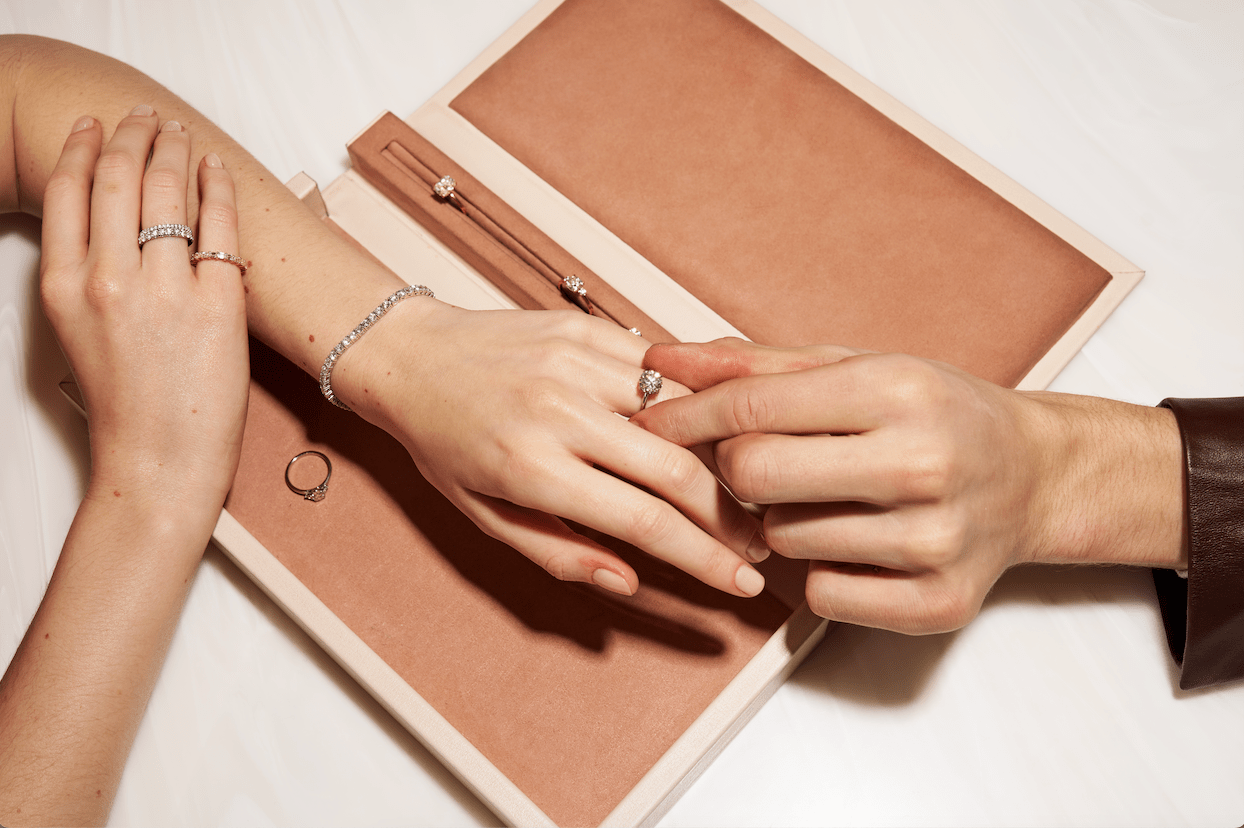
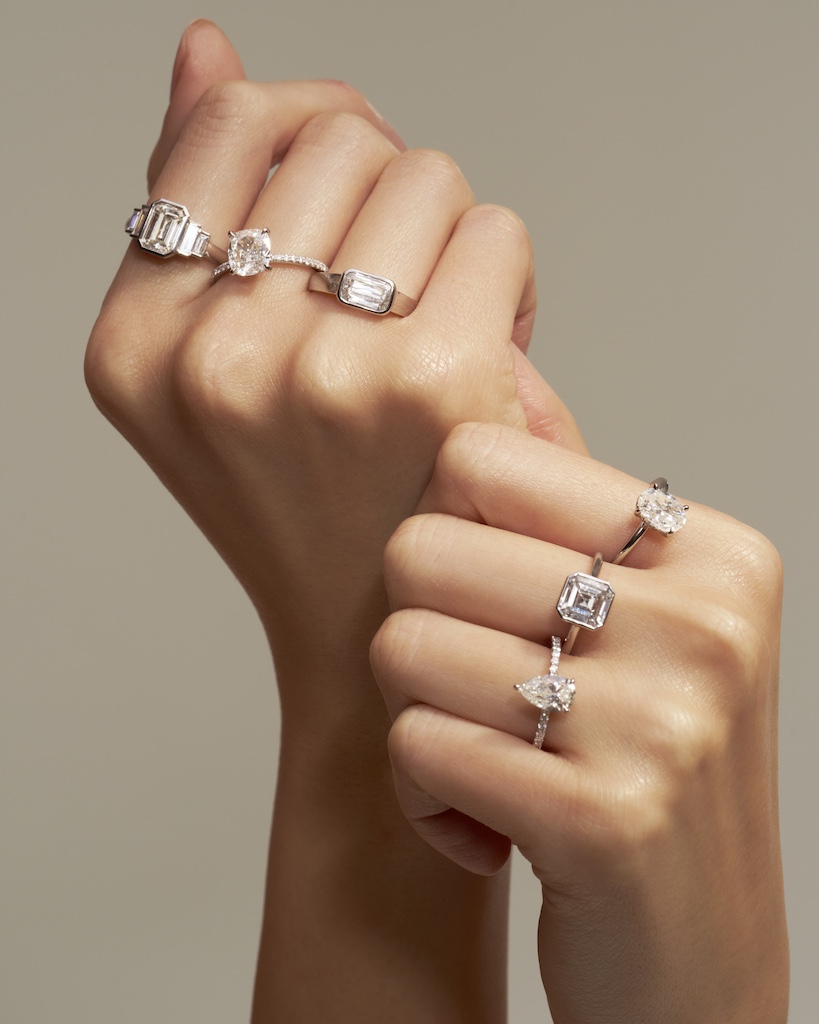
RINGS (FROM LEFT) THE CLEAR CUT, TIFFANY & CO., PARAMOUNT GEMS (Photographed by Mark Lim for Only Natural Diamonds)
Once you start researching engagement rings, it’s easy to feel overwhelmed by all the decisions you have to make, but some details warrant your attention more than others. One of them is the prong setting, a seemingly small choice that can transform the personality of a ring.
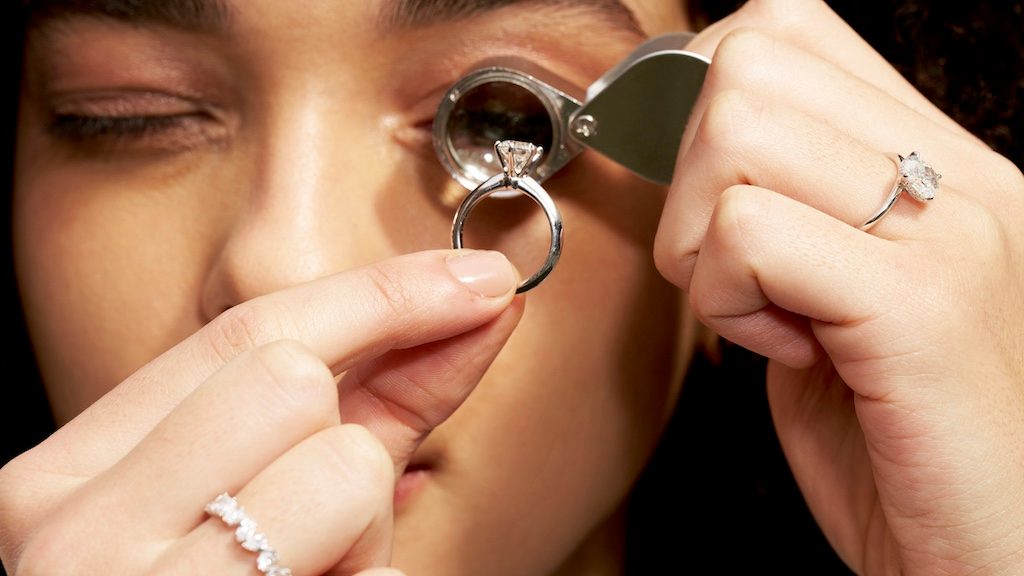
You may not even notice them at first, but prongs do so much more than hold a diamond in place. “Prongs are one of the most important – and sometimes overlooked – details of an engagement ring. They’re not just functional, they’re architectural,” says Megan Kothari, founder of AARYAH.
Whether they’re tapered and sharp or round and soft, prongs can subtly elevate a diamond’s unique character and complement its silhouette. Not to mention that the number of prongs can also make a difference in the way a ring looks and feels – and how well it holds up to daily wear.
Meet the Experts

Megan Kothari, the creative force and founder of AARYAH, grew up in a family of diamond wholesalers, learning the business from her father and grandfather at an early age. AARYAH is a jewelry brand focused on empowering women by bringing a fresh perspective to the bridal jewelry space with unconventional cuts, rare natural diamonds, and alternative settings.
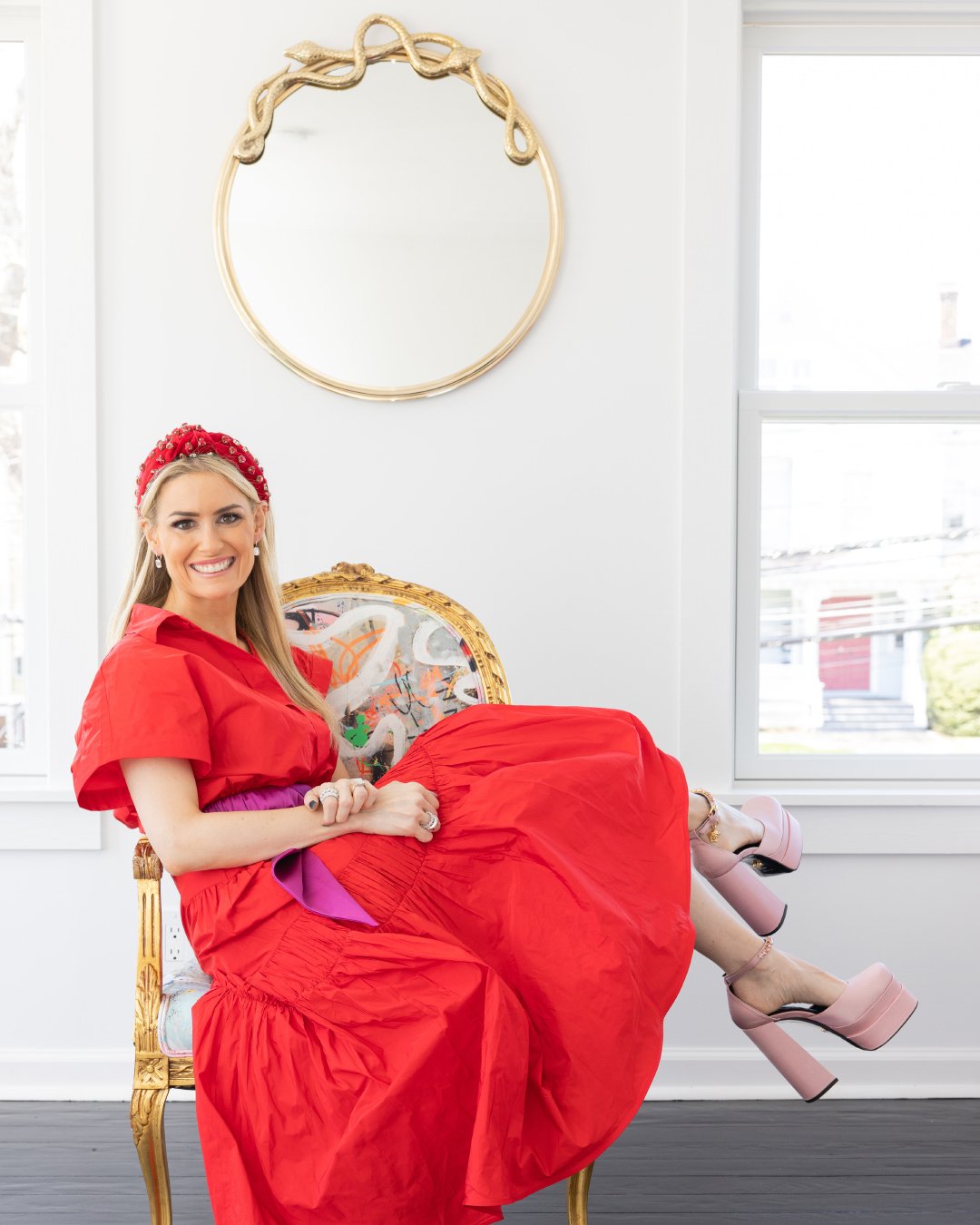
Ali Galgano is a New York and Greenwich-based jeweler and founder of Serpentine Jewels, a destination for exceptional bespoke fine jewelry and an assortment of fine jewelry staples. Her fresh and personal approach, gemstone expertise made her a go-to jeweler for clients who want to maximize their jewelry wardrobe with elevated classics and one-of-a-kind pieces.
So, which prong setting should you choose? It comes down to the diamond you pick, the aesthetic you want, and the structural integrity of your ring. Ahead, learn more about prong settings, including the way they interact with different diamond shapes.
What Is a Diamond Prong Setting?
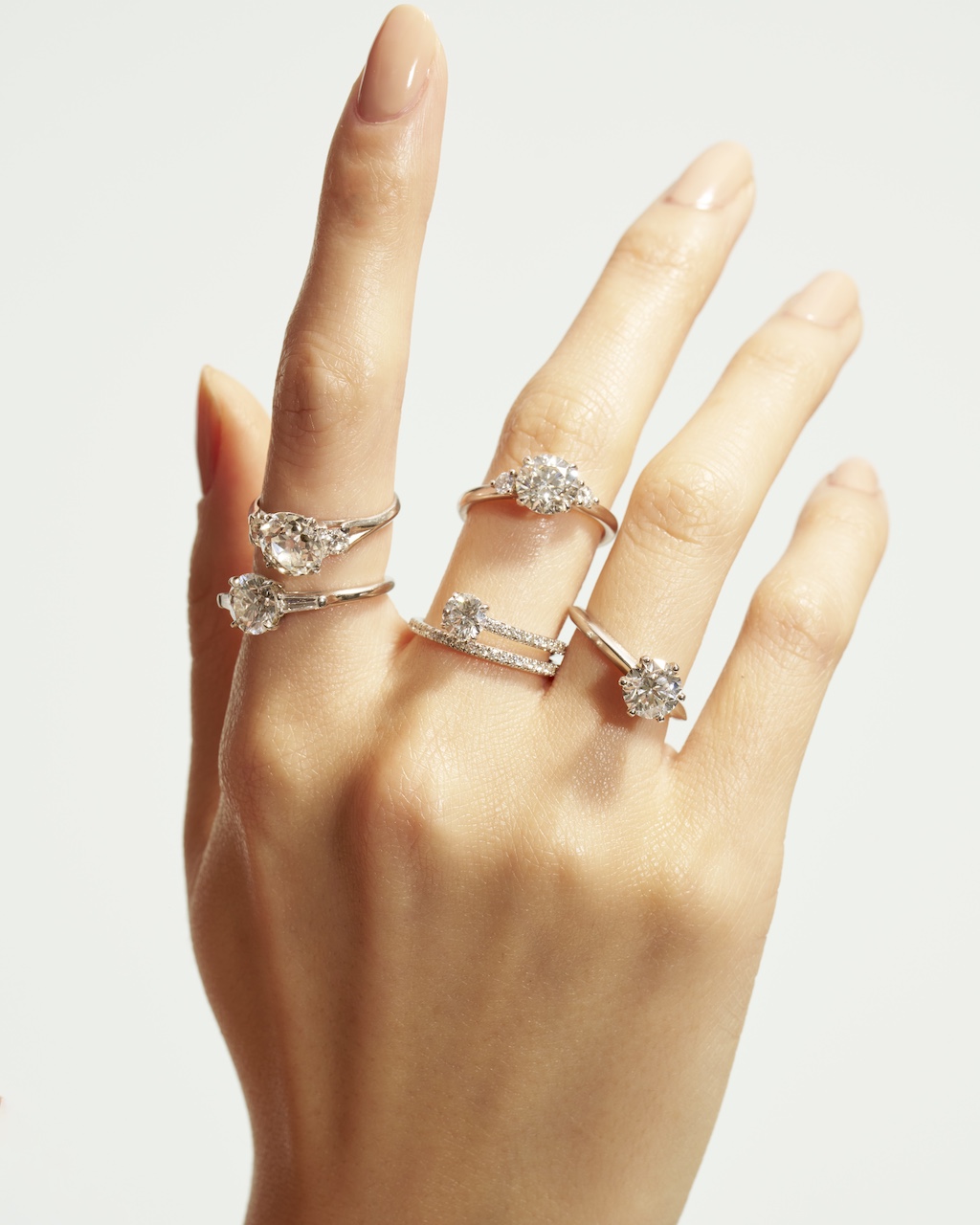
A diamond prong setting is a jewelry technique used to attach a diamond to a ring band. The prongs, which are small pieces of metal, extend upward from the base of the ring to form a cradle for the diamond. Their edges grip the crown of the diamond to securely hold it in place, leaving its sides exposed and lifted.
When you look at a prong setting engagement ring from the top, you see the edge of each prong, which may be round, tapered, or flat (more on that later). From the side, you see more of the diamond itself. The result? An open setting that shows as much of the diamond as possible – and lets light hit it from all angles for maximum sparkle.
With alternative styles like bezel and gypsy settings gaining momentum, it’s worth noting that a prong setting isn’t your only option. But it’s an incredibly popular choice for a reason. It’s classic, and it lets a diamond shine in all its glory.
How Prong Style Interacts with Diamond Shape
Prongs serve a very functional purpose – without them, your ring would fall apart. But visually, they also frame a diamond, which can complement its cut and silhouette in sometimes surprising ways, either by thoughtfully positioning it above a band, tracing its outline, or bringing an element of contrast to the design.
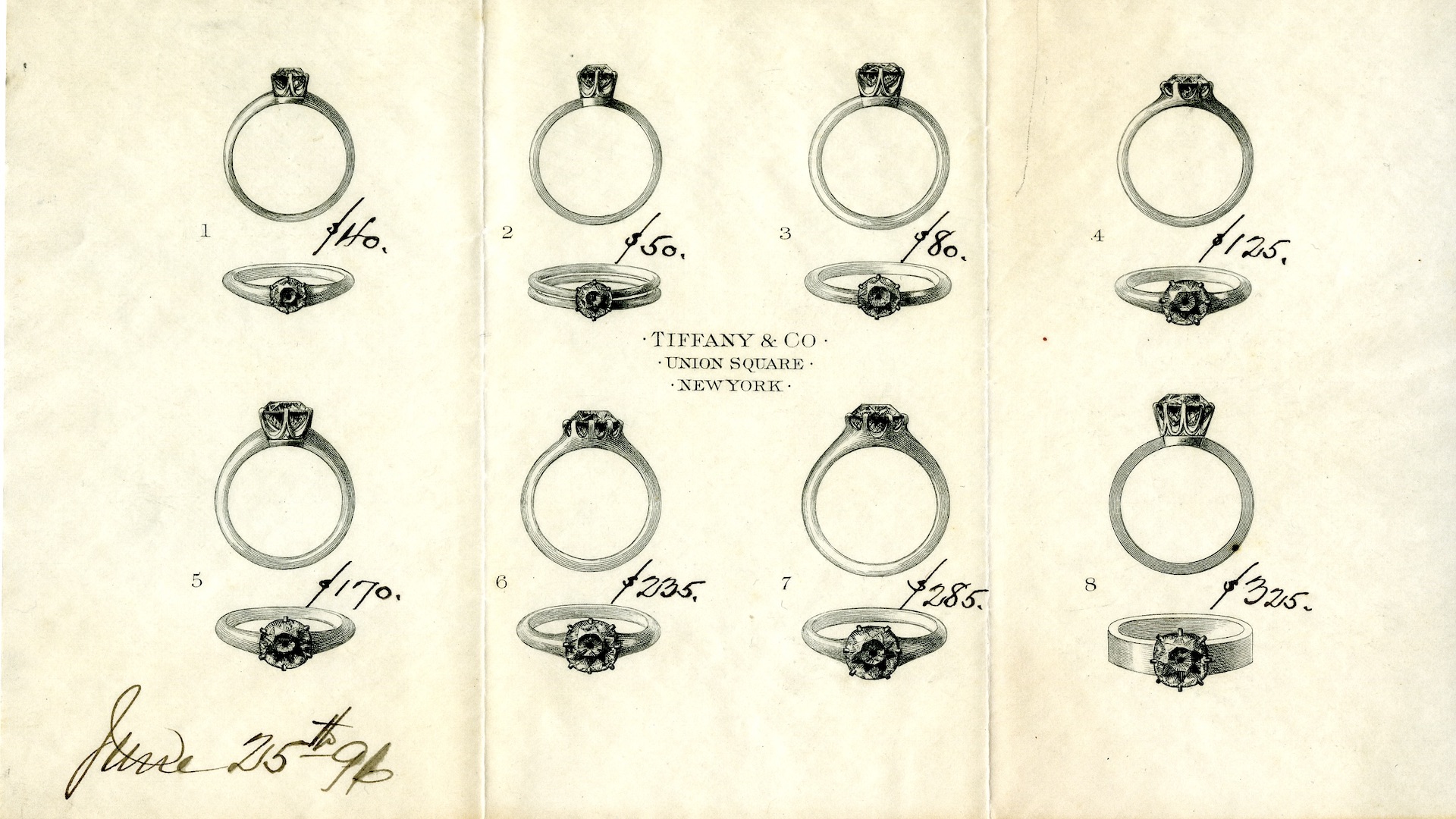
The classic Tiffany Setting, a solitaire style that was introduced in 1886 and has been capturing the hearts of brides ever since, is a great example of the power of prongs.

The simple design became iconic because of its six-prong setting, which lifts a single round brilliant diamond above a sleek band, making it look like it’s floating and taking the cut’s exceptional light performance to the next level.
Prong styles can also showcase a diamond’s shape. For example, when paired with claw prongs, elongated cuts like oval, pear, and marquise look “clean and elevated,” says Kothari. “Instead of rounding things off, the prongs follow the silhouette. They also almost disappear into the diamond, allowing the shape to feel more defined and elongated.”
Types of Prong Styles
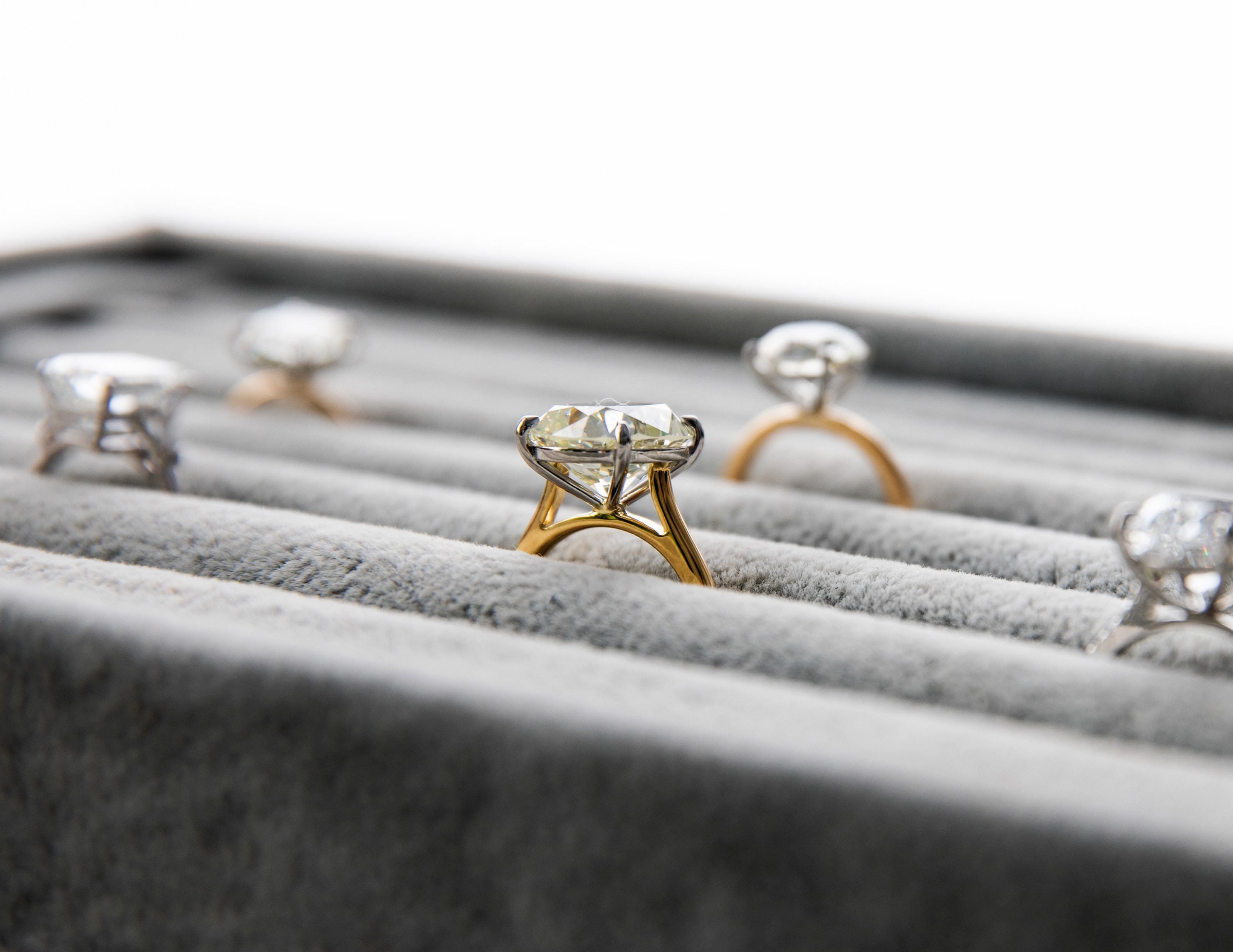
You’ll likely encounter a lot of round and claw prongs when looking at different settings, but there are other options out there. Below is an overview of different types of prong styles:
Round Prongs
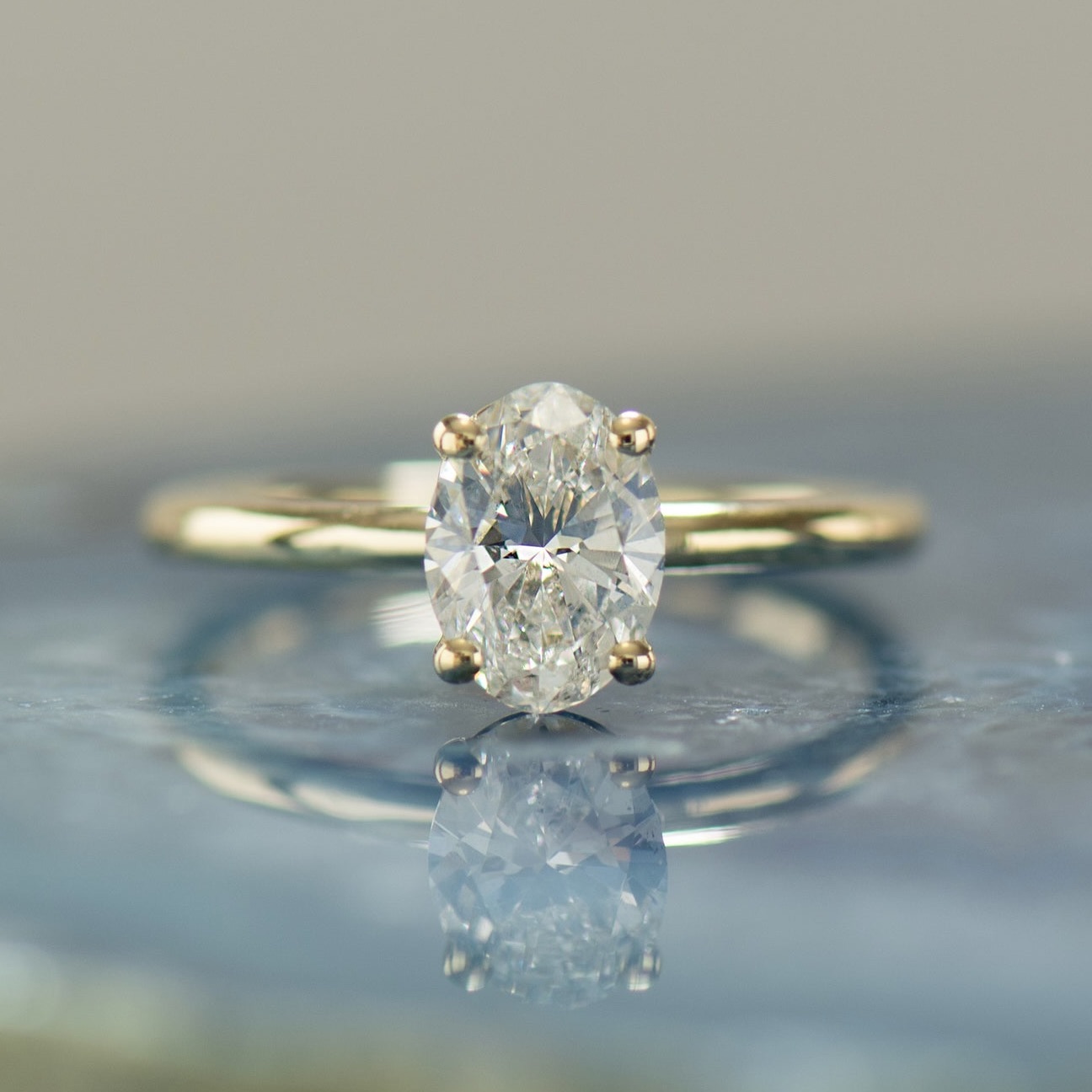
Rounded prongs, sometimes called button prongs, look like tiny beads or dots from above and lend a soft and classic look to a diamond ring. “They read as more traditional and slightly more understated,” says Ali Galgano, founder of Serpentine Jewels.
Pairing them with a round diamond shape, like a round brilliant or an Old European Cut, is an easy combination, since they enhance the stone’s roundness and fade into the background to let the diamond be the star of the show. From a practical standpoint, round prongs tend to be less likely to get snagged on clothes.
Claw Prongs
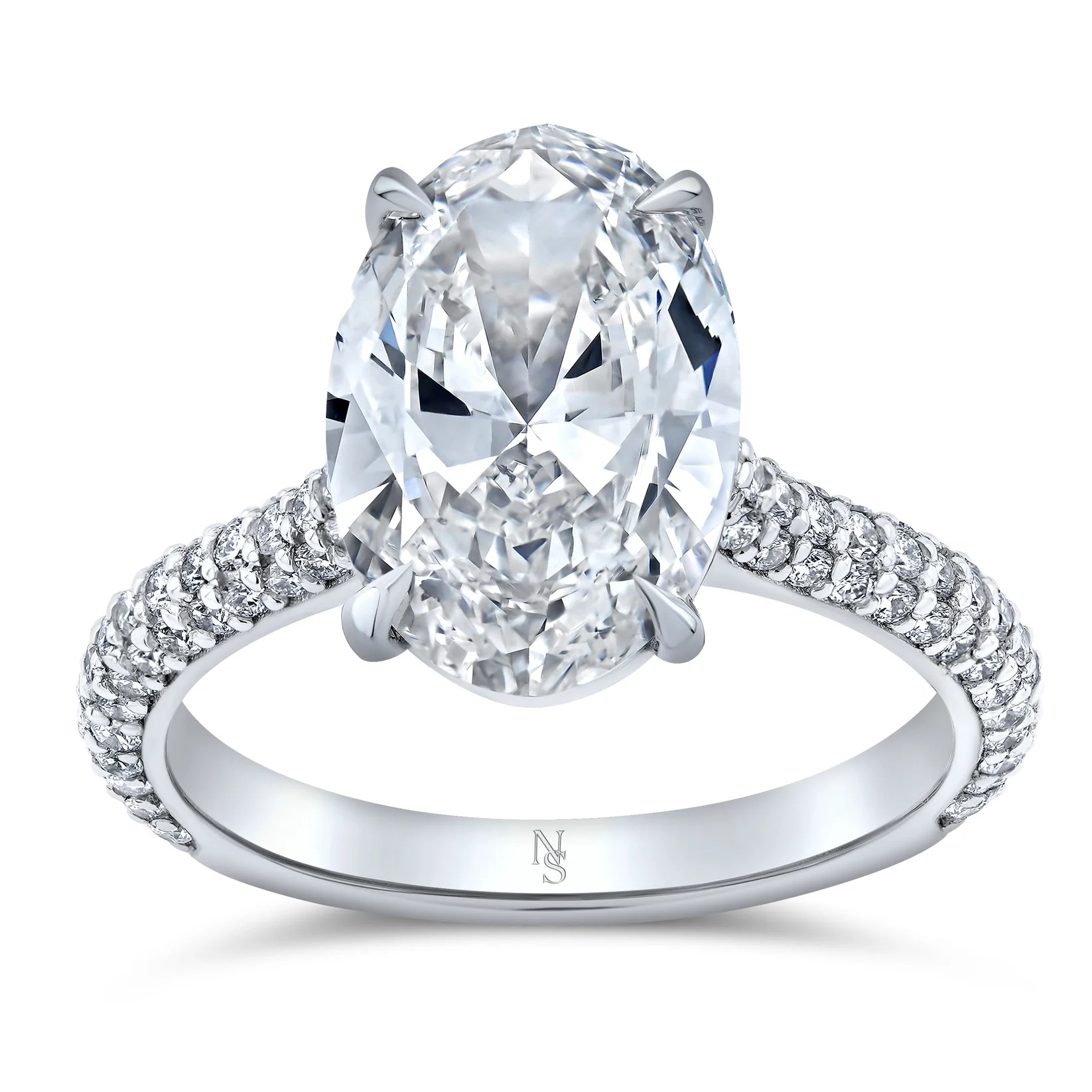
Claw prongs have sharp, tapered tips that grip the diamond in place. They offer more contrast and definition than rounded prongs and can also bring edge to both modern and vintage-leaning designs. They complement elongated diamond shapes and unique stones well.
“To be honest, we almost only use claw prongs. The shape of a claw complements unique diamonds in a way that feels intentional. It enhances the stone rather than interrupting it or taking away from the design,” says Kothari.
Because of their pointed shape, you need to pay particular attention to claw prongs being perfectly flush with the diamond. Even a tiny gap can make your ring more likely to get caught on fabrics or hair.
Double Claw Prongs
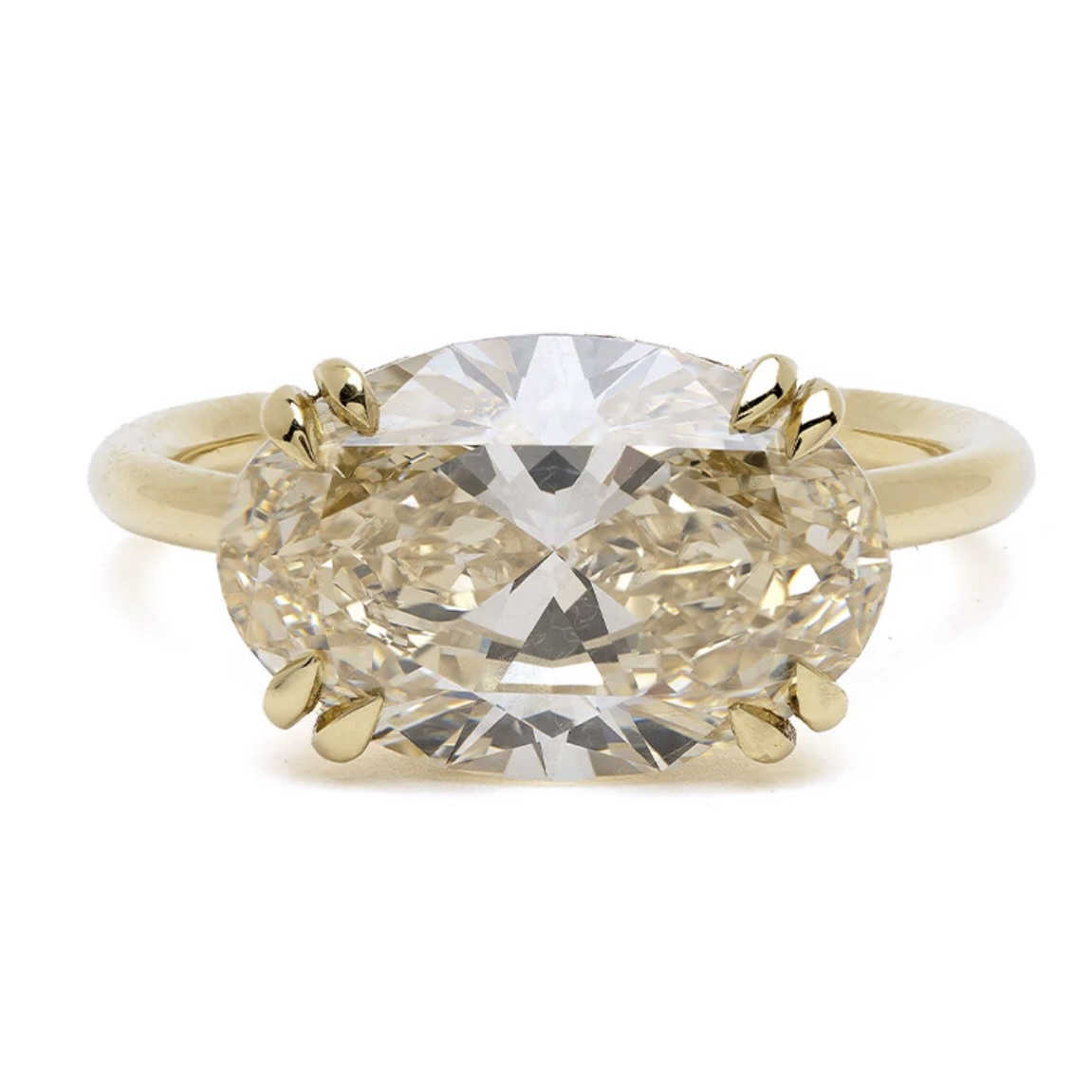
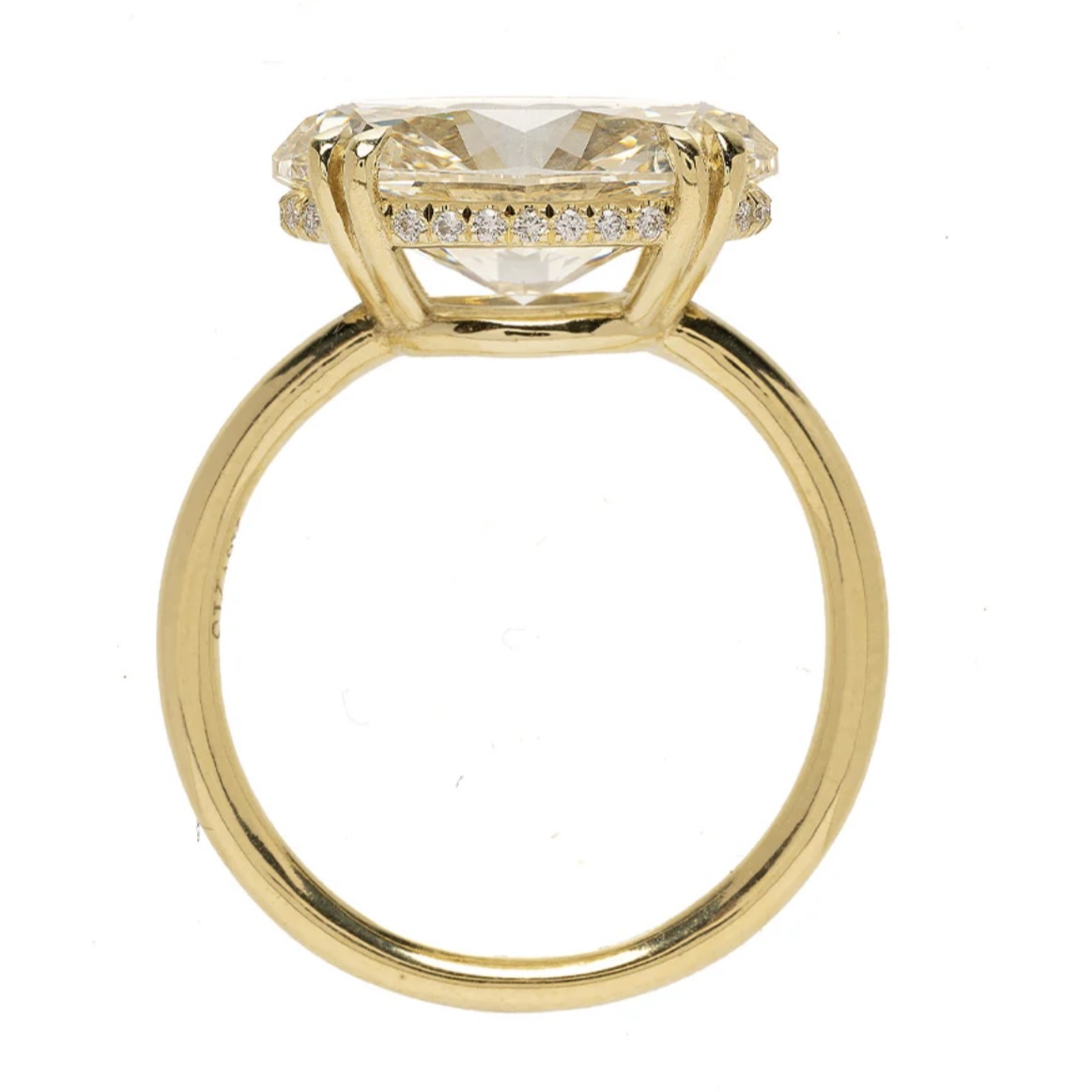
Double claw prongs add detail and a more intricate feel to a ring. This setting includes two claw prongs at each point or corner of a diamond, which can come in handy when securing larger stones. “Double claw prongs have definitely had a resurgence, especially among clients drawn to antique or vintage-inspired designs,” notes Galgano.
The style is more versatile than you may think. Imagine a princess-cut solitaire ring with double claw prongs on each corner of the diamond. It’s a minimalist, architectural, and modern look that brings out the square shape of the stone. Now picture an oval diamond set on a yellow gold band with white gold double-claw prongs. The result is softer and more romantic.
Flat Prongs
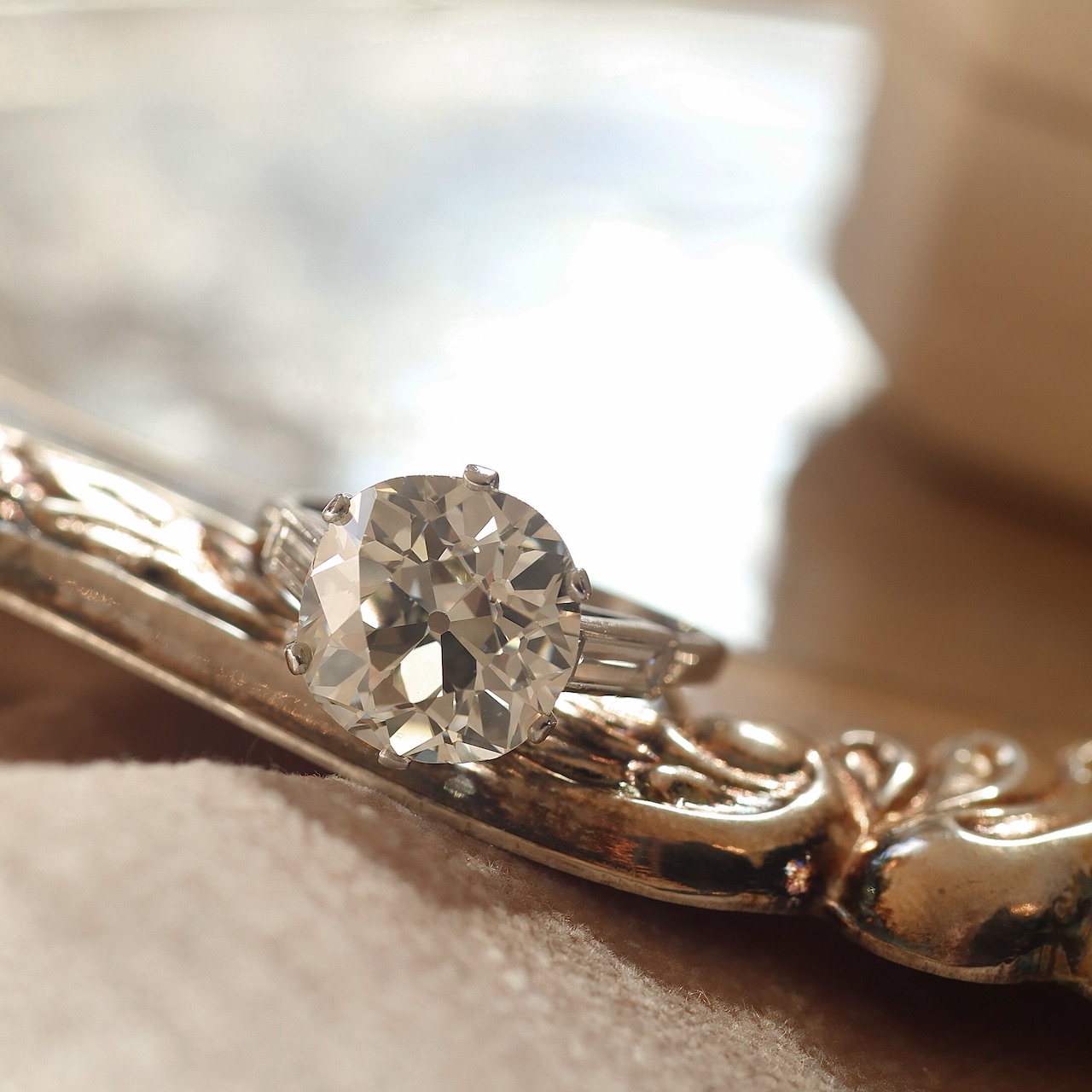
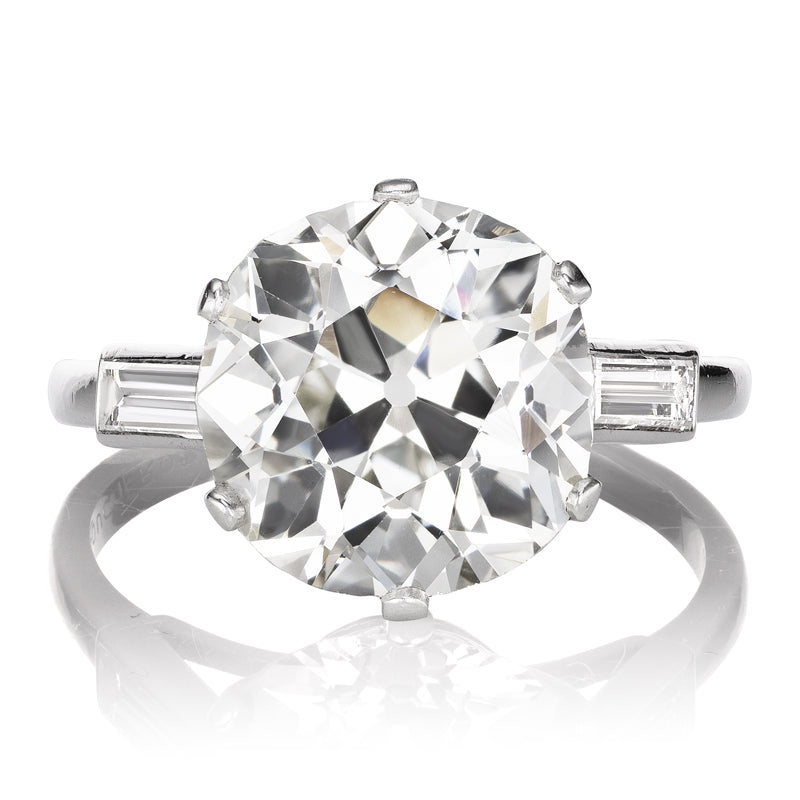
Flat prongs, sometimes called tab prongs, are seen a bit less often than round or claw prongs because they are wider and more visible. But more metal isn’t necessarily a bad thing if you work a hands-on job, for example.
With their flat, rectangular shape, these prongs fit well with lower-profile rings and offer an extra-secure fit. They can also enhance a geometric design – think, an Art Deco-inspired Asscher-cut flanked by baguette side stones.
V Prongs
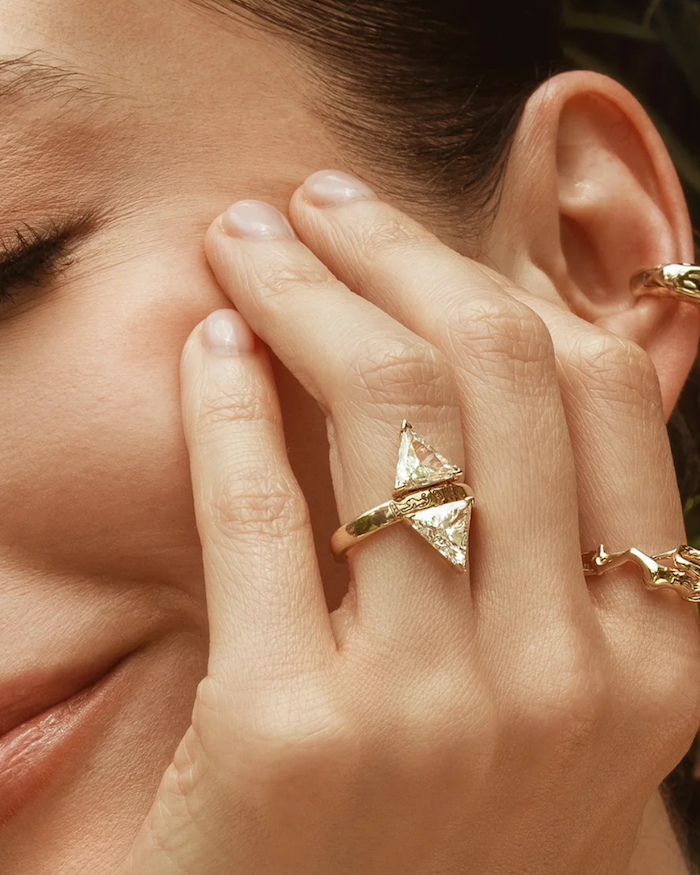
The V-prong (or V-tip) setting is often used to set princess, pear, and marquise diamonds. The prong’s edge is shaped like a V and hugs the corner or tip of the diamond.
You may see a pear-shaped stone with one claw prong on each side of its rounded part and a V-shaped prong on its tip. You may also see a princess cut with a V-shaped prong on each corner, or a marquise diamond with a V-shaped prong on each pointed end, along with additional prongs on its sides.
The idea of V prongs is to protect the corners or tips of a stone, but they impact its look too, making its lines look crisp and tailored.
Petite Prongs
If you want as little metal showing as possible, petite prongs may be a good choice for you, though they don’t offer as much protection as other styles and may require more care due to their delicate nature. Petite prongs can be round or claw-shaped and appeal to minimalist lovers who crave a simple, dainty setting.
They complement smaller diamonds, as they maximize how much of the stone shows and can make it appear brighter and larger. That said, using them with a large center stone isn’t the best idea, as there’s less metal to hold the diamond in place.
Claw Prongs vs Round Prongs: Which One Should You Choose?
It’s a common dilemma: claw prongs or round prongs? Each option brings something different to the table design-wise.
Claw prongs are more dramatic and shape-defining, whether they complement an edgy, gothic-inspired engagement ring or enhance the romantic appeal of a vintage marquise diamond set on a slender band. On the other hand, round prongs offer a softer, more subtle finish that will never go out of style, and they complement round diamond shapes seamlessly.
There’s no right or wrong answer. It’s a personal choice, and it depends on what you’re drawn to and what kind of natural diamond you’re working with.
Four-Prong Versus Six-Prong Setting
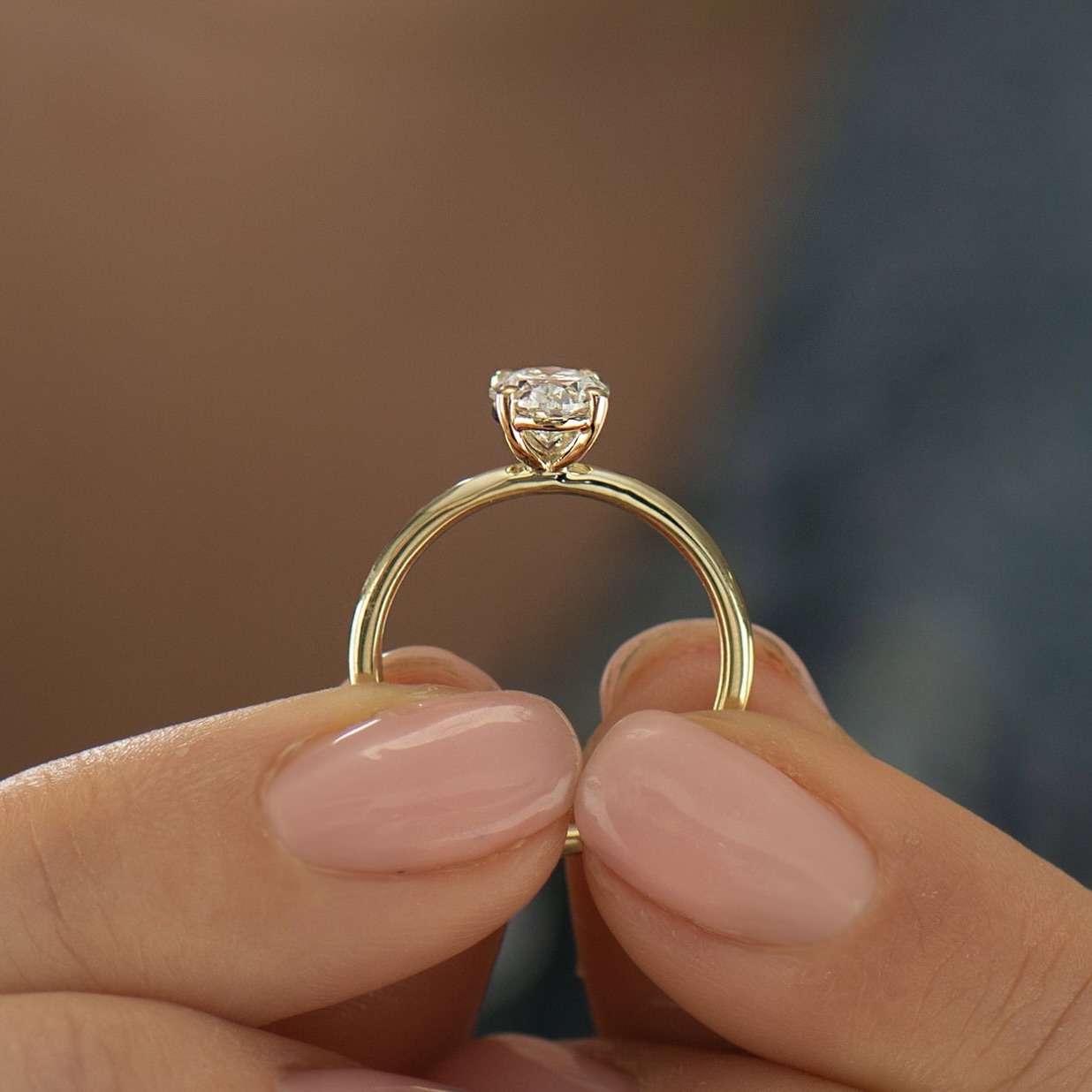
Those looking for a solitaire ring may find themselves comparing four-prong versus six-prong settings. Is one more durable than the other? Which one will look better? “Both are beautiful. It comes down to whether you prefer a more minimal, airy look or something with a bit more structure and tradition,” says Galgano.
If your heart is set on a six-prong engagement ring, it’s a wonderful choice, but keep in mind that smaller diamonds may be overpowered by all the prongs. On the other hand, while four prongs show off a bit more of the center stone, they don’t hold a diamond as securely in place as six prongs.
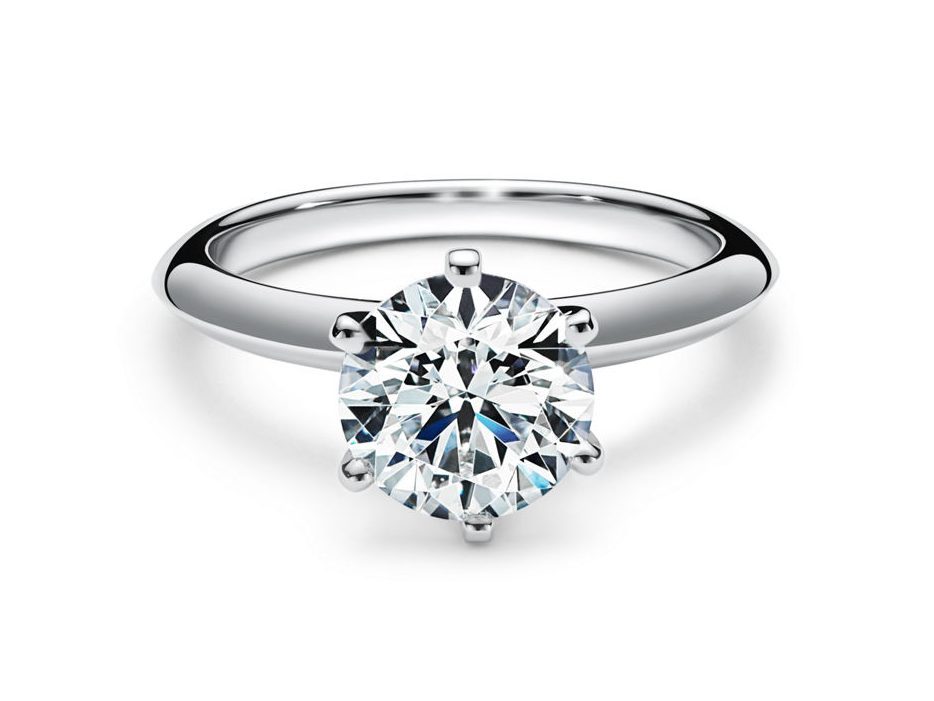
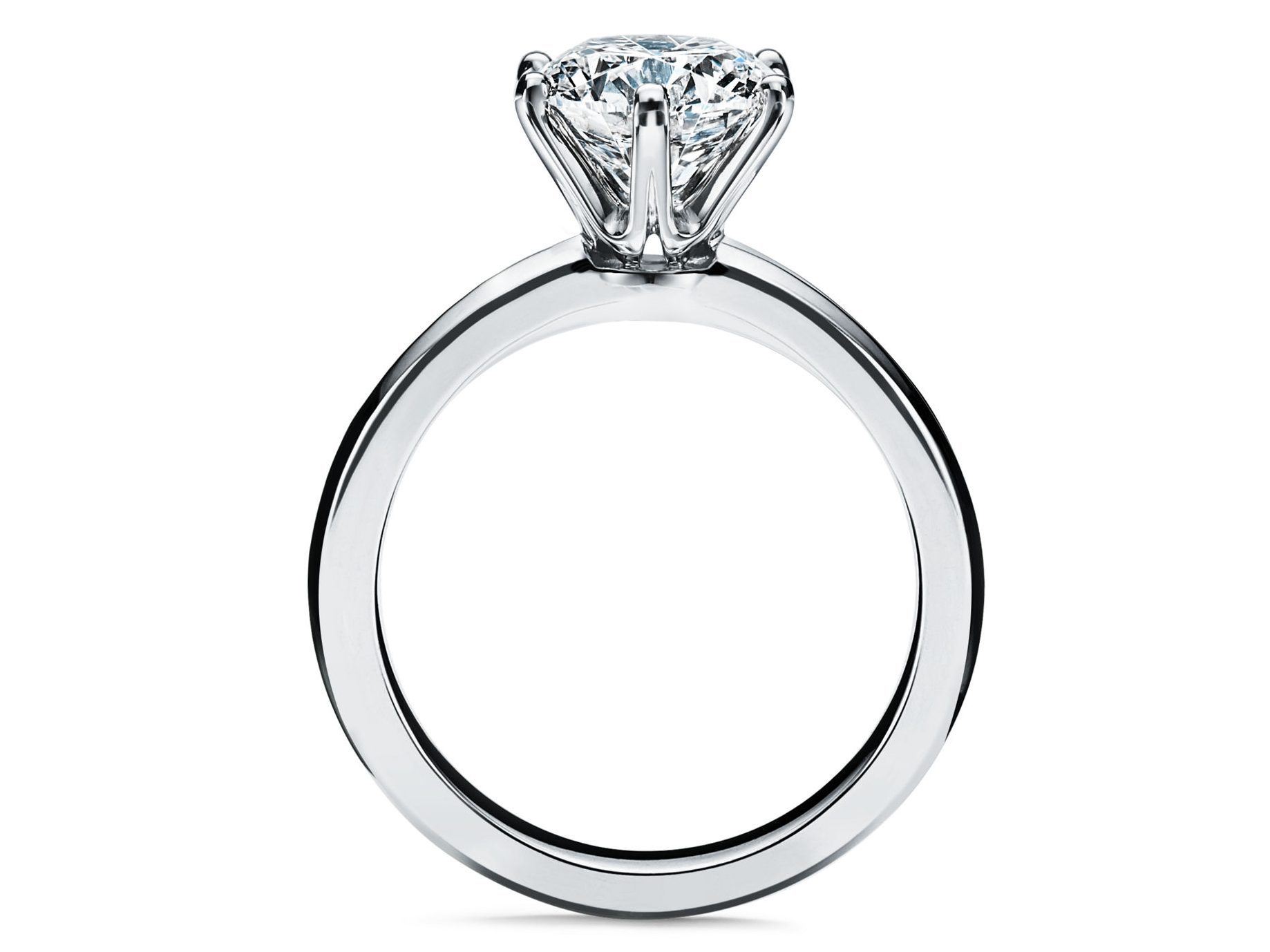
When one of the prongs is compromised in a four-prong setting, the diamond could potentially fall out, but with a six-prong setting, it’s more likely to remain in place. In the case of a larger oval diamond, for instance, a six-prong setting may offer more peace of mind.
In terms of look, a four-prong setting can emphasize square and rectangular-shaped diamonds, so it may be a good choice for princess, cushion, and Asscher cuts, while a six-prong setting brings out the beauty of round shapes.
How to Choose the Right Prong Setting for an Engagement Ring
If you’re still unsure about the right prong setting for your engagement ring, take a step back and start with the diamond, suggests Kothari.
“The prongs should always support the stone, not compete with it,” she says, adding that proportion is everything. “Too thick can feel heavy, too thin can feel fragile.”
With a classic round brilliant solitaire, round prongs may be the way to go for a timeless look, while an elongated diamond shape may call for claw prongs. If you’re a minimalist at heart, you may settle for a petite ring with petite prongs to match.
There are plenty of options to choose from based on your taste and personal style, but if it feels like the prongs are “fighting against” the natural shape of the diamond, as Kothari puts it, the setting may not be the right fit.
Remember that when you’re investing in a gorgeous natural diamond, you want to make sure it’s securely held in place. Four dainty prongs may not be the best choice for a large stone, even if you love the way the setting shows off its sparkle. Find a trusted jeweler who can guide you and has the know-how and craftsmanship to elevate – and protect – your diamond.