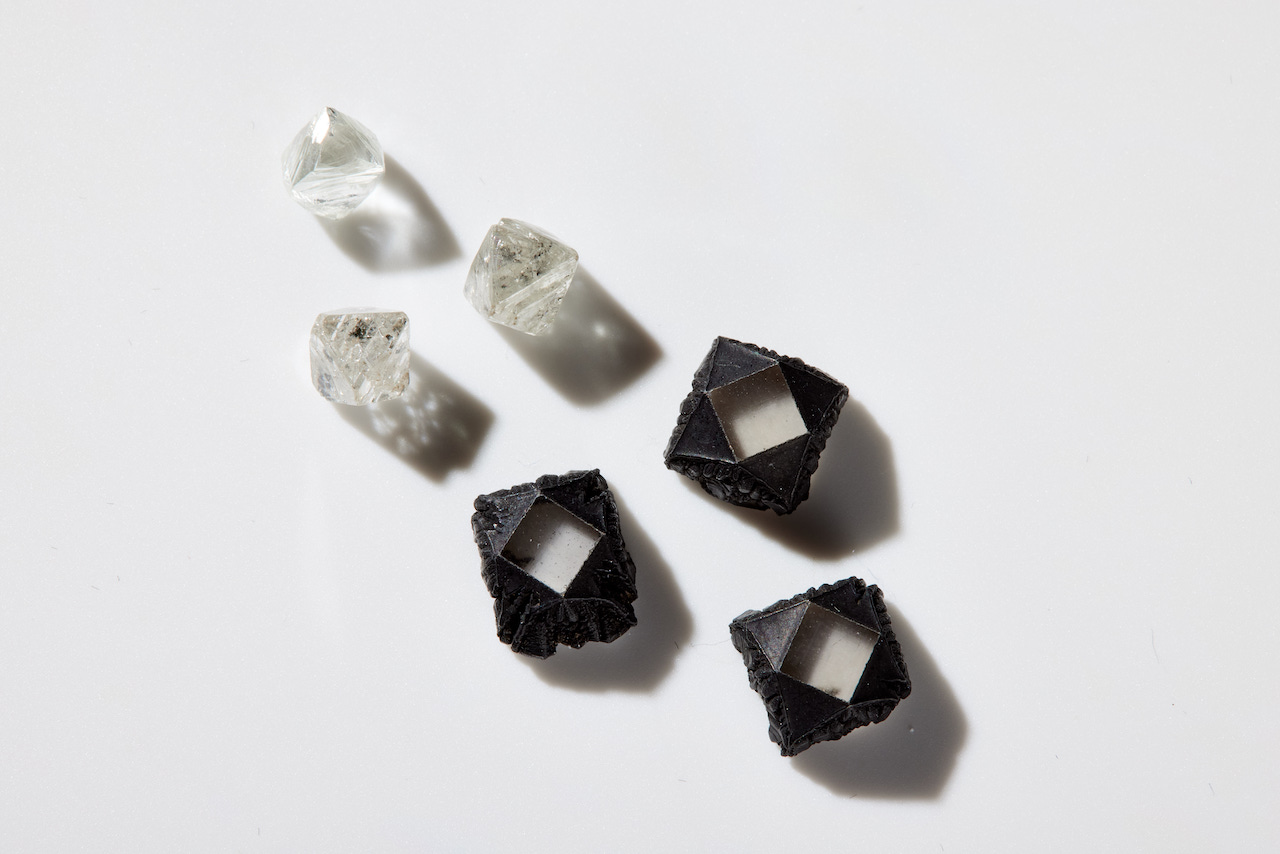

Perfectly Imperfect Engagement Rings: Inspired by the Natural World
How a climate scientist found a natural and imperfect engagement ring that reflected her love of the planet.
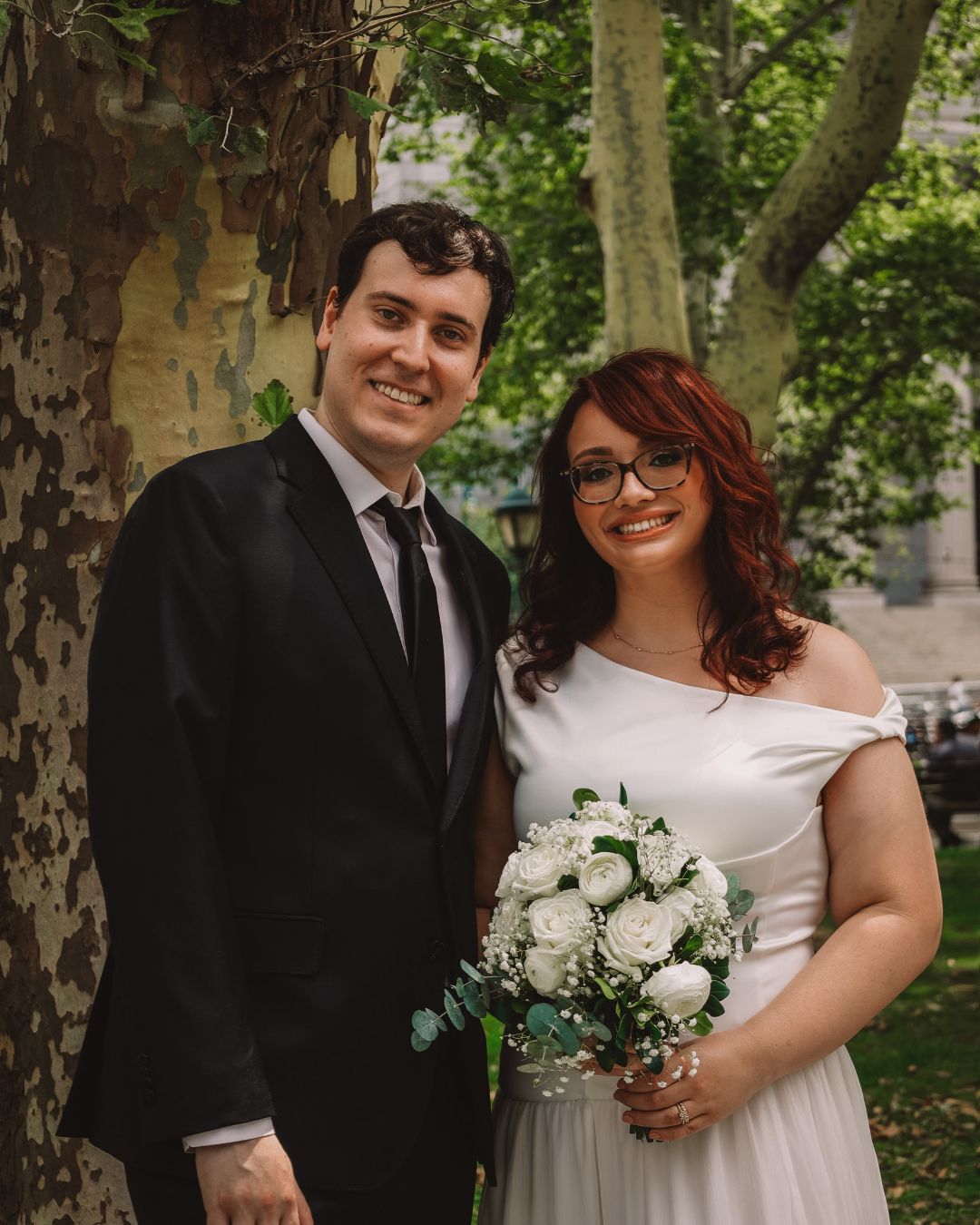
Mr. Noah Selter and Dr. Christina Torres on their wedding day. (Photo by Maddy Kasperski and Lauren Kasperski)
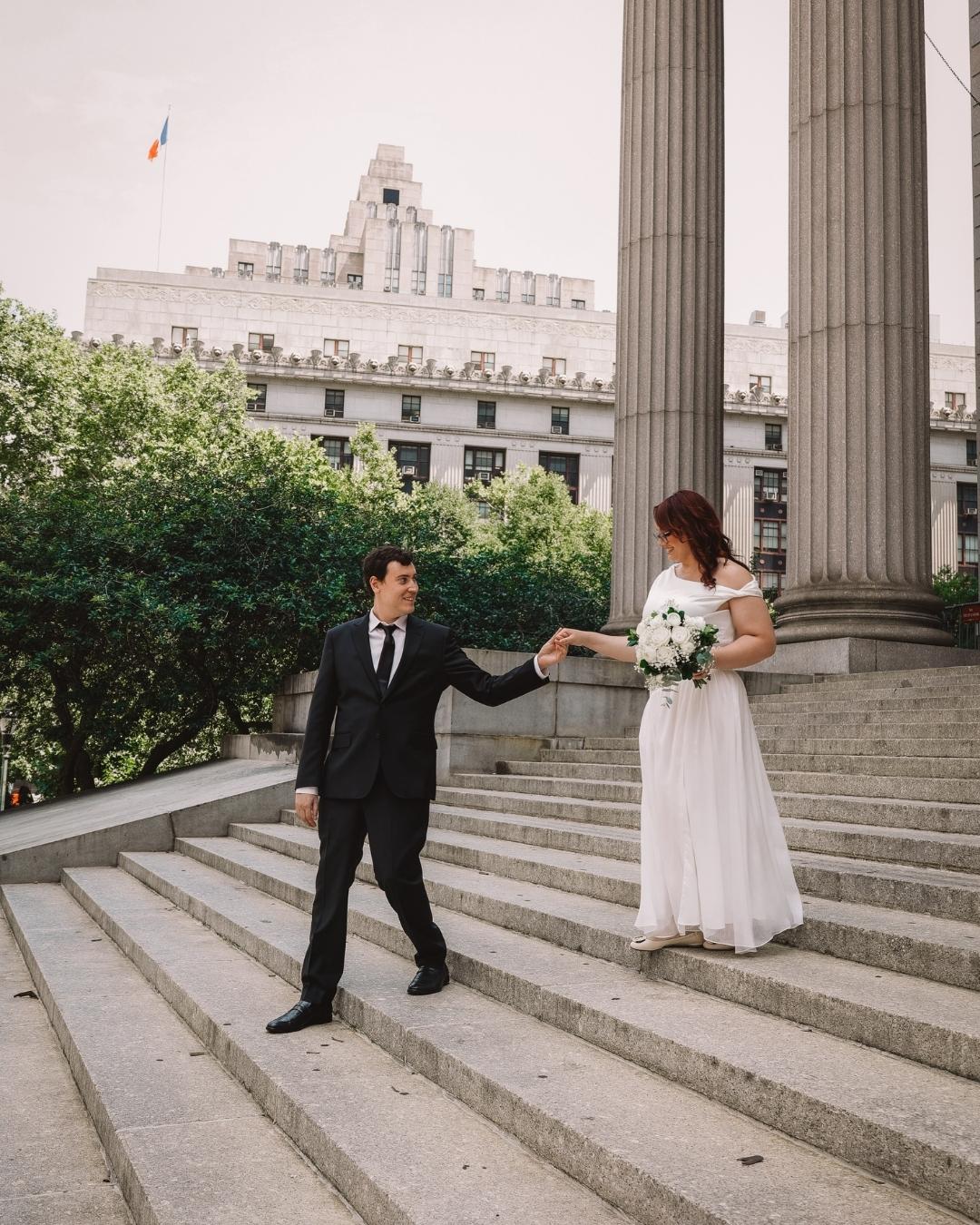
For some New Yorkers, the dream wedding involves a ballroom and princess gown. For Christina Torres, it was much more quintessentially New York: a service at City Hall, followed by lunch at Delmonico’s downtown with immediate family.
For the born-and-bred New Yorker, it’s simple, intimate, and entirely her. Finding the engagement ring, however, turned into a bigger adventure.
A climate scientist with a Ph.D. in science education, Torres wasn’t shopping by carat weight, sparkle, or trends. She wanted something that represented the way she sees the world—a perfectly imperfect engagement ring.
“I wanted a ring that reflected by my passion for sustainability and the natural world,” says Torres, 30. “And it had to be a natural diamond. Among my generation and peers, everybody wants a real diamond.”
Meet the Experts

Christina Gandia-Gambale is a co-owner of Greenwich St Jewelers. She worked in finance and honed her skills at other fine jewelry brands before becoming a GIA-certified gemologist. She brings precision and an eye for detail to everything she does.

Ruth Tomlinson is a British fine jewellery designer. A graduate of London’s prestigious Royal College of Art, Ruth established the brand in 2001 and continues to investigate the unpredictable and push boundaries of perceived preciousness in her critically acclaimed jewellery collections.
Looking for the Engagement Ring With Your Love Story
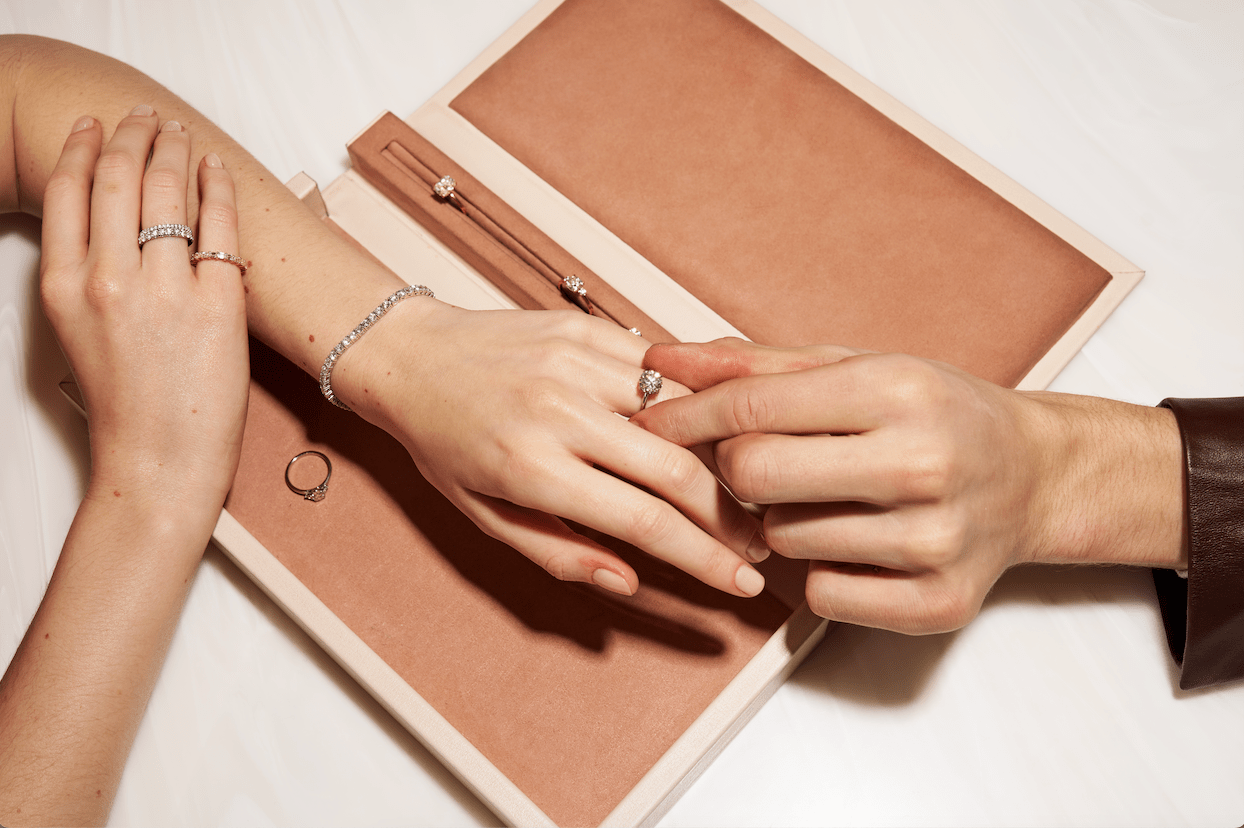
When Torres and I (her future mother-in-law) began talking about engagement rings, I knew Greenwich St. Jewelers in Tribeca was a good starting place. The second-generation jeweler, headed by sisters Jennifer Gandia and Christina Gandia-Gambale, built a reputation for championing independent designers whose pieces have something to say. They also make custom commissions in their in-house workshop. Their philosophy isn’t simply to help clients find a ring they love, but one that feels deeply personal.
Before a couple comes into the store, they typically fill out a questionnaire that explores everything from jewelry preferences to daily lifestyle.
“What kind of jewelry do they wear every day?” says Gandia-Gambale. “Are they more minimal, more expressive, more classic, more unexpected? We also talk about lifestyle because their ring should not only look beautiful, but it must be practical to live in.”
Before Torres came in, they learned that she wasn’t necessarily interested in a classic solitaire. She was drawn to natural textures, unusual stones like salt-and-pepper diamonds, and designs that felt organic rather than polished. One designer immediately came to mind was British jeweler Ruth Tomlinson.
Why An Imperfect Engagement Ring Feels Natural
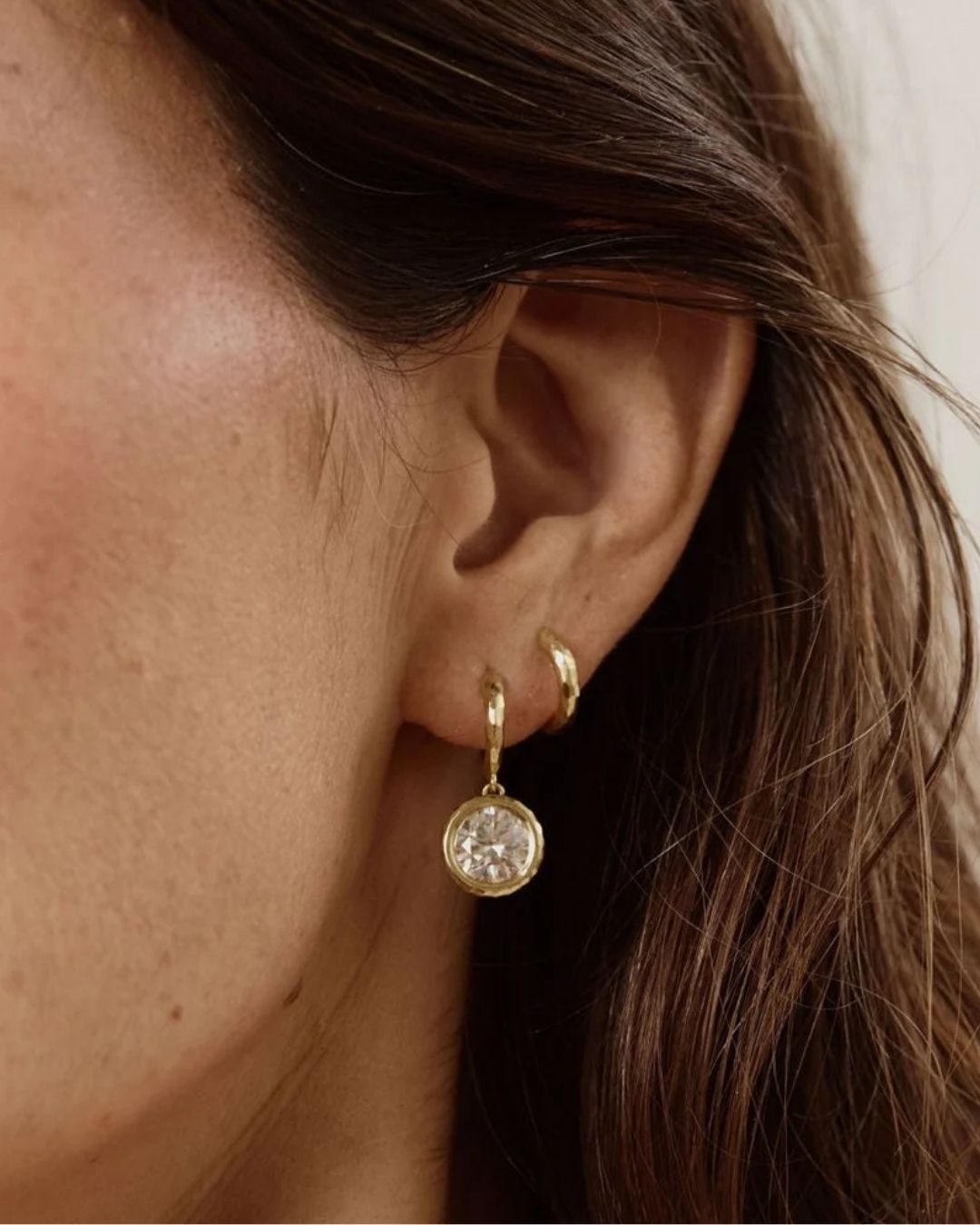
Tomlinson’s hand-forged rings are inspired by the natural world—the seashore, forests, and weathered stones.
“Ruth prioritizes antique, recycled, and unusual stones, and her work reflects a deep respect for Mother Nature,” says Gandia-Gambale. “Many of her designs are inspired by beachcombing and the feeling of discovering treasures washed ashore.”
For someone who studies the natural world and environment for a living, the connection was immediate.
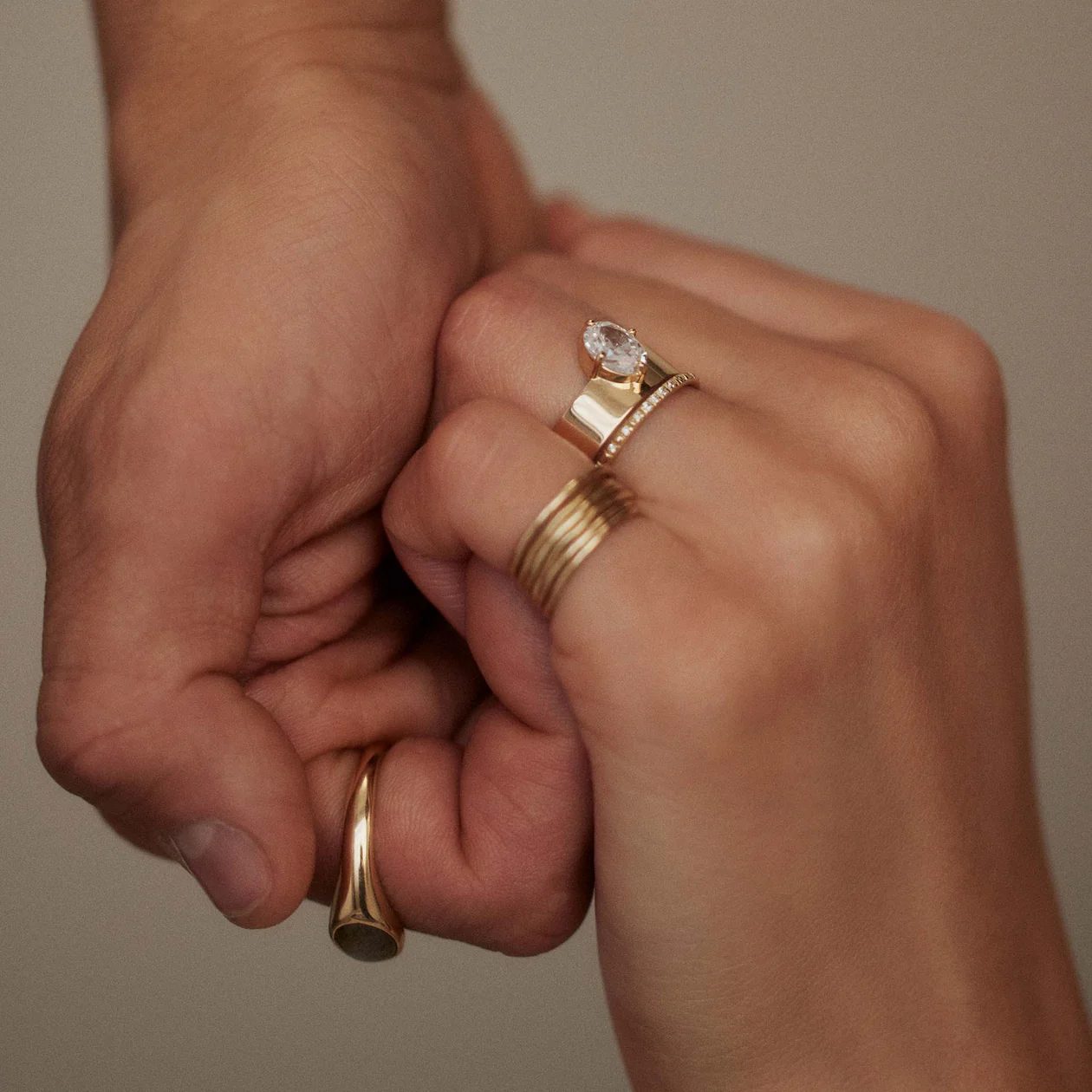
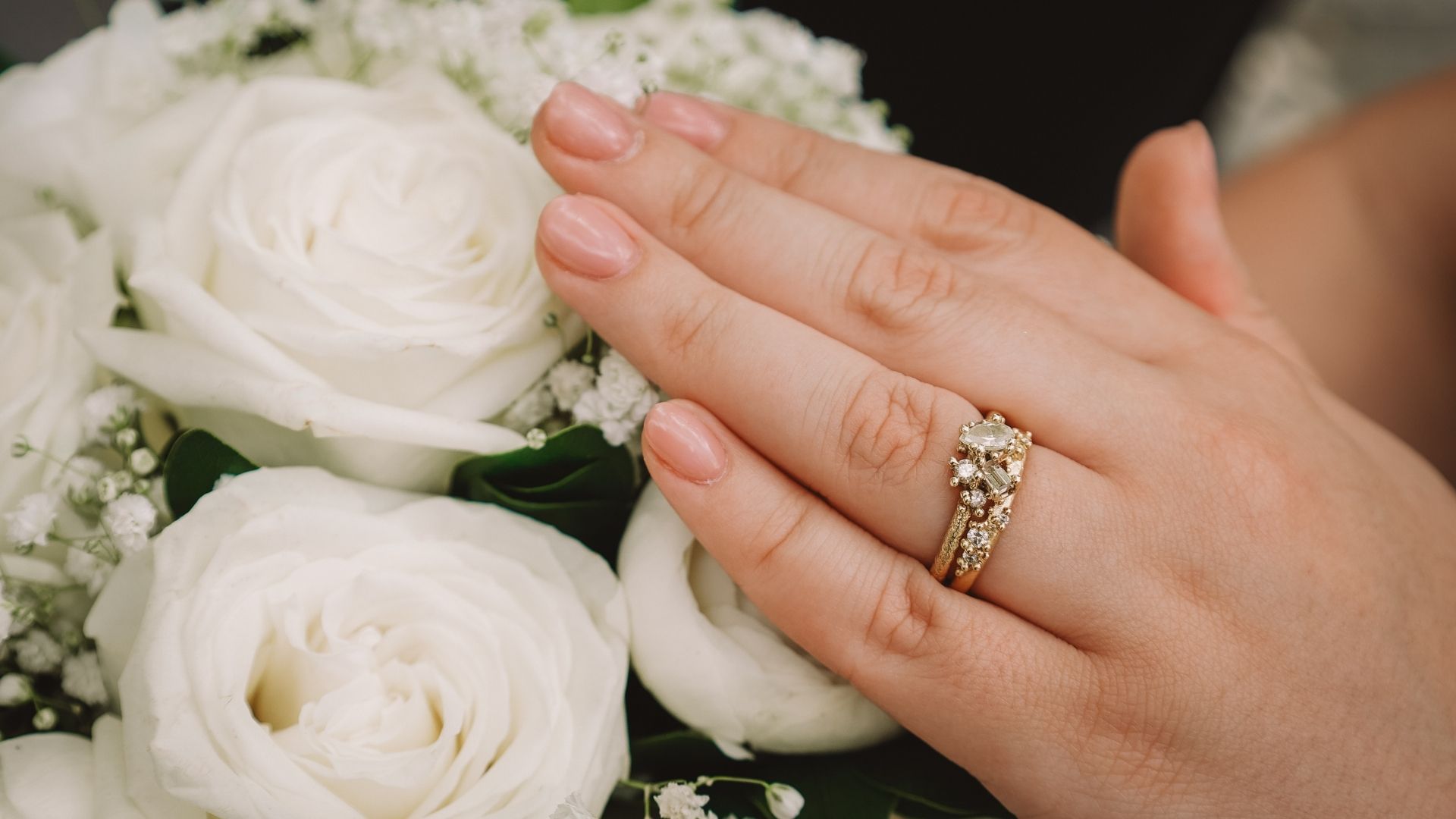
“It was awe-inspiring to see that craft up close,” Torres says. She tried on several of Tomlinson’s rings and chose a design with varying shaped diamonds in warm shades ranging from whites to champagnes to yellows nestled in a textured gold ring.
“The ring really captured my own feelings on the natural world,” Torres says, “the warmth and beauty that I love in nature.”
When the Right Engagement Ring Just Clicks
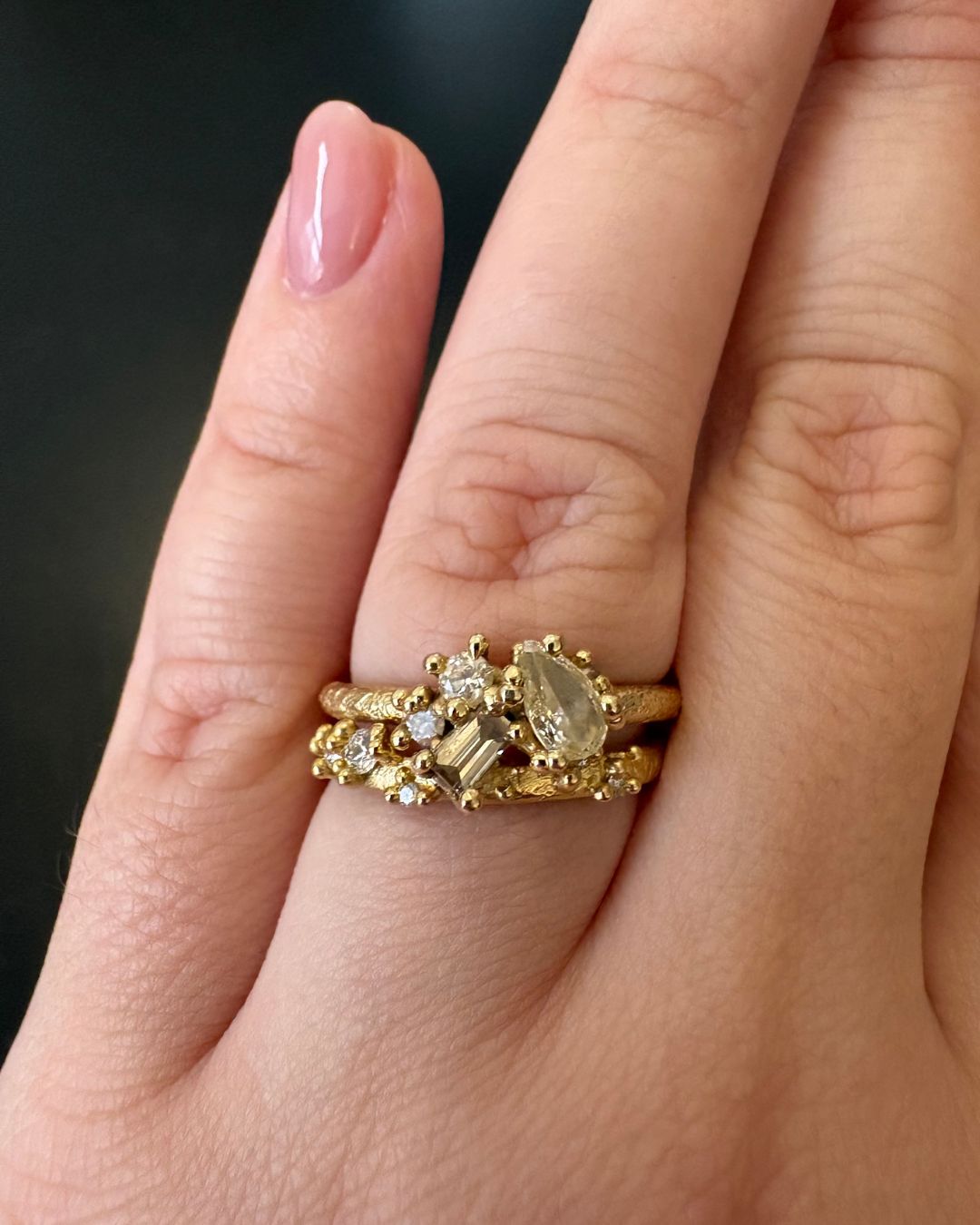
She chose a wedding band that completed the story. “It reminded me of coral,” she says. “It’s beautifully textured with little nodules of gold that are surrounded by diamonds. It reminds me of the polyps that you’ll see on different types of coral reefs and natural rock formations.”
“Christina could appreciate not only the beauty of the design, but the thoughtfulness behind it,” Gandia says. “That kind of alignment is what makes a ring yours—because it carries a story, shared values, and a deeper meaning that will always resonate with you.”
Torres is among a growing number of people looking for jewelry that truly aligns with their values.
“An engagement ring becomes part of your everyday life and your personal story, so the attachment should go beyond how it looks on the hand,” says Gandia. “When a client feels connected to the designer, their materials, their process, or their inspiration, the ring carries so much more meaning.”
Jewels That Grow From Nature
For Tomlinson, the most satisfying part of the job is connecting with clients who appreciate and understand her vision.
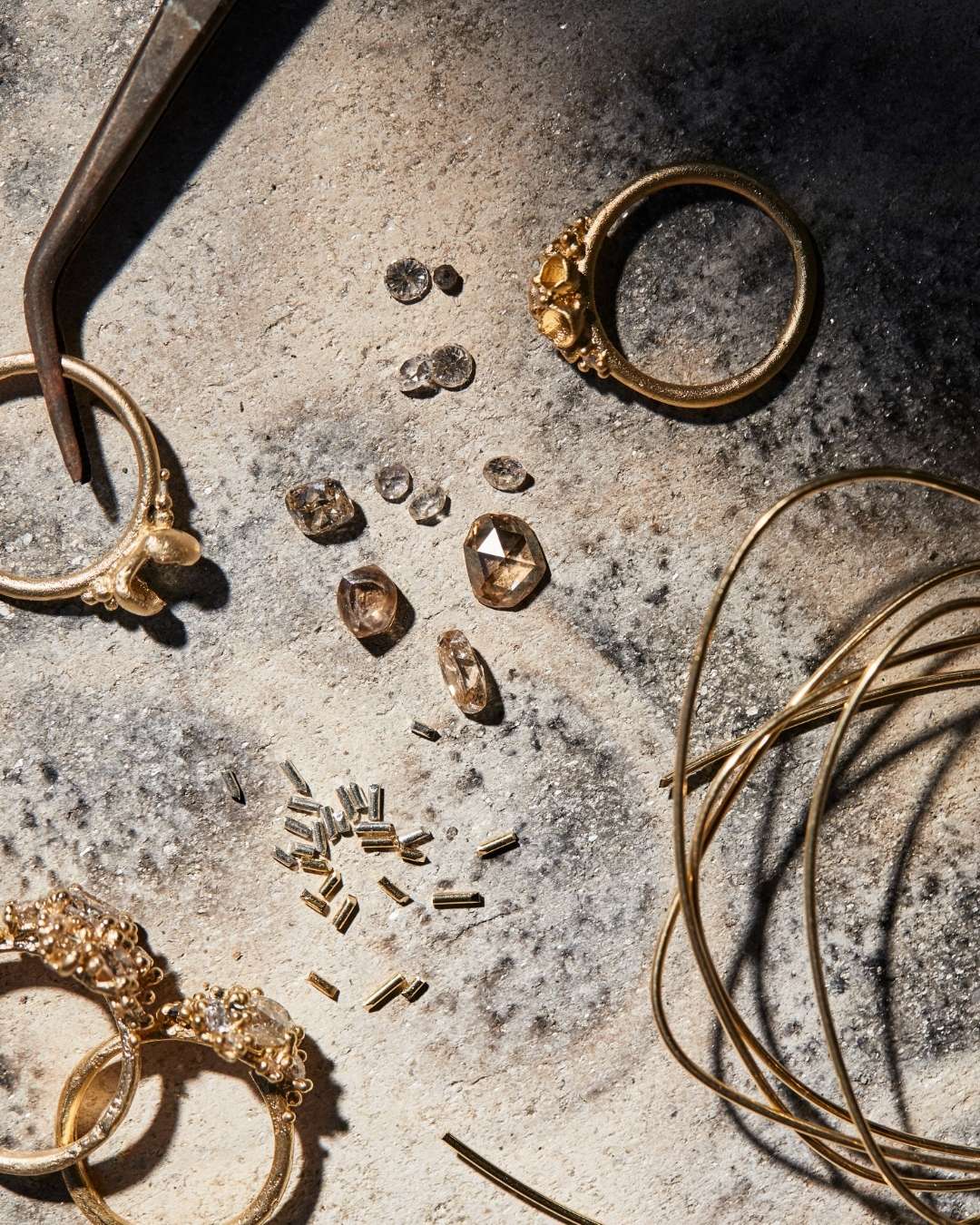
“I try to capture an essence of nature within the jewels, evoking a feeling of growth, wonder or discovery,” Tomlinson says. “I want each piece to feel as though it has evolved naturally, with the notion of gemstones and gold forming together over time.”
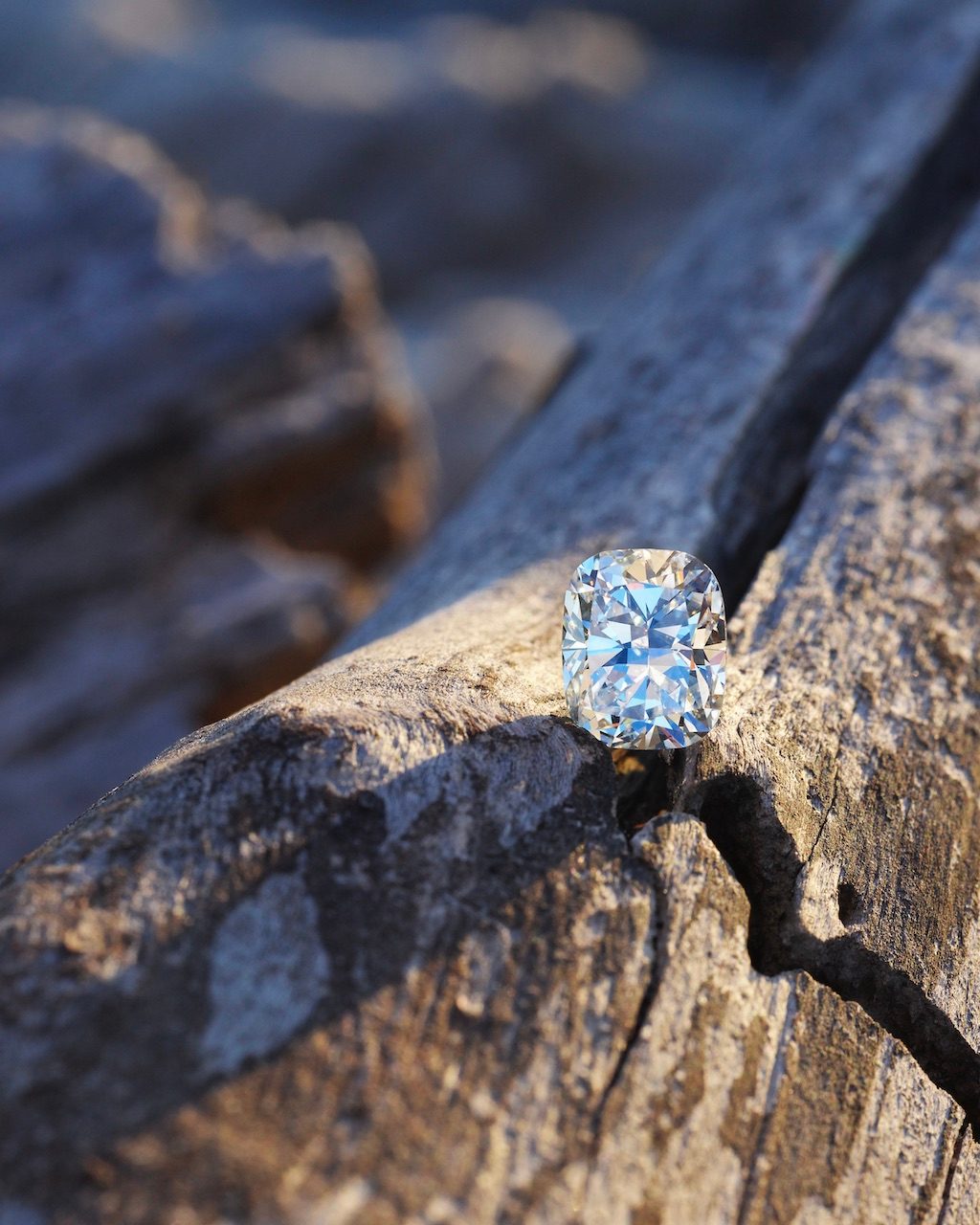
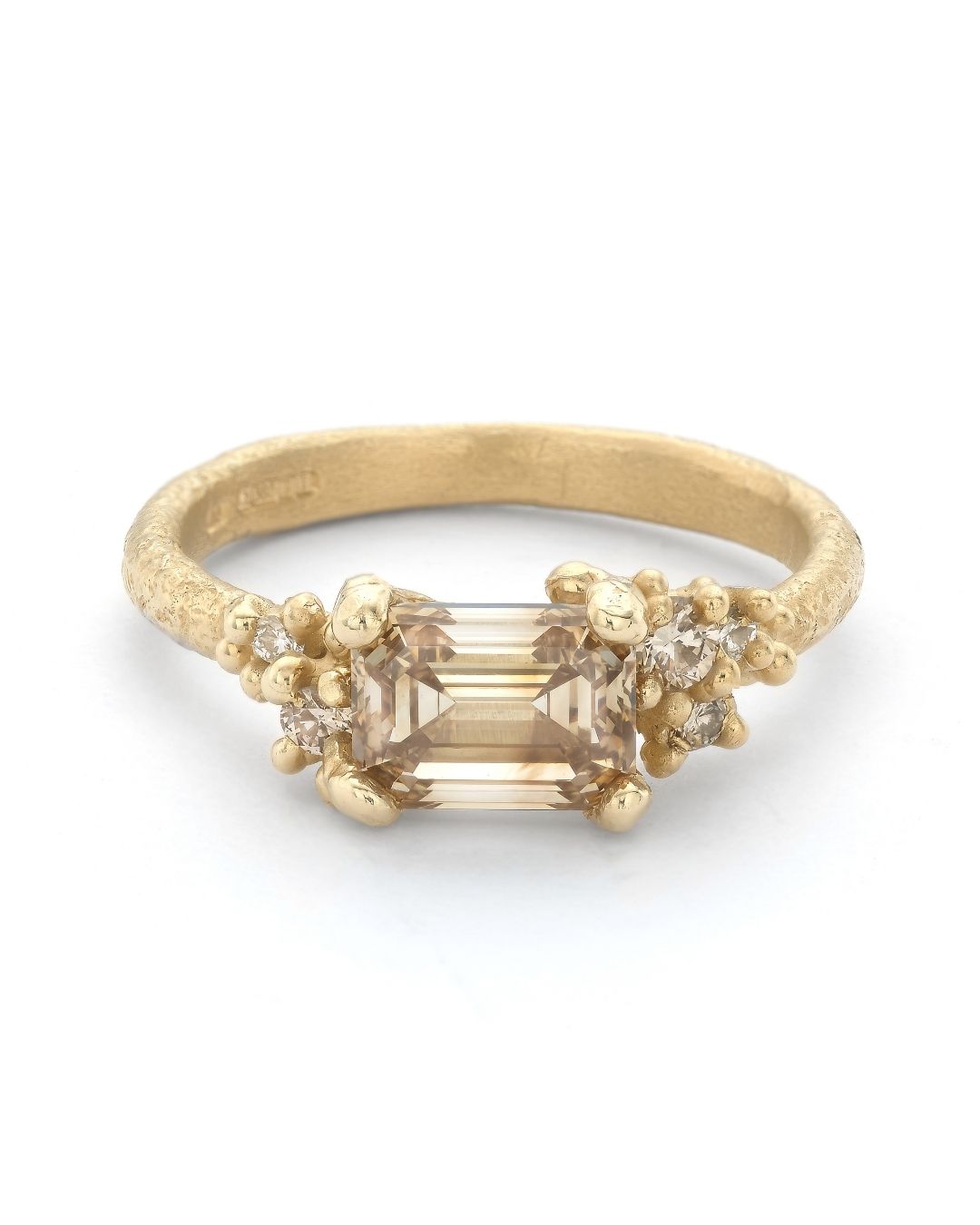
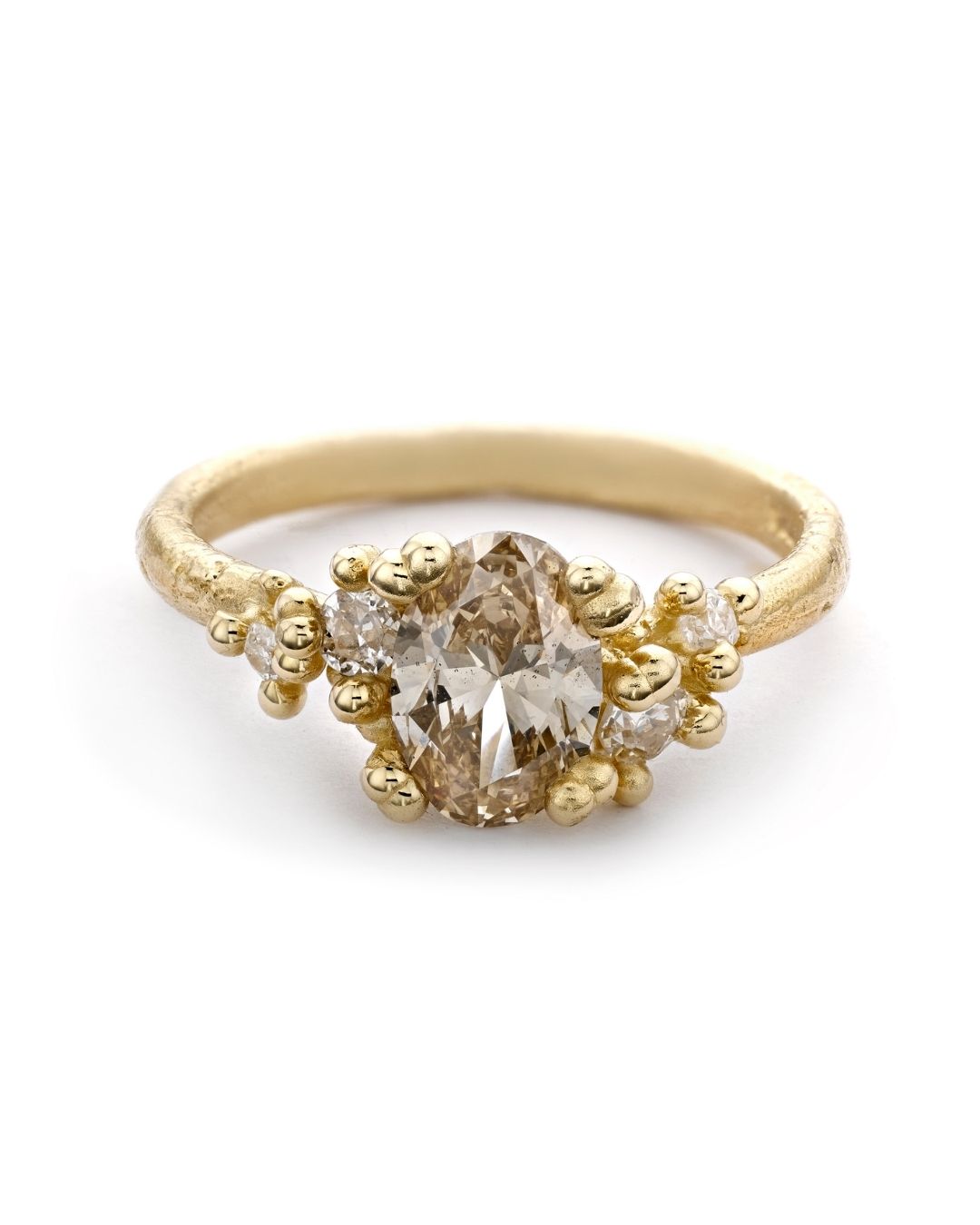
She’s drawn to stones with warmth and individuality rather than flawless colorless diamonds – soft champagnes, pale yellows, rich cognacs, subtle grays, and rough diamonds whose softly weathered surfaces resemble river pebbles more than traditional faceted gems.
“I’ve always questioned the perception of preciousness through my work, and raw gemstones are perfect for this,” she says. “They aren’t flashy or discernible, so only the wearer may know its story and be aware of its uniquely precious nature.”
Her distinctive approach has earned her museum recognition. One of the first designs, a 2-carat rough champagne diamond ring, is part of the Victoria & Albert Museum’s permanent jewelry collection in London.
Teaching Sustainability Through Jewelry
Beyond the beauty of her ring, Torres is particularly interested in the ring’s environmental footprint.
As someone who teaches about ecology and environmental issues at the Fashion Institute of Technology, she encourages her students to look beyond the surface and marketing buzzwords.
“When we ask questions around the environment and sustainability, we need to think about it through a systems-level lens,” she explained. “It’s not just about the environmental impact. It’s the impact on the global communities where the materials are sourced and how those livelihoods are supported.”
Knowing Tomlinson works with responsibly sourced materials and recycled gold made the ring mean even more.
It’s even become a teaching tool. “I firmly believe that you can pursue any career and do it through the lens of sustainability,” Torres says. “For my jewelry-designing students, I show them this ring as an amazing example of beautiful design that celebrates the natural world in a thoughtful, sustainable way.”
In the end, Torres found more than an engagement ring. She found a piece of jewelry that mirrors the world she has dedicated her career to protecting—beautiful not because it’s perfect, but because it’s authentic.