

Diamond Colors Decoded:
The Science of Colored Diamonds
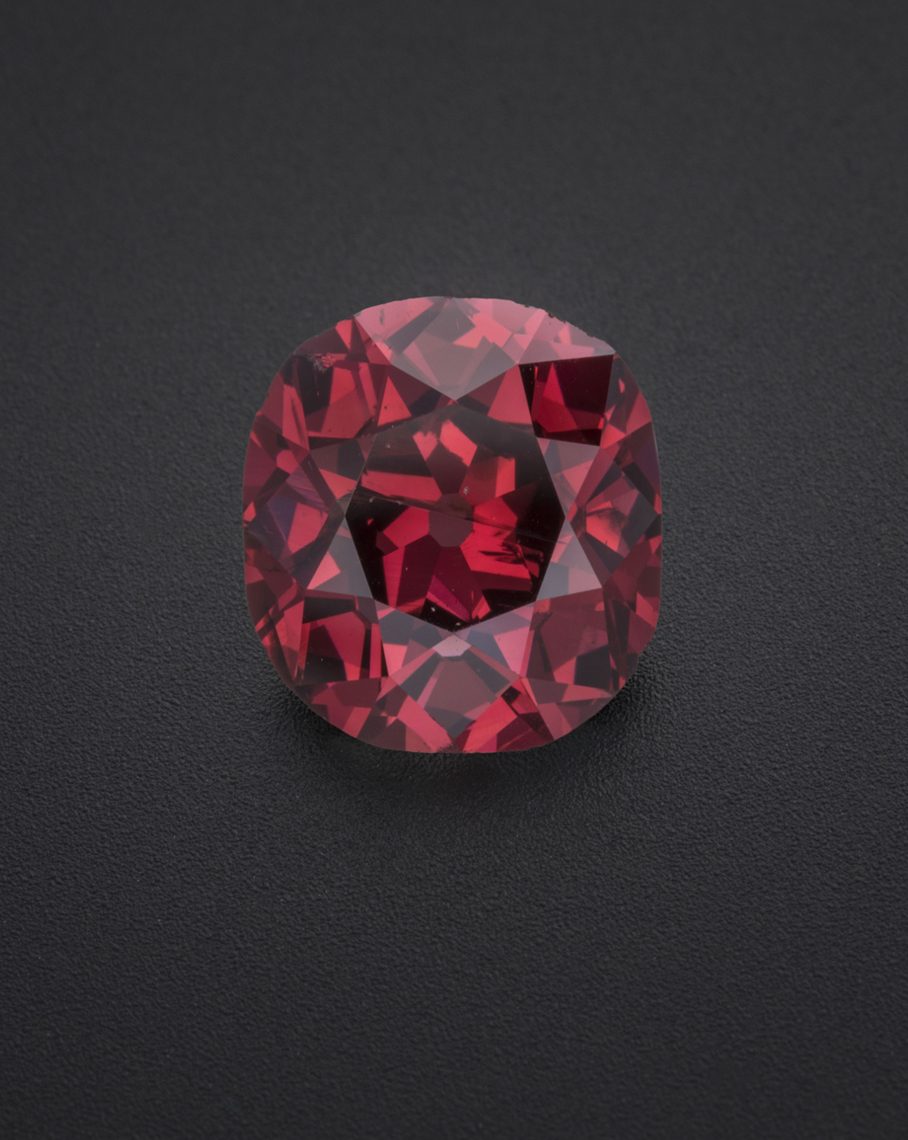
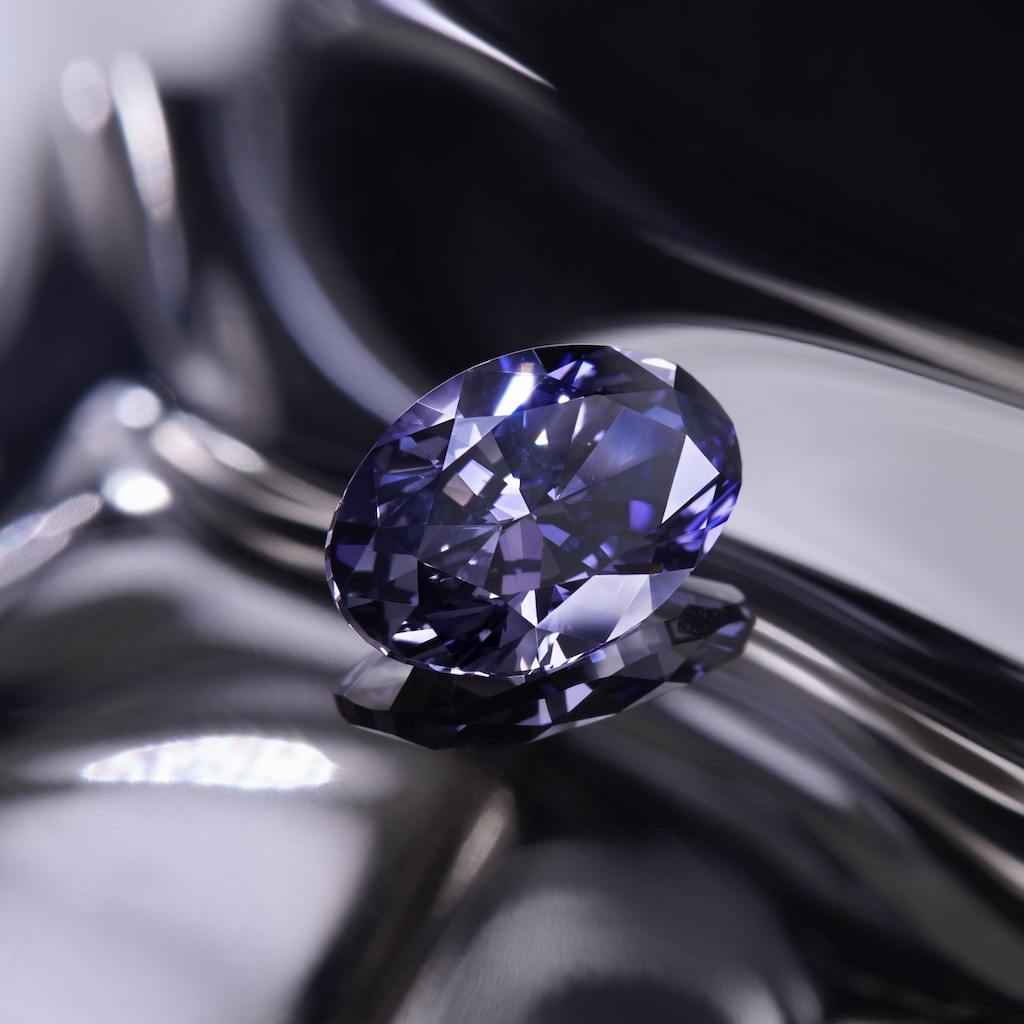
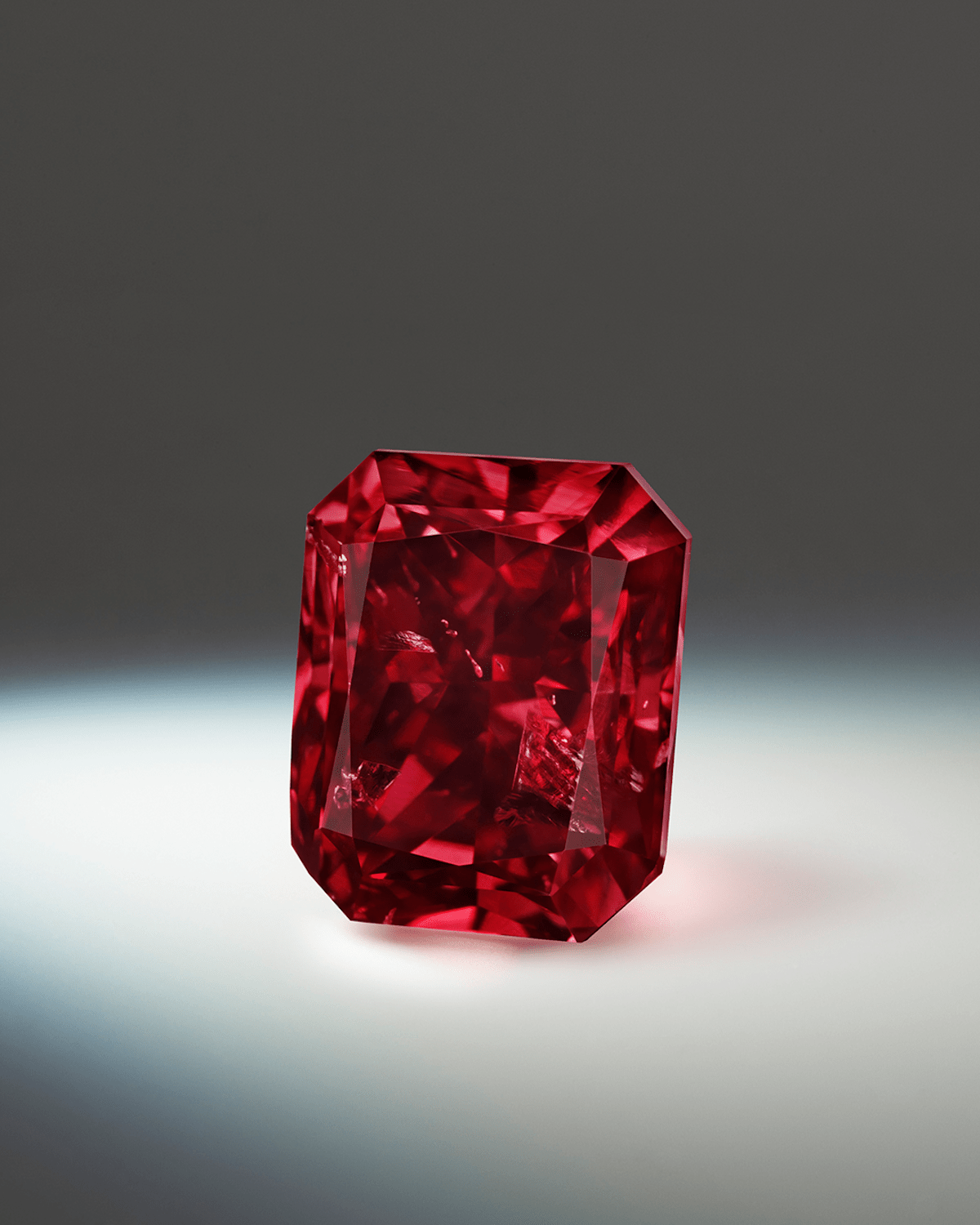
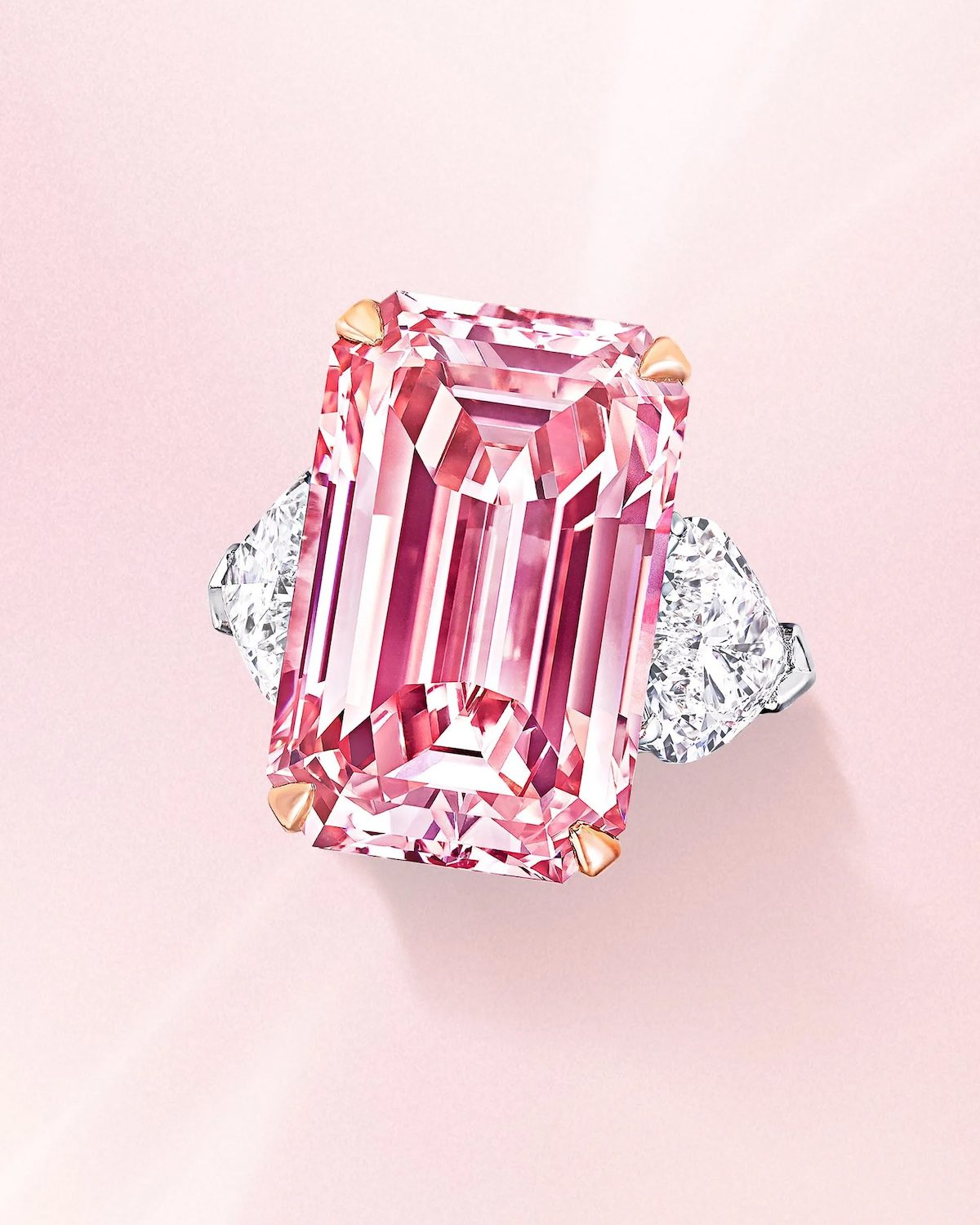
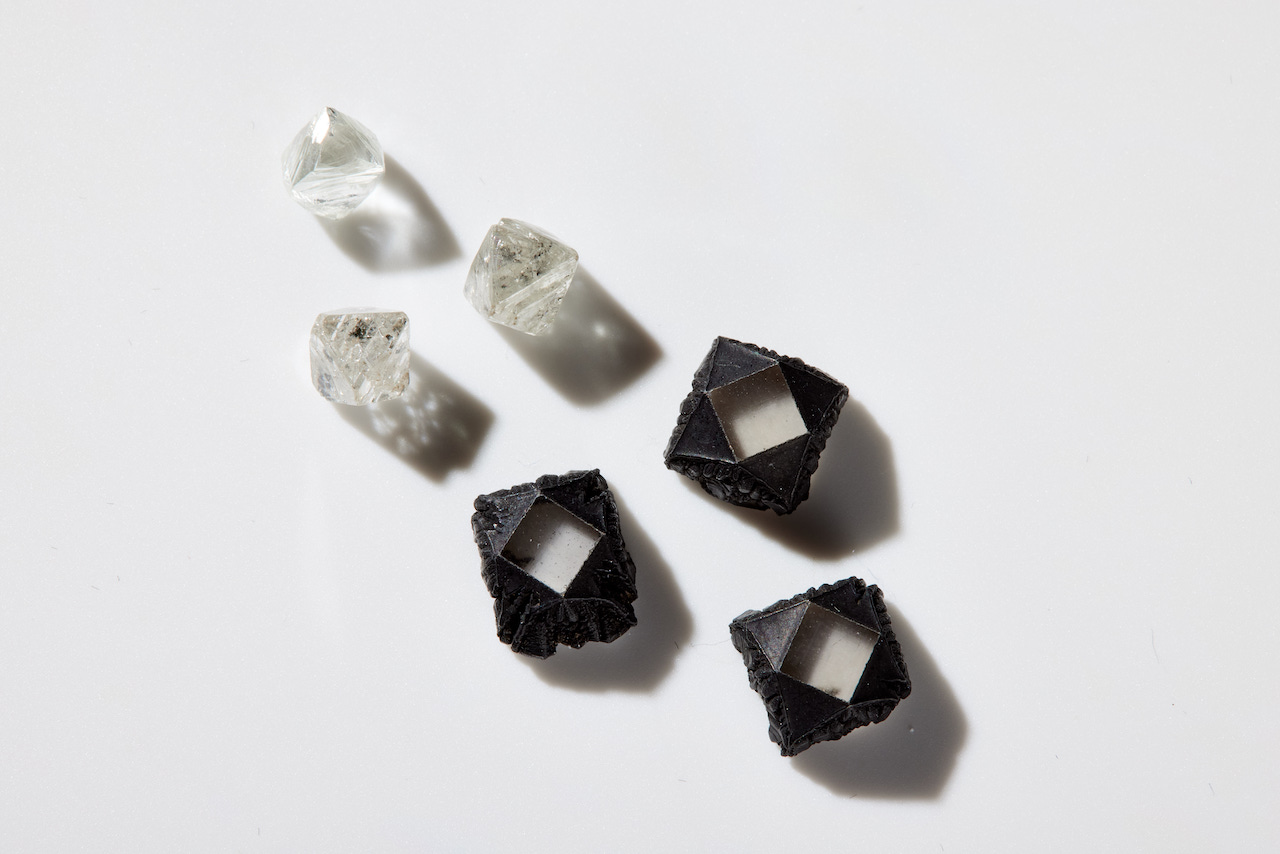
These natural colored diamonds are beautiful, but what makes them simply extraordinary is their extreme rarity.
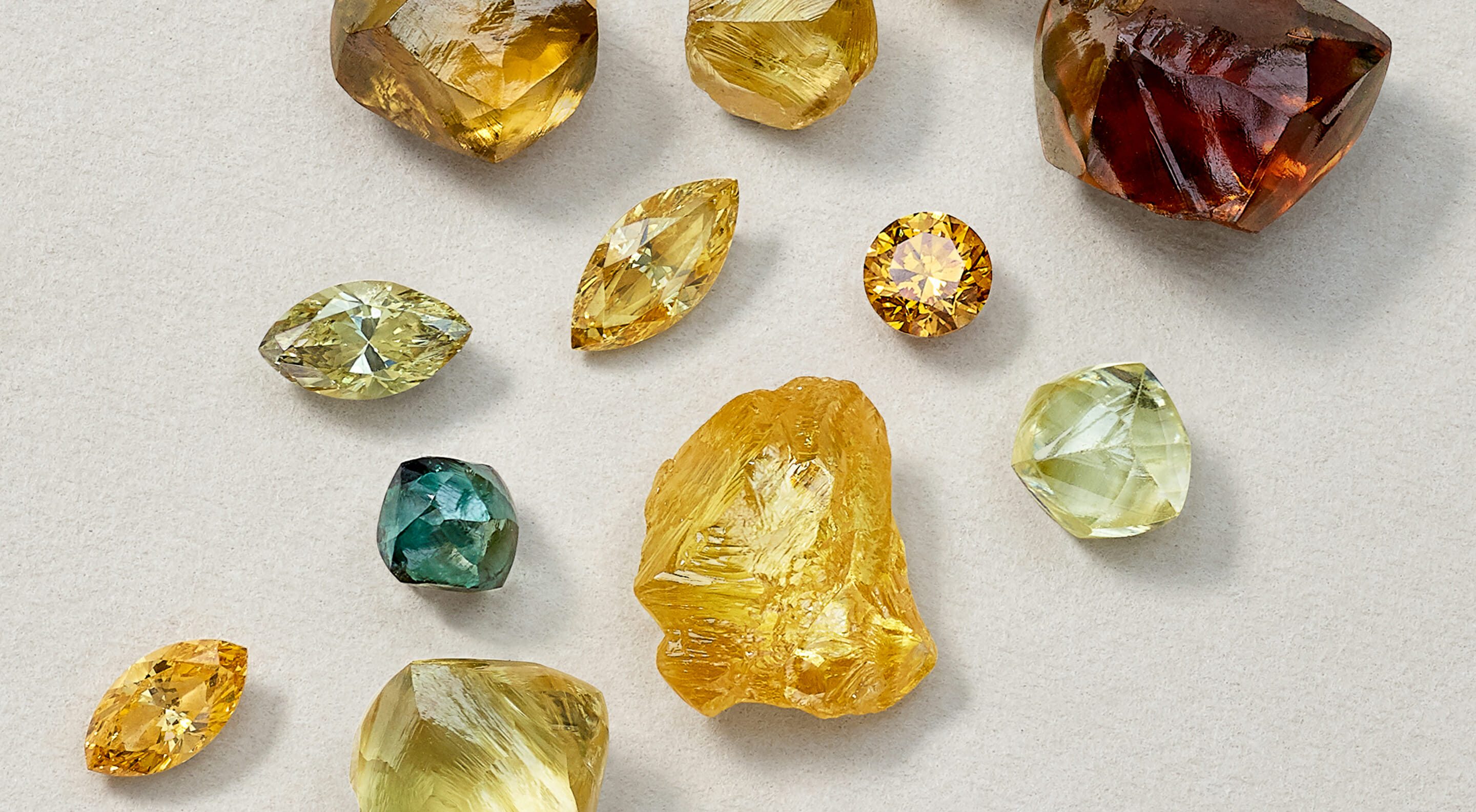
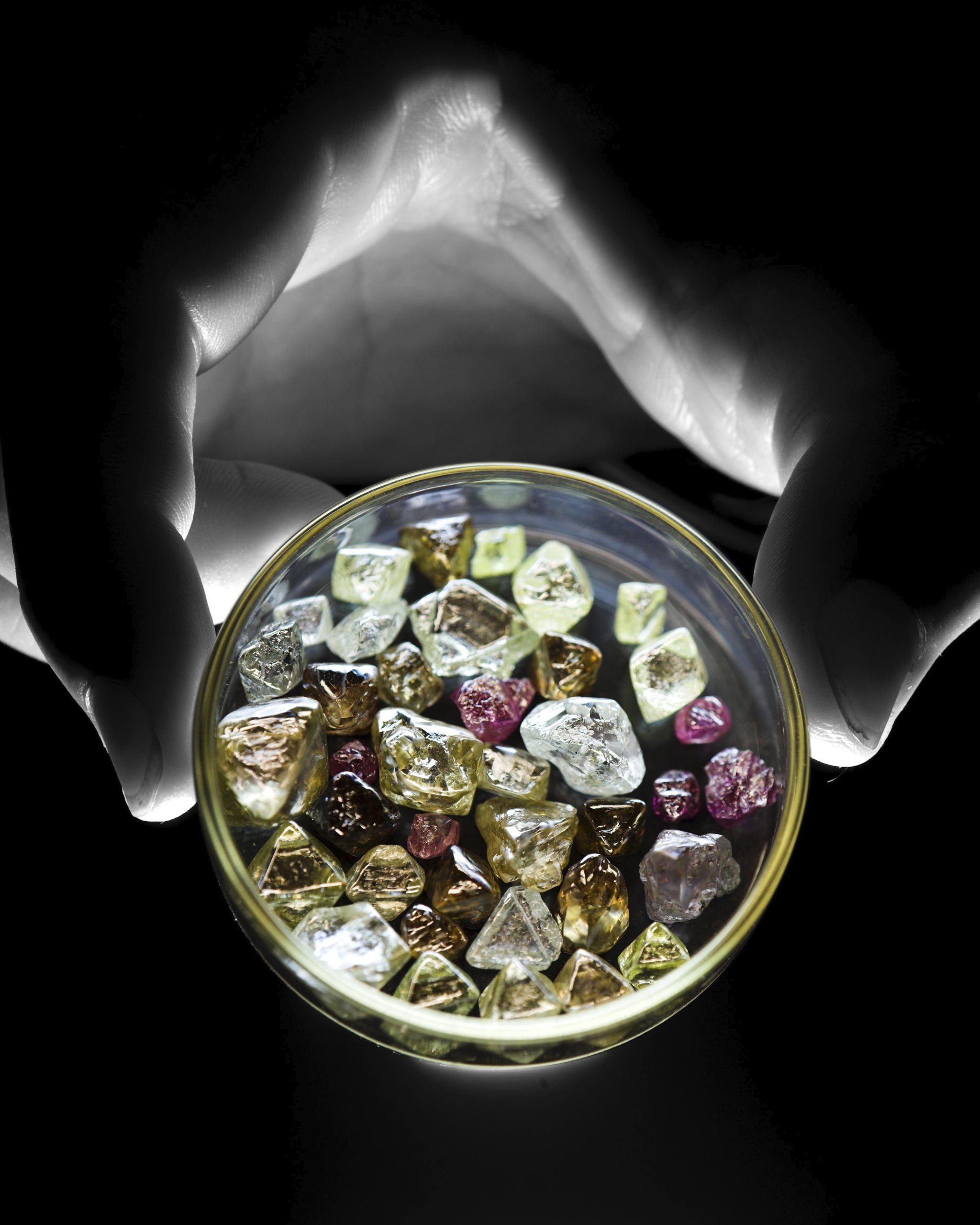
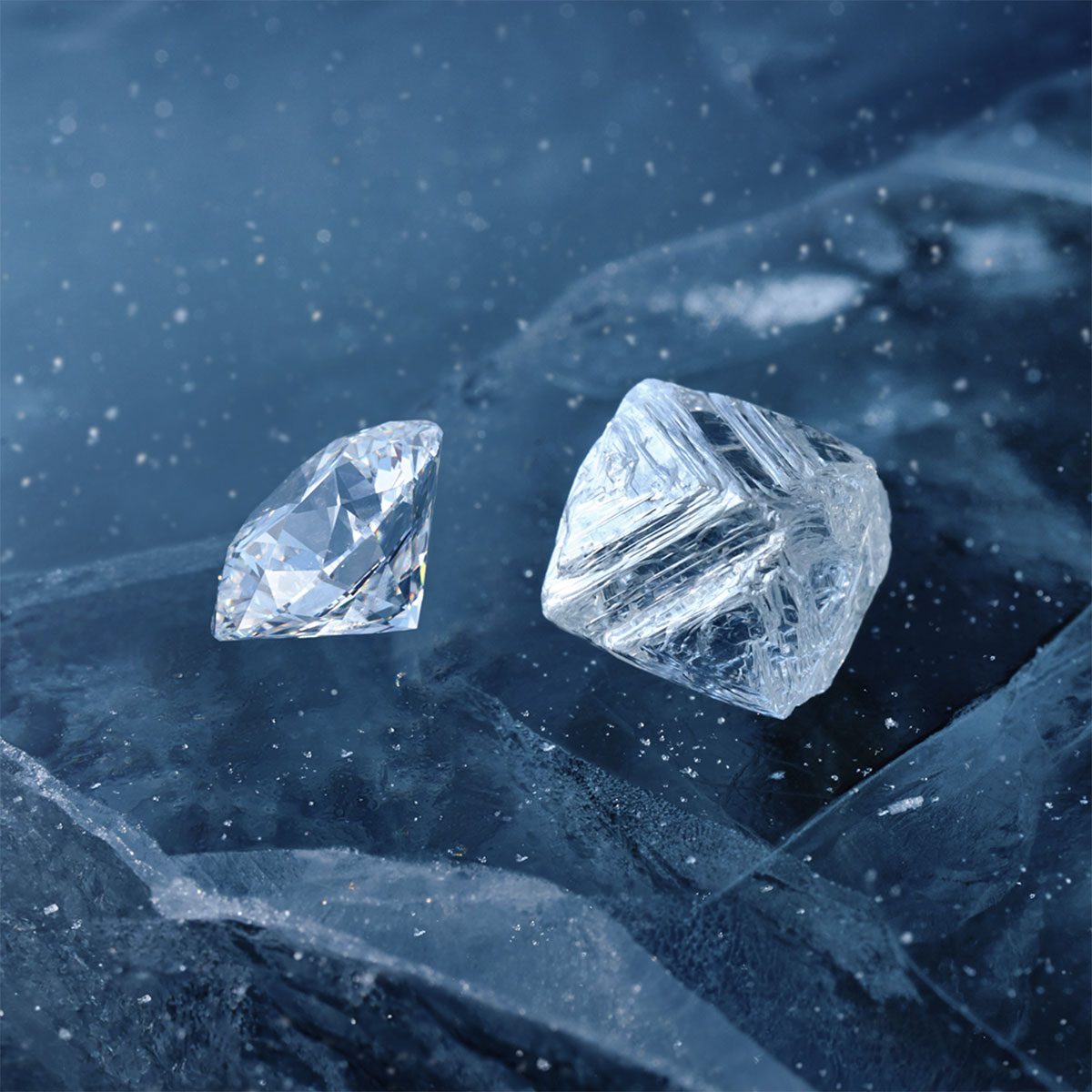
What are colored diamonds? Diamond colors can span the entire rainbow. We often think of natural diamonds as the scintillating, colorless, or white gems that humans have cherished for thousands of years. Formed deep within the Earth under extreme heat and pressure, these treasures only develop when carbon atoms bond together in a crystal lattice structure. Under rare conditions during this process, diamonds can take on color, resulting in stones of nearly every hue in the rainbow, better known as fancy-colored diamonds. This natural phenomenon is one of the rarest and most beautiful things we see in nature.
Meet the Expert

- Grant Mobley is the Jewelry & Watch Editor of Only Natural Diamonds.
- He is a GIA Diamonds Graduate.
- He has over 17 years of jewelry industry experience, starting with growing up in his family’s retail jewelry stores.
What Causes Color in Natural Diamonds?
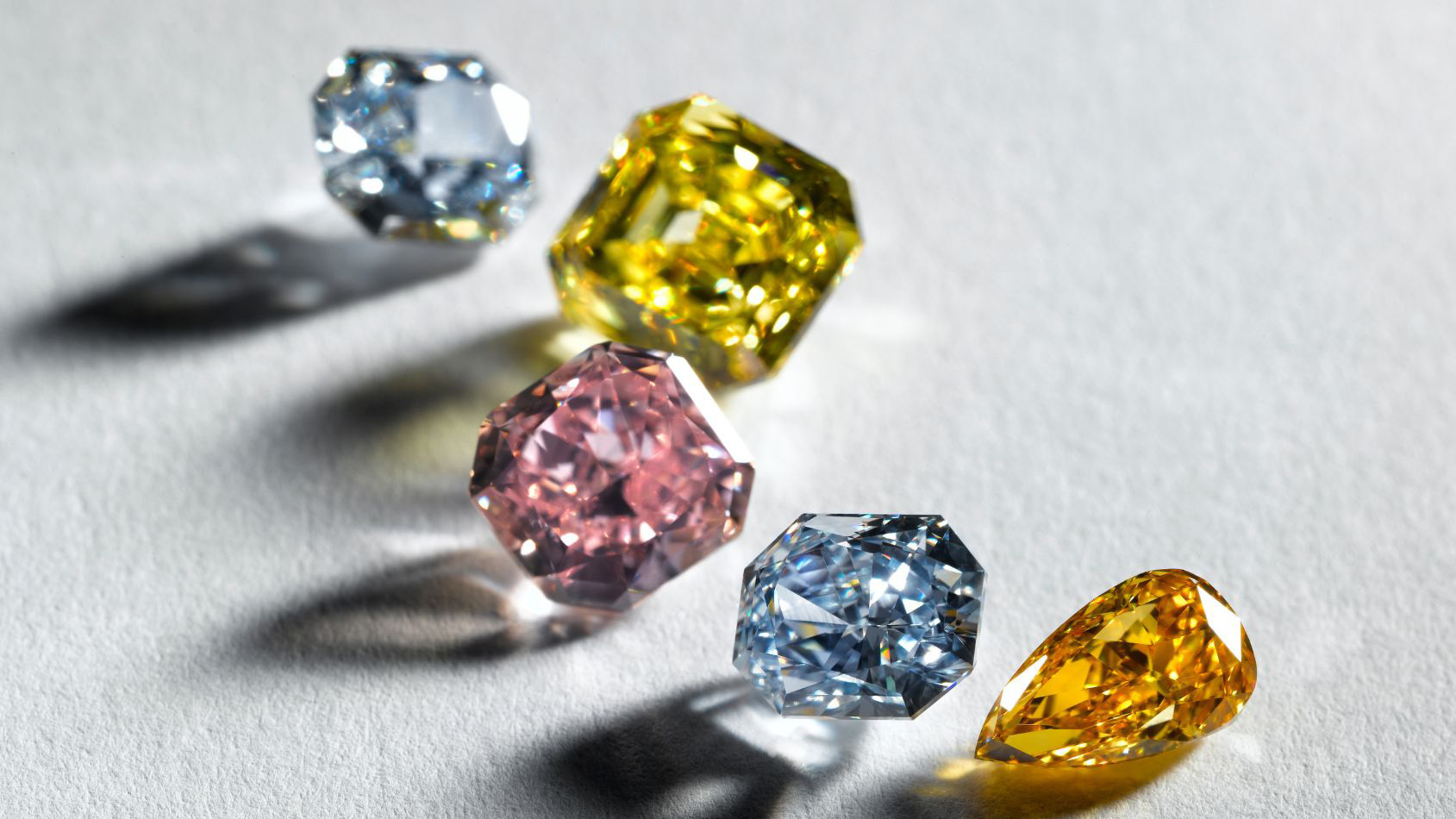
Natural diamond color is the result of subtle changes during a diamond’s formation deep within the Earth. While pure carbon diamonds are colorless, the presence of trace elements—like nitrogen or boron—or structural changes in the crystal lattice caused by extreme pressure can alter how light is absorbed and reflected. These variations create the full spectrum of diamond colors, from yellow and blue to pink and green. In rare cases, exposure to natural radiation or a combination of these factors can produce even more unusual hues.
| Diamond Color | Cause of Diamond Color | Rarity in Nature |
|---|---|---|
| Red | Plastic deformation altering the crystal lattice | Extremely rare |
| Orange | Combination of nitrogen and plastic deformation | Very rare |
| Yellow | Presence of nitrogen atoms absorbing blue light | More abundant |
| Green | Natural radiation displacing atoms in the crystal lattice | Extremely rare |
| Blue | Presence of boron atoms absorbing yellow light | Extremely rare |
| Purple/Violet | Hydrogen presence or lattice distortion | Very rare |
| Pink | Plastic deformation altering the crystal lattice | Extremely rare |
| Brown | Plastic deformation and structural distortion in the crystal lattice | More abundant |
| Gray | Hydrogen impurities or structural lattice defects | Rare |
| Black | High concentrations of inclusions (graphite or other minerals) | More abundant |
| Colorless (D-F) | Absence of trace elements or structural distortion | Most Common (in gem-quality diamonds) |
Yellow Diamonds: A More Abundant Diamond Color, But Striking Nonetheless
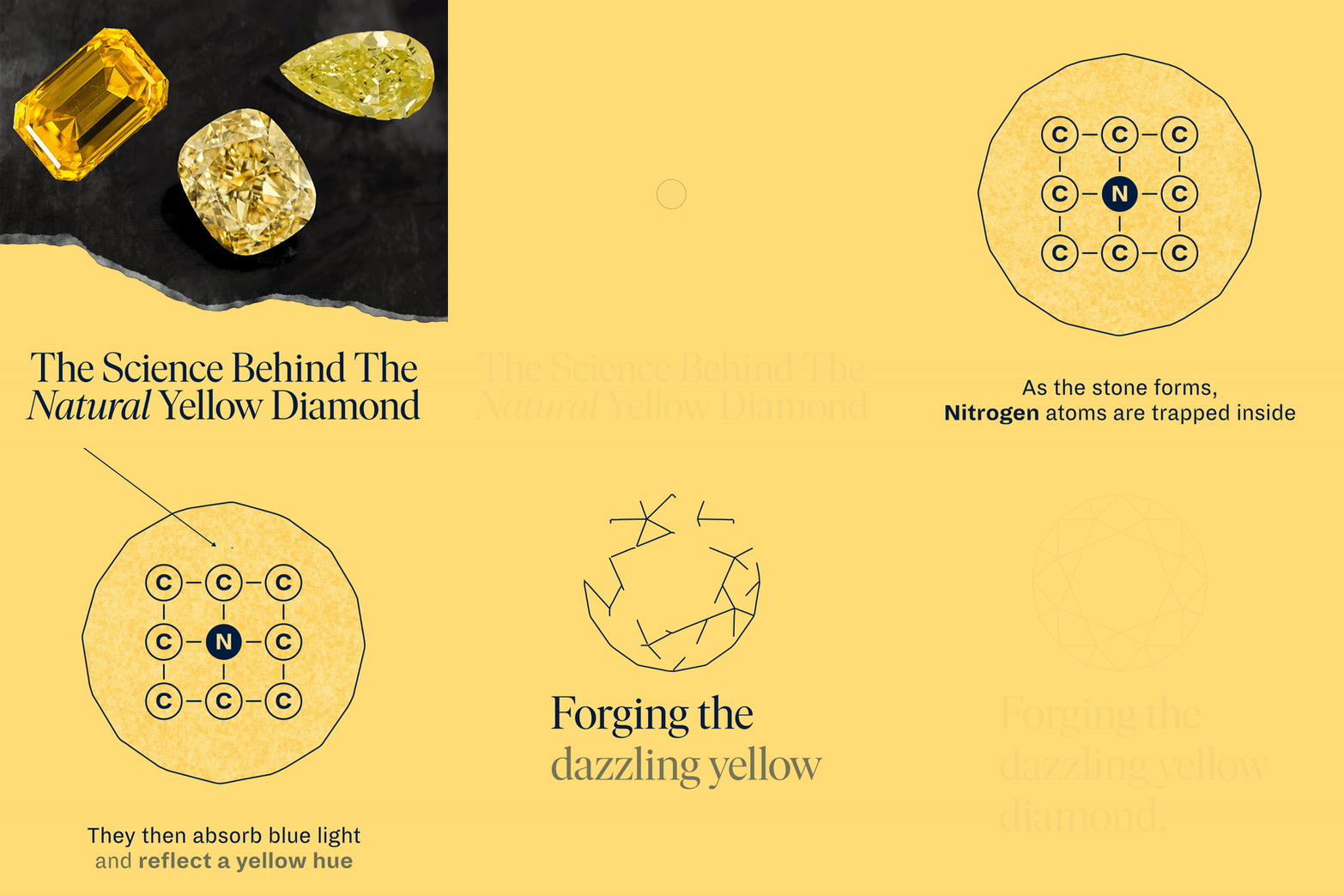
The most common of all non-carbon atoms found in diamonds is nitrogen. Most diamonds we see contain some nitrogen, but only enough to give yellow hints to otherwise colorless diamonds. In fact, the most common color grading scale for diamonds ranges from D to Z; D is completely colorless, while Z contains enough nitrogen in the right place to give the diamond a visible color.
When enough nitrogen gets properly trapped inside a diamond’s forming crystal structure, the diamond can transcend its Z color classification. Instead, it can be identified as a “fancy-color diamond” that presents itself in an unlimited range of beautiful yellow and brown colors. While still extremely rare, fancy yellows are abundant compared to other fancy-colored diamonds, making their prices comparatively affordable. Buying a fancy yellow diamond can be a perfect foray into the fancy-colored diamond world for an aspiring collector.
Pink Diamonds: The Most Desirable—and Ultra-Rare of Diamond Colors
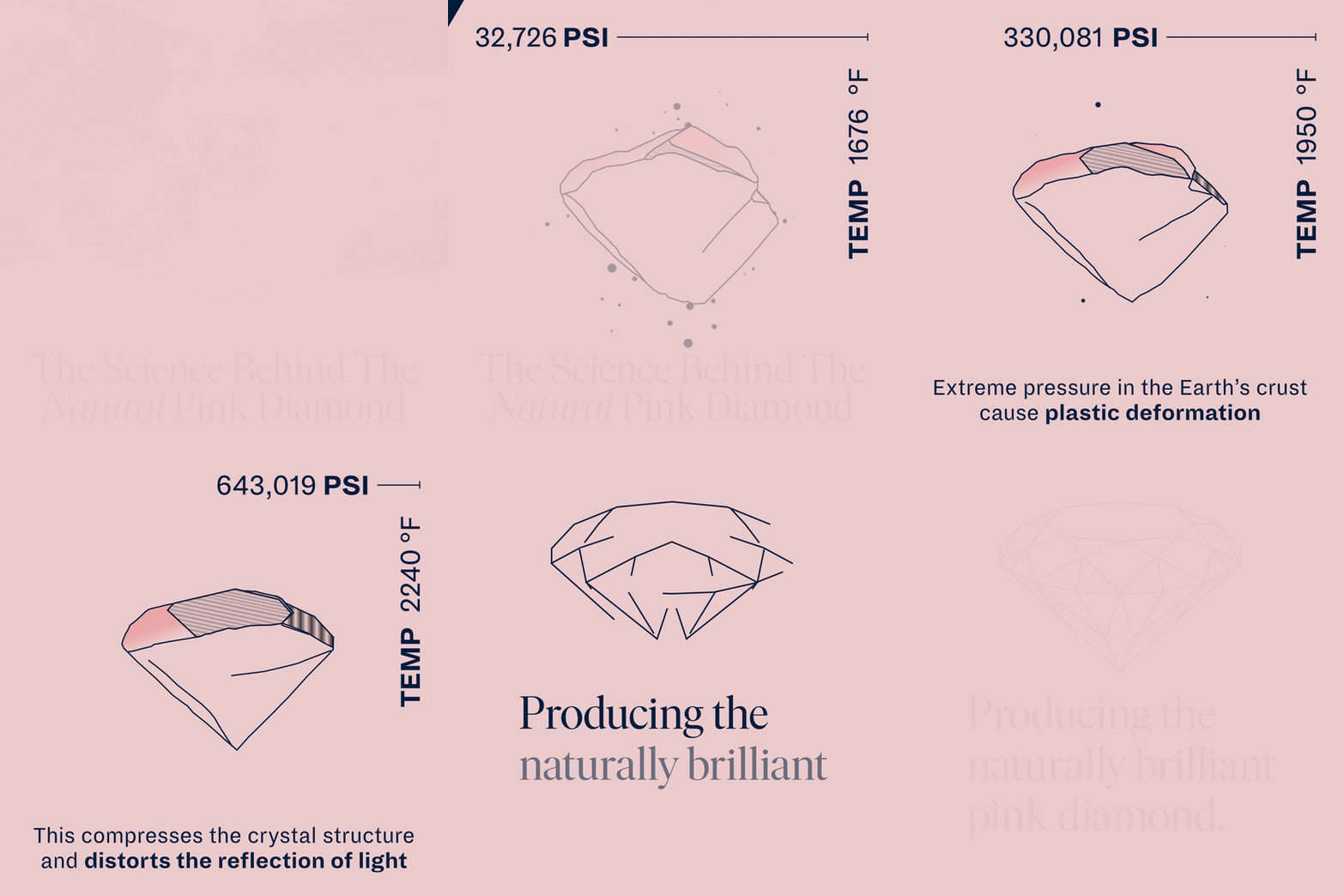
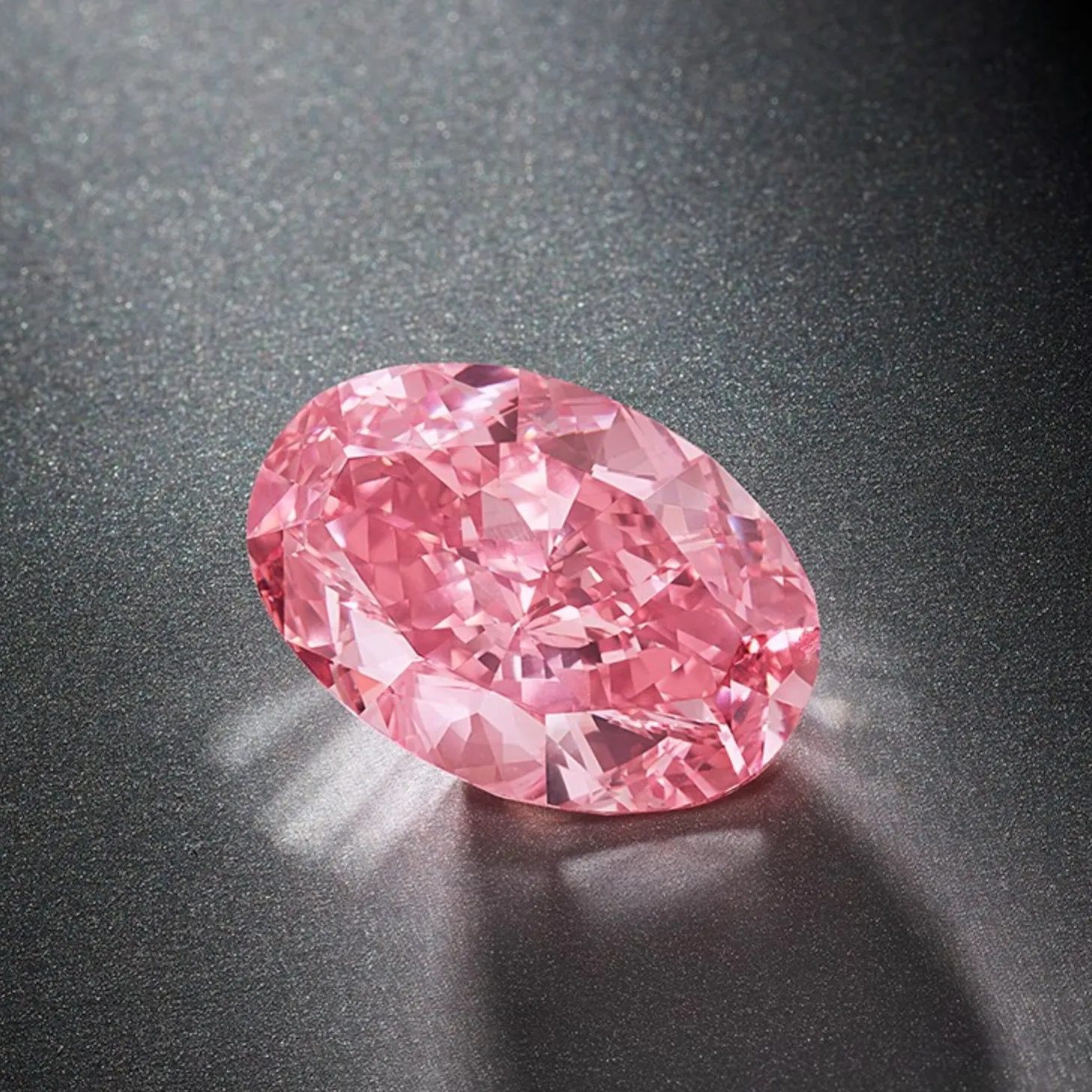
Without a doubt, the most desirable natural diamond color is pink. Not only are the full range of very light pink to red diamond hues considered amongst the most beautiful on Earth, but they are also some of the rarest miracles of nature we are likely to see.
Unlike most other natural diamonds that boast a beautiful color from non-carbon atoms, pink diamonds get their color via a phenomenon called plastic deformation. This process requires extreme pressure within the Earth to compress the diamond’s crystal structure further, causing it to reflect red light. The greater the plastic deformation, the deeper the pink or red hue becomes.

For pink diamonds, their annual yield would fill only a champagne flute.
However, this additional intense pressure often compromises the diamond’s potential for clarity and carat weight, as the force can cause structural damage, making it very rare to find high-quality and larger stones in this color category.
The majority of pink diamonds are found in one place on Earth: the Argyle mine in remote northwestern Australia. Its closing at the end of 2020 means that pink diamonds are becoming rarer to find and more valuable by the day.
Green Diamonds: A Most Intriguing Fancy Diamond Color
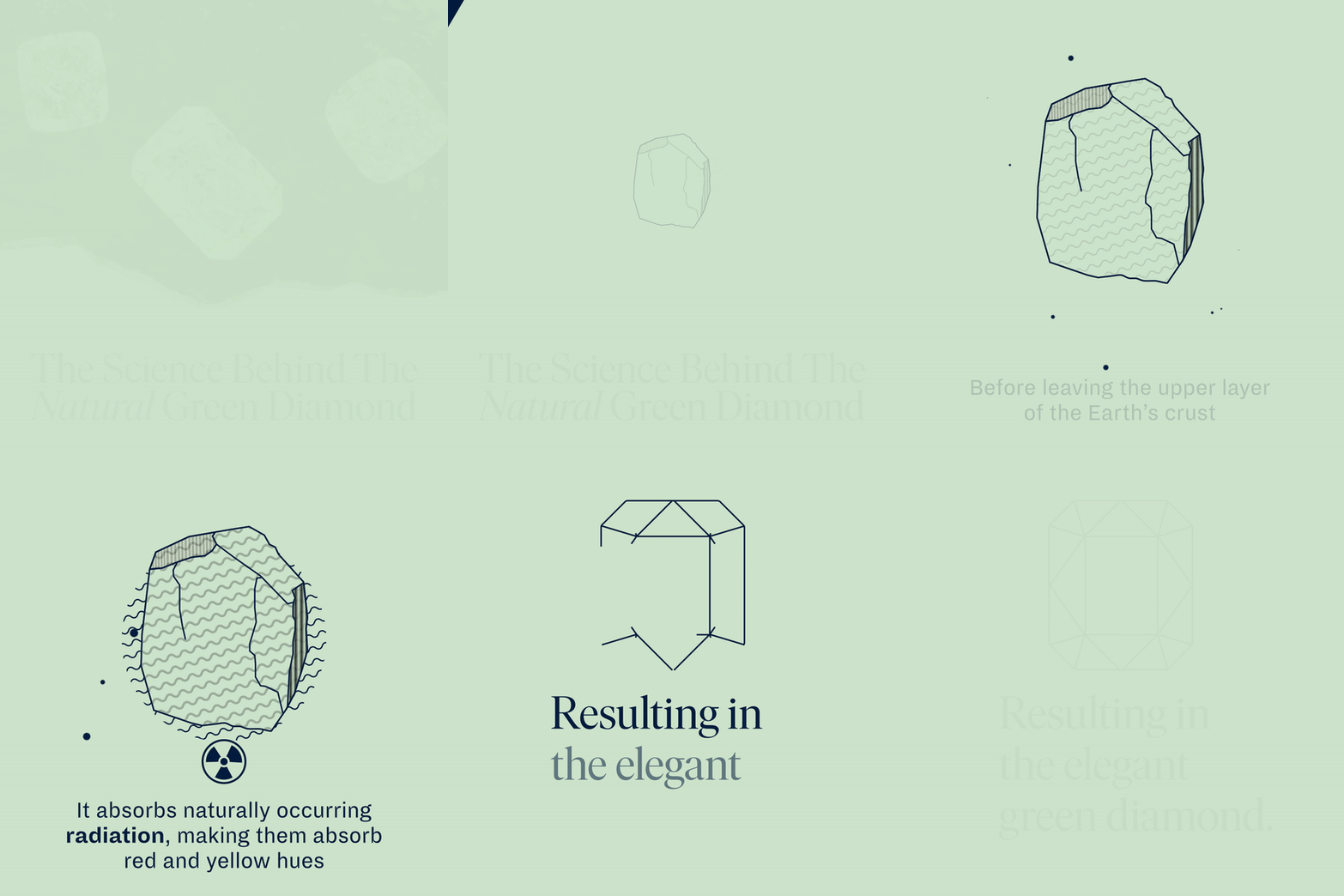
Green diamonds form in perhaps the most interesting way compared to other colored diamonds. Their color results from Earth’s naturally decaying radioactive materials emitting penetrating radiation that knocks electrons or carbon atoms out of their crystal lattice position, causing the stone to reflect green light. Green diamonds are also the only fancy diamonds that achieve their color after they have made the long trip close to the Earth’s surface.
Blue Diamonds: The Rarest and Most Intriguing of Diamond Colors
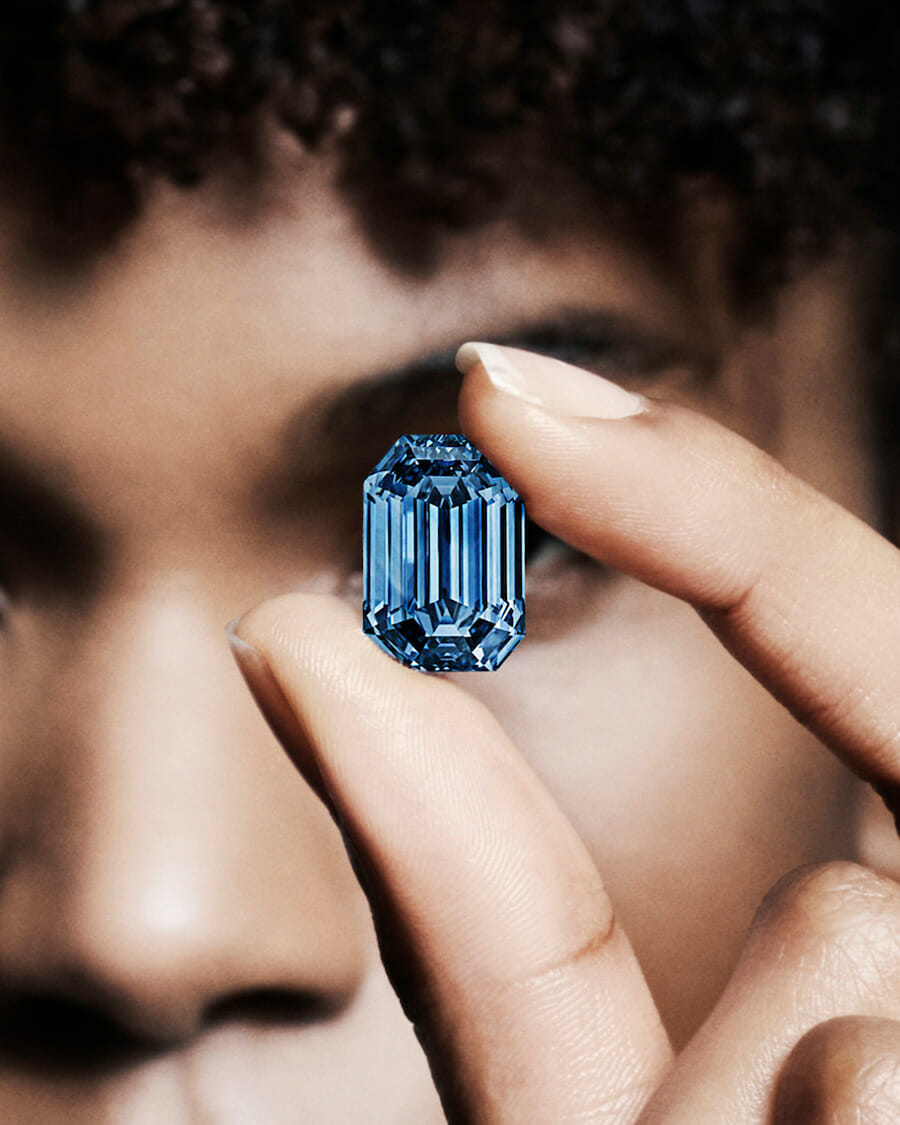
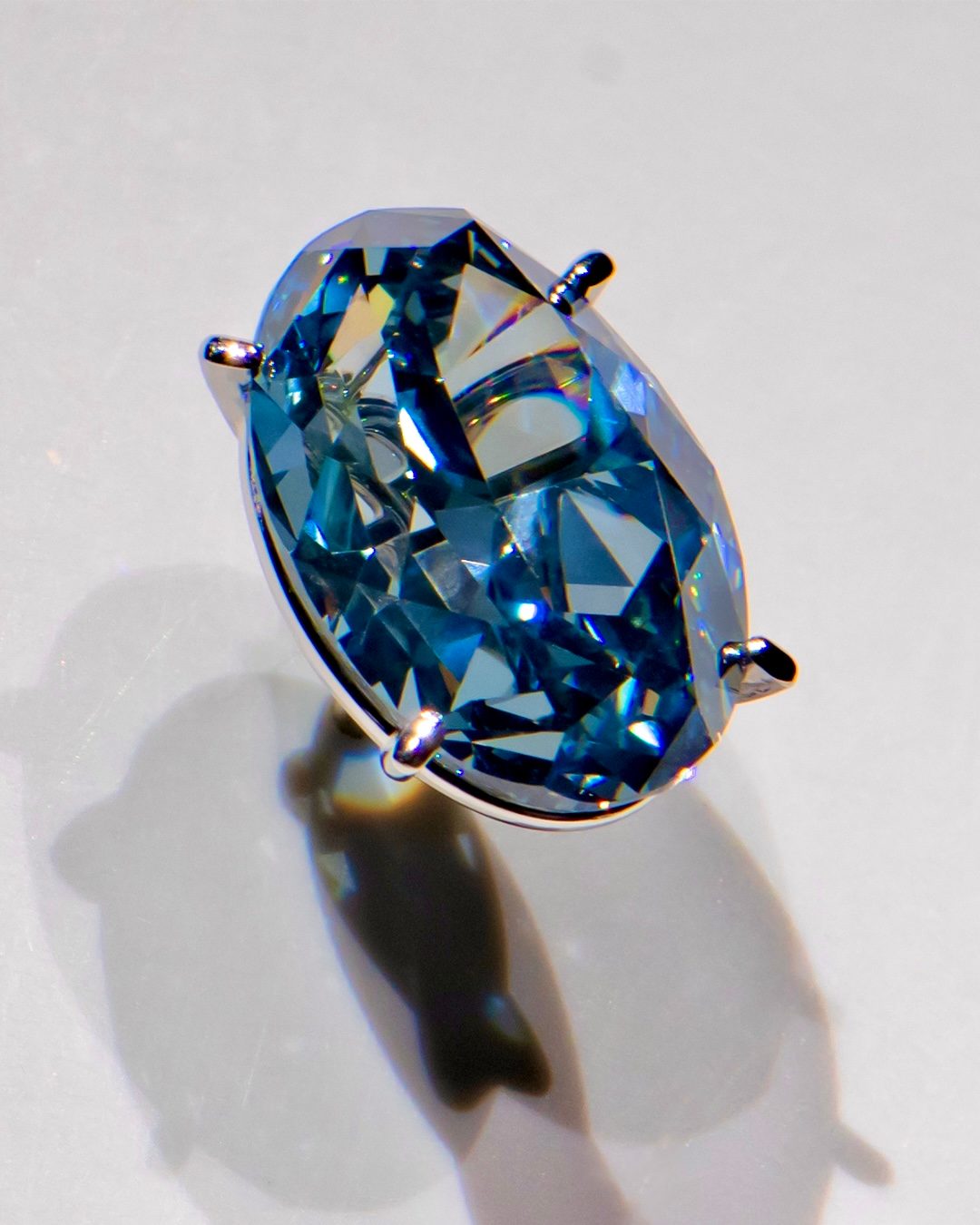
Blue diamonds are some of science’s rarest and most intriguing diamonds, as they only form when the natural element boron gets trapped inside their crystal structure. Boron absorbs yellow light and thus reflects blue light; subtle differences in the concentration and positioning of these boron atoms result in diamond colors in different hues and shades of blue.
For every 100 Picasso paintings auctioned, only one natural blue diamond surfaces on the market.
Thanks to research by GIA scientists, we now know that the origin of natural blue diamonds is far deeper (up to four times!) inside the Earth than that of most other diamonds. We are lucky enough to have found these beauties through a process called subduction. Subduction is when the Earth’s tectonic plates act like a conveyor belt, moving up and down over hundreds of millions of years and bringing the blue diamonds with them.
The True Rainbow of Fancy Colored Diamonds
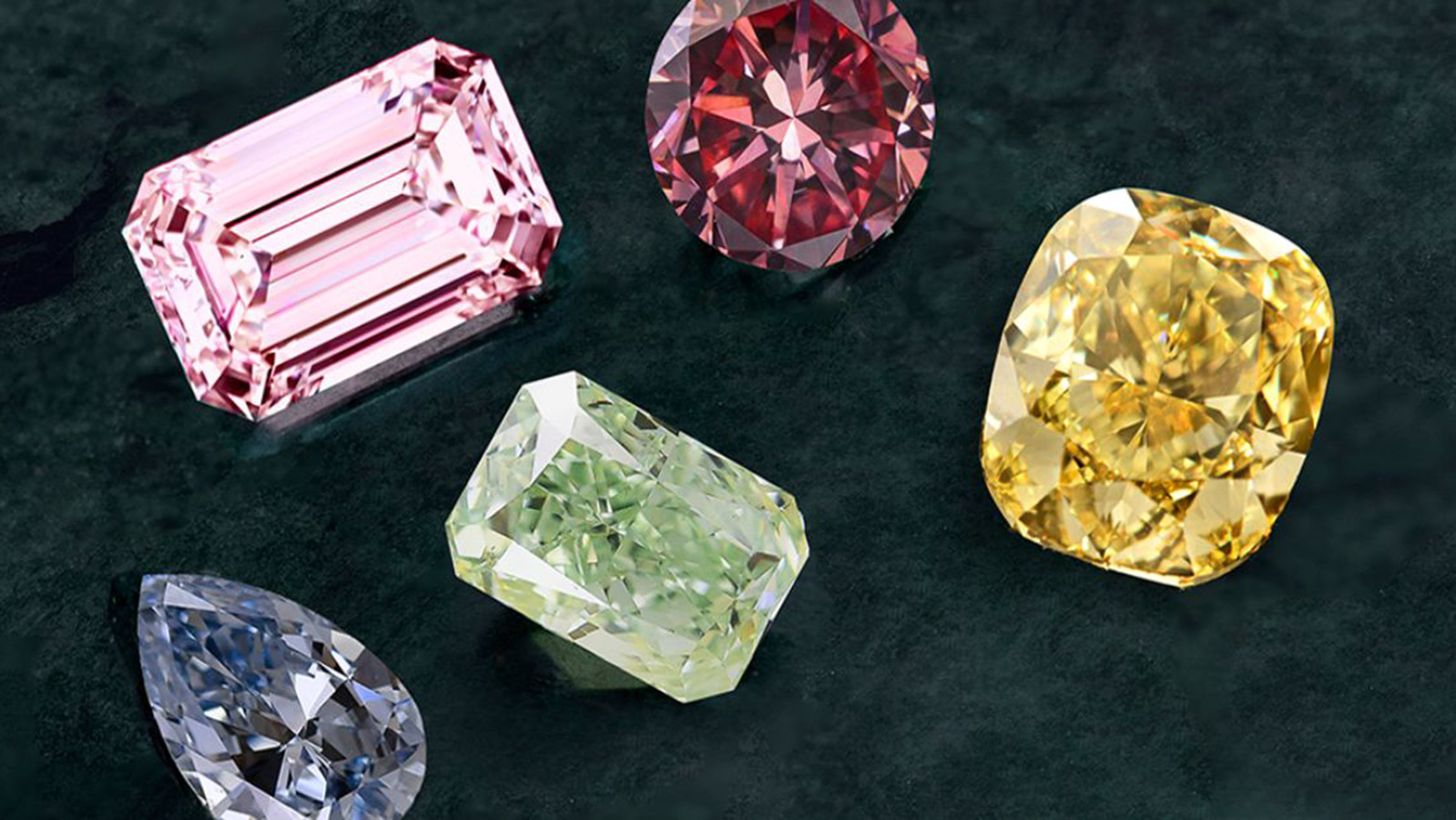
Just like mixing yellow and red paint to create orange, the natural forces that produce diamond colors can either work independently or combine, resulting in nearly every hue imaginable. While it’s rare, if a diamond undergoes plastic deformation (causing a pink hue) and contains high nitrogen levels (responsible for a yellow hue), it could be an orange diamond.
However, the rarity of these natural color diamonds means there simply aren’t enough specimens for scientists to study extensively and definitively pinpoint the cause of every diamond color. This further emphasizes that no two natural diamonds are the same, making each one truly unique.
All natural diamond colors are stunning, but their extreme rarity elevates them to the extraordinary. To put this into perspective, if you gathered all the diamonds one carat and above, regardless of color, recovered in a year, they would only fill an exercise ball. Among those, natural fancy-colored diamonds are incredibly scarce, making up just 0.4% of all diamonds graded over the last two decades.
For pink diamonds, their annual yield would fill only a champagne flute. Even rarer, the Natural Color Diamond Association reports that for every 100 Picasso paintings auctioned, only one natural blue diamond surfaces on the market. These gems are a truly remarkable gift from Mother Nature.