

Argyle Diamonds Are From the Most Important Diamond Mine That Ever Existed
No mine in history produced natural-color diamonds like Argyle diamonds. Here’s how one remote Australian mine transformed the market for pink, red, and violet diamonds forever.
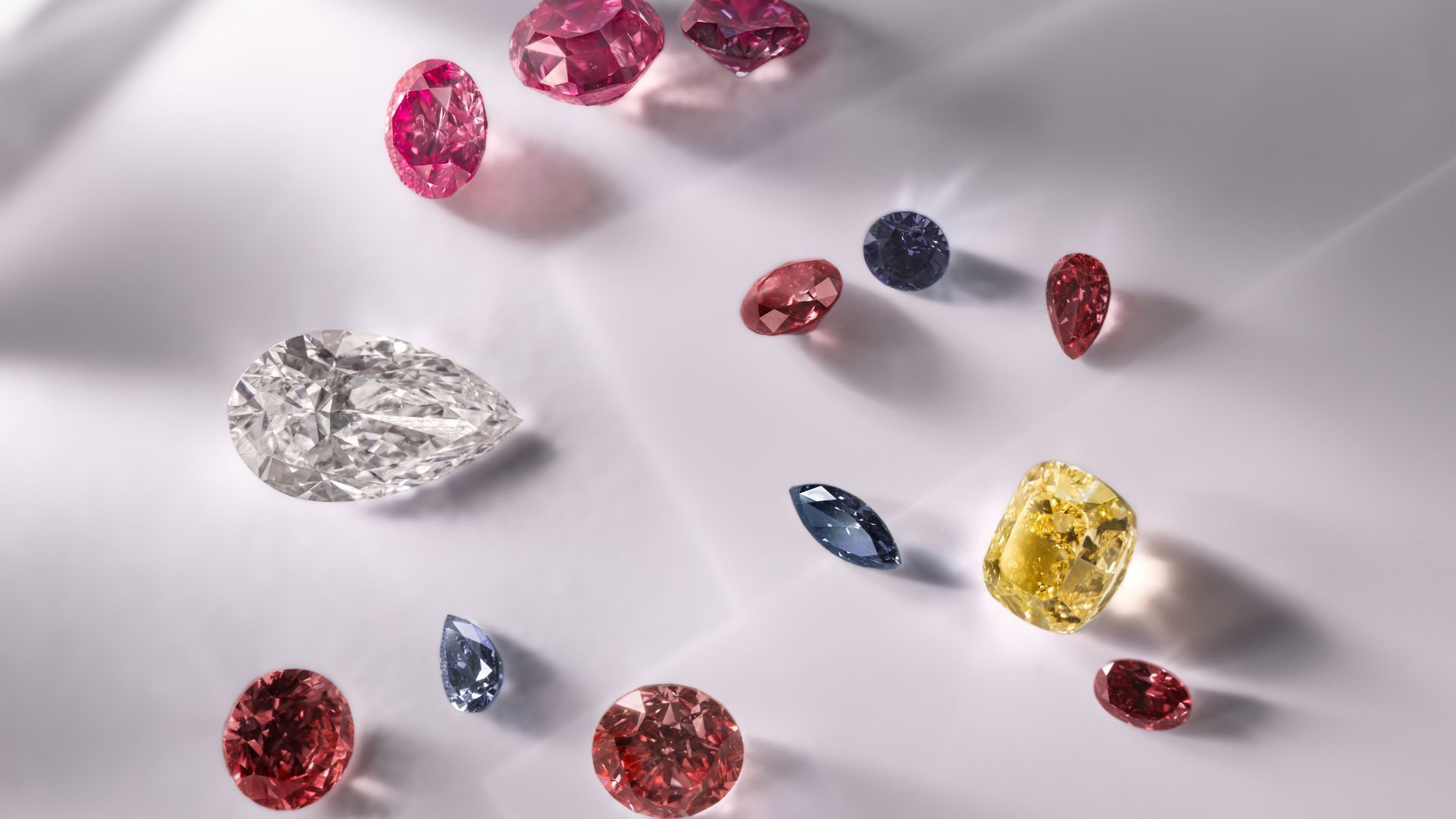
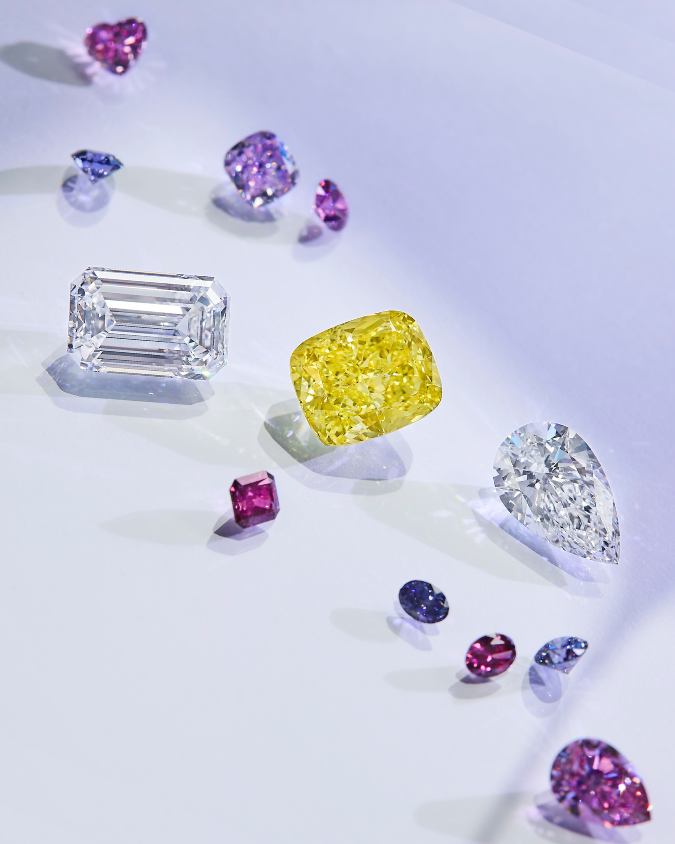
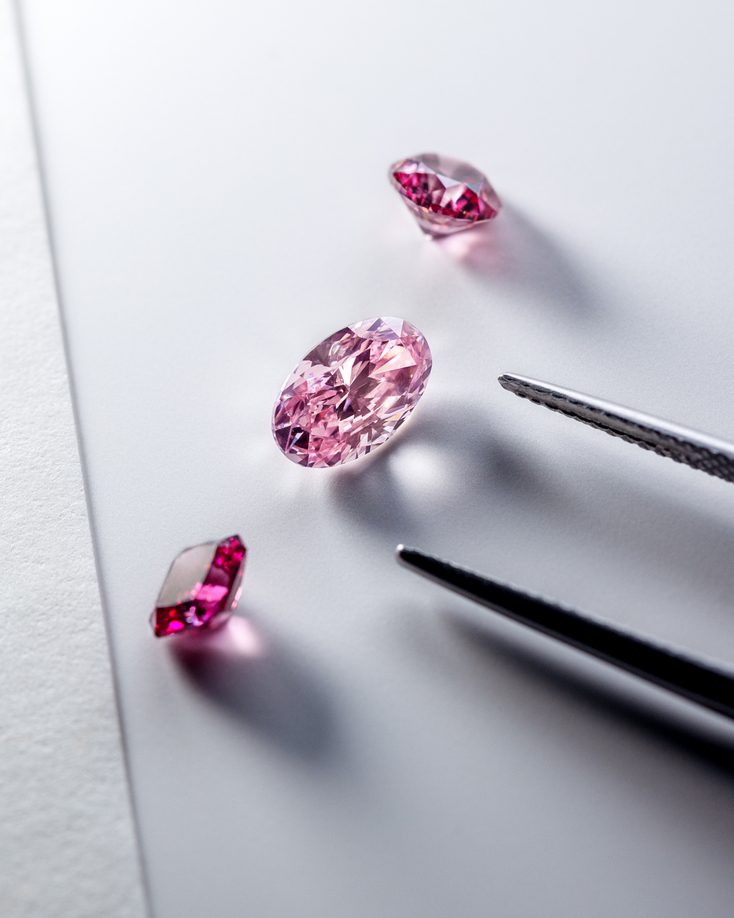
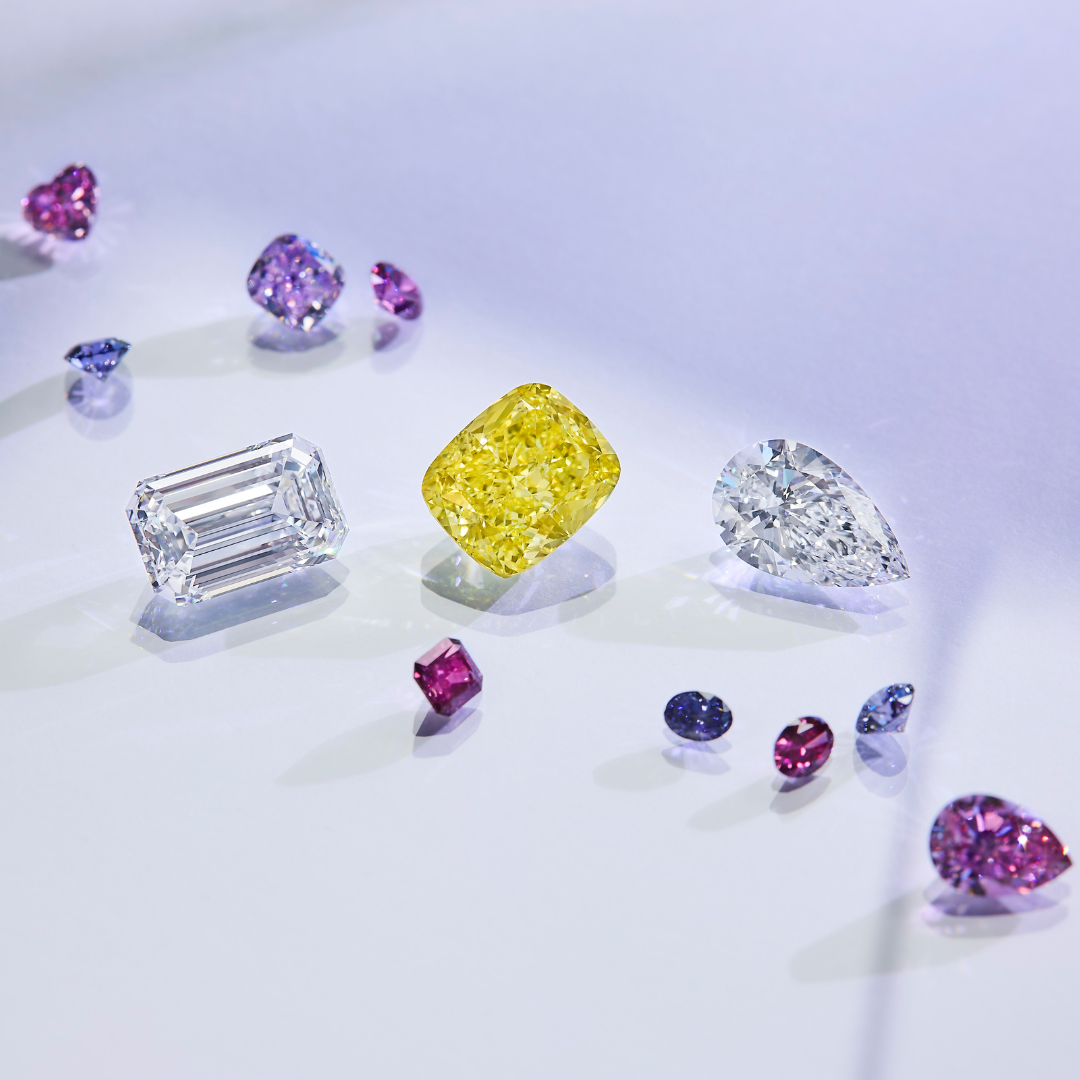
A selection of Argyle diamonds from the new Beyond Rare tender comprising a unique combination of pink, red, violet, yellow and white polished diamonds, embodying “rarity within rarity.” (Argyle Diamonds Pty Limited 2024)
When the Argyle Diamond Mine in Western Australia shut down in November 2020 after 37 years of operation, the diamond world lost something it will never get back. Not just a mine, but the singular source of the world’s most legendary Argyle diamonds. A source of color so distinctive, so saturated, and so unlike anything found anywhere else on Earth that its discovery and absence reshaped the market for natural color diamonds permanently.
Meet the Author

- Grant Mobley is the Jewelry & Watch Editor of Only Natural Diamonds.
- He is a GIA Diamonds Graduate.
- He has over 17 years of jewelry industry experience, starting with growing up in his family’s retail jewelry stores.
The Discovery of the Argyle Diamond Mine
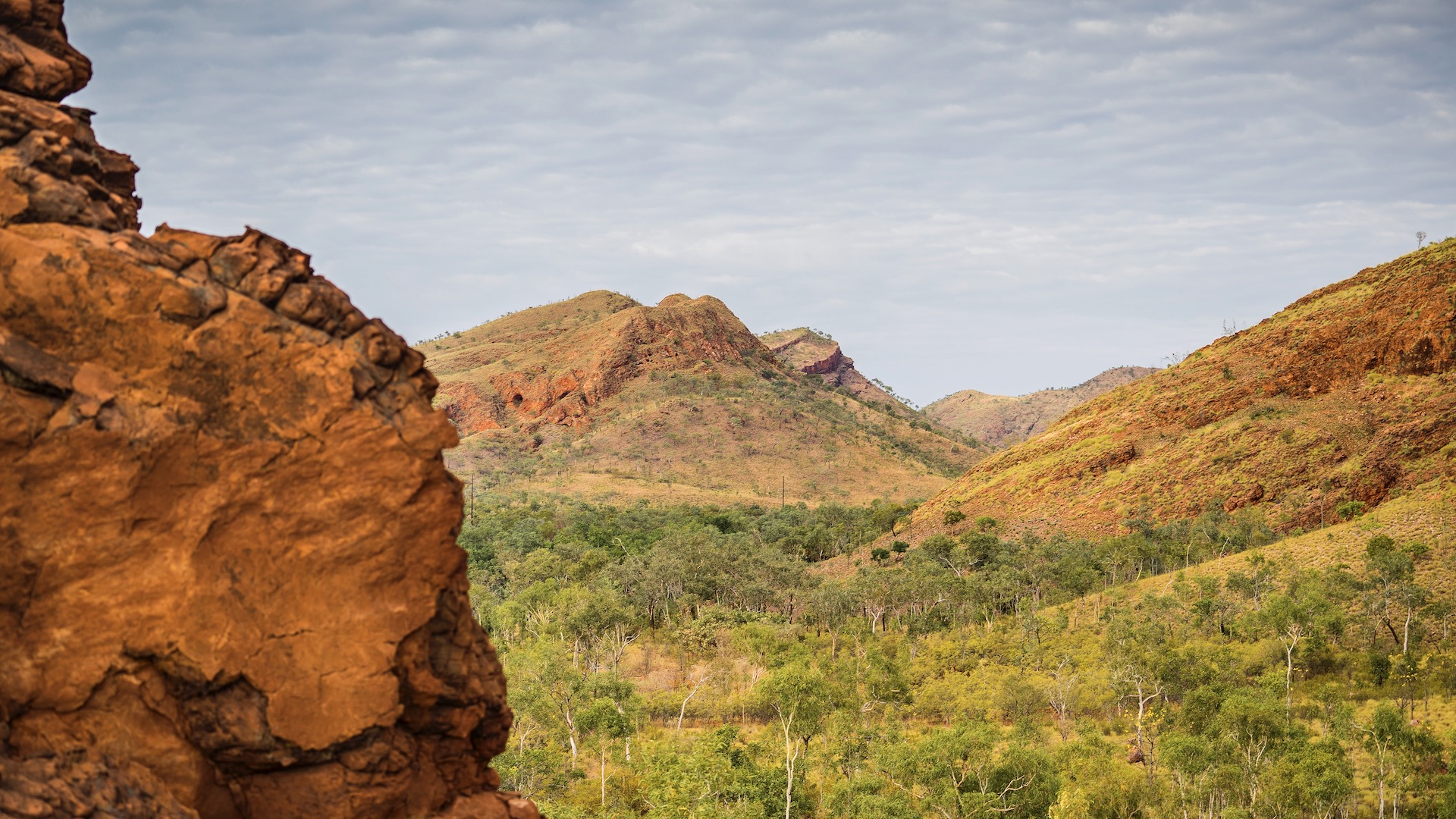
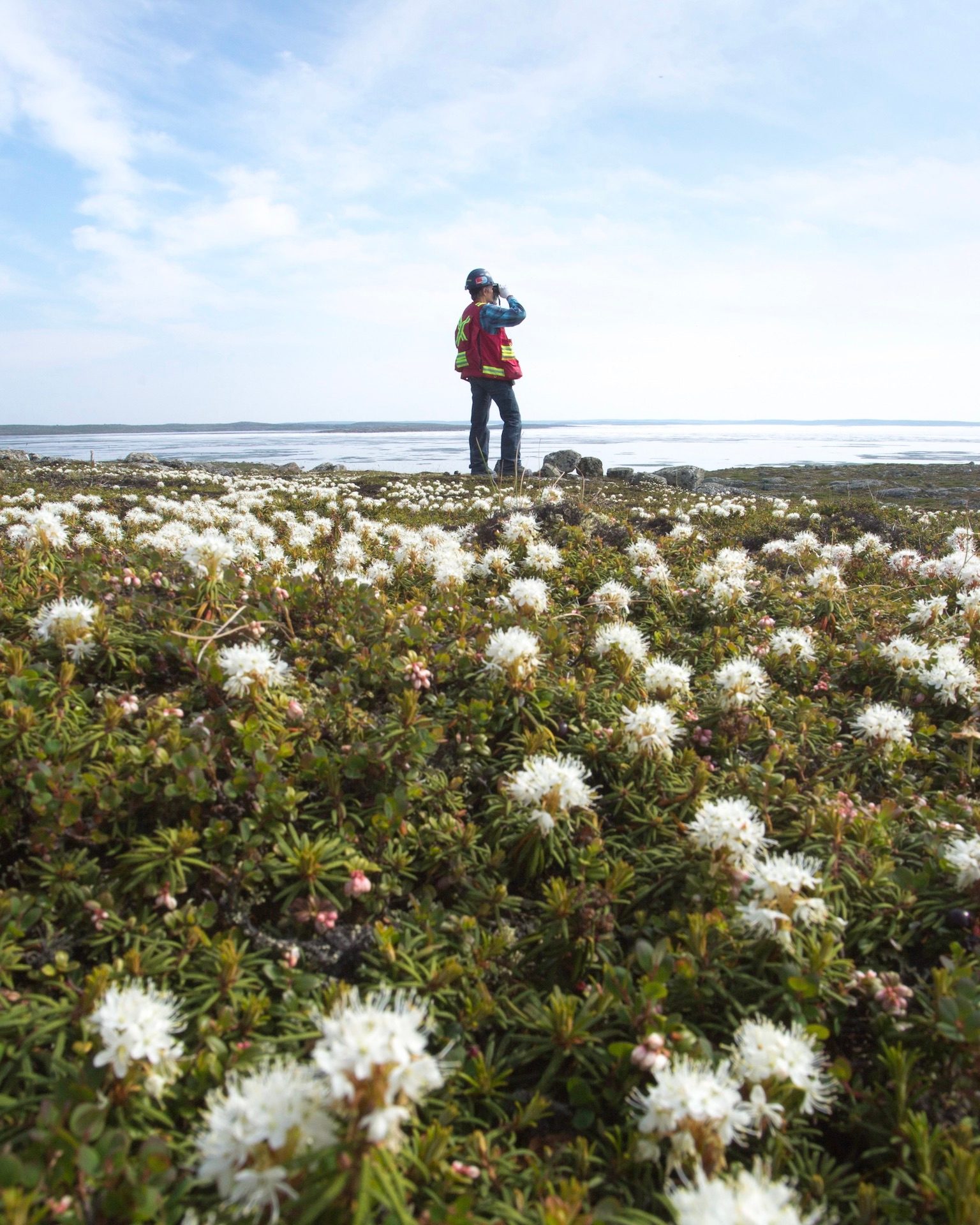
Argyle sits in the East Kimberley region of remote northwestern Australia, about 115 miles by road from the nearest settlement of Kununurra. The isolation is so extreme that mining giant Rio Tinto built a full residential camp on site. Most workers commuted from Perth, over 1,200 miles away, rotating through two-week shifts. The mine prioritized local employment and maintained a significant percentage of Indigenous workers throughout its operation.
Small quantities of alluvial diamonds turned up in Australia as far back as the late 19th-century, discovered by prospectors hunting for gold. Nobody could identify the source. Then, in 1969, geologists found several alluvial diamonds near the Lennard River in the West Kimberley region and launched a systematic search for the volcanic pipe that produced them. In 1979, they found it. Rio Tinto assessed the deposit’s economic viability over the following three years, committed to development in 1983, and officially commissioned the mine in December 1985 after 18 months of construction for A$450 million (roughly US$290 million today).
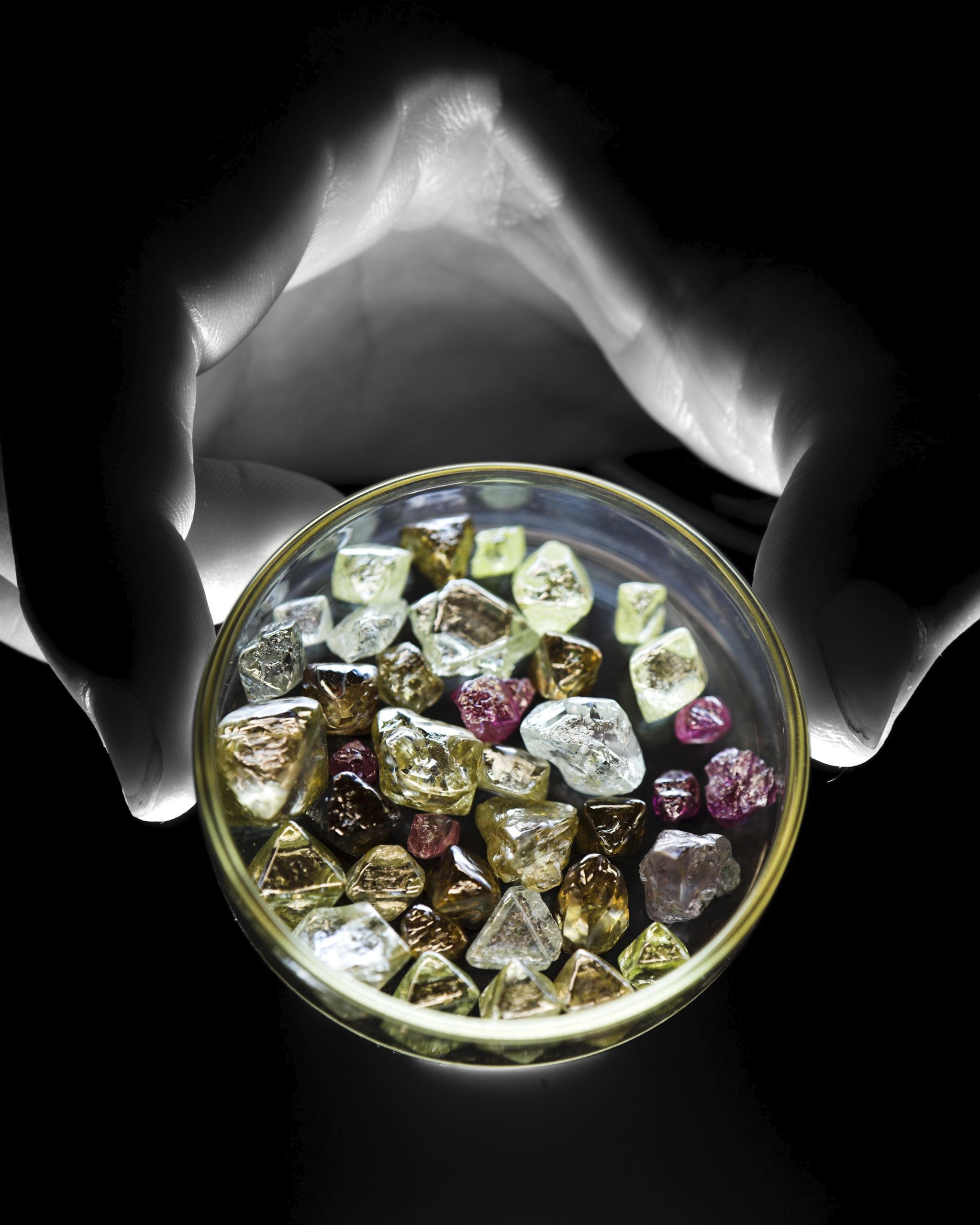
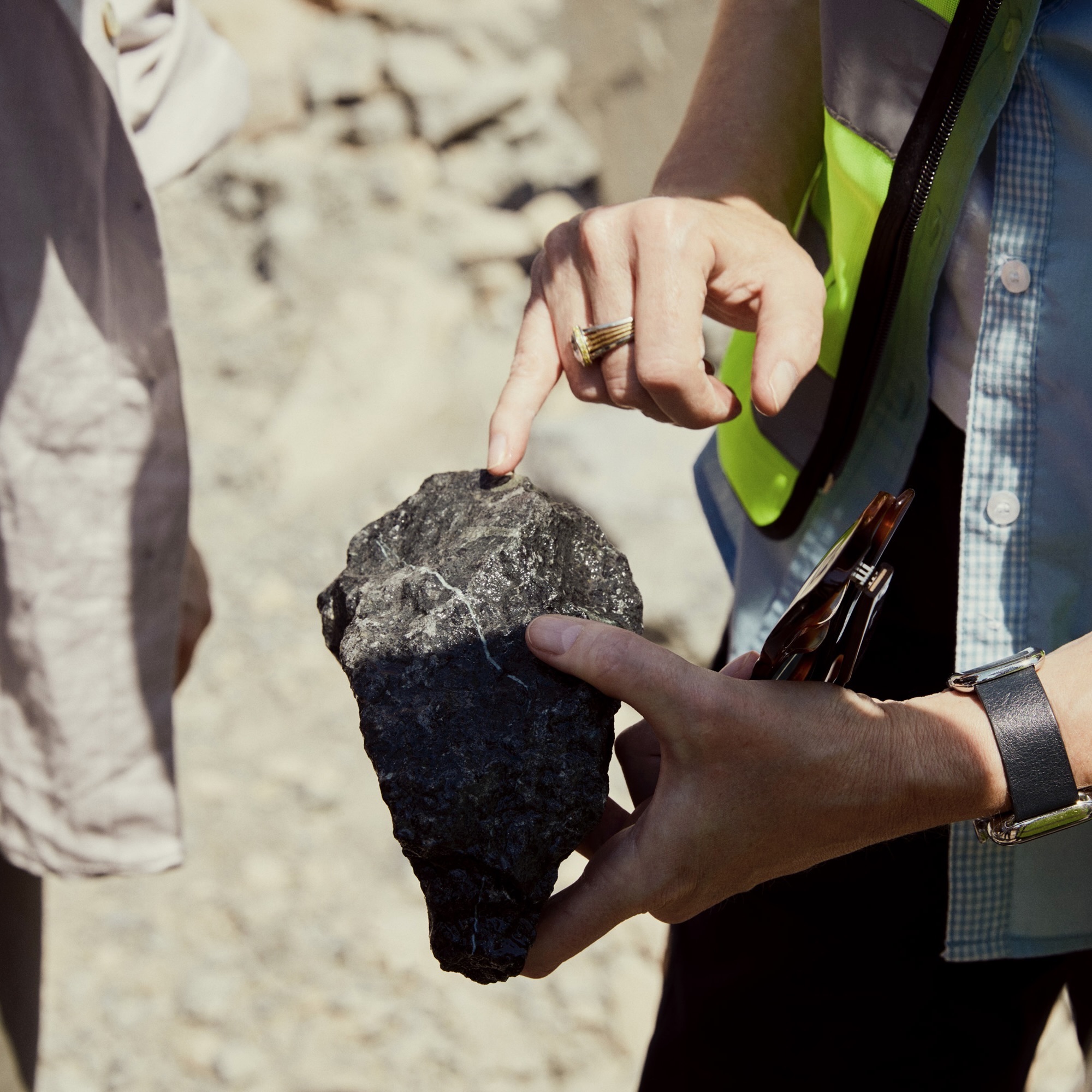
The diamonds found at the Argyle pipe are approximately 1.58 billion years old, while the volcano that formed the pipe formed between 1.1 and 1.2 billion years ago. That relatively short formation window of around 400 million years helps explain the smaller average size of Argyle diamonds and their unusual physical characteristics.
What Made Argyle Geologically Unique
Argyle holds a distinction no other commercially successful diamond mine shares: it was the first mine to profitably extract diamonds from a lamproite pipe rather than the more common kimberlite. Earlier attempts to mine diamonds from a lamproite pipe in Arkansas proved commercially unsuccessful, making Argyle’s achievement genuinely pioneering. The lamproite host rock and the extreme depth at which Argyle’s diamonds formed are central to what made the mine’s output so unusual and so prized.
The Rare Colors That Made Argyle Diamonds Legendary

By volume, Argyle led global diamond production at times, though only about five percent of its output reached gem quality. The remaining 95 percent served industrial applications as abrasives and cutting tools. But within that five percent lived something extraordinary.
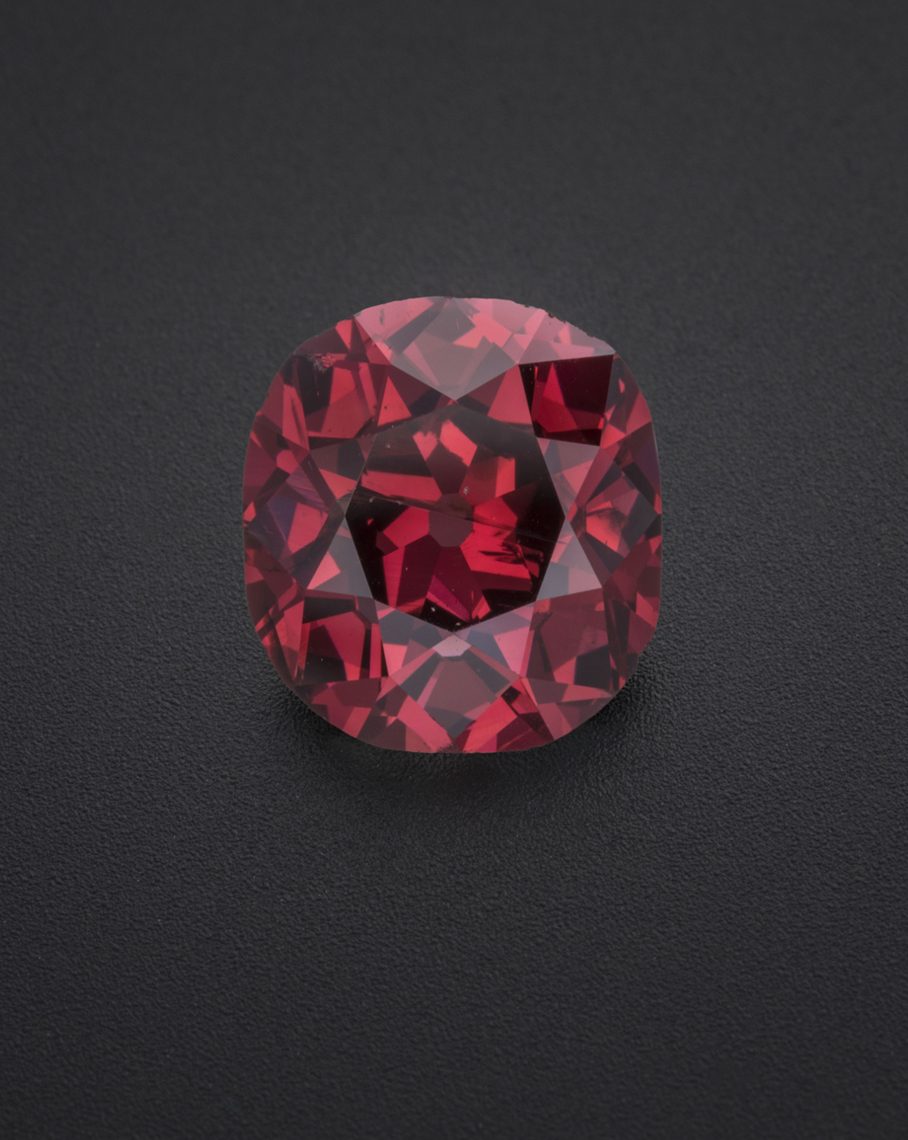
Roughly 80 percent of Argyle’s gem-quality diamonds were brown. Sixteen percent were yellow. Two percent were white. Two percent were grey. And fewer than 1 percent fell into the rarest categories: pink, red, green, blue, violet, and purple. That fraction of a fraction produced 90 to 95 percent of the world’s entire supply of pink and red diamonds. No other source came close. Before Argyle, pink diamonds were so scarce that most collectors rarely encountered them. The mine didn’t just supply the market for pink diamonds. It created it.
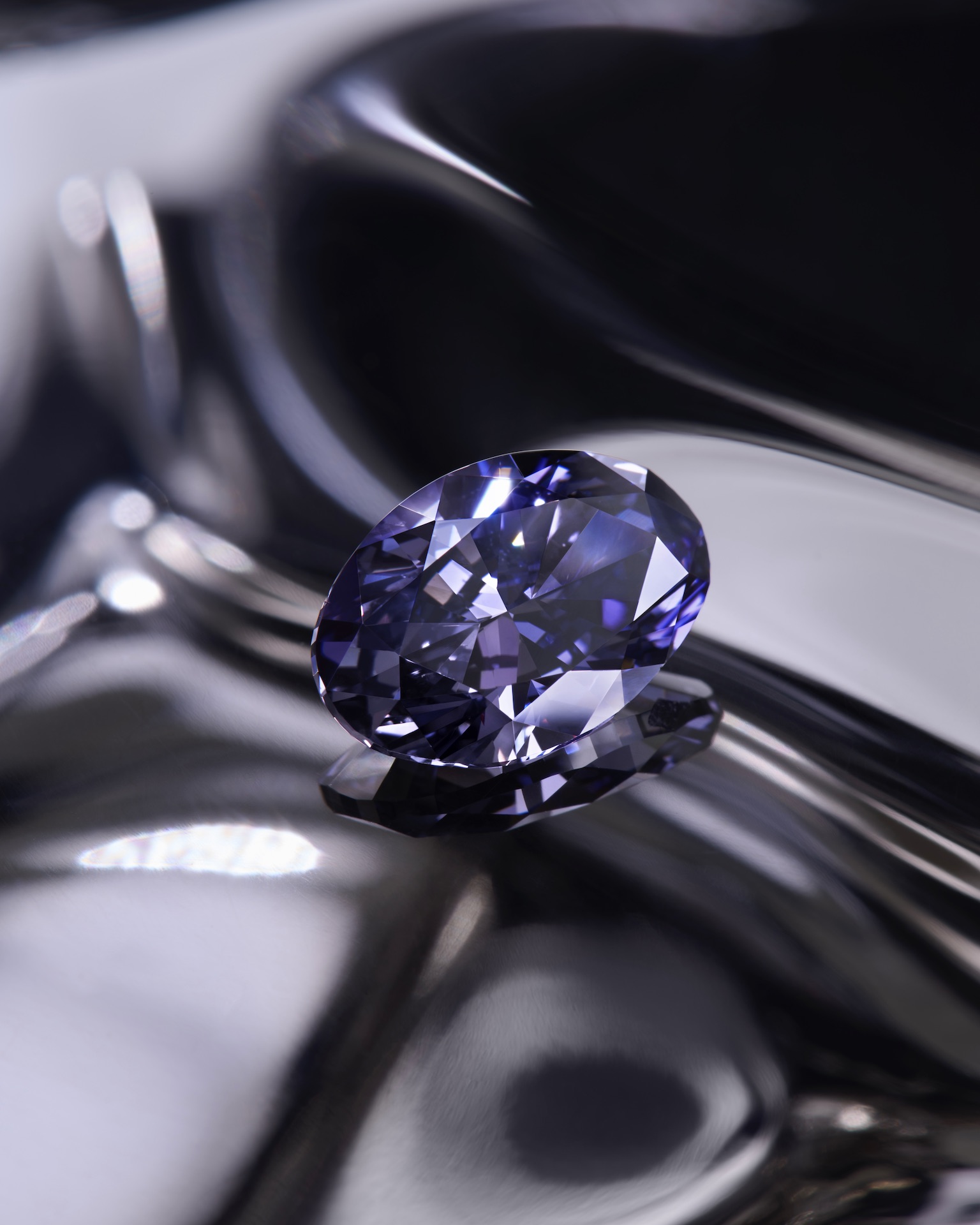
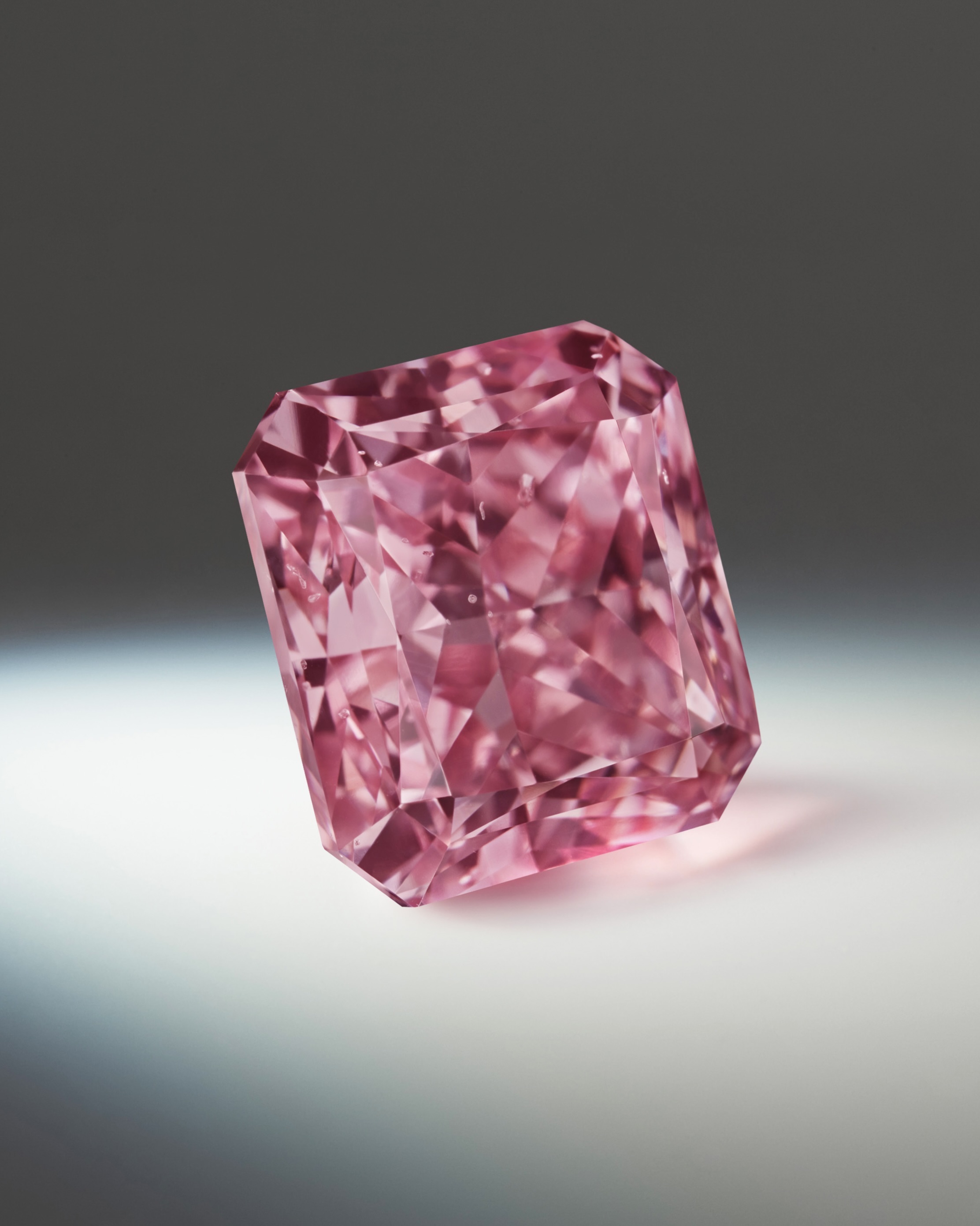
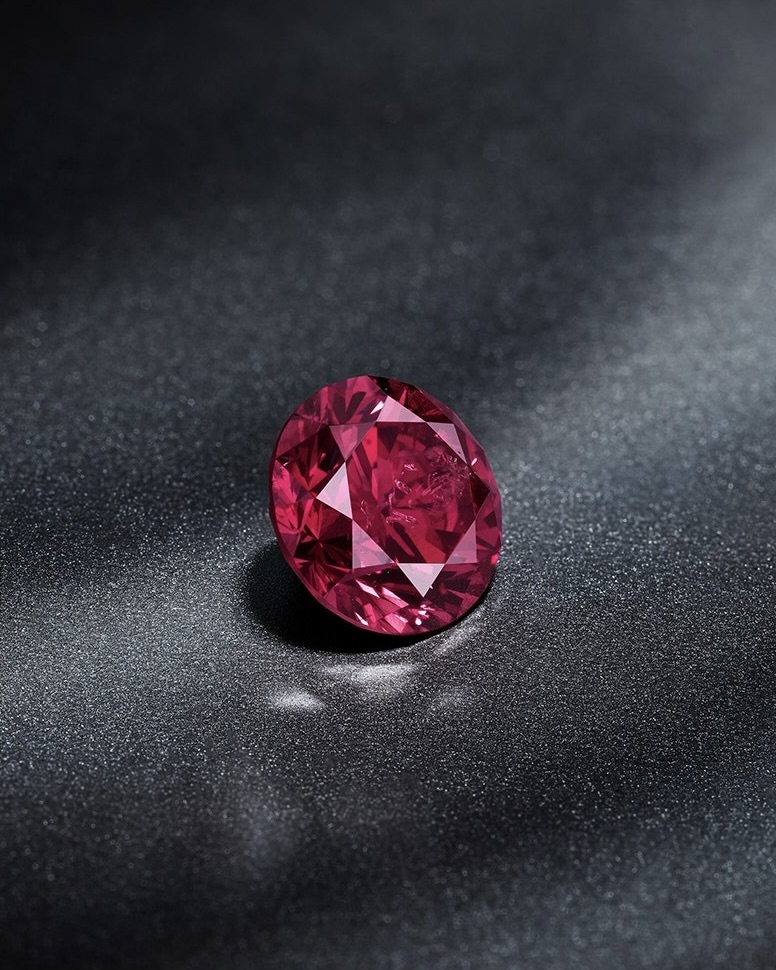
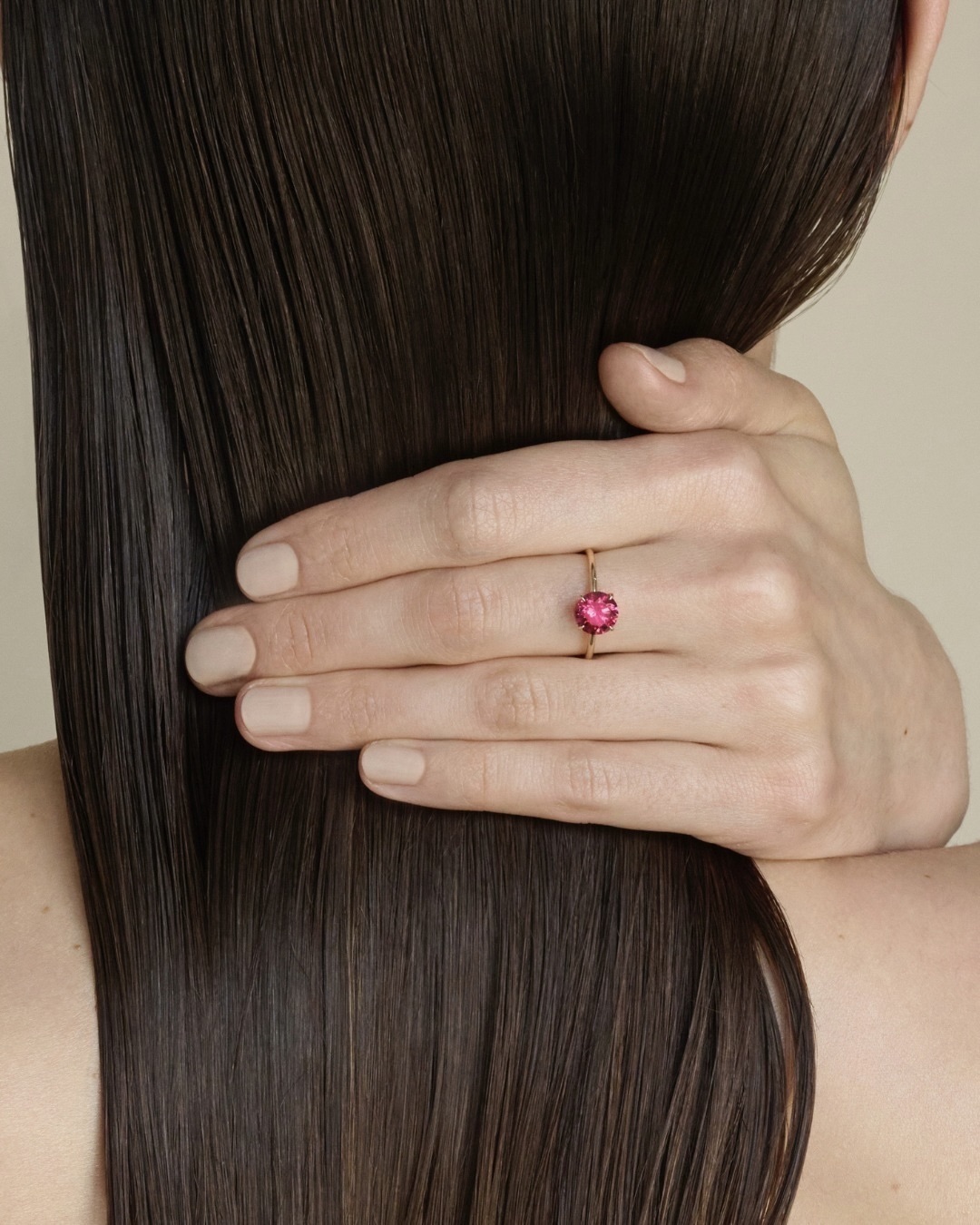
What set Argyle pinks apart was not just their rarity but their specific character. While pink diamonds from other sources often appear faded or soft, Argyle pinks displayed a bubblegum-like vibrancy that experts could identify at a glance. That intensity traces back to how the stones formed. Geologists believe Argyle diamonds formed deeper in the Earth’s mantle than most, under greater pressure and force. The result was a distortion of the crystal’s atomic structure, producing a more saturated, more vivid pink color. Whether the lamproite host rock also played a role remains a subject of ongoing research, but the evidence that formation conditions drove the color is compelling.
The average size of Argyle stones was small, most exiting the mine at around 0.10 carat. But size was never the point. Color was everything.
Why Argyle Controlled Every Step of Production
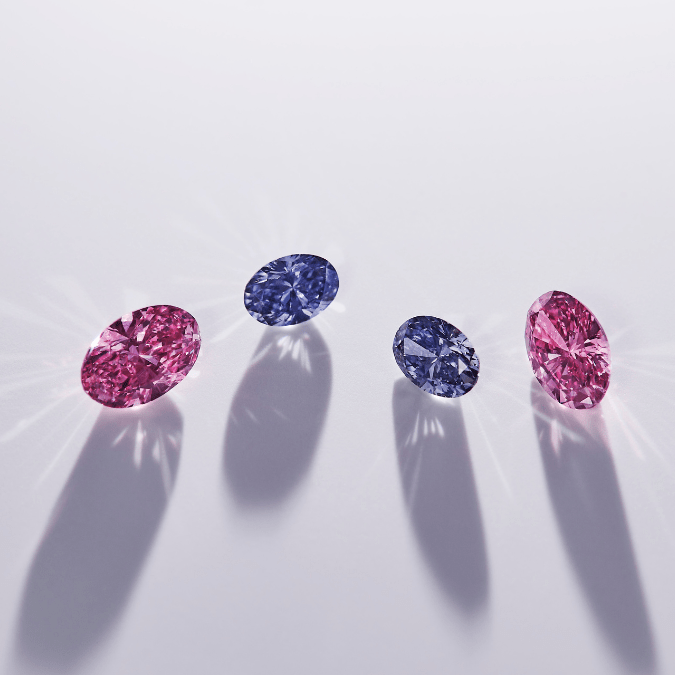
Argyle did something no other major diamond mine has done: it processed and sold all its rare fancy color diamonds as polished stones rather than rough. A specialized team based in Perth cut, polished, and marketed these diamonds directly to customers worldwide under the Argyle brand. Every color stone above 0.08 carats received a laser inscription, a GIA grading report, and an Argyle certificate with its own proprietary color grading system.
That system assigned a color hue designation, combined with a numerical intensity grade from 1 to 9, with 1 representing the most intense color. Buyers often held both a GIA report and an Argyle certificate simultaneously. What the Gemological Institute of America might describe as a Fancy Intense Pink diamond, Argyle could classify more specifically as a P3 stone within its proprietary grading scale, a designation collectors and dealers came to recognize as shorthand for a particular level of color saturation and rarity unique to Argyle diamonds. The dual certification became a mark of authenticity and provenance that the market came to trust deeply.
From 1984 through 2021, Argyle held its annual Pink Diamond Tender, an invitation-only sale offering the finest stones from that year’s production to a select group of qualified buyers in Antwerp. The Tender became one of the most anticipated events in the international diamond calendar, a yearly reminder that Argyle pink diamonds existed in quantities that could fit in the palm of your hand.
Why Cutting Argyle Diamonds Required Extraordinary Skill
Argyle pink diamonds demanded a level of cutting skill that very few artisans possessed. The complex inner graining characteristic of these stones made decisions about facet placement and proportion extraordinarily consequential. Color could be preserved or improved by the right cut, and compromised by the wrong one. At its peak, just two world-class cutters worked in Argyle’s polishing atelier in Perth, applying the kind of focused expertise that stones of this rarity demanded.
What the Closure of the Argyle Diamond Mine Means
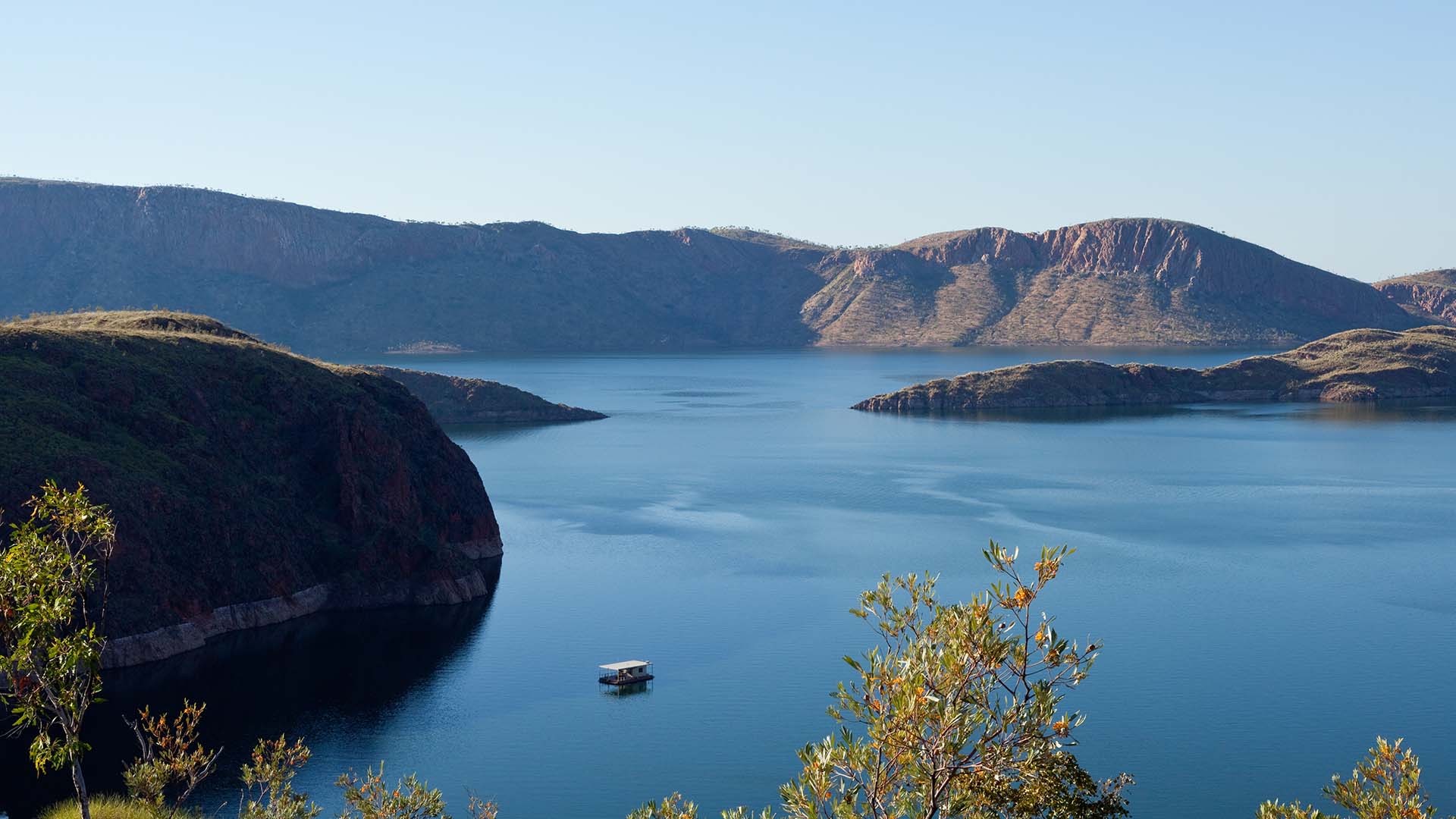
Rio Tinto announced in 2018 that the mine had ceased to be economically viable and formally stopped production on November 3, 2020. Processing of remaining ores continued through mid-2021, with final diamond sales extending into 2022. Rio Tinto is currently decommissioning the site and rehabilitating the land in collaboration with its traditional Indigenous owners, providing career support to the workforce and working to create sustainable economic opportunities for the communities that depended on the mine’s infrastructure for four decades.
The land will eventually return to something close to its natural state. The diamonds will not.
Argyle pink diamonds are, as one expert put it, nature’s own limited edition. The mine ran for 37 years. It produced diamond colors that no other source on Earth has reliably replicated. It transformed the global appetite for natural-color diamonds, turning what had been a gemological curiosity into one of the most coveted categories in fine jewelry. And then it closed.
Every Argyle pink diamond that exists today is all that will ever exist. That fact alone is enough to explain the trajectory of their value. But the real reason collectors hold onto these stones is simpler than any market analysis: They are among the most beautiful things nature has ever produced, from a place that produced them once and will never produce them again.