
Diamonds at the World’s Fair: A History of Stones That Stopped the World
From the Koh-i-Noor in a gilded birdcage to Tiffany’s $30 Million necklace, natural diamonds have always been the showstoppers of the World’s Fair.
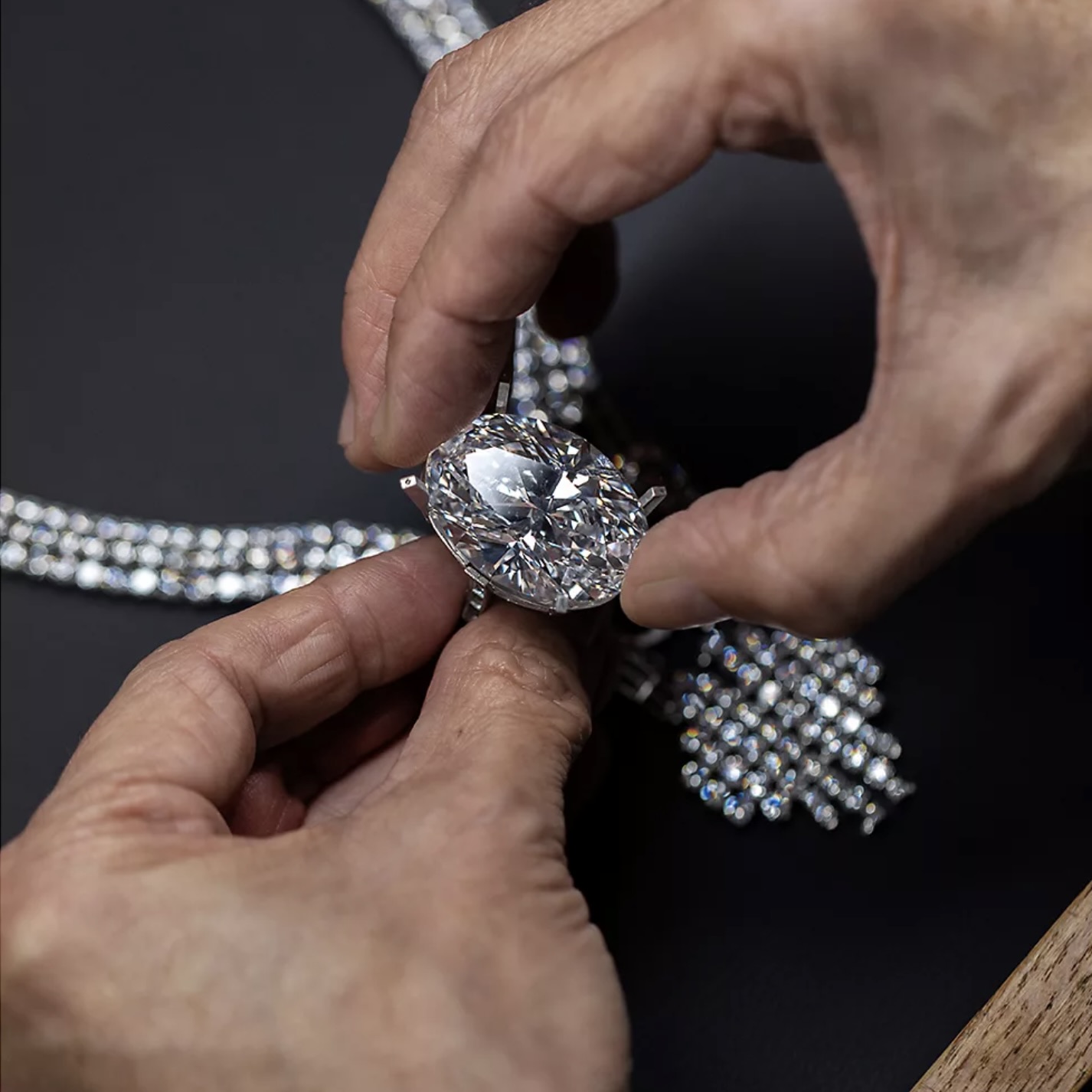
The Tiffany & Co. Empire Diamond Necklace (Courtesy of Tiffany & Co.)
There is a reason organizers of nearly every great World’s Fair made room for diamonds. When you want to stop a crowd in its tracks, you reach for the rarest and most beautiful objects on Earth, and for more than 170 years, that has meant natural diamonds. I have spent my career around extraordinary stones, and I find it endlessly fascinating that the same gems we marvel at today drew crowds of millions at expositions dating back to the Victorian era.
The World’s Fair was the social media of its day, the place where nations showed off, and diamonds were almost always the thing people lined up to see. Let me walk you through the most remarkable diamonds and diamond jewelry that appeared at these fairs, in chronological order.
Meet the Expert

- Grant Mobley is the Jewelry & Watch Editor of Only Natural Diamonds.
- He is a GIA Diamonds Graduate.
- He has over 17 years of jewelry industry experience, starting with growing up in his family’s retail jewelry stores.
The Great Exhibition (1851): How the First World’s Fair Made the Koh-i-Noor a Global Sensation
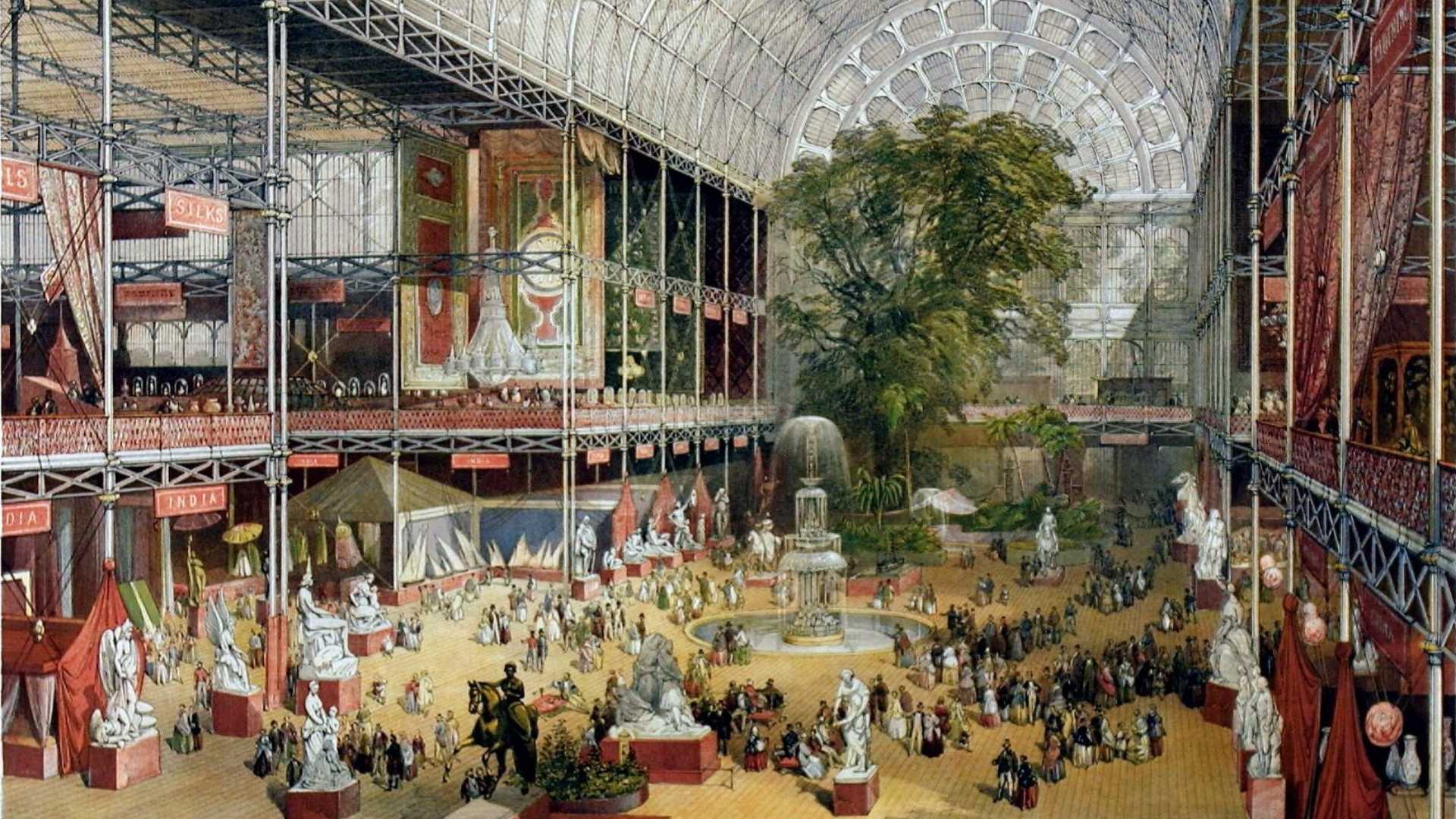
The very first World’s Fair set the template, and it did so with diamonds front and center. Held in the dazzling glass-and-iron Crystal Palace in Hyde Park, the Great Exhibition drew six million visitors, a number equal to roughly a third of Britain’s population at the time.
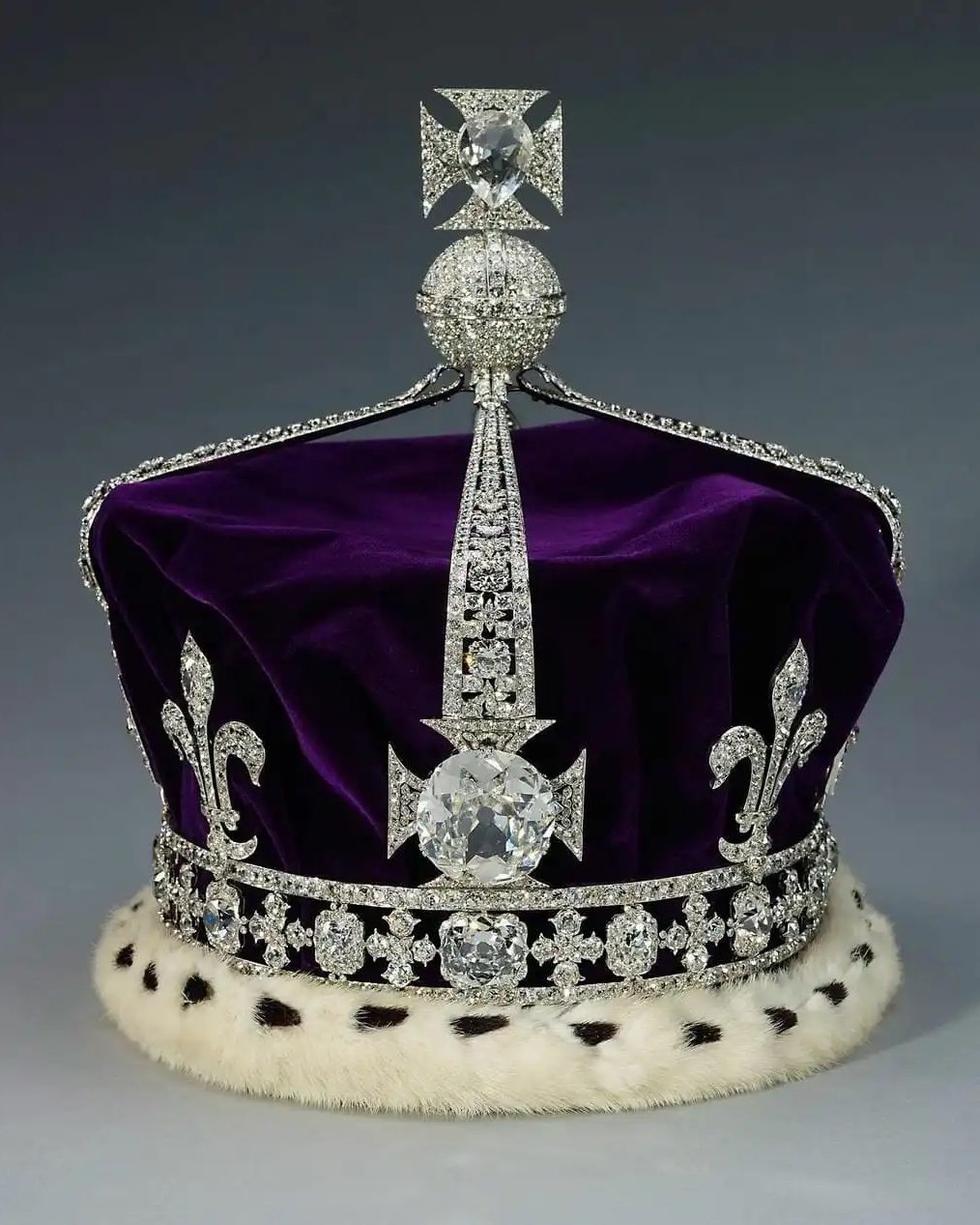
The star was the Koh-i-Noor, then considered the largest known diamond in the world. The British had acquired it just two years earlier, and it became one of the most popular attractions of the entire fair. Around three million people filed past to see it. The display was pure theater. The stone sat on red velvet inside a gilded, birdcage-like security structure designed by the locksmith Jeremiah Chubb, engineered so that if anyone touched the glass, the diamond would instantly drop into a safe below.
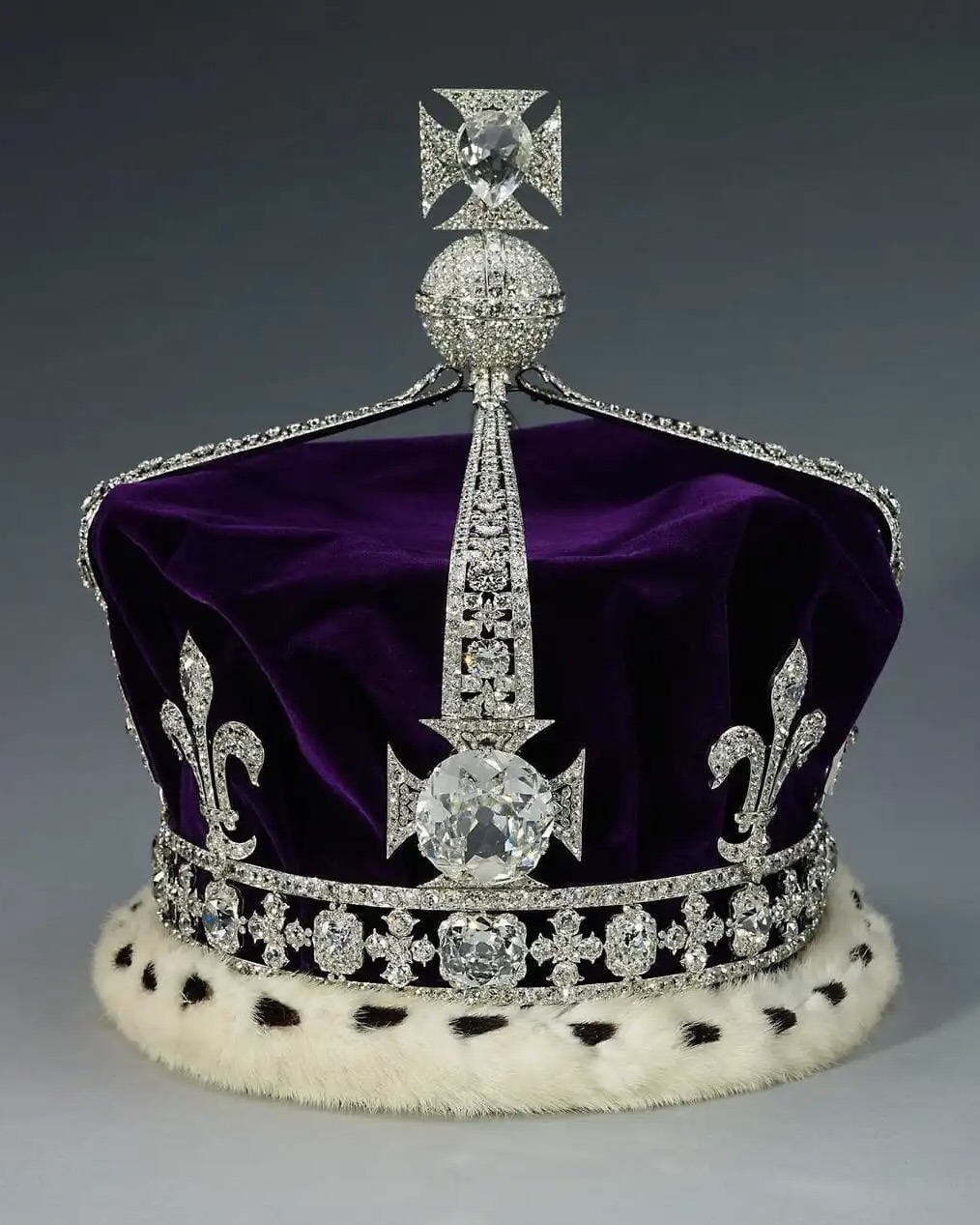
Here is the twist that always makes me smile. After all that anticipation, the public found the Koh-i-Noor disappointing. Its old Mughal cutting did not throw light the way Victorian audiences expected, and many said it looked like a lump of glass. The reception stung Prince Albert so badly that he later had the diamond recut into an oval brilliant, a process that dramatically improved its brilliance while significantly reducing its weight. It is the same cut we see it as today in the Crown Jewels.
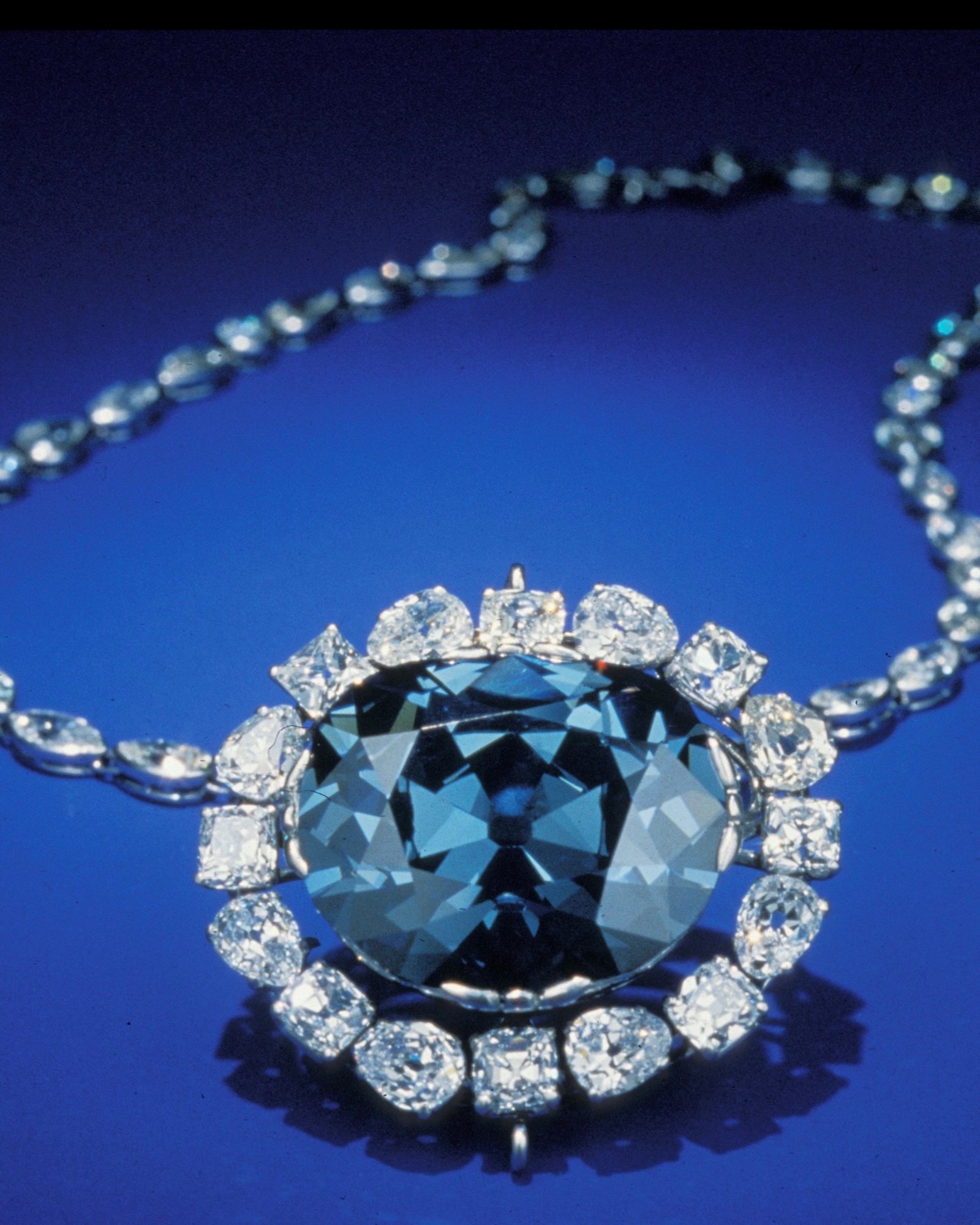
The Koh-i-Noor was not alone. The Daria-i-Noor, one of the great pale diamonds of the world, was shown courtesy of the East India Company. And in a wonderful footnote, at the same time, Queen Victoria was personally shown the famous blue Hope Diamond by its then-owner, Mr. Hope himself.
The World’s Columbian Exposition (1893): When the Tiffany Yellow Diamond Made Its Public Debut
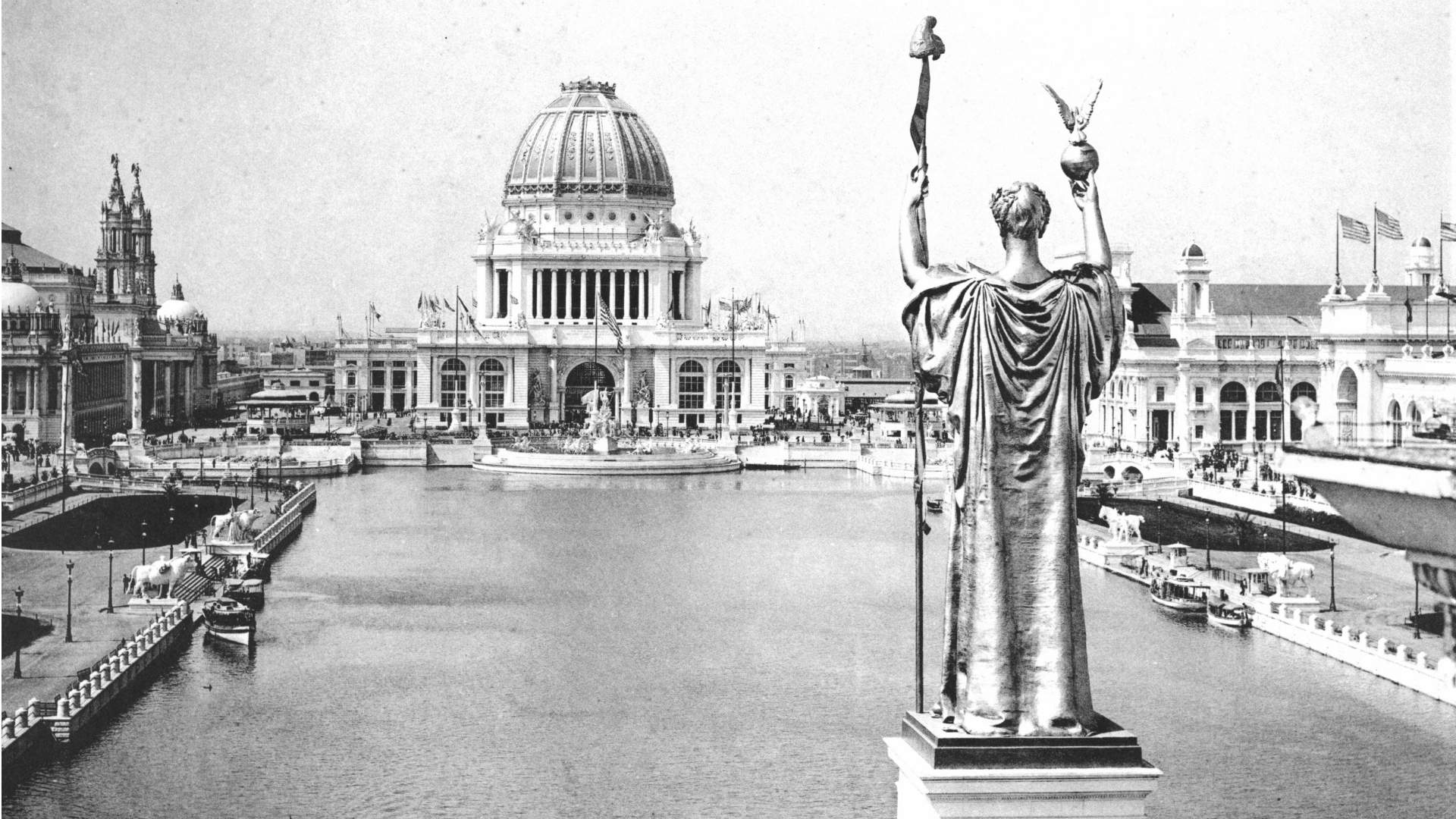
By the time the fairs reached America, Tiffany & Co. had figured out that these expositions were the ultimate stage. The 1893 Chicago World’s Fair marked the public debut of the Tiffany Yellow Diamond, the 128.54-carat cushion-cut canary stone that founder Charles Lewis Tiffany had purchased as a 287.42-carat rough from South Africa in 1877.

Tiffany also displayed an extraordinary carved diamond stick pin depicting King William II. The carving was a marvel of craftsmanship, reportedly taking five years to complete because a diamond can only be carved using another diamond. Tiffany had first shown the piece at the 1878 Paris Exhibition before bringing it to Chicago.
A Century of Progress (1933): The World’s Fair That Showcased the Nassak Diamond
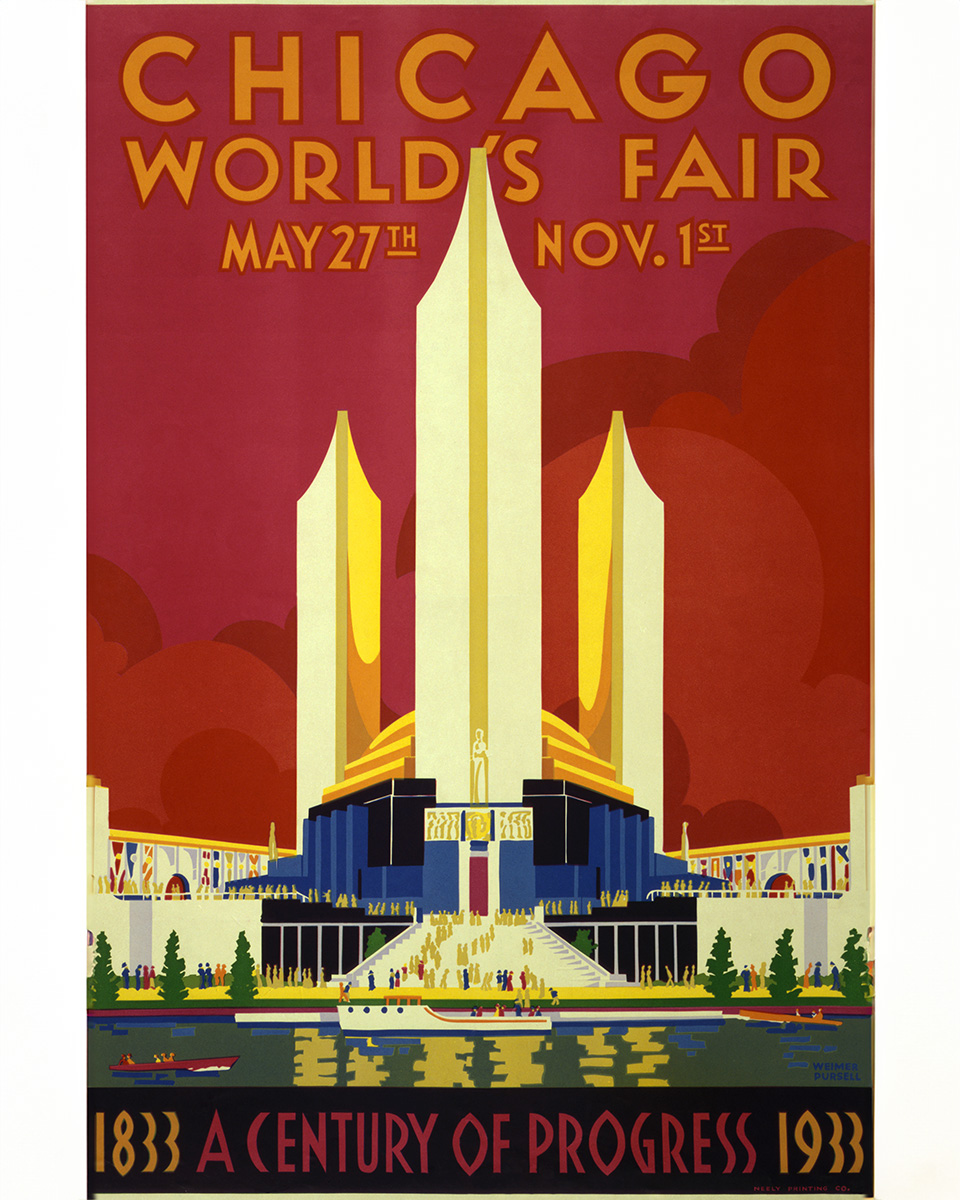
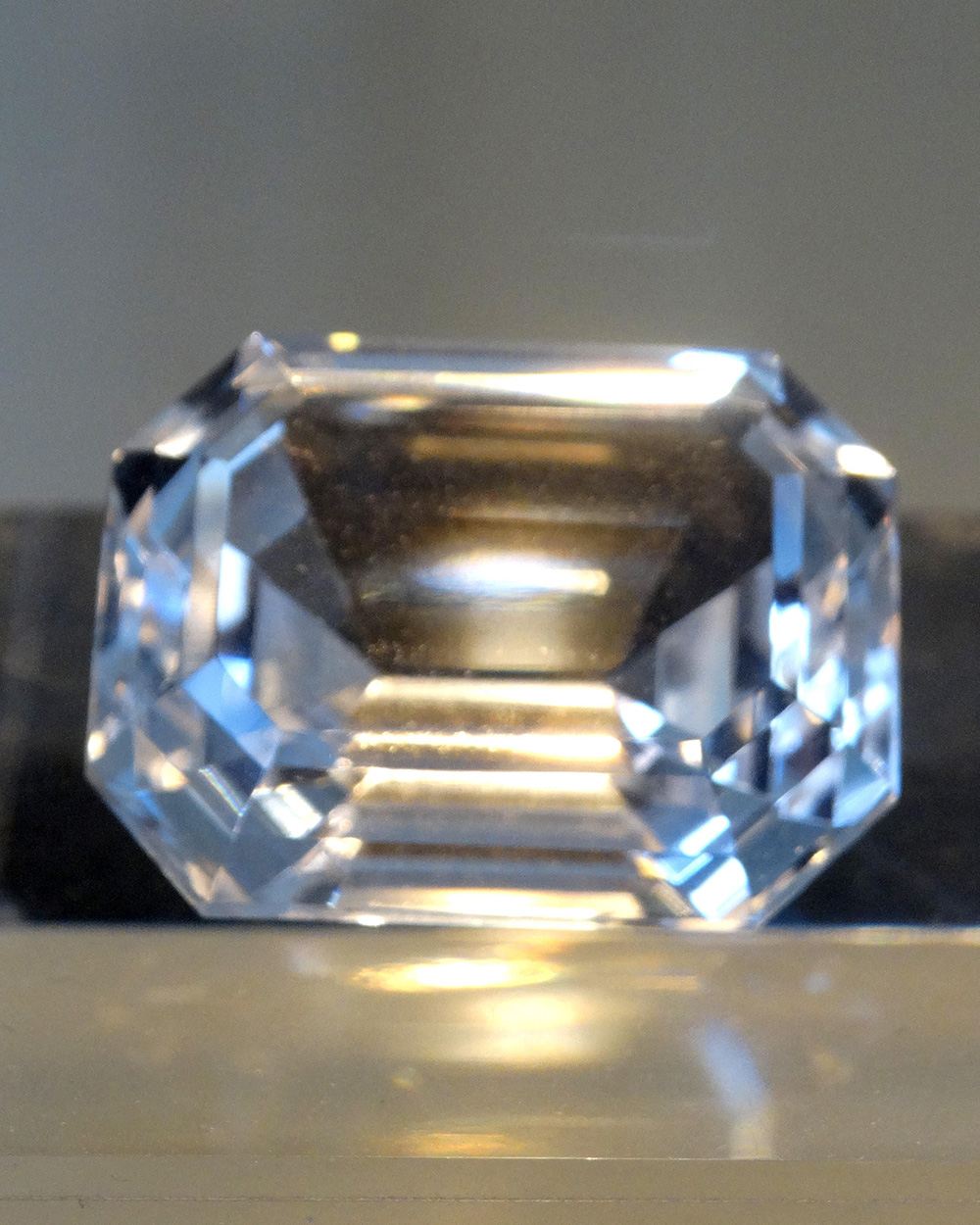
Chicago’s second great fair, the Century of Progress International Exposition, featured a “Diamond Mine Exhibit” that gathered some genuine heavyweights. The Tiffany Diamond appeared again, joined by a 42-carat blue diamond once owned by Emperor Maximilian of Mexico.
The real headliner, though, was the Nassak Diamond, the legendary Golconda stone known as the Eye of the Idol that had once adorned a Shiva temple near Nashik, India. The official 1933 fair guide described it as a flawless, blue-white stone with a reputation as the finest diamond outside of crown jewel collections. At that point, it still weighed about 78 carats; Harry Winston would later acquire and recut it to its present 43.38-carat emerald-cut form.
The New York World’s Fair (1939–1940): When Diamond Spectacle Reached Its Peak
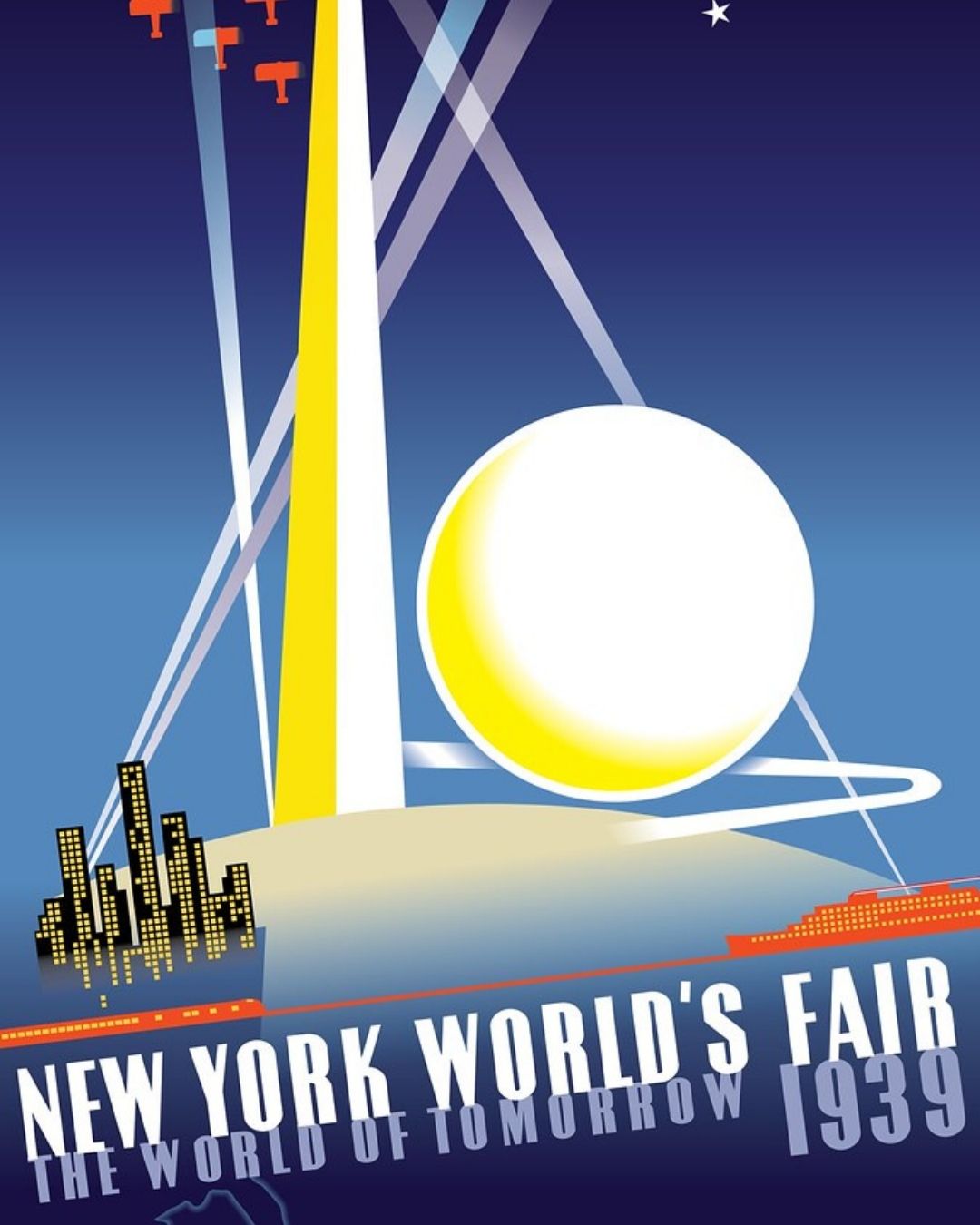
If the 1851 Great Exhibition launched the diamond-as-spectacle tradition, the 1939 New York World’s Fair perfected it. Built on the theme “Dawn of a New Day” and a vision of the “World of Tomorrow,” the fair drew more than 44 million visitors to Flushing Meadows in Queens, New York.
The dedicated jewelry pavilion, called the House of Jewels, was actually the smallest standalone building at the fair. Yet, by 1939, it had become the single most popular pavilion on the grounds. People wanted diamonds, plain and simple.
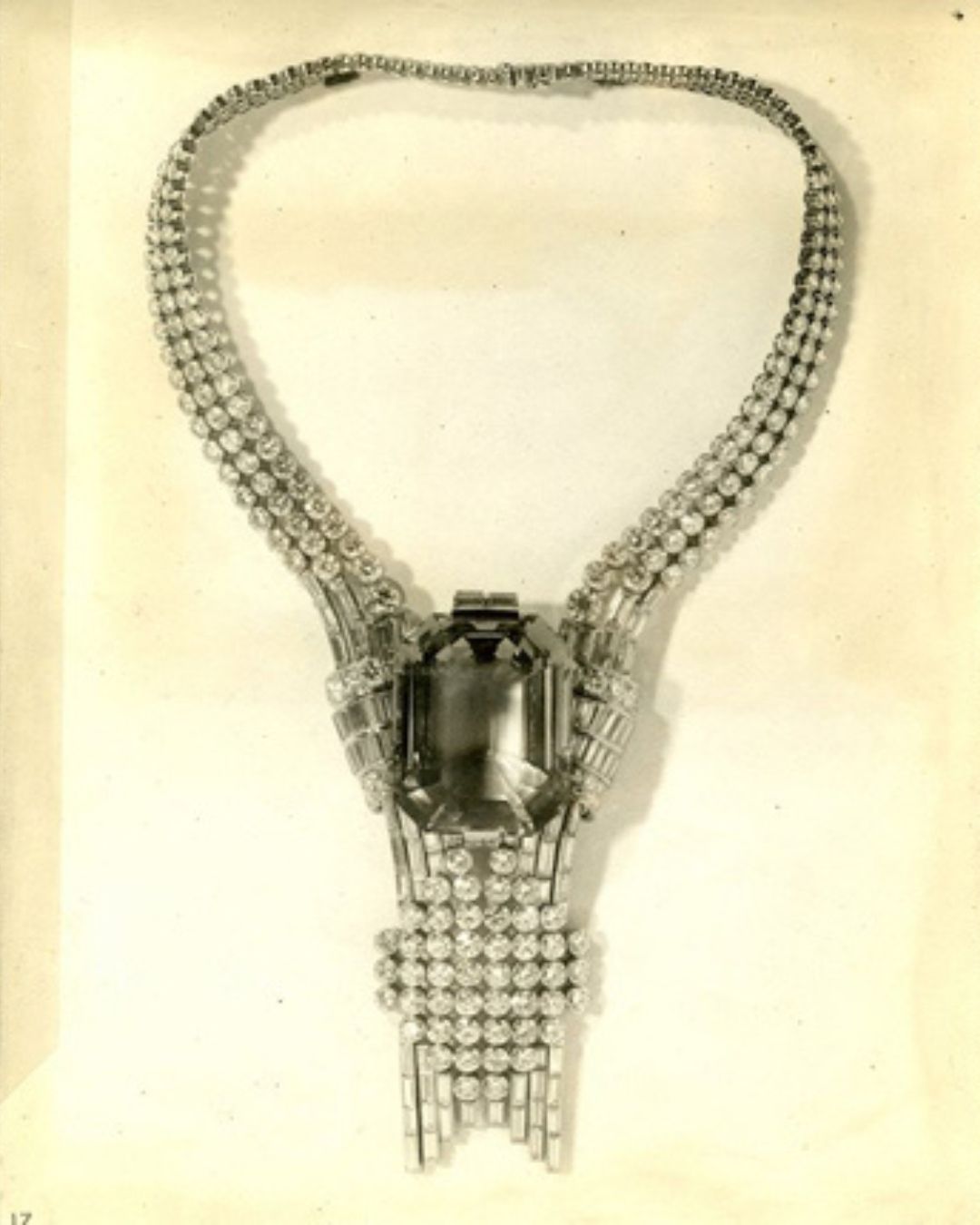
Tiffany’s exhibit inside was a showcase of Art Deco and Cocktail-era brilliance, including a diamond tiara set with a 75-carat emerald and a “fireworks” diamond-and-ruby clip celebrating the new age of aviation. But the piece that endures most powerfully is the original World’s Fair Necklace, an Art Deco masterpiece featuring 429 diamonds and a 200-carat aquamarine center stone. It mesmerized the millions who saw it and set the stage for Tiffany’s flagship store opening on Fifth Avenue the following year. The Tiffany Yellow Diamond made an appearance here too, cementing its status as the most-exhibited famous diamond in fair history.
De Beers also showed a marquise-cut diamond cut from the famous Excelsior Diamond, the enormous South African rough discovered in 1893 that was, for a time, one of the largest diamonds ever found.
The Brussels World’s Fair (1958): The Hidden History of the Wittelsbach Diamond
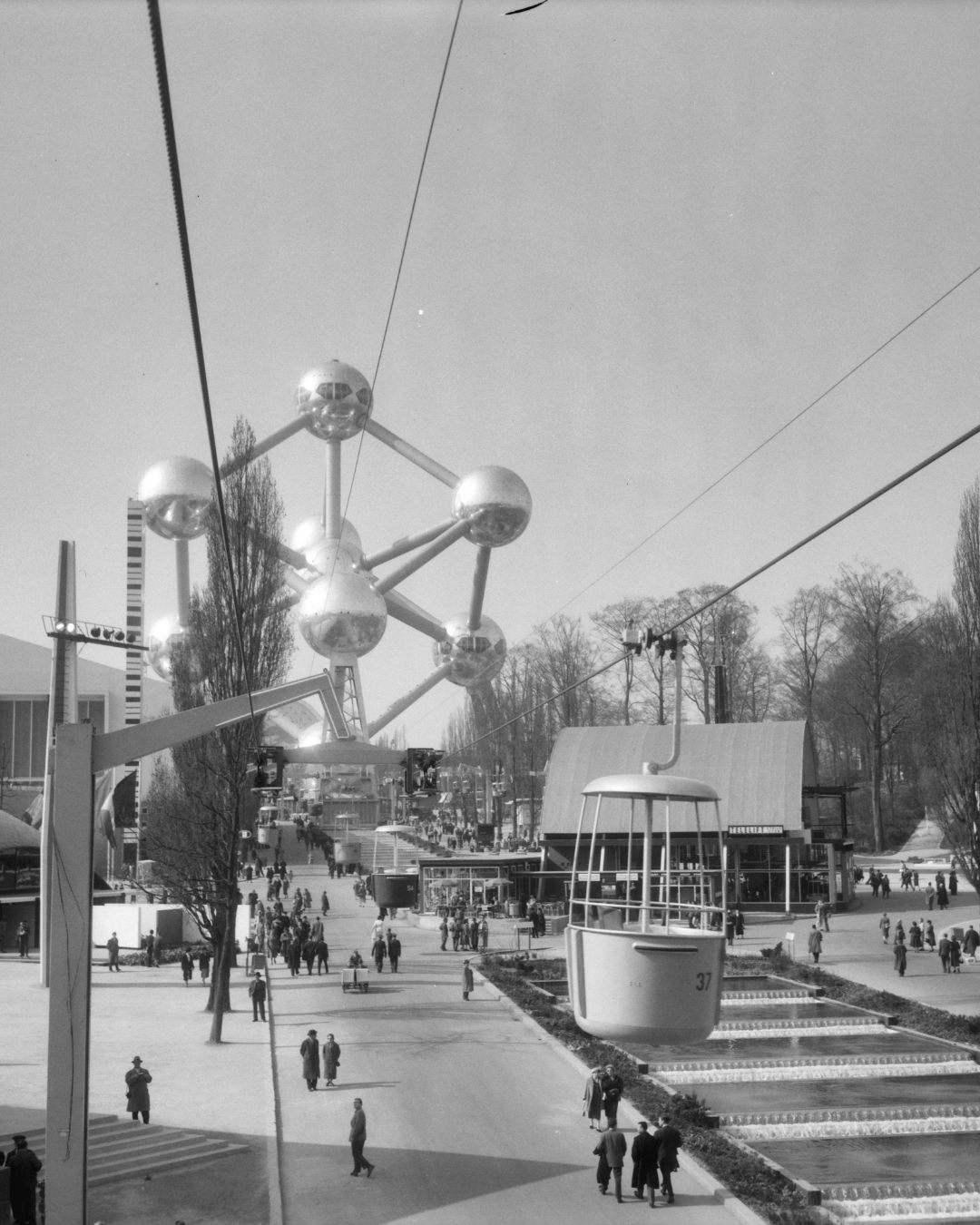

The mid-century fairs still had room for a great diamond mystery, and Brussels delivered one without anyone realizing it at the time. The Wittelsbach Diamond, a deep blue Golconda stone with a royal pedigree dating to 1664 when Philip IV of Spain gave it to his daughter, was displayed at the 1958 World Exhibition. Remarkably, it was shown without attribution, hidden in plain sight among a dealer’s wares. The stone’s true identity and royal provenance would not be properly recognized until 1962. Laurence Graff acquired and recut it decades later into the Wittelsbach-Graff, and it remains one of the most important blue diamonds in existence.
Dubai Expo 2020 (Held in 2021): How the World’s Fair Diamond Tradition Came Full Circle
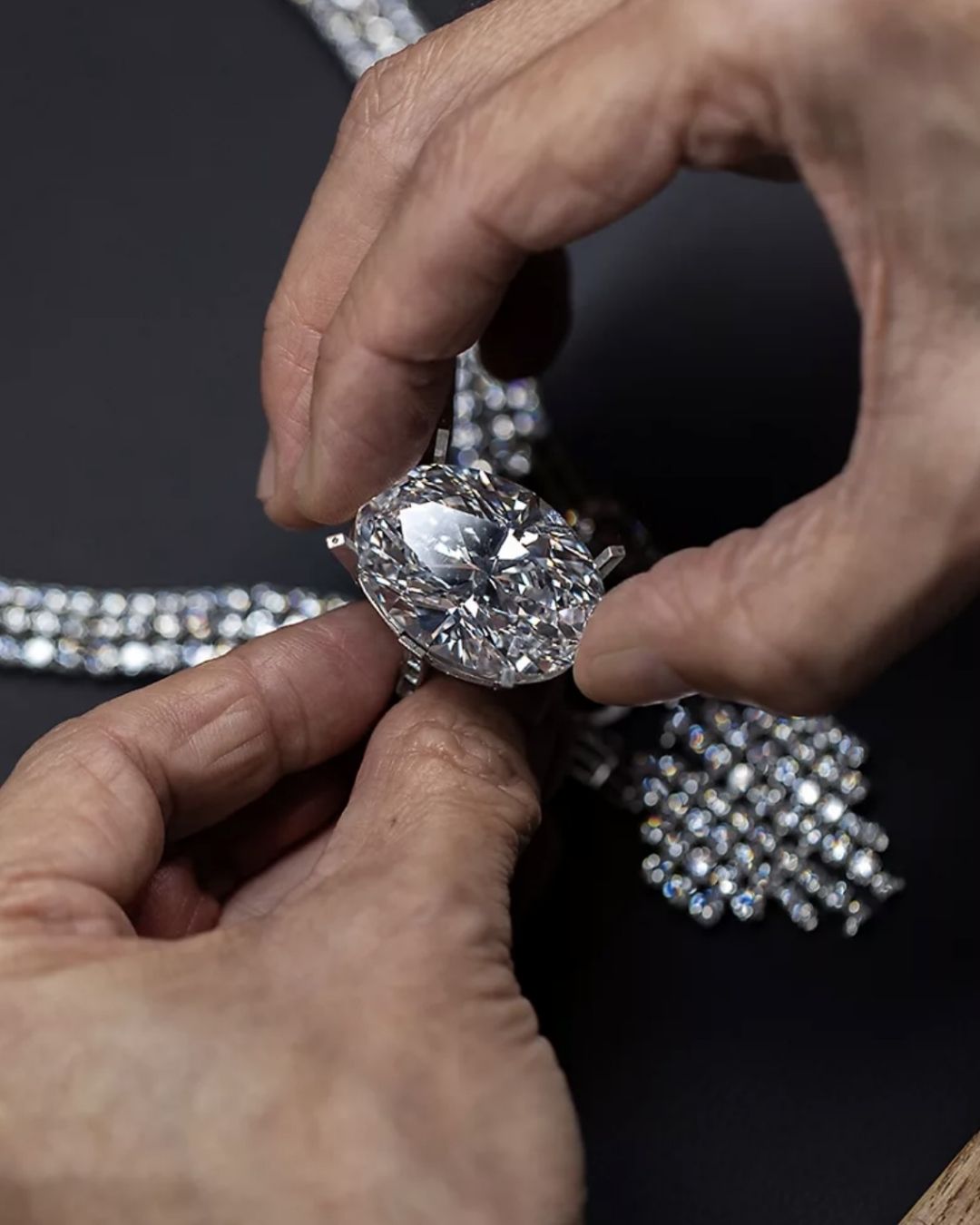
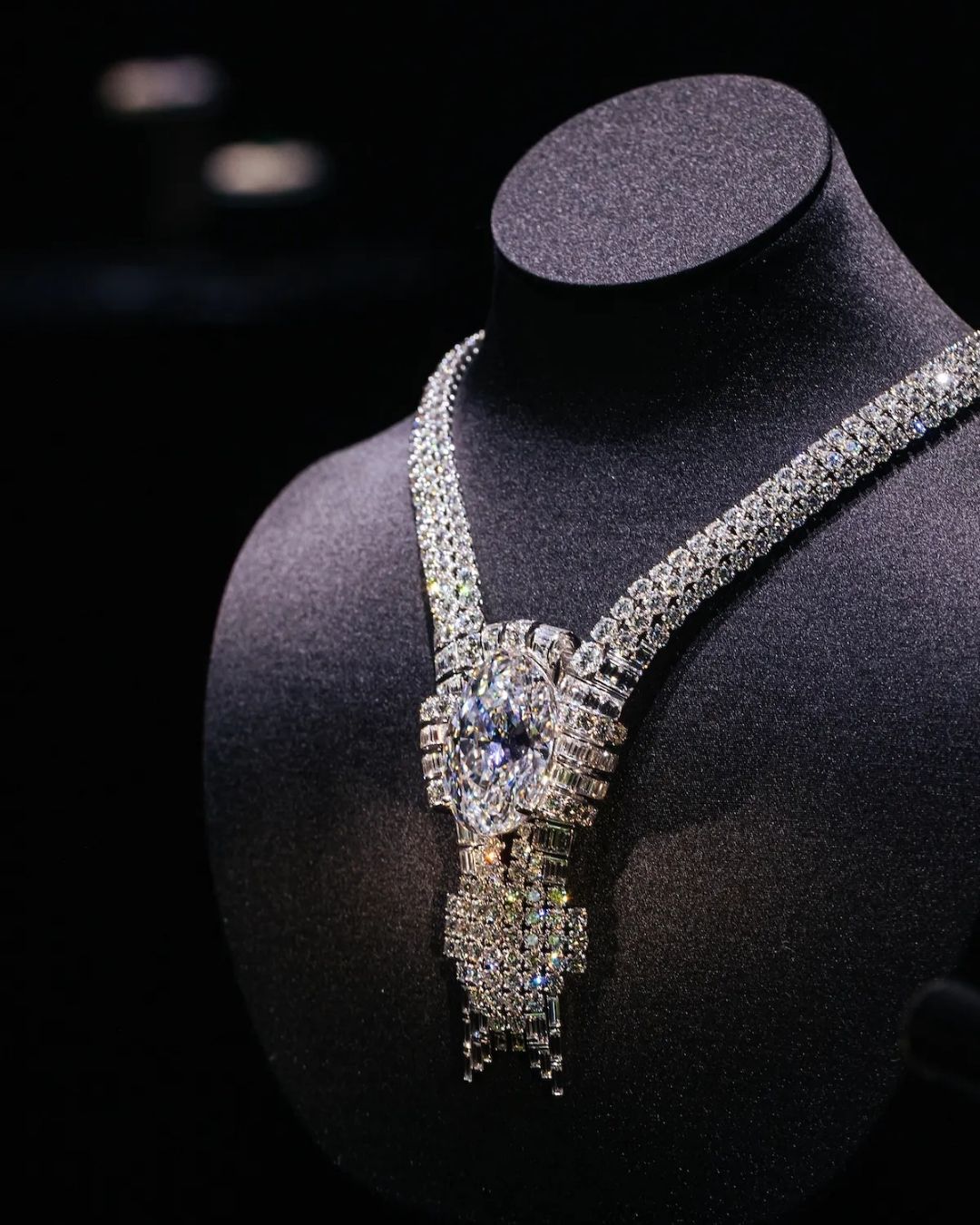
The World’s Fair tradition continues into our own era, and Tiffany brought its history beautifully full circle. At Dubai Expo 2020 (held in 2021 due to the pandemic), Tiffany unveiled a reimagined version of its 1939 World’s Fair Necklace. The house kept the original Art Deco silhouette but replaced the aquamarine with the Empire Diamond, an 80-carat D-color, internally flawless, Type IIa oval diamond responsibly sourced from Botswana.
With 578 diamonds in total and an estimated value of north of $30 million, it became the most expensive piece Tiffany has ever offered for sale. The Empire Diamond can even be detached and worn as a ring, a thoroughly modern twist on a piece born at a World’s Fair more than eight decades earlier.
Why Diamonds and World’s Fairs Have Always Belonged Together
Looking back across all these fairs, a clear pattern emerges. Whenever humanity gathered to celebrate progress, beauty, and the wonders of the world, natural diamonds were at the center. From a gilded cage in the Crystal Palace to a traceable Botswana diamond unveiled in Dubai, these stones have consistently been the things that made people stop, line up, and stare in wonder.
That is no accident. A natural diamond represents something formed over a billion years or more, deep within the Earth, in conditions that will never be repeated in exactly the same way. It is rarity and beauty made tangible. Diamonds have always been a source of wonder and excitement, which is precisely why, fair after fair, century after century, they keep taking center stage.