
Why the Archduke Joseph Diamond Is One of the World’s Most Perfect Diamonds
This 76-carat Golconda masterpiece is the largest D-color, internally flawless diamond of its kind ever graded, and its antique cushion cut represents exactly what people crave today.
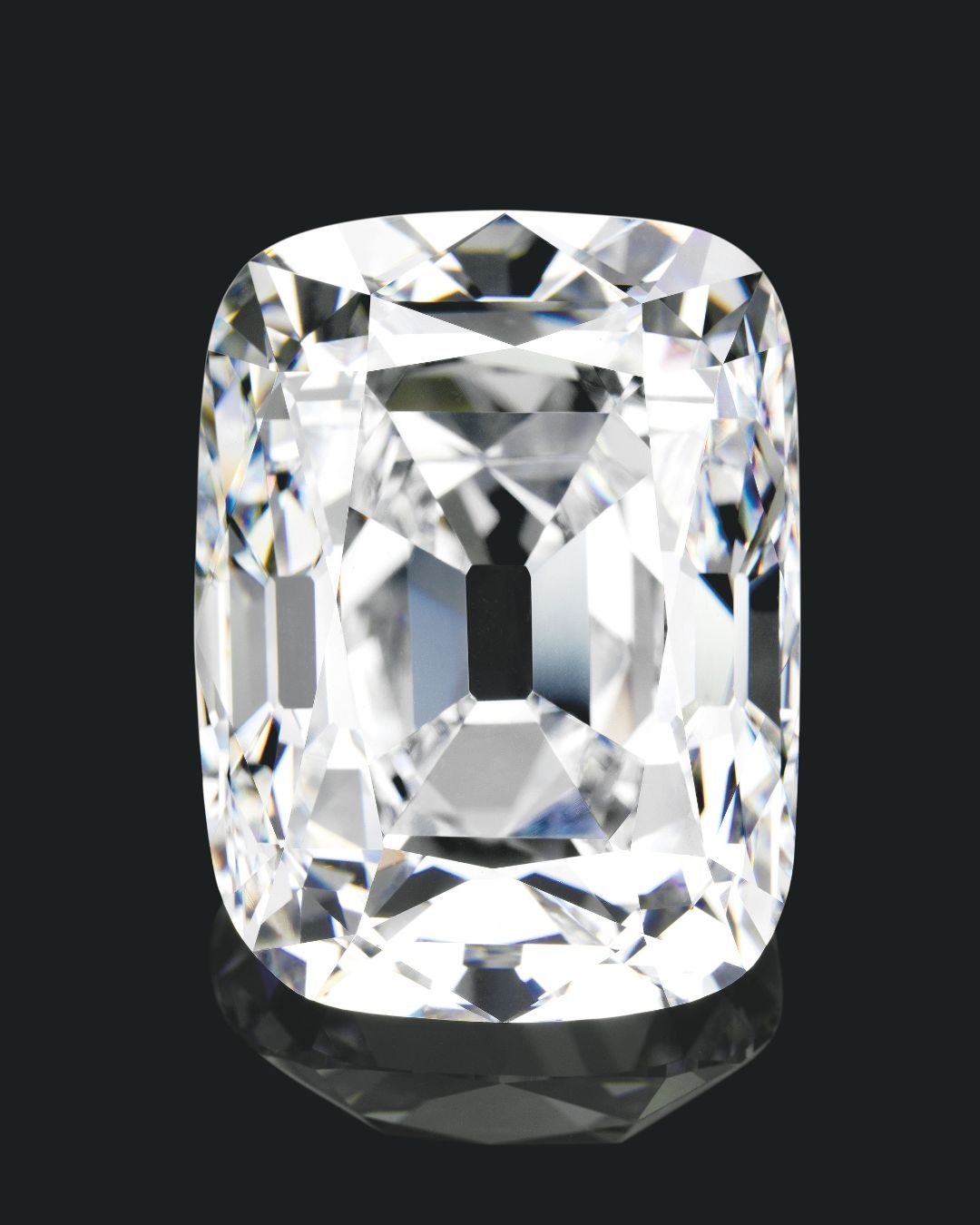
The Archduke Joseph Diamond: A cushion-cut, 76.02-carat, D color, Type IIa, Golconda diamond sold for $21.4 million at Christie’s Geneva on November 13, 2012. (Courtesy of Christie’s)
Few diamonds check every single box a serious collector could dream of: legendary Golconda origin, impeccable royal provenance, the highest possible grades on every scale, and extraordinary beauty. The Archduke Joseph Diamond is one of the exceptionally rare stones that does all of it. As someone who has spent years studying the world’s great gems, I consider it one of the most important and stunning colorless diamonds to ever appear at auction.
Meet the Expert

- Grant Mobley is the Jewelry & Watch Editor of Only Natural Diamonds.
- He is a GIA Diamonds Graduate.
- He has over 17 years of jewelry industry experience, starting with growing up in his family’s retail jewelry stores.
The Archduke Joseph Diamond Was Born in the Legendary Golconda Mines
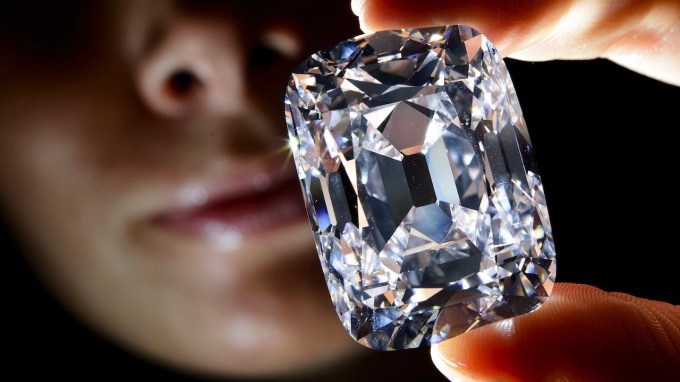
The Archduke Joseph Diamond traces its origin to the fabled Golconda mines of India, the same source that produced the Koh-i-Noor and the Hope Diamond. Its provenance is especially significant because Golconda is hallowed ground in the history of diamonds. These ancient mines are where diamonds were first discovered 3000 years ago.
The diamonds discovered there yielded a purity and transparency that has never truly been matched, largely because so many Golconda diamonds are type IIa, meaning they contain little to no nitrogen and display an almost liquid, otherworldly clarity. The Archduke Joseph is exactly this kind of stone.
Graded by the GIA as D color, the highest colorless grade possible, and Internally Flawless in clarity, the Archduke Joseph Diamond stands as the largest D-color, Internally Flawless Golconda type IIa diamond the GIA has ever graded. That distinction alone places it in the most rarefied tier of gemstones on the planet. Collectors describe stones like this as “perfect,” because the combination of top color and internal flawlessness leaves nothing to improve. It is one of the largest ‘perfect’ diamonds known to exist.
The Mystery Behind the Archduke Joseph Diamond’s Origins
Here’s where the story gets intriguing. Despite the Archduke Joseph Diamond’s Golconda origin being widely accepted as fact, nobody knows its history before the 20th century. How it emerged from India, who owned it over the centuries, and how it eventually made its way into the hands of one of Europe’s most powerful royal families remain a mystery.
The first documented record of the diamond’s existence dates to June 1, 1933, when it was deposited in the vault of the Hungarian General Credit Bank in the presence of a State Counselor. It carried the name of its first recorded owner, Archduke Joseph August of Austria, a prince of the great House of Habsburg. Exactly when and how the Habsburgs obtained the stone, and precisely when it passed from the Archduke to his son Joseph Francis, remains debated to this day because the records are so unreliable.
Who Was Archduke Joseph?
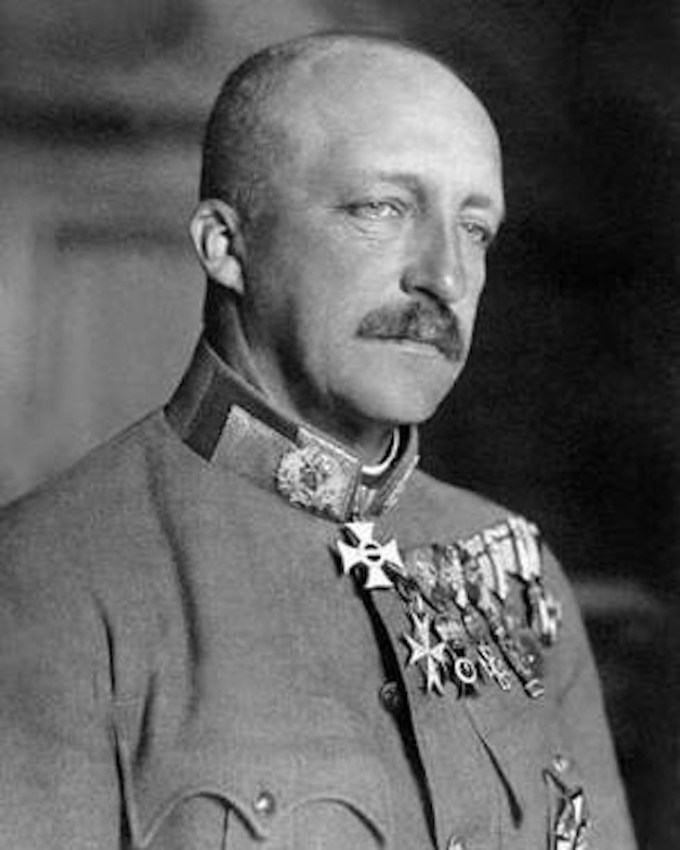
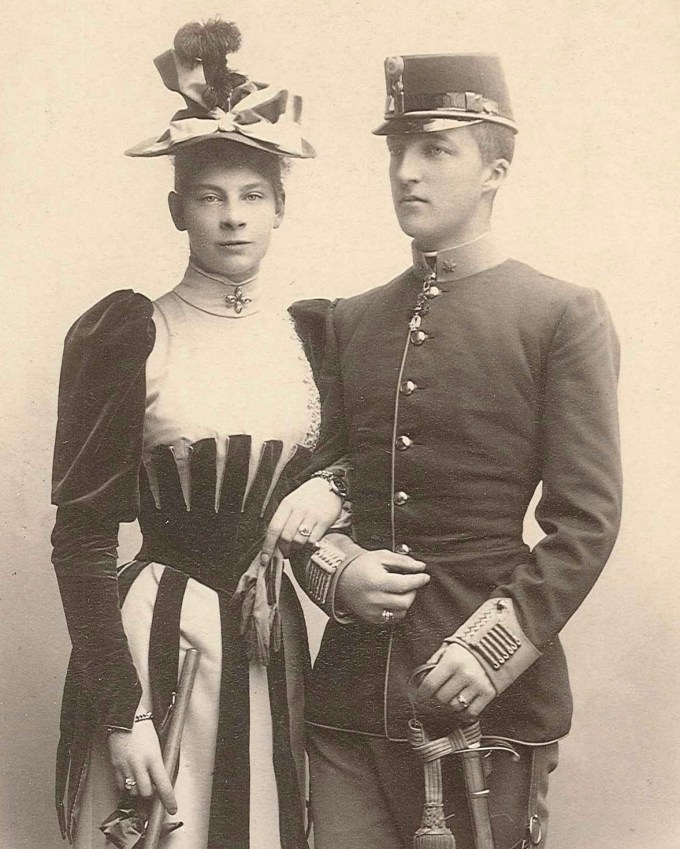
The diamond is named after Archduke Joseph August of Austria, who lived from 1872 to 1962 and was a direct descendant of Emperor Leopold II. He was the son of Duke Joseph Carl Ludwig of Austria and Princess Clotilde of Saxe-Coburg-Gotha. In 1893, he married Auguste Maria Louise of Bavaria, a granddaughter of Emperor Franz Joseph himself.
The Archduke lived a life few of us can imagine today. He had a highly decorated military career, rose to high ranks during World War I, and was briefly named the first Regent of Hungary. Politics ultimately cost him the position, but he reinvented himself repeatedly, serving in the Hungarian Parliament and presiding over the Hungarian Academy of Sciences. After Soviet troops occupied Hungary following World War II, he emigrated to the United States before eventually returning to Europe. He died in 1962, having survived the collapse of an empire, two world wars, and a revolution. His diamond proved just as resilient as he was.
A Diamond That Vanished for Decades

The Archduke Joseph Diamond seems to have shared its owner’s talent for surviving danger. After being deposited in a Hungarian bank vault in 1933, the diamond was sold three years later to a European banker, who placed it in a safe deposit box in France. Then came World War II, and the stone performed its most extraordinary disappearing act. Throughout the German occupation of France, the Nazis never discovered it. Hidden away in its vault, the diamond remained untouched until the war ended.
The diamond surfaced at auction in London in 1961 but went unsold when it failed to meet its reserve. It disappeared again for another 32 years before Christie’s Geneva sold it in 1993 for roughly $6.5 million. Alfredo J. Molina of Molina Fine Jewelers acquired it in 1999 and had it very slightly recut to improve its symmetry and clarity, reducing it marginally to preserve its perfection.
Under his ownership, the diamond finally got the public exposure it had been denied for decades, gracing the neck of actress Laura Harring at the Oscars and singer Celine Dion during a television special, both in April 2002. After a lifetime locked in vaults, millions of people finally saw The Archduke Joseph Diamond sparkle.
The Record-Breaking Sale of the Archduke Joseph Diamond


On November 13, 2012, the Archduke Joseph Diamond, now weighing 76.02 carats after more cutting touchups, sold at Christie’s in Geneva for more than $21.4 million. That price is a full $6 million above its pre-sale estimate and more than triple what it had fetched in 1993. It was also a world record for a Golconda diamond and currently a world record price per carat for a colorless diamond.
Why the Archduke Joseph Diamond’s Antique Cushion Cut Is More Coveted Than Ever
While the Archduke Joseph Diamond is remarkable in countless ways, perhaps its most compelling feature is its antique cushion cut. For years, the market preferred modern, precise cuts, and hand-cut antique stones like this were undervalued and even recut. Luckily, that has changed dramatically in the last few years.
Collectors have rediscovered the soft, romantic beauty of antique cuts. The way they gather light into a warm, glowing brilliance that no modern cut quite replicates. Each one was shaped by hand, making it genuinely unique. The Archduke Joseph is a magnificent example of this historic craftsmanship, and its enduring appeal reflects a broader shift in the market toward diamonds valued as much for their character and provenance as their technical perfection. It embodies beauty, rarity, history, and craftsmanship in a single extraordinary stone.