

The Jacob Diamond: The Priceless Gem That Spent Years Hidden in a Shoe
Much larger than the Koh-i-Noor, the Jacob Diamond, a 184-carat Indian treasure, ruined the man who sold it, got branded “unlucky,” and served as a paperweight before anyone realized what it was worth.
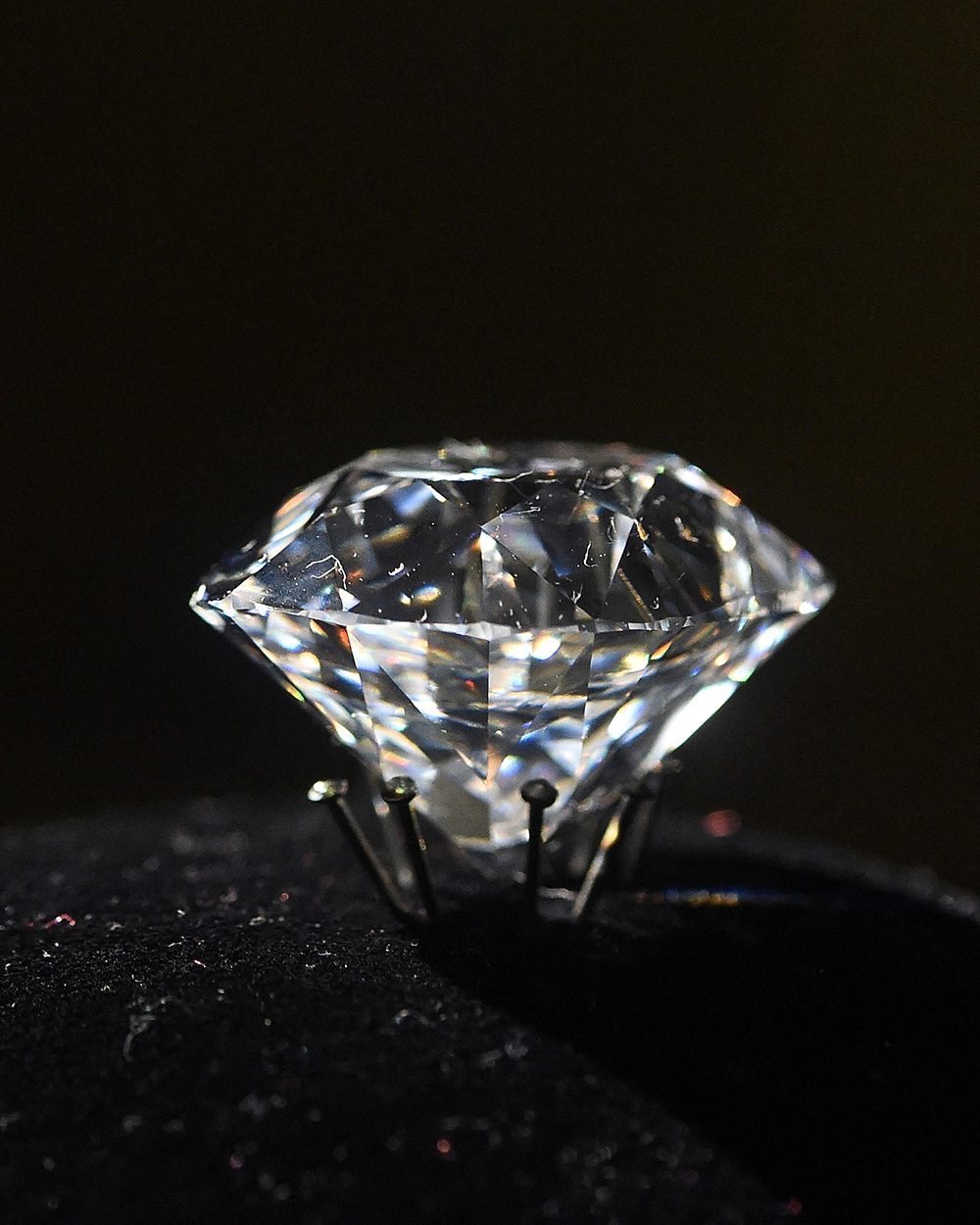
The Jacob Diamond (Getty Images)
Everyone knows the Koh-i-Noor, the legendary diamond sitting in the Tower of London. But ask most people to name another great Indian diamond almost twice its size, still in India today, and you will get blank stares. That diamond exists. It is called the Jacob Diamond, and its story involves a mysterious jeweler sold into slavery as a child, a scandal that reached the international press, an unlucky curse, and one of the most absurd fates any great gemstone has ever suffered: years spent as a paperweight, and before that, hidden in the toe of a shoe.
Meet the Expert

- Grant Mobley is the Jewelry & Watch Editor of Only Natural Diamonds.
- He is a GIA Diamonds Graduate.
- He has over 17 years of jewelry industry experience, starting with growing up in his family’s retail jewelry stores.
The Jacob Diamond: Fit for the Richest Man Alive
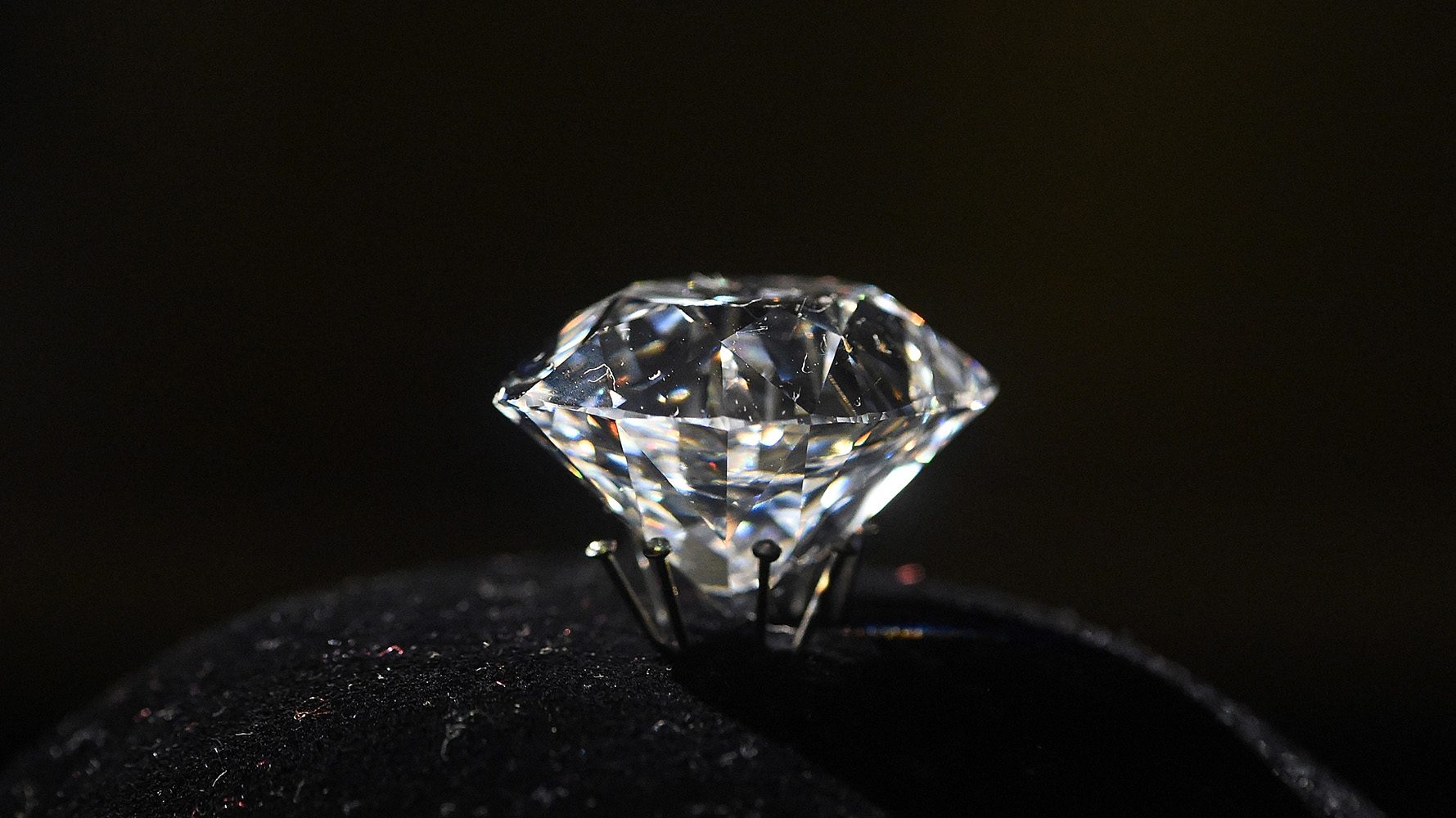
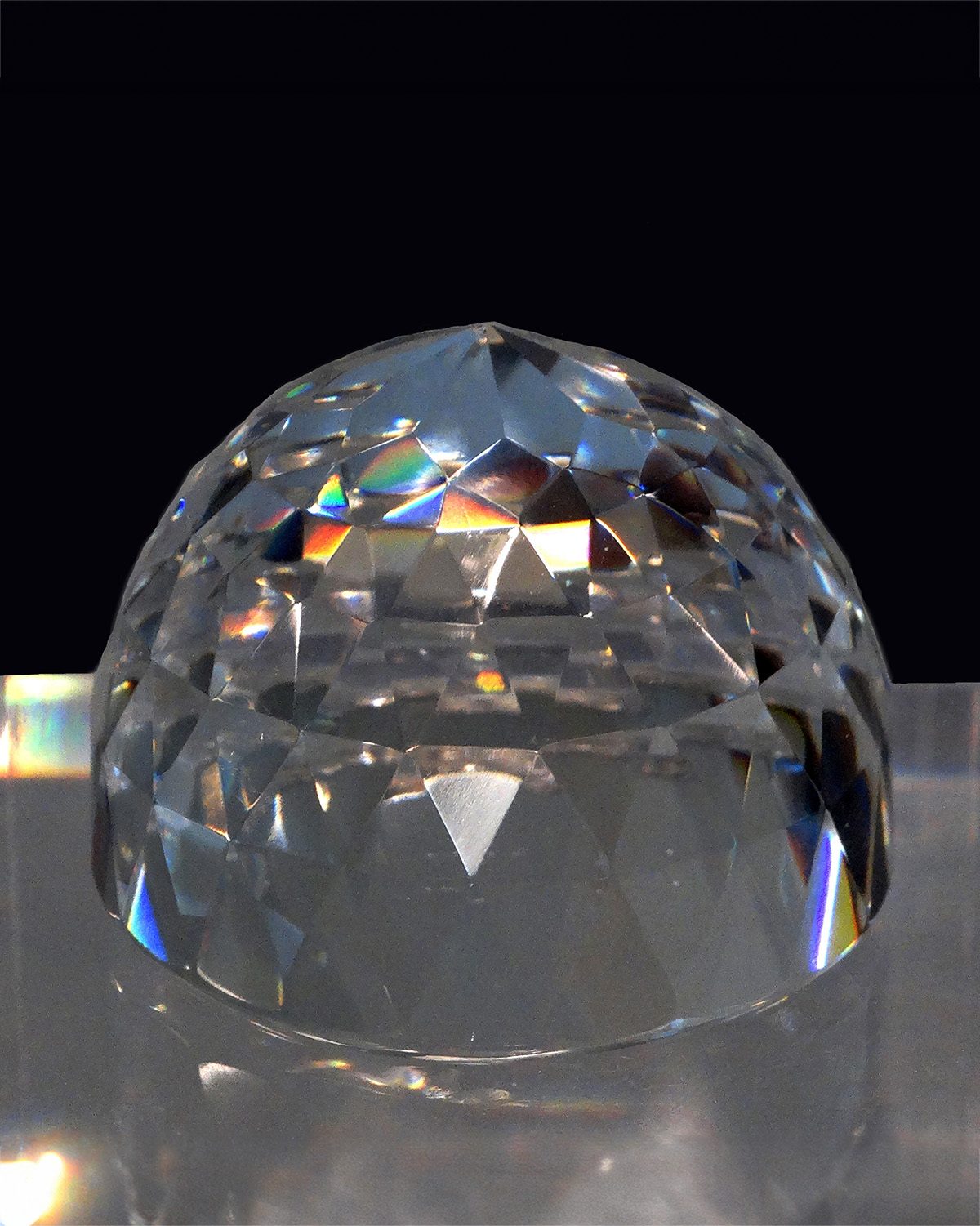
The Jacob Diamond weighs 184.75 carats in its finished form, making it nearly double the size of the Koh-i-Noor and one of the largest cut diamonds in the world. Before European cutters shaped it, the rough is believed to have weighed over 400 carats. It is a cushion-cut stone of remarkable quality, and for most of the past century it has belonged to the Nizams of Hyderabad, one of whom was, at his peak, considered the richest man on Earth.
Here is where I have to push back on the popular story. The Jacob diamond is almost always described as a diamond from Golconda, India. It’s easy to understand why that narrative persists. Golconda is the romantic, prestigious origin that many great diamonds of history share, and this diamond spent its life in India. But the timeline tells a different story.
The stone surfaced through an Amsterdam syndicate in 1891, right at the beginning of the South African diamond boom. A diamond of over 400 rough carats appearing in Europe at that moment points more logically to the South African mines than to the largely exhausted Golconda mines of the time. We will probably never know for certain, but my money is on South Africa.
Who Was Alexander Malcolm Jacob, the Man Behind the Jacob Diamond?
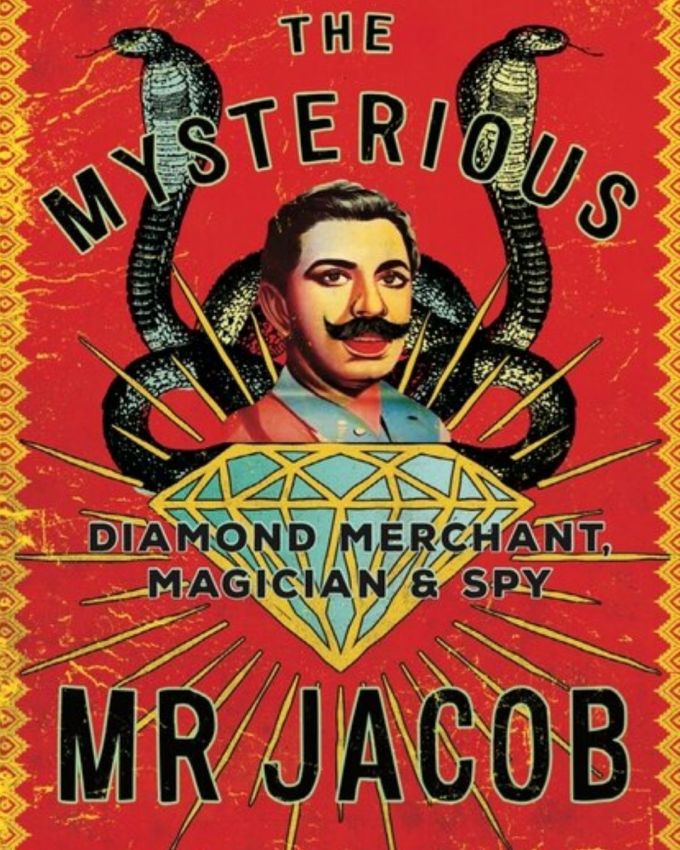
The diamond takes its name from Alexander Malcolm Jacob, and what a character he was. Born in Diyarbakir, in southeastern Turkey, of Syrian Catholic descent, Jacob was sold into slavery to a pasha at just ten years old. Rather than a life of hardship, that turn delivered him an extraordinary education. The pasha taught him languages, literature, and philosophy. When his master died, Jacob became a free man, and by the 1870s, he had built a wildly successful business trading jewels, gemstones, and art across British India. He settled in Simla and became famous throughout the country as a brilliant, eccentric, almost mystical figure. He even inspired characters in the fiction of the era and a biography in 2017.
In 1891, Jacob acquired the diamond from a jewelry syndicate in Amsterdam. He saw it as the potential deal of his lifetime and the final of his career. He intended to sell it to the wealthiest possible buyer: Mahbub Ali Khan, the sixth Nizam of Hyderabad.
How the Jacob Diamond Sale Became an International Scandal
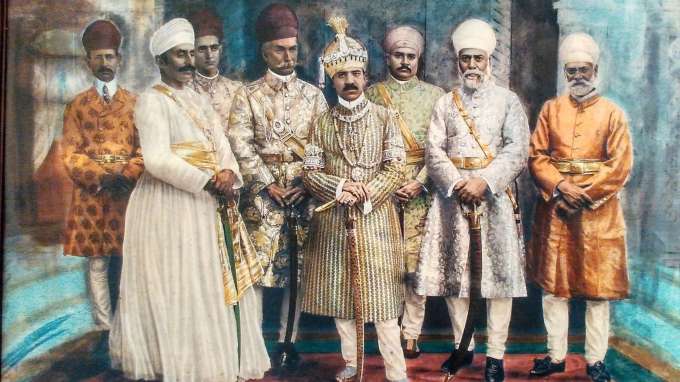
With the help of the Nizam’s Armenian valet, Albert Abid, Jacob arranged the sale. The Nizam agreed to consider the diamond, which was then in London, under one condition. He reserved the right to decide whether he liked it, to declare either “Passand” or “Na Passand,” approved or not approved. The Nizam transferred a deposit of 23 lakhs so the diamond could travel to India.
Then the intrigue began. Word of the Nizam’s interest reached the British government through spies planted in his palace. The British, already nervous about Mahbub Ali Khan’s extravagant spending, pressured him to abandon the purchase. His own prime minister opposed the deal too.
In July 1891, Jacob presented the diamond to the Nizam, and he turned the stone over in his hands, studied it, and uttered just two words: “Na Passand.” It seems the biggest deal of Jacob’s life had collapsed.
What happened next remains genuinely murky. A few days later, Jacob wired his bank to transfer the full payment to London, claiming the sale was on. He insisted that the Nizam, through Abid, had told him “Na Passand” was merely a performance to fool the watching British and that he truly wanted the stone. The Nizam, however, demanded his deposit back. Jacob refused. The result was a long, bitter, sensational court case.
The Jacob Diamond Curse and the Ruin of Alexander Malcolm Jacob
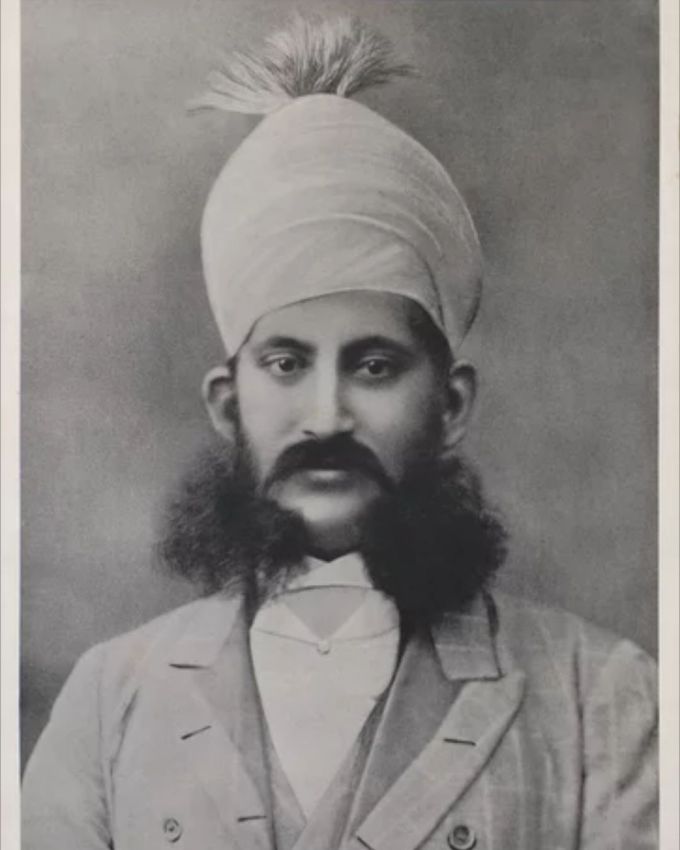
The trial became an international spectacle of the time. It was the first time that an Indian prince gave testimony to a British court, so many people considered it a national humiliation. The case dragged on and was expensive and damaging to all involved. Though the High Court ultimately acquitted Jacob of fraud, his victory was hollow. The High Court allowed the Nizam to keep the diamond without paying the balance owed. Jacob had lost his reputation, his elite clientele, and his fortune, and he still faced enormous legal fees. The man who expected the diamond to crown his career instead watched it destroy him.
That reversal gave rise to whispers of a curse. People began to speak of the diamond as “manhoos,” meaning sinister or unlucky. The Nizam himself came to see it that way. Disillusioned by the scandal and the shame of the court proceedings, he wanted nothing more to do with it.
Why the Jacob Diamond Was Hidden in a Shoe and Used as a Paperweight
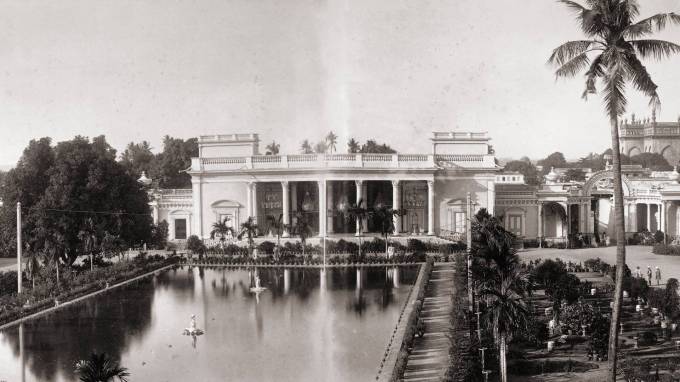
So Mahbub Ali Khan did something almost unthinkable with one of the world’s great diamonds. He wrapped it in a cloth, stuffed it into the toe of an old shoe, and pushed it to the back of a drawer at Chowmahalla Palace. There it sat, forgotten.
The Nizam died in 1911. Years later, his son and successor, Mir Osman Ali Khan, the seventh and last Nizam of Hyderabad, discovered the diamond hidden in his father’s shoe. And what did the last Nizam do with a 184-carat treasure? He used it as a paperweight, holding down documents on his desk. The embarrassment the stone had caused his father ran so deep that even one of the richest men in history could not be bothered to treat it as anything more than office equipment.
Where Is the Jacob Diamond Today?
Eventually, he realized just how valuable the diamond actually was, and the family placed it in a trust. But when they sought to sell it, the Government of India intervened, declaring the Jewels of the Nizams a national treasure that could not be sold to foreign buyers. After more litigation, the Government of India agreed to acquire the Jacob Diamond in 1995 for an estimated $13 million.
Today the Jacob Diamond rests in the vaults of the Reserve Bank of India in Mumbai, valued in 2008 at a staggering $100 million. It has emerged for rare public exhibitions, at the National Museum in New Delhi and the Salar Jung Museum in Hyderabad in the early 2000s, and again in Delhi in 2019, where hundreds of thousands of visitors lined up to see it.