
The Top 5 Royal Tiara Rules You’ve Never Heard Of
(Getty Images)
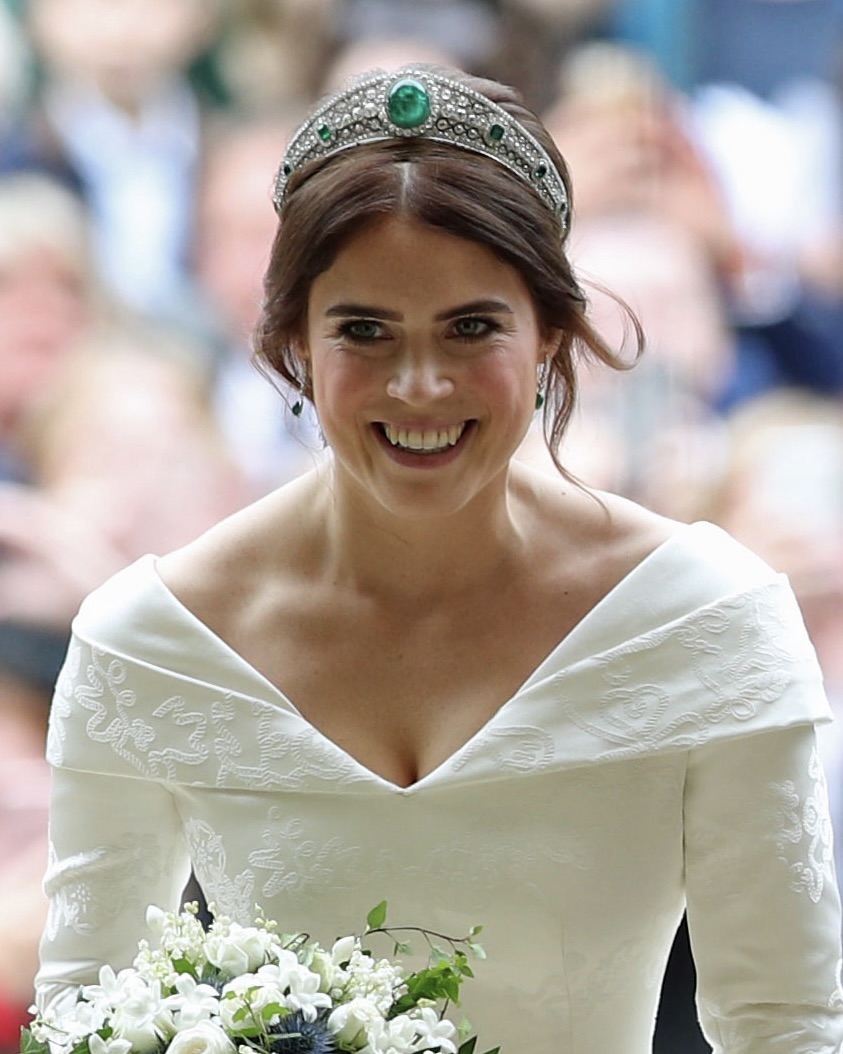
Queen Camilla sparked some debate among royal watchers in November 2025 when she attended the reception for the Diplomatic Corps at Windsor Castle, wearing none other than the Greville Emerald Kokoshnik tiara. The sumptuous jewel set with natural diamonds and emeralds was last seen on Princess Eugenie of York when she married Jack Brooksbank at St. George’s Chapel in 2018. It was unusual to see one so strongly associated with a recent royal bride worn again so soon, making its reappearance all the more notable.
So, what are the royal rules of etiquette for wearing a tiara?
Meet the Author

- Hannah Militano covers diamond jewelry trends, the fashion industry, pop culture, and celebrity news.
- She holds a Bachelor’s degree from the Fashion Institute of Technology.
- As a journalist, her work has been featured in publications such as Editorialist, Carine Roitfeld’s CR Fashion Book, L’Officiel USA, Grazia USA, Coveteur, and more.
That question has only become more intriguing in recent years. Since Meghan, Duchess of Sussex, stepped back from royal life, many have wondered whether she will ever wear a tiara again. After all, these diamond-studded headpieces aren’t just heirlooms—they come with a quiet code of tradition. Here, learn about the traditions that go into wearing one of these highly coveted, diamond-studded headpieces from the Royal Collection.
1. The First Tiara Is Traditionally Worn on the Wedding Day
Traditionally, tiaras are only worn by brides on their wedding day or by married women. This rule of thumb took hold in classical antiquity, when the jewel was seen as a crowning of love. Etiquette expert, Grant Harrold, told the BBC, “For married ladies, it was a sign of status and would show you were taken and not looking for a husband. For the gentleman, it was a clear sign not to make advances toward the lady in question.”
Royals like Kate Middleton, Meghan Markle, and Princess Eugenie wore tiaras for the first time on their wedding days. Some European royal families are given the green light to wear a headpiece beginning on their 18th birthday.
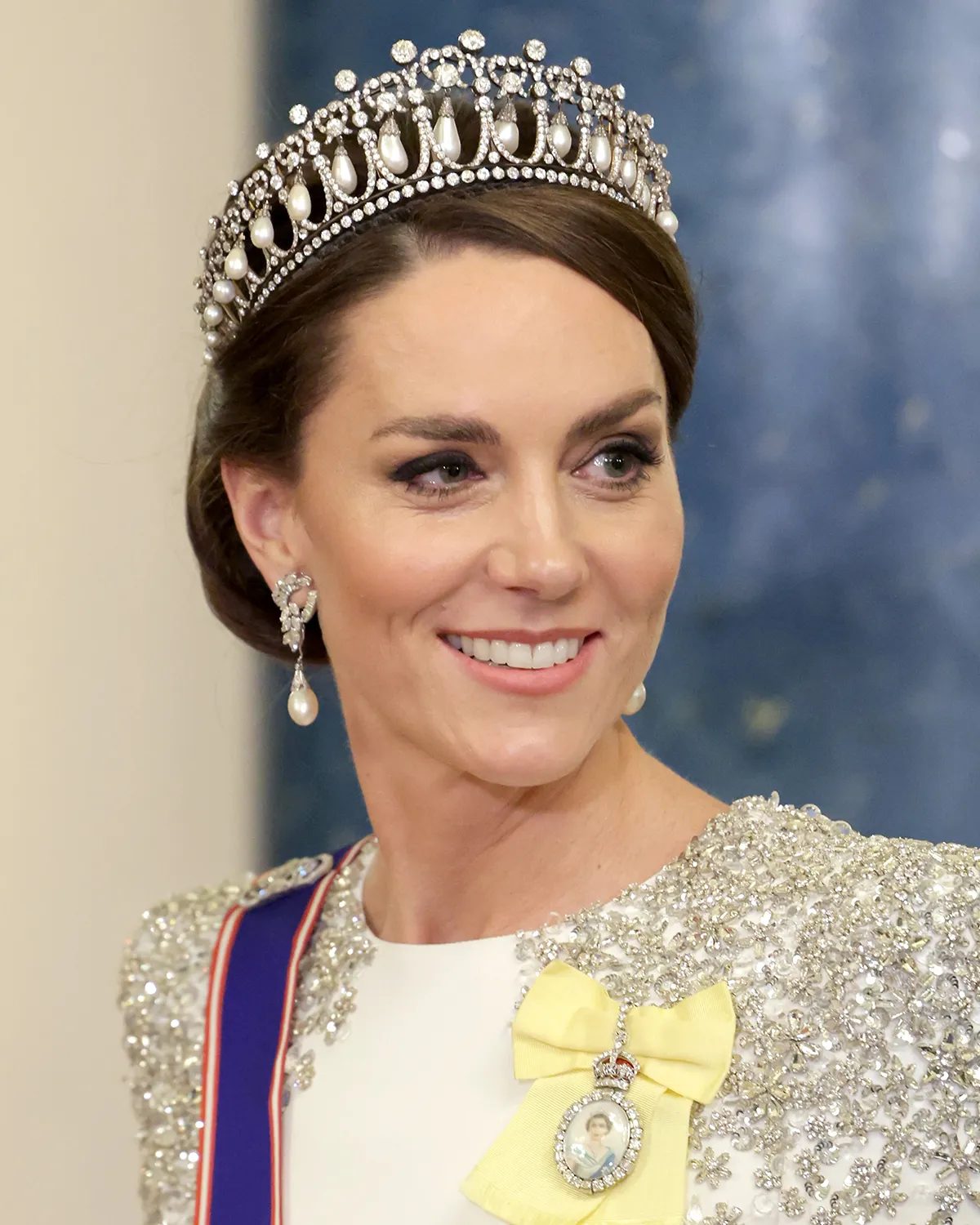
The Cartier Halo tiara that Middleton wore on her wedding day used to be considered a strong “starter tiara,” best fit for younger members of the family due to its dainty and delicate design, along with its smaller stature. Both Princess Margaret and Princess Anne were known to wear the piece frequently in their youth. Of course, tradition tends to bend if you are the Queen’s daughter—or her little sister
2. Tiaras Are Chosen—Not Freely Selected

It’s typically expected that a royal bride will select a diadem from her own family’s collection on her wedding day. Princess Diana, for instance, is said to have declined an offer from the Queen, choosing instead to wear her Spencer family tiara. Princess Margaret took a more unconventional route, opting to wear the Poltimore Tiara—one she purchased herself at auction—on her wedding day, a decision that quietly broke with tradition and caused chatter at the time. After the wedding, however, royal women are traditionally able to borrow from their husband’s family collection.
That said, exceptions are often made. As neither Kate Middleton nor Meghan Markle came from royal families, both borrowed tiaras from Queen Elizabeth II for their weddings. Even then, the choice is not entirely their own. Rather than selecting freely, the monarch typically designates a piece or offers a carefully curated selection.
3. There’s a Proper Way to Wear a Tiara
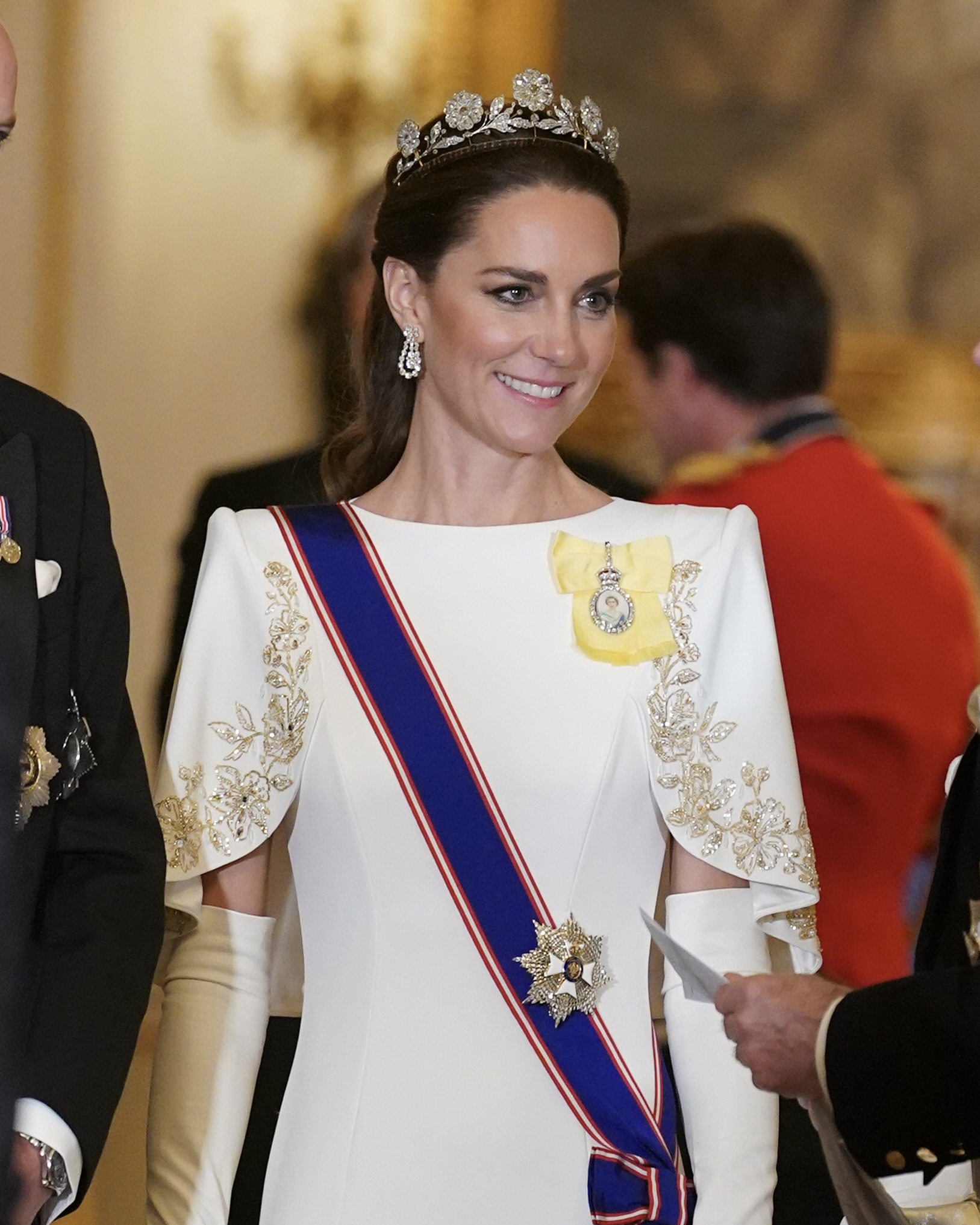
Wearing a tiara correctly isn’t as easy as you might imagine. The last thing anyone wants is a historic diamond headpiece slipping mid-event. To secure it in place, hair is often braided and even stitched into the base of the tiara for added hold. The diadem itself is mounted on a lightweight frame, typically lined in velvet to match the wearer’s hair, allowing it to disappear seamlessly into the style.
There’s a specific method behind the perfect placement of the headpiece. According to Tatler, the wearer is to place the thumb in the middle of the chin and the index finger right in between the eyebrows. Keeping the fingers’ measurement, they are to move the hand until the thumb is where the index was, between the brows. That is where the base of the tiara should sit – an inch and a half from your hairline at maximum.
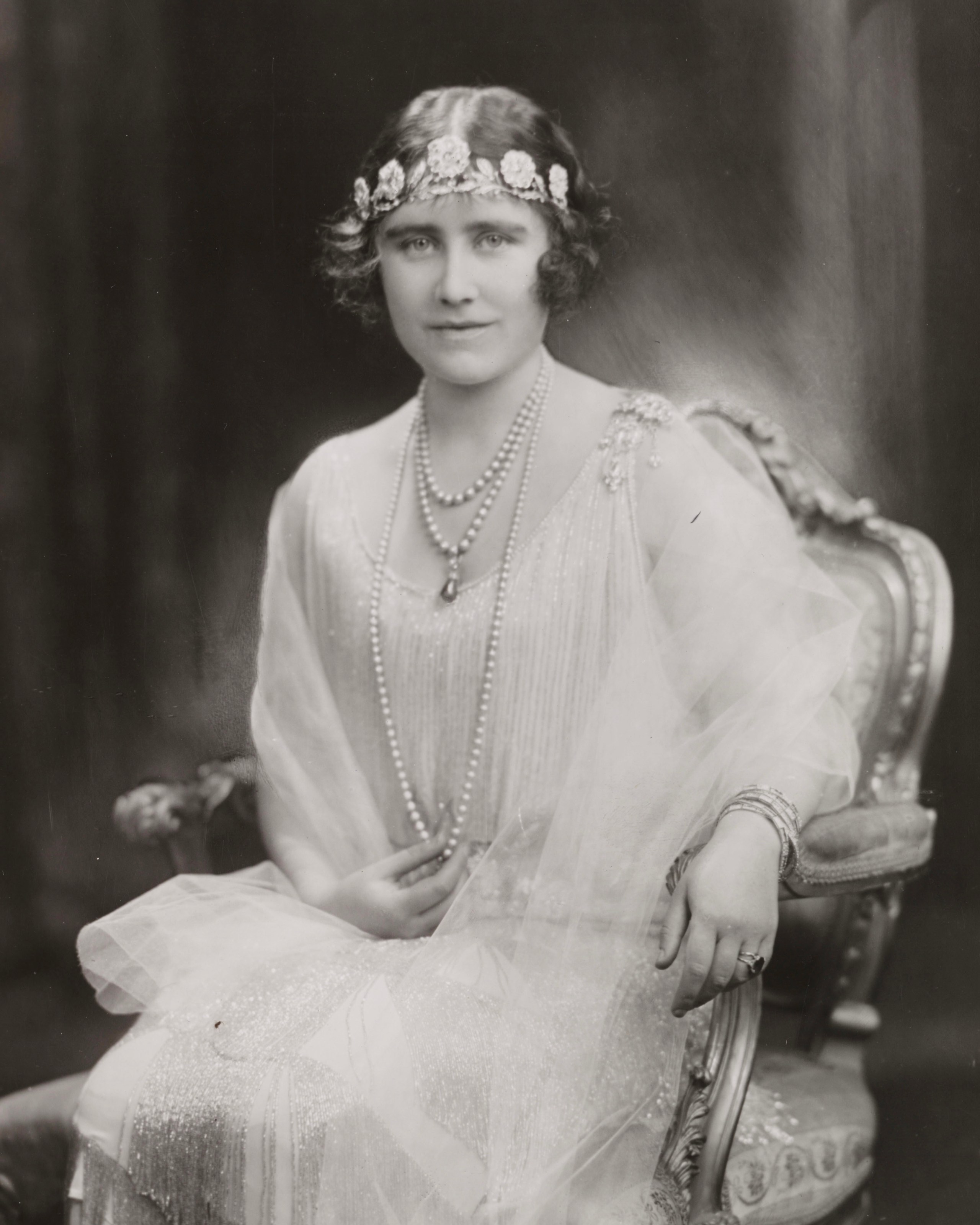
While modern styling often places tiaras further back on the head, earlier generations favored a lower, more dramatic placement across the forehead. Queen Elizabeth, the Queen Mother, frequently wore styles like the Lotus Flower and the Strathmore Rose low on her brow in her youth.
Even Princess Diana dabbled with the nostalgic style, transforming Queen Mary’s natural diamond and emerald choker into a headband during her Royal tour of Australia in 1985.
4. Tiaras Are Reserved for the Most Formal Events
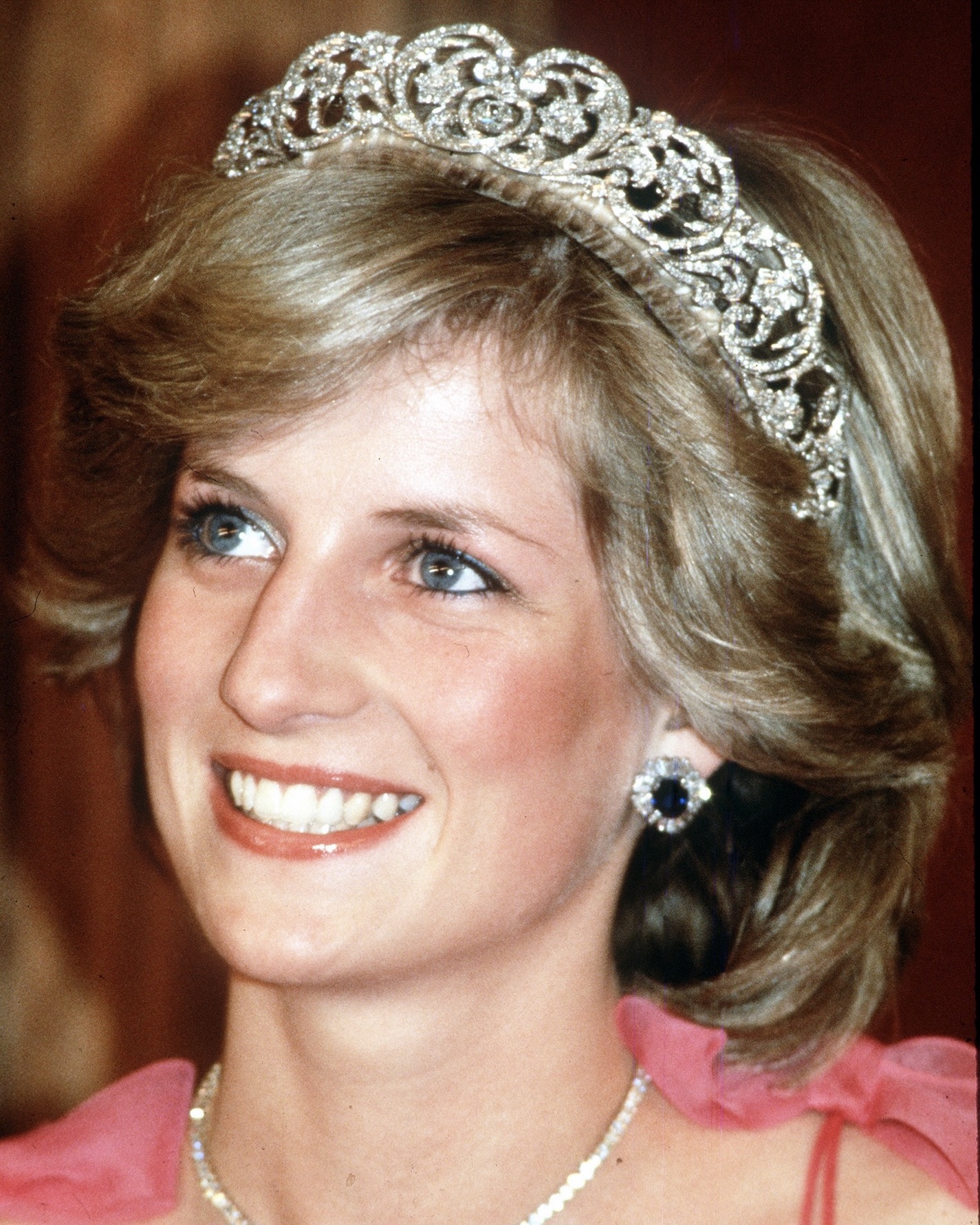
While the decision to wear a historic headpiece can be governed by marital status, an event’s dress code ultimately decides whether a historic headpiece gets its moment. They are typically reserved for white-tie or full-dress events, where orders, sashes, and formal gowns are required. Even then, the choice of a tiara is carefully considered, taking into account the scale of the occasion, the wearer’s rank, and the formality of the setting. More subdued engagements may call for minimal jewelry—or none at all—reinforcing that these lavish headpieces are symbols of ceremony rather than everyday adornment.
5. Tiaras Are Strictly for Evening
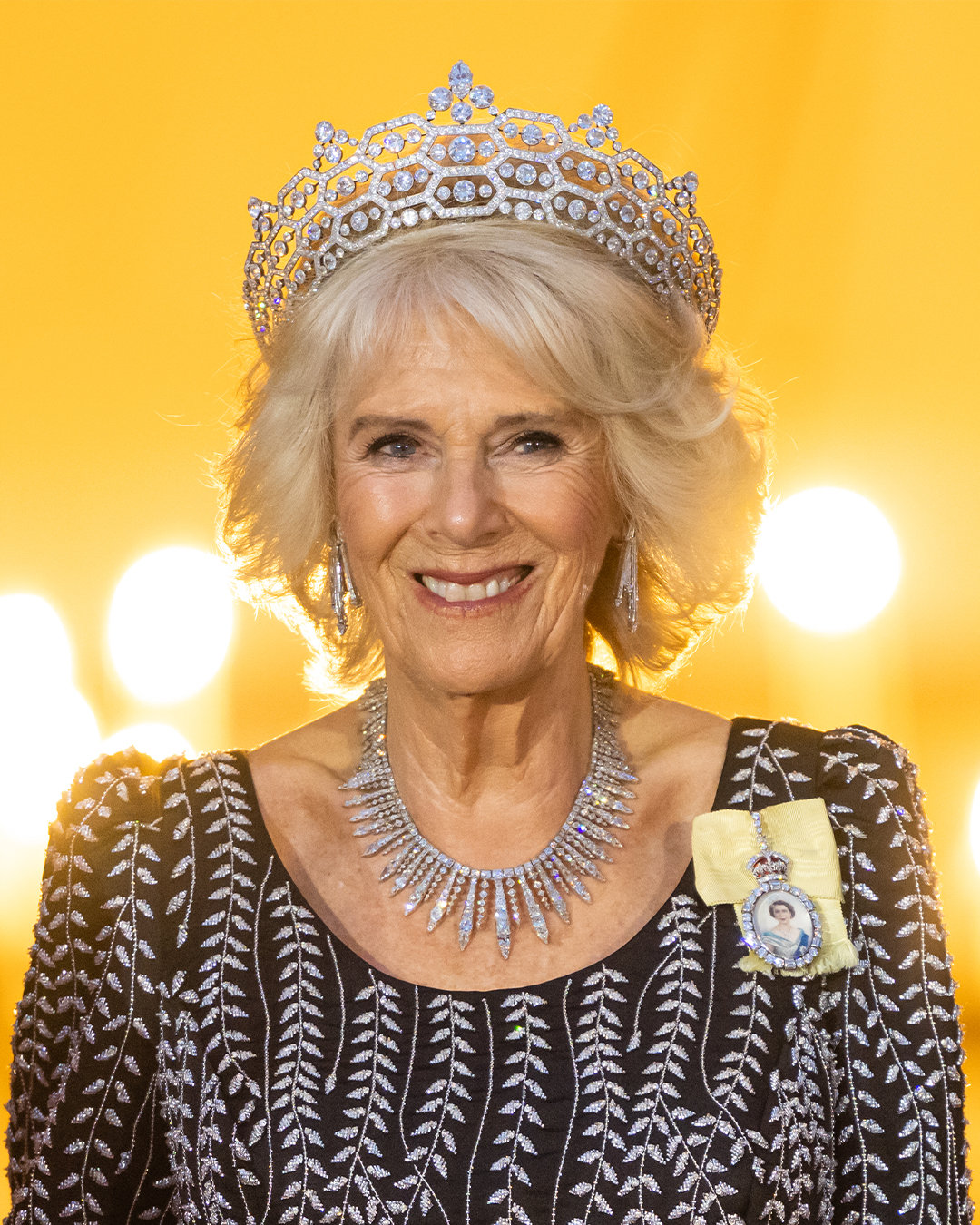
A tiara or crown cannot traditionally be worn before 5 p.m., as diamond headwear is reserved for formal evening attire. This long-standing rule dates back to court etiquette, when diamond headwear was once considered far too extravagant for daylight and better suited to candlelight and ceremony. The only exceptions occur during major ceremonial occasions—such as royal weddings, coronations, or jubilees—when protocol allows tiaras to be worn earlier in the day due to the event’s significance and formal dress code. Outside of these rare moments, tiaras remain strictly an after-dark adornment, reserved for state banquets, diplomatic receptions, and white-tie affairs.