The Nassak Diamond: The Sacred Stone From the Crown of Shiva
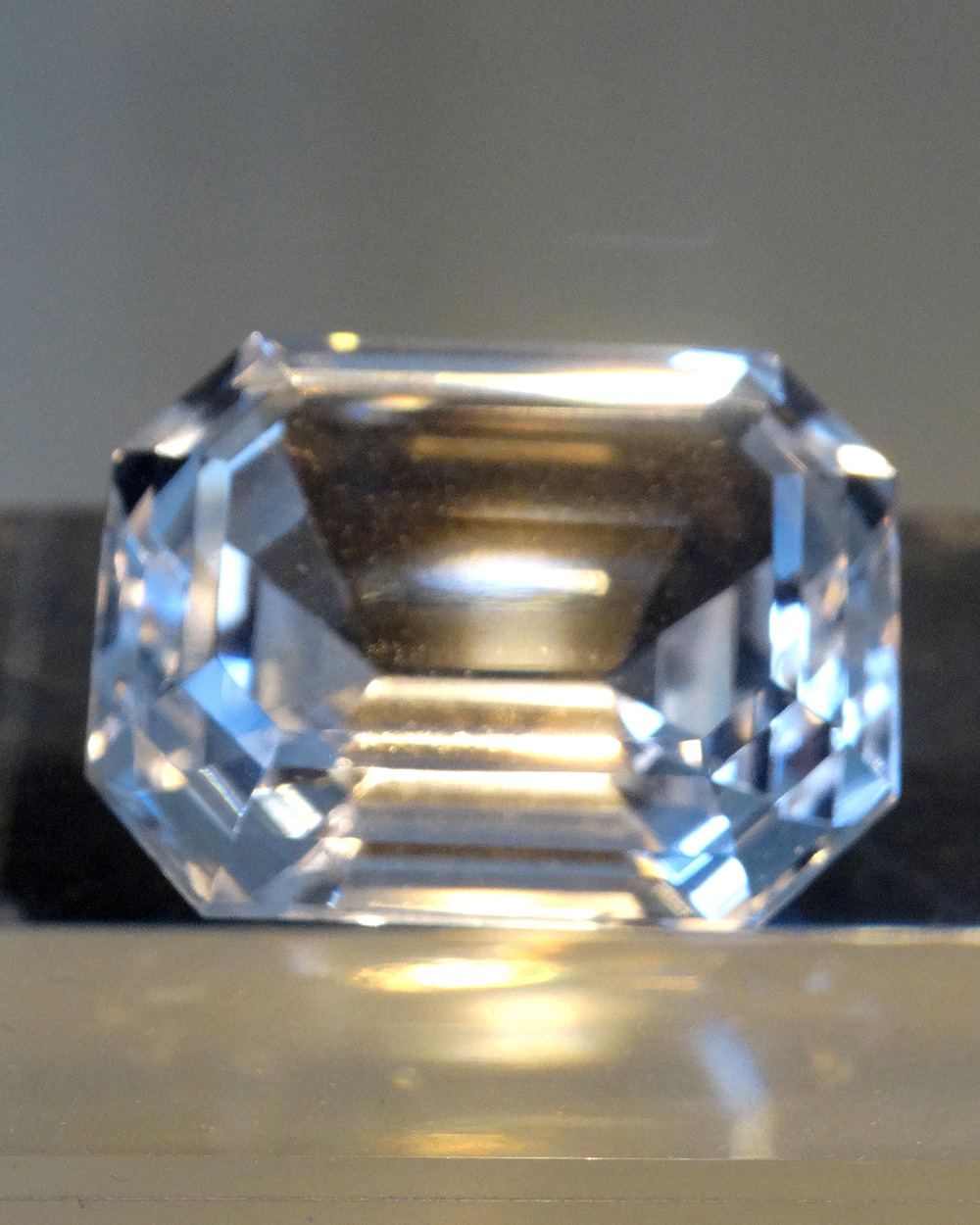
The Nassak Diamond (Alamy)
Many items of great value, especially those that have survived for hundreds of years, are riddled with controversy, and the Nassak Diamond is certainly one of them. Its story stretches from a sacred Hindu temple to the handle of a British marquess’s sword, the showrooms of Harry Winston, and ultimately to a private museum in Lebanon, where the stone’s possession remains a subject of heated debate.
The Nassak Diamond is a 43.38-carat, emerald-cut natural diamond originating from the famed Golconda mines of India, renowned for producing some of the world’s most chemically pure and historically important stones. Golconda diamonds are exceptionally rare, prized for their transparency, brilliance, and storied provenance. While not the largest of its kind, the Nassak Diamond stands out for its extraordinary journey, having passed through empires, collections, and centuries of history.
Meet the Expert

- Grant Mobley is the Jewelry & Watch Editor of Only Natural Diamonds.
- He is a GIA Diamonds Graduate.
- He has over 17 years of jewelry industry experience, starting with growing up in his family’s retail jewelry stores.
The Nassak Diamond as the “Eye of the Idol”

The Nassak Diamond’s story begins in the 15th century, in the alluvial deposits of the Kollur mine in the Golconda region of India. It’s the same legendary source that produced the Hope Diamond, the Koh-i-Noor, and so many of history’s most famous gems. In its original form, the stone weighed approximately 89 carats, cut in India in the traditional Mughal style: a semi-triangular shape with a plateau top, rudimentary by today’s standards but deeply meaningful in the context of its intended purpose.
According to local legend, an aristocratic Maratha family donated the diamond to the Trimbakeshwar Shiva Temple near Nashik, in the state of Maharashtra. There, priests set it into the Shivalinga as a divine eye of Lord Shiva, a sacred adornment that gave the stone its other name, the Eye of the Idol. The temple itself sits 28 kilometers from Nashik city, and the present structure dates to a rebuilding in the late 18th century by Peshwa Nanasaheb, son of the famed Peshwa Bajirao I. Whether Nanasaheb also donated the diamond to the temple remains unverified; historical records from that period simply don’t provide a clear answer.

What is certain is that the Nassak Diamond remained in the shrine for more than three centuries, from at least 1500 until 1817, surviving Mughal attacks on the temple and the rise and fall of the Maratha Empire before politics and war tore it away.
The Nassak Diamond and the Spoils of War

The Nassak Diamond’s removal from the temple is a story that history has often gotten wrong. Contrary to popular belief, it was not the British who first took the Nassak from the Trimbakeshwar shrine. Peshwa Bajirao II, nephew of Nanasaheb and grandson of the great Peshwa Bajirao I, ordered the diamond removed from the temple’s crown and brought to him in Pune. That same year, 1817, the Third Anglo-Maratha War broke out between the Peshwas and the British East India Company.
The war ended in 1818 in a decisive British victory. For five months before his surrender, Bajirao II remained a fugitive, moving constantly through the Indian countryside with British forces in pursuit and carrying his treasury with him, the Nassak included. When he finally surrendered, he handed the diamond to Colonel J. Briggs, who passed it to Francis Rawdon-Hastings, the 1st Marquess of Hastings and Governor General of India. Rawdon-Hastings delivered it to the East India Company as a spoil of war, and the Company shipped it to London.
The London diamond market received the Nassak in 1818. Dealers described the stone as approximately 89 carats, of great purity but poor form — “rudely faceted,” in the language of the time. Despite its rough appearance, the firm of Rundell and Bridge purchased it for around 3,000 pounds, the equivalent of roughly £222,000 today.
From Sacred Temple to Sword: The Nassak Diamond’s Next Chapter

Rundell and Bridge held the diamond for 13 years, instructing their cutter to follow the traces of the original Indian cutting as closely as possible while correcting its deficiencies. The result reduced the stone from 89.75 carats to 78.625 carats but dramatically improved its brilliance. In 1831, the firm sold the diamond to the Emanuel Brothers for about 7,200 pounds. Six years later, in 1837, the Emanuel Brothers sold the Nassak at public auction to Robert Grosvenor, the 1st Marquess of Westminster, who had the stone mounted in the handle of his dress sword.
It was an extraordinary fate for a diamond that had spent three centuries as the eye of a Hindu deity. By 1886, the Nassak had appreciated so significantly that experts valued it at between 30,000 and 40,000 pounds, the equivalent of between £3.3 and £4.5 million today.
The Nassak Diamond’s Journey to the United States

In March 1927, the Duke of Westminster arranged for the sale of the diamond to Parisian jeweler George Mauboussin, who had the stone shipped to the United States. That transaction triggered a legal battle that itself became a footnote in American legal history. A rival diamond dealer named E.F. Bendler challenged the diamond’s tax-free entry into the United States, arguing that despite its age, the Nassak did not qualify as an artistic antiquity. The court agreed. In its 1930 ruling, the court determined that the unset stone was not an artistic antiquity but a diamond suitable for use in jewelry manufacturing, and the importer owed a 20 percent ad valorem tax on its value.
Despite the legal drama, the Nassak’s reputation only grew. While on display at the 1933 World’s Fair in Chicago, the official guide described it as a flawless, blue-white stone with a reputation as “the finest diamond outside crown jewels collections.”
How Harry Winston Transformed the Nassak Diamond
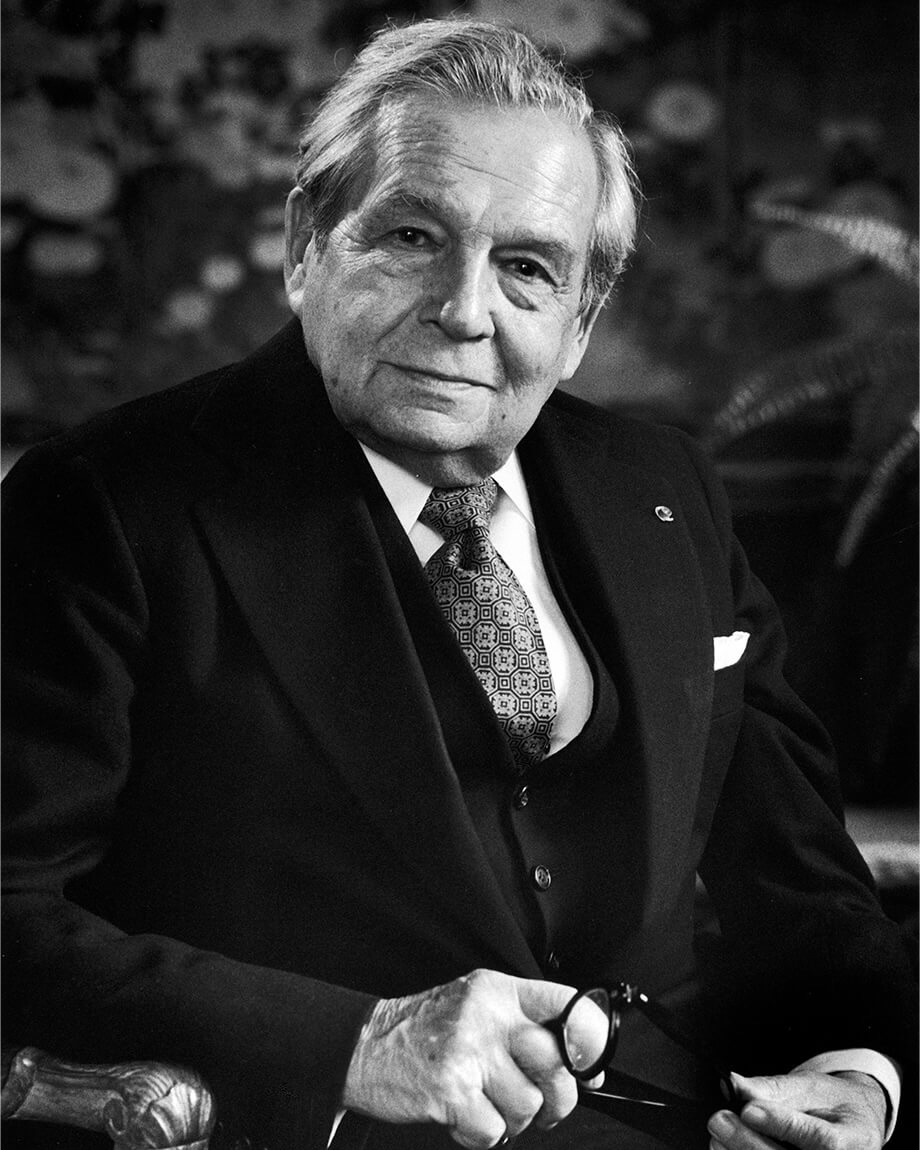
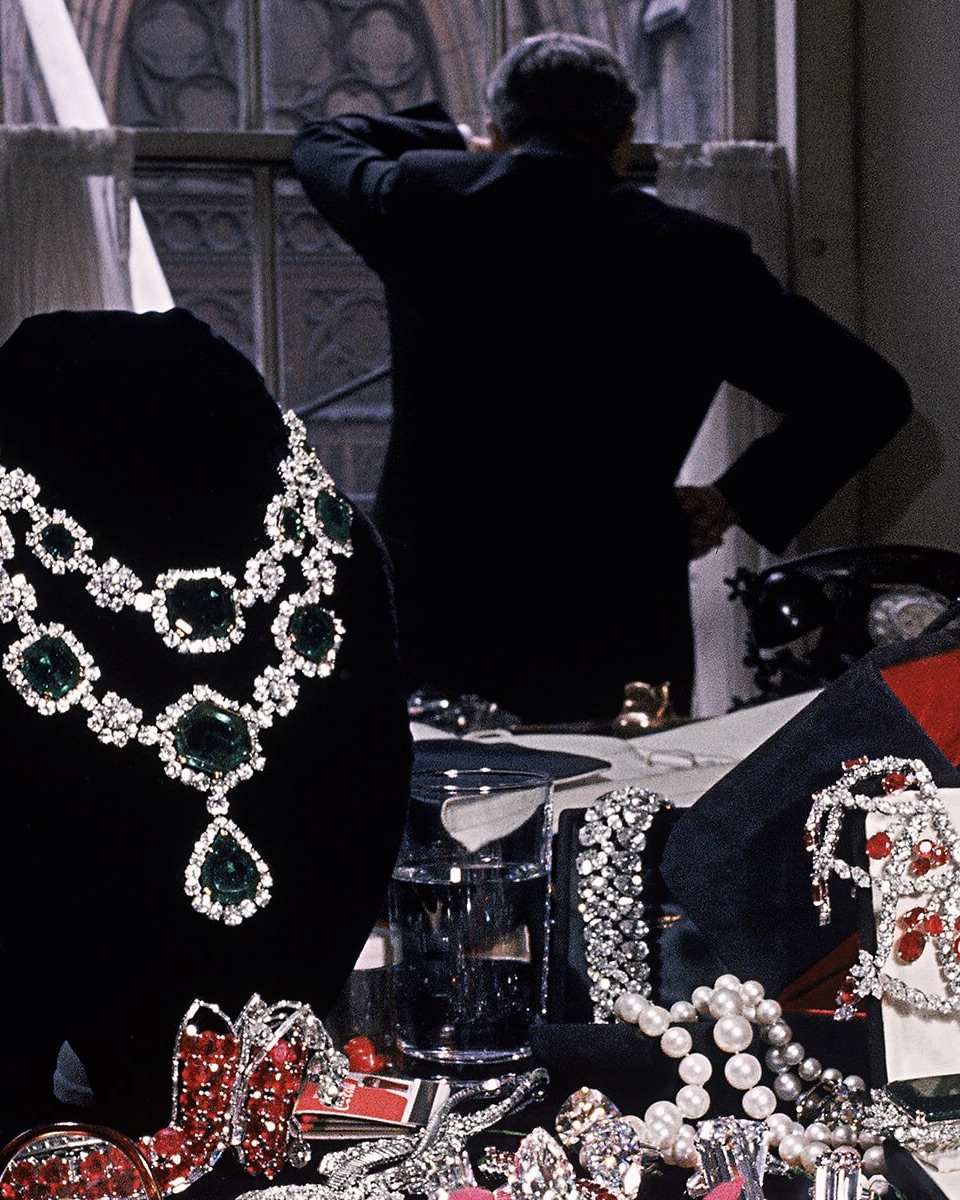
In 1940, Harry Winston acquired the Nassak in Paris and, as he did with so many important diamonds of that era, recut it. Winston reduced the stone from 78.625 carats to its current 43.38-carat emerald-cut shape. It is a significant and controversial loss in weight. Still, the result was a diamond graded flawless by the Gemological Institute of America, with a D color grade, representing the absolute pinnacle of quality for a colorless natural diamond.
Winston sold the stone to a New York jewelry firm in 1942. In 1944, Commander William Bateman Leeds Jr., a millionaire and friend of George Mauboussin, purchased the diamond for his wife, Olive, as a sixth-anniversary gift and set it into a ring.
The Nassak’s last public sale came on April 16, 1970, at Parke-Bernet Galleries in New York City, where it sold at auction for $500,000, or the equivalent of roughly $4.15 million today, and the second-highest auction price ever achieved for a diamond at that time, behind only the Taylor-Burton Diamond. The buyer was Edward J. Hand, a 48-year-old trucking executive from Greenwich, Connecticut.
Where Is the Nassak Diamond Today?
The diamond’s trail grows murkier after that 1970 sale. In 1977, the partnership of J. & S.S. DeYoung and Bulgari reportedly sold the stone to the King of Saudi Arabia. Collector Robert Mouawad later acquired it, and reports place the diamond in a private museum in Lebanon, though its precise current whereabouts remain uncertain.
What is not uncertain is the growing conversation around the stone’s future. Calls for the Nassak’s return to the Trimbakeshwar Shiva Temple, where it served as a sacred object for more than three centuries before war took it away, have grown louder in recent years.