

Two Giant Diamond Discoveries in Two Weeks—What it Means for Botswana
Lightning struck twice with these monumental diamond discoveries — including an over 2000 carat diamond — at Botswana’s Karowe Mine.
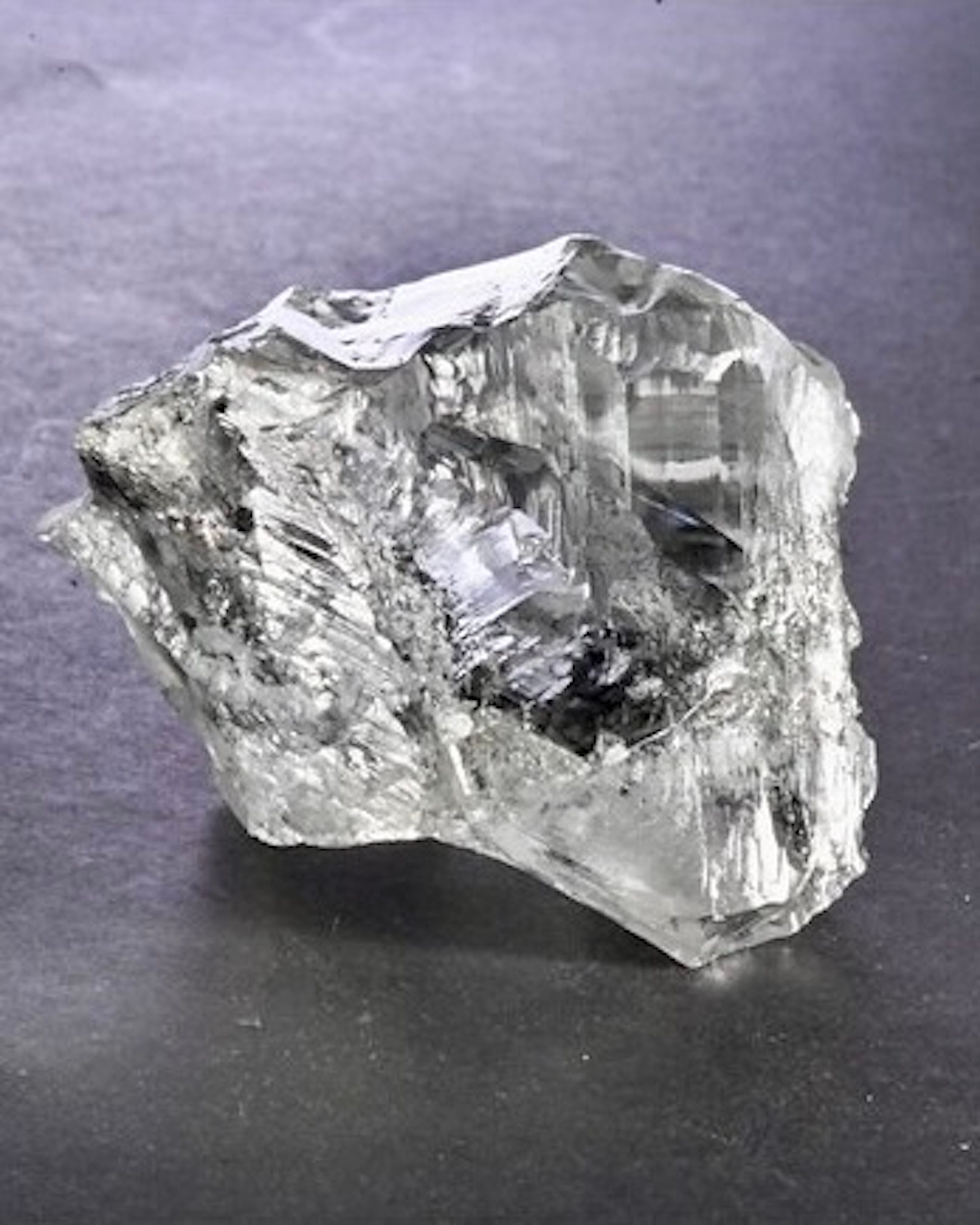
(CNW Group/Lucara Diamond Corp.)
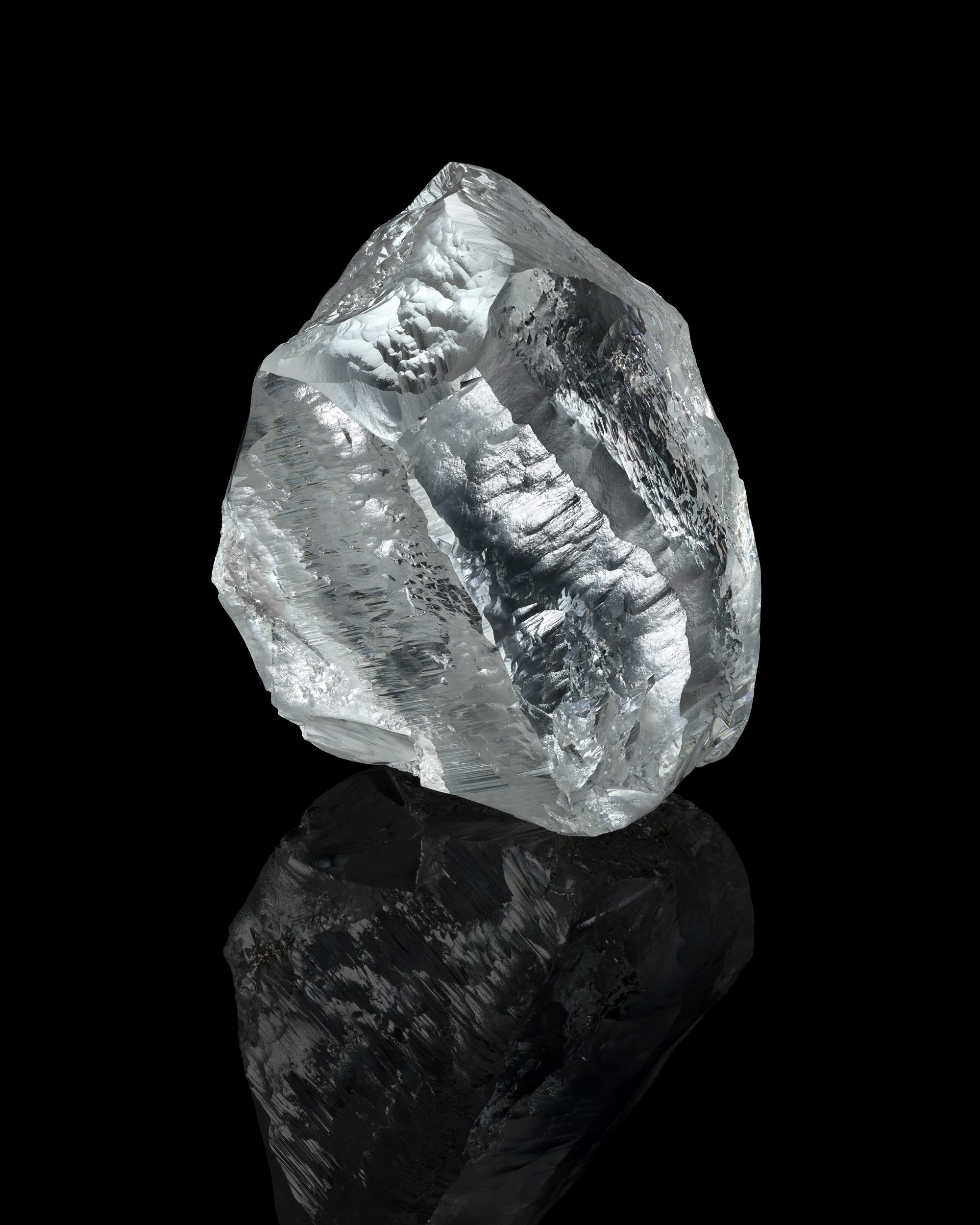
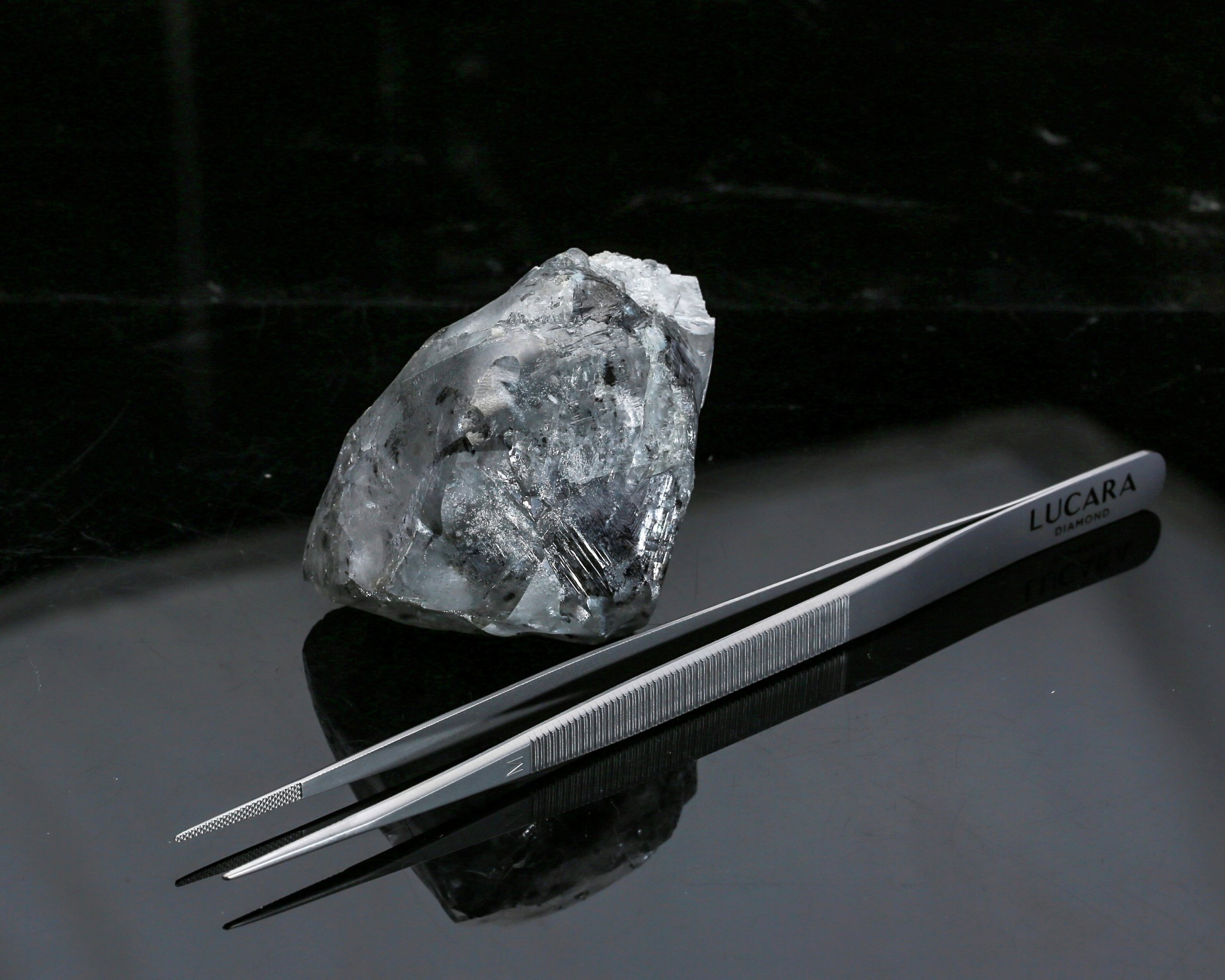
The discovery at Botswana’s Karowe Mine of a 2492 carat rough diamond announced in August 2024, followed weeks later by the announcement of a 1094 carat gem-quality rough in September 2024, reaffirmed the nation’s position as a leader in the world of natural diamonds. The find came just weeks after Karowe yielded an over 2000 carat diamond — a 2492-carat rough diamond to be exact,— that stunned the world. Finding not one, but two diamonds of this magnitude in such a short time is nothing short of extraordinary. In the nearly 4,000 years of diamond recovery history, fewer than ten gem-quality diamonds over 1,000 carats have ever been found.
Meet the Expert

- Grant Mobley is the Jewelry & Watch Editor of Only Natural Diamonds.
- He is a GIA Diamonds Graduate.
- He has over 17 years of jewelry industry experience, starting with growing up in his family’s retail jewelry stores.
Karowe Mine: A Source of the World’s Largest Diamonds
Lucara Diamond Corp, which operates the Karowe Mine, has built a reputation for uncovering some of the world’s largest and most significant diamonds. In fact, out of the top 10 largest diamonds ever discovered, seven have come from the Karowe Mine, a testament to its exceptional geology and the company’s expertise. The 1094 carat stone was the sixth diamond over 1000 carats recovered by Lucara, continuing its track record as the leading producer of these extremely rare, high-value natural wonders.

How Big Is a 2,000 Carat Diamond?
To understand the scale of these extraordinary finds, it helps to put carat weight into perspective. A 1-carat diamond weighs just 0.2 grams, roughly the size of a small pea. By comparison, a 2000 carat diamond would weigh approximately 400 grams, or nearly a full pound. In physical terms, a rough diamond of that size could be comparable to a tennis ball or even larger, depending on its shape, with a significant volume that makes it feel more like a natural object than a traditional gemstone.
In terms of value, while rough diamonds of this magnitude are difficult to price before cutting, a 2000 carat diamond of gem quality could yield multiple exceptional stones, potentially worth hundreds of millions of dollars depending on clarity, color, and cutting outcomes. By contrast, a fine 1-carat natural diamond may range from several thousand to tens of thousands of dollars, highlighting just how exponential value becomes at this scale.
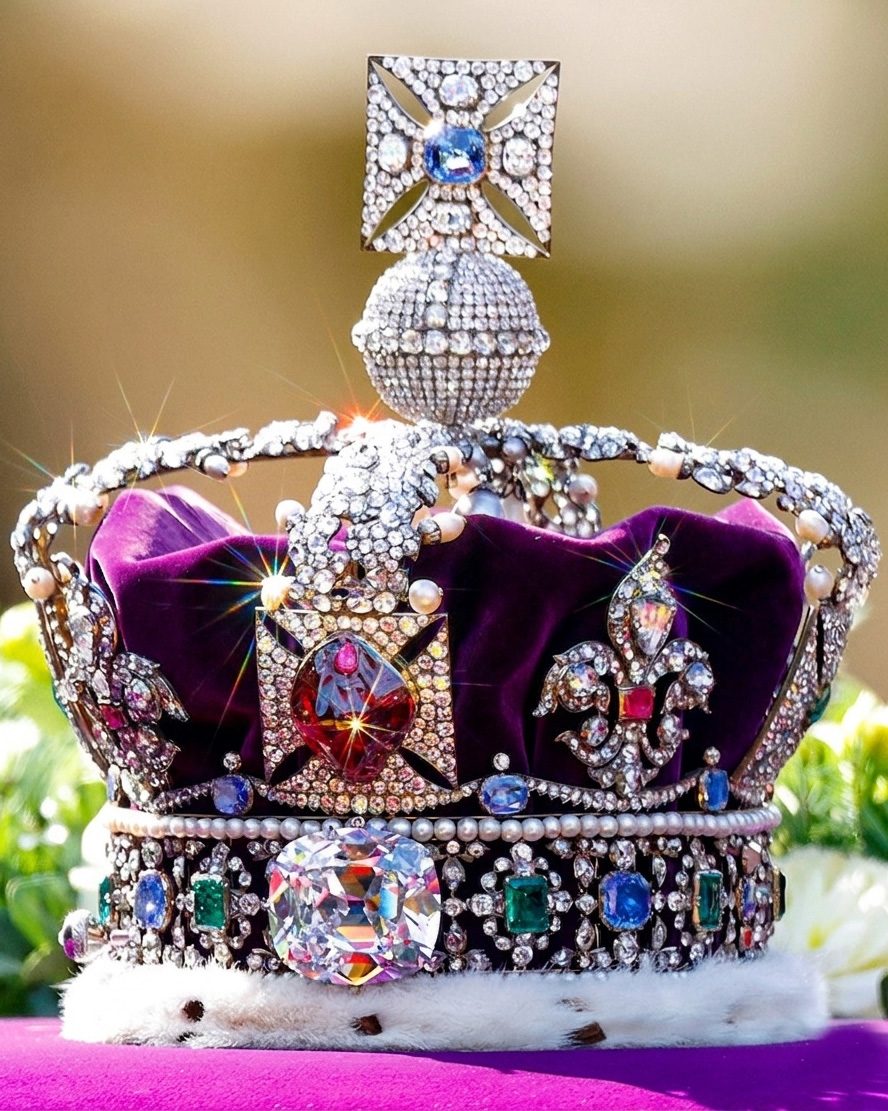
For further context, the two diamonds mentioned here are themselves among the rarest ever recovered. The 2488 carat diamond—now named Motswedi—is one of the largest diamonds in recorded history, approaching the scale of legendary stones like the Cullinan. The 1094 carat Seriti, while smaller, still ranks among the most exceptional diamonds ever discovered, far surpassing what is typically encountered even in high jewelry.
Why These Diamonds Matter Beyond Size
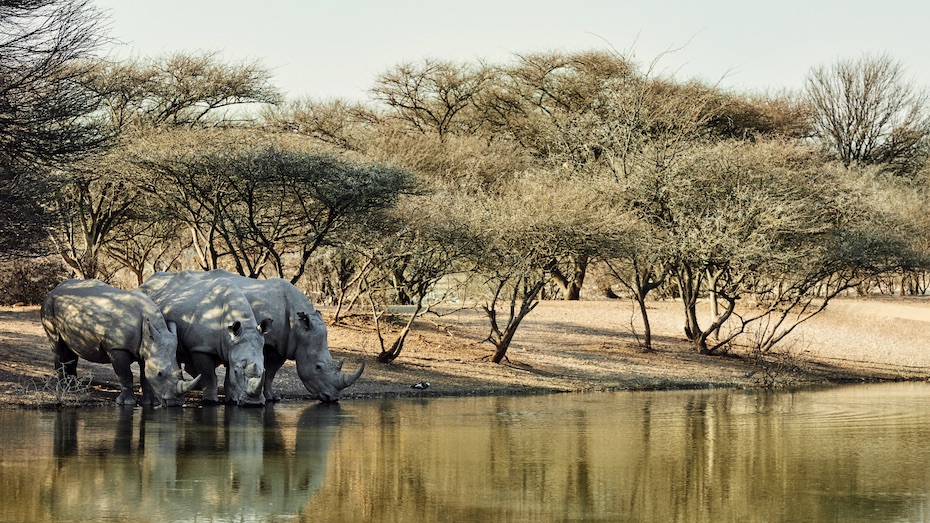
Beyond these stones’ sheer size and splendor, the significance of such discoveries for the people of Botswana cannot be overstated. As the world’s largest producer of diamonds by value, Botswana’s economy is deeply intertwined with natural diamond production. Botswana’s natural diamond industry accounts for most of the country’s GDP, enabling the nation to have the highest GDP per capita in continental Africa. Thanks to the revenue generated from diamonds, Botswana can offer free education to its children, provide healthcare, and fund critical infrastructure and small businesses—all of which improve the quality of life for millions of its citizens.

Finding not one, but two diamonds of this magnitude in such a short time is nothing short of extraordinary.
The Naming of Motswedi and Seriti Diamonds
In November, Lucara launched the Legacy National Diamond Naming Competition, inviting citizens and residents of Botswana to participate in an extraordinary celebration of their country’s heritage. Over just two weeks, an impressive 39,000 name ideas poured in, each vying to capture the essence of the two remarkable diamonds. The names were evaluated for their creativity, cultural relevance, and connection to the diamonds themselves, undergoing a rigorous review process by a distinguished panel of judges. Among the panel was Professor Thapelo Joseph Otlogetswe, a celebrated linguist and lexicographer at the University of Botswana, who played a pivotal role in analyzing the linguistic and cultural depth of the submissions.
The culmination of this national event was a glamorous gala in Gaborone, hosted by Lucara and attended by the Honourable Minister Bogolo Kenewendo of the Ministry of Minerals & Energy. It was here that the winning names for these historic diamonds were unveiled. The 2488 carat diamond, recovered in August 2024, was named Motswedi, meaning “a water spring” in Setswana, symbolizing the life-giving flow of underground water that rises to the surface. This name resonates deeply with the diamond’s magnitude and the vitality it represents. The 1094 carat diamond, recovered in September 2024, was named Seriti, which translates to “aura” or “presence” in Setswana, reflecting a profound cultural connection to identity, legacy, and significance.
These names not only honor the diamonds’ extraordinary nature but also pay tribute to Botswana’s rich cultural heritage, reinforcing the deep ties between the natural wonders of the country and its people.

The Future of Diamond Discovery at Karowe
Lucara’s ongoing underground expansion project at Karowe aims to extend the life of the mine well beyond 2040, ensuring that Botswana’s diamond industry continues to thrive for decades to come. This continued success ensures that the benefits of natural diamond production—such as economic growth, infrastructure development, and social programs—will continue to support the nation’s development.
Advancements in recovery technology, including X-ray transmission (XRT) sorting, have also played a critical role in preserving large diamonds during extraction, allowing stones of this scale to be recovered intact rather than broken—an innovation that is reshaping what is possible in modern diamond mining.
How Rare Are Diamonds Over 1,000 Carats?
The rarity of such discoveries is almost beyond comprehension. In the entire history of diamond recovery, fewer than 30 diamonds over 500 carats have ever been unearthed, with the discovery of stones over 1,000 carats being exponentially more extraordinary. Each new find of this magnitude is a monumental event that reshapes the history of natural diamonds and their role in the world.
These are not simply large gemstones—they are once-in-a-generation discoveries that capture global attention and redefine the upper limits of what nature can produce. For the people of Botswana, these remarkable diamonds fuel a thriving nation. They are a source of national pride and a reminder of the transformative power of natural resources when recovered responsibly.