
How to Be Sure You’re Buying a Natural Diamond, and Not a Lab-Grown One
Let’s be honest, few purchases carry the emotional and financial weight of a diamond. It’s a symbol of love, commitment, and legacy. So it’s only natural that buyers want to feel confident that the diamond they’re choosing is exactly what they think it is: a genuine, earth-created treasure, not a lab-grown imitation.
Meet the Expert

- Grant Mobley is the Jewelry & Watch Editor of Only Natural Diamonds.
- He is a GIA Diamonds Graduate.
- He has over 17 years of jewelry industry experience, starting with growing up in his family’s retail jewelry stores.
With the explosion of marketing around lab-grown diamonds, often billed as “identical” to natural diamonds, understandably, some people worry they might accidentally buy one. The good news: you don’t have to. The jewelry industry has strict safeguards, advanced technology, and clear labeling requirements to protect consumers and keep natural and lab-grown diamonds entirely separate.
Natural vs. Lab-Grown: The Truth Behind the Sparkle

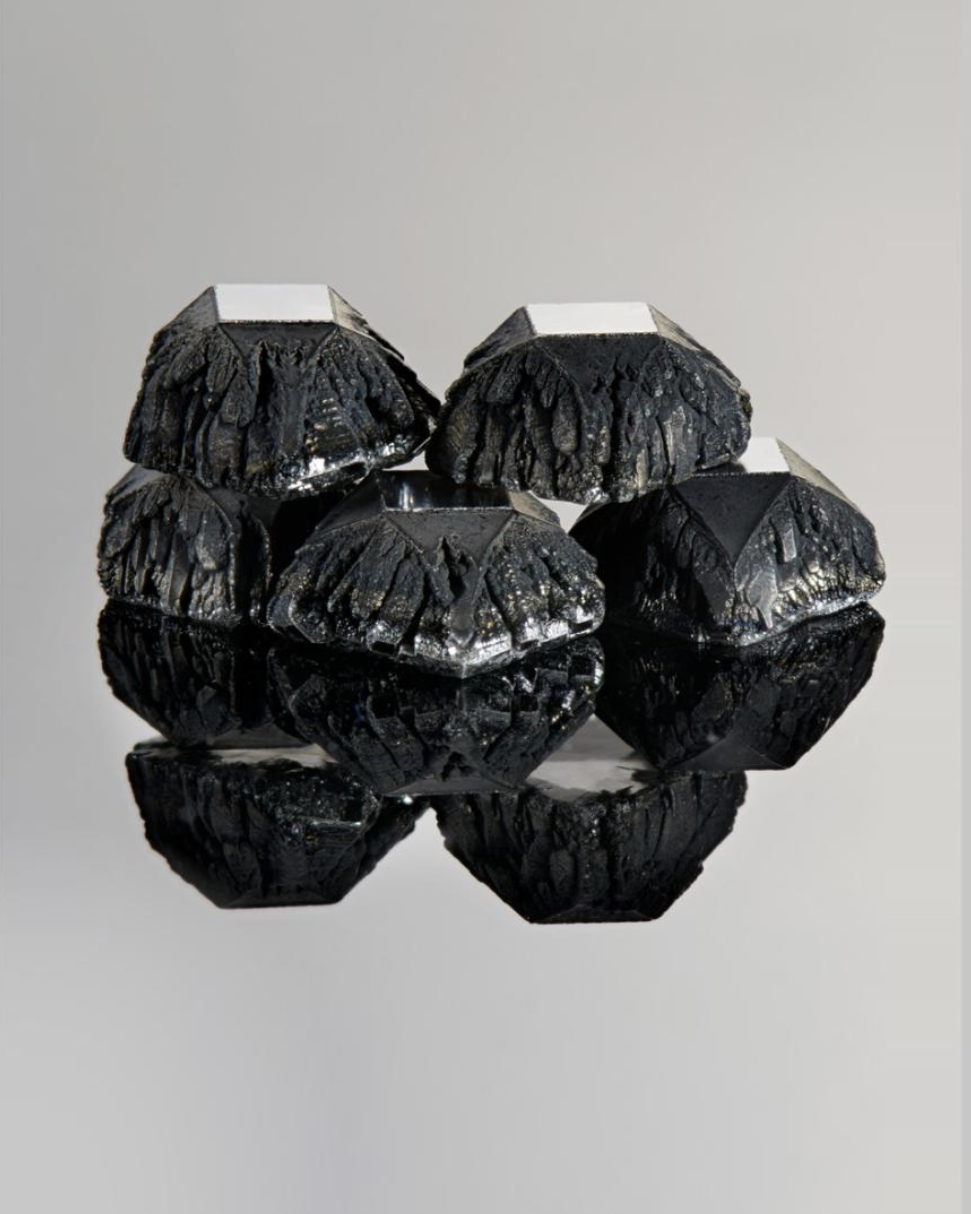
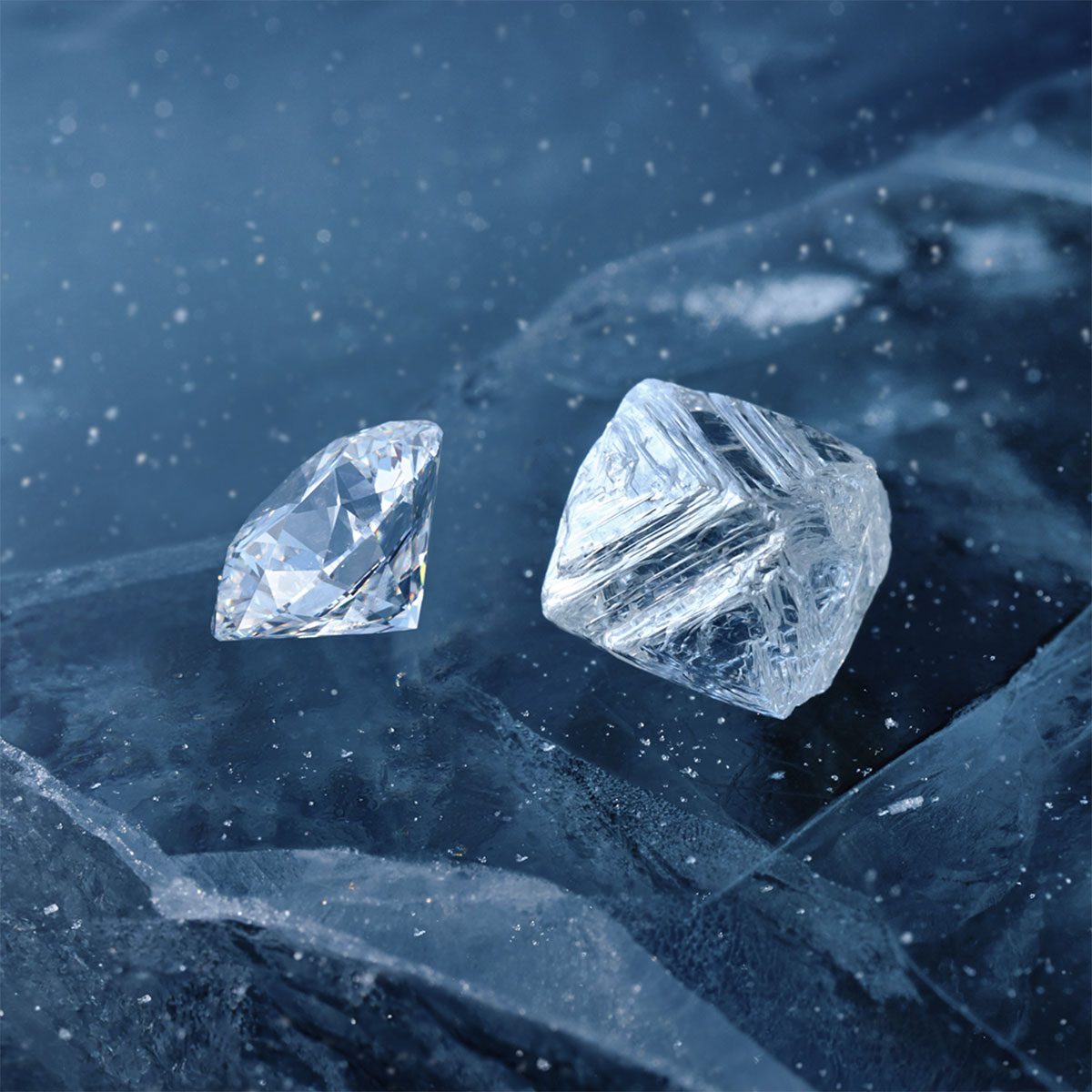
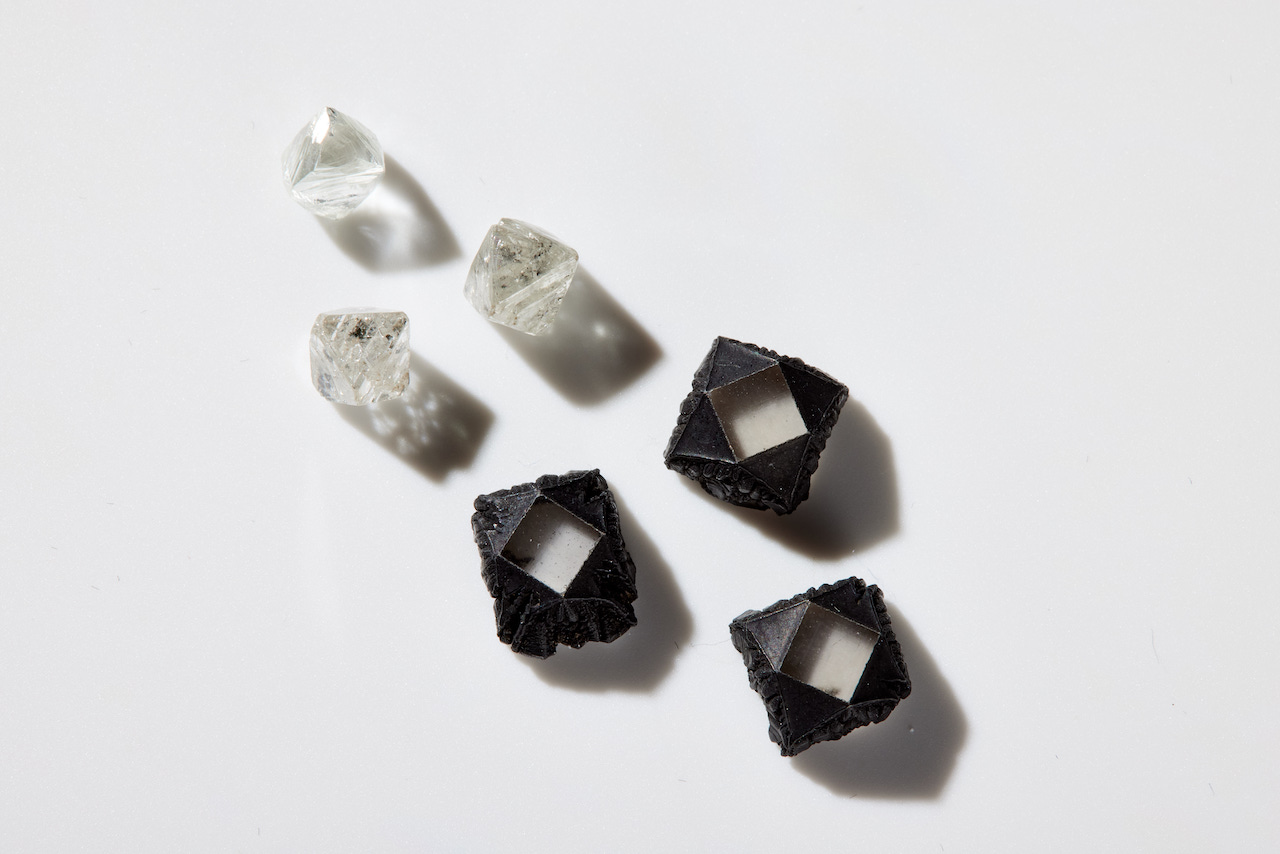
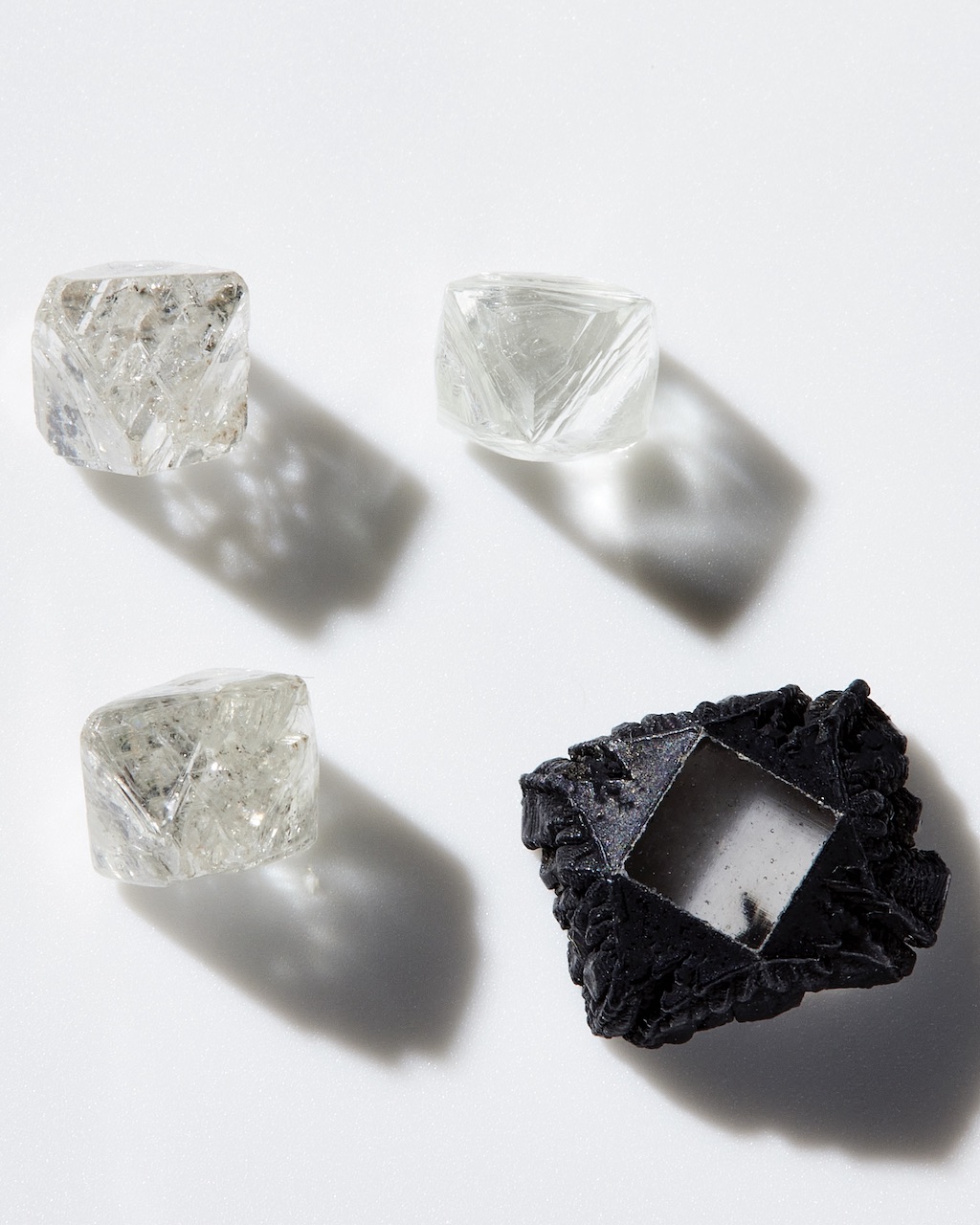
Here’s the first thing to understand: while lab-grown and natural diamonds share the same chemical composition, they’re not the same. Between one and three billion years ago, immense heat, pressure, and time deep within the Earth forged natural diamonds in a way no human process can ever replicate. Lab-grown diamonds, by contrast, are created in a matter of days in a factory using high-pressure, high-temperature (HPHT) or chemical vapor deposition (CVD) technology.
Those vastly different origins leave distinct atomic signatures that experts, and the right tester, can identify 100% of the time. In other words, there’s no guesswork. Experts can always detect a lab-grown diamond.
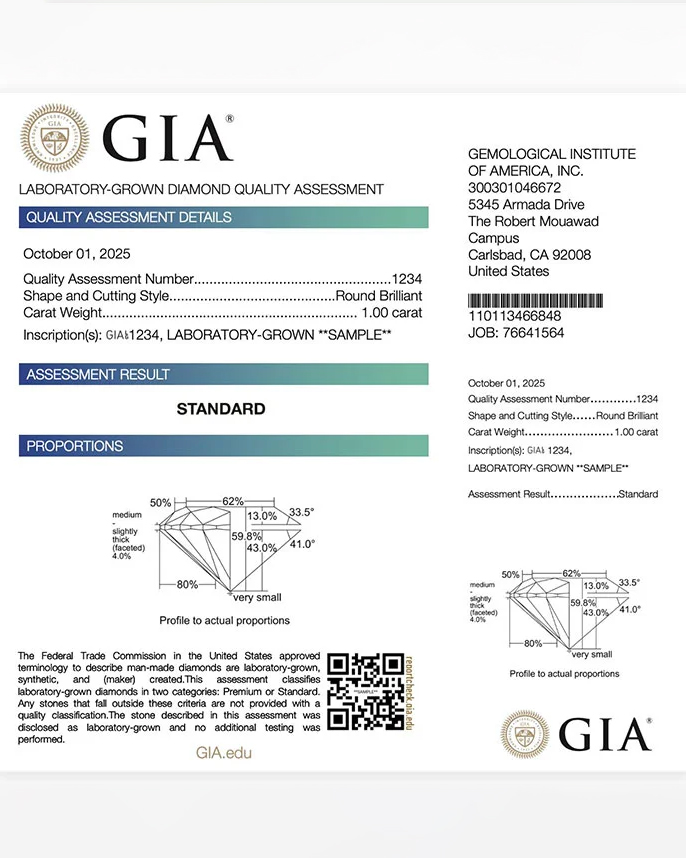
The Gemological Institute of America (GIA), the world’s most respected authority in gemology, takes a distinct approach when it comes to lab-grown diamonds. The GIA focuses primarily on origin when evaluating lab-grown diamonds, rather than using the traditional 4Cs —cut, color, clarity, and carat weight —reserved for natural diamonds. Instead of detailed grading, the GIA classifies lab-grown stones as either Standard or Premium, explaining that this simplified system reflects their limited variation, since manufacturers produce them within a narrow range of characteristics.
How the Jewelry Industry Keeps Natural and Lab-Grown Diamonds Separate
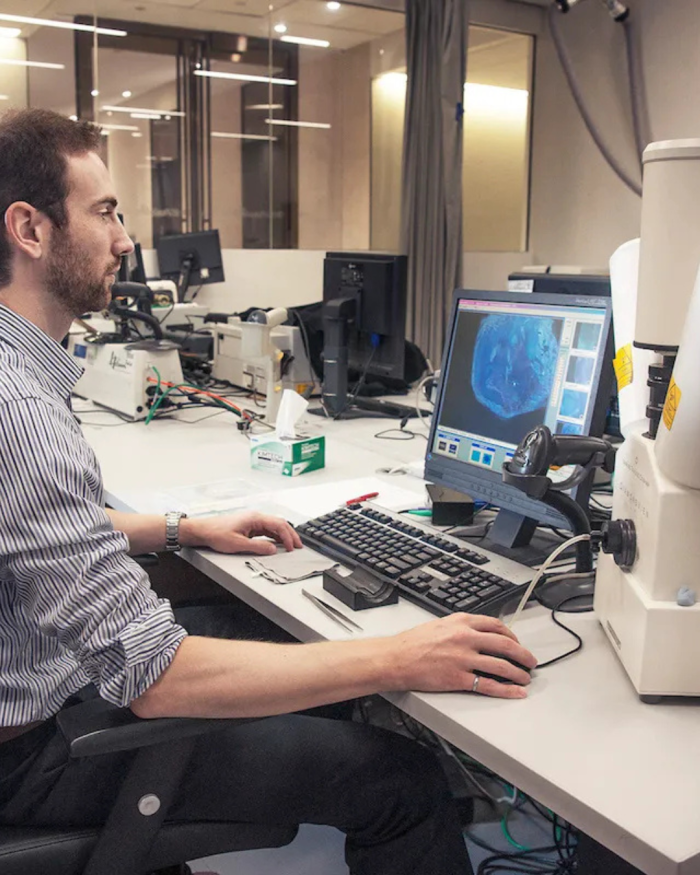
The jewelry industry takes this issue incredibly seriously. From mining to retail, there are multiple checkpoints designed to prevent lab-grown diamonds from ever entering the natural supply chain.
At every stage, from rough sorting to cutting, polishing, setting, and selling, diamonds are screened and tested. Leading gem labs like GIA, IGI, and GSI use advanced instruments that can instantly and accurately identify a diamond’s origin.
Most jewelry manufacturers and retailers also have Diamond Verification Instruments in-house, approved by the ASSURE Program, a global initiative supported by the Natural Diamond Council to verify the accuracy of these instruments. These machines are inexpensive, easy to use, and 100% reliable. You’ll find them in nearly every jewelry retailer across the U.S.
Retailers routinely test finished jewelry before it reaches showcases, even pieces set with smaller accent stones. The goal is simple: to make absolutely sure that every diamond sold as natural truly is.
Ask the Right Questions Before Buying—And Shop Smart
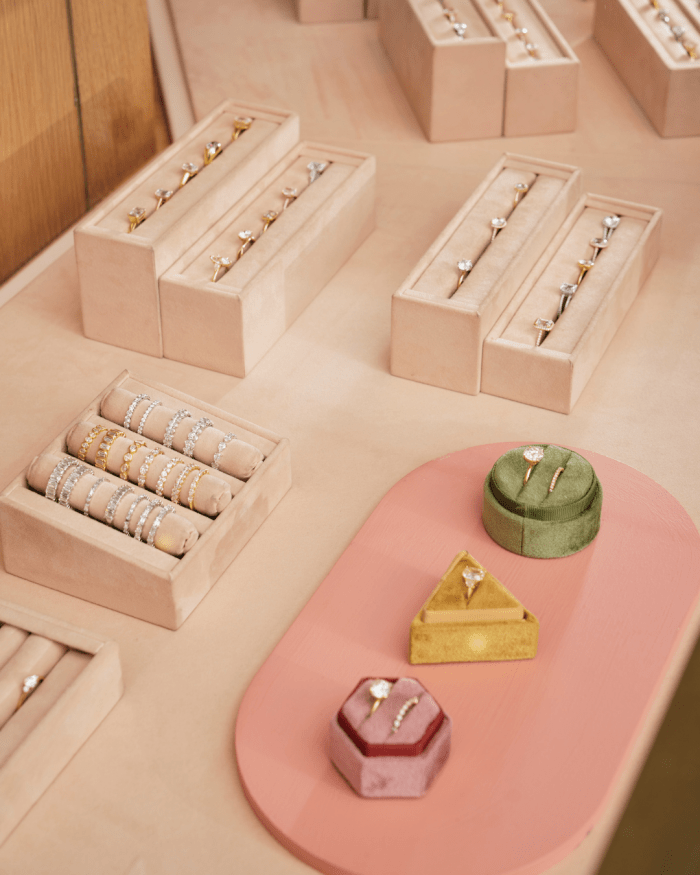
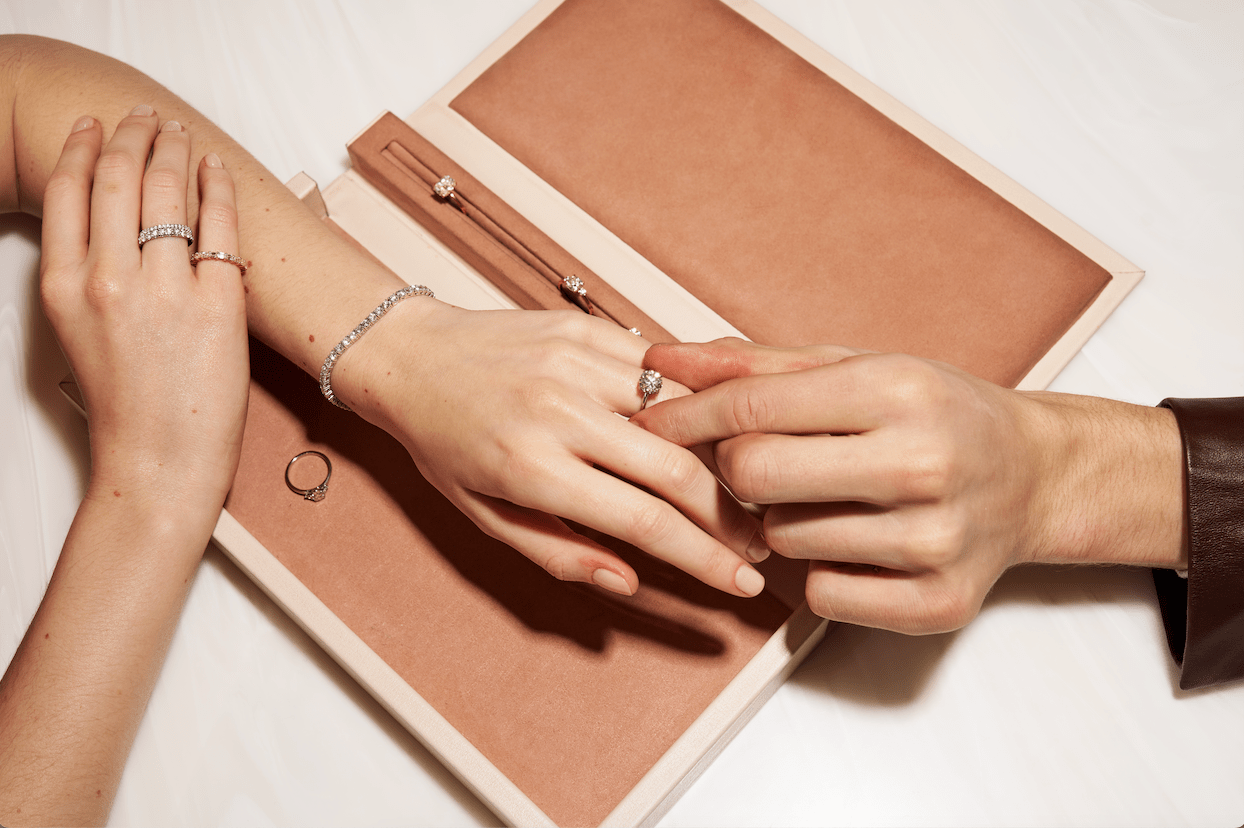
The easiest way to protect yourself? Buy from a reputable jeweler or brand. Trusted jewelers will always tell you whether a diamond is natural or lab-grown, and they’ll be happy to show you documentation.
If a diamond is one carat or larger, it should come with a grading report from a recognized gemological laboratory. That report clearly states whether a diamond is natural or laboratory-grown.
If you ever feel unsure, ask to see the grading certificate or have your jeweler test the stone in front of you using a verification device. Reputable retailers are transparent, and they’ll walk you through the details, explain the differences, and ensure you know exactly what you’re purchasing.
And remember: if something feels off or seems too good to be true, it probably is. Reliable jewelers don’t rush you or obscure the truth with confusing language.
What the Law Says About Natural and Lab-Grown Diamonds
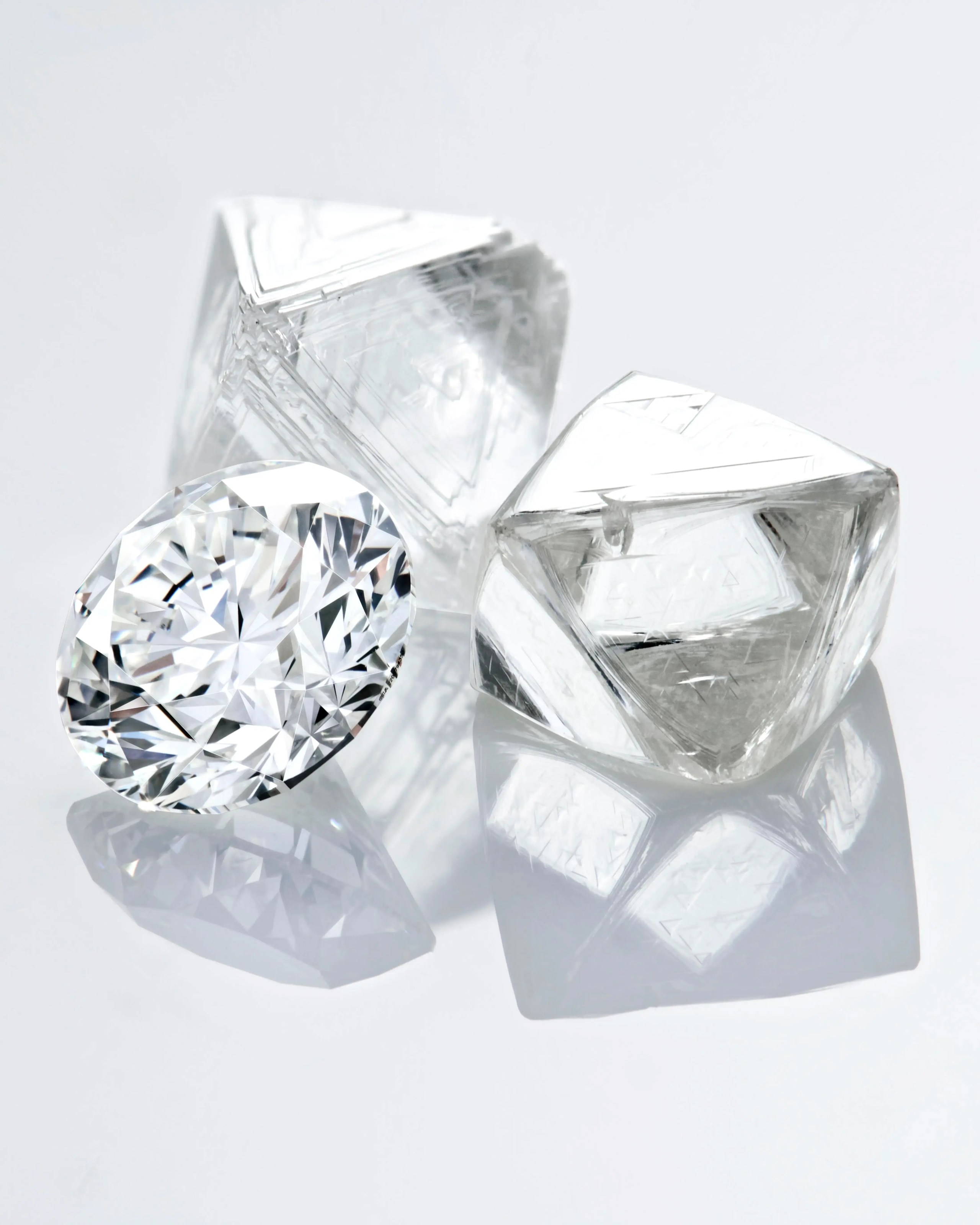
According to the Federal Trade Commission (FTC), the word “diamond” by itself legally refers only to a natural diamond created by nature. Any man-made diamond must always be clearly disclosed as laboratory-grown, lab-created, or [manufacturer]-created. That disclosure must be clear and prominent, not buried in fine print.
If a company markets lab-grown diamonds without proper disclosure, it’s breaking the law, and you’re entitled to take action or request a refund.
Why the Difference Between Natural and Lab-Grown Diamonds Matters
Aside from the romantic and emotional difference, there’s a very real value difference between natural and lab-grown diamonds.
Natural diamonds are finite, and each one is a miracle of nature, billions of years in the making. Lab-grown diamonds, on the other hand, can be produced endlessly, which means their prices have fallen dramatically in recent years and continue to drop as production scales.
That’s why knowing what you’re buying is essential. If you’re purchasing what you believe is a natural diamond, you deserve to receive a stone that holds its beauty, rarity, and long-term value.
How to Test if Your Diamond Is Natural or Lab-Grown
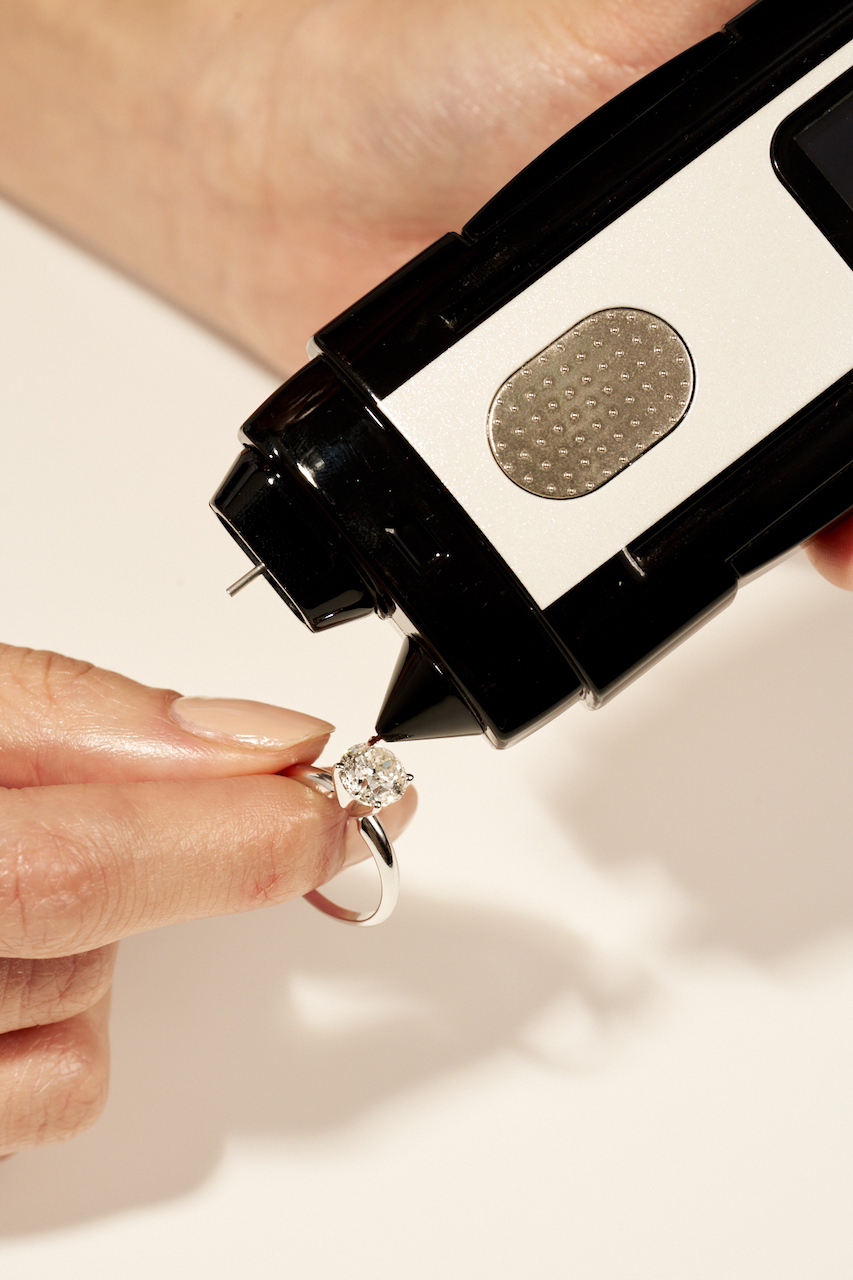
If you already own diamond jewelry and want to confirm that your stones are natural, the process is easy. Take your piece to a trusted jeweler. Most have diamond testing devices on site and can check for you in minutes.
For added assurance, you can also send your jewelry to a gemological lab like GIA or GSI, which can test stones in or out of their settings and issue a report verifying whether your diamond is natural or lab-grown. Your local jeweler can also help you send jewelry to one of these gem laboratories.
The Bottom Line
The fear of “accidentally” buying a lab-grown diamond might be common, but it’s largely unfounded. With advanced testing technology, rigorous industry standards, and legal labeling requirements, strong protections are in place at every step of the diamond journey.
When you shop with trusted jewelers, ask the right questions, and check for certification, you can feel confident that your diamond is natural and a genuine piece of Earth’s history meant to shine for generations.
Because while lab-grown diamonds can imitate the look, they’ll never replicate the story, the rarity, or the enduring value of a genuine natural diamond.