
The Lozenge Cut Diamond Feels Vintage and Modern at Once
First popularized in the 1920s and almost impossible to find in antique form, the lozenge cut diamond is quietly becoming the diamond shape for people who want something nobody else has.
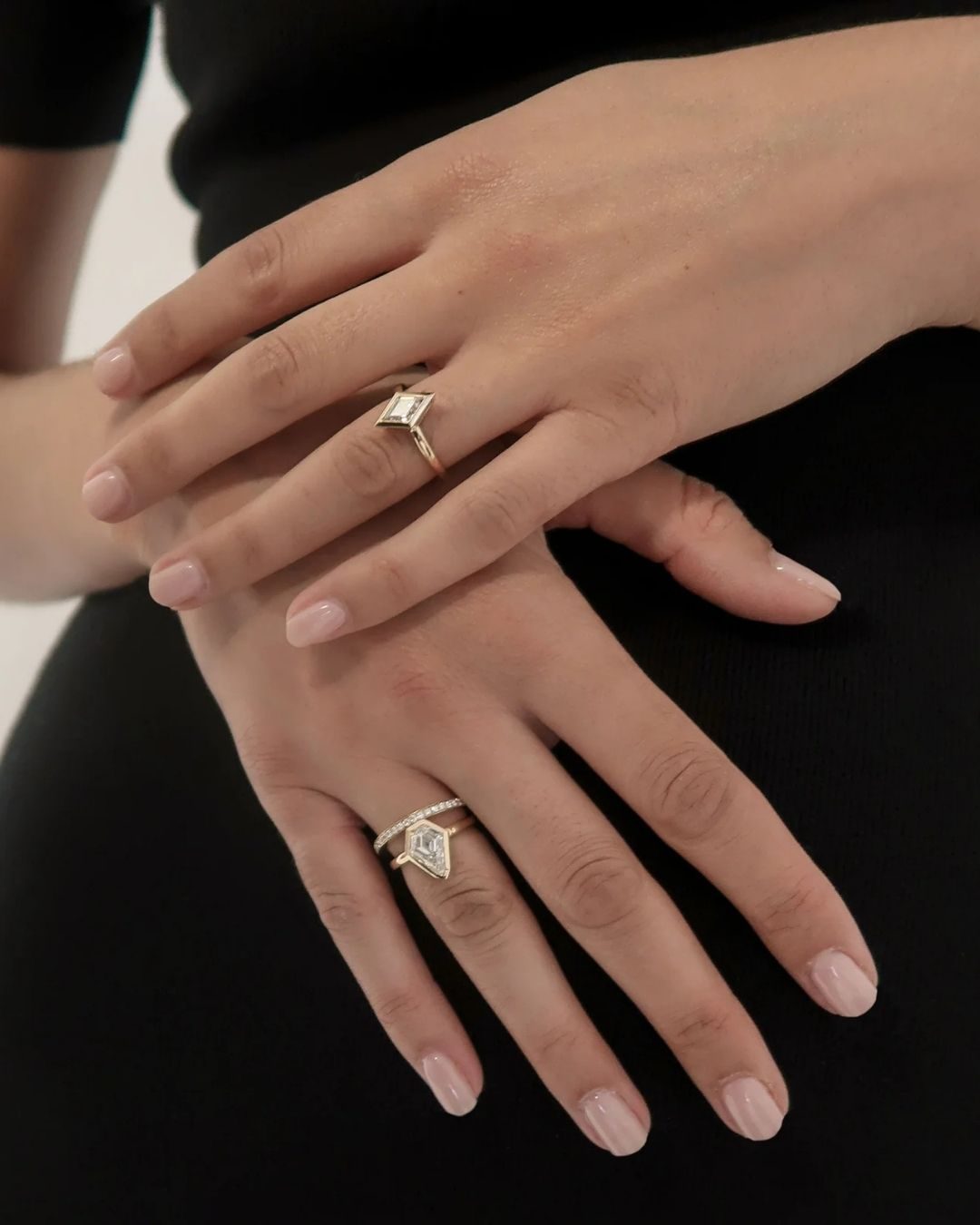
Azlee Lozenge Cut Diamond Engagement Ring. (Courtesy of Azlee)
Someone often asks me to recommend a diamond shape that feels genuinely different. Not a round brilliant, not an oval, not one of the shapes you are so used to seeing on the hands of your friends at a party. My answer more often than not is the lozenge cut diamond. It is one of the most distinctive shapes in the entire diamond world, and after decades of living in relative obscurity, it is finally getting the attention it deserves.
Meet the Expert

- Grant Mobley is the Jewelry & Watch Editor of Only Natural Diamonds.
- He is a GIA Diamonds Graduate.
- He has over 17 years of jewelry industry experience, starting with growing up in his family’s retail jewelry stores.
What Exactly Is a Lozenge Cut Diamond?
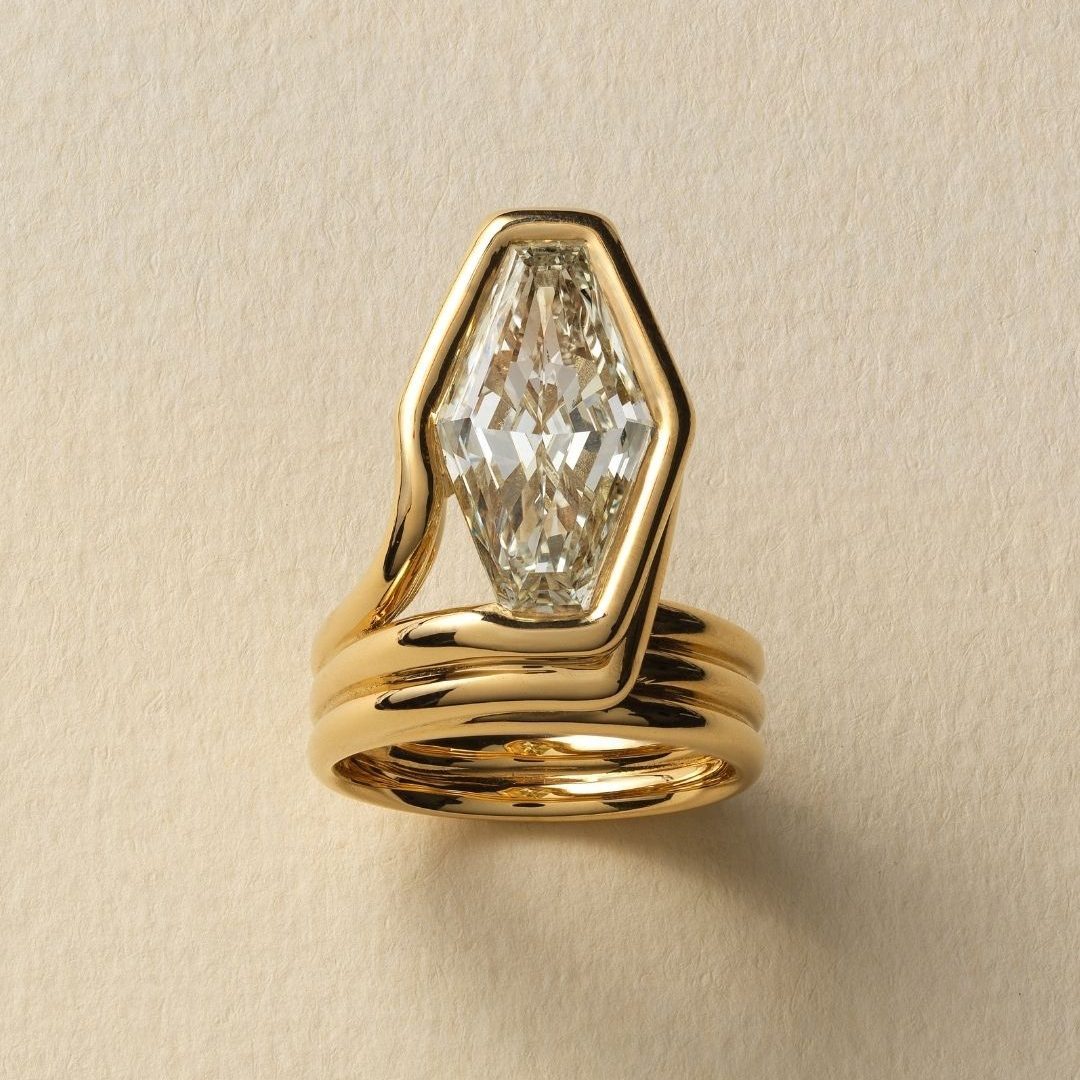
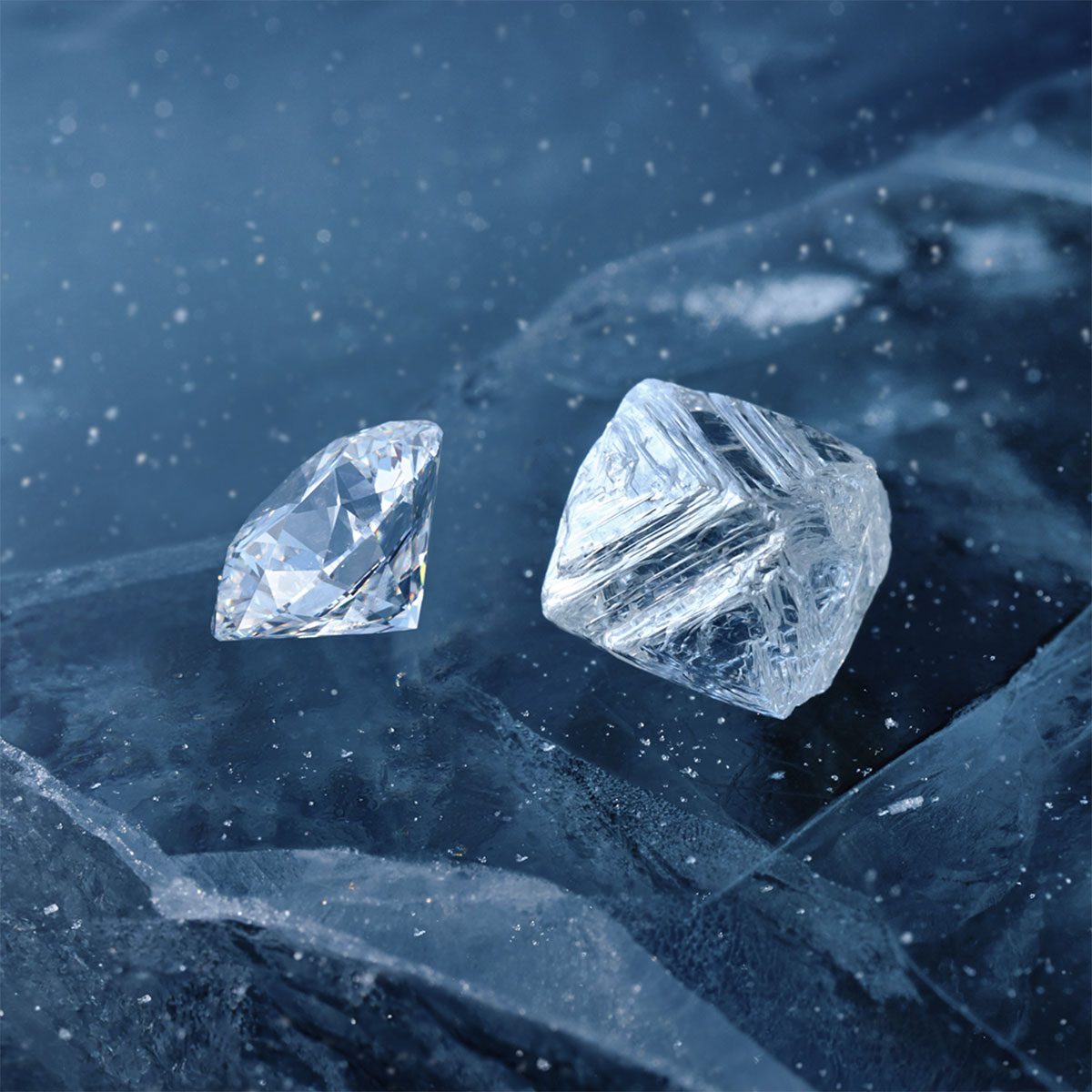
The traditional lozenge cut diamond features four straight sides of equal length that come together to form the classic “diamond” silhouette, the same shape you see on playing cards. Think of it as the shape a child draws when you ask them to draw a diamond. There is something wonderfully fitting about a diamond actually cut into that iconic form.
The lozenge belongs to the step cut family, meaning its facets run in long, straight, parallel rows descending from the table like a staircase. Step cuts behave completely differently from brilliant cuts. Instead of the rapid-fire sparkle of a round brilliant, a step cut throws broad, dramatic flashes of light, creating that elegant hall-of-mirrors effect you see in emerald cuts and Asscher cuts. The look is clean, architectural, and unmistakably sophisticated. Because those long open facets hide very little, the cut demands high clarity in the rough, and it rewards it with a glassy transparency that brilliant cuts simply cannot replicate.
On rare occasions, cutters facet a lozenge in a brilliant pattern instead, with triangular facets radiating from the center. A brilliant-cut lozenge combines an unusual geometric silhouette with lively, scintillating sparkle, making an exceptional center stone for someone who wants something truly out of the ordinary. These are harder to find, which, for a certain kind of buyer, only adds to the appeal.
The Hexagonal Lozenge
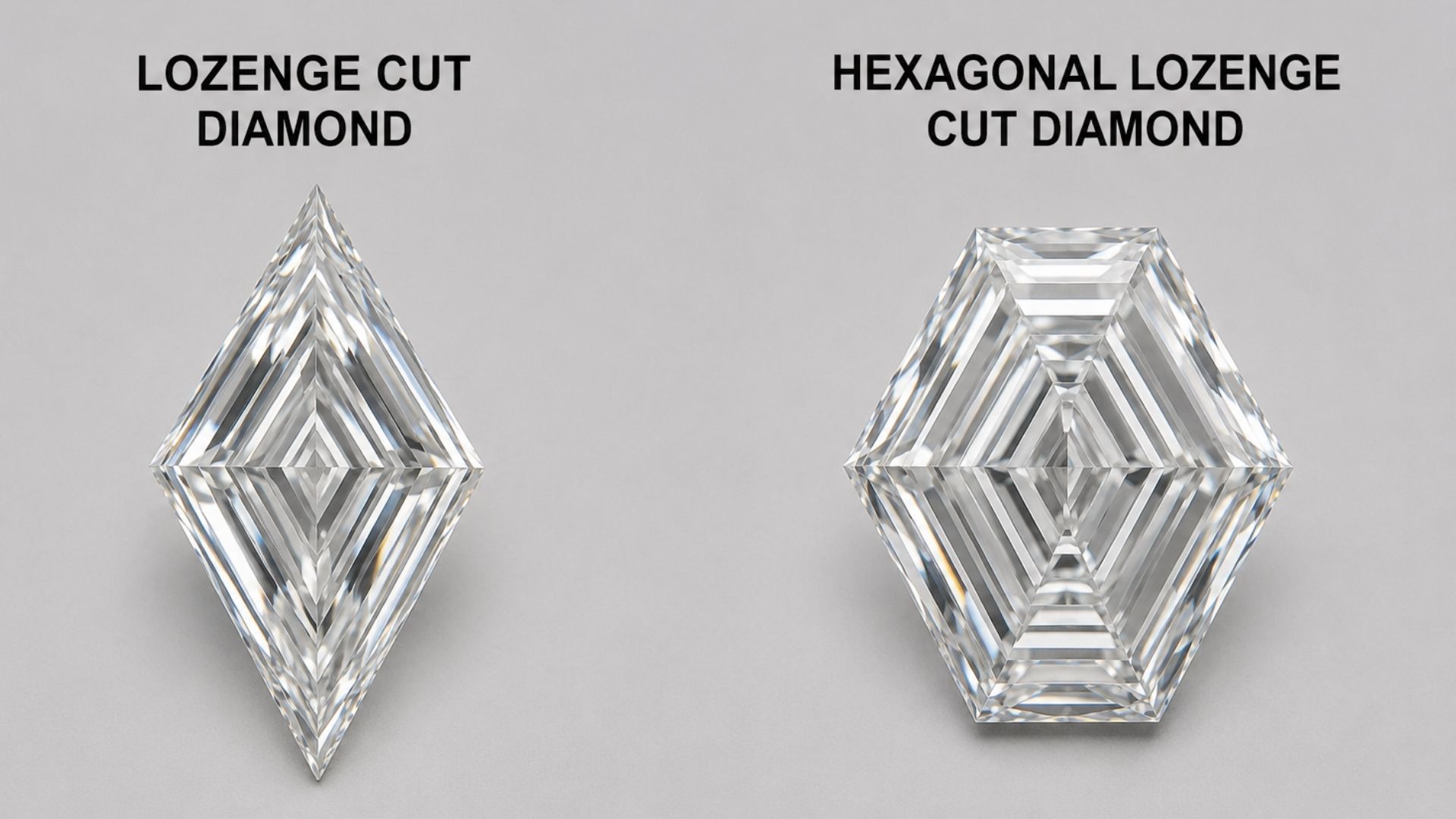
The lozenge cut diamond also has a close sibling, called the hexagonal lozenge, which is important to be familiar with. Instead of tapering to sharp points at the top and bottom, the hexagonal version adds two more straight sides at each end, forming an elongated hexagon. The effect is slightly softer on the finger while keeping all the geometric personality that makes the shape special. Between the two, the hexagonal lozenge tends to wear a bit more comfortably since it trades the sharpest points for flat edges, though I find both versions completely captivating.
A Diamond Cut Born in the Art Deco Era
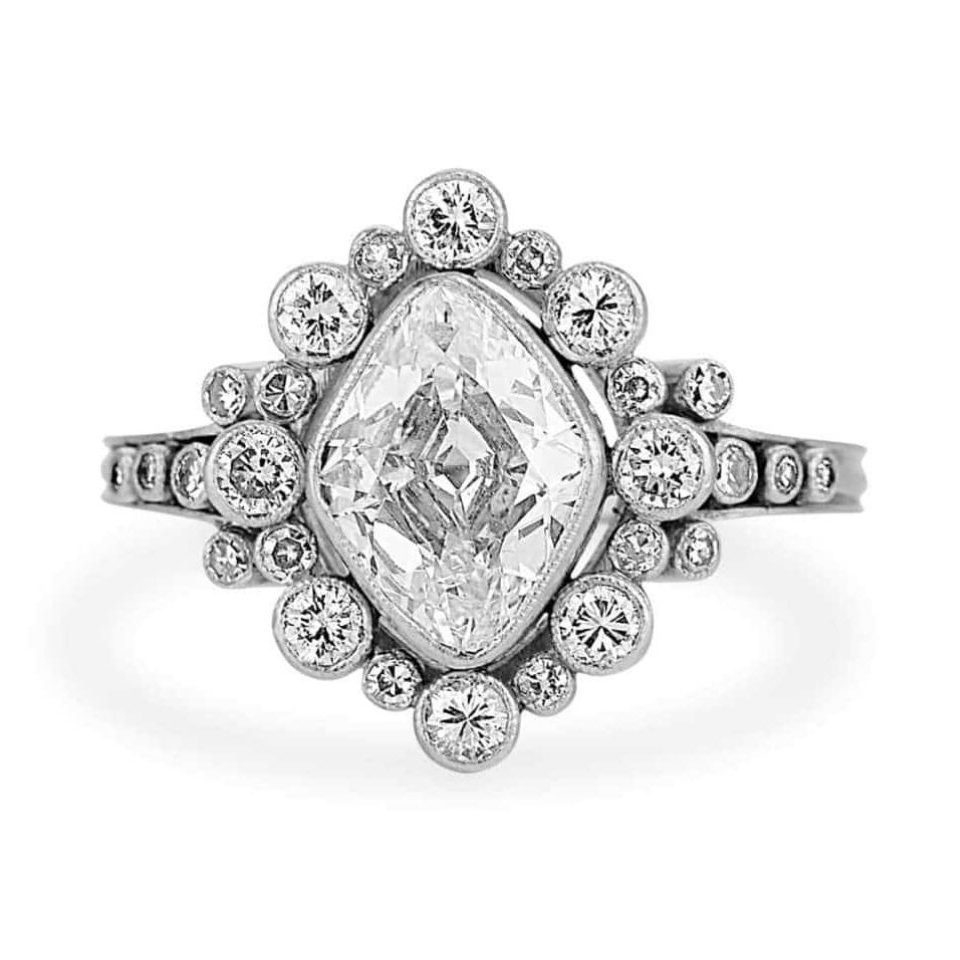
The lozenge cut diamond gained in popularity in the 1920s, right in the heart of the Art Deco period, when jewelry design embraced bold geometry, clean lines, and architectural symmetry. The shape fit that moment perfectly. Yet genuine antique lozenge-cut diamonds are very rare today. The cut never achieved the mass popularity of the emerald cut or the round brilliant, which means surviving examples from that era are few and far between. If you ever come across an authentic 1920s lozenge in an estate piece, you are looking at something genuinely scarce.
That scarcity is part of what makes the current revival so interesting. Jewelry trends have shifted decisively toward individuality. Buyers today, especially engagement ring shoppers, increasingly want a stone that tells people something about who they are rather than simply signaling that they followed the traditions. The lozenge cut diamond answers that desire better than almost any shape I can think of.
How the Lozenge Cut Diamond Bridges Past and Present
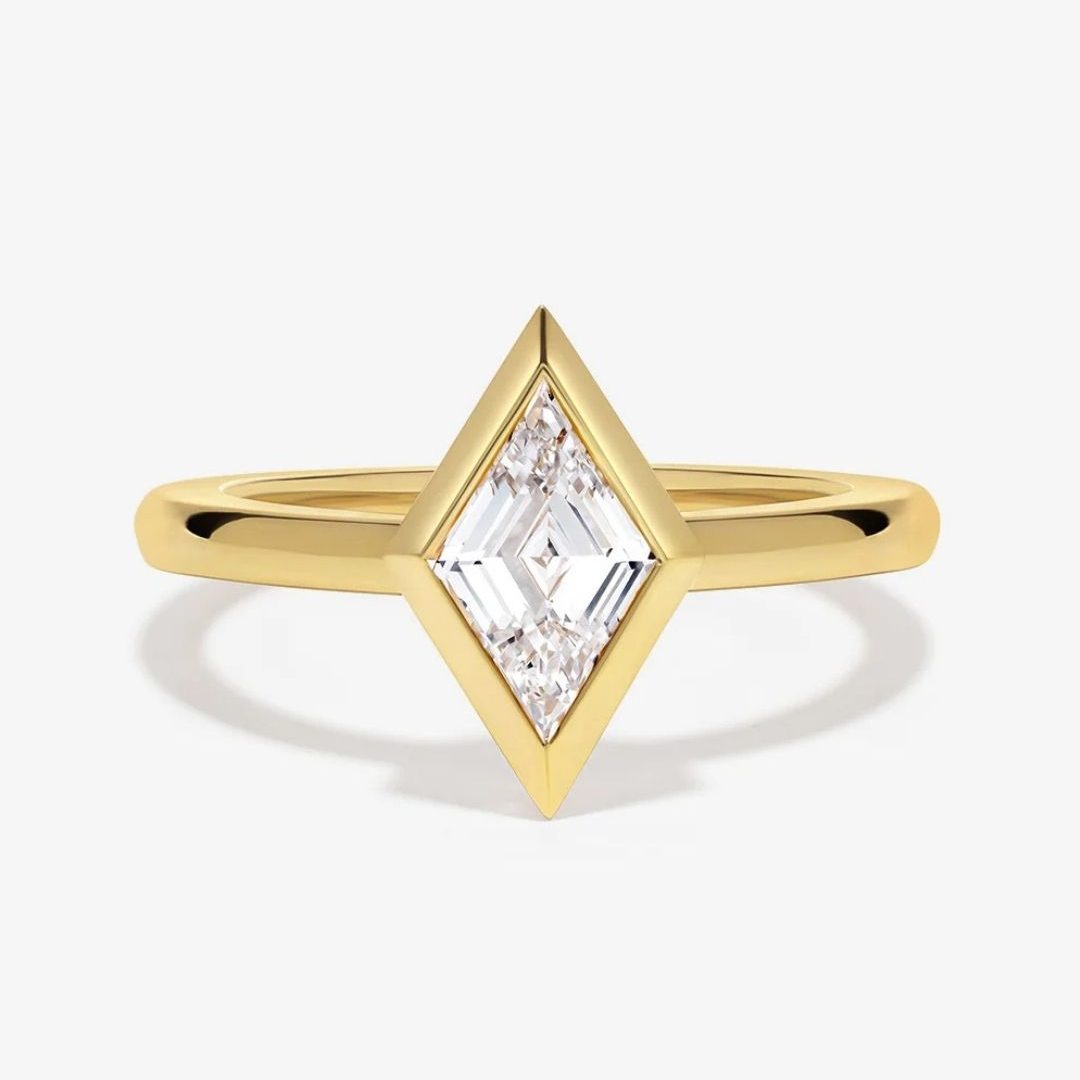
Here is what I find most remarkable about the lozenge cut diamond, and what I tell anyone considering one. Very few diamond shapes can give off vintage and modern energy simultaneously. The lozenge does it effortlessly. Its Art Deco origins and step-cut faceting root it firmly in the past, evoking the glamour of the 1920s. Yet its sharp geometry reads as strikingly contemporary, right at home alongside today’s minimalist and architectural jewelry design.
Whether set east-west in a sleek bezel, stacked in a geometric band, or standing alone as an unexpected center stone, the lozenge cut diamond delivers something the classic shapes cannot: genuine surprise.