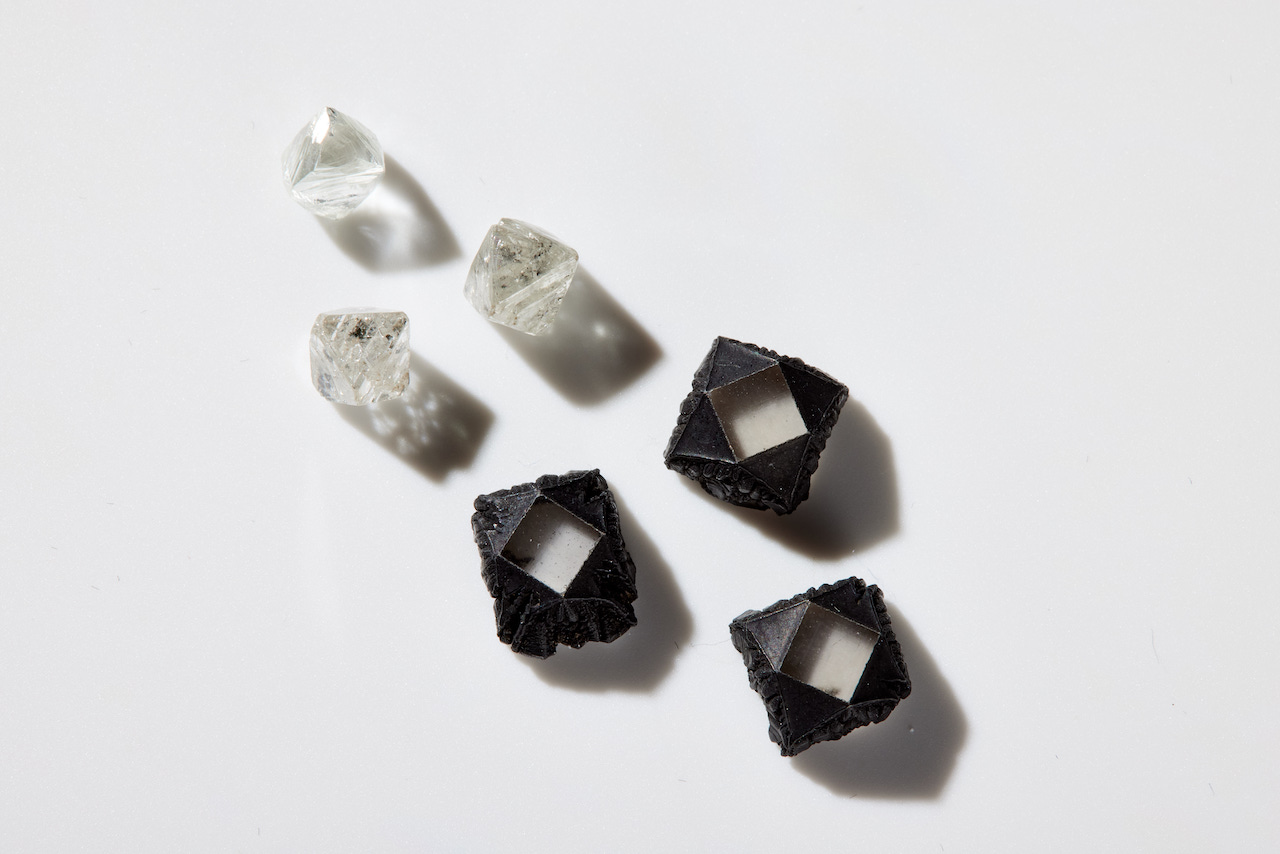

Diamond Cuts You’ve Probably Never Heard Of—But Should Absolutely Consider
While shopping for an engagement ring, most people walk into the process believing there are maybe eight diamond shapes in existence. Round, oval, pear, emerald, cushion, princess, marquise, and Asscher. Those are wonderful shapes, and there is a reason they dominate. But here is what the industry does not always tell you: there are dozens of unique diamond cuts recognized by the GIA, and most people have never laid eyes on the vast majority of them.
Meet the Expert

- Grant Mobley is the Jewelry & Watch Editor of Only Natural Diamonds.
- He is a GIA Diamonds Graduate.
- He has over 17 years of jewelry industry experience, starting with growing up in his family’s retail jewelry stores.
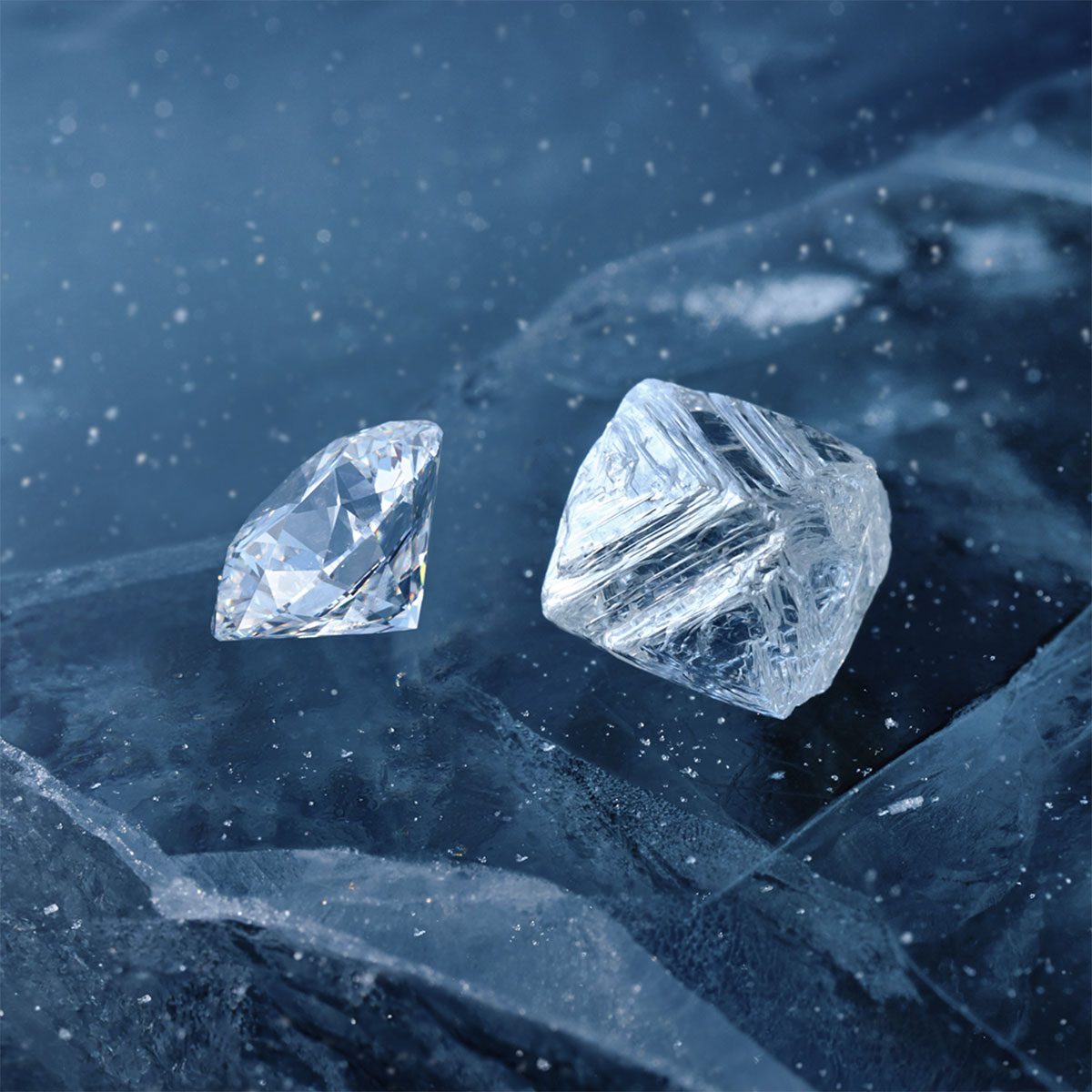
Diamond cutting is an art form that has evolved over more than a thousand years. Skilled craftspeople, aided today by remarkable technology, keep developing and refining cuts that push beyond the familiar. Before you lock yourself into one of the handful of shapes everyone knows, see what else exists. Some of these make absolutely stunning center stones, including for engagement rings, and they carry the enormous advantage of being cuts that no one else in the room will be wearing.
Novelty Cuts Take Unique Diamond Shapes to the Extreme
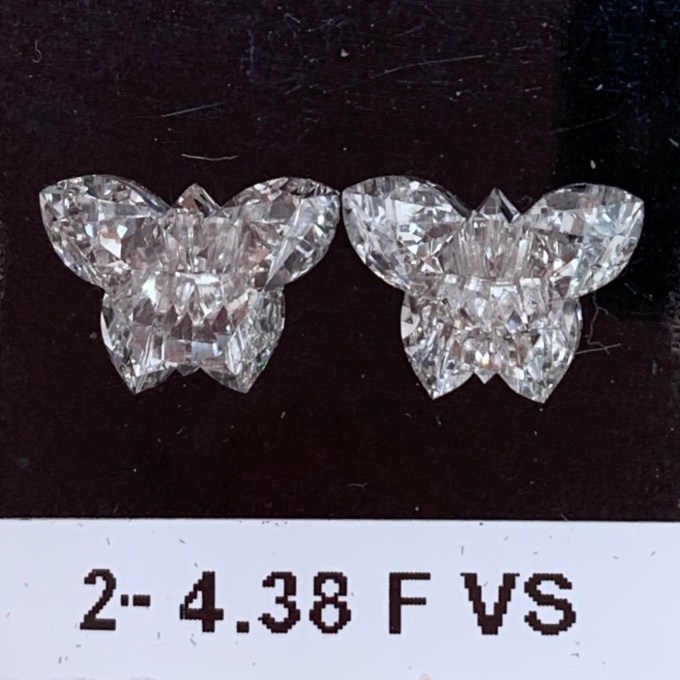
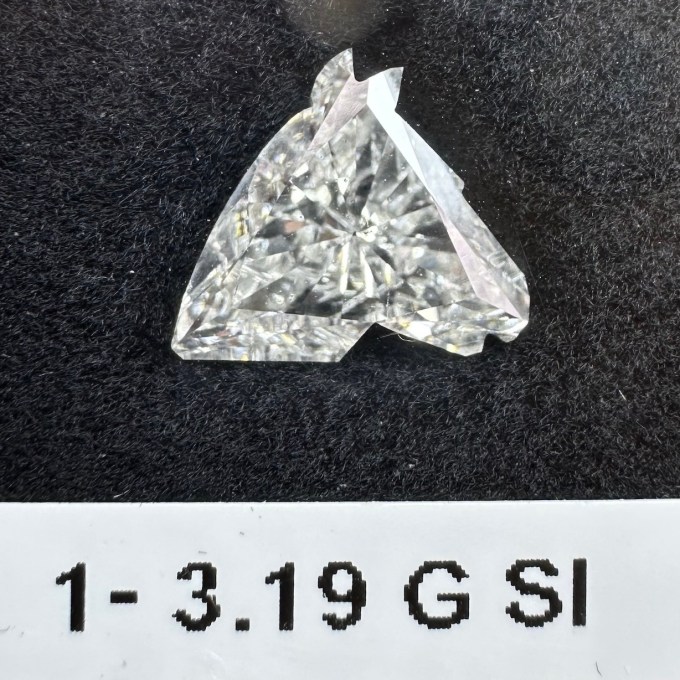
While not the likely choice for a classic engagement ring, novelty cuts are among the most unique diamond cuts you just have to know about. These are diamond shapes so unusual that the GIA doesn’t even have a specific term for them, so it simply lists them as “novelty” on the report. We are talking about diamonds cut into butterflies, flowers, ducks, Christmas trees, religious symbols, and yes, even more anatomically cheeky shapes that I will let you imagine on your own.
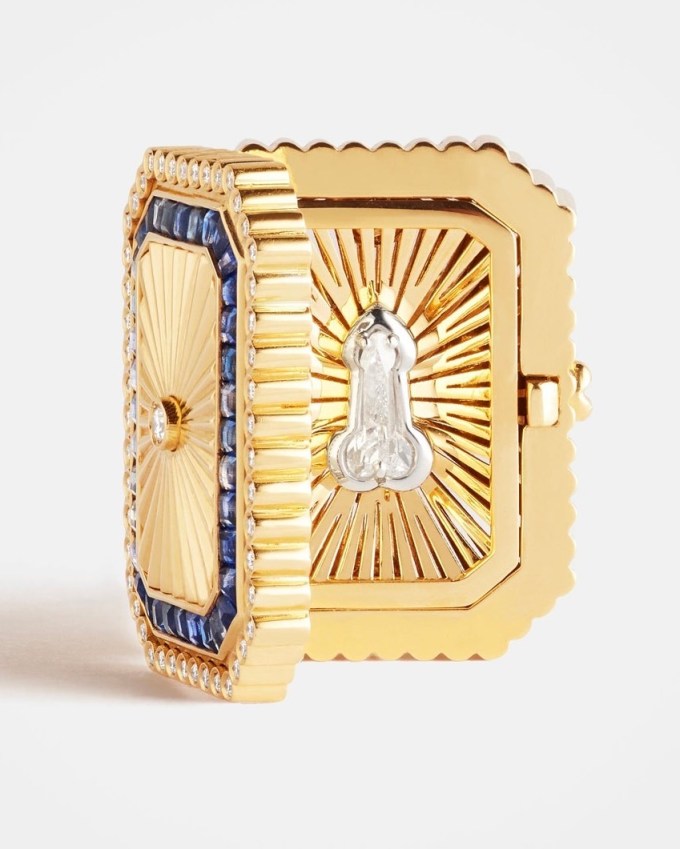
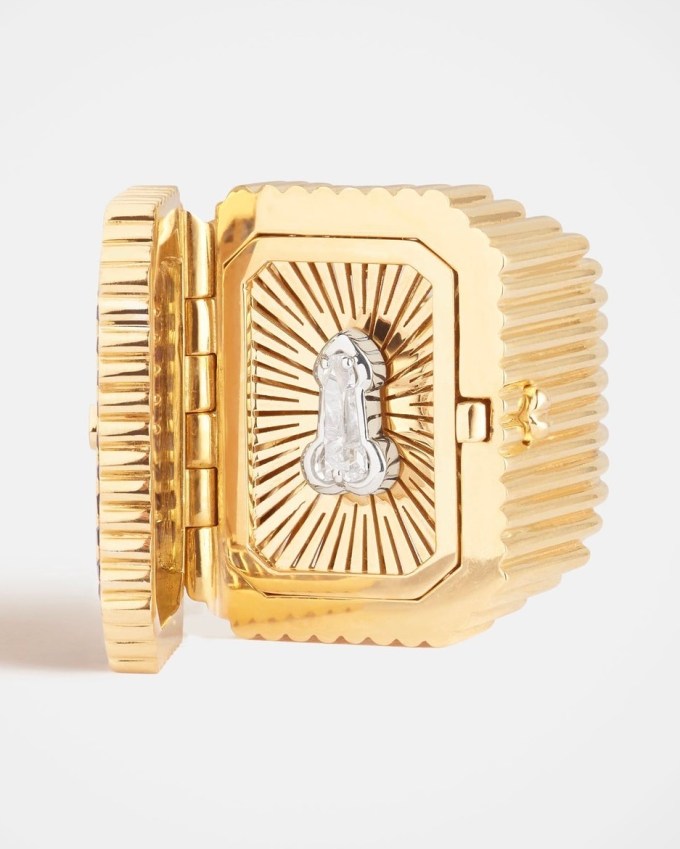
Novelty cuts are conversation pieces, and they are genuinely rare. The catch is that they are extremely hard to find and usually must be cut to order, which makes them expensive and impractical for most buyers. They are also rarely the right choice for a center stone you plan to wear every day.
The shapes I want to focus on are different. Every one of them has a specific, GIA-recognized name, and while your local jeweler may not have them sitting in the case, most can be sourced by request. They occupy that sweet spot: distinctive and rare, but practical and wearable.
8 Unique Diamond Cuts That Should Be on Your Radar
The Shield-Cut Diamond
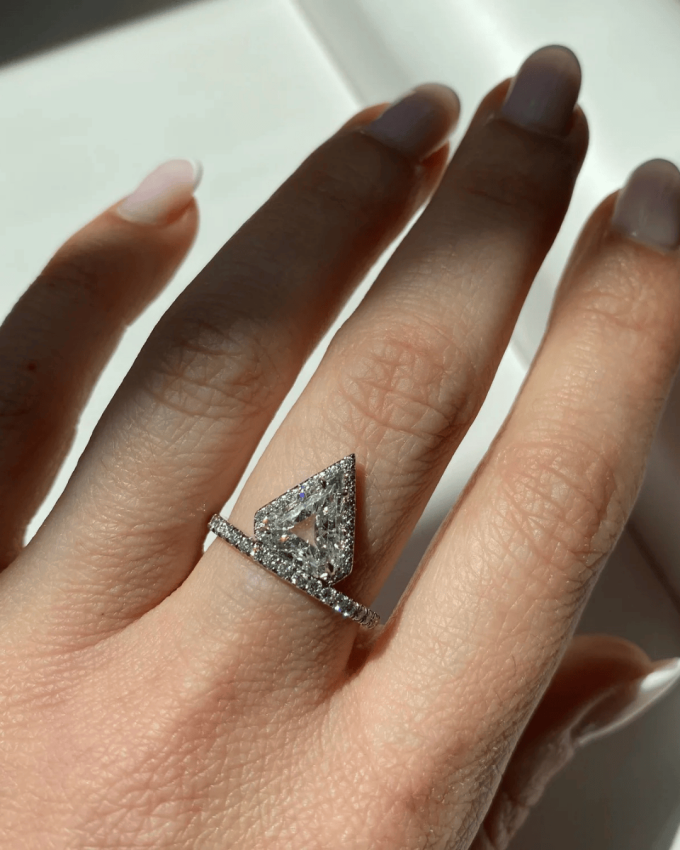
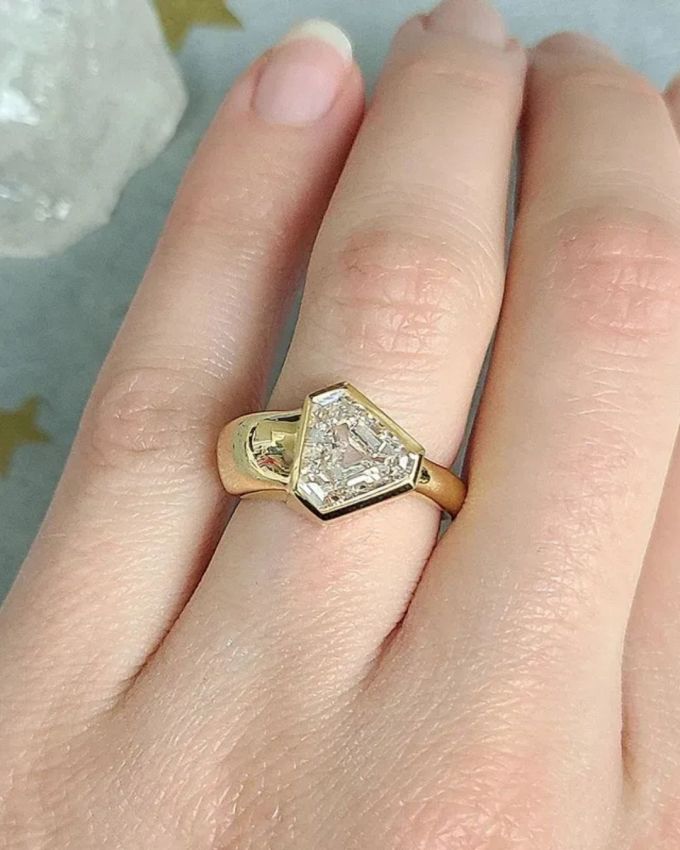
Exactly what it sounds like: the shield-cut diamond is usually a five-sided stone with gently curved or angled edges evoking a medieval shield. Shield cuts make dramatic center stones and also work beautifully as side stones flanking a larger diamond. Their bold geometry feels both ancient and thoroughly modern.
The Kite-Cut Diamond
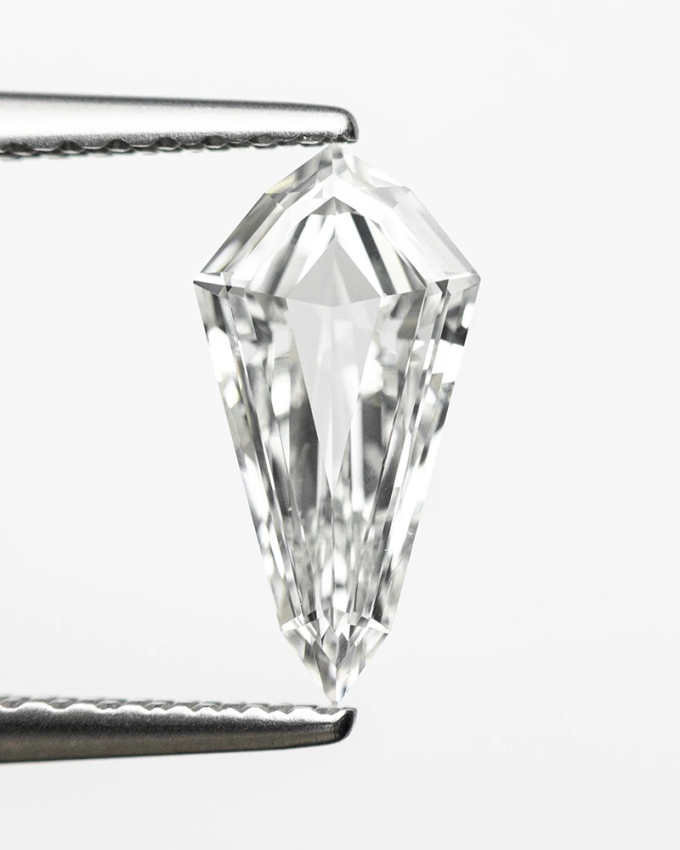
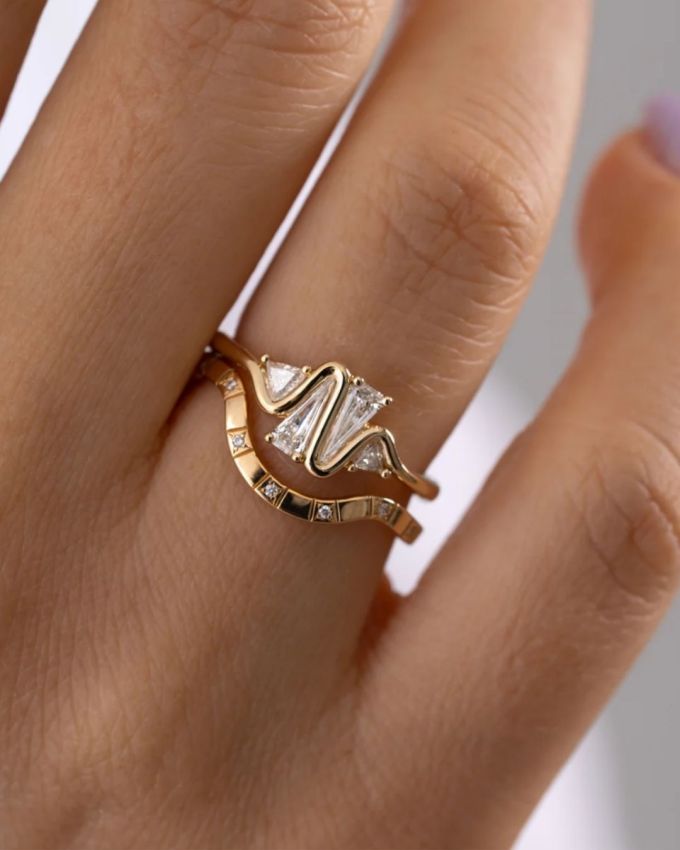
The kite-cut diamond is a four-sided diamond that tapers like a kite in flight, with two shorter sides at the top and two longer sides meeting at a point below. Set point-up, point-down, or on its side, the kite is edgy and architectural, a favorite for people who want something genuinely unexpected.
The Octagon-Cut Diamond
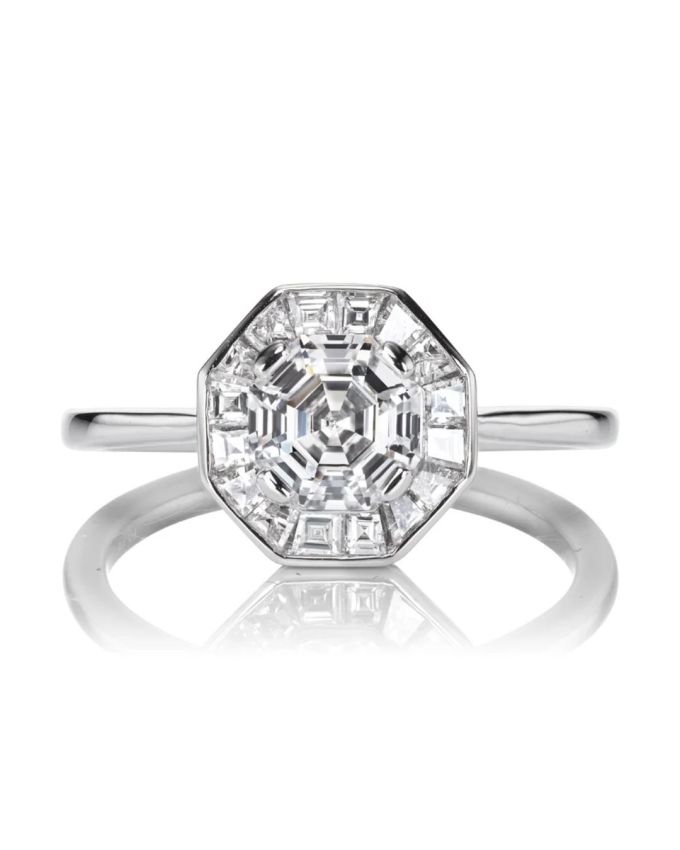
The octagon-cut diamond is an eight-sided shape that reads as clean, balanced, and quietly powerful. Depending on the faceting, an octagon can lean vintage or ultra-modern. It is a wonderful choice for someone who loves the emerald cut‘s elegance but wants an extra layer of geometry.
The Hexagon-Cut Diamond
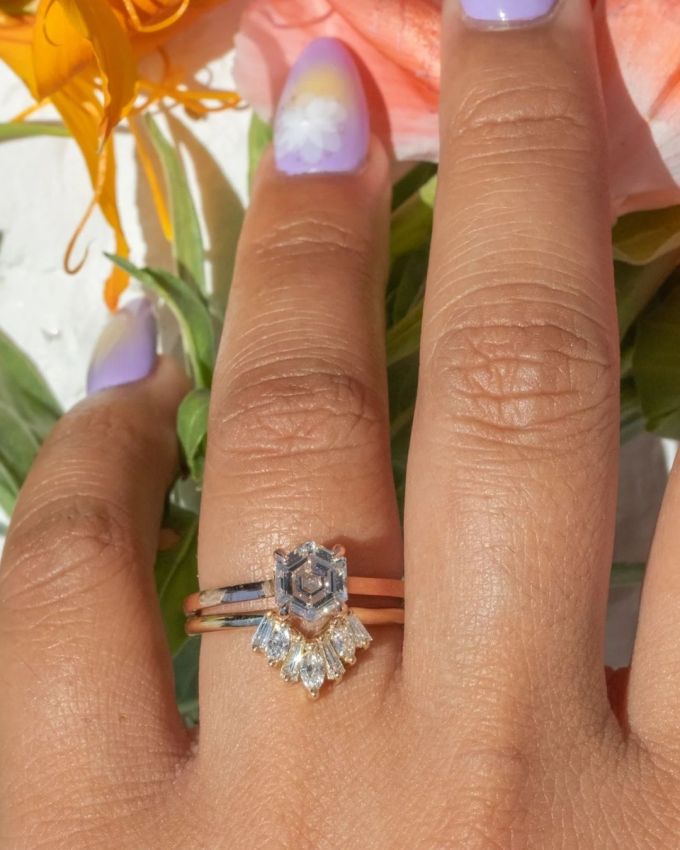
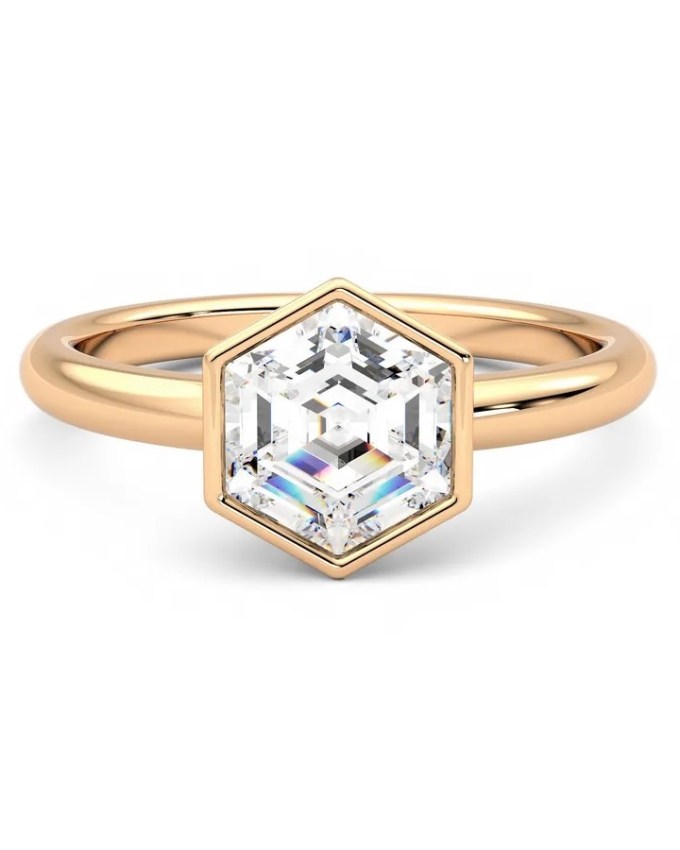
The six-sided beauty, usually cut in a step-cut style with long straight facets, the hexagon-cut diamond can be a perfectly symmetrical six-sider or an elongated version with two longer sides. Set several together, and they nest like a honeycomb, which is why some people call them honeycomb diamonds.
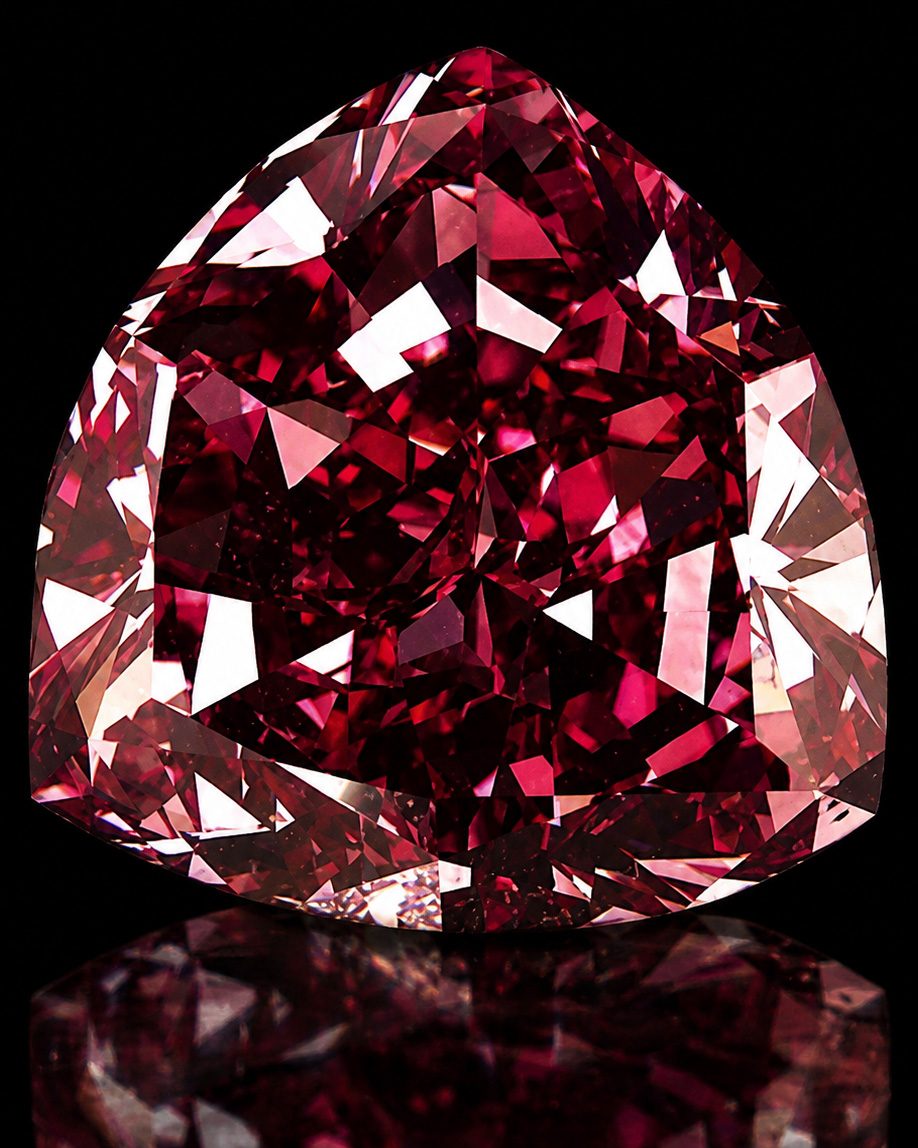
The Trillion-Cut Diamond
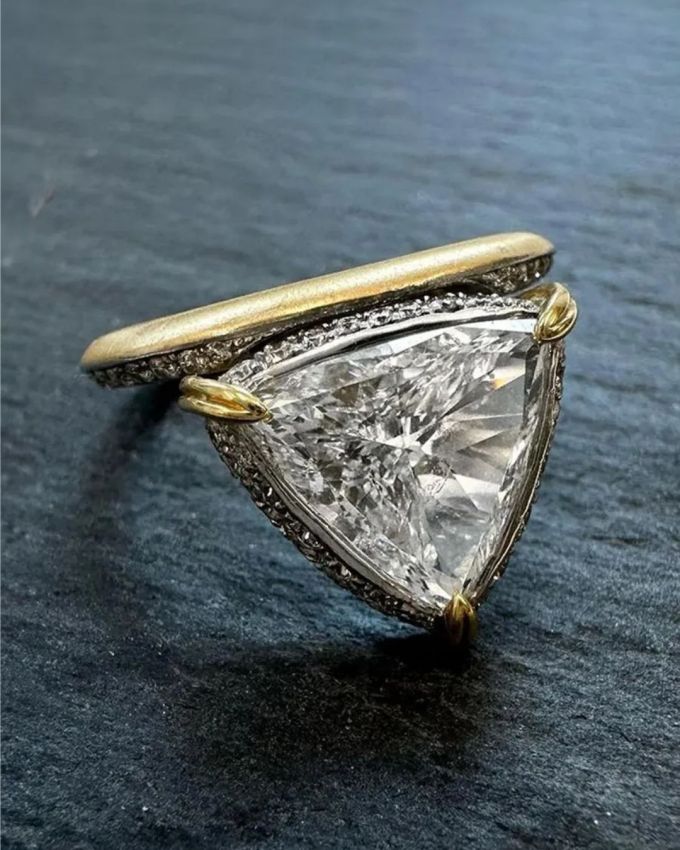
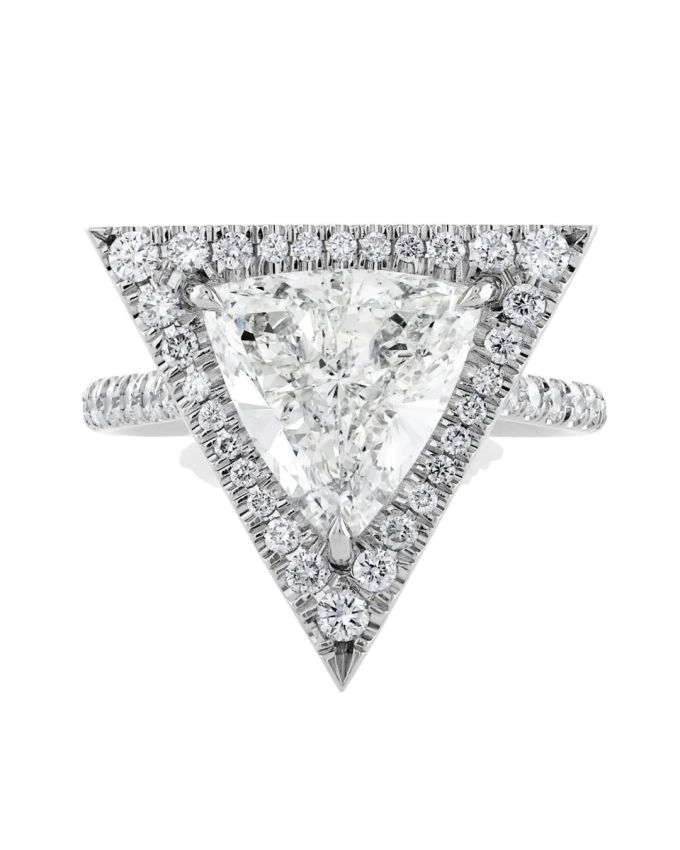
A striking triangular cut with three equal sides, a trillion-cut diamond can throw brilliant, fiery sparkle or a cleaner, more geometric look, depending on the faceting. It offers a huge visual footprint for its weight and makes a bold, contemporary center stone.
The Lozenge-Cut Diamond
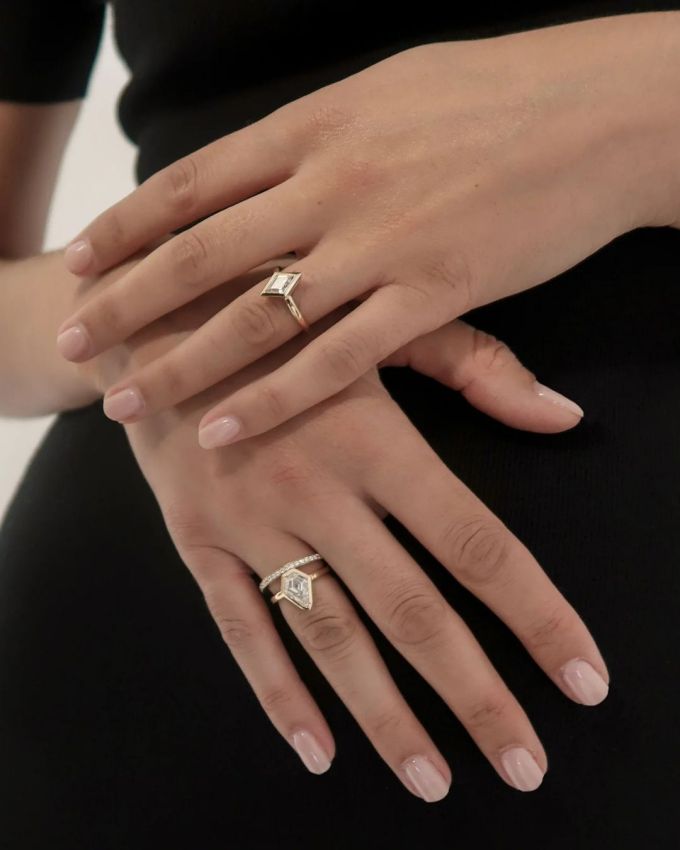
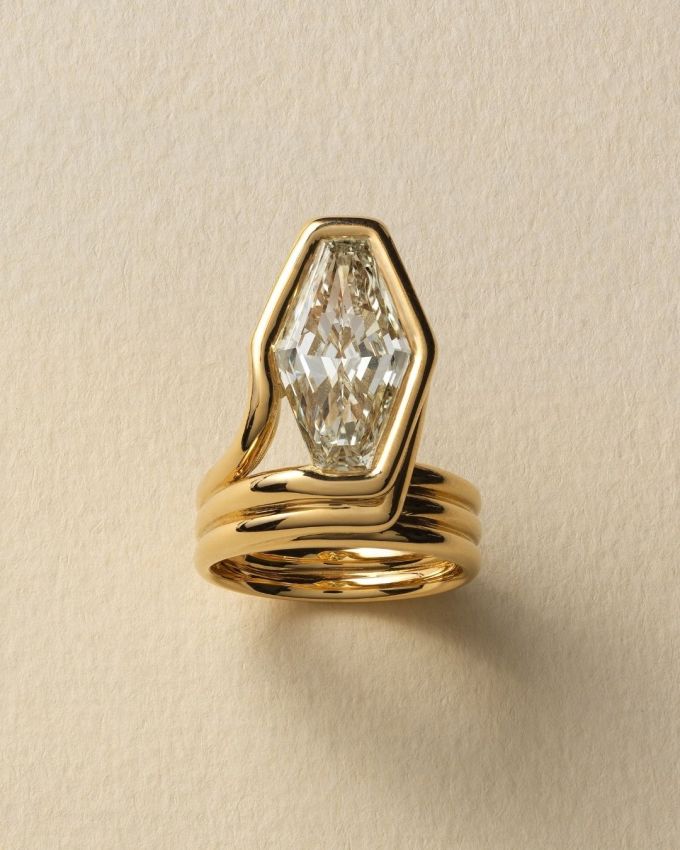
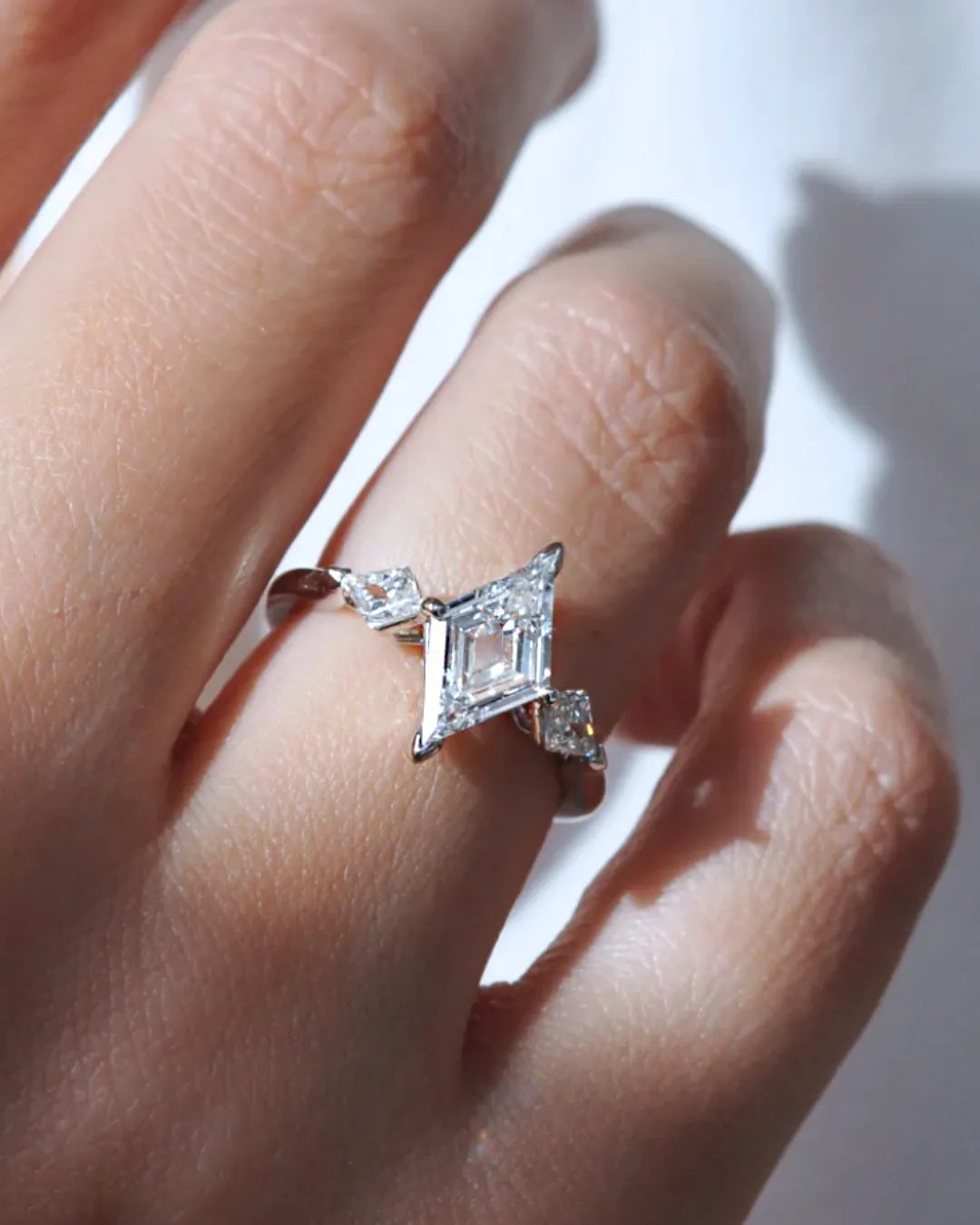
An elegant diamond-on-its-side shape with four sides forming a slender rhombus, the lozenge-cut diamond is rooted in Art Deco design that feels vintage and modern at the same time. It works beautifully set east to west for a sleek, unexpected profile.
The Portrait-Cut Diamond
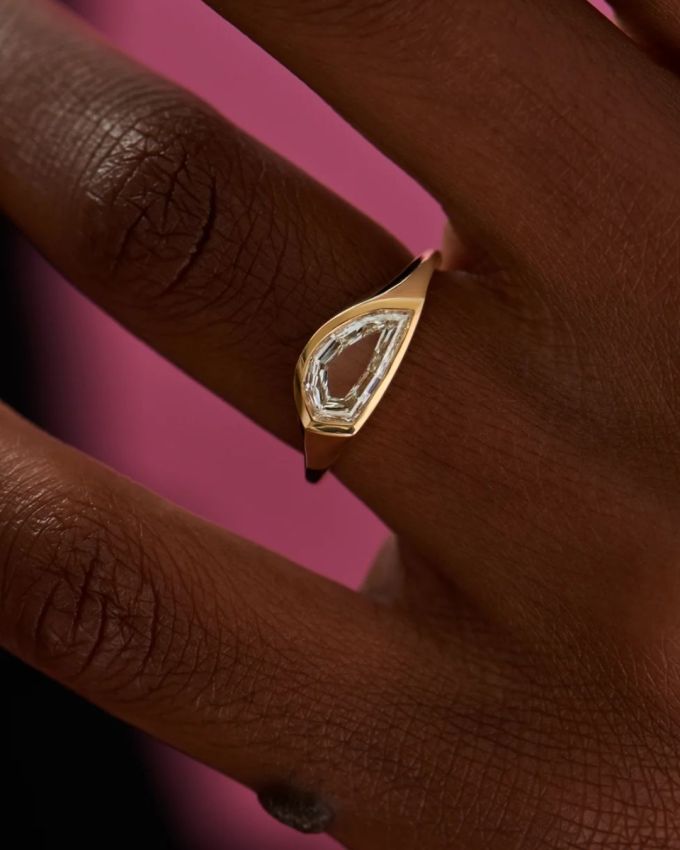
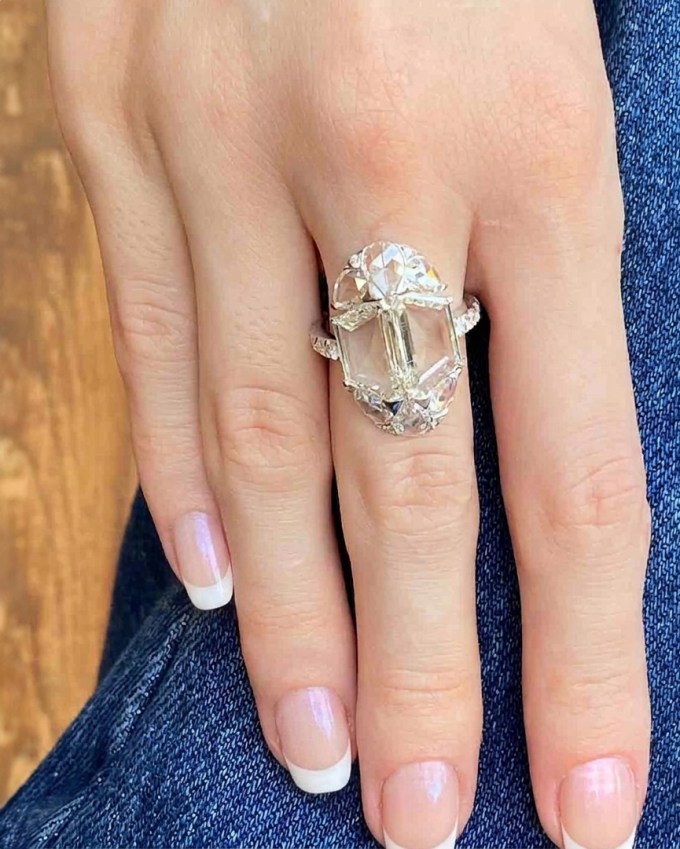
The portrait-cut diamond is an ultra-flat, step-cut stone with a large open table, originally designed centuries ago to be placed over miniature painted portraits. It gives an almost glass-like, transparent window effect that is understated, romantic, and utterly distinctive.
The Rose-Cut Diamond
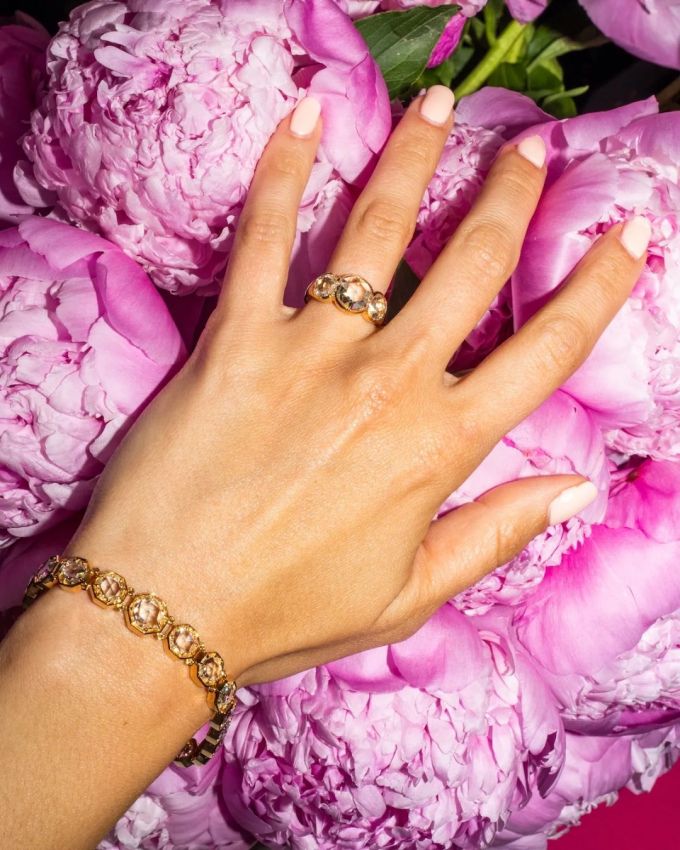
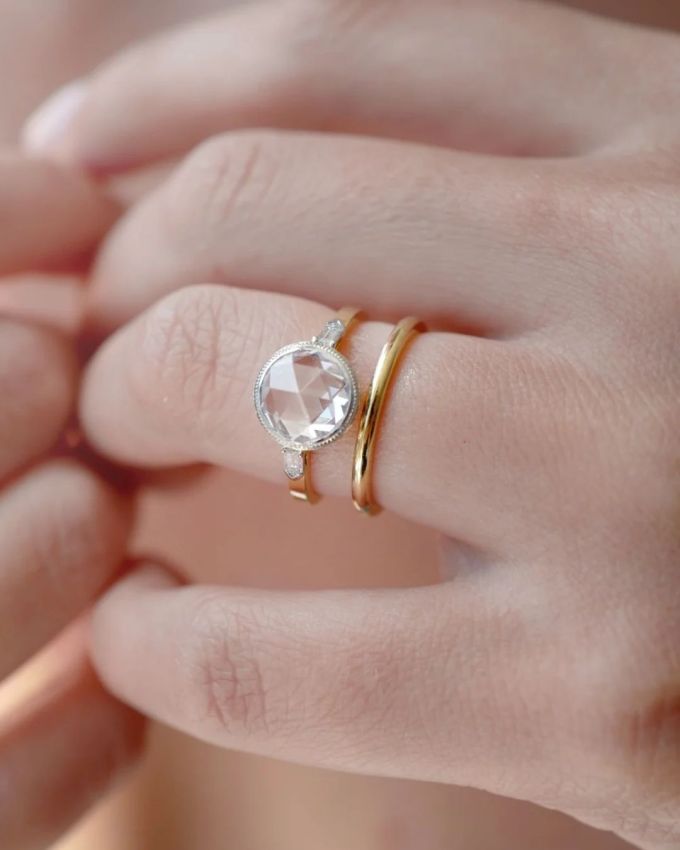
A historic cut dating back to the 1500s, the rose-cut diamond has a flat bottom and a domed top covered in triangular facets that rise to a point, resembling an unfurling rosebud. It produces a soft, romantic glow rather than sharp sparkle, and its antique character has made it a darling of vintage lovers.
The Possibilities for Unique Diamond Cuts Are Endless
This list is only the beginning. There are dozens of other unique diamond cuts available, including variations and combinations of unique shapes as well as variations of popular shapes.
Take the moval, a gorgeous hybrid of marquise and oval. Or elongated versions of classics, like an elongated cushion that stretches the familiar pillow shape into something sleeker. There are even step-cut versions of popular shapes, same silhouette, completely different faceting, like a step-cut oval that trades traditional sparkle for clean, mirror-like flashes.
The takeaway is simple. Before you settle on the shape everyone expects, ask your jeweler what else is possible. You may discover that the perfect diamond for you is one you never knew existed.