

De Beers’ 28.88-Carat Jwaneng Diamond Sells for $2.6 Million at Sotheby’s Hong Kong
Recovered from the world’s richest diamond mine beneath the Kalahari Desert, transformed from a 114-carat rough by months of meticulous craftsmanship, and sold this week in Hong Kong.
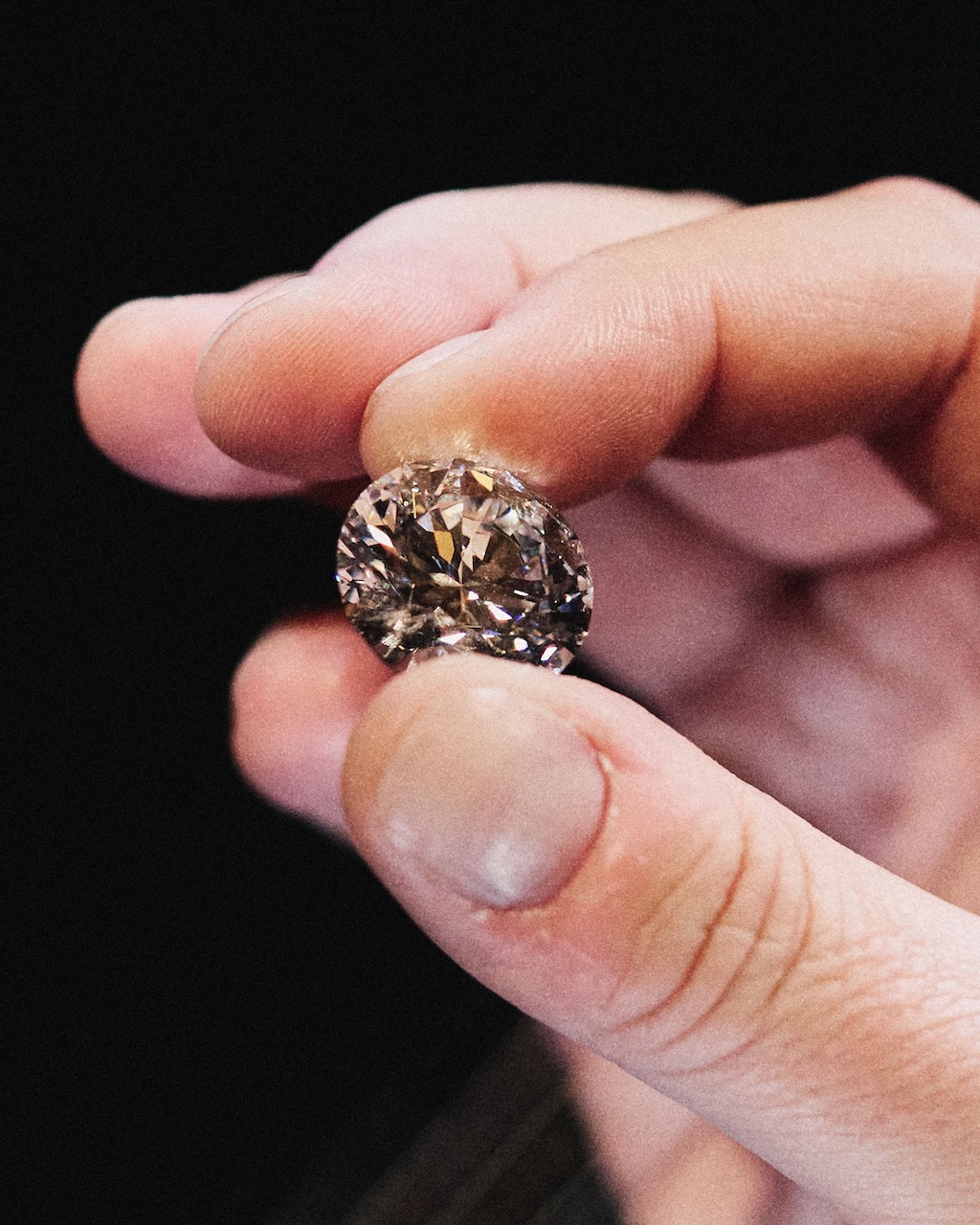
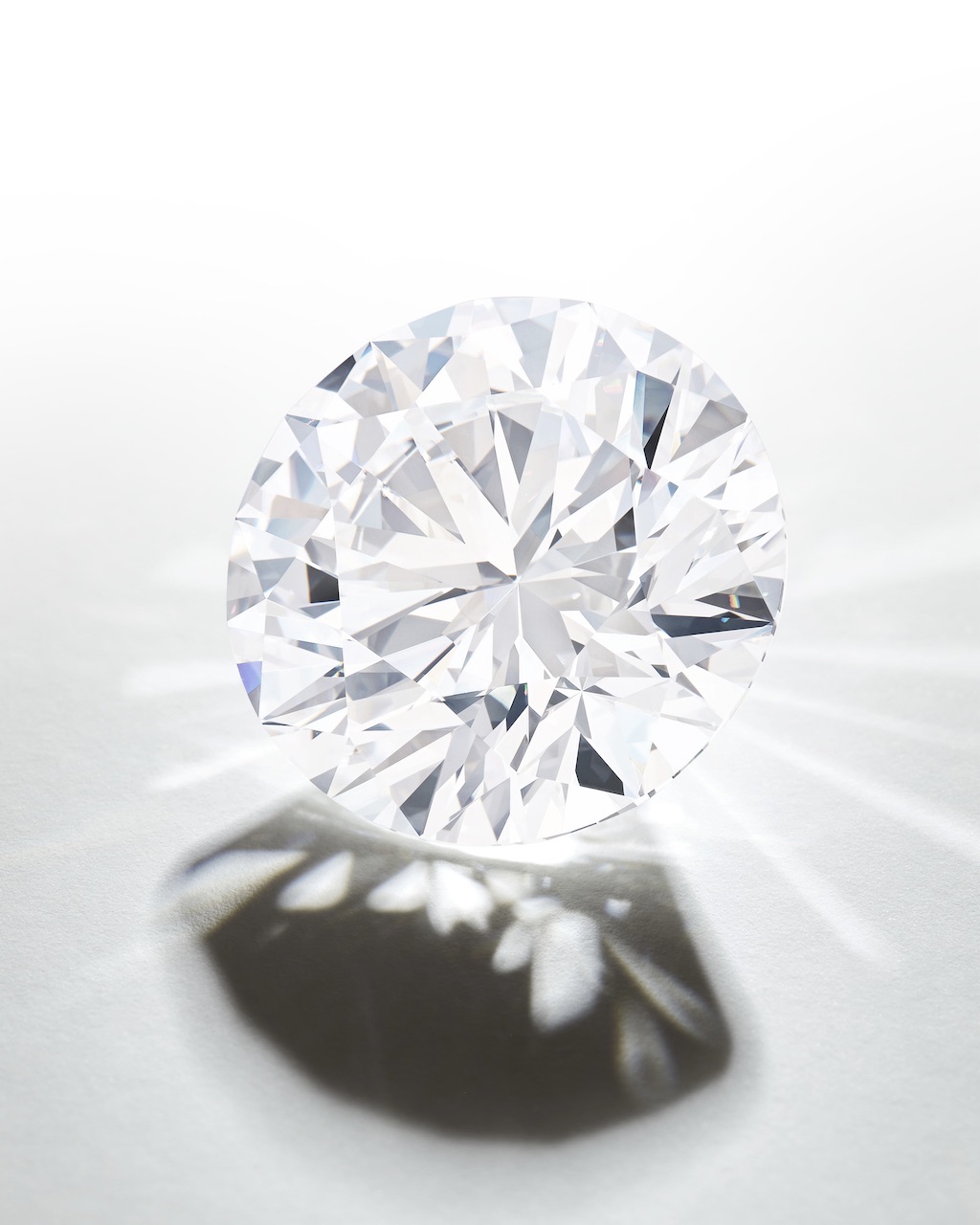
The Jwaneng 28.88 Diamond. (Courtesy of De Beers)
Some diamonds stop you cold. The De Beers Jwaneng 28.88 diamond is that kind of stone. This week at Sotheby’s Hong Kong, it crossed the auction block and sold for over $2.6 million, landing at the high end of its pre-sale estimate of $2.2 to $2.8 million. For a diamond carrying these credentials, that result surprised nobody who knows what they are looking at.
Meet the Expert

- Grant Mobley is the Jewelry & Watch Editor of Only Natural Diamonds.
- He is a GIA Diamonds Graduate.
- He has over 17 years of jewelry industry experience, starting with growing up in his family’s retail jewelry stores.
What Makes The De Beers Jwaneng 28.88 Diamond Different From the Rest?
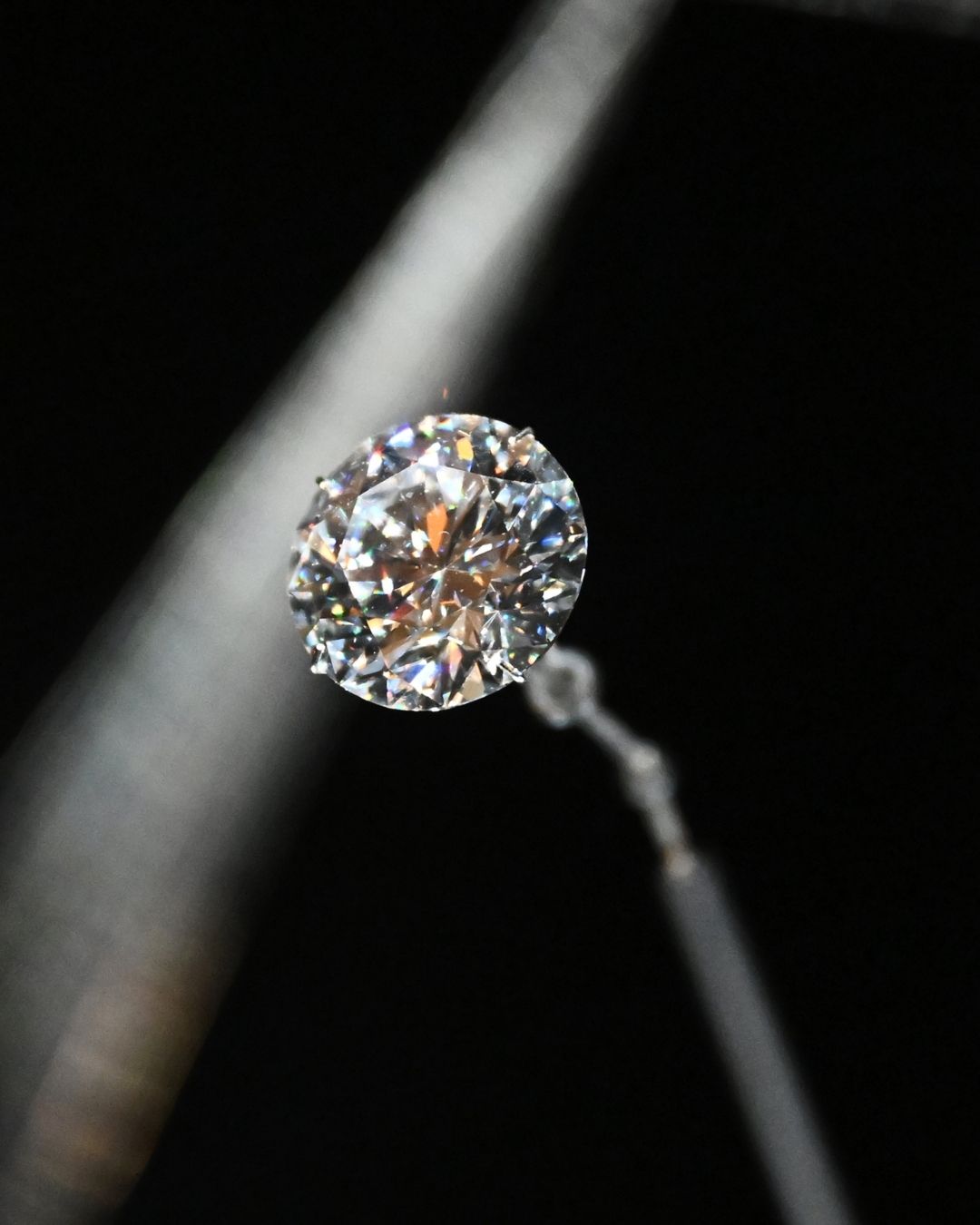
Start with the basics, because the basics here are anything but ordinary. The Jwaneng 28.88 diamond is a 28.88-carat round brilliant-cut diamond graded D color and flawless clarity by GIA. These are the absolute top grades achievable in both categories. Beyond that, it carries a Type IIa classification, which places it among the rarest natural diamond types on Earth. Fewer than two percent of all natural diamonds reach this designation. Type IIa stones contain virtually no nitrogen impurities, the element responsible for the faint yellowish or brownish tint present in most colorless diamonds. The result is a transparency and purity of color that experienced gemologists describe as almost water-like.
Put those things together — D color, flawless, Type IIa, 28.88 carats, round brilliant — and you have a combination that occupies extraordinarily rare territory in the natural diamond world.
The Journey of the Jwaneng 28.88 Diamond, From a Rough to a Finished Stone
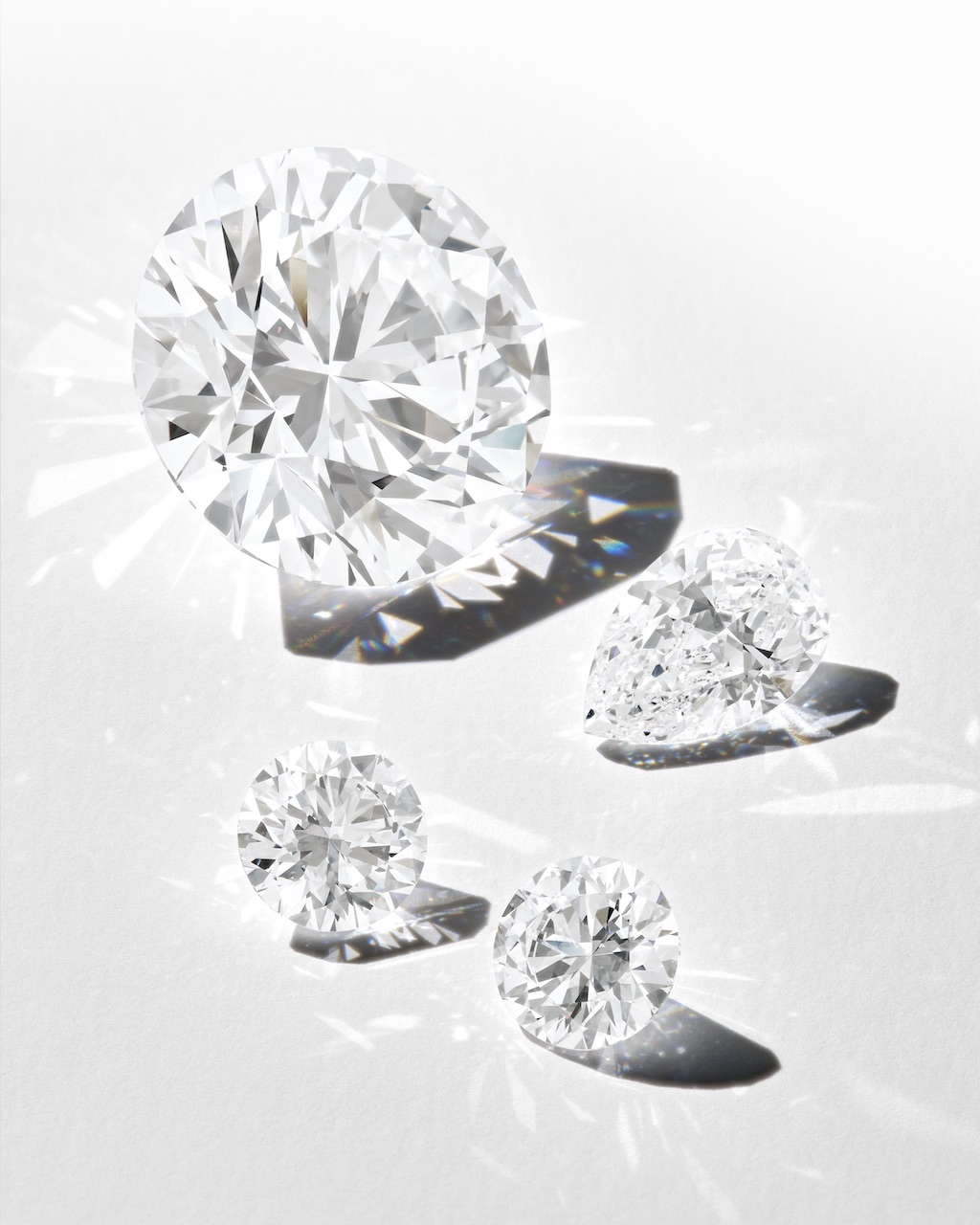
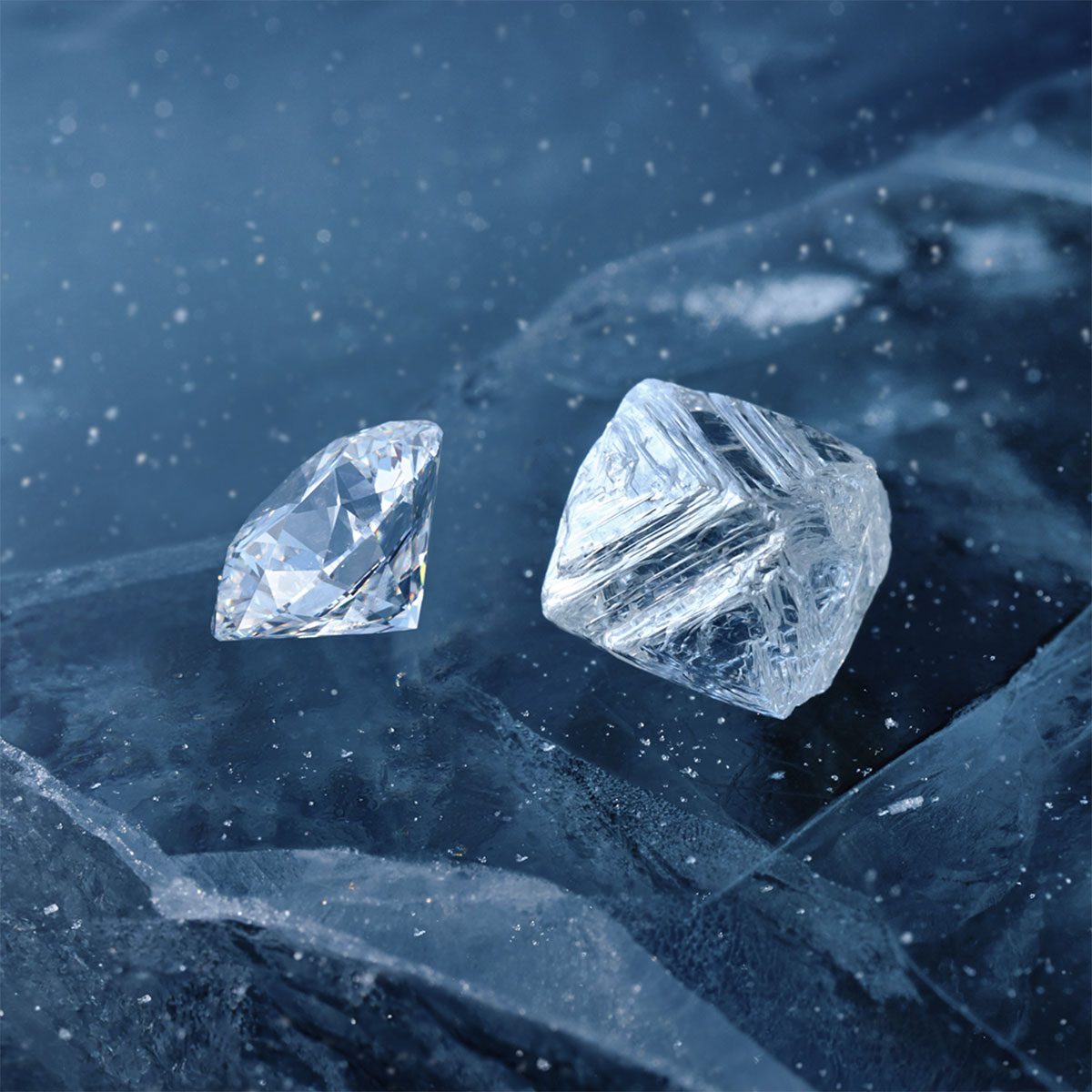
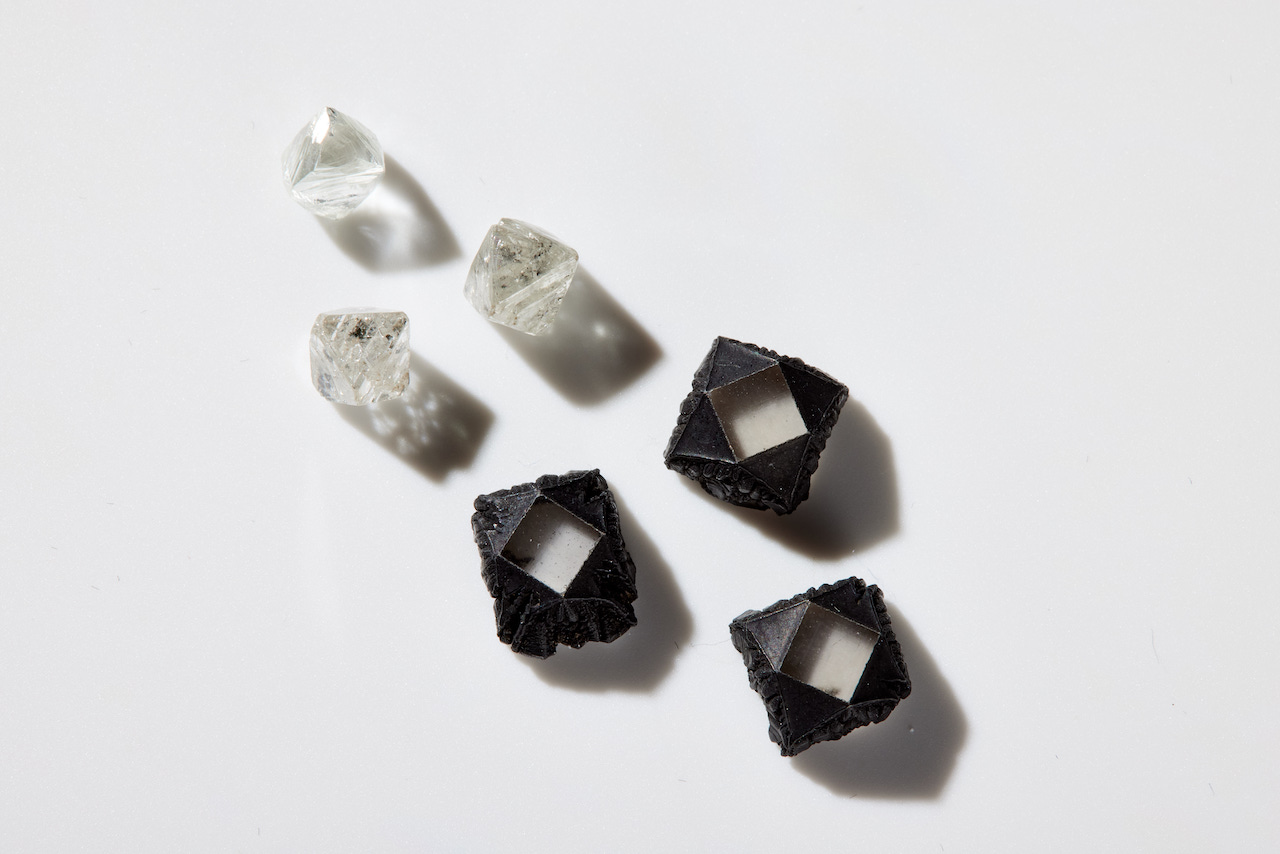
The rough that became the Jwaneng 28.88 diamond weighed 114.83 carats when it came out of the ground beneath the Kalahari. De Beers’ master specialists sat with it for months before anyone made a single cut — studying its internal structure, working out the geometry, figuring out how to get the most out of what nature had produced rather than simply what the scale would suggest.
The finished stone weighs 28.88 carats. Do the math, and you realize that more than three-quarters of the original rough disappeared in the process. That is an enormous sacrifice, and it was entirely intentional. Maybe more weight could have been saved, but the team decided against it, prioritizing the quality of the finished diamond over its size. The stone that came out the other side makes that case for itself.
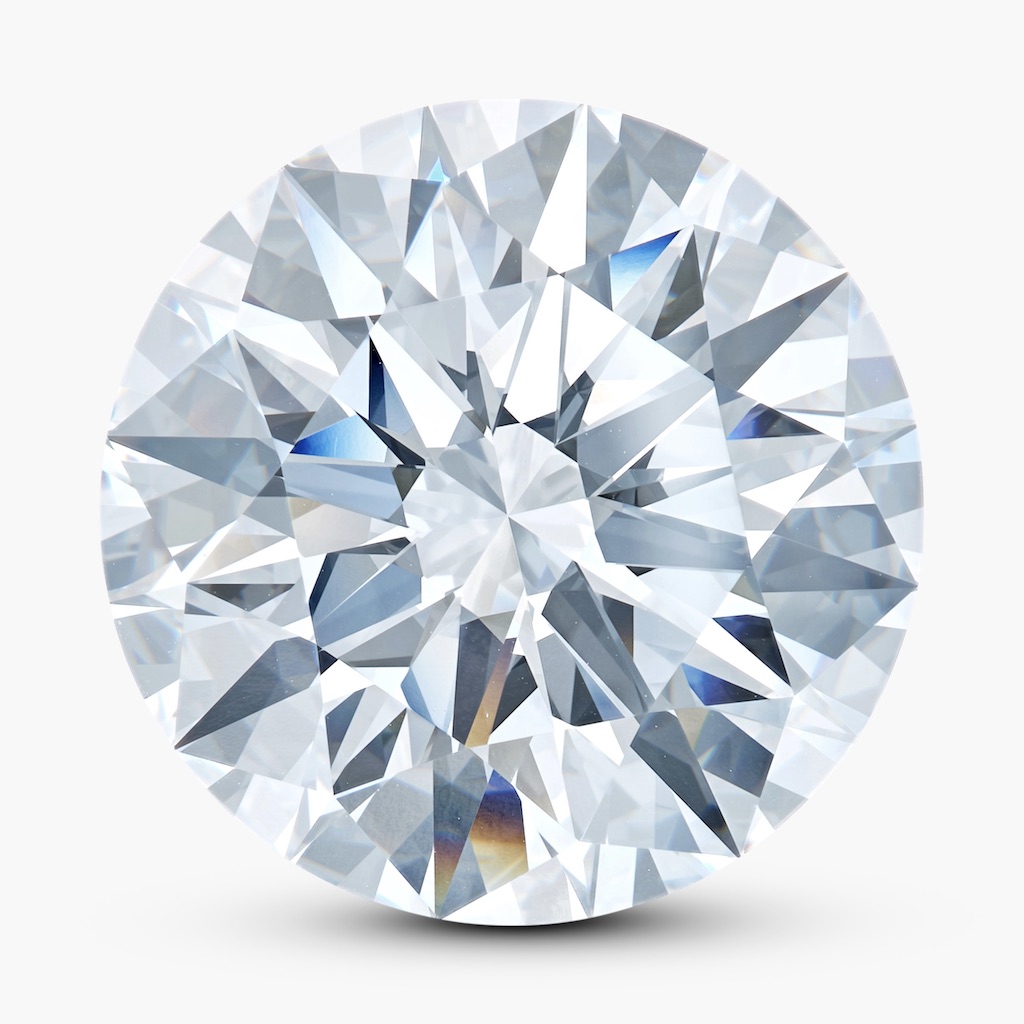
At this level, cutting is a mathematical equation, an art, and a skill that takes decades to master. Every facet decision changes how light moves through the stone. Getting to flawless clarity, perfect symmetry, and proportions in a diamond approaching 29 carats requires a combination of precision and skill that very few people in the world actually possess. The Jwaneng 28.88 is the result of those people doing their best work.
The Jwaneng Mine’s Remarkable Story
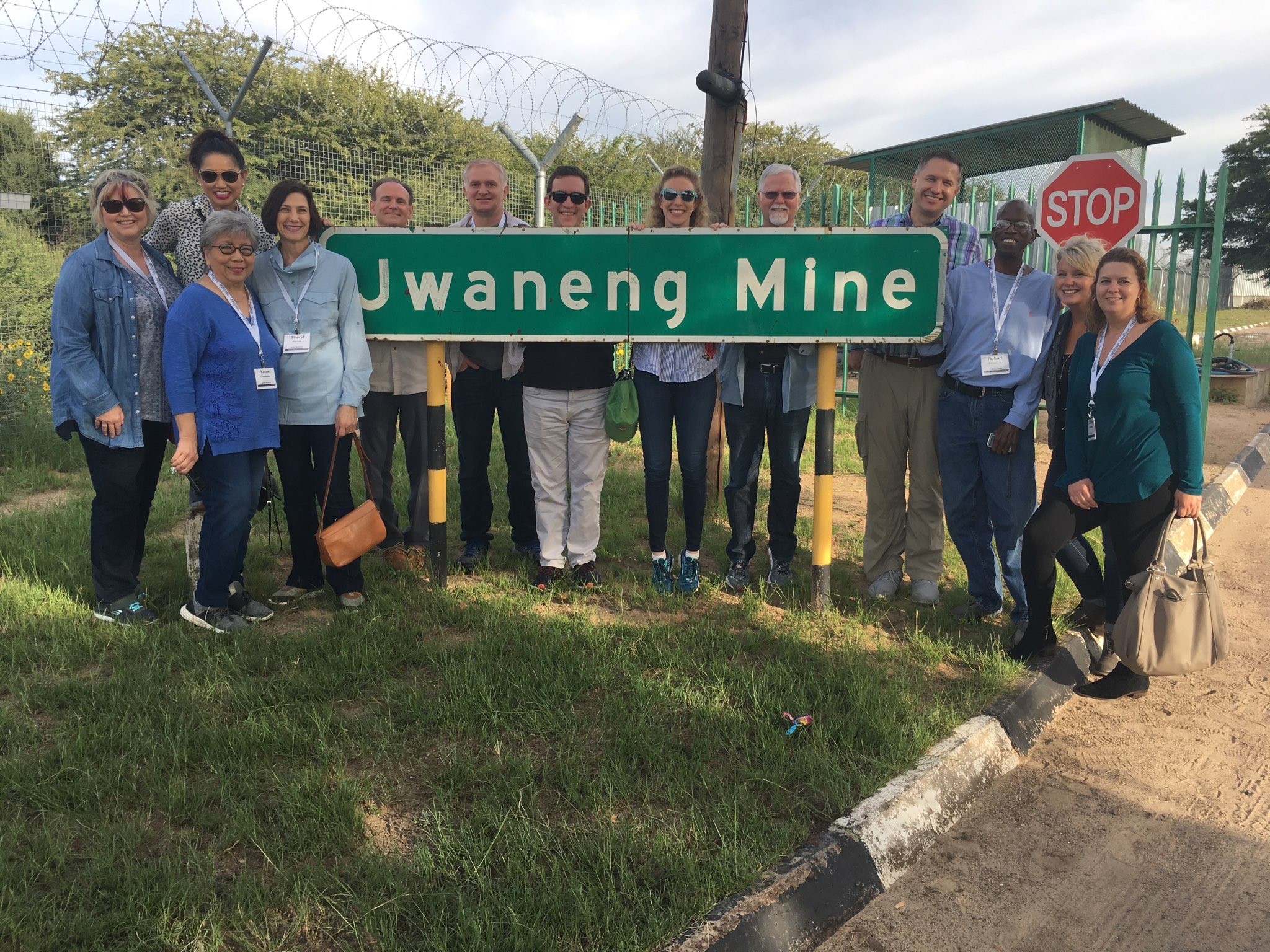
The Jwaneng Mine sits in the arid south of Botswana and takes its name from the Setswana word meaning “a place of small stones.” The name understates things considerably. Jwaneng is widely regarded as the world’s richest diamond mine by value, and since production began in the early 1980s, it has consistently delivered exceptional-quality, large-scale stones.
The mine operates under Debswana, a 50-50 joint venture between De Beers and the government of Botswana. This partnership has become a model for how natural resource extraction can greatly benefit the country where it takes place.

Botswana has channeled diamond revenues into infrastructure, healthcare, and education with a discipline and clarity of purpose that few resource-rich nations have matched. The result is one of Africa’s most stable and economically resilient countries, built in significant part on the diamonds recovered from mines like Jwaneng.
De Beers’ commitment extends that responsibility further by setting environmental and community standards that translate the value of each stone into lasting impact for the people and ecosystems surrounding the mines.
The Number Eight and Its Meaning
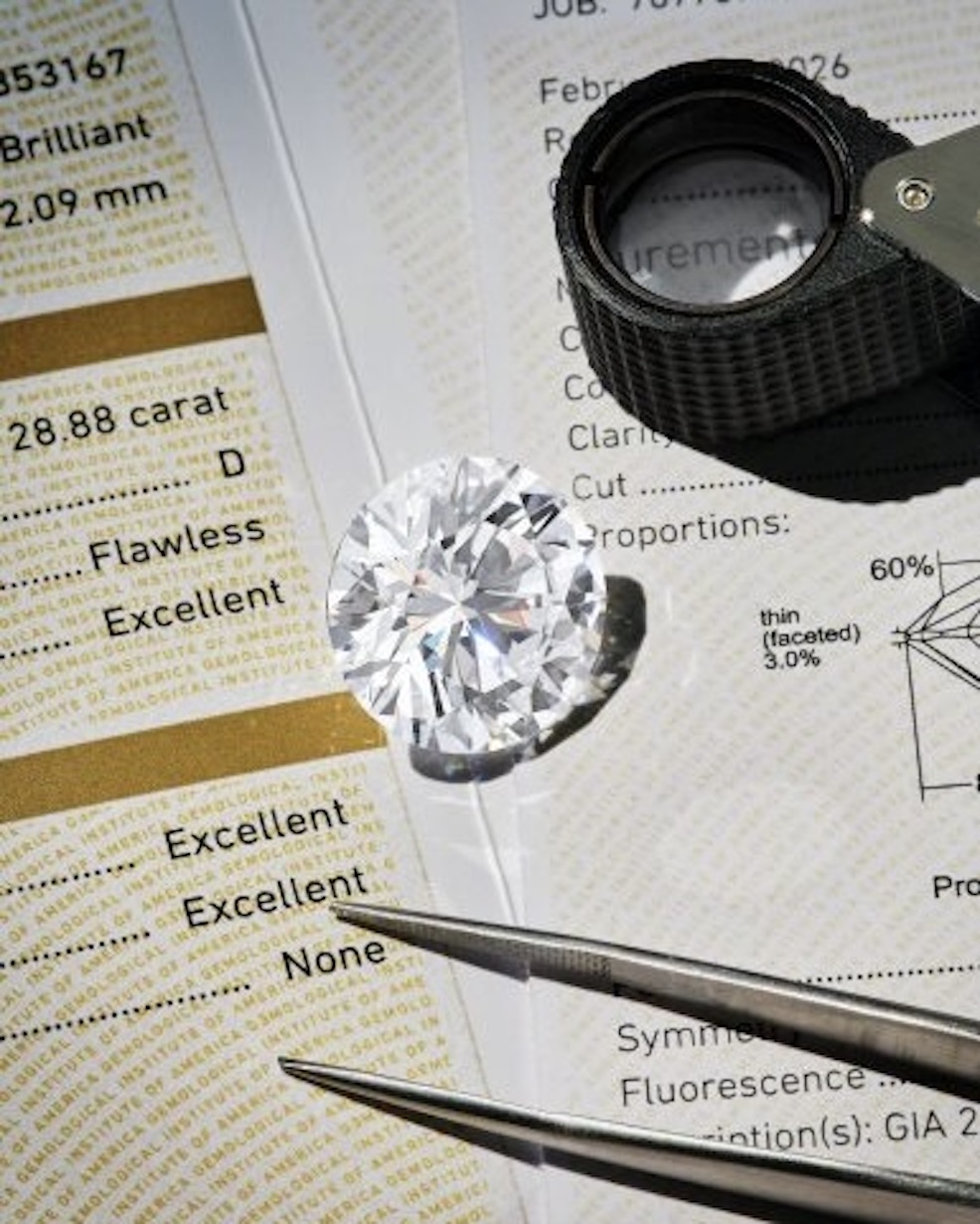
The diamond’s weight is not coincidental to its Hong Kong debut. In Chinese tradition, the number eight carries deep symbolic meaning, representing prosperity, good fortune, and abundance. The number two signifies harmony and balance. Together, the figures in 28.88 echo the Cantonese phrase meaning “easily prosperous,” making the stone’s weight a natural fit for collectors in a market where numbers carry cultural resonance alongside gemological significance.
The De Beers Jwaneng 28.88 Diamond Debuted Alongside a Landmark Book
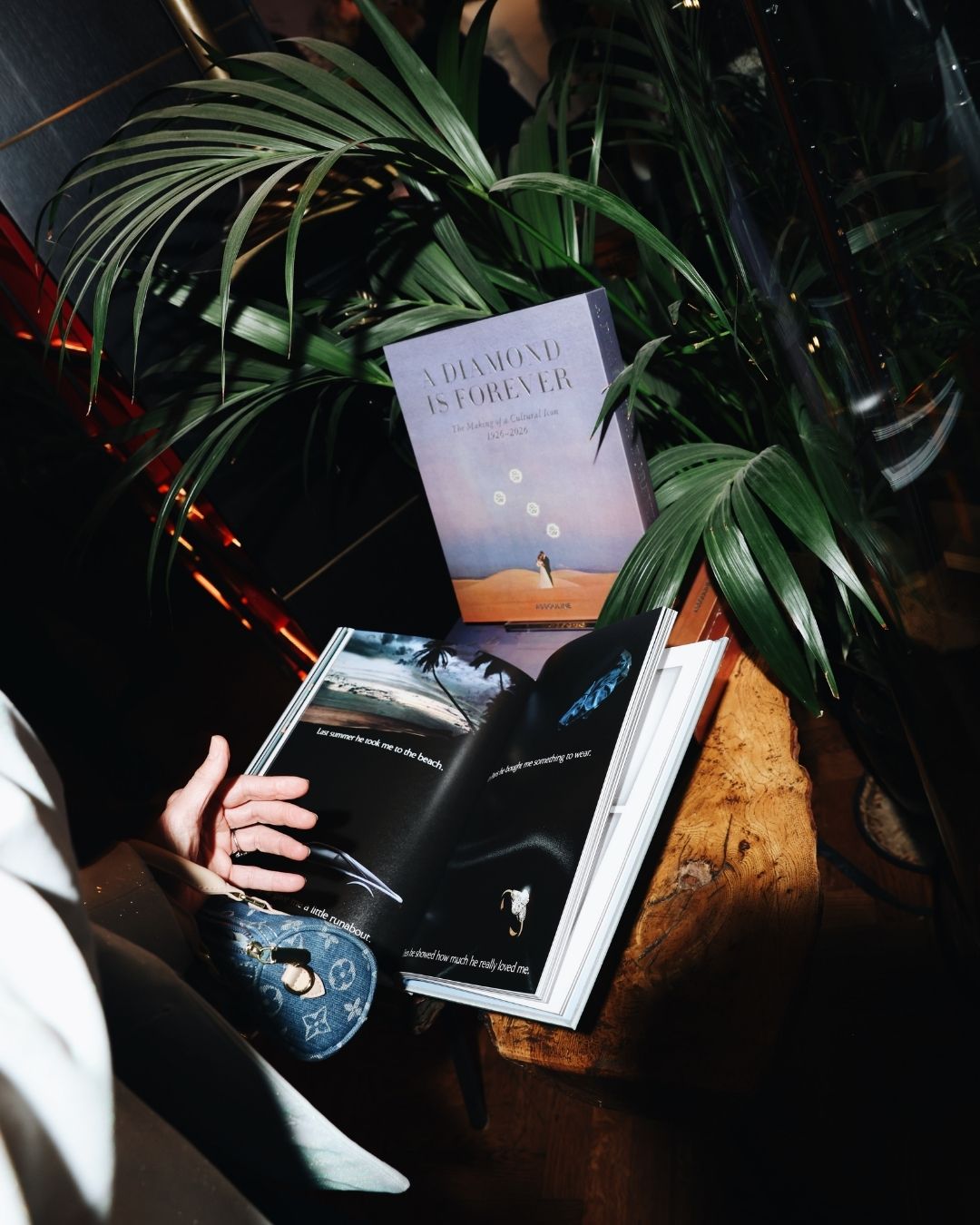
Sotheby’s and De Beers unveiled the Jwaneng 28.88 diamond at an event celebrating the launch of A Diamond Is Forever, a new book chronicling the history of De Beers’ iconic 1947 advertising tagline and the company’s marketing legacy across more than a century. Here is a diamond that embodies everything that phrase was written to express. A natural object of extraordinary rarity, formed over billions of years, carrying a story that no factory can manufacture and no price tag can fully capture.
The Jwaneng 28.88 diamond sold this week in Hong Kong for over $2.6 million. Wherever it goes next, it carries with it an incredible story and a lasting positive impact.