
The Real-Life Duchess Behind The Gilded Age Had Extraordinary Diamonds
Consuelo Vanderbilt’s dazzling jewels and transatlantic marriage made her one of the most glamorous women of the Belle Époque.
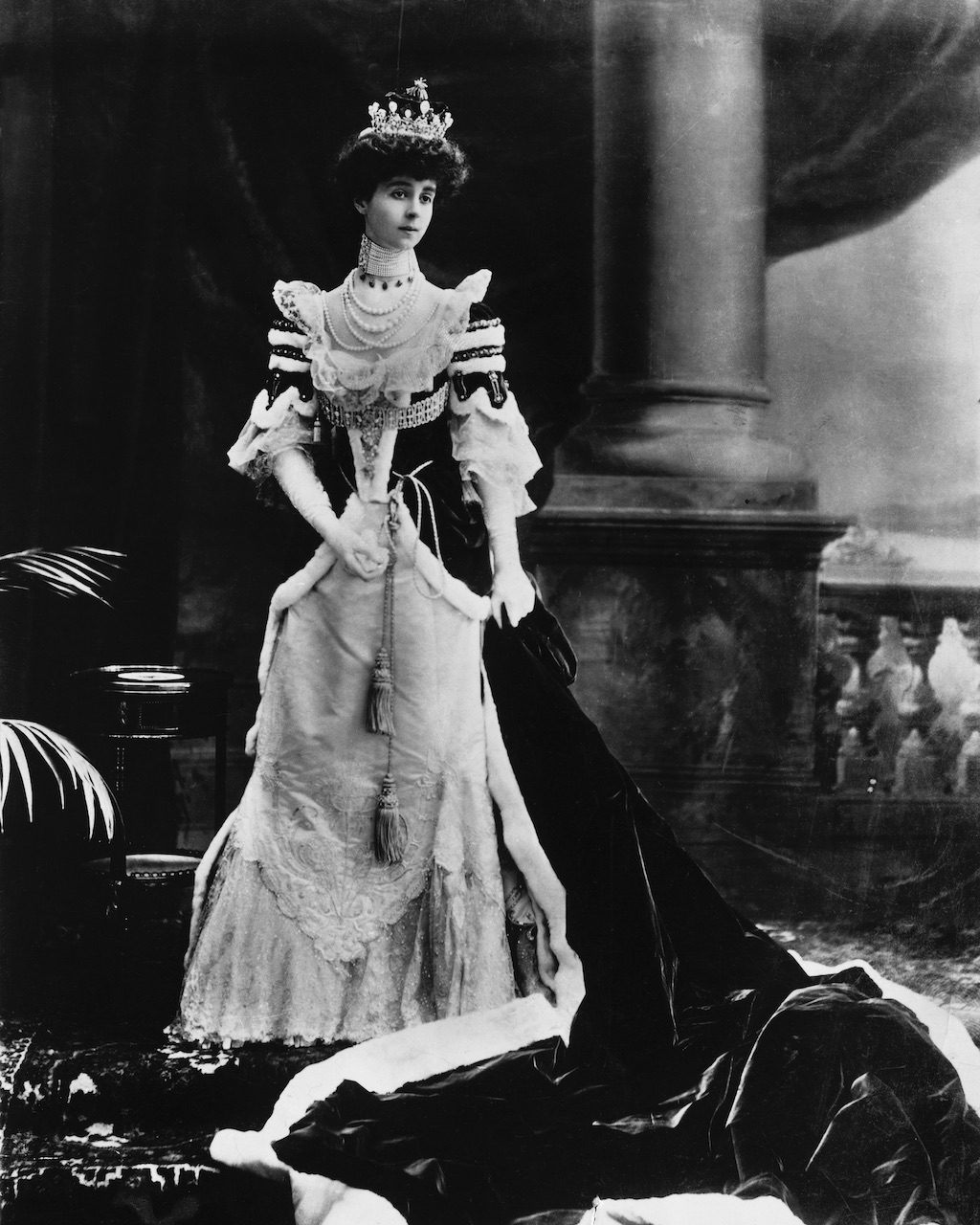
Consuelo Vanderbilt, c. 1895. (Wikimedia Commons/Public Domain)
An 18-year-old American forced into a loveless marriage by her overbearing, social-climbing mother in exchange for a royal title and social prestige? If you are a devoted fan of HBO’s The Gilded Age, the story may sound familiar. Though not everything on the hit series is historically accurate, Gladys Russell’s Season 3 journey bears a striking resemblance to the life of Consuelo Vanderbilt, who was pushed into marrying the British Duke of Marlborough despite being in love with another man.
The real-life story was just as dramatic as fiction. Though the Vanderbilts are now remembered as one of America’s most powerful dynasties, during the Gilded Age, they were still considered “new money,” and Alva Vanderbilt was determined to secure her family’s place within the European aristocracy. She was rumored to have locked Consuelo in her room until she agreed to walk down the aisle. According to family accounts, Alva also made her daughter wear a steel rod during her early teen years to improve her posture and punished her with a riding crop for infractions.
Meet the Expert

- Jelena Kulic is a fashion, jewelry, and accessory designer who made her international debut at Paris Fashion Week in October 2025.
- Her work is inspired by Baroque and Renaissance art, as well as the romantic opulence of the 18th and 19th centuries.
Yet Consuelo Vanderbilt’s life became about far more than her infamous marriage. Though she lived an extraordinarily privileged life, she eventually became known as a suffragette, philanthropist, patron of the arts, and humanitarian. She later married for love and dedicated much of her life to charitable work in both Europe and the United States.
Throughout it all, natural diamonds played a central role in shaping her public image. Consuelo Vanderbilt’s jewels reflected the immense wealth, ambition, glamour, and emotional complexity of the Gilded Age itself. Her collection was not simply decorative; it symbolized the transatlantic exchange between American fortunes and European aristocratic titles, while also revealing the pressures placed upon women at the center of elite society during the “Dollar Princess” era.
Who Was Consuelo Vanderbilt?
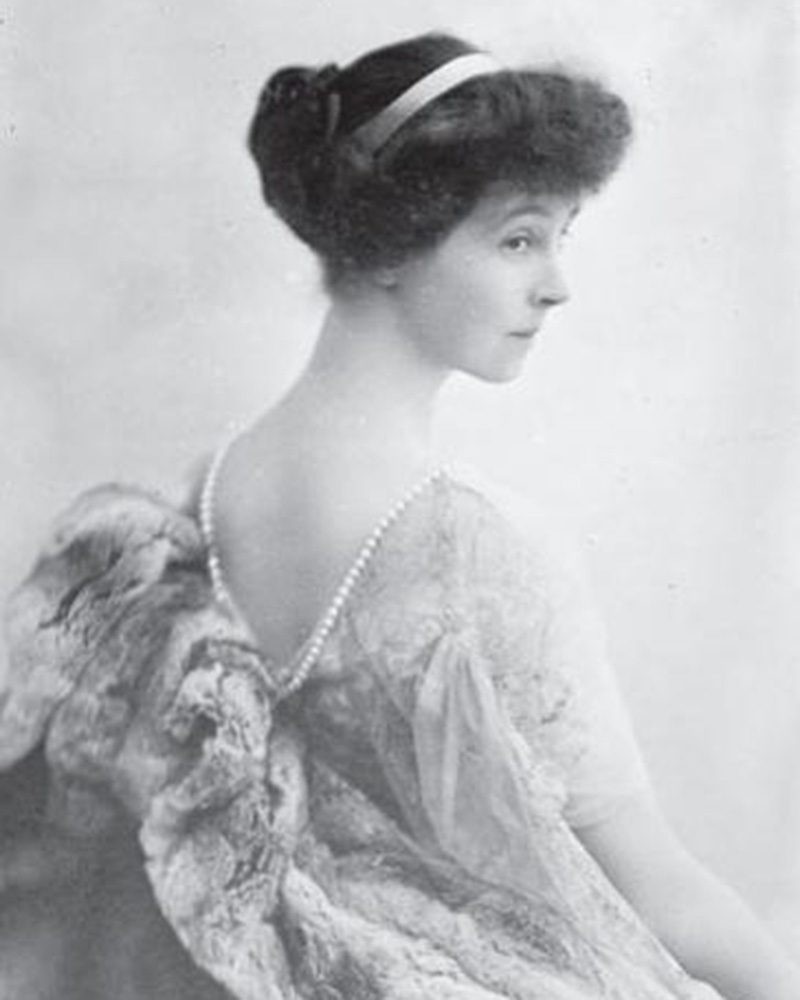
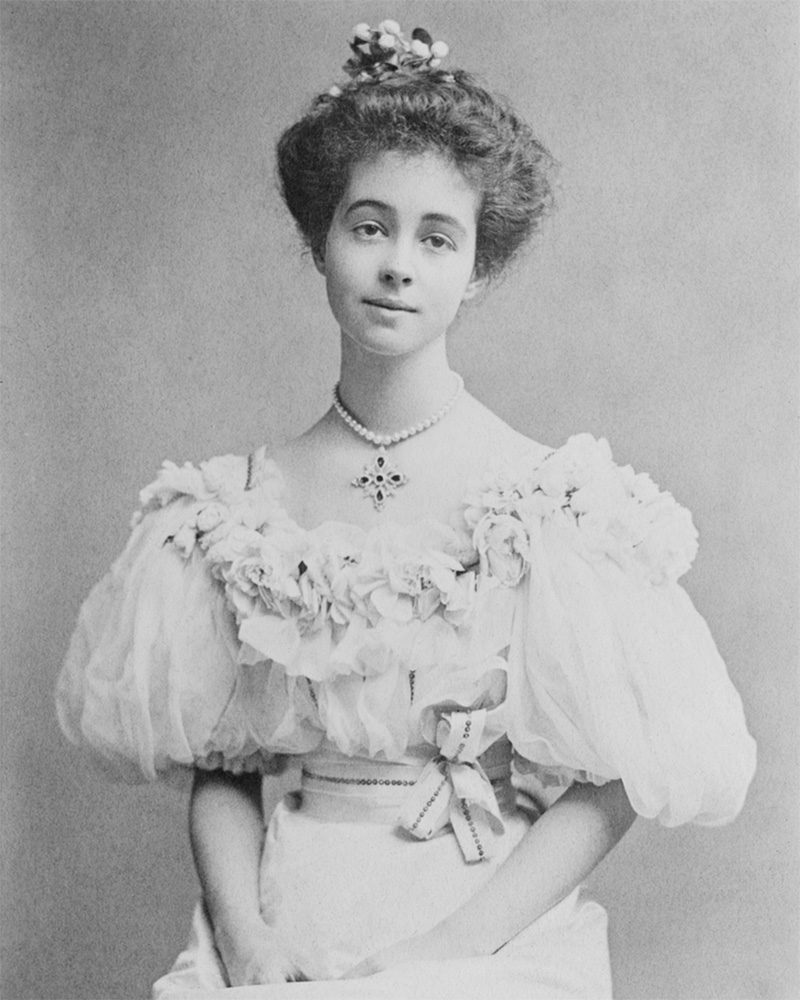
Consuelo Vanderbilt was born in 1877 to railroad magnate William K. Vanderbilt and socialite Alva Vanderbilt. She was named for her half-Cuban godmother, Maria Consuelo Yznaga del Valle, who famously married the Viscount Mandeville, later the 8th Duke of Manchester. Clearly, the idea made an impression on Alva, who hoped for a similarly prestigious marriage for her daughter.
During the height of America’s Gilded Age, she became one of the most famous “Dollar Princesses,” wealthy American heiresses who married into cash-poor British aristocratic families in exchange for titles and social status. Other notable figures included Nancy Astor, who would later become the first woman to take a seat in the British House of Commons. In 1895, Consuelo married Charles Spencer-Churchill, the 9th Duke of Marlborough, with a reported dowry worth roughly $60 million in today’s money. The marriage made her one of the most photographed and fashionable women in the world.
“Audiences today remain fascinated by ‘Dollar Princess’ stories because they combine themes of ambition, identity, and transformation. Something is compelling about the idea of American women entering rigid European aristocratic systems and reshaping them, all while navigating personal sacrifices behind the surface of glamour,” says costume and jewelry designer Jelena Kulic.
Though the marriage produced two children, it was deeply unhappy, and the couple separated in 1906. After divorcing, Consuelo married French aviator Jacques Balsan and devoted much of her later life to philanthropy, including building a sanitarium for sick children in Normandy. She continued her humanitarian work through World War II and remained active in charitable causes until she died in 1964 at age 87.
What Consuelo Vanderbilt’s Jewelry Symbolized

Consuelo Vanderbilt attends the 1911 coronation of King George V. (Wikimedia Commons/Public Domain)
As Duchess of Marlborough, Consuelo Vanderbilt’s jewels were visual proof of a new kind of power emerging during the Gilded Age. Her diamonds symbolized the collision of immense American wealth with centuries-old European aristocracy, helping transform a young Vanderbilt heiress into one of the most recognizable duchesses in the world.
At a time when appearances carried enormous political and social weight, jewelry functioned almost like currency among elites. Every tiara, diamond brooch, and multi-strand pearl necklace reinforced the Vanderbilt family’s arrival on the international stage while helping legitimize America’s so-called “new money” within rigid aristocratic circles.
“Consuelo Vanderbilt’s jewelry collection became especially significant during the Gilded Age because it embodied the intersection of immense American wealth and European aristocratic tradition. Her marriage into the Marlborough family was not just a social alliance, but also a visual statement, and her jewelry reflected that. Each piece functioned as a symbol of status, diplomacy, and cultural exchange, showing how newly acquired American fortunes were being translated into the language of old-world prestige.”
The Boucheron Marlborough Tiara
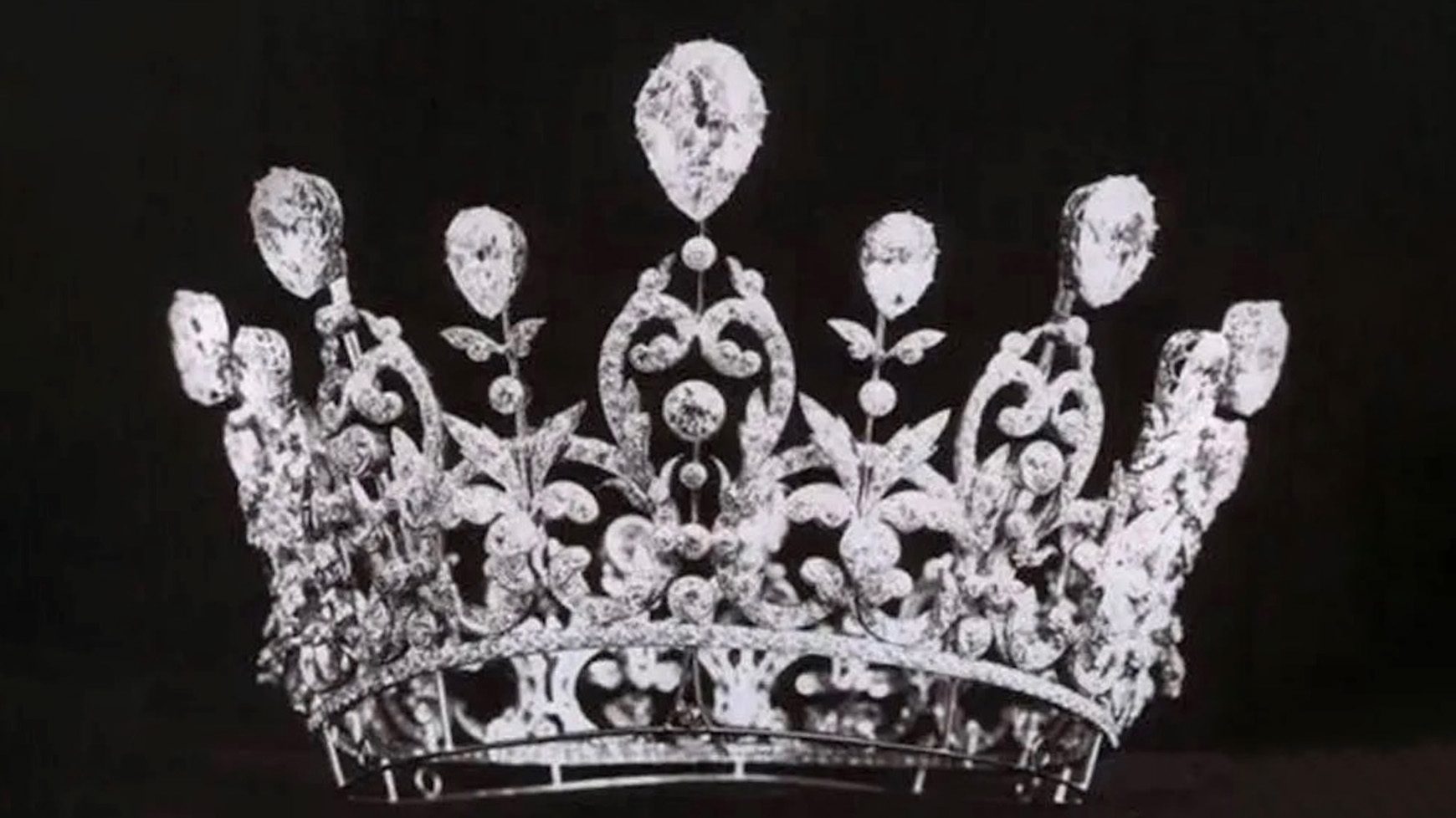
A wedding gift from her father, the Boucheron Marlborough Tiara was one of Consuelo Vanderbilt’s most famous jewels. Created by Boucheron in the 1890s, the diamond tiara featured large pear-shaped stones set in a remarkably flexible construction that was considered technically groundbreaking at the time.
Kulic explained, “The Boucheron tiara stood out in its time because of its lightness and technical refinement. Instead of appearing heavy or rigid, it had an almost airy structure that allowed it to move naturally with the wearer. This gave it a sense of fluidity that was quite advanced for the period and made it feel more like a living ornament than a static object.”
Despite its innovative construction, Consuelo wrote in her autobiography The Glitter and the Gold that the tiara gave her “a violent headache.”
Kulic notes that a jewel like the Marlborough Tiara would still have been physically demanding to wear. “Despite its refined appearance, it was likely heavy and required careful balance and posture. Wearing it for extended periods would have required both physical endurance and a certain level of training in how to carry such elaborate adornment.”
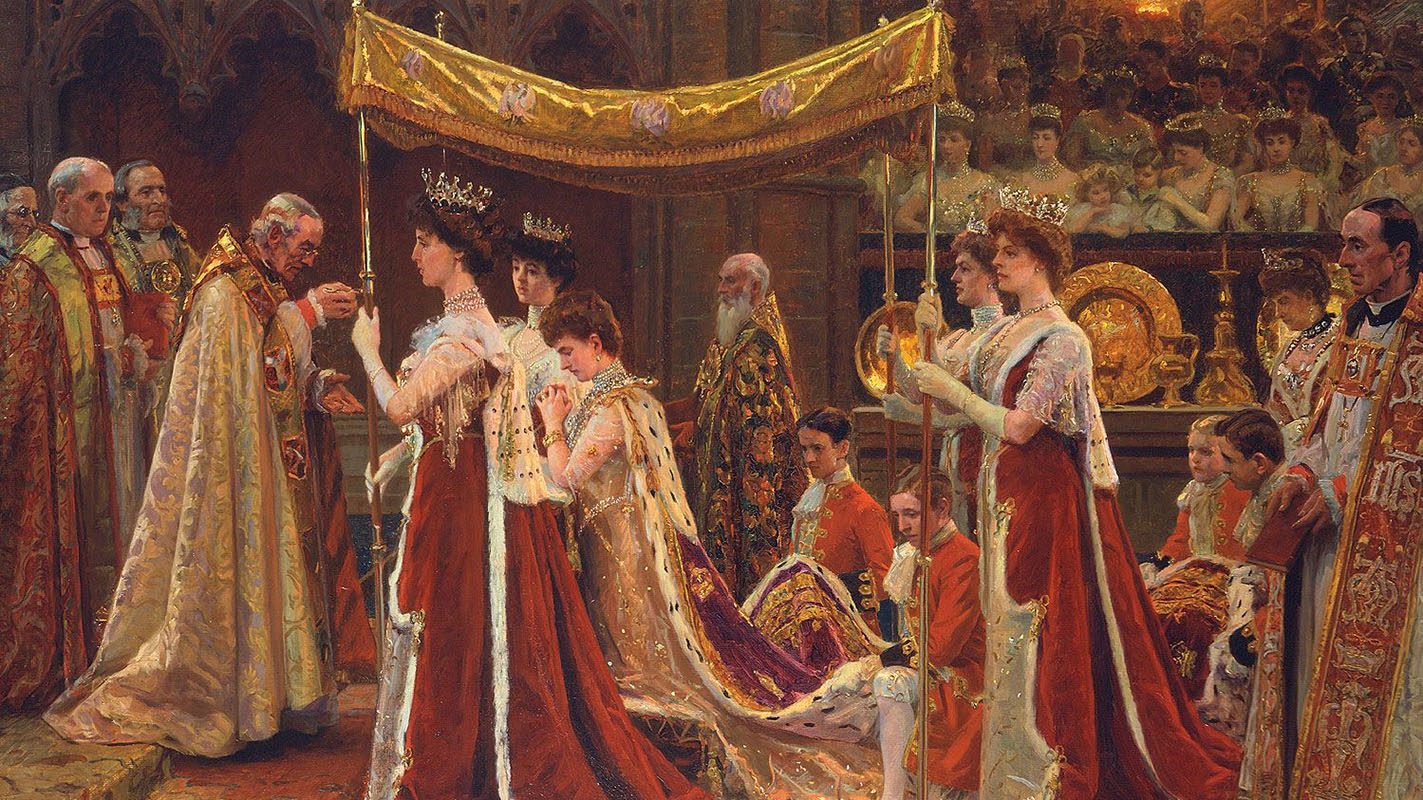
Consuelo wore the tiara for many important royal occasions, including her presentation to Queen Victoria and the 1902 coronation of King Edward VII and Queen Alexandra.
Sadly, in 1919 — two years before the divorce was finalized — the tiara was auctioned at Christie’s for £23,000 and purchased by S.H. Harris & Son, who dismantled the piece and reused the diamonds.
The Multi-Strand Pearl Dog Collar
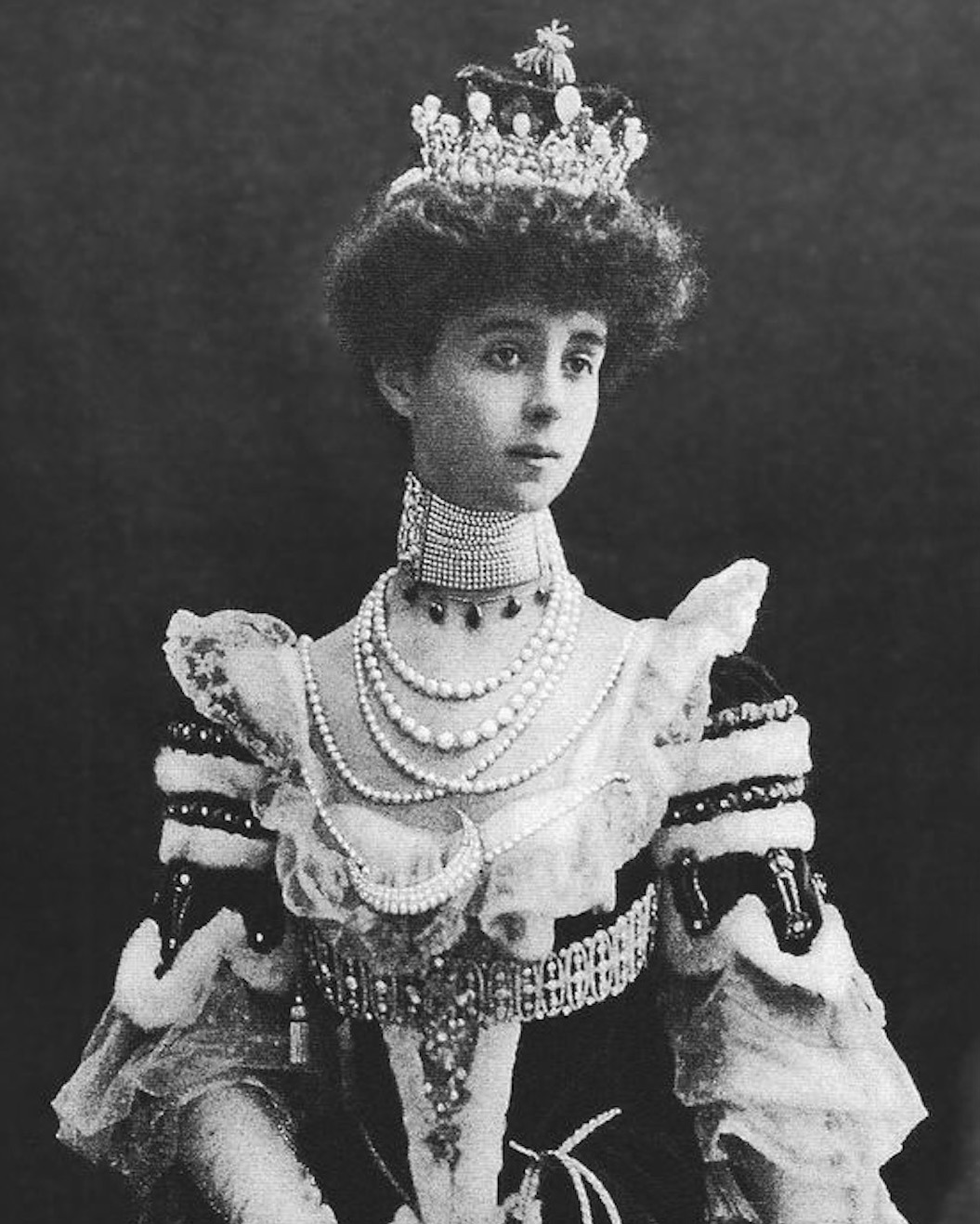
Another extravagant wedding gift was Consuelo Vanderbilt’s multi-strand pearl dog collar necklace, given to her by her mother. The dramatic choker was believed to have once belonged to either Catherine the Great or Empress Eugénie.
In her autobiography, Consuelo wrote of the gift: “My mother had given me all the pearls she had received from my father. There were two fine rows which had once belonged to Catherine of Russia and to the Empress Eugénie, and also a sautoir which I could clasp round my waist.”
Fans of The Gilded Age may recognize a similar pearl choker worn by Gladys Russell shortly before her wedding, when the necklace famously snaps and scatters pearls across the floor — a moment heavy with symbolism and foreshadowing of a marriage doomed to fail.
Consuelo herself described the necklace as physically uncomfortable, writing that its nineteen rows and high diamond clasps chafed her neck. The jewel became symbolic of the rigid expectations placed upon elite women during the era, emphasizing posture, discipline, and public presentation.
“Natural pearls were powerful status symbols at the turn of the century because they were incredibly rare and could not be cultured yet. Owning perfectly matched strands required immense resources, patience, and access to global trade networks, which made them a clear indicator of wealth and exclusivity,” Kulic says.
As part of her wedding trousseau, the Duke of Marlborough also gifted Consuelo a diamond belt, though little documentation of the piece survives. Consuelo wrote, “A diamond tiara capped with pearl-shaped stones was my father’s gift to me, and from Marlborough came a diamond belt.”
The Vanderbilts’ Magnificent Belle Époque Diamond Jewelry
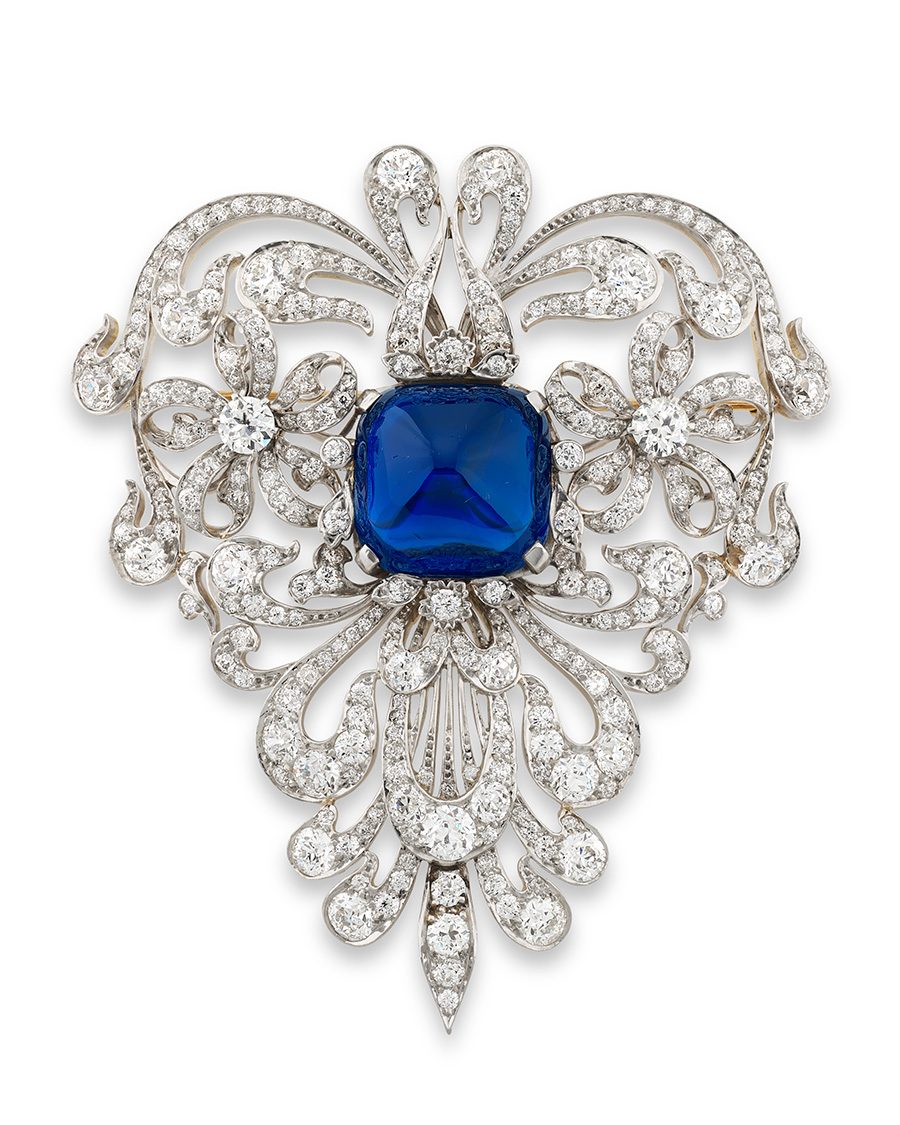
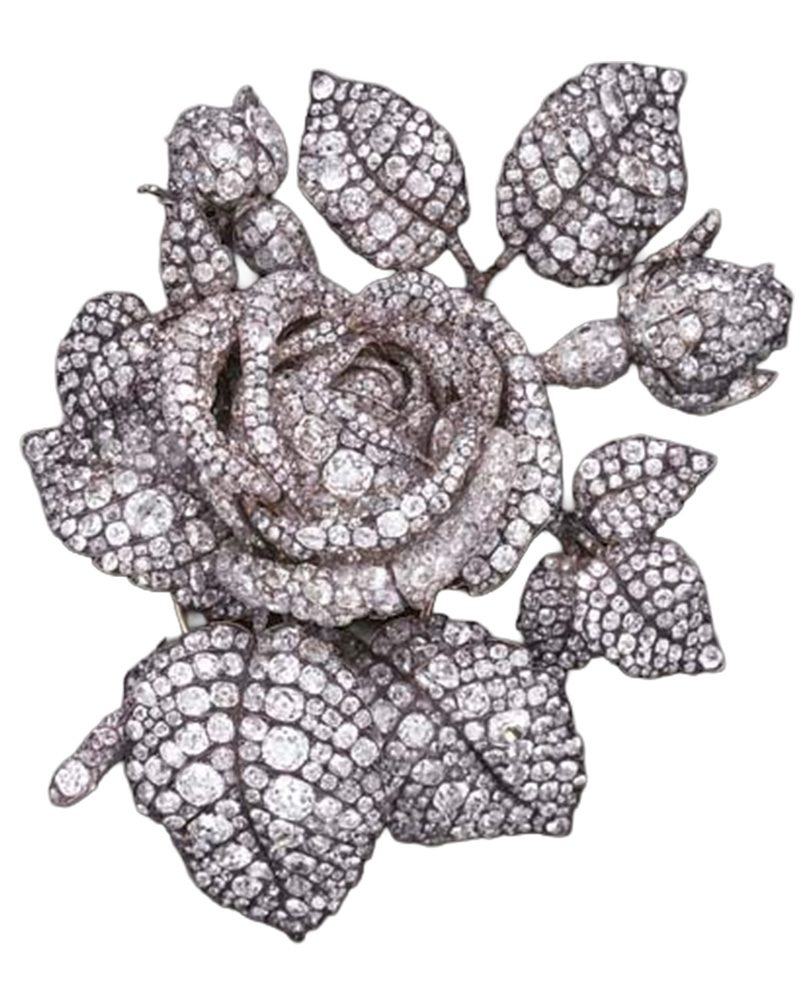
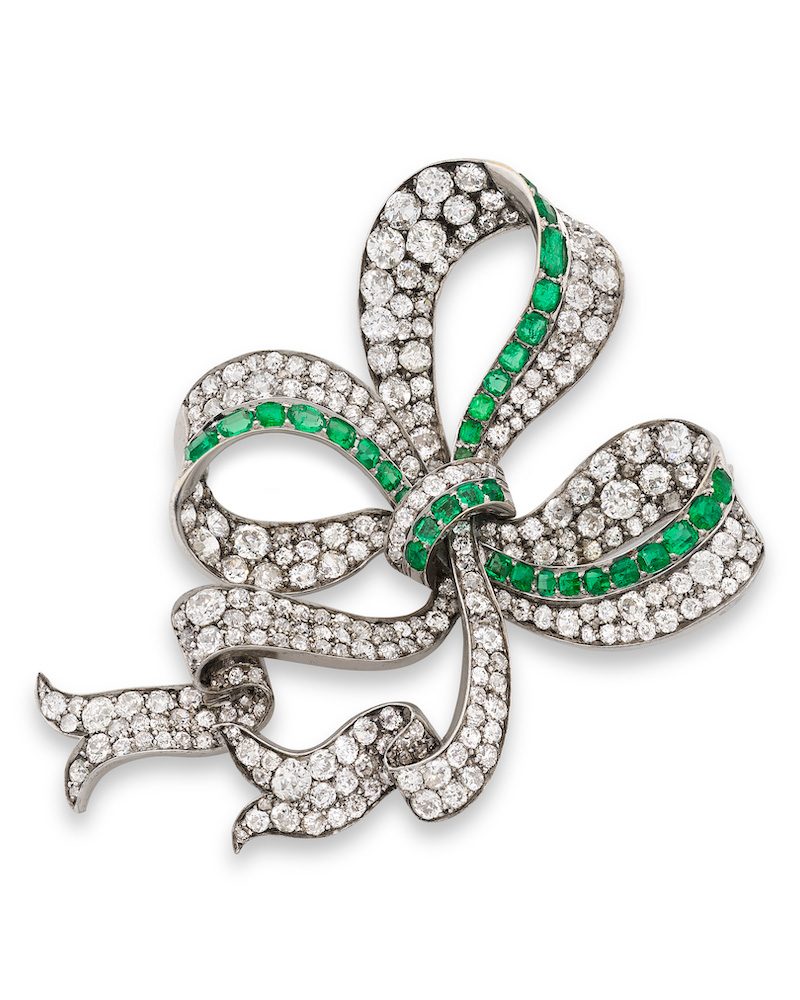
The Vanderbilt family assembled one of the most important collections of Belle Époque jewels in America, and Consuelo Vanderbilt’s collection included elaborate diamond brooches, aigrettes, and other opulent jewels that embodied the extravagance of the era. Because many of Consuelo Vanderbilt’s jewels were later auctioned, dispersed, or donated, relatively few images of her original collection survive today. (The jewels shown above belonged to the broader Vanderbilt family rather than Consuelo personally.) Even so, accounts of her collection during the Gilded Age describe it as nothing short of breathtaking.
Kulic explains that Belle Époque craftsmanship was defined by innovation, delicacy, and precision. “Jewelers were able to create pieces that looked almost weightless while still being structurally complex. Techniques like platinum settings allowed for finer details and more intricate designs, often inspired by lace, ribbons, and natural forms.”
Kulic also notes that Dollar Princesses, such as Consuelo Vanderbilt, helped shape the evolution of houses like Cartier and Boucheron. “They brought unprecedented financial power combined with a desire to integrate into European high society. Their commissions pushed jewelers to experiment more, scale up their designs, and create pieces that were both technically impressive and socially symbolic,” she explains.
“Pear-shaped diamonds were particularly dramatic in Belle Époque design because of their elongated form and ability to catch and reflect light in a very dynamic way. Their shape also created a sense of movement, almost like droplets, which aligned perfectly with the era’s fascination with fluid and organic aesthetics.”
These ornate diamond jewels became part of the larger mythology surrounding Consuelo Vanderbilt and the elite social circles of the Gilded Age. Their extravagance helped create the illusion that figures such as Vanderbilt existed almost beyond ordinary life itself.
Why Consuelo Vanderbilt Still Fascinates Us Today
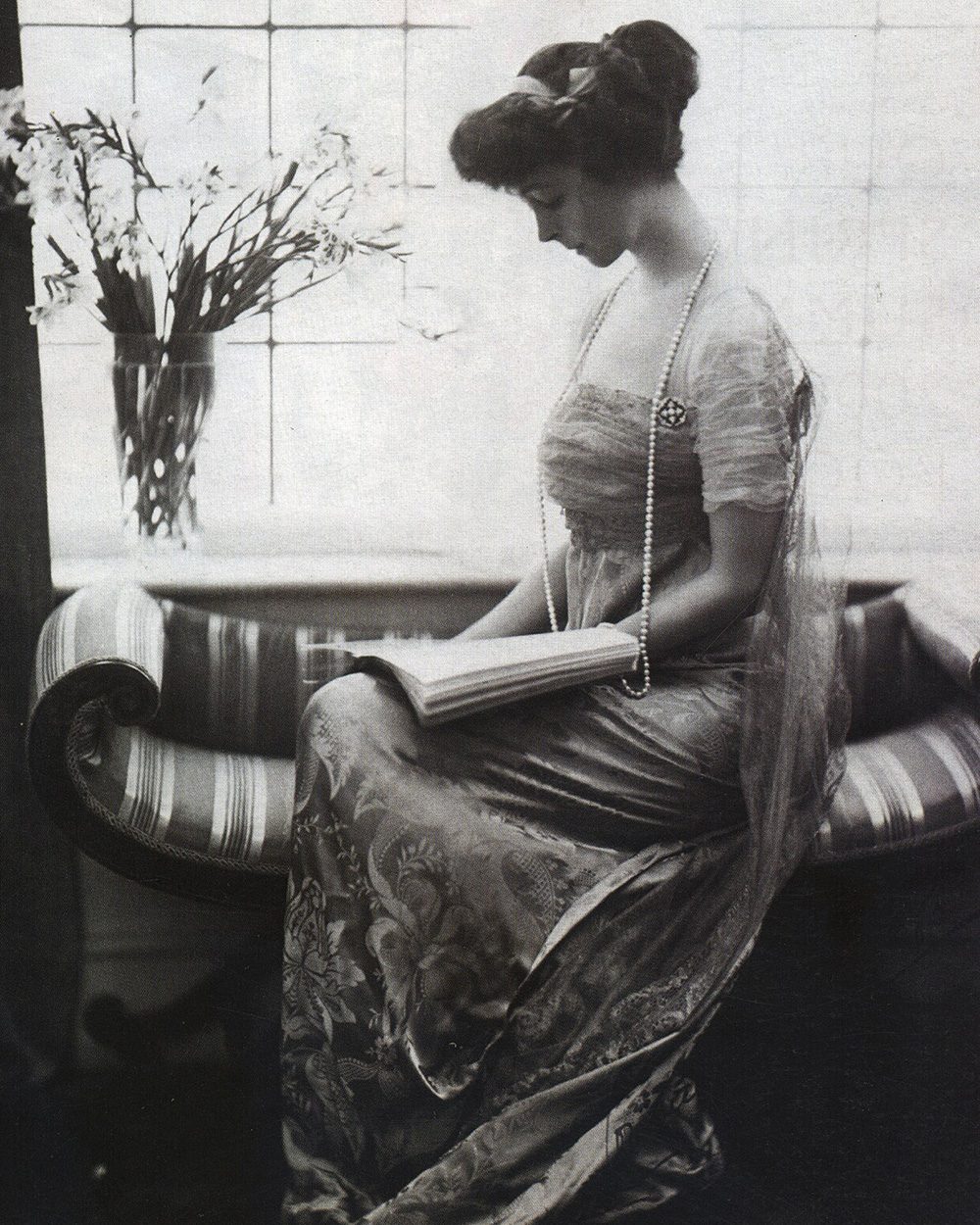
“She was as beautiful at 80 as at 18 and went through life with perfect grace,” Diana Vreeland once said of Consuelo Vanderbilt.
Though her life was filled with immense privilege, it was not without hardship. Between an unhappy marriage, public scrutiny, and the devastating loss of her son to a brain tumor, Consuelo endured significant personal struggles behind the glamour. Even some of her most treasured jewels carried a physical burden and memory of an unhappy marriage, as she herself described. Still, Consuelo Vanderbilt persevered, ultimately building a rich and meaningful life defined by resilience and philanthropy.
More than a century later, fascination with Gilded Age jewels continues because these figures feel almost mythological in modern American culture. Families like the Vanderbilts represented a uniquely extravagant era of wealth and spectacle, one rarely matched since. Consuelo Vanderbilt’s transformation from Dollar Princess to Duchess remains one of the defining stories of the Gilded Age, and her diamond jewelry became one of its most enduring visual symbols.