
Read More
The Heart of Eternity Diamond: Twice the Size of Blue Diamonds That Sold for $50 Million
A 27.64-carat Fancy Vivid Blue diamond with a mysterious owner, a foiled heist, and a value that could break records today.
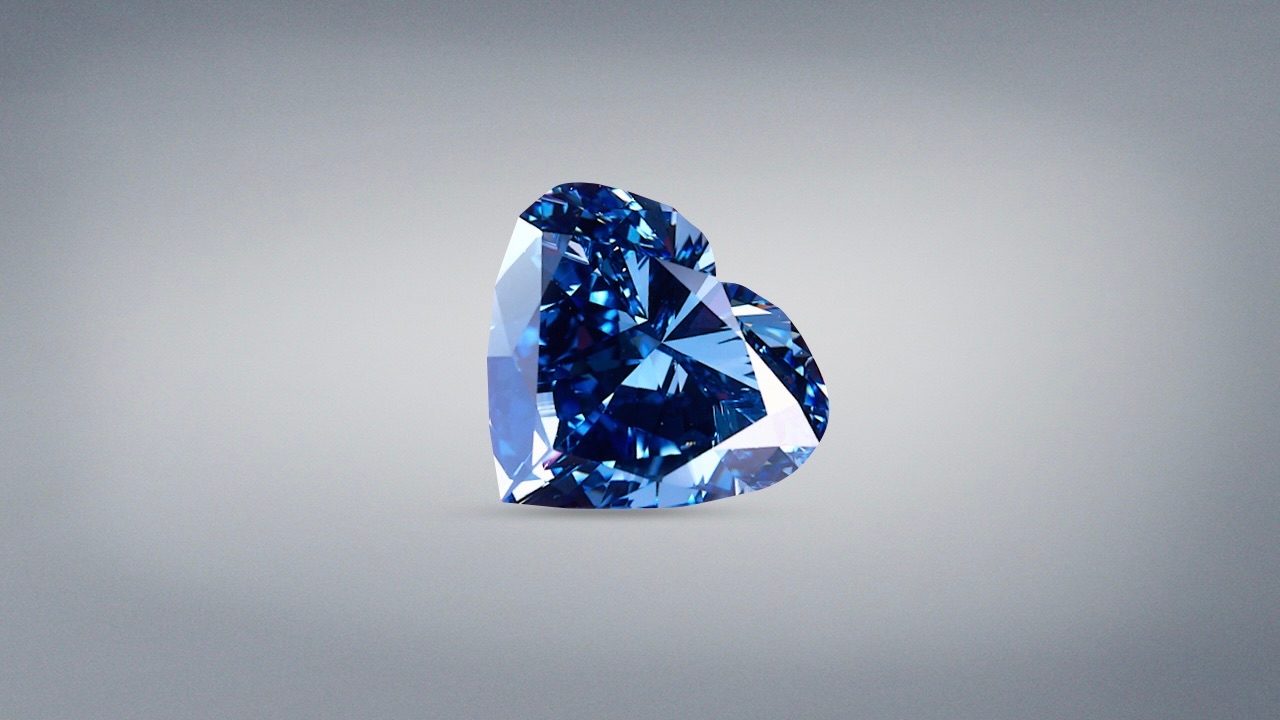
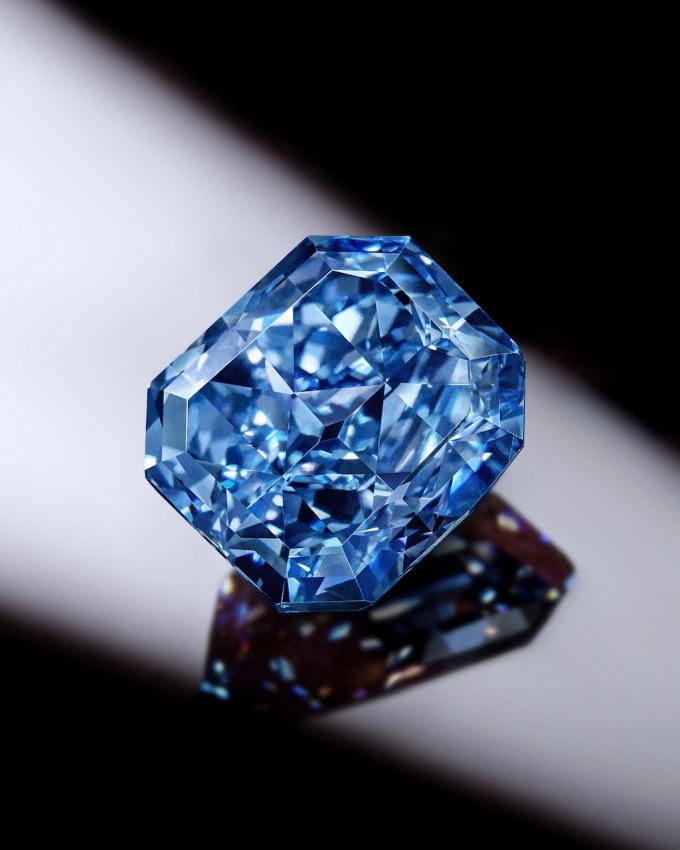
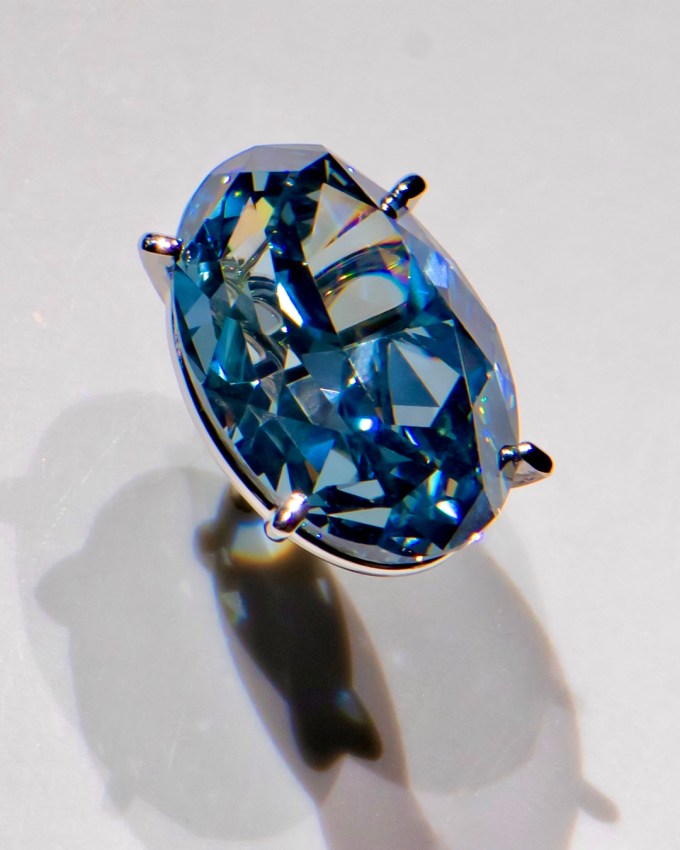
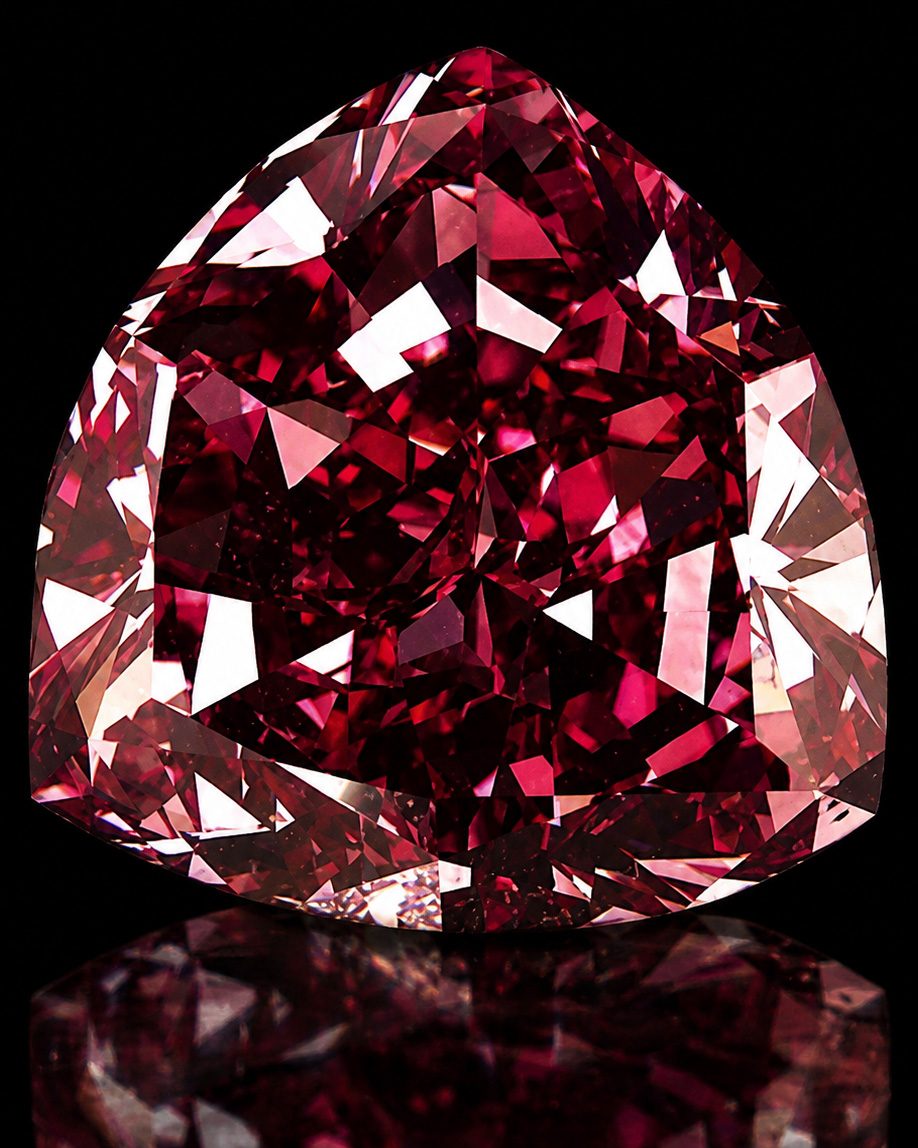
A 27.64-carat Fancy Vivid blue Heart of Eternity Diamond with a clarity grade of VS2. (Photo by Shane F. McClure/GIA)
The Heart of Eternity Diamond holds a special place, even among the rarefied company of great blue diamonds. There is something about the color that does not seem to belong in a stone pulled from the Earth.
At 27.64 carats and graded Fancy Vivid Blue by the Gemological Institute of America, the heart-shaped Heart of Eternity Diamond is a member of one of the smallest and most coveted categories of gemstone that exists. Here, learn all about why the Heart of Eternity Diamond matters so much, where it came from, and why its value today could be staggering.
Meet the Expert

- Grant Mobley is the Jewelry & Watch Editor of Only Natural Diamonds.
- He is a GIA Diamonds Graduate.
- He has over 17 years of jewelry industry experience, starting with growing up in his family’s retail jewelry stores.
Where the Heart of Eternity Diamond Came From

The Heart of Eternity Diamond was discovered at the Premier Diamond Mine in South Africa, now known as the Cullinan Mine. If that name rings a bell, it should. This is the same mine that produced the legendary Cullinan Diamond, the largest gem-quality rough diamond ever found, which was cut into nine major stones that remain part of the British Crown Jewels.
The Millennium Collection and a Famous Heist
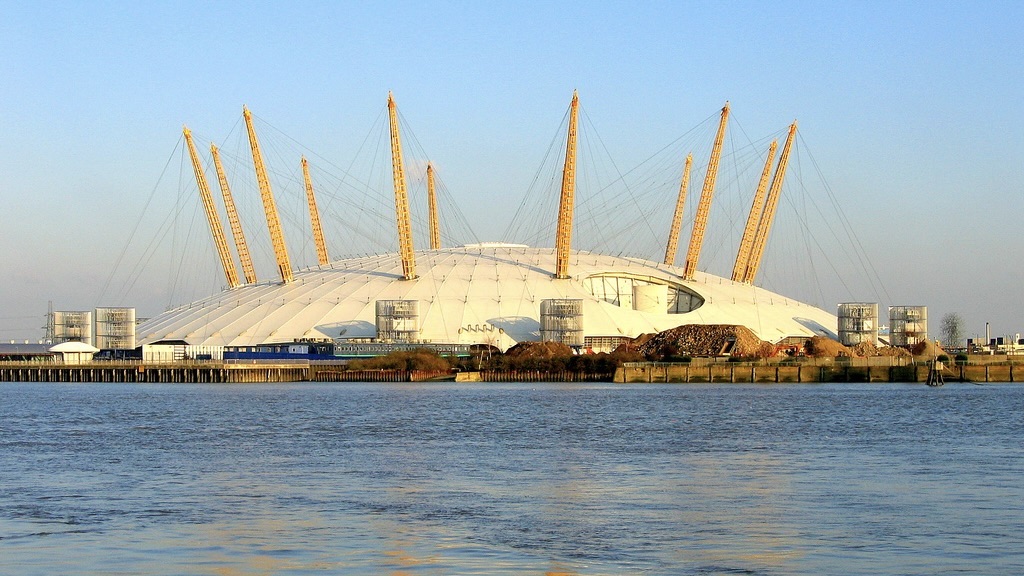
The Heart of Eternity Diamond made its public debut in January 2000 as part of the De Beers Millennium Jewels collection, which also included the famous Millennium Star Diamond. Alongside the Heart of Eternity Diamond, the collection featured ten other blue diamonds, totaling 118 carats. De Beers displayed the collection at London’s Millennium Dome throughout 2000.
That display became the target of one of the most audacious robbery attempts in modern history. On November 7, 2000, a gang attempted to steal the entire collection from the Dome using a bulldozer to smash through the building. London’s Metropolitan Police had been tracking the plot and foiled it before the thieves could escape. The story later became the centerpiece of a gripping Netflix documentary, The Diamond Heist.
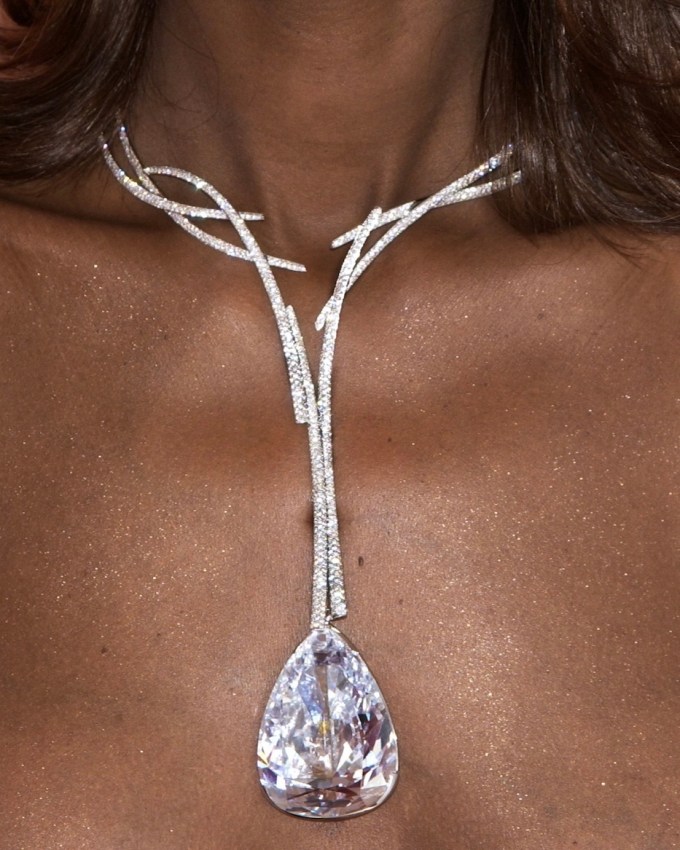
How the Heart of Eternity Diamond Was Lost to Public View

After the Millennium showcase, the Heart of Eternity Diamond faded from public view. Rumors circulated in 2012 that boxer Floyd Mayweather Jr. had purchased the Heart of Eternity necklace for his fiancée, Shantel Jackson, but nothing was ever confirmed. De Beers kept the details private, and the stone’s current owner remains unknown to this day.
Where Do Blue Diamonds Get Their Color?
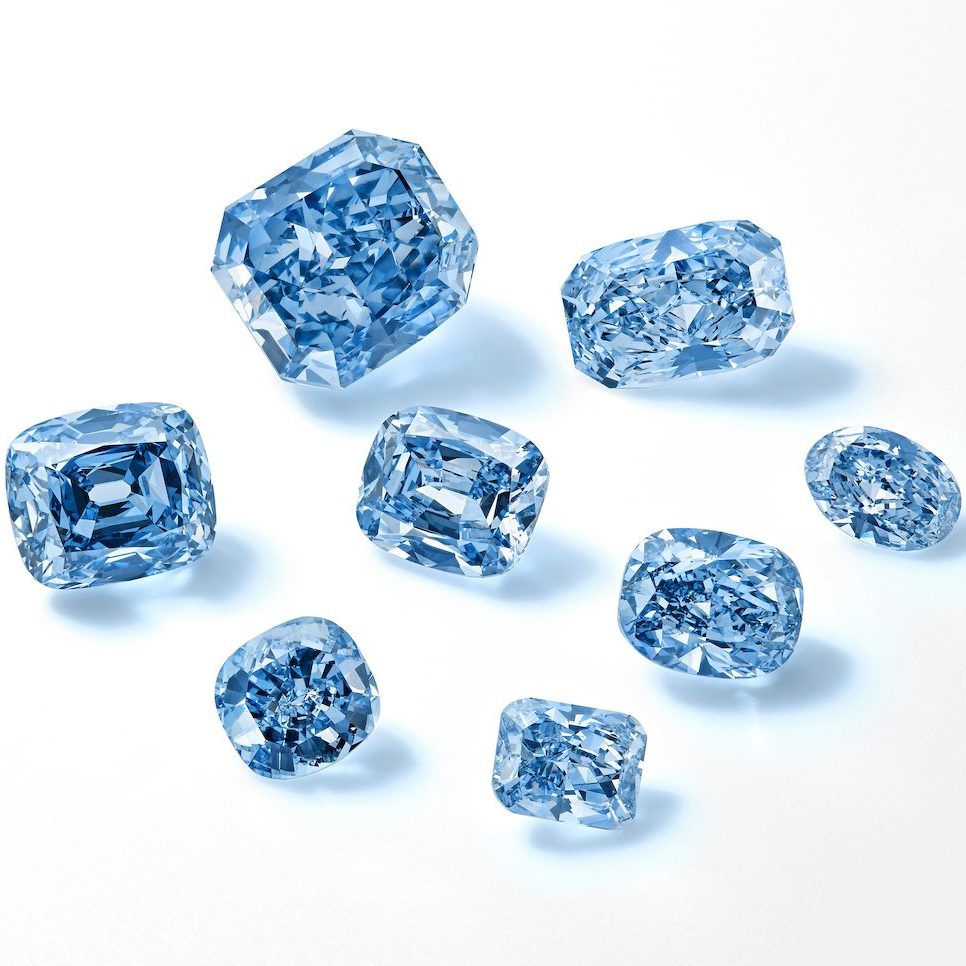
Most people assume diamonds are colorless, and the vast majority are. The ones that show real, saturated color are freaks of nature in the best possible sense, and blue diamonds are among the strangest and rarest of all.
A blue diamond gets its color from boron, a trace element that worked its way into the crystal structure as the diamond formed. When boron is present, the diamond absorbs light at the red, orange, and yellow ends of the spectrum and lets the blue come through. It sounds simple when you put it that way, but the conditions required to make it happen are anything but.
The most fascinating part: Boron is an element that lives near the Earth’s surface, yet blue diamonds form extraordinarily deep, far deeper on average than most other diamonds. Geologists believe many blue diamonds formed hundreds of miles down, in the lower mantle, which means the boron had to travel from the surface down into the depths through ancient geological processes before it could ever become part of a diamond. That combination of circumstances rarely lines up. That is a big reason blue diamonds are so scarce.
Just How Rare Are Blue Diamonds?
Let me put the rarity in context, because numbers help. Fancy color diamonds of any kind already represent a tiny sliver of all diamonds. According to the GIA, of all the diamonds graded in the last twenty years, only 0.4% are classified as fancy color, and blue is one of the rarest colors among that small group. According to the NCDIA, for every natural blue diamond that comes to market, 100 Picasso paintings do.
Now narrow it further. Among blue diamonds, the GIA grades color across a range from Fancy Light to Fancy Vivid and Fancy Deep. Fancy Vivid is the pinnacle, the most saturated and intense blue a natural diamond can achieve, and it is the rarest color grade a blue diamond can earn. The Heart of Eternity carries that grade. So we are not just talking about a blue diamond. We are talking about one of the most saturated blue diamonds nature has ever produced, at a substantial size of nearly 28 carats. Stones like this come along once in a generation, if that.
The Rarity of Blue Diamonds Translates to Value

Rarity drives value in the diamond world, and nothing demonstrates that more clearly than blue diamonds. If you look at the list of the most expensive diamonds ever sold at auction, a remarkable number of them are natural blue. That is not a coincidence. When something is this scarce and this beautiful, and the people who understand it know it will likely never be matched, the price reflects that.
A few comparable sales tell the story:
The Oppenheimer Blue Diamond
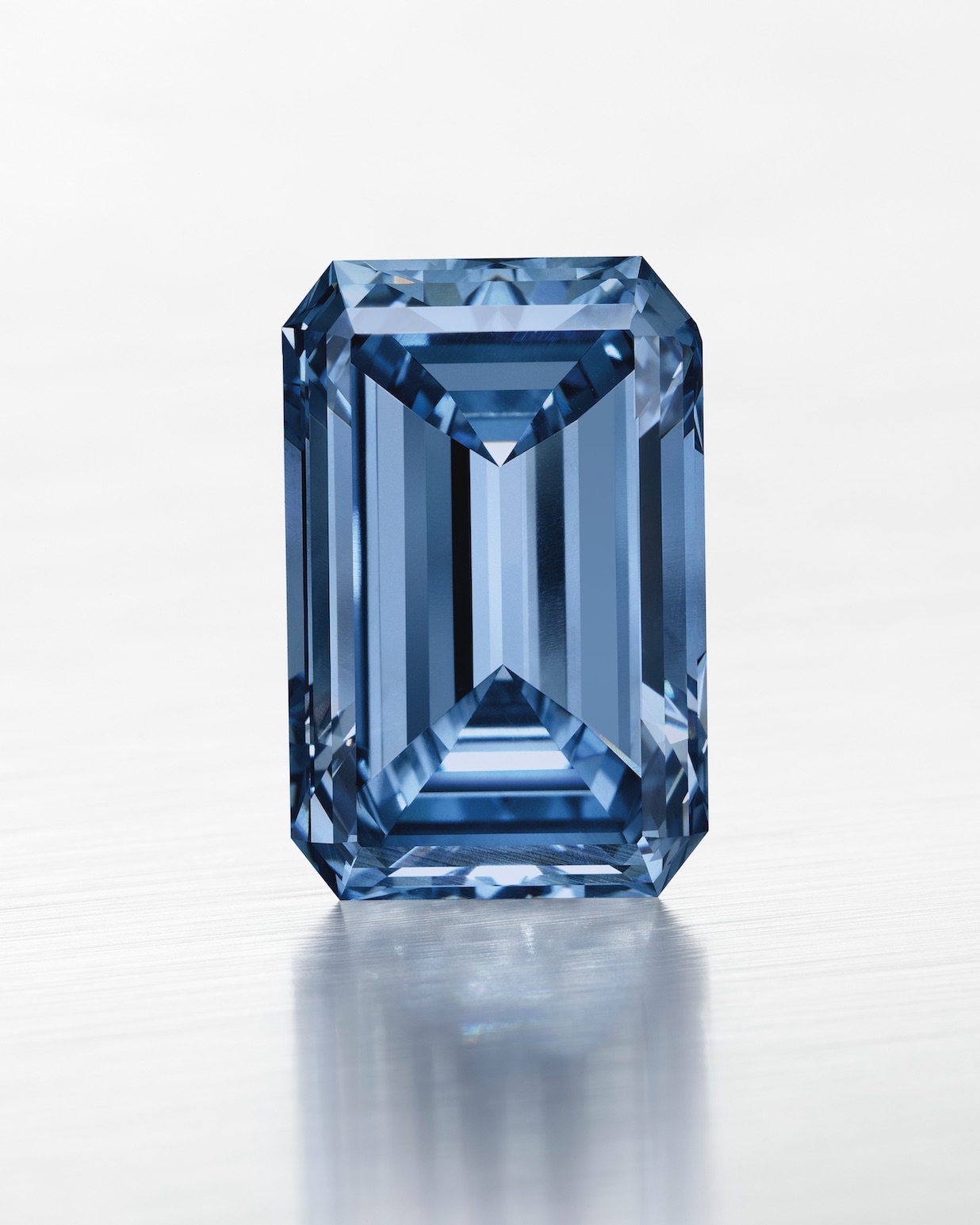
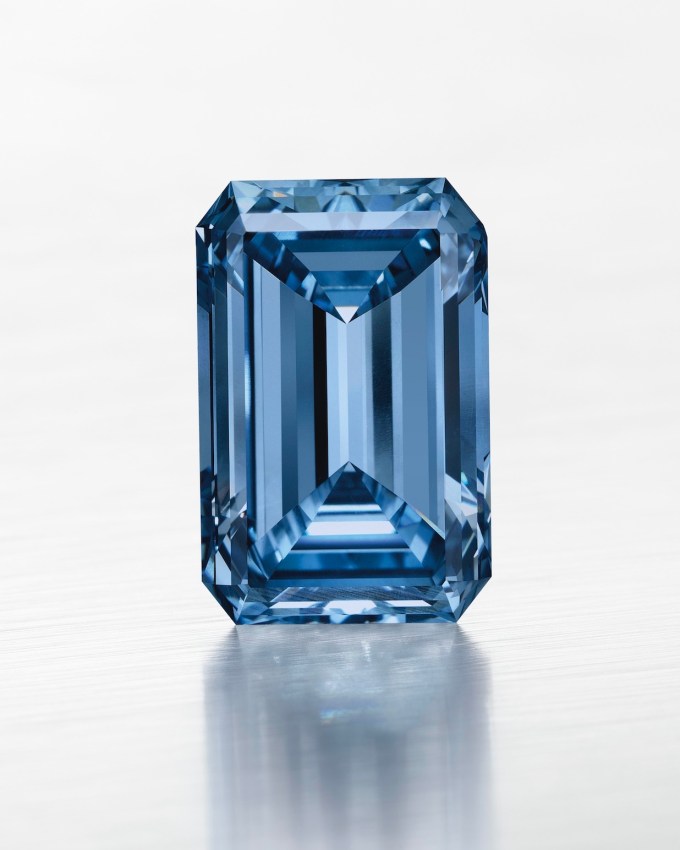
The Oppenheimer Blue Diamond, a 14.62-carat Fancy Vivid Blue diamond, sold at Christie’s Geneva in May 2016 for roughly $57.5 million. At the time, it was the most expensive jewel ever sold at auction.
The Blue Moon of Josephine Diamond
The Blue Moon of Josephine Diamond, a 12.03-carat Fancy Vivid Blue with internally flawless clarity, sold at Sotheby’s Geneva in November 2015 for about $48.4 million. Hong Kong billionaire Joseph Lau bought it for his young daughter and named it after her.
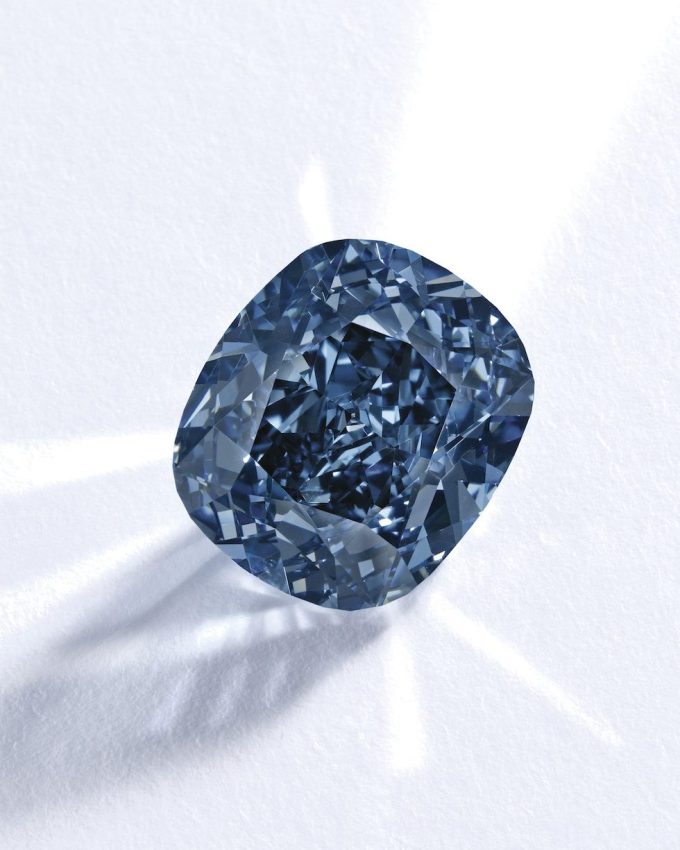
The Winston Blue Diamond
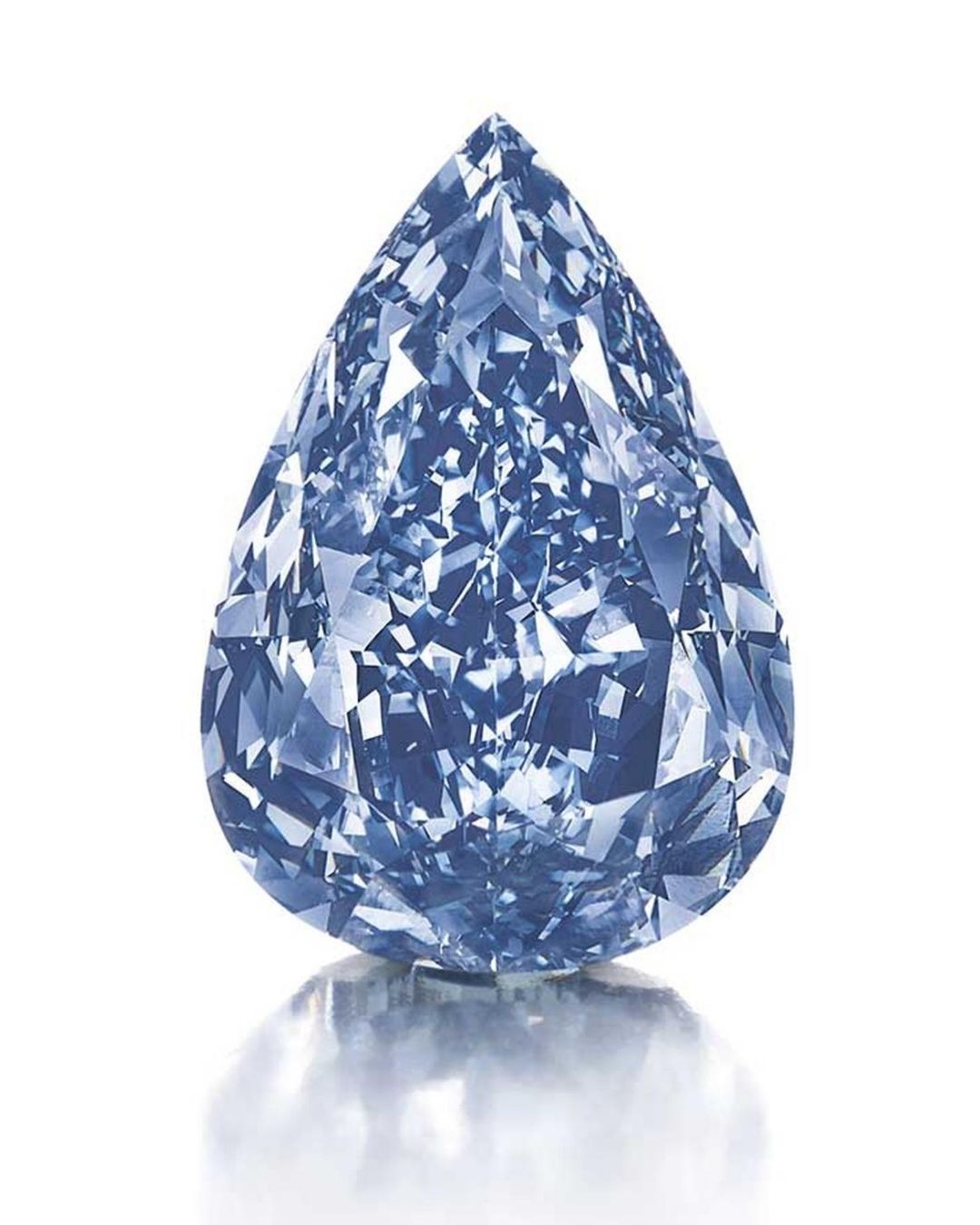
The Winston Blue Diamond, a 13.22-carat Fancy Vivid Blue and flawless, sold at Christie’s Geneva in May 2014 for $23.8 million, which at the time set a per-carat world record for a blue diamond.
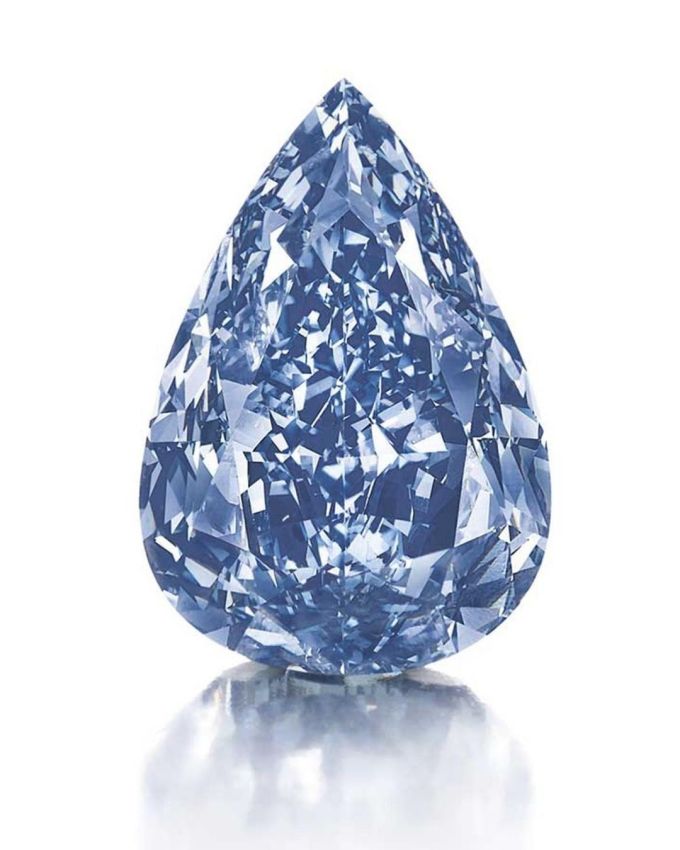
The Heart of Eternity Diamond
Now look at the Heart of Eternity again. At 27.64 carats, it is roughly twice the size of each of those stones, and it carries the same top Fancy Vivid Blue color grade. When De Beers sold it, reportedly around 2012, the rumored price was about $16 million, though the company never confirmed the buyer or the figure. Given everything those comparable stones have achieved at auction, and given the trajectory of the blue diamond market in the years since, I think it is entirely fair to say the Heart of Eternity Diamond could command upwards of $30 million today, and possibly considerably more.

Get the Newsletter
Sign up for the latest diamond news, delivered directly to your inbox.