
If These Diamonds Could Talk: Evelyn Nesbit and the Scandal that Shook the Gilded Age
Evelyn Nesbit, America’s first pinup girl, defined Gilded Age celebrity—until a shocking murder drew her and her jewels into one of the most notorious trials of the era.
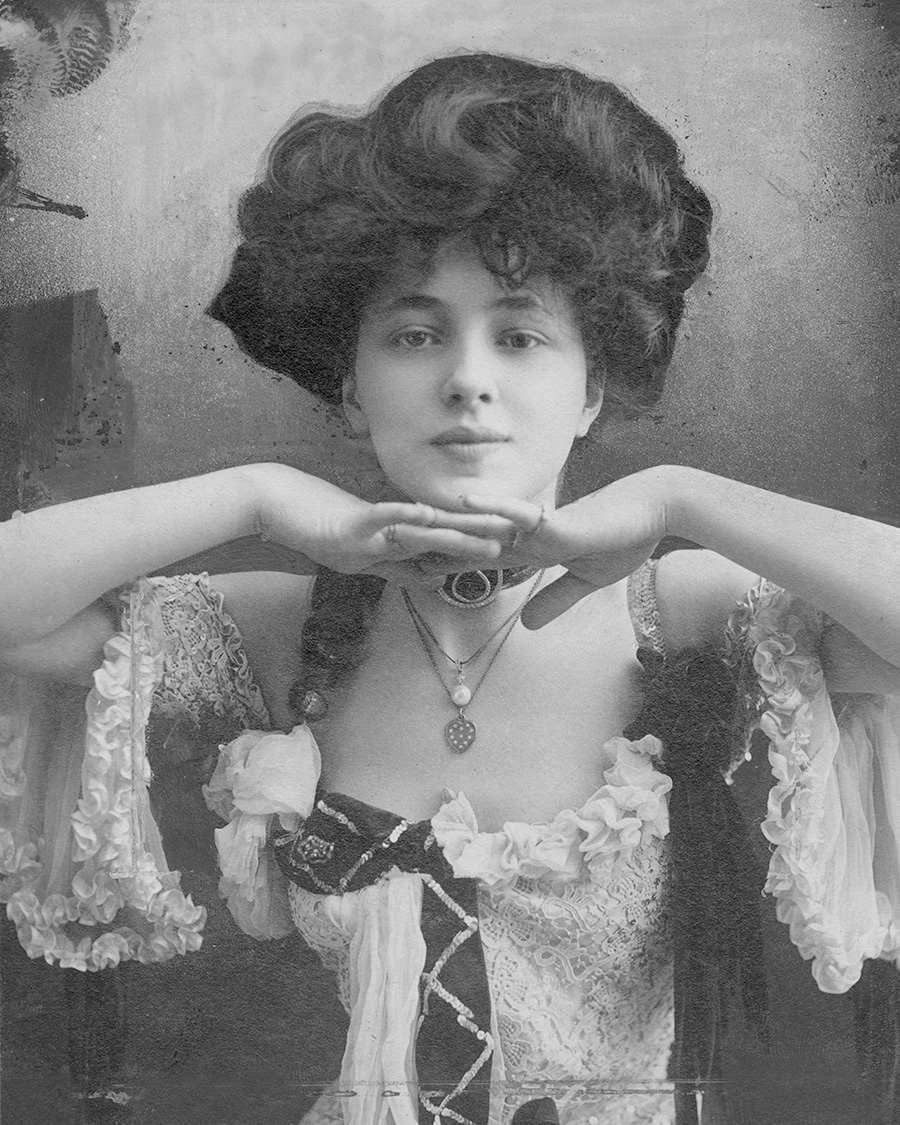
Evelyn Nesbit c. 1905. (Getty Images)
Evelyn Nesbit is the most famous woman you’ve probably never heard of. She became a celebrity in an era before social media—and before a culture that embraced fame for fame’s sake. A model, actress, and eventual vaudeville showgirl, Nesbit was dubbed “the most beautiful woman in the world” by tabloids around 1906. But after a marriage that ended in tragedy with the murder of her former lover, and the ensuing “trial of the century,” she became known less for her talent and beauty than for the scandal that followed her.
Though she came of age during the Gilded Age, an era defined by extraordinary wealth and a flourishing market for natural diamonds, Evelyn Nesbit stood apart. Despite being the most photographed woman in America and moving within circles where diamond jewels signaled status and power, she was rarely adorned in the grand natural diamond pieces so emblematic of the time. Though her admirers showered her with diamond rivieres, brooches, chokers, and bangles, Nesbit gravitated instead toward pearls and lockets, often worn simply against bare shoulders.
Meet the Expert

- Zuleika Gerrish is an antique, vintage and fine jewelry expert as well as a gemmologist and co-founder of Parkin and Gerrish.
- She is a qualified FGA (Fellow of the Gemmological Association) and DGA (Diamond Member), and is training to become an IRV (Institute Registered Valuer) through the National Association of Jewellers.
- Zuleika is also a member of LAPADA and CINOA, and a member of the Society of Jewellery Historians.
That restraint, however, makes the role of natural diamonds in her story even more striking. While she rarely wore her diamonds publicly, those same jewels quietly circulated behind the scenes and were ultimately scrutinized in one of the most sensational trials of the early 20th century.
Who Was Evelyn Nesbit? The Woman at the Heart of a Gilded Age Scandal
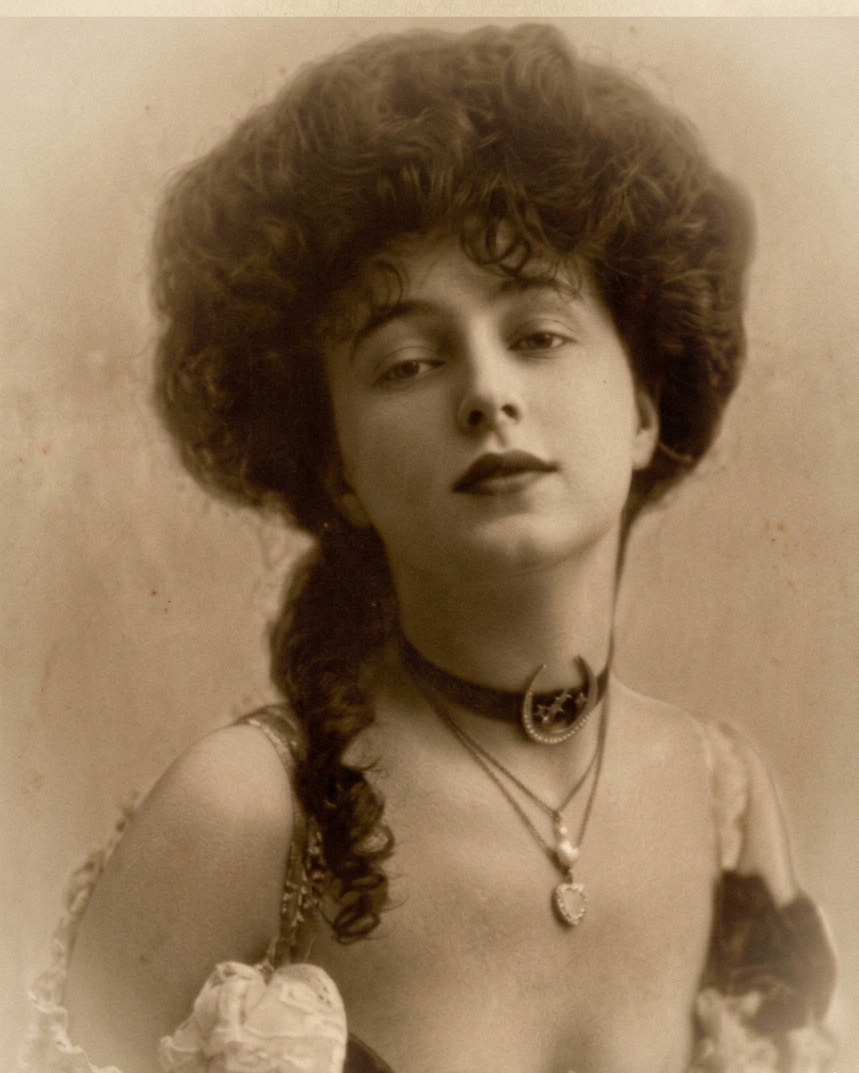
Evelyn Nesbit was born in Tarentum, Pennsylvania, in 1884. After her father’s death left the family nearly penniless, her mother moved them to Philadelphia, where a young Nesbit began modeling before transitioning to the Broadway stage.
She also went on to perform in vaudeville and early silent films, attempting to reclaim her career in the years following the scandal, though public fascination with her personal life often overshadowed her professional ambitions. Her life story later inspired a character in the novel and then Broadway musical Ragtime, which revisits Nesbit’s role in American history.
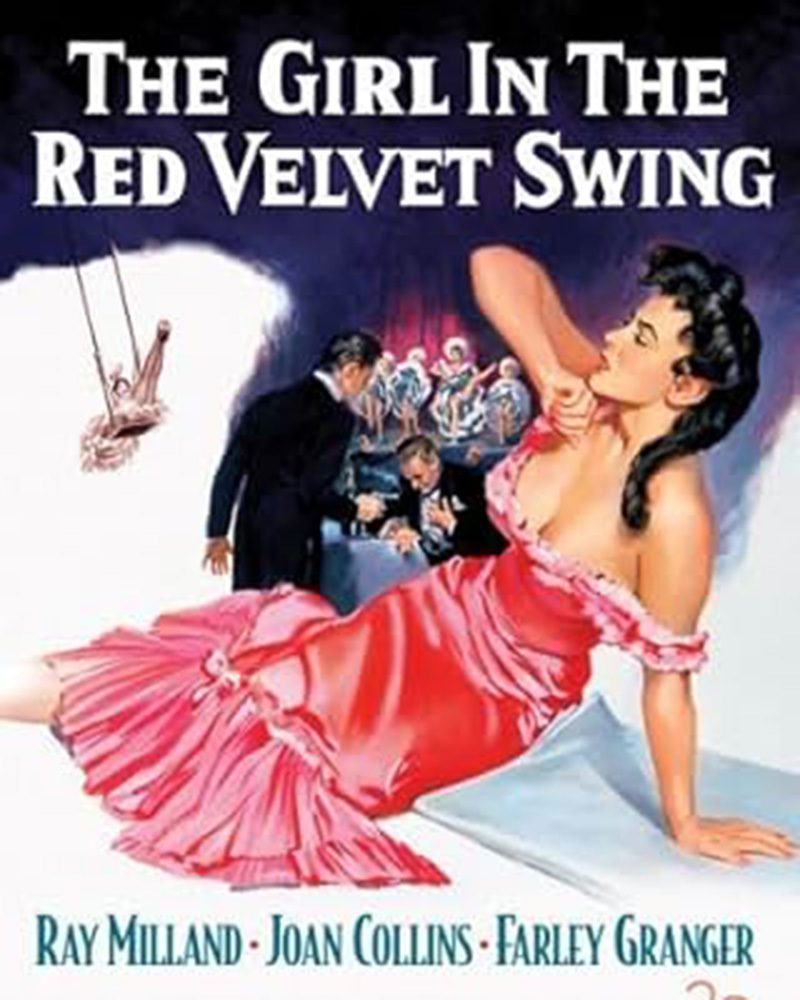
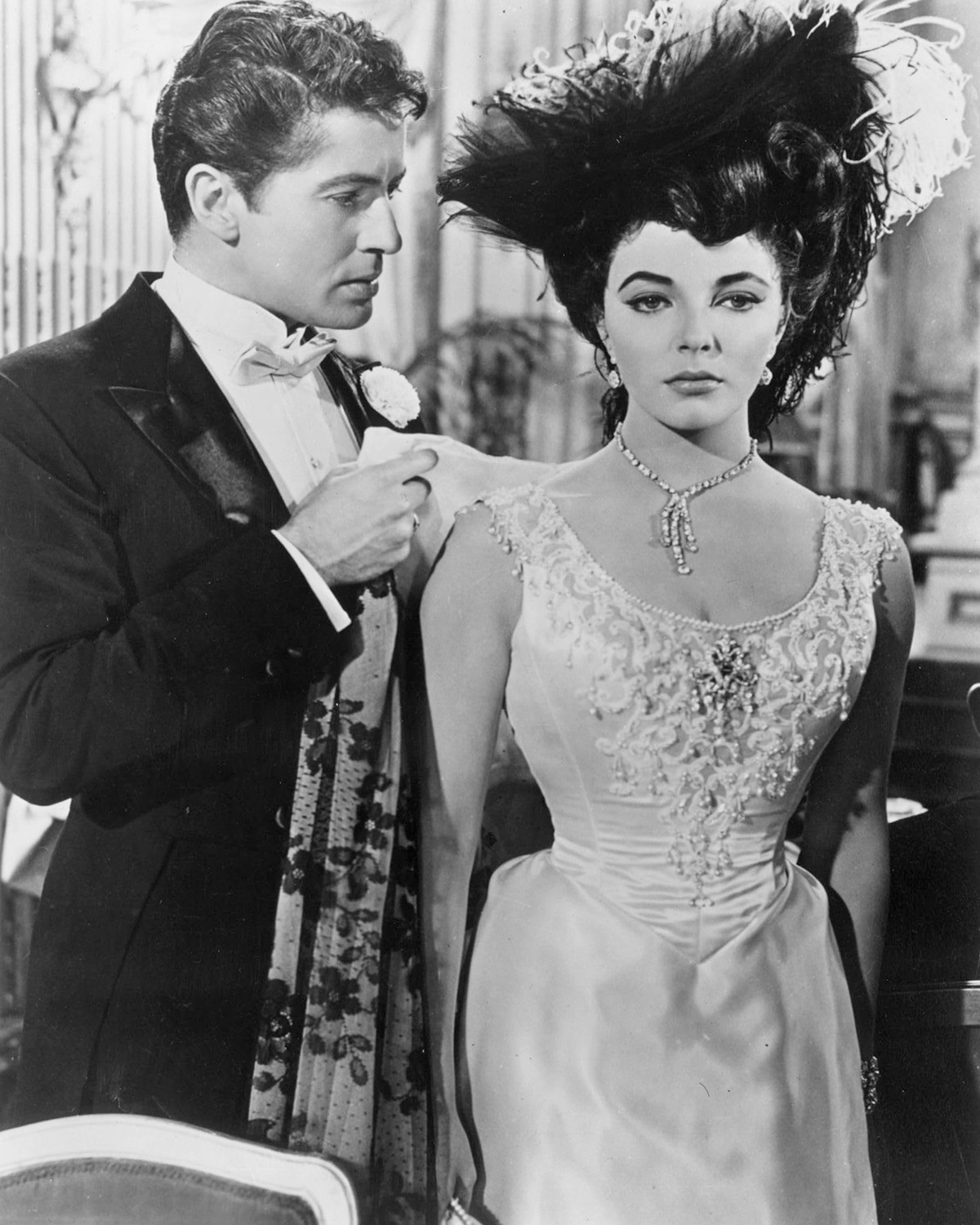
Dubbed the most photographed woman in the world and considered America’s first pinup girl, Nesbit soon caught the attention of the celebrated (and married) architect Stanford White. White famously installed an indoor red velvet swing for her (“50 Shades of Grey” is looking less original now), which was later immortalized in the 1955 biopic The Girl in the Red Velvet Swing, starring Joan Collins as Nesbit. The two carried on an affair for several years before Nesbit married the volatile millionaire Harry K. Thaw in 1905.
That marriage quickly became fraught. Thaw was known for violent mood swings, substance abuse, and deep jealousy, particularly regarding Nesbit’s past relationship with White. In 1906, those tensions erupted when Thaw shot and killed White at Madison Square Garden’s rooftop theater in front of a stunned crowd, instantly igniting one of the most sensational criminal cases in American history.
The Jewelry That Defined Evelyn Nesbit’s Image
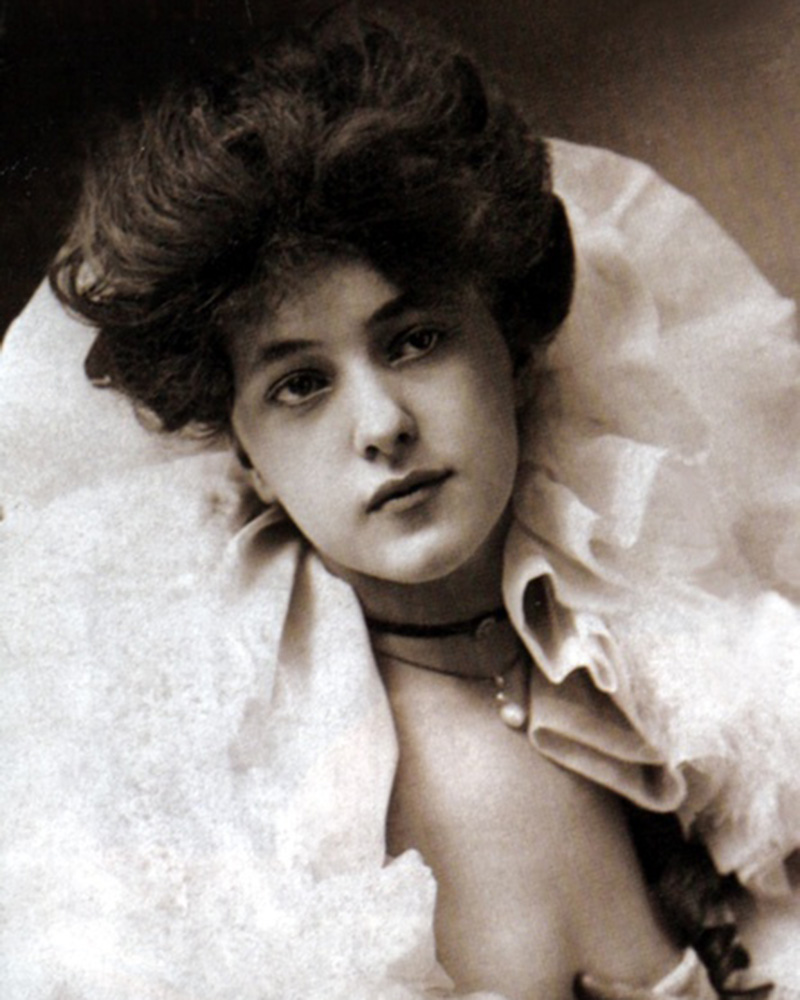
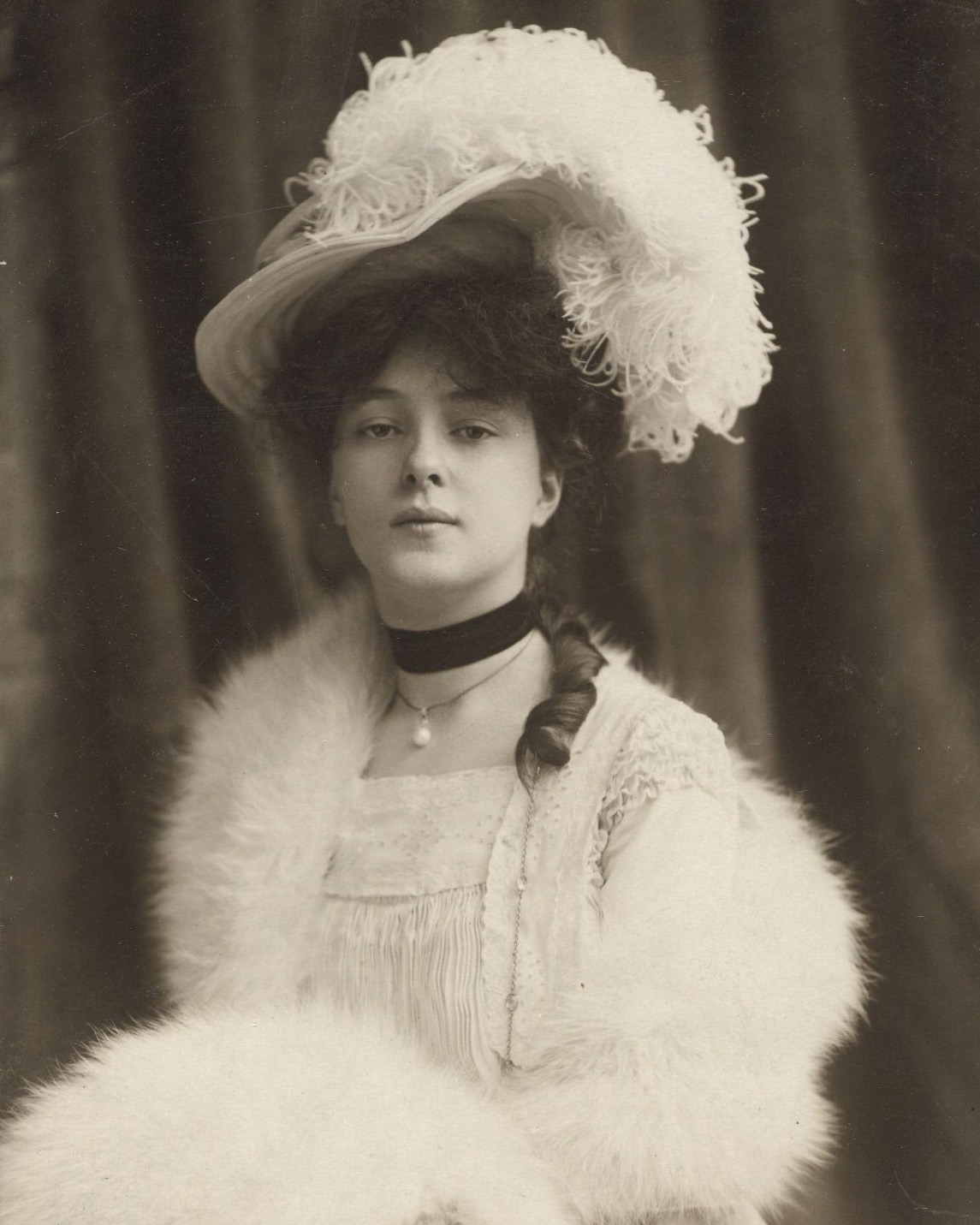
Evelyn Nesbit’s jewelry choices played a quiet but pivotal role in shaping her public image as one of the most photographed women of the early 20th century. According to Gerrish, her approach rejected the overt display favored by her Parisian contemporaries, instead signaling beauty and respectability through restraint.
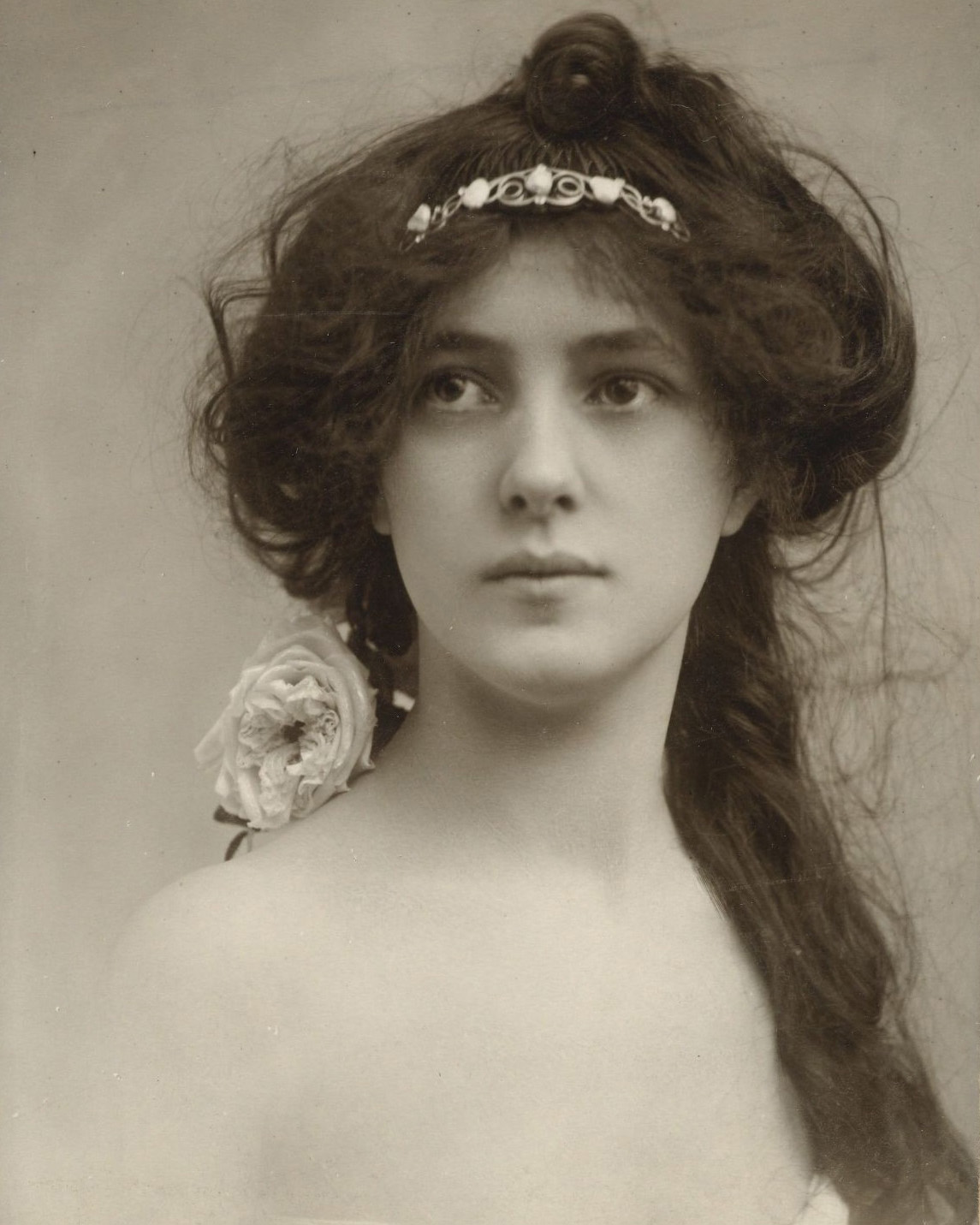
From her teenage years as a model, Nesbit’s style was deliberately pared back. “Photographs depict her in soft materials, bare shoulders and neck, loose hair, and very little, if any, jewelry. This was a conscious choice. At a time when photography was shaping ideals of female beauty, conspicuous jewellery might have linked her to the demi-monde. By choosing simplicity, she positioned herself as a ‘lady’ rather than a showgirl, echoing the Gibson Girl ideal,” antique jewelry expert and historian Zuleika Gerrish explains.
That restraint defined her visual identity. Nesbit was most often seen in pearls, lockets, and small pendants—pieces worn close to the body, suggesting intimacy and sentiment rather than spectacle. “Pearls carried associations with purity, youth, and femininity, reinforcing her carefully constructed image,” Gerrish notes.
Her decision not to appear in diamonds publicly is particularly interesting given that she did receive them. Stanford White is known to have gifted her multiple diamond rings, though they were rarely photographed and later came under the control of Harry K. Thaw. As Gerrish explains, these jewels existed within a more private sphere of gifts and influence—one that would later be exposed in court.
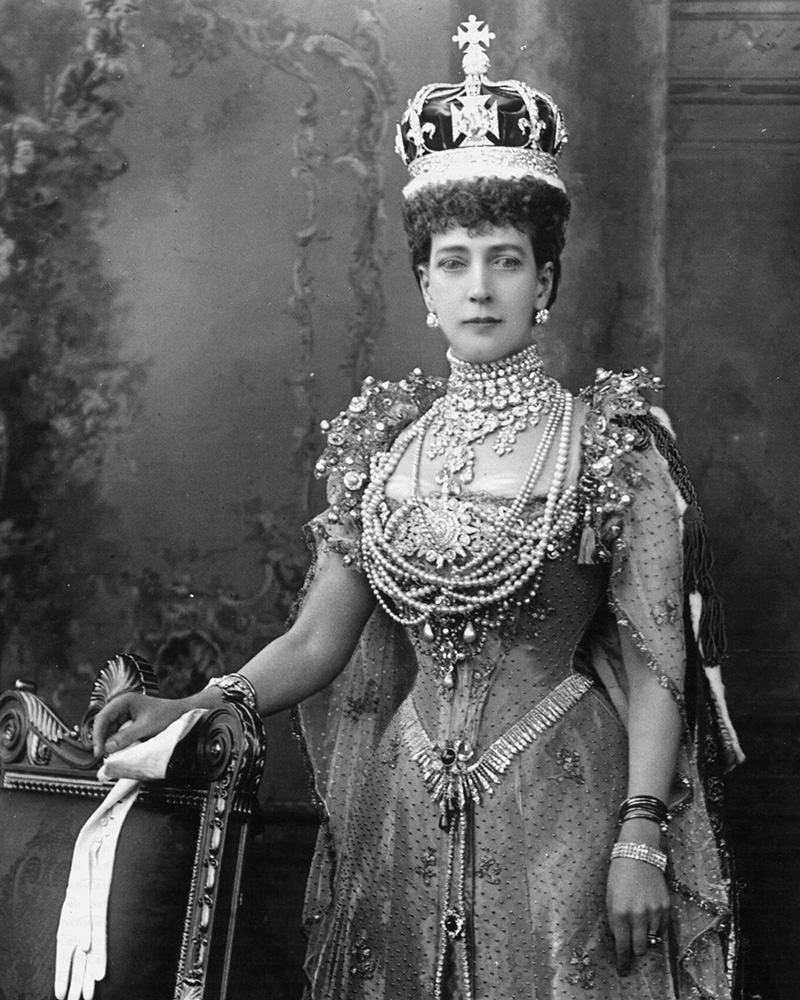
Gerrish points out that at the height of Evelyn Nesbit’s fame in the early 1900s, the Belle Époque and Edwardian eras favored lightness and refinement: diamonds paired with pearls in delicate, white-on-white compositions, often shaped into bows, ribbons, and florals. This was all in an effort to emulate Gilded Age icon Queen Alexandra and display overt femininity.
“When compared to Nesbit, the contrast is striking,” says Gerrish. “Where Alexandra embodied dynastic display and social certainty, Nesbit’s restraint, her minimal jewels, often limited to a single piece, suggests something far more modern: an image built not on inheritance, but on perception, intimacy, and control.”
Evelyn Nesbit both embodied and subtly subverted these trends. In photographs, she aligns with Edwardian ideals through pearls and minimal adornment, projecting youth and refinement. “Yet unlike aristocratic women, for whom such jewels signified lineage, Nesbit used them within a constructed, media-driven identity. Her jewelry operated as part of a carefully edited image, transforming traditional symbols of class into tools of early celebrity,” Gerrish explains.
How Natural Diamonds Became Evidence in Harry K. Thaw’s Trial
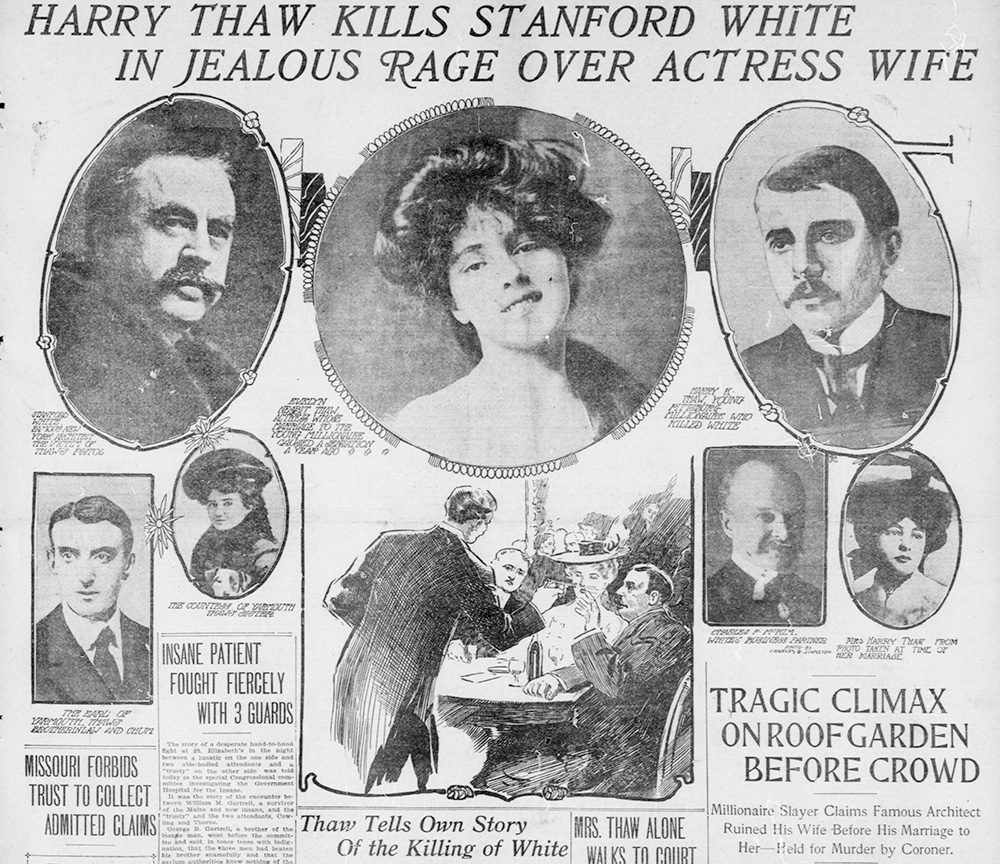
When Harry K. Thaw shot and killed Stanford White in 1906, the crime stunned New York society, but it was the trial that transformed the case into a cultural obsession. As intimate details of Nesbit’s life were laid bare, natural diamonds emerged as charged objects woven into testimony.
The lavish diamond jewels gifted to Nesbit, particularly by White, became part of a larger narrative used in court to establish the nature of their relationship. Testimony surrounding White’s financial support—including jewelry, money, and a private apartment—helped frame him not simply as a lover, but as a powerful older man exerting influence over a young woman.
For Thaw’s defense, which hinged on a plea of temporary insanity, these dynamics were critical. By emphasizing White’s gifts, including diamond rings and other valuables, the defense sought to portray him as morally corrupt and exploitative, reinforcing Thaw’s claim that he murdered White in response to Nesbit’s alleged victimization.
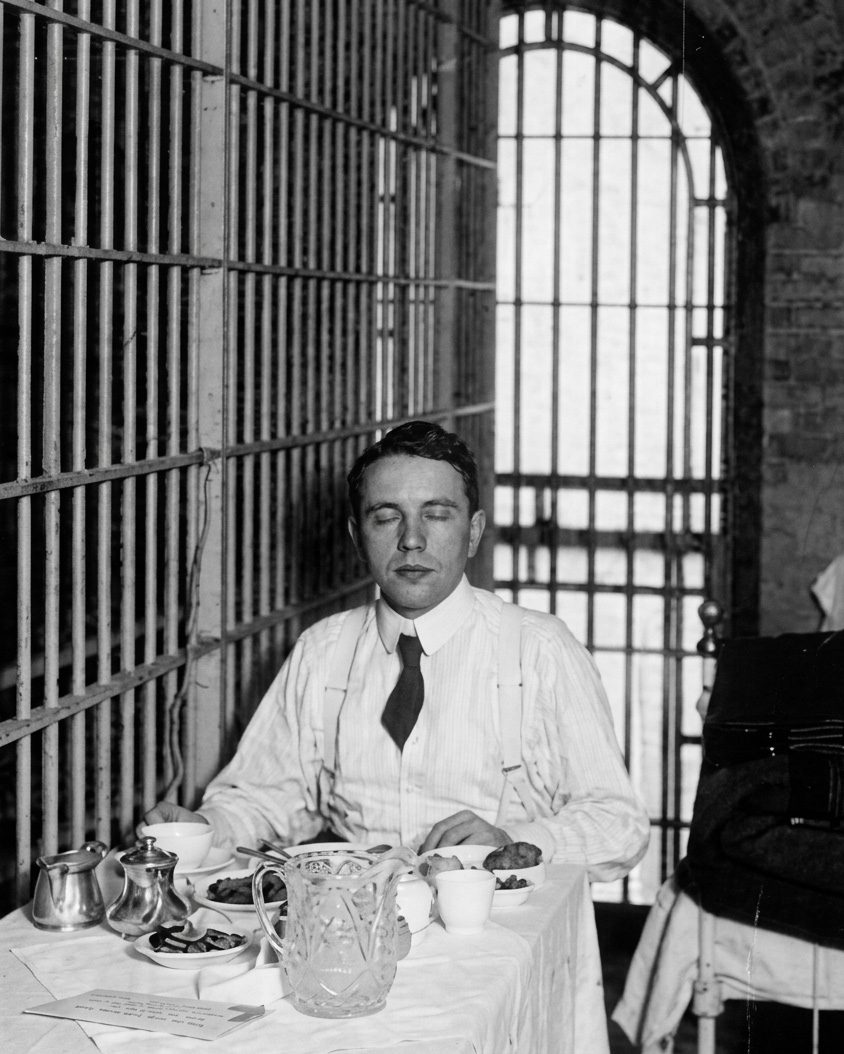
The legal proceedings unfolded in two highly publicized trials. The first, in 1907, ended in a deadlocked jury, only intensifying public fascination. At the second trial in 1908, Thaw was found not guilty by reason of insanity and committed to a state psychiatric hospital, a verdict that shocked the public. The media frenzy was so intense that the jury was sequestered for the first time in American history.

In the trial’s setting, jewels transform into more than mere objects; they become part of a system in which possession also involves the woman herself.
Nesbit herself became the star witness and emotional center of the trial, and a fixation for the press. The press even coined enduring labels for her, most notably “the girl in the red velvet swing,” reducing her identity to a sensationalized image tied to Stanford White’s apartment.
What Evelyn Nesbit’s Diamonds Really Signified
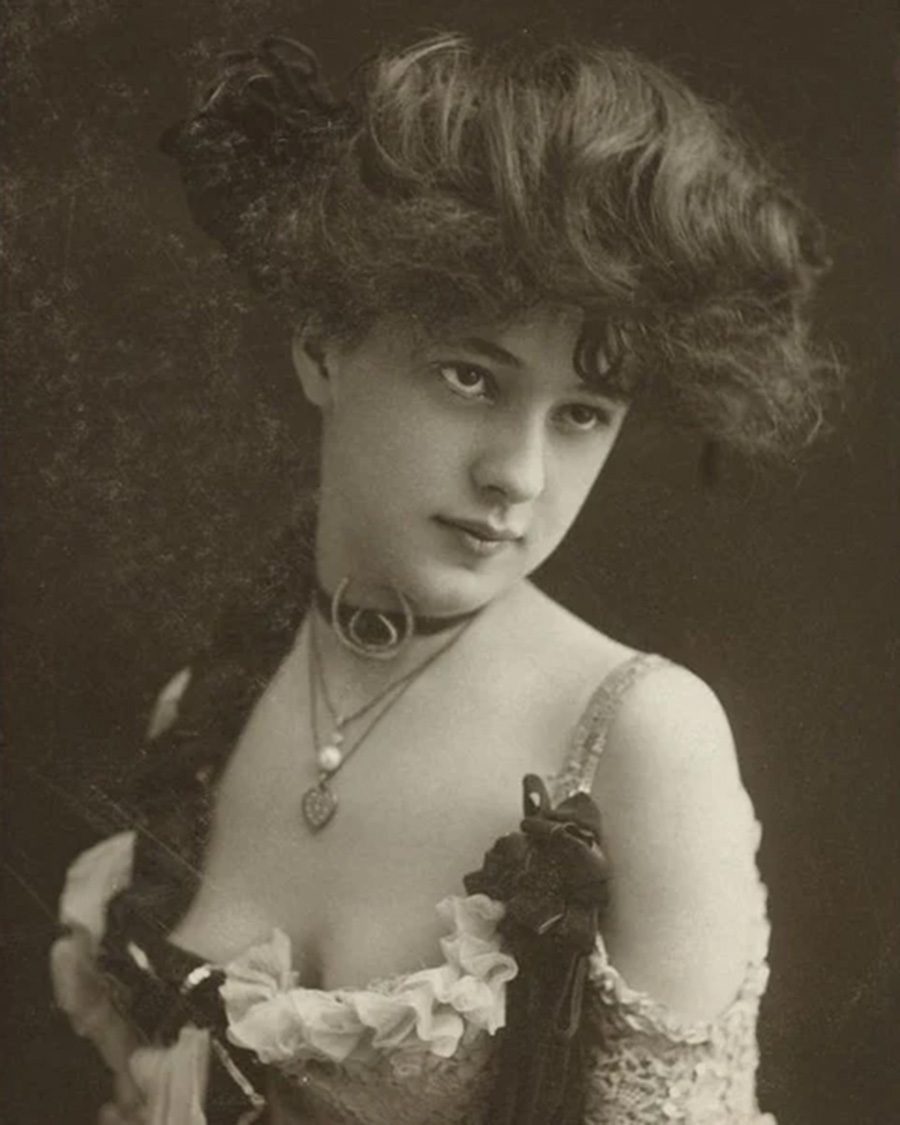
The diamond-studded jewels that once existed as private gifts took on new meaning under public scrutiny. In testimony and in the press, they symbolized the imbalance of power between Nesbit and the men in her life. After the murder, control over her jewelry further underscored this dynamic, as Thaw repossessed several pieces.
Public opinion was deeply divided. Some viewed Thaw as a defender of his wife’s honor, a man driven to violence by outrage, while others saw him as unstable and violent. Nesbit, meanwhile, was rarely granted full autonomy in the narrative; she was instead shaped by tabloid headlines that framed her as either a tragic ingénue or a woman whose sexuality had led to disaster. One headline read, “Woman Whose Beauty Spelled Death and Ruin.”
Gerrish explains that Nesbit’s jewels reflected the imbalance in her relationships with influential men. Because many of these pieces were gifted, their movement—given, taken, or withheld—mirrored those shifting dynamics. As Gerrish notes, “In the trial’s setting, jewels transform into more than mere objects; they become part of a system in which possession also involves the woman herself.”
Jewels serve as symbols that society projects onto her.
At the same time, these jewels offered Nesbit a degree of agency. They allowed her access to spaces of wealth and visibility she might not otherwise have entered. Her restrained public image helped craft a persona that felt both alluring and controlled. “Jewels serve as symbols that society projects onto her,” Gerrish says, noting that something as simple as a pearl necklace could signal innocence in one context and something entirely different in another. In the end, their significance was shaped less by Nesbit herself and more by the forces surrounding her: “the press, the courtroom, and the public’s imagination.”
What Evelyn Nesbit’s Diamonds Mean Today
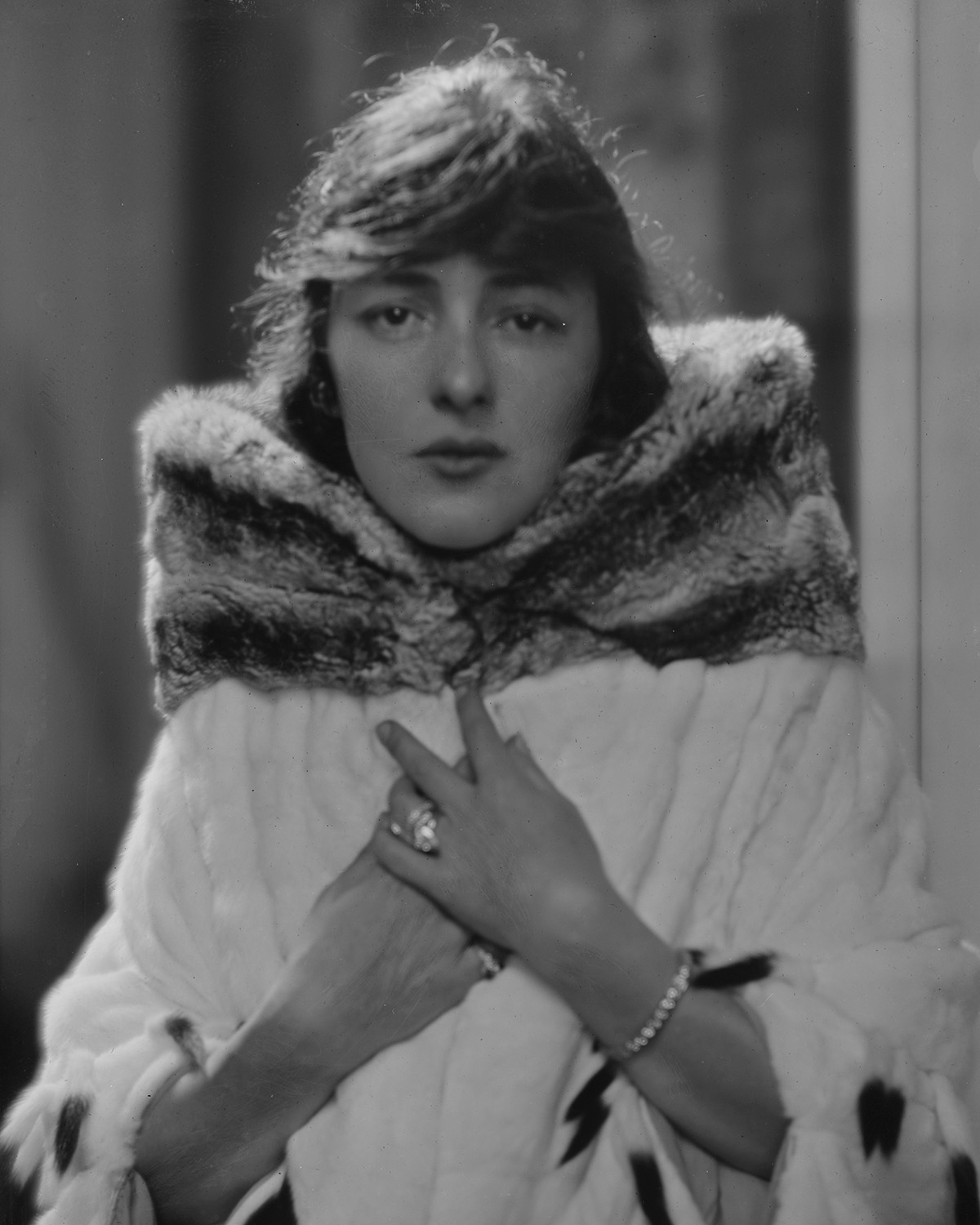
You could draw comparisons between Evelyn Nesbit and figures like Kim Kardashian or Paris Hilton, women whose early fame was shaped as much by scandal as by celebrity. But Gerrish suggests a more fitting parallel lies with a famously minimalist fashion icon: Carolyn Bessette-Kennedy.
“Both women used jewelry not as spectacle but as precision, a controlled visual language. Nesbit’s pearls and lockets, like Carolyn’s gold bangle or simple hoops, created an impression of ease, intimacy, and discipline. In both cases, jewelry functions as editing: what is omitted carries as much weight as what is worn,” Gerrish says.
According to Gerrish, the absence of excess signals taste, control, and distance from overt display. The key difference, however, is in the sense of independence. “Carolyn’s minimalist approach was something she consciously chose and guided herself, showcasing her personal intent. On the other hand, Nesbit’s style, while visually similar, was influenced by outside pressures like photographers, patrons, and the press. This means her image felt less like a personal creation and more like an interpretation shaped by external forces,” Gerrish says.
Though she will not be remembered for wearing the many diamonds she possessed, Evelyn Nesbit still leaves behind a notable jewelry legacy. Her jewels—particularly the natural diamonds exchanged, contested, and scrutinized during the trial—became part of a larger cultural narrative that captivated a nation.