
Bee de Chaumet: Why This Napoleonic Symbol Is Still Buzzing
Long before the Bee de Chaumet was stacked on wrists and layered on fingers, the bee was a symbol of power, legacy, and empire.
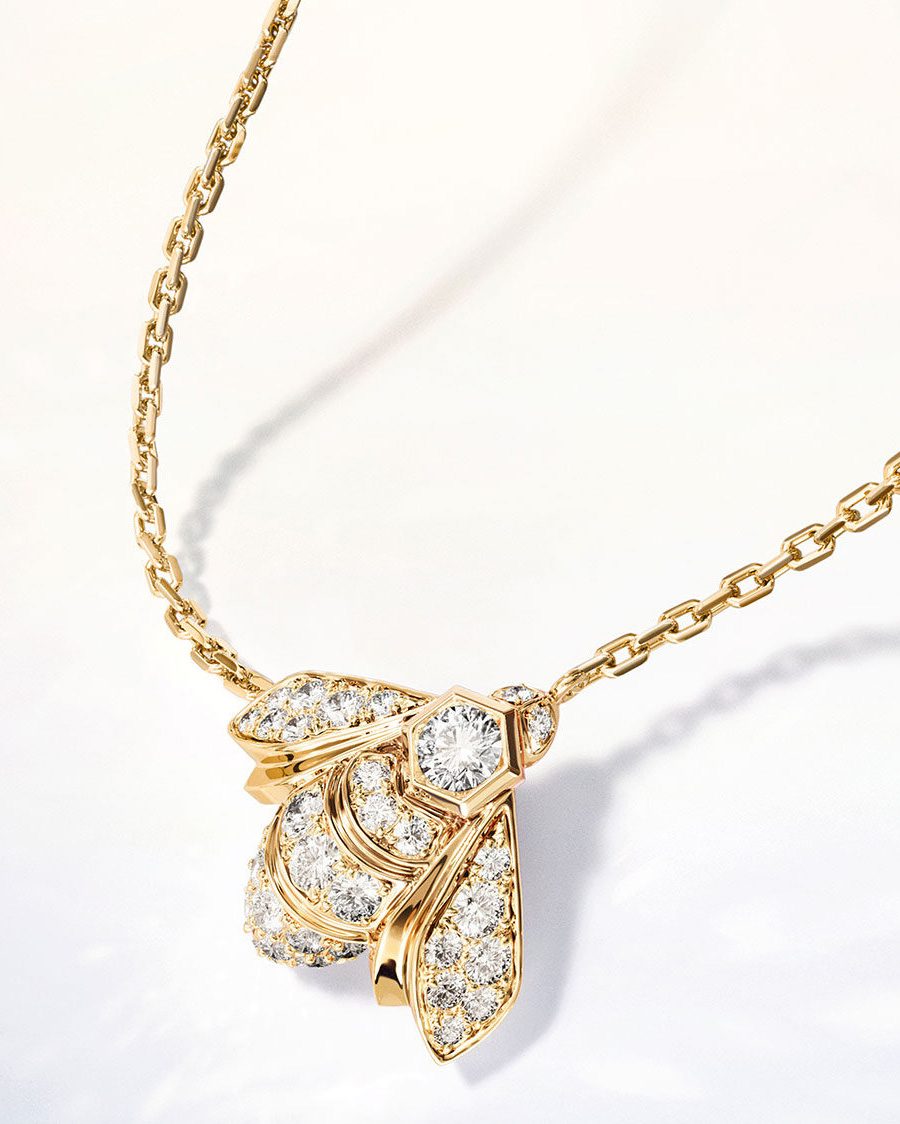
(Courtesy of Chaumet)
Bees are truly magnificent creatures. Partly because their existence is vital to sustaining life on earth, due to their essential contributions to food production, biodiversity, and the health of the environment—but also because of what they represent. The bee is an enduring symbol of power, immortality, ambition, perseverance, hard work, and unity. Few jewelry motifs have survived revolutions, empires, and changing tastes quite like the bee.
Recognizing this storied heritage, the Parisian maison Chaumet has elevated the bee from an imperial emblem to a foundational house code. This evolution culminates in the newly rebranded Bee de Chaumet collection—formerly known as Bee My Love—which translates the spirit of the hive into a contemporary graphic language when paired with natural diamonds.
Meet the Expert
- Jelena Kulic is a fashion, jewelry, and accessory designer who made her international debut at Paris Fashion Week in October 2025.
- Her work is inspired by Baroque and Renaissance art, as well as the romantic opulence of the 18th and 19th centuries.
Ahead, we explore how this symbol of vital life became a definitive, everlasting signature for the house
A Brief History of Chaumet
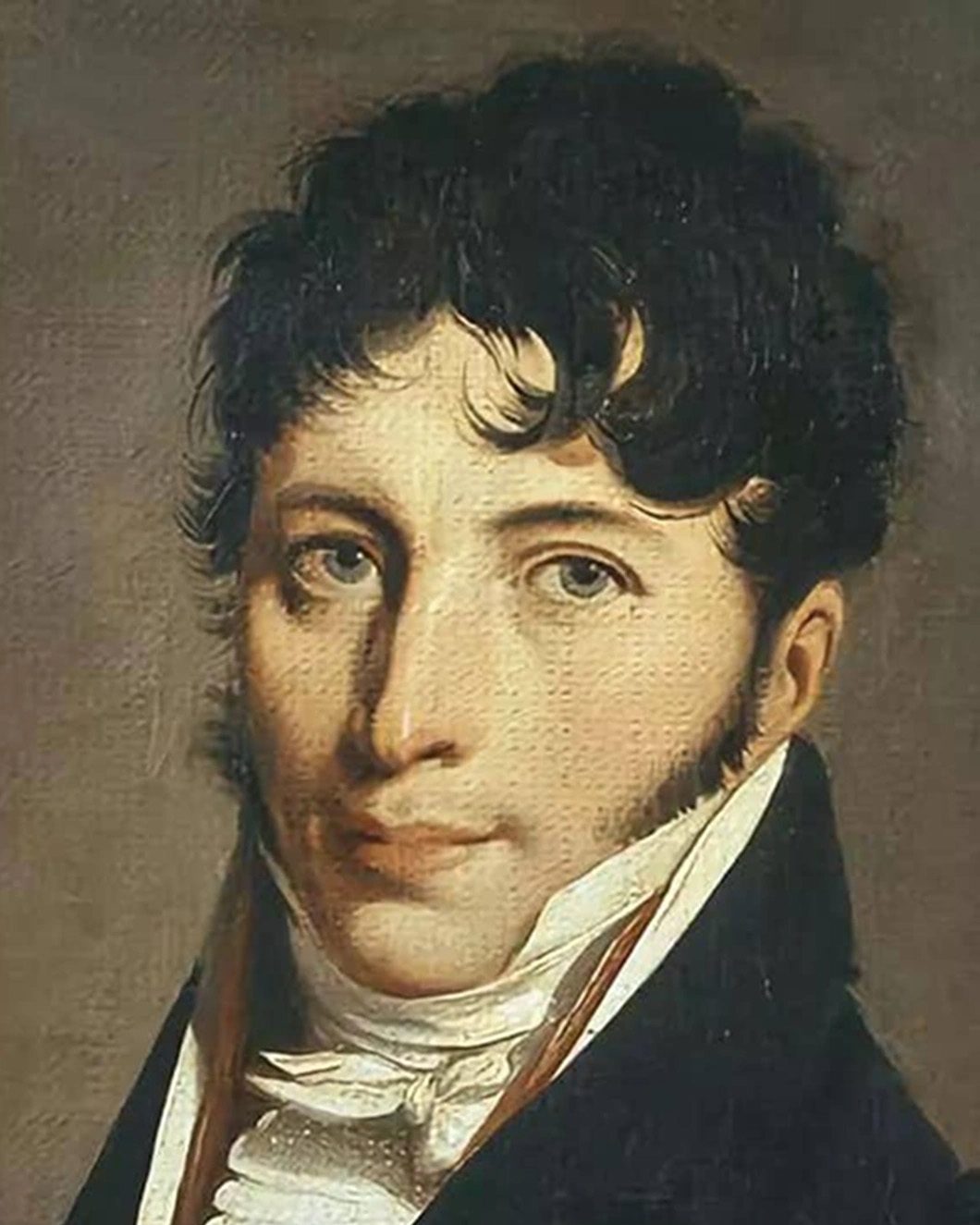
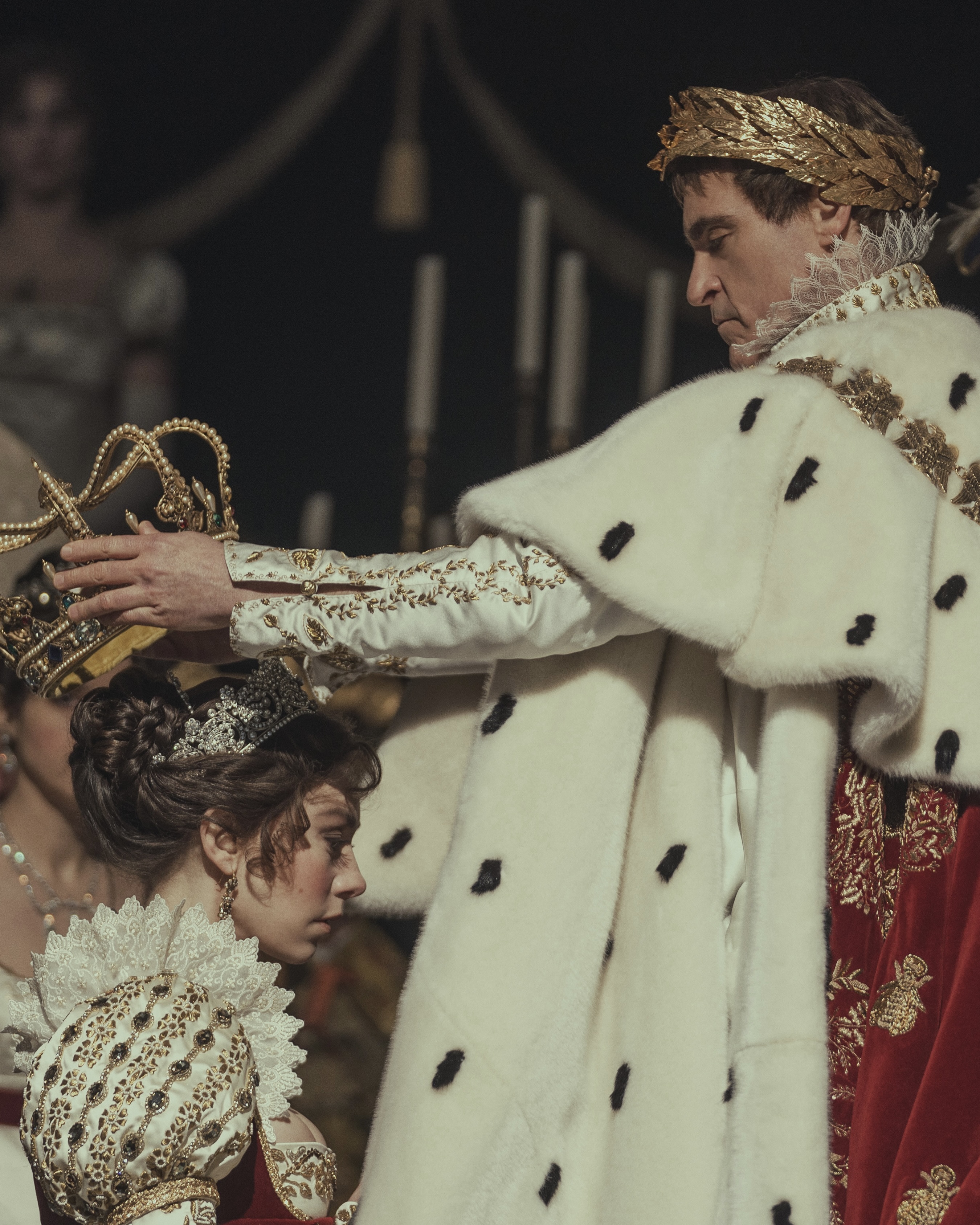
The house that would later become Chaumet was founded in 1780 by Marie-Étienne Nitot, the official jeweler to Napoleon Bonaparte. Nitot and his son, François-Regnault Nitot, were responsible for so many of the exquisite jewels worn by the famously stylish Empress Joséphine, Napoleon’s first wife. They crafted crowns, swords, and diadems for the royal couple, solidifying Chamet as the prime royal jeweler of the French Empire.
However, all good things must come to an end (well, if you want to call relentless warfare and authoritarian rule “good”), and so did Napoleon’s reign in 1814. The maison passed through many hands over the years, including Jean-Baptiste Fossin in 1815. By the mid-19th century, it was led by Prosper Morel and eventually his son-in-law Joseph Chaumet, who would give his name to the house in the 1880s.
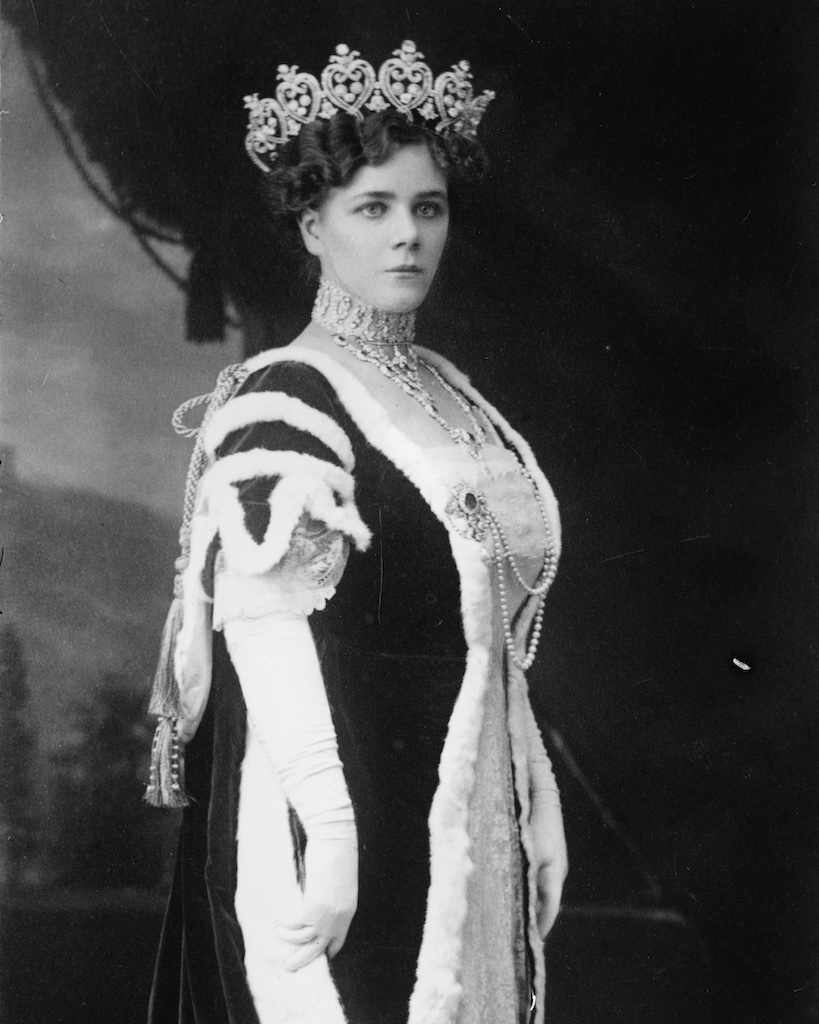
Chaumet became a favorite among European royalty and aristocrats, and continues to be known for its exquisite craftsmanship. Under Joseph Chaumet, the Maison took a permanent residence at 12 Place Vendôme in Paris in 1907, where it remains today. It is best known for its beautiful Belle Epoque tiaras (a favorite of Josephine), as well as its Art Nouveau, Art Deco designs, and of course the bee motif.
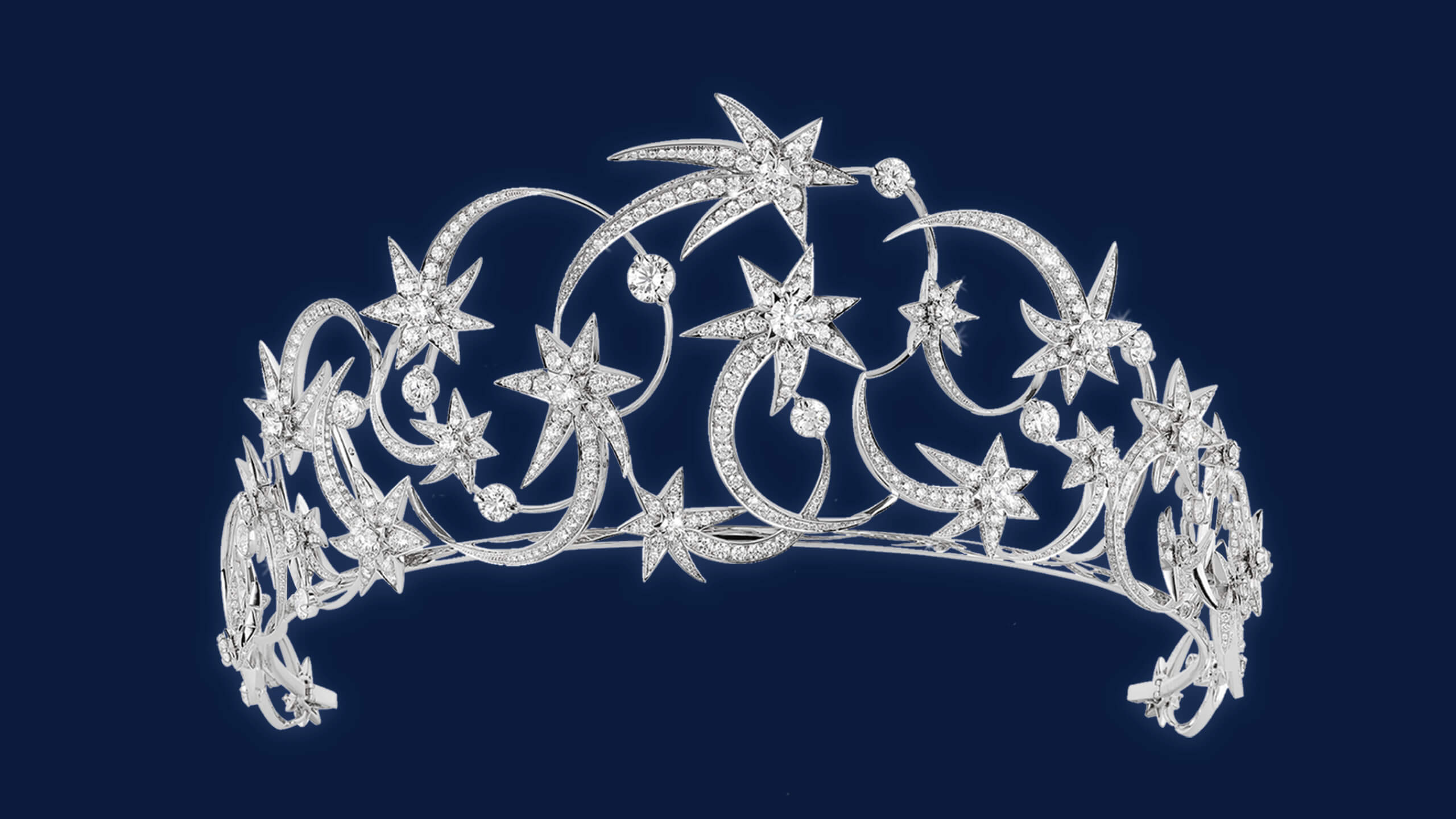
“Chaumet, through its founder Marie Étienne Nitot, translated imperial symbolism into jewelry by turning the bee into a refined court adornment rather than a purely heraldic sign. Under Napoleon, the maison created jewels that echoed imperial magnificence while still retaining delicacy, so power could be worn on the body in a way that felt elegant, intimate, and luxurious,” says jewelry and costume designer Jelena Kulic.
Why Napoleon Chose the Bee as His Imperial Symbol

So you may be wondering where the bee motif comes in at Chaumet—and what it has to do with Napoleon. The answer: quite a lot. Napoléon Bonaparte adopted the bee as his imperial emblem as early as 1804, and it remained a defining symbol throughout his reign. As mentioned above, the bee embodied many of the qualities he most admired, including power, resilience, and immortality—as well as a deeper political meaning.
Napoleon chose the bee over the Bourbon fleur-de-lys to signal a break from the old regime while still evoking continuity, legitimacy, and a more modern vision of a disciplined, orderly society. The motif quickly defined the Empire’s visual language, appearing in gold across his coronation robes, court textiles, furnishings, and imperial décor.

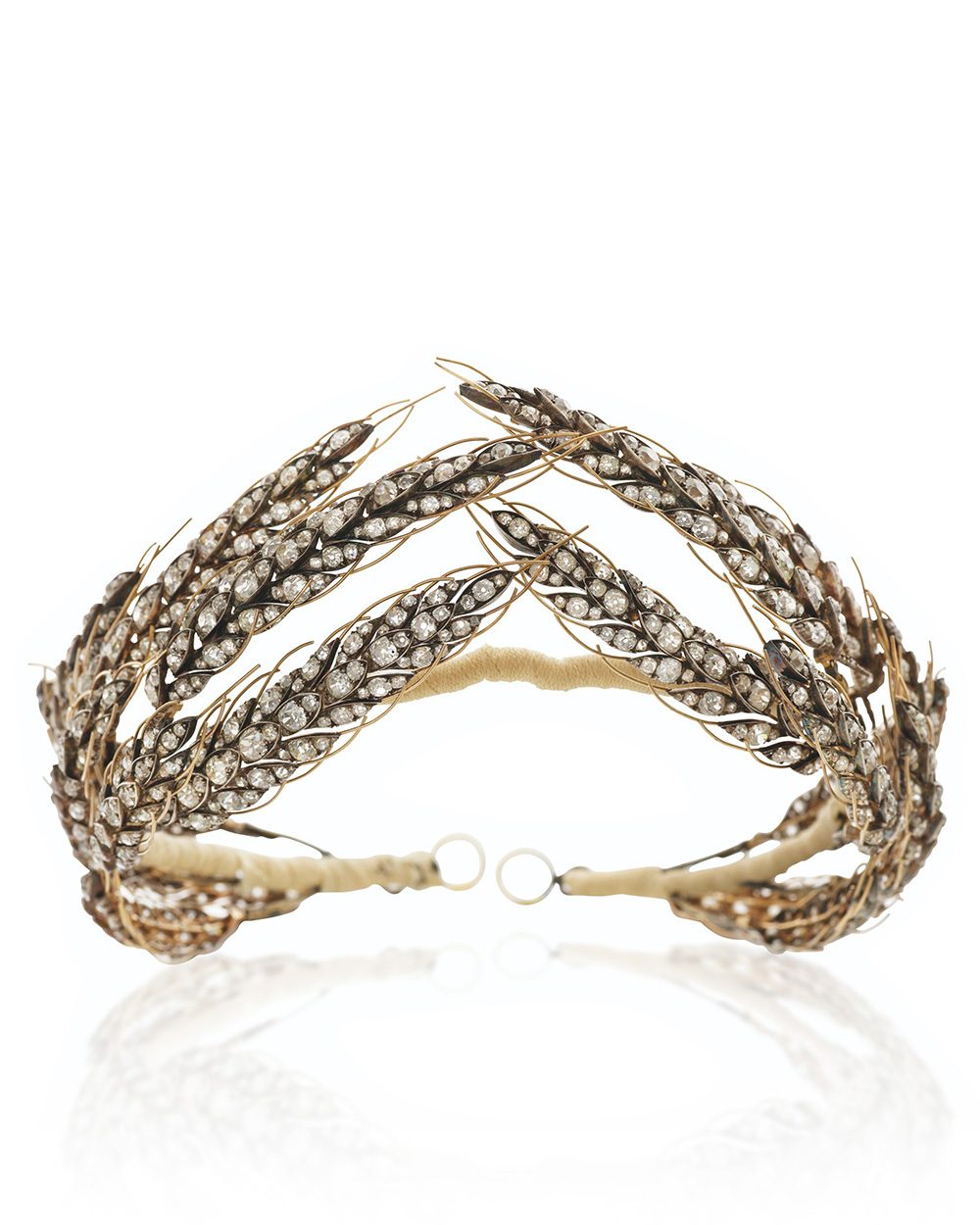
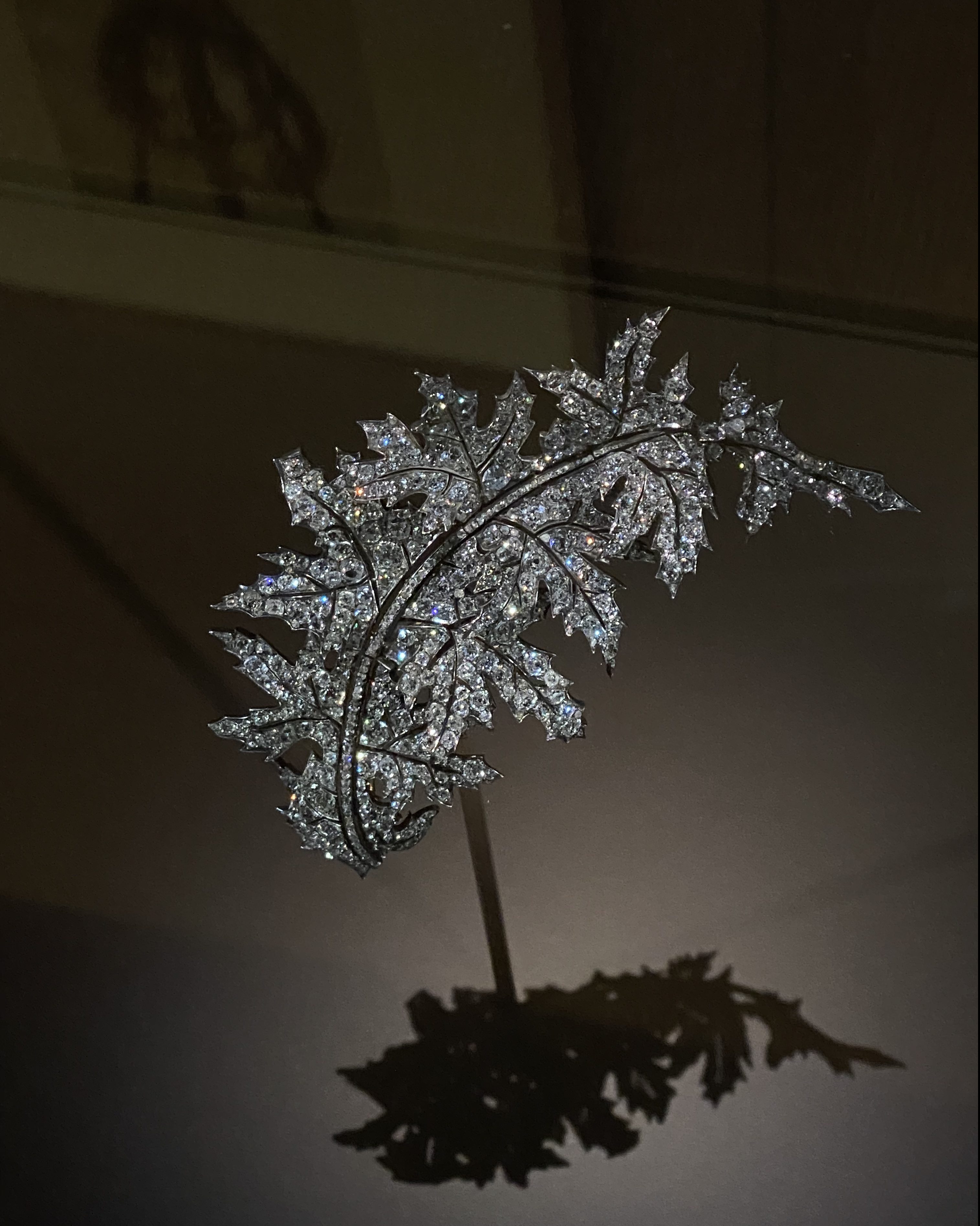
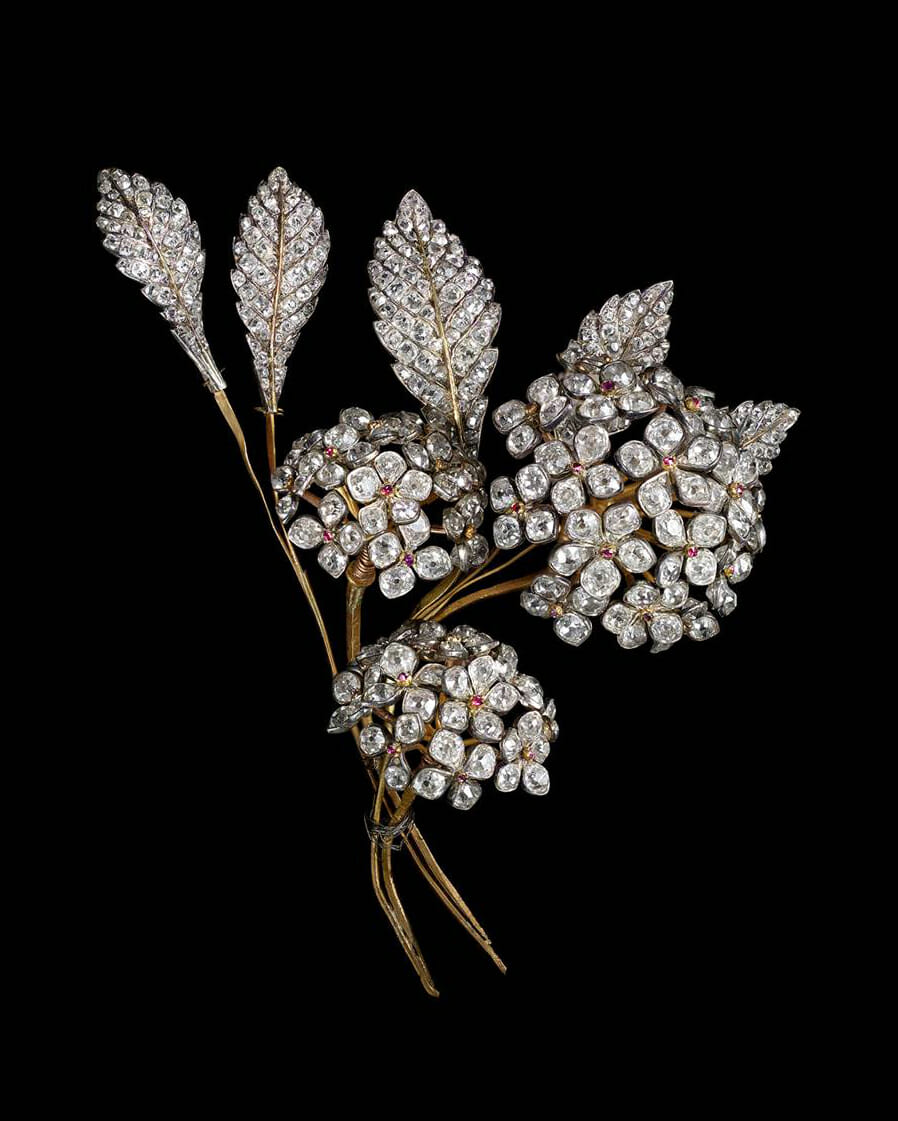
Nitot’s designs for the imperial couple often incorporated nature, as Empress Joséphine was a botanical enthusiast who maintained a sizable greenhouse housing the largest collection of plant species in Paris. In 1811, she commissioned Nitot to design a tiara with diamonds in the shape of wheat—a symbol of prosperity (this also marked the beginning of a tiara craze driven by her unwavering influence).
Nitot, also eager to oblige Napoleon, created beautiful bee-centric pieces that aligned perfectly with France’s floral symbol, the fleur-de-lys, due to their similar shape. The bee motif was embedded in many of the royal jewels, robes, and throughout their living quarters, and would remain an essential part of the brand for centuries to come.
“Empress Joséphine was essential to Chaumet’s nature-driven language because her taste favored grace, botanical beauty, and a softer, more romantic vision of adornment. Chaumet itself still presents Joséphine as a lasting muse, and the Bee de Chaumet collection is explicitly linked by the house to both nature and Joséphine’s love of the botanical world,” says Kulic.
How the Bee de Chaumet Motif Evolved
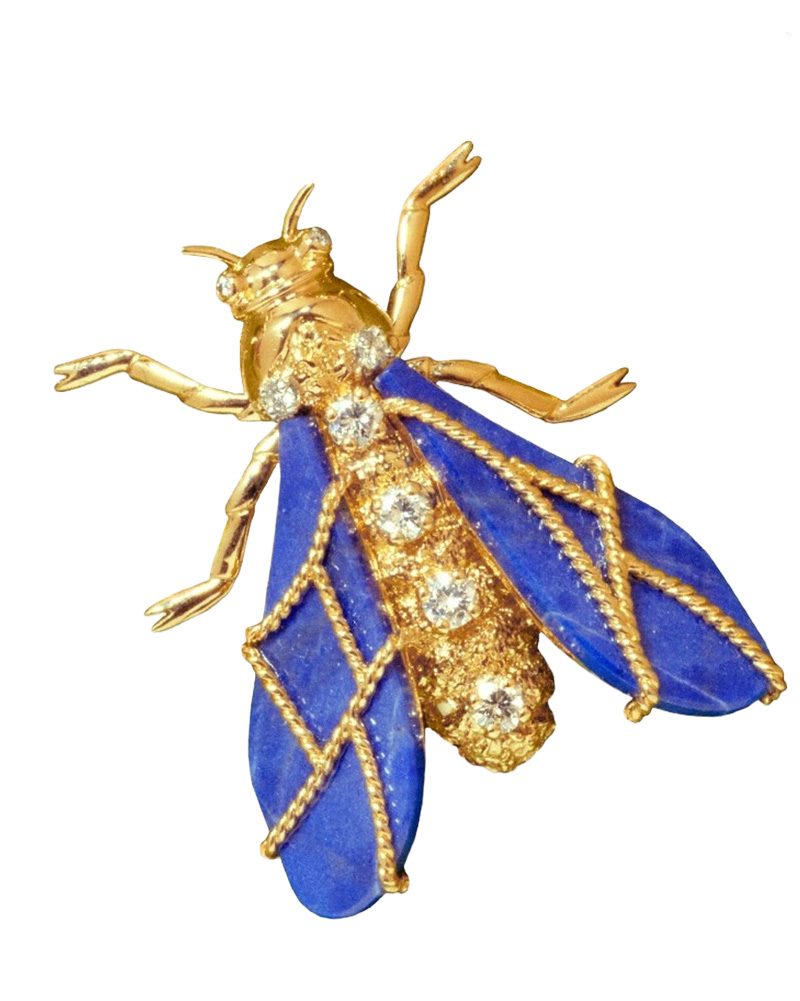
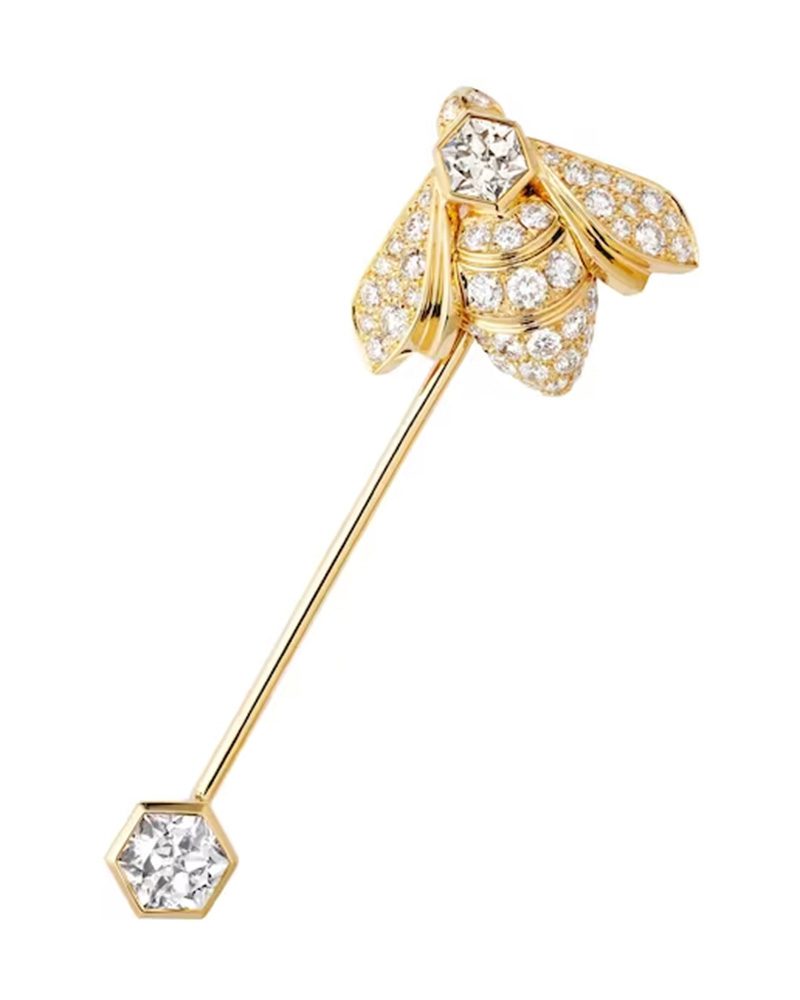
There has been a beautiful evolution when it comes to Chaumet’s use of the bee motif from naturalistic to exquisitely geometric. You can especially see this in their vintage brooches, which exhibit the dynamic and expressive energy of the bee.
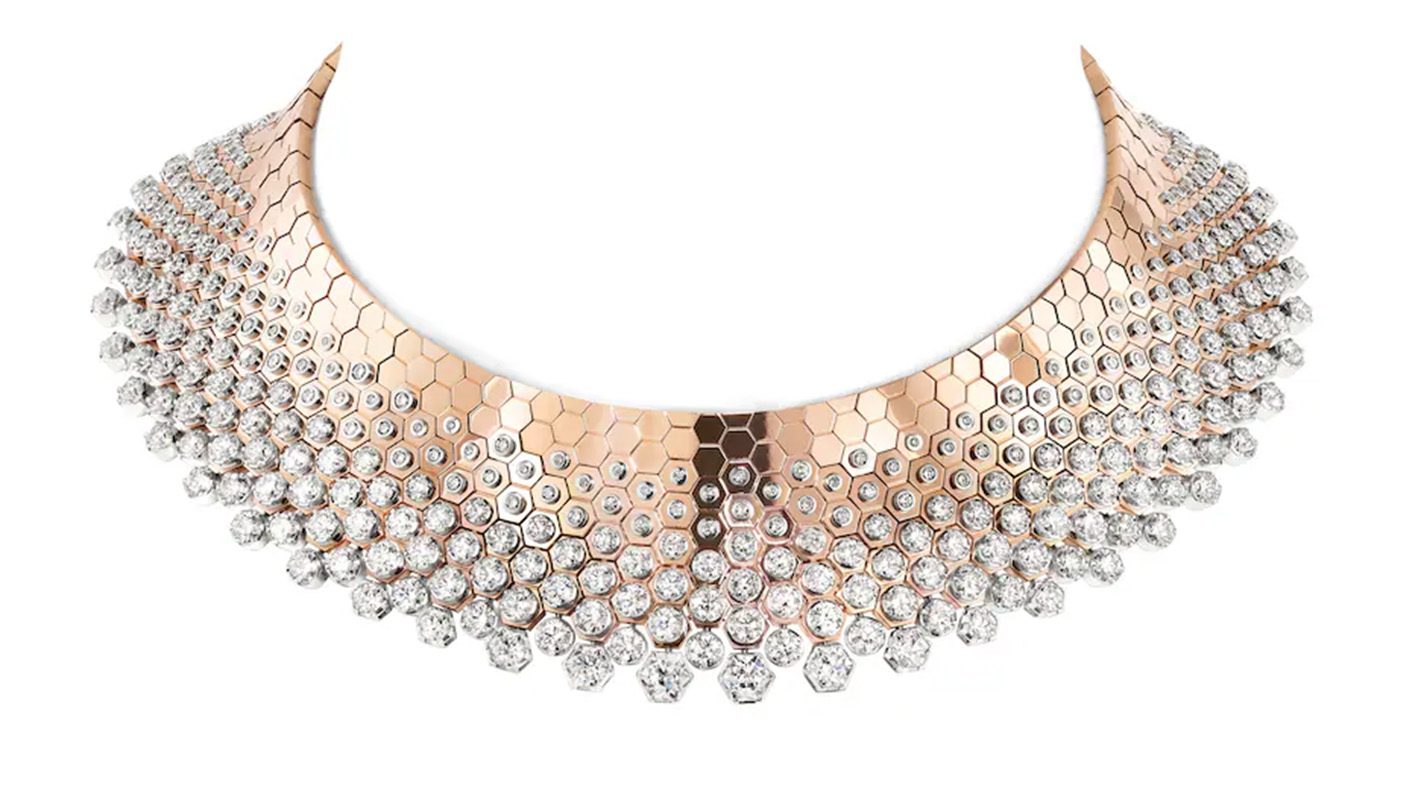
In addition to the bee itself, the honeycomb has also been a part of Chaumet’s design offerings since the 18th century, as it represents eternity and protection. Eventually, around the late 1970s, the collection began to integrate the diamond-encrusted hexagon design, and their signature honeycomb bracelets are a prime example of this. The honeycomb shape is also seen in pendants, necklaces, pared-down studs, as well as drop earrings.
“The representation of the bee evolved from literal, naturalistic forms into a cleaner, more graphic language centered on honeycomb geometry,” Kulic says. “That shift reflects modern luxury design—less illustrative, more architectural. The idea remains the same, but the form has become sharper, more modular, and more adaptable to contemporary wear.”
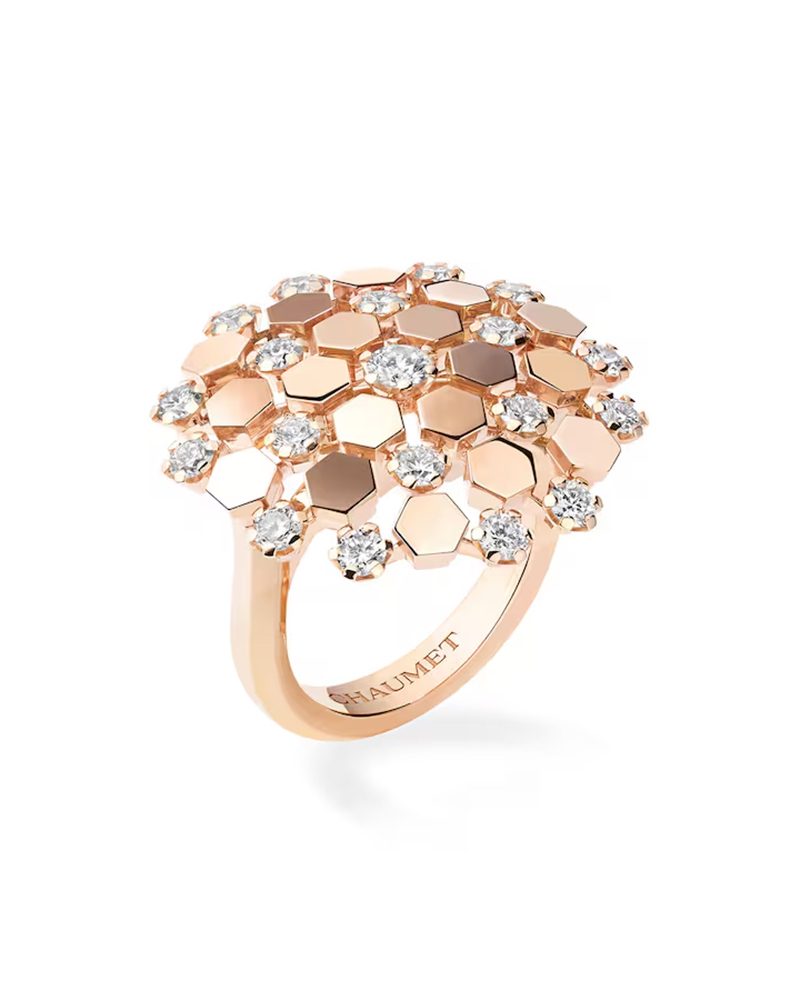
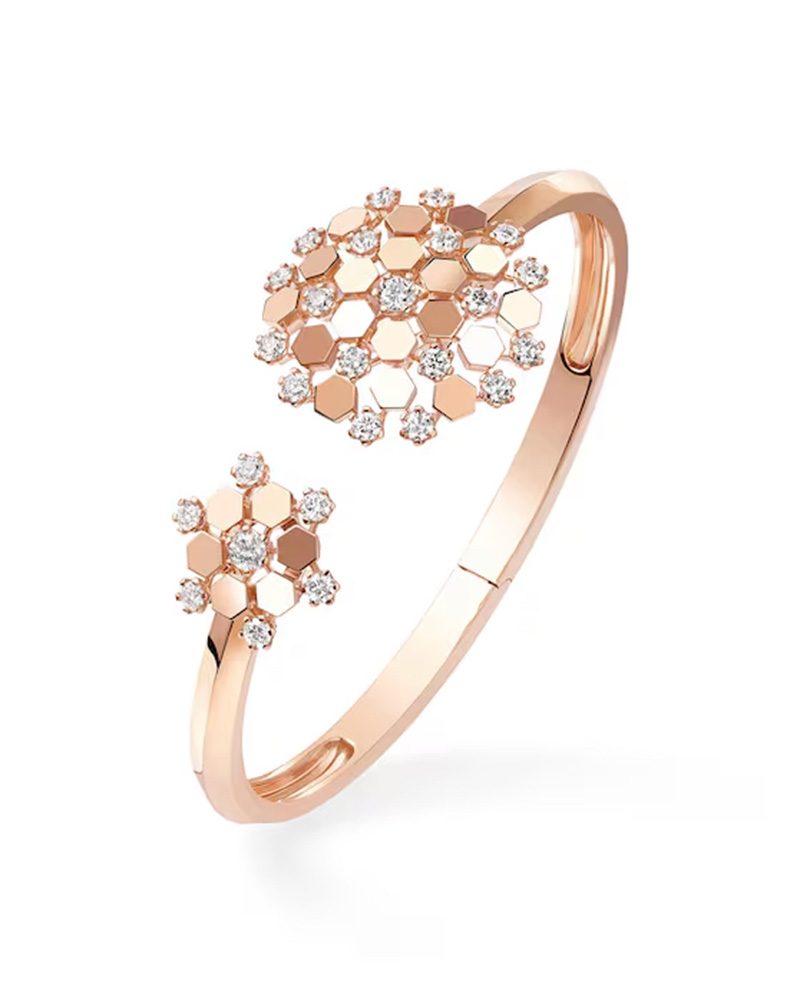
She explains that artisans translate this concept into high jewelry by using the hexagon as a repeatable architectural unit, where precision is key. “What seems simple is actually extremely controlled: spacing, proportion, symmetry, and stone placement all have to feel mathematically exact, while the final piece must still look light and alive. The success of Bee de Chaumet comes from making geometry feel sensual rather than rigid.”
Kulic adds that the hexagonal design leaves no room for error. “In gold and diamonds, every angle, junction, and stone seat has to align perfectly or the entire rhythm breaks. Precision is not just technical—it is a visual discipline.”
Rather than mimicking nature literally, Bee de Chaumet abstracts it. “The collection captures nature’s internal logic—repetition, structure, and harmony—and transforms it into polished modern jewelry. That is why it feels both organic and exact,” she explains.
From Bee My Love to Bee de Chaumet: The Modern Jewelry Icon
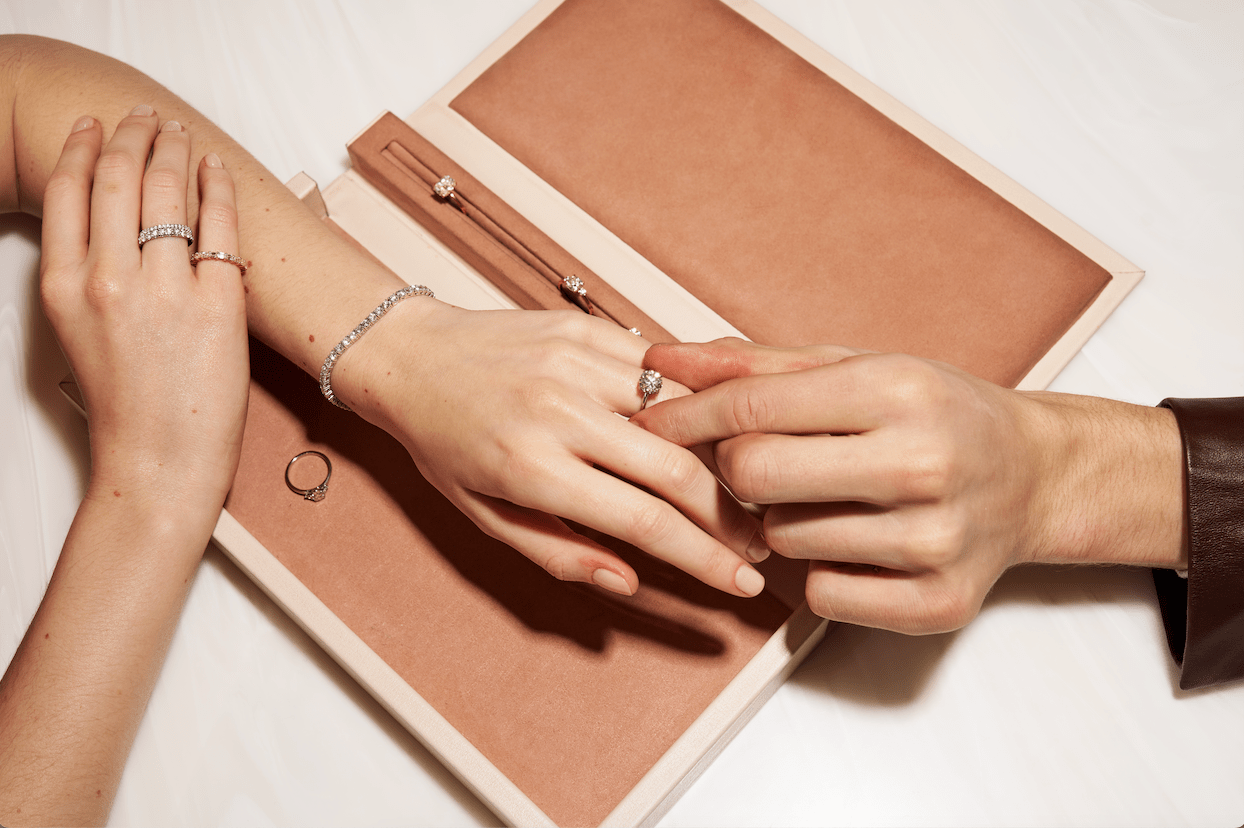
Chaumet introduced a new chapter in 2011 with the launch of Bee My Love, a modern reinterpretation of its iconic bee motif. The collection featured diamond rings, necklaces, bracelets, and pendants, often in a signature blue-toned palette. Designed with a younger audience in mind, the Bee My Love capsule also offered an alternative to traditional wedding bands—hence the emphasis on “love” as a way to appeal to those seeking less conventional bridal jewelry.
In 2024, the house subtly rebranded the line as Bee de Chaumet, expanding its focus beyond romantic love while retaining the signature bee motif. The updated collection introduced a broader range of bracelets, bangles, necklaces, and earrings defined by honeycomb-inspired lines in polished gold and diamond settings. A standout innovation was the Taille Impératrice cut—an 88-facet hexagonal diamond that enhances light reflection, giving each piece a heightened brilliance. The Bee de Chaumet collection also encourages mixing and matching, reinforcing its modular appeal.
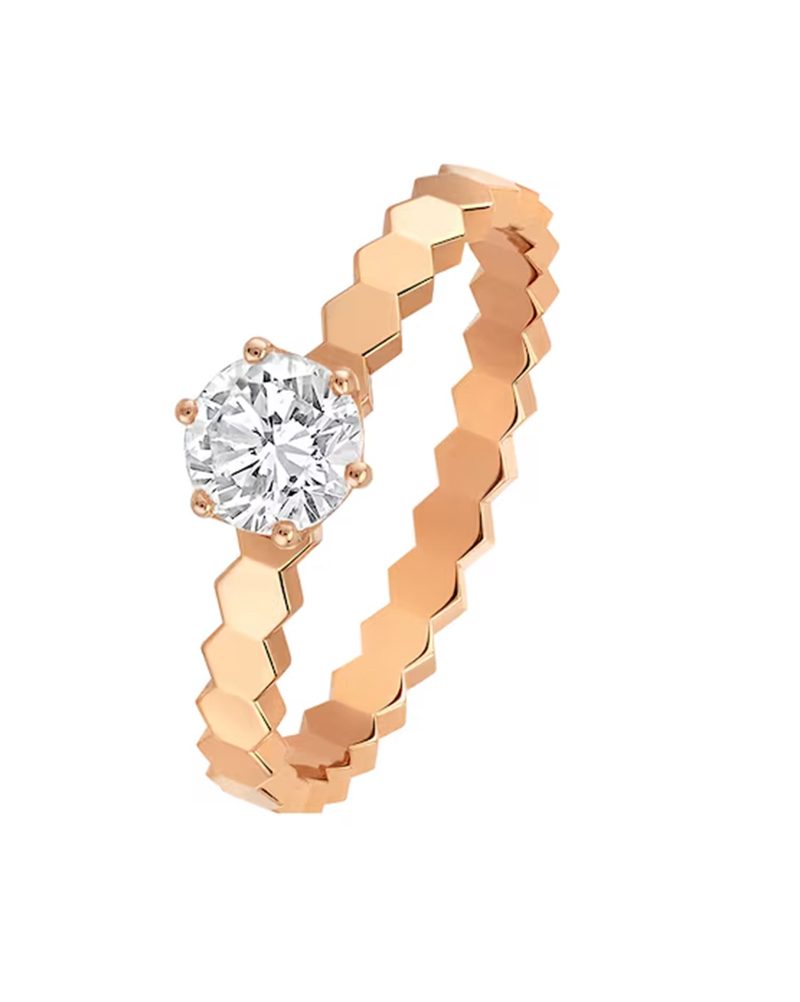
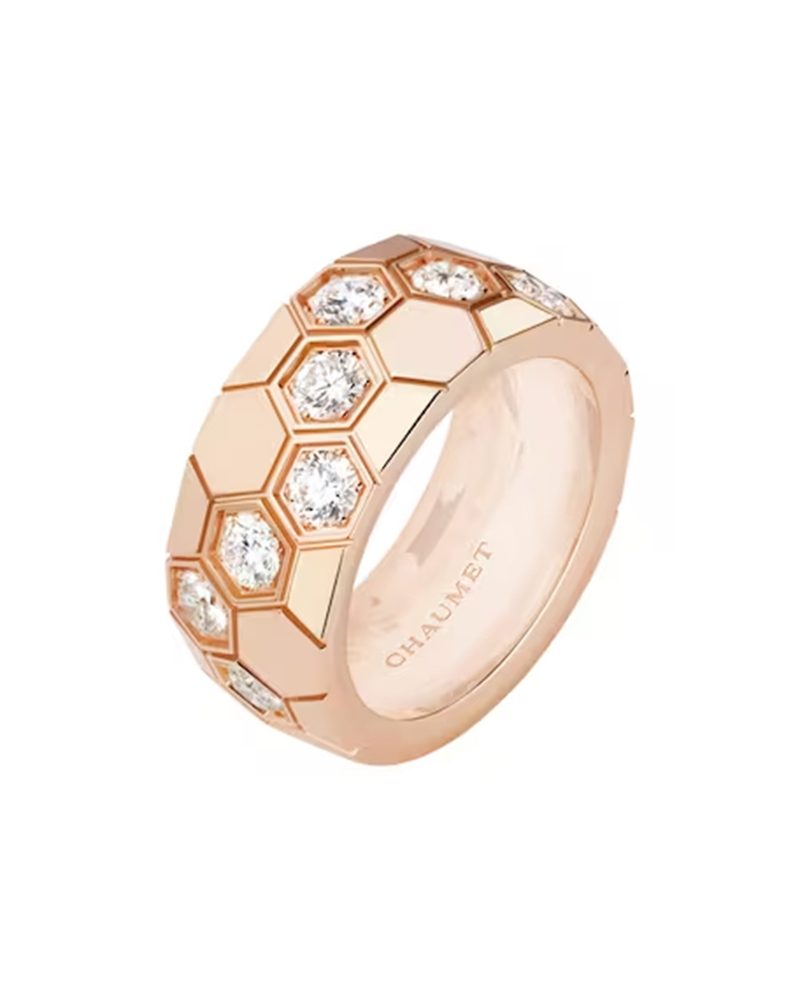
“The honeycombs diffuse an incomparable light, allowing those who wear them to shine together,” the brand notes on its website. Kulic adds that the hive concept naturally lends itself to modern styling through stacking and layering. “Individual pieces function like separate cells, but together they build a larger visual system,” she explains, noting that this modularity makes the collection feel both communal and personal.
She also points out that the repeated hexagonal planes create a more rhythmic distribution of light—“instead of one central focal sparkle, the eye receives a sequence of smaller flashes”—resulting in a more graphic, architectural brilliance.
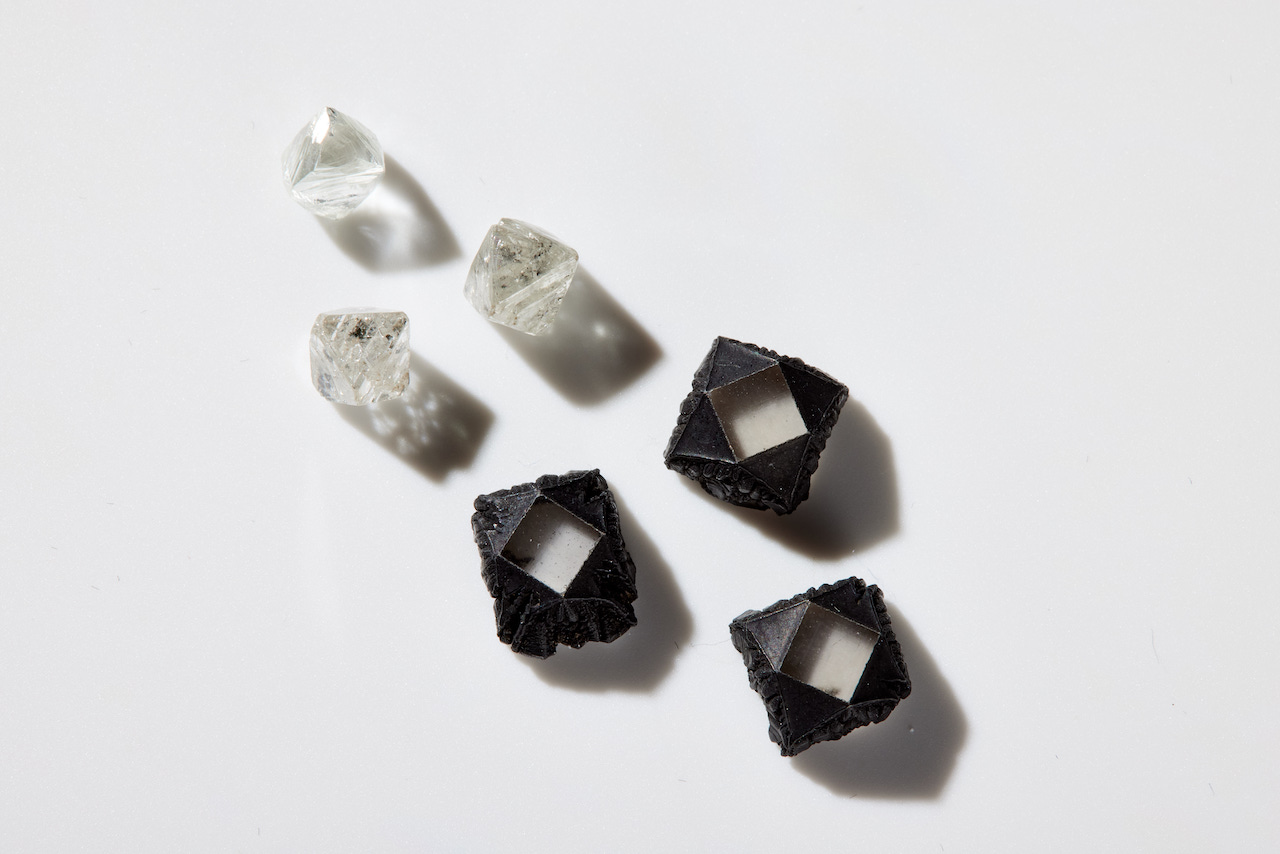
Kulic further emphasizes that natural diamonds deepen the concept, bringing “permanence, rarity, and light” to a motif already associated with endurance and connection. In Bee de Chaumet, they don’t simply embellish the design—they reinforce the idea that something ancient and natural can still feel distinctly modern.
The Bee de Chaumet’s Staying Power
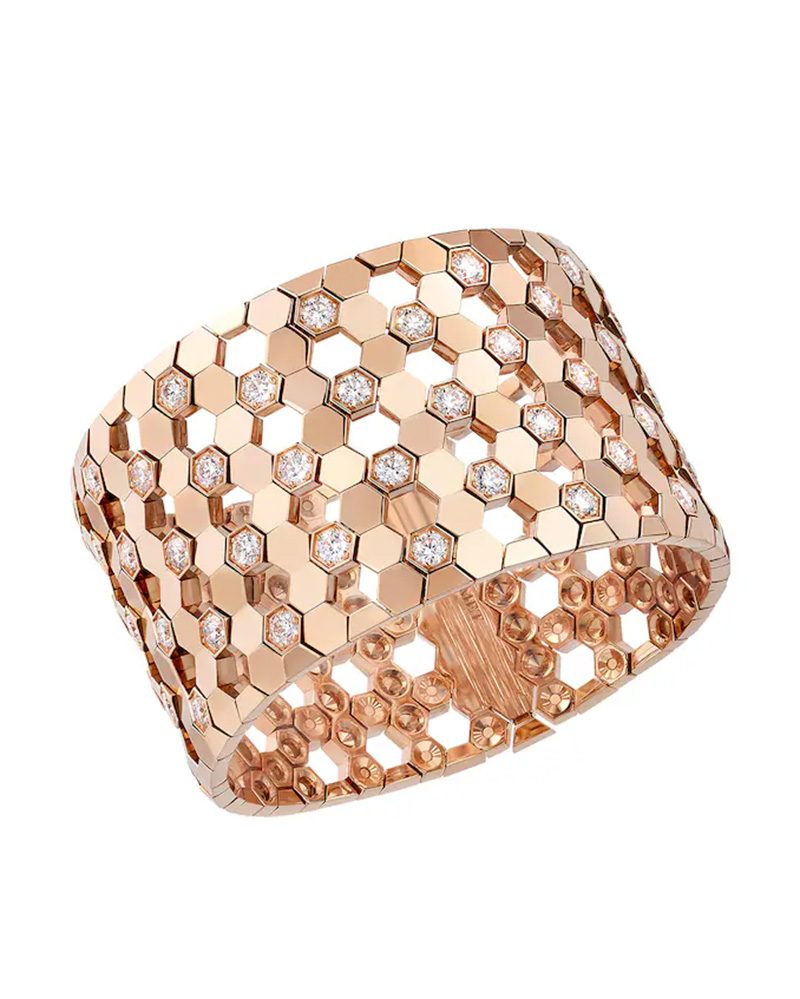
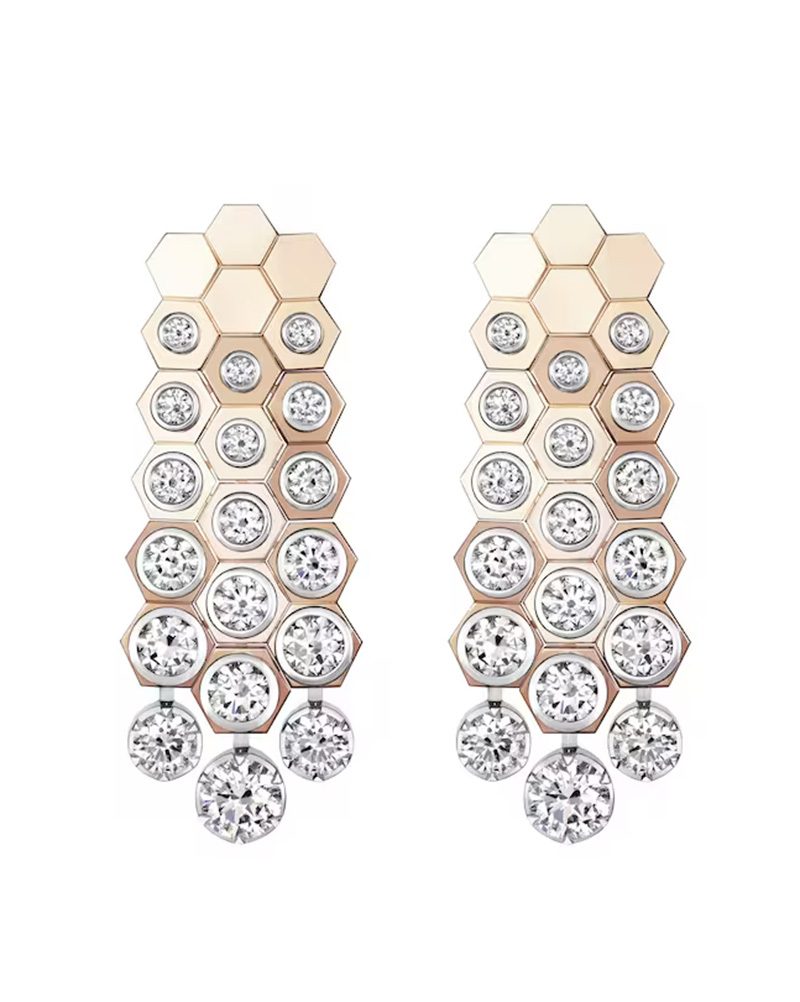
The Bee de Chaumet collection resonates with today’s consumer, who gravitates toward modular, stackable jewelry that blends symbolism with minimalism—and a sense of history. Kulic notes that the bee endures because of its layered meaning. “It suggests community, work, hierarchy, fertility, sweetness, discipline, and continuity,” she says. “Few animals in jewelry history are as symbolically rich and visually adaptable, which is why the motif can move seamlessly from imperial insignia to modern minimalism. The bee is both historical and emotionally legible.”
She adds that the bee also functions as a powerful house code, distilling Chaumet’s identity into a single emblem—one that connects Napoleon, imperial history, nature, Joséphine, and modern design clarity.
“Bee de Chaumet fits naturally into the maison’s broader narrative, which has long drawn on living nature and court symbolism,” Kulic explains. “The bee links to imperial history while sitting comfortably alongside florals, wings, and other organic motifs. It reflects Chaumet’s ability to balance natural grace with ceremonial grandeur.” She believes the motif will continue to evolve, but notes that it has already achieved timeless status. “Its history is secure, yet its form remains flexible—it can become more abstract, sculptural, minimal, or ornate without losing recognition. That’s usually the sign a motif has moved beyond trend into a true house code.”