

Why Are Natural Diamonds More Expensive Than Lab-Grown Diamonds?
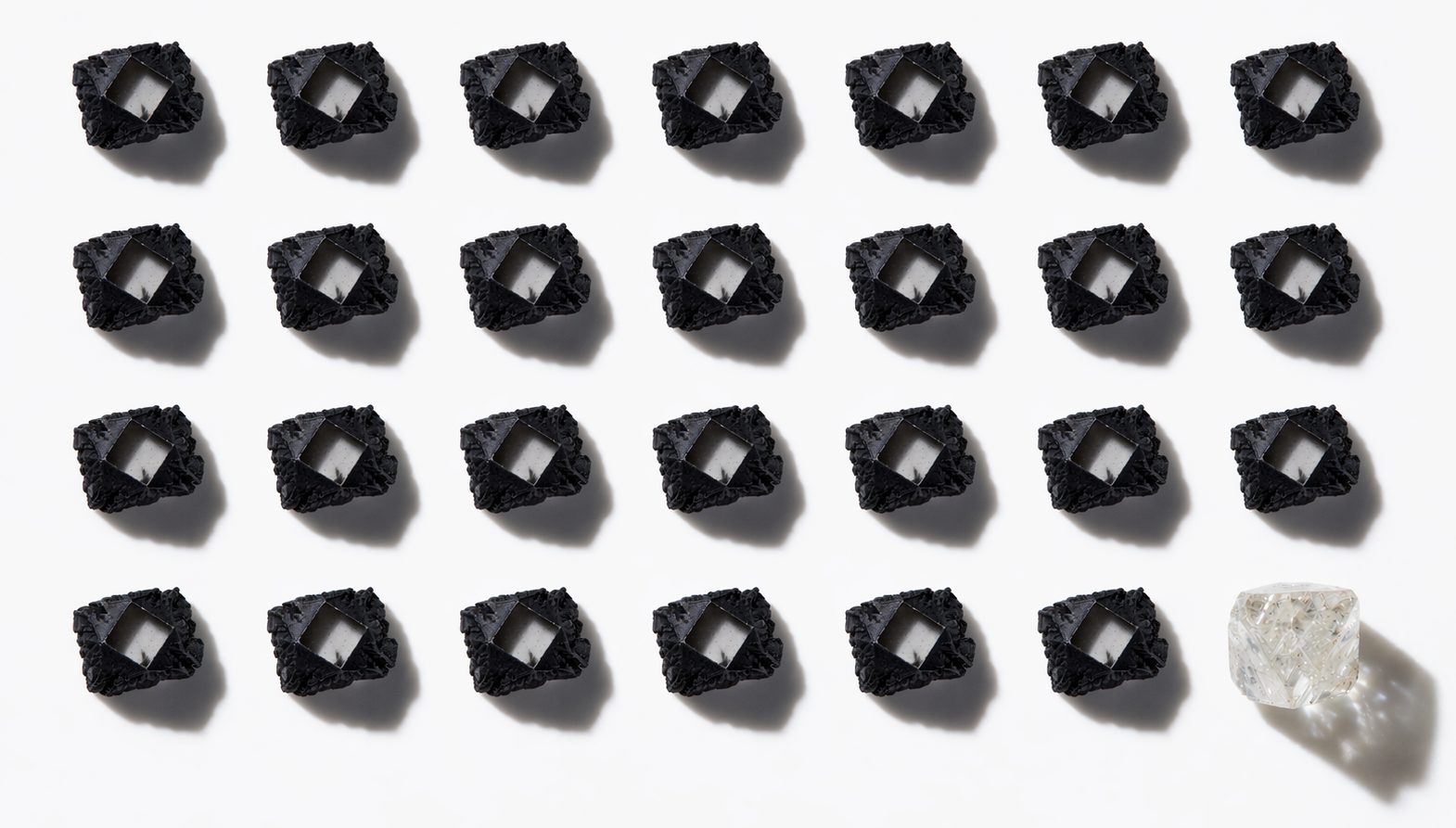
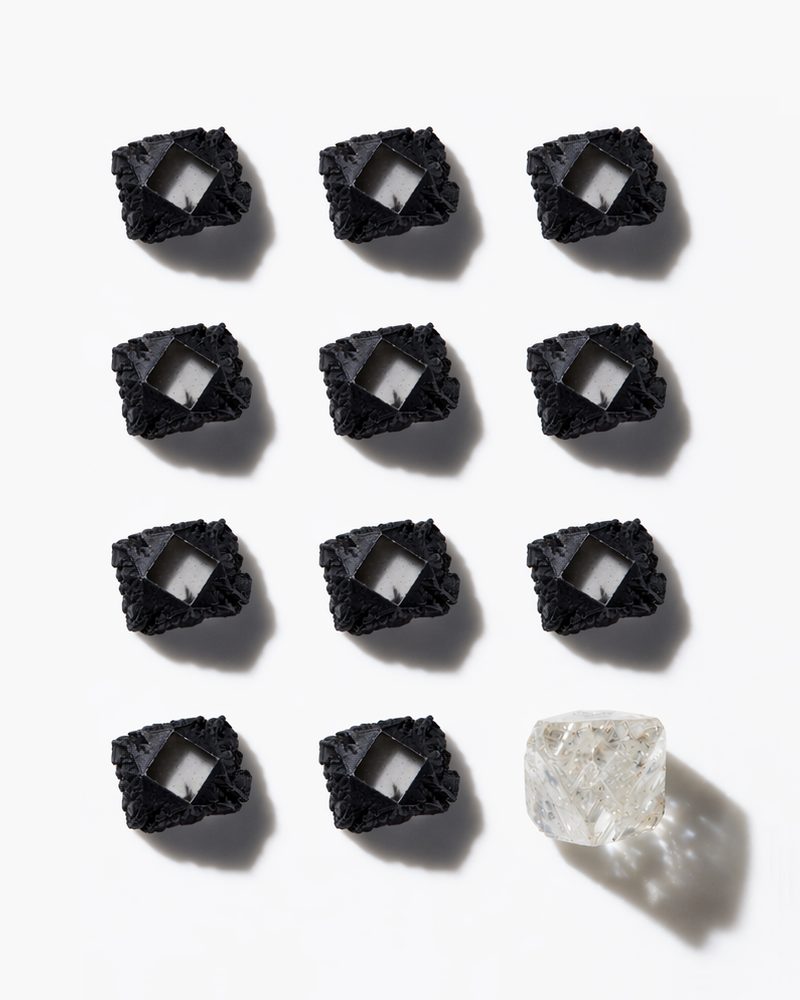
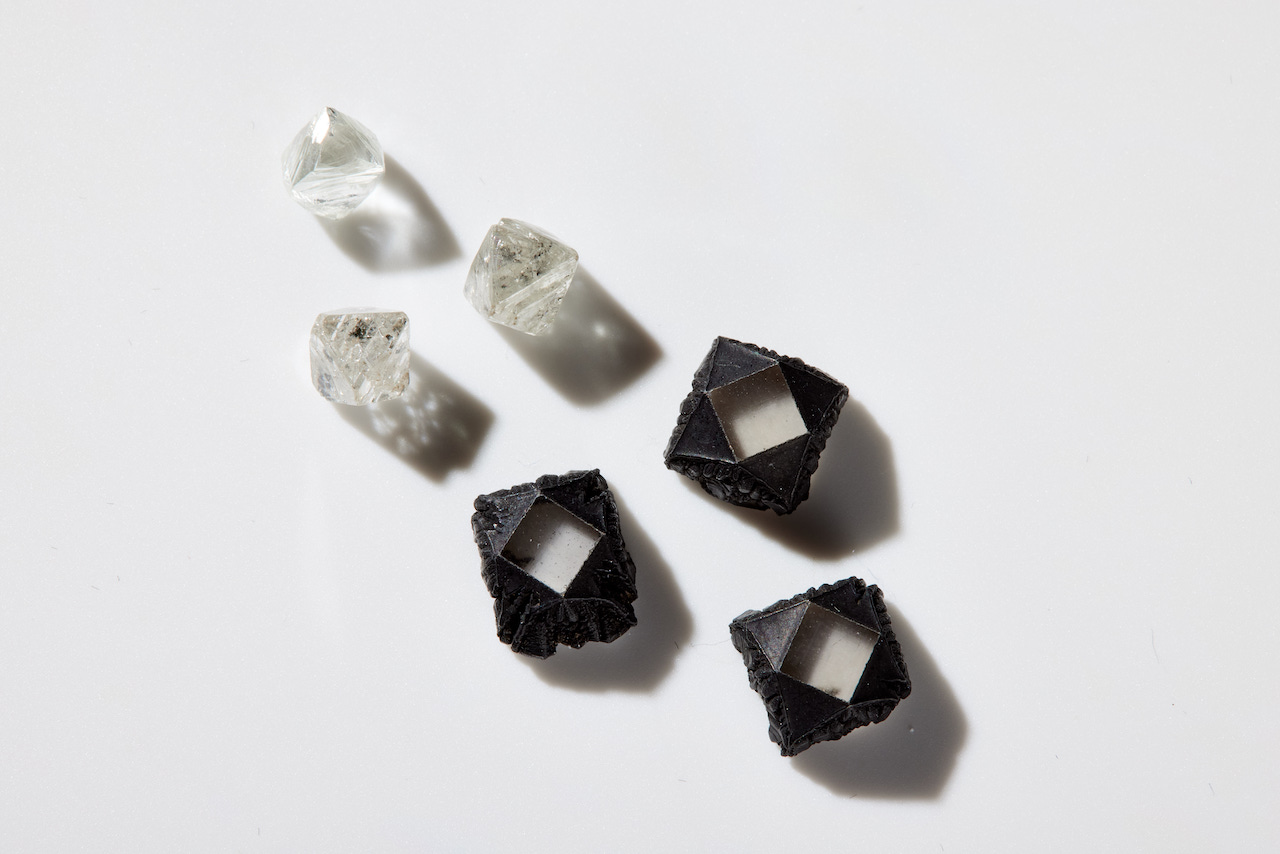
Rough lab-grown diamonds and one rough natural diamond. (Natural Diamond Council)
If you have spent any time shopping for diamonds recently, you have probably noticed that lab-grown diamonds cost significantly less than natural ones — sometimes 80 or 90 percent less for a stone that looks the same to the naked eye. That price gap raises a fair question: Why are natural diamonds more expensive than lab-grown diamonds?
While natural diamonds are more expensive, they are not reserved for only the highest budgets. Natural diamonds exist at virtually every price point, from more accessible stones to the priceless gems coveted by collectors.
So, what exactly are you paying for when you buy a natural diamond? Is it worth it?
Meet the Expert

- Grant Mobley is the Jewelry & Watch Editor of Only Natural Diamonds.
- He is a GIA Diamonds Graduate.
- He has over 17 years of jewelry industry experience, starting with growing up in his family’s retail jewelry stores.
The answer comes down to one word: rarity. And understanding rarity is the key to understanding everything about how natural diamonds are priced.
Rarity Is the Foundation of Diamond Value
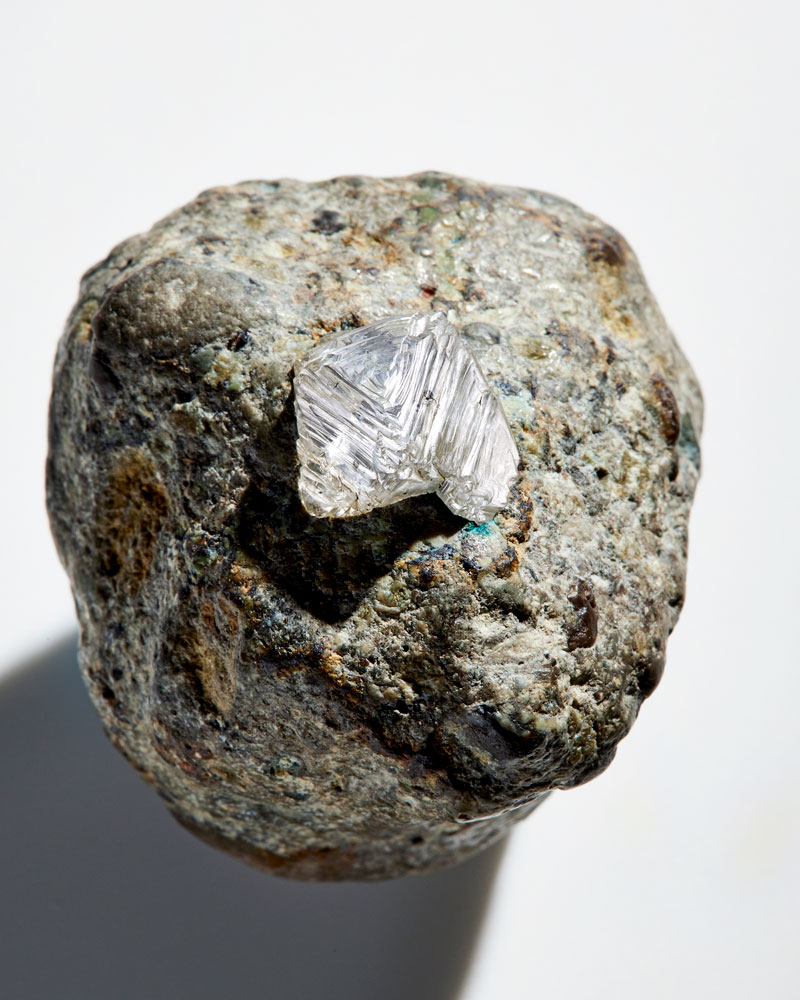
Natural diamonds formed between one and three billion years ago, deep within the Earth’s mantle under conditions of extreme heat and pressure. The Earth is not making more of them. Like gold, platinum, and other finite natural resources, the supply is fixed, and that finite supply is the foundation of their value.
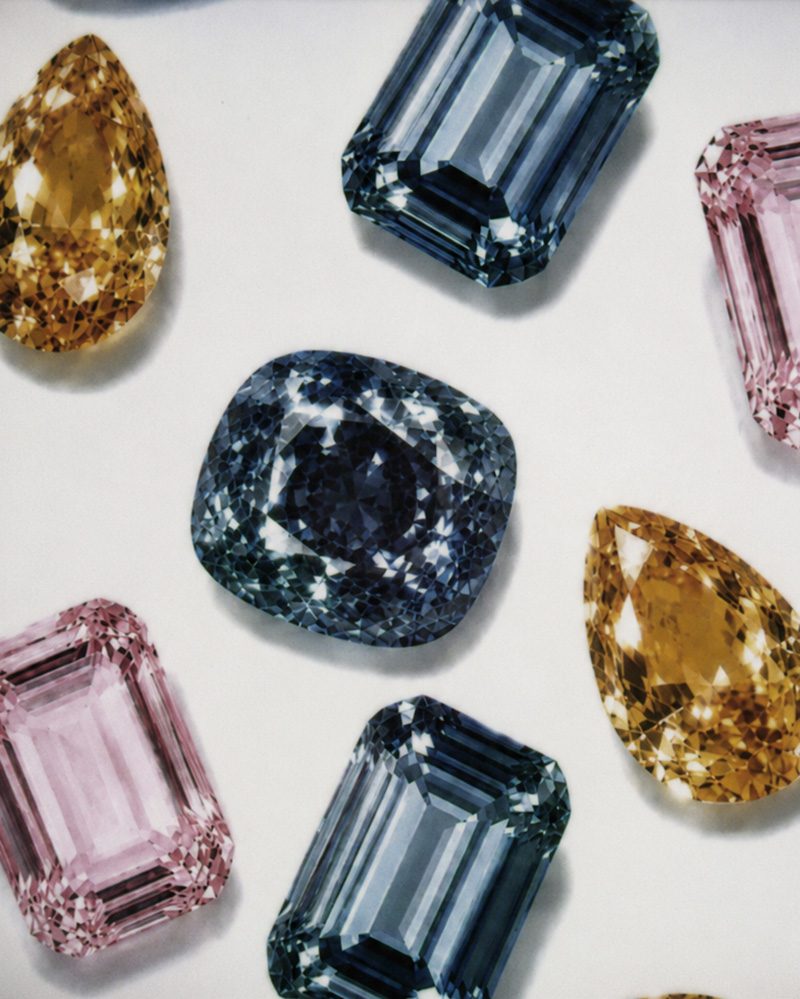
Within the world of natural diamonds, rarity works on multiple levels. A ‘D’ color, or completely colorless natural diamond, is very valuable because they are exceptionally rare to find. The further down the color scale you go, the more common those stones are in nature, which is precisely why they cost less.
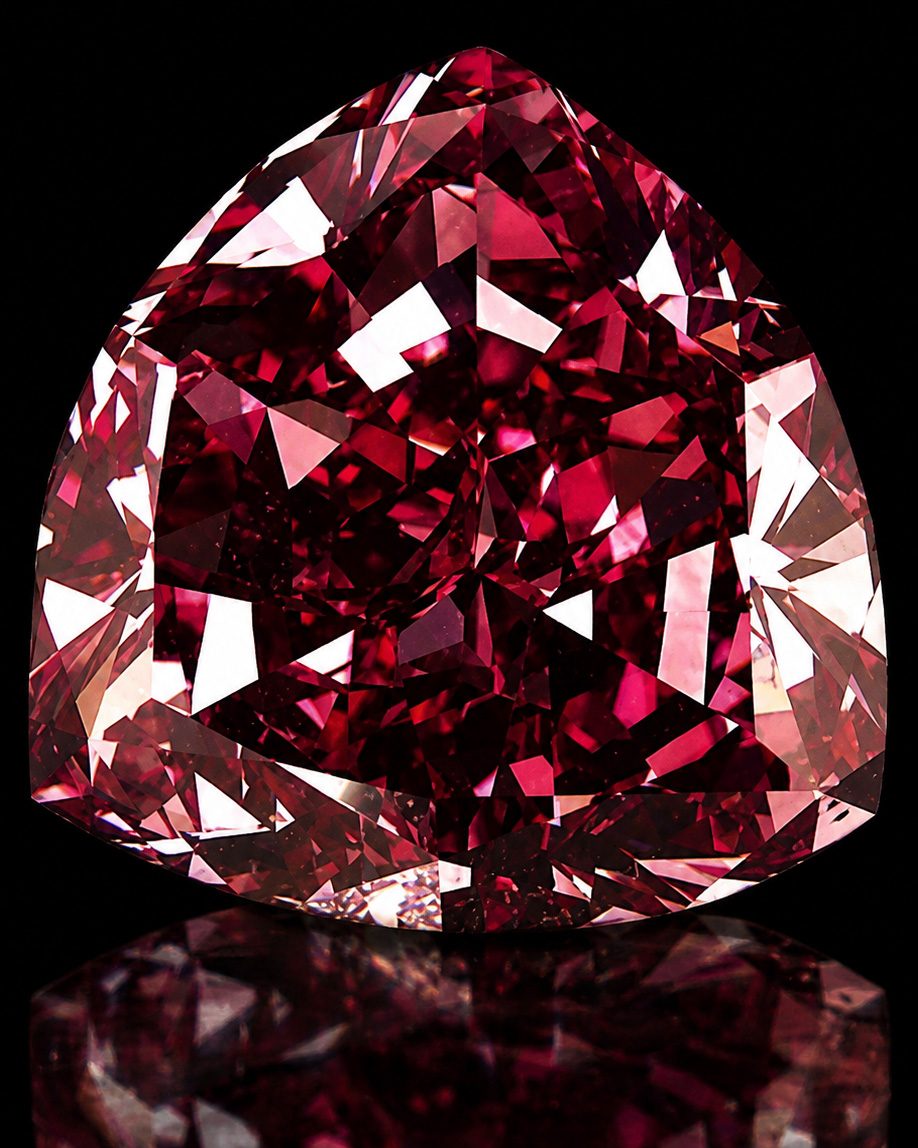
The same logic applies to clarity. A flawless natural diamond, one with no internal inclusions, commands a premium because nature rarely produces them. Diamonds with more common clarity grades cost less because they are, in fact, more common. Every price difference you see for a natural diamond reflects something real about how rarely that particular combination of characteristics occurs in nature. All of these characteristics mean that you can find a natural diamond at virtually any price point, no matter your budget.
What It Actually Takes to Recover a Natural Diamond
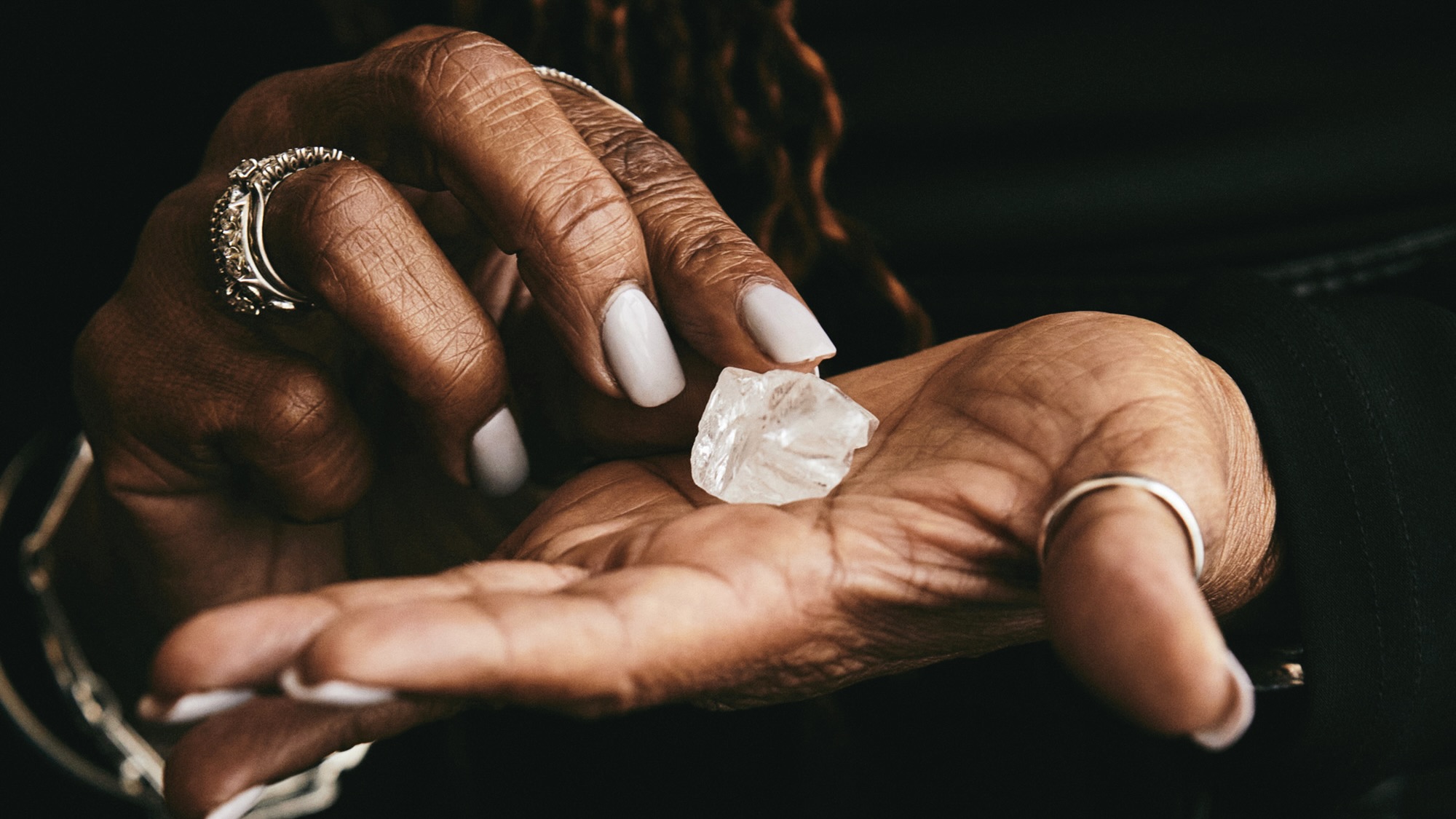
Beyond rarity, there is a cost to recover natural diamonds. From the moment a diamond deposit is discovered, it typically takes around ten years and a large investment before a mine produces a single diamond. The infrastructure, technology, environmental planning, and labor involved factors into the value of the finished stone.
Lab-grown diamonds, by contrast, are a manufactured product. Their price reflects the cost of production and the manufacturer’s profit margin exactly like any other factory-made item. Because manufacturing technology improves and becomes cheaper over time, lab-grown diamond prices have dropped sharply, losing more than 80 percent of their value over the last few years alone. Natural diamond prices, meanwhile, have historically appreciated by approximately 3% per year over several decades. This track record is consistent with other finite natural resources.
The Real-World Impact of Buying a Natural Diamond

There is another dimension to the value of natural diamonds that rarely gets enough attention: the impact they have on the communities where people recover them.
The natural diamond industry directs approximately 80 percent of the value it generates back into the regions where mining takes place. In Botswana, the world’s largest natural diamond-producing country, diamonds represent 40 percent of GDP and 90 percent of exports. The industry funds the national education system, supports healthcare infrastructure, and has helped make Botswana one of the fastest-growing economies in the world and the highest-GDP-per-capita country on the African continent. Similar stories play out in Namibia and northern Canada, where natural diamond mining drives economic development in communities that would otherwise have limited access to it.
Environmental stewardship is equally serious. Natural diamond miners set aside at least three times more land for conservation than they use for recovery, protecting over 1,000 square miles of land globally.
Lab-grown diamonds, largely manufactured in China and India using coal-powered energy, deliver most of their financial benefit directly to the manufacturing companies rather than to any broader community.
Natural Diamonds and Lab-Grown Diamonds Are Not the Same Product

One more thing worth understanding: natural diamonds and lab-grown diamonds, despite sharing the same chemical and optical properties, are not identical and are always distinguishable. Any reputable diamond testing device can tell them apart. GIA, the world’s leading authority on diamond grading, officially moved to separate the two. Now, a GIA grading certificates clearly identify whether a stone is natural or lab-grown. By law, any retailer selling a lab-grown diamond must disclose that fact to the consumer.
A natural diamond carries three billion years of geological history, a finite supply that the Earth will never replenish, a verified track record of value appreciation, and a meaningful connection to the communities and landscapes where it was born. A lab-grown diamond is a manufactured product, with a manufactured product’s relationship to value.
Diamond Price Vs. Value

The conversation around natural versus lab-grown diamonds often gets framed as a budget decision, but price and value are not the same thing. A manufactured item may carry a lower sticker price, but with unlimited supply and a sharp depreciation curve is a very different proposition from a natural product that has held and grown its value over time.
Natural diamonds aren’t just for big budgets. They are available at virtually every price point. A smaller natural diamond with genuine rarity, real history, and lasting value can mean more than a larger stone without those qualities. When you are choosing something meant to last a lifetime, that distinction matters.
When you understand the facts, the price difference between natural diamonds and lab-grown diamonds stops being a mystery.