

The Argyle Phoenix Broke Nearly Every Record for Natural Red Diamonds
Fewer than thirty true natural red diamonds are known to exist in the world. The Argyle Phoenix Diamond is the largest round brilliant fancy red diamond to come to auction, and it sold to Laurence Graff for more than double its estimate.
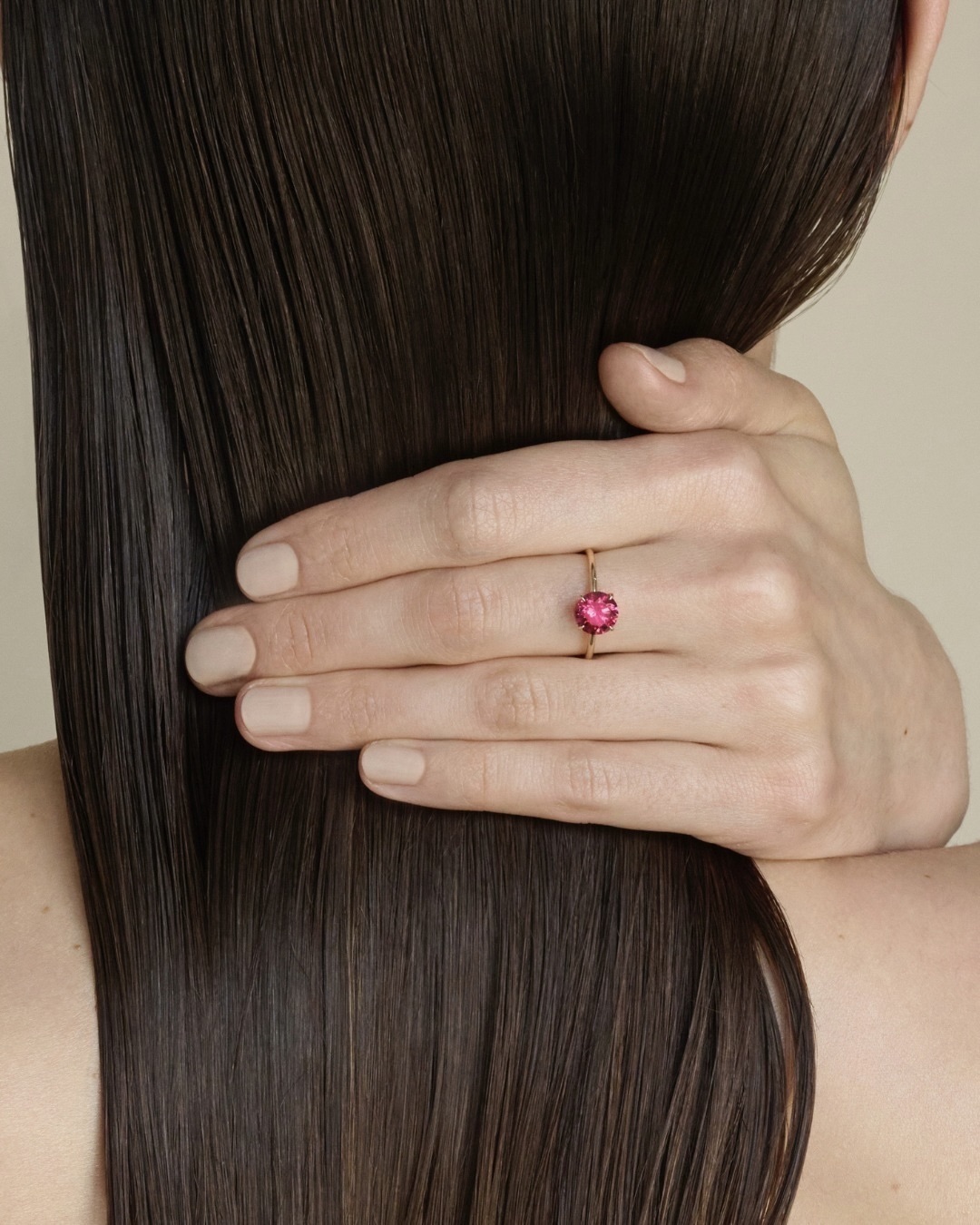
The Argyle Phoenix Fancy Red Diamond Ring (Courtesy of Phillips Auction House)
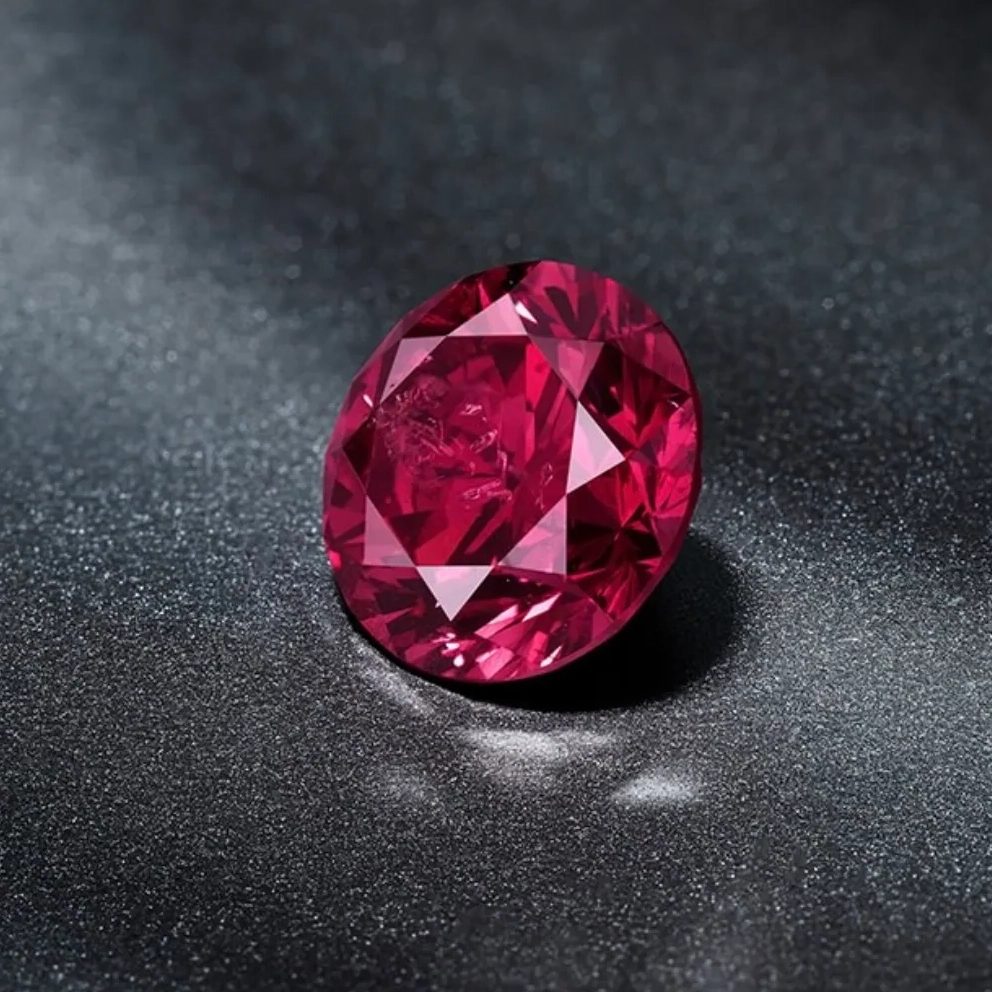
I have held a lot of famous diamonds. The Marie Therese, the Rock, the Golden Canary. Stones that weigh twenty, fifty, or even one hundred times more than the Argyle Phoenix Diamond. But when Phillips brought the Argyle Phoenix Diamond to New York in 2024 for its auction preview, I held that 1.56-carat stone and genuinely could not look away.
You would think that after years of seeing extraordinary diamonds up close, the initial shock of encountering something rare would give way quickly to analysis. Luckily for me, after all these years, I am still obsessed with natural diamonds, and it never gets old. However, with the Argyle Phoenix Diamond, the awe was on a level I’ve only experienced a couple of times in my career.
Meet the Expert

- Grant Mobley is the Jewelry & Watch Editor of Only Natural Diamonds.
- He is a GIA Diamonds Graduate.
- He has over 17 years of jewelry industry experience, starting with growing up in his family’s retail jewelry stores.
What hit me first was something harder to explain. The color stopped me cold. There is a depth and intensity to a true fancy red diamond that photographs simply cannot capture, and the Argyle Phoenix Diamond has it in a way I have never experienced in any other stone. You can feel the rarity. Holding it, I kept thinking: this is one of the most valuable things per gram that exists anywhere on Earth. That thought is easy to have about a diamond. With the Argyle Phoenix Diamond, you actually feel it with an unexplainable energy.
The Argyle Phoenix Diamond Broke Records at Phillips Geneva
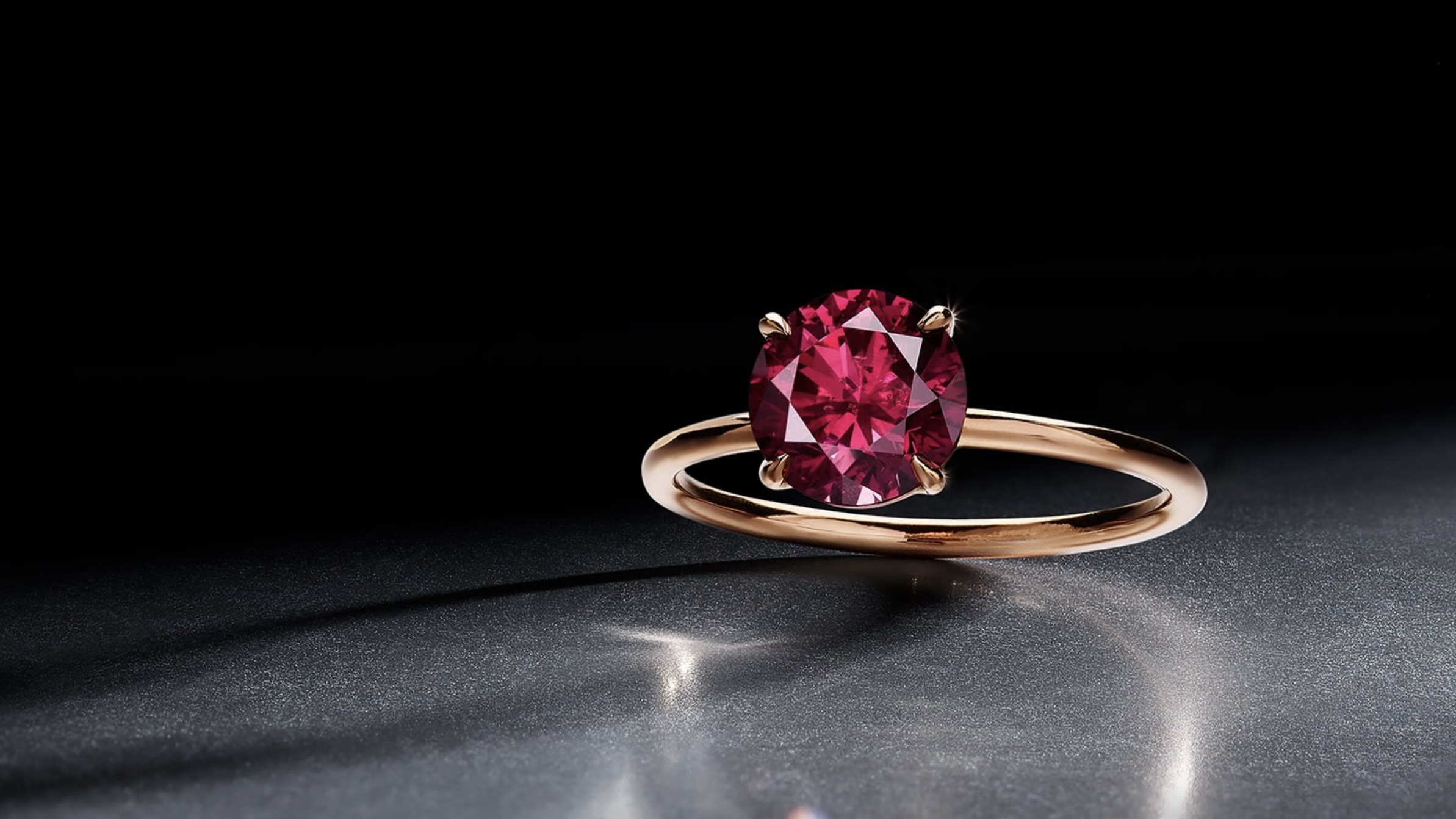
At the Phillips Geneva auction in 2024, the Argyle Phoenix Diamond sold to Laurence Graff, founder of Graff Diamonds, for CHF 3.8 million — approximately $4.2 million, or $2.7 million per carat. That figure more than doubled the pre-sale estimate and set two simultaneous auction records: the highest price ever paid for a fancy red diamond at auction, and the highest price per carat.
Graff has spent decades assembling some of the finest colorless and natural color diamonds ever found. His acquisition of the Argyle Phoenix Diamond feels fitting. A collector of his taste recognizes immediately what the rest of the room figured out: that stones like this one usually do not come back around anytime soon.
Why Red Diamonds Are the Rarest in the World
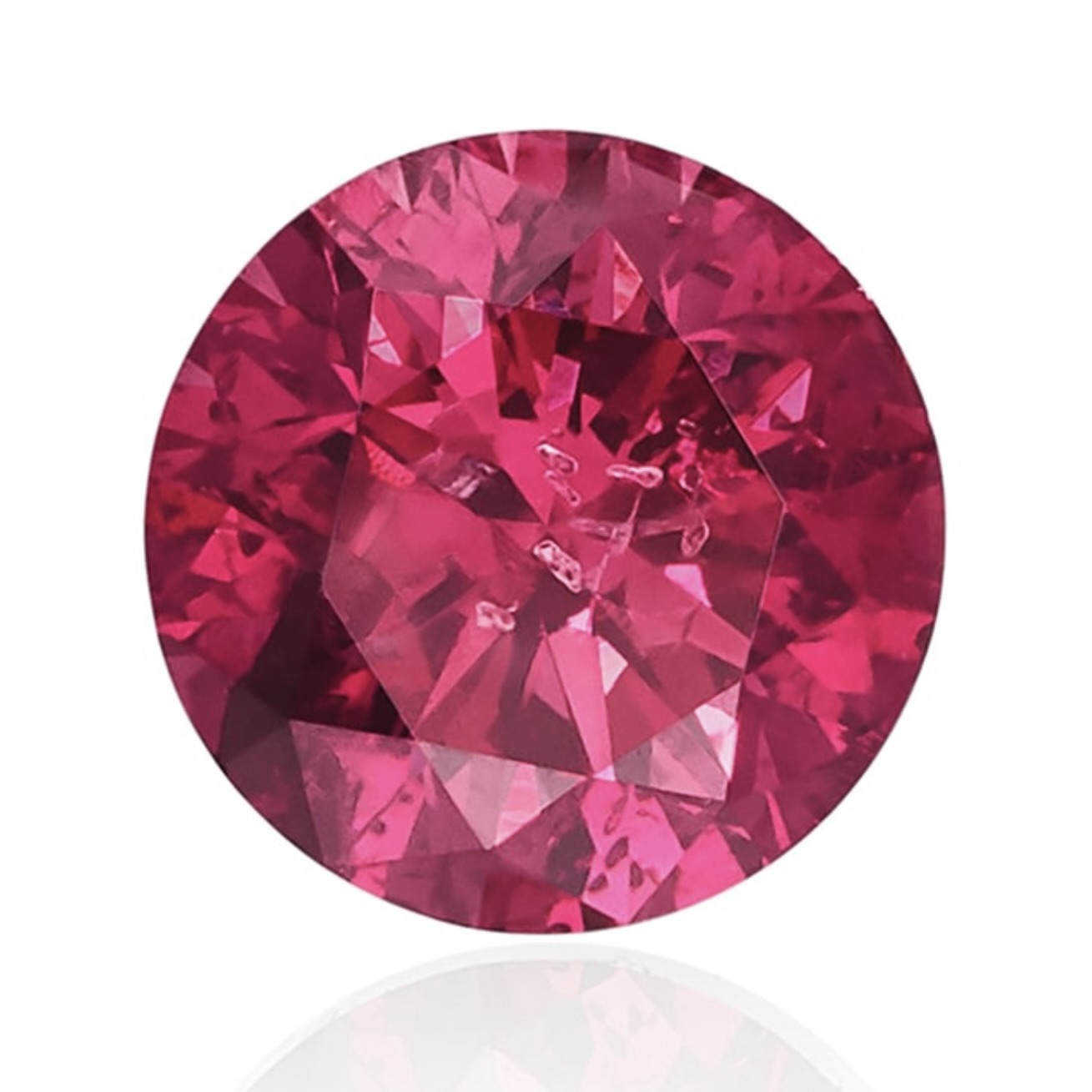
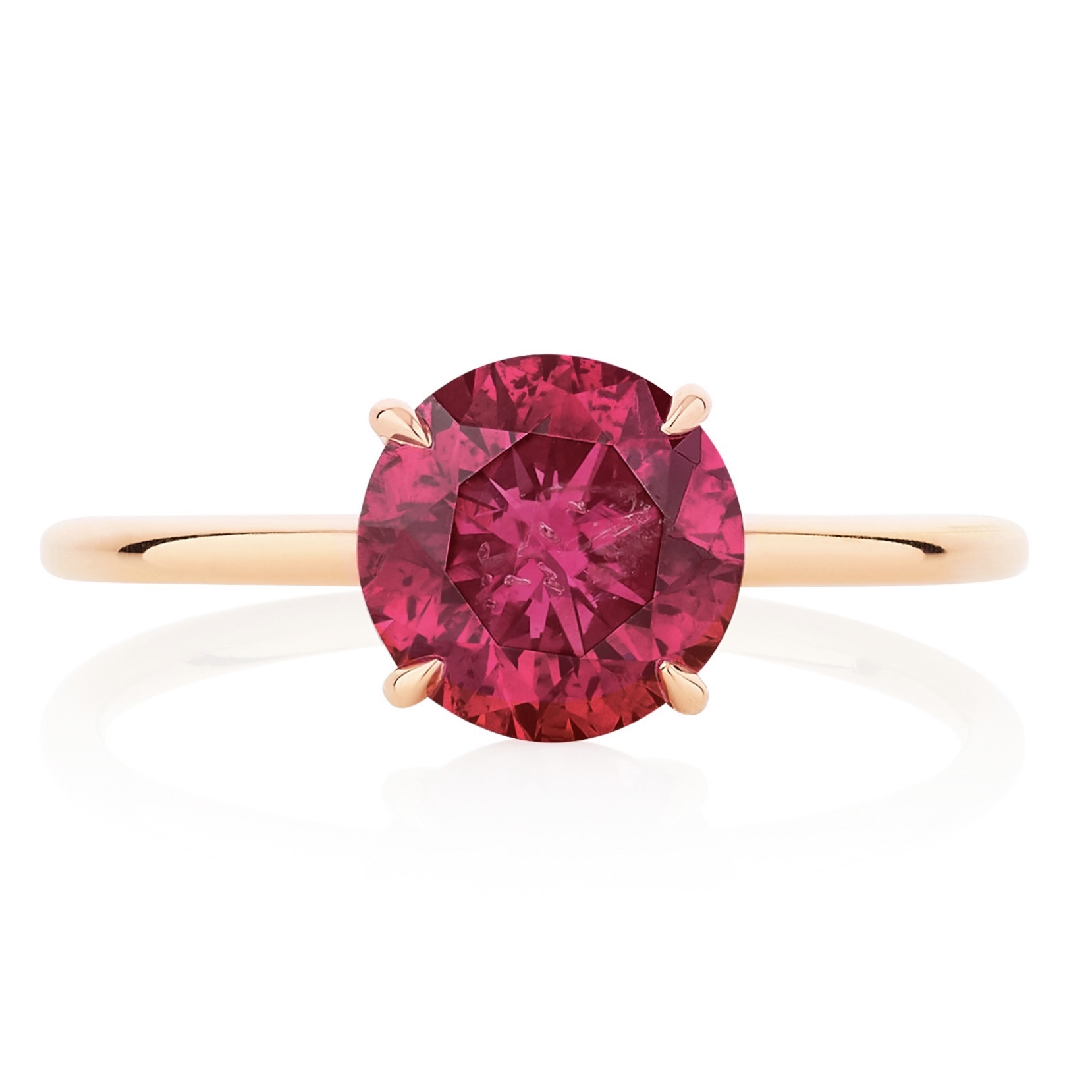
To understand why the Argyle Phoenix Diamond commands numbers like these, you need to understand where red diamonds sit in the hierarchy of rare things. The GIA has noted that only 0.4 percent of all natural diamonds graded over the last twenty years qualify as fancy colors. Of those, red is the rarest category of all. Fewer than thirty true natural red diamonds are known to exist in the world. Not thirty per year. Thirty total.
Most fancy color diamonds owe their hue to trace elements. Red diamonds are different. Scientists believe extreme crystal lattice distortion creates their color. This is the same structural phenomenon that makes pink diamonds pink, but pushed to a far more intense degree. Deep within the earth, after a diamond forms, extreme heat and pressure in all directions can shift the positions of carbon atoms within the crystal structure, causing them to absorb and reflect light differently. In rare cases, that shift produces a pink hue. In extraordinarily rare cases, it produces red.
The phenomenon is so uncommon that scientists cannot study it with the frequency required to understand it fully. Nature produces these stones so infrequently that they remain, in a very real sense, beyond complete scientific explanation.
The Argyle Phoenix Diamond Is Truly One of a Kind
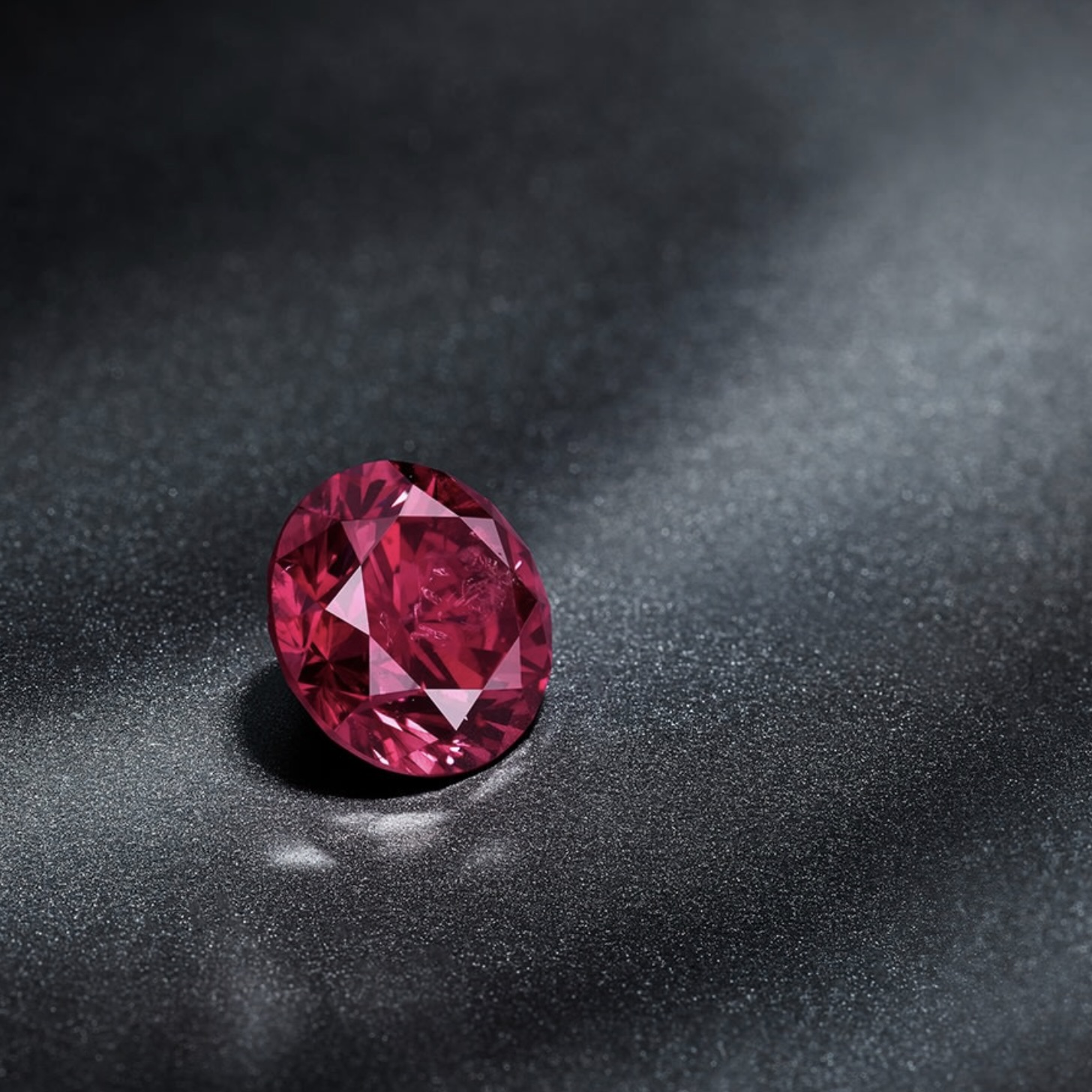
Red diamonds also grade differently from every other fancy color. Most colored diamonds come in a range of intensities, such as Fancy Light, Fancy, Fancy Intense, and Fancy Vivid. Red diamonds carry only one intensity designation: Fancy Red. There is no light red, no vivid red. The color either qualifies or it doesn’t. Red cannot appear as a secondary color. A diamond might grade as fancy purplish red or fancy orangey red, but red always sits in the primary position. Fancy Red alone is the rarest, and therefore the most valuable, designation in the entire GIA color grading system.
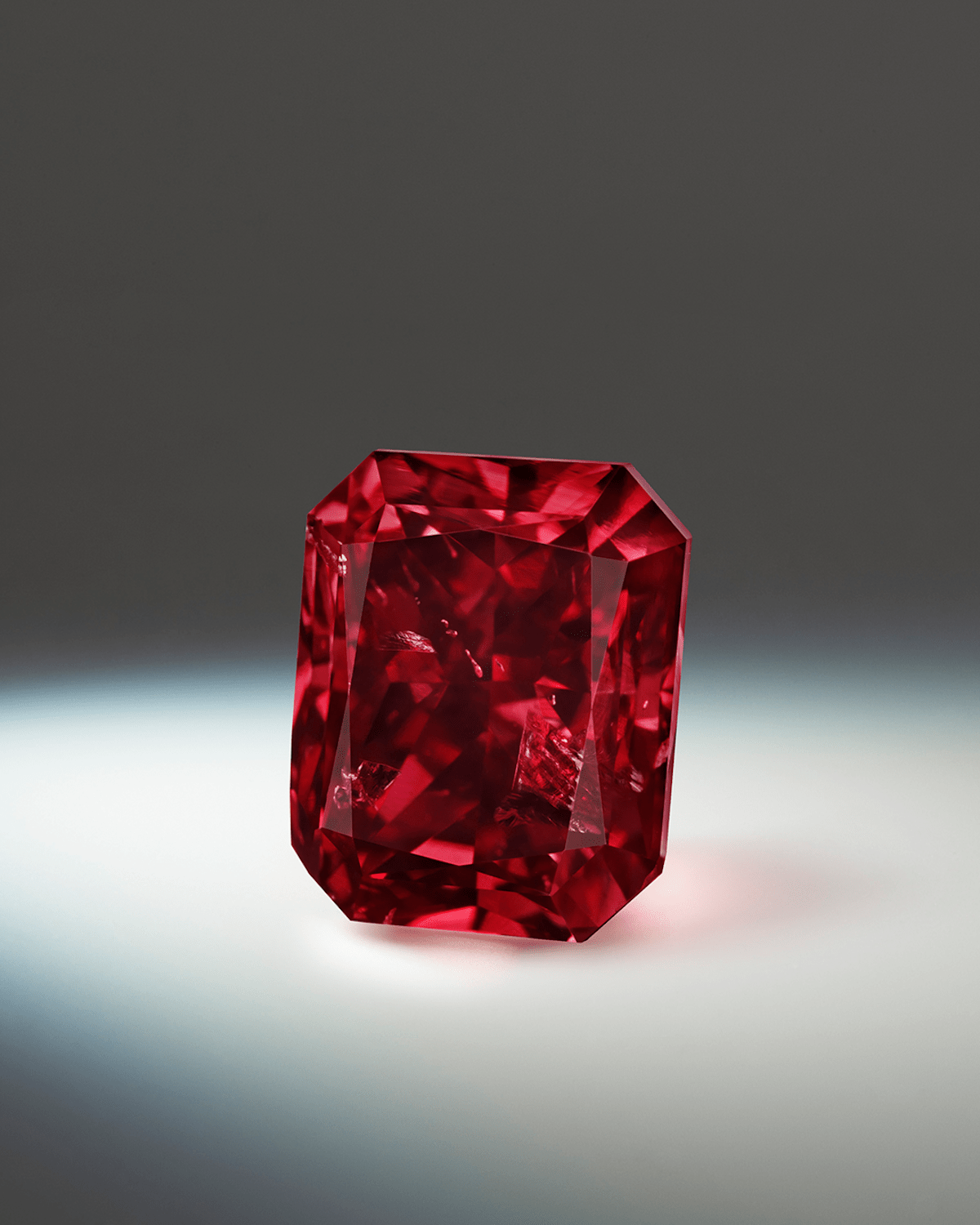
Most red diamonds also run small. The majority weigh under a carat. The Argyle Phoenix Diamond weighs 1.56 carats and, according to Phillips’ Worldwide Head of Jewelry Benoît Repellin, is the largest known round brilliant fancy red diamond. That combination of pure red, round brilliant, and 1.56 carats makes it genuinely one of a kind.
How the Argyle Diamond Mine Shaped the World’s Rarest Diamonds

The Argyle Phoenix came from the Argyle Diamond Mine in the East Kimberley region of Western Australia, owned by Rio Tinto. For nearly four decades, Argyle supplied approximately 90 percent of the world’s pink and red diamonds.
This is an unprecedented concentration of rare color production in a single location. Experts who spend their careers studying natural color diamonds often say they can identify an Argyle stone on sight, as the mine produced such distinctive and specific hues. Stones with verified Argyle provenance regularly command premiums simply because of where they came from.
In 2020, after 37 years of operation, Argyle exhausted its supply and closed permanently. No new Argyle diamonds are coming. The stones that exist are all that will ever exist, and that finality has only deepened the premium that serious collectors place on stones with confirmed Argyle origin.
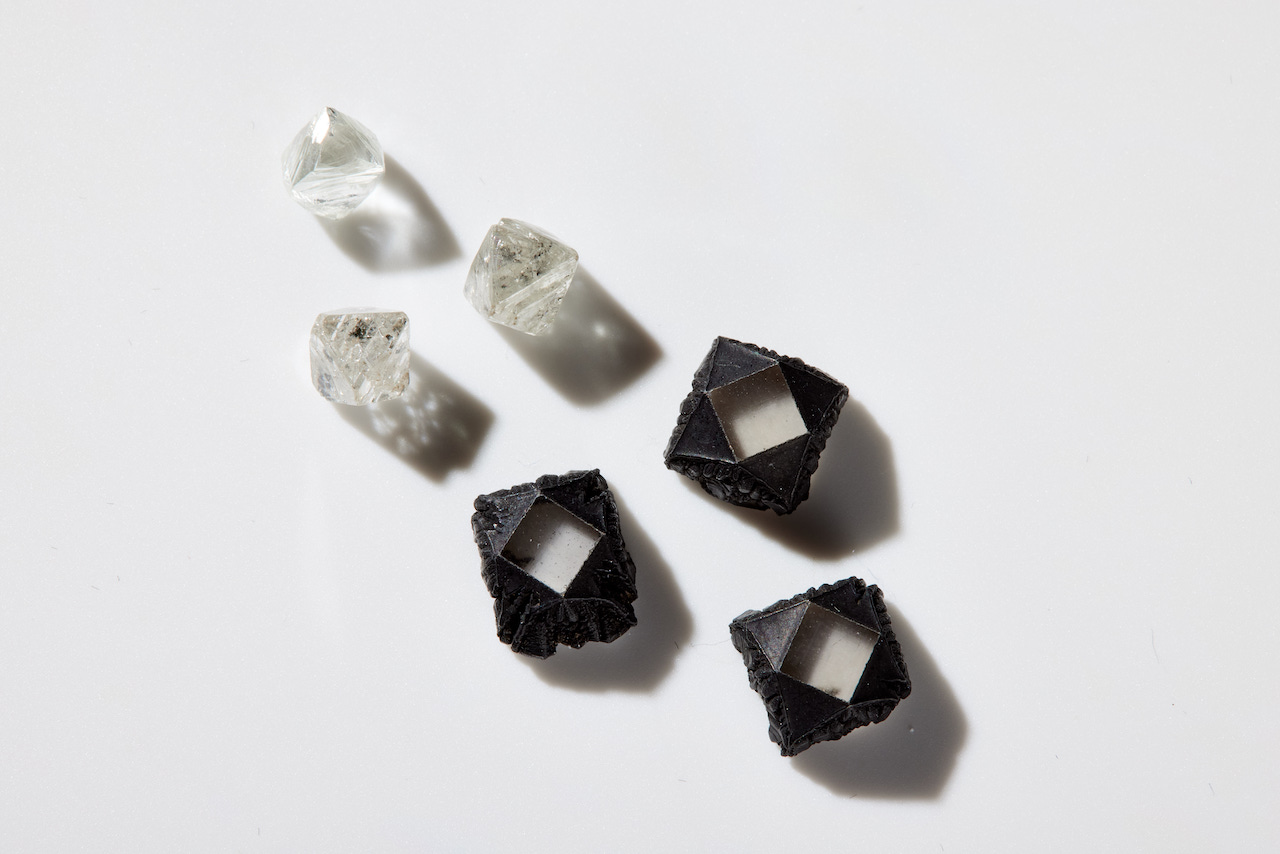
Each year during its operation, Argyle held a Tender, or private sale, offering the finest stones from that year’s production to select members of the trade. The Argyle Phoenix came through that process, one of the top stones the mine ever offered. It is, in every sense, a product of Argyle at its finest.
Other Famous Red Diamonds
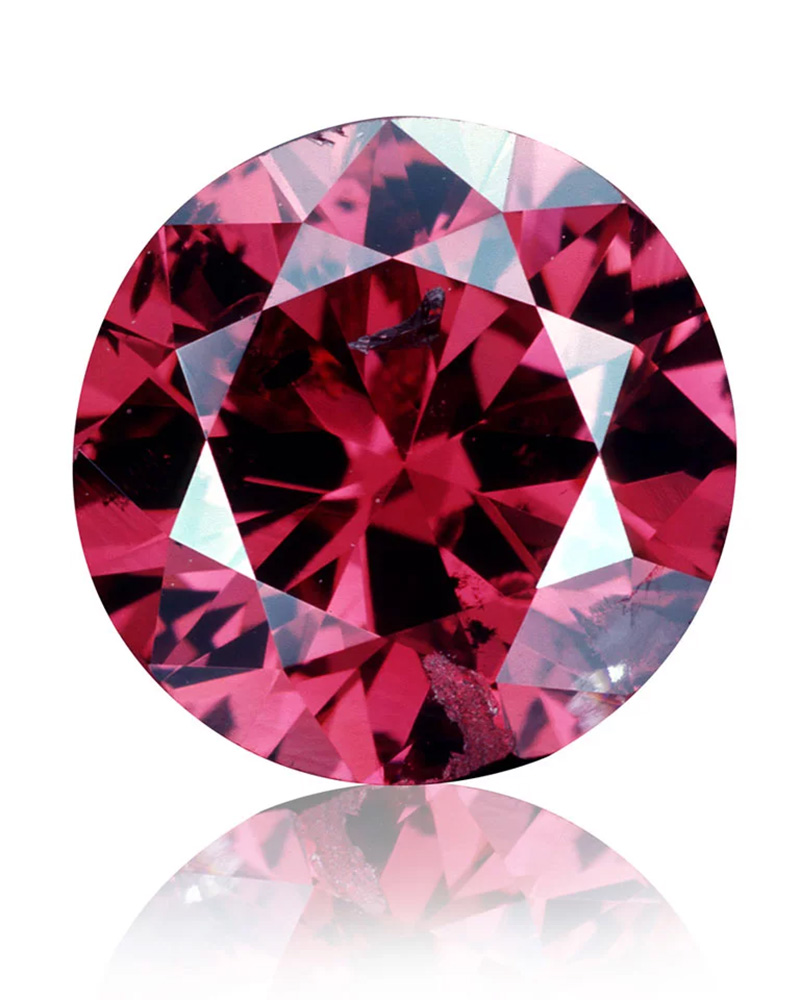
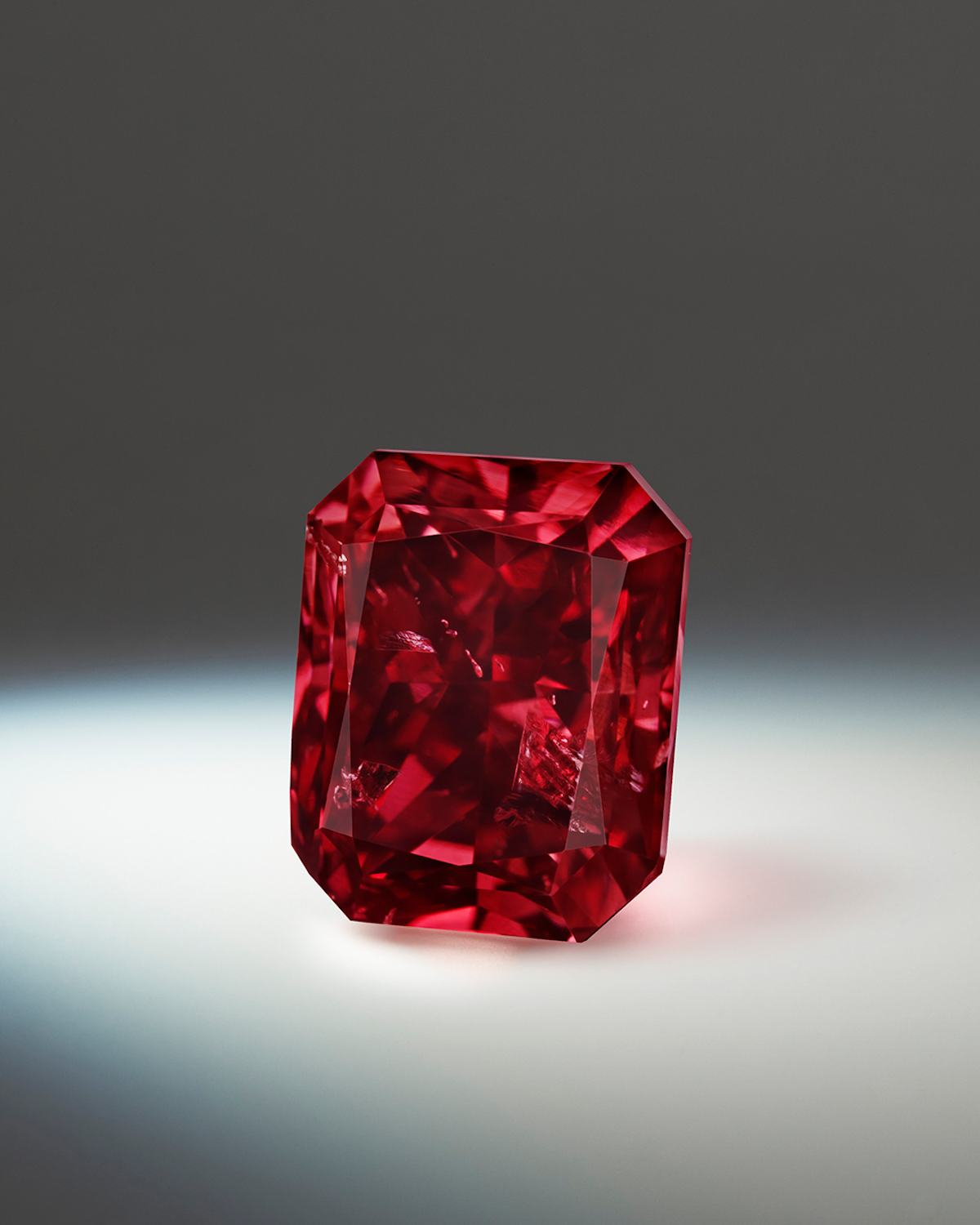
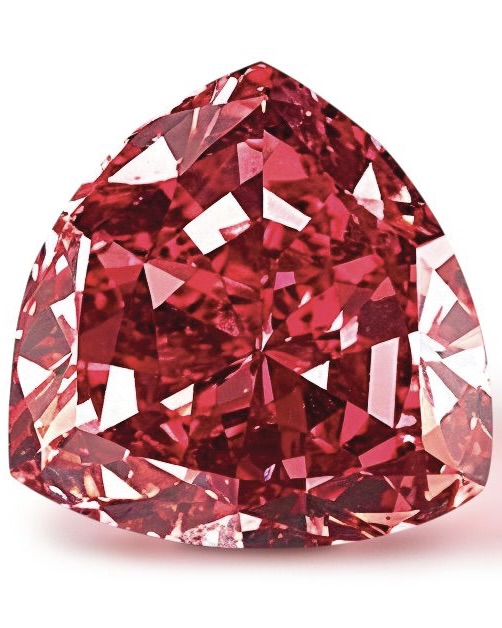
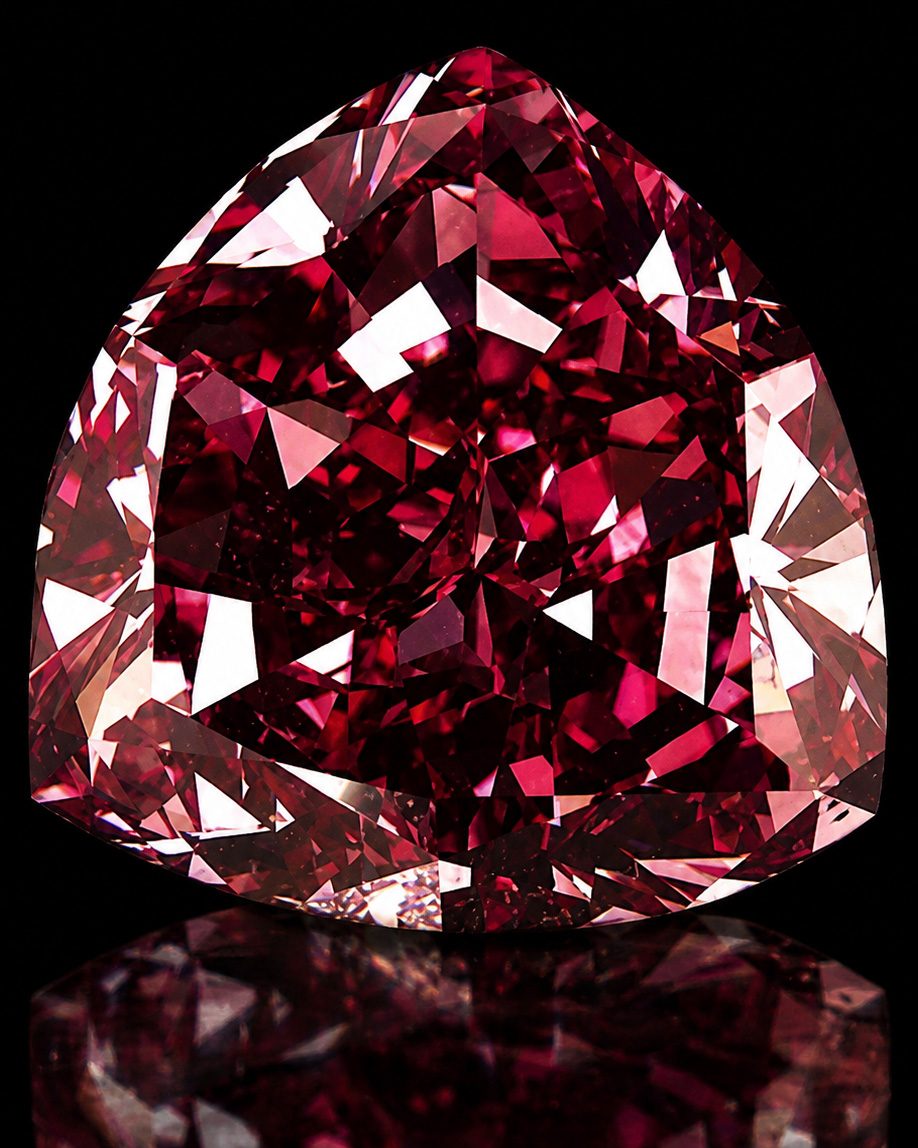
The red diamond record books are short by definition. The Hancock Red, weighing 0.95 carats, sold for $880,000 in 1987 and broke the per-carat record at that time. The Moussaieff Red, at 5.11 carats, remains the largest known red diamond in the world and appeared in the Smithsonian’s celebrated Splendor of Diamonds exhibition in 2003. The Argyle Phoenix now sits in their company. One of the largest round brilliant fancy red diamonds with auction records to match.
Laurence Graff paid $4.2 million for a 1.56-carat diamond. The math alone tells you something. But holding the Argyle Phoenix in that New York preview room, I understood immediately why a natural diamond could be so valuable.